Richard H. Thaler je americký ekonom, který se zaměřuje na behaviorální ekonomii. Jeho práce zkoumá, jak psychologické faktory ovlivňují ekonomická rozhodnutí, čímž zpochybňuje tradiční předpoklady racionálního chování. Thaler svými vhledy významně přispěl k pochopení lidské iracionality a jejích dopadů na trhy a politiku. Jeho přístup osvětluje složitost ekonomického rozhodování a zdůrazňuje potřebu brát v úvahu lidskou psychologii.
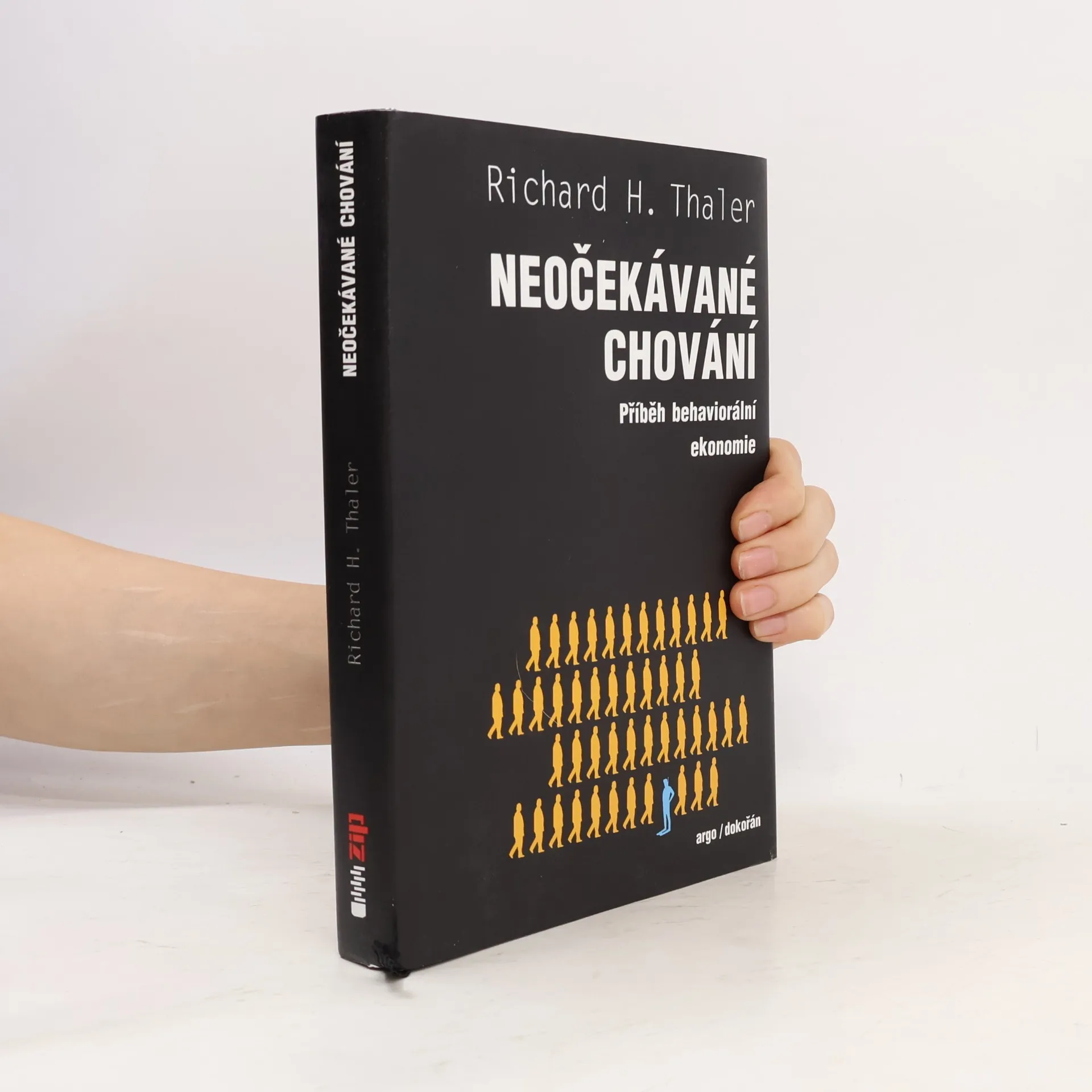
Podtitul: Příběh behaviorální ekonomie.
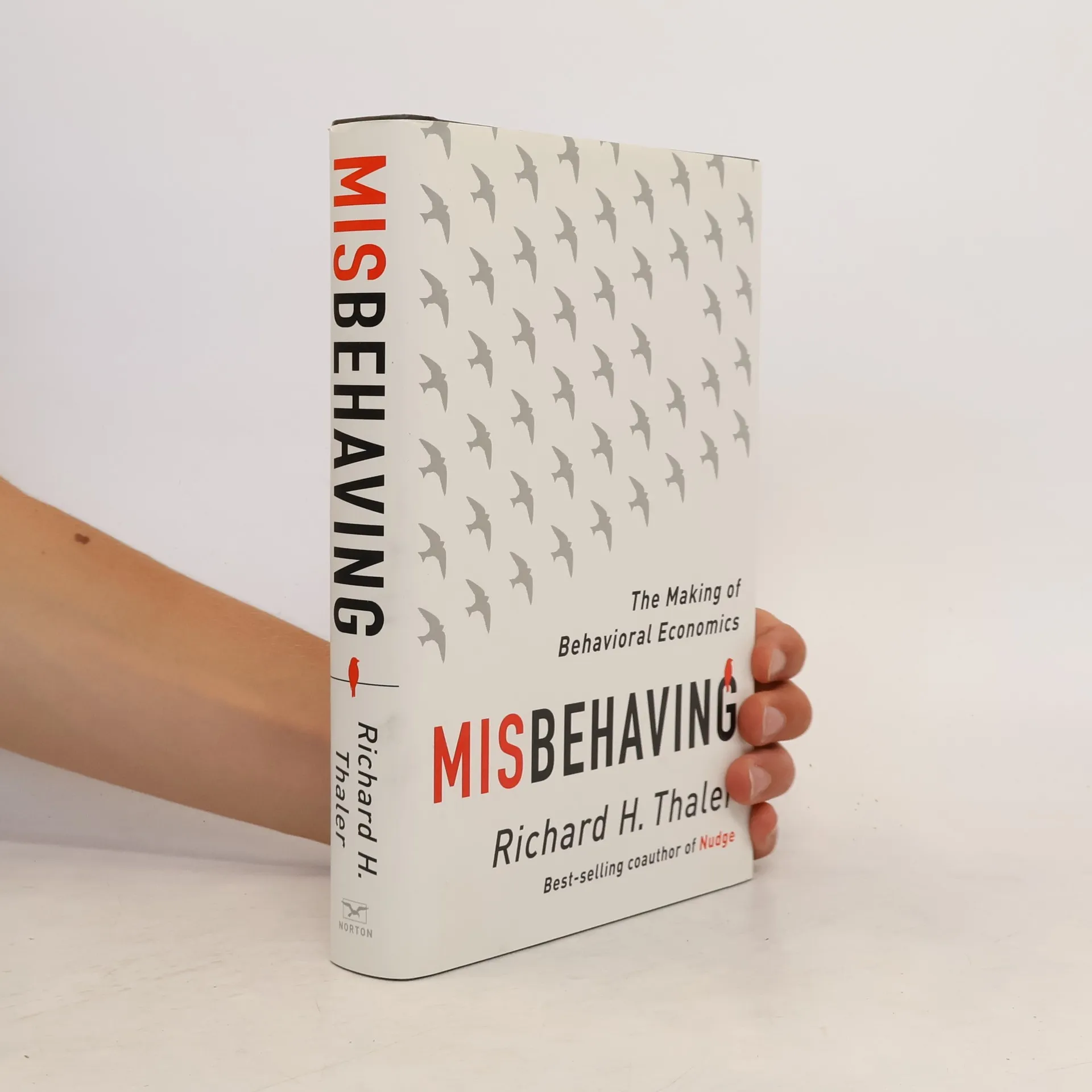
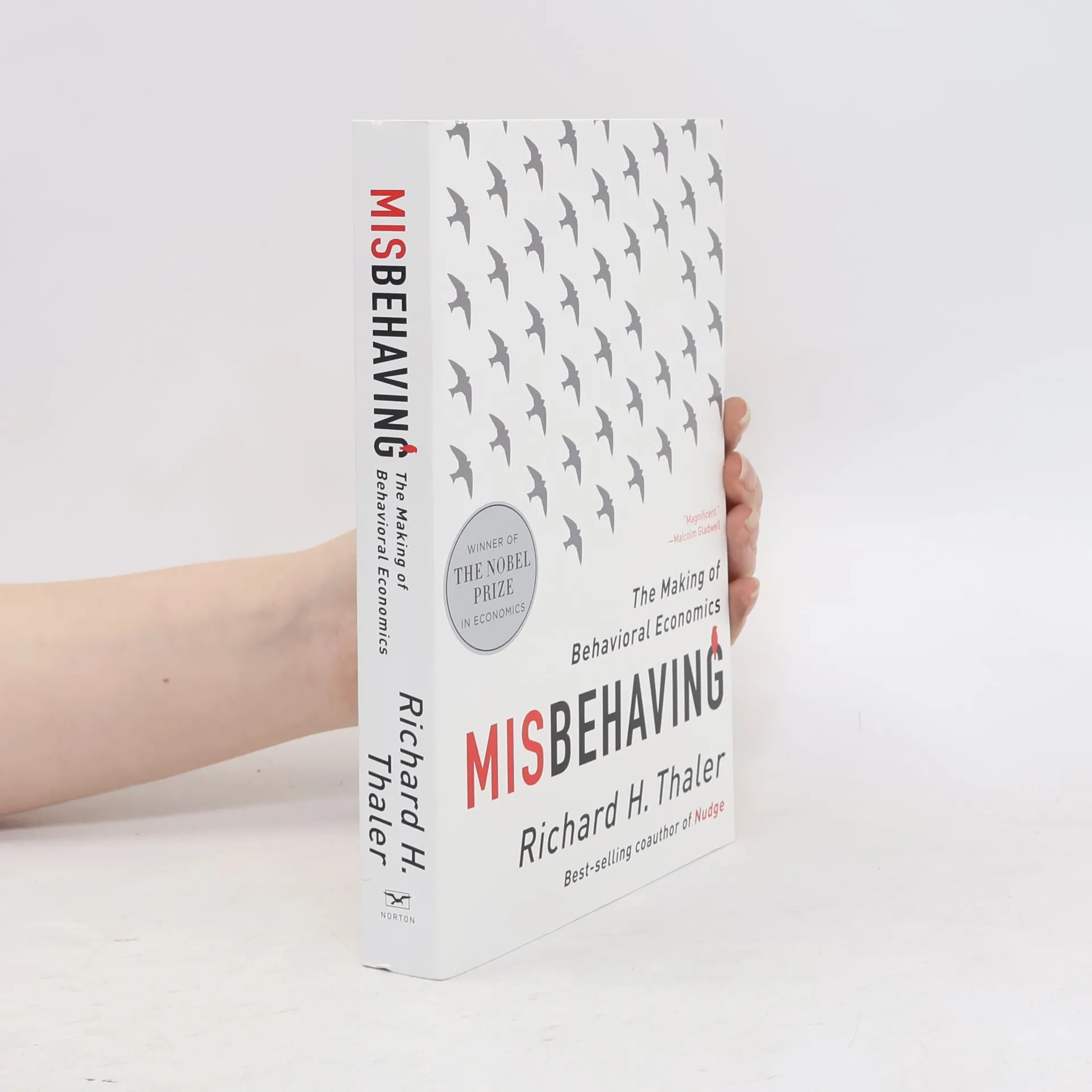
Anglický titul Misbehaving znamená zhruba „nesprávné chování“, tj. takové, které neodpovídá ústřední ekonomické teorii, podle které se člověk chová a rozhoduje tak, aby po racionální úvaze maximalizoval svůj prospěch. Autor ukazuje, že se to zaprvé neděje, a taky proč se to ani dít nemůže, a jaké to má důsledky pro ekonomickou teorii i pro konkrétní fungování ekonomiky. Kniha je mapováním geneze nového přístupu k ekonomii, oboru behaviorální ekonomie, která zohledňuje lidskou iracionalitu, neinformovanost i lenost – na příkladech i s teoretickým výkladem.
Podtitul: Příběh behaviorální ekonomie.
Anglický titul Misbehaving znamená zhruba „nesprávné chování“, tj. takové, které neodpovídá ústřední ekonomické teorii, podle které se člověk chová a rozhoduje tak, aby po racionální úvaze maximalizoval svůj prospěch. Autor ukazuje, že se to zaprvé neděje, a taky proč se to ani dít nemůže, a jaké to má důsledky pro ekonomickou teorii i pro konkrétní fungování ekonomiky. Kniha je mapováním geneze nového přístupu k ekonomii, oboru behaviorální ekonomie, která zohledňuje lidskou iracionalitu, neinformovanost i lenost – na příkladech i s teoretickým výkladem.
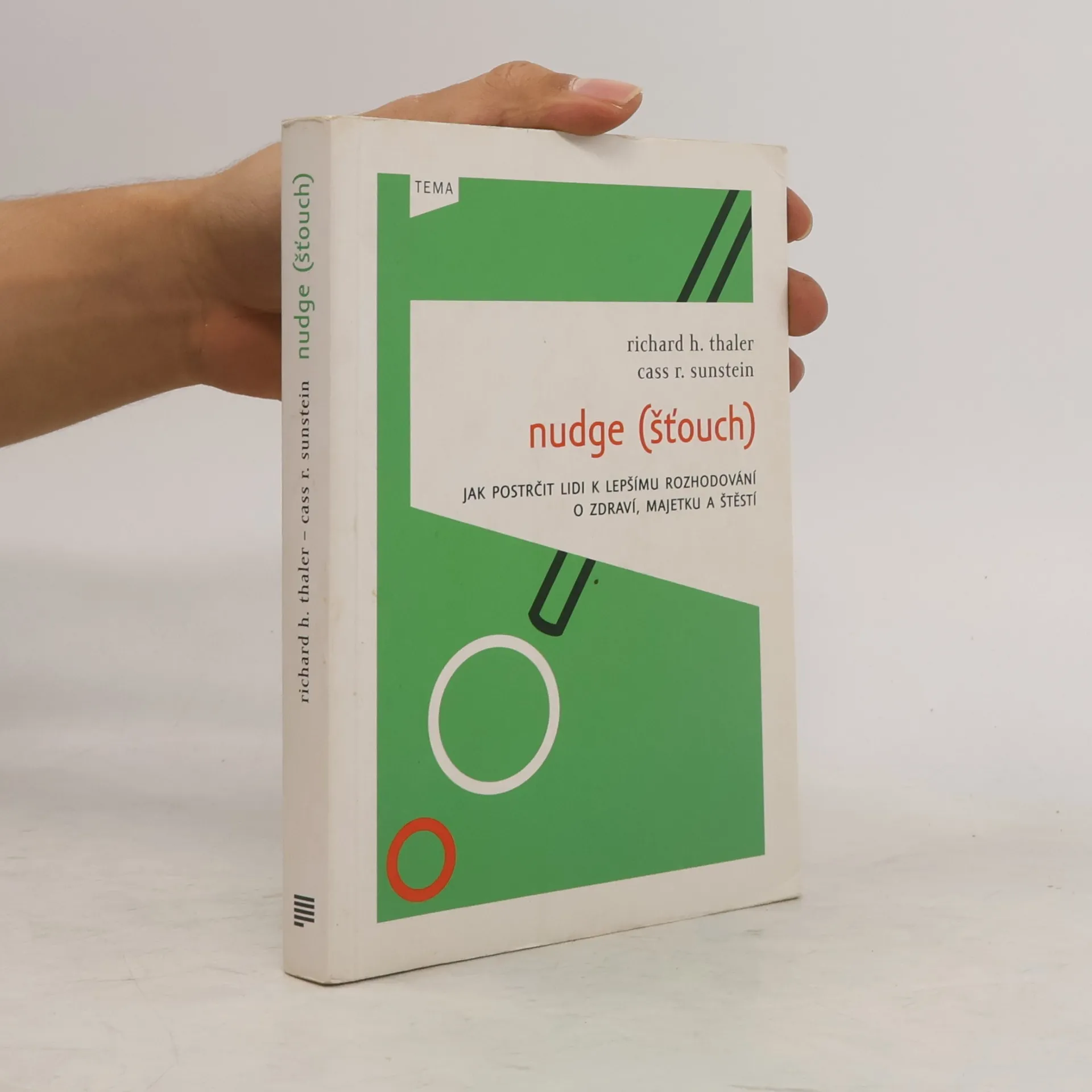
Kniha, kterou časopis The Economist označil za jednu z nejlepších v roce 2009, se stala bestsellerem v USA. Lidský mozek, ač úžasný, byl stvořen pro specifické účely, jako je hledání potravy a vyhýbání se predátorům. Avšak pro složité úkoly, jako je výběr penzijního spoření nebo plánování do budoucna, není optimální. Každý den čelíme mnoha rozhodnutím, často se však rozhodujeme špatně, což má negativní dopad na naše finance, zdraví a planetu. Autoři ukazují, že porozuměním lidskému myšlení můžeme vytvořit prostředí, které usnadní výběr nejlepší alternativy pro jednotlivce i společnost. Pomocí různých příkladů dokládají, že dobře navržená "architektura výběru" může vést k lepším rozhodnutím, aniž by omezovala naši svobodu volby. Ekonom Richard Thaler a právník Cass Sunstein nabízejí recepty na zlepšení rozhodování v oblastech zdraví, bohatství a štěstí. Kniha se stala populární a Sunstein byl jmenován šéfem úřadu pro regulace prezidentem Obamou. Thaler se specializuje na behaviorální ekonomii a Sunstein na ústavním a správním právu. Oba jsou renomovaní autoři a odborníci ve svých oborech.
"Coupling recent discoveries in human psychology with a practical understanding of incentives and market behavior, Thaler enlightens readers about how to make smarter decisions in an increasingly mystifying world. He reveals how behavioral economic analysis opens up new ways to look at everything from household finance to assigning faculty offices in a new building, to TV game shows, the NFL draft, and businesses like Uber"--Amazon
"Traditional economics assumes rational actors. Early in his research, Thaler realized these Spock-like automatons were nothing like real people. Whether buying a clock radio, selling basketball tickets, or applying for a mortgage, we all succumb to biases and make decisions that deviate from the standards of rationality assumed by economists. In other words, we misbehave. More importantly, our misbehavior has serious consequences. Dismissed at first by economists as an amusing sideshow, the study of human miscalculations and their effects on markets now drives efforts to make better decisions in our lives, our businesses, and our governments"--Amazon.com
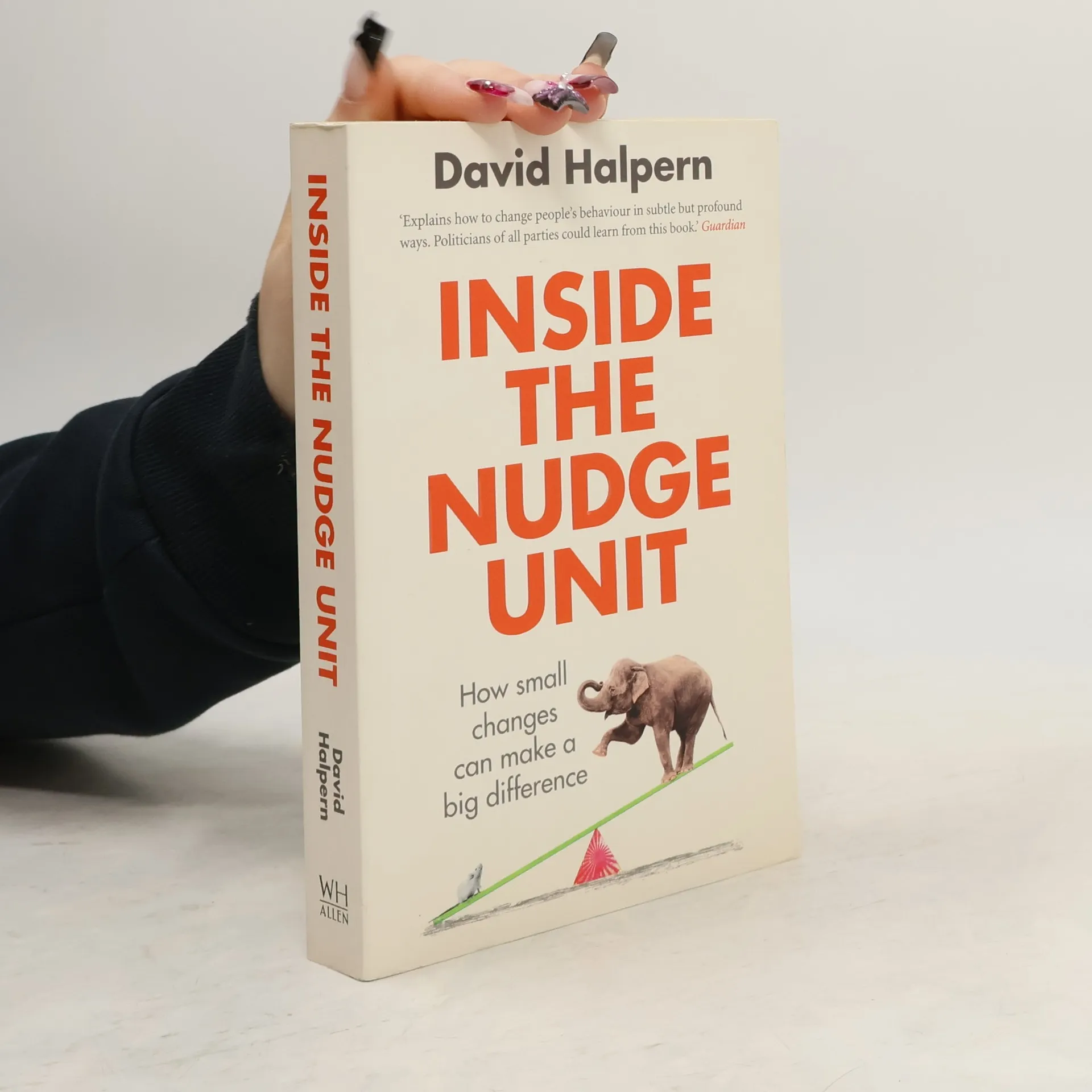
Using the application of psychology to the challenges we face in the world today, the Nudge Unit is pushing us in the right direction. This book presents the unconventional, multi-million pound saving initiative that makes a big difference through influencing small, simple changes in our behaviour.
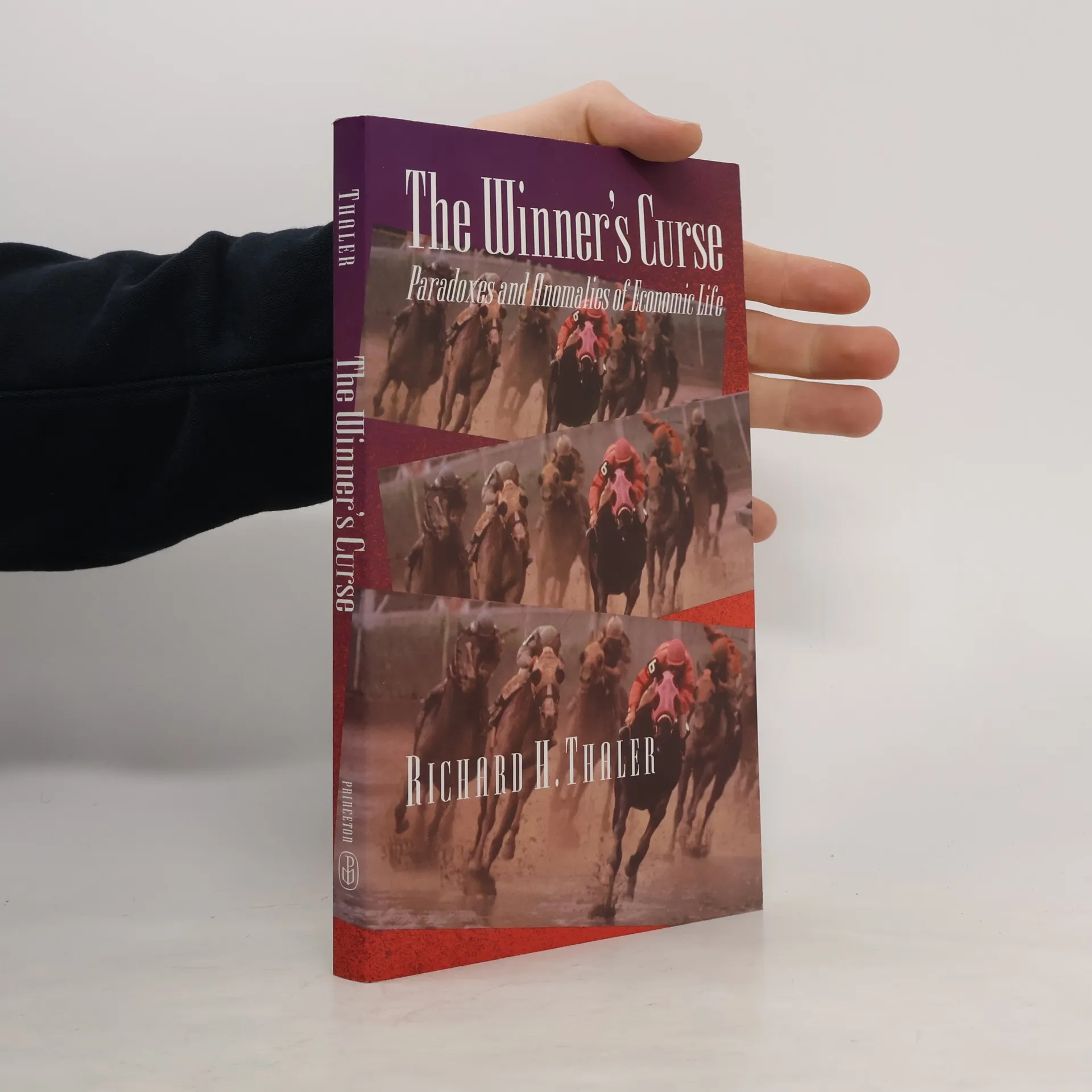
Richard Thaler challenges the received economic wisdom by revealing many of the paradoxes that abound even in the most painstakingly constructed transactions. He presents literate, challenging, and often funny examples of such anomalies as why the winners at auctions are often the real losers--they pay too much and suffer the "winner's curse"-- why gamblers bet on long shots at the end of a losing day, why shoppers will save on one appliance only to pass up the identical savings on another, and why sports fans who wouldn't pay more than $200 for a Super Bowl ticket wouldn't sell one they own for less than $400. He also demonstrates that markets do not always operate with the traplike efficiency we impute to them.
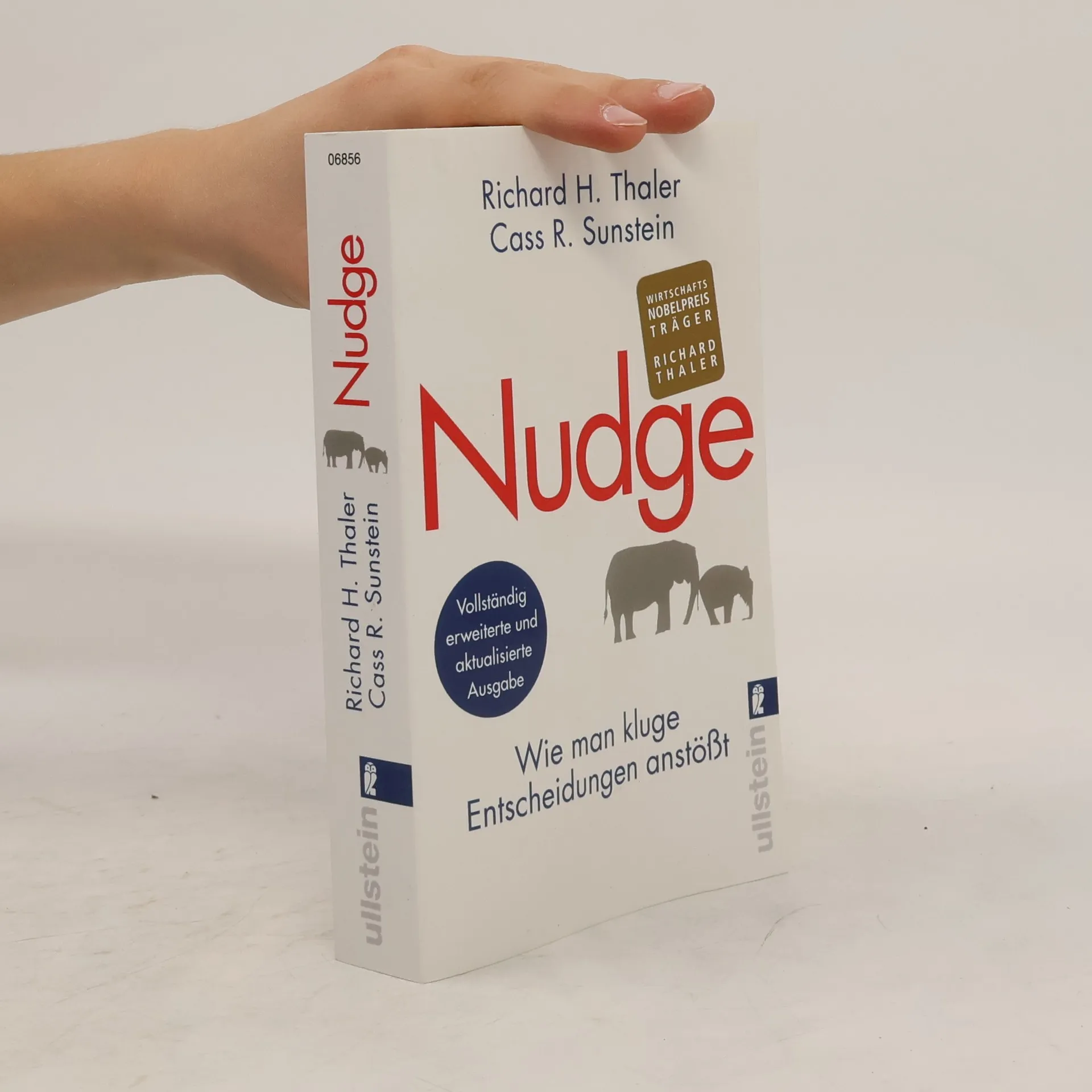
Wie man kluge Entscheidungen anstößt | Der Klassiker der Verhaltensökonomie - Tipps vom Wirtschaftsnobelpreisträger
432 stránek
16 hodin čtení
Der Klassiker der Verhaltensökonomie vollständig aktualisiert Seit der Erstveröffentlichung von Nudge im Jahr 2008 und dem Nobelpreis für Richard Thaler 2017 ist dieses Buch zu einem Klassiker geworden. Regierungen auf der ganzen Welt, Geschäftsleute, politische Entscheidungsträger, Wissenschaftler, engagierte Bürger, Verbraucher und Verhaltensökonomen haben sich davon inspirieren lassen. Dieses Buch zeigt, wie wir eine durchdachte Entscheidungsarchitektur nutzen können, um bessere Entscheidungen für uns selbst, unsere Familien und unsere Gesellschaft zu treffen. Jetzt haben Richard Thaler und Cass Sunstein das Buch überarbeitet und dabei ihre Erfahrungen innerhalb und außerhalb der Regierung in den letzten zwölf Jahren sowie eine Fülle neuer Forschungsergebnisse eingebracht. Diese aktualisierte Ausgabe bietet sowohl eingefleischten Fans als auch Neulingen eine Fülle neuer Einblicke in ein breites Spektrum von Themen, mit denen wir in unserem täglichen Leben konfrontiert sind: Gesundheit, persönliche Finanzen, Klimawandel und "Sludge" (Papierkram und andere Belästigungen, die uns davon abhalten, das zu bekommen, was wir wollen) – und das alles unter Einhaltung einer der Grundregeln des Anstupsens: Haben Sie Spaß!