

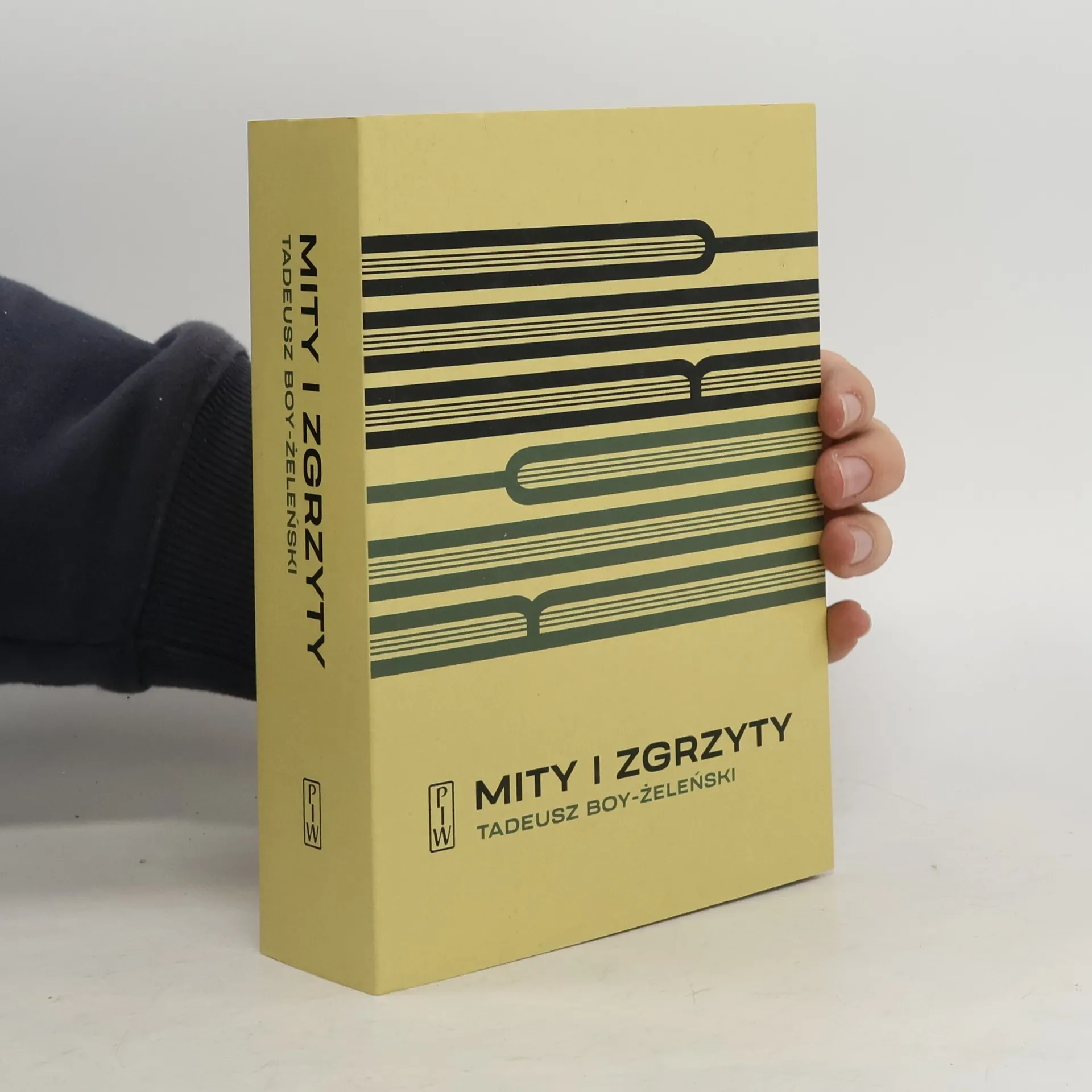
Boy – to prawdziwa kariera. W trzy czwarte wieku po śmierci być nadal w centrum rzeczy polskich, budzić najżywsze kontrowersje, jednoczyć i dzielić, być zarazem osobą i sztandarem – czego publicysta może chcieć więcej? Ale Tadeusz Żeleński to przede wszystkim pisarz i jako taki powinien być czytany. Jego różnorodne teksty, zebrane w tomie Mity i zgrzyty pod kątem stosunku do przeszłości i współczesności, wykazać mają klasę pisarską, konsekwencję i styl myślenia Boya: świadka i krytyka swojej, a zwierciadła naszej epoki.
Boy-Želeňski Tadeusz Pořadí knih (chronologicky)
Tadeusz Żeleński, známý jako Boy, byl výraznou postavou polské literární scény v první polovině 20. století. Jako spisovatel, básník, kritik a především překladatel více než stovky francouzských literárních děl do polštiny zanechal nesmazatelnou stopu. Jeho tvorba, ovlivněná hnutím Mladé Polsko, často provokovala a zpochybňovala dobové normy. Boy byl nejen literárním enfant terrible, ale také oceňovaným překladatelem, který přiblížil polským čtenářům francouzskou klasiku.
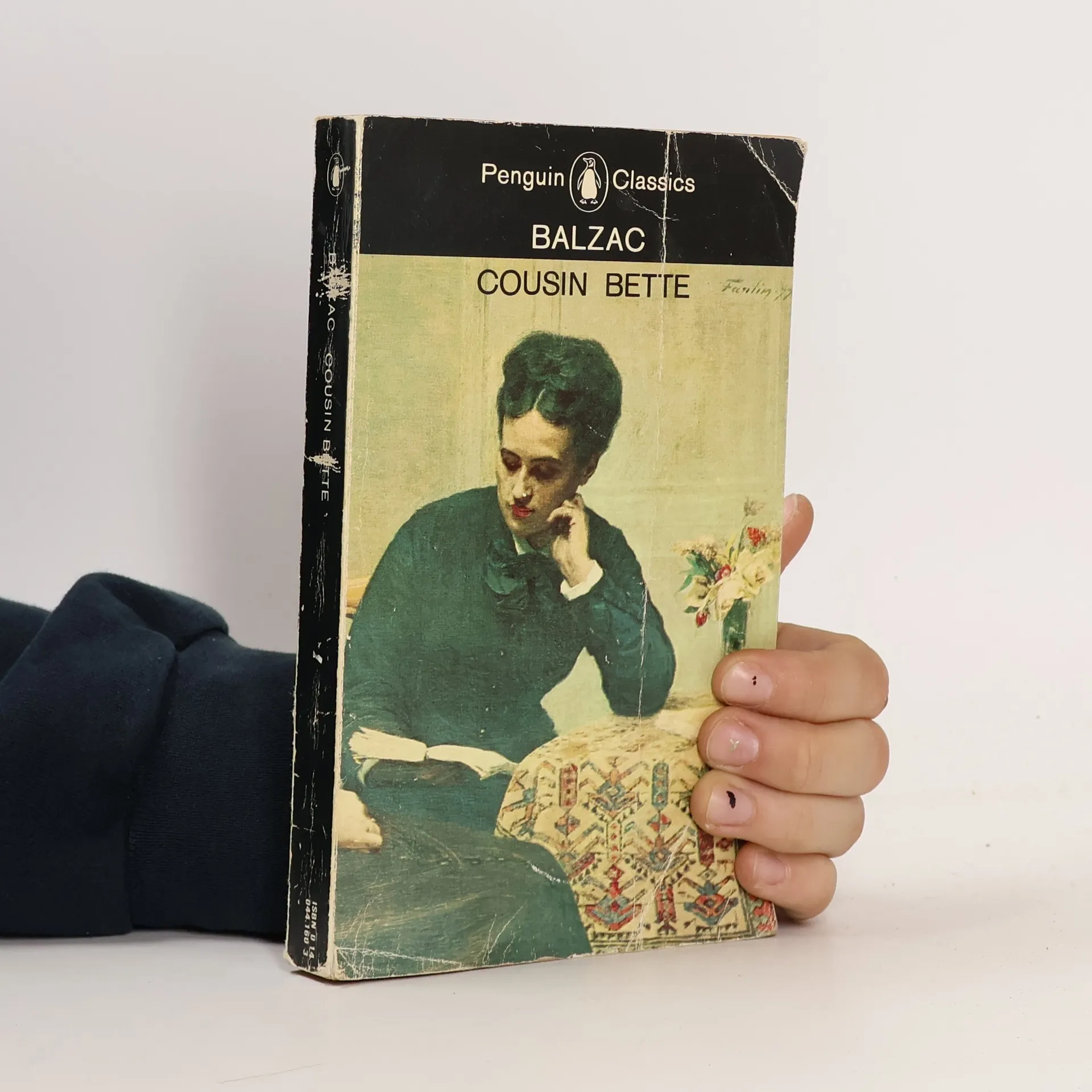
Poor, plain spinster Bette is compelled to survive on the condescending patronage of her socially superior relatives in Paris: her beautiful, saintly cousin Adeline, the philandering Baron Hulot and their daughter Hortense. Already deeply resentful of their wealth, when Bette learns that the man she is in love with plans to marry Hortense, she becomes consumed by the desire to exact her revenge and dedicates herself to the destruction of the Hulot family, plotting their ruin with patient, silent malice. Cousin Bette is a gripping tale of violent jealousy, sexual passion and treachery, and a brilliant portrayal of the grasping, bourgeois society of 1840s Paris. The culmination of the Comédie humaine, Balzac's epic chronicle of his times, it is one of his greatest triumphs as a novelist.