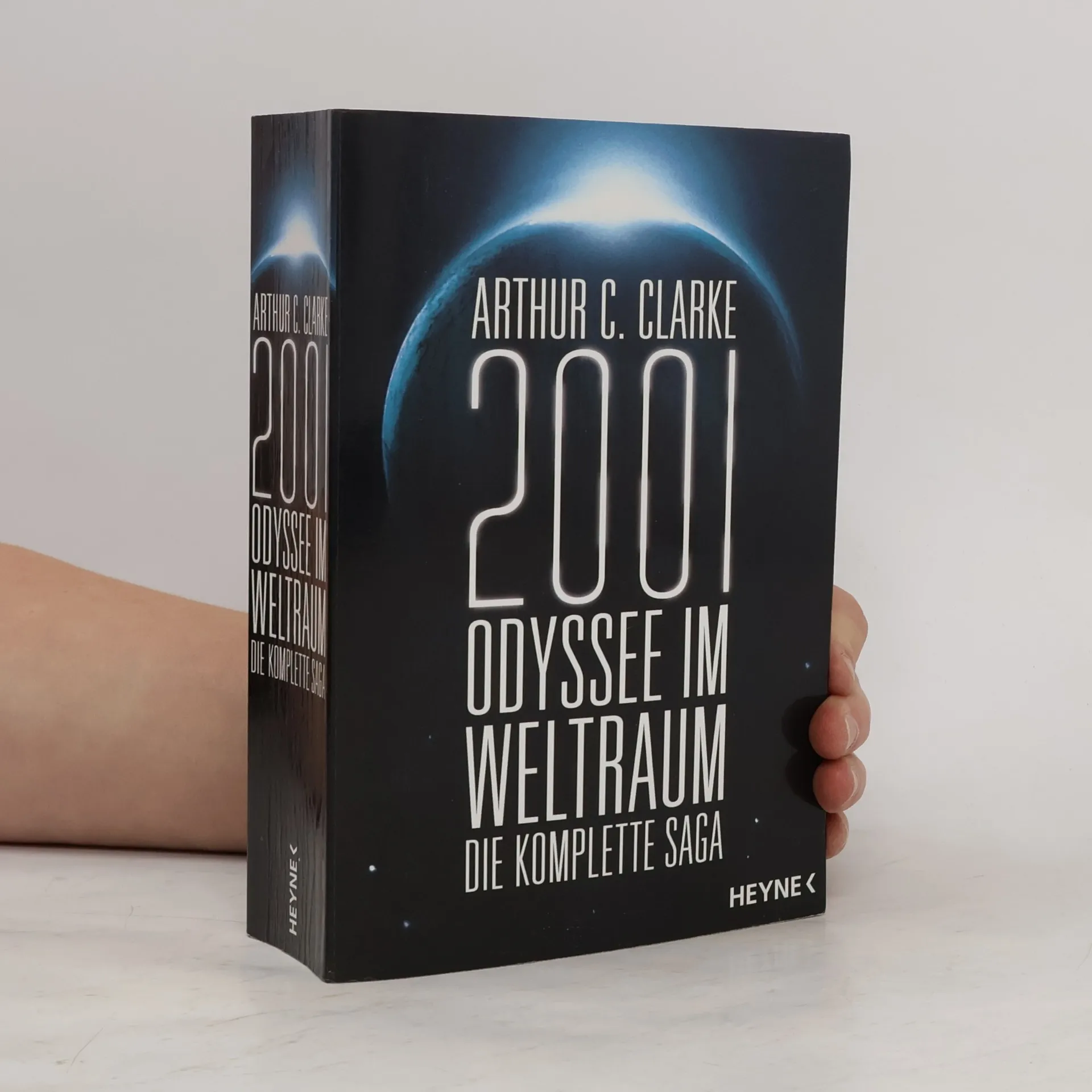
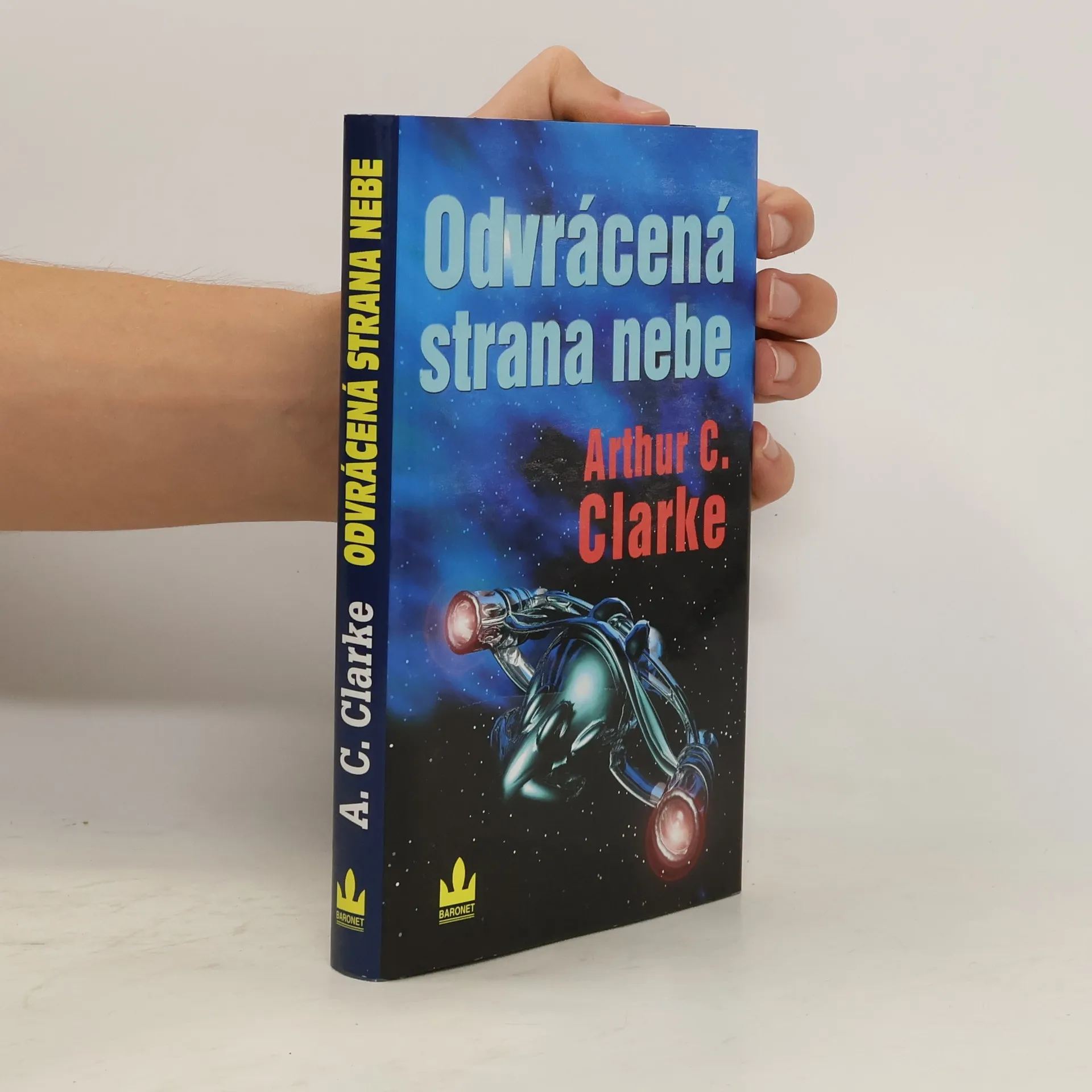
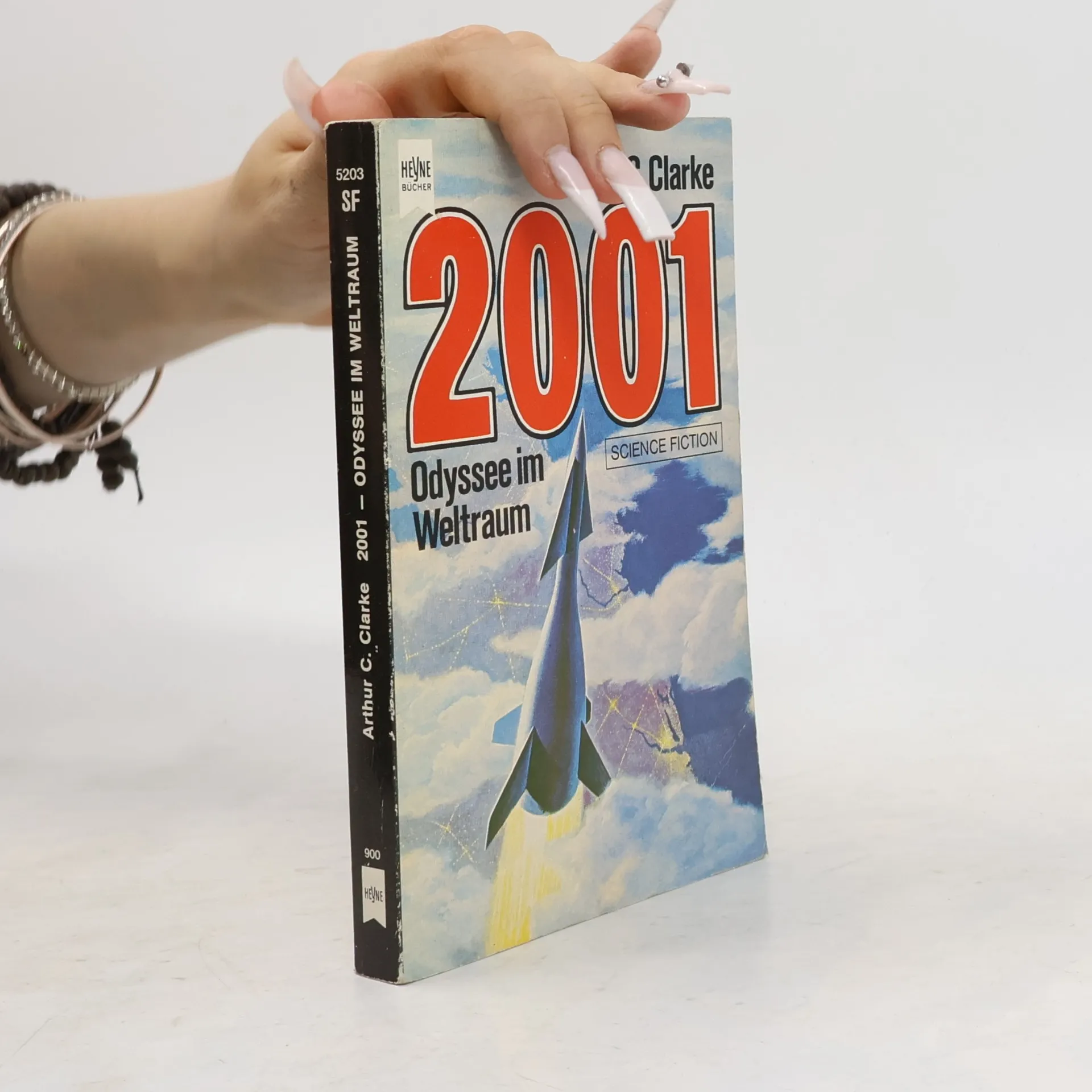
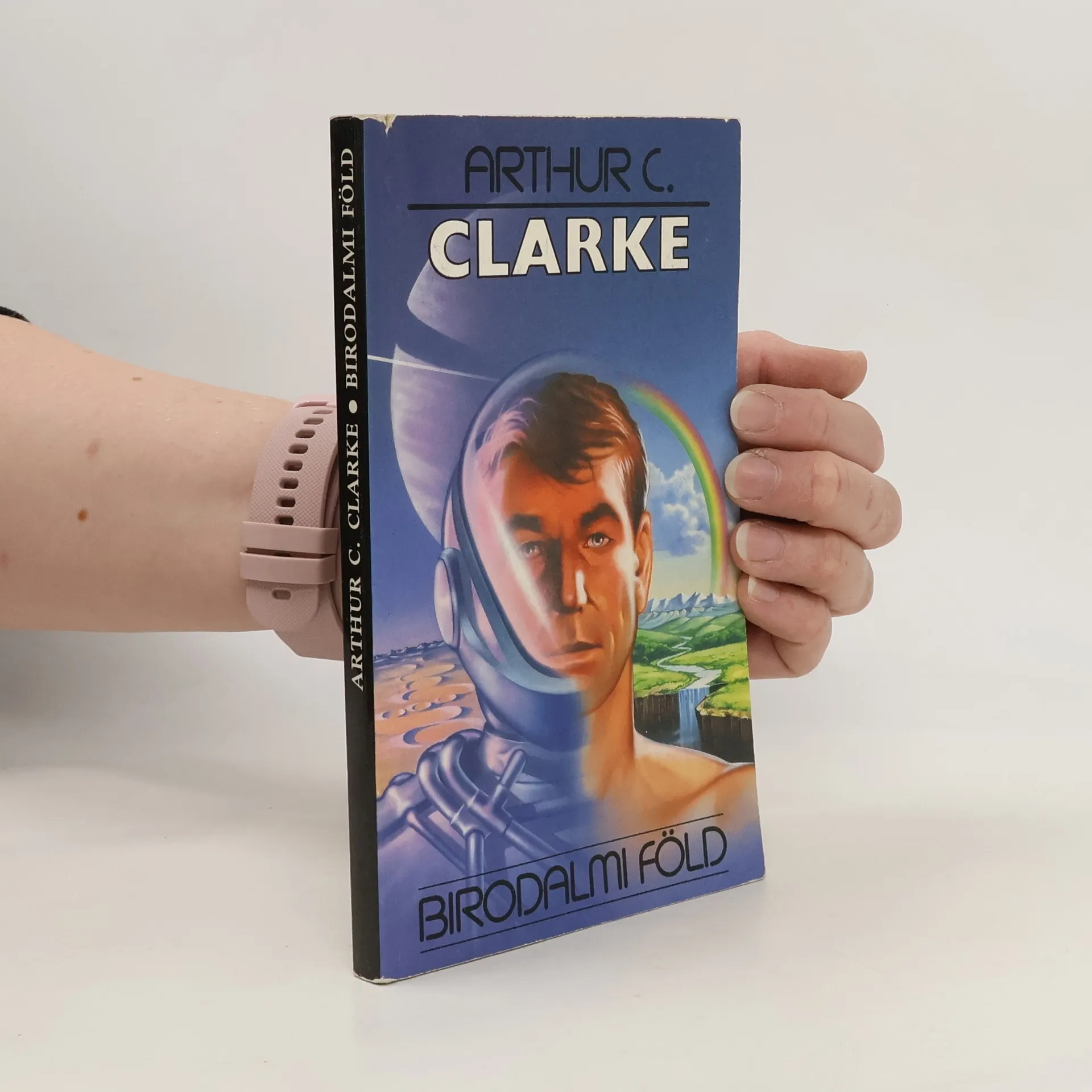
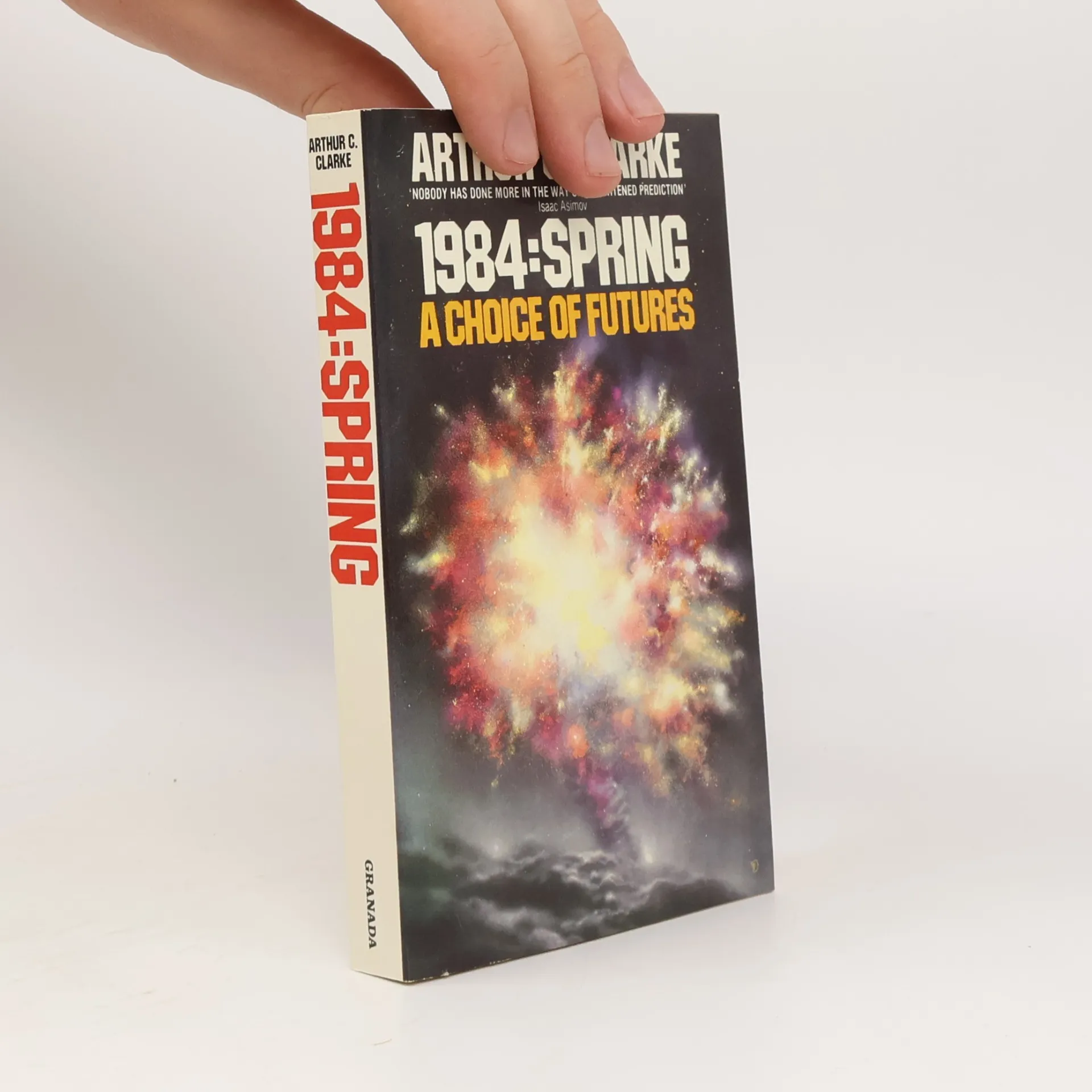
Eine Reise in die Unendlichkeit Zu Beginn des 21. Jahrhunderts entdecken Wissenschaftler auf dem Mond einen Monolithen, der ein Signal in Richtung Saturn sendet. An Bord der Discovery macht sich eine Forschungsexpedition auf den Weg zum Mond, um das Geheimnis des außerirdischen Objektes zu lüften. Zur Besatzung gehört auch der intelligente Supercomputer HAL 9000. Doch als es zwischen HAL und der menschlichen Crew zum offenen Kampf kommt, ist das erst der Beginn einer Kette von Ereignissen, die die Geschichte der Menschheit für immer verändern werden …
Arthur C. Clarke Pořadí knih (chronologicky)
16. prosinec 1917 – 19. březen 2008
Arthur C. Clarke byl vizionář, jehož práce se ponořila do hlubin vesmíru a budoucnosti lidstva. Jako plodný autor se proslavil svými pronikavými vhledy do vědeckých a technologických možností, často prozkoumával etické a filozofické důsledky pokroku. Jeho styl byl charakterizován jasností, vědeckou přesností a úžasnou představivostí, která uchvátila čtenáře po celém světě. Clarkeův odkaz spočívá v jeho schopnosti inspirovat úžas a podporovat zvědavost ohledně vesmíru a našeho místa v něm.

The Madness of Cthulhu Anthology, Vol 1
- 400 stránek
- 14 hodin čtení
Features sixteen stories inspired by the 20th century's great master of horror, H P Lovecraft, and his acknowledged masterpiece, At the Mountains of Madness.
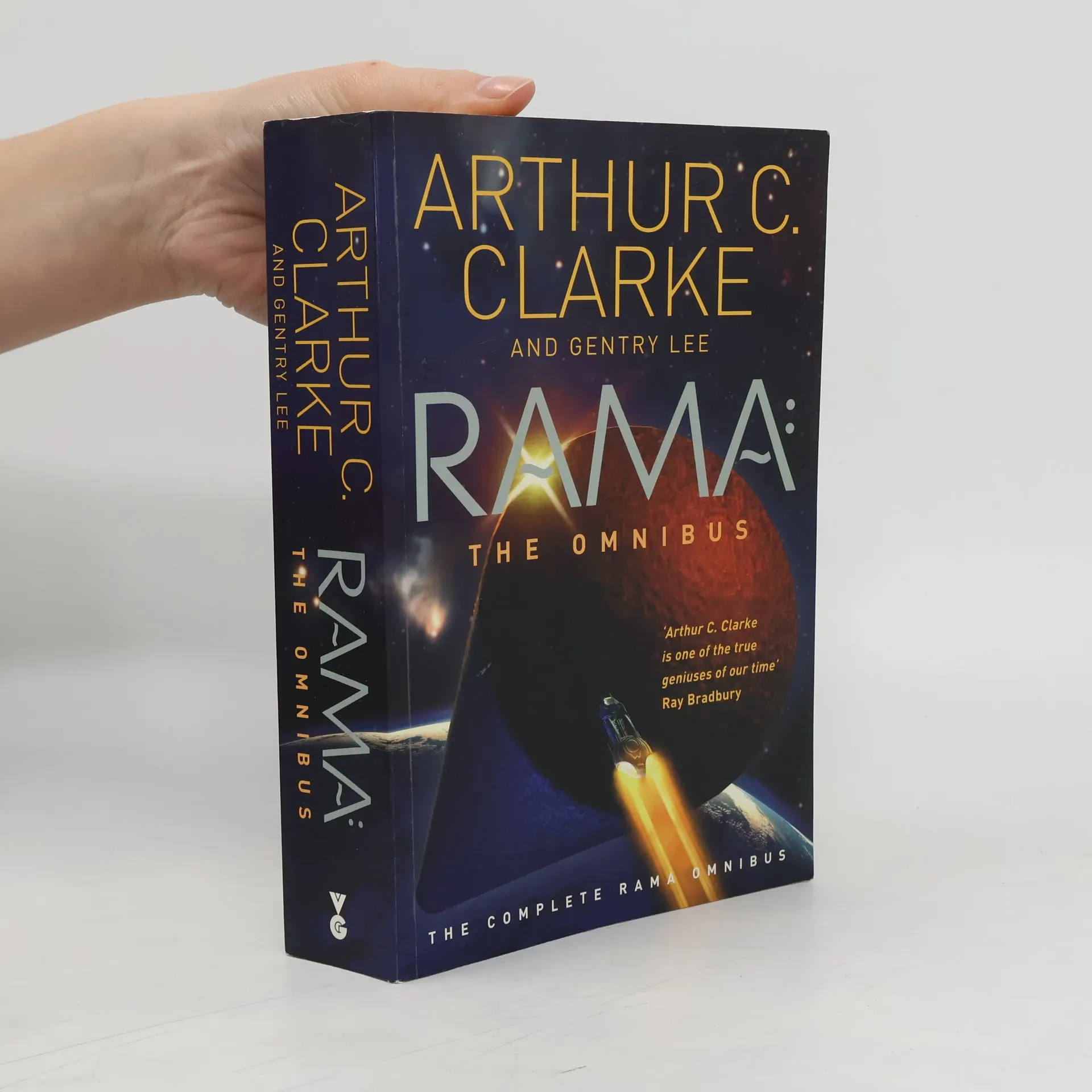
If you love space adventure stories such as Larry Niven's RINGWORLD or Arthur C. Clarke's 2001, this is the perfect collection. Rama is a huge cylindrical object, weighing more than ten trillion tons. And it is hurtling through the solar system at inconceivable speed. Then a space probe confirms the unthinkable: Rama is no natural object. It is, incredibly, an interstellar spacecraft. Space explorers and planet-bound scientists alike prepare for mankind's first encounter with alien intelligence. It will kindle their wildest dreams . . . and fan their darkest fears. For no one knows who the Ramans are or why they have come. And now the moment of rendezvous awaits - just behind a Raman airlock door.
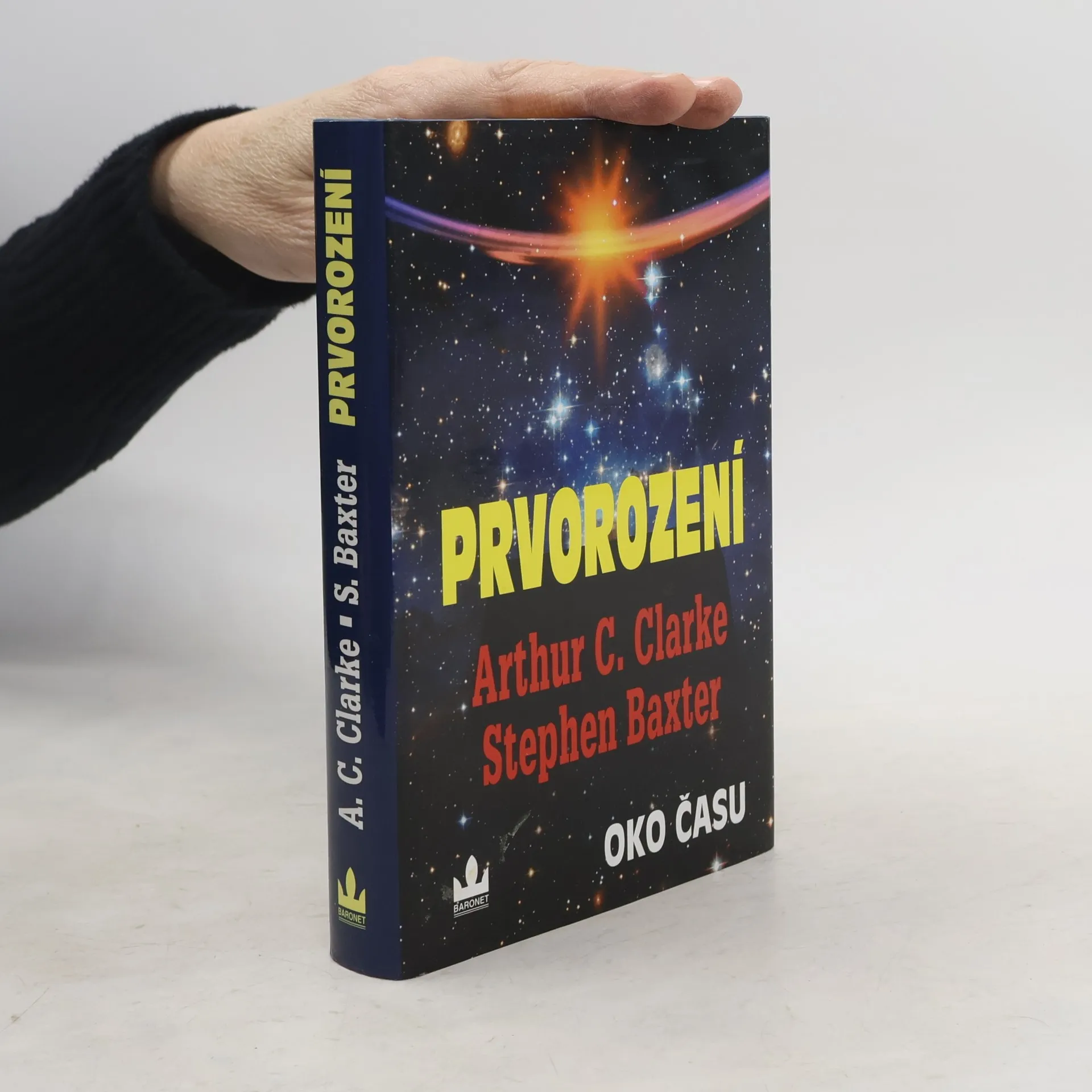
Prvorození : Oko času 3
- 400 stránek
- 14 hodin čtení
Prvorození již dříve útočili na Zemi svými slunečními plameny a pozemšťané odolali - jako jediní. Proto mění taktiku, útočí nyní z hloubky vesmíru novou bombou. Když se usílí odvrátit zbraň nedaří, dochází mezi spojenci Země k rozporům, nikdo netouží po konfliktu s prvorozenými. Ti, co však na Zemi žijí, by bojovat chtěli, ovšem neví jak. Bisesa Dut, jenž strávil patnáct let zmražen, se probouzí a připojuje se k vědcům studujícím Oko, pozůstatek po prvorozených, s nadějí, že objeví způsob, jak se jim postavit.
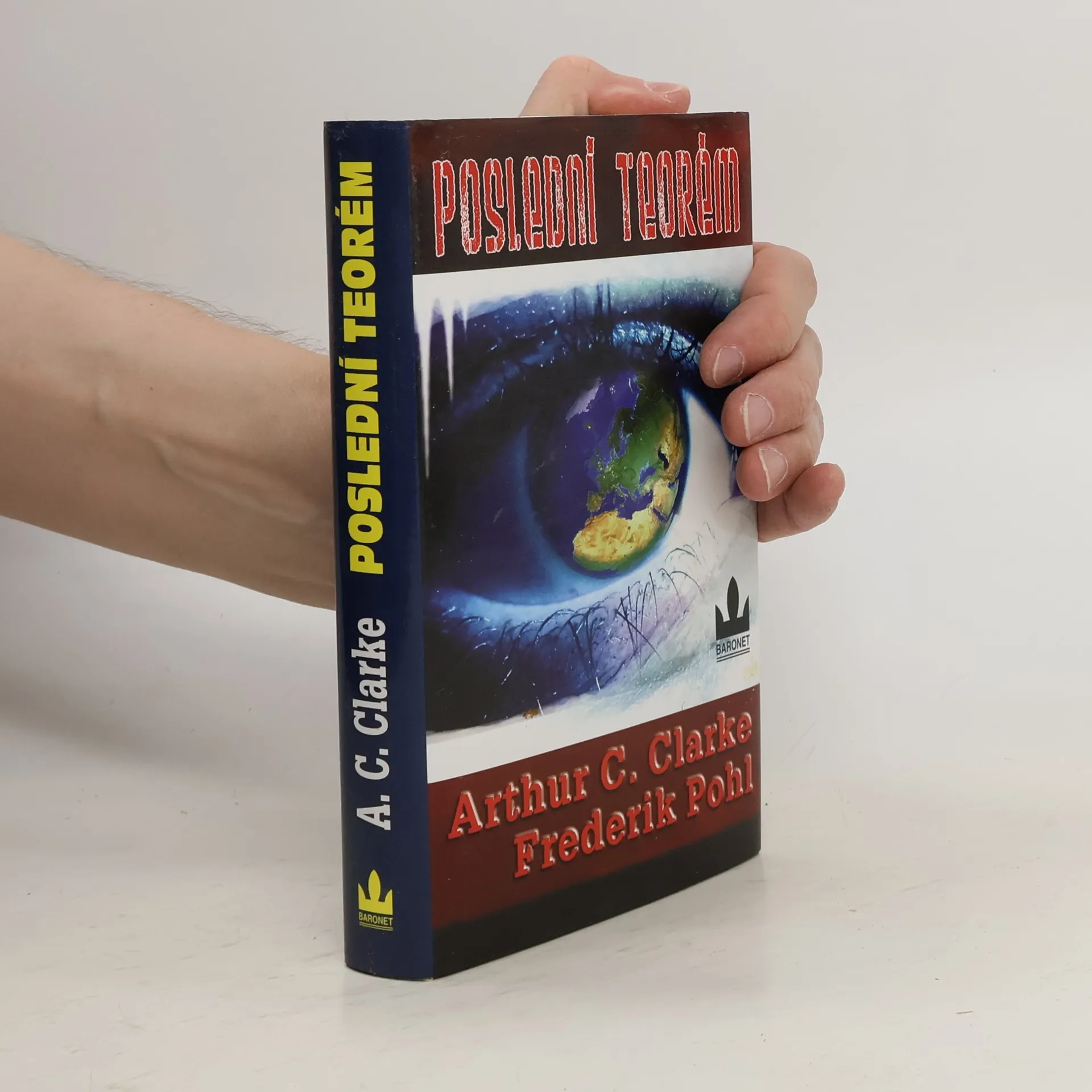
Poslední teorém
- 414 stránek
- 15 hodin čtení
Poslední dílo pravděpodobně největšího z autorů SF, jehož vydání se již nedočkal, napsané na základě stostránkových Clarkeových poznámek ve spolupráci s dalším velikánem této generace autorů SF, Frederikem Pohlem, se stalo skutečnou literární událostí a více než důstojným Clarkeovým rozloučením. Román nepostrádá velké vědecké myšlenky, na něž jsme u autora zvyklí, ale je také doprovázen určitým ironickým nadhledem nad lidskou pošetilostí. Poslední teorém je příběhem jedné matematické obsese a oslavou lidského ducha a vědy. Současně však dobrodružným vyprávěním, v němž lidstvo čelí svému vyhubení všemocnými mimozemšťany a, aby přežilo, je nuceno potlačit své politické a náboženské rozpory. Srílanský student Randžít Subramanian vyřeší Velkou Fermatovu větu jen prostředky známými ve Fermatově době, čímž získává nejen slávu a bohatství, ale i povolání do tajné organizace Pax per Fidem usilující o zklidnění politických rozporů na Zemi. Tak se dostává do středu celosvětových konfliktů, při jejichž řešení by se měl uplatnit i jeho mimořádný talent. Mezitím se však k Zemi blíží nepřátelské lodě s cílem vyhladit celému vesmíru nebezpečné lidské pokolení.
Kouzlo této klasické sbírky, která poprvé vyšla 1958, spočívá zejména v tom, že se v ní čtenář znovu setká s těmi nejlepšími autorovými povídkami. Je zde Hvězda (The Star), jež byla vyhlášena nejlepší SF povídkou roku 1956, neobvyklá, smutná povídka Pomíjivost (Transience) a další proslulé Devět miliónů božích jmen a Zpěv vzdálené země. A dalších více než dvacet mistrovsky podaných příběhů - kniha jež určitě nezklame žádného milovníka SF.
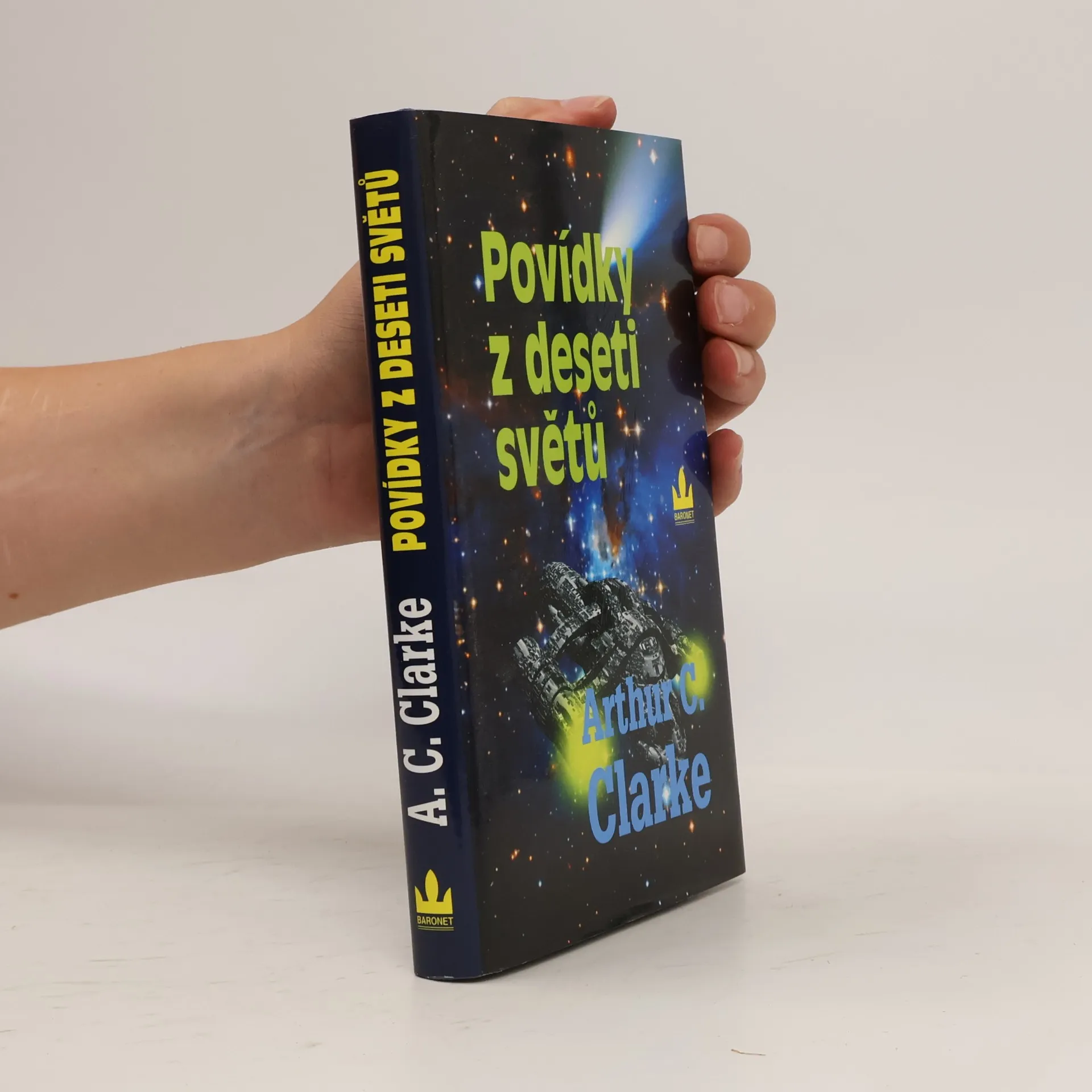
Povídky z deseti světů
- 264 stránek
- 10 hodin čtení
Klasická sbírka povídek prvně vydaná v roce 1963 obsahuje některé z Clarkeových nejlepších prací. Patnáct námětů potvrzuje autorův nevšedně živý a originální pohled do budoucnosti, ať blízké či velmi vzdálené. Je ukázkou jeho mnohotvárnosti a překvapivých zvratů děje a ironického stylu.
"'The chaos point' argues that we are at a critical point in history, one in which resources are fast being depleted, hundreds of millions live in crushing poverty, and local choices have global impact. Laszlo says society can either break down or break through to a new future by making different choices--choices he outlines in the book"--Provided by publisher.
Sluneční bouře
- 363 stránek
- 13 hodin čtení
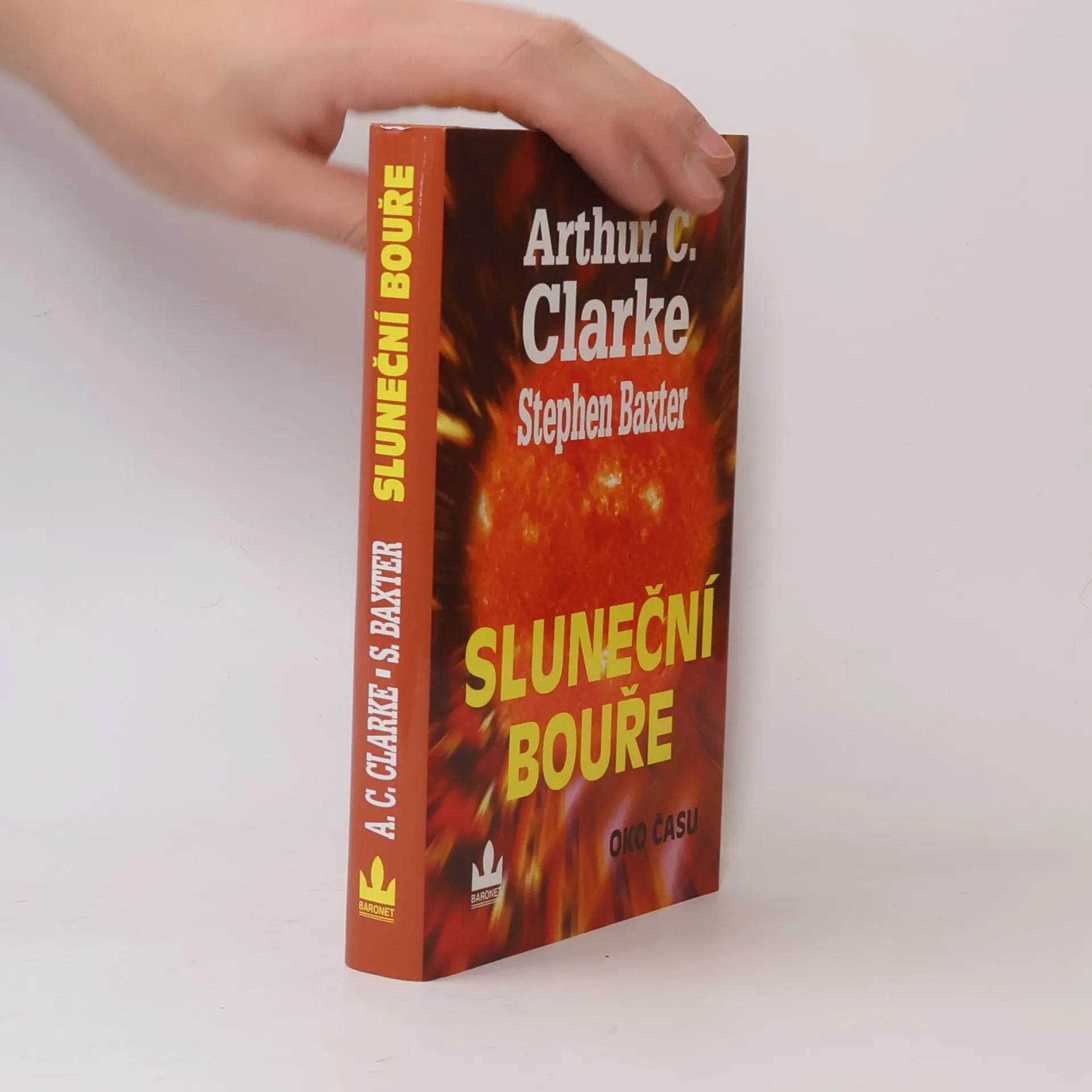
Volné pokračování knihy Oko času, napsané ve spolupráci se Stephenem Baxterem. Biesa se vrací ze svého pobytu na Miru aby zjistila, že Zemi hrozí vážné nebezpečí ze strany Slunce, které může zničit vše živé. Do záchrany lidstva pomocí gigantické stavby štítu se zapojí všichni a z povzdálí jsou sledováni Oky.
Oko času
- 400 stránek
- 14 hodin čtení
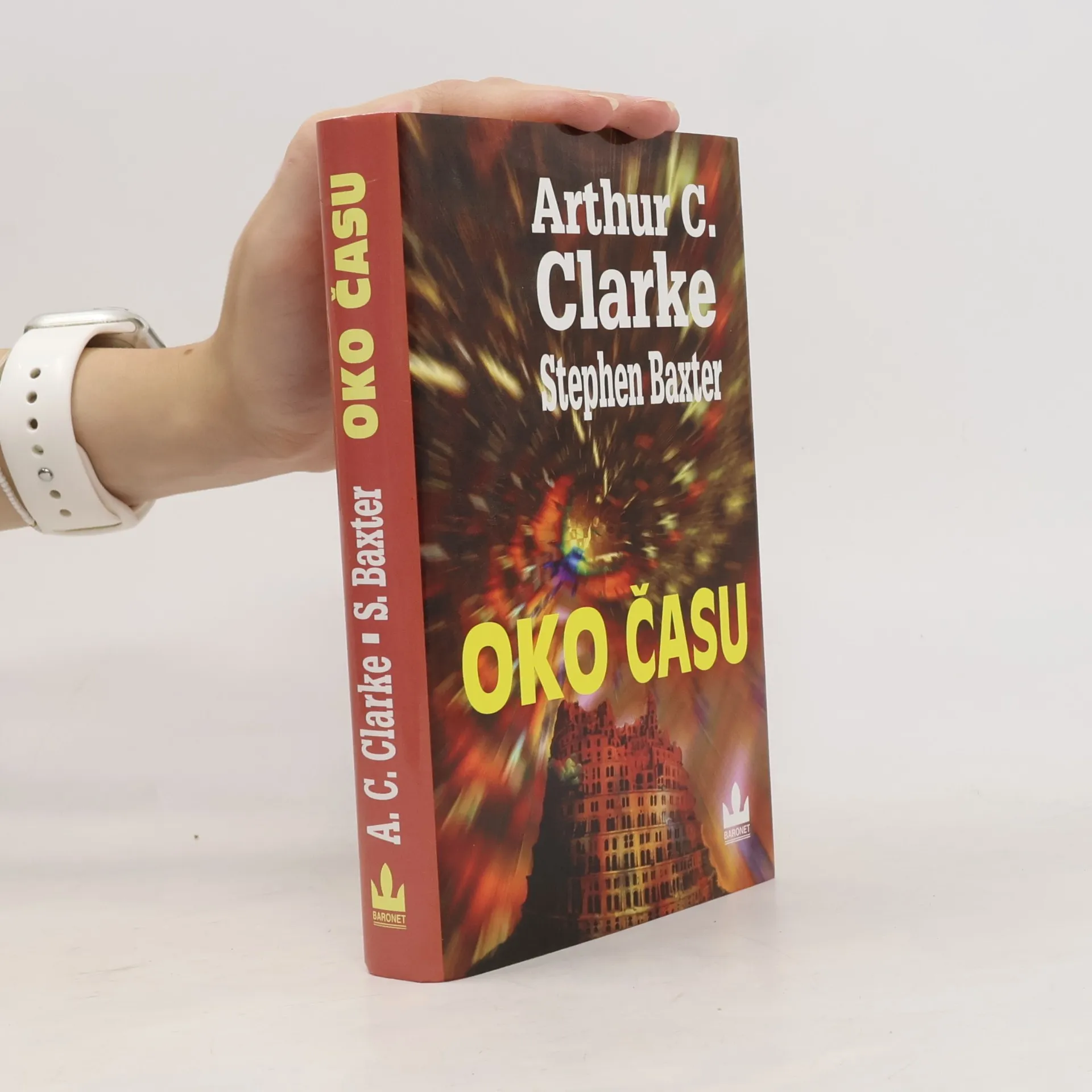
Knížka, jenž vyšla v roce 2005 ve spolupráci s Stephenem Baxterem. Je částečně podobná původní Vesmírné odysei, ale jak autor sám uvádí ,,...nemá s ní nic společného". Rozvíjí se zde příběh Země, která je zkontaktováná mimozemskou civilizací. Ta Zemi rozdělí na různá časová období, díky tomu se zde objeví na jedné straně vojsko Alexandra Makedonského a na druhé angličané z 19. století. Všechny tyto změny vychází ze starověkého Babylónu, kam se také všichni lidé a vojska vydají aby zjistili co se stane. Jenže kromě touhy po zjištění pravdy je zde i touha po moci...
Vánoční hvězdy
- 295 stránek
- 11 hodin čtení
Sbírka fantastických povídek nejlepších amerických autorů fantasy a sci-fi s tématem Vánoc.
Arthur C. Clarke je bezesporu nejznámějším a nejčtenějším autorem SF na světě. Jeho spisovatelská kariéra, trvající už více než šedesát let, prakticky nemá obdoby. Sbírka Směr času představuje asi čtvrtinu celé jeho povídkové tvorby, tedy více méně tu část, která u nás dosud nebyla knižně publikována. Nejstarší z nich, „Cestujte po drátě!" vyšla poprvé v roce 1937, poslední, „Žádná škoda sousedů", v roce 1999.
Devět miliard božích jmen
- 330 stránek
- 12 hodin čtení
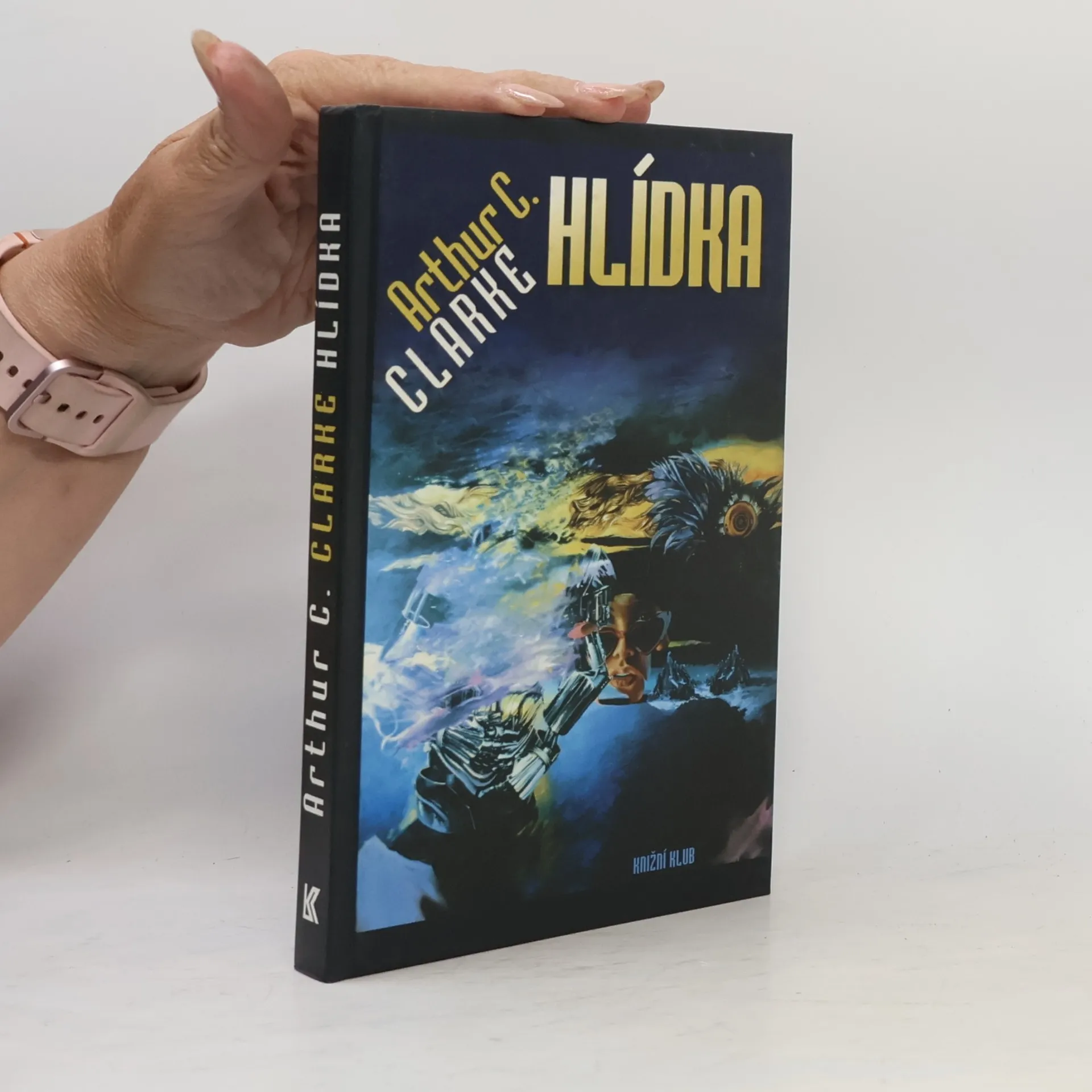
Sbírka Devět miliard božích jmen přináší výběr nejlepších Clarkových povídek. Mezi čtyřiadvaceti příběhy čtenář nalezne nejen Hlídku, ale také všechny ostatní slavné povídky: Hvězdu, Setkání s Medúzou či titulních Devět miliard božích jmen. Knížka je doslova nabitá povídkami oceněnými Hugy či Nebulami.
Islands in the Sky, first published in 1954, sees Roy Malcolm win a trip to the Inner Station, a space station rotating 500 miles from Earth.The Sands of Mars, set in the 21st century, has a group of pioneers struggling to change the face of this inhospitable planet.Earthlight is set in a human colony on the moon.This omnibus edition of Arthur C. Clarke's early novels shows the author of 2001: A Space Odyssey exploring space and time in adventurous and thoughtful ways. Although the course of recent history has been different, these novels offer a glimpse of what-might-have-been, as envisioned nearly 50 years ago by the greatest sci-fi writer of them all.
The collected stories
- 976 stránek
- 35 hodin čtení
The definitive collection of short stories from the century's greatest science fiction writer.
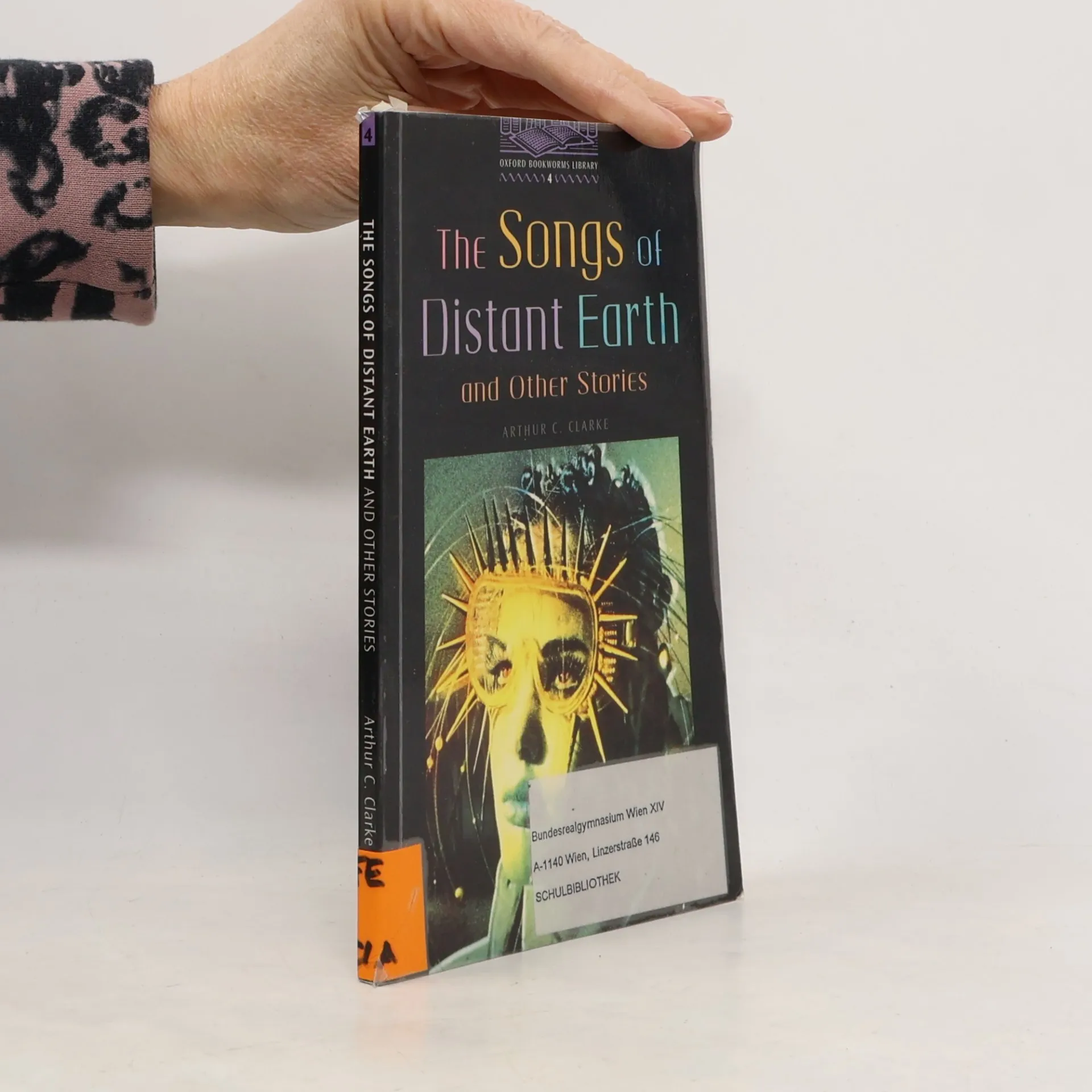
The songs of distant earth and other stories
- 96 stránek
- 4 hodiny čtení
The Oxford Bookworms Library offers new editions of the original Oxford Bookworms Black and Green series, merging the two series into one with new covers. Each new edition builds on the success of the original series and provides enhanced teaching support.
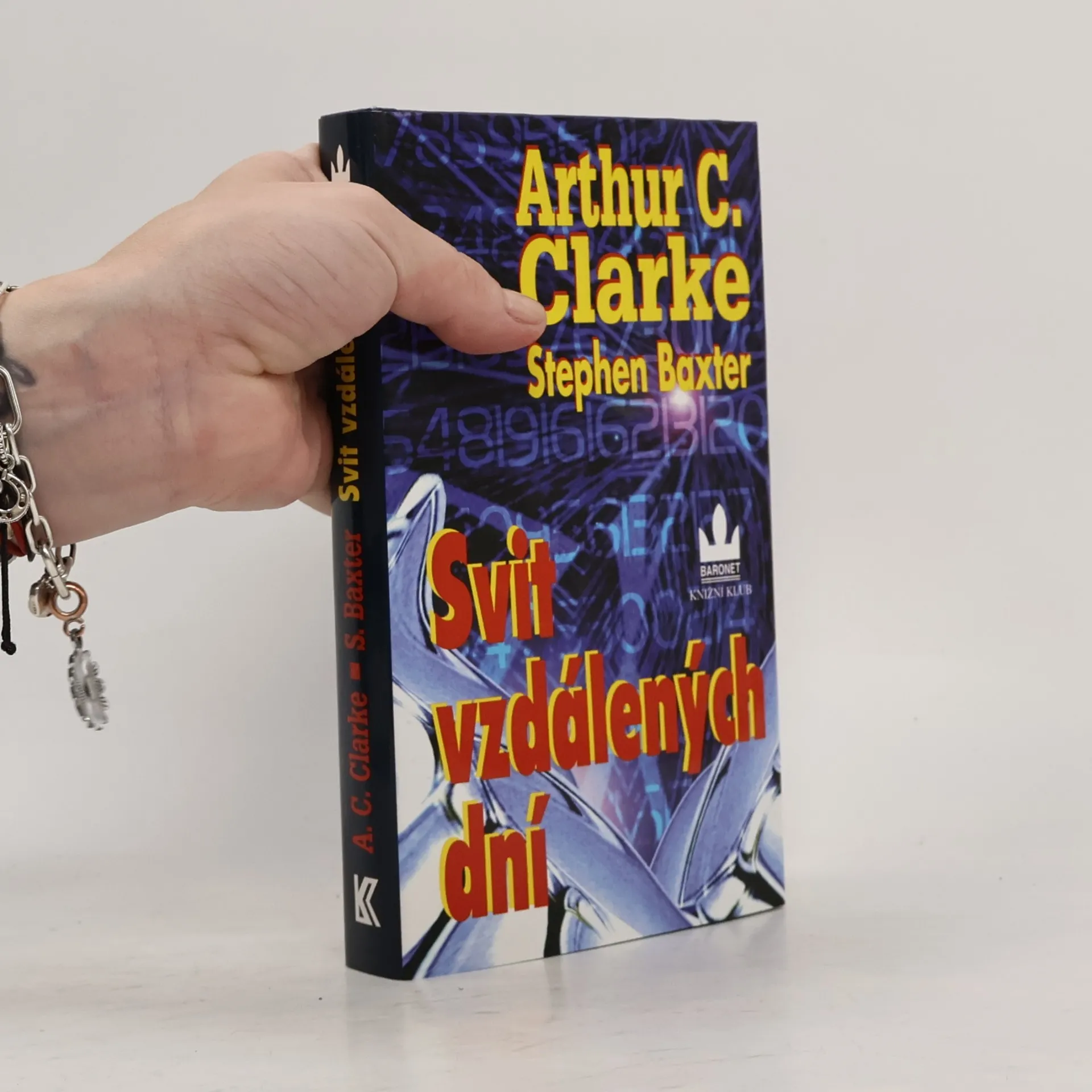
Svit vzdálených dní
- 368 stránek
- 13 hodin čtení
V této knize A. C. Clark popisuje blízkou budoucnost kdy vědci na popud mediálního magnáta vymyslí ,,červí kameru", jenž pracuje na bázi Červích děr a dokáže sledovat všechna místa na Zemi ve vesmíru a dokonce i v čase.
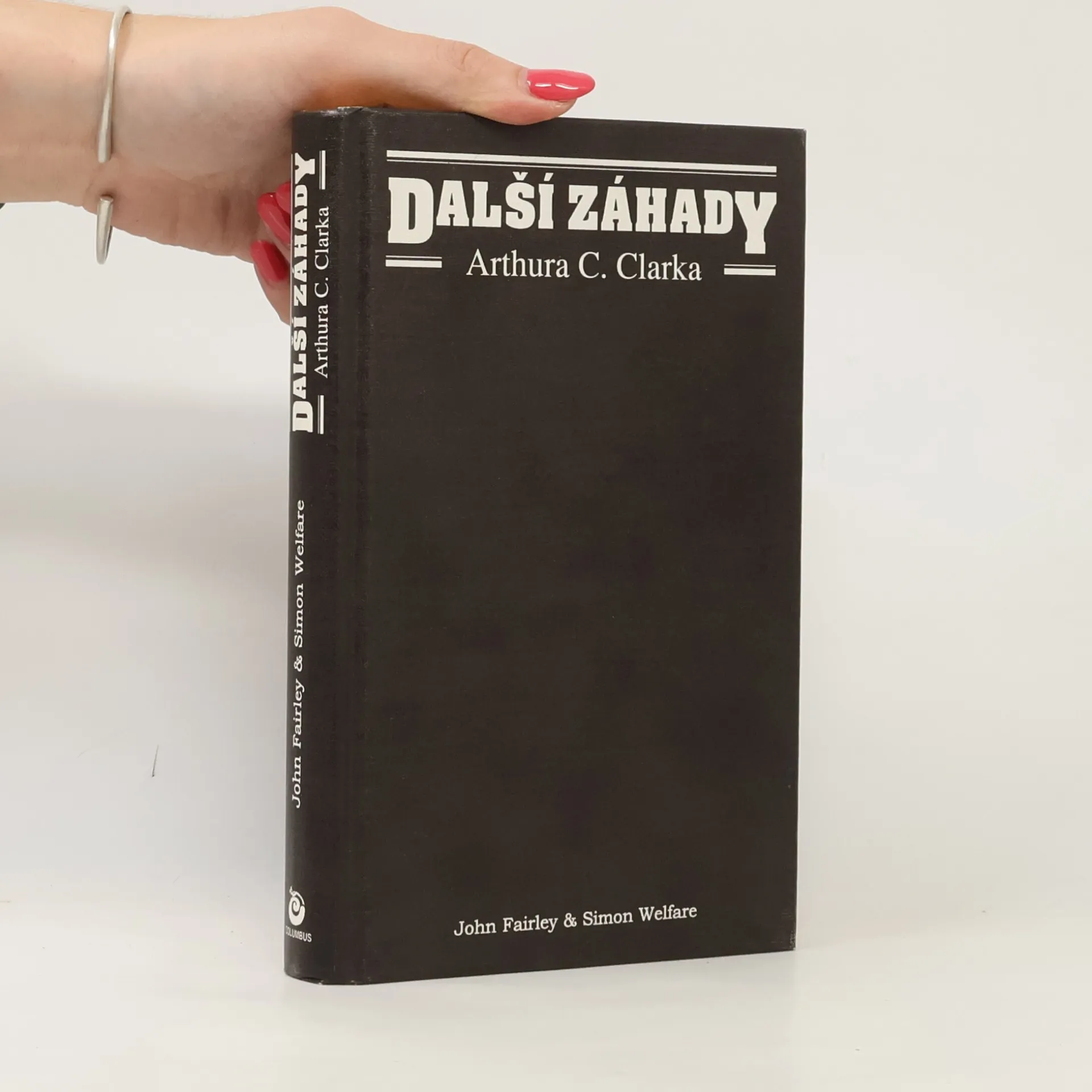
Další záhady Arthura C. Clarka
- 280 stránek
- 10 hodin čtení
Kniha pojednává o záhadných jevech, událostech a nálezech, jež je těžko vysvětlit. Témat je třináct, tak jako kapitol knihy.
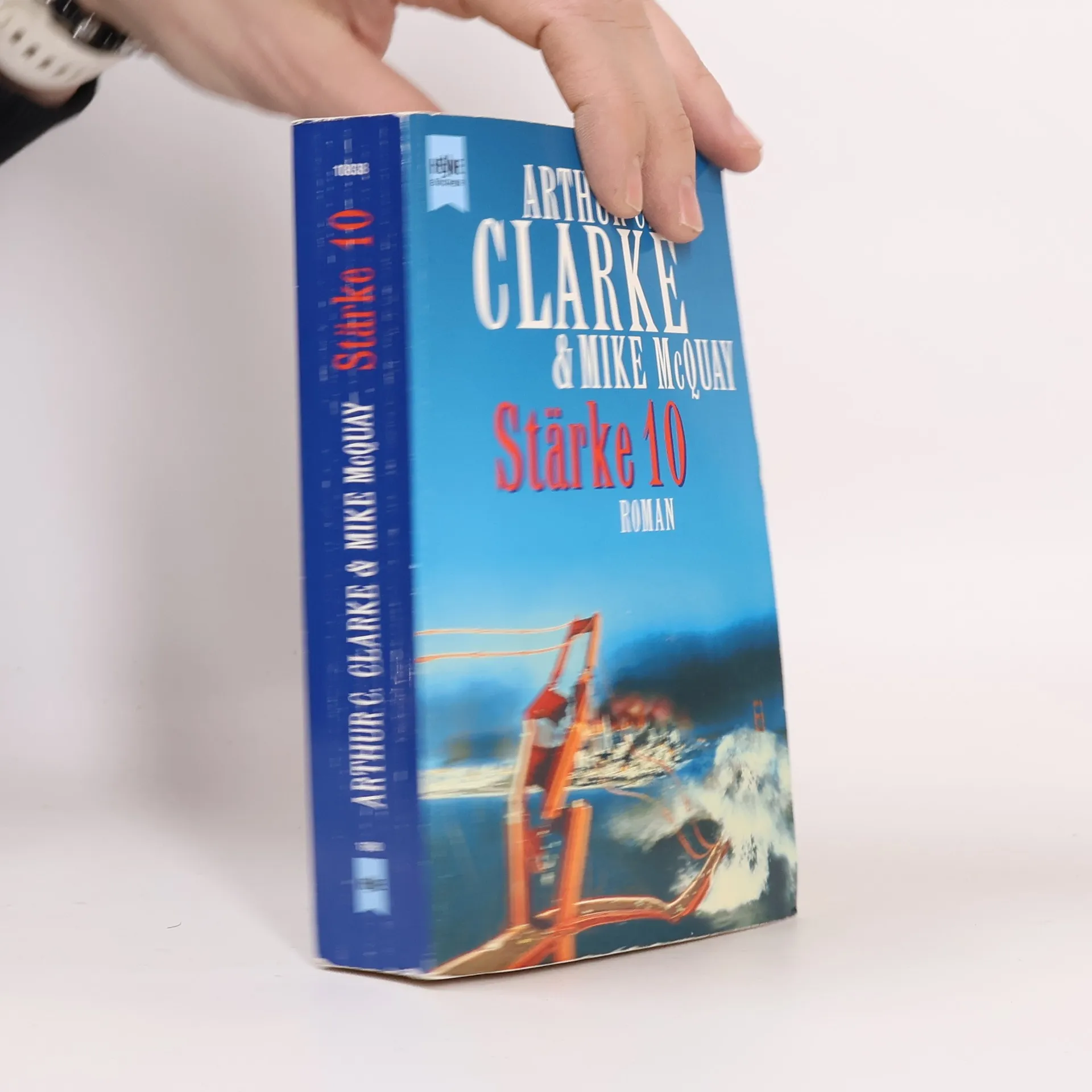
Stärke 10
- 477 stránek
- 17 hodin čtení
Dem Seismologen Lewis Crane ist es gelungen, ein Erdbeben der Stärke 10 vorauszusagen. Er weiß, wann und wo es zuschlagen wird - aber den Mächtigen des Jahres 2024 würde eine Katastrophe sehr gelegen kommen. Also beginnt für Crane nicht nur ein mörderischer Wettlauf mit der Zeit, sondern auch der Kampf ums Überleben.
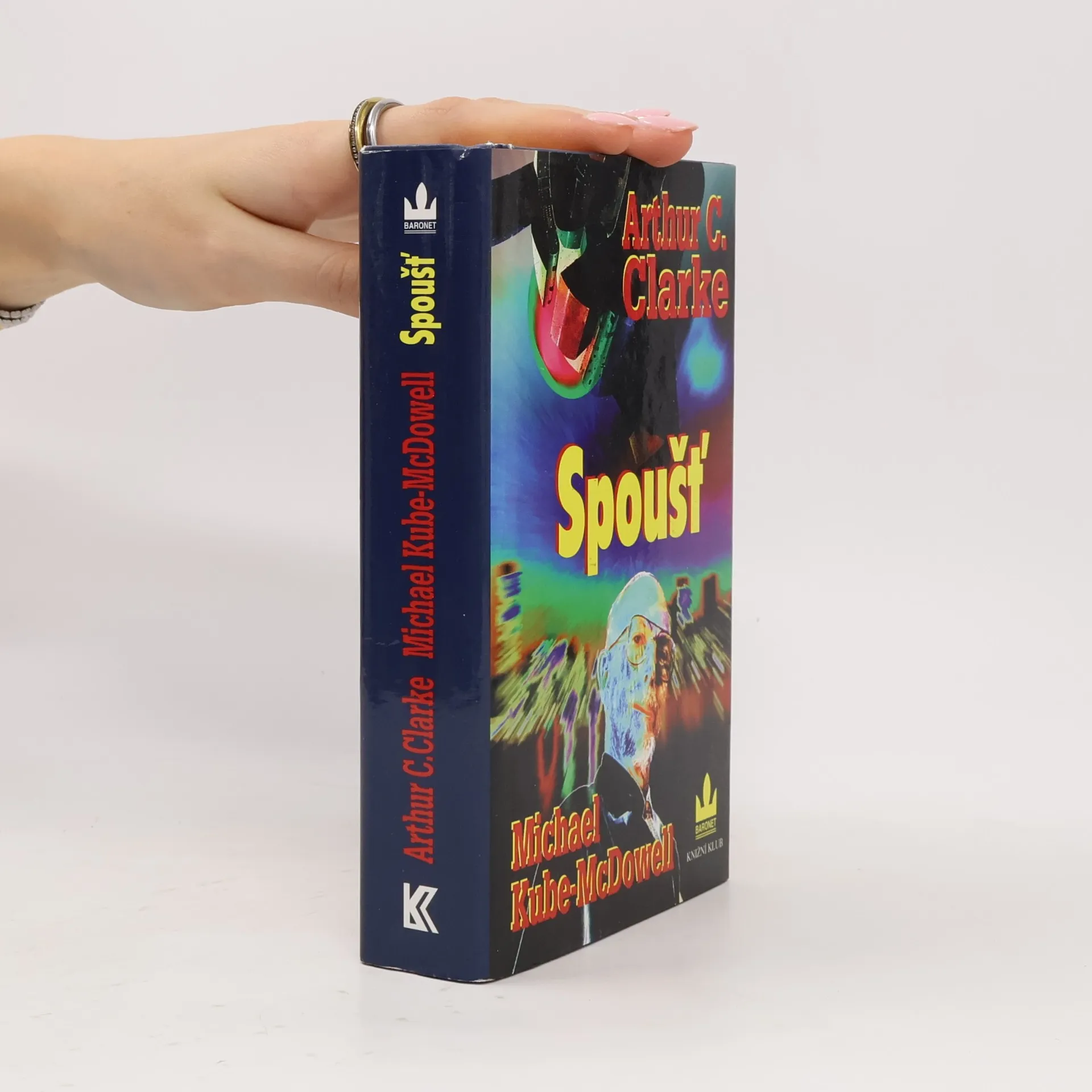
Spoušť
- 574 stránek
- 21 hodin čtení
Román Spoušť autorské dvojice Arthura C. Clarkea a Michaela Kube-McDowella je příběhem o vztahu mezi vědou, společností a politikou. Píše se polovina jednadvacátého století a prokletí lidstva – války, terorismus, kriminalita – ze světa přes všechno úsilí nezmizely. Zdá se ale, že svítá naděje. Americkému vědci Jeffrey Hortonovi se podařilo vynalézt přístroj vytvářející tajemné pole, které v okruhu několika stovek metrů dokáže zničit veškerou munici, jež se tam nachází. Nadchází soumrak střelných zbraní. Ne každý ho však vítá. Hortonův vynález se stane trnem v oku nejen zločincům, ale i například obhájcům práva na držení zbraně a některým generálům americké armády. Mnoho lidí se také obává změny – ztráty starých jistot. Příznivcem nového vynálezu se naopak stane prezident Mark Breland, který usiluje o nápravu americké společnosti. I on je však nakonec spíše obětí nekontrolovaných událostí než jejich strůjcem. Podaří se Hortonovi a jeho kolegům vysvětlit fyzikální princip nového objevu? Dokáže americká společnost a lidstvo obecně využít vynález ke svému prospěchu, anebo nastane chaos způsobený ztrátou mocenské rovnováhy? Jsou vůbec vědecké vynálezy pro svět přínosem, anebo jen způsobují nové a nové problémy?
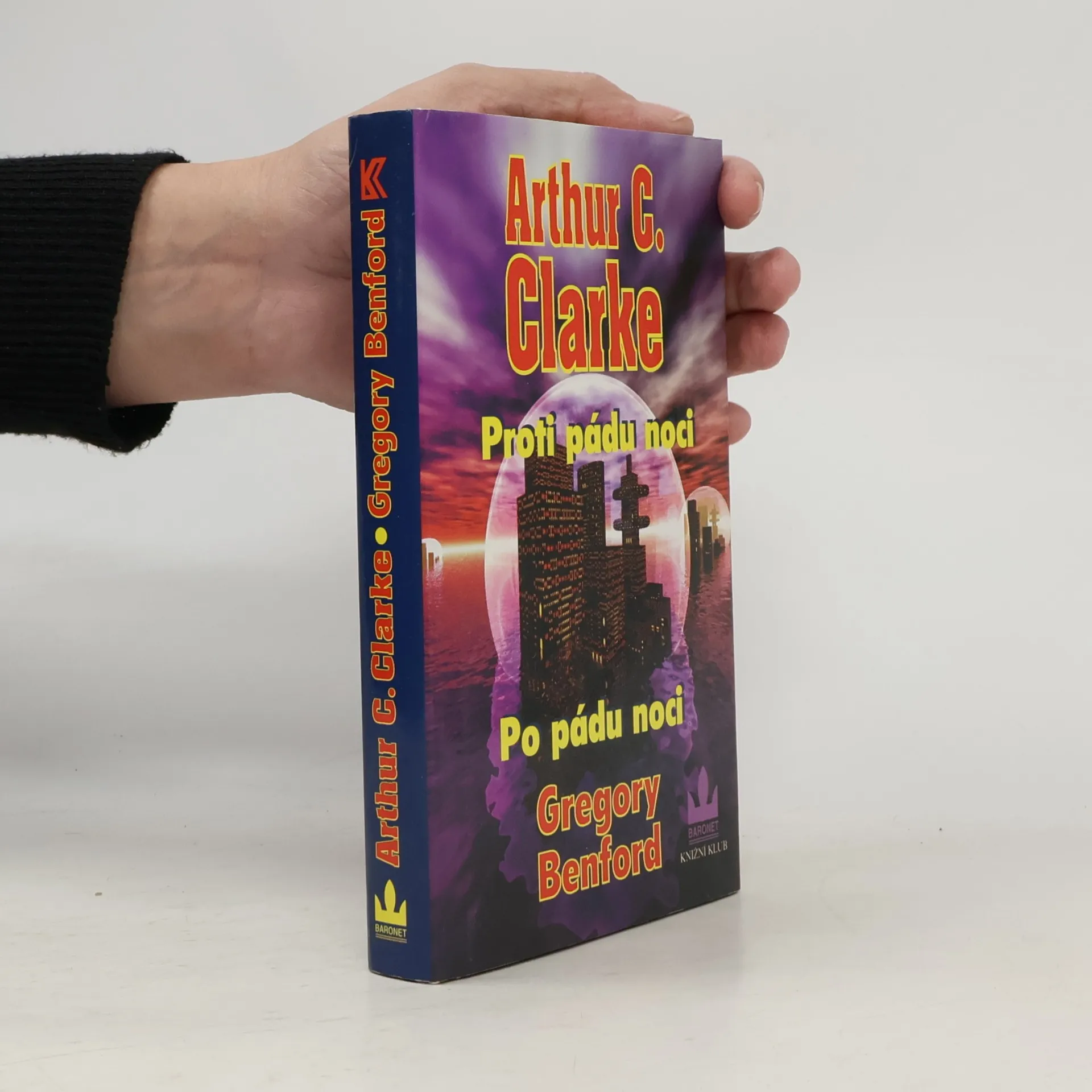
Proti pádu noci / Po pádu noci
- 336 stránek
- 12 hodin čtení
Proti pádu noci se odehrává v daleké budoucnosti ve městě Diaspar, jehož prakticky nestárnoucí obyvatelé mají k dispozici všechny vymoženosti, které lidstvo za miliony let své existence vytvořilo. Přesto se neodvažují vyjít za hranice Diasparu a prozkoumat pustinu, v níž se obrátil zbytek celé planety, natož aby obrátili oči ke hvězdám. Až mladý Alvin se vydává na cestu do neznáma. Napínavý příběh ani za několik desetiletí v ničem nezastaral a dokazuje ohromnou míru autorova talentu. Profesor astrofyziky a poradce NASA Gregory Benford je rovněž úspěšným autorem sci-fi, dokonce držitelem ceny Nebula za román Timescape. Po dohovoru s Clarkem napsal pokračování původního příběhu pod názvem Po pádu noci, v němž představuje novou Zemi, která již není pustinou, ale oplývá ohromným bohatstvím. Přesto jí hrozí smrtelné nebezpečí. -- zdroj: legie.info --
The stories we tell are not limited to monsters and harsh otherworlds. Yet the fiction books in the Borealis imprint certainly belong to a world other than our own. This line encompasses our science fiction, fantasy and horror novels and anthologies.
Román o kosmické tajné agentce Spartě. Konec cyklu, v němž se cestuje časem a je ohrožen vývoj lidstva.
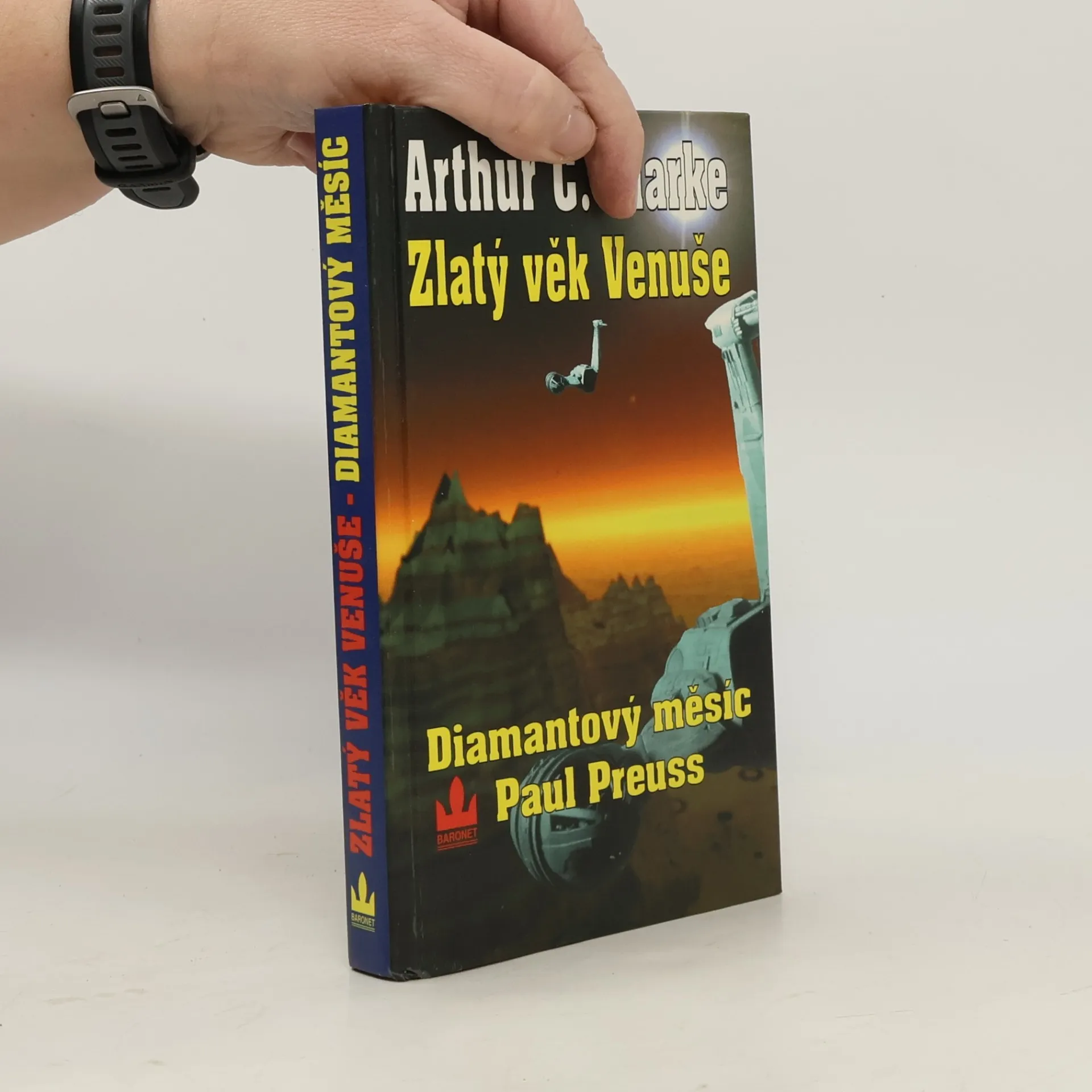
Diamantový měsíc
- 272 stránek
- 10 hodin čtení
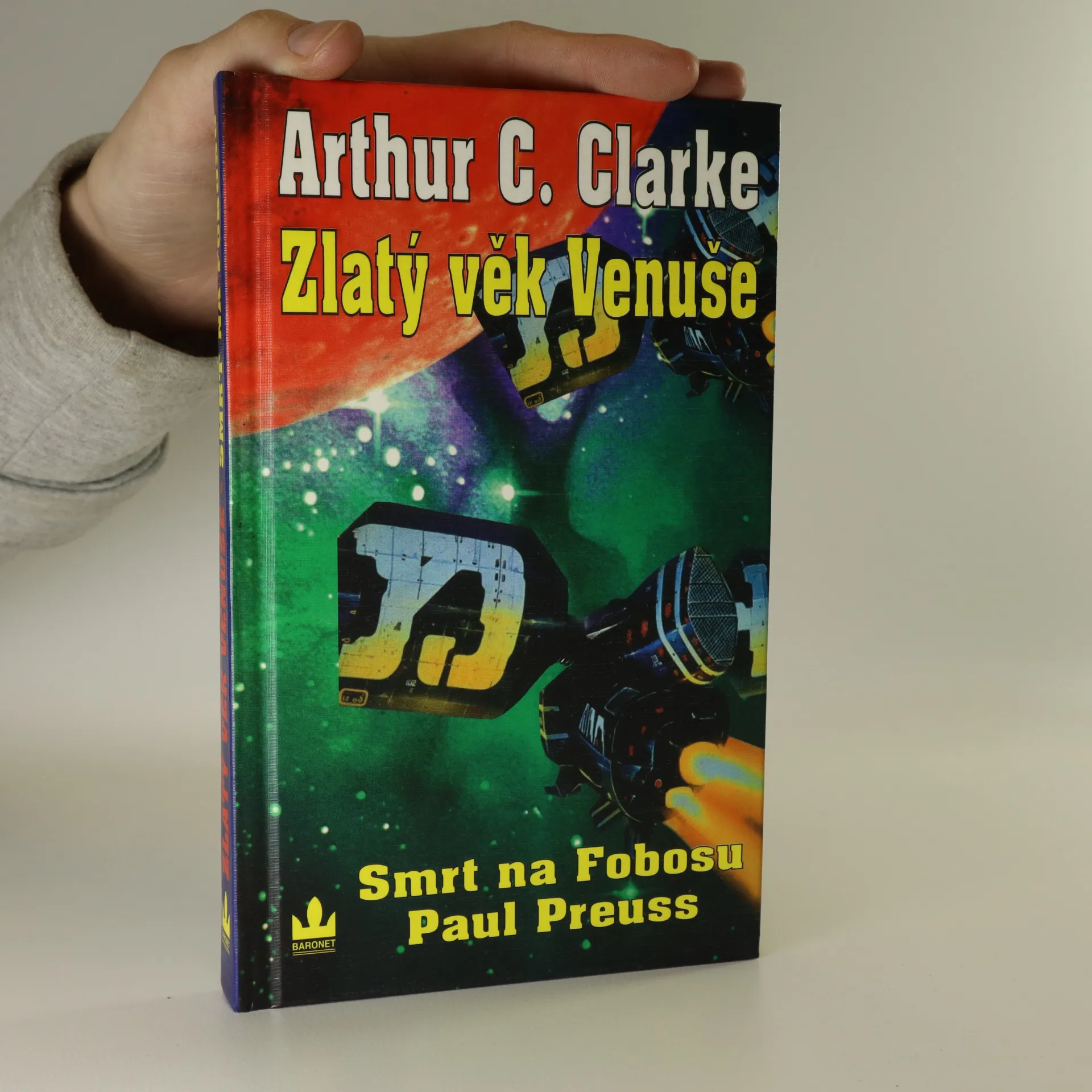
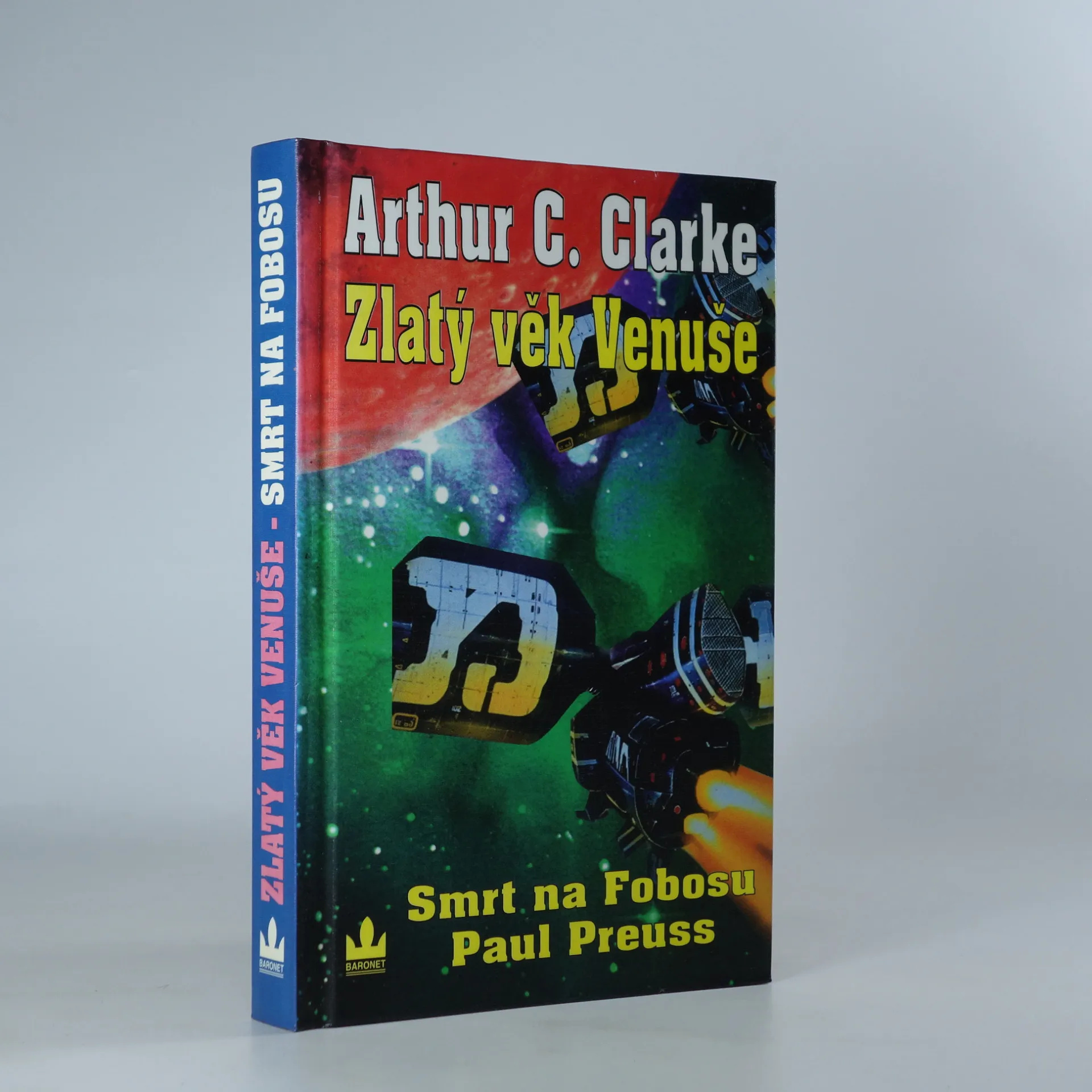
Arthur C. Clark je nositelem titulu Velmistr sci-fi. Známe ho především jako autora světově proslulého díla 2001: Vesmírná odysea a cyklu o záhadné gigantické kosmické lodi Ráma. Diamantový měsíc, pátý díl šestisvazkové edice Zlatý věk Venuše, volně propojené postavou kosmické tajné agentky Sparty, vznikl na základě Clarkovy povídky Jupiter V. Paul Press zahájil svou autorskou dráhu u dokumentárního a televizního filmu. Vydal celkem čtyři romány, z nichž poslední má název Lidská chyba. Krycí jméno má Sparta, je krásná a vládne nadlidskými schopnostmi – je totiž výtvorem pokročilé biotechnologie. Její nebezpečné povolání ji tentokrát zavede v tajné kosmické misi až na Jupiterův měsíc Amalthea, kde členové expedice zažijí dramatické překvapení. Ani pátý díl hexalogie Zlatý věk Venuše nezklame očekávání čtenářů milujících napětí a klasickou sci-fi.
The Case for Mars
- 368 stránek
- 13 hodin čtení
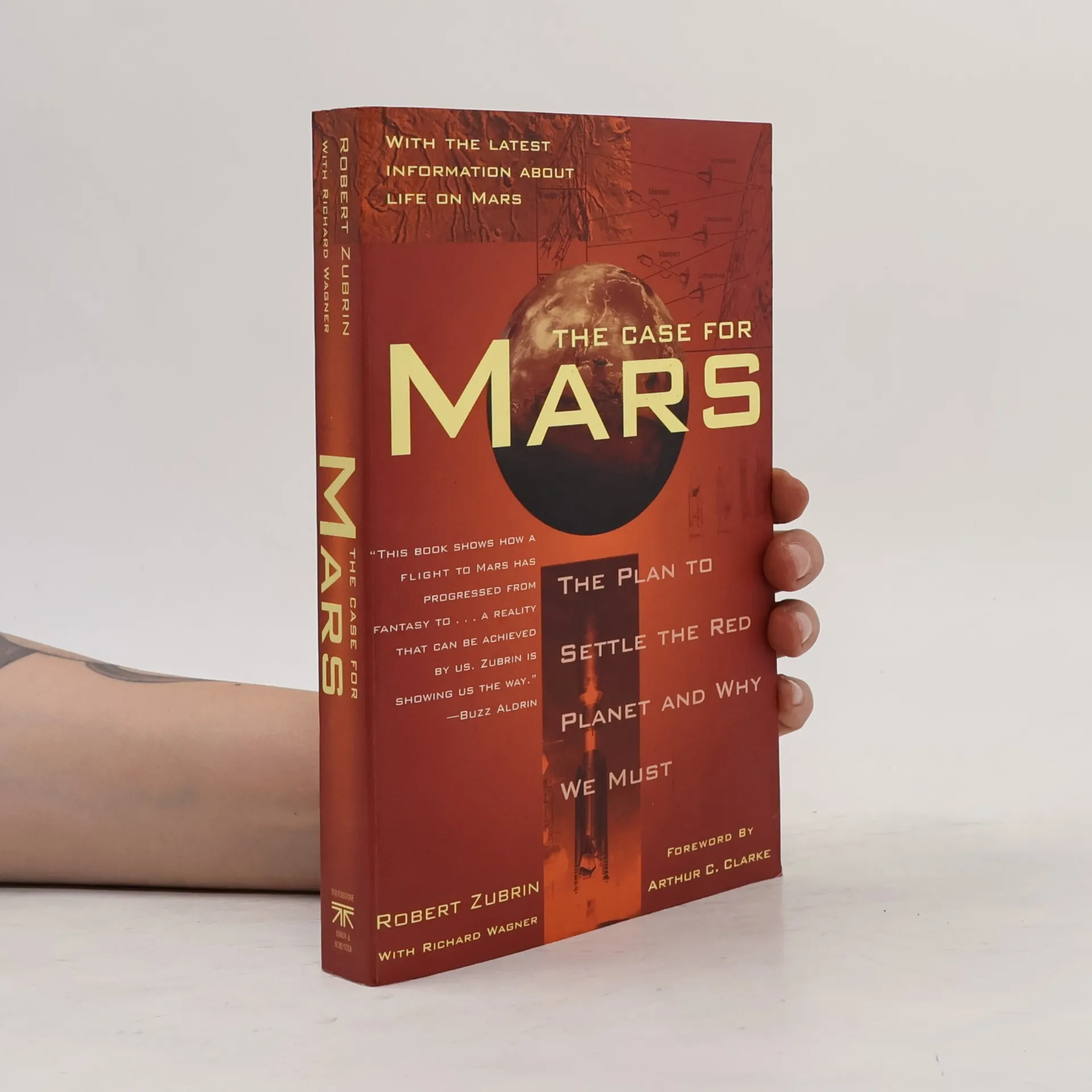
Since the beginning of human history Mars has been an alluring dream--the stuff of legends, gods, and mystery. The planet most like ours, it has still been thought impossible to reach, let alone explore and inhabit.Now with the advent of a revolutionary new plan, all this has changed. leading space exploration authority Robert Zubrin has crafted a daring new blueprint, Mars Direct, presented here with illustrations, photographs, and engaging anecdotes.The Case for Mars is not a vision for the far future or one that will cost us impossible billions. It explains step-by-step how we can use present-day technology to send humans to Mars within ten years; actually produce fuel and oxygen on the planet's surface with Martian natural resources; how we can build bases and settlements; and how we can one day "terraform" Mars--a process that can alter the atmosphere of planets and pave the way for sustainable life.
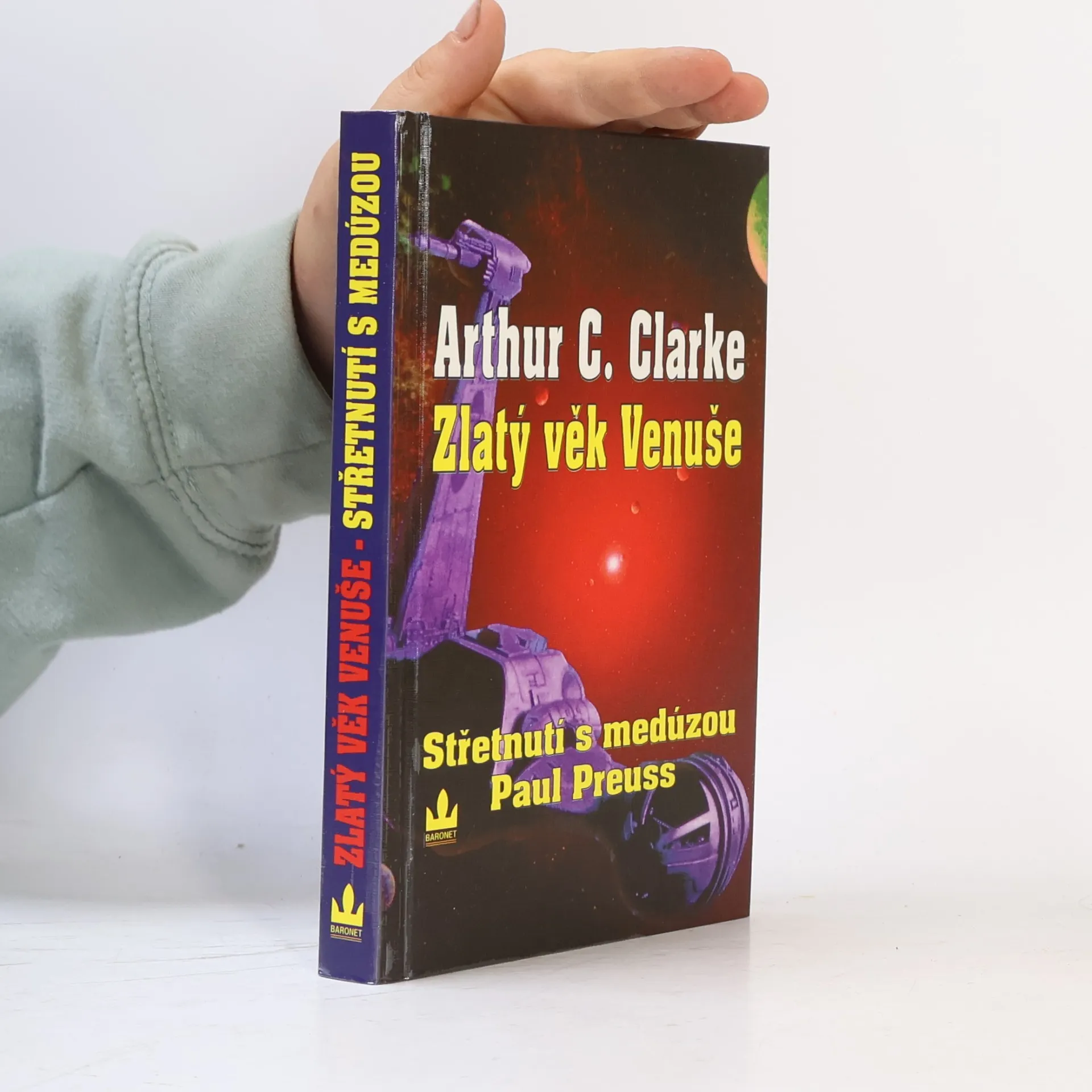
Setkání s medúzou je SF novela spisovatele Arthura C. Clarka, která byla poprvé publikována v roce 1971 a v následujícím roce 1972 vyhrála cenu Nebula v kategorii „Nejlepší novela“. Vypráví příběh průkopníka Howarda Falcona, jenž přežije havárii vzducholodě a najde v sobě sílu čelit další výzvě: planetě Jupiter. Stala se inspirací pro tento román amerického spisovatele žánru sci-fi Paula Preusse s názvem Střetnutí s medúzou ze série Zlatý věk Venuše. Vydání první
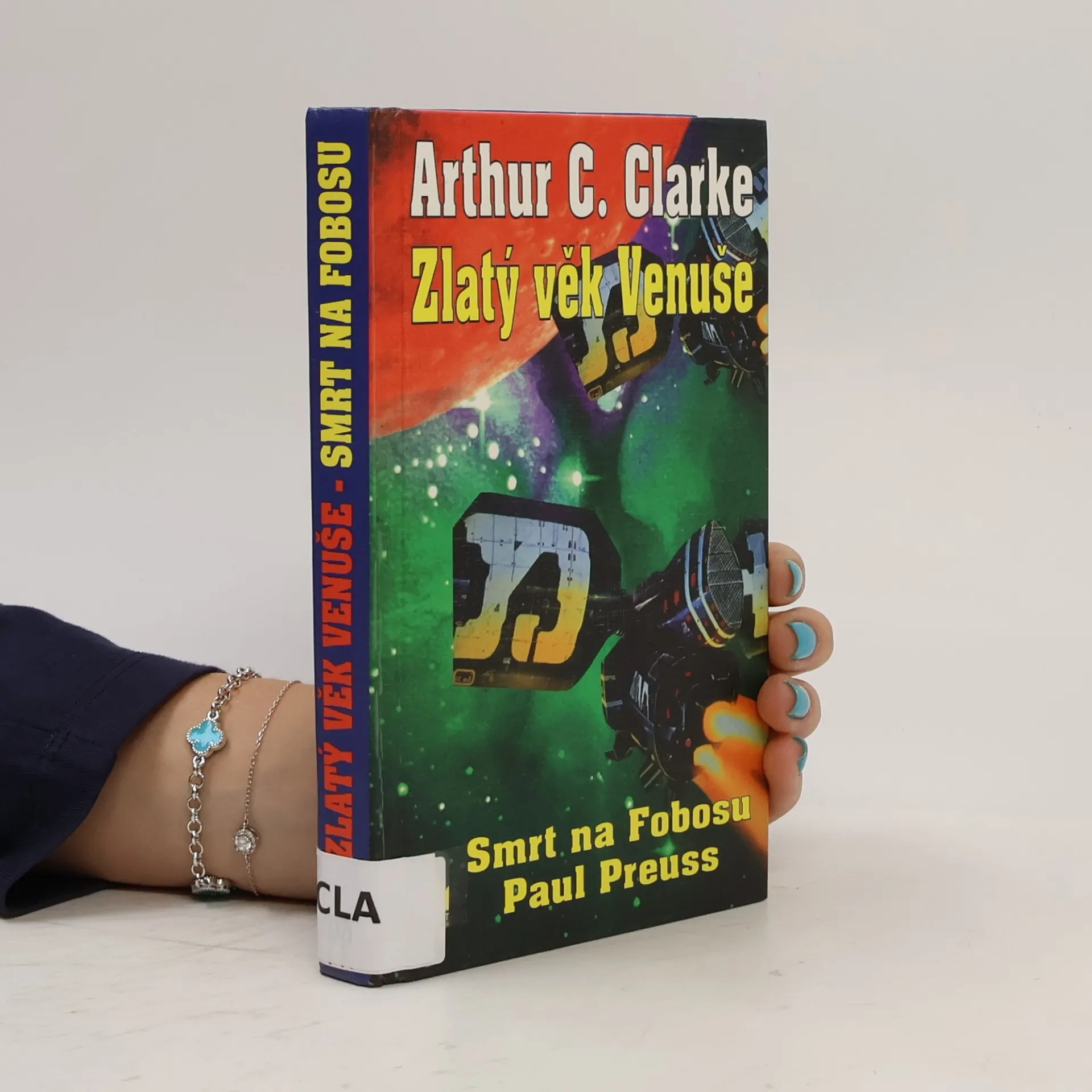
Děj se odehrává na Marsu, kde je Sparta povolána vyšetřovat případ ztracené plakety. Kniha navazuje na předchozí díly a zase poodkrývá o něco více faktů o Spartině minulosti a tajném spolku, které se čtenáři dostane s postupným rozplétáním zločinu, ke kterému je povolána.
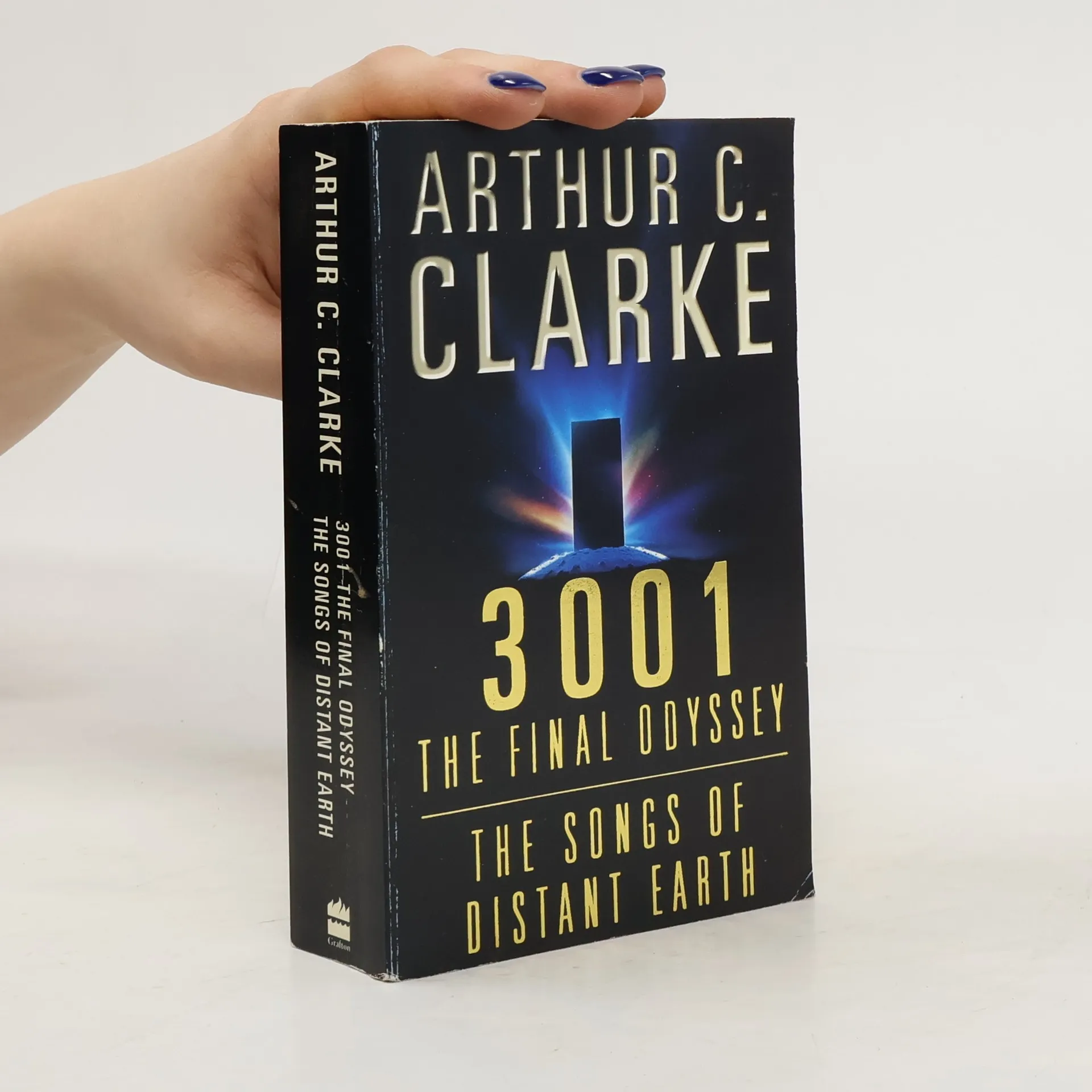
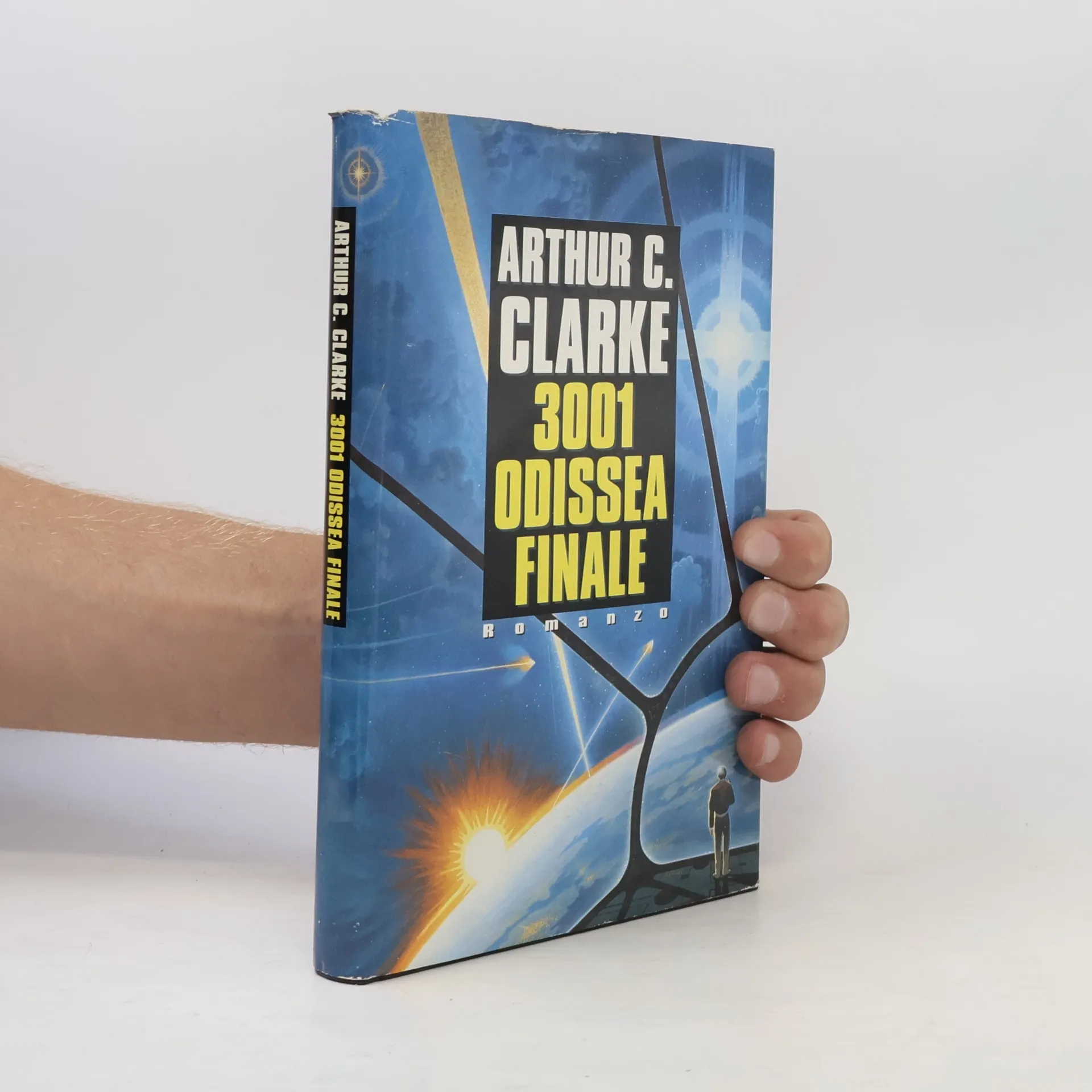
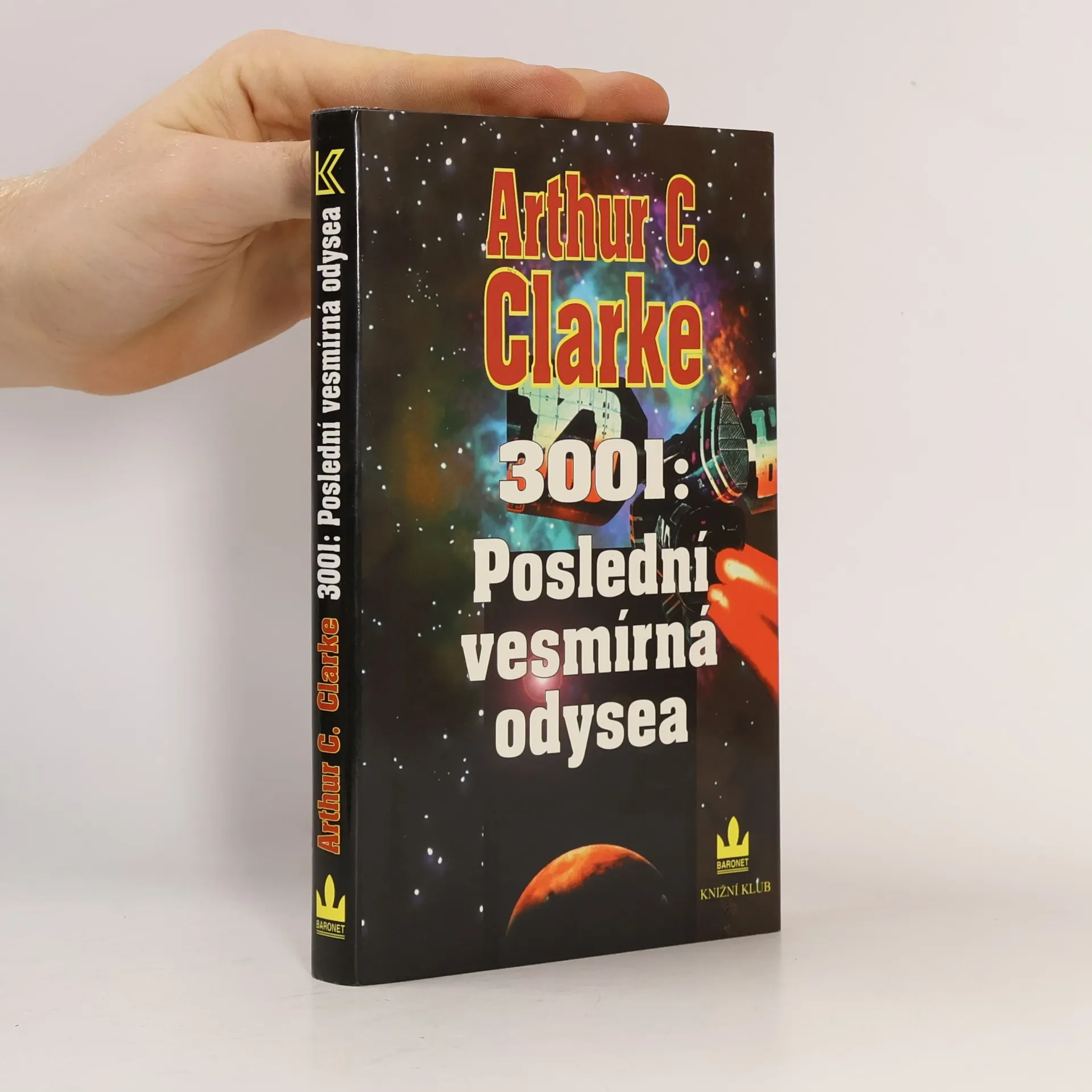
Odysea vstupuje do nebezpečného konečného stadia v roce 3001. Lidstvo žije ve strachu z monolitů, kteří vládnou sluneční soustavě. V galaxii je objeveno tělo Franka Poola. Pool je oživen a připraven dokončit cestu, kterou začal HAL.
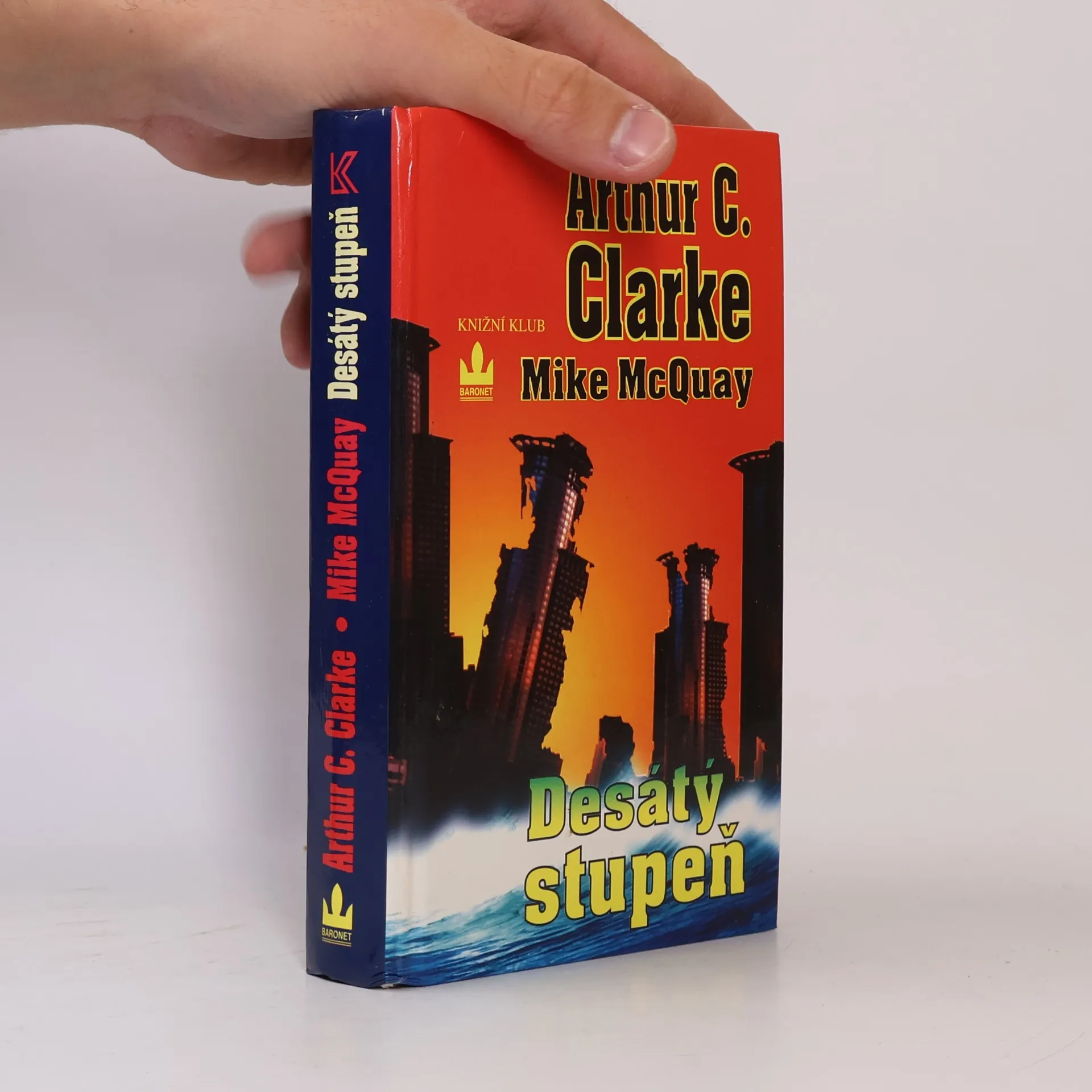
Román Desátý stupeň zachycuje nepříliš vzdálenou budoucnost, kdy Zemi hrozí zničující zemětřesení o síle deseti stupňů Richterovy stupnice, jaké lidstvo dosud nepoznalo. Seismolog Crane marně bije na poplach, neboť svět rozdělený politickými, náboženskými a rasovými spory o jeho varování nestojí.
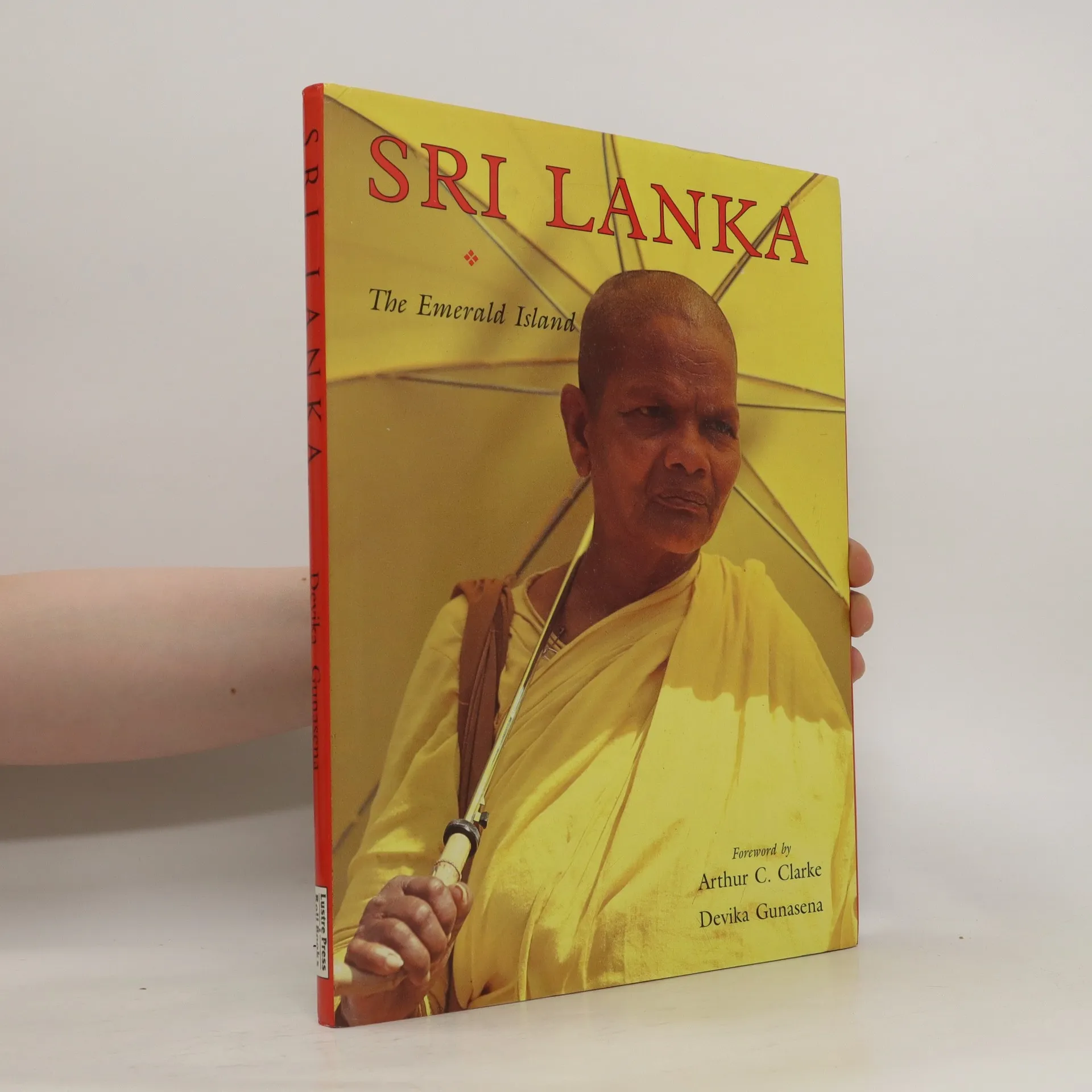
Historical outline of the history of Sri Lanka.
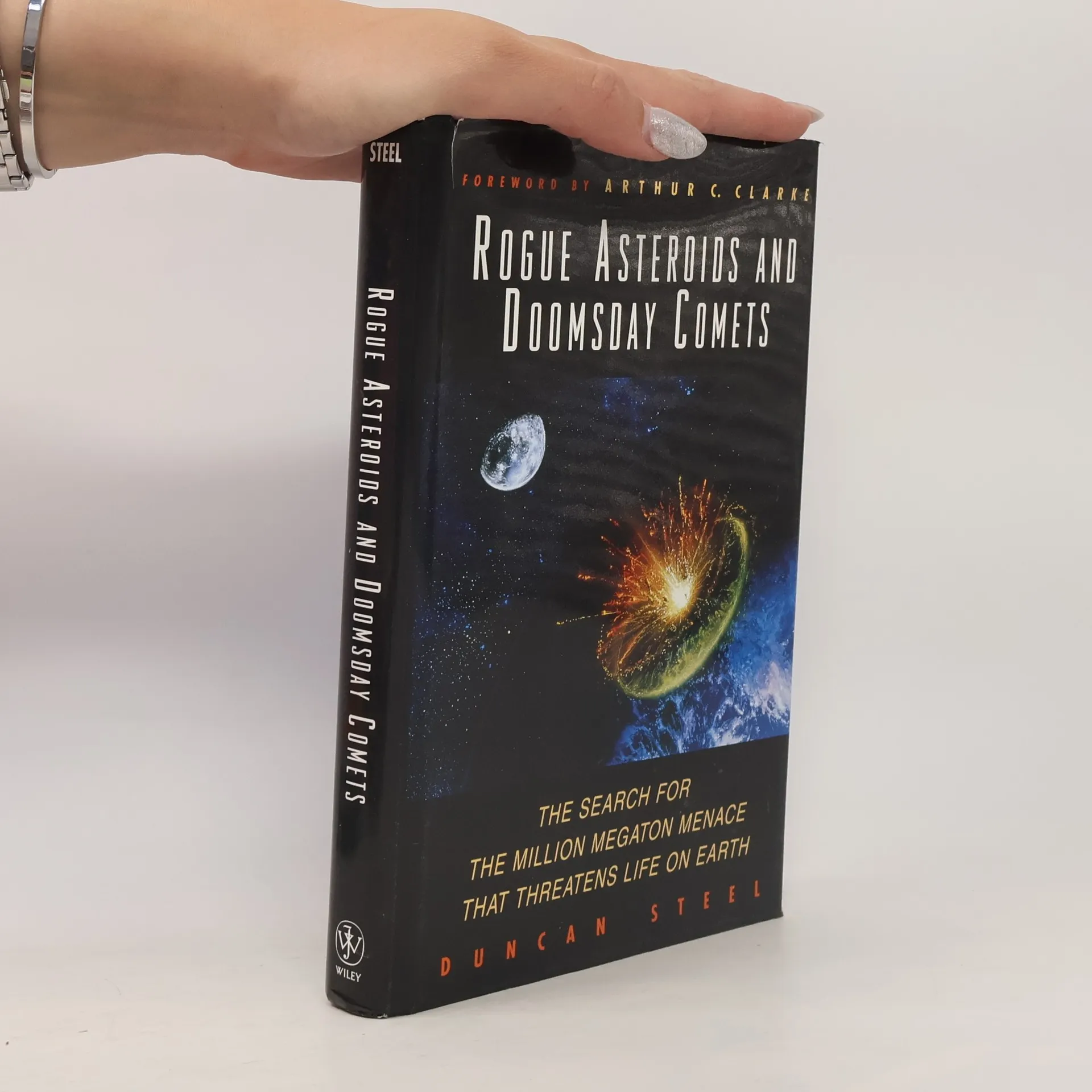
Rogue Asteroids and Doomsday Comets
The Search for the Million Megaton Menace That Threatens Life on Earth
- 308 stránek
- 11 hodin čtení
Could a giant asteroid or comet crash into Earth and annihilate life as we know it? Many astronomers, once skeptical of such risks, now recognize the serious danger. In this exploration, Duncan Steel, a leading expert and director of a global asteroid and comet search program, delves into chilling scientific findings. He narrates the compelling story of how detection efforts revealed a troubling history of impacts, including the comet likely responsible for the dinosaurs' extinction. Advances in telescope tracking have identified at least 2,000 objects orbiting Earth that could strike with nuclear force. Calculations indicate that Earth is bound to face another catastrophic collision eventually. Potential outcomes include towering ocean waves that could devastate coastal areas, massive fires, and clouds of dust blocking sunlight, crippling agriculture. Steel expertly assesses these threats and discusses proposed strategies for detecting and neutralizing incoming celestial bodies, including Edward Teller's controversial suggestion of using a nuclear bomb. This account vividly illustrates the existential threat from space and the scientific community's response. With an unprecedented opportunity to avert disaster, the book argues that failing to act would be both dangerous and unwise.
Sněhy Olympu. Zahrada na Marsu.
- 120 stránek
- 5 hodin čtení
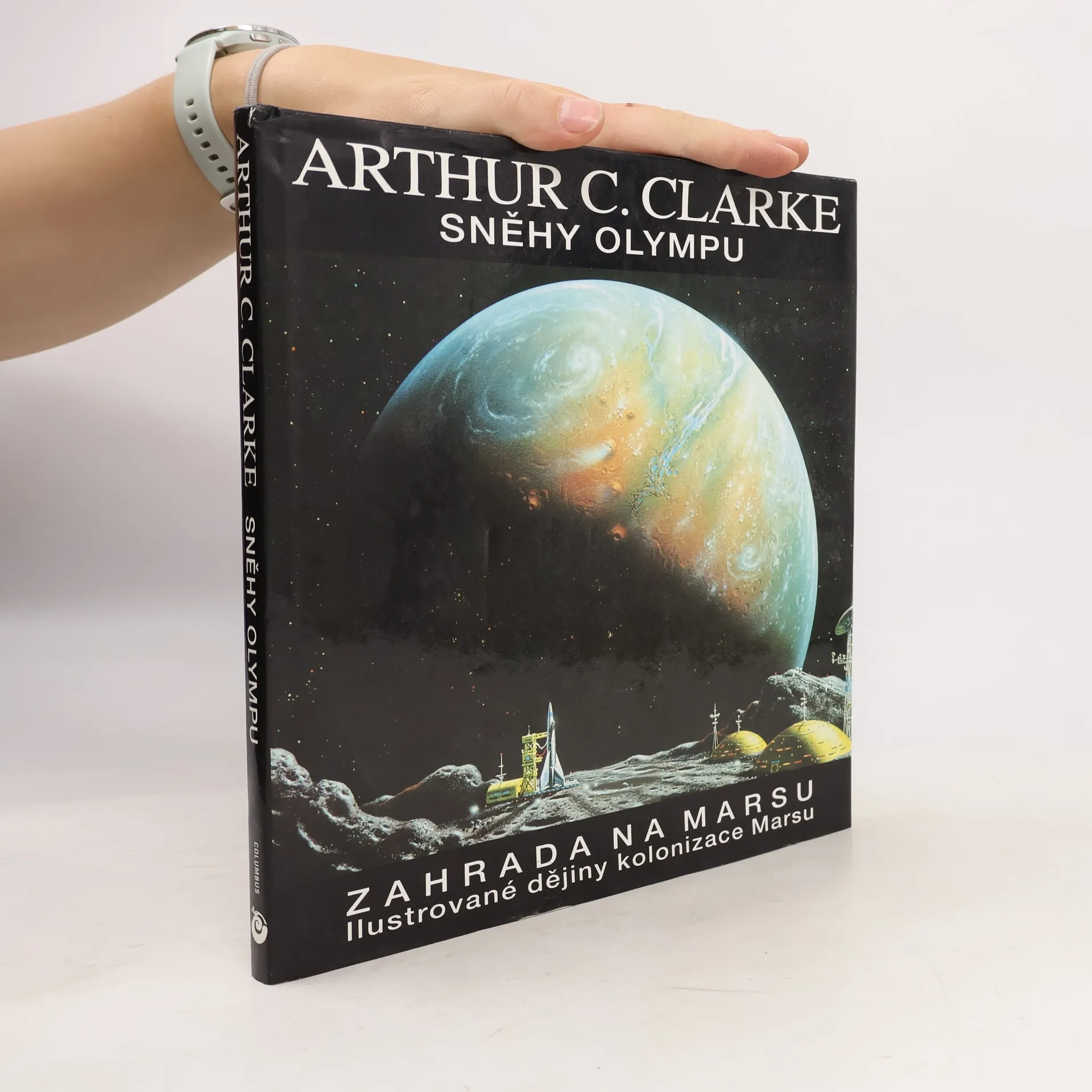
Kniha Sněhy Olympu s podtitulem Zahrada na Marsu popisuje a ukazuje pomocí počítačového programu, jak by se proměňoval povrch planety Mars, kdyby byla postupně vytvářena příhodná atmosféra a uměle zvyšována teplota. Díky fotografiím povrchu Marsu je v knize nastíněno, jak by se měnil ráz krajiny celé planety. Výsledkem je poutavě naučné dílo, které velmi zajímavým způsobem ilustruje hypoteticky možný přerod Marsu v živou a obyvatelnou planetu....
2001. Odyssee im Weltraum
Science Fiction
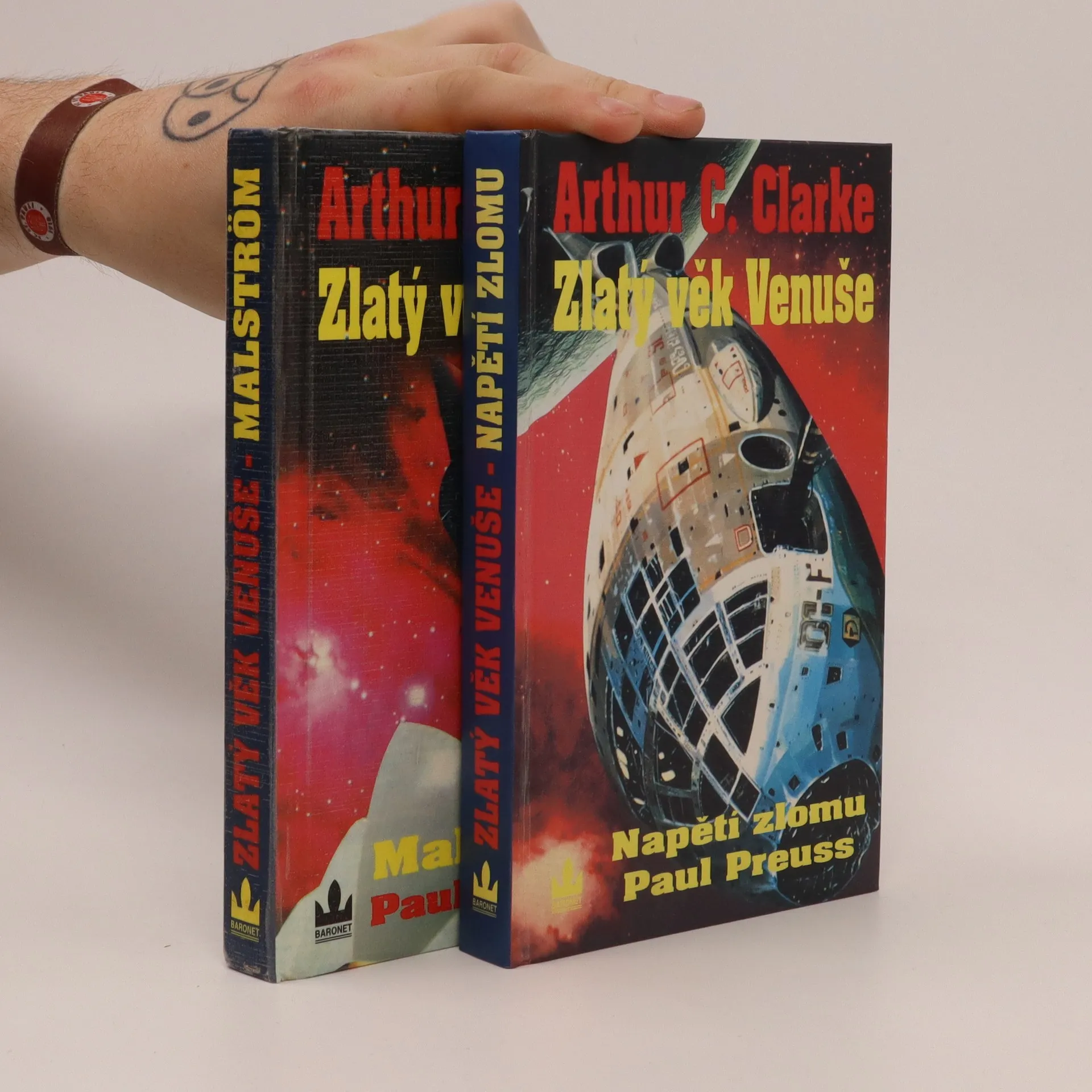
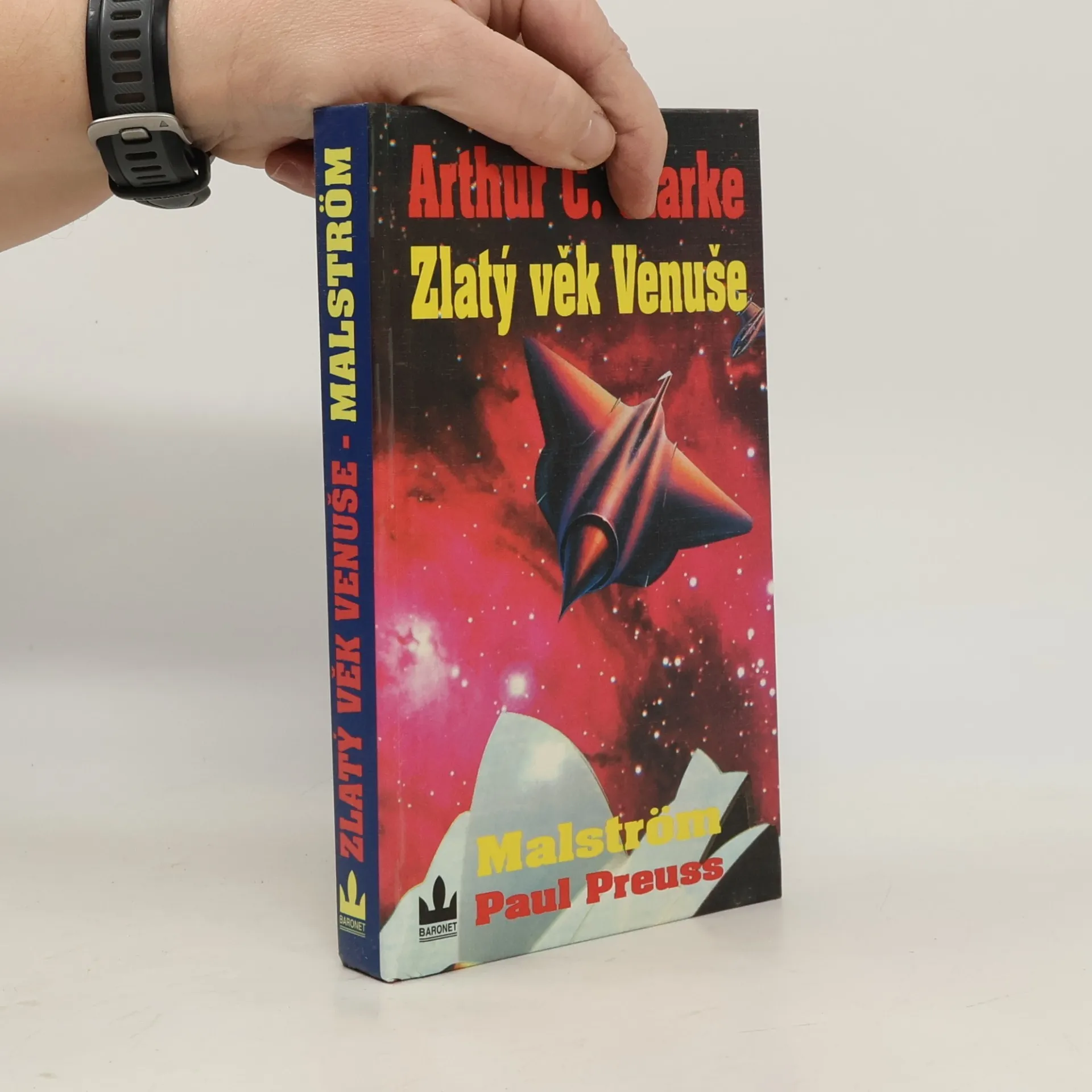
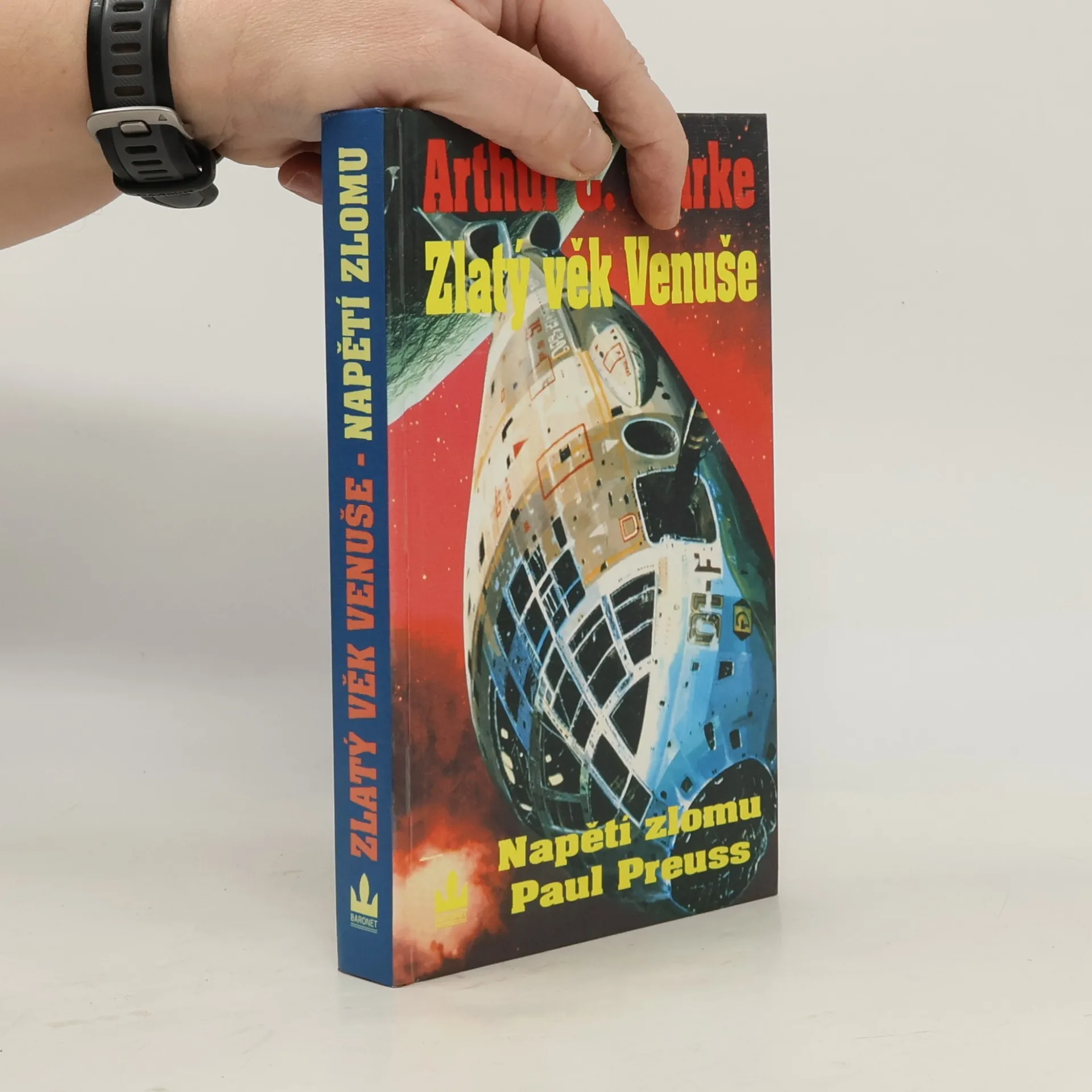
Archeologickým nálezům z Venuše – důkazu o tom, že život kdysi neexistoval jen na Zemi, předcházel jistý objev podivného lesklého artefaktu – zrcadla z Marsu. Stalo se to deset let před událostmi, kterými končí první díl Zlatého věku Venuše. Ten objev učinil jeden z dělníků, který ale následně zemřel při nehodě vrtné soupravy, na jeho objev se tedy přišlo náhodně. Později vznikla teorie o jisté kultuře X, která v dávných dobách obývala Sluneční soustavu. Do doby, než se objevily artefakty z Venuše, to nevzbuzovalo až takový zájem.... Další pokračování a to druhé z hexalogie Zlatý věk Venuše Překlad - Vladimír Hanák Vazba je vázaná Počet stran 268 Vydání První Vydavatelství Baronet...
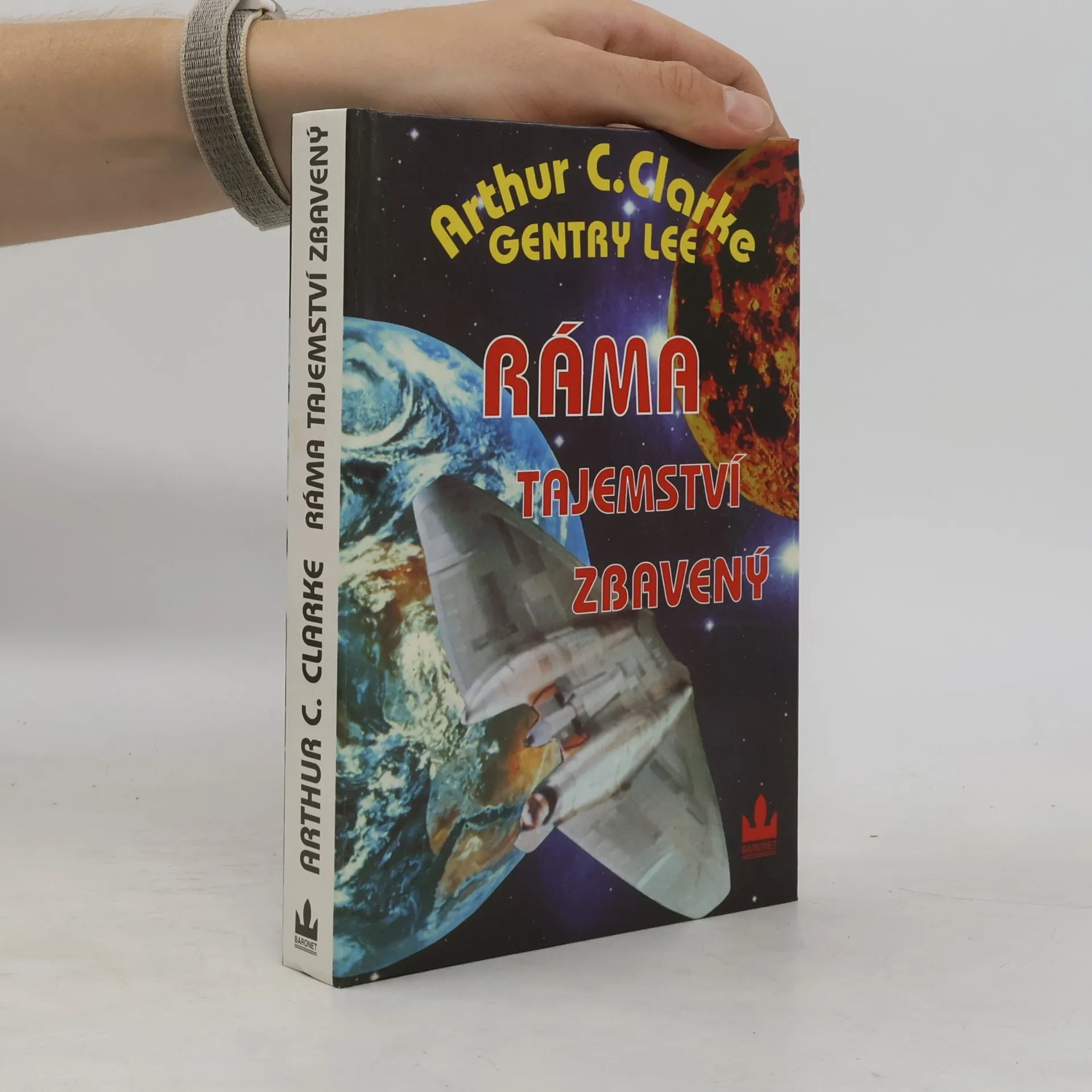
Ráma tajemství zbavený
- 428 stránek
- 15 hodin čtení
4. kniha série Ráma Nicol Wakefieldová, odsouzená k trestu smrti, prchá přes Válcové moře na ostrov záhadných mrakodrapů New York, do podzemních chodeb obývaných stejně tajemnými a nebezpečnými oktopavouky. Tak začíná poslední dějství rozsáhlé rámanské epopeje, díla, které nemá v dějinách science fiction obdoby. Dozvíme se konečně, kdo postavil dokonalou kosmickou loď nazvanou pozemšťany Ráma, a jaké pohnutky jej k tomu vedly? Arthur C. Clarke a Gentry Lee přicházejí s novou, naprosto originální koncepcí vesmíru! ...
Kladivo boží
- 218 stránek
- 8 hodin čtení
Arthur C. Clarke je klasikem a velmistrem žánru science fiction. Známe jej především jako autora cyklu Vesmírných odysejí a epopeje o kosmické lodi Ráma, vyslané k Zemi cizí, neuvěřitelně vyspělou civilizací. Kladivo boží je opět čtivý, clarkovsky promyšlený a dramatický příběh o asteroidu Kali, který hrozí při srážce se Zemí vyhladit celé lidstvo a ukončit tak pozemské dějiny již ve 22. století....
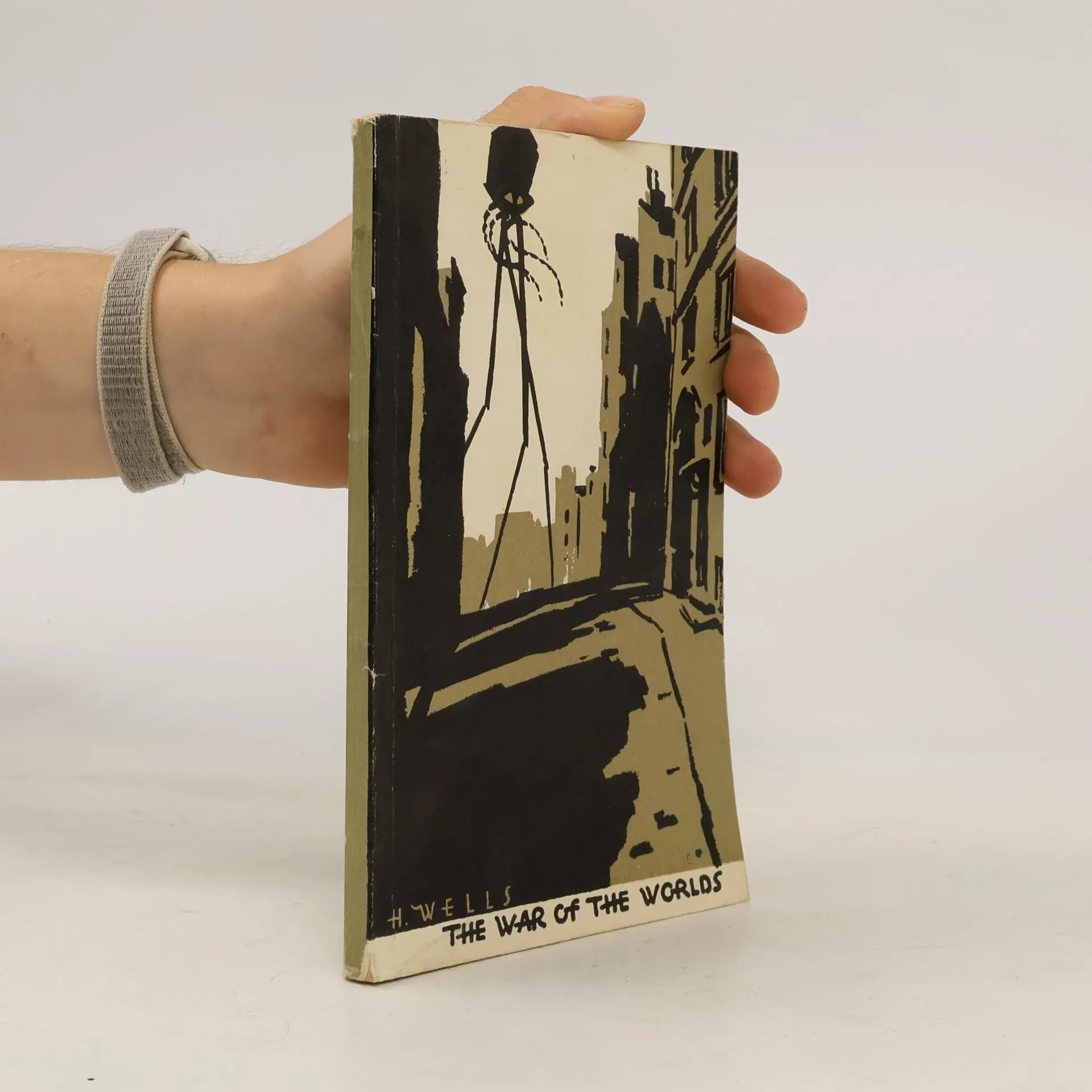
Vypravěč popisuje nezastavitelný útok invazních sil z Marsu, který vede k zdánlivě nevyhnutelnému pádu lidstva v tomto zásadním díle literární imaginace a zakládajícím románu žánru science fiction. Příběh, poprvé publikovaný v roce 1897, je vyprávěn jasným, téměř dokumentárním stylem. Realisticky vykreslené prostředí, s přesně popsanými městy a ulicemi, dává marťanskému útoku a následnému kolapsu pořádku ve viktoriánské Anglii nezapomenutelný dopad. Britská říše nasazuje své nejsilnější válečné stroje, avšak bez úspěchu, zatímco vypravěč, prchající před nehumánním nepřítelem, se skrývá v troskách civilizace. Hlavní koncept románu, kdy je lidstvo napadeno mimozemšťany, nepřestává rezonovat v populární kultuře a inspiroval více napodobenin než jakýkoli jiný motiv v žánru science fiction. Tento román H.G. Wellse si dodnes zachovává jak pocit nadpozemské úžasu, tak i hrůzostrašnou intenzitu.
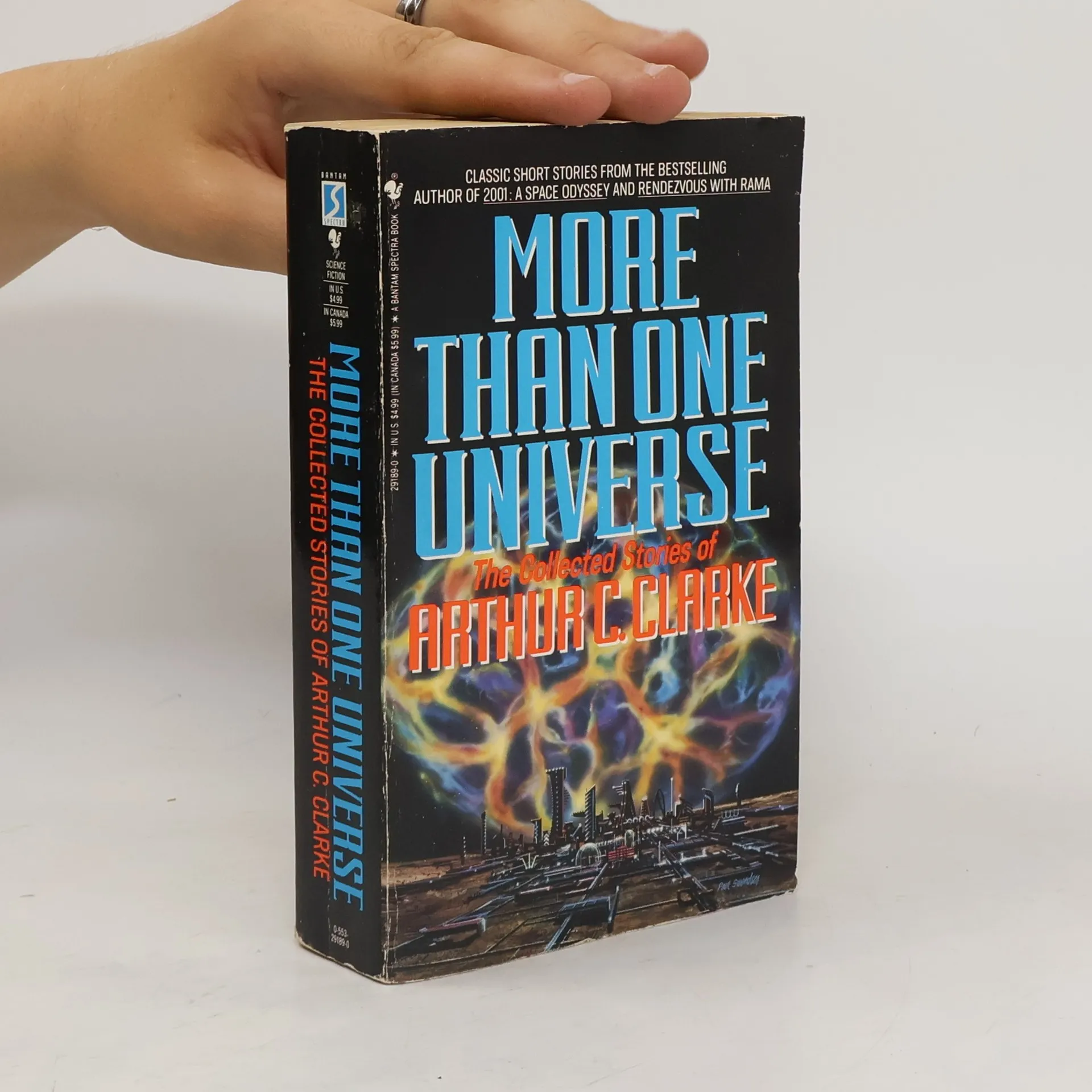
More Than One Universe
- 576 stránek
- 21 hodin čtení
Fifty-four short stories from a Grand Master of Science Fiction. Find the seed idea for 2001: A Space Odyssey, and more. From humorous to serious, a celebrated collection of worlds and words.
První kniha hexalogie Zlatý věk Venuše. Linda byla odmalička chytré a nadané dítě. Toho si všimli její rodiče, když začali s projektem SPARTA. Šlo o zkratku, která znamenala Stanovení a rozvíjení zdrojů specifických nadání. Jednalo se o rozvíjení přirozené inteligence člověka. U malých dětí to funguje lépe, než u dospělých a Lindini rodiče zanedlouho získali grant na provoz menšího vzdělávacího ústavu, kde soustředili ještě několik takových chytrých dětí. Tyto děti se měly v budoucnu zařadit mezi ostatní a žít a pracovat na výsostných postech lidské společnosti. Všechno by bývalo dopadlo dobře, kdyby Linda nezmizela a její rodiče nezemřeli při podivně vypadající nehodě. SPARTA byla rozpuštěna a její nadějní žáci se rozprchli do světa. A Linda byla dlouho pokládána za mrtvou...
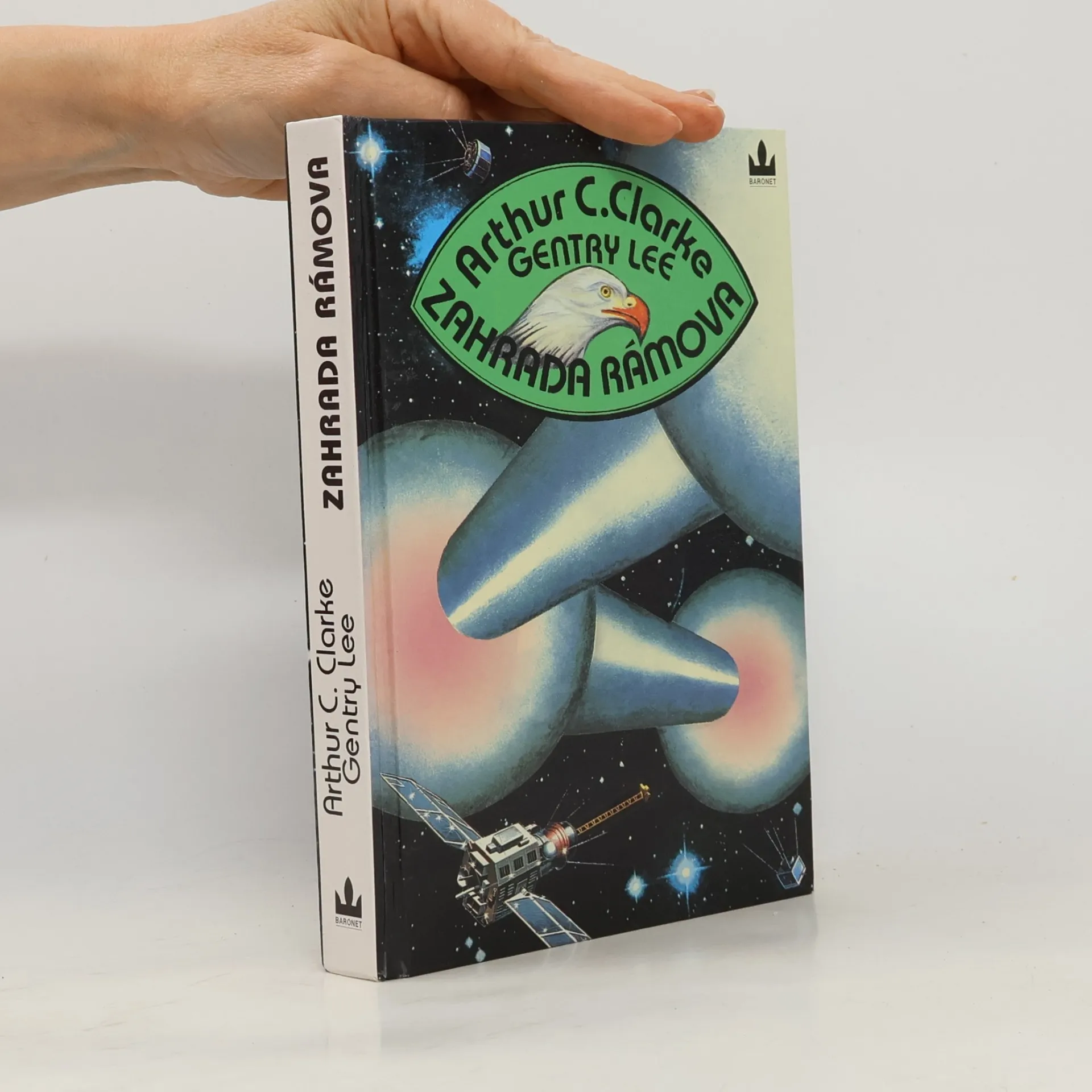
Zahrada Rámova (3. díl)
- 352 stránek
- 13 hodin čtení
3. kniha série Ráma Ráma II, kosmická loď mimozemské civilizace, je na cestě ze Sluneční soustavy a odváží na své palubě tři kosmonauty ze Země. Před nimi je neznámo, cesta, kterou se člověk ještě nikdy nevydal. Na jejím konci se možná nachází pravda o Rámovi…
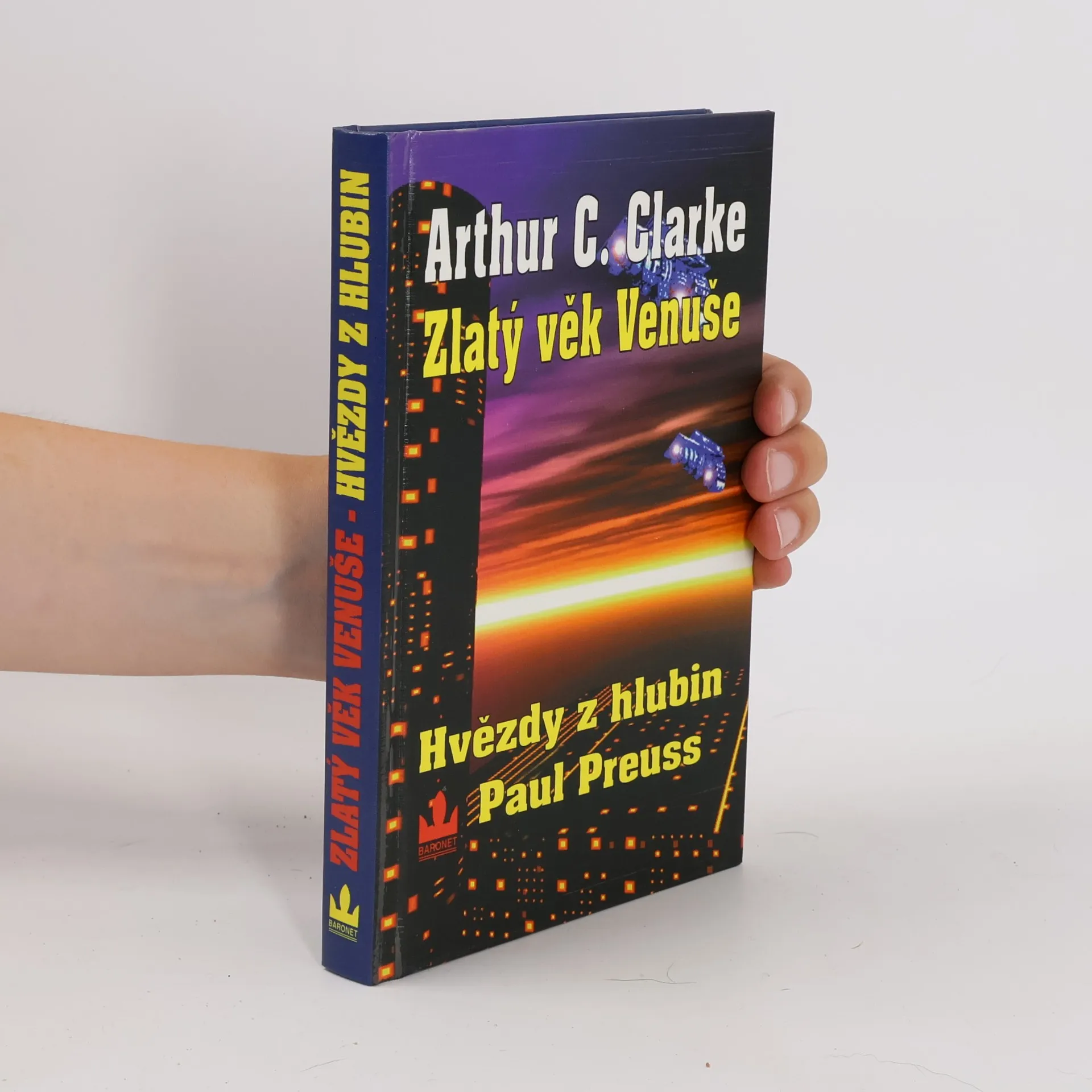
Zlatý věk Venuše.
- 239 stránek
- 9 hodin čtení
Třetí díl ze série Zlatý věk Venuše. Děj se odehrává na Marsu, kde je Sparta povolána vyšetřovat případ ztracené plakety. Kniha navazuje na předchozí díly a zase poodkrývá o něco více faktů o Spartině minulosti a tajném spolku, které se čtenáři dostane s postupným rozplétáním zločinu, ke kterému je povolána.
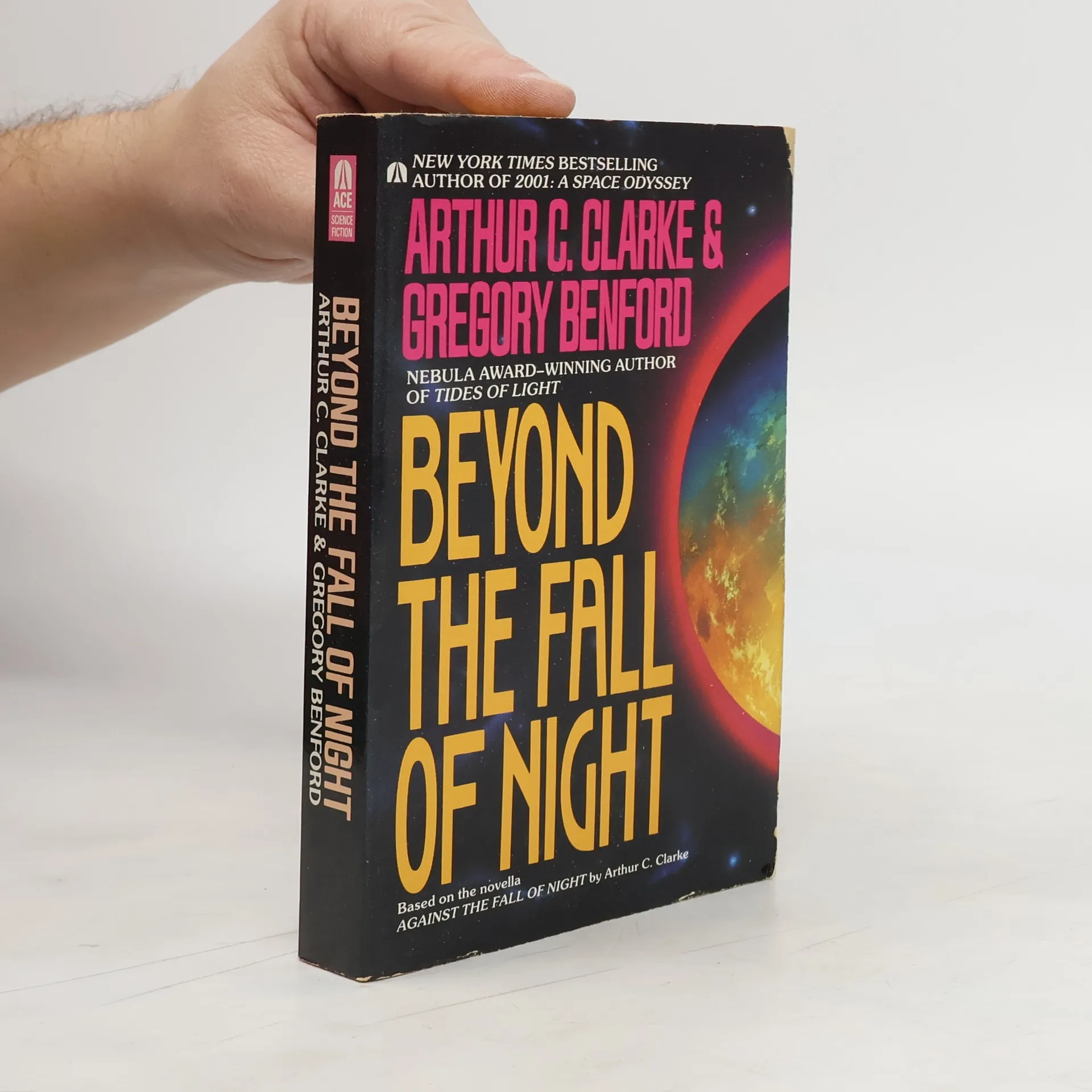
Beyond the Fall of Night
- 339 stránek
- 12 hodin čtení
Gregory Benford expands Arthur C. Clarke's novella, Against the Fall of Night, into a novel-length adventure set billions of years in the future about human destiny among the stars.
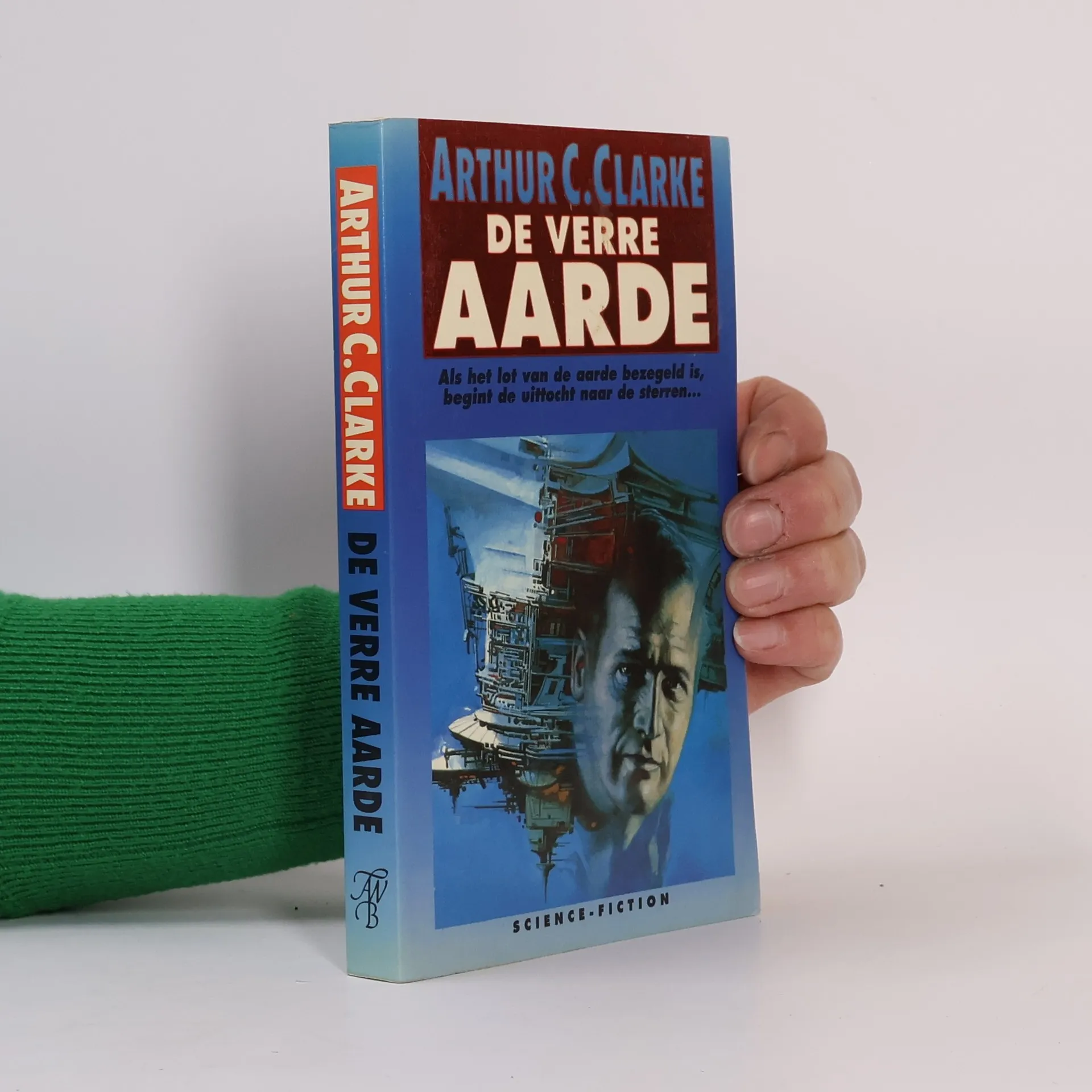
De verre Aarde
Als het lot van de aarde bezegeld is, begint de uittocht naar de sterren...
- 225 stránek
- 8 hodin čtení
Confrontatie tussen een van de aarde vertrokken expeditie met een vredige kolonie op de waterplaneet Thalassa.
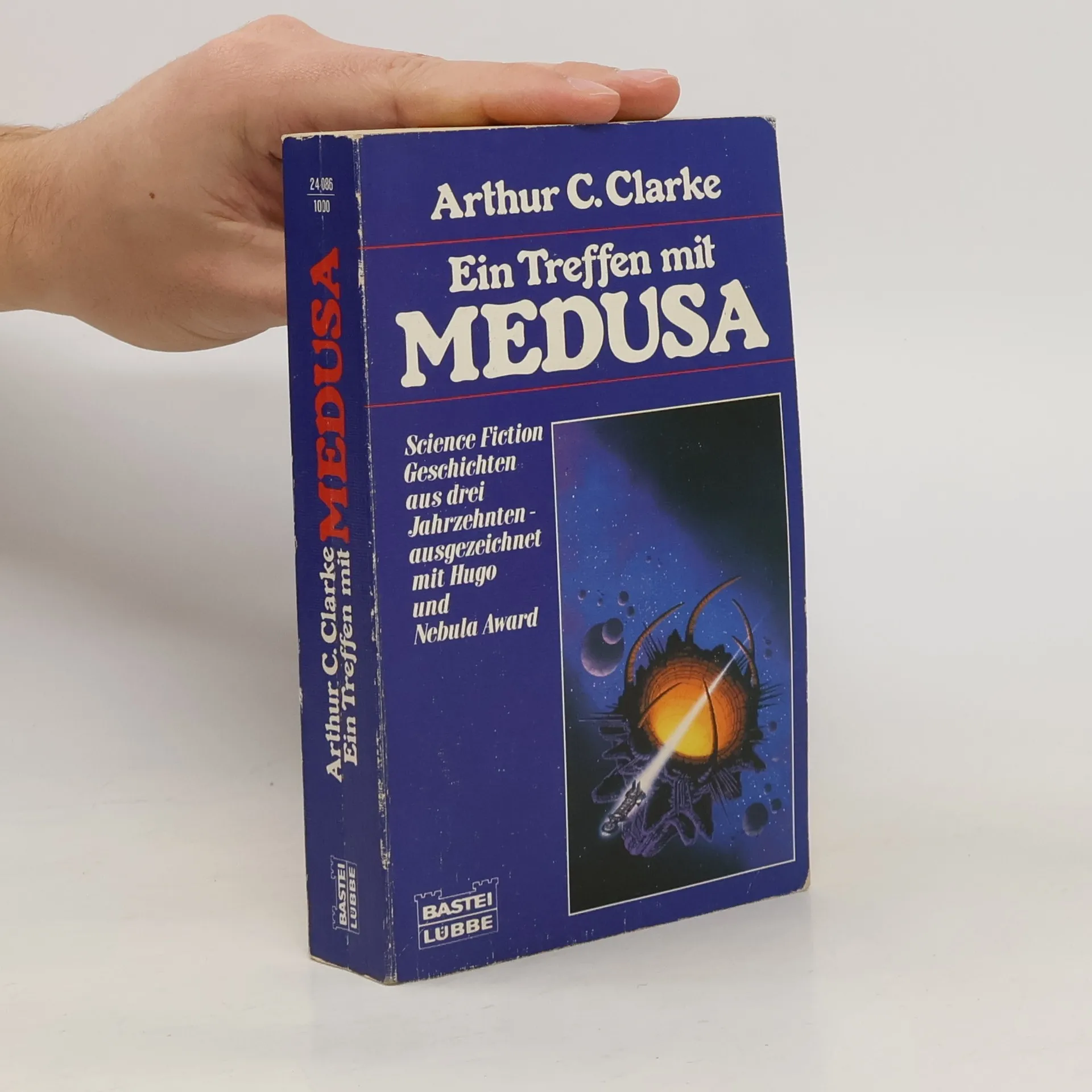
Ein Treffen mit Medusa. Science Fiction Geschichten aus drei Jahrzehnten
- 492 stránek
- 18 hodin čtení
Geschichten aus einer Zukunft, die bereits begonnen hat, und in die der Mensch mit Kräften spielt, die er nur teilweise versteht und vieleicht nie gänzlich beherrrschen wird.Geschichten, die Raum und Zeit überwinden und den Menschen in seiner ganzen Winzigkeit im Angesicht des Universums zeigen - un in seiner ganzen inneren Größe.Dieser Band enthält die Geschichten:- Rettungsexpedition - Ein Gang durch die Nacht (A WALK IN THE DARK)- Der vergessene Feind- Technischer Irrtum- Der Parasit - Im Dunkel der Erde- Das Erwachen- Ärger mit den Eingeborenen- Der Fluch- Der Pfeil der Zeit- Jupiter Fünf- Die Besessenen (THE POSSESSED) - Die Speise der Götter (THE FOOD OF THE GODS) - Mahlstrom II- Die Leuchtenden (THE SHINING ONES)- Vor dem Sonnenwind- Das Geheimnis (THE SECRET) - Der letzte Befehl (THE LAST COMMAND)- Wähle F wie Frankenstein- Wiedervereinigung- Playback- Das Licht der Finsternis (THE LIGHT OF DARKNESS) - Die längste SF-Geschichte, die jemals erzählt wurd (THE LONGEST SCIENCE FICTION STORY EVER TOLD) - Euer Wohlgeboren, Herbert George Morley Roberts Wells- Liebt das Universum!- Kreuzzug - Neutronenflut- Der Durchgang der Erde (TRANSIT OF EARTH) - Ein Treffen mit Medusa (A MEETING WITH MEDUSA)
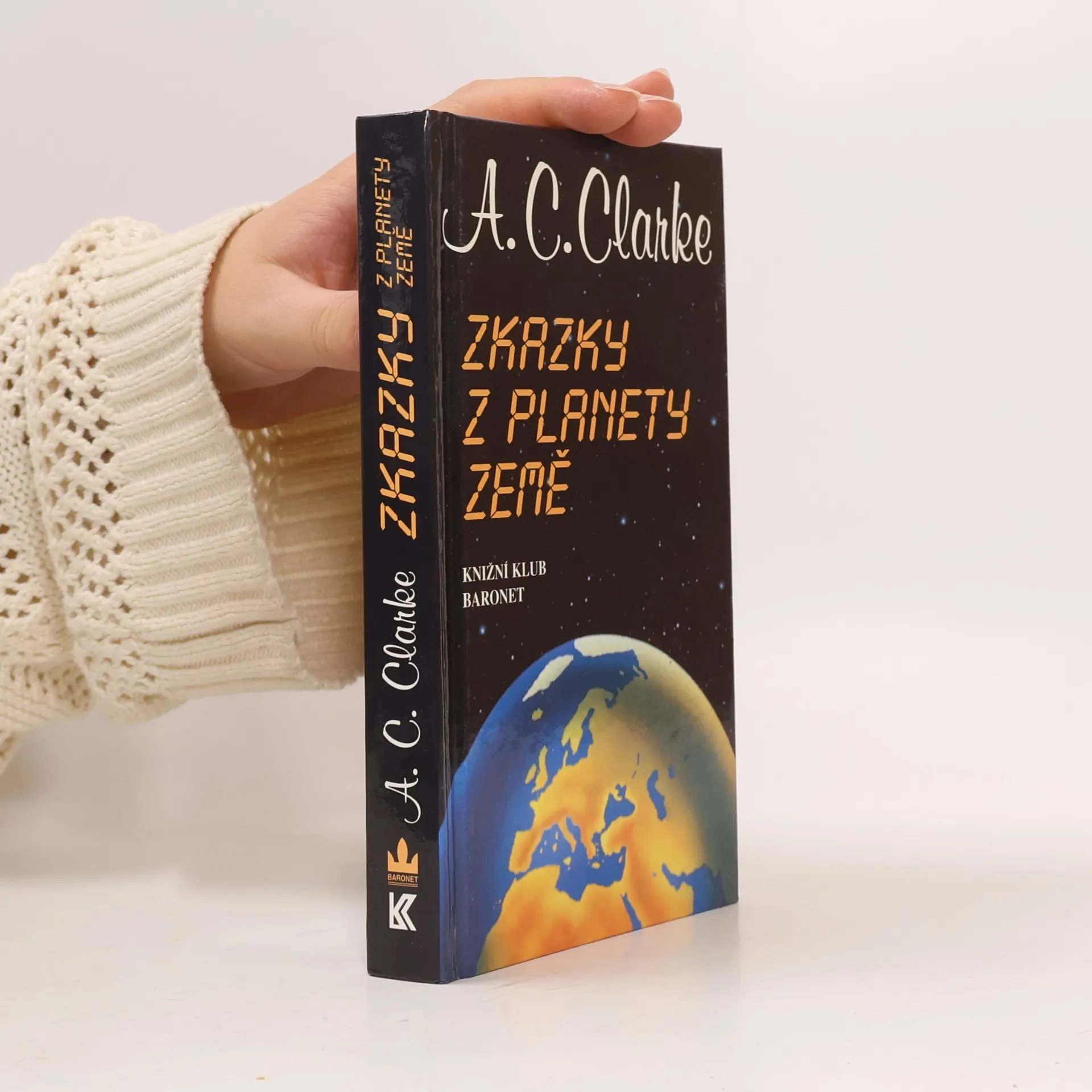
Zkazky z planety Země
- 304 stránek
- 11 hodin čtení
Soubor čtrnácti povídek velmistra sci-fi Arthura C.Clarka opatřený předmluvou jiného velikána žánru Isaaca Asimova obsahuje již klasické příběhy s pestrou škálou témat.
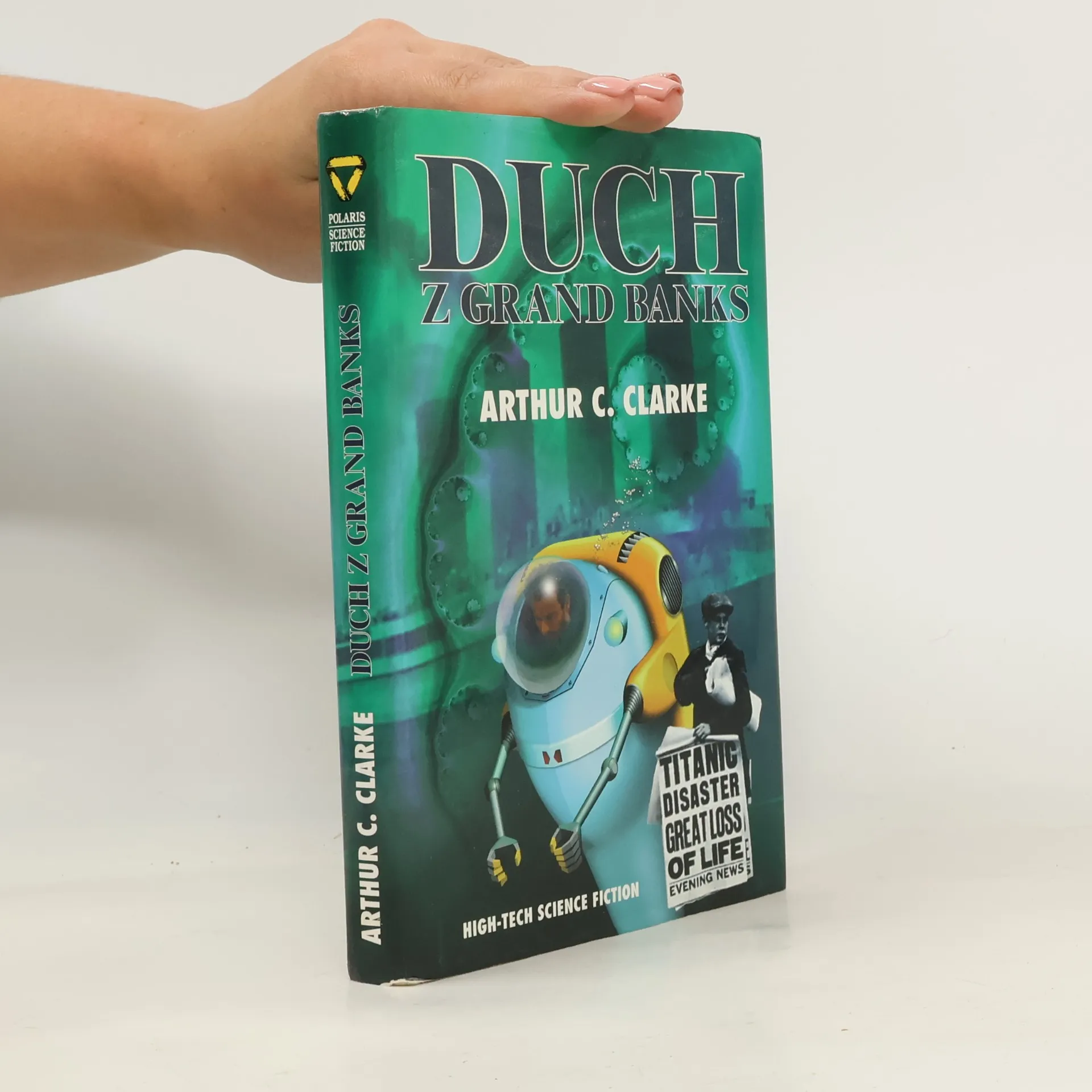
Duch z Grand Banks
- 268 stránek
- 10 hodin čtení
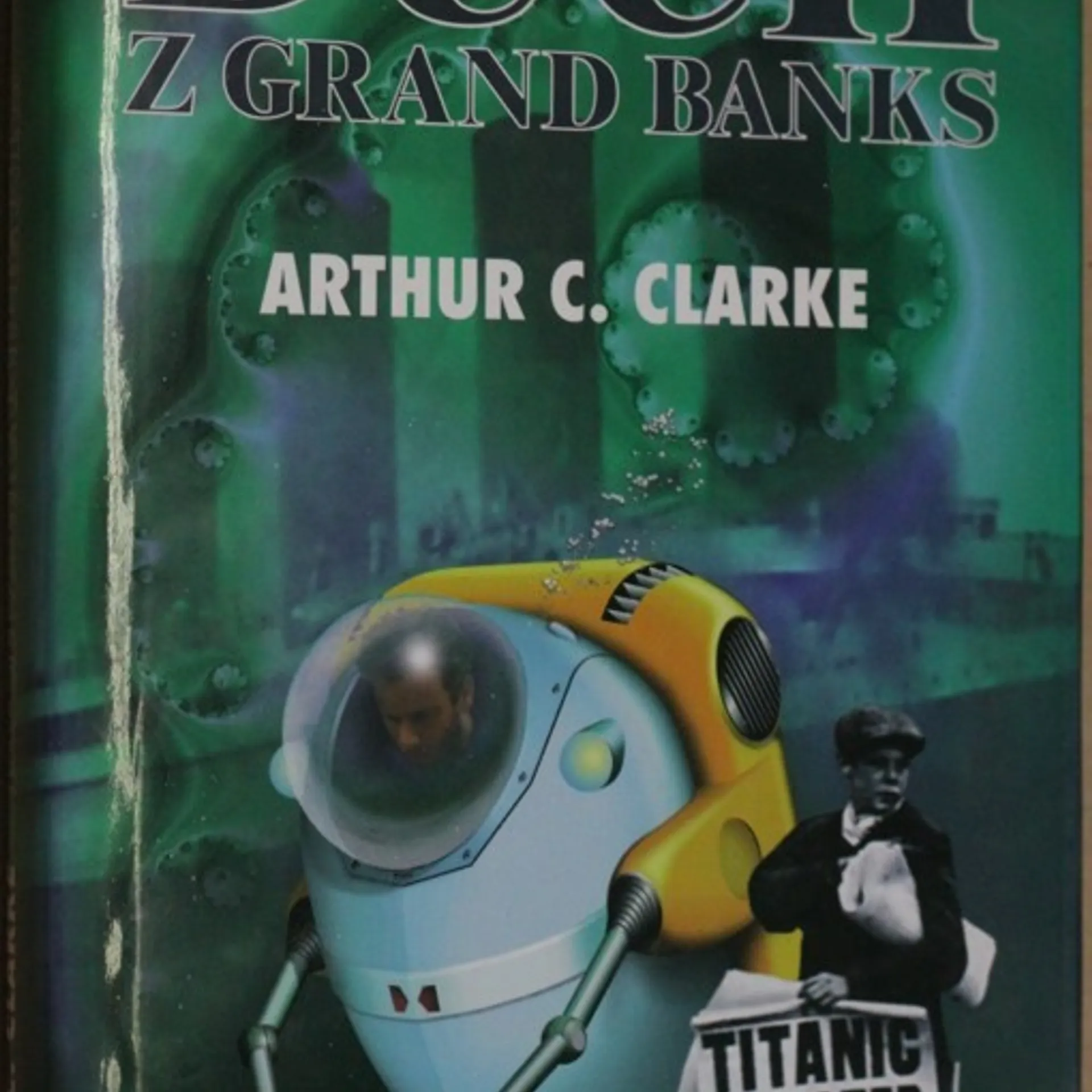
Píše se rok 2012: sto let po potopení Titaniku. Dvě z nejmocnějších společností světa, z nichž každá je vedena excentrickým multimilionářem, se utkají v závodě o to, komu se dříve podaří nalézt způsob, jak vyzvednout a uchovat luxusní transoceánský parník. V tomto závodě, který má ohromit svět a obě společnosti proslavit, jsou otestovány dvě nesmírně nákladné technologie a sejdou se v něm nejbrilantnější mozky jedenadvacátého století. Dvě špičkové technologie zde soupeří pod tlakem čtyř set atmosfér na dně oceánu. Pro každého ze zúčastněných se odkrytí roušky tajemství z nejznámějšího lodního vraku všech dob stává posedlostí. A pro některé z nich posedlostí osudovou…
Komet der Blindheit. Eine Science- Fiction- Anthologie.
- 221 stránek
- 8 hodin čtení
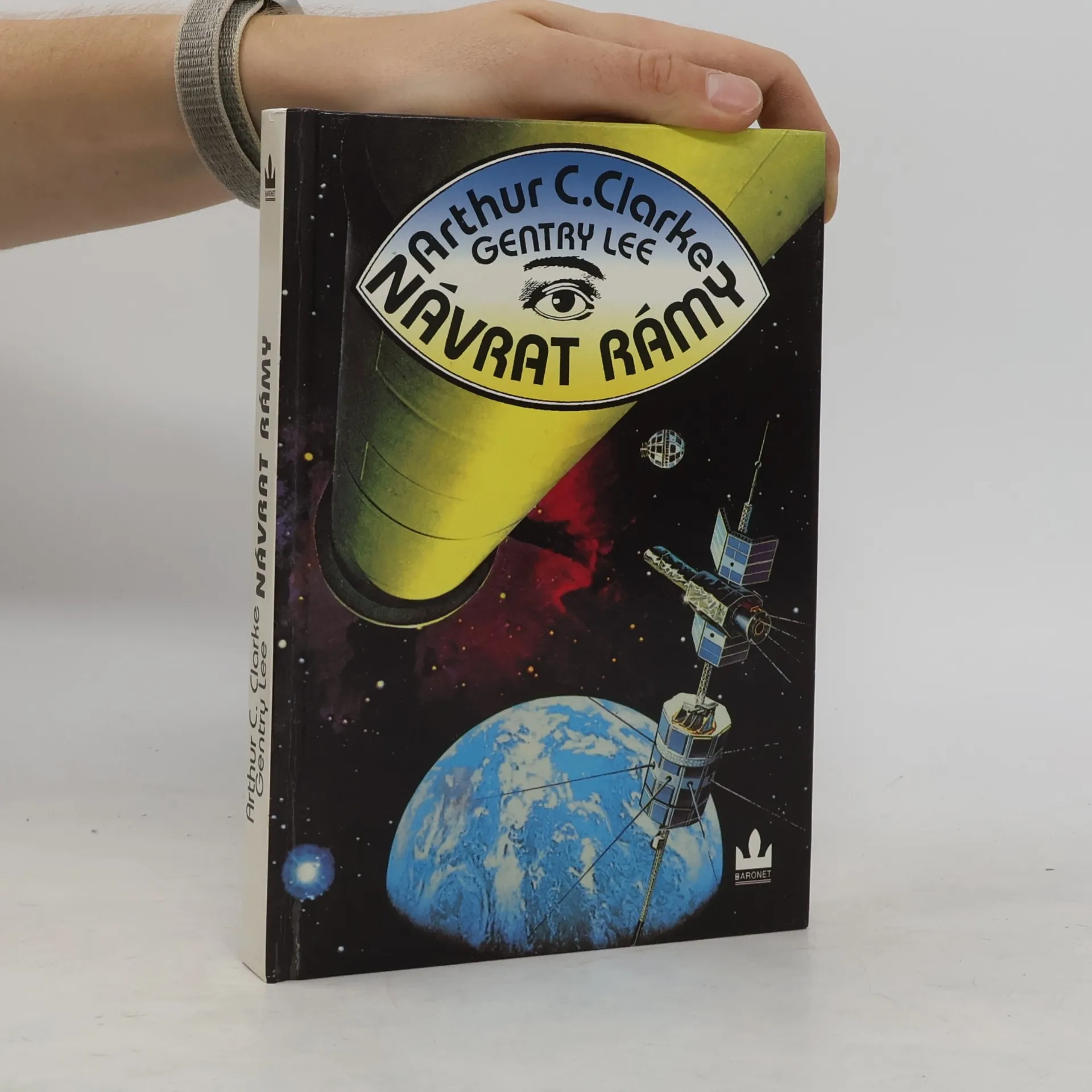
Návrat Rámy
- 318 stránek
- 12 hodin čtení
Po letech se Clarke společně s Gentry Leem k tématu vracejí pokračováním. A protože tajemství Rámy v minulém románu nebyla odkryta, mají na co navazovat. Ráma se vrací a i tentokrát k němu míří raketa s lidskou posádkou na průzkumy. Další tajemství a záhady přibývají a k tomu všemu se stává nehoda, která zabrání třem členům výzkumné posádky včas opustit Rámu před odletem z naší Sluneční soustavy. Kam s Rámou míří a co je na jejich cestě očekává?...
Arthur C. Clarke, nositel titulu Velmistra science fiction a několikanásobný laureát cen Hugo a Nebula, vytvořil již klasická díla 2001: Vesmírná odysea, Setkání s Rámou či Zpěv vzdálené Země. Společně s uznávaným kosmickým odborníkem z NASA Gentry Leem nyní vnášejí vzrušující, tajuplnou vizi do galaktického dobrodružství, které dosahuje od oceánu hvězd až k mořskému dnu na Zemi. Protože právě tam čeká na své probuzení cosi mocného. Něco vražedného, co by mohlo znamenat vyhubení celého lidstva.
Dopo la trasformazione di Giove in una stella giunge sulla Terra, da parte di misteriose creature, un messaggio: "Tutti questi mondi sono vostri tranne Europa, non mettete piede su Europa". Per molti decenni si tenta di scoprire i segreti nascosti nel satellite, e un giorno l'astronave da crociera 'Galaxy' vi viene dirottata senza apparente motivo sulla sua superficie. In soccorso arriva la 'Universe', dopo il disperato messaggio di soccorso lanciato nello spazio, ma verranno alla luce inquietanti e dirompenti rivelazioni.
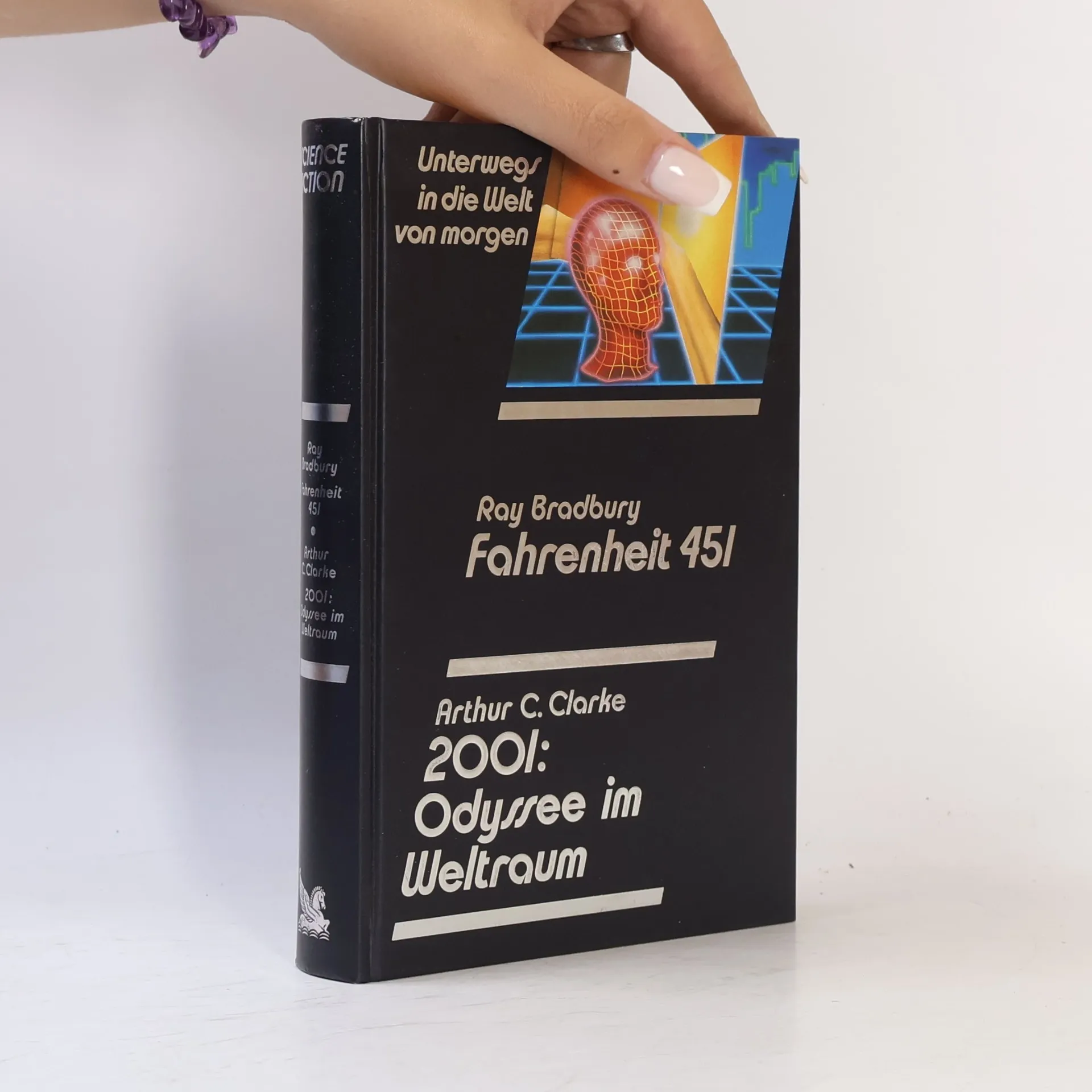
Unterwegs in die Welt von morgen, Fahrenheit 45l, 200l Odyssee im Weltraum
- 349 stránek
- 13 hodin čtení
Zwei utopische Romane (Bradbury: Fahrenheit 451 / Clarke: 2001 - Odyssee im Weltraum) und ein illustrierter Anhang
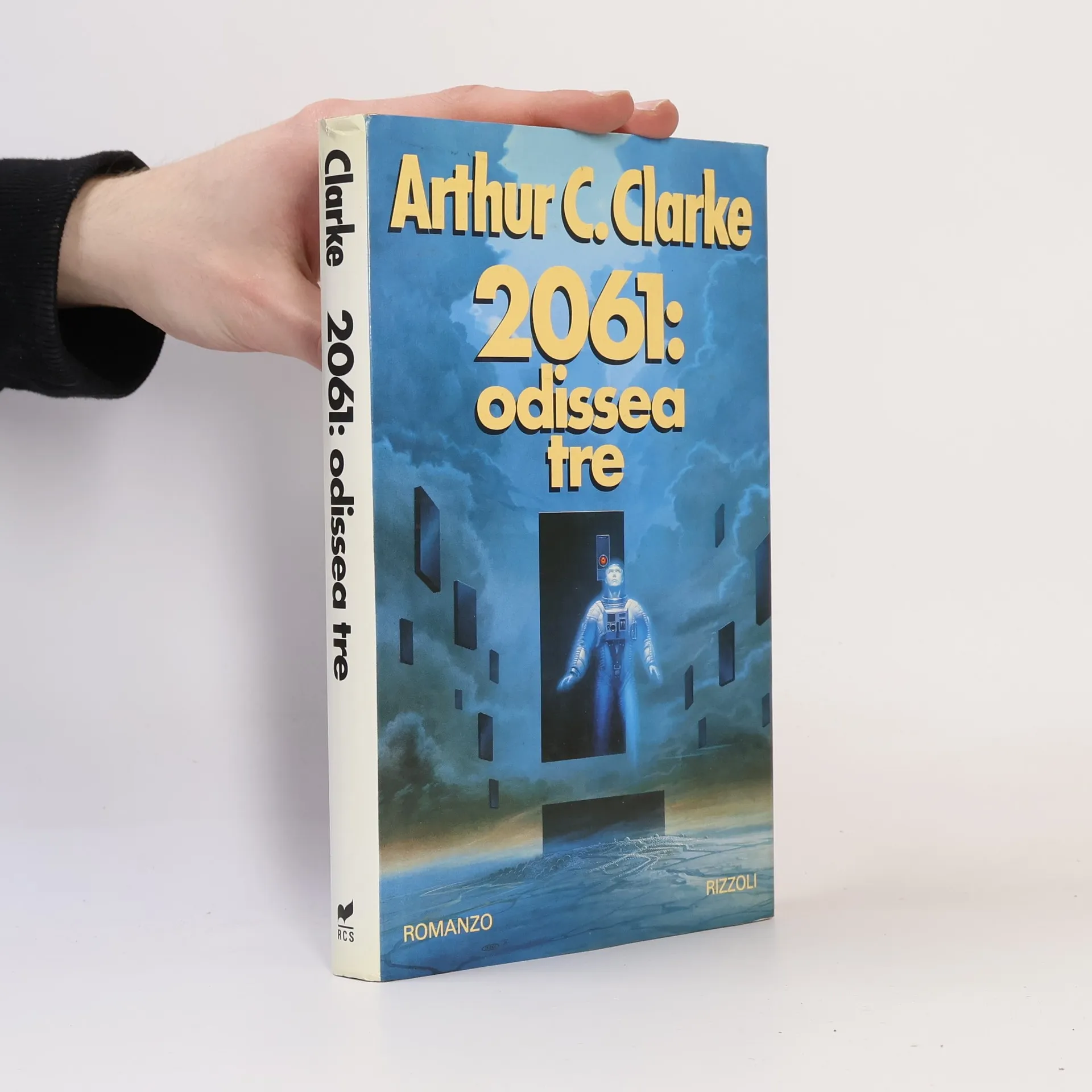
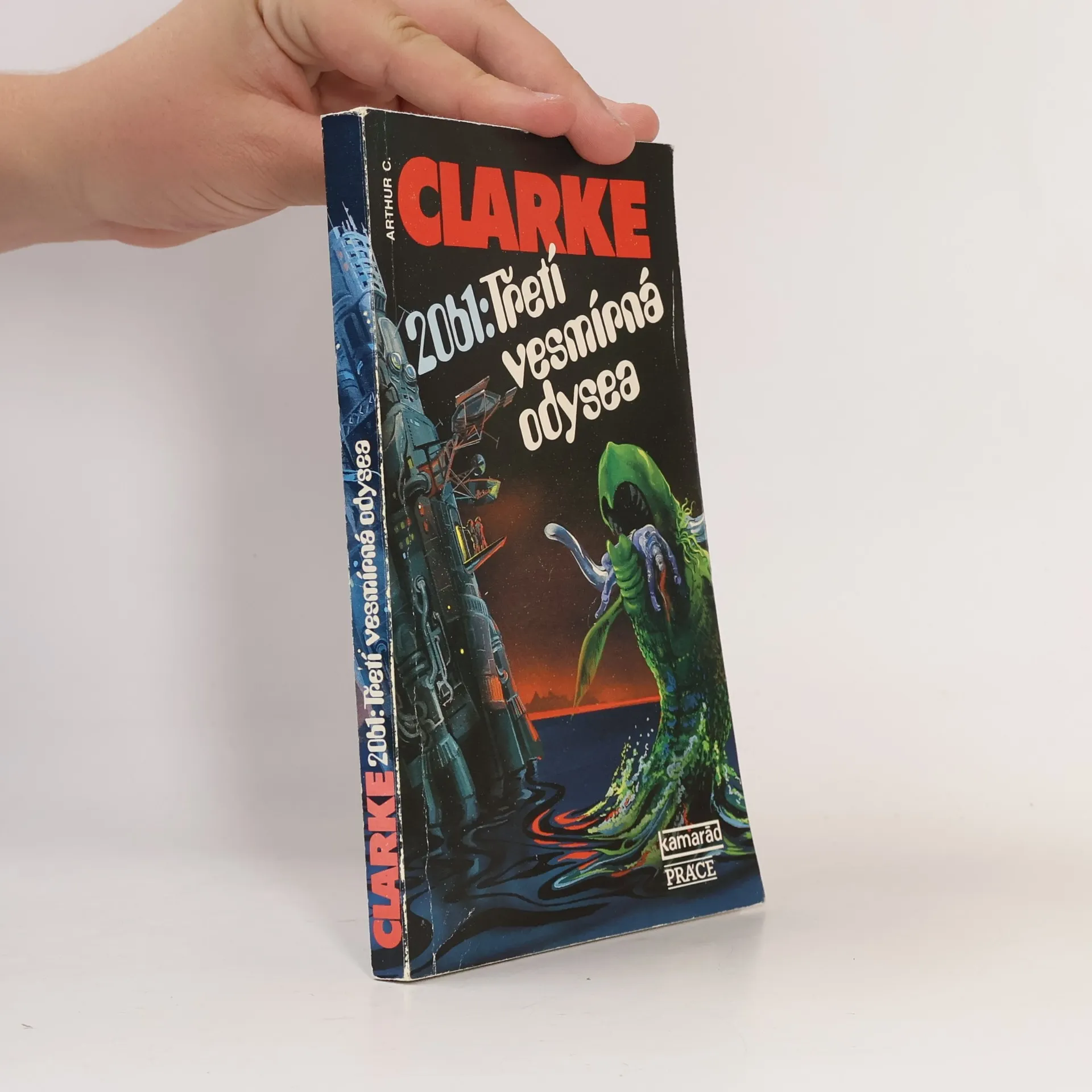
2061: Třetí vesmírná odysea
- 196 stránek
- 7 hodin čtení
Doktor Floyd, účastník výpravy k Jupiteru z roku 2010, se ve věku 103 let vydává opět do vesmíru, a to k Halleyově kometě. Ocitne se v náročné a nebezpečné situaci: je třeba zachránit sesterskou loď Galaxy, která havarovala. Nevšední dobrodružství hrozí přerůst v katastrofu. Obratný vypravěč Clarke provází čtenáře dějem vědeckofantastického příběhu jako napínavou detektivkou. Jeho hrdinové vzbuzují sympatie i tím, že se nechovají jako dokonalí mezigalaktičtí supermani....
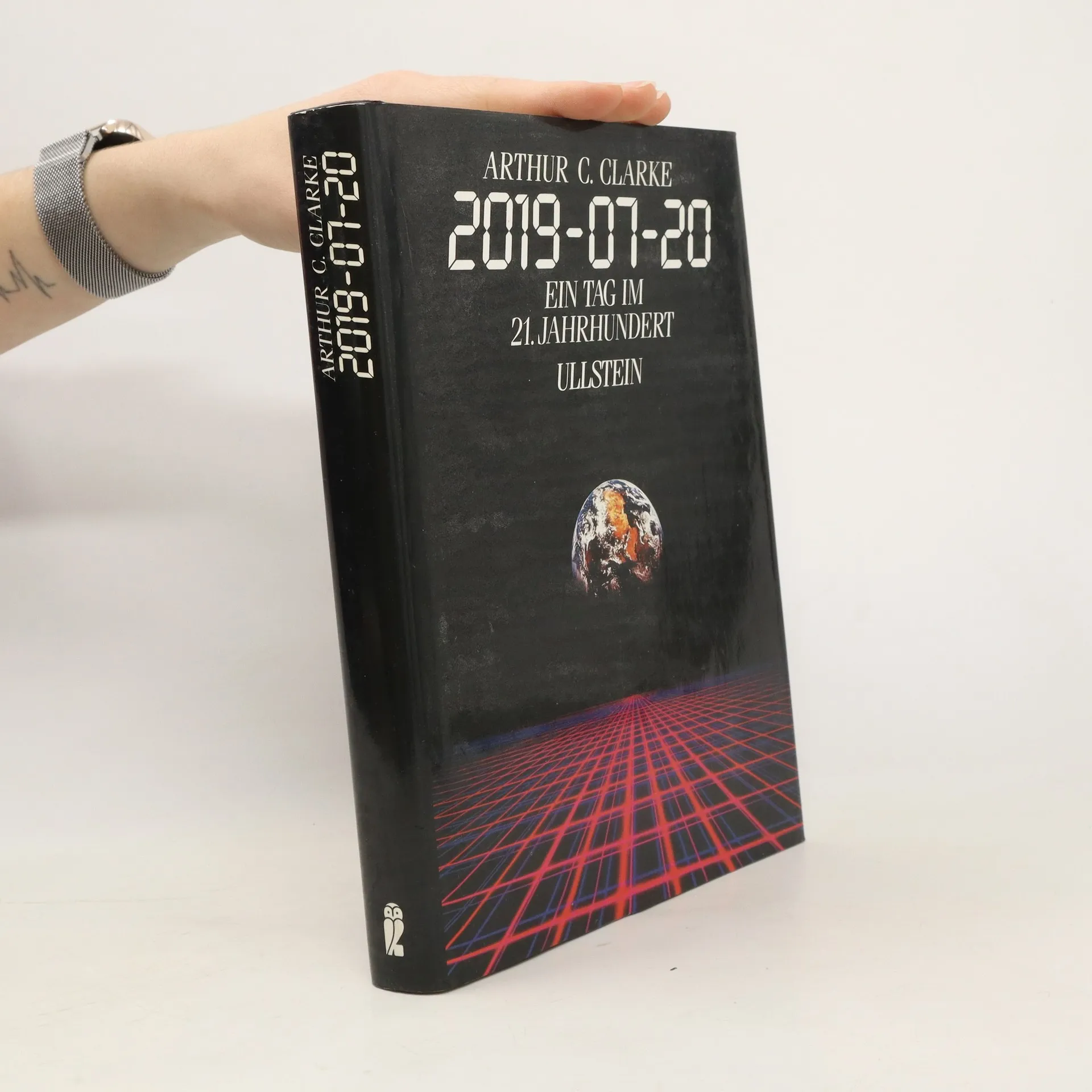
2019-07-20
- 300 stránek
- 11 hodin čtení
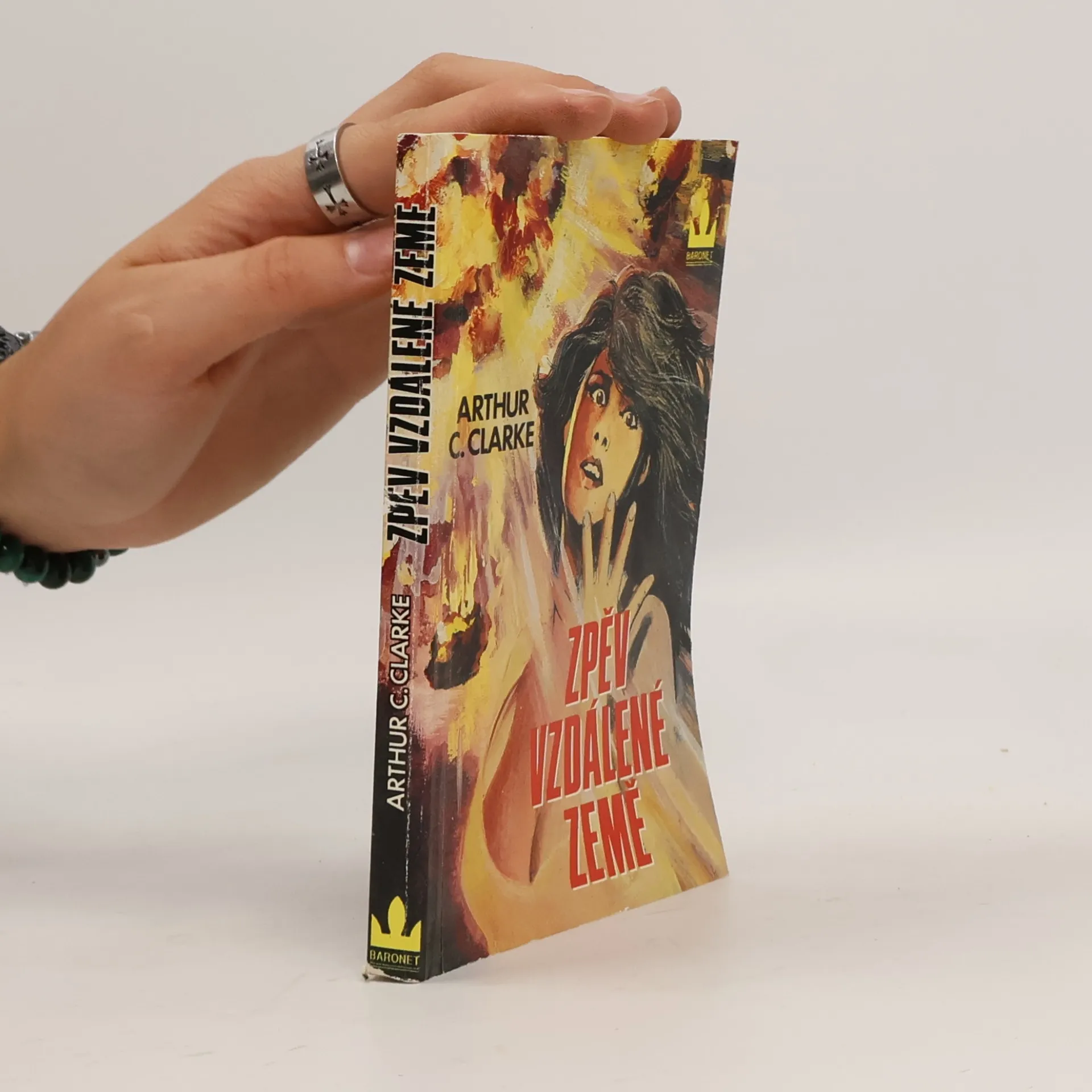
Zpěv vzdálené Země
- 206 stránek
- 8 hodin čtení
Zpěv vzdálené země Žijící legenda science fiction Arthur Charles Clarke je posledním z autorů "hvězdného triumvirátu" Asimov-Clarke-Heinlein, který celosvětově vládl tomuto žánru po celá dlouhá desetiletí. Román Zpěv vzdálené Země vypráví clarkovsky dramatický a propracovaný příběh: Lidé opouštějí hynoucí rodnou planetu, aby se pokusili najít nový domov hluboko ve vesmíru. Je to jedno z nezapomenutelných děl velkého autora, jehož mimořádné příběhy doslova utvářely dějiny sci-fi.
Άγνωστες δυνάμεις. Ágnostes dynámeis
- 344 stránek
- 13 hodin čtení
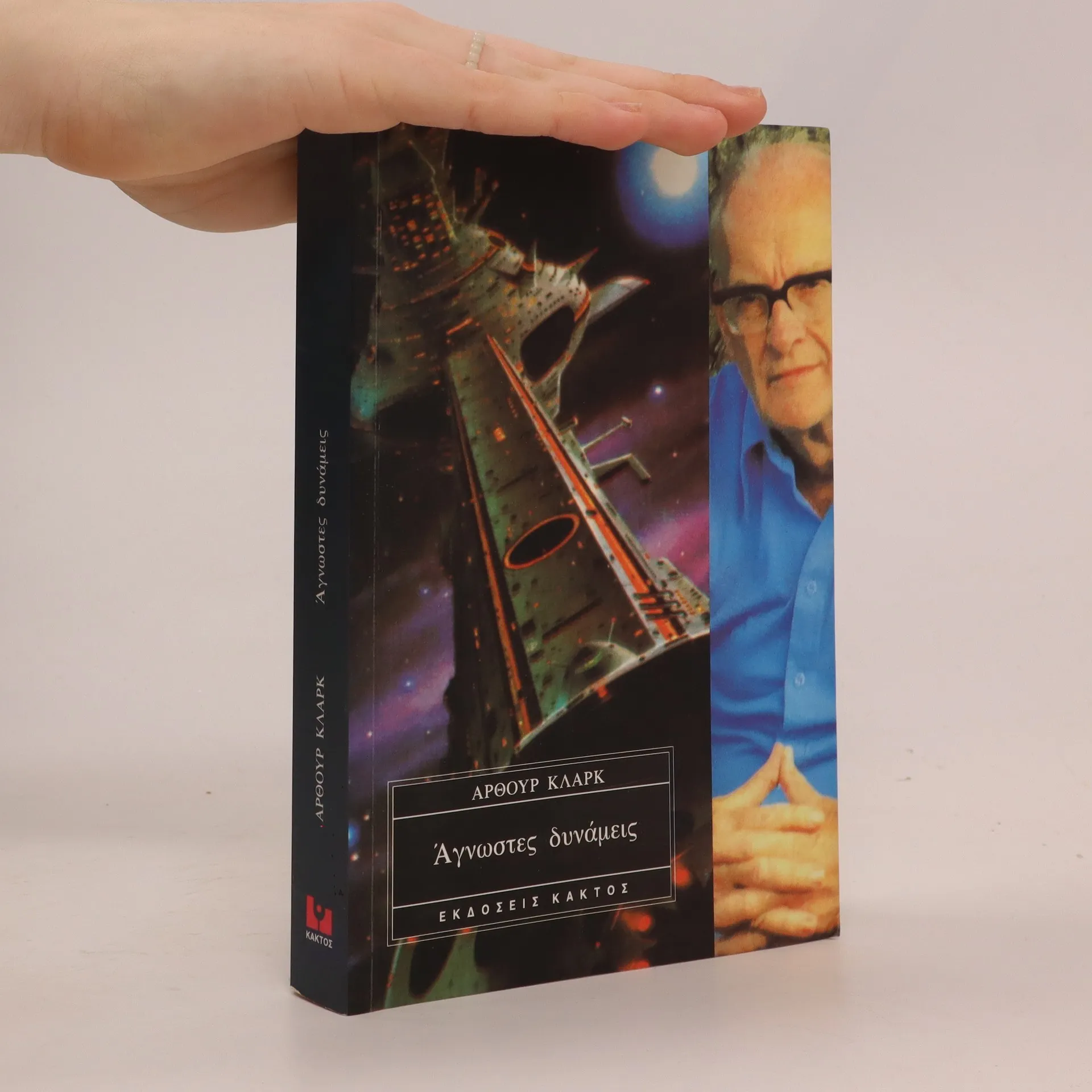
Jeden z nejslavnějších světových autorů science fiction Arthur C. Clarke je autorem více než padesáti knih, z nichž nejznámější jsou 2001: Vesmírná odysea, Setkání s Rámou či Město a hvězdy. Milovníci science fiction jej ale znají především jako autora množství vynikajících povídek. Česky jste se s nimi mohli seznámit v různých výběrech a časopisech. Knižní klub pro vás připravil sbírku, tak jak ji sestavil sám Clarke. Obsahuje autorův úvod a devět povídek, z nichž některé (Hlídka, Strážný anděl) se staly základem pro romány.
Profiles of the Future
- 304 stránek
- 11 hodin čtení
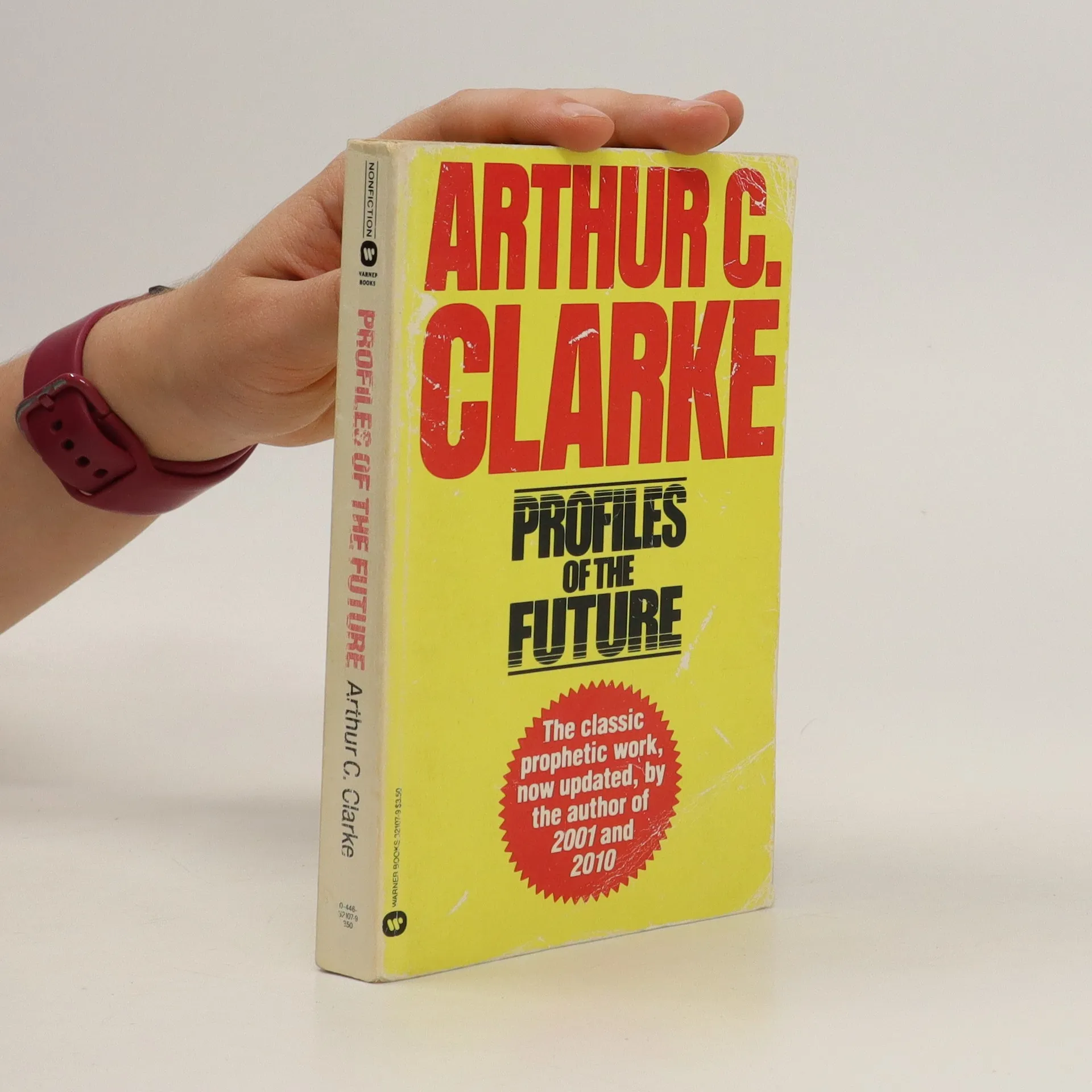
Examines the potential future directions of technological development and assesses the advantages and disadvantages of progress
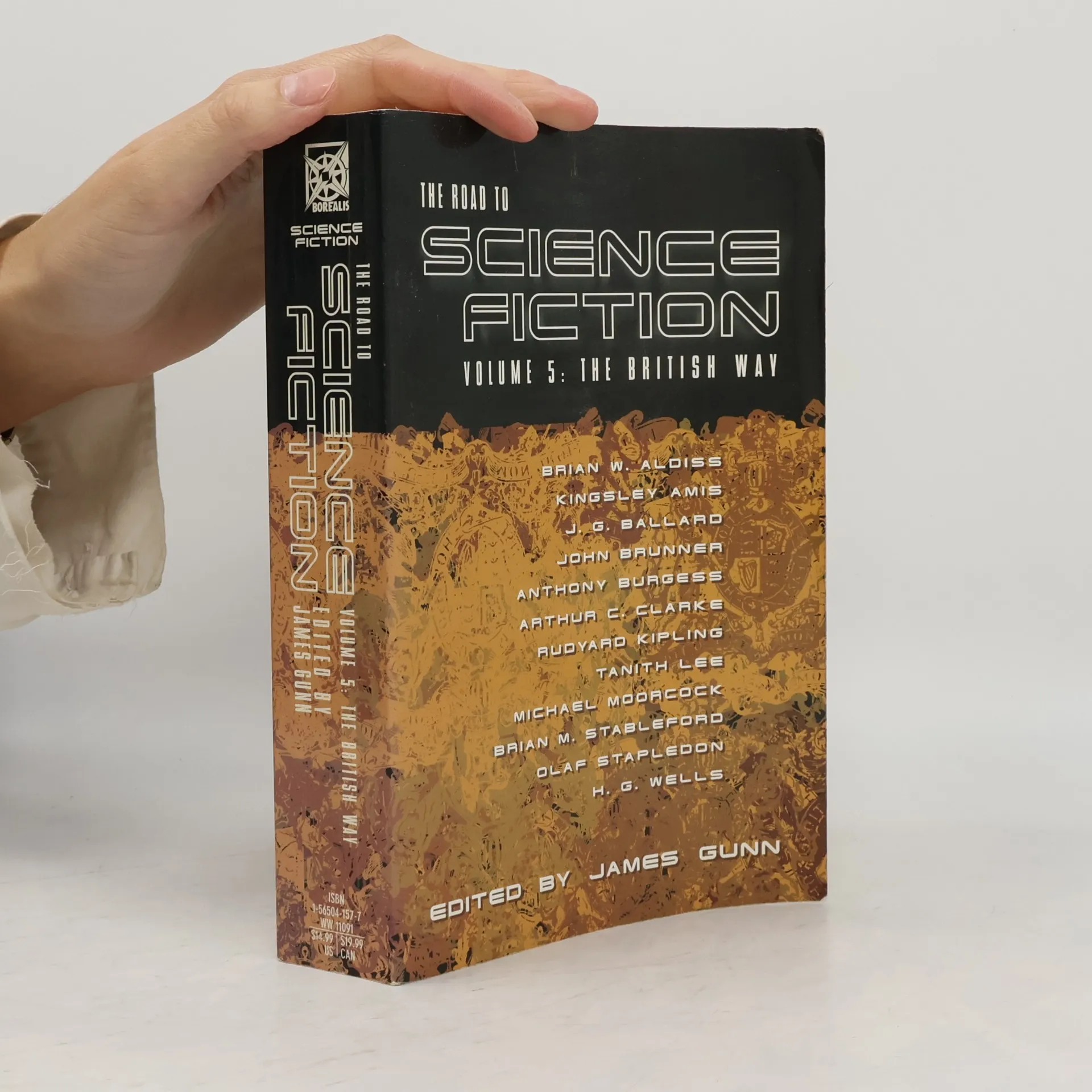
The Golden Age of Science Fiction
- 368 stránek
- 13 hodin čtení
This collection features a range of influential science fiction works, showcasing the genre's evolution and creativity. It begins with essays by Kingsley Amis, setting the stage for the Golden Age of Science Fiction. The anthology includes notable stories such as Anthony Boucher's "The Quest for Saint Aquin," R. S. Richardson's "The Xi Effect," and Frederik Pohl's "The Tunnel Under the World." Additionally, readers will find Brian W. Aldiss's "Old Hundredth," James Blish's "A Work of Art," and Kurt Vonnegut Jr.'s iconic "Harrison Bergeron." J. G. Ballard's "The Voices of Time" and Robert Sheckley's "Specialist" further explore imaginative themes. The collection also features H. Beam Piper's "He Walked Around the Horses," Cordwainer Smith's "The Game of Rat and Dragon," and Arthur C. Clarke's thought-provoking "The Nine Billion Names of God." Other highlights include Harry Harrison's "The Streets of Askelon," Damon Knight's "The Country of the Kind," and Isaac Asimov's "The Machine That Won the War." The anthology concludes with F. L. Wallace's "Student Body" and Jerome Bixby's "It's a Good Life," along with Poul Anderson's novella "Sister Planet," offering a rich tapestry of speculative fiction.
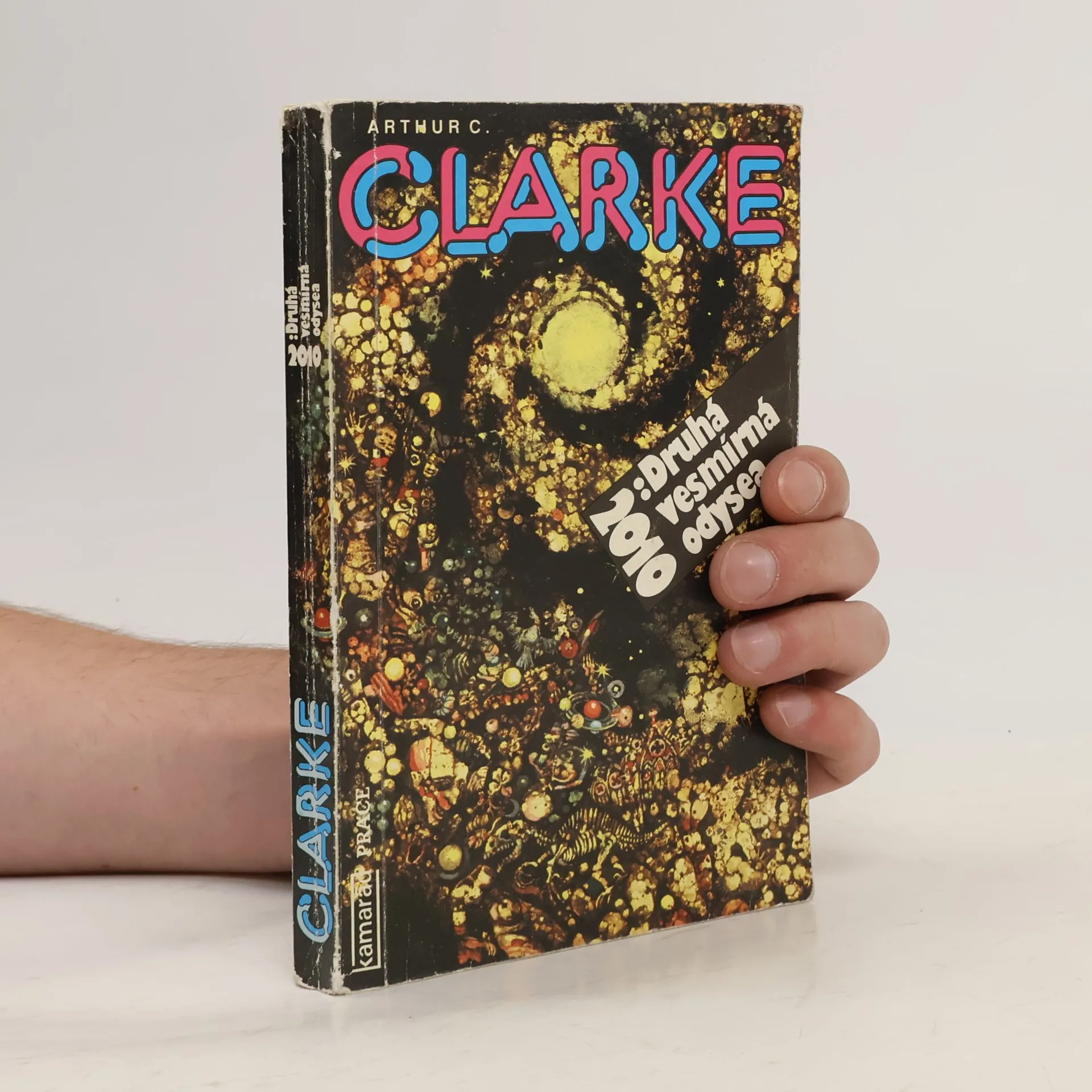
2010. Druhá vesmírná odysea
- 236 stránek
- 9 hodin čtení
K americké kosmické lodi Discovery, která již celá léta osamoceně a opuštěna posádkou krouží na oběžné dráze kolem planety Jupiter, se vydává nová mezinárodní expedice. Jejím úkolem je kromě přírodovědných výzkumů také objasnění tragédie, která kdysi Discovery postihla. Nová mise má před sebou ještě další nelehký úkol: pokusit se alespoň zčásti objasnit záhadný jev, nad nímž si lidé již mnoho let marně lámou hlavu - výskyt naprosto pravidelného černého tělesa, které se nachází v blízkosti Jupiteru a jehož přesná zmenšenina byla kdysi nalezena na Měsíci. Jakou úlohu asi ony předměty mohou mít? Jsou výtvorem přírody či cizí civilizace, mohou lidstvu uškodit, anebo naopak prospět? Osamocení vyslanci lidstva se ve vesmíru začínají potýkat se zcela neočekávanými problémy. Zjišťují, že jejich výzkum se dotýká samé podstaty existence vesmíru a budoucnosti lidského druhu. Přeložil Zdeněk Volný, 51. kap. Vladimír Svoboda...
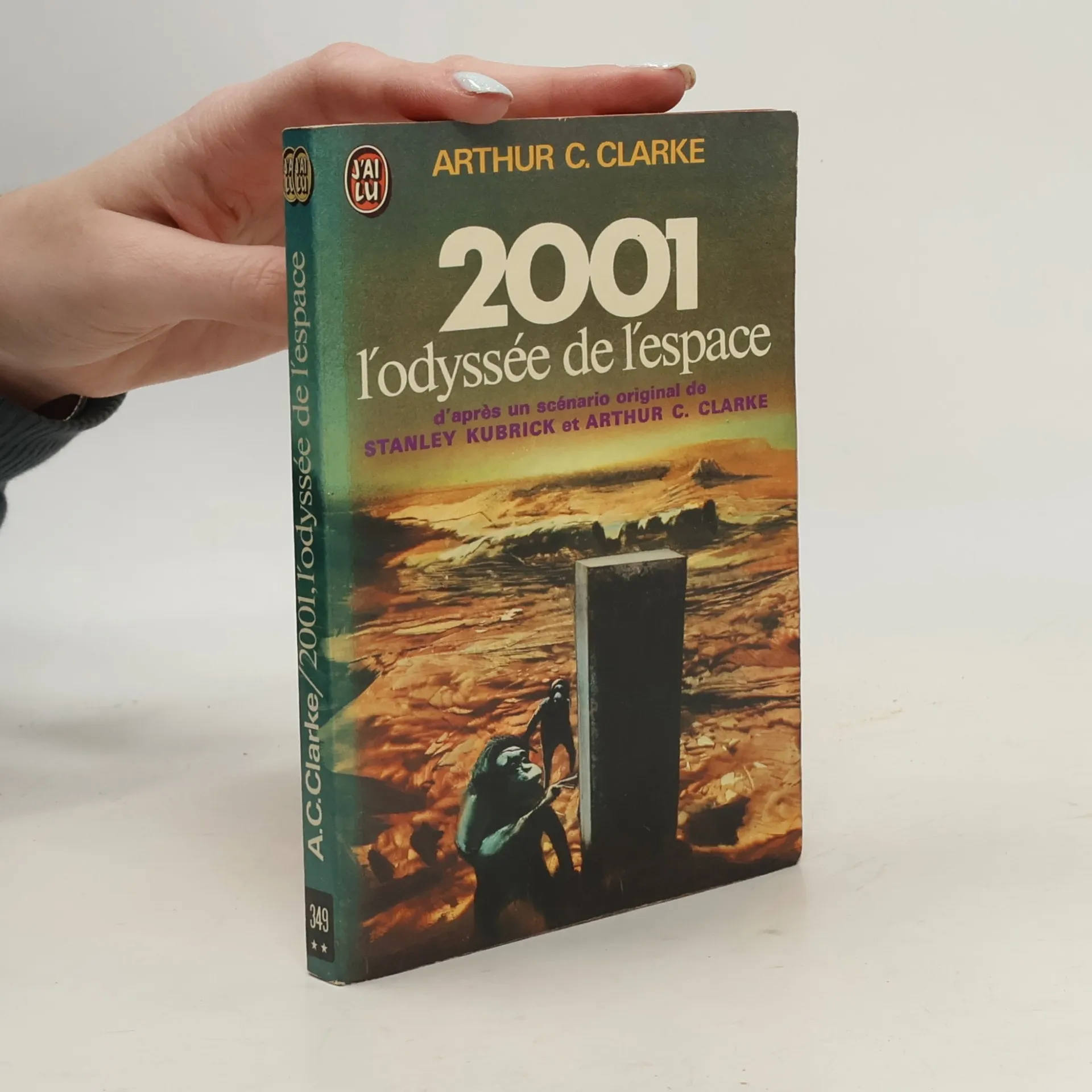
Quelque part du côté d'un satellite de Saturne, on a localisé une source de radiation extraordinairement puissante. Un vaisseau y est envoyé en mission ultra-secrète, emportant à son bord un équipage dont une partie est en état d'hibernation, et aussi Carl 9000, le prodigieux cerveau électronique qui, tout à la fois, est le navigateur, l'interlocuteur, voire le partenaire aux échecs de ces hommes. Ce voyage fantastique entraîne l'Explorateur 1 et son équipe jusqu'aux confins du cosmos et leur permet de percer en partie les origines et le mystère de la vie. Ce roman complète et explicite admirablement le film qu'a réalisé sur son thème Stanley Kubrick et qui poursuit une carrière fabuleuse dans le monde entier.
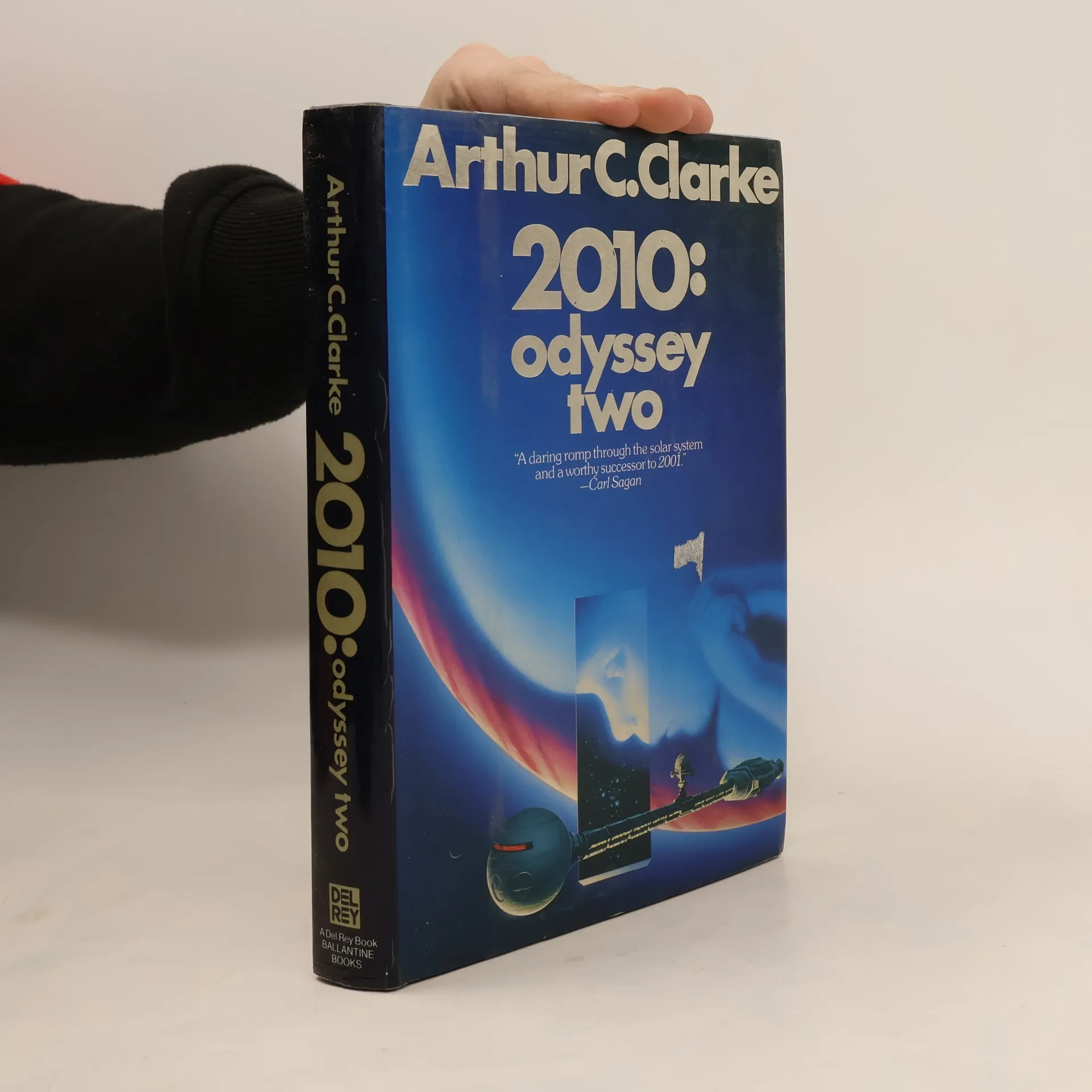
2001: A Space Odyssey shocked, amazed, and delighted millions in the late 1960s. An instant book and movie classic, its fame has grown over the years. Yet along with the almost universal acclaim, a host of questions has grown more insistent through the years, for example: who or what transformed Dave Bowman into the Star-Child? What alien purpose lay behind the monoliths on the Moon and out in space? What could drive HAL to kill the crew? Now all those questions and many more have been answered, in this stunning sequel to the international bestseller. Cosmic in sweep, eloquent in its depiction of Man's place in the Universe, and filled with the romance of space, this novel is a monumental achievement and a must-read for Arthur C. Clarke fans old and new. "A daring romp through the solar system and a worthy successor to 2001." -- Carl Sagan