Fearful Symmetry
Fermats letzter Beweis



Fermats letzter Beweis
Begun about 1307 and completed in 1321, Dante's sublime poetic masterpiece, The Divine Comedy, is one of the world's great works of literature, recounting the poet's allegorical journey through the afterlife. Led in his travels by the classical poet Virgil, Dante descends through the infernal regions of Hell, where punishment is determined by the gravity of the sinner's transgressions; ascends the mountain of Purgatory where he finds souls atoning for their misdeeds; and, at the summit, is met by Beatrice, his beloved, at the entrance to Paradise. This dual-language edition includes the unabridged texts of 33 of the original 100 cantos or "songs" (each omitted canto is summarized in the proper place to provide continuity), with excellent new literal English translations on facing pages. Stanley Appelbaum also provides an informative Introduction and footnotes.
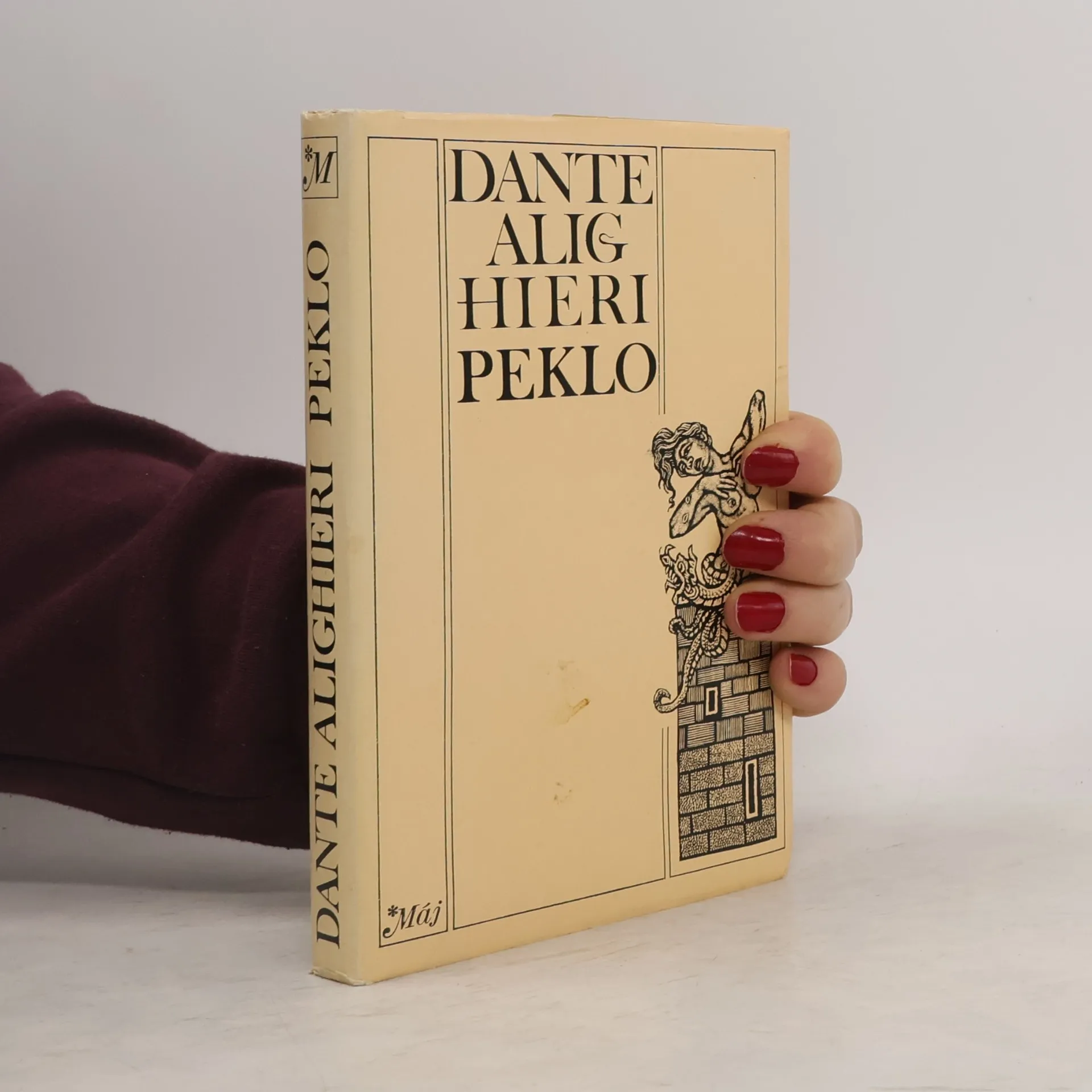
Vstupní, nejproslulejší ze tří dílů proslulé Božské komedie, jednoho ze základních literárních děl, které už osm století upoutává pozornost čtenářů na celém světě. Dante Alighieri (1265-1321), básník a učenec, který mimo jiné stojí u základů spisovného italského jazyka, shrnulve svém nejvýznamnějším, neobyčejně důmyslně komponovaném díle veškeré vědění své doby. Na pouti záhrobní říší, která je symbolickým obrazem lidského života, od prvotního hříchu až po spasení a probuzení k věčnému životu, autora provází římský básník Vergilius. Báseň, napsaná v sugestivních terciích (odpovídajících základnímu principu čísla 3, podle něhož je epos sestaven), je od 19. století výzvou pro nejlepší české překladatele (J. Vrchlického, O. F. Bablera a další). Do této řady patří i nejnovější překlad Vladimíra Mikeše.