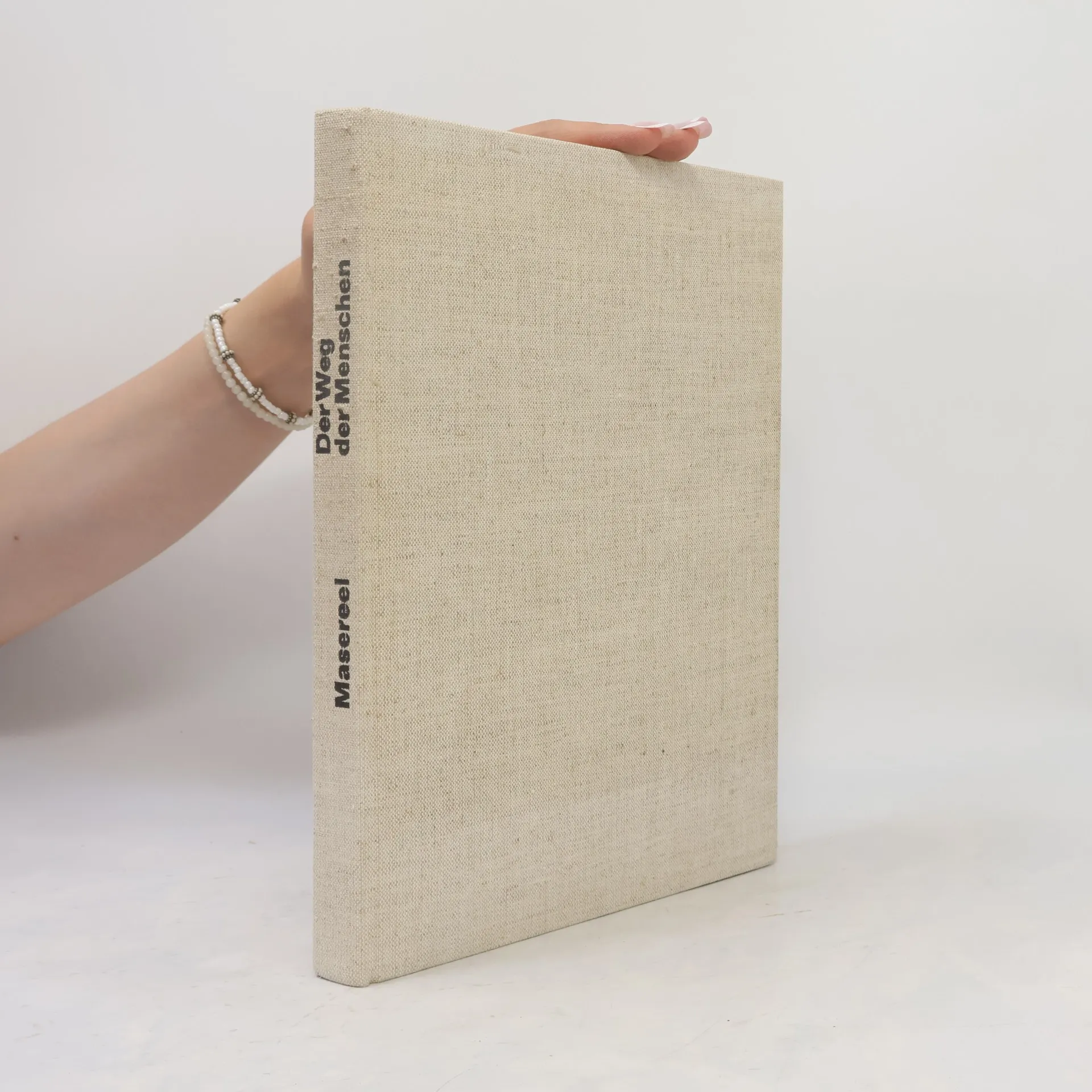
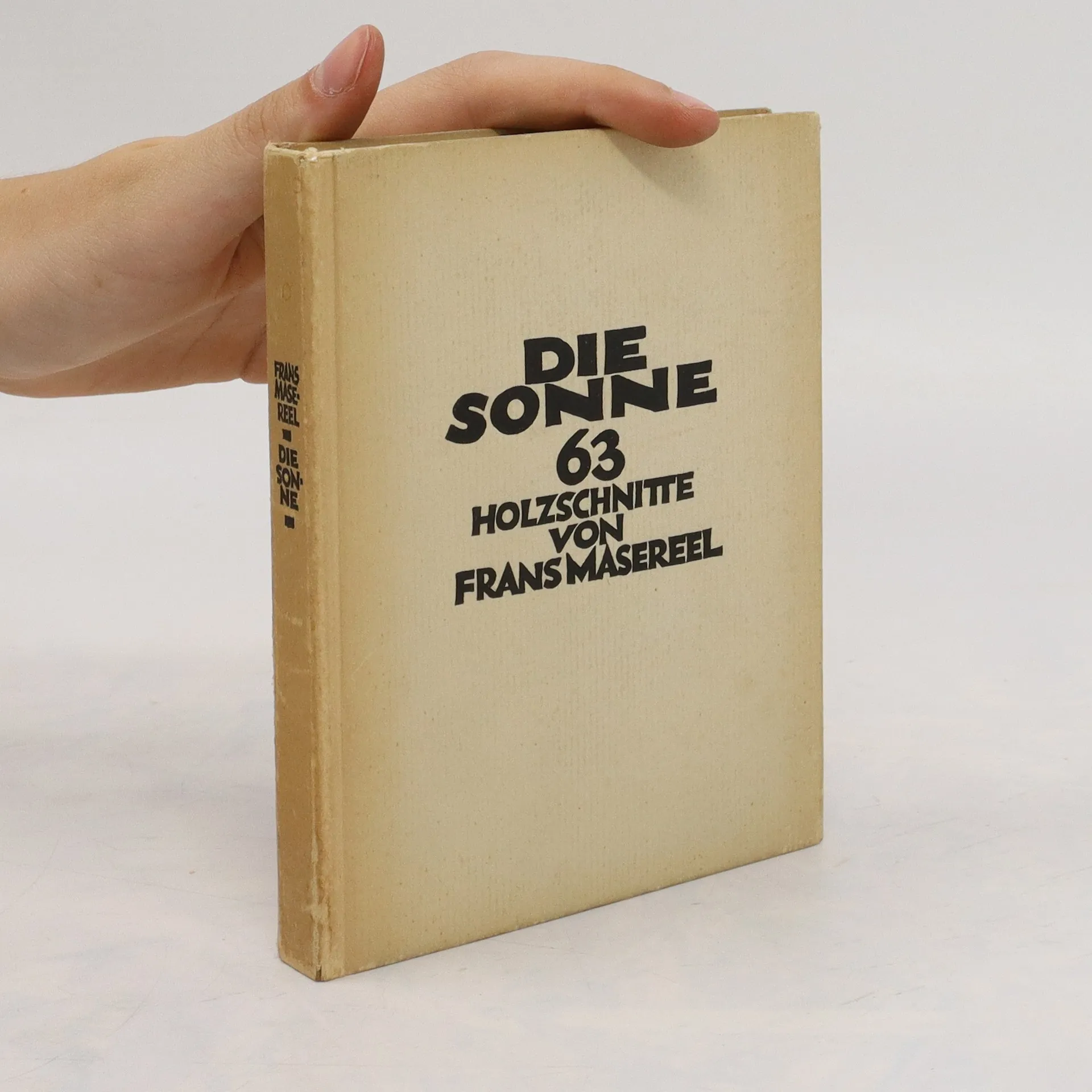
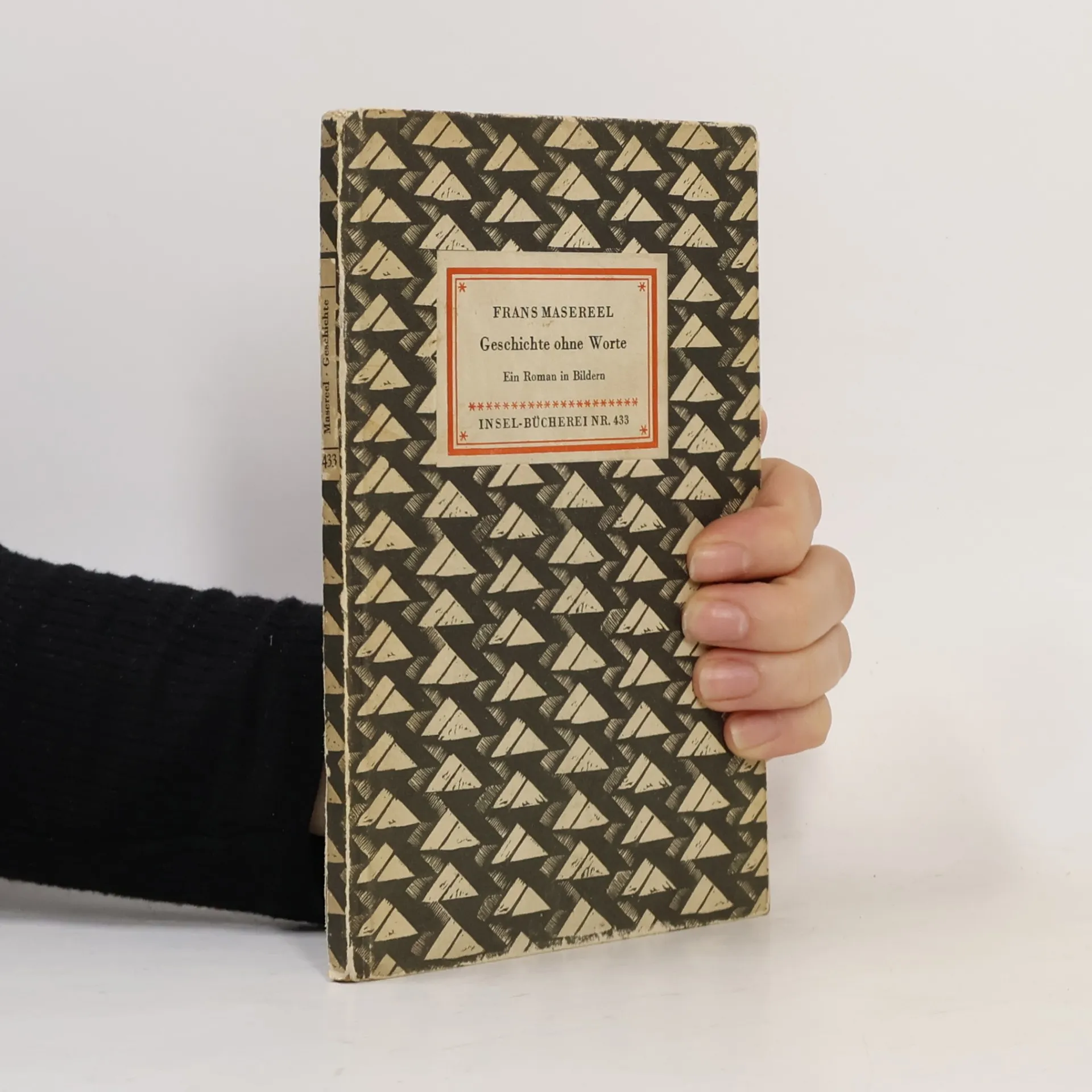
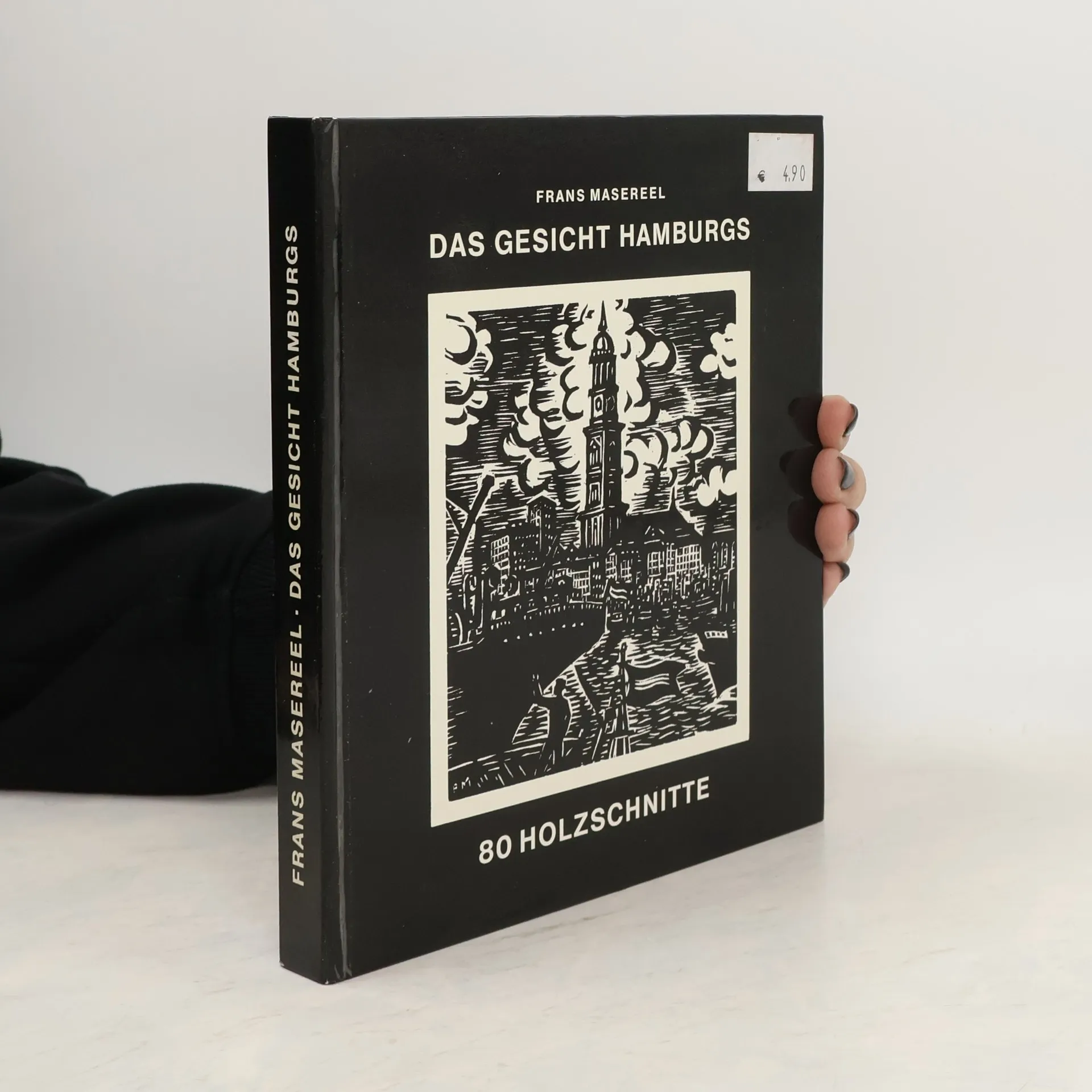
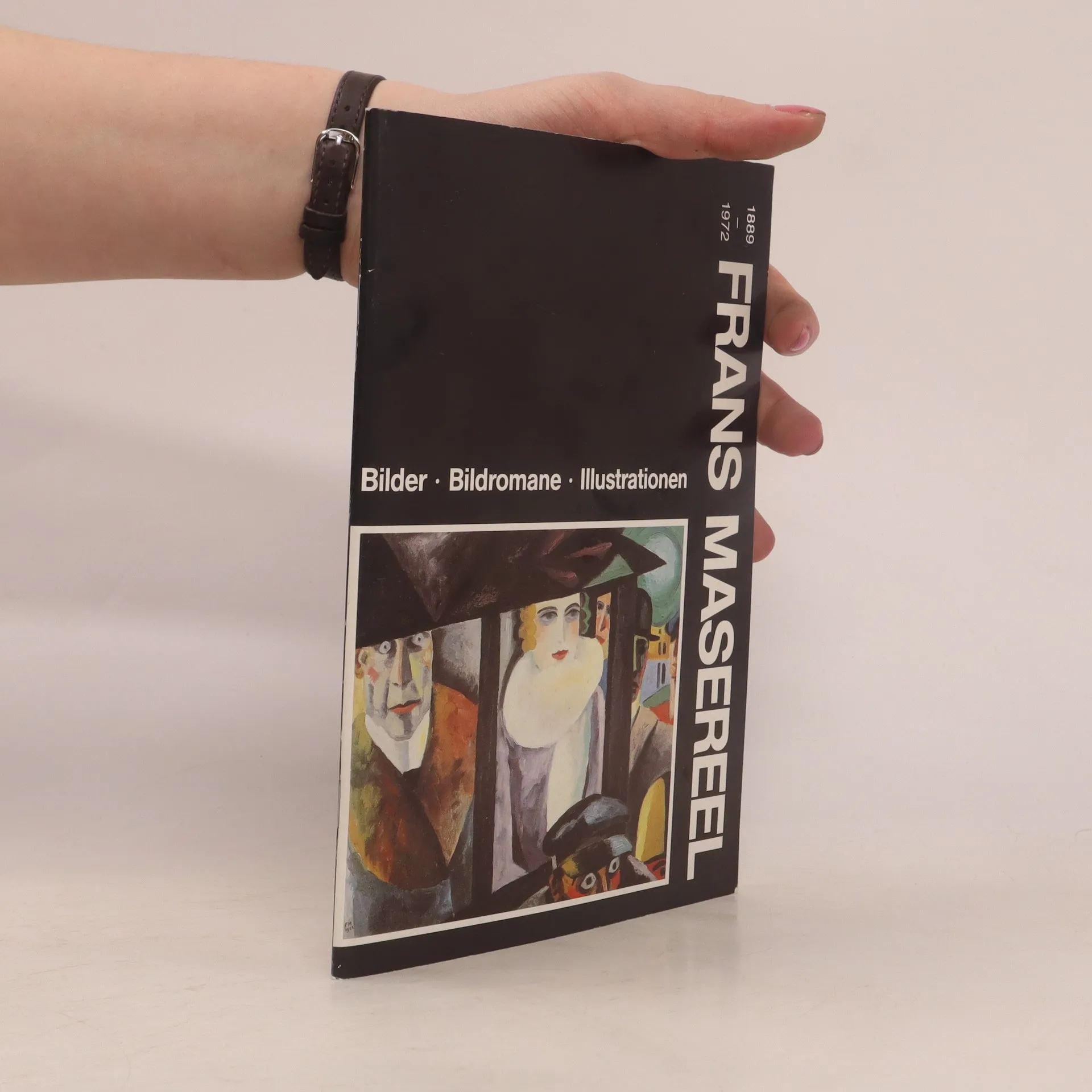
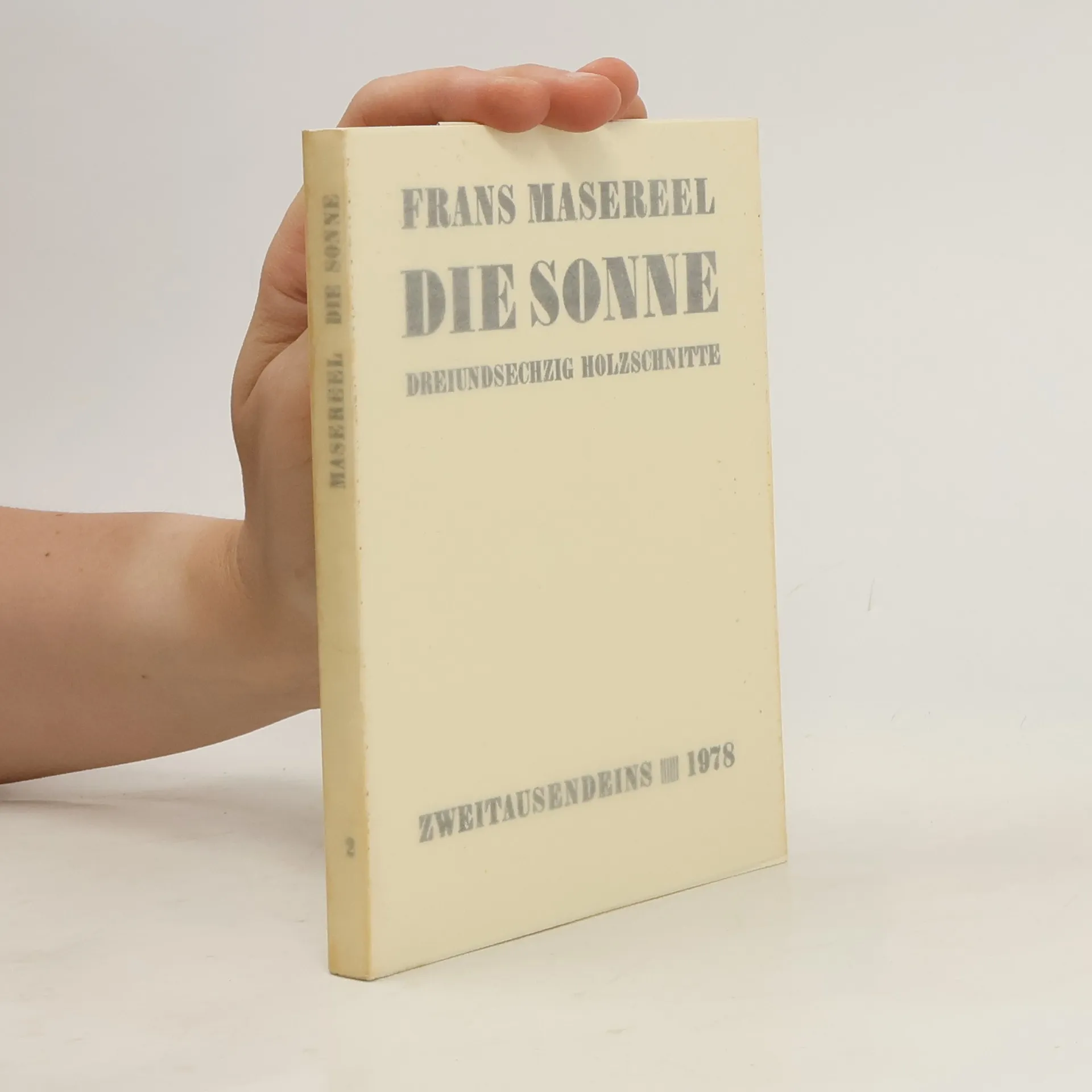
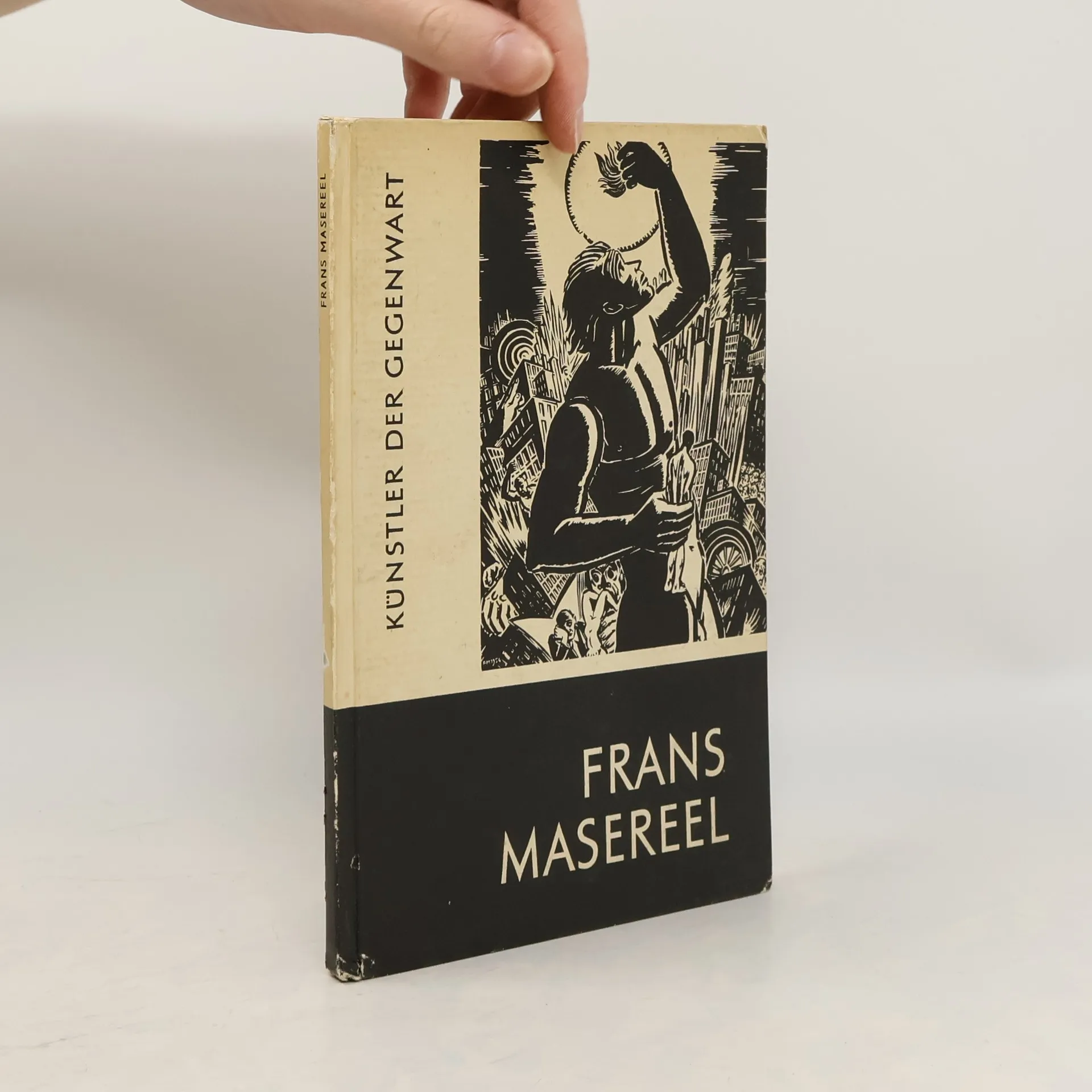
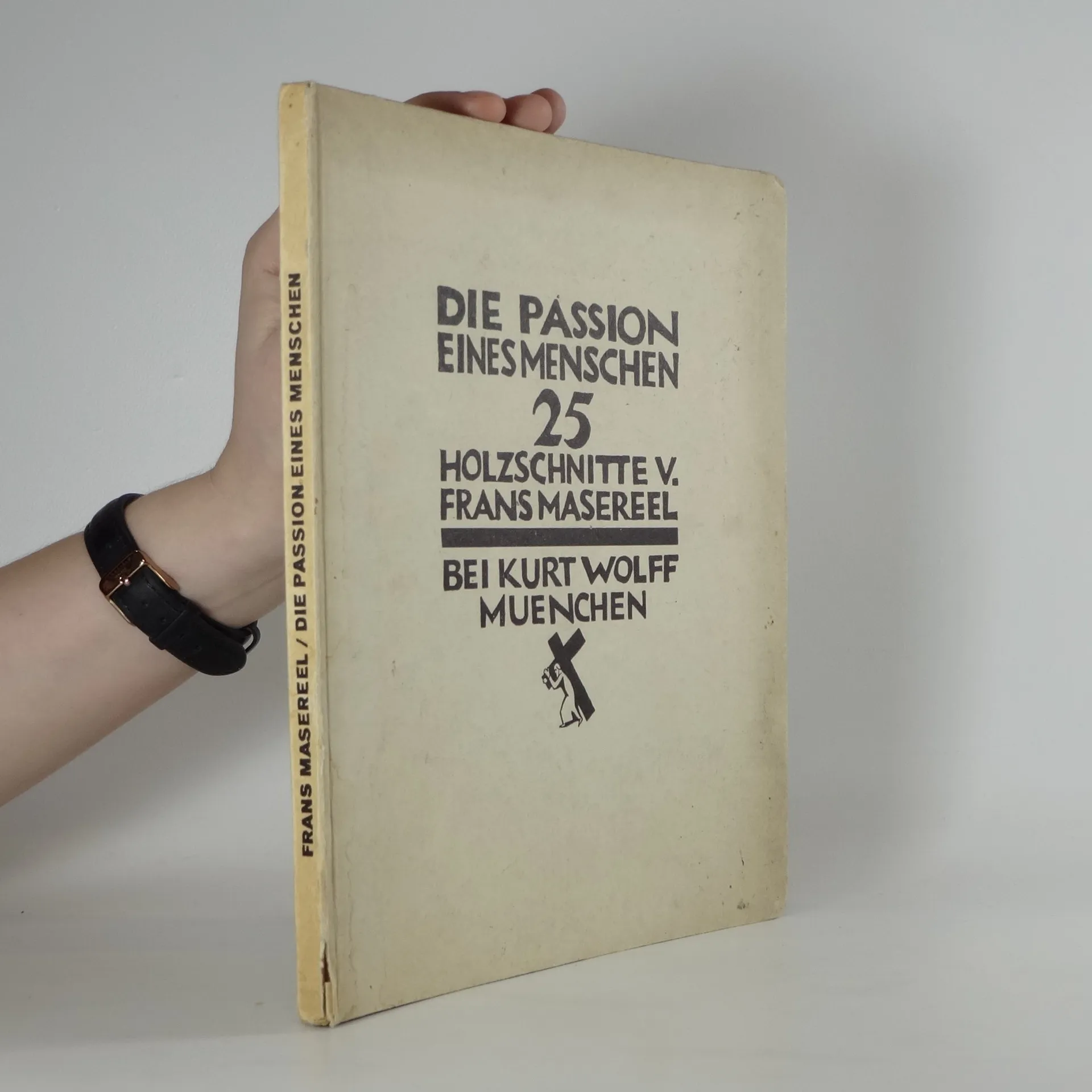
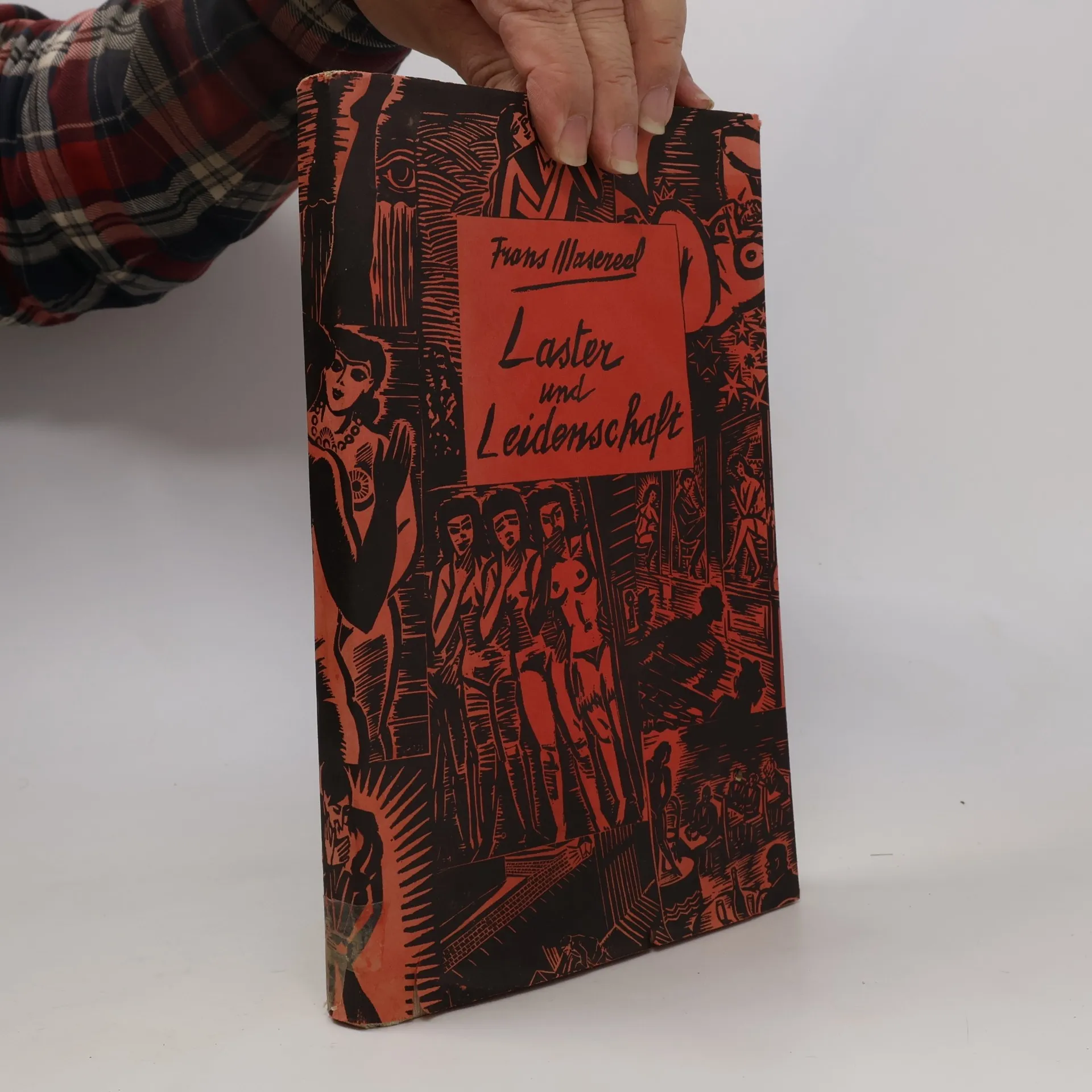
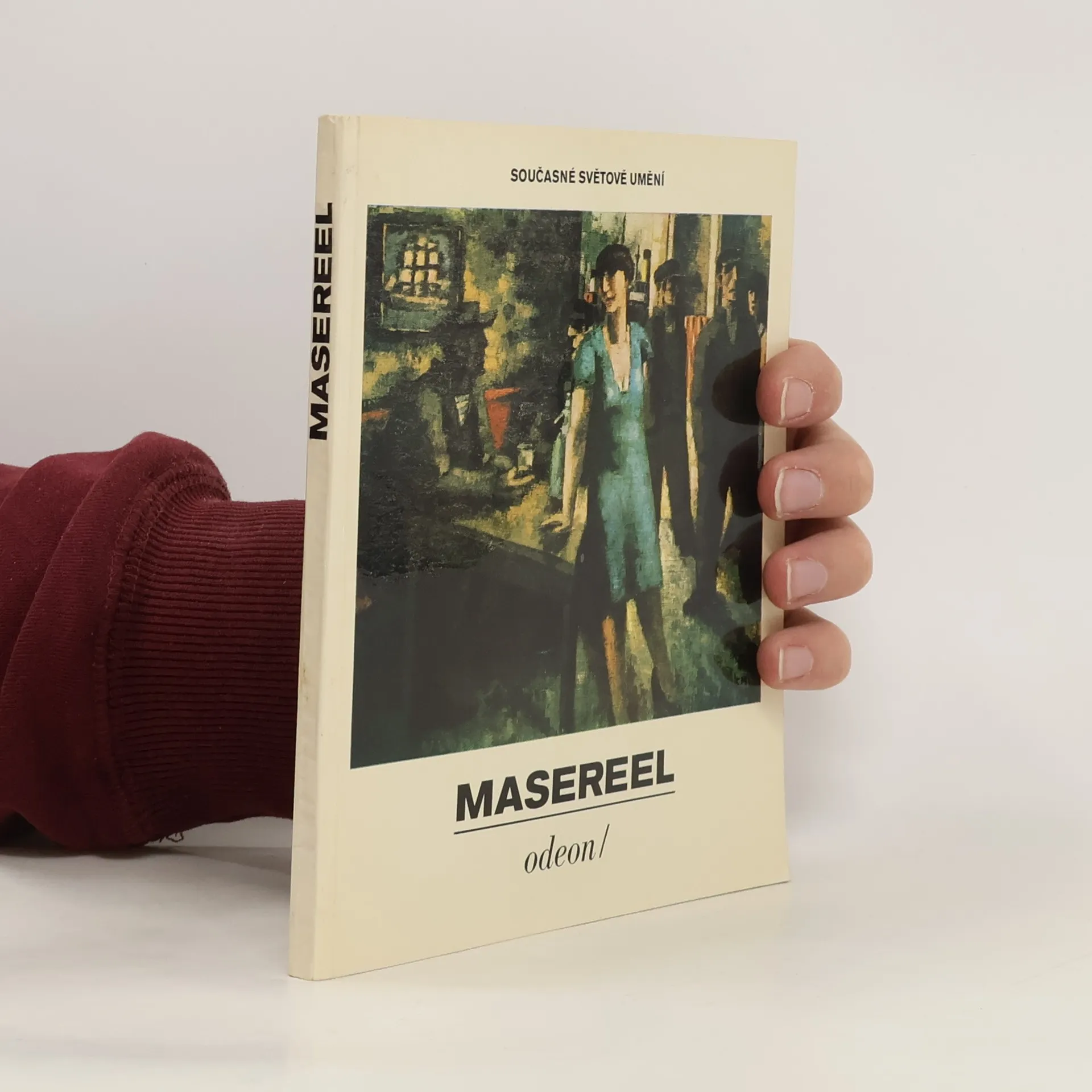
Monografie belgického výtvarníka Franse Masereela.
Frans Masereel Knihy
31. červenec 1889 – 3. leden 1972
Frans Masereel byl vlámský malíř a grafik, známý především svými dřevoryty. Jeho dílo, které se vyznačuje silnou sociální kritikou a humanistickým étosem, často zkoumá konflikty mezi jednotlivcem a společností. Masereel se proslavil zejména svými celostránkovými dřevoryty a jako průkopník moderního slova bez slovního románu, což je forma vizuálního vyprávění, kterému se věnoval s mimořádnou obratností a emocionální hloubkou.


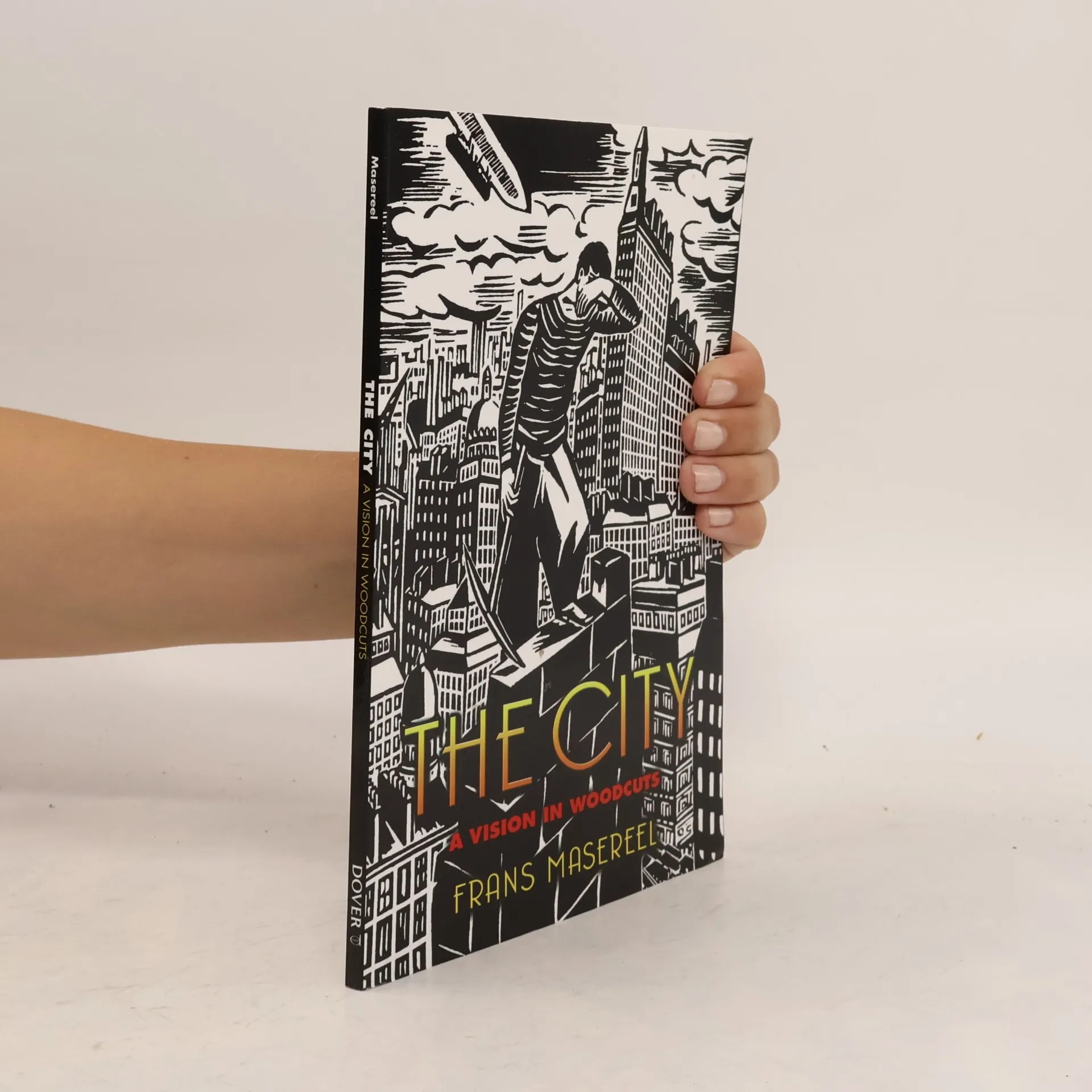
The City A Vision In Woodcuts
- 112 stránek
- 4 hodiny čtení
"An absolute song for an ongoing visit with timelessness." — The New York TimesThis graphic novel by an Expressionist master offers a stunning depiction of urban Europe between the world wars. First published in Germany in 1925, it presents unforgettable images from the tense and dynamic Weimar period, rendered in 100 woodcuts of remarkable force and beauty.A pacifist during World War I, Belgian-born Frans Masereel (1889-1972) sympathized with the struggles of the working classes and strived to make his art accessible to ordinary people. His evocative woodcuts convey scenes of work and leisure, wealth and deprivation, and joy and loneliness. Banned by the Nazis, Masereel's works were championed in Communist countries; however, the artist steered clear of political affiliations. His clarity of vision transcends any propagandist use of the images, which stand as timeless indictments of oppression and injustice.Thomas Mann described Masereel's works as "so strangely compelling, so deeply felt, so rich in ideas that one never tires of looking at them." Epic and unflinching in its scope, The City continues to influence modern fine and graphic art, while recapturing the mood of a vanished era.
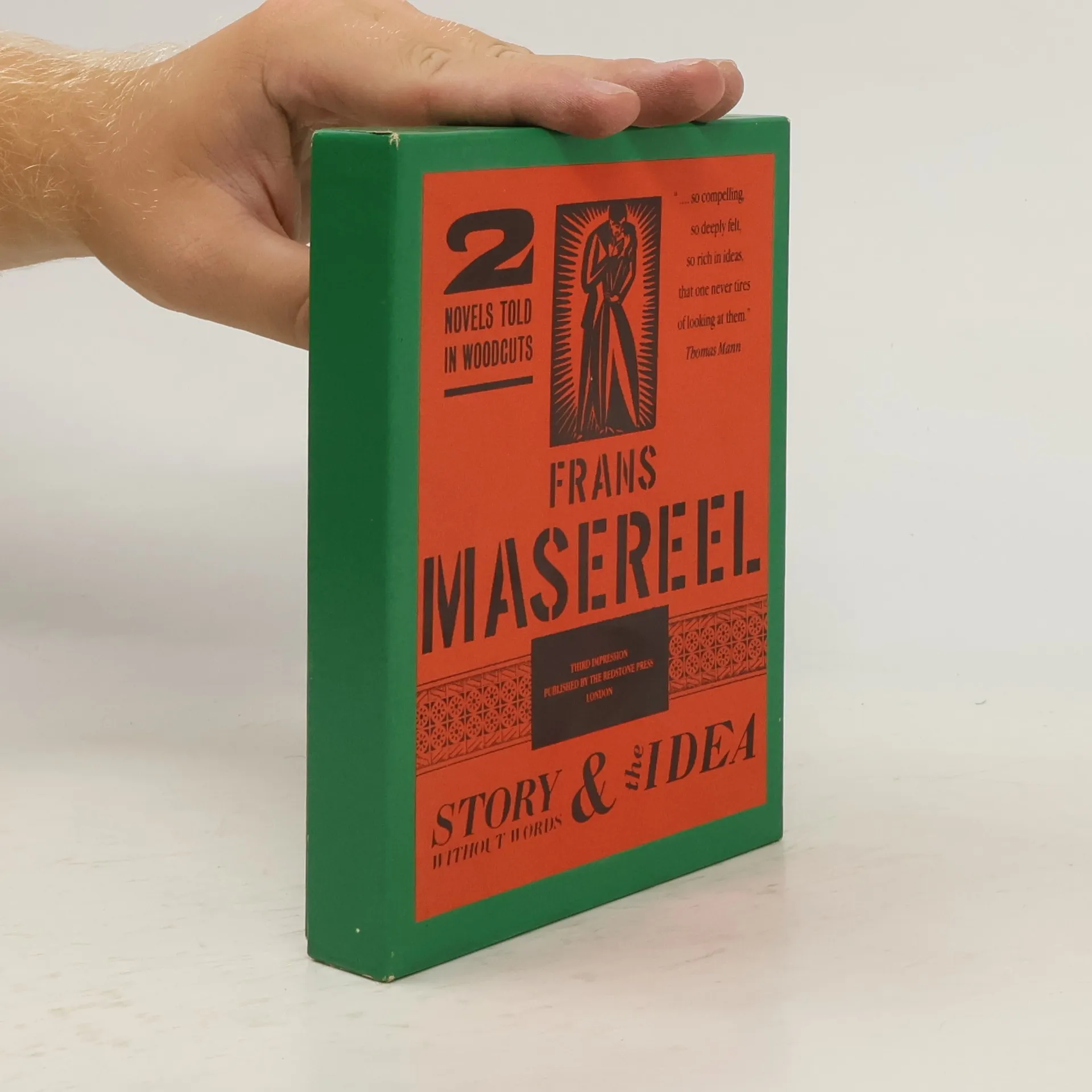
The Idea / Story Without Words: Third Impression
- 160 stránek
- 6 hodin čtení
Created in the 1920s by the acclaimed wood-engraver Frans Masereel, this book contains two picture novels in one. The Idea depicts the life cycle of an idea, as personified by a naked woman, struggling in the streets of an industrialized city peopled by politicians and businessmen who try to use and destroy her. Story Without Words is a tale of unrequited love and courtship, its images rich with symposium.
Germinal
Klíčení
Štěpán Lantier musel opustit milovanou práci u železnice poté, co napadl svého nadřízeného. Při hledání zaměstnání dorazí na sever Francie do hornického regionu u městečka Montsou a nechá se zaměstnat v dole Le Voreux. S havíři pracuje i žije - dokonce se zamiluje do krásné Kateřiny, ale ta si nakonec vybírá krutého Chavala. Štěpán Lantier si uvědomuje, jak nelidské jsou pracovní podmínky pod zemí a jak mizivá je za tu dřinu odměna, umožňující sotva holé živobytí. Ve Štěpánovi pomalu začíná doutnat vztek... Velmi působivý a stále aktuální román o lásce a boji proti nespravedlnosti se na začátku devadesátých let dočkal i zdařilého filmového zpracování.
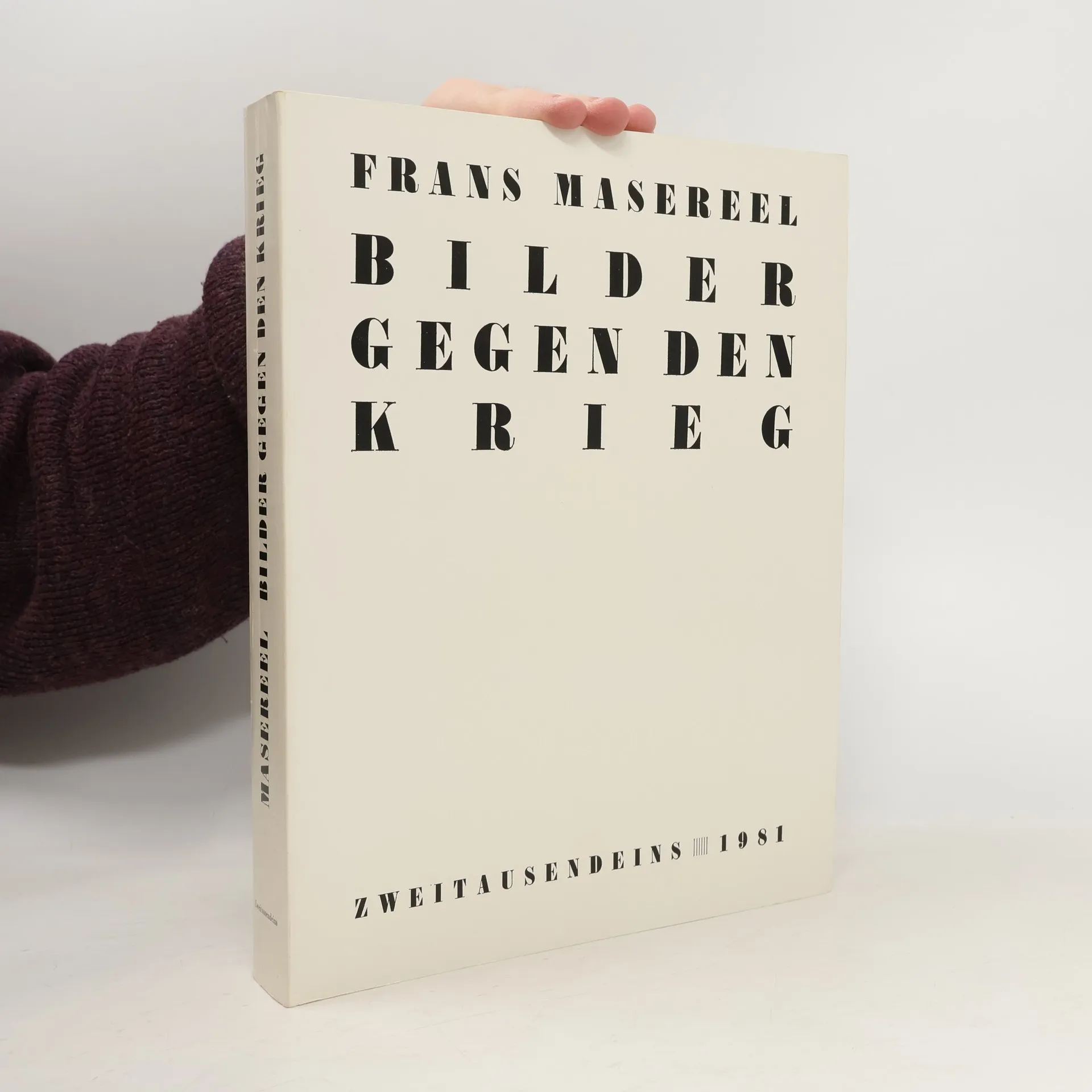
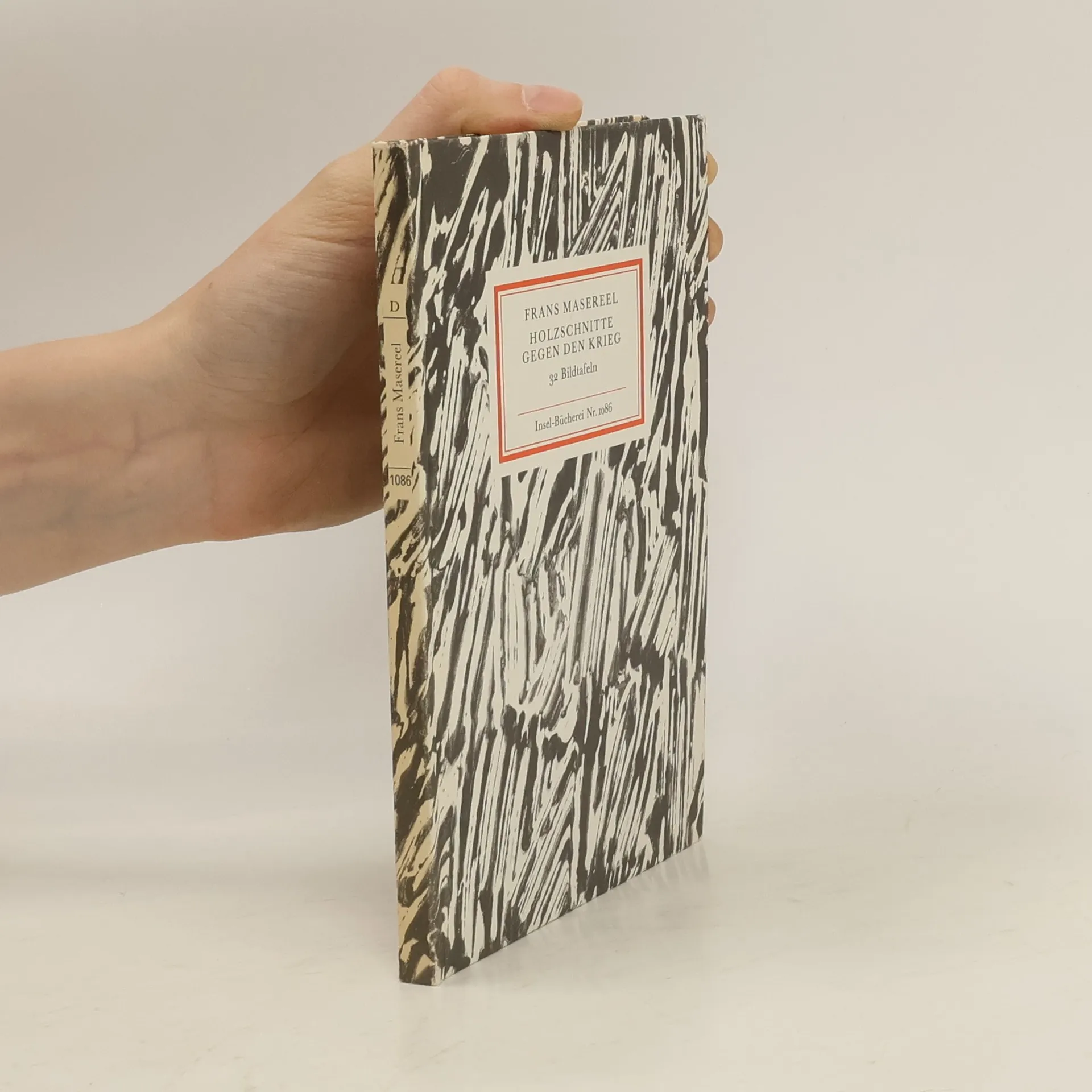
Holzschnitte gegen den Krieg
- 55 stránek
- 2 hodiny čtení
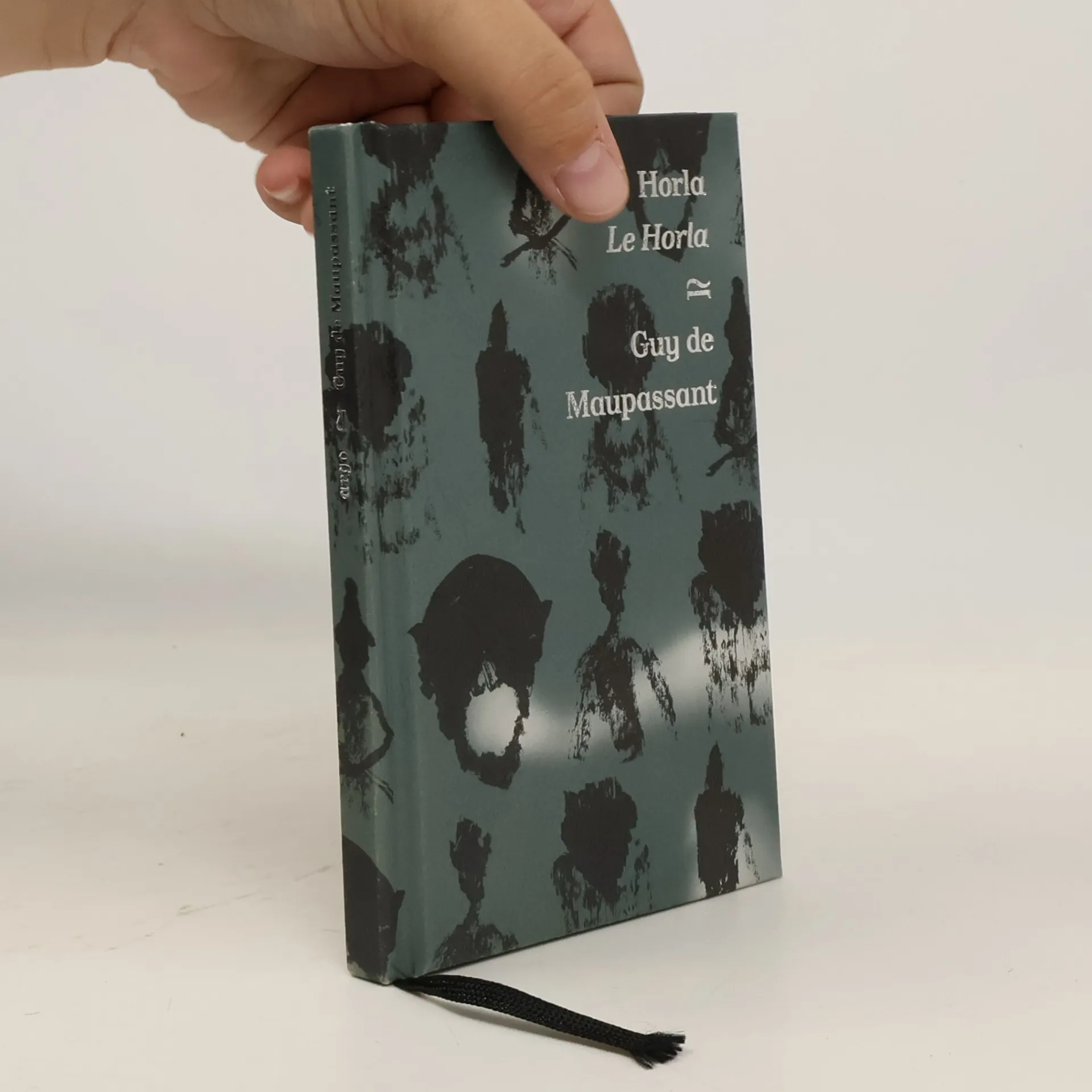
Horla / Le Horla
- 76 stránek
- 3 hodiny čtení
Kdo je to Horla, ta neuchopitelná, tajemná bytost, neustále připravená vrhnout se na svou kořist? Všechny pokusy o její polapení jsou marné, stále uniká, a když už si myslíme, že jsme si ji podmanili, zjišťujeme, že to ona vládne nám.
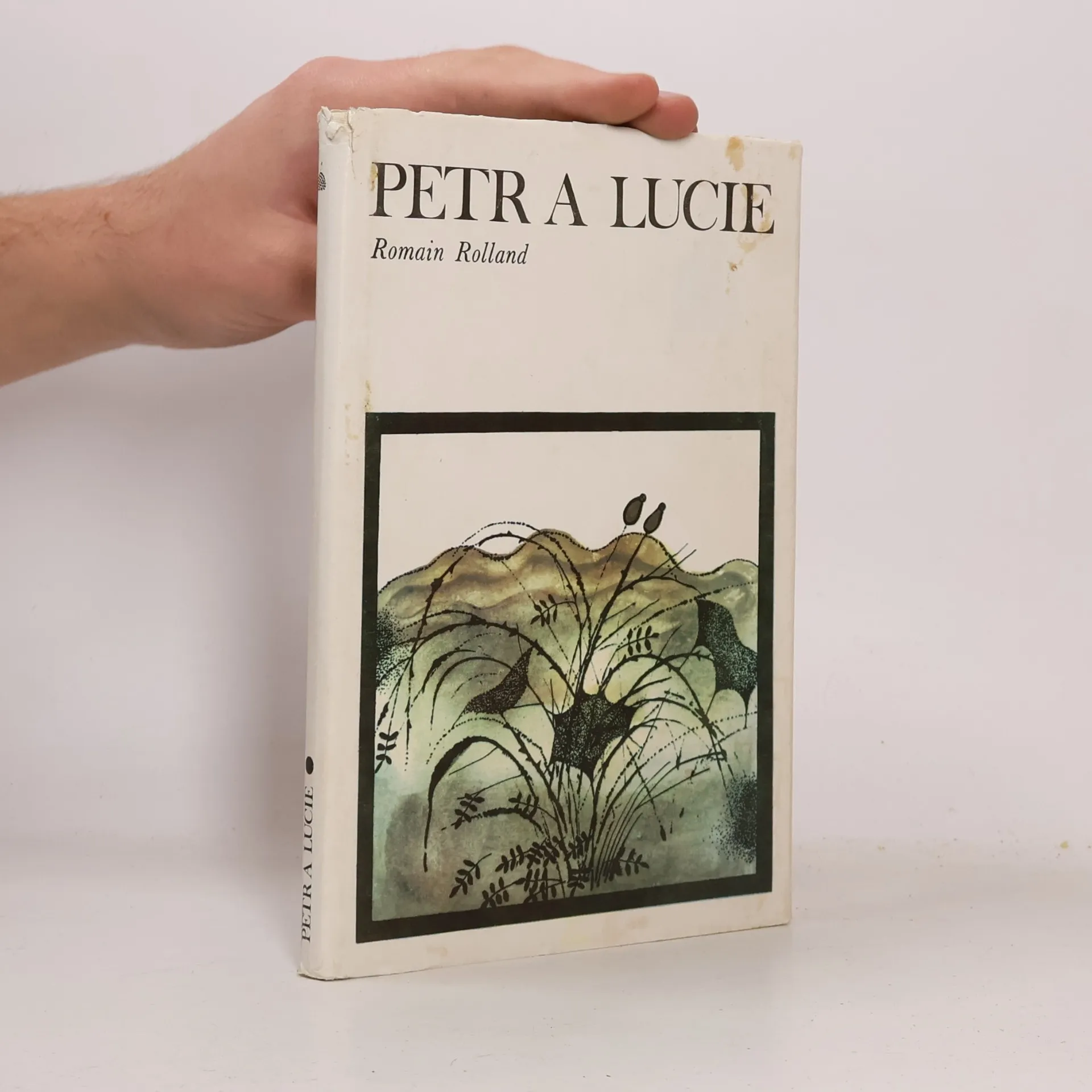
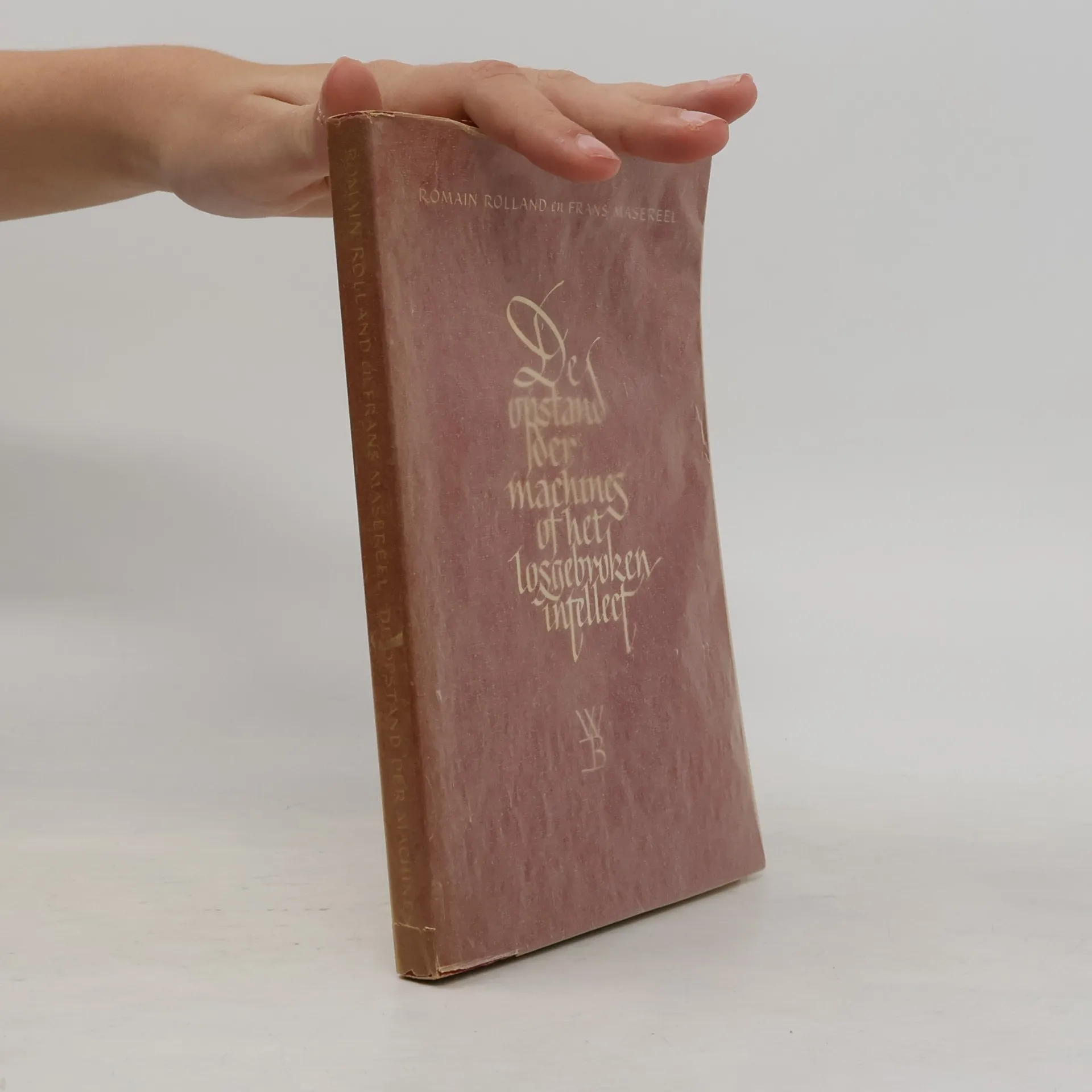
Milostná novela francouzského spisovatele Romaina Rollanda, nositele Nobelovy ceny za literaturu z roku 1915. Jde o jemně kreslený příběh tragické lásky mladých milenců zahalený stínem válečného utrpení a hrůz první světové války.
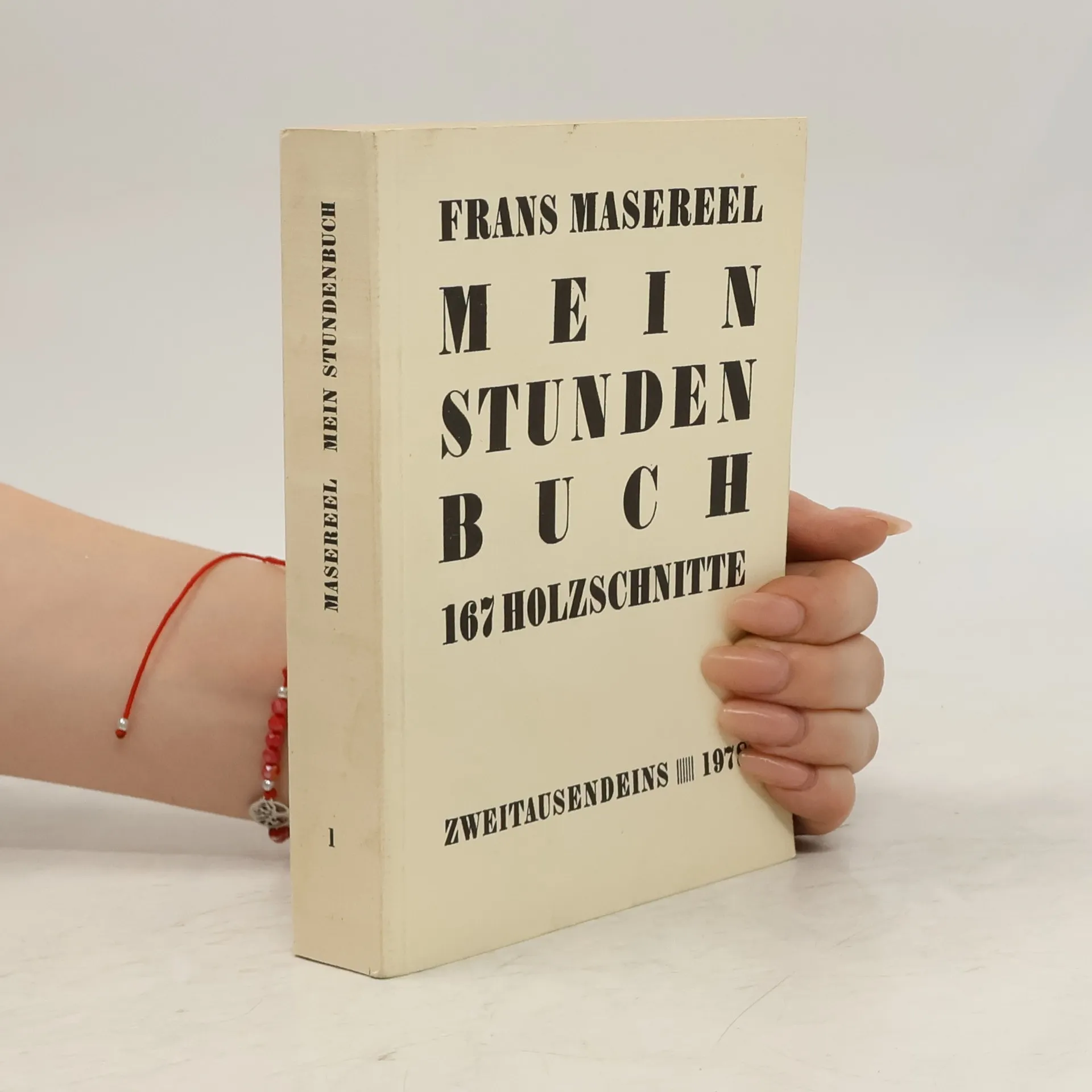
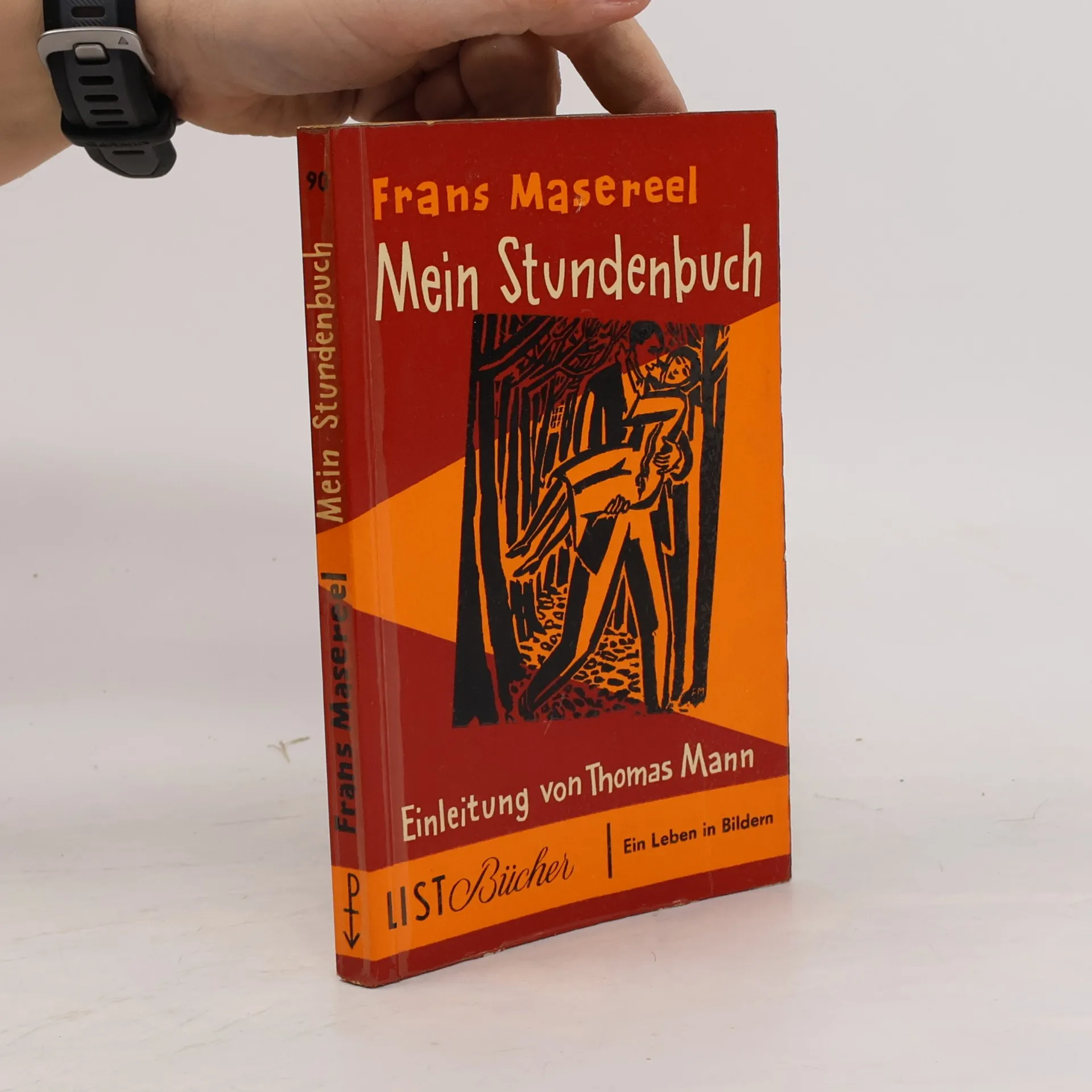
Mein Stundenbuch
167 Holzschnitte
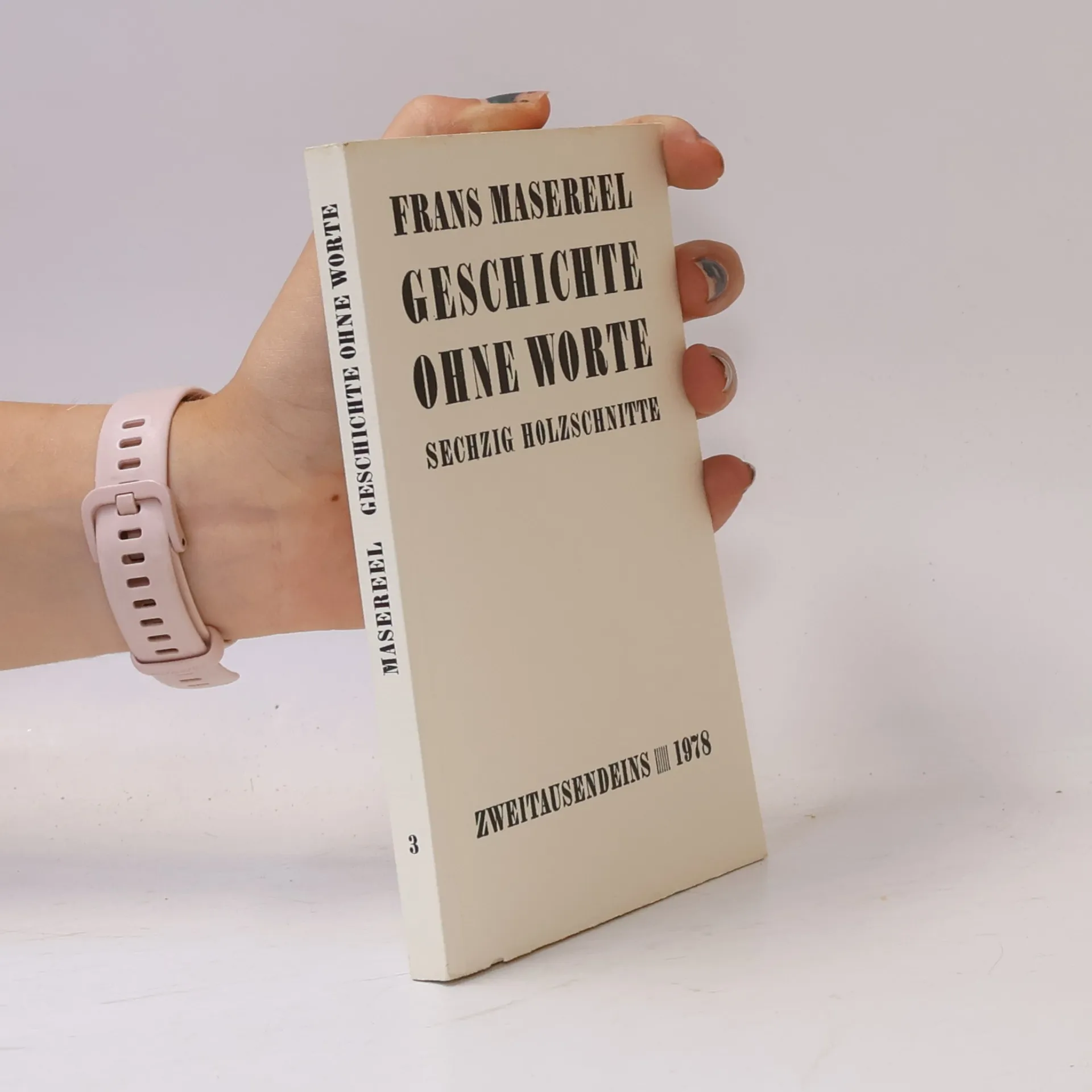
Geschichte ohne Worte
Ein Roman in Bildern
Franz Masereel - Bilder der Großstadt
- 63 stránek
- 3 hodiny čtení
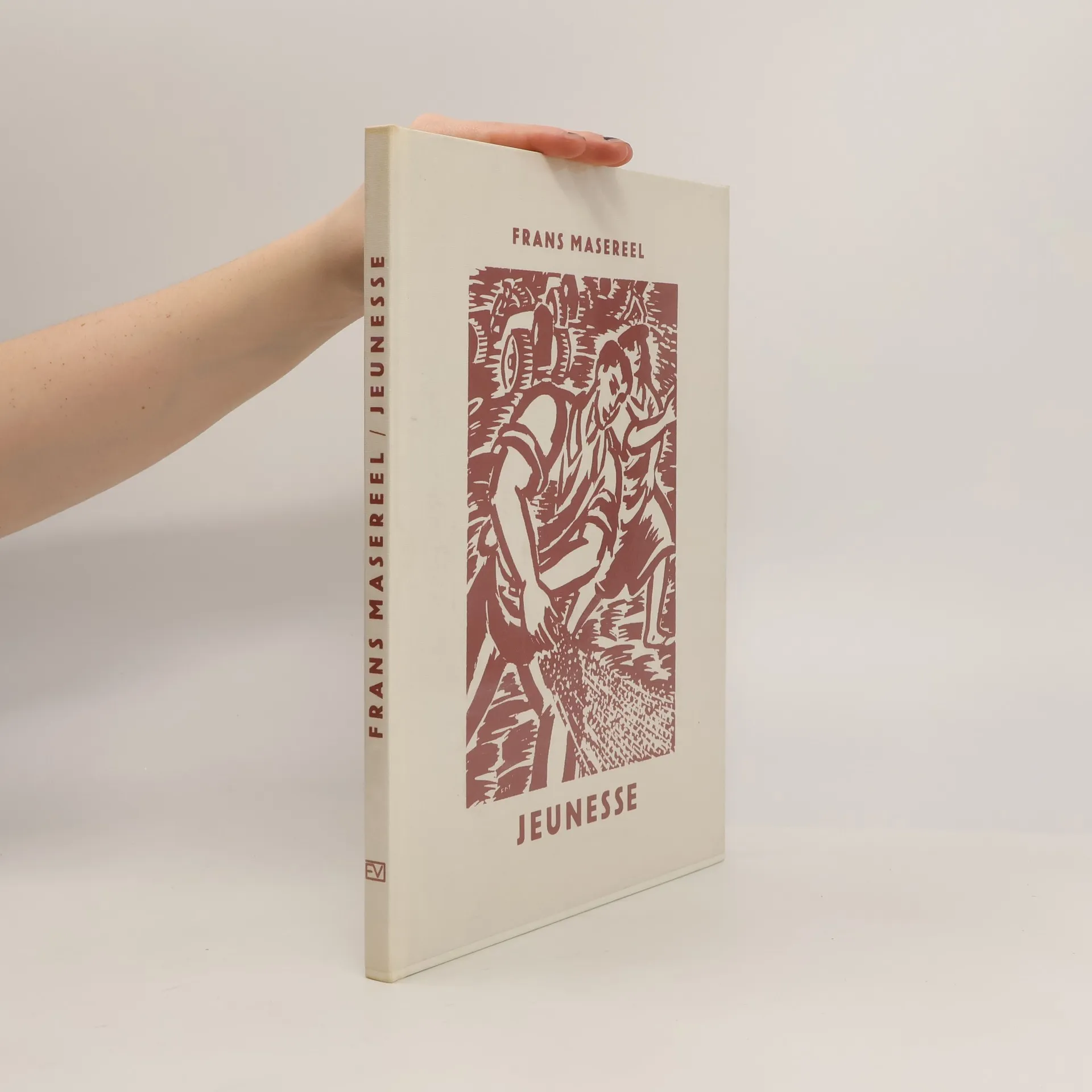
Jeunesse
- 620 stránek
- 22 hodin čtení
1986 63 Seiten mit der Abbildung von 22 Holzschnitten, illustrierter OLeinenband mit Klarfolienumschlag und Kartonschuber, 28,6 x 20,6 cm Europaverlag, Woien - München - Zürich,
Die Geschichte folgt dem Leben eines prototypischen Jedermann des frühen 20. Jahrhunderts, nachdem er in eine Stadt eingetreten ist. Sie ist mal komisch, mal tragisch; eine kranke Frau, um die sich der Mann kümmert, verliert ihr Leben; der Mann furzt vor einer Gruppe von Geschäftsleuten; und er wird von einer Prostituierten, in die er sich verliebt hat, zurückgewiesen. Er unternimmt auch Reisen zu verschiedenen Orten auf der Welt. Am Ende verlässt der Mann die Stadt und geht in den Wald, hebt die Arme zur Lobpreisung der Natur und stirbt. Sein Geist erhebt sich von ihm, stampft auf das Herz seines toten Körpers und winkt dem Leser zu, während er sich ins Universum aufmacht.
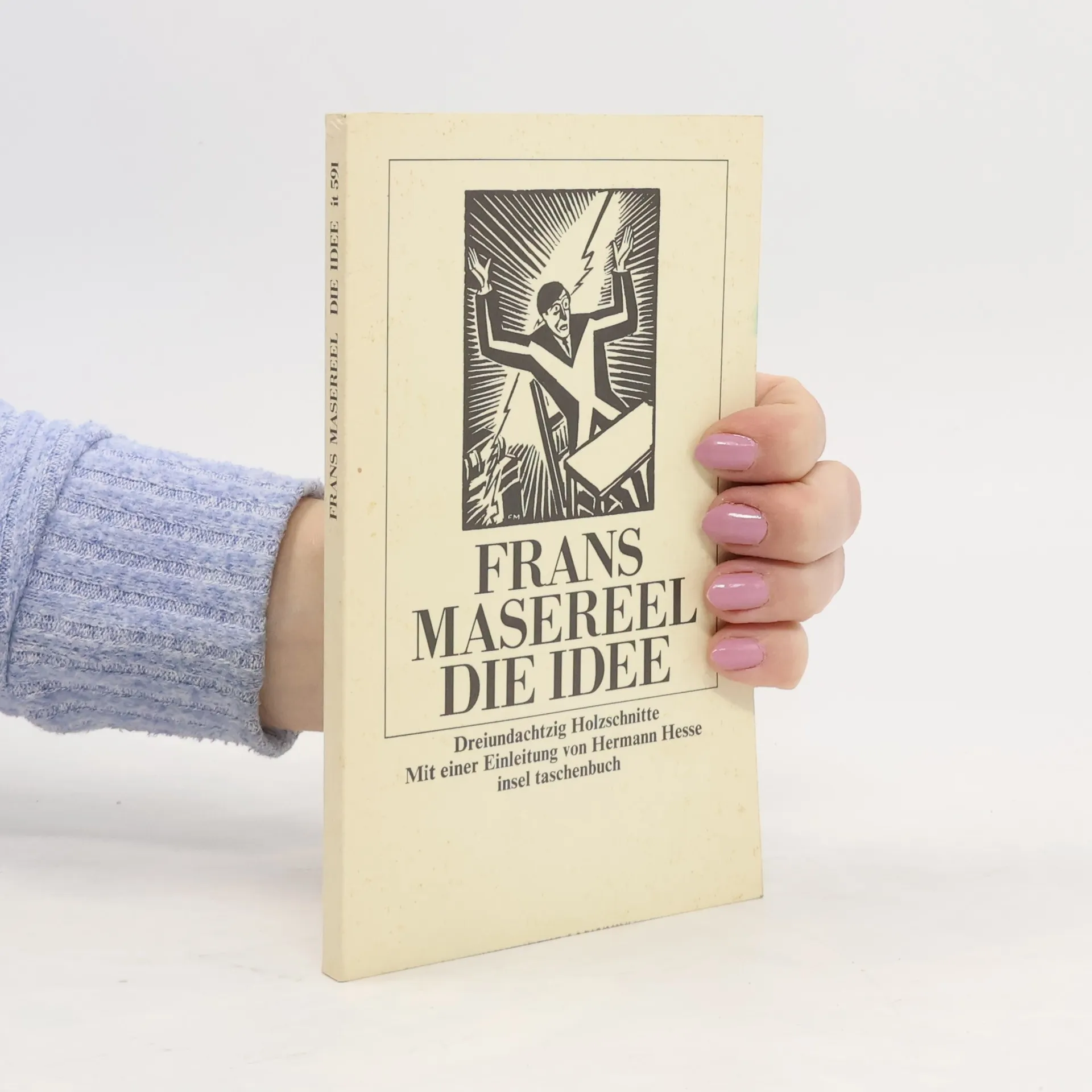
Mit einer Einleitung v. Hesse, Hermann 83 Holzschnitte.
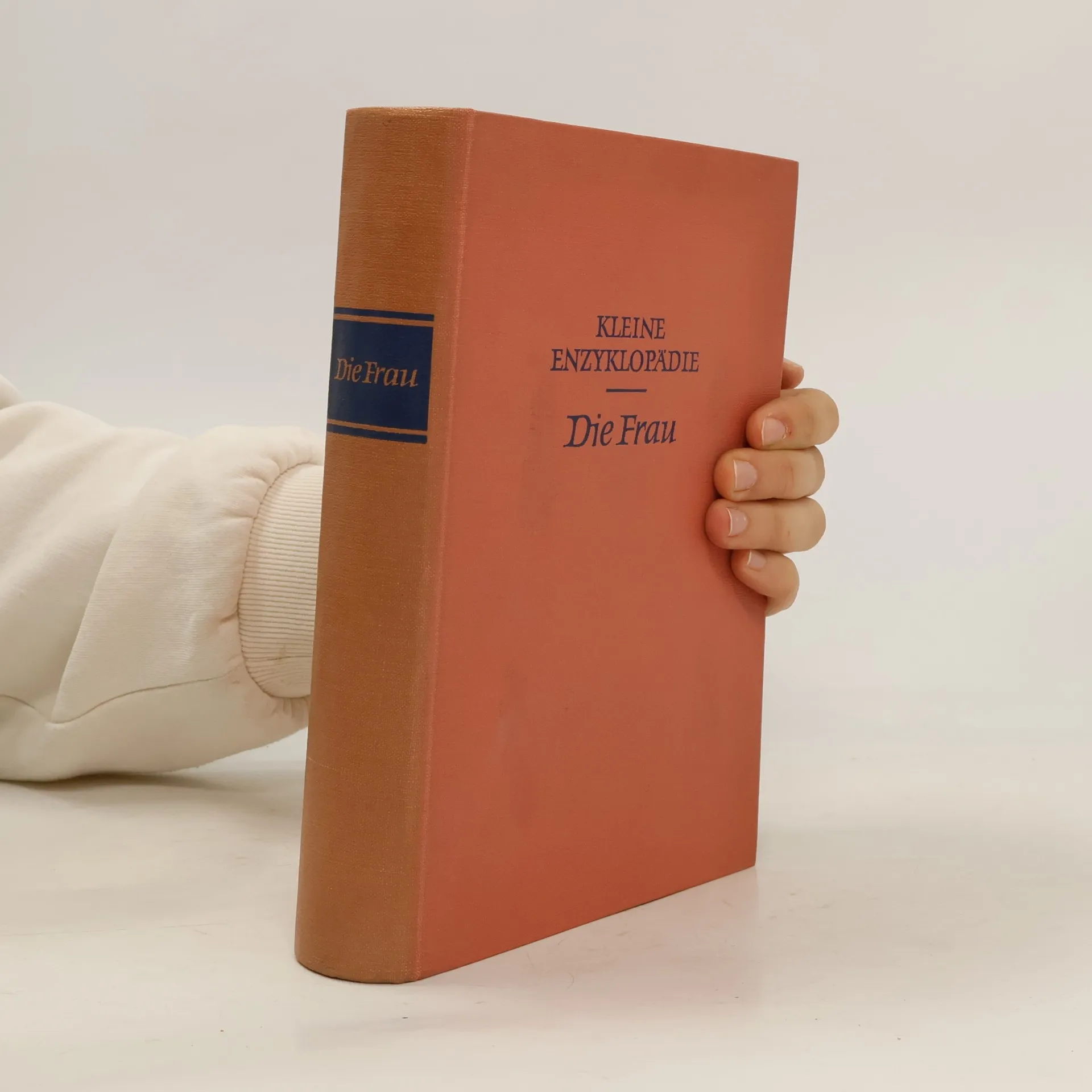
Die Frau
Kleine Enzyklopädie
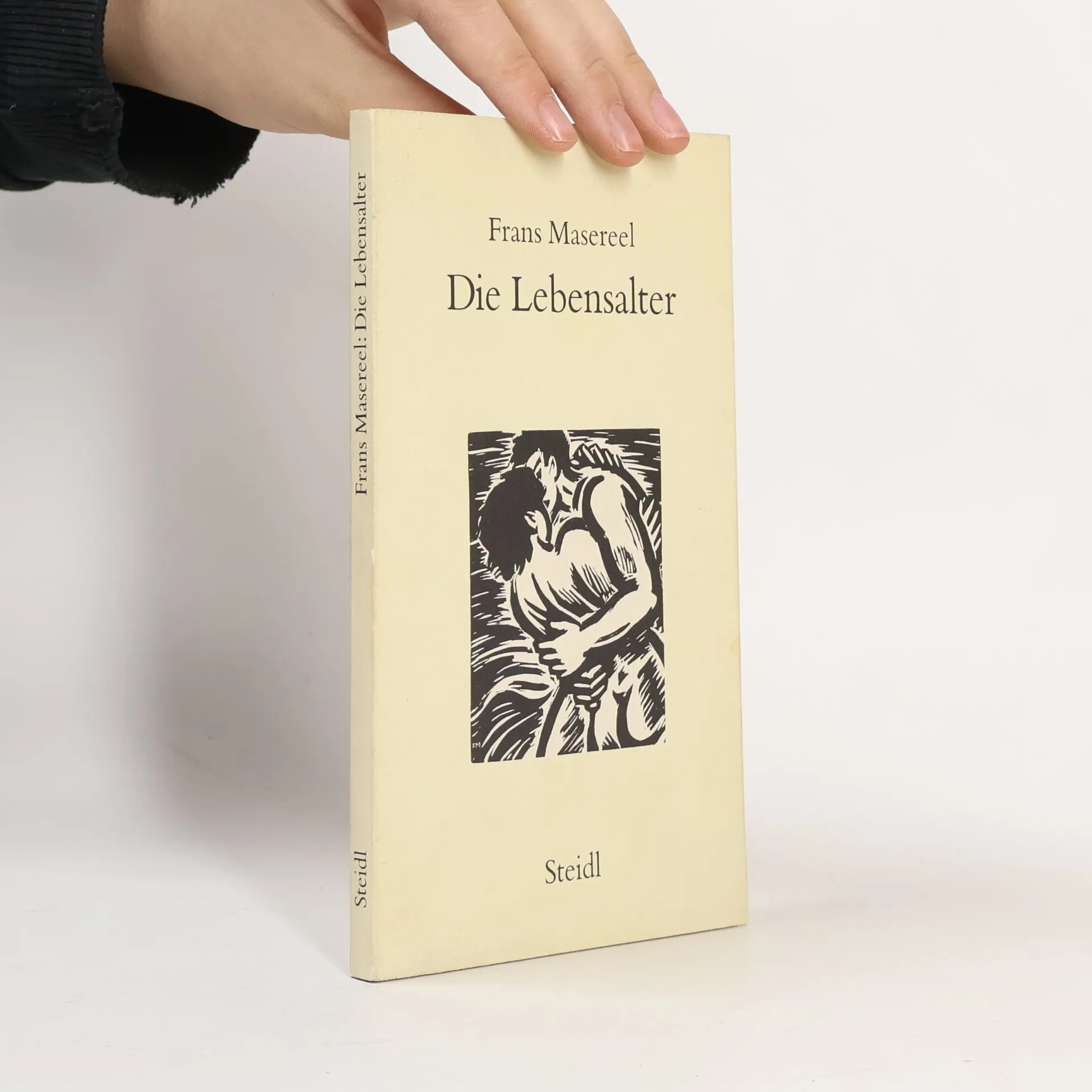
Die Lebensalter
- 35 stránek
- 2 hodiny čtení
Frans Masereel
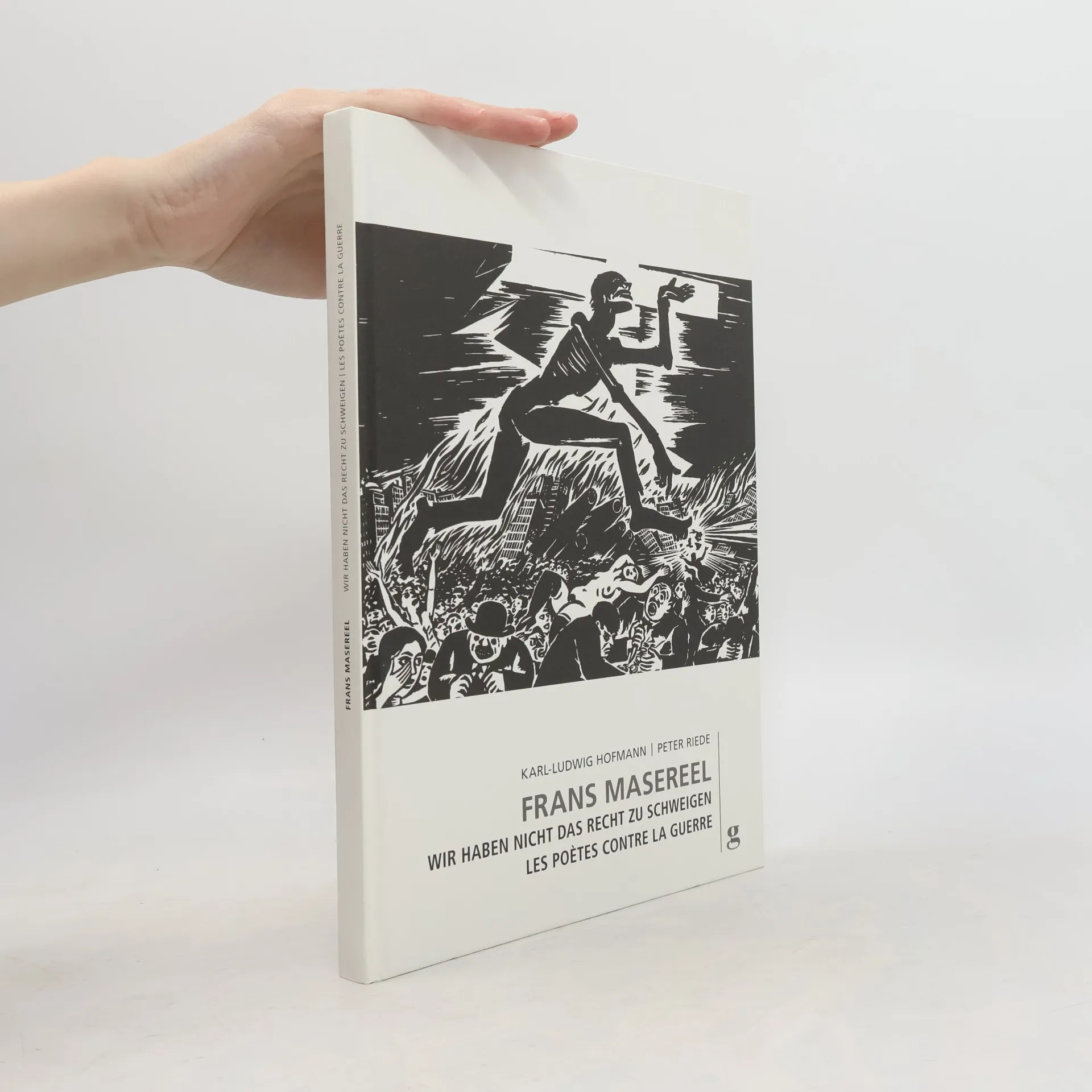
Wir haben nicht das Recht zu Schweigen : Les poètes contre la guerre
- 140 stránek
- 5 hodin čtení
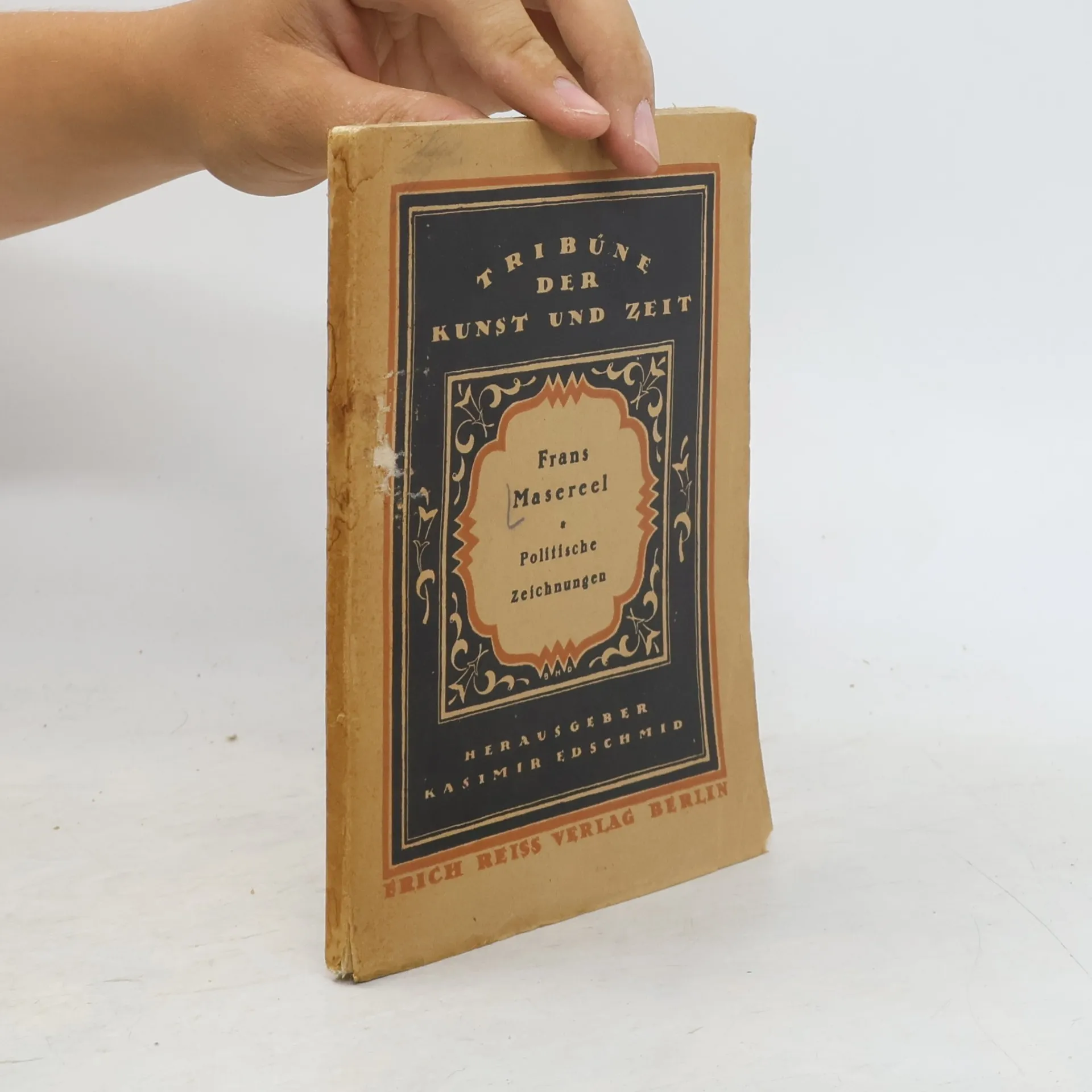
Frans Masereel setzte sich zeitlebens künstlerisch und politisch für eine freie, solidarische Gesellschaft ein. Durch Holzschnitte, Zeichnungen, Aquarelle und Gemälde stellte er soziale und politische Realitäten dar und trat für Frieden und Gerechtigkeit ein. Er beschrieb sein Werk als ein Plädoyer für die Unterdrückten und gegen die Unterdrücker, für Brüderlichkeit und gegen Spaltung, sowie für den Frieden und gegen Kriegshetzer. Der Blick auf sein bewegtes Leben und umfangreiches Werk, präsentiert von Karl-Ludwig Hofmann und Peter Riede, soll an die verheerenden Weltkriege erinnern, die durch zahlreiche Gedenktage ins öffentliche Bewusstsein rücken, sowie an die anhaltenden Konflikte, die ein friedliches Miteinander der Menschheit verhindern. Der zweite Teil des Buches widmet sich Masereels Beziehungen zu Literaten, die wie er die Schrecken des Krieges thematisierten. Dazu zählen Autoren wie René Arcos, Johannes R. Becher, Bertolt Brecht, Hermann Hesse und Thomas Mann, deren Werke er illustrierte oder die seine Bilderzyklen besprachen. Dies verdeutlicht das künstlerische Netzwerk von Kriegsgegnern aus verschiedenen europäischen Ländern. Rund 170 Werke Masereels sowie Fotos und Zeitdokumente bereichern den Band.
Idea
- 180 stránek
- 7 hodin čtení
IDEA to historia idei, która rodzi się w umyśle mężczyzny doświadczającego olśnienia. Przyjmuje postać kobiety, nagiej jak prawda, którą twórca umieszcza w kopercie i wysyła w świat. Odbiorcy, odkrywając ją, są zszokowani i spieszą się, by ją ubrać. Jednak Idea nie ma nic do ukrycia, buntuje się, zrywa ubrania i ucieka ulicami obcego miasta. Rozprzestrzenia się w prasie i książkach, wzbudzając gniew władz, co prowadzi do autodafe. Mimo to, Idea jest odporna na ogień głupoty, wstaje z płomieni i wykorzystuje nowoczesne środki komunikacji, by jeszcze szybciej siać panikę i chaos w społeczeństwie. Po zakończeniu swojej misji wraca do swojego twórcy. Powieść graficzna ukazała się w 1920 roku w Paryżu i zdobyła ogromną popularność w środowisku artystycznym. Frans Masereel dążył do tego, by jego książki były dostępne dla wszystkich. Jego marzenie spełniło się w 1926 roku, gdy książka została wznowiona w przystępnym wydaniu. Wydawnictwo LOKATOR po 104 latach od pierwszego francuskiego wydania publikuje to dzieło po raz pierwszy na polskim rynku w limitowanym nakładzie 853 numerowanych egzemplarzy, otwierając serię albumów graficznych belgijskiego twórcy.
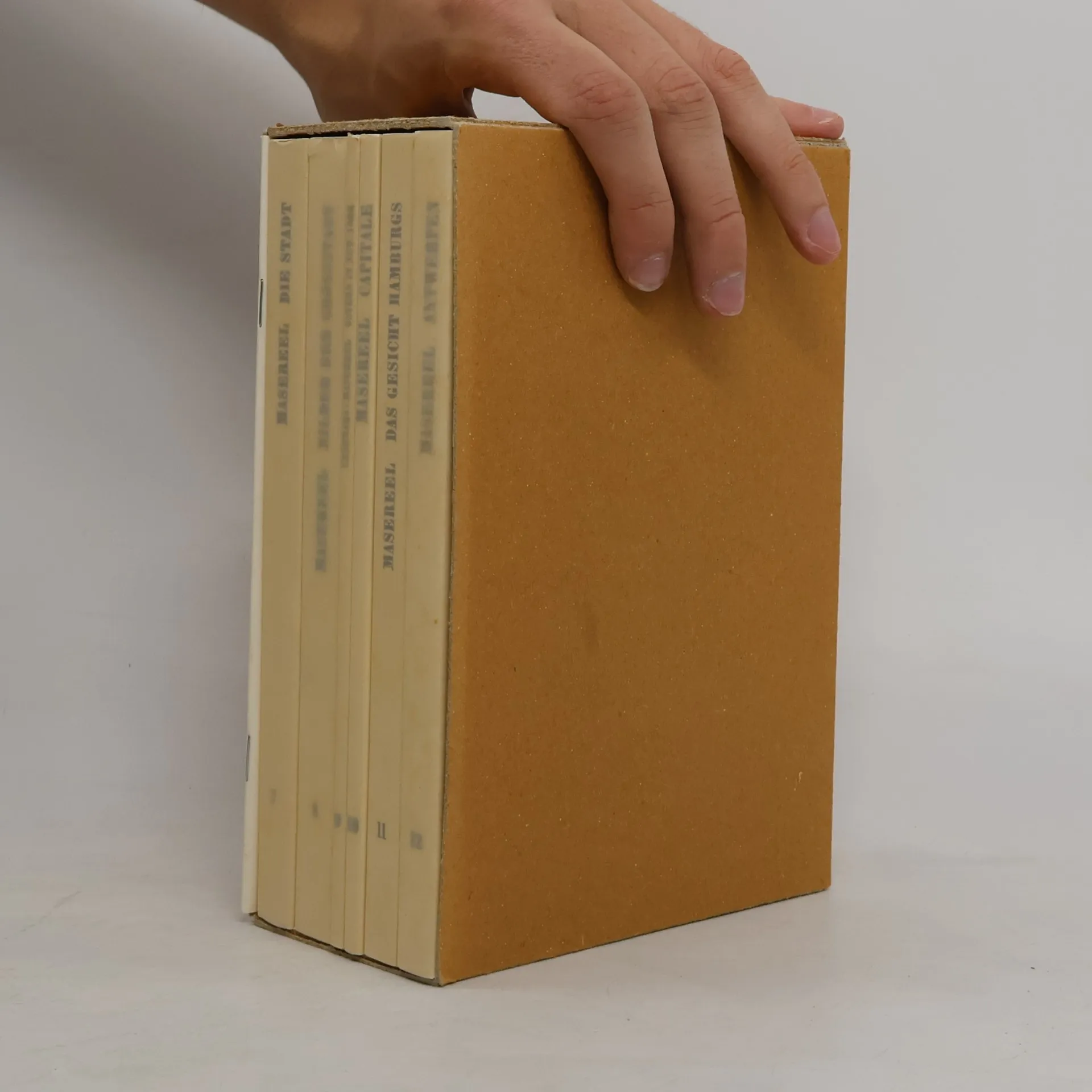
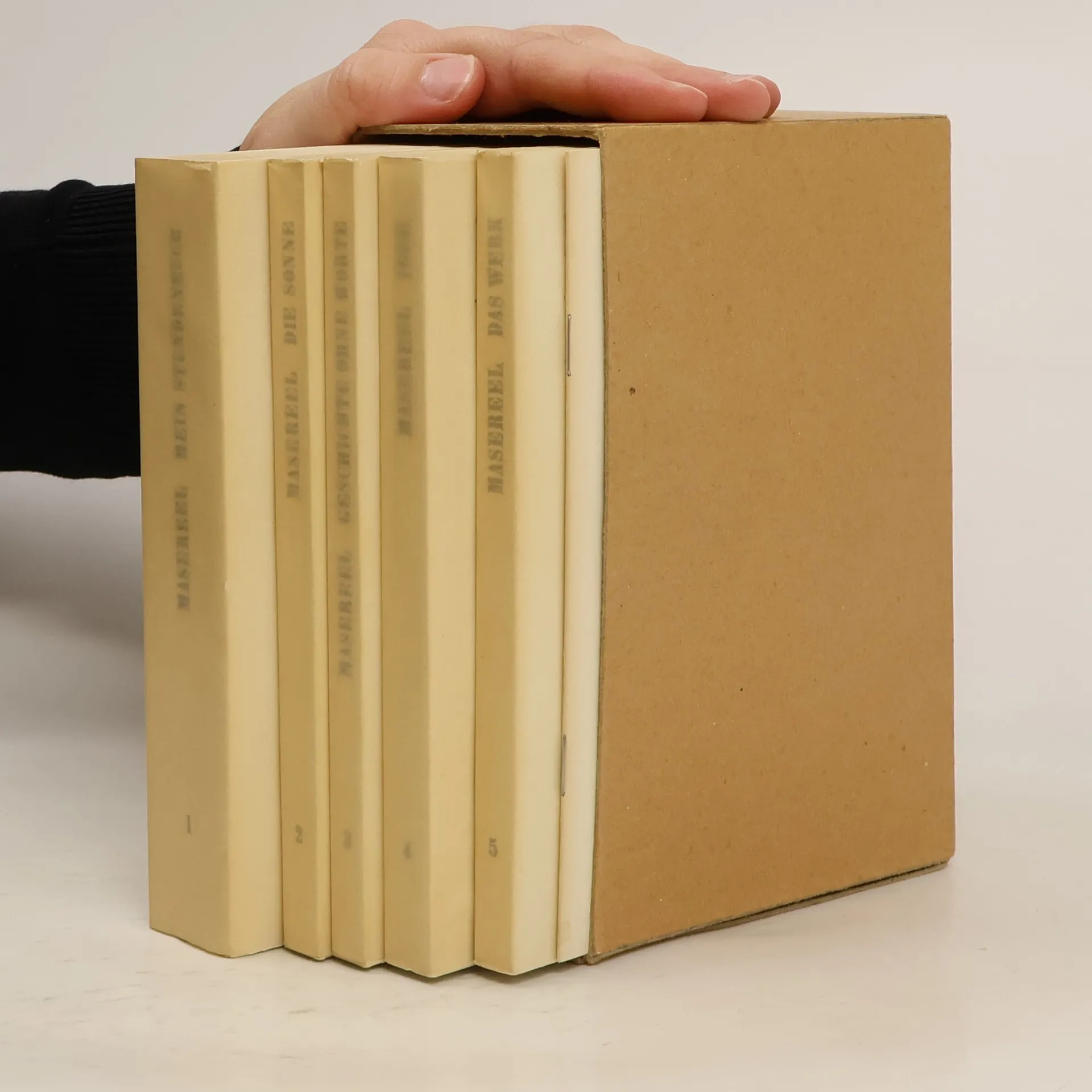
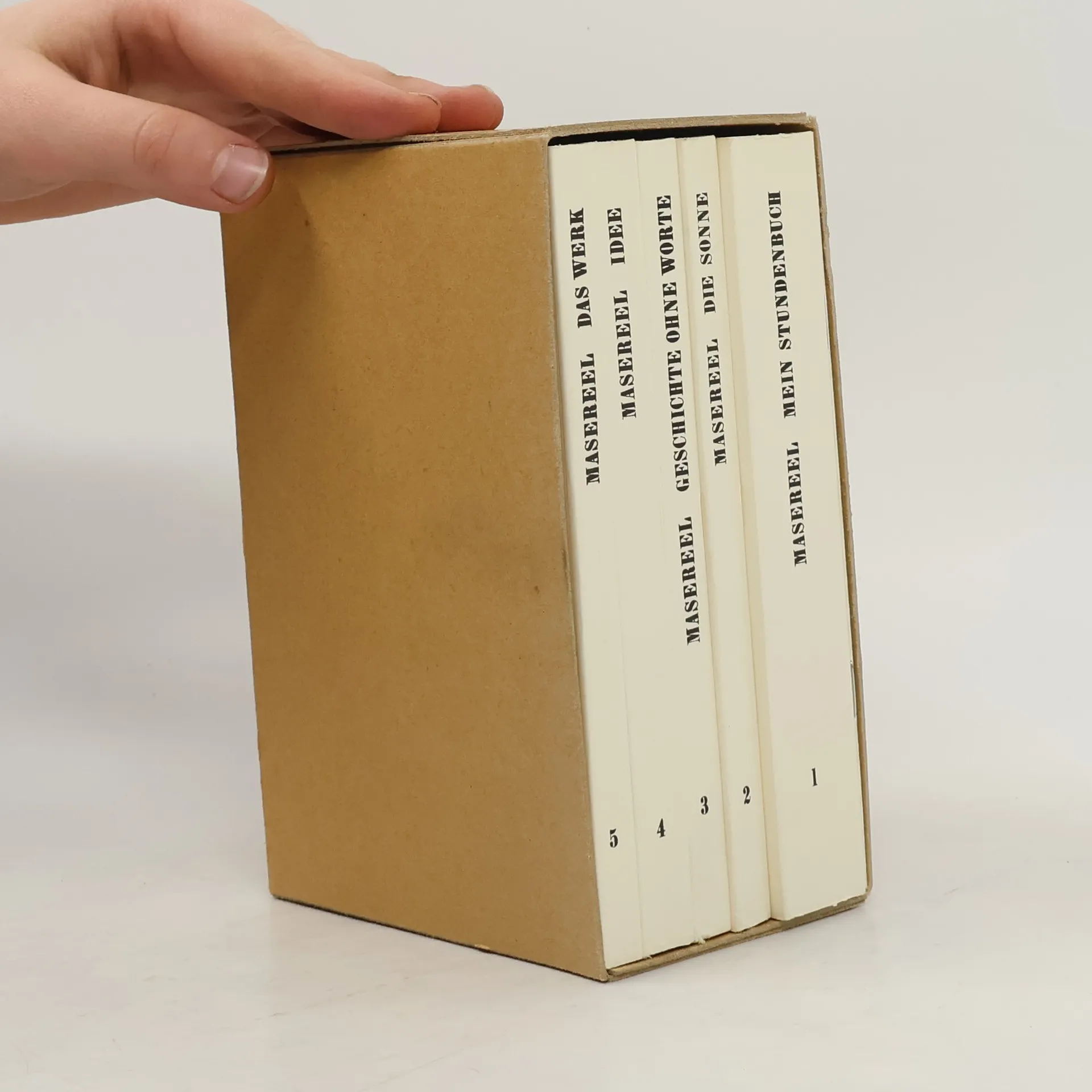
Gesammelte Werke 1-5 + Beiheft
Mein Stundenbuch. Die Sonne. Geschichte ohne Worte. Idee. Das Werk
- 6 svazků