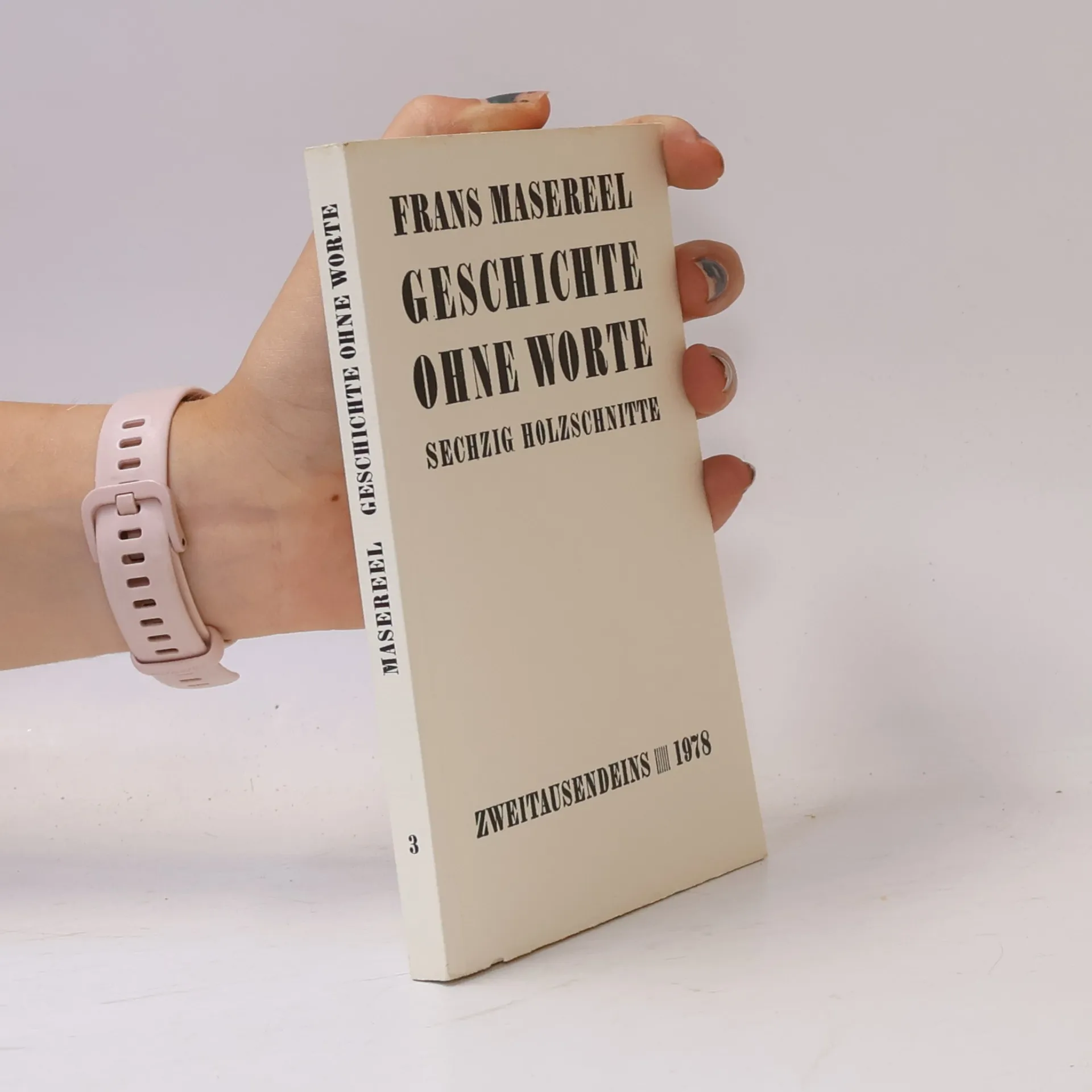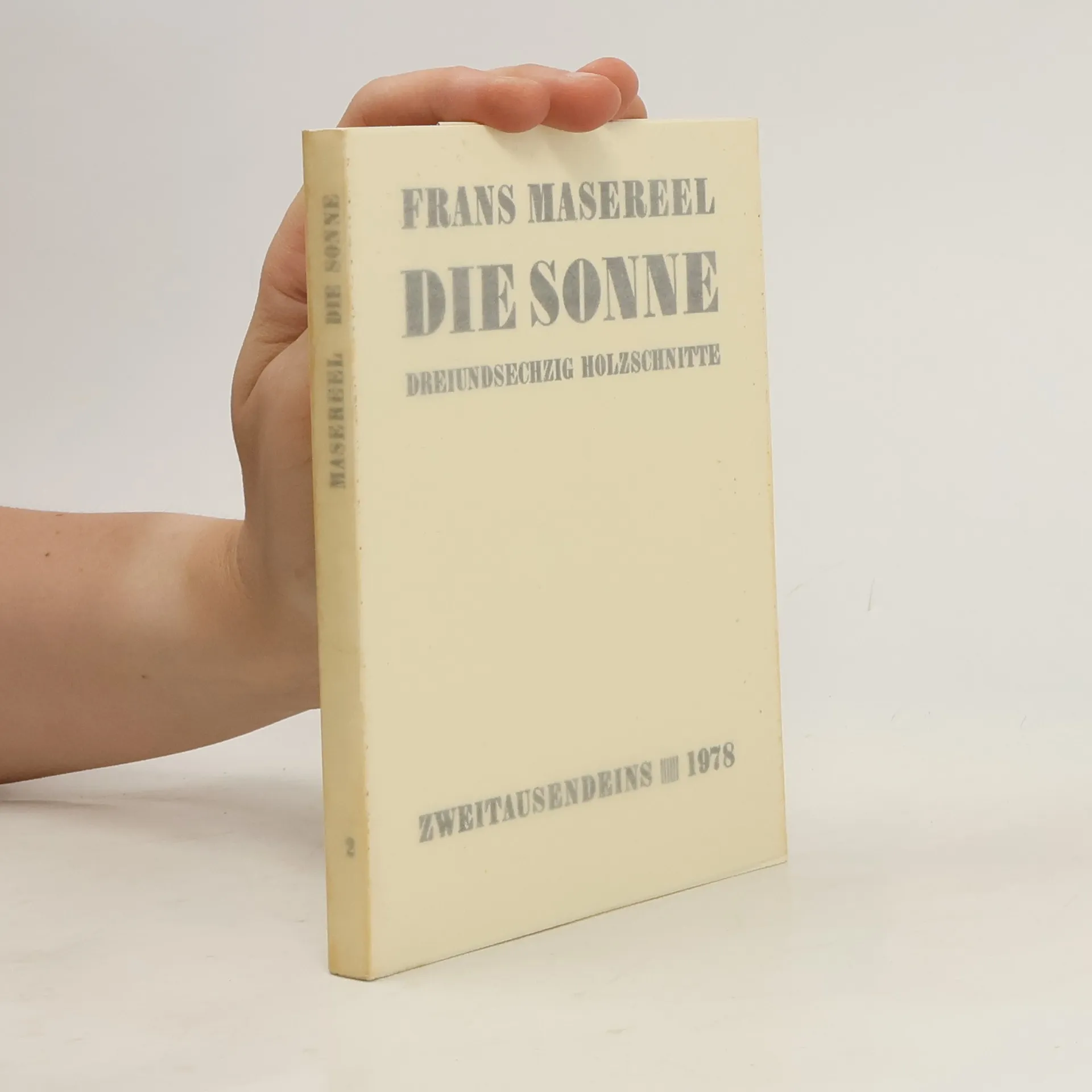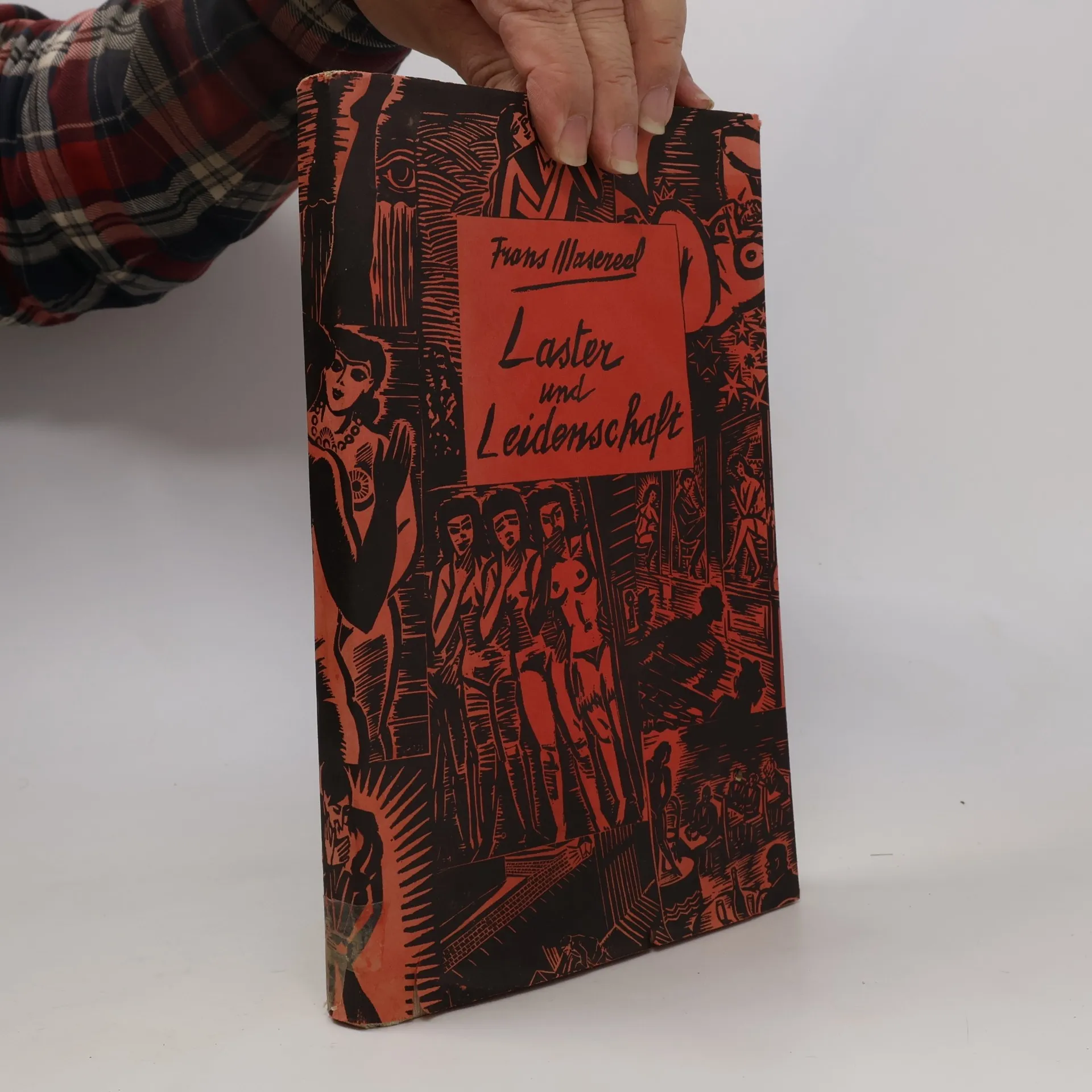
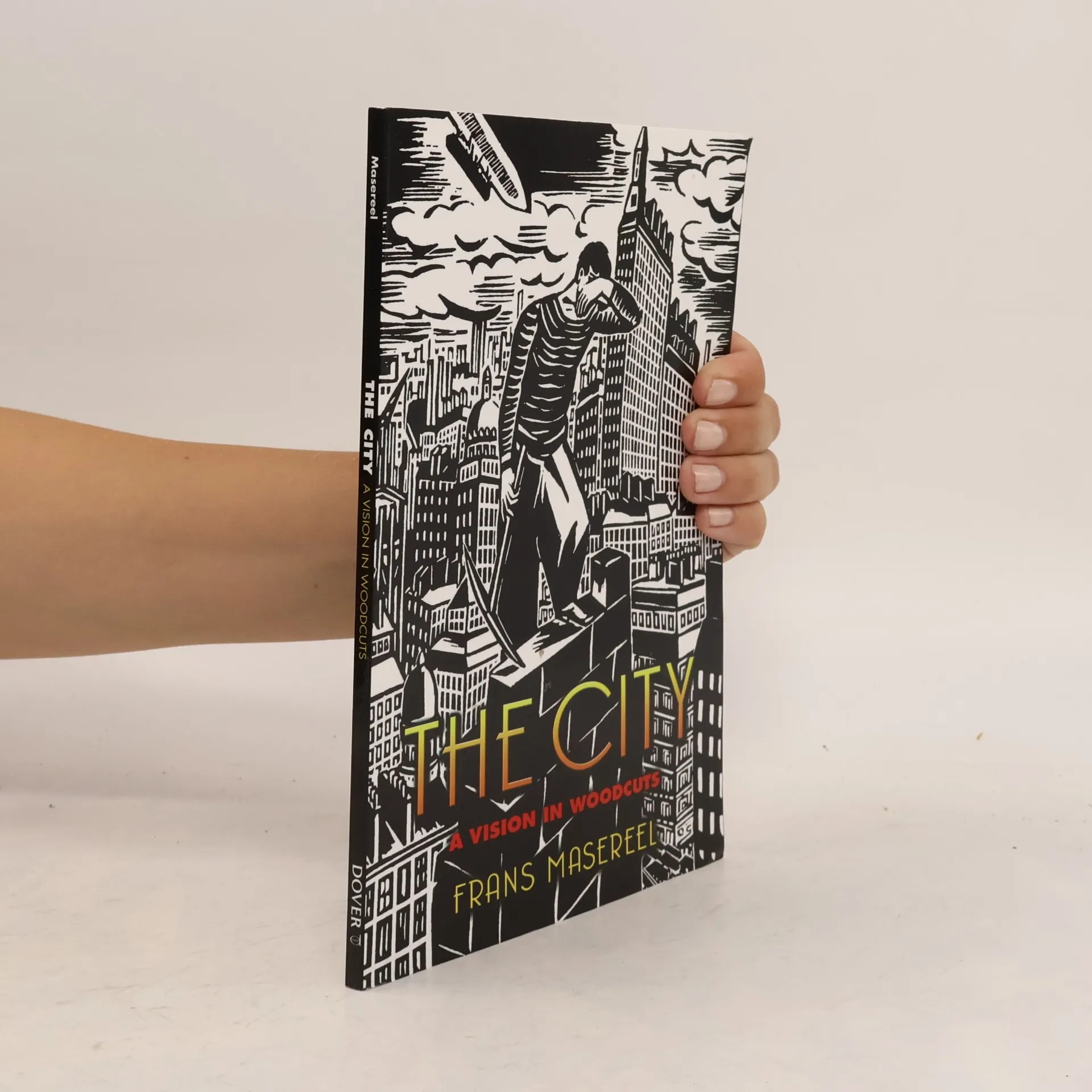
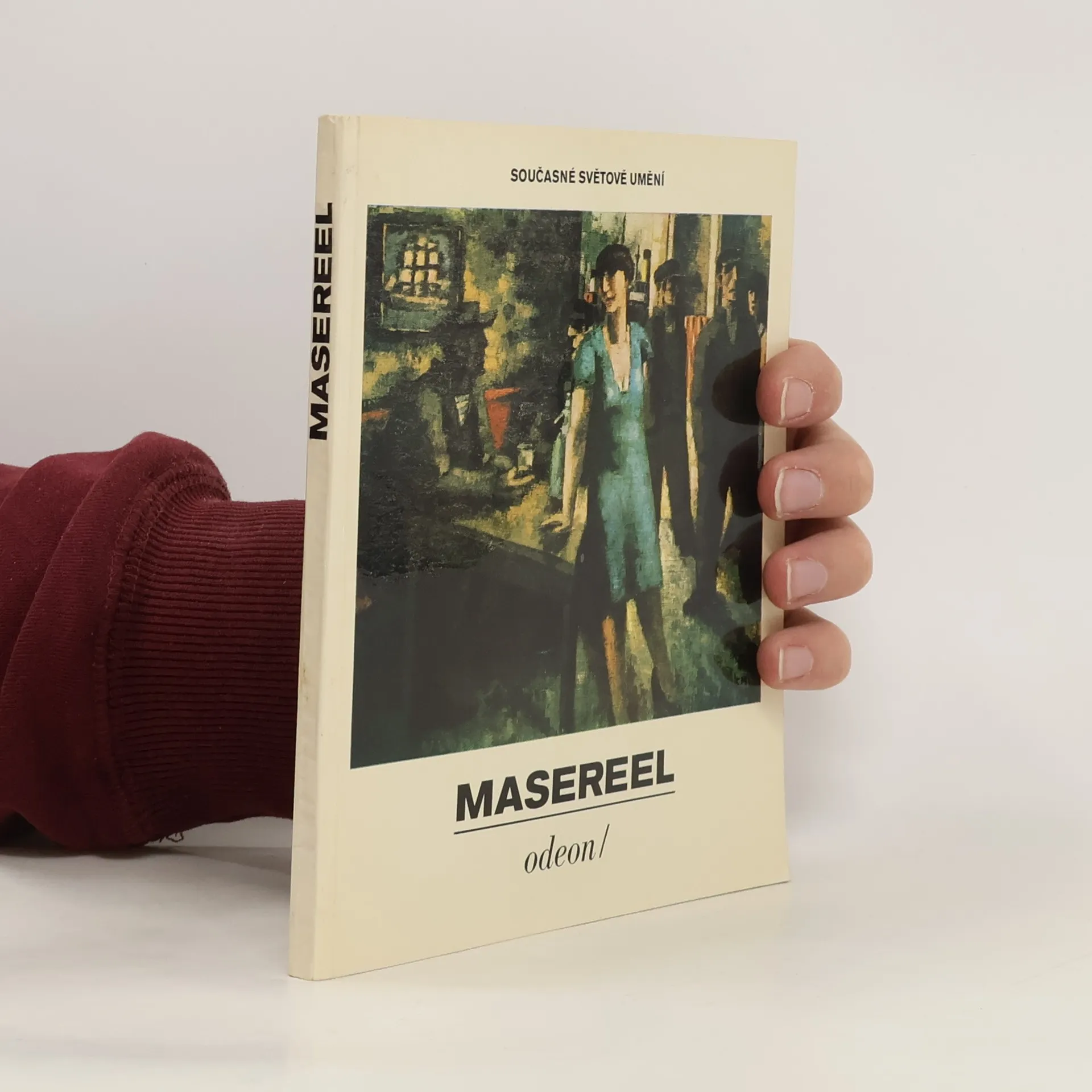
Franz Masereel - Bilder der Großstadt
- 63 stránek
- 3 hodiny čtení
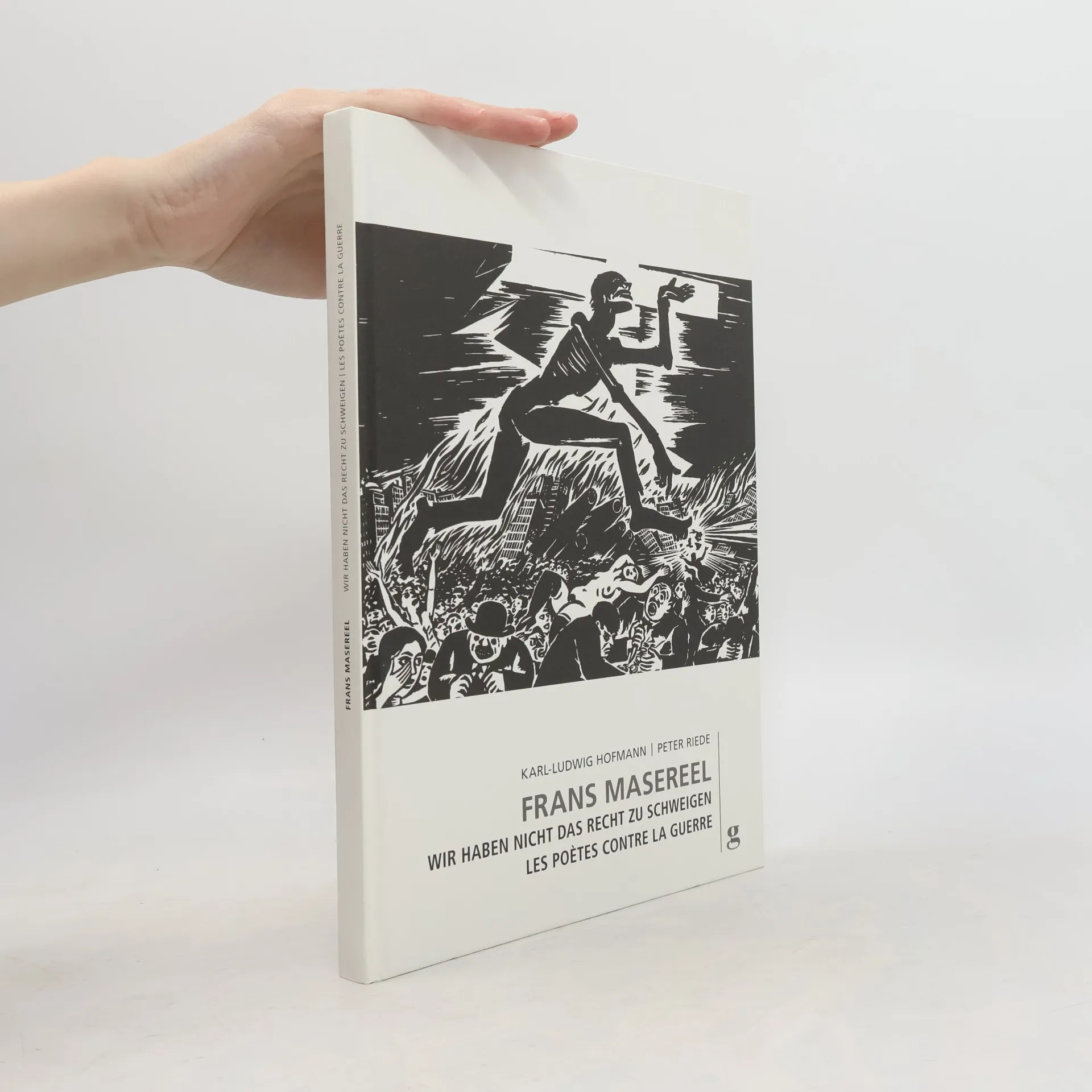
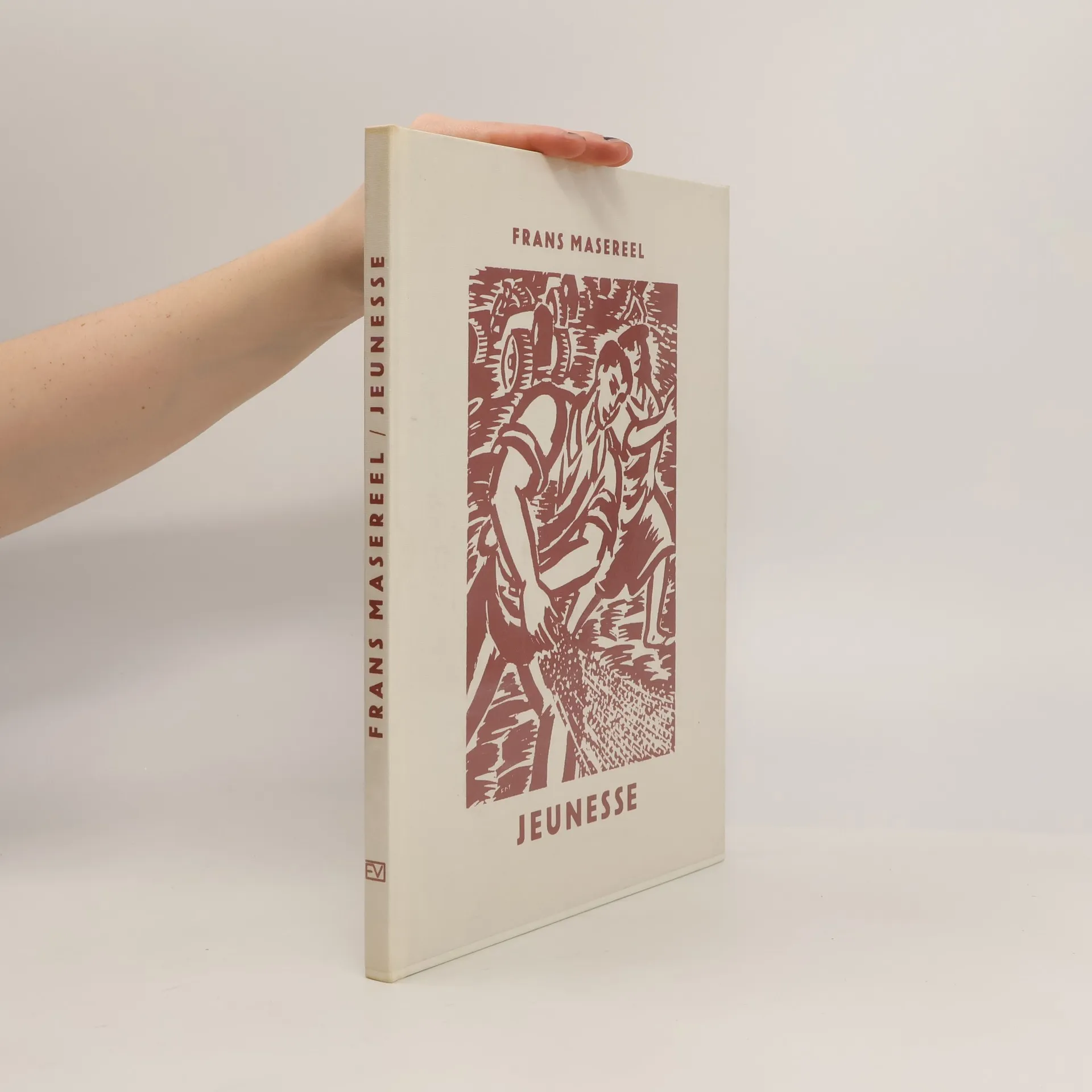
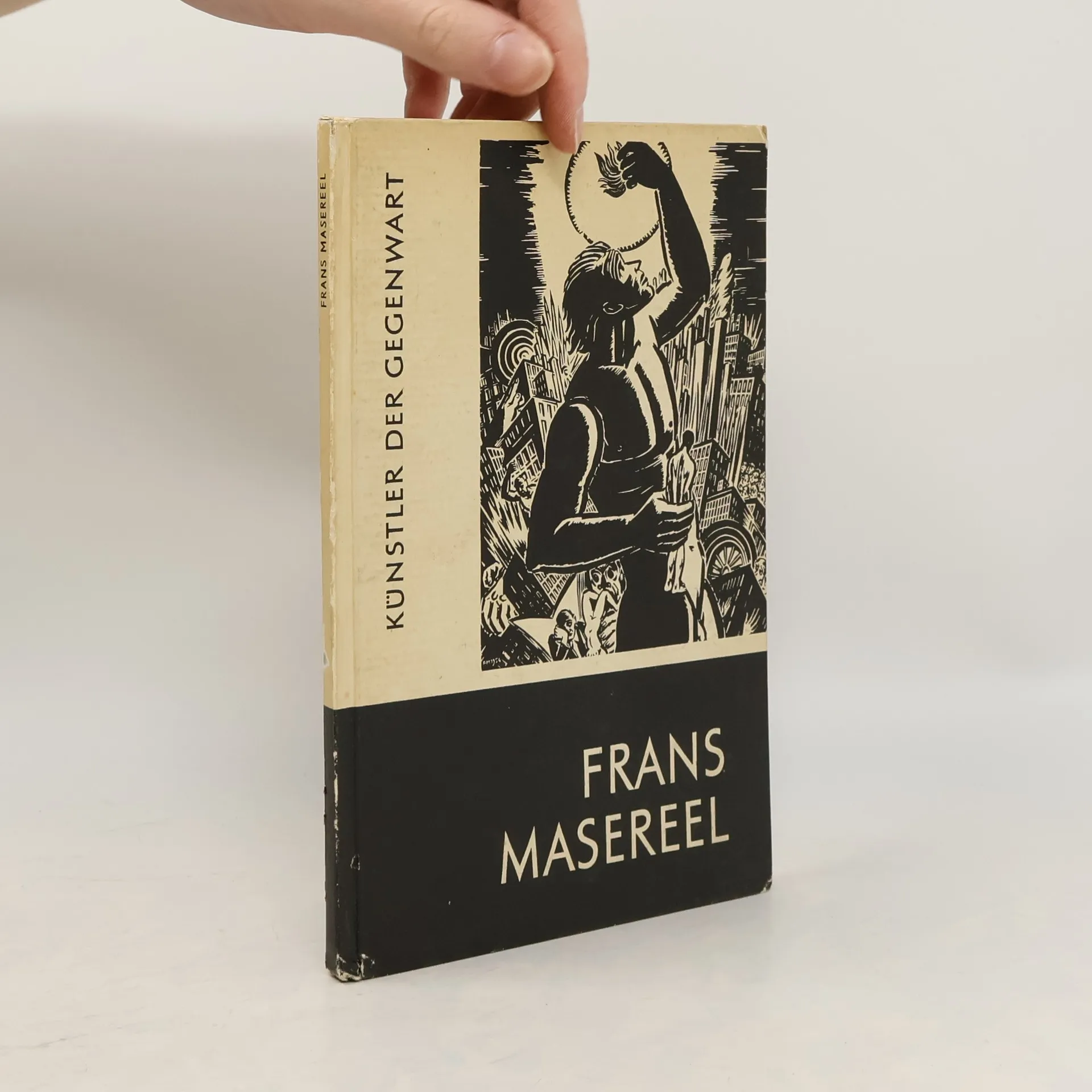
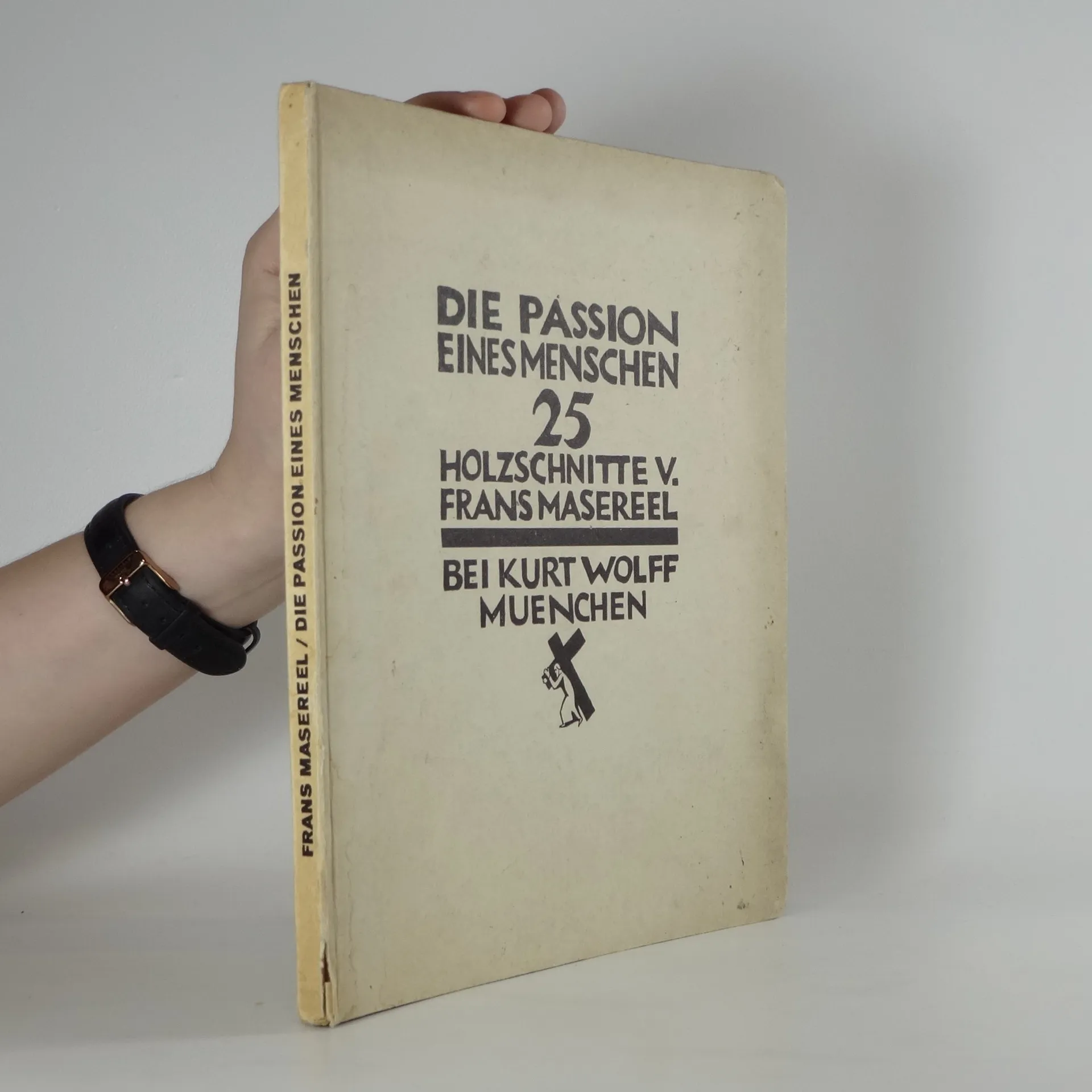
Frans Masereel byl vlámský malíř a grafik, známý především svými dřevoryty. Jeho dílo, které se vyznačuje silnou sociální kritikou a humanistickým étosem, často zkoumá konflikty mezi jednotlivcem a společností. Masereel se proslavil zejména svými celostránkovými dřevoryty a jako průkopník moderního slova bez slovního románu, což je forma vizuálního vyprávění, kterému se věnoval s mimořádnou obratností a emocionální hloubkou.


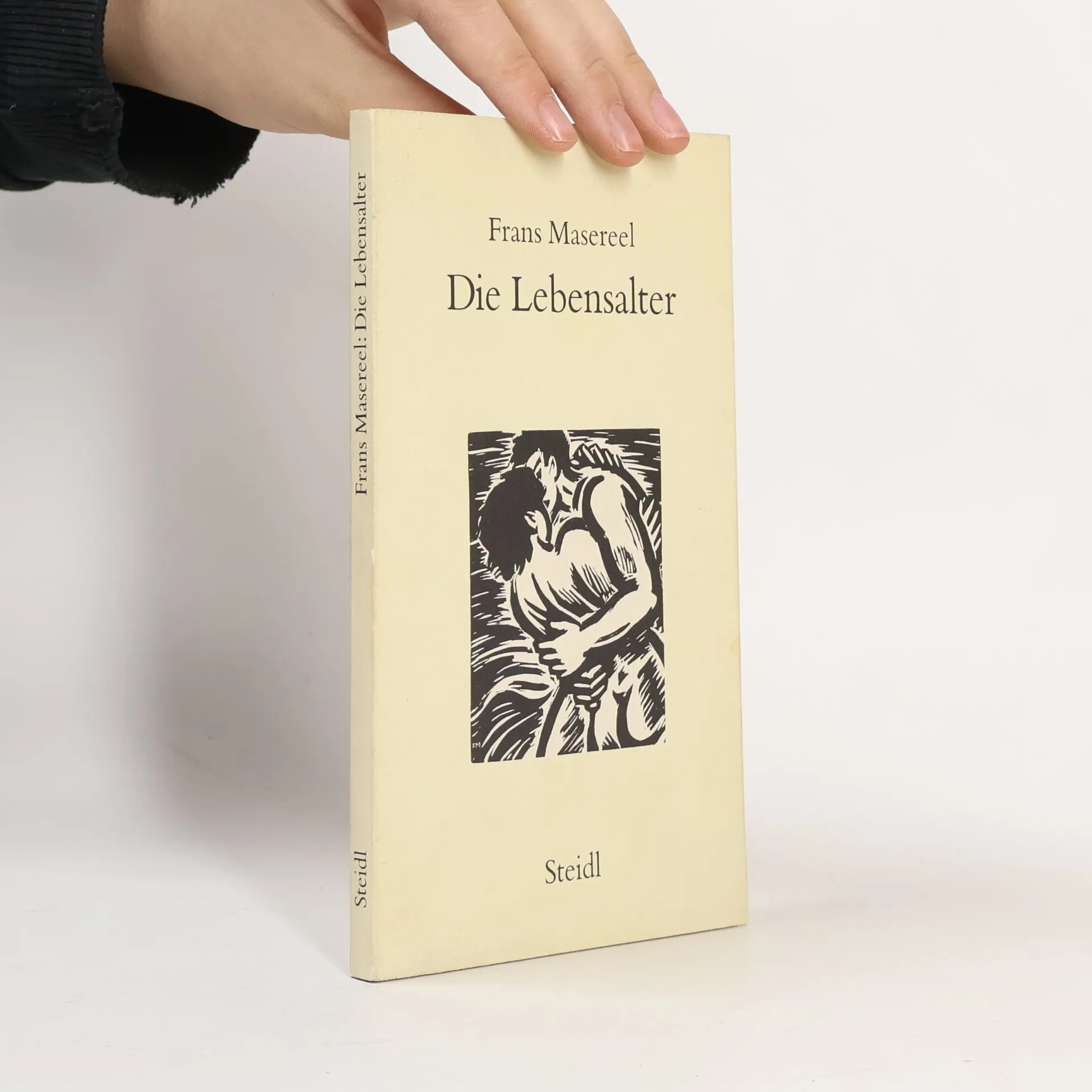
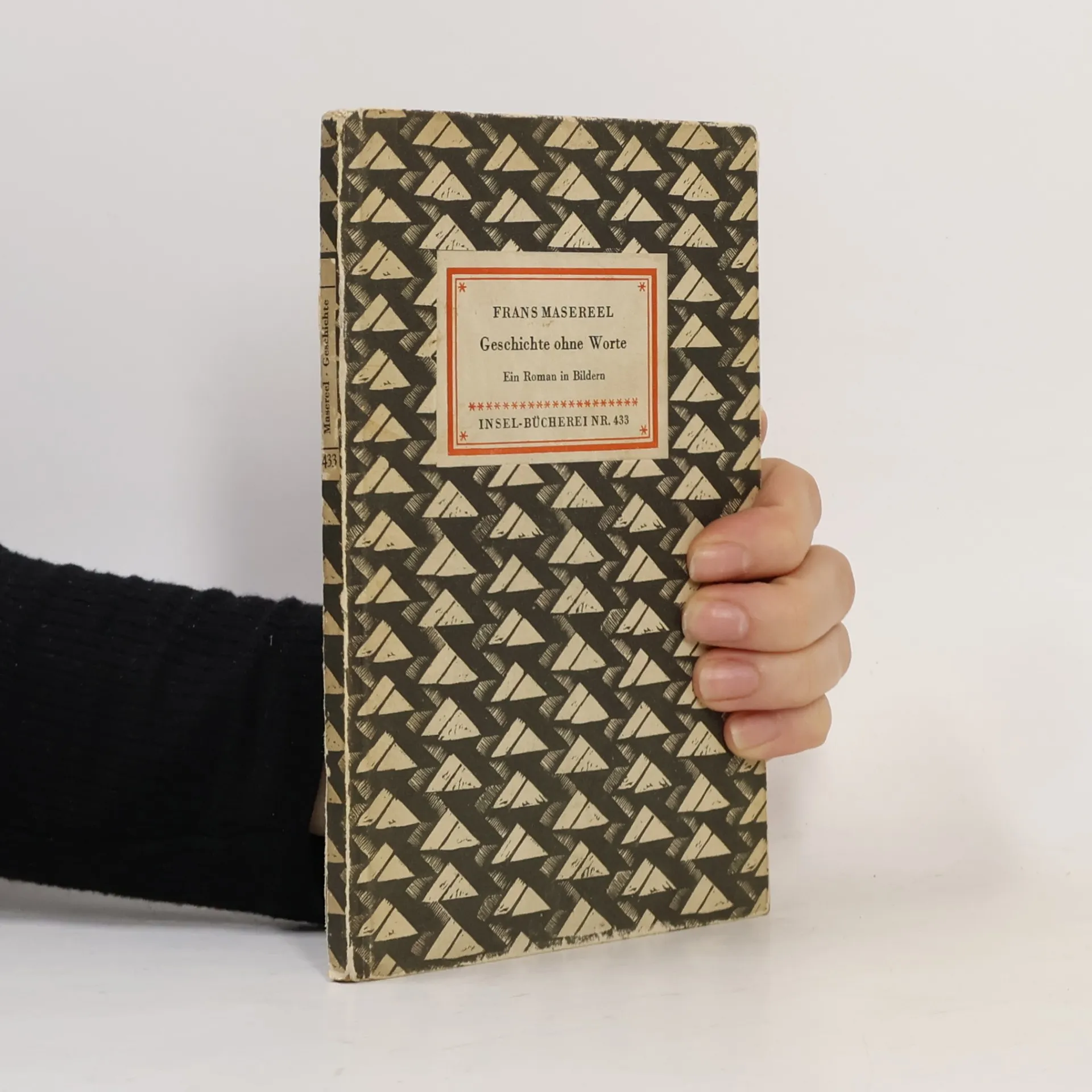
Ein Roman in Bildern
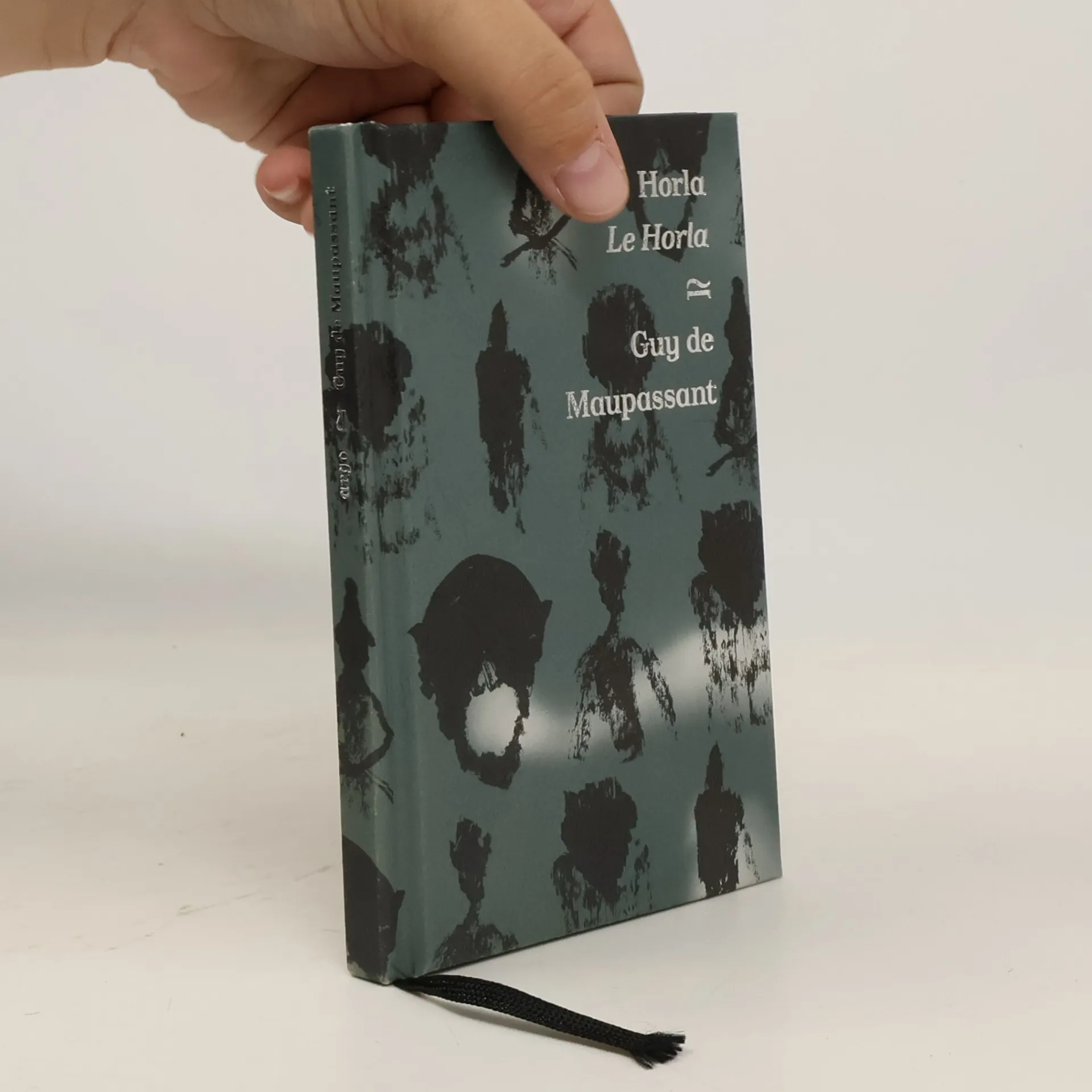
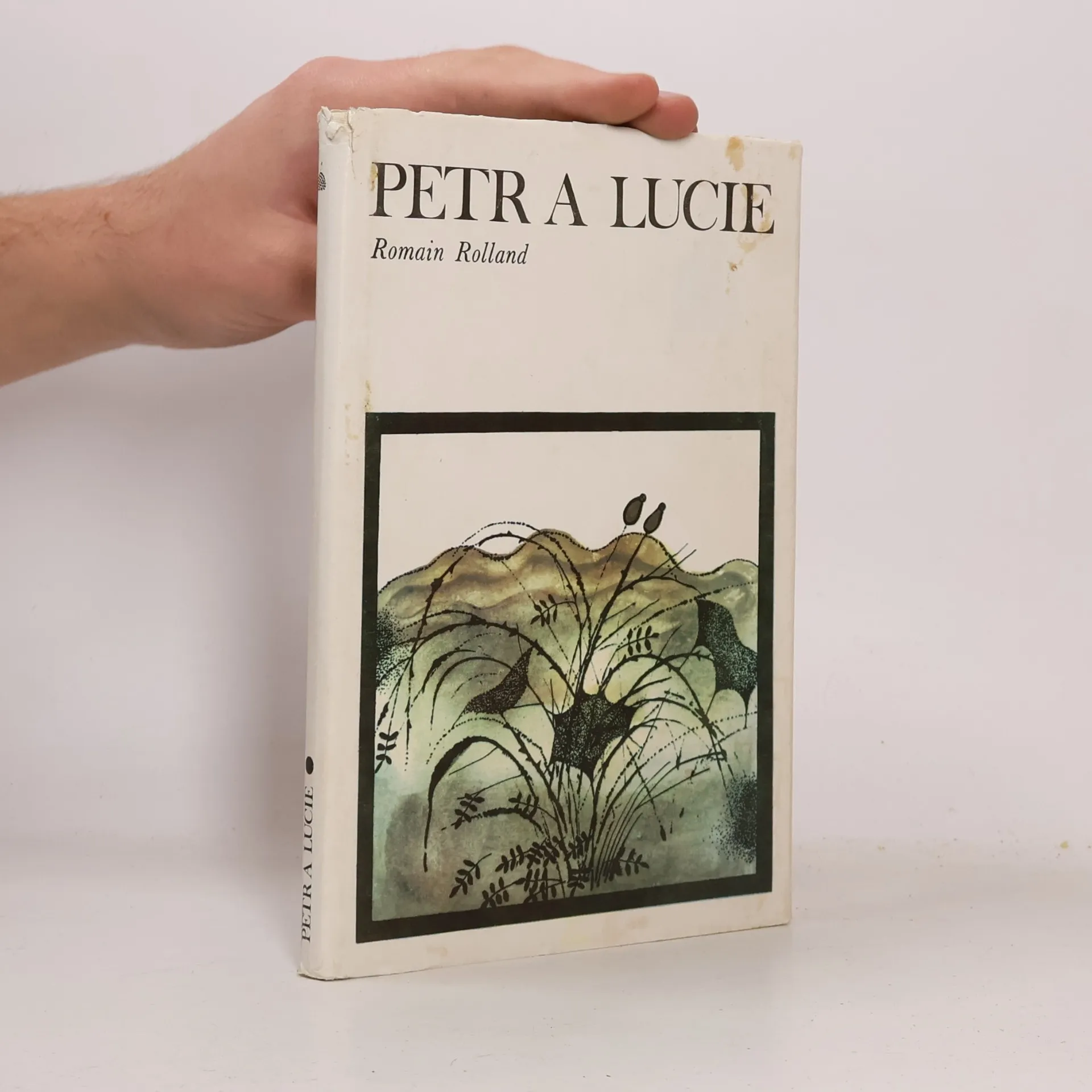
Povídky: Horla, Láska, Tůň, Zachráněna, Clochette, Marquis De Fumerol, Znamení, Čert, Večer tříkrálový, V lese, Rodina, Josef, Hospoda, Tulák.
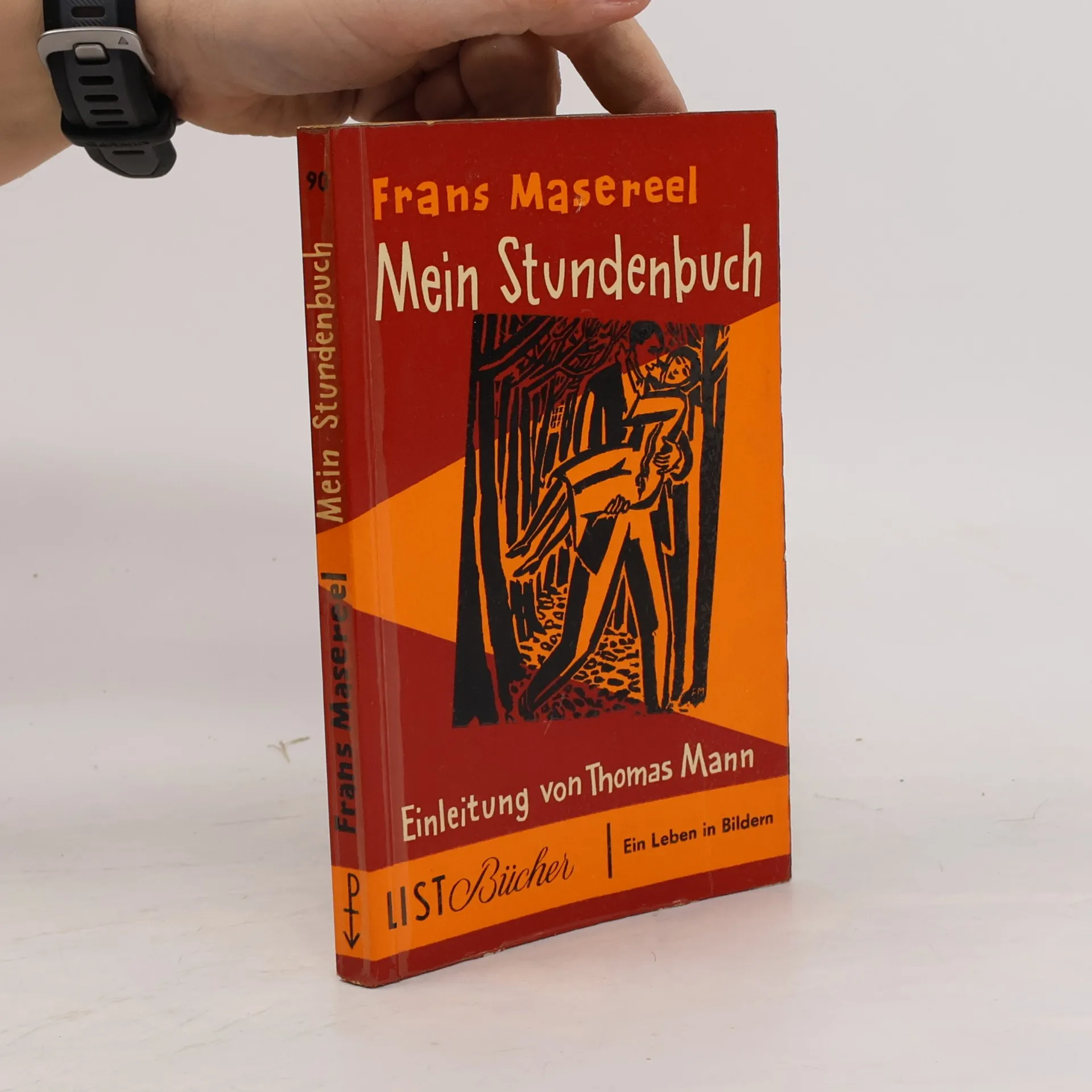
Milostná novela, jemně kreslený příběh tragické lásky mladých milenců zahalený stínem válečného utrpení a hrůzy první světové války. Oba mladí lidé žili svou bezmeznou láskou a svými romantickými sny a ve velikonočním týdnu se měli zcela oddat jeden druhému...
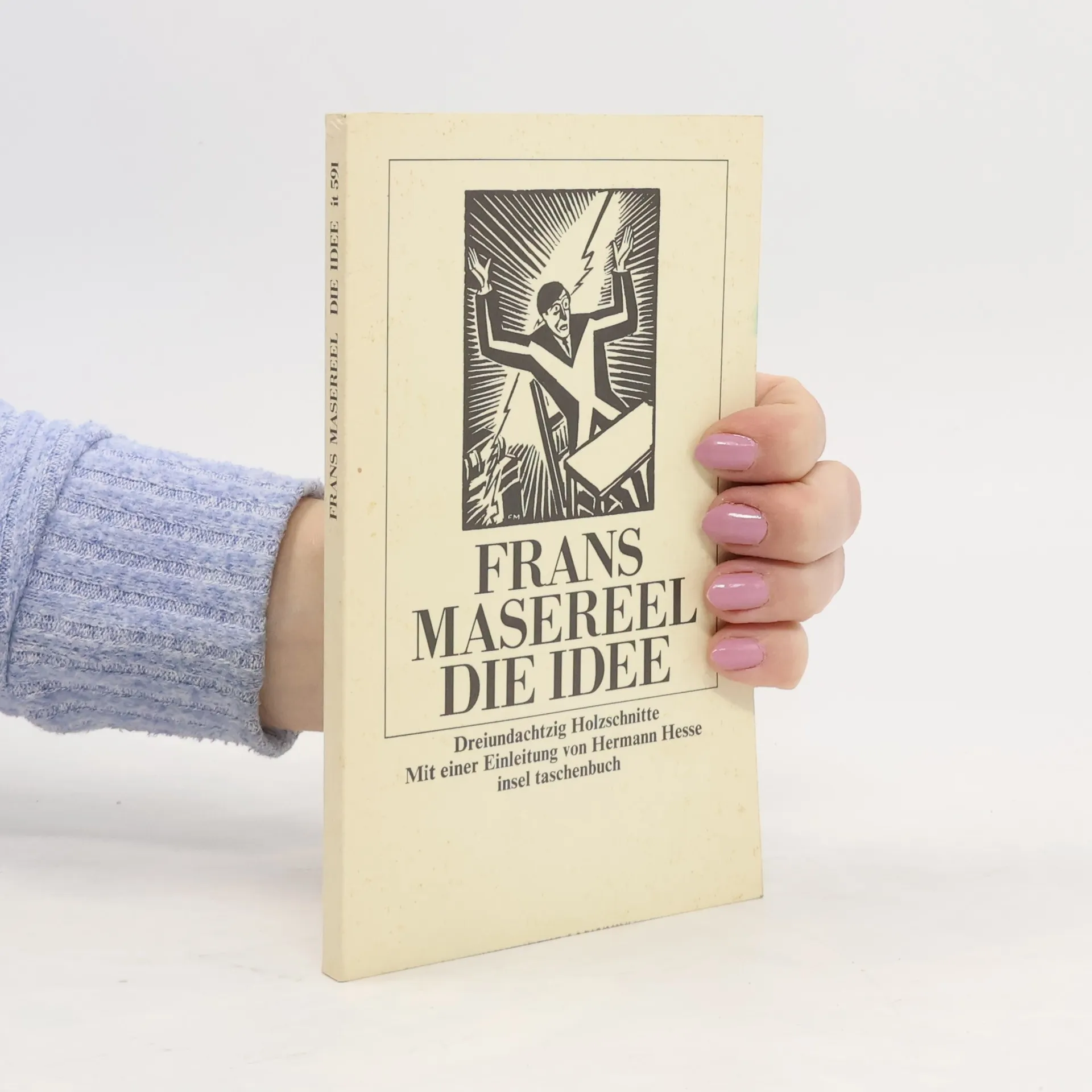
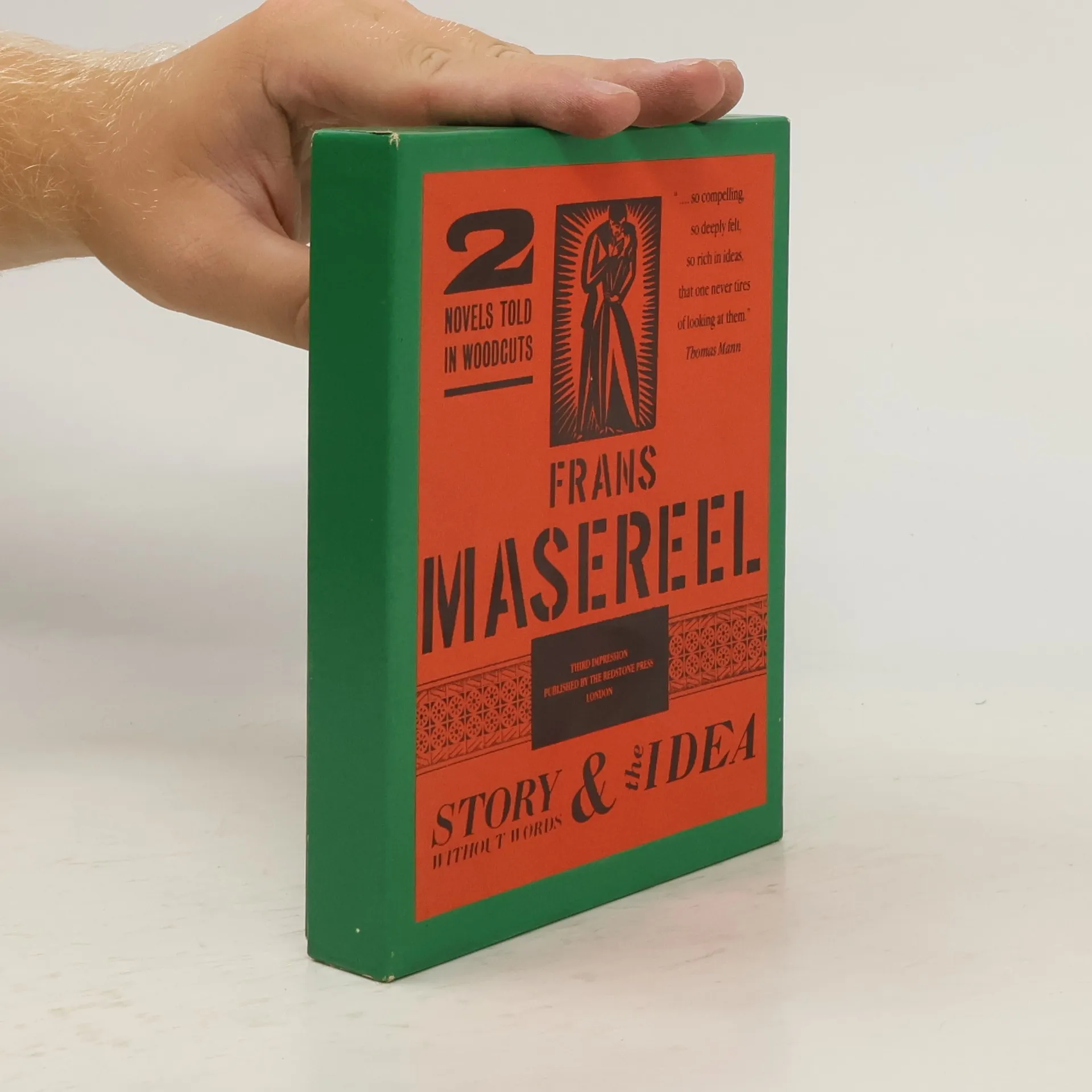
Created in the 1920s by the acclaimed wood-engraver Frans Masereel, this book contains two picture novels in one. The Idea depicts the life cycle of an idea, as personified by a naked woman, struggling in the streets of an industrialized city peopled by politicians and businessmen who try to use and destroy her. Story Without Words is a tale of unrequited love and courtship, its images rich with symposium.
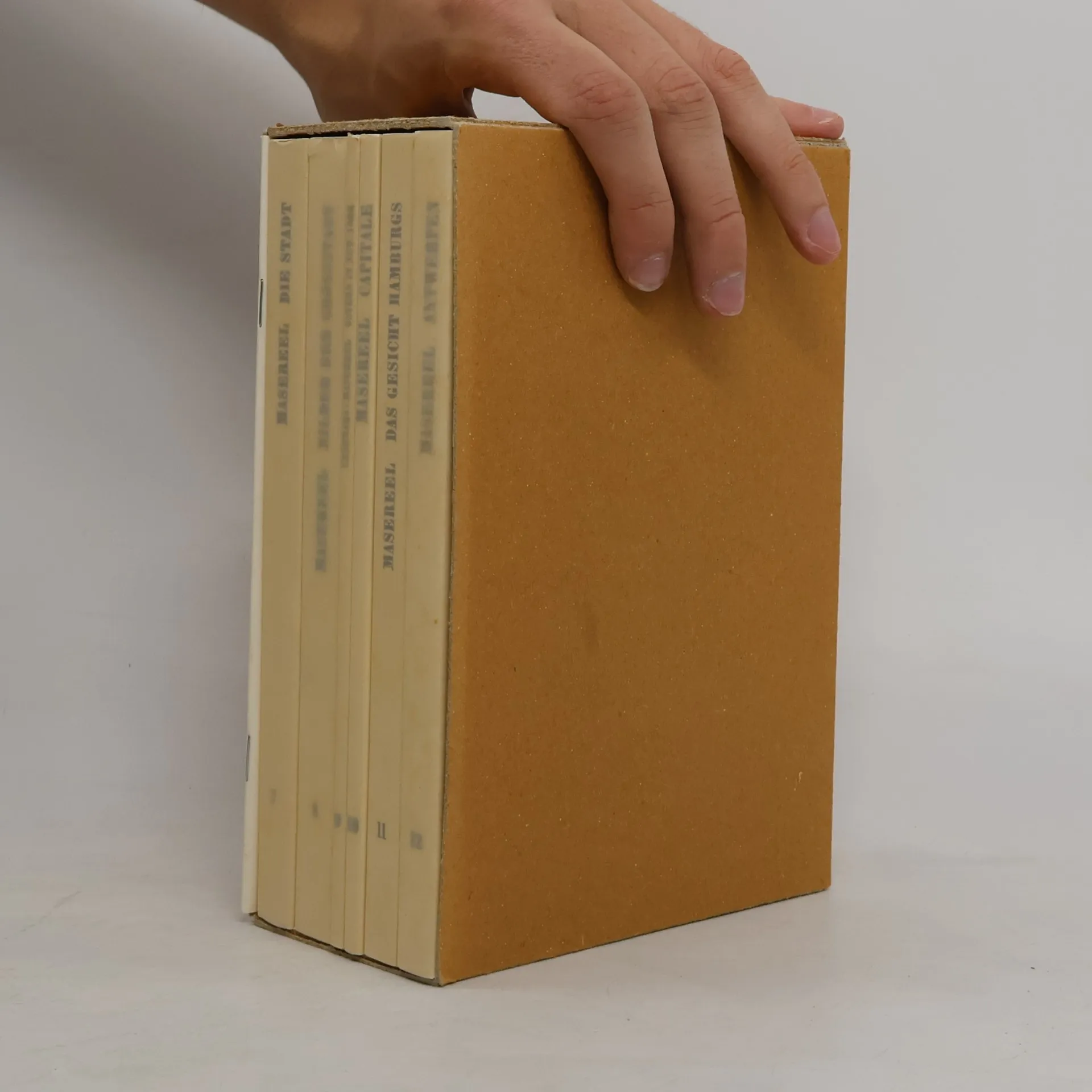
1986 63 Seiten mit der Abbildung von 22 Holzschnitten, illustrierter OLeinenband mit Klarfolienumschlag und Kartonschuber, 28,6 x 20,6 cm Europaverlag, Woien - München - Zürich,
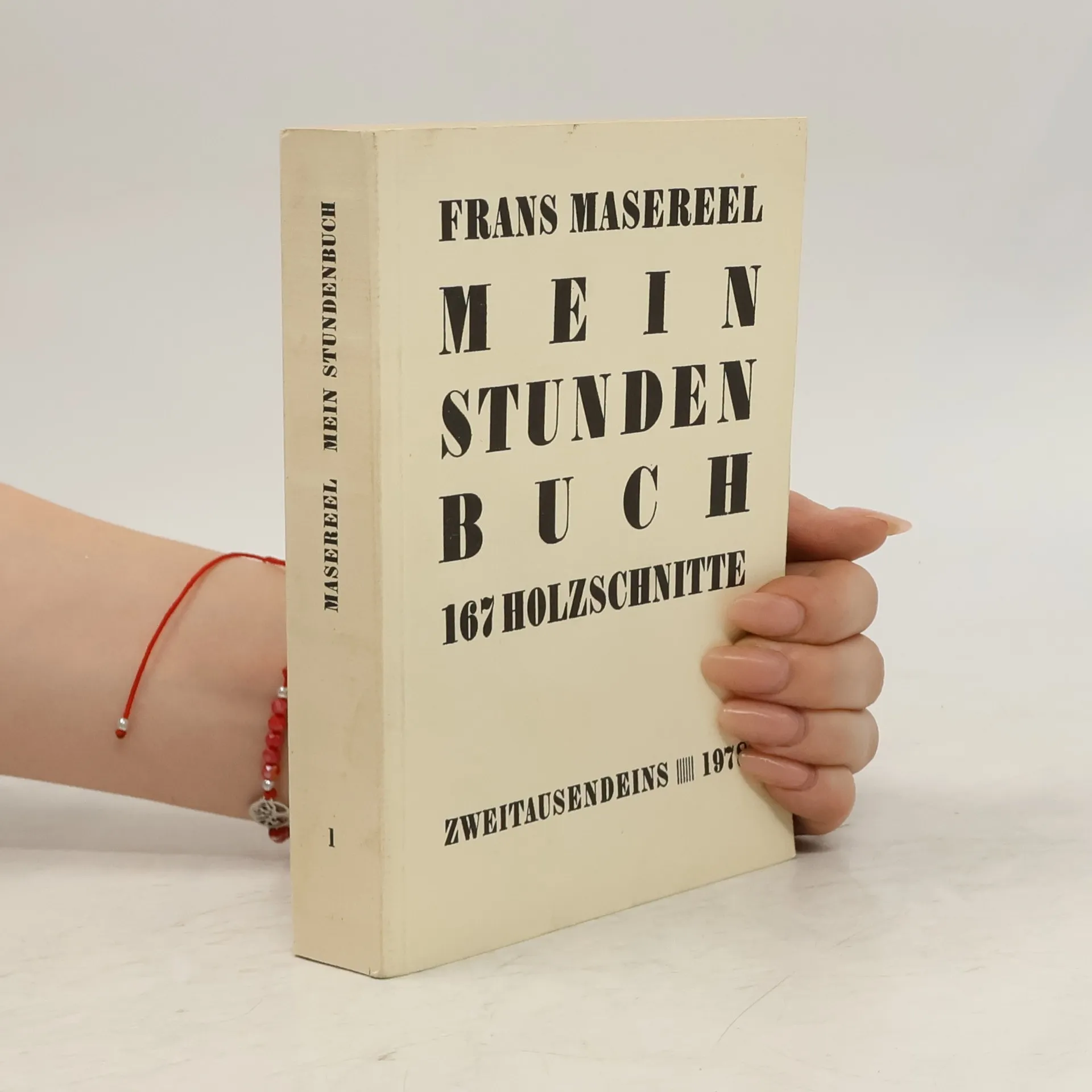
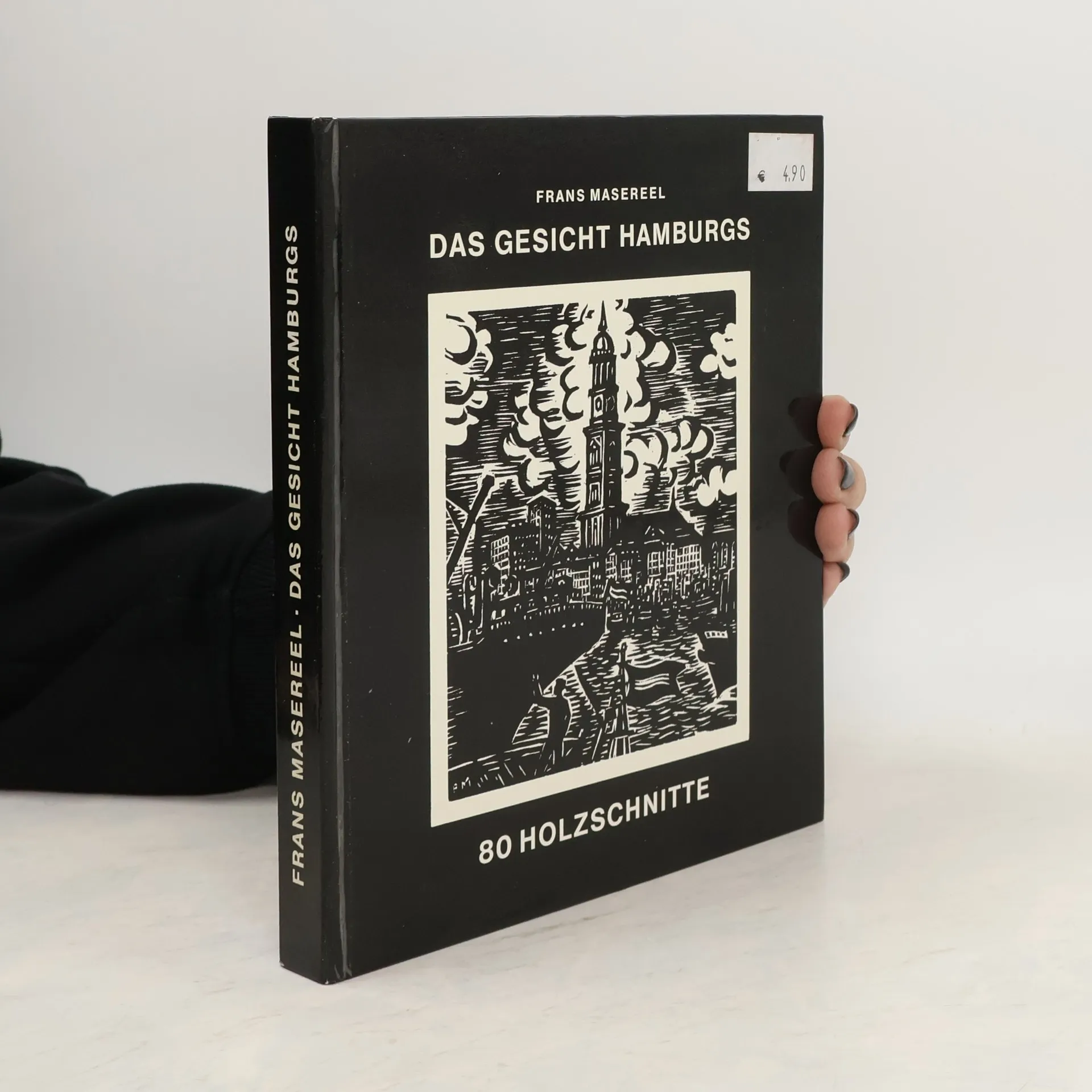
167 Holzschnitte
"An absolute song for an ongoing visit with timelessness." — The New York TimesThis graphic novel by an Expressionist master offers a stunning depiction of urban Europe between the world wars. First published in Germany in 1925, it presents unforgettable images from the tense and dynamic Weimar period, rendered in 100 woodcuts of remarkable force and beauty.A pacifist during World War I, Belgian-born Frans Masereel (1889-1972) sympathized with the struggles of the working classes and strived to make his art accessible to ordinary people. His evocative woodcuts convey scenes of work and leisure, wealth and deprivation, and joy and loneliness. Banned by the Nazis, Masereel's works were championed in Communist countries; however, the artist steered clear of political affiliations. His clarity of vision transcends any propagandist use of the images, which stand as timeless indictments of oppression and injustice.Thomas Mann described Masereel's works as "so strangely compelling, so deeply felt, so rich in ideas that one never tires of looking at them." Epic and unflinching in its scope, The City continues to influence modern fine and graphic art, while recapturing the mood of a vanished era.
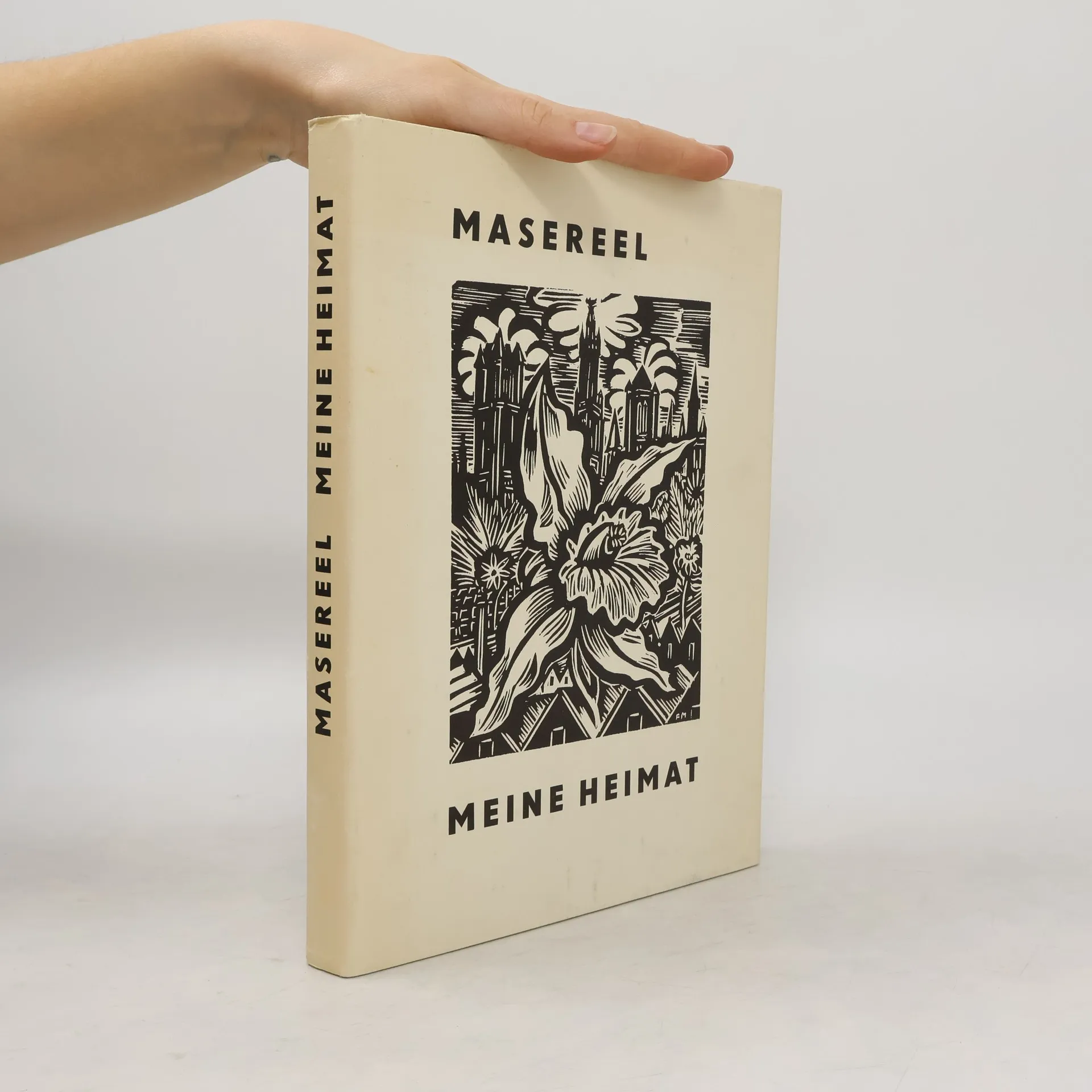
Mit einer Einleitung v. Hesse, Hermann 83 Holzschnitte.
Die Geschichte folgt dem Leben eines prototypischen Jedermann des frühen 20. Jahrhunderts, nachdem er in eine Stadt eingetreten ist. Sie ist mal komisch, mal tragisch; eine kranke Frau, um die sich der Mann kümmert, verliert ihr Leben; der Mann furzt vor einer Gruppe von Geschäftsleuten; und er wird von einer Prostituierten, in die er sich verliebt hat, zurückgewiesen. Er unternimmt auch Reisen zu verschiedenen Orten auf der Welt. Am Ende verlässt der Mann die Stadt und geht in den Wald, hebt die Arme zur Lobpreisung der Natur und stirbt. Sein Geist erhebt sich von ihm, stampft auf das Herz seines toten Körpers und winkt dem Leser zu, während er sich ins Universum aufmacht.
Monografie belgického výtvarníka Franse Masereela.