Gayatri Chakravorty Spivak je univerzitní profesorkou na Kolumbijské univerzitě. Je známá svým anglickým překladem zásadního díla Jacquese Derridy "O gramatologii" a svými vlastními filozofickými spisy o postkoloniálním stavu, které zavedly pojem "subaltern" do filozofického lexikonu. Její práce se zabývá kritickou teorií, feministickou filozofií a postkoloniálními studiemi a klade si za cíl dát hlas marginalizovaným skupinám. Spivak se soustředí na způsoby, jakými lze dekonstruovat dominantní narativy a zpochybnit mocenské struktury.
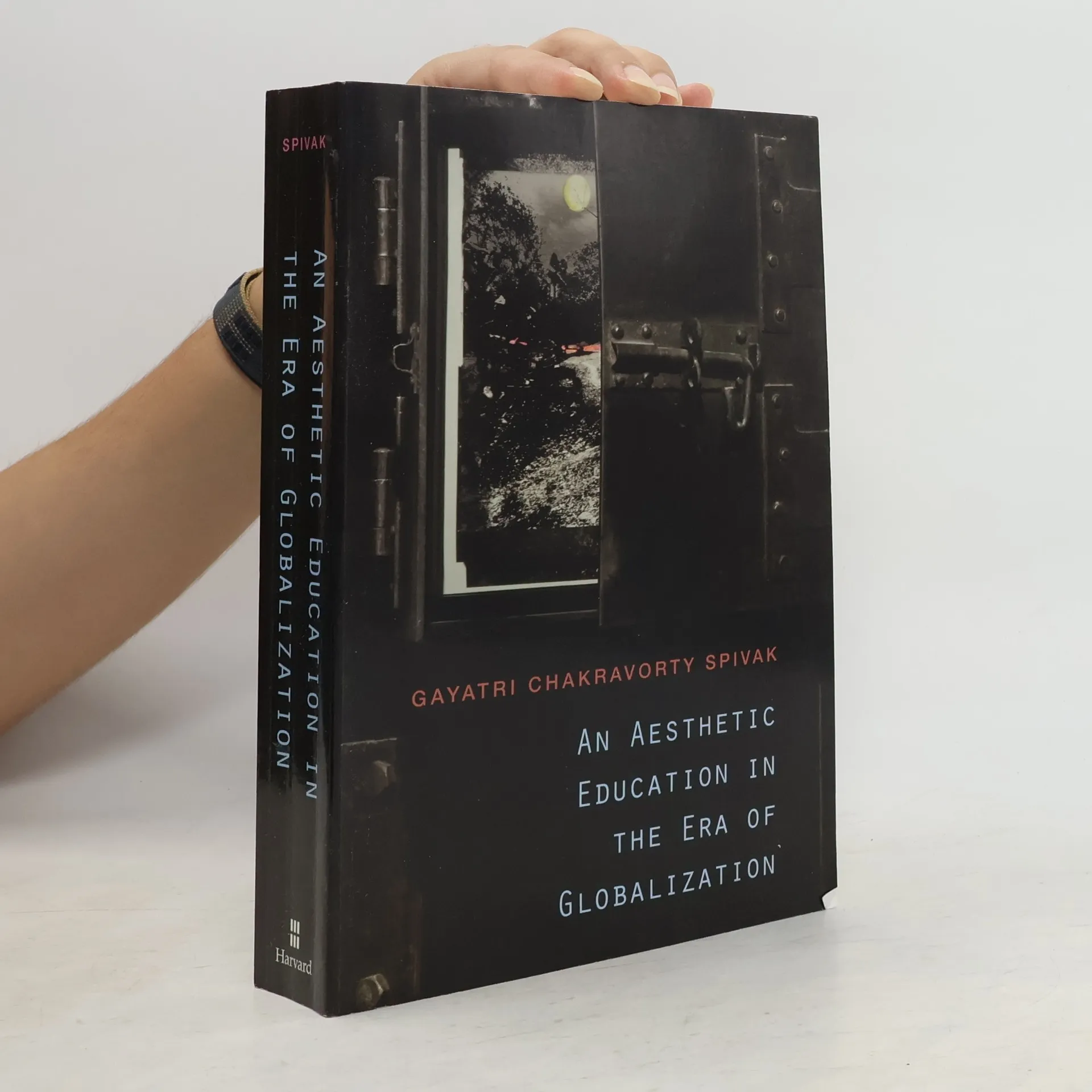
Features the world's most renowned critical theorist - who defined the field
of postcolonial studies - and has radically reoriented her thinking. In this
title, the author argues that aesthetic education is the last available
instrument for implementing global justice and democracy.
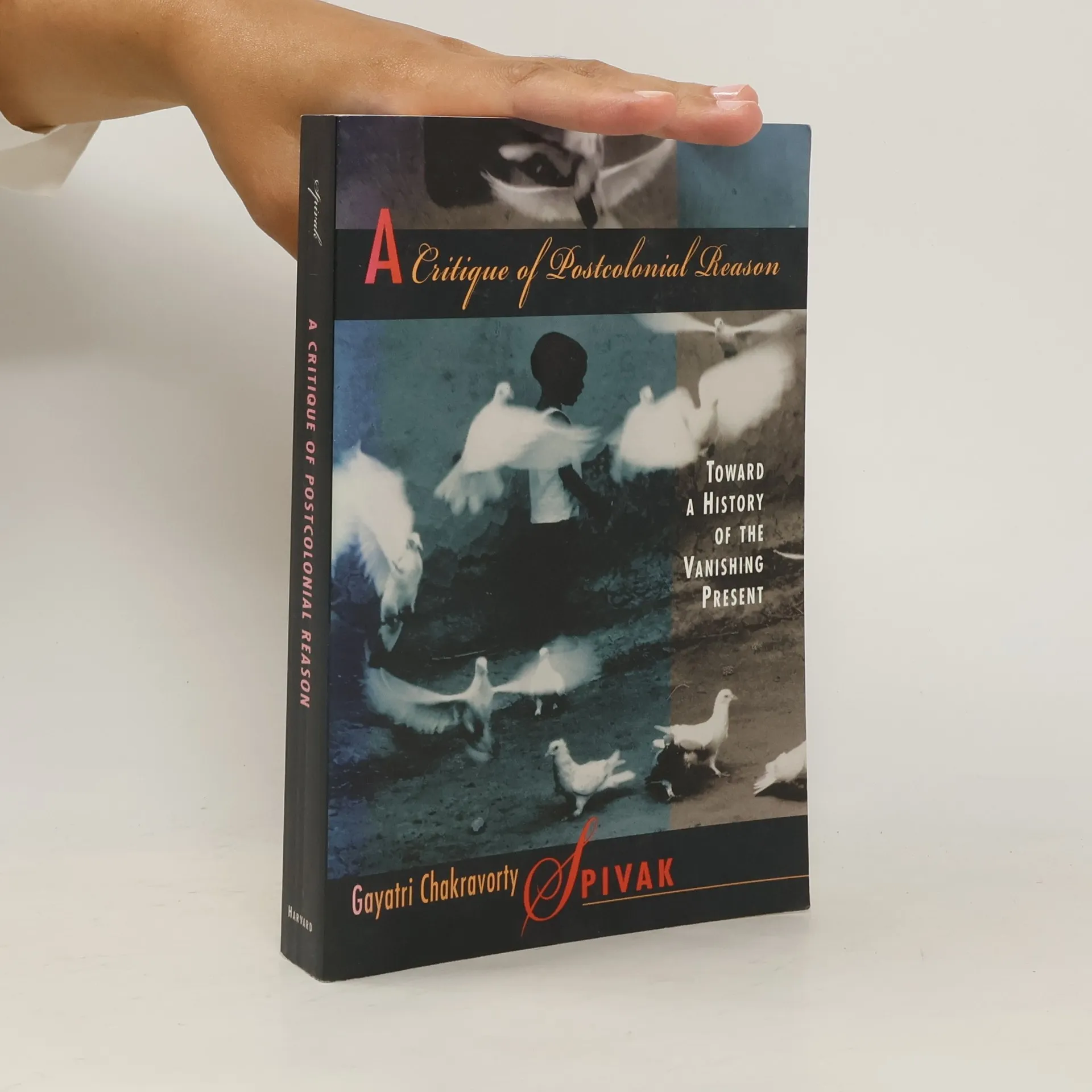
Exploring the intersection of culture wars, gender struggle, and class dynamics, Gayatri Spivak delves into the responsibilities of the postcolonial critic. She critically examines the role of the "native informant," offering insights into how this figure influences contemporary discourse and understanding within postcolonial contexts. Spivak's work challenges readers to reconsider the implications of these cultural conflicts and their relevance today.
Spivak demonstrates how critics interested in social justice should pay close
attention to literary form and offers new interpretations of classics such as
Joseph Conrad's Heart of Darkness and Virginia Woolf's A Room of One's Own.
The book offers close readings of texts not only in English, French, and
German, but also in Arabic and Bengali.
Thema dieses Essays ist die Festschreibung ungerechter Verhältnisse gerade
vermittels der Menschenrechte. Am Grund von Gayatri Chakravorty Spivaks
Überlegungen steht die Frage: Wer tritt, im Verhältnis von globalem Norden und
globalem Süden, als Anwalt der Menschenrechte auf? Es geht bei den
Menschenrechten offenkundig nicht nur darum, eines oder mehrere Rechte zu
besitzen oder einfordern zu können; es geht vielmehr darum, diese Rechte zu
vergeben - und darum, wer in der Position des Gebenden bzw. des Nehmers dieser
Rechte ist. Dass lokale Menschenrechtsaktivisten großenteils Nachkommen der
kolonialen Subjekte sind und somit aus der Elite heraus agieren, kreiert
unweigerlich ein neues, postkoloniales Klassenproblem. Es ist eure Pflicht,
Rechte einzufordern, lautet das ebenso banale wie paradoxe Motto der
Privilegierten gegenüber den Subalternen - denen, die von sozialer Mobilität
in jeglicher Form abgetrennt sind. Nachdrücklich plädiert Spivak für einen
lokalen, auf unterster Ebene ansetzenden Einsatz der Bildung und Erziehung -
was sich wiederum auf das Konzept, das die Humanities von Human Rights haben,
auswirkt. Weil die Konzeption der Menschenrechte zwischen Naturrecht und (aus
einer kontingenten historischen Situation heraus) erklärtem und mithin
gesetztem Recht oszilliert, stellen sie für die Beschreibung der Aporie
zwischen Ethik und Politik ein Paradebeispiel dar.