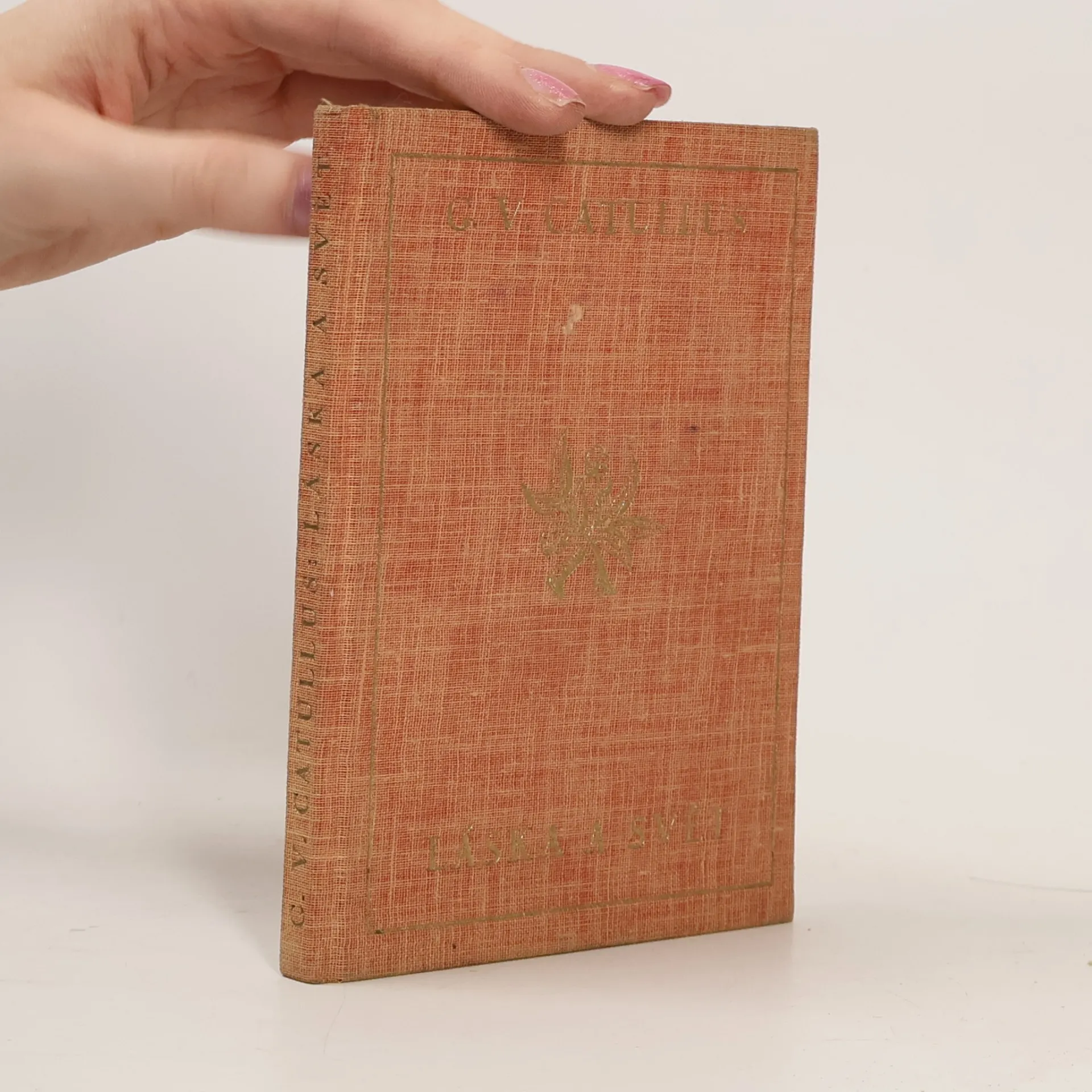
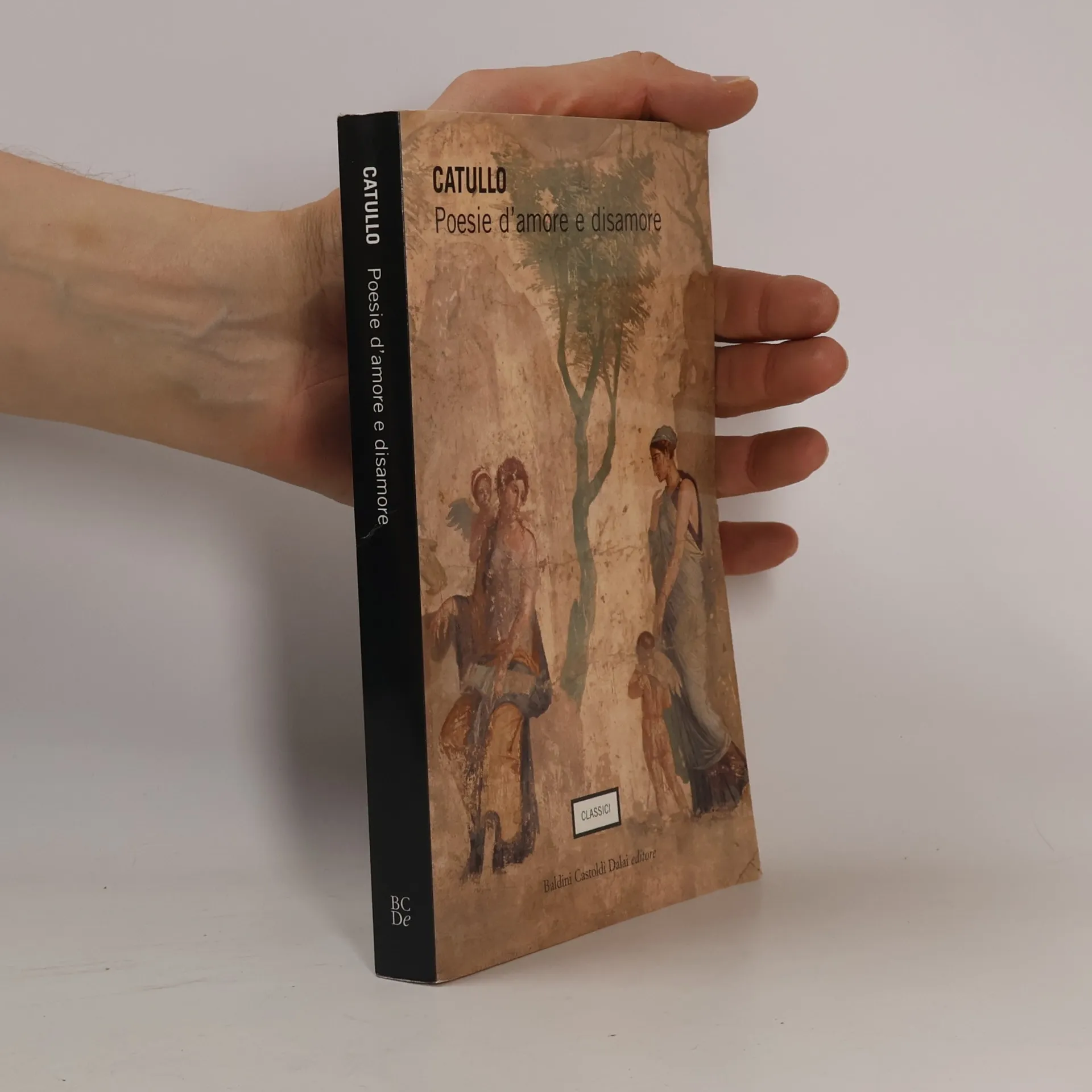
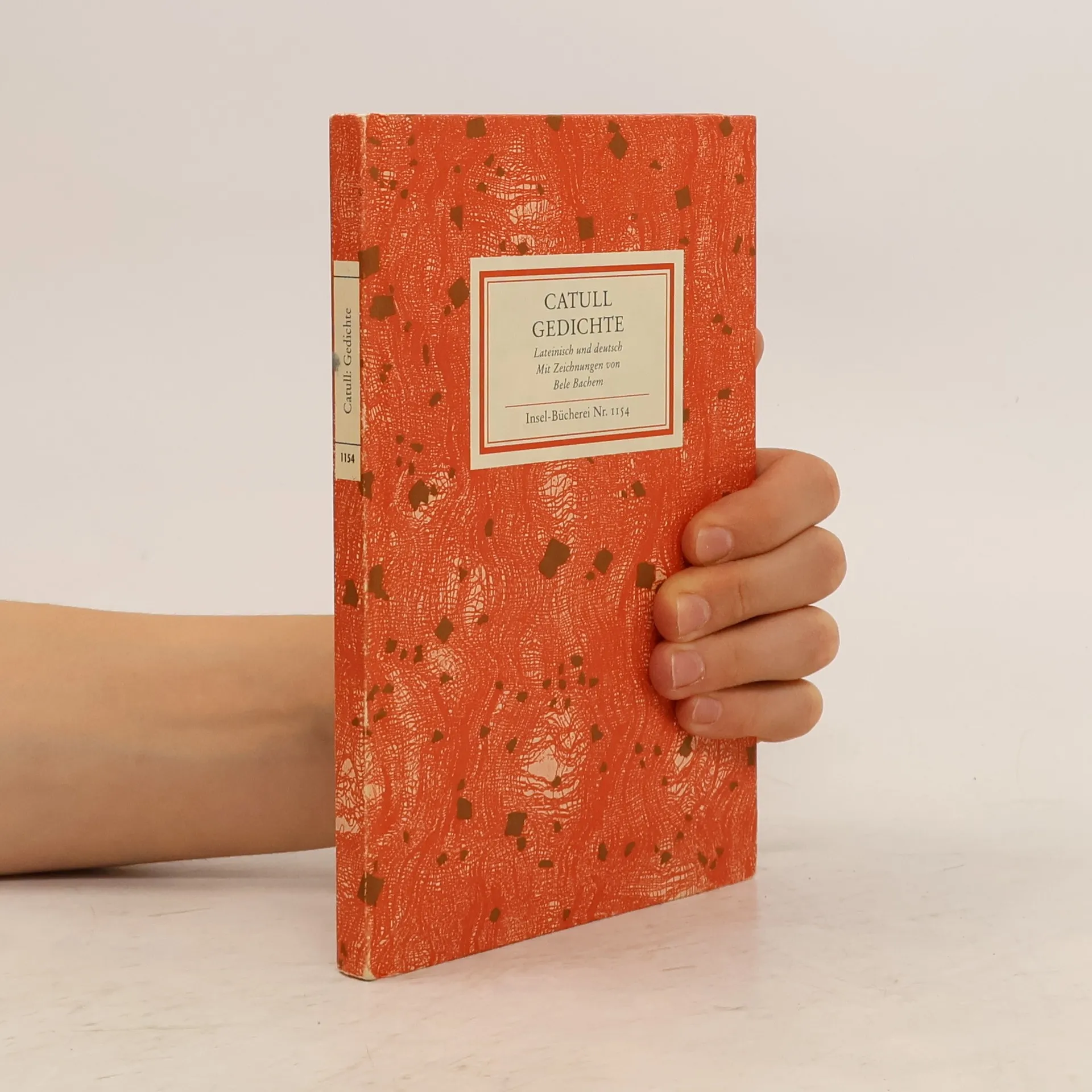
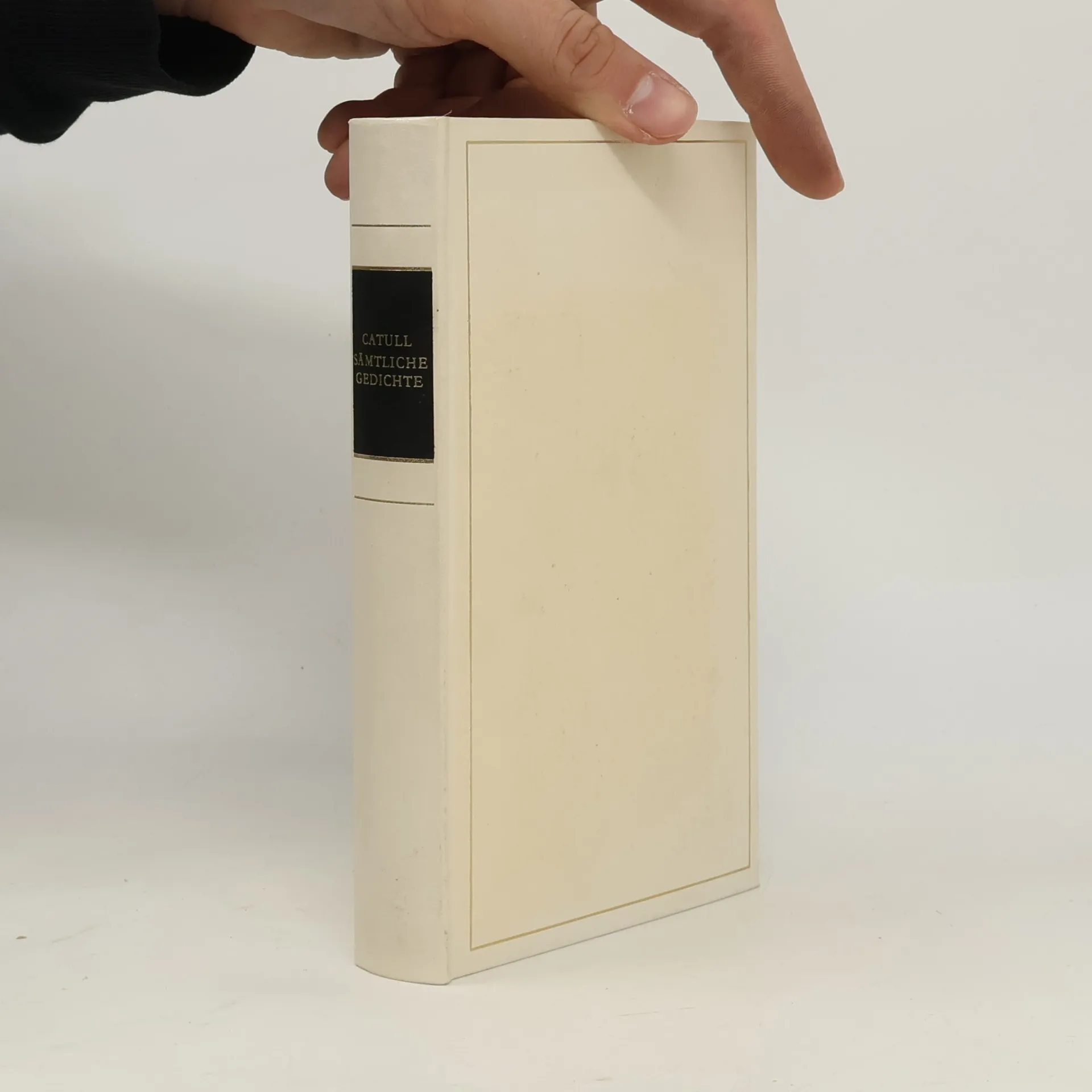
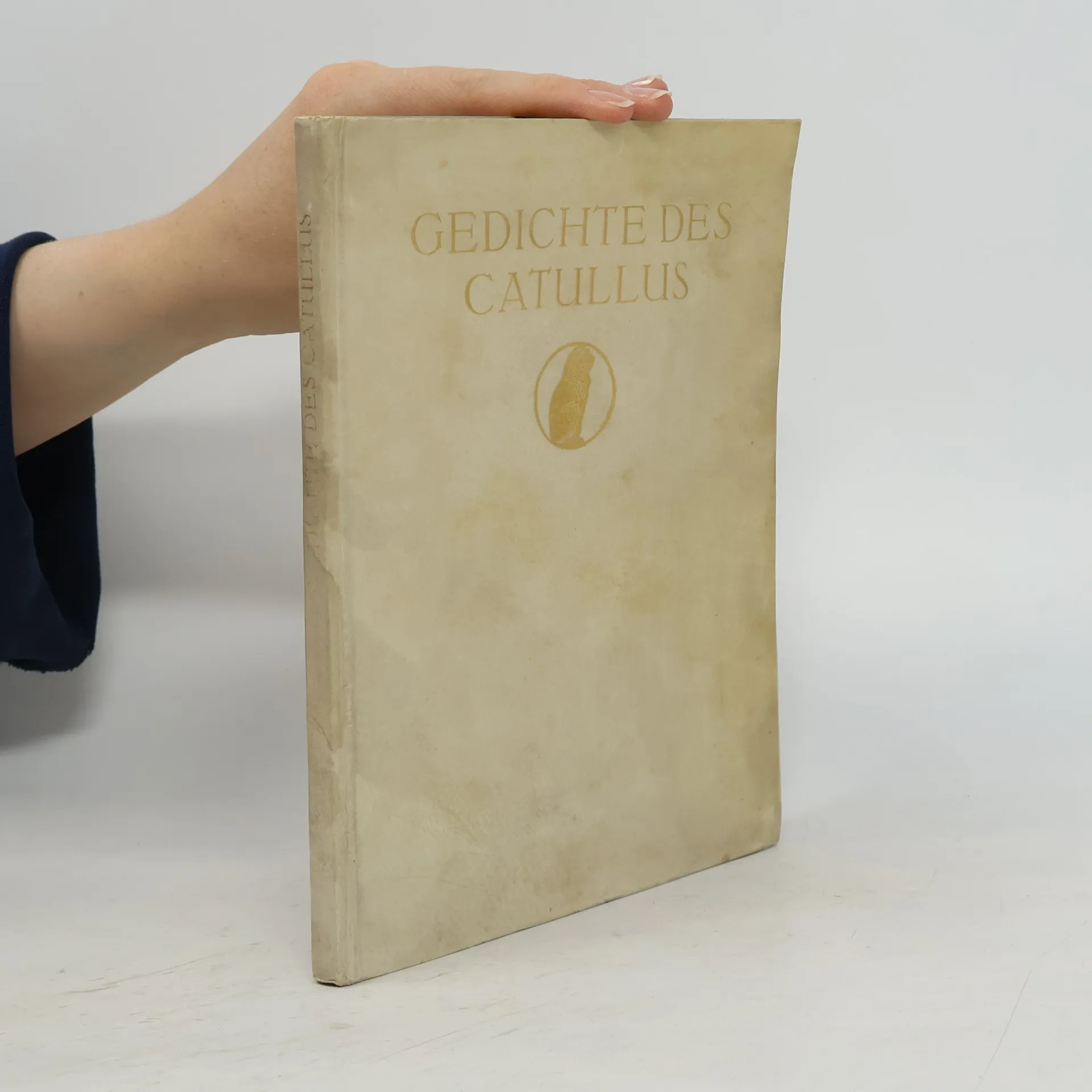
Gaius Valerius CatullusPořadí knih (chronologicky)
Catullus, římský básník prvního století před naším letopočtem, je známý svým vlivem na současnou poezii a umění. Jeho díla, která se dochovala dodnes, jsou široce čtena a oceňována. Catullus proslul jako tvůrce "naštvaných milostných básní", žánru, který mistrně propojoval vášeň s ostrou kritikou. Jeho jedinečný styl a emocionální hloubka rezonují i po dvou tisíciletích.
"È questa la bellezza della poesia catulliana - annotava Benedetto Croce rendere una condizione elementare e quasi fanciullesca del sentire senza punto alterarla, senza esagerarla, senza vezzeggiarla, senza frammischiarvi il personale compiacimento della propria ingenuità, e neppure quello della propria sincerità nel voler dir tutto: rendere la propria vita distaccandola da sé, la propria soggettività oggettivandola".
Catullus, der in den interessantesten und tumultuösen Jahren der späten römischen Republik lebte, verbrachte sein kurzes, aber intensives Leben (?84-54 v. Chr.) in der römischen Oberschicht und verkehrte mit verschiedenen kulturellen und politischen Persönlichkeiten, darunter Caesar, Cicero und Pompeius. Catullus' Poesie ist abwechselnd derb, lyrisch, romantisch und satirisch; manchmal obszön und immer intelligent, bietet sie lebendige Bilder von den Freunden, Feinden und Geliebten des Dichters. Die Verse an seine Freunde sind bissig, lustig und liebevoll; die an seine Feinde oft wunderbar gemein. Viele Gedichte beschwören leidenschaftlich seine Affäre mit Lesbia, oft identifiziert als Clodia Metelli, eine Femme Fatale, die zehn Jahre älter ist als er und die kluge, ehebrecherische Frau eines arroganten Aristokraten. Cicero behauptete später, sie habe ihren Mann vergiftet.
Catullus (Gaius Valerius, 84–54 BCE) from Verona moved to Rome, mingling with literary figures like Cicero and Hortensius. His surviving works include nearly sixty short lyrics, eight longer poems, and almost fifty epigrams, showcasing a meticulous style influenced by early Greek lyricism and Alexandrian poets. His poetry reveals his tumultuous love for a woman named Lesbia, the grief over his brother's death, his travels to Bithynia, and his complex relationships in Rome. Catullus's masterful artistry and emotional depth set his poems apart in Latin literature.
Tibullus (Albius, ca. 54–19 BCE), an equestrian and friend of Horace, was supported by Marcus Valerius Messalla Corvinus, whom he frequently addresses. Three books of elegies are attributed to him, with the first two being authentic. Book 1 expresses his love for 'Delia', while Book 2 focuses on 'Nemesis'. The third book is a collection of miscellaneous poems, with uncertain authorship, including works related to Sulpicia, featuring contributions from her lover Cerinthus and possibly her own writings.
The Pervigilium Veneris, a poem of nearly a hundred lines celebrating a spring festival for the goddess of love, stands out for its beauty and marks a significant shift towards romanticism in literature. Although the author remains unidentified, recent scholarship suggests it may be attributed to the early fourth-century poet Tiberianus.
Lyrika G. Valeria Catulla vyrůstá z lyriky řecké a zprvu v ní cele tkví. Má její charakteristickou linii: vroucnost hloubky a čistotu formy i slova. Záhy však autor proniká touto první fází formální i obsahové závislosti a dává růst své vlastní umělecké osobnosti. Je básník kladu i negace: lásky a nenávisti, víry a zoufalství, radosti a bolesti, štvaný rozporem vlastního nitra.