

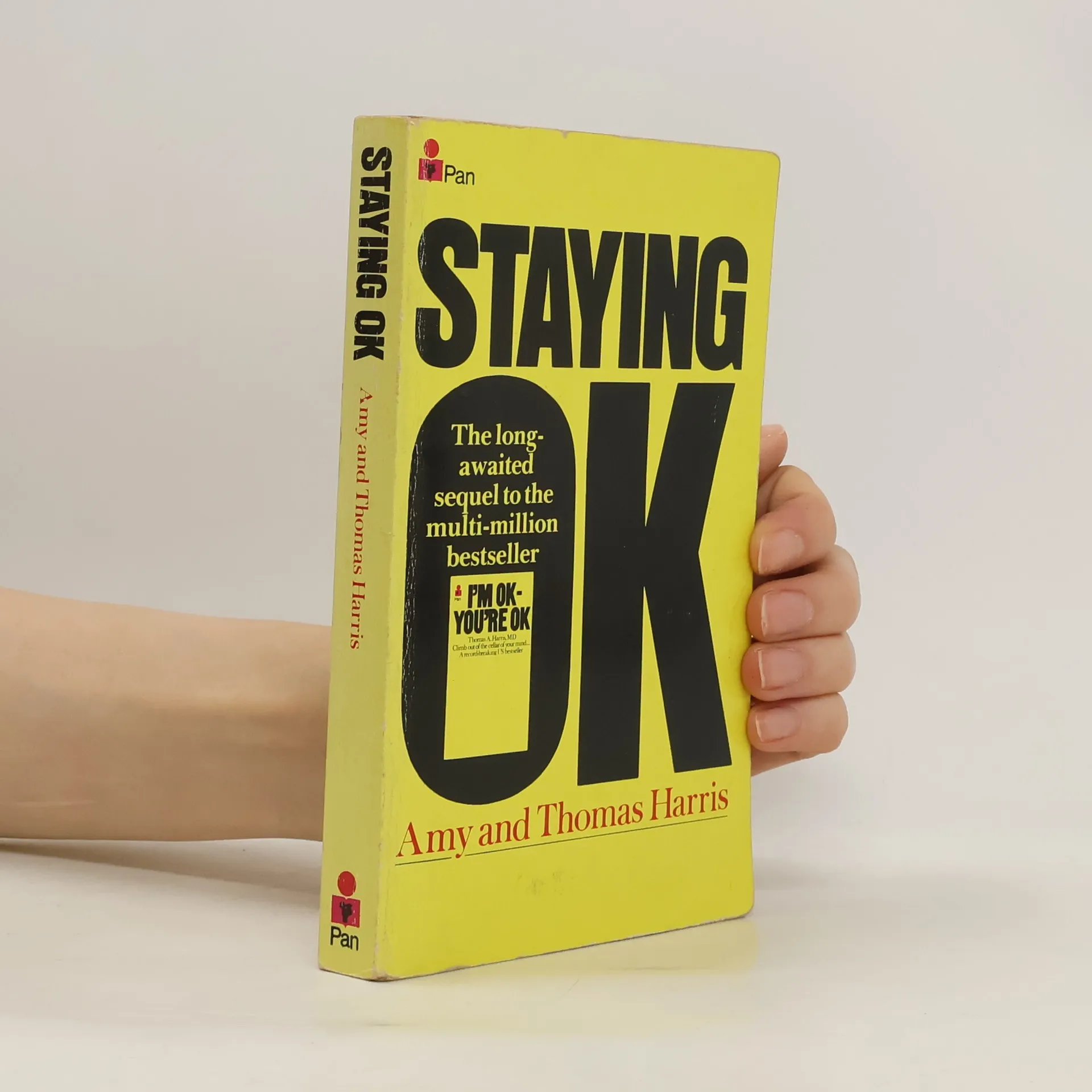
A sequel to "I'm OK - You're OK". This book offers advice on making important changes and taking charge of your life, resolving conflicts, and rooting out the causes of worry, panic, depression, regret, confusion and feelings of inadequacy.
Thomas Anthony Harris Pořadí knih (chronologicky)
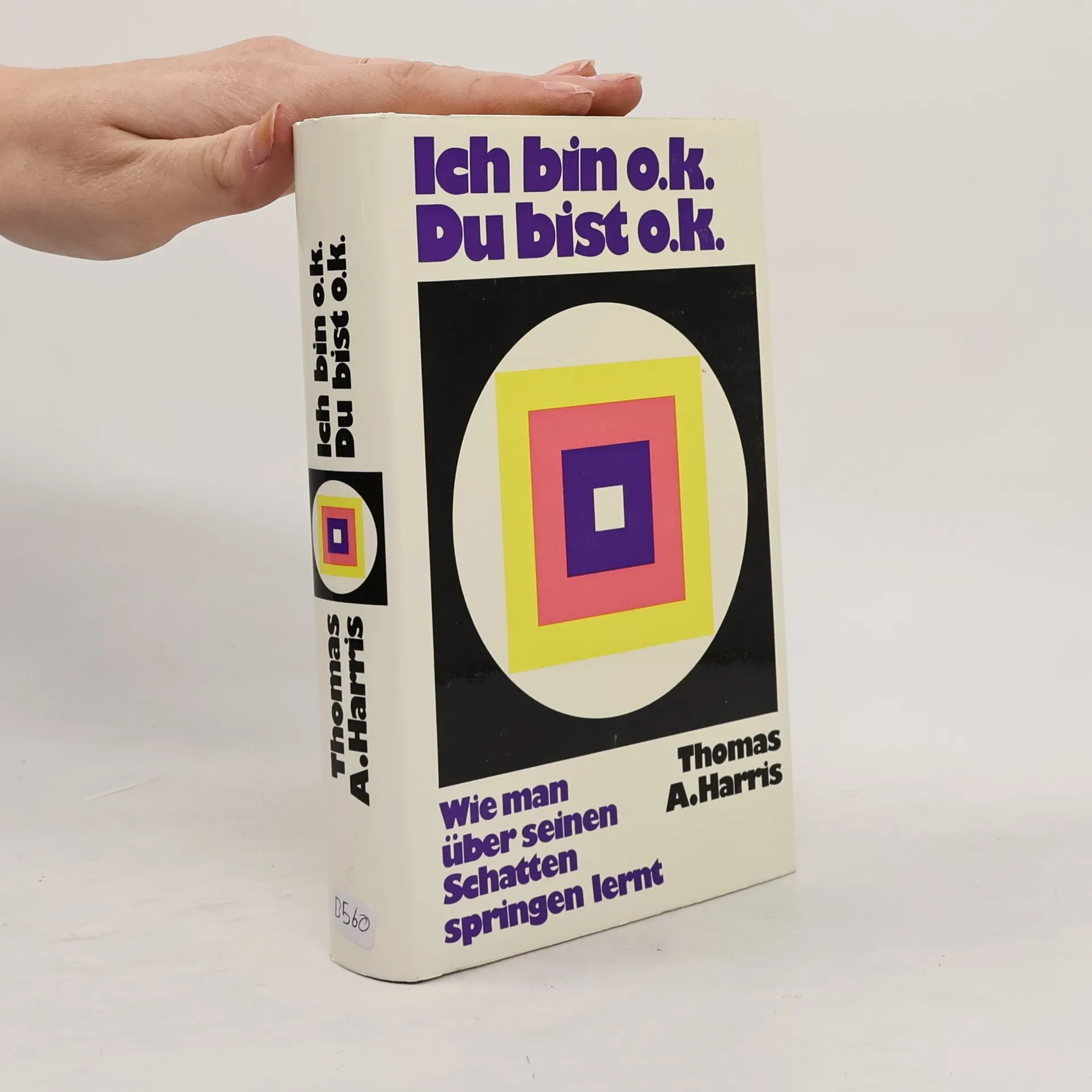

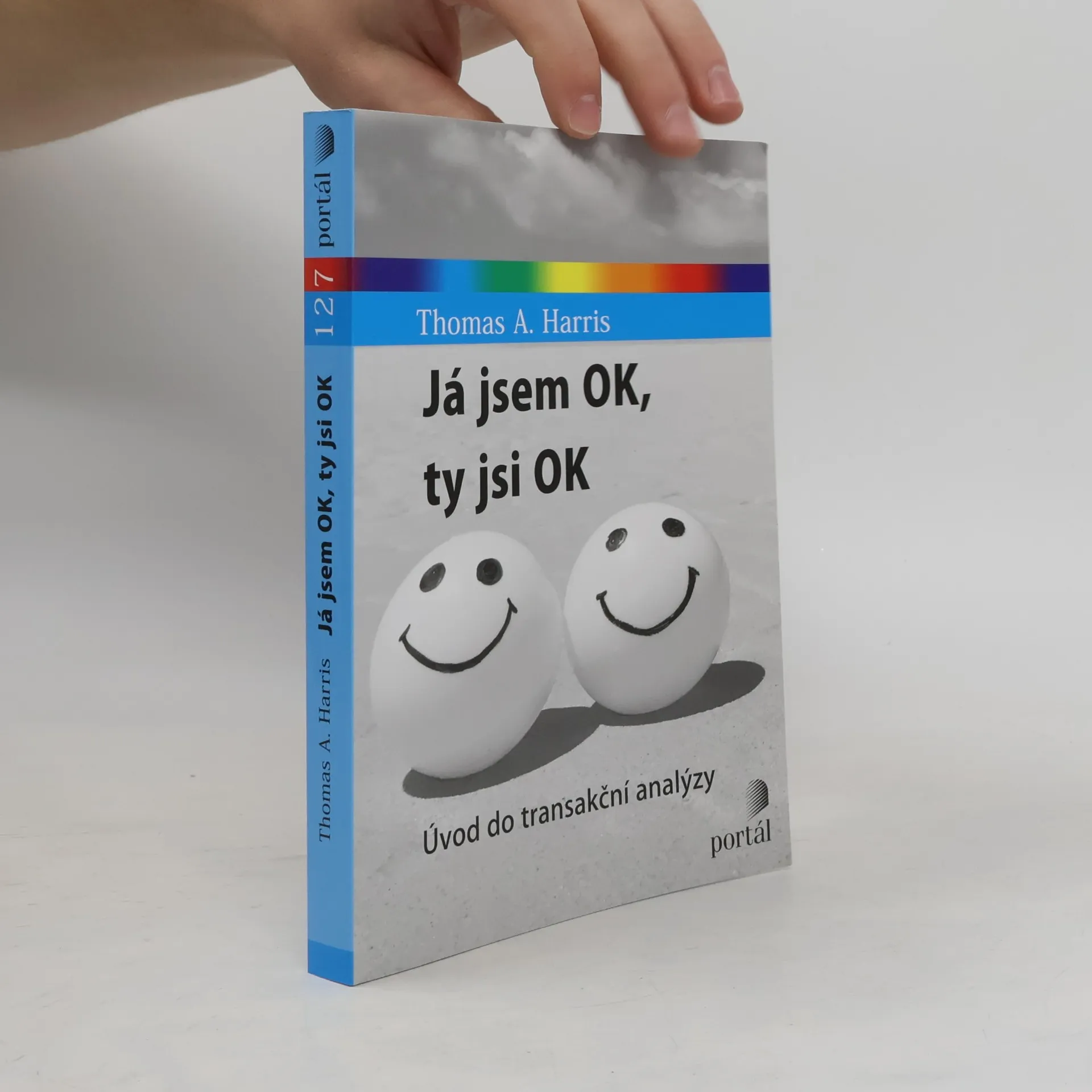
Ich bin o.k., Du bist o.k
Wie man über seinen Schatten springen lernt
Kniha Já jsem OK, ty jsi OK představuje slavný úvod do transakční analýzy – s výkladem jednotlivých ego stavů, životních postojů, transakcí i kontextu manželství, výchovy dětí či morálních hodnot. Řada lidí vyrůstá, jako by „nebyli OK“ – s pocity bezbranného Dítěte, zcela závislého na OK ostatních lidí, od nichž přichází pohlazení i trest. Tento negativní životní postoj, který ovládá úspěšné i neúspěšné jedince, kontaminuje jejich racionální potenciál Dospělého. Lidé s postojem „nejsem OK“ se ve vzájemných vztazích uchylují ke škodlivým formám ústupků, rituálů, činností, zábav a her, aby získali potřebné pohlazení, a vyhýbají se bolestné důvěrnosti s lidmi, kteří se zdají OK. Knihy se dosud prodalo přes 15 milionů výtisků a byla přeložena do více než deseti jazyků. Thomas A. Harris byl americký psychiatr, kolega a přítel Erica Berneho. V roce 1967 vydal svou proslulou knihu Já jsem OK, ty jsi OK, jejíž název se stal jedním z hesel americké kultury tehdejší doby.
Io sono ok, tu sei ok
- 308 stránek
- 11 hodin čtení
An enormously popular (7-million copies sold) and insightful classic of popular psychology based on Eric Berne’s theory of Transactional Analysis that has helped millions of people who never before felt OK about themselves find the freedom to change, to liberate their ADULT effectiveness, and to achieve joyful intimacy with the people in their lives. Transactional analysis delineates three ego-states (parent, adult and child) as the basis for the content and quality of interpersonal communication. “Happy childhood” notwithstanding, says Harris, most of us are living out the not ok feelings of a defenseless child wholly dependent on ok others (parents) for stroking and caring. At some stage early in our lives we adopt a “position” about ourselves which very significantly determines how we feel about ourselves, particularly in relation to other people. And for a huge portion of the population, that position is that I’m Not OK-You’re OK. This negative Life Position, shared by successful and unsuccessful people alike, contaminates our rational adult potential, leaving us vulnerable to the inappropriate, emotional reactions of our child and the uncritically learned behavior programmed into our parent. By exploring the four basic “life positions,” we can radically change our lives.