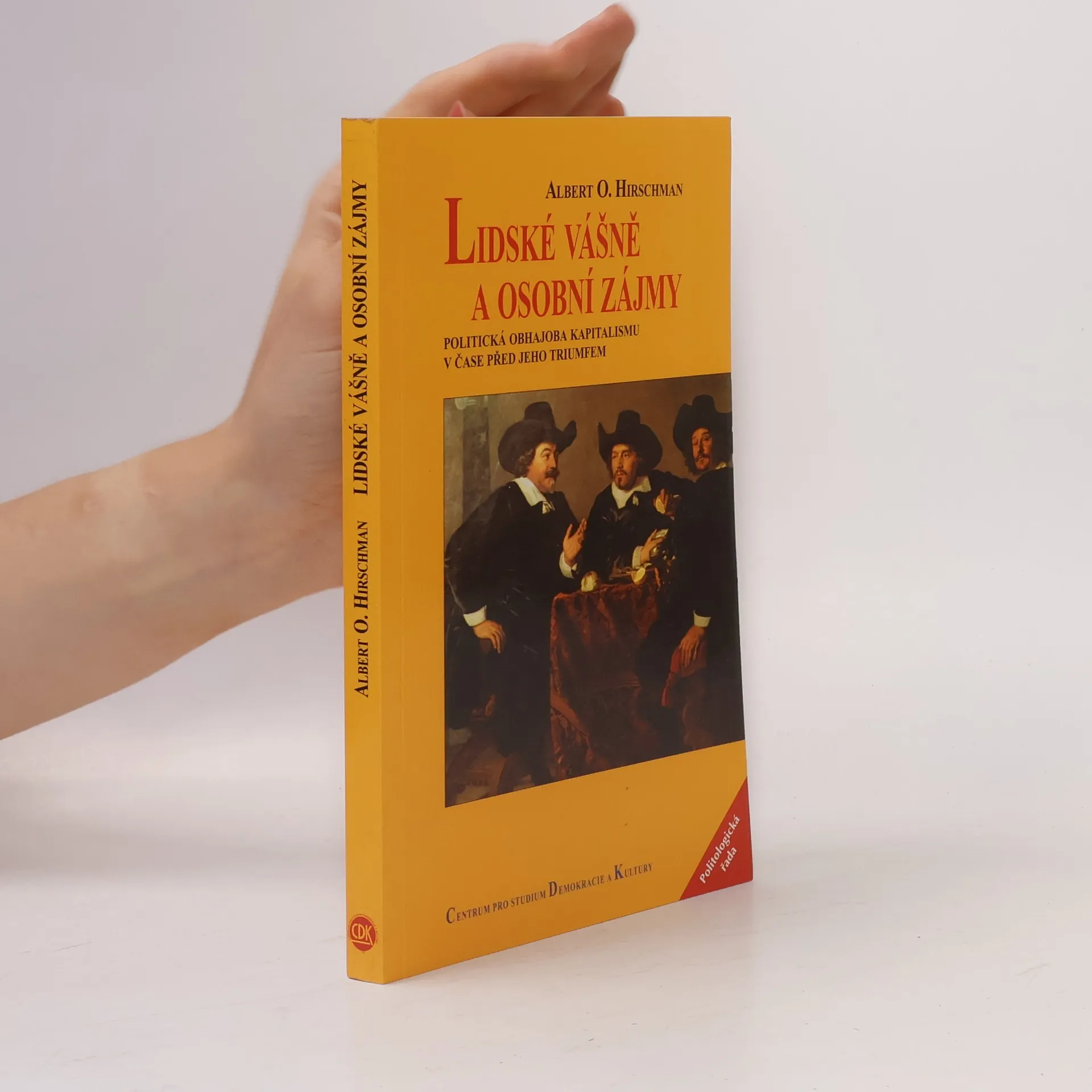
Jak došlo k tomu, že se vydělávání peněz, tedy činnost, která byla v minulosti považována přinejmenším za morálně pochybnou a kterou se zabývali lidé stojící na okraji společnosti, stalo v nedávné době nejen obecně uznávaným a tolerovaným, ale i základem politické morálky a správného uspořádání státu? Albert Hirschman řeší tuto otázku na půdě historie idejí: zkoumá vývoj idejí u významných myslitelů a ukazuje změny v myšlení, které tuto revoluční změnu umožnily.
Otto A.(Otto Albert) Hirschmann Knihy
7. duben 1915 – 10. prosinec 2012
Albert Otto Hirschman byl ekonom a autor několika knih o politické ekonomii a politické ideologii. Jeho první významný přínos byl v oblasti rozvojové ekonomie, kde zdůraznil potřebu nevyváženého růstu. Argumentoval, že nerovnováhy by měly být povzbuzovány k podnícení růstu a mobilizaci zdrojů, protože rozvojové země postrádají rozhodovací schopnosti. Klíčové pro to bylo podporovat průmyslová odvětví s mnoha vazbami na jiné firmy. Jeho pozdější práce se věnovala politické ekonomii, kde předložil dva schemata. První popisuje tři základní možné reakce na úpadek firem či politických systémů (opuštění, vyjádření názoru, mlčení) v knize „Exit, Voice, and Loyalty“ (1970). Druhé popisuje základní argumenty konzervativců (perverze, zbytečnost a ohrožení) v knize „The Rhetoric of Reaction“ (1991).




Exit, Voice and Loyalty
- 176 stránek
- 7 hodin čtení
An innovator in contemporary thought on economic and political development looks here at decline rather than growth. Albert O. Hirschman makes a basic distinction between alternative ways of reacting to deterioration in business firms and, in general, to dissatisfaction with organizations: one, "exit," is for the member to quit the organization or for the customer to switch to the competing product, and the other, "voice," is for members or customers to agitate and exert influence for change "from within." The efficiency of the competitive mechanism, with its total reliance on exit, is questioned for certain important situations. As exit often undercuts voice while being unable to counteract decline, loyalty is seen in the function of retarding exit and of permitting voice to play its proper role. The interplay of the three concepts turns out to illuminate a wide range of economic, social, and political phenomena. As the author states in the preface, "having found my own unifying way of looking at issues as diverse as competition and the two-party system, divorce and the American character, black power and the failure of 'unhappy' top officials to resign over Vietnam, I decided to let myself go a little."
A collection of fourteen insightful articles and papers by Albert O. Hirschman, this book showcases his influential thoughts on economics, development, and social change. It highlights his unique perspectives on the complexities of human behavior and the interplay between economic theories and real-world applications. Hirschman's work challenges conventional wisdom, making it a valuable resource for anyone interested in the intersections of economics, politics, and sociology.
Abwanderung und Widerspruch
- 130 stránek
- 5 hodin čtení
Denken gegen die Zukunft
- 194 stránek
- 7 hodin čtení
Anschaulich und präzise deckt der international angesehene Wirtschaftstheoretiker Albert O. Hirschman die drei Grundfiguren reaktionären Argumentierens gestern und heute auf. Die erste besagt, daß jeder Versuch, bestimmte Gegebenheiten zu verbessern, nur die Lage verschlimmere. Die zweite These beharrt darauf, daß jede Veränderung vergeblich sei und am Lauf der Geschichte nichts ändern könne. Das dritte Argument schließlich unterstellt, daß eine Veränderung zwar wünschenswert, aber leider unbezahlbar sei. Hirschman überzeugt davon, daß nur ein beständiger Kommunikationsprozeß diese Form des Argumentierens überwinden kann.
Engagement und Enttäuschung
- 169 stránek
- 6 hodin čtení
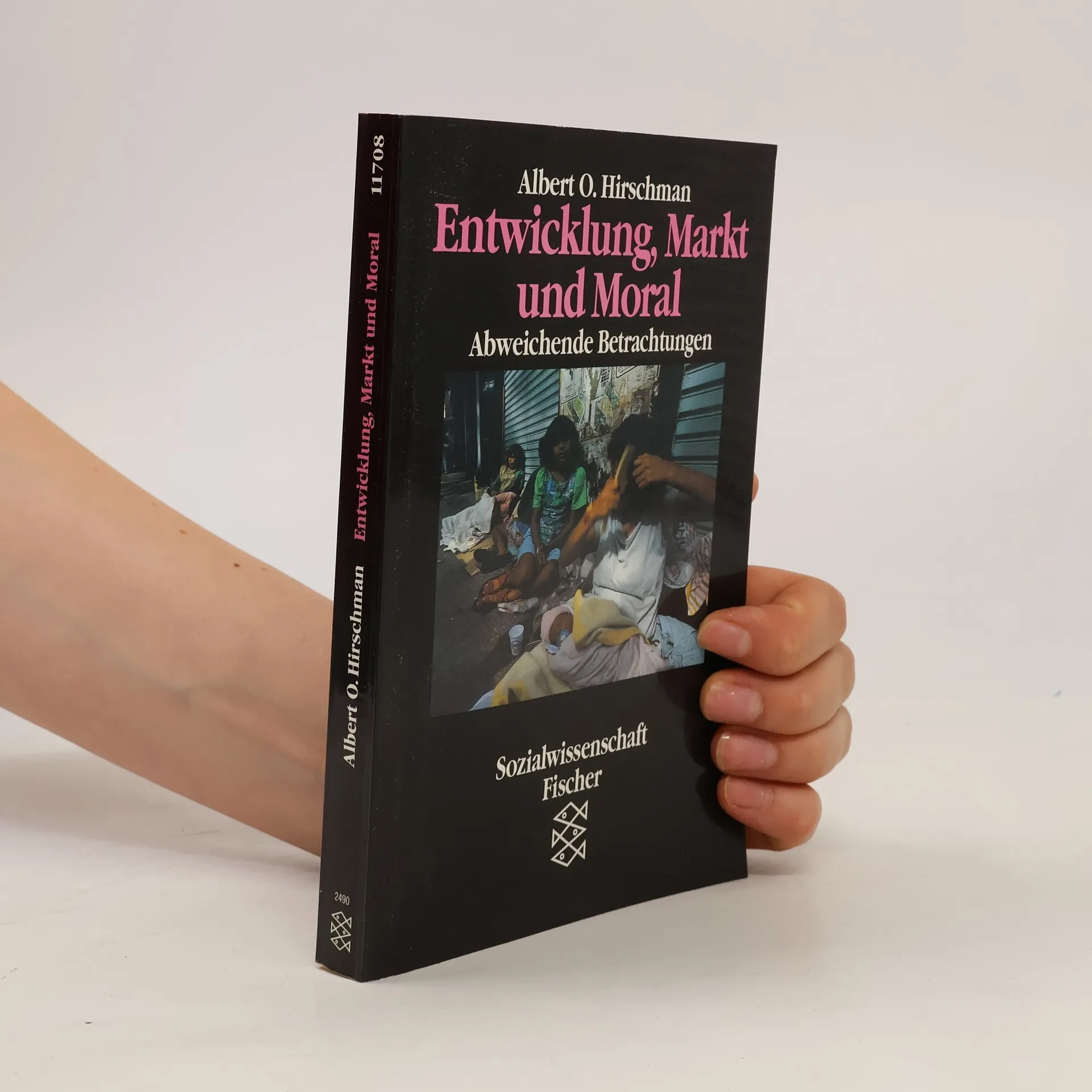
Entwicklung, Markt und Moral
- 304 stránek
- 11 hodin čtení