Knihobot

Yei Theodora Ozaki

    Tato raná překladatelka z počátku 20. století se zaměřila na japonské krátké příběhy a pohádky. Její překlady, byť volnější, se těšily velké oblibě a byly několikrát dotiskovány i po její smrti. Díky svému neobvyklému původu, kdy byla dcerou významného japonského politika a vzdělané matky ze Západu, proplouvala mezi japonskou a evropskou kulturou. Během svého života pracovala jako učitelka a sekretářka, cestovala mezi Japonskem a Evropou a zažila život v rozmanitých prostředích, od Itálie až po chrámové prostory.

    Der Mann, der nicht sterben wollte
    Japanese Fairy Tales
    Japanese Fairy Tales
    Supernatural Tales from Japan
    Japanese Fairy Tales
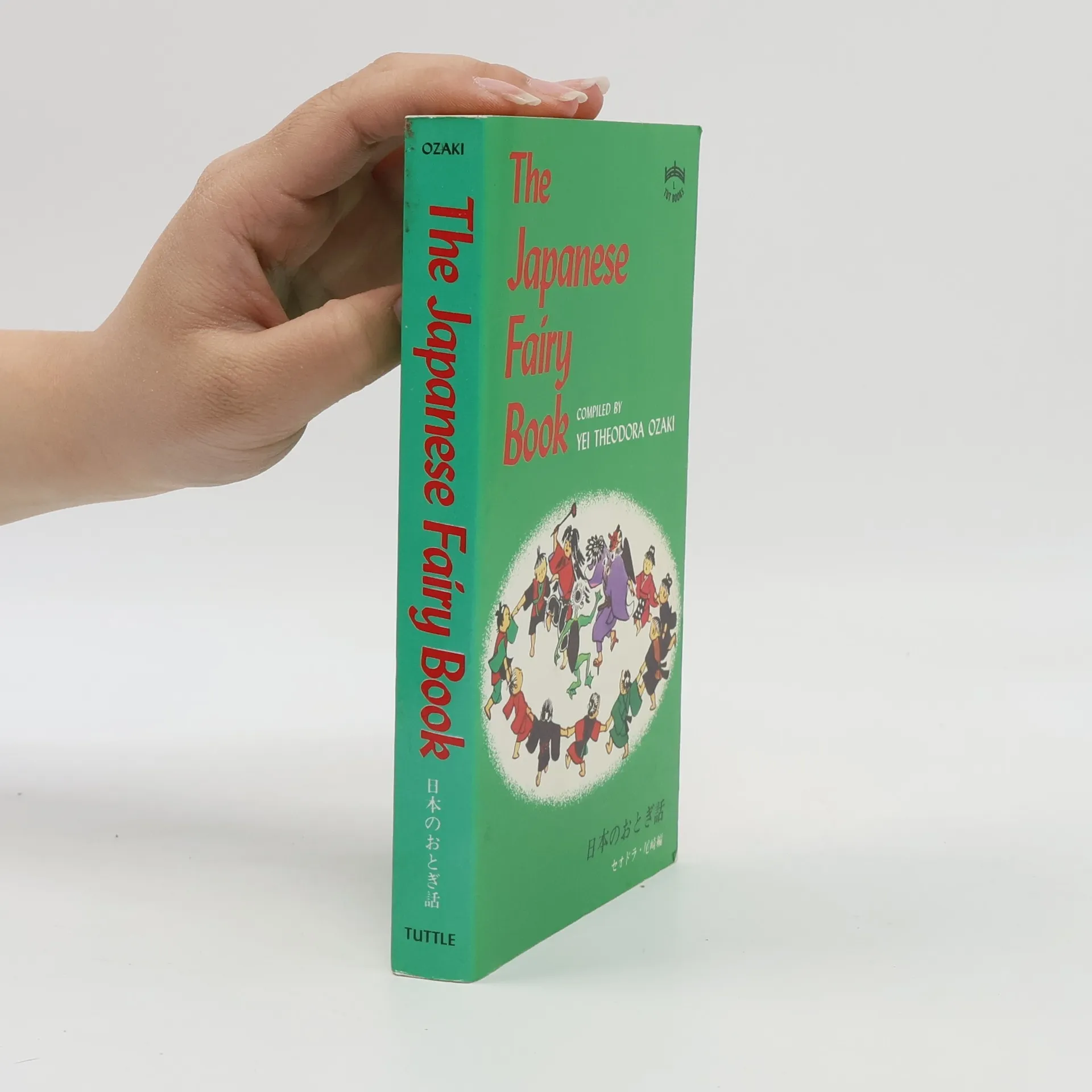
    The Japanese Fairy Book
    • The Japanese Fairy Book

      • 336 stránek
      • 12 hodin čtení

      This classic collection features a biracial Japanese woman who reinterprets her adopted homeland's fairy tales, infusing them with her unique cultural perspective. Through her storytelling, she weaves together elements of her heritage and experiences, creating a rich tapestry that highlights themes of identity and belonging. The narratives explore the intersection of different cultures, offering fresh interpretations of beloved tales while celebrating diversity and personal history.

      The Japanese Fairy Book
    • Japanese Fairy Tales

      Illustrated - Easy to Read Layout

      • 302 stránek
      • 11 hodin čtení

      Celebrated for her lyrical prose, Yei Theodora Ozaki's collection features 22 enchanting Japanese fairy tales and folk stories, first published in 1903. Each tale showcases themes of adventure, magic, and moral lessons, offering a glimpse into Japan's rich cultural and spiritual heritage. Ozaki's translations are noted for their fidelity to the original narratives, making these captivating stories accessible to English-speaking readers.

      Japanese Fairy Tales
    • Supernatural Tales from Japan

      Ghosts, Goblins, Demons and Magic

      • 160 stránek
      • 6 hodin čtení

      The collection features fifteen chilling tales that immerse readers in a world where the supernatural intertwines with the earthly. Each story introduces a variety of ghosts, goblins, and magical beings, showcasing their mischievous, terrifying, protective, and tender qualities. Enhanced by the stunning illustrations of contemporary Japanese yokai artist Sakyu, these eerie narratives explore the rich tapestry of Japanese folklore, inviting readers to experience both the beauty and horror of this mystical realm.

      Supernatural Tales from Japan
    • Japanese Fairy Tales

      One of the Best-known Japanese Sories for Children

      • 192 stránek
      • 7 hodin čtení

      One of the standout tales in this collection is The Tongue-Cut Sparrow, a poignant story of revenge and consequence involving an old woman and her husband's beloved talking sparrow. Alongside this well-known narrative, the volume features twenty-two diverse stories that explore themes of morality, human nature, and the complexities of relationships, showcasing the rich tapestry of Japanese folklore.

      Japanese Fairy Tales
    • Japanese Fairy Tales

      • 194 stránek
      • 7 hodin čtení

      This collection features traditional Japanese folktales and legends, artfully retold by Yei Theodora Ozaki. First published in 1903, it introduces English-speaking audiences to the rich tapestry of Japanese culture through enchanting stories that blend fantasy and moral lessons. Ozaki's translations preserve the charm and essence of these tales, making them accessible and captivating for readers of all ages.

      Japanese Fairy Tales
    • Der Mann, der nicht sterben wollte

      und andere seltsame Geschichten aus dem alten Japan

      • 116 stránek
      • 5 hodin čtení

      In einer faszinierenden Erzählung verbindet Yei Theodora Ozaki japanische Mythen mit lebendigen Charakteren wie klugen Priestern und tapferen Samurai. Die Geschichte entfaltet sich in verlassenen Landschaften, verfallenen Tempeln und surrealen Traumwelten, in denen heimtückische Wesen und riesige Dämonen auf selbstsüchtige Sterbliche treffen. Durch diese Erzählungen vermittelt die Autorin tiefgehende Einblicke in die Werte und Traditionen, die das moderne Japan prägen und die kulturelle Identität der Menschen widerspiegeln.

      Der Mann, der nicht sterben wollte