Knihobot

Václav Smil

    9. prosinec 1943

    Václav Smil is a distinguished scholar whose work delves into the intricate relationship between energy, civilization, and technological progress. His extensive writings explore the fundamental forces shaping human societies and the planet's future. Through rigorous analysis and a unique perspective, Smil offers profound insights into complex systems, encouraging readers to reconsider their understanding of modern life and its dependencies.

    Václav Smil
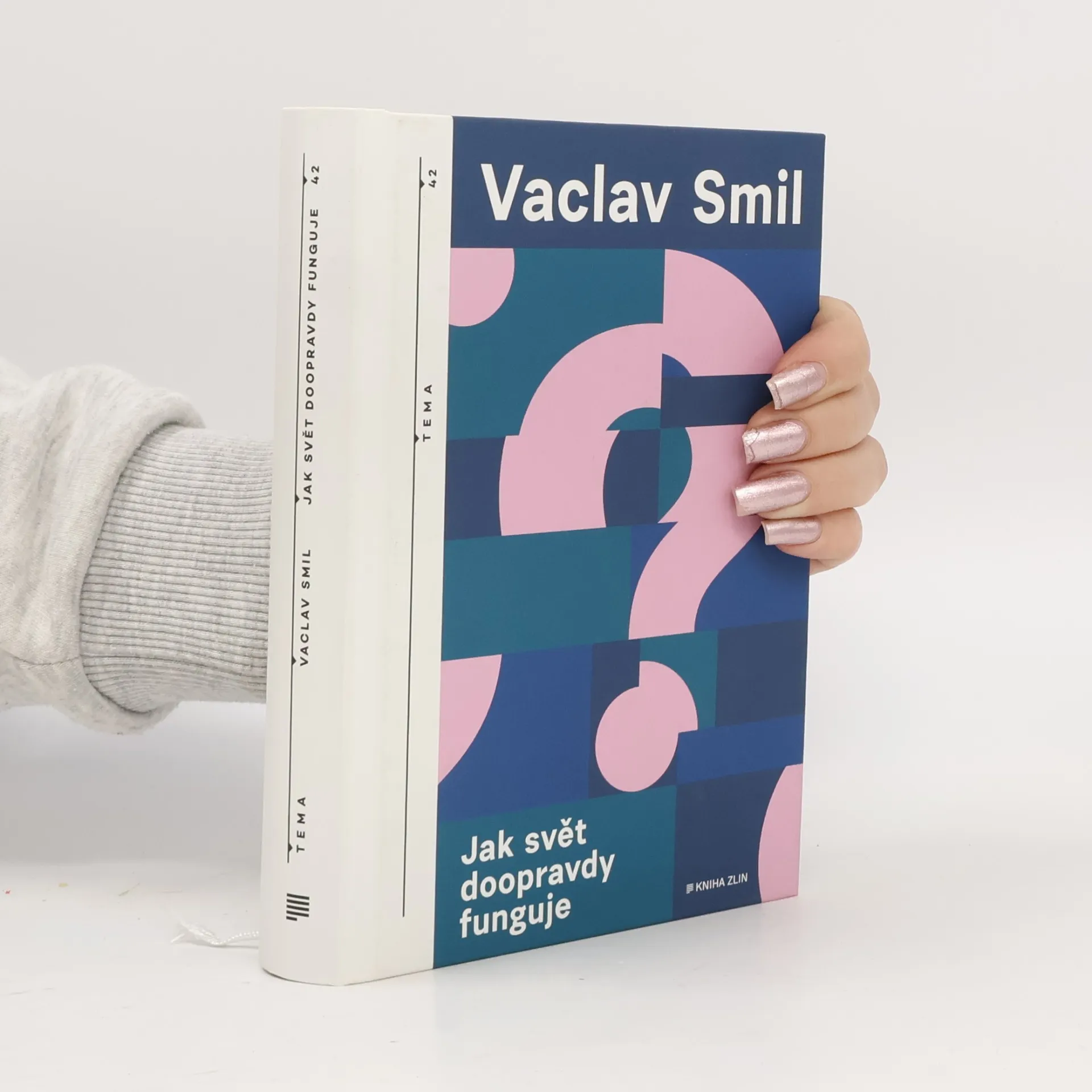
    Jak svět doopravdy funguje
    Ropa
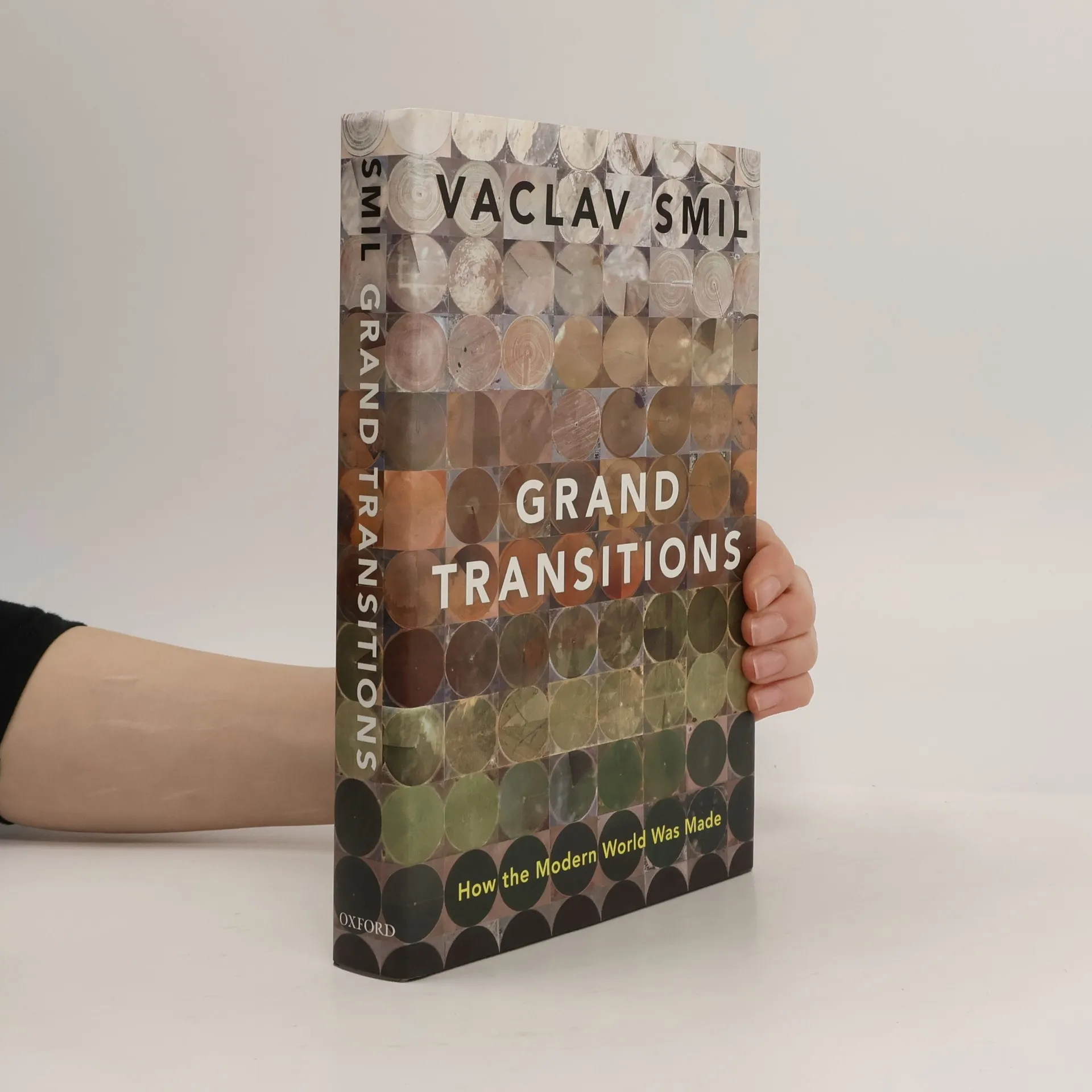
    Velké proměny : jak se utvářel moderní svět
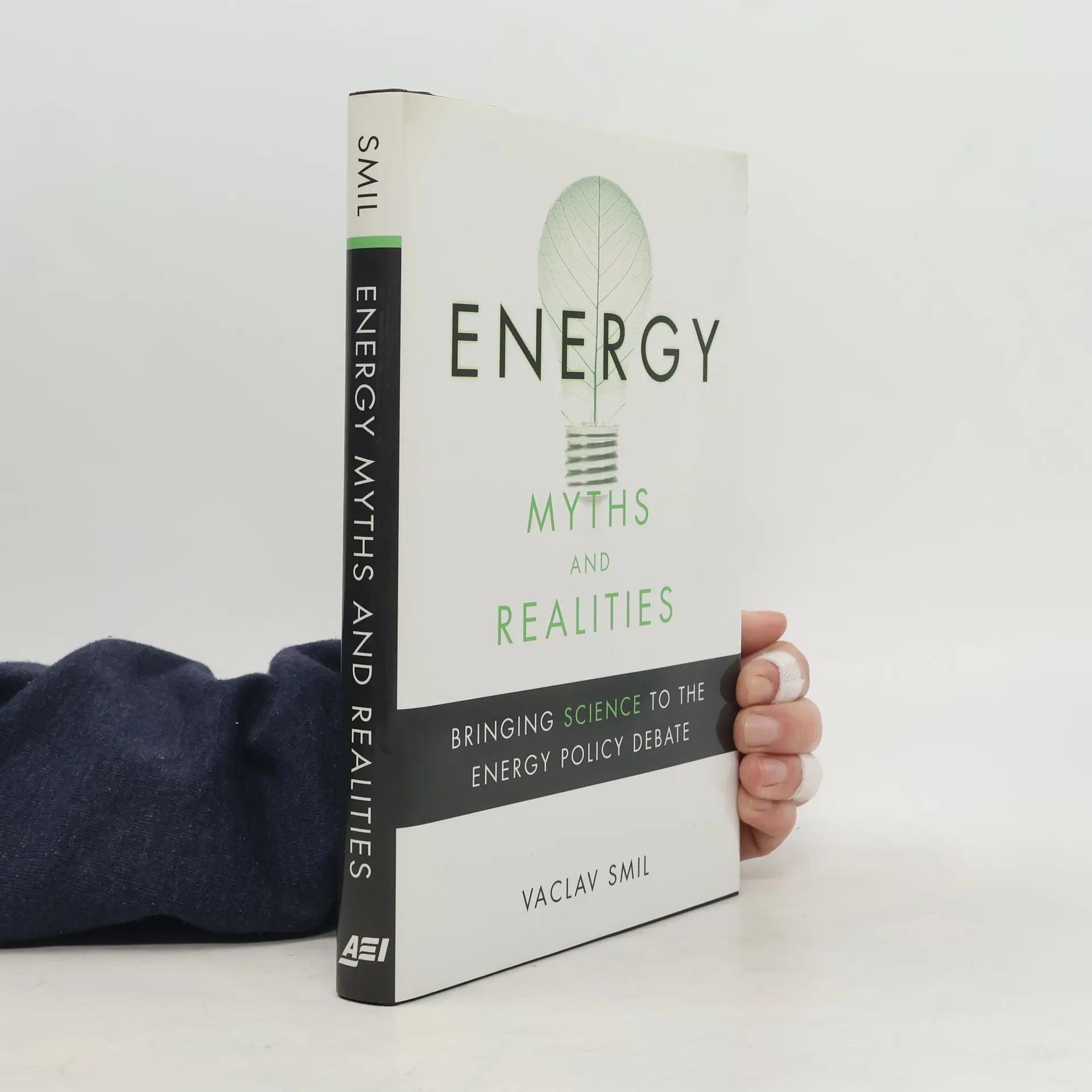
    Fakta a mýty o energetice
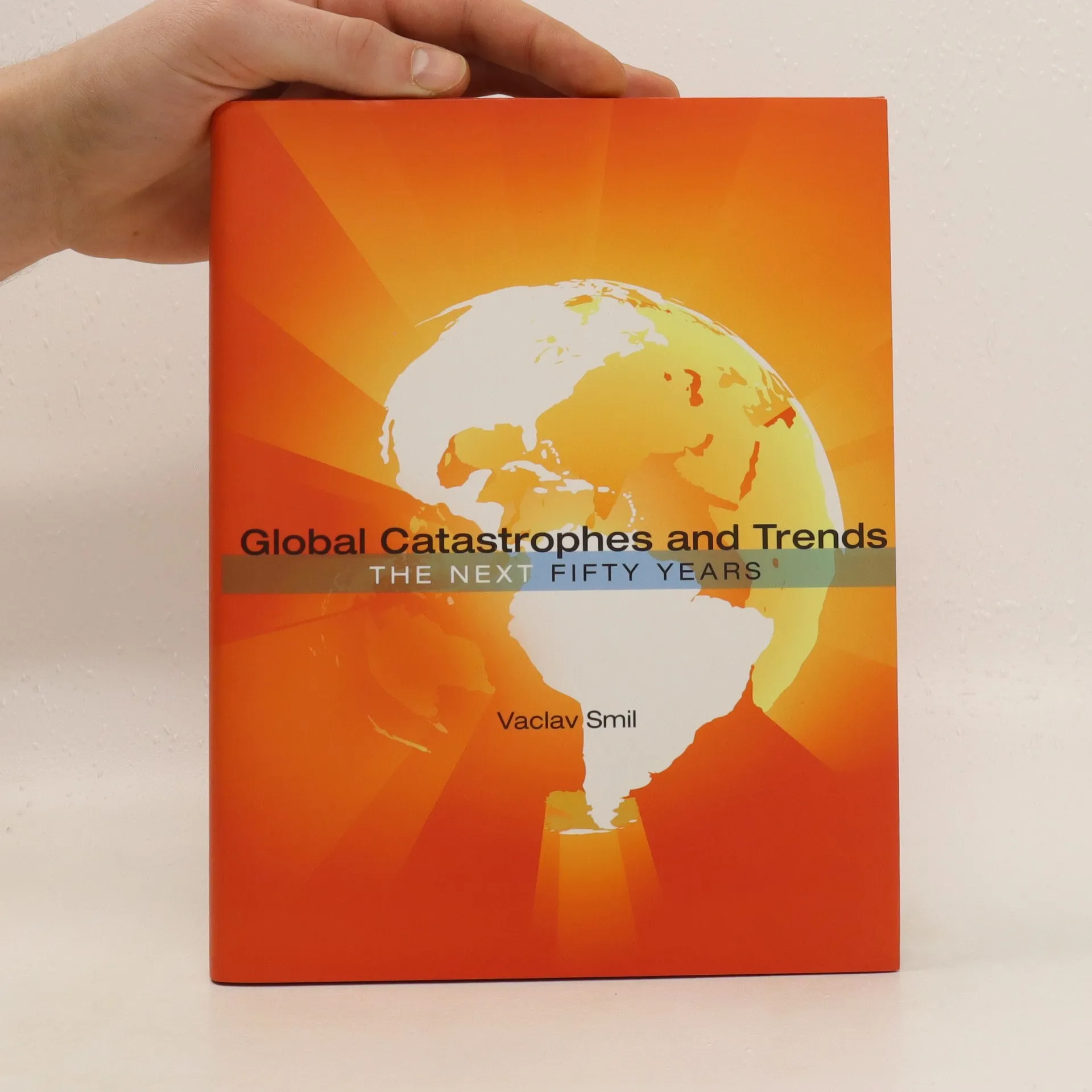
    Globální katastrofy a trendy: Příštích padesát let
    Růst. Od mikroorganismů po megapole
    • Růst. Od mikroorganismů po megapole

      • 796 stránek
      • 28 hodin čtení

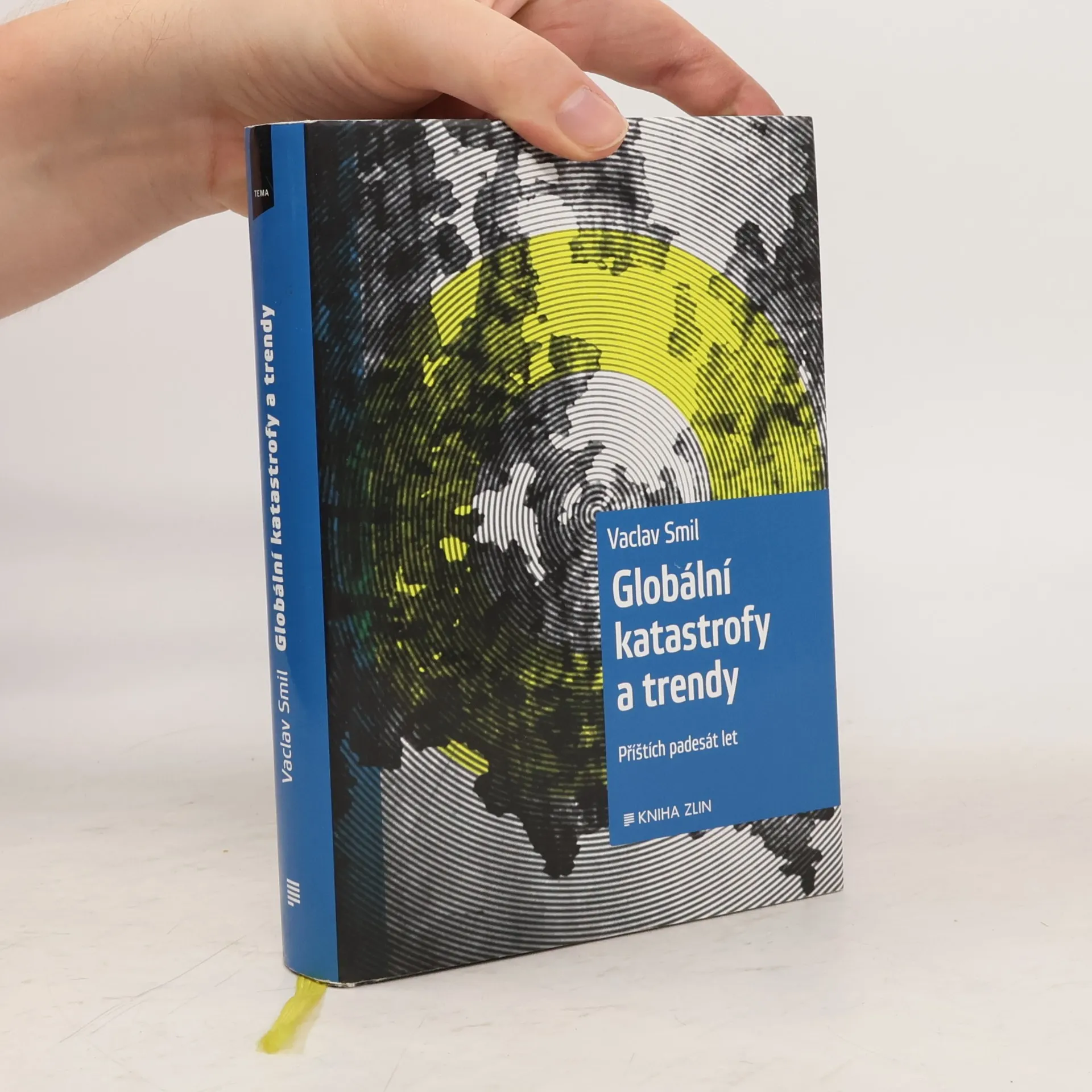
      Růst je nevysloveným a přitom jednoznačným cílem našeho individuálního i kolektivního snažení. Řídí životy mikroorganismů i galaxií, formuje schopnosti našeho mimořádně rozvinutého mozku i bohatství našich ekonomik. Růst se projevuje v ročních přírůstcích zemské kůry, v rostoucím hrubém domácím produktu, je skryt v křivce růstu dítěte i v šíření rakovinných buněk. Vaclav Smil předkládá systematické pojednání o růstu v přírodě i společnosti od nejdrobnějších organismů až po růstové trajektorie říší a civilizací. Provede čtenáře od bakteriálních invazí přes metabolismus zvířat až k velkoměstským aglomeracím a globální ekonomice. Věnuje se problematice mapování růstu říší a civilizací a vysvětluje, že můžeme popsat růst organismů jako individuí i v rámci evoluce, ale že progres civilizací ani ekonomik není lineární a zahrnuje tudíž jak propad, tak obnovu.

      Růst. Od mikroorganismů po megapole
      4,4
    • Fundamentální změny probíhají nejčastěji buďto jako „fatální diskontinuita“ - náhlá katastrofická událost s potenciálem změnit svět – nebo jako vytrvalý, postupný trend. Ke globálním katastrofám patří vulkanické erupce, virové pandemie, války a rozsáhlé teroristické útoky; trendy jsou demografické, environmentální, ekonomické a politické posuny, které se časem rozvíjejí. Vědec Vaclav Smil v této provokativní knize přináší rozmanitý, interdisciplinární pohled na katastrofy a trendy, které může přinést příštích padesát let. Nejde o knihu předpovědí nebo scénářů. Kniha nám připomíná, abychom věnovali pozornost důsledkům zjevně nepředvídatelných událostí a definitivnímu směřování dlouhodobých trendů a počítali s nimi. Smil se nejprve zamýšlí nad ojedinělými, ale kataklyzmatickými událostmi jak přírodního původu, tak vyvolanými člověkem, a posléze nad trendy globálního významu včetně přechodu z fosilních paliv na jiné energetické zdroje a rostoucí ekonomické a sociální nerovnosti. Zvažuje rovněž environmentální změny – svým způsobem kombinaci náhlých diskontinuit a postupných změn – a hodnotí často mylně pochopené spletitosti globálního oteplování. Globální katastrofy a trendy se nestaví na stranu scénářů záhuby a zmaru ani na stranu technoeuforie. Smil namísto toho argumentuje, že pochopení změn nám pomůže zvrátit negativní trendy a minimalizovat riziko katastrofy.
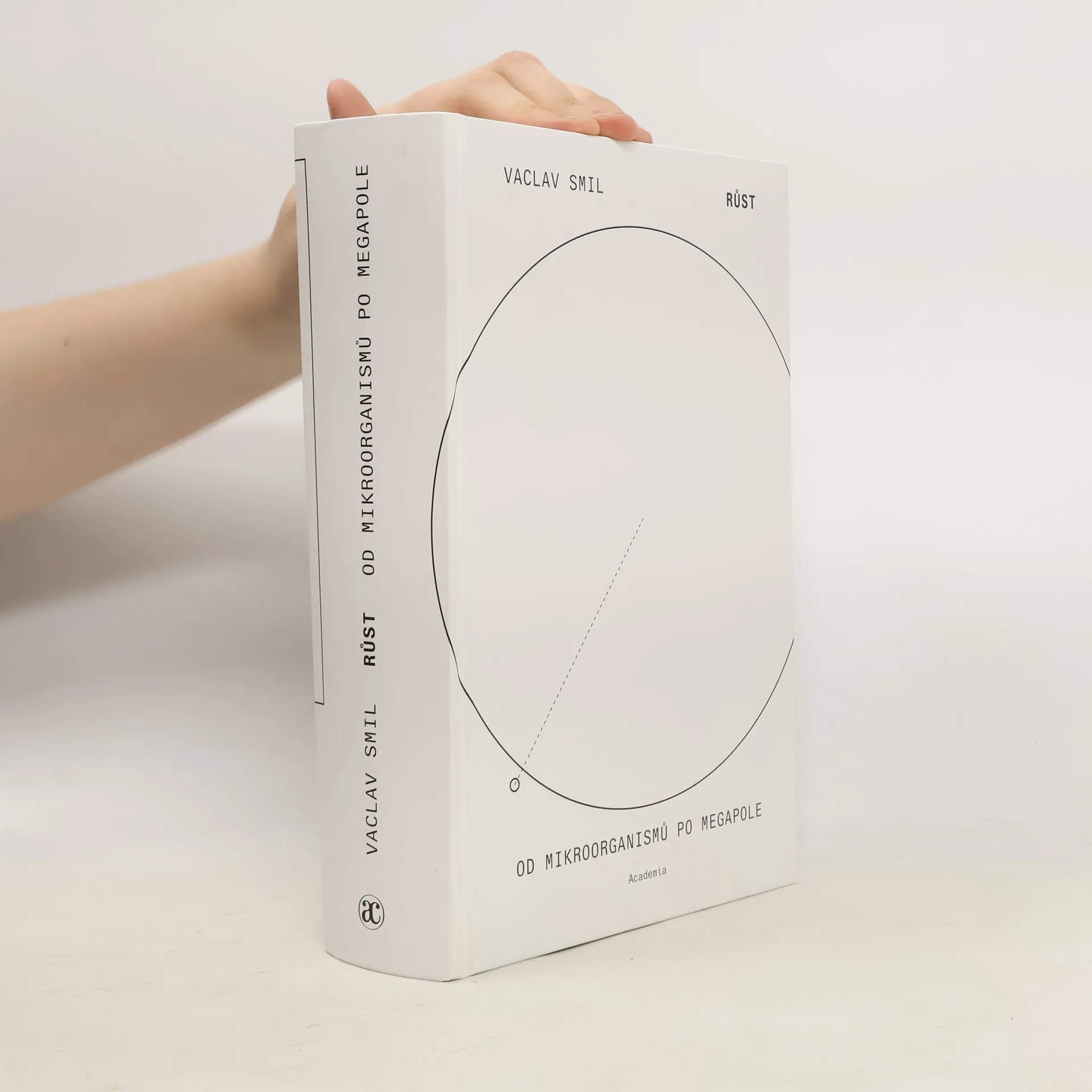
      Globální katastrofy a trendy: Příštích padesát let
      4,2
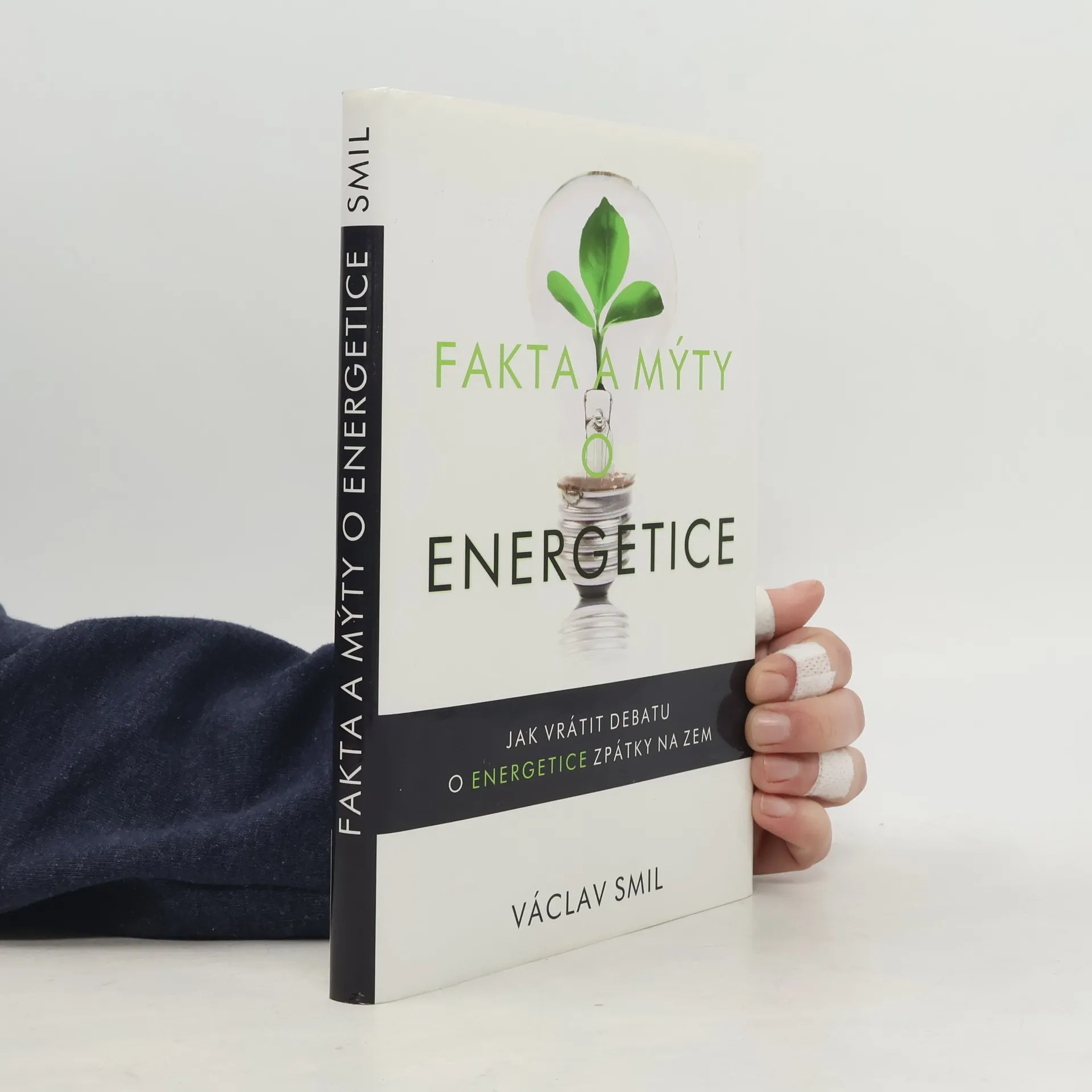
    • Fakta a mýty o energetice

      Jak vrátit debatu o energetice zpátky na zem

      • 189 stránek
      • 7 hodin čtení

      V knize profesor Smil s úžasnou pečlivostí a neuvěřitelnou pílí přináší statistická čísla bořící mýty o rozumnosti využití různých nepřipravených technologií pro výrobu elektrické energie. Rozebírá jednotlivé zdroje od jaderné energetiky přes fotovoltaiku a větrné elektrárny až po decentralizovanou energetiku.

      Fakta a mýty o energetice
      4,2
    • Demografie, zemědělství, energie a hospodářství – to jsou čtyři „velké civilizační přechody“, jež zcela proměnily náš způsob života. Ačkoli jimi mnoho společností prošlo, na Zemi stále žijí stovky milionů lidí, kteří jsou tímto vývojem nedotčeni. Co to pro planetu znamená a kam tato nerovnováha lidstvo v blízké budoucnosti zavede? Mezinárodně uznávaný vědec Václav Smil představuje největší výzvy současnosti, které už nyní formují podobu našeho světa.

      Velké proměny : jak se utvářel moderní svět
      4,1
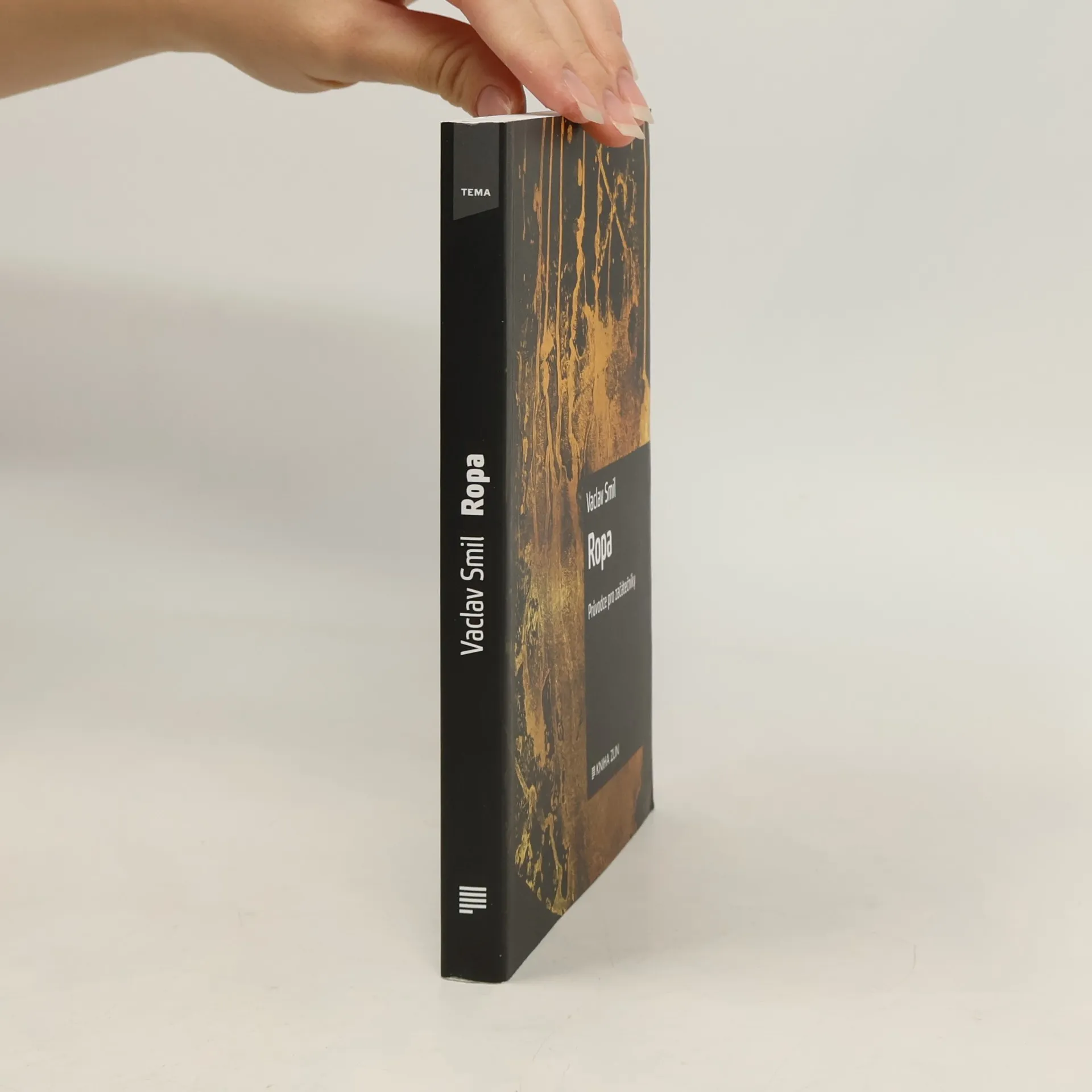
    • Ropa

      Průvodce pro začátečníky

      Bez ropy by nebylo globalizace, plastů, běžné přepravy ani současné světové politické mapy. Je to životadárná tekutina moderního světa a zdá se, že ze závislosti na ní se lidstvo jen tak nevymaní. Smilův vyčerpávající průvodce seznamuje čtenáře s vědeckým i politickým zákulisím tohoto nejkontroverznějšího zdroje světa a prezentuje řadu mezioborových souvislostí potřebných k pochopení komplexního globálního ropného systému.

      Ropa
      4,1
    • Mistrovské dílo o principech světa, které ohromilo i Billa Gatese Lidstvo ještě nikdy ve své historii nemělo tolik informací, přesto si jen málokdo uvědomuje, jak svět ve skutečnosti funguje. Oceňovaný vědec českého původu Vaclav Smil popisuje a objasňuje složité procesy s neuvěřitelnou lehkostí. Zabývá se sedmi základními principy moderní společnosti, počínaje energiemi přes globalizaci až po výzvy čekající v budoucnosti. Abychom mohli začít řešit problémy, musíme nejdříve pochopit základní fakta. S touto fascinující publikací to bude mnohem snazší.

      Jak svět doopravdy funguje
      3,9
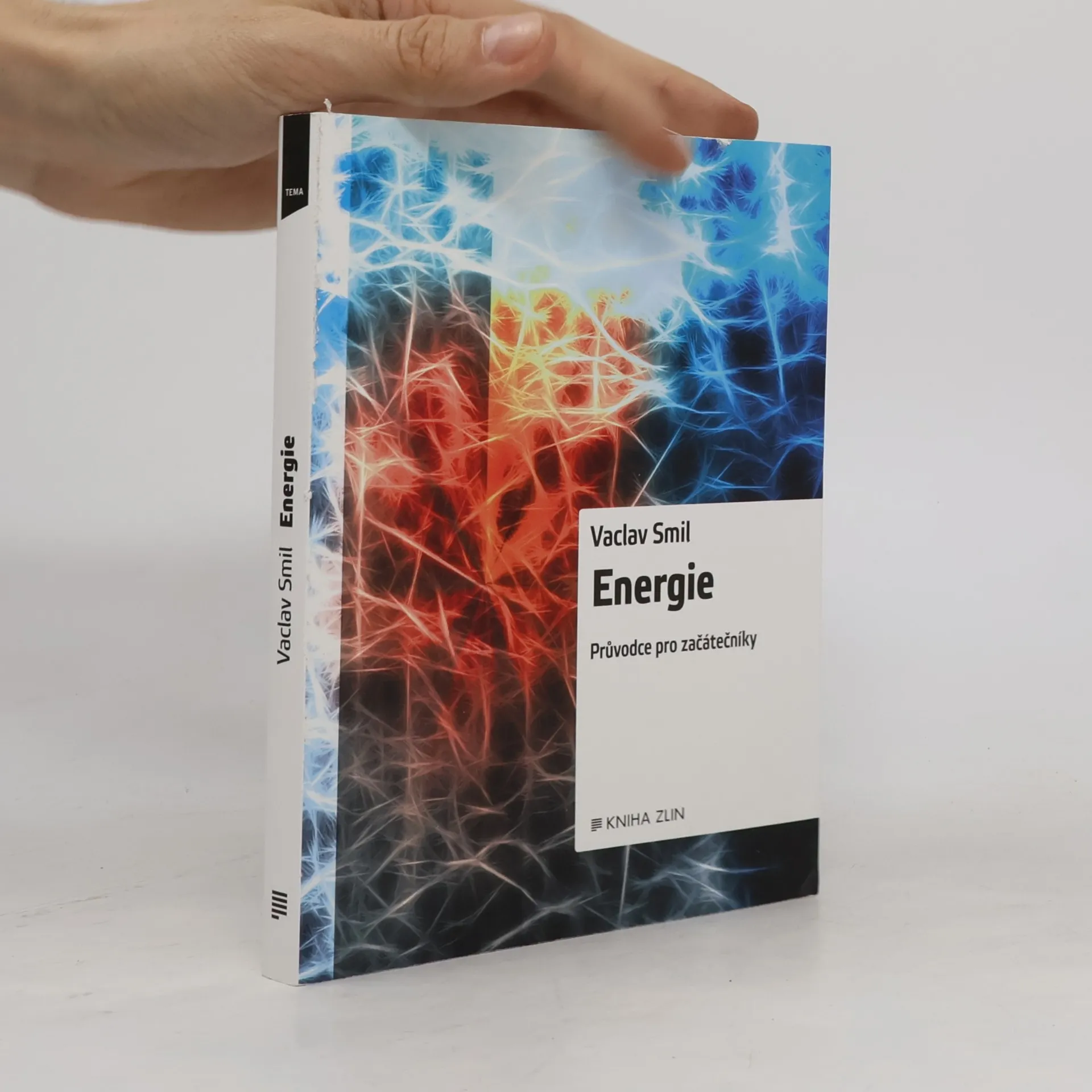
    • Energie. Průvodce pro začátečníky

      • 280 stránek
      • 10 hodin čtení

      Podle Einsteinovy slavné rovnice E=mc2 lze veškerou hmotu přeměnit v energii. Je všude a je vším. V tomto hodnotném zasvěcení do tématu uznávaný odborník Vaclav Smil vysvětluje její klíčovou roli ve vývoji jak naší planety, tak moderní společnosti. Počínaje jejími zdroji a využitím až po její toky a konverze Smil mapuje kritický význam energie pro: - Vnitřní procesy lidského těla - Biosféru planety země a obnovitelné zdroje - Globální oteplování a jeho prevenci V popisu mimo jiné i politicky motivovaného závodu o účinnější a ekologičtější paliva autor rovněž odhaluje dopady našich každodenních rozhodnutí na spotřebu energie. Svým komplexním přístupem a praktickými postřehy tento stravitelně podávaný průvodce ukazuje, jak je každý aspekt naší existence ovládán jedním z nejdůležitějších konceptů našeho vesmíru.

      Energie. Průvodce pro začátečníky
      3,9
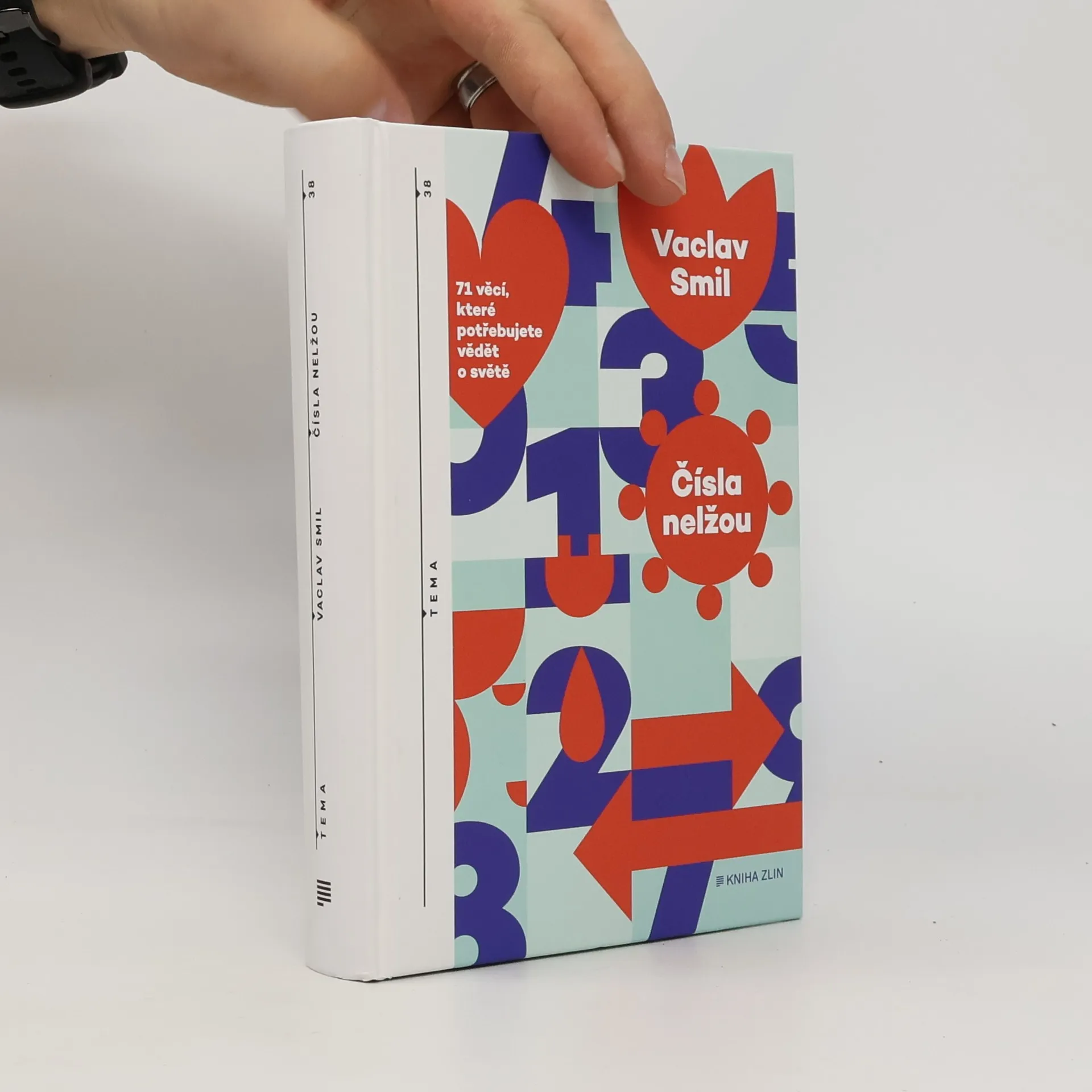
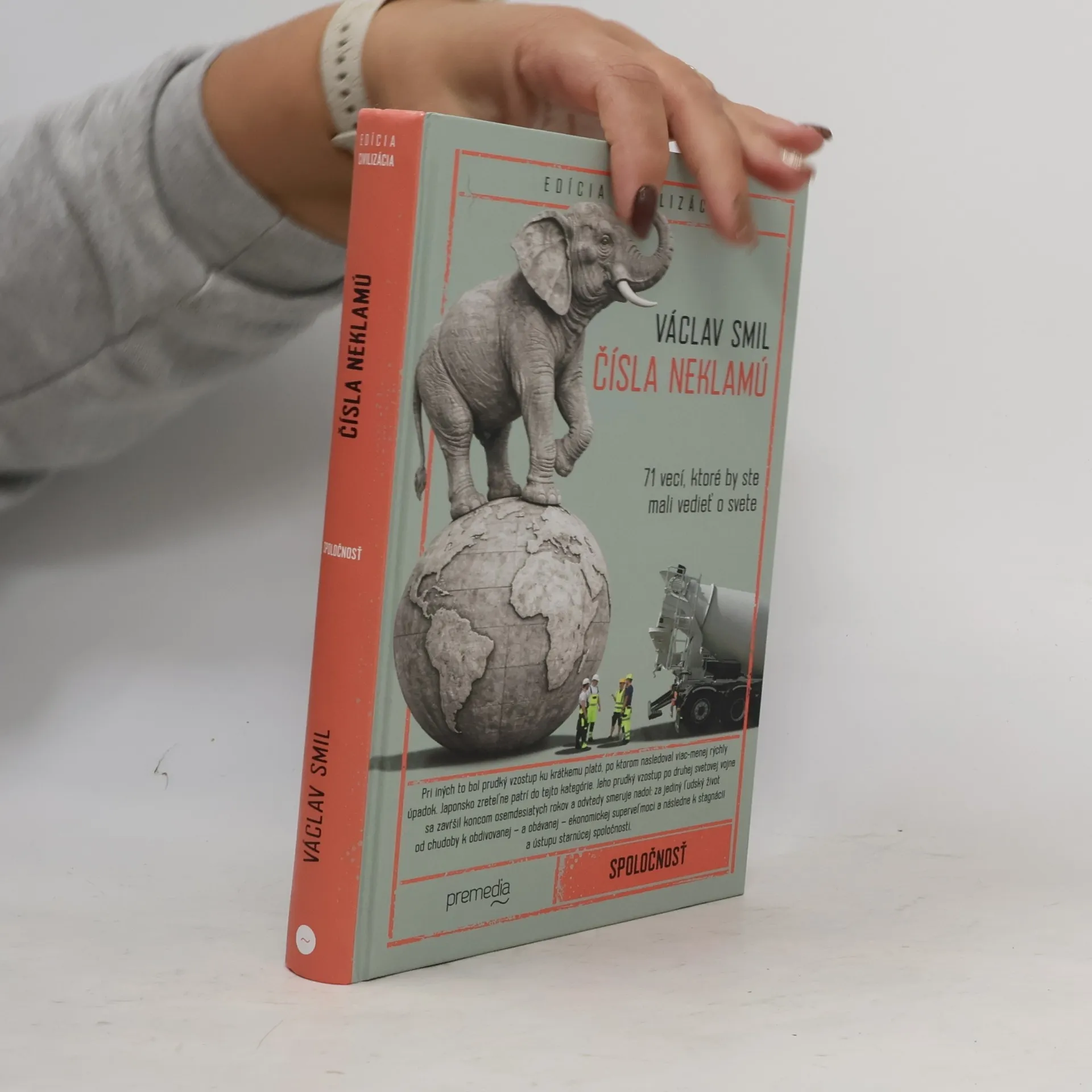
    • Čísla nelžou

      71 věcí, které byste měli vědět o světě

      • 400 stránek
      • 14 hodin čtení

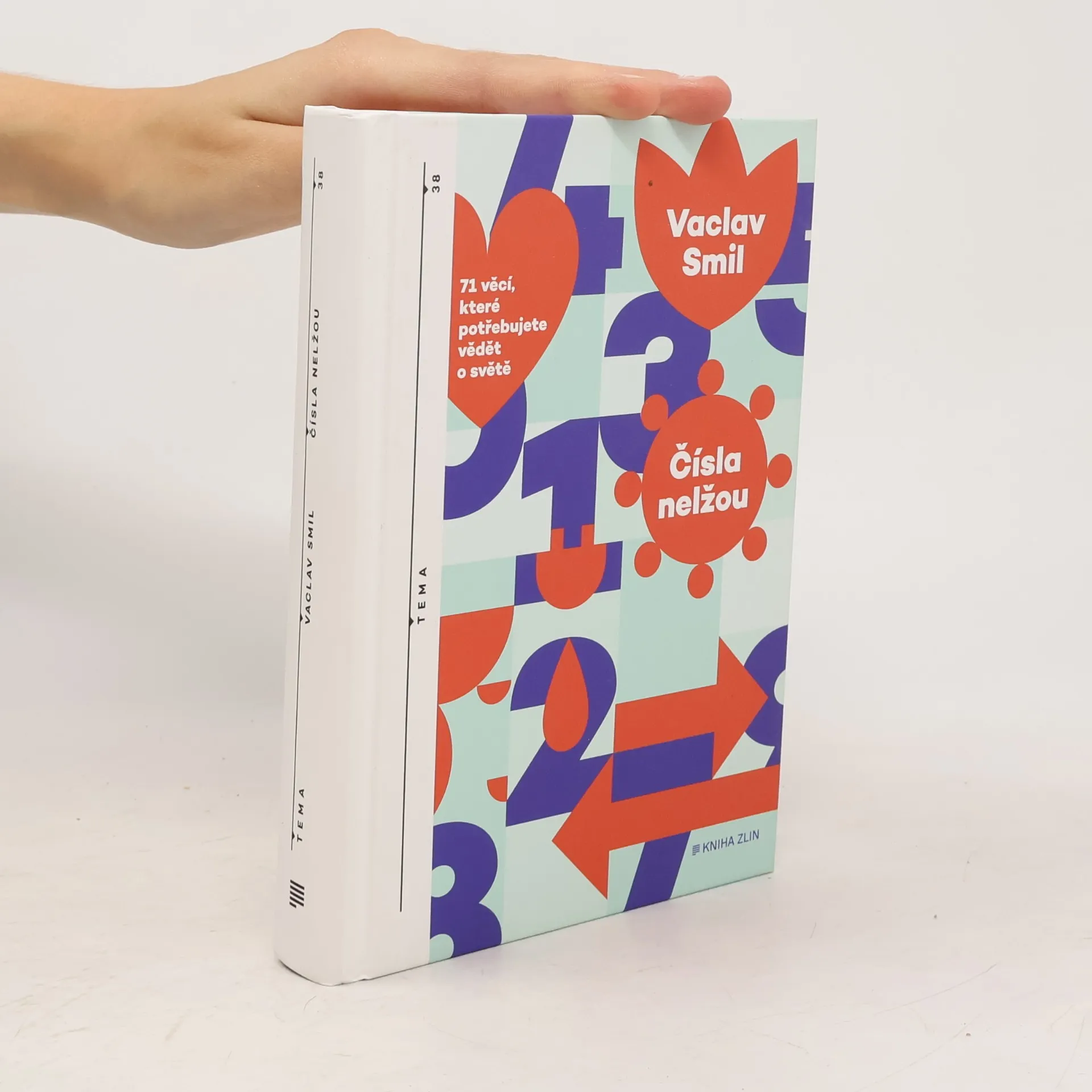
      71 věcí, které byste měli vědět o světě Čísla nelžou. Ale jakou pravdu sdělují? Jakou pravdu čísla sdělují? A jak je interpretovat? Celosvětově uznávaný kanadský vědec českého původu Vaclav Smil nás ve své knize bere na faktografickou výpravu za poznáním, na níž pomocí překvapivých statistik a názorných grafů zpochybňuje naše mnohdy pohodlné myšlení a vyvrací novodobé mýty o tom, jak svět funguje. 71 tematických kapitol přináší kromě nových informací a fascinujících příkladů z energetiky, dopravy či ekologie také odpovědi na otázky typu: Proč elektrická auta zatím nejsou šetrná k životnímu prostředí? Proč je těžké předpovědět, jak zlá bude probíhající pandemie? A jak lidstvo a vynálezy moderního světa ovlivňují život na naší planetě?

      Čísla nelžou
      3,7
    • Čísla nelžou

      • 400 stránek
      • 14 hodin čtení

      71 věcí, které byste měli vědět o světě. Jakou pravdu čísla sdělují? A jak je interpretovat? Celosvětově uznávaný kanadský vědec českého původu Vaclav Smil nás ve své knize bere na faktografickou výpravu za poznáním, na níž pomocí překvapivých statistik a názorných grafů zpochybňuje naše mnohdy pohodlné myšlení a vyvrací novodobé mýty o tom, jak svět funguje. 71 tematických kapitol přináší kromě nových informací a fascinujících příkladů z energetiky, dopravy či ekologie také odpovědi na otázky typu: Proč elektrická auta zatím nejsou šetrná k životnímu prostředí? Proč je těžké předpovědět, jak zlá bude probíhající pandemie? A jak lidstvo a vynálezy moderního světa ovlivňují život na naší planetě?

      Čísla nelžou
      3,7
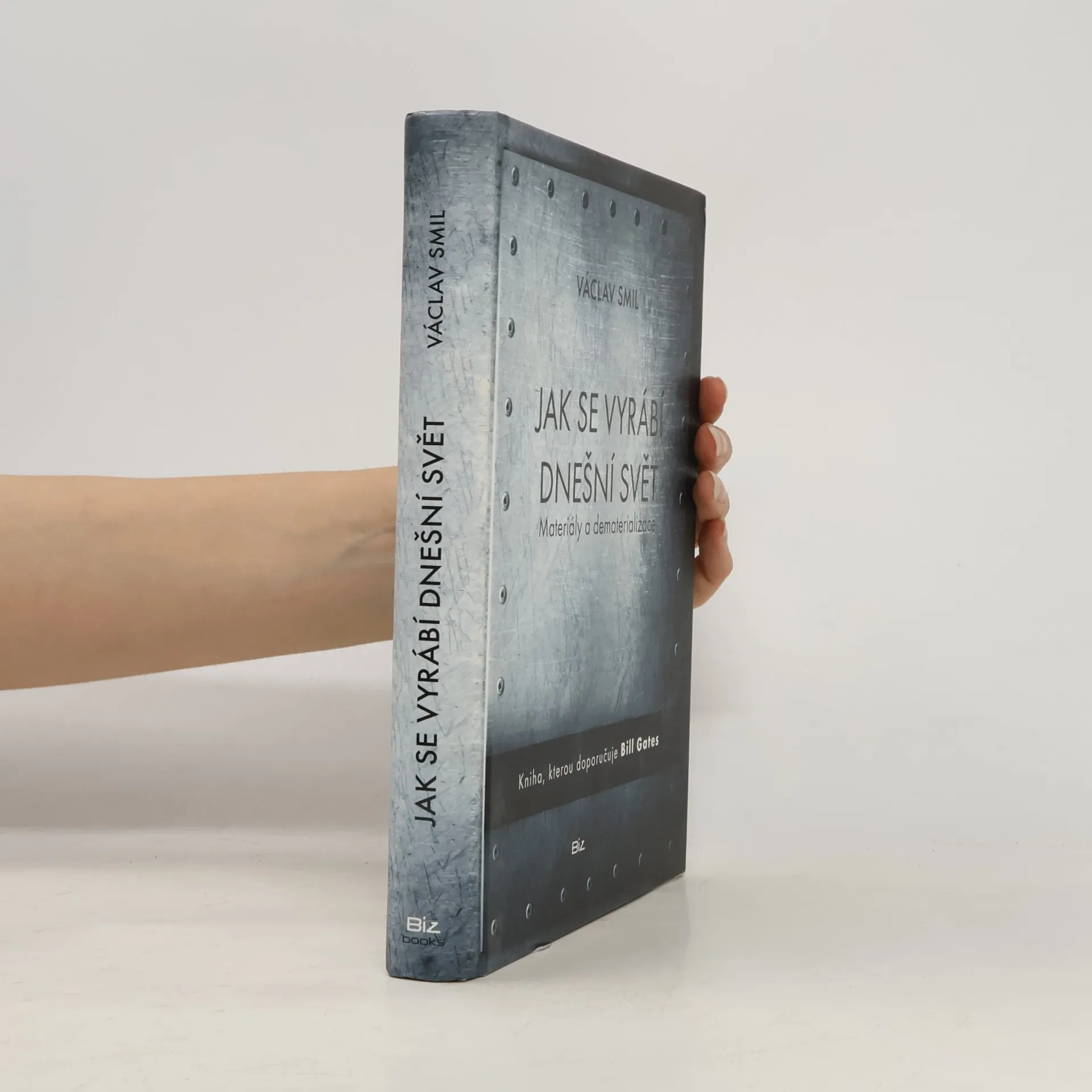
    • Jak se vyrábí dnešní svět

      Materiály a dematerializace

      • 360 stránek
      • 13 hodin čtení

      Jaké úrovně ještě dosáhne spotřeba materiálů, kterou zvyšují bohaté společnosti? Současný svět je závislý na tocích materiálů. Dnes dokonce nemusí ani nejefektivnější výrobní procesy a nejdokonalejší způsoby recyklace stačit k tomu, aby se dosáhlo dematerializace v takovém rozsahu, že bude potlačen vliv rostoucí poptávky po materiálech způsobené pokračujícím populačním růstem a zvyšující se životní úrovní. Kolik nás tato závislost bude stát?

      Jak se vyrábí dnešní svět
      3,7
    • Velikost

      • 448 stránek
      • 16 hodin čtení

      Od bakterií po velryby, od atomů po asteroidy. Oceňovaný vědec českého původu Vaclav Smil tentokrát zkoumá, proč rozměry nejsou náhodné a jak ovlivňují svět. Má dvakrát větší člověk dvakrát více krve? Čím se vyznačují hezké tváře? Má každý růst své meze? Kde všude najdeme zlatý řez? A co ergonomický oříšek: velikost sedadel v letadle? Nečekané odpovědi na otázky všedního i planetárního významu vás ohromí i pobaví zároveň. Fascinující publikace od základů změní, jak se díváte na vše kolem sebe!

      Velikost
      3,2
    • Jak nasytit planetu

      • 328 stránek
      • 12 hodin čtení

      Renomovaný vědec Vaclav Smil nabízí střízlivý, na faktech postavený pohled na globální potravinové systémy. Ukazuje, že svět sice produkuje dost kalorií, ale selhává v jejich distribuci a omezení plýtvání. Věnuje se dopadům živočišné výroby, limitům ekologického zemědělství, roli biotechnologií i významu fotosyntézy. Místo ideologických řešení nabízí postupné, vědecky podložené kroky. Tato kniha je určena všem, kdo chtějí chápat potravinovou realitu dnešního světa – bez zjednodušení a s vizí do budoucnosti.

      Jak nasytit planetu
    • Prime Movers of Globalization

      • 272 stránek
      • 10 hodin čtení

      The story of how diesel engines and gas turbines, used to power cargo ships and jet airplanes, made today's globally integrated economy possible.

      Prime Movers of Globalization
      4,5
    • "Over the course of time, the modern world has become dependent on unprecedented flows of materials. Now even the most efficient production processes and the highest practical rates of recycling may not be enough to result in dematerialization rates that would be high enough to negate the rising demand for materials generated by continuing population growth and rising standards of living. Materials and Dematerialization: Making the Modern World explores the costs of this dependence and the potential for substantial dematerialization of modern economies. Revised throughout to highlight advances that have taken place over the last decade, including a thorough review of statistics and references to 2022, this new edition includes new sections to explicitly address material for global energy transition and for securing food for a still growing global population. Smil concludes with an updated appraisal of material requirements and prospects during the coming decades. This interdisciplinary text will provide useful perspectives for readers with backgrounds including resource economics, environmental studies, energy analysis, mineral geology, industrial organization, manufacturing and public policy"-- Provided by publisher

      Materials and Dematerialization
      5,0
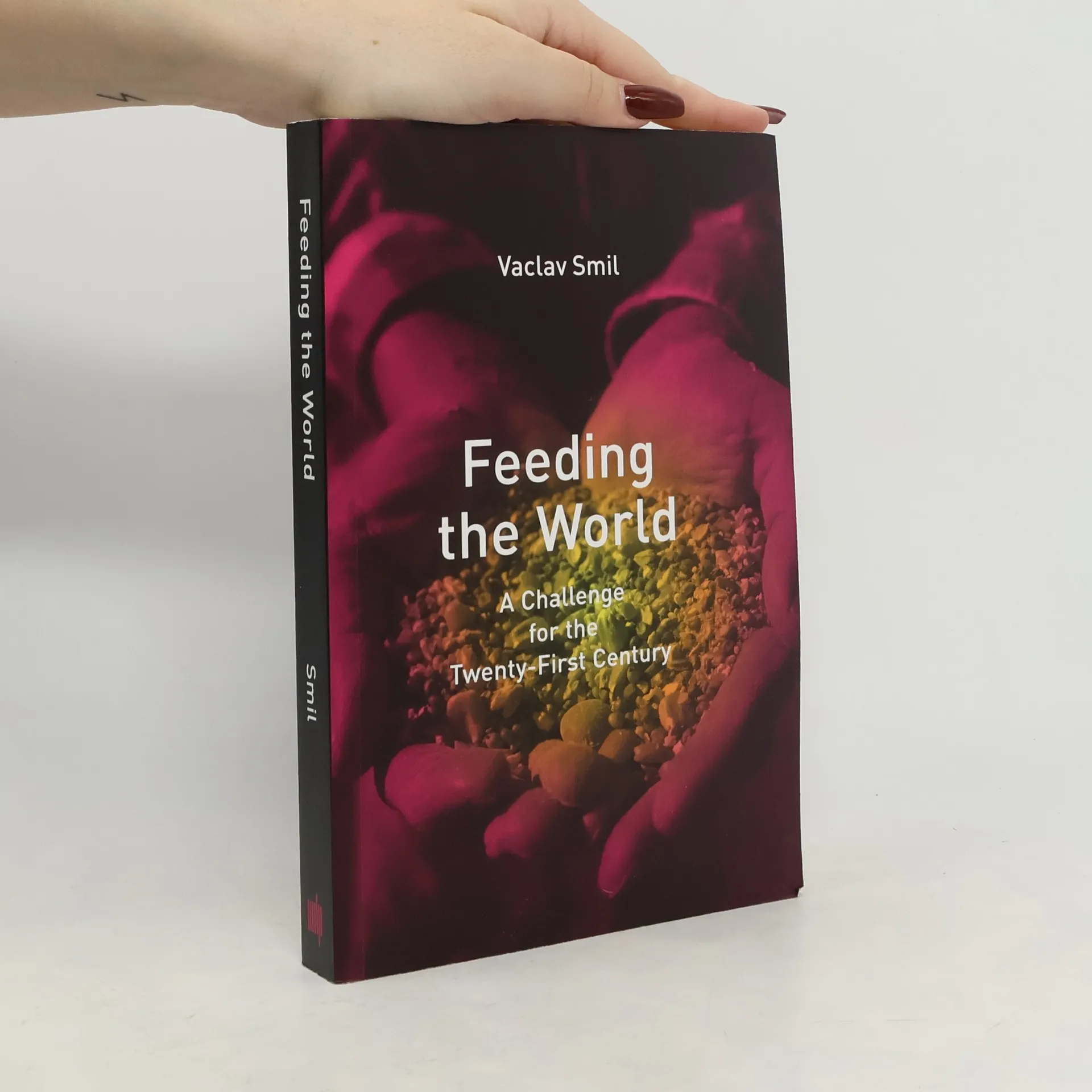
    • Feeding the World

      • 392 stránek
      • 14 hodin čtení

      A realistic yet encouraging look at how society can change in ways that will allow us to feed an expanding global population. schovat popis

      Feeding the World
      4,3
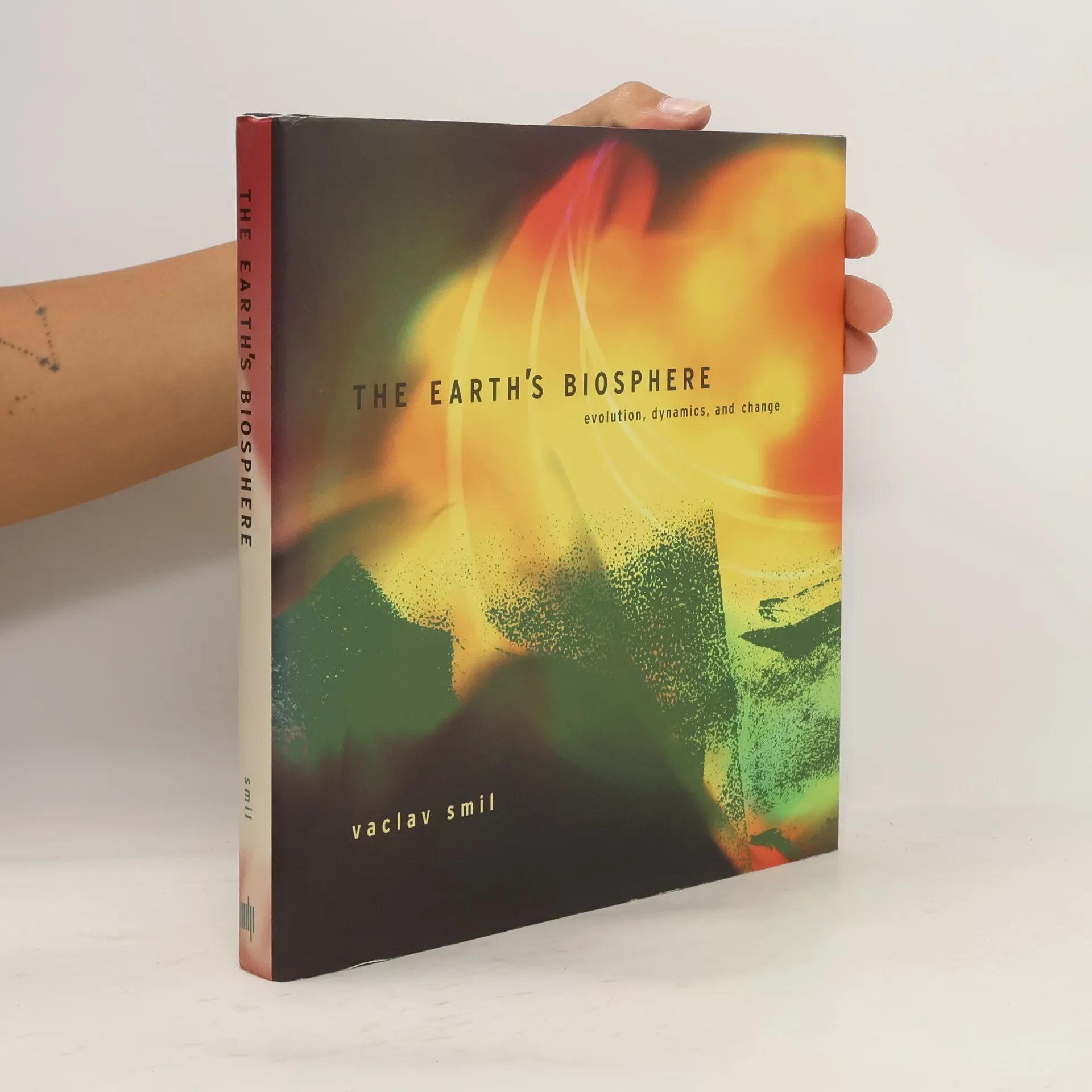
    • The Earth's Biosphere

      Evolution, Dynamics, and Change

      • 346 stránek
      • 13 hodin čtení

      Examines the Earth's biosphere, including its workings, interactions, and complexity.

      The Earth's Biosphere
      4,2
    • Energy Transitions

      History, Requirements, Prospects

      • 192 stránek
      • 7 hodin čtení

      The book presents a compelling argument about the complexities and lengthy nature of energy transitions, emphasizing that underestimating these factors leads to unrealistic expectations regarding the rapid reduction of fossil fuel dependency in the U.S. and other economies. It challenges prevailing narratives and explores the implications of this misunderstanding for future energy policies and global economic strategies.

      Energy Transitions
      4,2
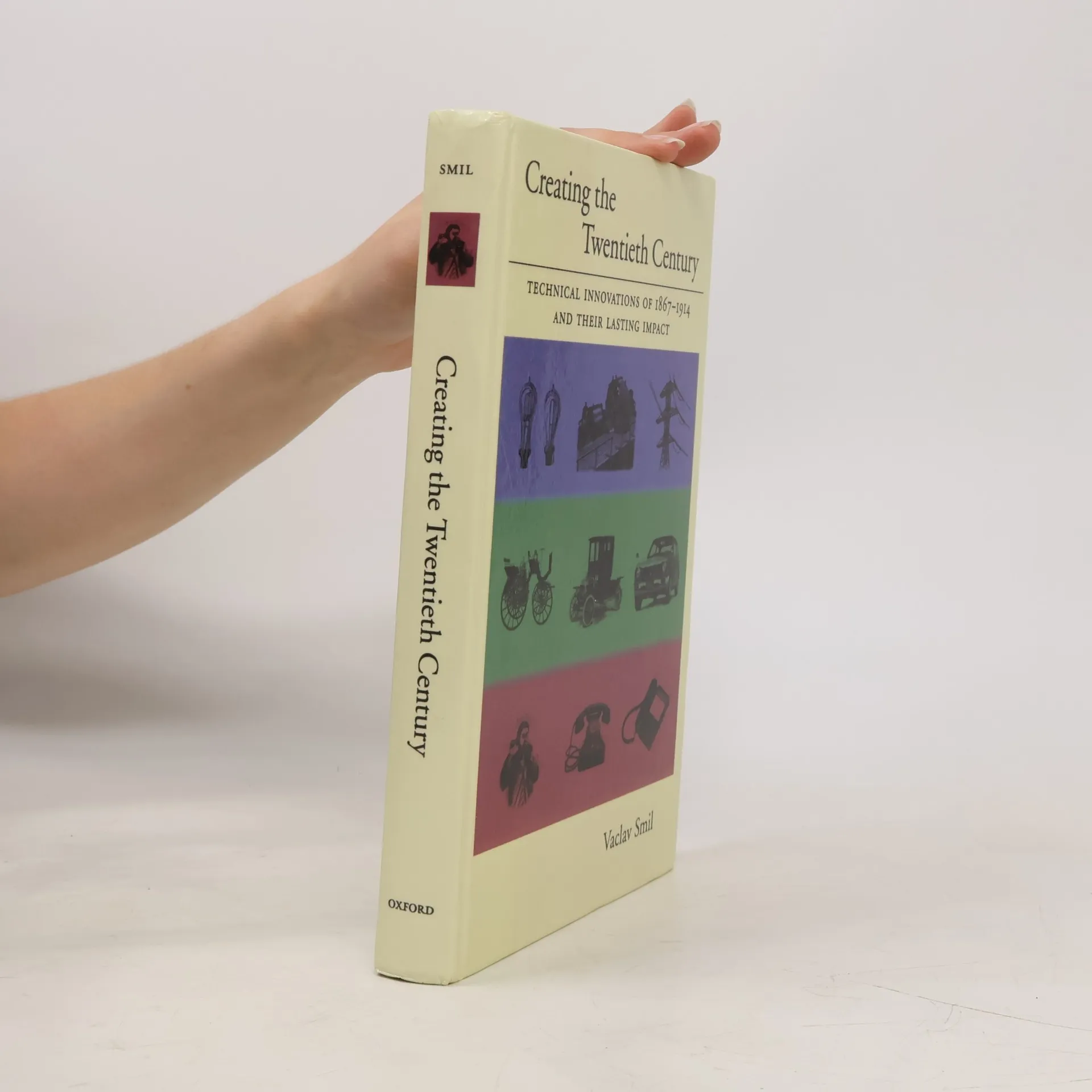
    • The transformative period from 1867 to 1914 marked a pivotal moment in history, characterized by the rise of a civilization fueled by innovative technologies and scientific advancements. Key developments, such as the invention of dynamite, played a crucial role in shaping industries and societies. This era laid the groundwork for modernity, highlighting the synergy between energy sources and technological progress, which fundamentally altered human life and set the stage for future advancements.

      Creating the Twentieth Century: Technical Innovations of 1867-1914 and Their Lasting Impact
      4,2
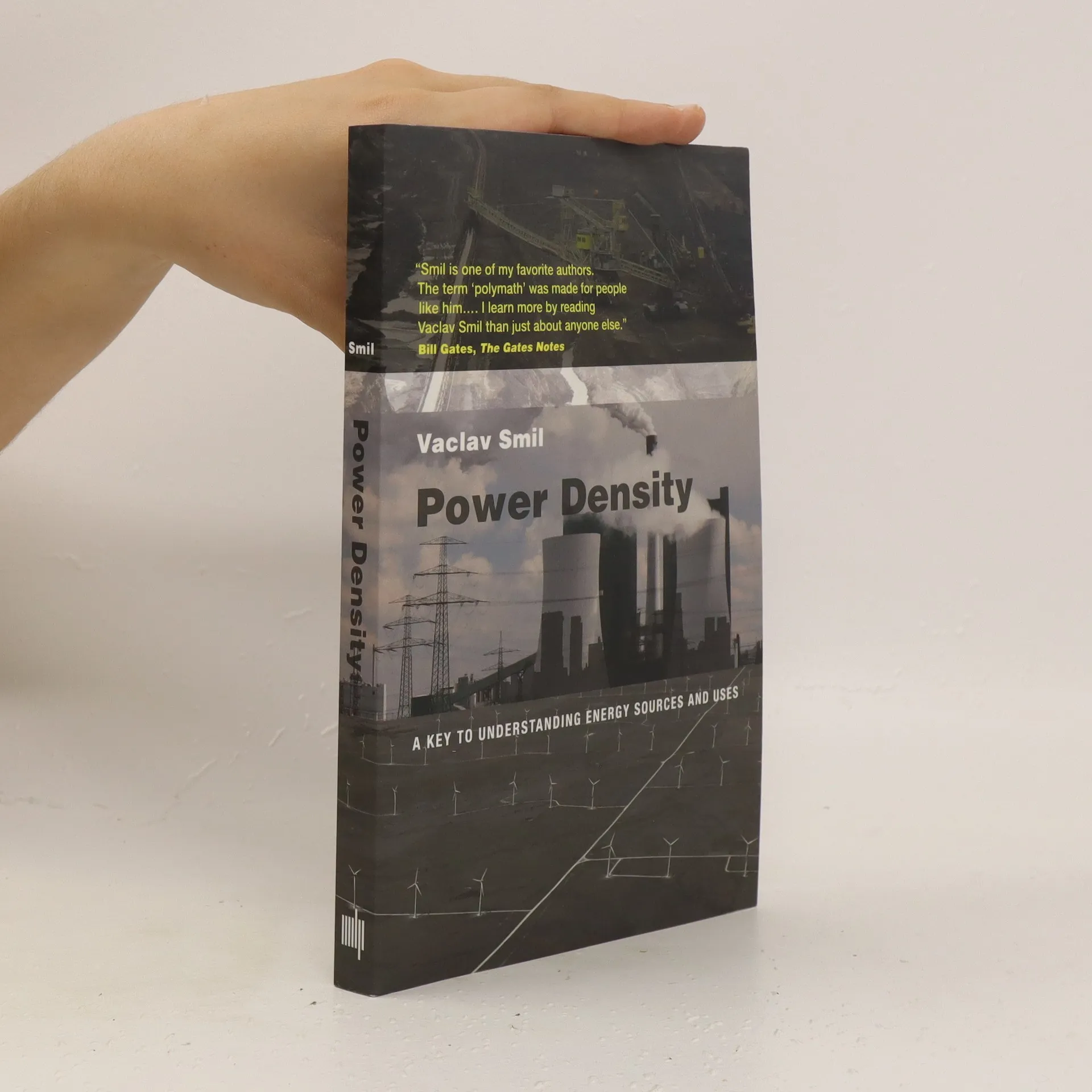
    • Power Density

      • 320 stránek
      • 12 hodin čtení

      In this book, Vaclav Smil argues that power density is a key determinant of the nature and dynamics of energy systems. Any understanding of complex energy systems must rely on quantitative measures of many fundamental variables. Power density -- the rate of energy flux per unit of area -- is an important but largely overlooked measure. Smil provides the first systematic, quantitative appraisal of power density, offering detailed reviews of the power densities of renewable energy flows, fossil fuels, thermal electricity generation, and all common energy uses. Smil shows that careful quantification, critical appraisals, and revealing comparisons of power densities make possible a deeper understanding of the ways we harness, convert, and use energies. Conscientious assessment of power densities, he argues, proves particularly revealing when contrasting the fossil fuel--based energy system with renewable energy conversions. Smil explains that modern civilization has evolved as a direct expression of the high power densities of fossil fuel extraction. He argues that our inevitable (and desirable) move to new energy arrangements involving conversions of lower-density renewable energy sources will require our society -- currently dominated by megacities and concentrated industrial production -- to undergo a profound spatial restructuring of its energy system

      Power Density
      4,2
    • Enriching the Earth

      Fritz Haber, Carl Bosch, and the Transformation of World Food Production

      • 358 stránek
      • 13 hodin čtení

      The book highlights the critical role of ammonia synthesis in supporting global population growth, emphasizing its significance over other technological advancements like airplanes and nuclear energy. Dr. Smil, a leading expert on nitrogenous fertilizers, explores how this industrial process has fundamentally transformed agriculture and society, enabling the world’s population to expand from 1.6 billion in 1900 to six billion today.

      Enriching the Earth
      4,2
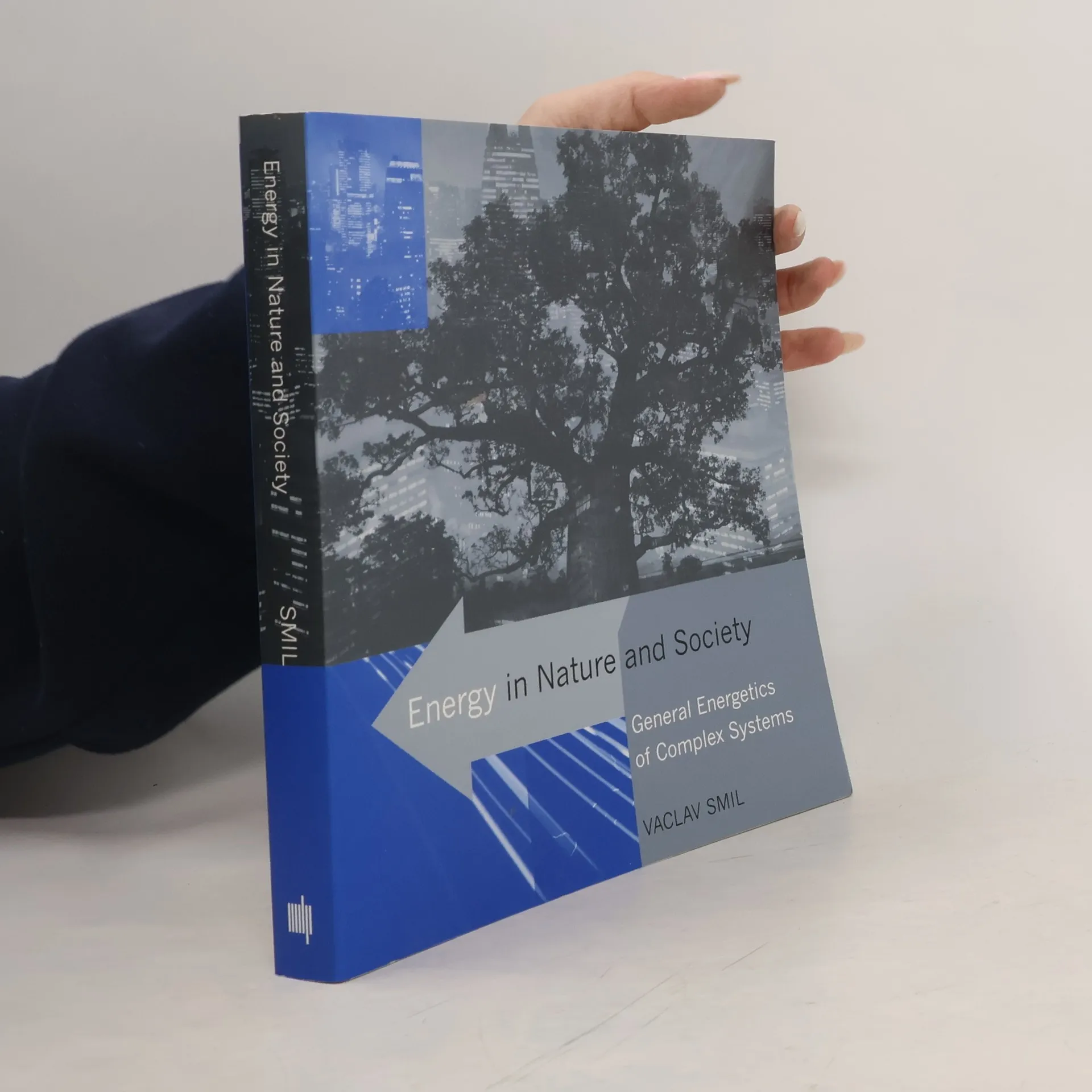
    • Energy in Nature and Society

      • 512 stránek
      • 18 hodin čtení

      A comprehensive, systematic, analytically unified, and interdisciplinary treatment of energy in nature and society, from solar radiation and photosynthesis to our fossil fuelled civilization and its environmental consequences.

      Energy in Nature and Society
      4,2
    • Harvesting the Biosphere

      • 320 stránek
      • 12 hodin čtení

      An interdisciplinary and quantitative account of human claims on the biosphere's stores of living matter, from prehistoric hunting to modern energy production.

      Harvesting the Biosphere
      3,0
    • Energy and Civilization

      A History

      • 562 stránek
      • 20 hodin čtení

      A comprehensive account of how energy has shaped society throughout history, from pre-agricultural foraging societies through today's fossil fuel–driven civilization. "I wait for new Smil books the way some people wait for the next 'Star Wars' movie. In his latest book, Energy and Civilization: A History, he goes deep and broad to explain how innovations in humans' ability to turn energy into heat, light, and motion have been a driving force behind our cultural and economic progress over the past 10,000 years. —Bill Gates, Gates Notes, Best Books of the Year Energy is the only universal currency; it is necessary for getting anything done. The conversion of energy on Earth ranges from terra-forming forces of plate tectonics to cumulative erosive effects of raindrops. Life on Earth depends on the photosynthetic conversion of solar energy into plant biomass. Humans have come to rely on many more energy flows—ranging from fossil fuels to photovoltaic generation of electricity—for their civilized existence. In this monumental history, Vaclav Smil provides a comprehensive account of how energy has shaped society, from pre-agricultural foraging societies through today's fossil fuel–driven civilization.

      Energy and Civilization
      4,1
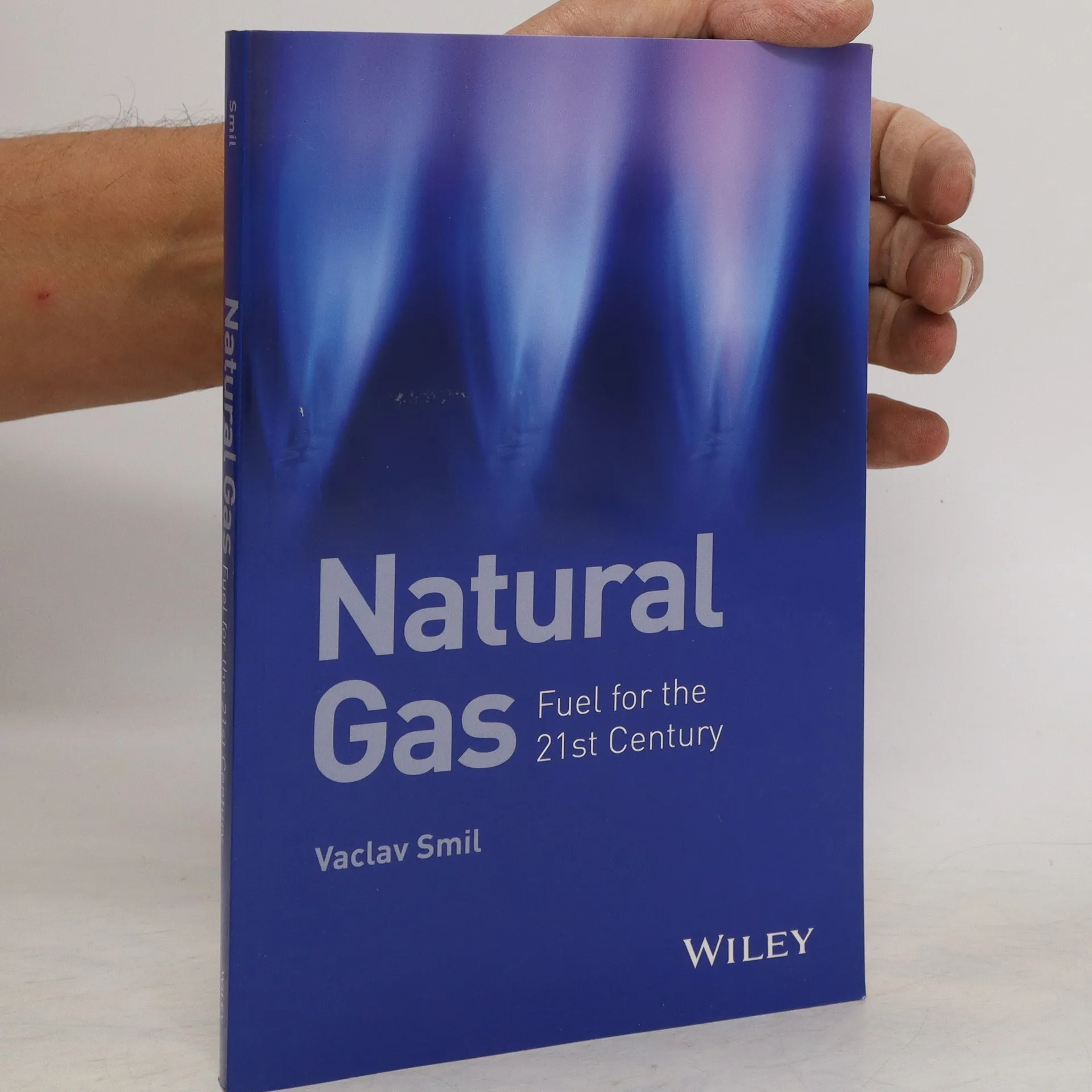
    • Natural gas is the world’s cleanest fossil fuel; it generates less air pollution and releases less CO2 per unit of useful energy than liquid fuels or coals. With its vast supplies of conventional resources and nonconventional stores, the extension of long-distance gas pipelines and the recent expansion of liquefied natural gas trade, a truly global market has been created for this clean fuel. Natural Gas: Fuel for the 21st Century discusses the place and prospects of natural gas in modern high-energy societies. Vaclav Smil presents a systematic survey of the qualities, origins, extraction, processing and transportation of natural gas, followed by a detailed appraisal of its many preferred, traditional and potential uses, and the recent emergence of the fuel as a globally traded commodity. The unfolding diversification of sources, particularly hydraulic fracturing, and the role of natural gas in national and global energy transitions are described. The book concludes with a discussion on the advantages, risks, benefits and costs of natural gas as a leading, if not dominant, fuel of the 21st century. This interdisciplinary text will be of interest to a wide readership concerned with global energy affairs including professionals and academics in energy and environmental science, policy makers, consultants and advisors with an interest in the rapidly-changing global energy industry.

      Natural gas : fuel for the 21st century
      3,4
    • In this book, the author takes a wide-ranging interdisciplinary look at the catastrophes and trends the next fifty years may bring. The author looks at rare but cataclysmic events, both natural and human-produced, then at trends of global importance: the transition from fossil fuels to other energy sources; demographic and political shifts in Europe, Japan, Russia, China, the United States, and Islamic nations; the battle for global primacy; and growing economic and social inequality. He also considers environmental change and assesses the often misunderstood complexities of global warming.

      Global catastrophes and trends : the next 50 years
      4,1
    • China's Past, China's Future

      • 252 stránek
      • 9 hodin čtení

      The book explores the significant environmental challenges posed by China's vast population of 1.3 billion people, highlighting the immense strain on the country's natural resources. Authored by a leading scholar on the earth's biosphere, it offers a comprehensive analysis of the ecological issues confronting China, making it a vital resource for understanding the intersection of population dynamics and environmental sustainability.

      China's Past, China's Future
      3,6
    • Energy at the Crossroads

      • 443 stránek
      • 16 hodin čtení

      This text considers the 21st century's crucial question: how to reconcile the modern world's unceasing demand for energy with the absolute necessity to preserve the integrity of the biosphere

      Energy at the Crossroads
      4,0
    • Energy Myths and Realities

      • 230 stránek
      • 9 hodin čtení

      Reality: Comprehensive energy transitions take several generations. --

      Energy Myths and Realities
      3,9
    • Growth: From microorganisms to megacities.

      • 664 stránek
      • 24 hodin čtení

      Growth is a fundamental aim of our individual and collective endeavors, influencing everything from microorganisms to galaxies, and shaping our economies and brain capabilities. It is evident in various forms, such as the annual increments of continental crust, rising GDP, children's growth charts, and the spread of cancer cells. This comprehensive exploration delves into growth in both nature and society, encompassing everything from tiny organisms to the trajectories of empires. The author examines the growth of organisms, including disease-causing microbes and staple crops, as well as human development from infancy to adulthood. Additionally, the book addresses the growth of energy conversions and man-made objects that are crucial for economic activities, highlighting their significance to civilization. The narrative progresses to complex systems, focusing on human population growth and urban expansion. It tackles the challenges of analyzing the growth of empires and civilizations, noting that while organism growth can be charted over time, societal and economic progress is less linear, often involving cycles of decline and renewal. Ultimately, the trajectory of modern civilization, shaped by the tension between material growth and biospheric limits, remains uncertain.

      Growth: From microorganisms to megacities.
      3,9
    • How to Feed the World

      A Factful Guide

      • 320 stránek
      • 12 hodin čtení

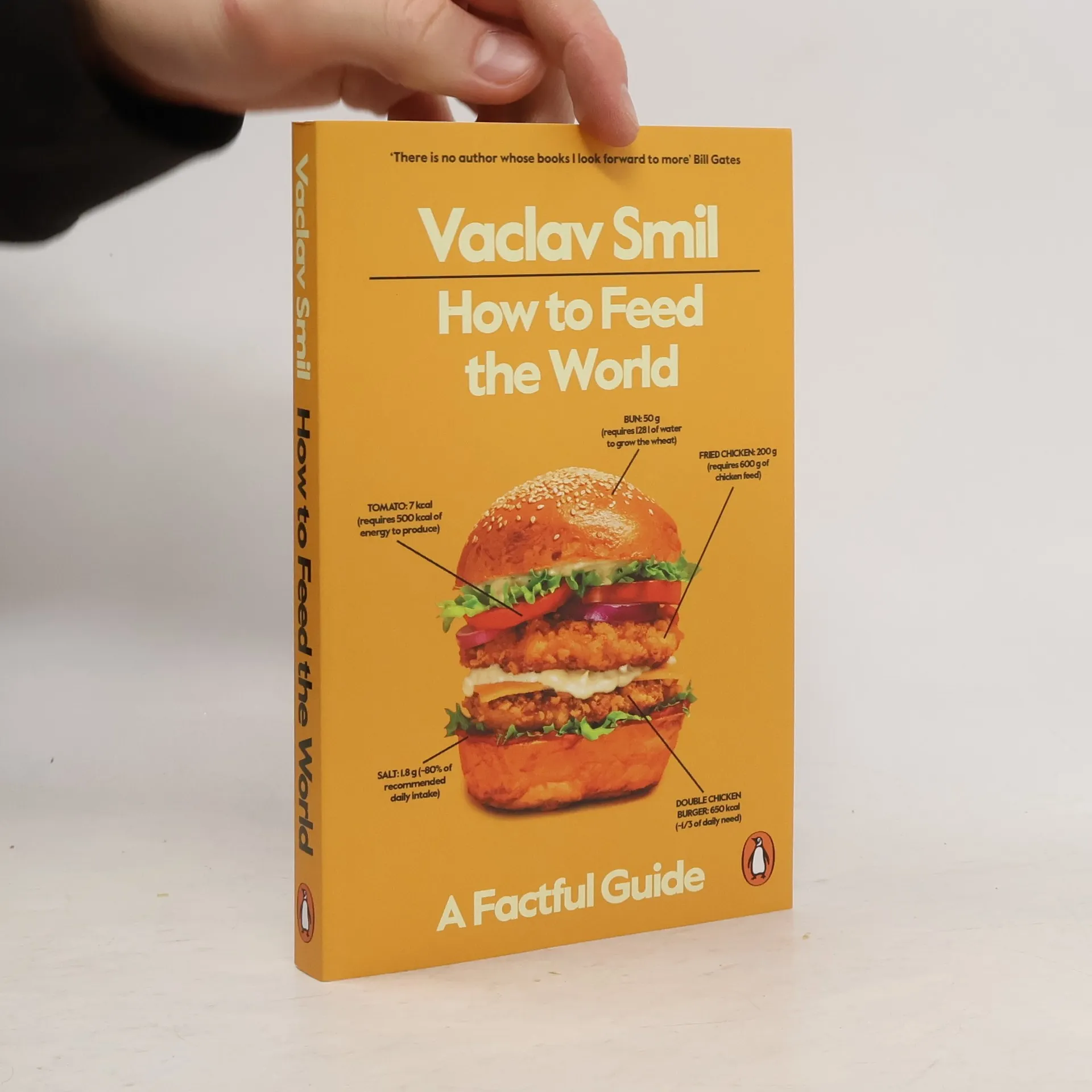
      'There is no author whose books I look forward to more' Bill Gates 'A fascinating deep dive...a wonderful fact-based tour of our food system, past and present. It opens up plenty of interesting debates on what to do next to feed 10 billion people without wrecking the planet' Hannah Ritchie, author of Not the End of the World In this ambitious, myth-busting book, leading scientist and internationally bestselling author Vaclav Smil investigates many of the burning questions facing the world today: Why are some of the world's biggest food producers also the countries with the most undernourished populations? Why is food waste a colossal 1,000kcal per person daily, and how can we solve that? Could we all go vegan and be healthy? Should we? How will we feed the ballooning population without killing the planet? How Food Really Works shows how we misunderstand the essentials of where our food really comes from, how our dietary requirements shape us, and why this impacts our planet in drastic ways. Ultimately, this data-based, rigorously researched guide explains how we will survive and thrive long into the future.

      How to Feed the World
      3,8
    • Invention and Innovation

      A Brief History of Hype and Failure

      • 219 stránek
      • 8 hodin čtení

      Exploring the evolution of human creativity, this volume delves into significant breakthroughs and the accompanying failures that have shaped our progress. The author, a New York Times bestseller, examines pivotal moments in innovation, highlighting how ingenuity drives society forward while also leading to unexpected consequences. Through engaging narratives, the book offers insights into the complex relationship between invention and its impact on humanity.

      Invention and Innovation
      3,8
    • Is flying dangerous? How much do the world's cows weigh ? And what makes people happy ? From Earth's nations and inhabitants, through the fuels and foods that energize them, to the transportation and inventions of our modern world - and how all of this affects the planet itself - in Numbers Don't Lie, Professor Vaclav Smil takes us on a fact-finding adventure, using surprising statistics and illuminating graphs to challenge lazy thinking. Smil is on a mission to make facts matter, because after all, numbers may not lie, but which truth do they convey ?

      Numbers Don't Lie
      3,8
    • Made in the USA

      • 278 stránek
      • 10 hodin čtení

      An argument that America's economy needs a strong and innovative manufacturing sector and the jobs it creates.

      Made in the USA
      3,5
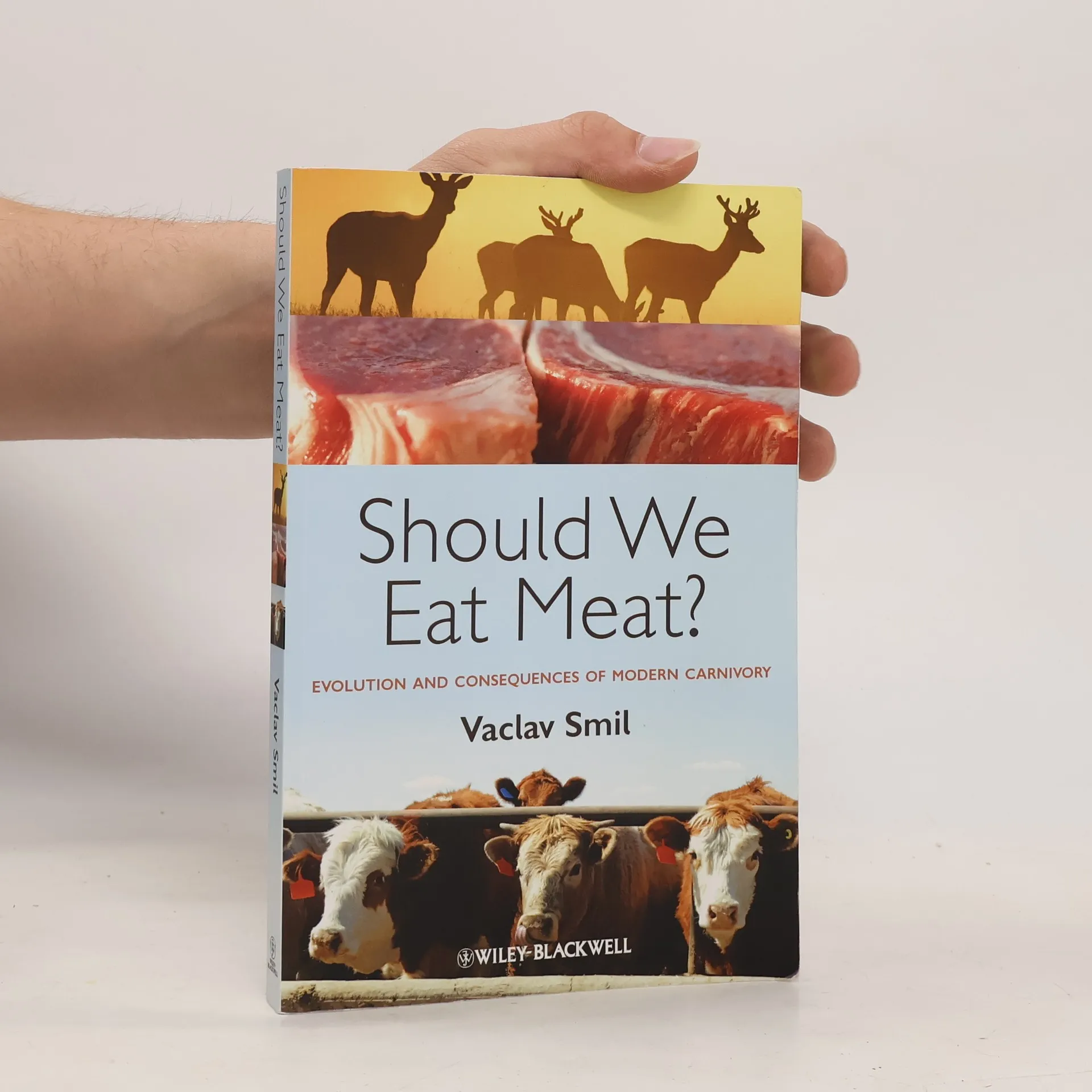
    • Should We Eat Meat?

      • 260 stránek
      • 10 hodin čtení

      Meat eating is often a contentious subject, whether considering the technical, ethical, environmental, political, or health-related aspects of production and consumption. This book is a wide-ranging and interdisciplinary examination and critique of meat consumption by humans, throughout their evolution and around the world.

      Should We Eat Meat?
      3,5
    • Energy In World History

      • 300 stránek
      • 11 hodin čtení

      Exploring the evolution of energy throughout history, this book examines the transition from human and animal power in early societies to the development of hydraulic techniques and the rise of fossil fuels in contemporary civilization. It highlights how energy sources have shaped social structures, economies, and technological advancements across different eras, providing a nuanced understanding of their impact on world history.

      Energy In World History
    • Biomass Energies

      Resources, Links, Constraints

      • 480 stránek
      • 17 hodin čtení

      The exploration of biomass energy is framed within the broader context of renewable energies, particularly as a response to the 1973 oil crisis. The author reflects on the disparity between wealthy nations' reliance on fossil fuels and the poorer regions' dependence on biomass, which often leads to environmental and social challenges. Critical analysis reveals that the optimistic portrayal of renewable resources may not align with reality. The book emphasizes the need for a balanced understanding of biomass's potential and the responsibilities of scientists in addressing these complex issues.

      Biomass Energies
    • Vynálezy a inovácie

      • 232 stránek
      • 9 hodin čtení

      Známy autor vedeckých kníh prichádza s titulom o histórii ľudskej vynaliezavosti – a s ňou spojených prelomov a pádov. V tejto knihe ponúka jasnú korekciu prehnaných sľubov, ktoré sprevádzajú všetko od nových liekov až po umelú inteligenciu. Pripomína nám, že aj keď prejdeme dosť ďaleko po trajektórii vynález - vývoj - aplikácia, možno nikdy nič reálne nezavedieme. Alebo ešte horšie, aj keď sa nám zavedenie vynálezu podarí, jeho budúcnosť môže byť poznačená nedostatočným výkonom, sklamaním, alebo aj nedozernými škodami, s ktorými nikto nepočítal. Na základe svojich rozsiahlych vedeckých a historických poznatkov autor vysvetľuje rozdiel medzi vynálezom a inováciou a venuje sa trom rôznym typom vynálezov: tie, ktoré nedominovali tak, ako sa sľubovalo (napríklad vzducholode a nadzvukové lietadlá), vynálezy, ktoré skončili katastrofami (ako olovnatý benzín alebo pesticíd DDT) a vynálezy, ktoré nám boli dlho sľubované a boli by veľmi prospešné, ale ich masové zavedenie do života je v nedohľadne (od hyperloopu až po atómovú fúziu). Kniha je triezvou správou o bláznovstve, ktoré tak často sprevádza ľudskú vynaliezavosť, a o tom, ako môžeme a musíme lepšie zosúladiť naše očakávania s realitou.

      Vynálezy a inovácie
      4,3
    • Zahlen lügen nicht

      71 Geschichten, um die Welt besser zu verstehen

      Vaclav Smil ist ein Zahlenkünstler, der komplexe Themen wie Bevölkerungsentwicklung, Ernährung und Energie verständlich macht. In seinem Bestseller „Zahlen lügen nicht“ beleuchtet er die Funktionsweise unserer Welt und räumt mit falschen Vorstellungen auf. Das Buch vereint seine Forschungsergebnisse aus über 40 Werken seit den 1970er Jahren.

      Zahlen lügen nicht
      4,0
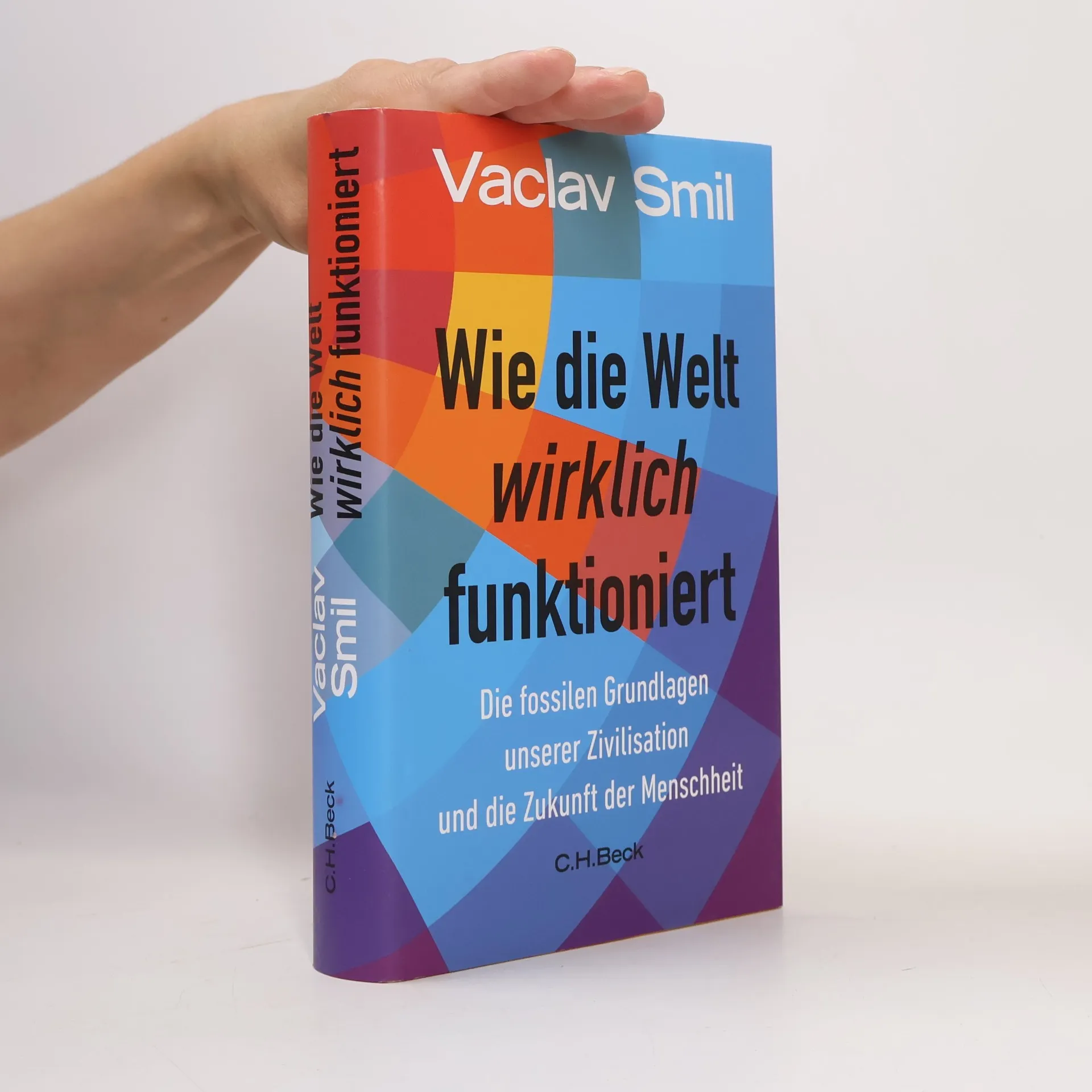
    • Wie die Welt wirklich funktioniert

      Die fossilen Grundlagen unserer Zivilisation und die Zukunft der Menschheit

      • 392 stránek
      • 14 hodin čtení

      Der tschechisch-kanadische Wissenschaftler Vaclav Smil, ein führender Experte für Energiefragen, unterzieht die Hoffnung auf eine schnelle Umstellung auf erneuerbare Energien einem Realitätscheck. Er konfrontiert politische Ziele mit wissenschaftlicher Realität und weist darauf hin, dass unser modernes Leben auf materiellen Grundlagen beruht, von denen wir weiterhin stark von fossilen Brennstoffen abhängig sind. Wichtige Materialien wie Stahl, Zement, Ammoniak und Plastik sind der Kern unserer Zivilisation, nicht nur Datenflüsse. Um die Welt zu verändern, ist es entscheidend, zu verstehen, wie sie funktioniert. Trotz des angesammelten Wissens der Menschheit haben viele Menschen nur oberflächliche Kenntnisse über die Produktion von Nahrungsmitteln, Rohstoffen und Gütern, was zu Fehleinschätzungen führt. Die Vorstellung, dass wir schnell von fossilen Brennstoffen auf erneuerbare Energien umstellen können, ist irreführend. Es geht nicht nur um nachhaltige Stromproduktion, sondern auch um alternative Verfahren zur Herstellung von Zement, Stahl, Plastik und Dünger. Technische Innovationen müssen kommerziell funktionieren und global implementiert werden. Wer sich um die Zukunft des Planeten sorgt, sollte die Fakten kennen, die Smil liefert.

      Wie die Welt wirklich funktioniert
      3,8
    • Ešte nikdy sme nemuseli nasýtiť toľko ľudí ako dnes. Napriek tomu nerozumieme tomu, odkiaľ naše potraviny skutočne pochádzajú, ako nás naše stravovacie požiadavky formujú a prečo to drastickým spôsobom ovplyvňuje našu planétu. Výsledkom je, že pri ekonomických, politických a každodenných rozhodnutiach považujeme za samozrejmosť a nedokážeme doceniť to, čo umožňuje celý náš život: jedlo. V tejto ambicióznej, mýty búrajúcej knihe Václav Smil skúma mnohé pálčivé otázky, ktorým čelí dnešný svet: Prečo sú niektorí z najväčších svetových producentov potravín zároveň krajinami s najviac podvyživeným obyvateľstvom? Prečo plytváme toľkými potravinami a ako to môžeme vyriešiť? Mohli by sme sa všetci stať vegánmi a byť zdraví? Autor skúma globálnu históriu výroby potravín, aby pochopil, prečo niektoré zvieratá chováme a iné nie, prečo väčšina kalórií na svete pochádza len z niekoľkých plodín a ako sa to môže v budúcnosti zmeniť. Ako nasýtiť planétu je na údajoch založená, dôsledne preskúmaná príručka, ktorá ponúka riešenia nášho nefunkčného globálneho potravinového systému.

      Ako nasýtiť planétu: Dejiny a budúcnosť jedla
      3,7
    • Energia jest fundamentem wszelkiego istnienia, kształtując Ziemię przez ruchy płyt tektonicznych i umożliwiając rozwój różnorodnych form życia. Ekosystemy oraz układy troficzne opierają się na przepływie energii, który wpływa na ich ewolucję. Jednak człowiek, jako jedyna istota zdolna do intelektualnego przekształcania energii, wprowadził istotne zmiany w tym naturalnym porządku. Kluczowe odkrycia związane z energią miały dalekosiężne konsekwencje dla rolnictwa, przemysłu, wojen, ekonomii, urbanizacji, stylu życia, polityki i środowiska. Książka ta oferuje szczegółowe i panoramiczne spojrzenie na to, jak ludzkość przetwarza energię, wpływając na mechanizmy kulturowego i cywilizacyjnego postępu na przestrzeni ostatnich 10 tysięcy lat. Przedstawia różnorodne metody, które pozwoliły na wykorzystanie energii do napędzania rozwoju, oraz ich konsekwencje dla życia ludzi. Publikacja ta poszerza horyzonty, oferując nową perspektywę na historię cywilizacji. Zawiera analizy dotyczące pozyskiwania, przekształcania i wykorzystywania energii, kontrolowania zasobów oraz wpływu na społeczeństwa, a także innowacji i transformacji energetycznych w historii świata.

      Energia i cywilizacja. Tak tworzy się historia
    • Liczby nie kłamią

      • 432 stránek
      • 16 hodin čtení

      Czy podróżowanie samolotem jest bezpieczne? Ile ważą wszystkie krowy na świecie? Co sprawia, że ludzie czują się szczęśliwi? Liczby nie kłamią to książka o mieszkańcach Ziemi, o pożywieniu i paliwach, które dostarczają im energii, o transporcie i wynalazkach współczesnego świata, a także o tym, jak to wszystko wpływa na naszą planetę. Profesor Vaclav Smil zabiera czytelników na pasjonującą wyprawę, której celem jest odkrywanie faktów. Podsuwając nam zaskakujące dane statystyczne i prezentując pouczające infografiki, zachęca do otrząśnięcia się z intelektualnego lenistwa. Z tej pełnej fascynujących informacji i frapujących przykładów książki dowiemy się między innymi, ilu ludzi potrzebnych było do zbudowania piramidy Cheopsa, dlaczego szczepionki nie tylko ratują życie, ale są także opłacalną inwestycją, i czemu samochody elektryczne nie są (jeszcze) tak dobrym rozwiązaniem, jak nam się wydaje. Smil błyskotliwie łączy wiedzę naukową i historyczną ze zdrowym rozsądkiem, poruszając niezwykle szerokie spektrum zagadnień, które przedstawia w formie krótkich, ale treściwych rozdziałów. Liczby nie kłamią to pasjonująca lektura, która prowokuje do stawiania pytań w sprawach zbyt często traktowanych przez nas jako pewnik. Smil udowadnia, że fakty mają znaczenie. Liczby nie kłamią. Jaką prawdę nam zatem przekazują?

      Liczby nie kłamią
    • Innovationen und Erfindungen

      Eine kurze Geschichte des Hypes und des Scheiterns

      • 256 stránek
      • 9 hodin čtení

      Welche Erwartungen sind realistisch? Was dürfen wir hoffen? Erfindungen wie Luftschiffe, Kernspaltung und Überschallgeschwindigkeit galten einst als bahnbrechend, konnten jedoch ihren hohen Erwartungen oft nicht gerecht werden und wurden mittlerweile von Alternativen überholt. Der renommierte Umweltwissenschaftler und Energieexperte Vaclav Smil untersucht Technologien, die trotz erheblicher Investitionen nicht das gehalten haben, was sie versprachen, oder sogar negative Auswirkungen mit sich brachten. Er bietet ein Korrektiv zu den überzogenen Versprechungen, die mit neuen Entdeckungen und Erfindungen einhergehen, von Heilmitteln über Kernfusion bis hin zu künstlicher Intelligenz. Smil erinnert uns daran, dass selbst bei weit fortgeschrittenen Entwicklungen die tatsächliche Anwendung fraglich bleiben kann. Zudem stellt er eine Wunschliste von dringend benötigten Erfindungen auf, um die Herausforderungen des 21. Jahrhunderts zu bewältigen. Angereichert mit spannenden Beispielen und pragmatischen Ansätzen zeigt das Werk die oft unrealistischen Erwartungen an menschliche Innovationen und bietet Wege, diese besser mit der Realität in Einklang zu bringen. Smil beleuchtet drei Arten von Erfindungen: unerwünschte Innovationen wie verbleites Benzin, Technologien, die nicht den erwarteten Einfluss hatten, sowie solche, auf die wir noch warten.

      Innovationen und Erfindungen
    • Cifrele nu mint

      71 de povești care ne ajută să înțelegem lumea modernă

      • 304 stránek
      • 11 hodin čtení
      Cifrele nu mint