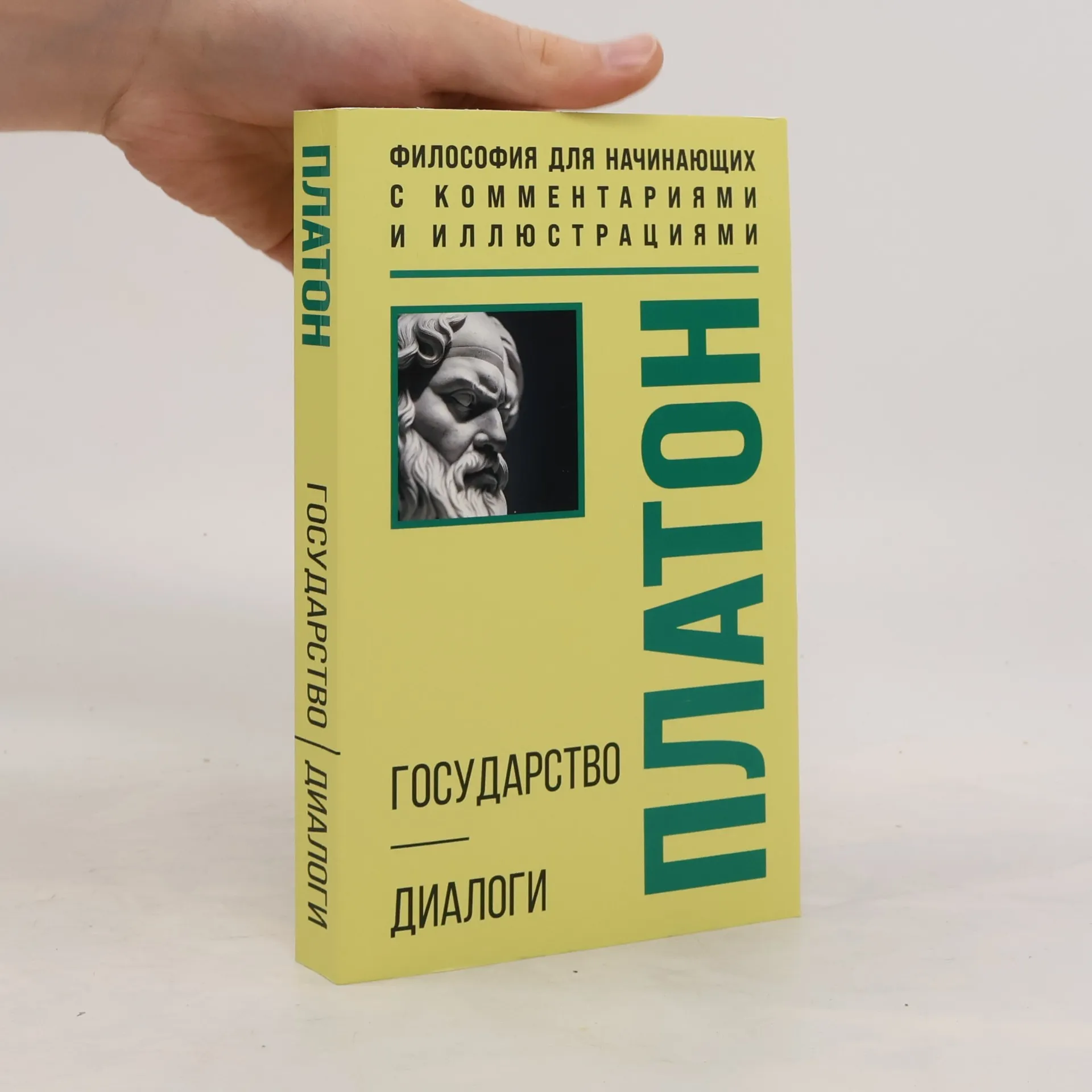
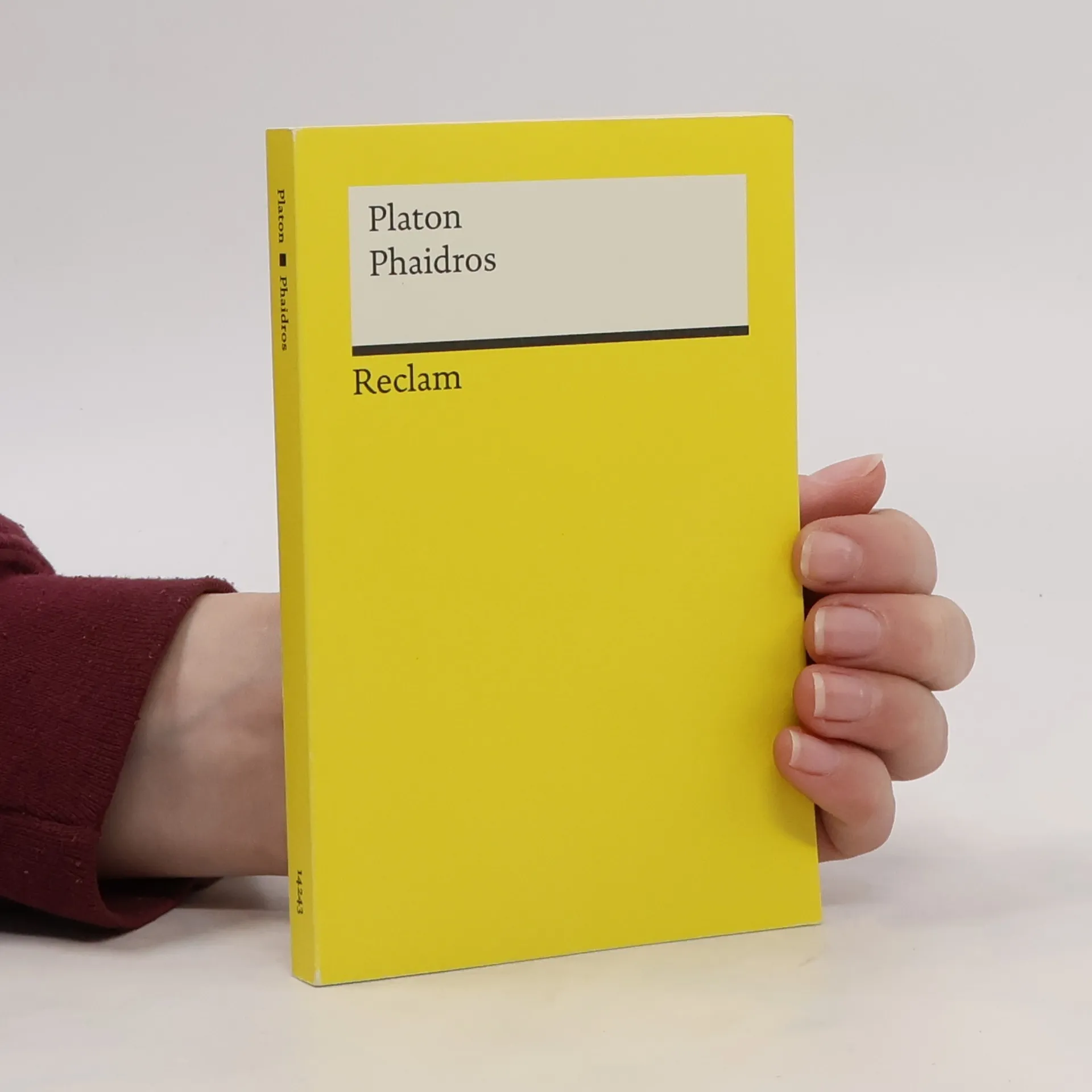
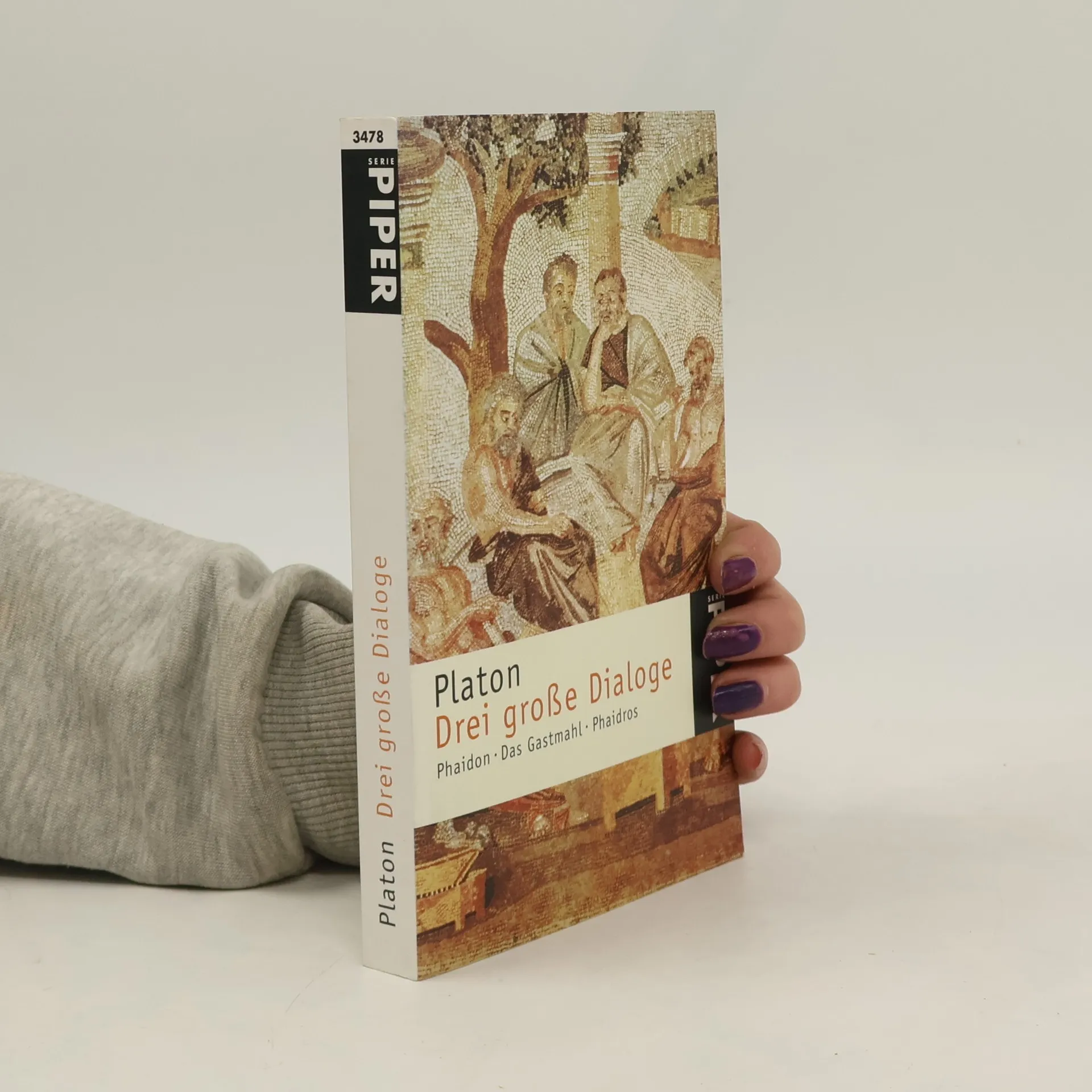
Phaidon. Griechisch/Deutsch (Reclams Universal-Bibliothek)
- 315 stránek
- 12 hodin čtení


Tato informace o autorovi není k dispozici.
Complete Works Vol 1 (The Republic, Symposium, Apology, Phaedrus & Laws) (Hardcover Library Edition)
Charmides Lysis Laches Protagoras Euthydemus Cratylus Phaedrus Ion Symposium Meno Euthyphro Apology Crito Phaedo Gorgias The Republic Timaeus Critias Parmenides Theaetetus Sophist Statesman Philebus Laws The Seventh Letter
Experience the timeless wisdom and insight of one of ancient Greece's greatest thinkers with this essential collection. Plato's Apology, Crito, and Phaedo are masterpieces of philosophy, offering insights into morality, justice, and the nature of reality. More's introduction provides helpful context and analysis, making this a perfect resource for students, scholars, and anyone seeking to deepen their understanding of Plato's work.
Plato's Phaedrus, Symposium, Euthyphro, Apology, Crito, Meno, Phaedo & Aristotle's Poetics, Politics
The book is a reproduction of a historical work, produced by Megali, a publishing house dedicated to creating large print editions. This initiative aims to enhance accessibility for readers with impaired vision, ensuring that important historical texts are available to a wider audience.
Focusing on accessibility, this book is a reproduction of a historical work presented in large print, catering specifically to individuals with impaired vision. Published by Megali, a house dedicated to enhancing readability, it aims to make classic literature more inclusive for all readers.
The book is a reproduction of a historical work, presented in large print to enhance accessibility for readers with impaired vision. Published by Megali, a house dedicated to making historical texts more readable, it aims to preserve important literature while accommodating the needs of those who struggle with standard print sizes.
This book is a reproduction of a historical work, published in large print for enhanced readability, particularly benefiting individuals with impaired vision. Megali, the publishing house behind this edition, focuses on making classic texts accessible to a wider audience through thoughtful formatting.
This book is a reproduction of a historical work, presented in large print to enhance readability for individuals with impaired vision. Published by Megali, a house dedicated to making historical texts accessible, it aims to preserve important literature while catering to the needs of readers who require larger text.
The book is a reproduction of a historical work, published by Megali, which focuses on making literature accessible to individuals with impaired vision through large print. This initiative highlights the importance of inclusivity in reading, ensuring that classic texts remain available to a wider audience.
This publication features a reproduction of a historical work, specifically designed in large print to enhance readability for individuals with impaired vision. Megali, the publishing house behind this initiative, focuses on making classic texts more accessible, ensuring that important historical narratives can be enjoyed by a wider audience.
Der "Hippias maior" und "Hippias minor" sind fiktive Dialoge zwischen Sokrates und dem Sophisten Hippias. Im ersten diskutieren sie die Definition des "Schönen", wobei beide unterschiedliche Denkweisen zeigen. Im zweiten Dialog wird die Frage erörtert, ob es besser ist, absichtlich Unwahrheit zu sagen oder unfreiwillig zu handeln, ohne zu einer Lösung zu gelangen.
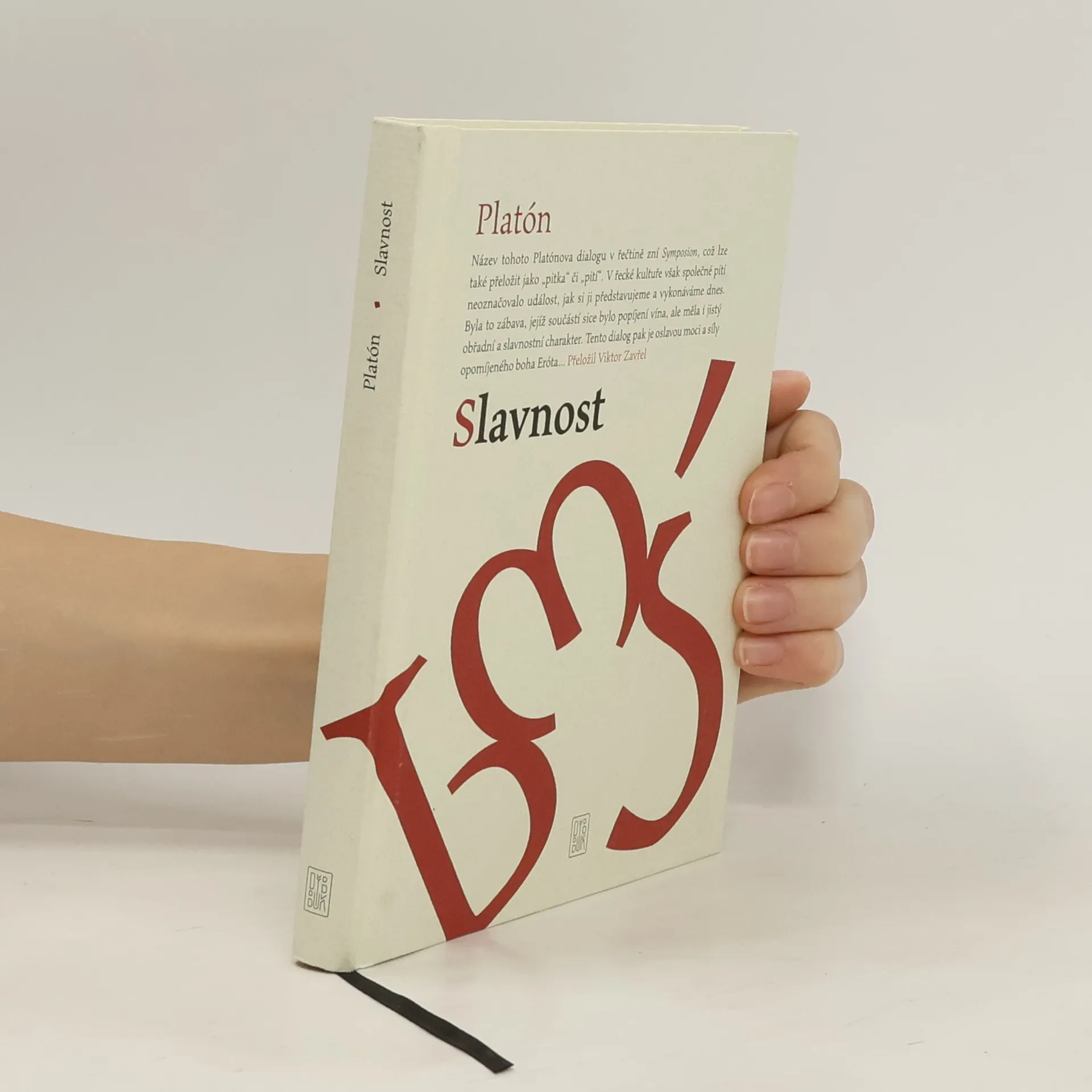
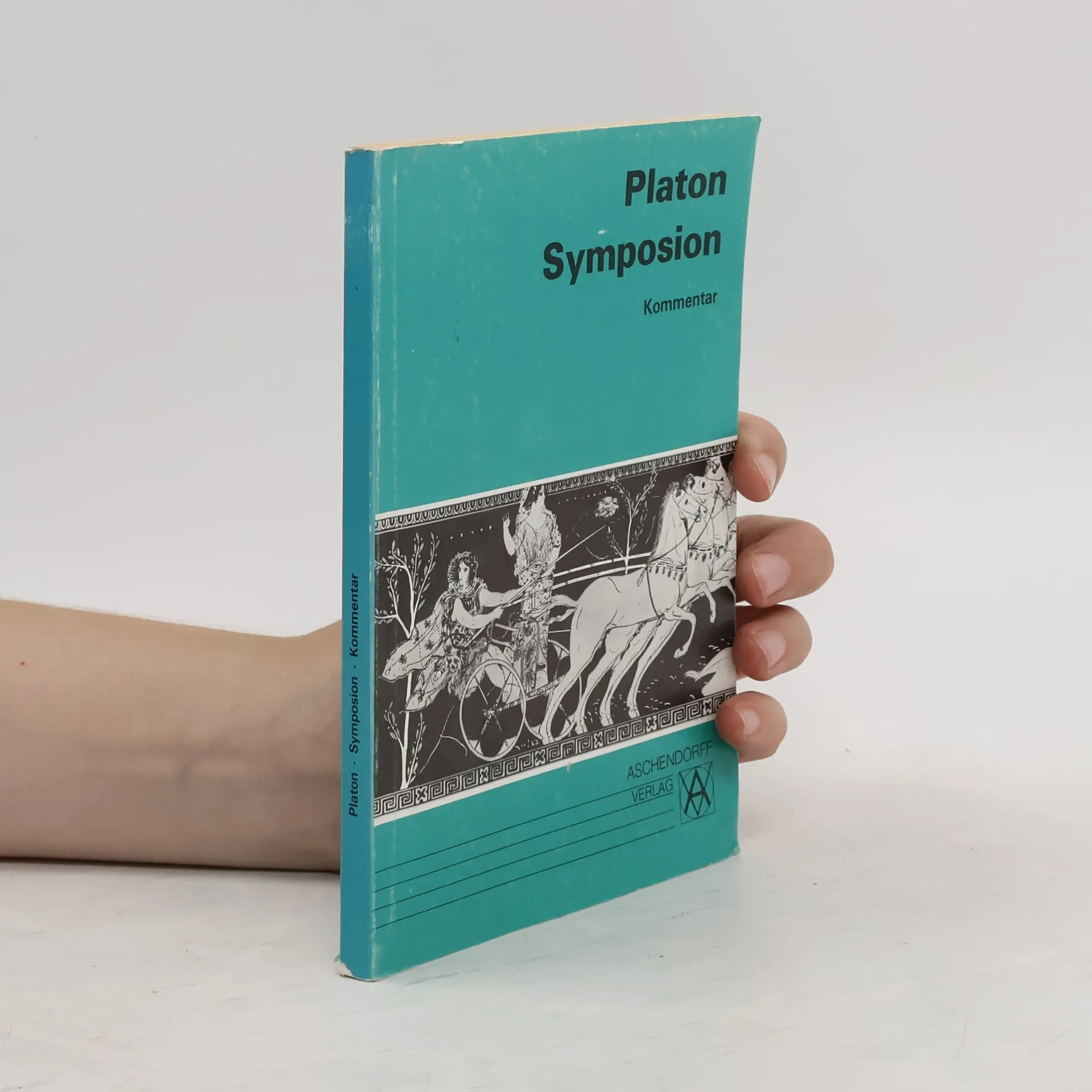
Název tohoto Platónova dialogu v řečtině zní Symposion, což lze také přeložit jako „pitka“ či „pití“. V řecké kultuře však společné pití neoznačovalo událost, jak si ji představujeme a vykonáváme dnes. Byla to zábava, jejíž součástí sice bylo popíjení vína, ale měla i jistý obřadní a slavnostní charakter. Tento dialog pak je oslavou moci a síly opomíjeného boha Eróta. Text sestává ze sedmi řečí, z nichž každá má svá specifika, svůj vlastní styl a strukturu. Bez nadsázky lze též říci, že autor každé z nich má určitý psychologický profil. Jednotlivé řeči se samozřejmě různí i z hlediska obsahu a též z hlediska volby jazykového stylu je kupříkladu řeč lékaře Eryximacha strohá, vědecká, bez uměleckých příkras, oproti tomu řeč dramatika Agathóna oplývá celou řadou uměleckých prostředků, přičemž však není tak myšlenkově obsáhlá jako některé řeči předchozí.
Platon (427 p.n.e.-347 p.n.e.) uczeń Sokratesa, którego śmierć uważał za niewyobrażalną zbrodnię ateńskiej republiki napisał 35 dialogów. Platońska (w klasycznym przekładzie wraz z posłowiem, objaśnieniami i ilustracjami Władysława Witwickiego) Uczta należy do dialogów najważniejszych i ... najsłynniejszych, być może ze względu na temat, a jest nim miłość (eros) i jej różna formy, stopnie itp. Uczta zaliczana jest do średniego okresu twórczości Platona,uznawana bywa za jego największe osiągnięcie literackie (choć może już nie filozoficzne).
Fajdros, jeden z kluczowych dialogów Platona, greckiego filozofa i ucznia Sokratesa, dotyka tematów miłości, piękna oraz etyki. Platon, autor 35 dialogów podzielonych na trzy okresy, stworzył Fajdrosa w swoim średnim, konstrukcyjnym etapie twórczości. Dialog ten można traktować jako dopełnienie Uczty, jednak jego zakres wykracza poza Erosa, obejmując również alegoryczny opis relacji duszy do idei. Publikacja zawiera klasyczny przekład, posłowie oraz objaśnienia i ilustracje Władysława Wiwickiego, a także dodatki i wyjaśnienia Igora Atanaziewicza. W rozmowie Sokratesa z Fajdrosem, prowadzonej nad rzeką Illssos, często odwołują się do Lizjasza. Sokrates porusza kwestie sztuki wymowy, zastanawiając się, czy nie atakują jej zbyt brutalnie. Podkreśla, że sztuka ta nie zmusza nikogo do nauki mówienia, ale aby skutecznie przekonywać, należy najpierw posiadać prawdę. Bez jej pomocy, nawet znając byty, człowiek nie potrafi wpłynąć na innych.
Symposium attempts to find the ultimate manifestation of the love that controls the world, leading to mystic union with eternal & supercosmic beauty. Phaedrus discusses the psychology of love, resulting in the concept of the familiar Platonic "forms" as objects of transcendental emotion.
Platons Dialog mit Phaidon gehört zum Weltkulturerbe weit über das Abendland hinaus. Nur wenige jahrtausende alte Texte sind uns erhalten geblieben und sie zeigen die erhabenen Gedanken des menschlichen Geistes. Fruchtbar, intellektuell anspruchsvoll und wissbegierig, aus einer Zeit lange vor den Erkenntnissen und Errungenschaften der Wissenschaft. Mit einer philosophischen Grundtonalität, die bis in die Neuzeit wirkt. Platon gehört damit zu den bemerkenswertesten und einflussreichsten Autoren der Menschheitsgeschichte. Gröls-Klassiker (Edition Werke der Weltliteratur)
Wie kann axiomatisch gesichertes Wissen erlangt und von individuellen Meinungen unterschieden werden? Das ist eine der Kernfragen, die Platon, Schüler des Sokrates, ein Leben lang umtrieben. Sokrates Wirken und Denken kennen wir durch Platon, der ideengeschichtlich zu den ältesten Denkern der Menschheitsgeschichte gehört. Staatstheorie, Philosophie, Ethik - Platon hat Maßstäbe gesetzt, die Jahrhunderte und Jahrtausende gehalten haben und auch heute noch zitiert werden. Den literarischen Dialog sah Platon als Königsweg der Darlegung. Kein Wunder also, dass sich seine Philosophie heute noch leichter lesen lässt, als einige Philosophen, die Jahrtausende später geboren wurden. Gröls-Verlag (Edition Werke der Weltliteratur)
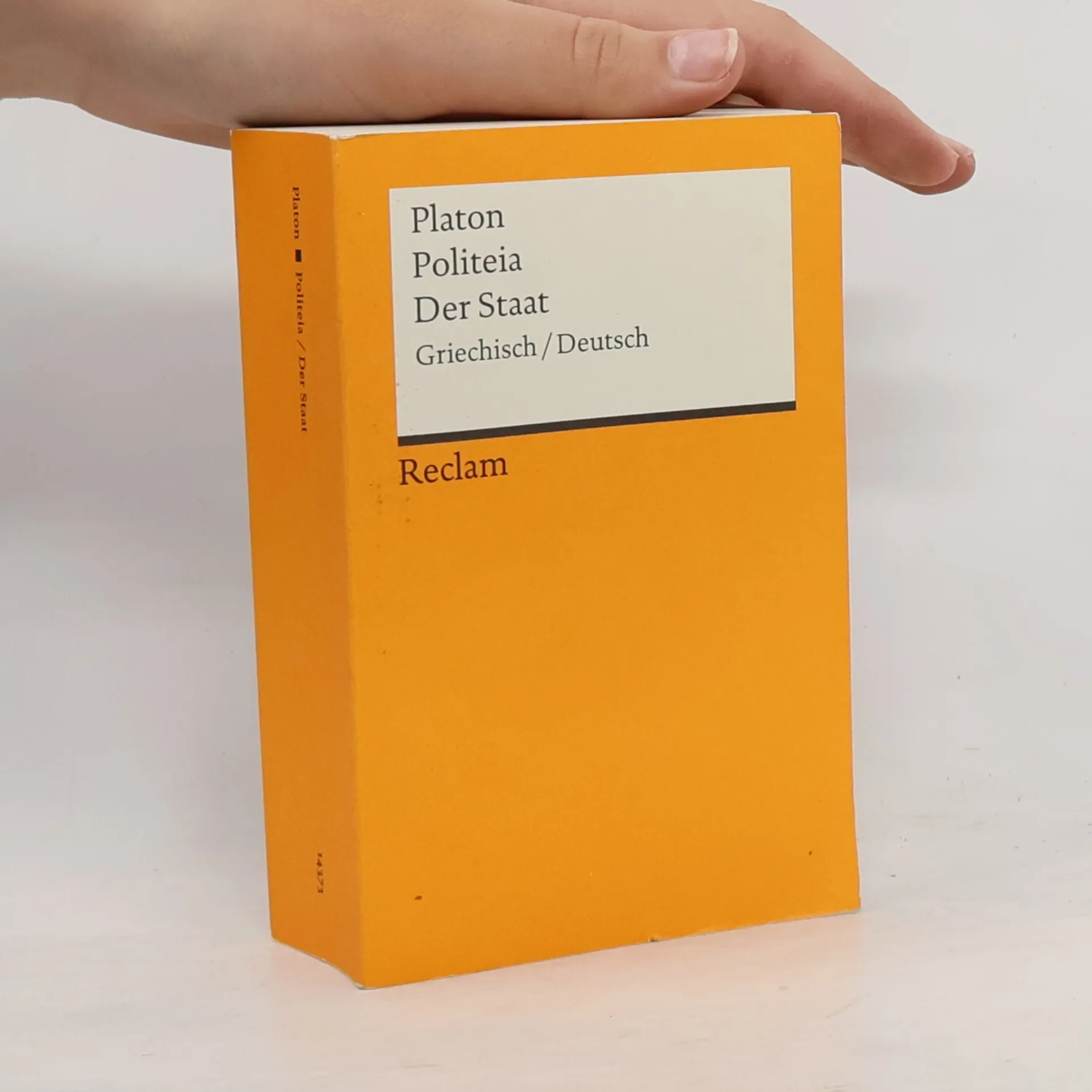
Platons »Politeia« ist eine der wirkmächtigsten Schriften der Antike. Wie könnte ein gerechter Staat aussehen? Wie eine gerechte Gesellschaft? Platon entwirft einen Idealstaat, in dem Männer und Frauen der herrschenden Klasse gleichberechtigt sind, es weder Heirat noch Familie gibt, alle Kinder gemeinsam erzogen werden – ohne dass sie ihre Eltern kennen –, niemand etwas besitzt, eine kultivierte Elite über Recht und Ordnung wacht und Philosophen die Geschicke lenken. Einem jeden gehe es nicht um sein persönliches Glück, sondern um das Wohl des Staates: Ideal oder totalitäre Horrorvision? Zweisprachige kommentierte Ausgabe dieses für Altphilologen, Philosophen und Historiker wichtigen Textes. Sprachen: Deutsch, Griechisch (bis 1453)
Platon – Logik und Ethik – 14243 – Neuübersetzung
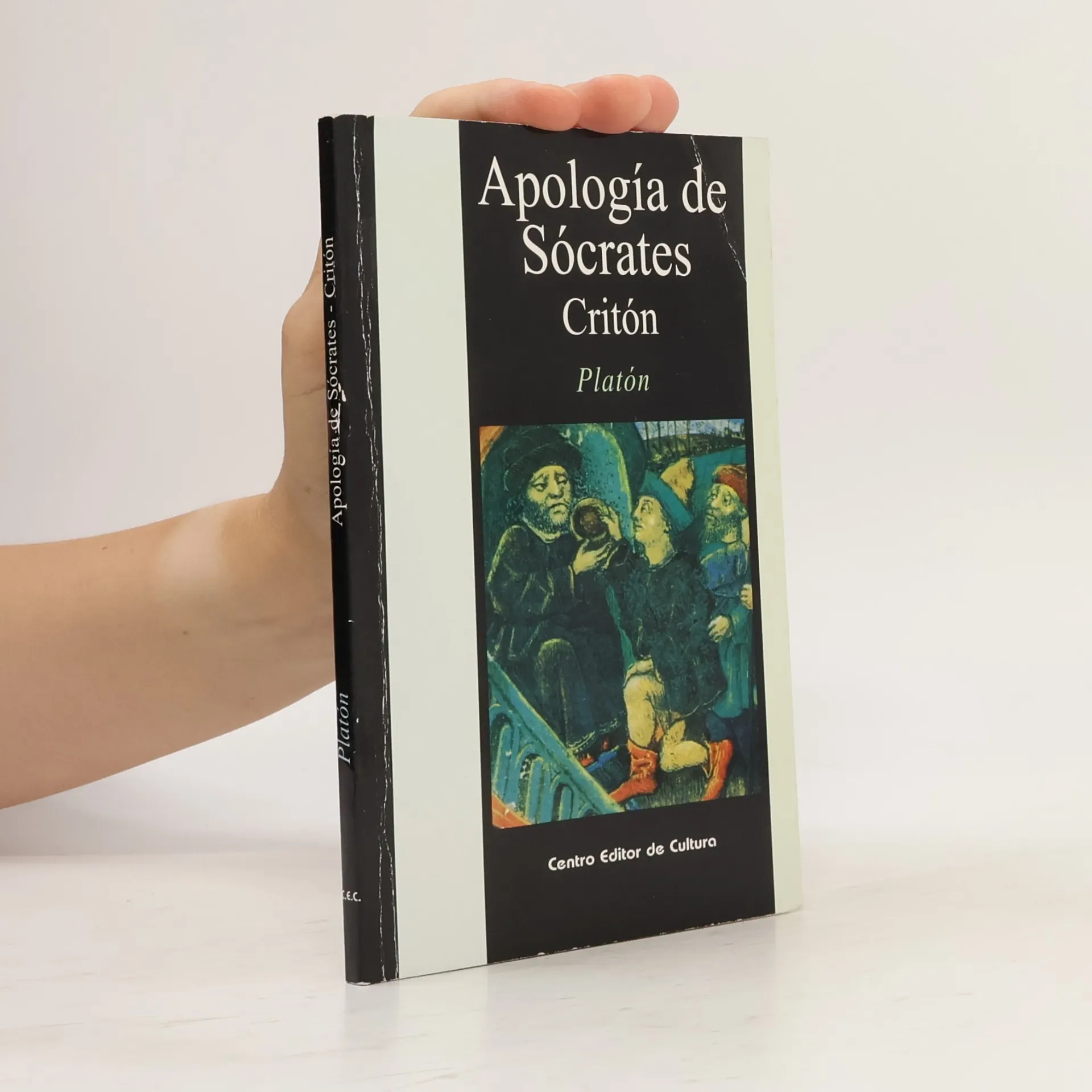
Die Apologie ist Platons literarische Gestaltung der Verteidigungsrede, die dessen Lehrer Sokrates vor dem athenischen Volksgericht hielt, als er im Jahr 399 v. Chr. wegen angeblicher Gottlosigkeit und Verführung der Jugend angeklagt war. Nicht umsonst wird die Rede bis in die Neuzeit von Rhetorikern studiert und analysiert, gehört sie doch sowohl literarisch als auch rhetorisch zu den Glanzstücken des menschlichen Geistes. Gröls-Klassiker (Edition Werke der Weltliteratur)
Höhlengleichnis, Sonnengleichnis und Liniengleichnis
Das Höhlengleichnis, das Sonnengleichnis und das Liniengleichnis gehören zu den bekanntesten Texten antiker Literatur. Die tiefere Weisheit der Gleichnisse ist zeitlos. Bis heute in der Schule gelehrt und im öffentlichen Diskurs bekannt, lohnt es sich von Zeit zu Zeit beim Altmeister im Original nachzulesen. Zu sehen, mit welch messerscharfer Einsicht Philosophie schon vor Jahrtausenden betrieben wurde, erstaunt uns nachgeborene Generationen immer wieder auf ein Neues. Gröls-Klassiker (Edition Werke der Weltliteratur)
Works in this volume explore the relationship between two people known as love (eros) or friendship (philia). In Lysis, Socrates meets two young men at a wrestling school; in Symposium, he joins a company of accomplished men at a drinking party; and in Phaedrus, experimental speeches about love lead to a discussion of rhetoric.
The book explores the life and contributions of Plato, an Athenian philosopher who established the Academy, the first higher learning institution in the West. It highlights his pivotal role in shaping Ancient Greek and Western philosophy alongside Socrates and Aristotle. Additionally, the text delves into Plato's influence on Western religion and spirituality, particularly through the lens of neoplatonism and its impact on early Christian thought as seen in the works of Church Fathers like Augustine.
Euthyphro, Apology, Crito, Meno, Phaedo (Deluxe Library Edition)
Set in the weeks leading up to Socrates' trial, this dialogue features a conversation between Socrates and Euthyphro that delves into profound philosophical themes. The discussion explores the nature of piety and justice, challenging the characters to examine their beliefs and the implications of their definitions. Through their exchange, readers are invited to reflect on the complexities of moral concepts and the essence of virtue.
Platon: Der Sophist ist eine großformatige Ausgabe mit 16-pt-Schrift und enthält eine Biografie des Autors. Platon, geboren 428 v. Chr. in Athen, gilt als einer der einflussreichsten Philosophen. Er gründete die erste Philosophenschule Griechenlands und hinterließ zahlreiche bedeutende Dialoge.
Kolejna tetralogia Platona (ok. 423-347 p.n.e) obejmuje trzy dialogi: Teajtet, Sofista i Polityk. W Teajtet Platon analizuje naturę wiedzy i jej nabywanie, poruszając kwestie epistemologiczne, takie jak istnienie jednej prawdy czy subiektywizm. Odrzuca relatywizm, opowiadając się za obiektywną prawdą, co czyni ten dialog jednym z najważniejszych w jego dorobku. Sofista koncentruje się na ontologii, badając, co istnieje. Polityk, pisany w późniejszych latach życia Platona, jest bardziej pesymistyczny i realistyczny w porównaniu do wcześniejszych dzieł. Skupia się na polityce i sposobach rządzenia, przyznając, że skuteczność rządu jest ważniejsza niż forma konstytucji. Platon argumentuje, że najlepszą formą rządów jest ograniczona monarchia, gdzie jednostka działa w ramach konstytucyjnych ograniczeń. Doświadczenia życiowe Platona wpłynęły na jego rewizję poglądów w tym późnym dialogu, co czyni go istotnym w kontekście jego filozofii politycznej.
Solo quelli che amano son pronti a morire in cambio d'un altro
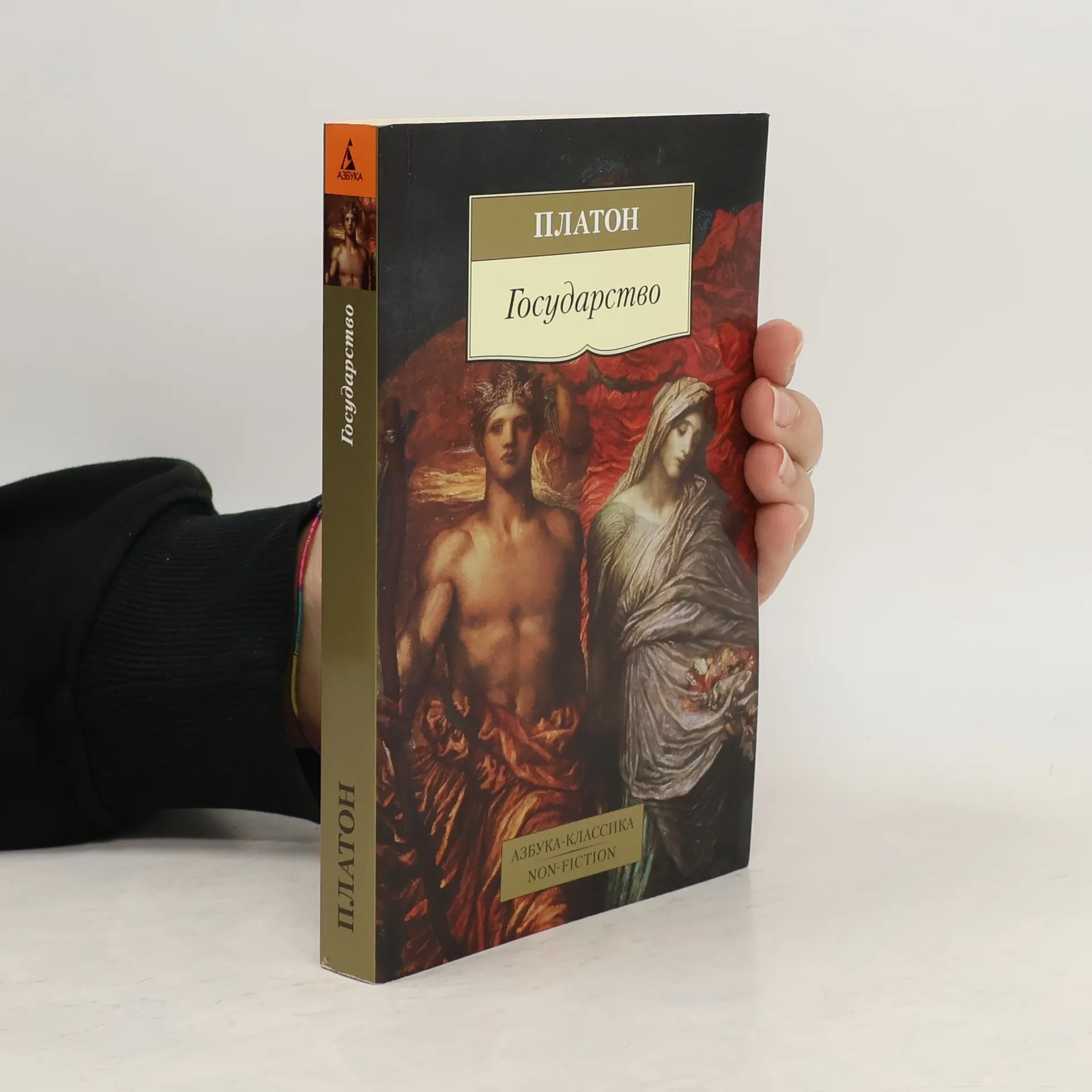
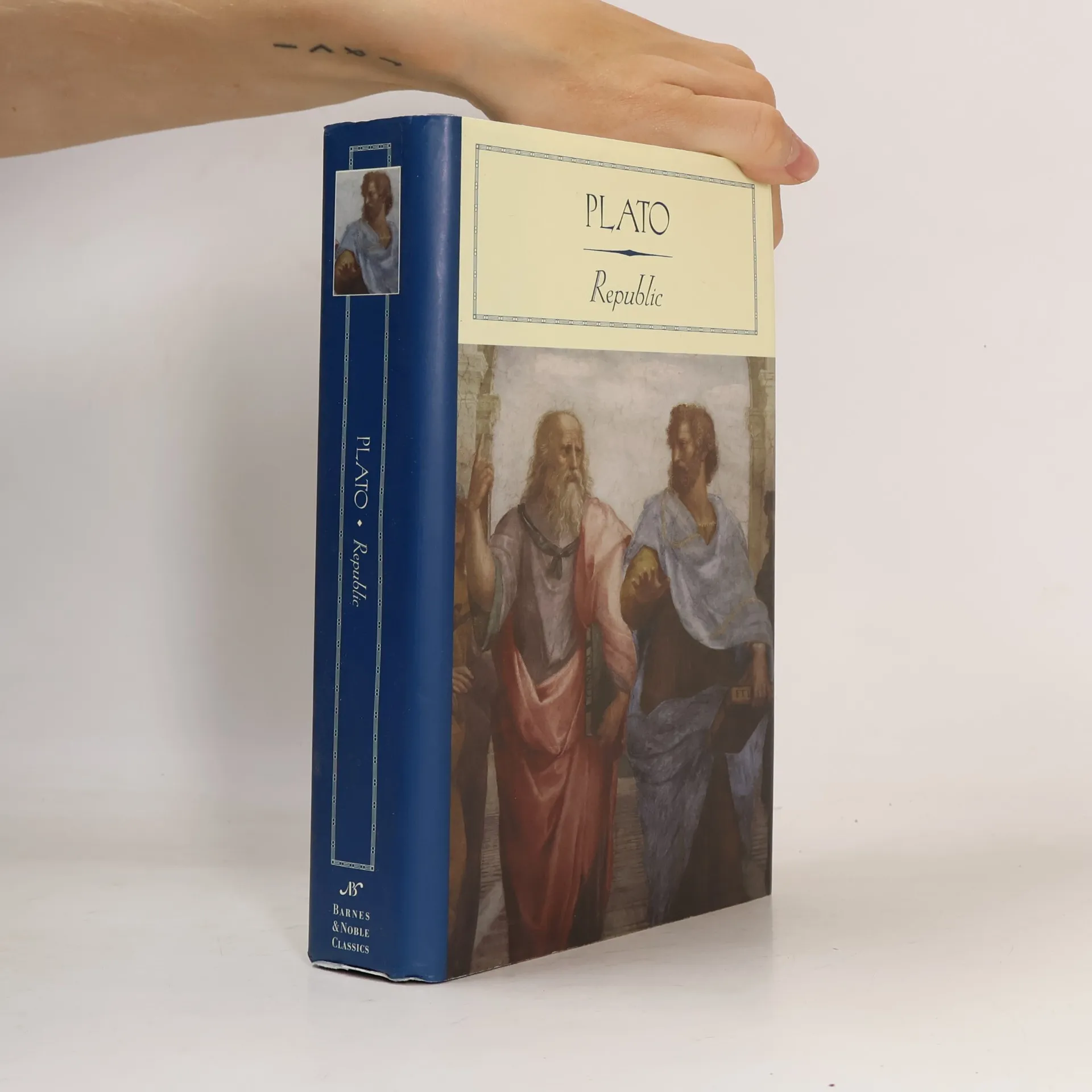
The Republic is a Socratic dialogue, written by Plato around 380 BC, concerning the definition of justice, the order and character of the just city-state and the just man-for this reason, ancient readers used the name On Justice as an alternative title (not to be confused with the spurious dialogue also titled On Justice). The dramatic date of the dialogue has been much debated and though it might have taken place some time during the Peloponnesian War, "there would be jarring anachronisms if any of the candidate specific dates between 432 and 404 were assigned". It is Plato's best-known work and has proven to be one of the most intellectually and historically influential works of philosophy and political theory. In it, Socrates along with various Athenians and foreigners discuss the meaning of justice and examine whether or not the just man is happier than the unjust man by considering a series of different cities coming into existence "in speech", culminating in a city called Kallipolis, which is ruled by philosopher-kings and by examining the nature of existing regimes. The participants also discuss the theory of forms, the immortality of the soul, and the roles of the philosopher and of poetry in society.
Five Dialogues: Euthyphro, Apology, Crito, Meno, Phaedo (Royal Collector's Edition) (Case Laminate Hardcover with Jacket)
The dialogues feature Socratic conversations that explore profound philosophical themes such as morality, justice, and the nature of knowledge. Through the lens of Socrates, Plato addresses critical questions about ethics and the soul, showcasing the influence of Socratic thought on his own philosophical development. Each dialogue serves as a platform for Socratic questioning, revealing insights into human behavior and the pursuit of truth.
Platon: Theaitetos ist eine lesefreundliche Ausgabe in Großdruck (16 pt) und Großformat (210 x 297 mm), bearbeitet von Theodor Borken. Der Text basiert auf der Übersetzung von Friedrich Daniel Ernst Schleiermacher von 1805 und enthält eine Biographie des Autors. Die Gestaltung stammt von Thomas Schultz-Overhage.
Ein kluger Mensch hat einmal gesagt, dass die gesamte philosophische Tradition Europas nur aus einer Reihe von Fußnoten zu Platon bestünde. Und in der Tat richtet sich auf den berühmtesten Philosophen der griechischen Antike immer wieder der Blick. In Platons Dialogen bringt Sokrates seine Gesprächspartner durch gelenkte Fragen zur Erkenntnis. Dabei geht es um den rechten Weg zur Glückseligkeit, die Frage nach der inneren Freiheit des Menschen, den idealen Staat und viele weitere Themen.
Aus dem Griechischen von Otto Apelt. In Cabra-Leder gebunden, mit Goldprägung
Platons 'Politeia', deren zehn Bücher vermutlich um 370 v. Chr. fertiggestellt wurden, gilt bis heute als eins der wirkungsmächtigsten und zugleich streitbarsten Werke der abendländischen Philosophie. Der große griechische Denker entwirft darin die Züge einer utopischen, von Grund auf gerechten Gemeinschaft, eines Staatswesens, das auf den strengen Prinzipien politisch-philosophischer Bildung beruht. Erzieher, Vordenker und Staatenlenker sind die Philosophen, die sich ganz dem Gemeinwohl verschrieben haben und auf ihr Wissen um die Idee des Guten stützen.
Platon wurde aufgrund seiner Vielseitigkeit und Originalität zu einem der bekanntesten und einflussreichsten Denker der Geistesgeschichte. In der literarischen Form des Dialogs erkundete der Sokrates-Schüler und Schöpfer des »Höhlengleichnisses« erkenntnistheoretische Fragen. Er setzte Maßstäbe in der Metaphysik und Ethik, Staatstheorie, Anthropologie, Kunsttheorie und Sprachphilosophie. Dieser Band versammelt die grundlegenden Schriften Platons. Sie sind bis heute für alle unverzichtbar, die ihr philosophisches Denken schulen und schärfen möchten.
Z řeckého originálu přeložil a úvodem opatřil František Novotný. Dotisk pátého opraveného vydání z roku 2005.
Platons Politeia ist eine der wirkmächtigsten Schriften der Antike. Wie könnte ein gerechter Staat aussehen? Wie eine gerechte Gesellschaft? Platon entwirft einen Idealstaat, in dem Männer und Frauen der herrschenden Klasse gleichberechtigt sind, es weder Heirat noch Familie gibt, alle Kinder gemeinsam erzogen werden – ohne dass sie ihre Eltern kennen –, niemand etwas besitzt, eine kultivierte Elite über Recht und Ordnung wacht und Philosophen die Geschicke lenken. Einem jeden gehe es nicht um sein persönliches Glück, sondern um das Wohl des Staates: Ideal oder totalitäre Horrorvision? Gernot Krapingers Neuübersetzung und Neukommentierung dieses Dialogs, der u. a. das berühmte Höhlengleichnis enthält, lässt auch den philosophisch nicht vorgebildeten Leser diesen Urtext aller politischen Theorien verstehen.
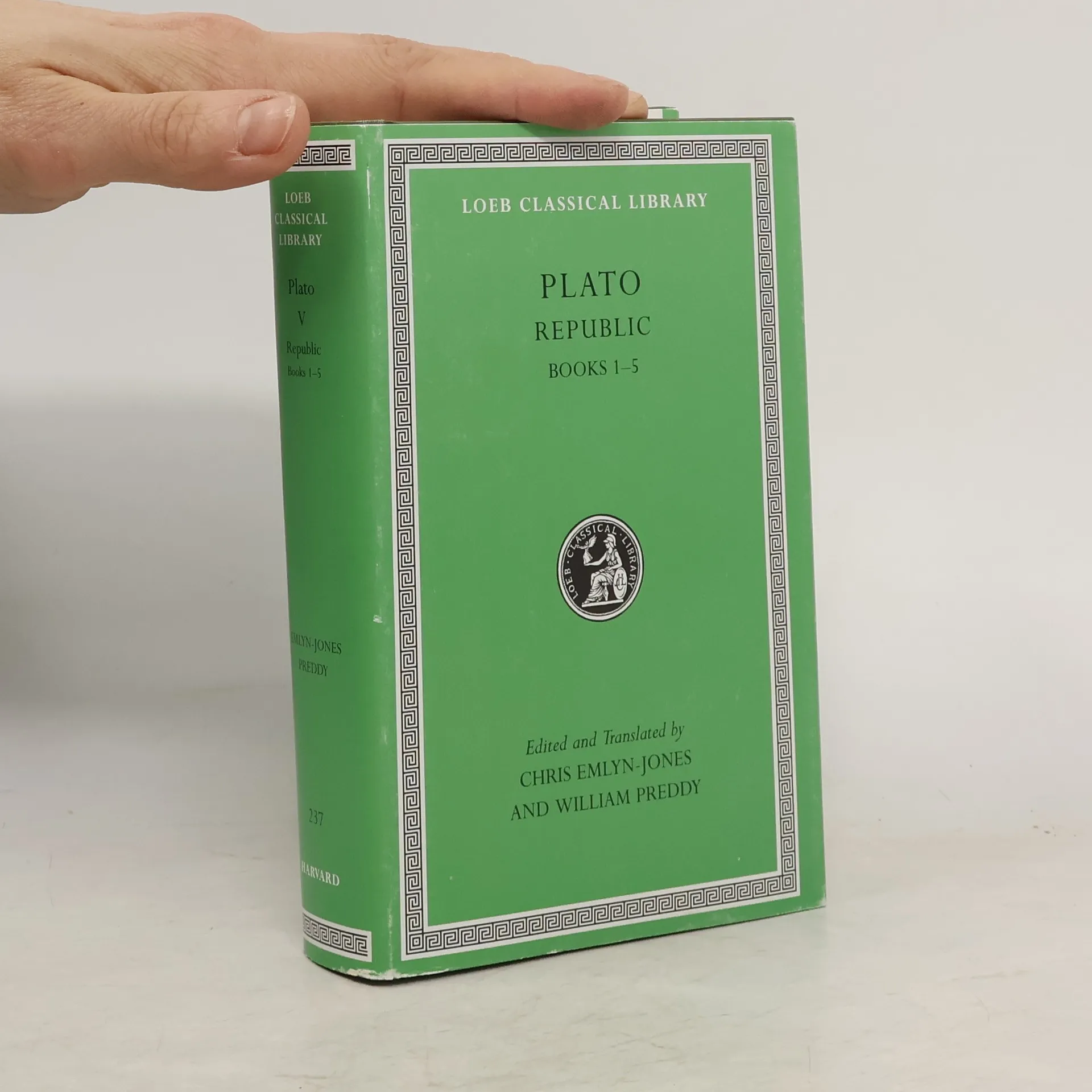
Plato's Republic concerns righteousness both in individuals and in communities, and proposes an ideal state organized and governed on philosophical principles. This edition, which replaces Shorey's, offers text, translation, and annotation that are fully current with modern scholarship. The Loeb Classical Library edition of Plato is in 12 volumes.
Platon nennt sich selbstbewusst der griechischstämmige britische Photograph Platon Antoniou (geb. 1968), der mittlerweile zu einem der führenden und gefragtesten politischen Photographen New Yorks gereift ist. Im Jahr 2008 hatte er für sein Photo von Wladimir Putin, vom Time Magazine zum Mann des Jahres gekürt, den ersten Preis des World Press Photo Contest gewonnen. Im Auftrag des New Yorker und in Zusammenarbeit mit dessen Politikredakteur David Remnick, einem der renommiertesten Journalisten der USA, hat Platon sein „Power“-Projekt entwickelt, das uns das heutige Antlitz der Macht auf ihrer höchsten Exekutivebene in vergleichenden Photographien und im globalen Maßstab vorführt. In einem logistischen Kraftakt bekam Platon die politischen Führer von 130 Mitgliedsländern der Vereinten Nationen vor seine Kamera: gewählte Präsidenten, Premierminister und Staatschefs Seite an Seite mit Diktatoren und Revolutionären. Dafür hat Platon einen eigenen photographischen Stil entwickelt, der es erlaubt, die Gesichter vergleichend zu betrachten und die Spuren der Machtausübung wie die Sorgen der Machterhaltung in ihnen wahrzunehmen.
¿Qué es el bien? ¿Y la justicia? ¿Cómo se puede vivir de manera digna? ¿Cuál es la mejor manera de enfrentarse a la muerte? Hombres y mujeres de todas las épocas y lugares se han hecho las mismas preguntas. Las respuestas, en contra de lo que pudiera suponerse, no varían demasiado. La filosofía, pese a su fama de centrarse en especulaciones abstrusas, también se ocupa de aquellos asuntos que atañen a nuestras experiencias más directas.Los diálogos de Platón, lejos de estar pensados para un público académico o especializado, se dirigen al ciudadano de a pie, a la persona que desea afrontar su vida y sus responsabilidades co- tidianas de una manera más consciente y reflexiva. El pensamiento deviene un quehacer, una tarea práctica en la que el lector, de la mano de Sócrates se ve obligado a revisar sus creencias para darse cuenta de que conceptos como la verdad, la libertad, la felicidad, la belleza o el amor son mucho más complejos de lo que cabría esperar y atañen a lo más profundo de nuestra existencia.
In these four dialogues Plato considers virtue and its definition. Charmides, Laches, and Lysis investigate the specific virtues of self-control, courage, and friendship; the laterMeno discusses the concept of virtue as a whole, and whether it is something that can be taught.
Der von Platon überlieferte Mythos vom mächtigen Königreich Atlantis, das in grauer Vorzeit blühte und in nur einem Tag und einer Nacht versank hat später zahlreiche Dichter und Philosophen zu Fort- und Umschreibungen angeregt. Der Band enthält Texte von Platon, Bacon und Montaigne über Voltaire, Jules Verne und Stefan George bis zu Heiner Müller und J. R. R. Tolkien.
Diálogo que relata las últimas horas de la vida de Sócrates, viniendo a ser el eslabón entre la «Apología» (BT 8268) y el «Fedón» (BT 8205), el CRITÓN, si bien es uno de los diálogos platónicos más breves, es también -en palabras de Francesc Casadesús Bordoy, encargado del presente volumen- «un pequeño diamante literario y filosófico que refleja la grandeza ética del personaje, contribuyendo a fortalecer su leyenda». De naturaleza muy distinta es EL POLÍTICO, diálogo que gira en torno a quién debe ser el gobernante de la polis, que contiene aspectos esenciales del método y el pensamiento platónicos y resulta un modelo acabado de lo que según PLATÓN debía ser el método para obtener la verdad a través de argumentación filosófica.
Платона (427—347 рр. до н. е.) вважають не тільки філософом, але й великим письменником античності. Найбільш він прославився як майстер діалогу. У видання ввійшли вибрані діалоги, а також монологічний твір «Апологія Сократа». Розмову в більшості діалогів веде вчитель Платона Сократ, який невимушено приводить співбесідників до глибоких філософських висновків і водночас надає читачеві можливість самостійного пошуку істини.
Ein bedeutendes Werk zur Ethik und Gesellschaft, der Dialog Protagoras ist griechisch-deutsch und gilt als künstlerisch vollendet. Er hat die staatspolitische Theorie seit der Antike stark beeinflusst, neben Platons Der Staat.
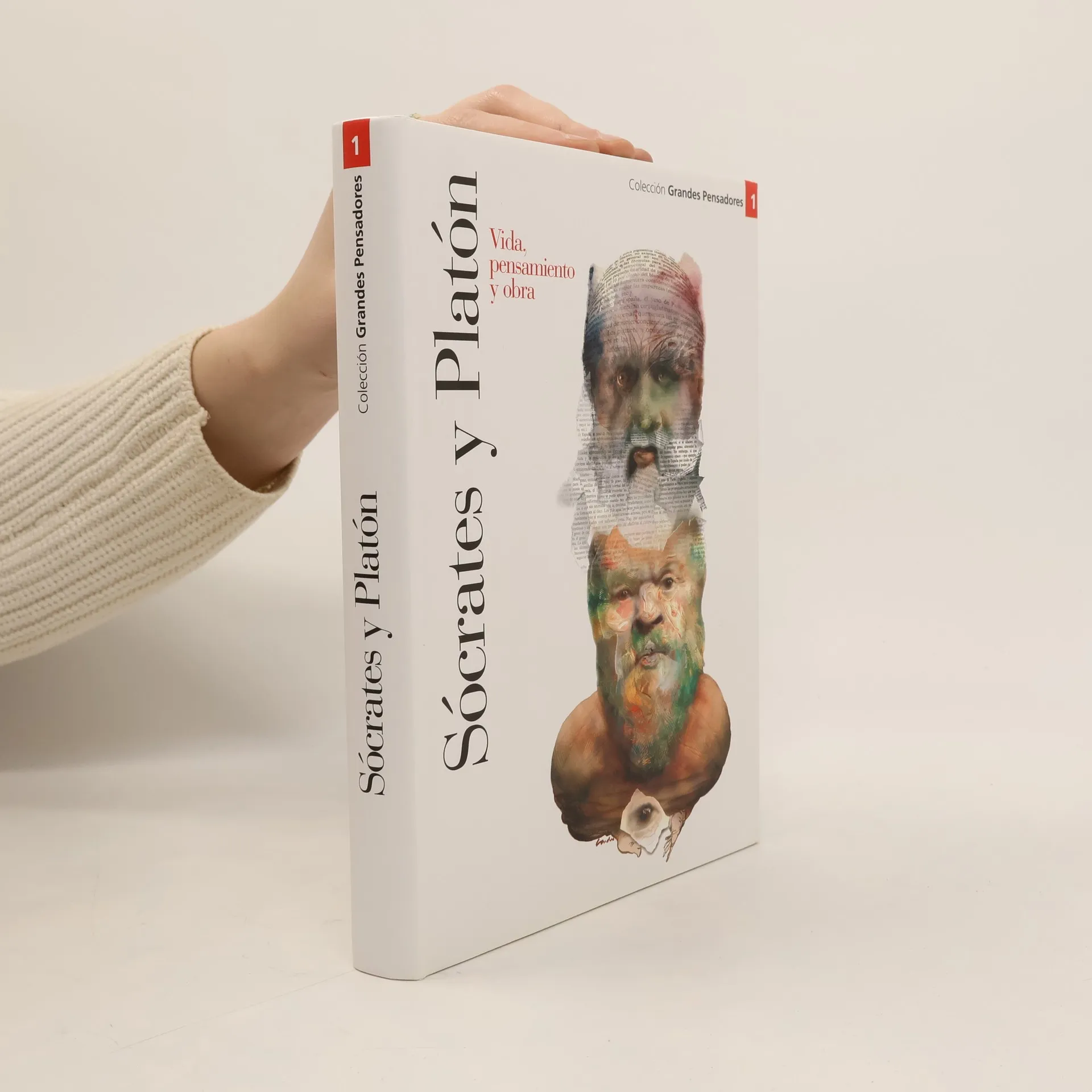
O presente volume revela o contributo de dois filósofos fundamentais do pensamento ocidental, Sócrates e Platão, que assimilaram saberes das correntes orientais e da Grécia arcaica. Eles mantiveram um diálogo que aborda questões centrais da cultura, como o destino humano, o tempo e o cosmos. A valorização da realidade, apresentada como um estágio moral, é um tema central, onde a sociedade encontra seus fundamentos. A pequena comunidade, a cidade e o Estado são objetos de especulação nos escritos platónicos, assim como a argumentação sobre a alma e o corpo, conceitos que, ao longo dos séculos, geraram uma cisão marcante no pensamento ocidental. A atualidade do pensamento de Sócrates e Platão é evidenciada pela influência de pensadores como Leo Strauss, cuja releitura dos clássicos impactou os neoconservadores norte-americanos que inspiraram a administração de George Bush. Este volume da coleção "Grandes Pensadores" apresenta a vida, obra e pensamento de Sócrates e Platão separadamente. Na parte "Escritos", são reproduzidos excertos dos diálogos de Platão, incluindo "O Banquete", "República" e "Leis", que ilustram aspectos fundamentais do pensamento deste filósofo ateniense imprescindível.
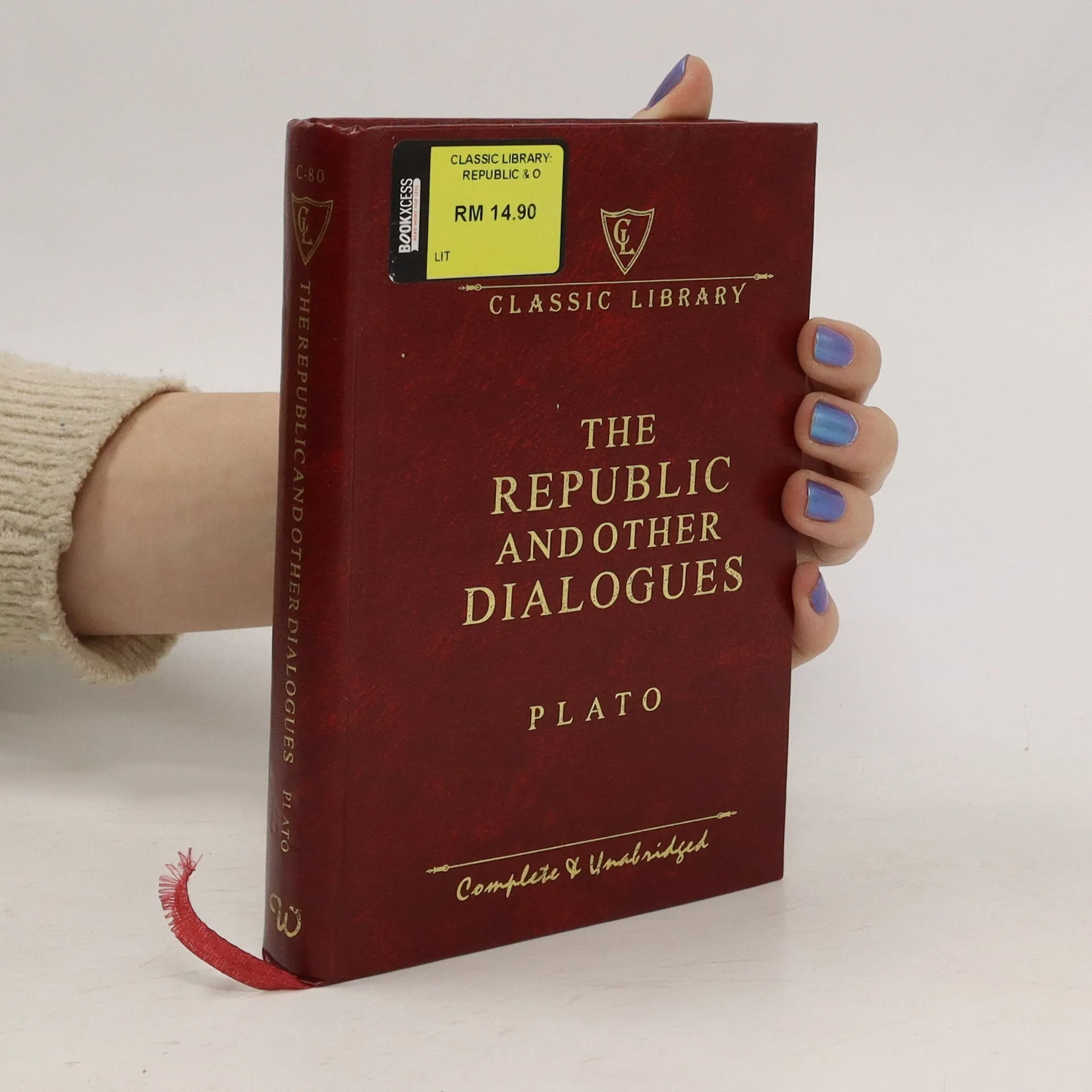
These portable, handy sized classics are a great addition to your collection or they make a great gift item. All are hardcover editions in imitation red leather with golden foil stamping. Includes a red ribbon marker.
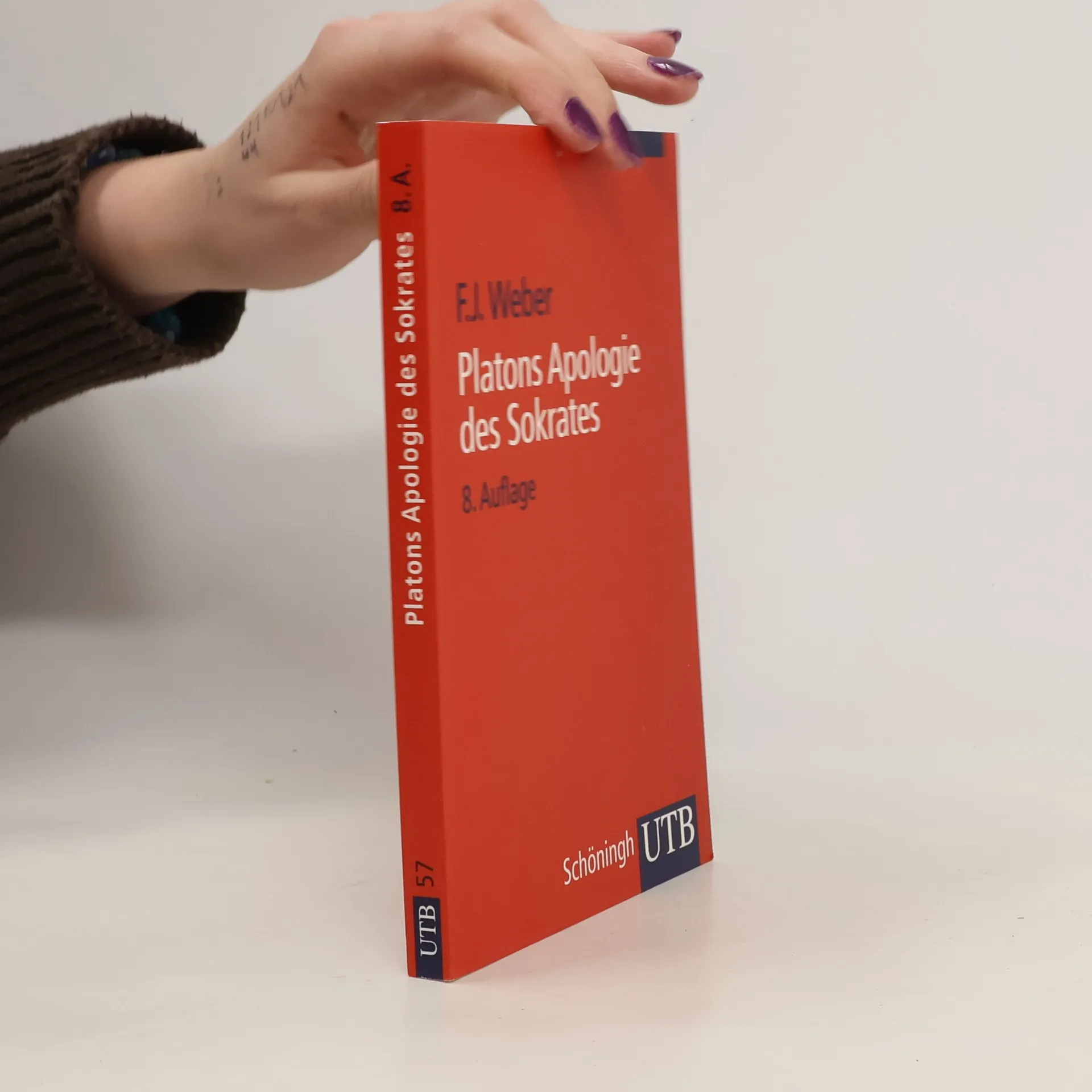
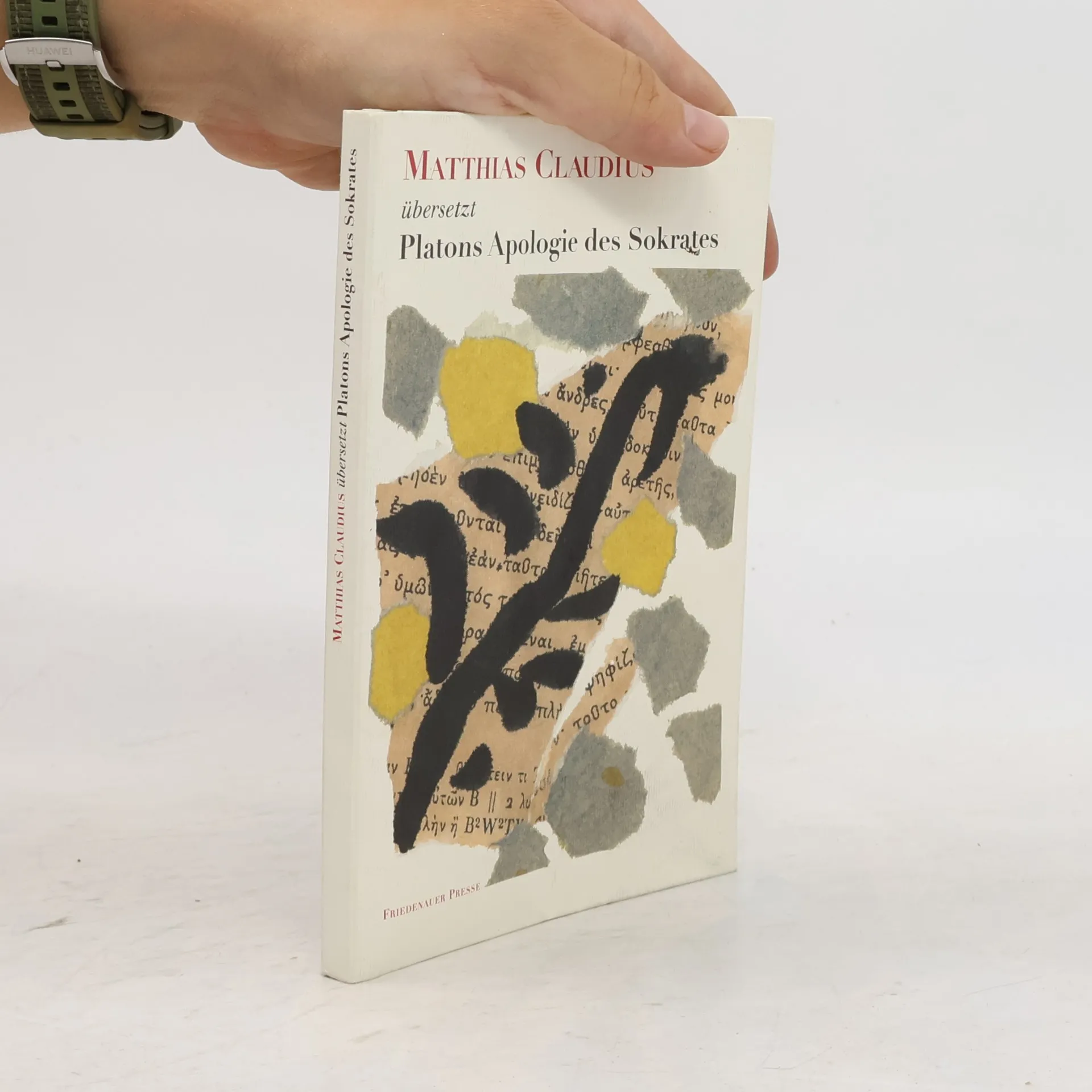
Platons Apologie des Sokrates gilt als bedeutendes philosophisches Dokument und markiert den Übergang von der Naturphilosophie zur wissenschaftlichen Ethik. Sokrates' Philosophie hat entscheidenden Einfluss auf die Entwicklung der griechischen Ethik und wirft neue Fragen zum historischen Sokrates auf.
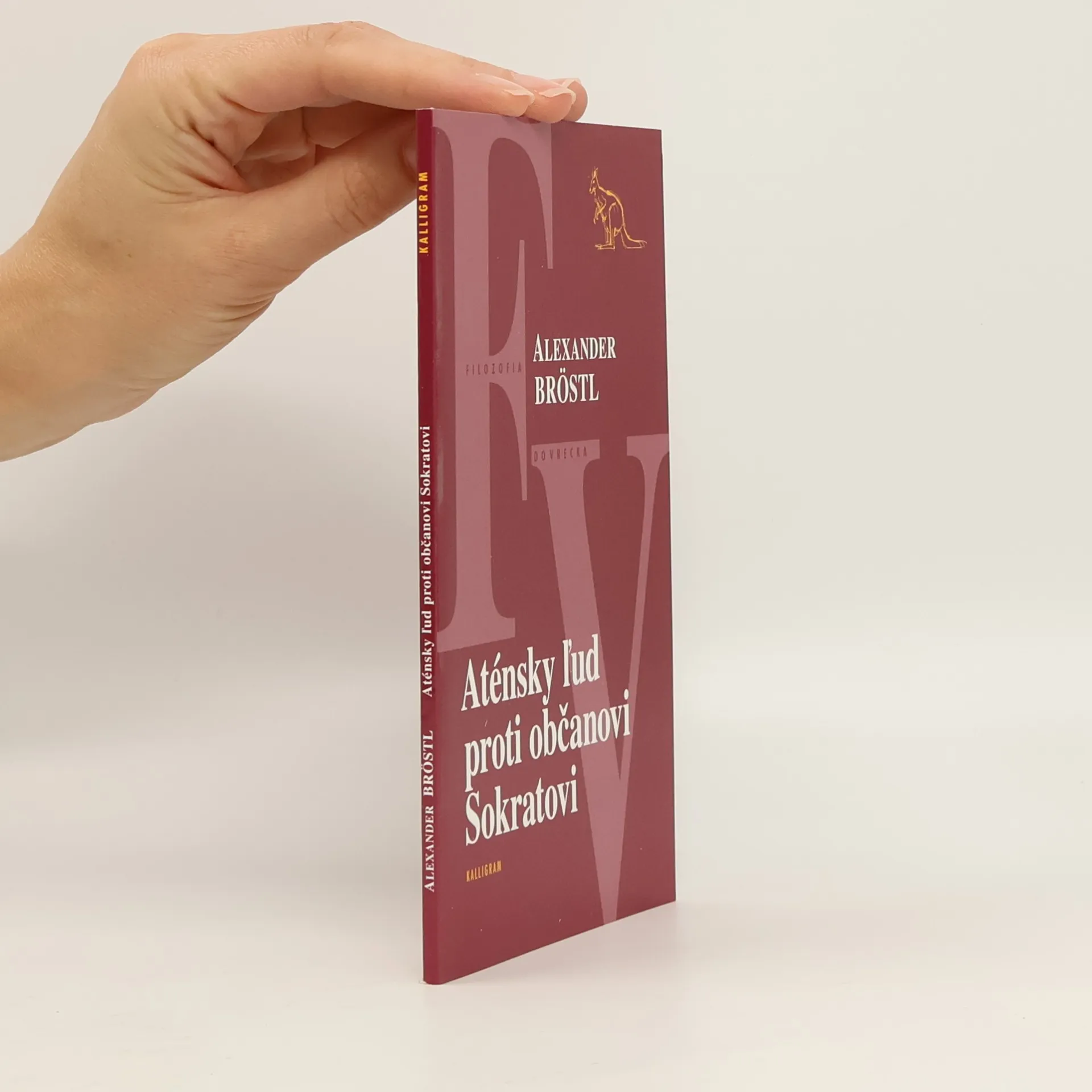
Z pôvodnej Platonovej Obrany Sokratovej vieme, že ľuďom sa nepáčila metóda kladenia dotieravých otázok, pomocou ktorej filozof skúmal svet. Z hľadiska svojho okolia pôsobil Sokrates ako čudák: neuznával materiálne hodnoty, zároveň odsudzoval i podporoval aténsku demokraciu a nebál sa smrti (čo vyšlo najavo počas procesu). Autor podrobne opisuje mechanizmus demokracie v jej ranom štádiu a na príklade procesu známeho z dejín filozofie, pričom z neho vyvodzuje poučenie i pre dnešné časy.
Part of the Barnes & Noble Classics series, this edition offers quality at an affordable price, featuring new introductions from contemporary writers and scholars, author biographies, and chronologies of relevant historical and cultural events. The book includes footnotes, endnotes, and discussions of various adaptations inspired by the work, alongside comments from notable authors, study questions, bibliographies, and indices when appropriate. Each edition is beautifully designed and printed to high standards, with some featuring historical illustrations. One of the most significant works of philosophy, political theory, and literature, this text has influenced Western thought for millennia and remains relevant today. It begins with the question of justice and explores why we should be just, especially when the wicked appear more successful. The inquiry delves into how individuals and institutions organize and behave, examining the ideal state and the roles of education, art, family, and religion. Through vivid settings, well-defined characters, and engaging dialogue, the philosopher presents thought-provoking arguments. Often described as foundational to Western philosophy, this work is both entertaining and intellectually stimulating, continuing to challenge and expand readers' perspectives. Elizabeth Watson Scharffenberger, an expert in ancient Athenian culture and literature, teaches at Columbia University and NYU’s Gal
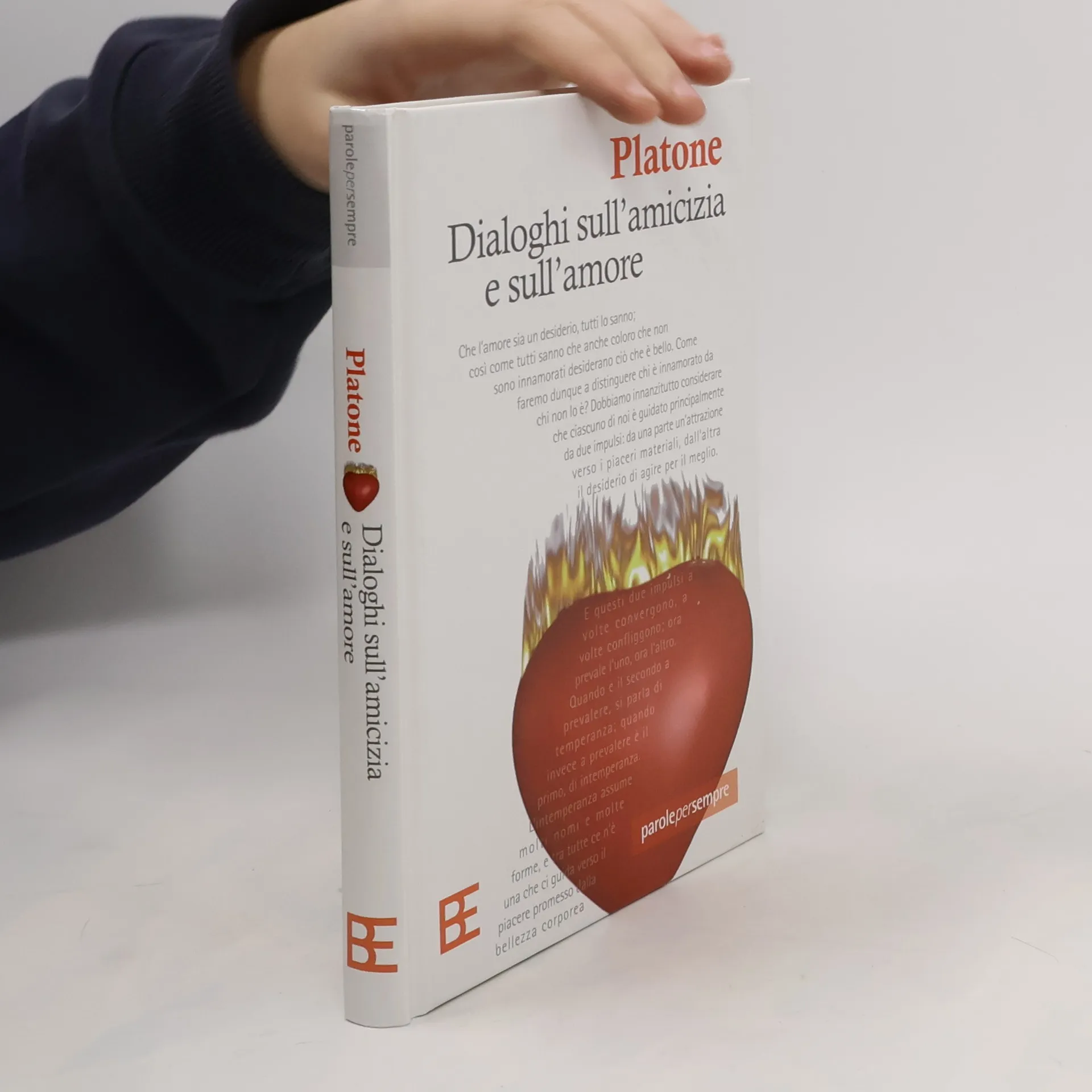
=Talks About Friendship & Love <> Platone, il piu' grande filosofo dell'antichita' (427-347 a.C.), nasce ad Atene ed incontra Socrate a vent'anni. Nel 387 fonda l'Accademia, centro di studi filosofici. Della sua dottrina, resta un "corpus" di trentasei titoli formato da trentacinque dialoghi e tredici lettere.
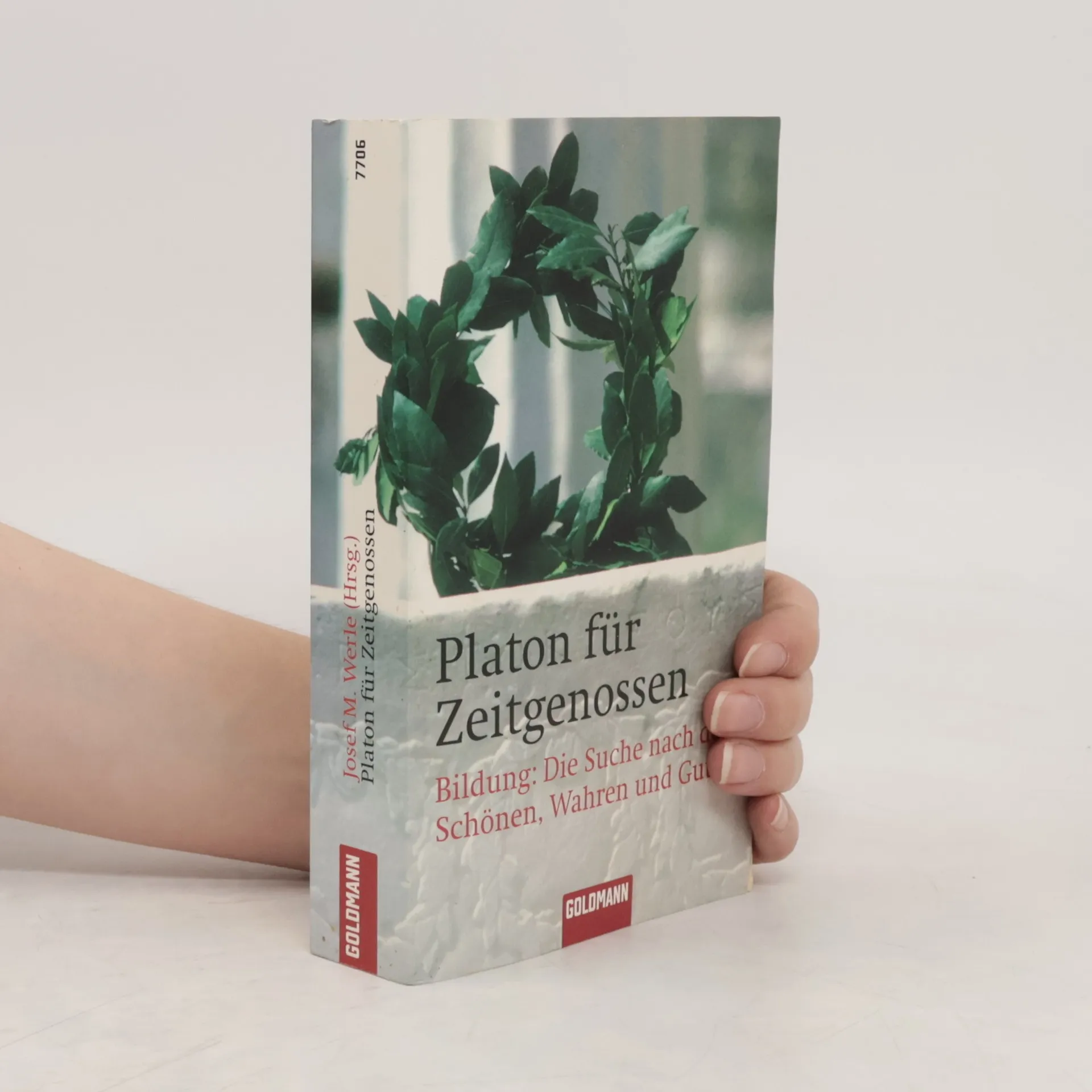
Mehr als Zitatenschatz und Nachschlagewerk: In diesen philosophischen Texten kann man schmökern. „Platon für Zeitgenossen“ versammelt Texte, die auch heute noch von höchster Aktualität sind. Bildung war eines der zentralen Anliegen des griechischen Philosophen. Dabei dachte er nicht an das Erlernen weltfremder und praxisferner Inhalte. Es ging ihm vielmehr um die Frage, welches Wissen den jungen Menschen nahe gebracht werden soll, damit sie öffentlich und privat ein „gutes“ und „gelingendes“ Leben führen können. Bildung erscheint somit als Schlüssel zum Glück.
A lakoma
The new translation offers a clear and contemporary rendition of Plato's dialogue, tailored for students of political thought. It includes an introduction that contextualizes the argument within the evolution of Plato's ideas, providing essential philosophical and historical background. This approach enhances understanding for readers interested in political theory, making the text more accessible and relevant to modern discussions.
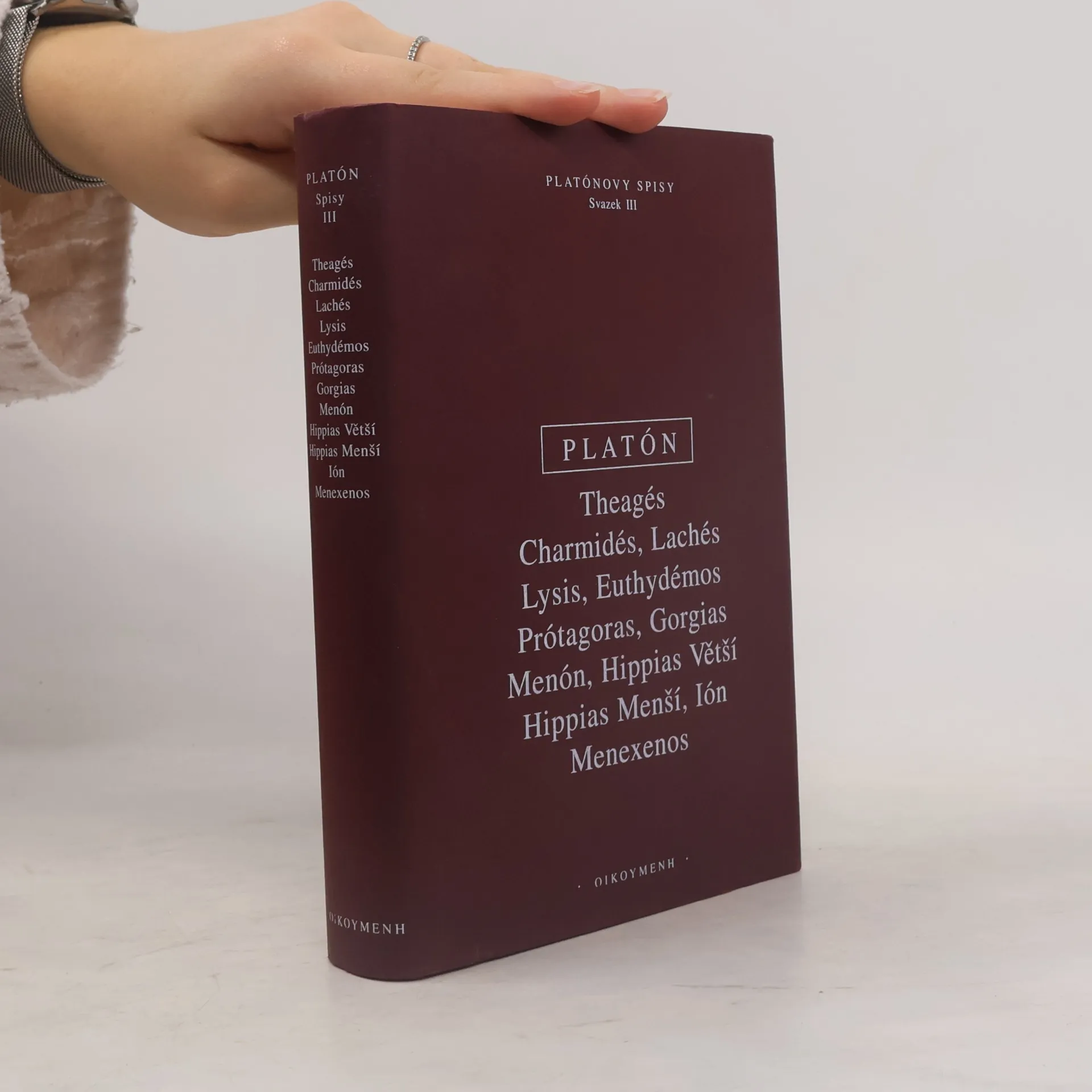
Součástí je i významný sókratovský dialog Prótagoras o podstatě a významu výchovy. Za zmínku stojí rovněž dialog Gorgias o protikladu rétoriky a etiky.
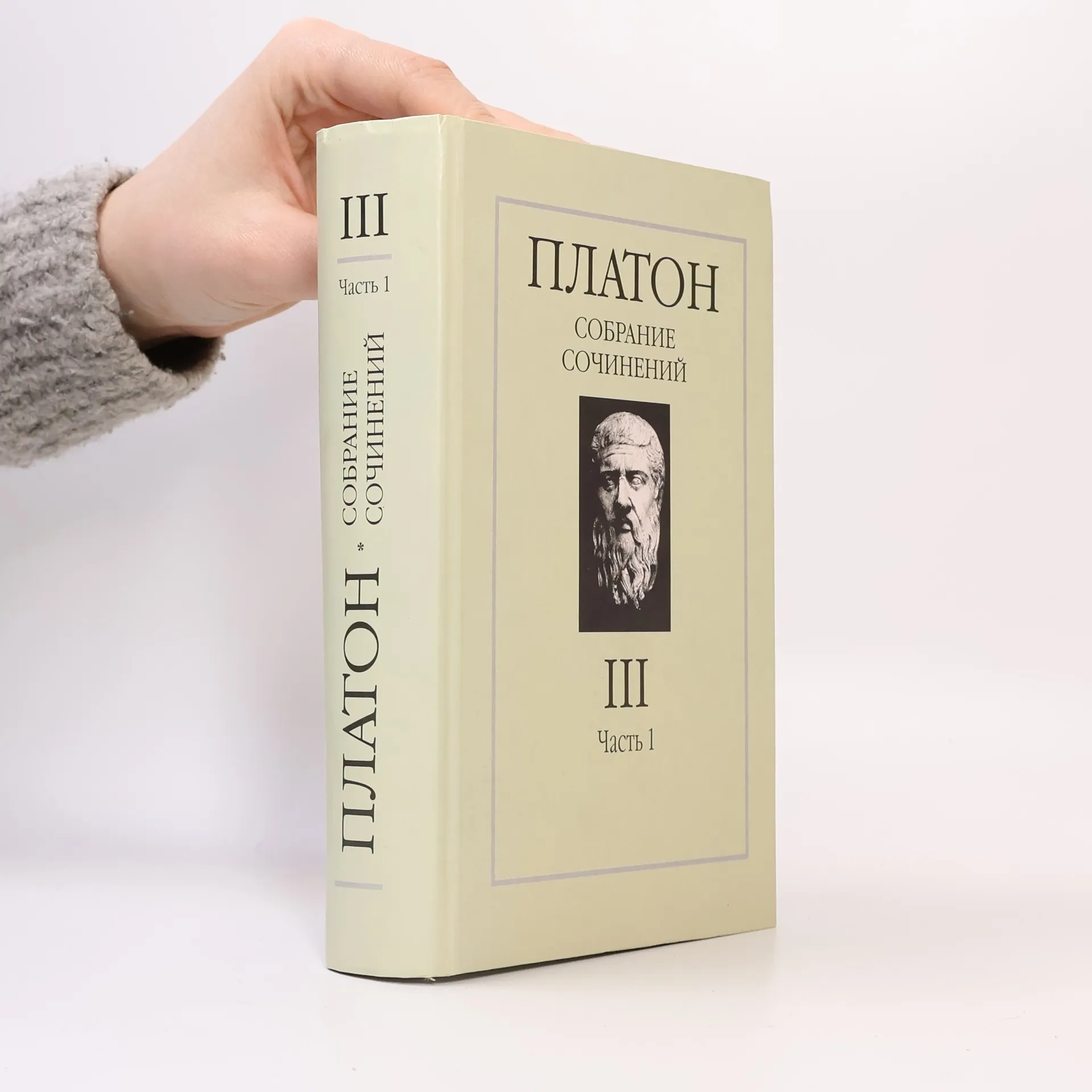
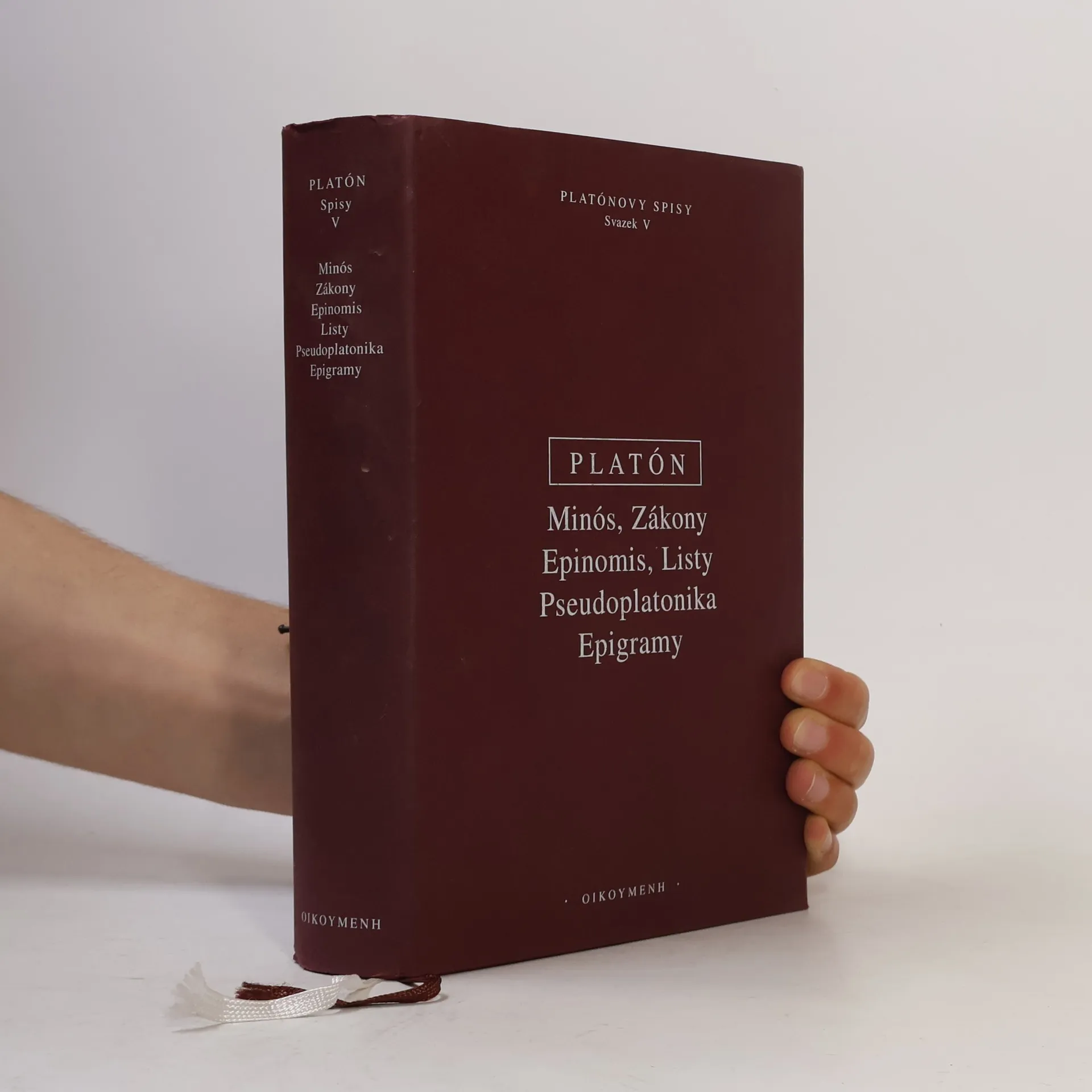
Svazek zahrnuje důležitý pozdní dialog Zákony, v němž starověký myslitel upřesňuje, doplňuje a reviduje své názory na společnost, které systematicky shrnul v Ústavě.
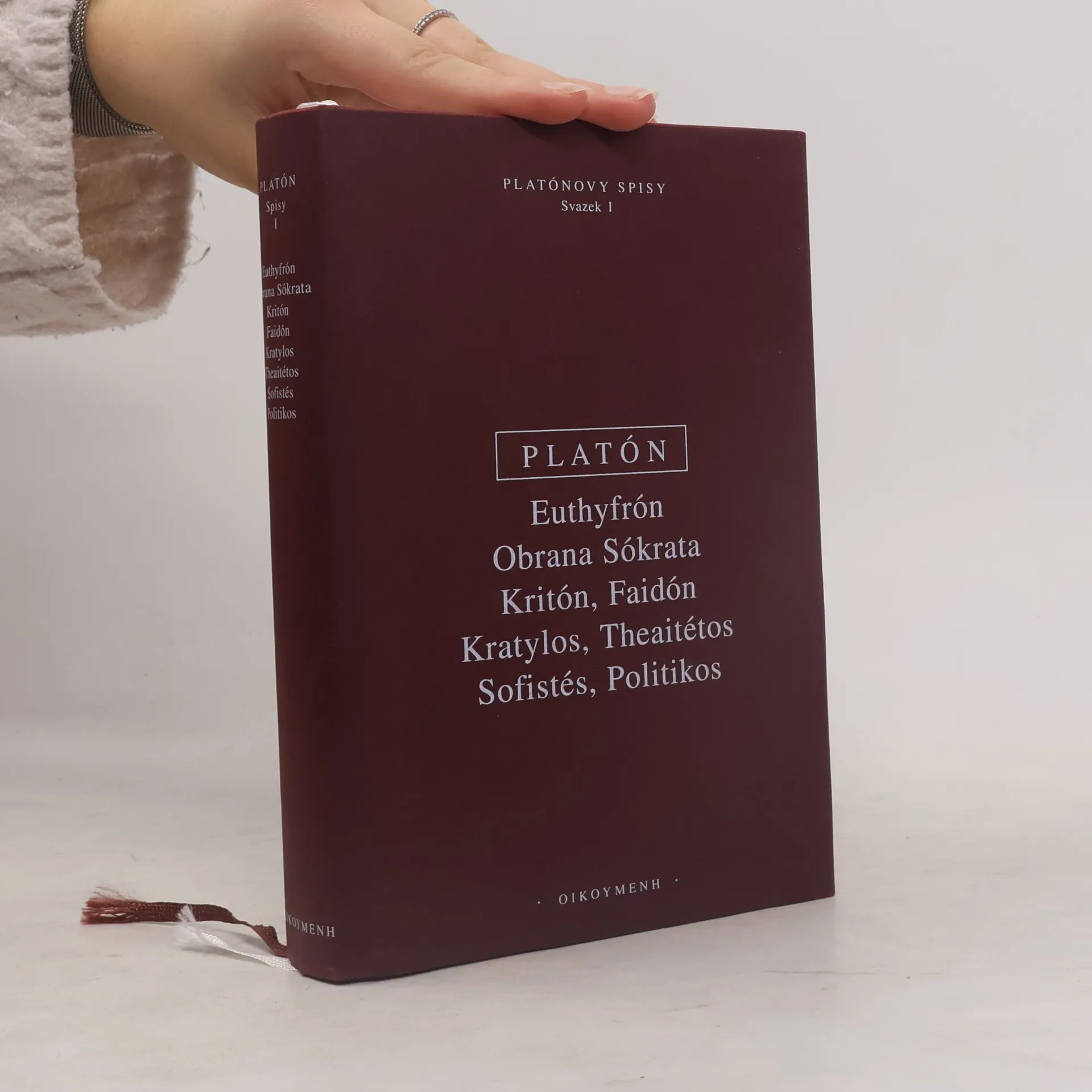
Platónovy spisy ; sv. 1 Obsahuje: Obrana Sókrata -- Kritón -- Faidón -- Kratylos -- Theaitétos -- Sofistés -- Politikos
Obsahuje: Zákony -- Epinomis -- Listy -- Výměry -- O spravedlivu -- O zdatnosti -- Démodokos -- Sisyfos -- Eryxias -- Axiochos -- Ledňáček -- Epigramy
Az Európa Könyvkiadó 1991 szeptemberében indította el megújított, külsejében is vonzóbb sorozatát. Alaposan, minden részletre kiterjedő figyelemmel tervezte meg az összeállítást, hiszen a világirodalom és a magyar irodalom remekműveinek kiadásával egyszerre kíván segítséget nyújtani tanárnak, diáknak s valamennyi felnőtt irodalomkedvelőnek. Nemcsak megjelenteti az általános iskolások és a középiskolások számára ajánlott műveket, hanem arról is gondoskodik, hogy ezek állandóan kaphatók legyenek a könyvesboltokban. Már eddig is oly sok fontos kötet látott napvilágot ebben a sorozatban, hogy felsorolásukra itt aligha lenne elegendő hely. A kötetekhez mellékelt könyvjelzőn azonban valamennyi szerző neve és művének címe megtalálható, ki-ki kedvére végigböngészheti, és örömmel állapíthatja meg, hogy könyvtárában a klasszikusok sorát alkalmasint egy újabb kötettel gazdagíthatja. Műköltészeti és népköltészeti alkotások, versek és novellák, kisregények, regények és drámák kínálnak maradandó olvasmányélményt fiataloknak, idősebbeknek egyaránt.
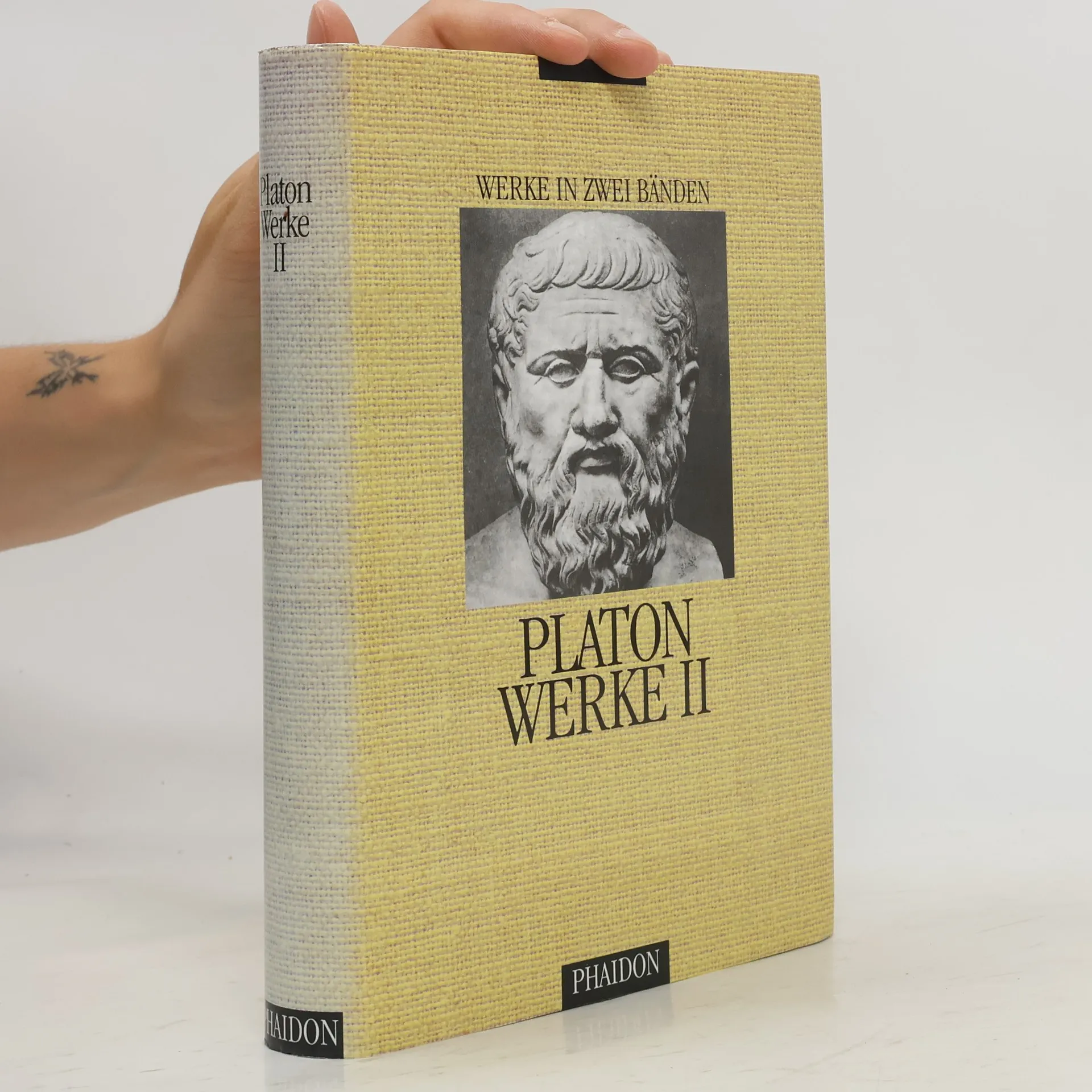
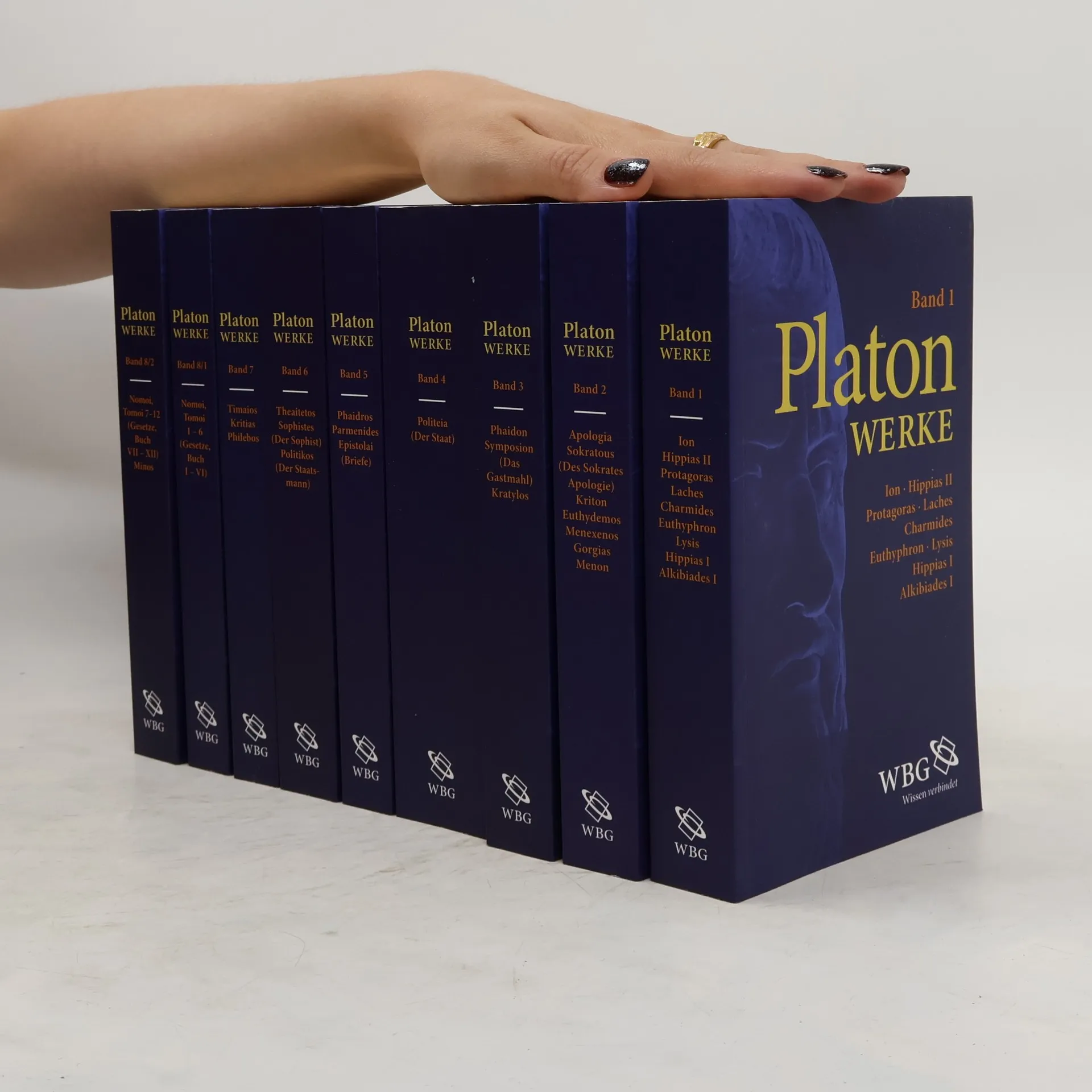
Diese zweisprachige Ausgabe enthält auf der linken Seite den griechischen Text mit textkritischem Apparat aus der Sammlung Budé in reprographischer Wiedergabe. Rechts ist die deutsche Übersetzung von Friedrich Schleiermacher (nach der 2. Aufl.) abgedruckt, ergänzt durch eine auf Hieronymus Müllers Übersetzung basierende Übertragung der von Schleiermacher nicht übersetzten Dialoge ›Timaios‹, ›Kritias‹, ›Nomoi‹ und ›Minos‹. Beide Übersetzungen sind durchgesehen, in der Orthographie behutsam modernisiert und dort, wo sie mit dem griechischen Text von Les Belles Lettres nicht vereinbar sind, in Anmerkungen alternativ übersetzt. Die Briefe wurden von Dietrich Kurz neu übersetzt, die Übersetzung der ›Nomoi‹ von Klaus Schöpsdau grundlegend überarbeitet. Die Müller#20sche Übersetzung der Dialoge ›Timaios‹ und ›Kritias‹ erfuhr gleichfalls eine weitgehende Überarbeitung durch Klaus Widdra, die teilweise zu einer Neuübersetzung führte.