V osmdesátých letech vydal autor postupně tři svazky monumentálního díla Čas a vyprávění, v němž se zabývá významem narativní povahy slovesných útvarů, jakými jsou román či historiografická díla. V závěrečném dílu se znovu vrací k aporiím časové zkušenosti, ke sporu mezi Aristotelem a Augustinem, a odtud postupuje až k Heideggerovi, na kterého navazuje svým pokusem o hermeneutiku historického vědomí.
Paul Ricoeur Knihy
27. únor 1913 – 20. květen 2005
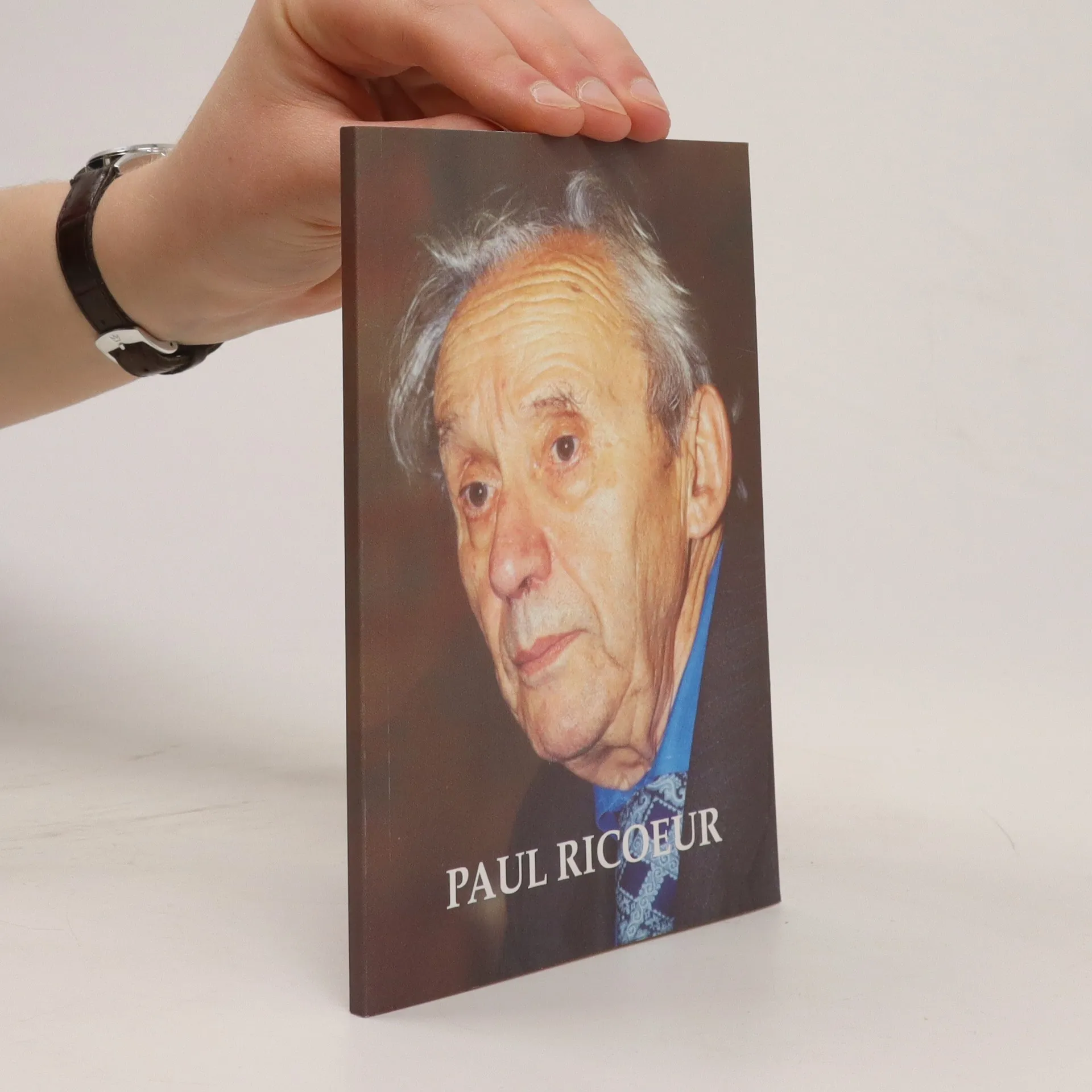
Paul Ricoeur byl jedním z nejvýznamnějších filozofů 20. století, jehož rozsáhlé dílo se zabývá především filozofickou antropologií a schopností člověka jako jednající bytosti. Zkoumal možnosti sebeporozumění skrze vztah ke světu a druhým lidem, přičemž odmítal představu o okamžité sebedůvěrnosti či úplném sebeovládání. Jeho metodologie se vyvinula z existenciální fenomenologie k hermeneutické fenomenologii, která zdůrazňuje, že veškerá srozumitelnost a sebeporozumění jsou zprostředkovány jazykem, symboly a texty. Ricoeurův přístup tedy klade důraz na interpretační povahu lidského poznání a existence.

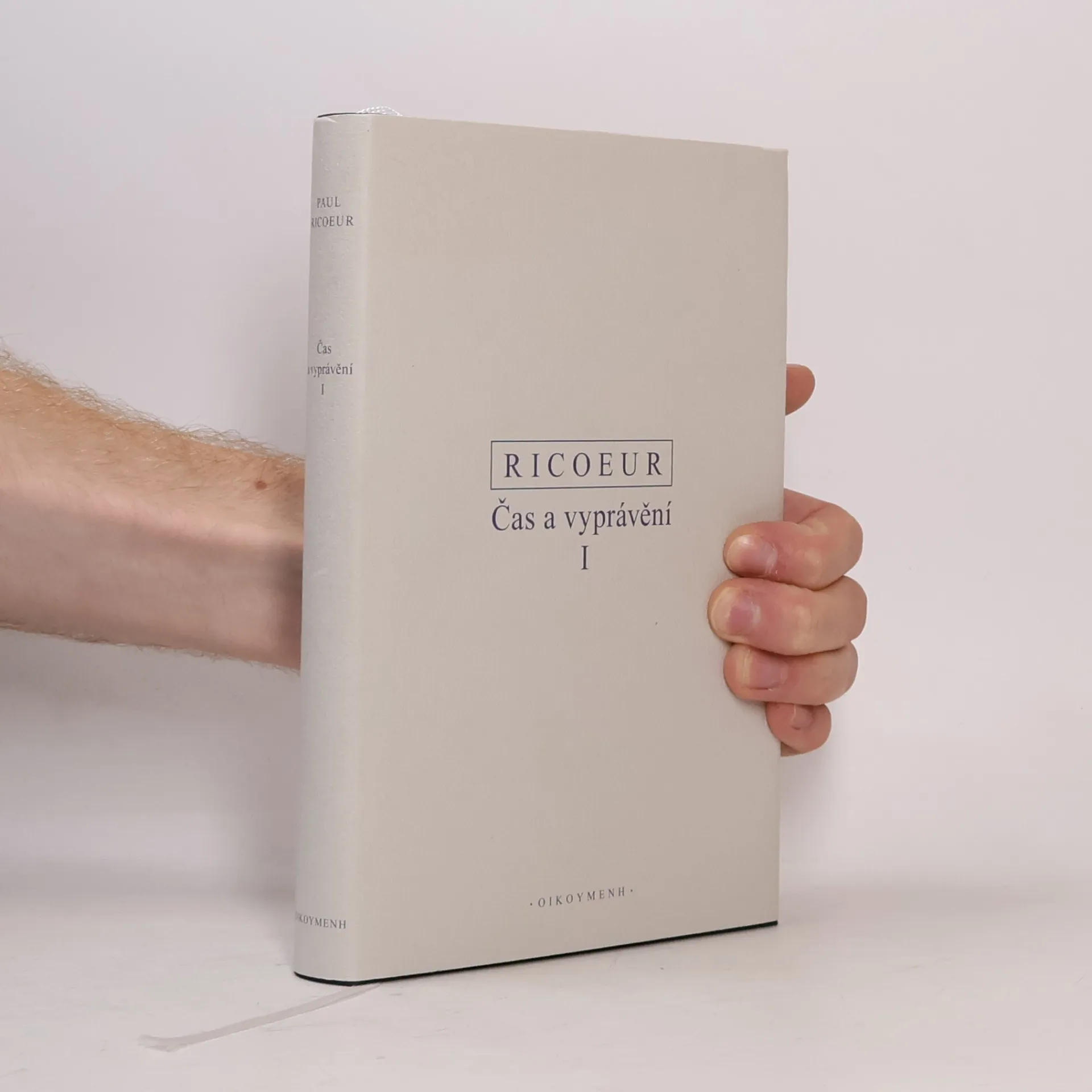
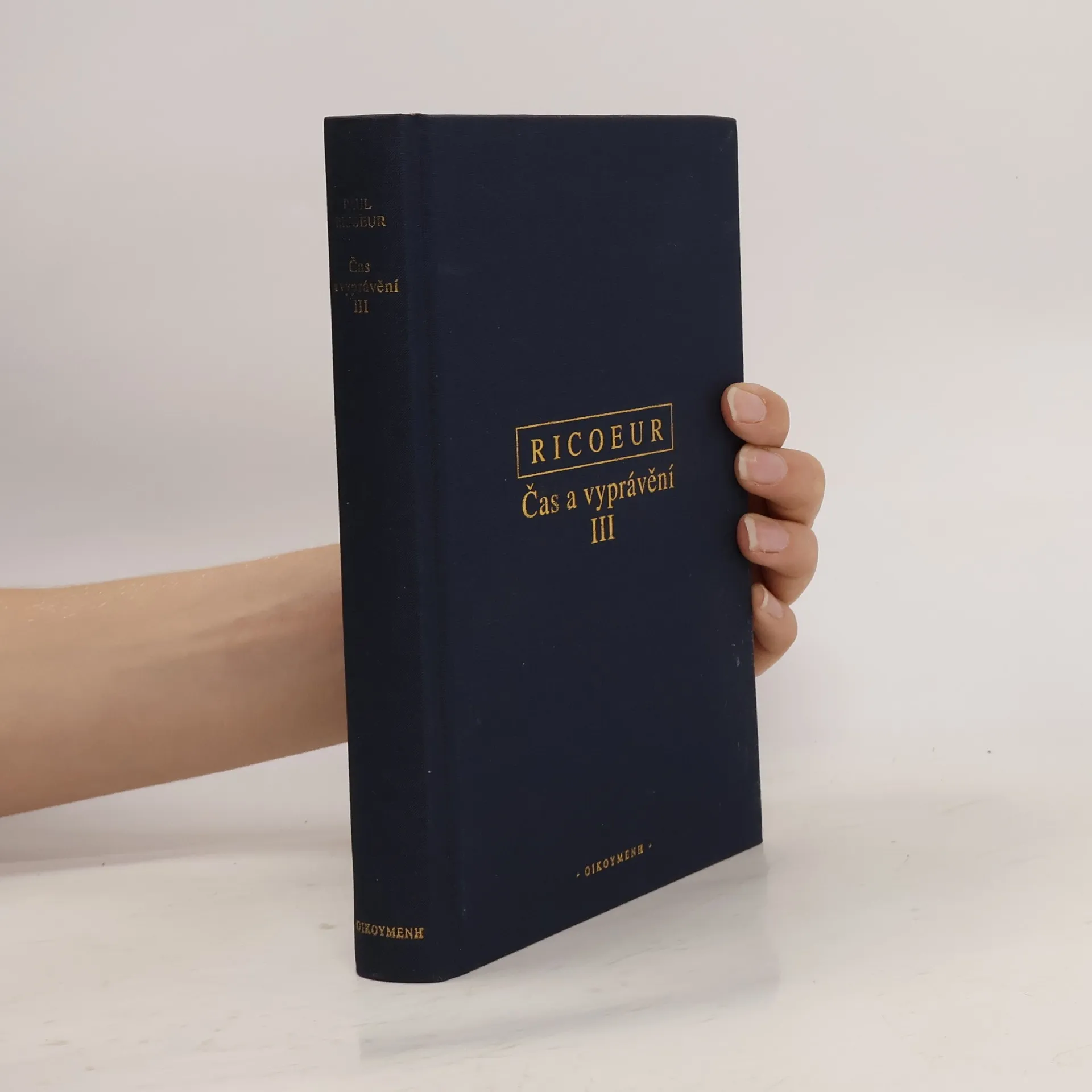
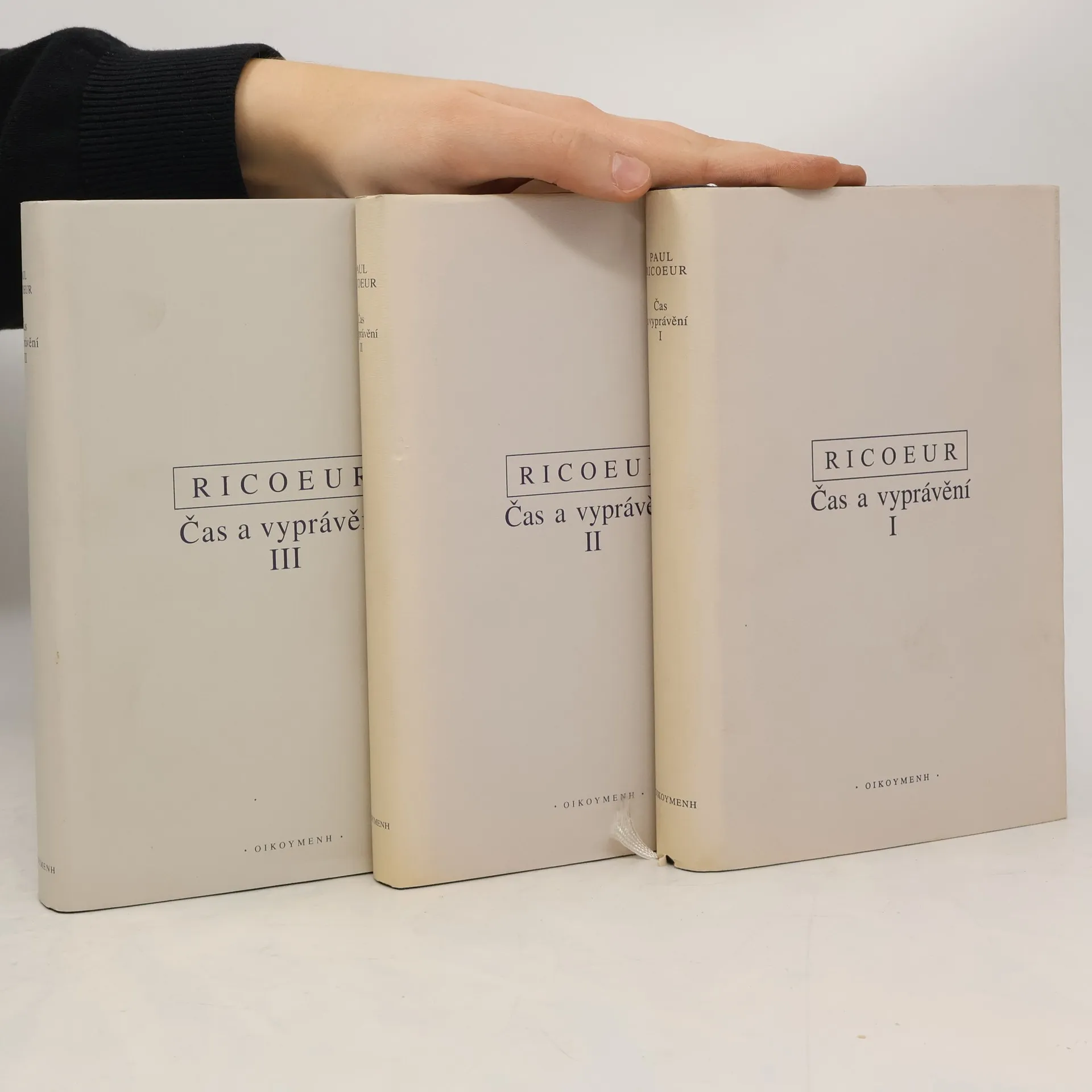
Čas a vyprávění I.
- 319 stránek
- 12 hodin čtení
V prvním svazku třídílné práce, zabývající se filosofickými aspekty vyprávění, navazuje francouzský filosof na svou předchozí práci o metafoře. Výsledkem je hluboká analýza narativity, chápání času a dějin prostřednictvím vyprávění, jehož kořeny sahají až k Aristotelovi a Augustinovi.
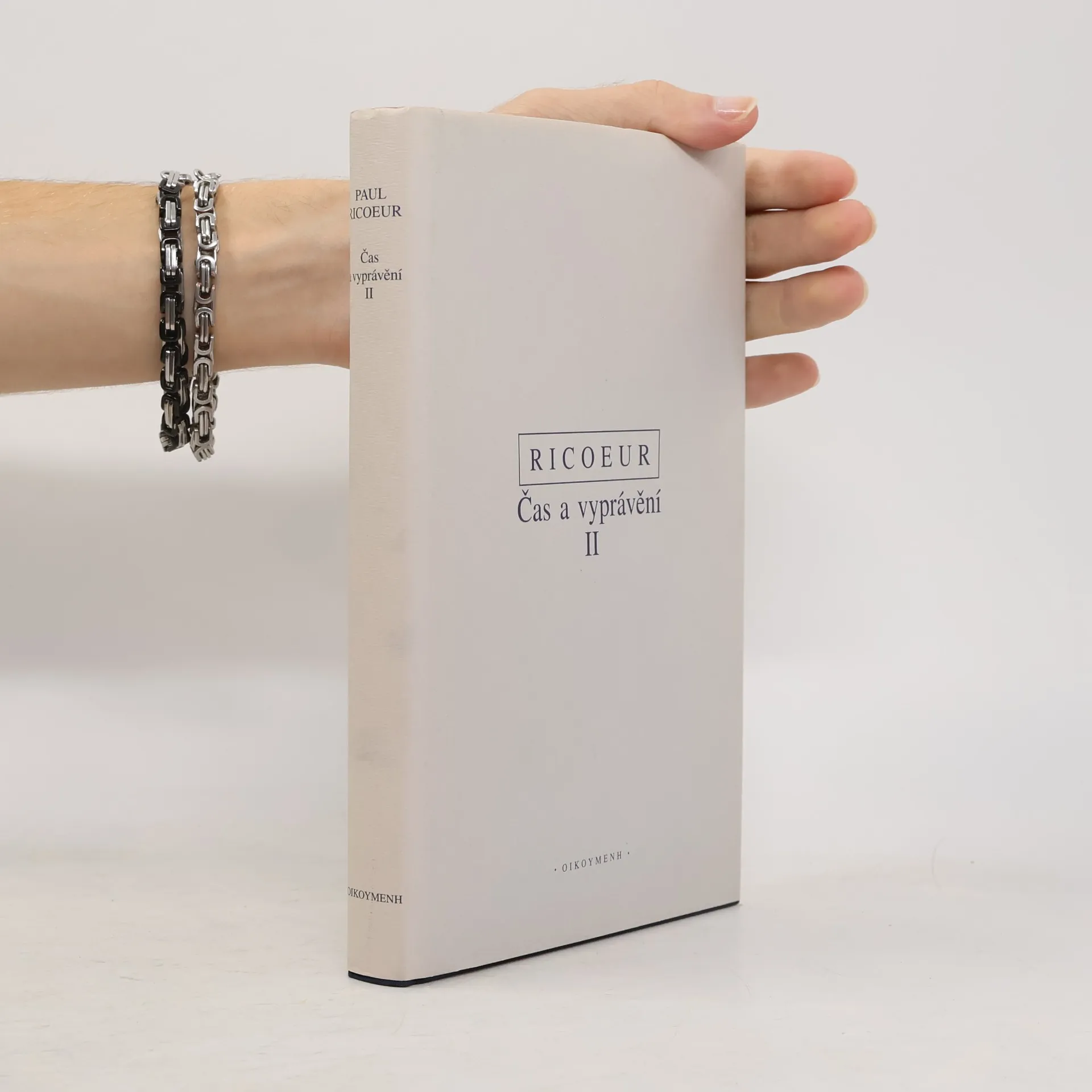
Čas a vyprávění II.
- 245 stránek
- 9 hodin čtení
Druhým svazkem třídílné práce, zabývajícím se filosofickými aspekty vyprávění, navazuje francouzský filosof na svou předchozí práci o metafoře. Výsledkem je hluboká analýza narativity, chápání času a dějin prostřednictvím vyprávění, jehož kořeny sahají až k Aristotelovi a Augustinovi.
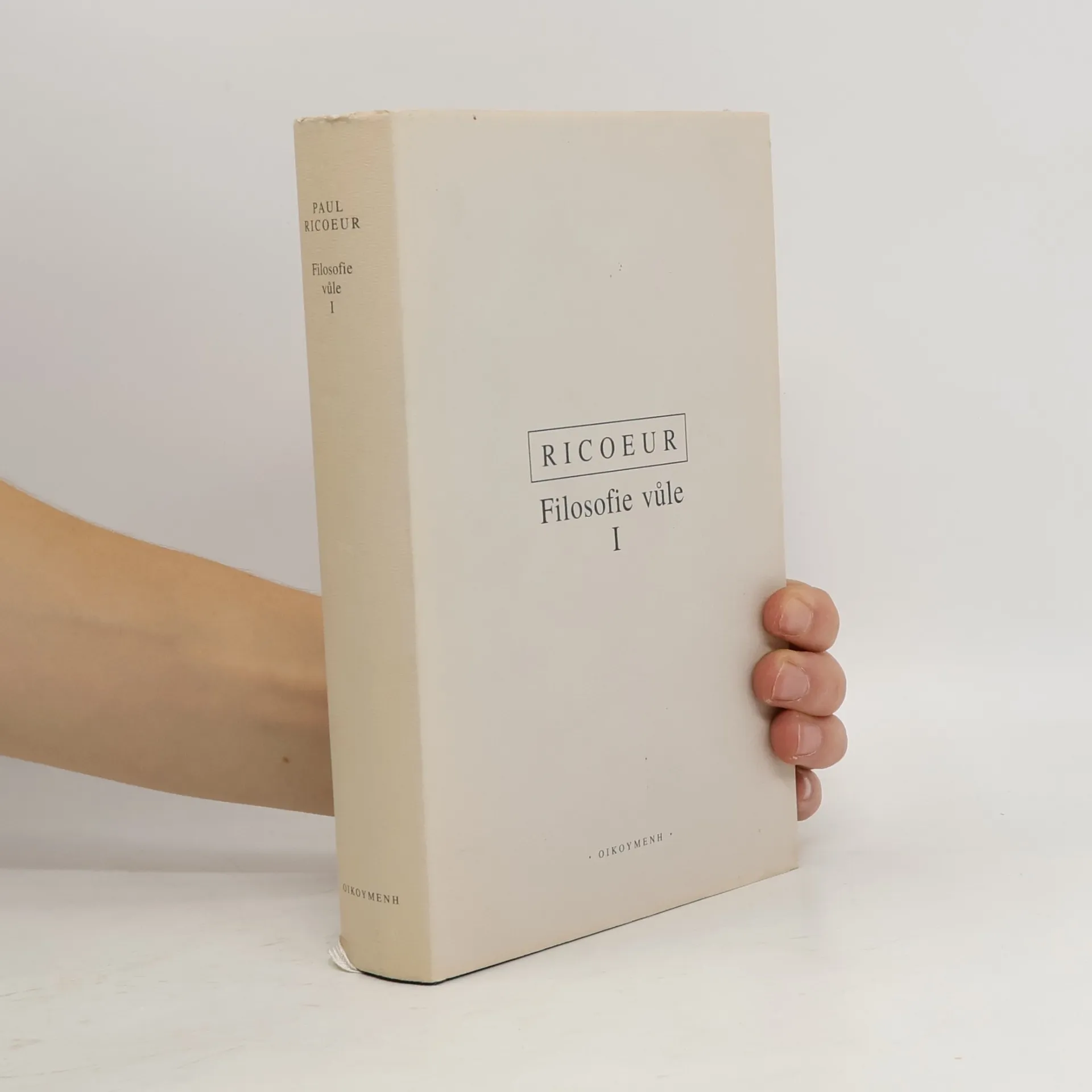
Filosofie vůle I.
- 527 stránek
- 19 hodin čtení
První díl rozsáhlého projektu Filosofie vůle nazvaný Fenomenologie svobody. Ricoeur se zde pokouší o fenomenologický popis základních struktur lidské vůle: rozhodování, tělesného pohybu a svolení s tím, co nelze změnit.
Křehká identita
- 49 stránek
- 2 hodiny čtení
Knižní vydání přednášky, která byla přednesená dne 5. listopadu 2000 v pražském Karolinu.
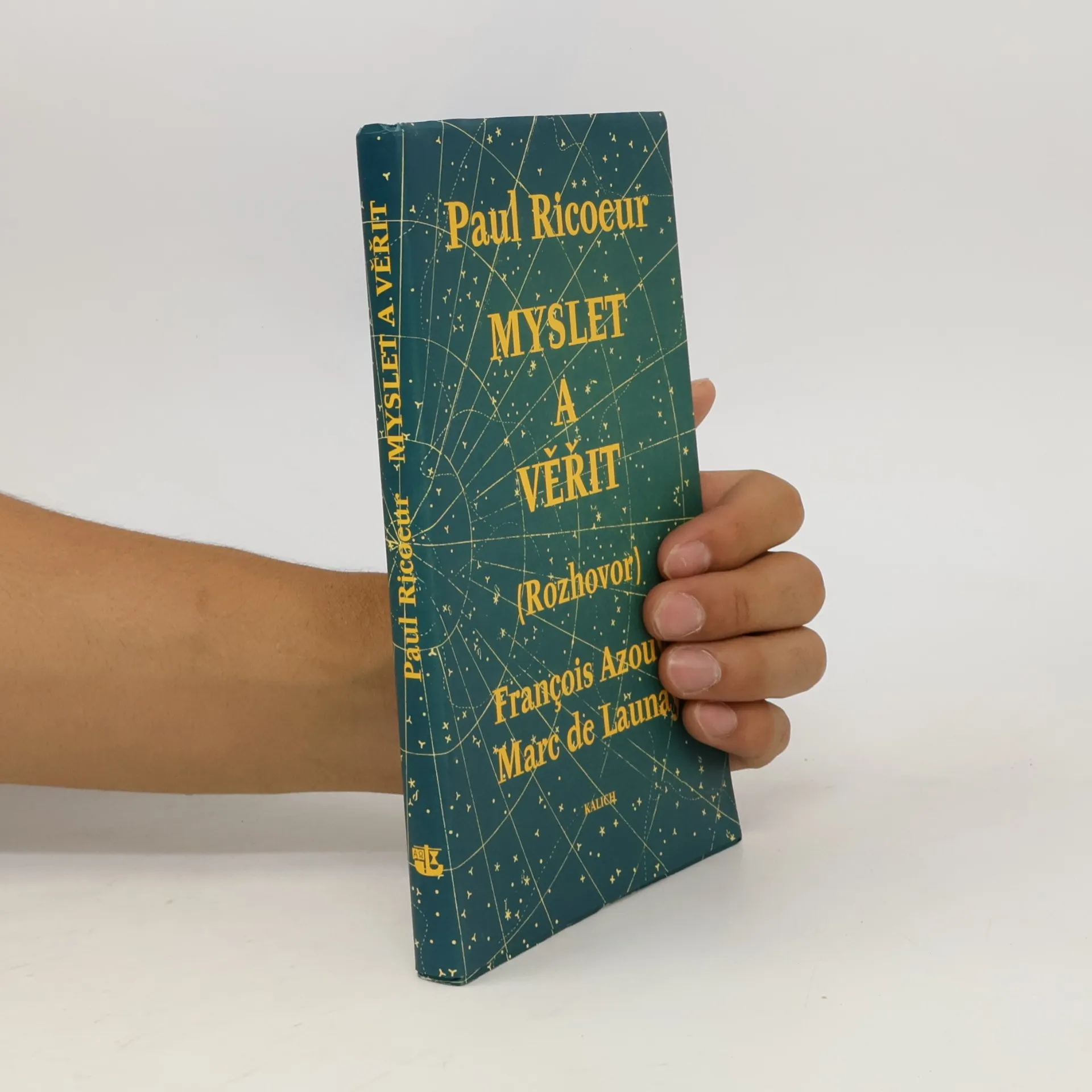
Myslet a věřit. Kritika a přesvědčení
- 245 stránek
- 9 hodin čtení
Obsáhlá knížka rozhovorů, které v letech 1994–95 s Ricoeurem vedli F. Azouvi a M. de Launay představuje tuto myslitelskou osobnost přístupnou formou.
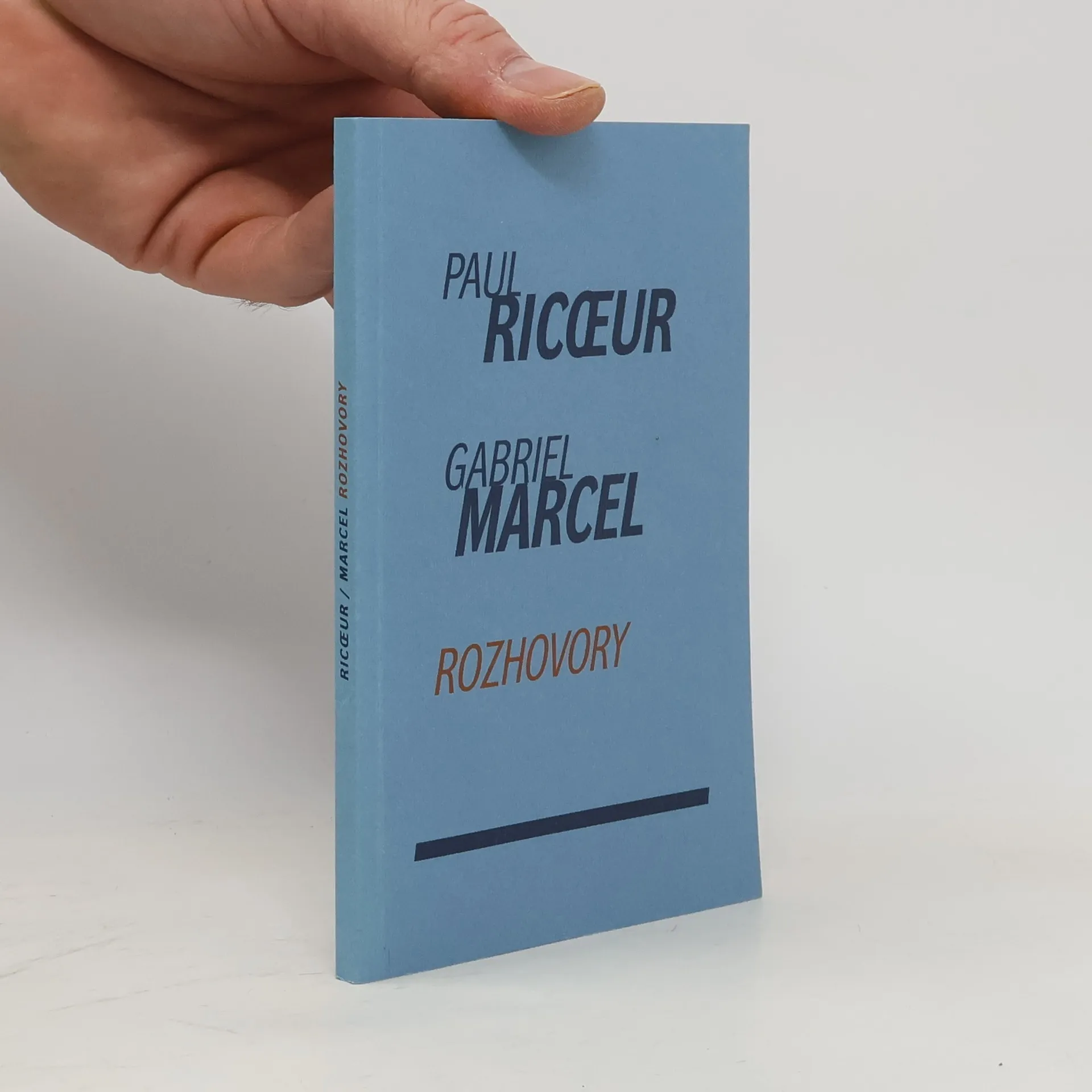
Rozhovory
- 87 stránek
- 4 hodiny čtení
Dialogy, v nichž rozmlouvá s filosofem Gabrielem Marcelem myslitel nemenšího významu -Paul Ricoeur. V šesti rozhovorech Ricoeur vybízí a směřuje Marcelovy myšlenky, aniž by do rozhovorů vstupoval coby svébytná myslitelská osobnost, nýbrž účastní se rozhovoru jako ten, komu záleží, aby byl slyšen ten druhý.
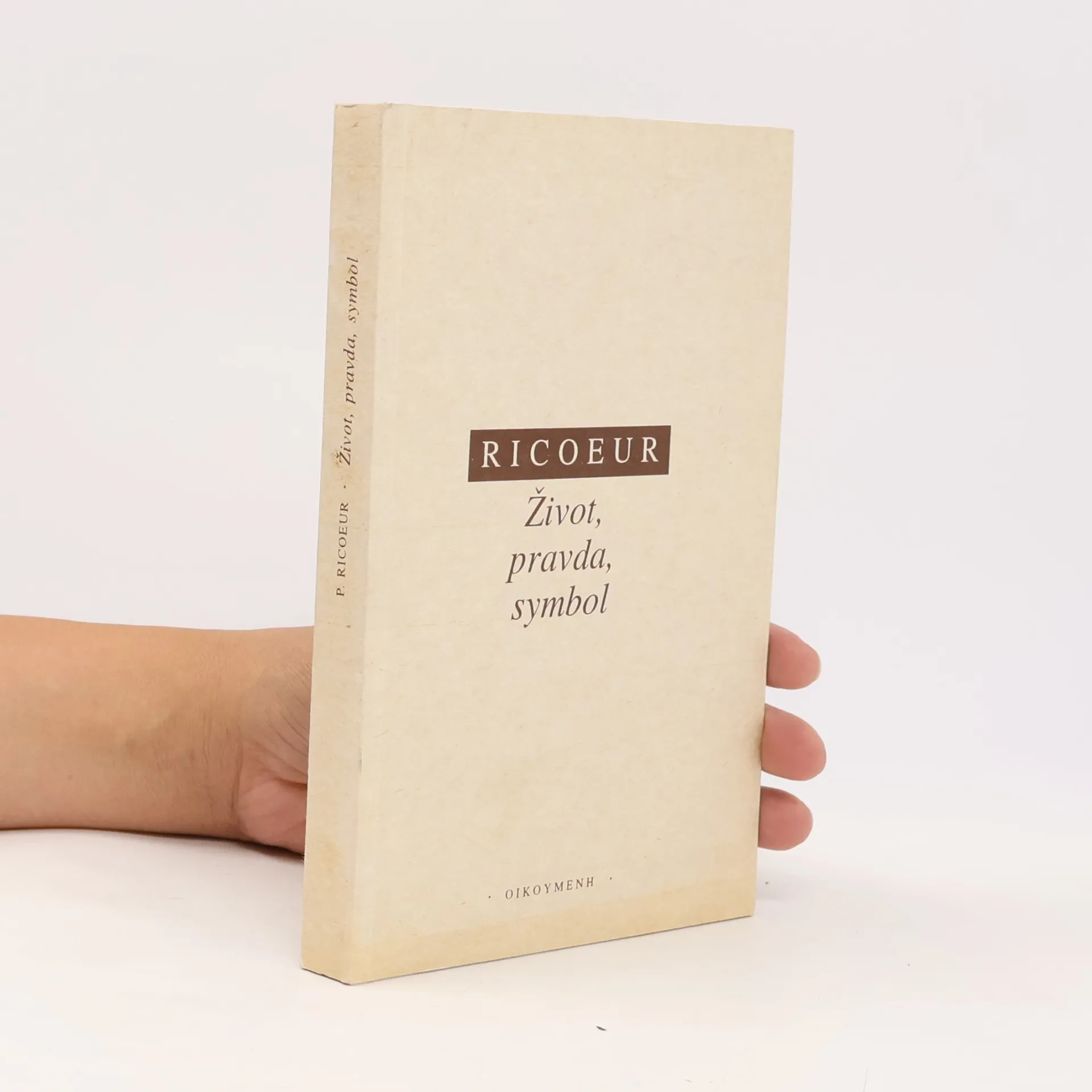
Život, pravda, symbol
- 255 stránek
- 9 hodin čtení
Soubor kratších studií (z 50. a 60. let) významného francouzského filosofa, inspirovaného zejména fenomenologií, hermeneutikou a některými prvky existencialismu. Uspořádal a redigoval Miloš Rejchrt.
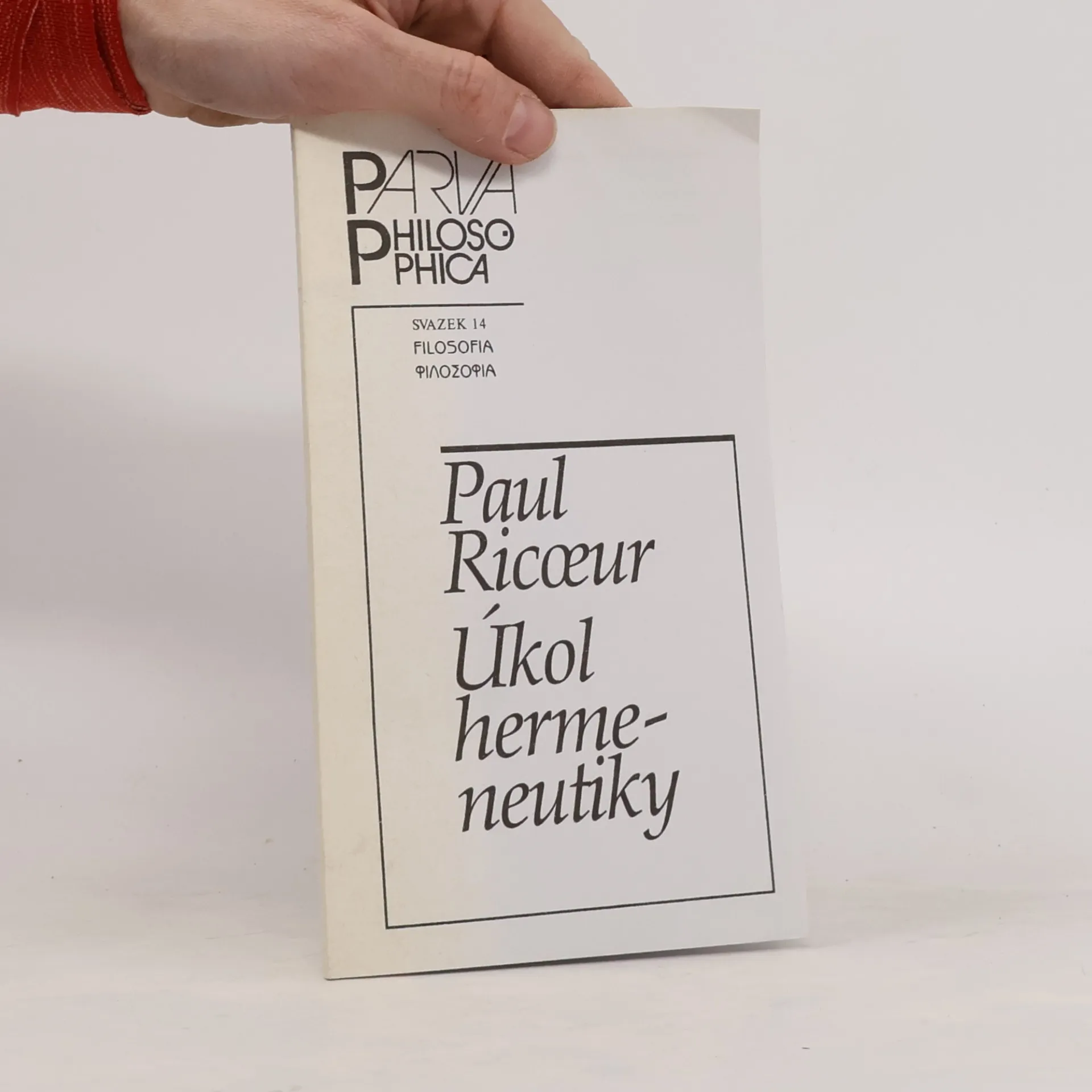
Úkol hermeneutiky
- 41 stránek
- 2 hodiny čtení
Eseje o hermeneutice. Dva články Paula Ricoeura „Úkol hermeneutiky“ a „Hermeneutická funkce odstupu“ se nacházejí v Ricoeurově díle Du texte a l’action a představují souvislý výklad historie moderní filosofické hermeneutiky. V druhém článku Ricoeur především předkládá vlastní pojetí hermeneutiky, rozvíjí myšlenku rozumění si před dílem (z díla).
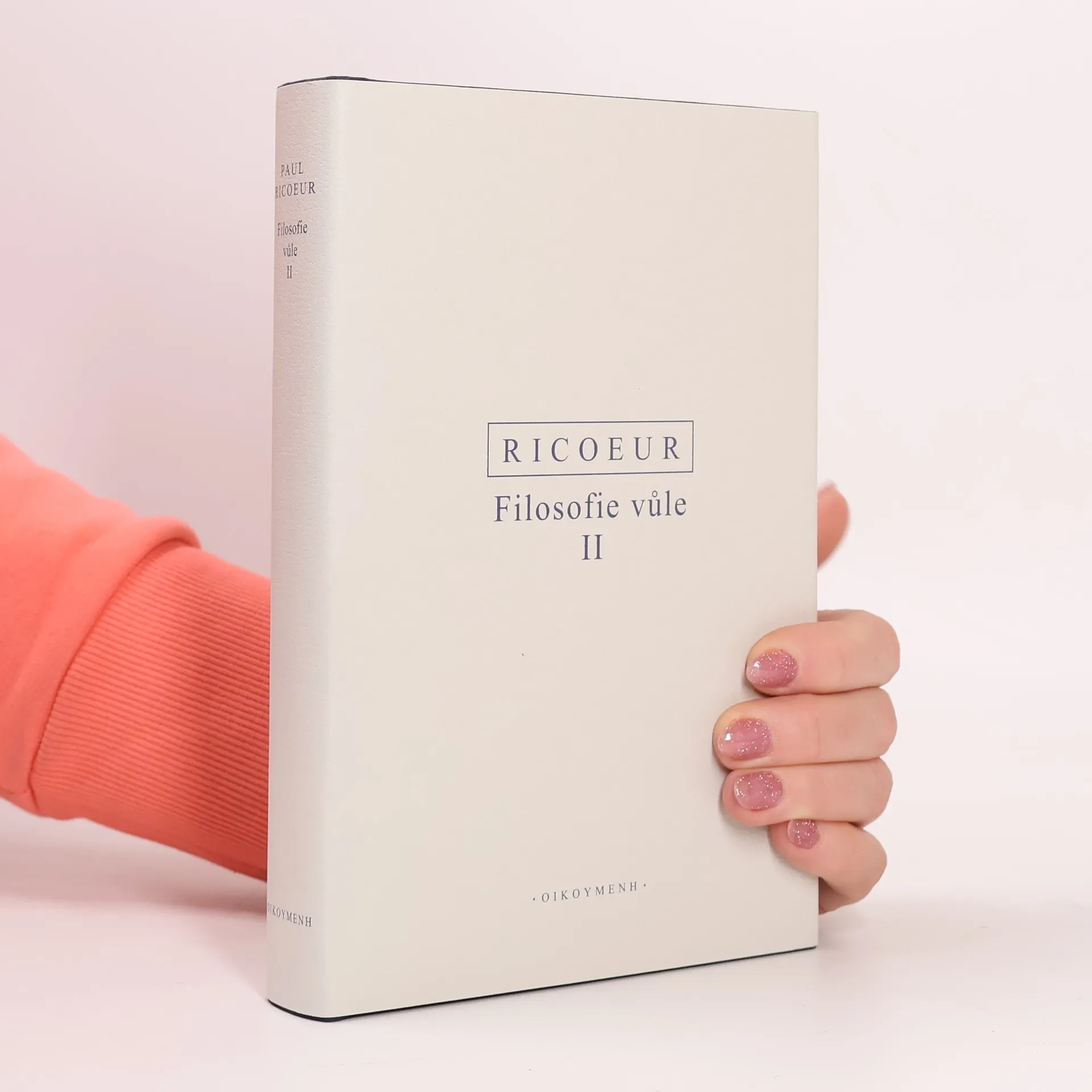
Filosofie vůle II – Konečnost a vina
- 469 stránek
- 17 hodin čtení
Jeden ze dvou svazků Ricoeurova raného díla Filosofie vůle, který pojednává o symbolice zla, a to souběžně v semitské a řecké kulturní oblasti. Dílo uvádí čtenáře do fenomenologie a hermeneutiky náboženství.
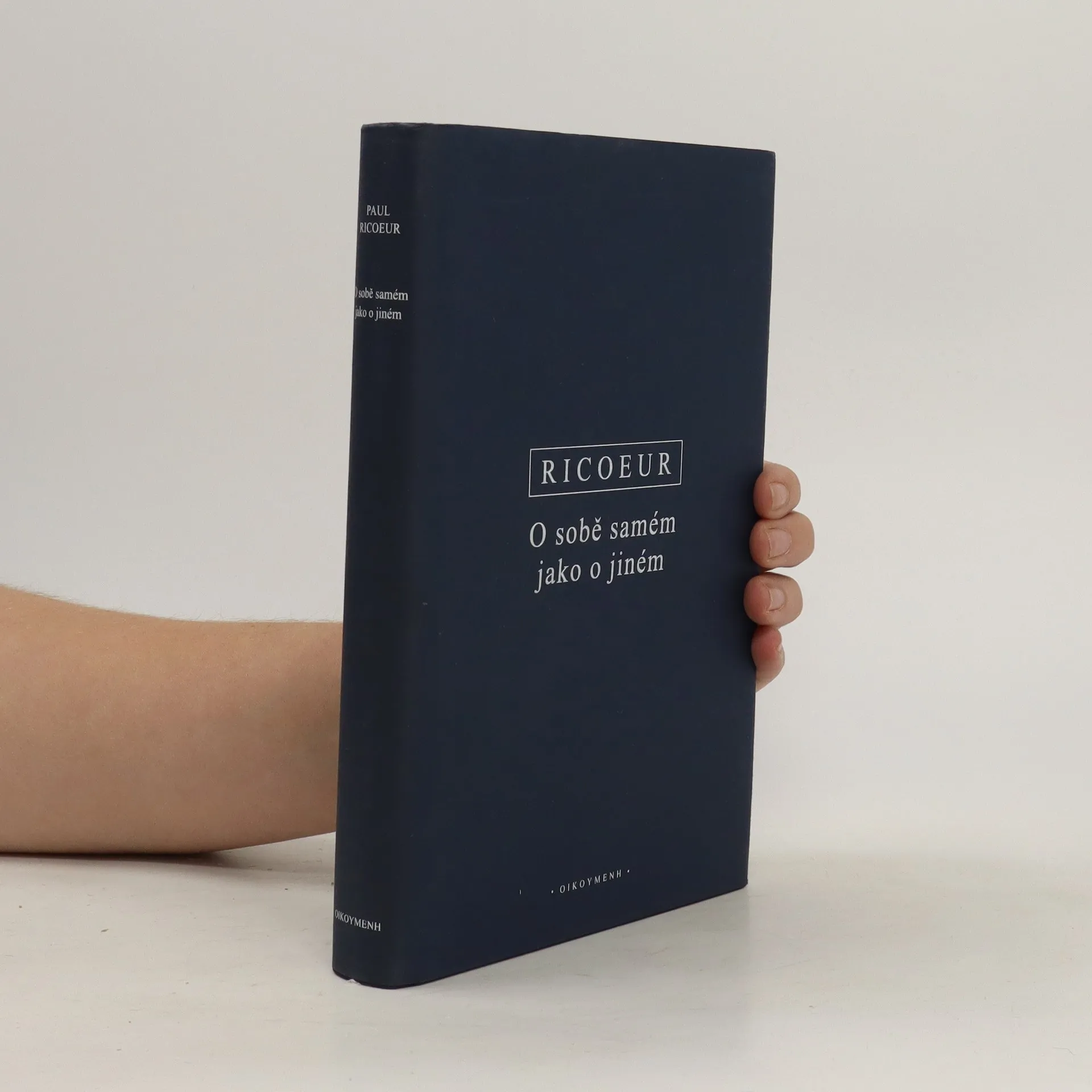
O sobě samém jako o jiném
- 408 stránek
- 15 hodin čtení
Autor se v deseti studiích zabývá problematikou totožnosti. Studie propojuje trojí záměr: 1. Vyhnout se problematičnosti filosofií, které se zabývají subjektem v první osobě (já ve smyslu ego cogito), a spíše sledovat linii vyjádřenou zvratným se, která vede k různým kladením otázek po kdo: např. kdo je mluvčím nějaké rozpravy, kdo je aktérem či cílem nějaké činnosti apod. 2. Rozlišovat (věcnou) totožnost ve smyslu neměnnosti v čase (totožnost-idem, stejnost) a (osobní) totožnost ve smyslu dodržování slibu (totožnost-ipse, „ipseita“). 3. Obnovit dialektiku sebe a jiného, přejít od pouhého srovnávacího „jako“ (sám jako jiný) k niternějšímu spojení sama sebe a jiného: sám jakožto jiný.
Čas a vyprávění I - III
- 3 svazky
History and Truth
- 368 stránek
- 13 hodin čtení
The book delves into the conflict between history and truth, exploring how history gains meaning through universality and systematic understanding. However, it posits that this same universality can undermine the unique experiences of individuals, leading to a tension between collective narratives and personal significance. This investigation highlights the complex relationship between historicity and the search for meaning in human lives.
The Course of Recognition
- 320 stránek
- 12 hodin čtení
Recognition, though it figures profoundly in our understanding of objects and persons, identity and ideas, has never before been the subject of a single, sustained philosophical inquiry. This work seeks to develop nothing less than a proper hermeneutics of mutual recognition.
Freedom and Nature: The Voluntary and the Involuntary
- 544 stránek
- 20 hodin čtení
Focusing on the essential structure of human existence, this volume explores the concept of man as an incarnate Cogito, aiming to clarify the relationship between subject and object. By employing a phenomenological approach, it temporarily sets aside the complexities of existence, such as passion and innocence, to provide a foundational understanding of humanity's being in the world. This work lays the groundwork for Ricoeur's later explorations, offering insights into the continuity of various inquiries related to human existence.
Time and Narrative, Volume 2
- 216 stránek
- 8 hodin čtení
In the first two volumes of this work, Paul Ricoeur examined the relations between time and narrative in historical writing, fiction and theories of literature. This final volume, a comprehensive reexamination and synthesis of the ideas developed in volumes 1 and 2, stands as Ricoeur's most complete and satisfying presentation of his own philosophy.
Time and Narrative
- 281 stránek
- 10 hodin čtení
Time and Narrative builds on Paul Ricoeur's earlier analysis, in The Rule of Metaphor, of semantic innovation at the level of the sentence. Ricoeur here examines the creation of meaning at the textual level, with narrative rather than metaphor as the ruling concern.Ricoeur finds a "healthy circle" between time and narrative: time is humanized to the extent that it portrays temporal experience. Ricoeur proposes a theoretical model of this circle using Augustine's theory of time and Aristotle's theory of plot and, further, develops an original thesis of the mimetic function of narrative. He concludes with a comprehensive survey and critique of modern discussions of historical knowledge, understanding, and writing from Aron and Mandelbaum in the late 1930s to the work of the Annales school and that of Anglophone philosophers of history of the 1960s and 1970s."This work, in my view, puts the whole problem of narrative, not to mention philosophy of history, on a new and higher plane of discussion."—Hayden White, History and Theory "Superb. . . . A fine point of entrance into the work of one of the eminent thinkers of the present intellectual age."—Joseph R. Gusfield, Contemporary Sociology
Being, Essence and Substance in Plato and Aristotle
- 260 stránek
- 10 hodin čtení
This volume features Paul Ricoeur's lectures on Plato and Aristotle from 1953-54, exploring their metaphysics and the ontological foundations of Western philosophy. Ricoeur challenges the simplistic view of their relationship, offering a nuanced analysis that reveals continuity and opposition between their ideas.
Oneself as Another
- 374 stránek
- 14 hodin čtení
Paul Ricoeur has been hailed as one of the most important thinkers of the century. Oneself as Another, the clearest account of his "philosophical ethics," substantiates this position and lays the groundwork for a metaphysics of morals.Focusing on the concept of personal identity, Ricoeur develops a hermeneutics of the self that charts its epistemological path and ontological status.
Hermeneutics
- 240 stránek
- 9 hodin čtení
Paul Ricoeur (1913-2005) is one of the most important French philosophers of the second half of the 20th century. * This volume makes available some of his key writings on the theory of interpretation, or hermeneutics, written between 1972 and 2006.
Hermeneutics and the Human Sciences
- 313 stránek
- 11 hodin čtení
John B. Thompson's collection of translated essays forms an illuminating introduction to Paul Ricoeur's prolific contributions to sociological theory.
Fallible Man
- 1146 stránek
- 41 hodin čtení
The most accessible of Ricoeur's early texts, Fallible Man offers an introduction to phenomenological method.
Memory, History, Forgetting
- 624 stránek
- 22 hodin čtení
Examines the reciprocal relationship between remembering and forgetting, revealing how this symbiosis influences both the perception of historical experience and the production of historical narrative.
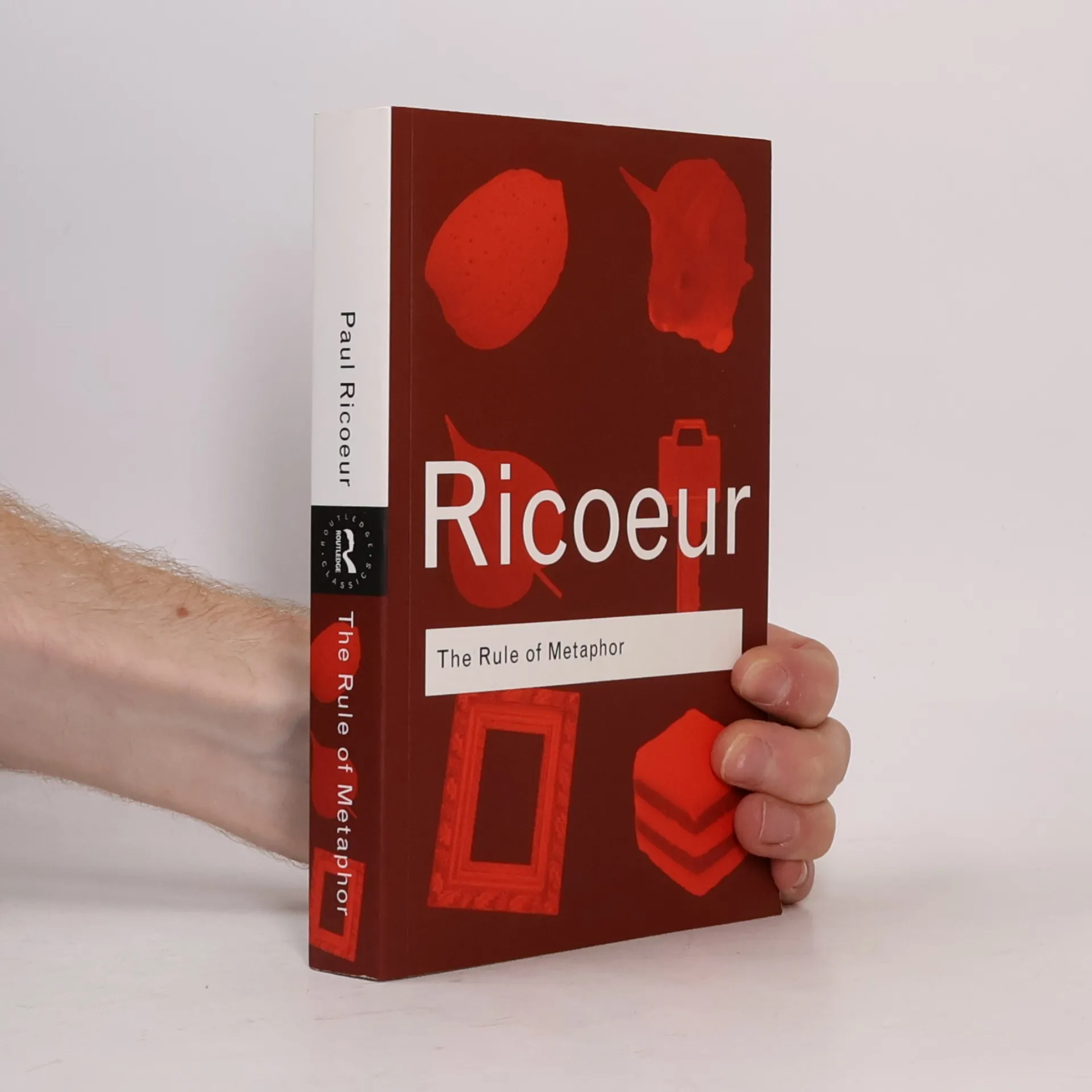
The Rule of Metaphor
- 454 stránek
- 16 hodin čtení
Paul Ricoeur is widely regarded as one of the most distinguished philosophers of our time. In The Rule of Metaphor he seeks 'to show how language can extend itself to its very limits, forever discovering new resonances within itself'. Recognizing the fundamental power of language in constructing the world we perceive, it is a fruitful and insightful study of how language affects how we understand the world, and is also an indispensable work for all those seeking to retrieve some kind of meaning in uncertain times.
The Conflict of Interpretations: Essays in Hermeneutics
- 544 stránek
- 20 hodin čtení
Exploring themes such as structuralism, psychoanalysis, hermeneutics, and religion, this collection features twenty-two essays by Paul Ricoeur that highlight his influential philosophical insights. The essays offer a concise yet profound examination of language philosophy, appealing not only to those in the field of philosophy but also to linguists, theologians, psychologists, and psychoanalysts. Ricoeur's work provides a rich tapestry of ideas that engage a diverse audience, making it a significant contribution to contemporary thought.
The Just
- 192 stránek
- 7 hodin čtení
The essays in this collection grew out of a series of invited lectures given in France on the nature of justice and the law. They represent a reflection on the relationship of the juridical and the philosophical concept of right, situated between moral philosophy and politics. schovat popis
A key to Husserl's Ideas I
- 176 stránek
- 7 hodin čtení
In 1950, Paul Ricoeur published his translation of Edmund Husserl's "Ideen I" under the title "Idees directrices pour une phenomenologie". It became the handbook and key to the father of phemenology. This combination of Husserl and Ricoeur should be of interest to both professors and students.
Husserl: An Analysis of His Phenomenology
- 256 stránek
- 9 hodin čtení
Focusing on the philosophy of consciousness, this collection features nine essays that delve into Paul Ricoeur's interpretations of Edmund Husserl's key writings. Ricoeur highlights the nuances of Husserl's thought, providing insights that transcend mere logical analysis. The essays serve as a bridge between the complexities of Husserl's ideas and their broader implications, showcasing Ricoeur's role as a significant interpreter of phenomenology.
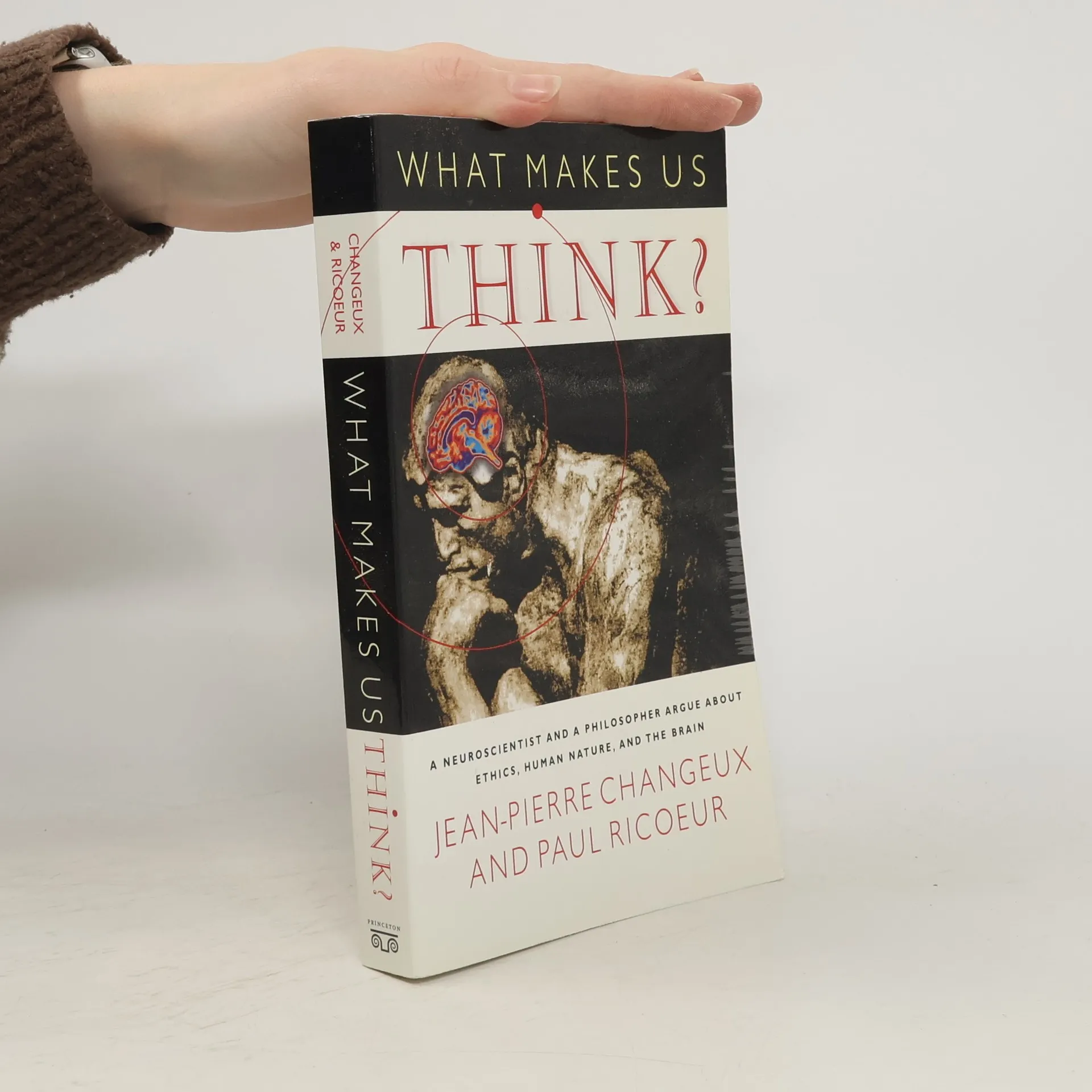
What Makes us Think?
- 346 stránek
- 13 hodin čtení
Will understanding our brains help us to know our minds? Or is there an unbridgeable distance between the work of neuroscience and the workings of human consciousness? This book explores the vexed territory between these divergent approaches - and comes to a deeper, more complex perspective on human nature.
On Translation
- 46 stránek
- 2 hodiny čtení
Paul Ricoeur was one of the most important philosophers of the twentieth century. In this book, he turns to a topic at the heart of much of his work: What is translation and why is it so important? He reminds us that translation not only spreads knowledge but can change its very meaning.
Philosophy, Ethics, and Politics
- 190 stránek
- 7 hodin čtení
In a series of interviews from 1981 to 2003, Paul Ricoeur explores key issues in political philosophy and ethics, including justice, violence, and environmental crises. He examines society's levels—tools, institutions, and values—encouraging reflection and democratic deliberation over certainties. This work is vital for those interested in contemporary political and ethical debates.
Politics, Economy, and Society
- 280 stránek
- 10 hodin čtení
"The key political writings of one of the leading philosophers of the 20th century"--
Zeit und literarische Erzählung
- 282 stránek
- 10 hodin čtení
Zeit und Erzählung
- 358 stránek
- 13 hodin čtení
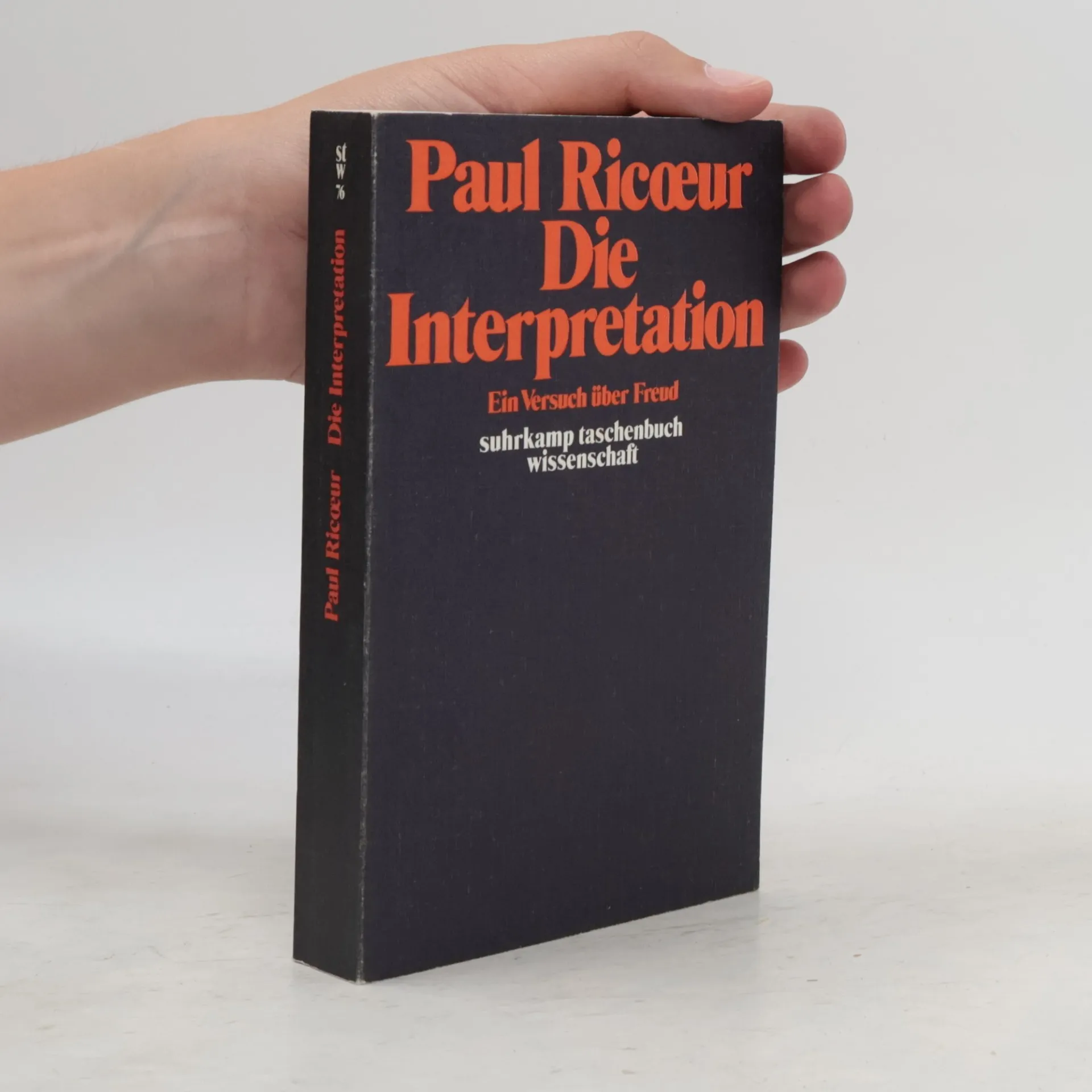
Die Interpretation
- 563 stránek
- 20 hodin čtení
Ricoeur erklärt, wie das Cogito durch das Unbewusste, das am wenigsten Lesbare, neu interpretiert werden kann. Die Psychoanalyse ist für den Philosophen ein notwendiger Schritt, damit das Ich sich von seinen Illusionen befreien kann. Sie reicht jedoch nicht aus, da sie die Auflösung des Subjekts ankündigt, während der Philosoph es entdecken möchte. Eine brillante philosophische Analyse von Freuds Werk.
Le lecteur trouvera ici rassembles quelques textes qui appartiennent aux annees d'apprentissage de leur auteur. La plupart sont consacres exclusivement a celui qui fut un de ses peu nombreux educateurs a la pensee: Edmund Husserl. Ils justifient pleinement le titre donne a la collection d'articles: A l'ecole de la phenomenologie, etant entendu que le titre de phenomenologie s'identifie ici au nom de son second fondateur, apres Hegel. Si l'introduction aux Idees directrices, tome I, ainsi que le commentaire accompagnant la traduction de 1950, ne figurent pas dans ce recueil, les Idees directrices, tome II, et surtout les Meditations Cartesiennes, sans oublier la Krisis, sont largement commentees. On a joint deux ou trois essais dans lesquels l'auteur se livre a quelques exercices de caractere plus personnel. Mais ils ont tous ete composes a l'ecole de la phenomenologie husserlienne.
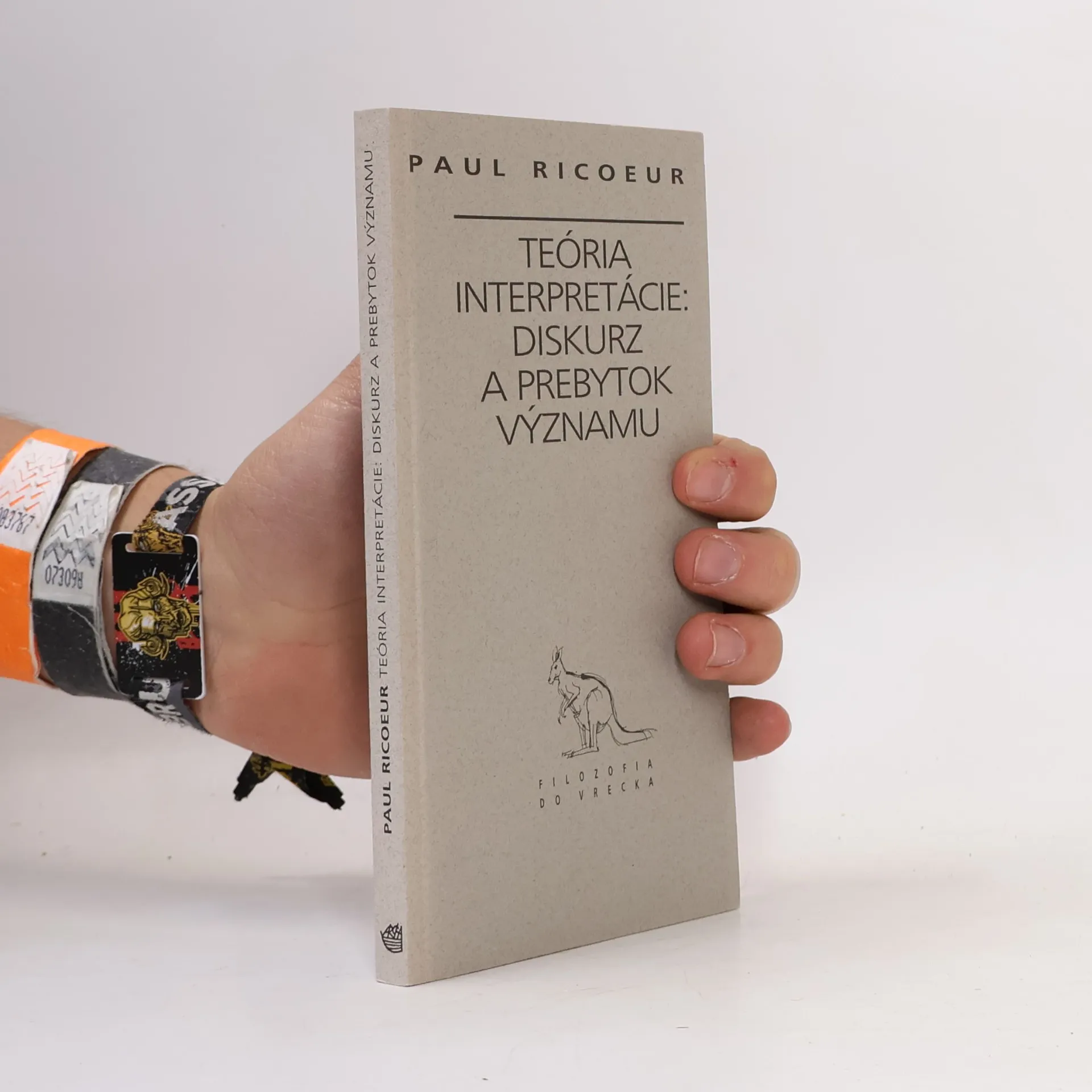
Teória interpretácie: diskurz a prebytok významu
- 135 stránek
- 5 hodin čtení
Štyri eseje, tvoriace túto knihu, vznikli rozšírením prednášok, ktoré som mal na Texas Christian University v dňoch 27. až 30. novembra 1973 pri príležitosti jej storočného jubilea. Možno ich čítať ako samostatné eseje, ale takisto ako postupné približovanie sa k riešeniu jediného problému, a to problému chápania jazyka na úrovni takých útvarov, ako sú básne, rozprávania a eseje, či už literárne alebo filozofické. Inak povedané, hlavným problémom týchto štyroch esejí je problém diel; osobitne jazyka ako diela.
Temps et récit
- 533 stránek
- 19 hodin čtení
Le temps raconté Temps et Récit explore, après La Métaphore vive, le phénomène central de l'innovation sémantique. Avec la métaphore, celle-ci consistait à produire une nouvelle pertinence de sens par le moyen d'une attribution impertinente. Avec le récit, l'innovation consiste dans l'invention d'une intrigue : des buts, des causes, des hasards, relevant à des titres divers du champ pratique, sont alors rassemblés dans l'unité temporelle d'une action totale et complète. La question philosophique posée par ce travail de composition narrative est celui des rapports entre le temps du récit et celui de la vie et de l'action affective. Plusieurs disciplines sont convoquées à la barre de ce grand débat entre temps et récit, principalement la phénoménologie du temps, l'historiographie, et la théorie littéraire du récit de fiction. Temps et récit 3 démontre tout d'abord que la phénoménologie, en s'approfondissant, de saint Augustin à Heidegger, aboutit, en regard de la sociologie à une incontournable Aporétique du temps. La seconde section montre comment à ces impasses de la pensée, la Poétique du récit répond en mobilisant, par le canal de la lecture, les ressources entrecroisées de l'histoire et de la fiction.
Fenomenologická škola
- 334 stránek
- 12 hodin čtení
Kniha svetoznámeho filozofického autora Paula Ricoeura Fenomenologická škola, ktorá vyšla v roku 2004, obsahuje články, reflektujúce myslenie fenomenologického hnutia druhej vlny, respektíve inej fenomenológie, ako bola Hegelova. Ťažiskom záujmu Ricoeura sa stávajú Karteziánske meditácie (Hua I: Cartesianische Meditationen und Pariser Vorträge) Edmunda Husserla, jedného z jeho učiteľov, a jeho druhý diel Ideí (Hua IV: Ideen zu einer reinen Phänomenologie und phänomenologischen Philosophie. Zweites Buch: Phänomenologische Untersuchungen zur Konstitution), ktoré preložil a vybavil poznámkami, pričom nezabudol ani na jeho slávnu Krízu (Hua VI: Die Krisis der europäischen Wissenschaften und die transzendentale Phänomenologie. Eine Einleitung in die phänomenologische Philosophie). Rozhodne budú pre čitateľa obohacujúce osobné reflexie Ricoeura nad rôznymi kľučkami miestami až škrupulózne starostlivého Husserlovho myslenia, časový prierez jeho myšlienkami, zdanlivé protirečenia a presuny záujmu, na ktoré autor upozorňuje, hodnotenie a určenie jeho významu vo filozofickom myslení súčasnosti. Pre čitateľa môže byť obzvlášť zaujímavé svojrázne umiestnenie Husserlovho diela do kontextu celkového filozofického myslenia a náznaky fenomenológie Husserlovského štýlu predovšetkým u Immanuela Kanta.
Anders
- 117 stránek
- 5 hodin čtení
Paul Ricœur unterzieht hier eines der Hauptwerke von Emmanuel Levinas einer eingehenden und unnachgiebigen Lektüre, die auf unnachahmliche Weise in das Herz jeder Auseinandersetzung mit Levinas führen muss, nämlich zu der Frage, ob man das, was Levinas betreibt, eine Ethik nennen kann. Denn dort, wo sich die »Ordnung des Sagens« mit der »Ethik der Verantwortung« trifft, d. h. dort, wo die Schriften von Levinas als Suche nach dem ethischen Wesen der Sprache verstehbar werden, zeigt sich für Ricœur die paradoxe Situation, dass bei Levinas eine Ethik, die sich von der Ontologie verabschieden will, ohne eigene Sprache auskommen muss. Im Gegenteil, bisweilen kann solch eine Ethik nur dann zur Sprache gebracht werden, wenn sie sich auf das Böse, auf einen »Diskurs der Bosheit« stützt.
Die hier veröffentlichten Studien bieten einen Einblick in Paul Ricoeurs Überlegungen zum Gedächtnis und bilden den systematischen Abschluss seines philosophischen Lebenswerks, insbesondere der Werke „Zeit und Erzählung“ und „Das Selbst als ein Anderer“. Sie tragen zur aktuellen Diskussion über Gedächtnis und Geschichte bei. Ricoeur fordert eine Kultur des Verzeihens, die durch Gedächtnisarbeit unterstützt wird, wobei die Anerkennung der Erinnerungen anderer das bloße Wiederholen von Schuld beendet. Das Kulturwissenschaftliche Institut im Wissenschaftszentrum Nordrhein-Westfalen wurde 1988 von der Landesregierung gegründet, um Probleme einer von Wissenschaft, Technik und industrieller Produktion geprägten Gesellschaft zu erforschen. Es richtet temporäre Studiengruppen ein, die mit wechselnden Gastwissenschaftlern innovative Forschungsprojekte zu unterschiedlichen Fragestellungen realisieren. Diese interdisziplinären Gruppen dienen der Grundlagenforschung im Bereich der Kulturwissenschaften und orientieren sich an aktuellen Herausforderungen moderner Gesellschaften im internationalen und interkulturellen Kontext. Die Reihe der Essener Kulturwissenschaftlichen Vorträge (EKV) präsentiert ausgewählte Beispiele aus dem Vortragsprogramm des Instituts.
Geschichte und Wahrheit
- 375 stránek
- 14 hodin čtení
Václav Havel, président philosophe
- 349 stránek
- 13 hodin čtení
Réflexion sur le parcours de Vaclav. Havel, dramaturge et homme d'Etat, et sur l'évolution de sa pensée
Čas a literárne rozprávanie
- 265 stránek
- 10 hodin čtení
V tomto diele autor analyzuje stvárnenie času fikčným rozprávaním a v ňom čas z hľadiska teoretickonaračného i filozofickohermeneutického. Analýza sa začína premenami tvorby zápletky, pokračuje štrukturalistickými „logickými“ modelmi, hrami s časom na základe dialektiky vypovedania a výpovede a napokon otvorením fikcie pre imaginárne svety. Dielo, ktoré je druhým knižným prekladom autora z francúzštiny do slovenčiny (písal a uverejňoval aj po anglicky), je určené literárnym vedcom, historikom a kritikom, ďalej filozofom, študentom literatúry a filozofie, ale bude poučným a inšpiratívnym čítaním aj pre mnohých ďalších.
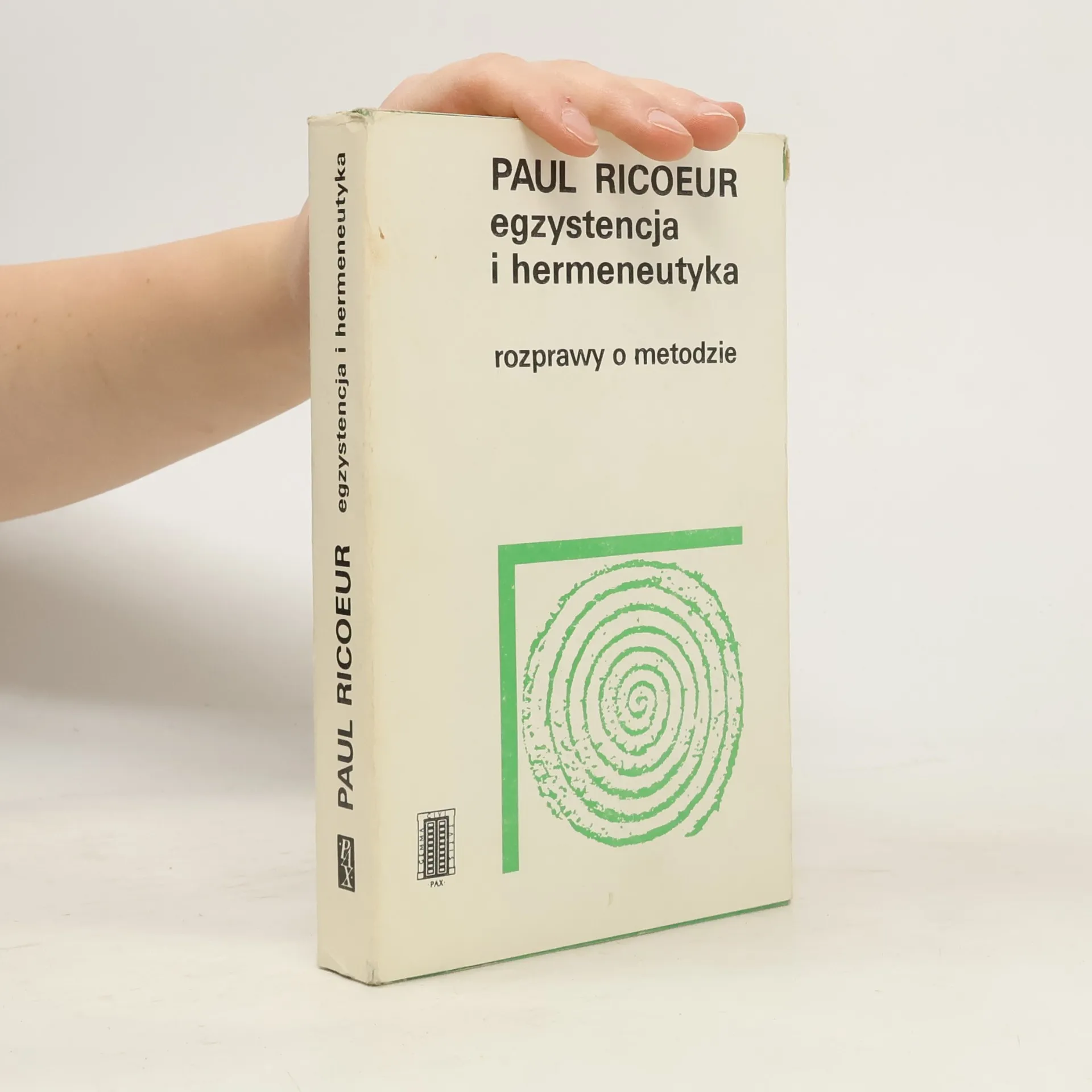
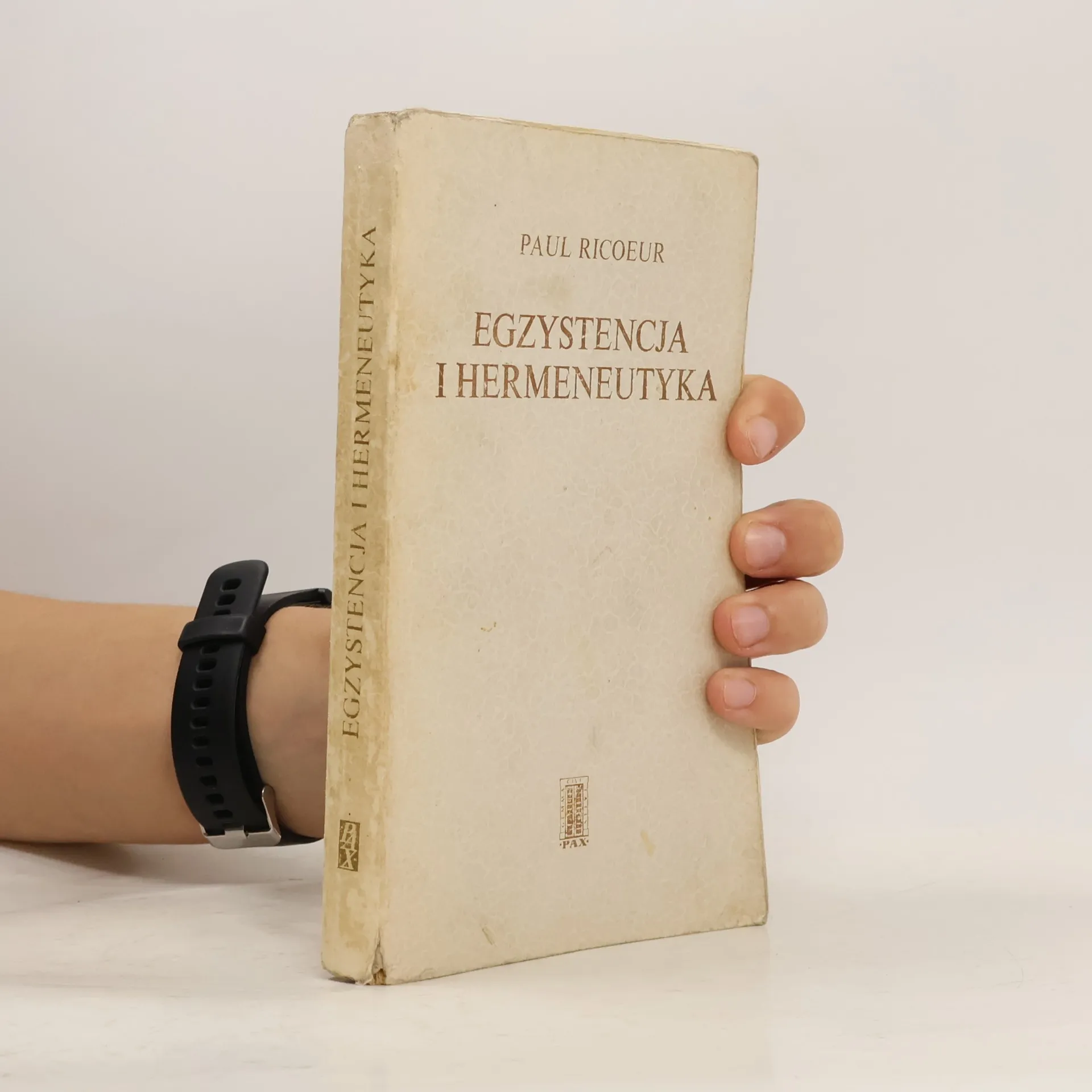
Egzystencja i hermeneutyka
Rozprawy o metodzie
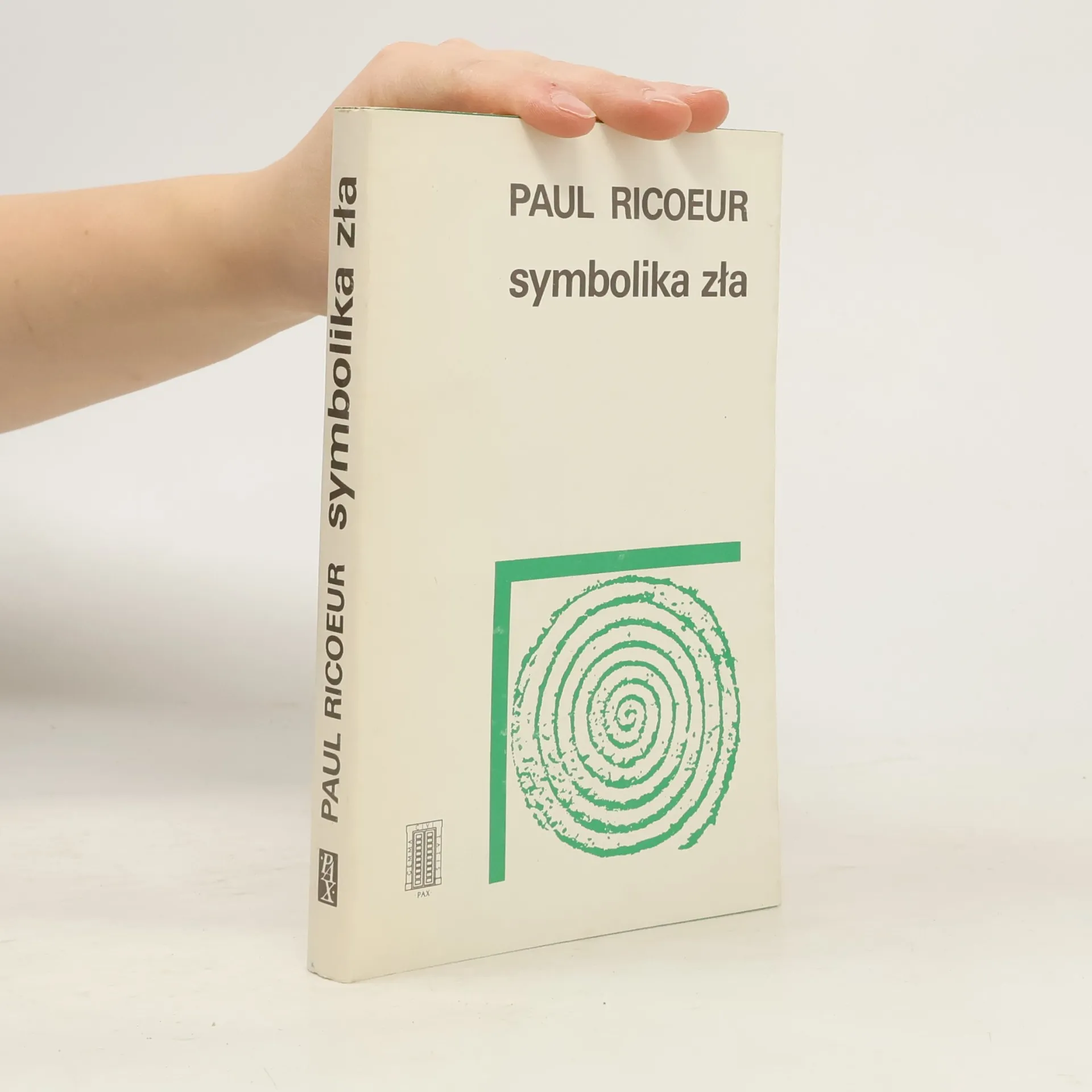
Symbolika zła
- 339 stránek
- 12 hodin čtení
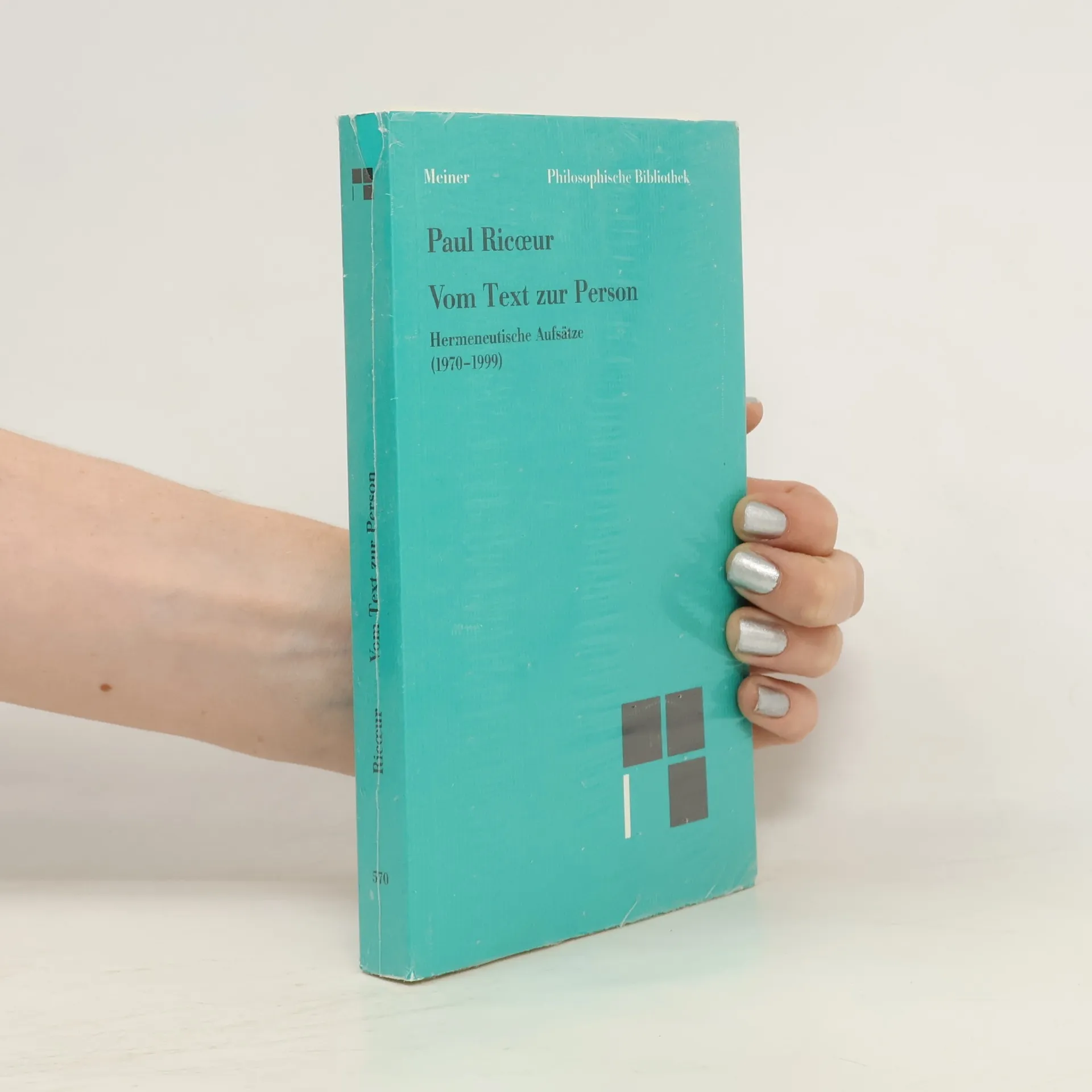
Ricœurs philosophische Entwicklung seit Beginn der siebziger Jahre dokumentiert sich nicht nur in seinen Monographien, sondern auch in einer Reihe von Aufsätzen, die bislang unübersetzt geblieben oder an entlegener Stelle in deutscher Sprache erschienen sind. Das Ziel des Bandes besteht darin, besonders prägnante Aufsätze zu den wichtigsten Themen zu präsentieren, mit denen sich Ricœur in dieser Zeit auseinandergesetzt hat. Dazu zählen seine Überlegungen zu einer Hermeneutik des Textes, zur Theorie von Metapher und Erzählung, zum Verhältnis von Ideologie und Utopie, zur Religionsphilosophie, zu einer Hermeneutik des Selbst, zur Ethik und Rechtsphilosophie sowie zum Verhältnis von Erinnerung und Vergessen. Auf diese Weise soll dem Leser die Gelegenheit geboten werden, sich einen Überblick über die Schwerpunkte von Ricœurs philosophischer Arbeit der letzten drei Jahrzehnte zu verschaffen. Was die Auswahl der einzelnen Texte anbelangt, so orientiert sie sich zum einen am Gewicht der Themen im Zusammenhang des gesamten Werks, zum anderen aber auch daran, daß die Beiträge die Position des Autors auf besonders exemplarische Weise darstellen. Der Band wird abgerundet durch eine »Philosophische Autobiographie«, in der Ricœur seinen Denkweg reflektiert.
Qu'est-ce que le temps? La philosophie traditionnelle n'a jamais fourni de réponse définitive à cette question, malgré des spéculations approfondies. Ce livre choisit de ne pas y répondre directement, mais plutôt de présenter une expérience du temps ancrée dans des contextes sociaux, historiques et intellectuels précis. Les essais rassemblés ici explorent le temps à partir de diverses situations culturelles, offrant une variation sur un thème commun, abordé sous des angles et des approches différents. Bien que ces méthodes analytiques puissent sembler disséminantes, elles sont souvent éclairées par la philosophie sous-jacente qui les inspire. Cela est particulièrement pertinent dans l'examen du rôle de la langue et de ses relations avec les références temporelles. Certaines réflexions vont au-delà des simples références pour considérer comment le temps se manifeste et comment ses structures immanentes s'organisent, ce qui est essentiel pour une compréhension spécifique de l'histoire. Ces investigations reconnaissent également les apories souvent engendrées par la réflexion sur le temps. Elles interrogent les insuffisances des images spatiales courantes du temps, posant la question de la mesure du temps lui-même. Enfin, elles soulignent que la relativité, en émancipant la problématique du temps, exige une connaissance de sa nature, qui se réalise dans l'accomplissement des communautés humaines et le mouvement de leur vie histor
Testament biblique
- 201 stránek
- 8 hodin čtení
" Je suis heureux, en écrivant ces lignes, de rendre hommage à un explorateur professionnel qui s'est employé, comme moi je m'y suis essayé en tant que lecteur amateur, à "penser la Bible". C'est dans cette passion que nous nous sommes rencontrés. " Paul Ricoeur. Paul Beauchamp, jésuite, s'est éteint le 23 avril 2001. Les huit textes ici rassemblés ont été écrits au fil des ans pour la revue Études et manifestent une étonnante unité qui reflète celle d'un homme et de son incessant travail. La lecture du texte des origines (la Genèse) conduit à celle de l'Apocalypse qui clôt la ligne du temps et éclaire notre présent, celui de la louange avec les psaumes. Mais pour passer de l'un à l'autre Testament, il faut renouer avec notre héritage, penser et éprouver la fraternité qui nous relie à jamais au peuple juif, notre aîné. Alors la voie s'ouvre pour instaurer une éthique fondée sur la lecture du livre et affronter l'énigme de la violence inaugurale.
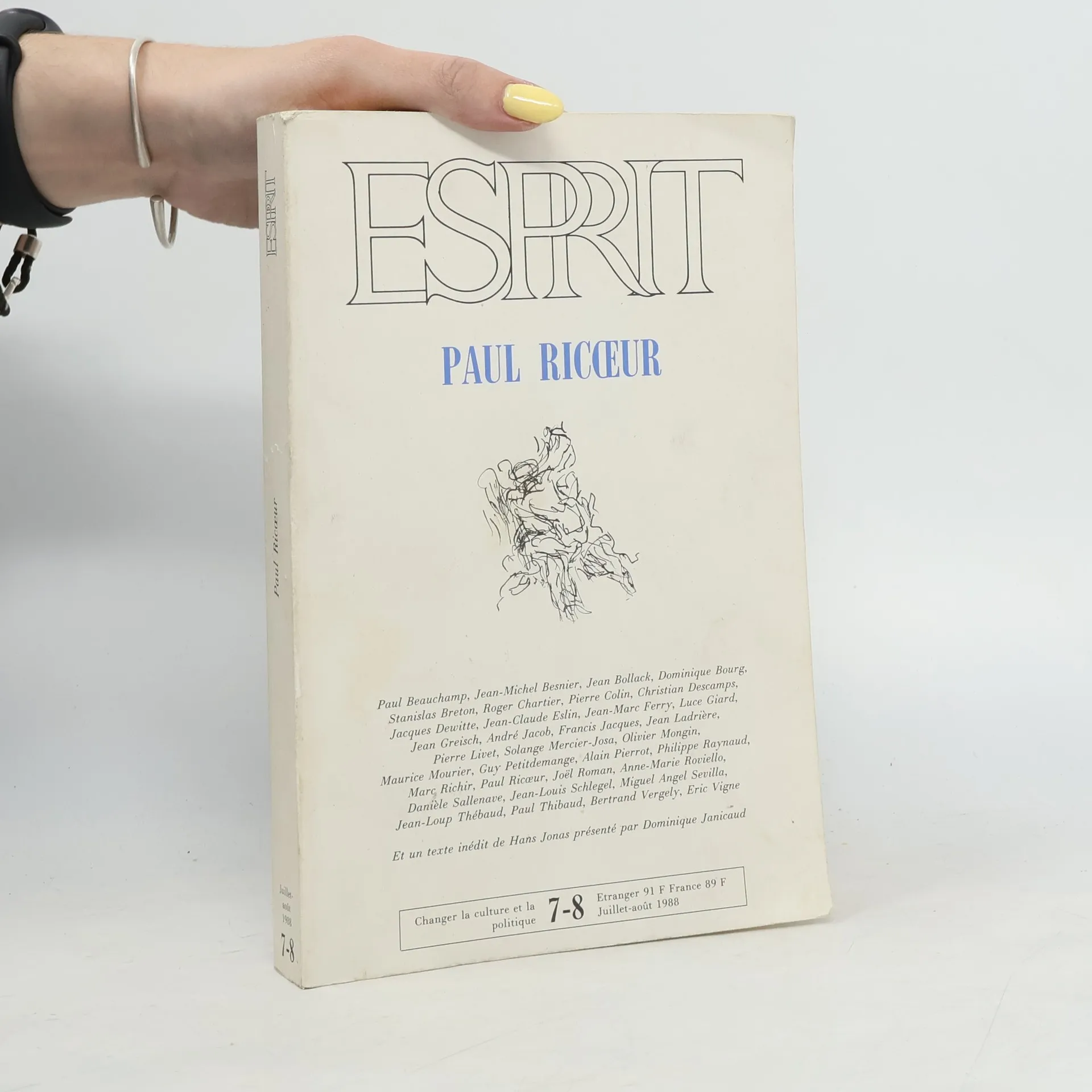
Esprit - 3-4: La pensée Ricoeur
- 380 stránek
- 14 hodin čtení
Zeit und Erzählung I-III
Zeit und historische Erzählung. Zeit und literarische Erzählung. Die erzählte Zeit
- 3 svazky