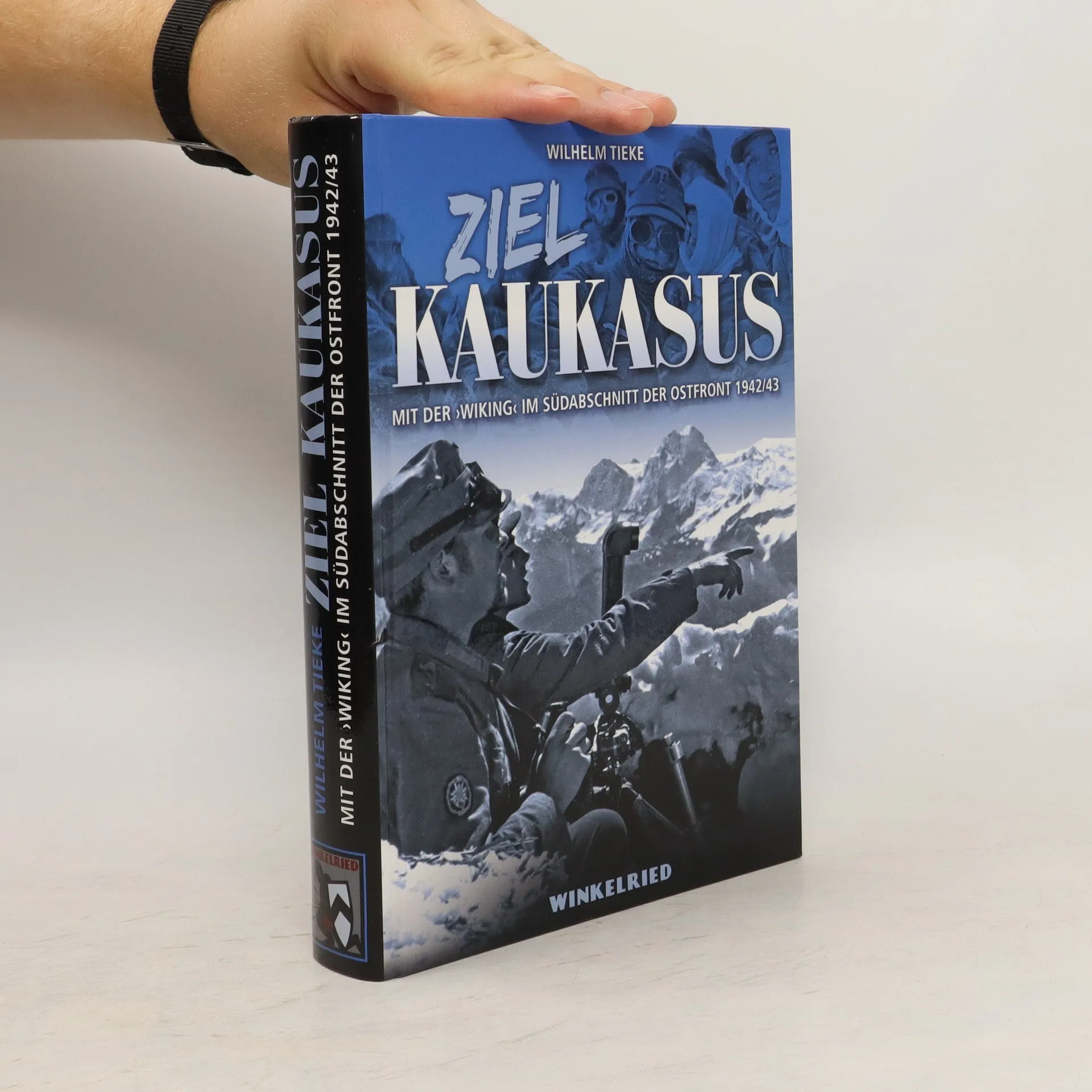
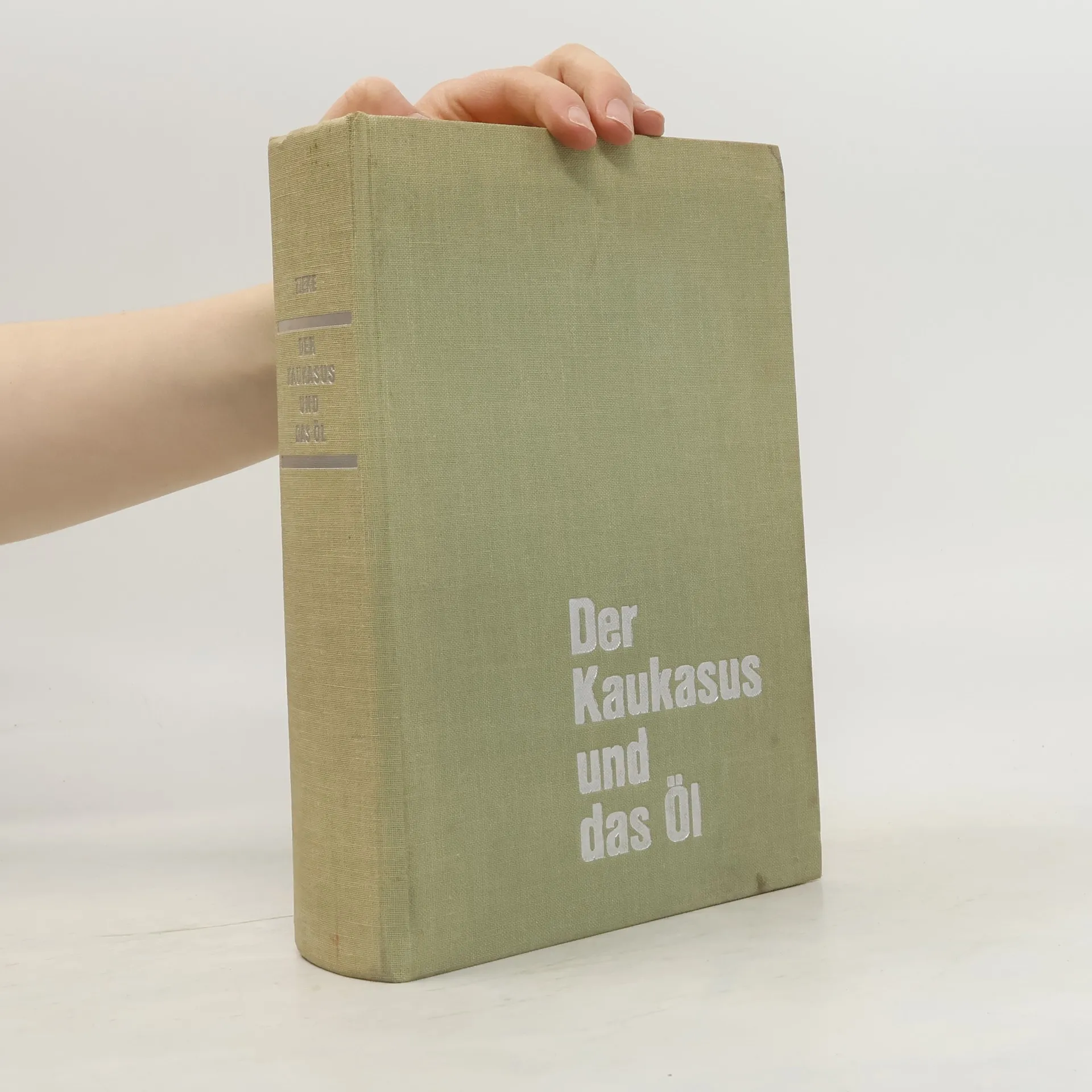
Im Frühjahr 1942 steht das deutsche Ostheer nach einem krisenreichen Winter vor der Roten Armee, die trotz harter Bedingungen nicht in der Lage war, die deutsche Front entscheidend zu schwächen. Mit dem Frühling erfolgt die Auffrischung der deutschen Truppen, und die Wehrmacht nimmt eine offensive Haltung ein. Das Hauptziel für den Sommer 1942 ist die Vernichtung der feindlichen Kräfte zwischen Don und Kaukasus sowie die Besetzung des Kubangebietes und der kaukasischen Ölfelder. Der Kaukasus, ein 1.100 km langer Gebirgszug, ist strategisch wichtig für Hitlers Pläne, da das Öl für die motorisierten Verbände entscheidend ist. Zudem soll Stalins Zugang zu diesem Rohstoff und die anglo-amerikanische Versorgungsroute über den Iran gestört werden. Deutsche, rumänische und finnische Einheiten greifen an, doch die Unterschätzung des Gegners führt zu Verzögerungen und einer Zersplitterung der Angriffe. Die sowjetischen Verbände können ausweichen. Während eine Heeresgruppe auf Stalingrad zusteuert, erhält eine andere den Auftrag, zum Kaspischen Meer und nach Baku vorzustoßen – die Operation „Edelweiß“. Zum ersten Mal kämpft die deutsche Wehrmacht im Hochgebirge, was eine enorme Herausforderung für die Gebirgseinheiten darstellt. Wilhelm Tieke, ein ehemaliger Kämpfer im Kaukasus, liefert mit diesem Werk eine anschauliche und packende militärhistorische Analyse.
Wilhelm Tieke Pořadí knih (chronologicky)


In diesem Sommer jährt sich zum 200. Mal der Angriff der französischen Grande Armée Napoleons auf das russische Riesenreich. Fast 130 Jahre später trat die deutsche Wehrmacht zum Sturm auf die russische Hauptstadt an. Der bekannte Militärhistoriker Wilhelm Tieke schildert in seinem neuesten Werk in einer faszinierenden Rückschau beide Kriege in paralleler Gegenüberstellung. Napoleon wie auch Hitler befanden sich in einem Krieg gegen England, das die Vorherrschaft einer anderen Macht auf dem Kontinent nicht hinnehmen wollte. Franzosen wie Deutsche suchten in dieser Auseinandersetzung zunächst die Unterstützung Rußlands – jedoch vergeblich. Daher wurden die Kriege 1812 und 1941 unausweichlich, um Rußland als Gefahr im Rücken Frankreichs bzw. des Deutschen Reiches auszuschalten. Es gab aber auch Unterschiede: Während sich 1812 die Russen in die Weite des Landes zurückzogen und sich erst vor Moskau zur Schlacht stellten, gelang es der Wehrmacht, das Gros der an der Westgrenze aufmarschierten Sowjettruppen in gigantischen Kesselschlachten zu vernichten.
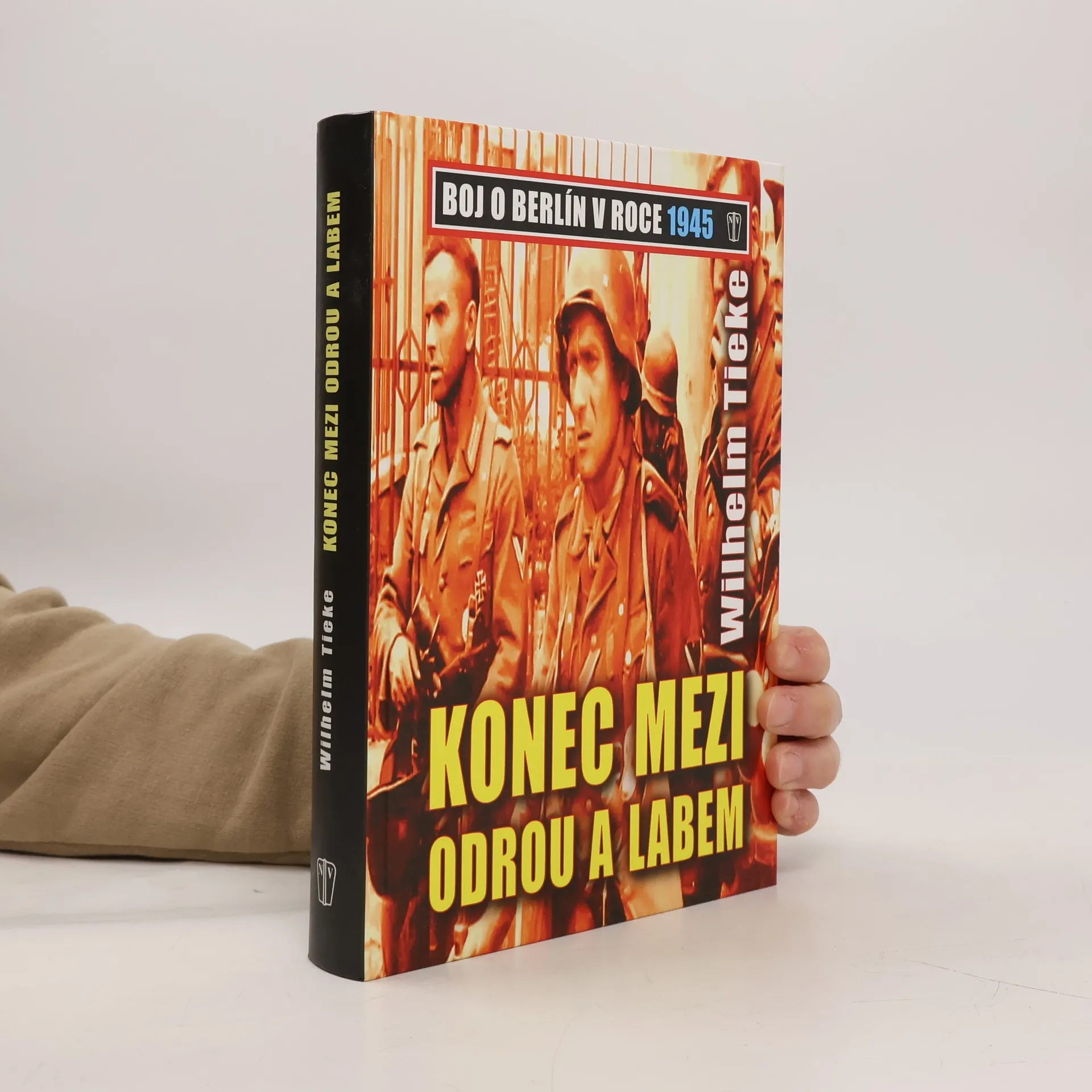
Konec mezi Odrou a Labem. Boj o Berlín v roce 1945
- 452 stránek
- 16 hodin čtení
Kniha popisuje závěrečný boj o Berlín v roce 1945. Autor chce přispět k osvětlení nedávné historie, připomenout utrpení a umírání trýzněných lidí - civilistů, uprchlíků a vojáků - a vyvodit z toho poučení o nutnosti příštím válkám všemi prostředky bránit. Využívá řadu archivních materiálů, nejvíce dokumenty o Skupině armád "Visla".
An den Brennpunkten der Ostfront
- 311 stránek
- 11 hodin čtení
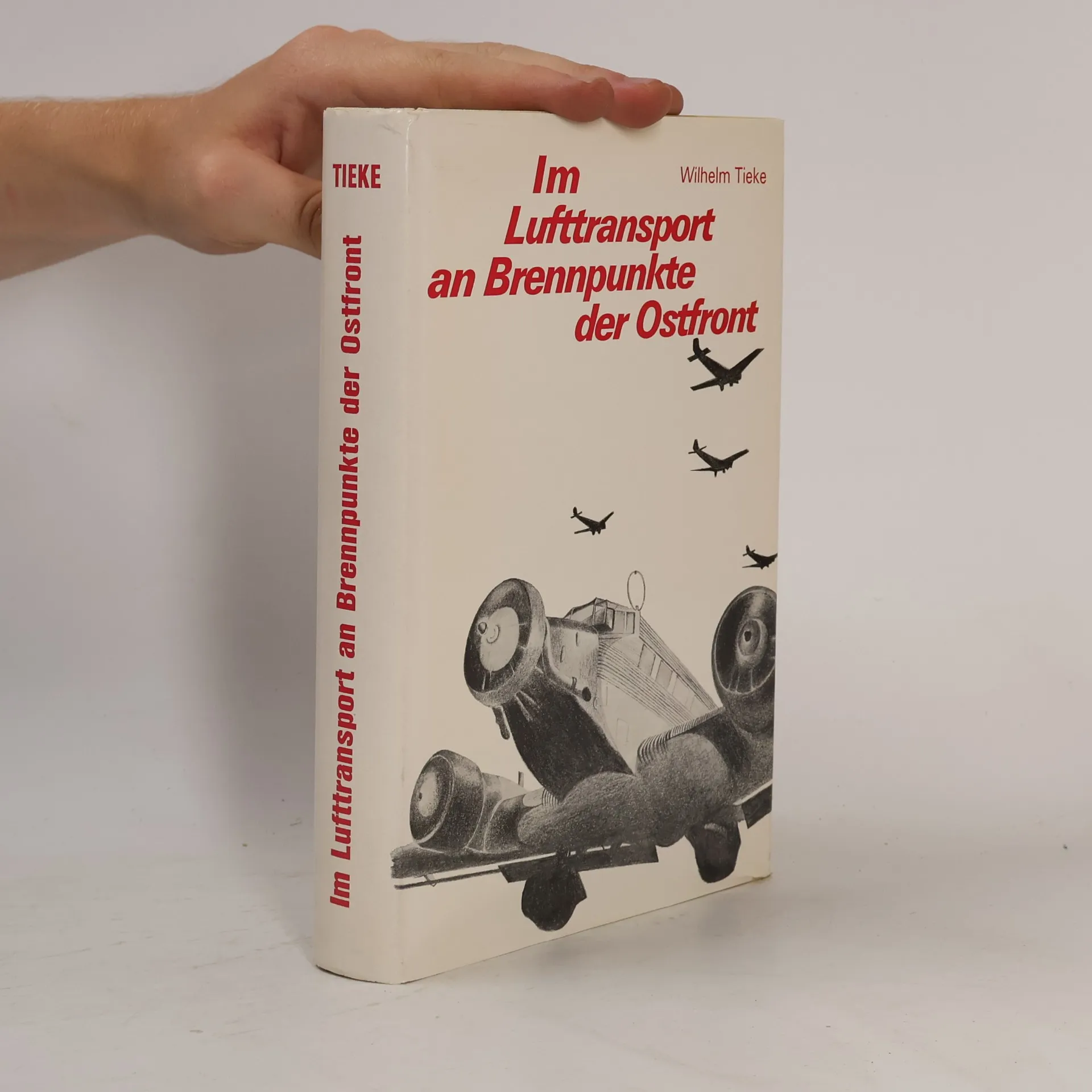
Im Zweiten Weltkrieg stachen zwei deutsche Freiwilligenverbände hervor: das SS-Infanterie-Regiment 4 (mot.), später „Langemarck“ genannt, und das „Freikorps Danmark“. Das SS-IR 4 wurde nach dem Anschluss Österreichs in Linz-Steyr aufgestellt und diente zunächst als Wachregiment in Prag und zum Küstenschutz in den Niederlanden, bevor es nach Ostpreußen verlegt wurde. Ab September 1941 kämpfte es an der Ostfront im Rahmen der 2. SS-Brigade und später als schnelles Schützenregiment in der SS-Panzer-Division „Das Reich“. Im weiteren Verlauf des Krieges wurden die Männer vom „Langemarck“ in verschiedenen Heeresdivisionen eingesetzt und hielten mehrfach sowjetischen Gegenoffensiven stand, wodurch sie zu stabilen Stützen der deutschen Front wurden. Der zweite Teil des Buches behandelt die dänischen Freiwilligen im „Freikorps Danmark“ unter Sturmbannführer Christian Frederik von Schalburg und später Obersturmbannführer von Lettow-Vorbeck. Ihre Einsätze führten sie über Hamburg-Langenhorn und Posen-Treskau in den Kessel von Demjansk. Der Autor beschreibt den harten und entbehrungsreichen Kampf an der Ostfront, einschließlich Stoßtruppunternehmen, Häuserkämpfen und Entsatzversuchen. Das „Freikorps Danmark“ bildete 1943 die Grundlage für das SS-Panzergrenadier-Regiment 24 „Danmark“.
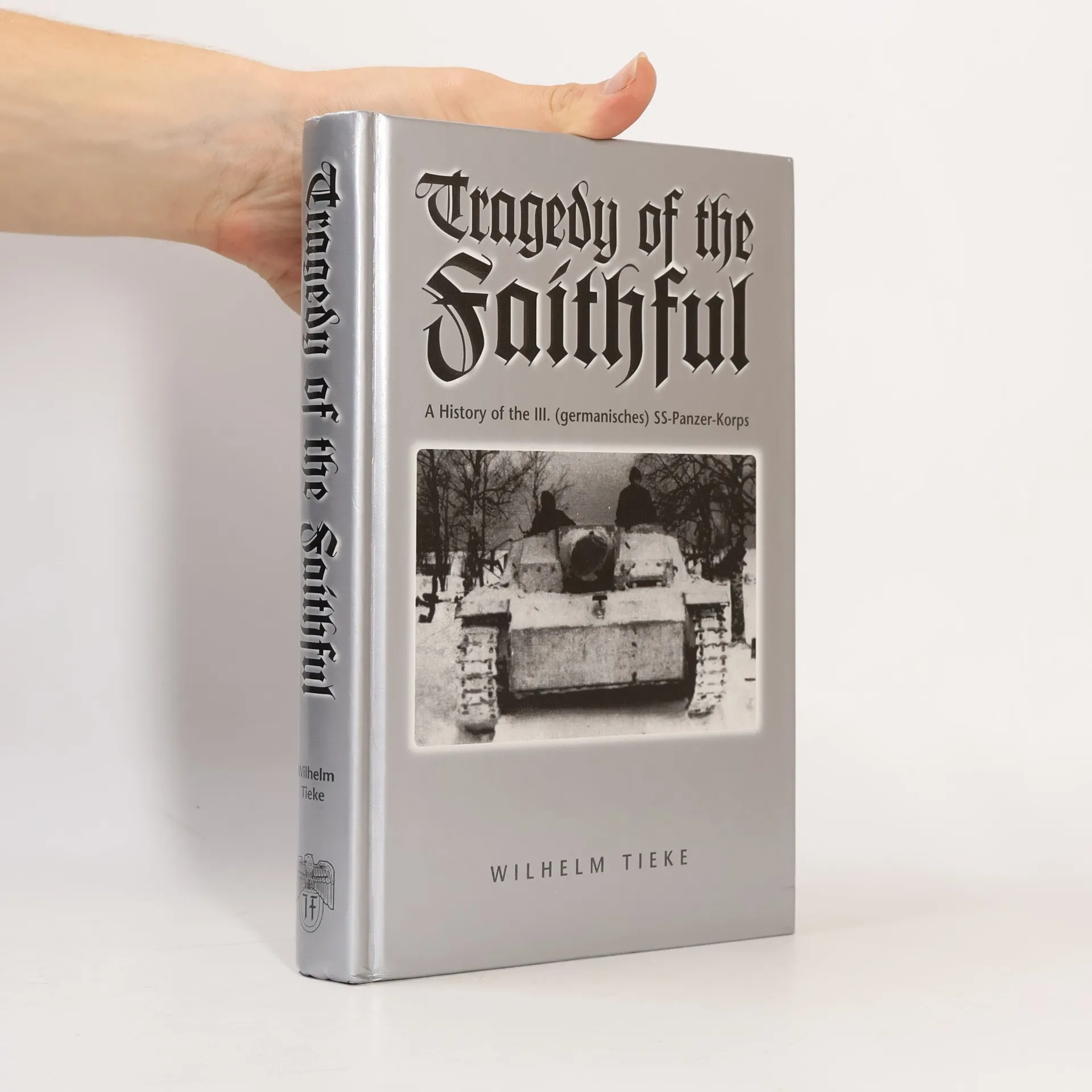
This book is typical Tieke: terse, to-the point, factual and exciting reading! It presents all of the original material from Tragödie um die Treue as well as selected excerpts from Korps Steiner and original material added just for the English edition. It concentrates on the fighting in the Baltic but covers the fighting all the way until the end of the war including an extensive section on the final fighting in Berlin. This book represents the only thorough account in English of some of the formations in the corps: e.g., the 11.SS-Freiwilligen-Panzergrenadier-Division "Nordland" and the aforementioned 4. SS-Panzergrenadier-Brigade "Nederland".
Im letzten Aufgebot
- 321 stránek
- 12 hodin čtení
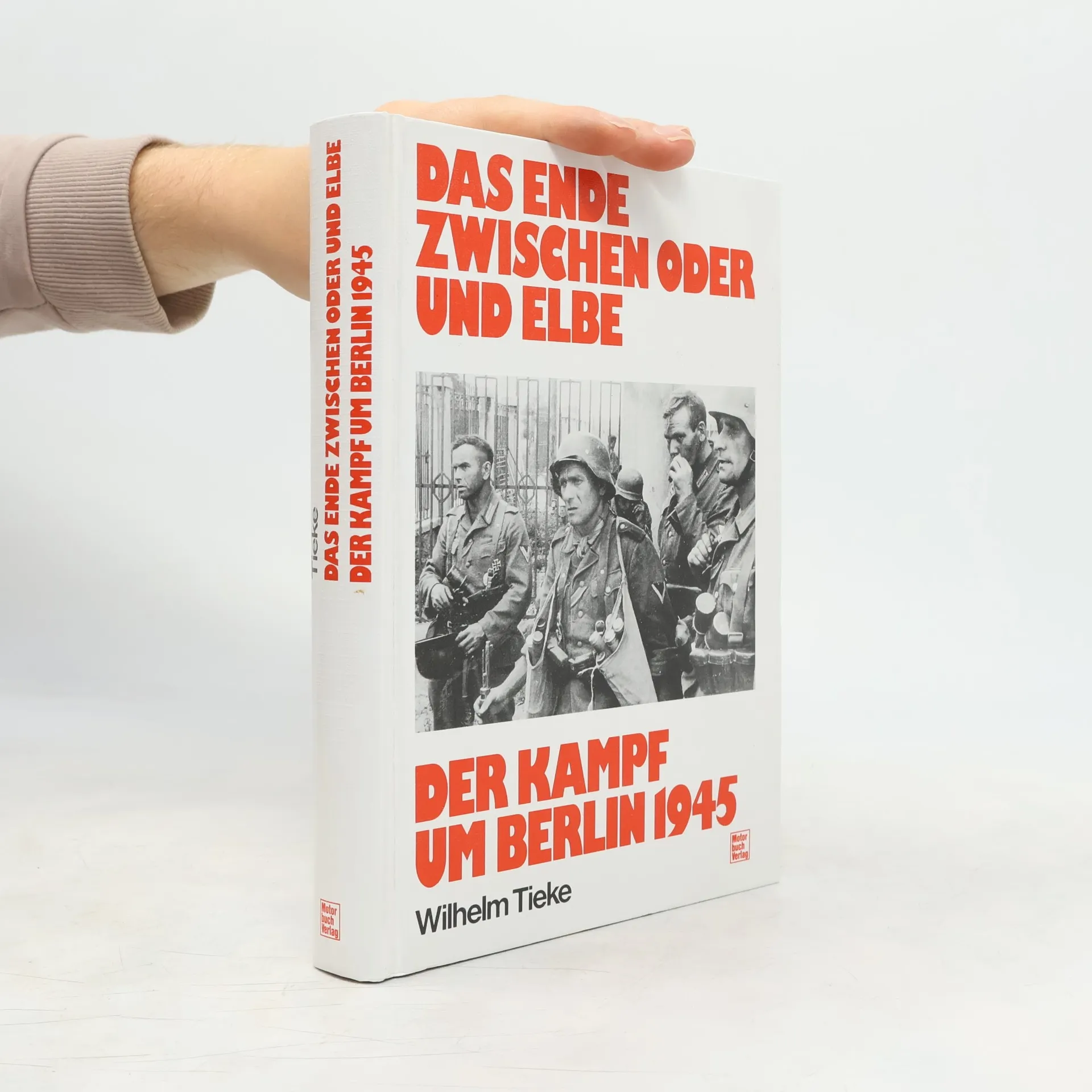
Das Ende zwischen Oder und Elbe - Der Kampf um Berlin 1945
- 515 stránek
- 19 hodin čtení
Nach der Stunde Null
- 352 stránek
- 13 hodin čtení
Das finnische Freiwilligen-Bataillon der Waffen-SS
- 290 stránek
- 11 hodin čtení
Das Buch beschreibt die Rolle des III. (finnischen) Bataillons im Regiment "Nordland" während des finnisch-russischen Winterkriegs und im Zweiten Weltkrieg. Es beleuchtet die deutsch-finnische Waffenbrüderschaft und die Einsätze des Bataillons in verschiedenen Schlachten, einschließlich der Verteidigung in der Kalmückensteppe.
Ein ruheloser Marsch war unser Leben
- 232 stránek
- 9 hodin čtení
Im Feuersturm letzter Kriegsjahre
- 641 stránek
- 23 hodin čtení
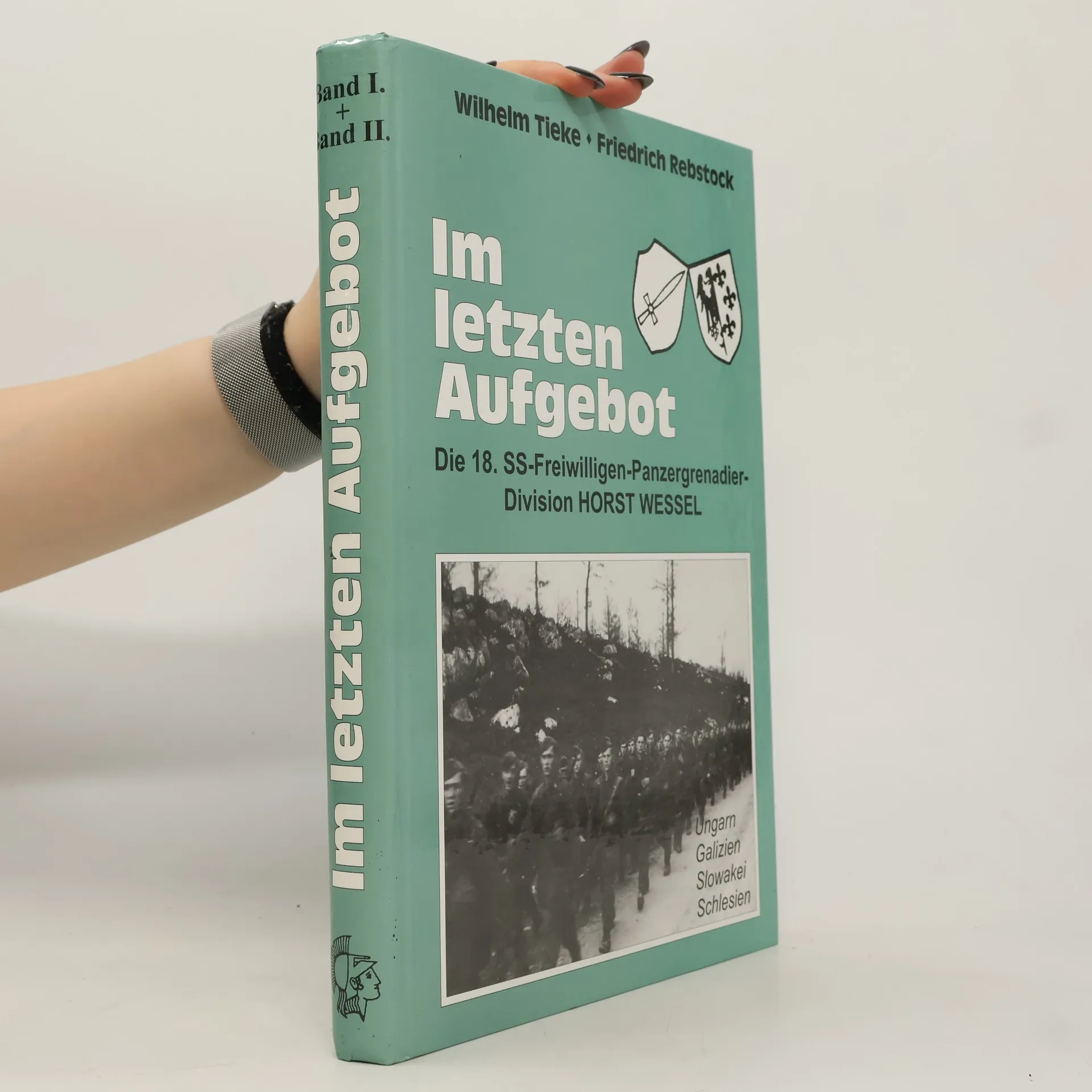
Mit der „Hohenstaufen“ und der „Frundsberg“, in der nach eigenen Angaben auch Günter Grass diente, werden zwei Großverbände vorgestellt, die, erst nach der Katastrophe von Stalingrad aufgestellt, die Last der schweren letzten Kriegsjahre zu tragen hatten. Es waren die schnellen gepanzerten Divisionen, die die Großoffensiven der Gegner Deutschlands im Westen und Osten abstoppen mußten. Neben der nüchternen Sachinformation sind Berichte der Kommandeure und Soldaten der Waffen-SS in diesem Werk enthalten.
Im Frühjahr 1943, das Kriegsschicksal hat sich bereits gegen Deutschland gewendet, ergeht aus dem deutschen Führerhauptquartier der befehl zur Aufstellung des III. (germ.) SS-Panzer-Korps. Es wird aus zwei ausländischen Freiwilligenverbänden gebildet, der 11. SS-Freiwilligen-Panzer-Grenadier-Division „Nordland“ und der 4. SS-Freiwilligen-Panzer-Grenadier-Brigade „Nederland“, also hauptsächlich Skandinaviern und Niederländern. Als die deutsche Ostfront bereits zurückzuweichen beginnt, werfen diese jungen ausländischen Freiwilligen ihr Leben gegen den Bolschewismus in die Waagschale. So führt ihr Weg sie aus Rußland über das Baltikum und Pommern kämpfend und sterbend bis in den Endkampf um Berlin.