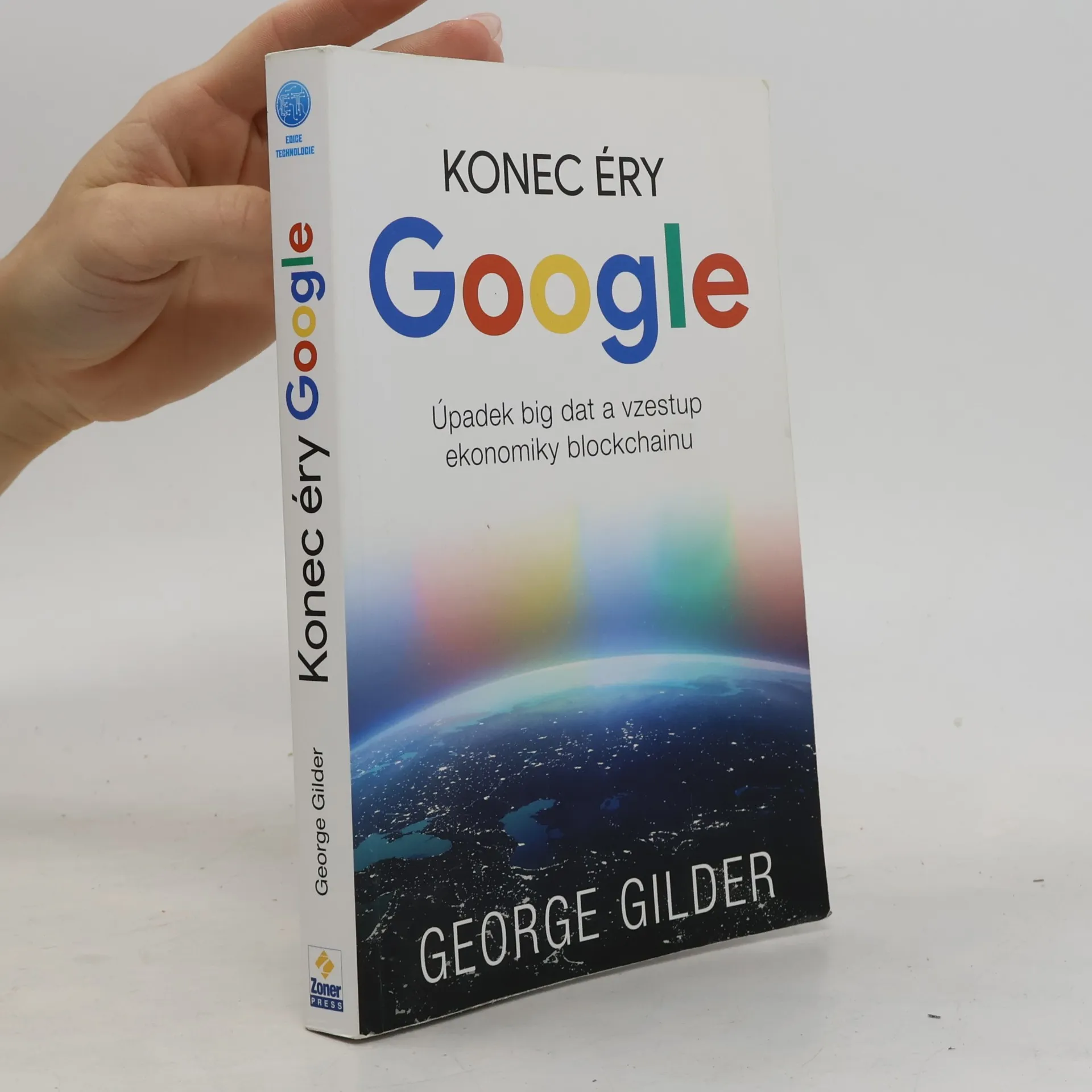
Věk Googlu, založený na big datech a strojové inteligenci, se blíží ke svému konci. Co přijde po něm? Algoritmy Googlu naznačují, že budoucnost je jen dalším náhodným procesem. George Gilder v knize Konec éry Google zkoumá, proč Silicon Valley zažívá krizi a co očekávat po této éře. Google, se svou schopností „hledat a třídit“, přitahuje uživatele k mnoha službám, jako jsou videa, mapy a e-maily, které se staly nepostradatelnými. Ačkoli se zdá, že vše je zdarma, uživatelé platí reklamou. Pokroky v umělé inteligenci vyvolávají obavy o její budoucí moc, zatímco Silicon Valley zanedbává bezpečnost. Internetové brány firewall, které měly chránit osobní údaje, se ukázaly jako nedostatečné. Budoucnost spočívá v „kryptokosmu“ – architektuře blockchainu, která nabídne bezpečný platební systém a ukončí éru Googlu. Autor vyvrací názory prominentních osobností, které považují umělou inteligenci za revoluční. Podle něj je stávající systém v krizi, kterou současná technologie nedokáže vyřešit. Konec éry Google se blíží.
George F. Gilder Pořadí knih (chronologicky)


The Israel test
- 296 stránek
- 11 hodin čtení
Israel is the crucial battlefield for Capitalism and Freedom in our time. George Gilder's global best-seller Wealth and Poverty made the moral case for capitalism. Now Gilder makes the case for Israel, portraying a conflict of barbarism and envy against civilization and creativity. Gilder reveals Israel as a leader of human civilization, technological progress, and scientific advance. Tiny Israel stands behind only the United States in its contributions to the hi-tech economy. Israel has become the world's paramount example of the blessings of freedom. Hatred of Israel, like anti-Semitism through history, arises from resentment of Jewish success. Rooted in a Marxist zero-sum-game theory of economics, this vision has fueled the anti-Semitic rantings of Hitler, Arafat, Osama, and history's other notorious haters. Faced with a contest between murderous regimes sustained by envy and Nazi ideology, and a free, prosperous, and capitalist, Israel—whose side are you on?
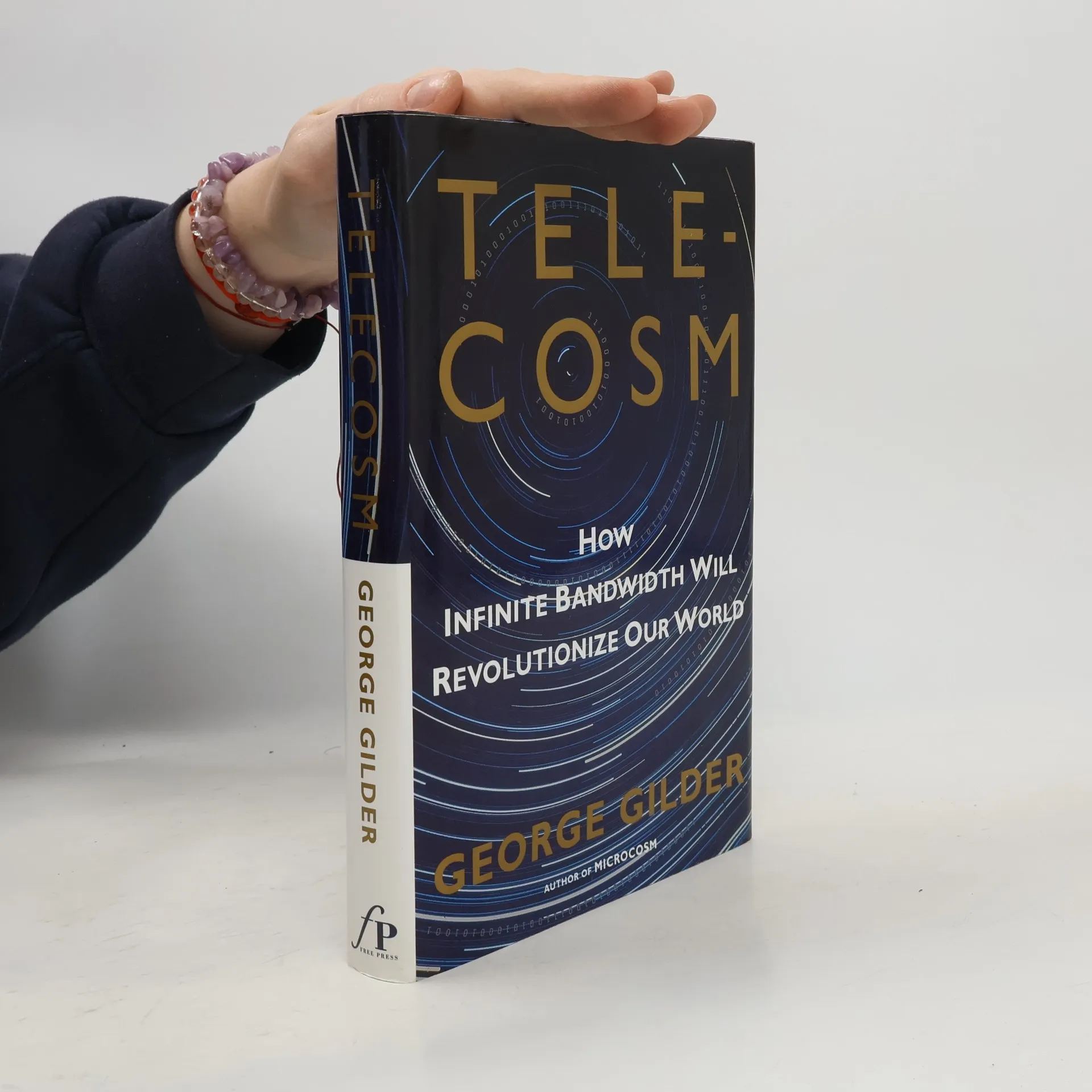
The computer age has concluded, giving rise to the telecosm—an era defined by advanced communications technology. While chips and software remain essential, the focus has shifted to communication power, or bandwidth, which is rapidly expanding and reshaping our social and economic landscape. George Gilder, a prominent technological visionary, adeptly predicts these shifts, emphasizing the significance of bandwidth over chip speed. His foresight includes the rise of fiber and wireless optics, the decline of traditional telephony, and the surge of handheld devices. Gilder's insights have consistently outperformed even the most optimistic market predictions, making his work indispensable for understanding the current communication revolution. This exploration combines science, business history, social analysis, and predictions about the future. It highlights the profound changes that will outstrip those brought by the personal computer. Gilder argues that computers will become less central as their functions migrate online, while low-flying satellites will make handheld devices ubiquitous. He predicts the decline of television, a revival of print media, and a transformation in advertising. The narrative introduces key innovators, from laser pioneers to fiber optics trailblazers, showcasing the technologies that will become as fundamental as air. This work is essential for anyone seeking to grasp the monumental shifts occurring i
Visible Man
- 208 stránek
- 8 hodin čtení
Meet Mitchell "Sam" Brewer. Young. African-American. An ex-Marine with charm and intelligence. Highly valued by his employers in his state job. Yet Sam repeatedly gets into trouble - much of it the kind that lands him in hospitals and police stations. George Gilder, one of the most important sociopolitical authors of our time, brings us a life in which the ultimate trap is not racism, but the very system that's meant to help. Not since Claude Brown's "Manchild in the Promised Land" has there been such a forthright, unvarnished, and humanizing portrait of life and struggle for young African-American men in the inner city.From the author's new introduction decrying the lack of vision in welfare reform to the chilling postscript on the story's protagonist, "Visible Man" rings even more disturbingly true today than when it was first published.
The George Gilder Books: Life After Television
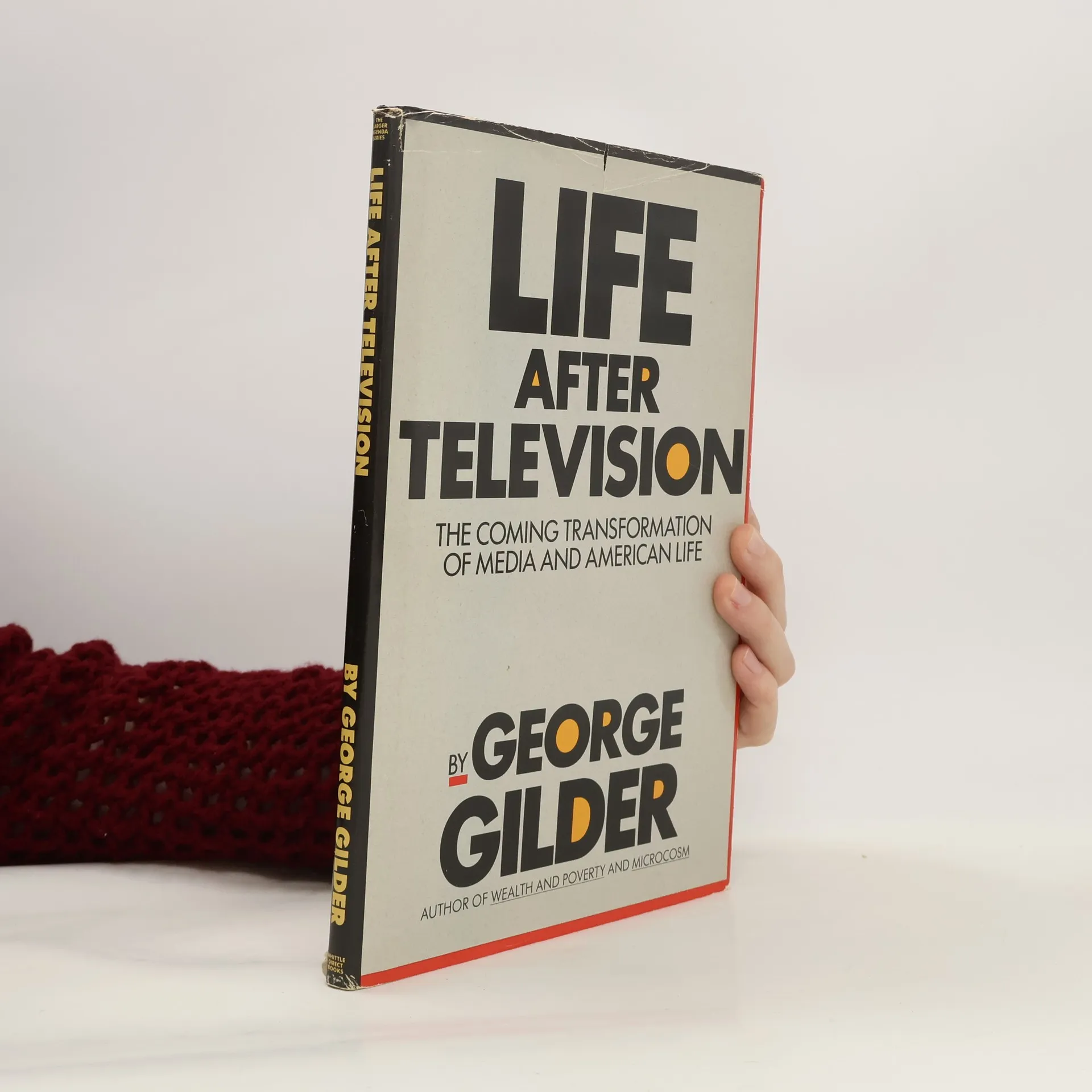
The Coming Transformation of Media and American Life
- 86 stránek
- 4 hodiny čtení
Television has long been identified as a dead hand on culture; but George Gilder suggests here that this centralized, authoritarian institution is also a dying technology and that the telecomputer - a powerful interactive system that will affect all aspects of life, from education to business to leisure time - will replace it. America is presently at the forefront of telecomputer development, but government restrictions - such as those that limit the wide use of fibre-optic technology - may hinder the American companies in the vanguard. Gilder's optimistic message is that the United States has only to unleash its industrial resources to command the "telefuture", in which new technology will overthrow the stultifying influence of mass media and renew the power of individuals.
Wealth and Poverty
- 306 stránek
- 11 hodin čtení
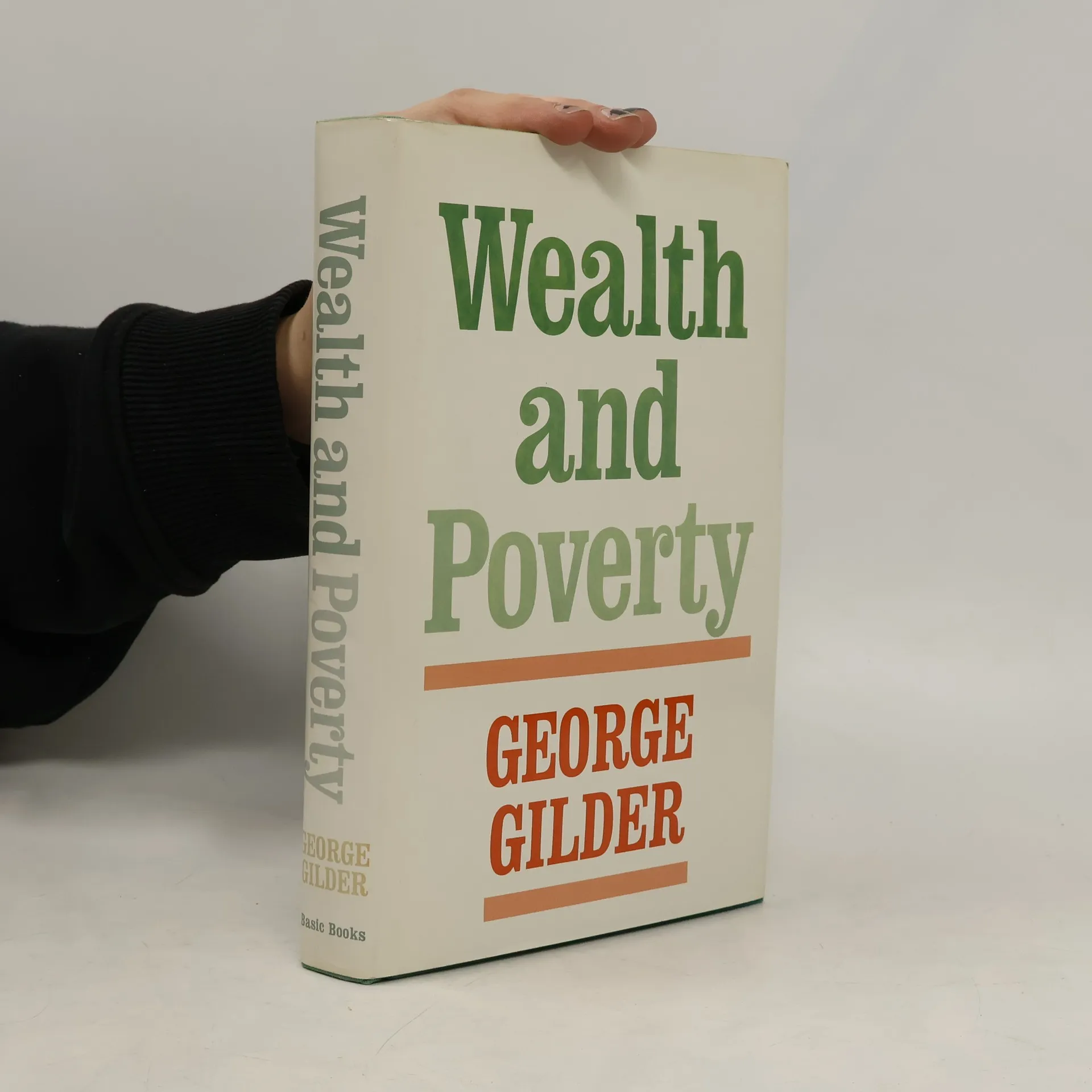
In this acclaimed work, Gilder offers an illuminating discussion of how to increase wealth and curtail poverty, arguing that most welfare programs only serve to keep the poor in poverty as victims of welfare dependency.