Knihobot

Robert Sternberg

    8. prosinec 1949

    Robert J. Sternberg je psycholog, který zpochybňuje tradiční pohledy na inteligenci. Jeho triarchická teorie úspěšné inteligence tvrdí, že skutečná inteligence spočívá v rovnováze analytických, kreativních a praktických schopností. Sternberg zdůrazňuje, že inteligentní chování není jen o analytickém myšlení, ale také o schopnosti tvořit a aplikovat znalosti v reálném světě. Klíčem k úspěchu je podle něj adaptabilita a efektivní využívání silných stránek v rámci specifického kulturního kontextu.

    Robert Sternberg
    Handbook of Intelligence
    Adaptive Intelligence
    The International Handbook of Creativity
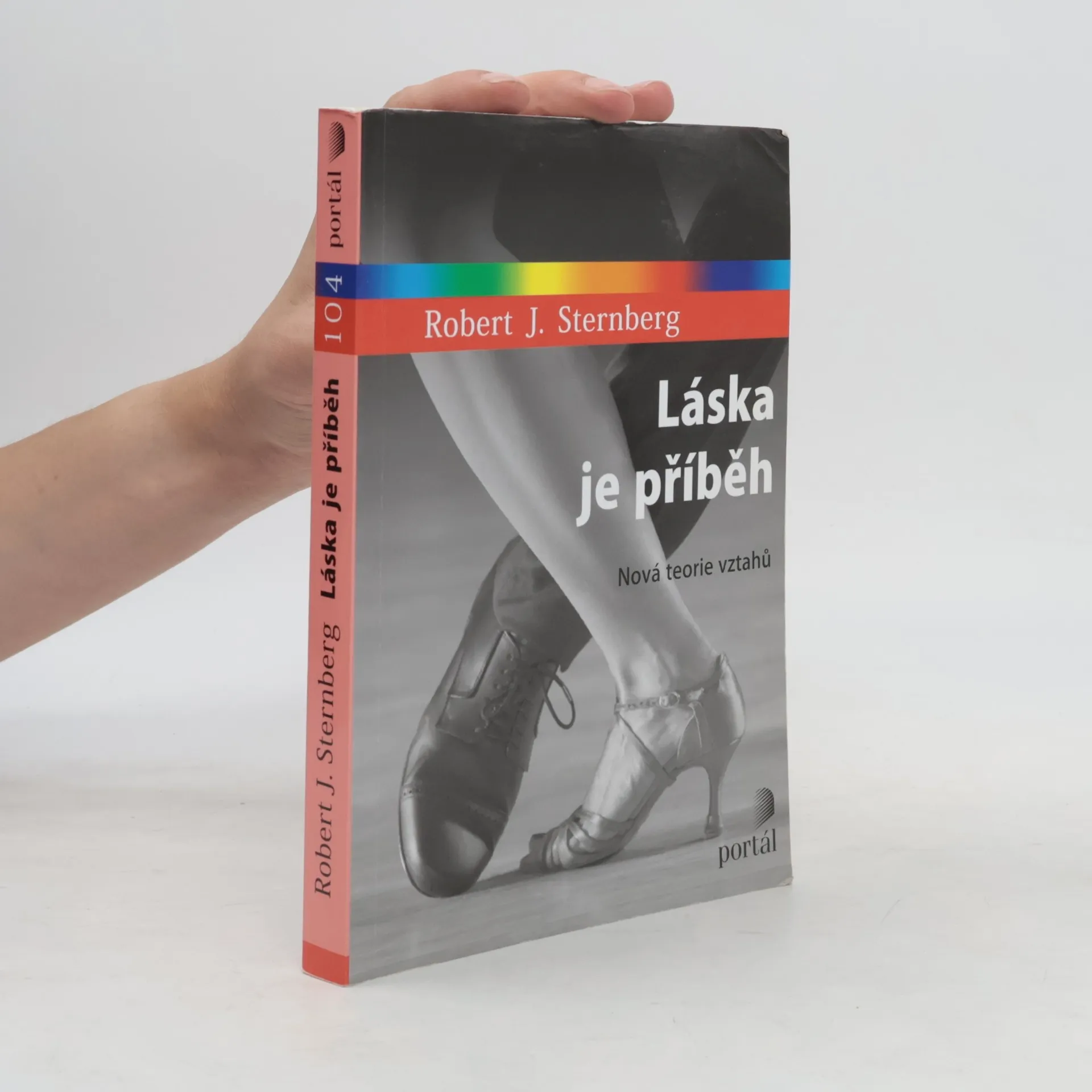
    Láska je příběh: Nová teorie vztahů
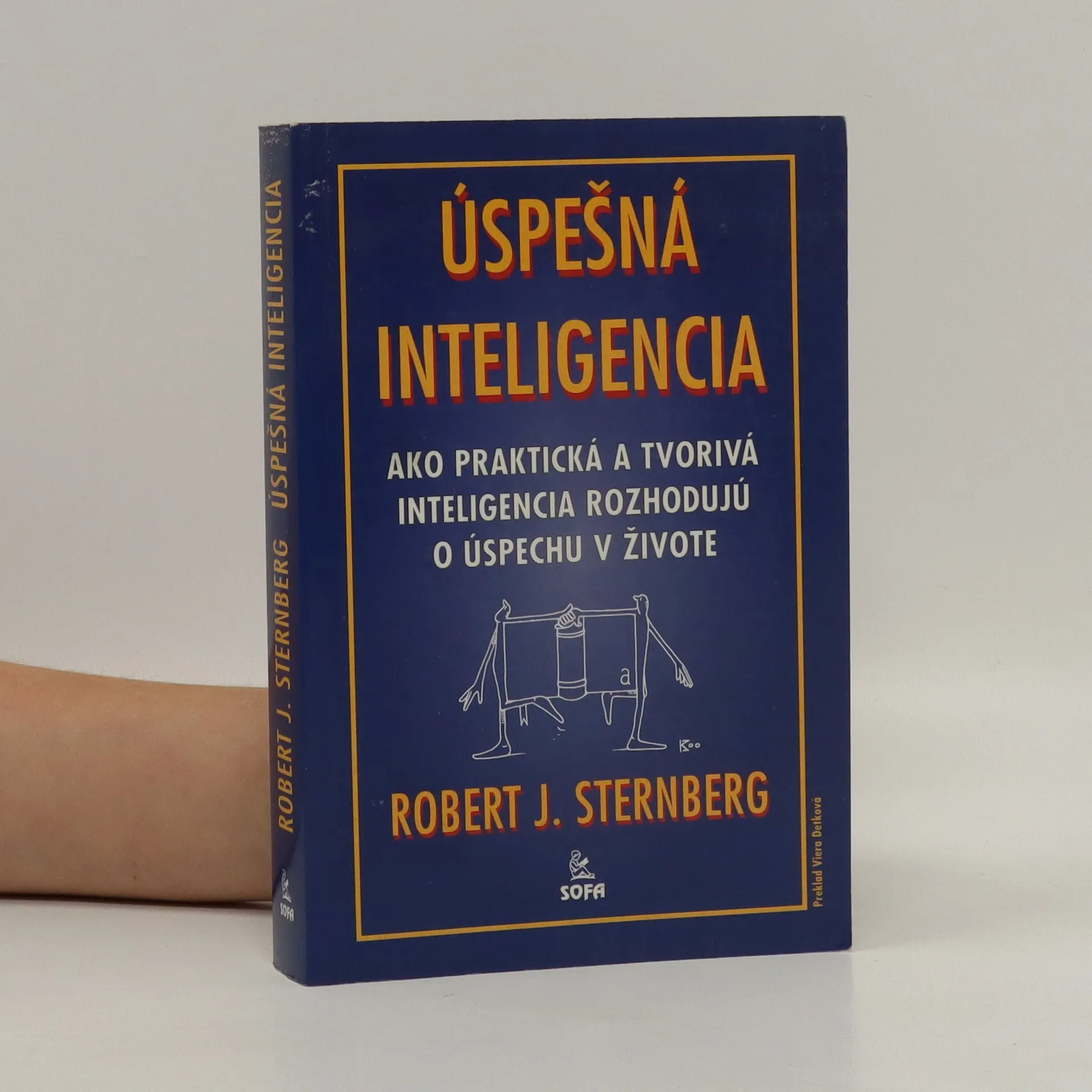
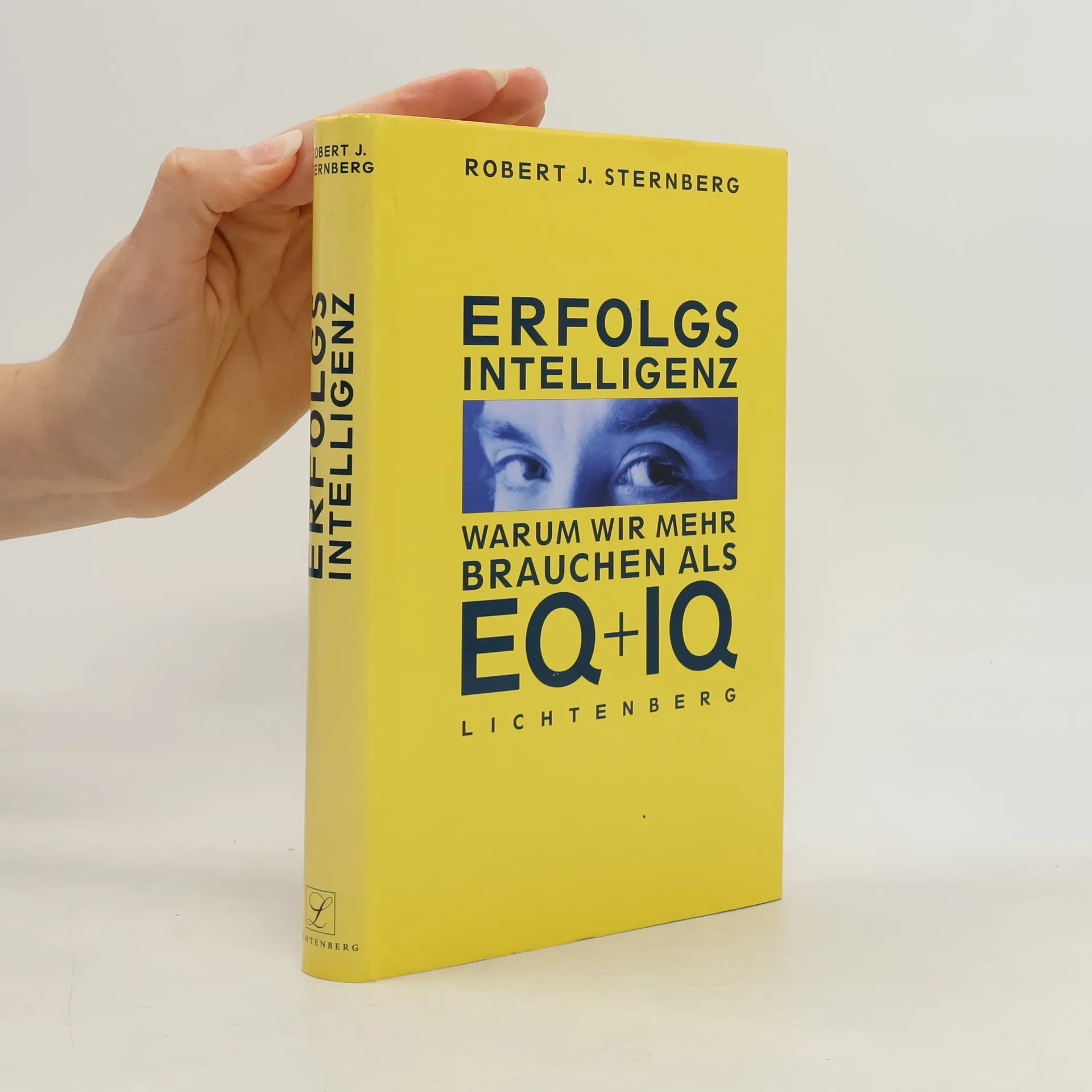
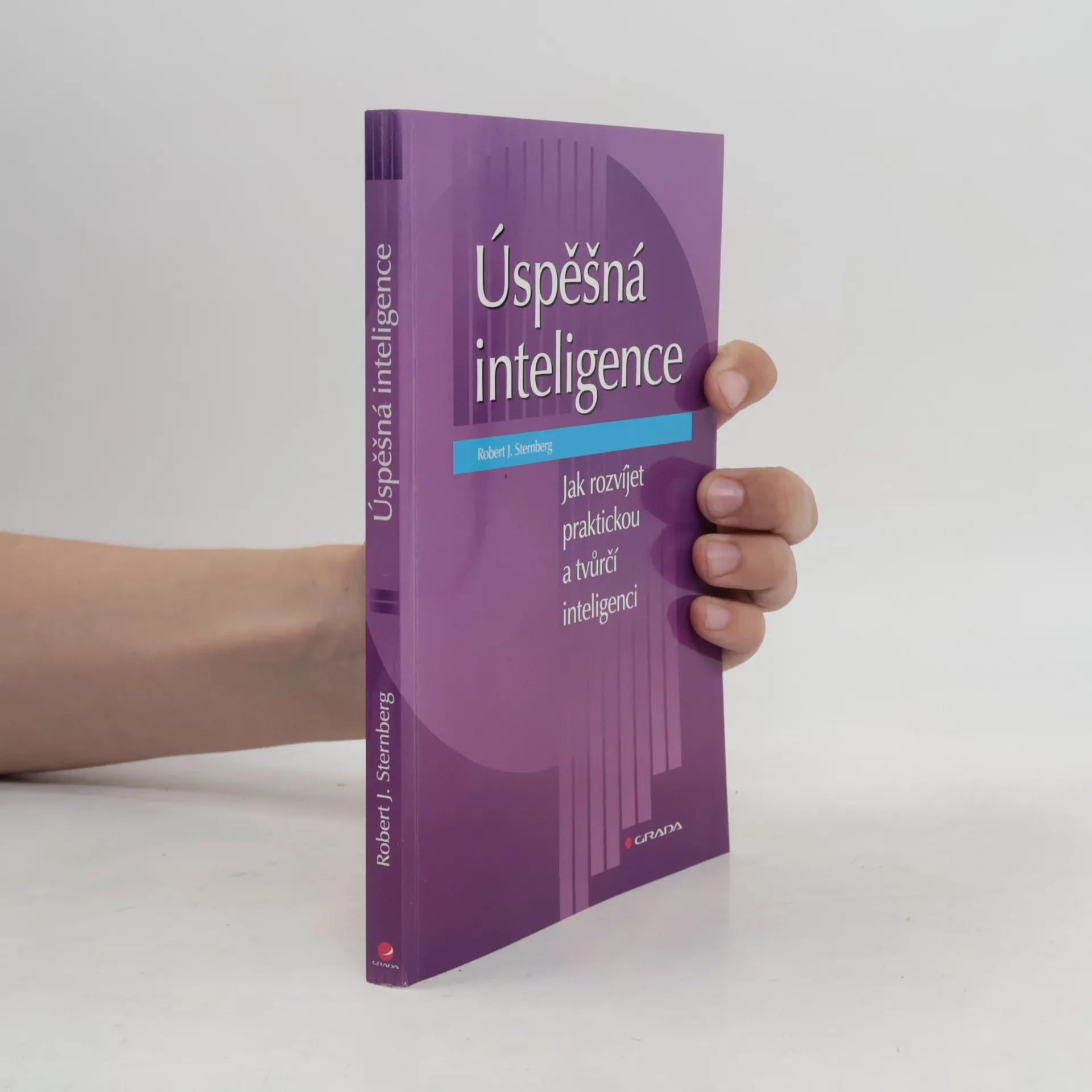
    Úspěšná inteligence : jak rozvíjet praktickou a tvůrčí inteligenci
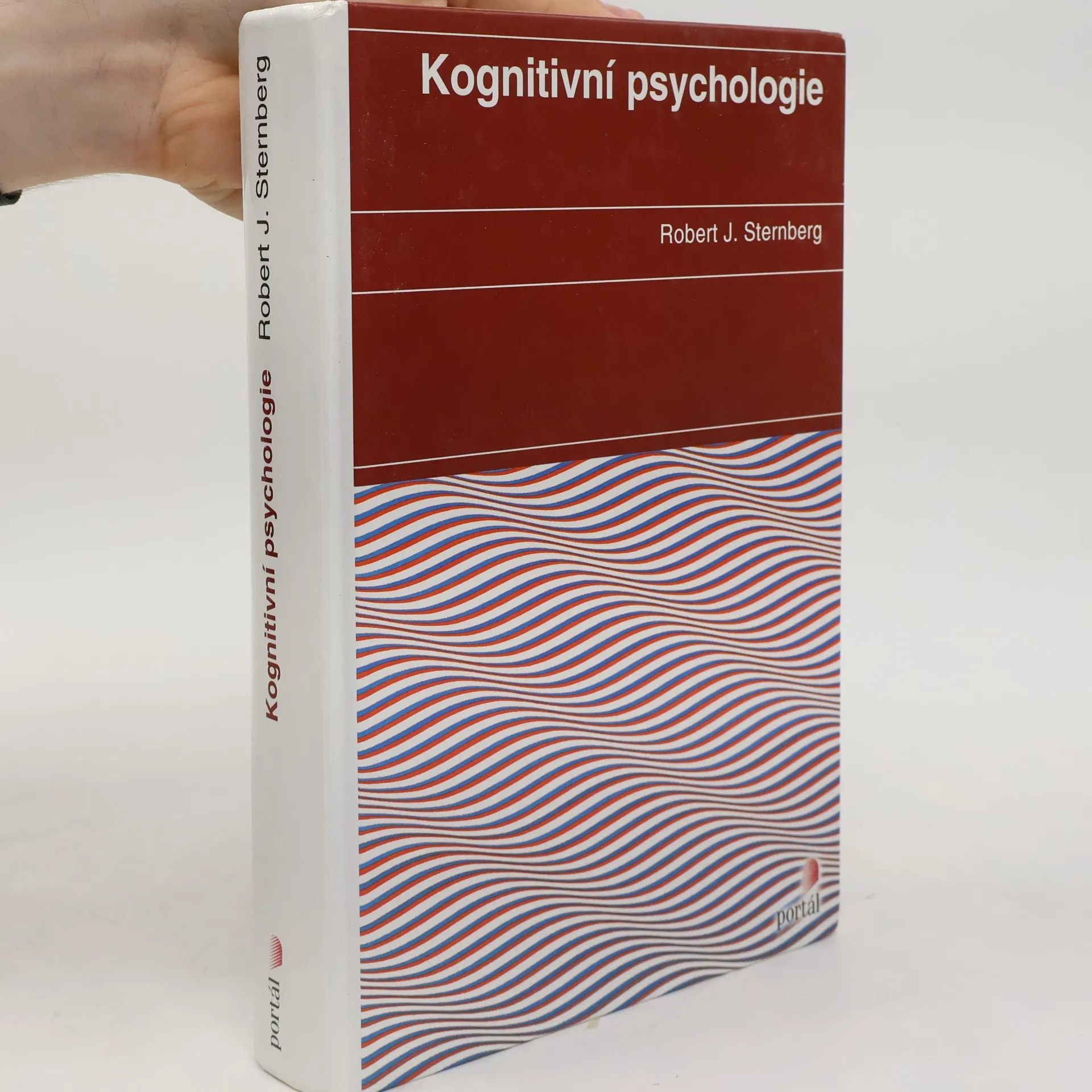
    Kognitivní psychologie
    • Kognitivní psychologie

      • 636 stránek
      • 23 hodin čtení

      Kognitivní přístup představuje hlavní inspiraci většiny současných psychologických výzkumů a uplatňuje se i v oblastech, které původně vzešly ze zcela jiných východisek. Poznatky kognitivních věd ovlivňují také řadu oblastí praxe s nesmírným významem pro moderní společnost - např. pedagogiku, teorii řízení, masovou komunikaci, výpočetní techniku či výzkum umělé inteligence. Kniha je unikátní i vyvážeností, kterou zasazuje popisované jevy do širšího kontextu neurobiologického a zároveň kulturního, a tak respektuje a vyvažuje dvě významné orientace současné psychologie: směr psychobiologický i směr humanitně-kulturní a sociální.
      Kognitivní psychologie
      4,4
    • Profesor Yaleovy univerzity J. R. Sternberg, dokazuje v knize, že vysoké IQ nezaručuje, že člověk bude úspěšný v životě, stane se dobrým studentem, dobrým manažerem. Vysvětluje velmi čtivě a srozumitelně a na velkém množství příkladů ze života, že inteligence přinášející úspěch v životě se sestává ze tří složek – analytické, praktické a tvůrčí inteligence. Analytická inteligence, zjišťovaná v testech IQ, je jen malým výsekem inteligentního chování. K úspěchu v životě přispívají právě inteligence tvůrčí a praktická. Jaké závěry z toho vyplývají pro rozvíjení takových schopností u sebe a druhých, které přinášejí úspěch, co to znamená pro testování a hodnocení schopností, na to odpovídá právě tato kniha. Je proto určena psychologům, kteří se v praxi živí diagnostikou a testováním, personálním manažerům, vedoucím nejrůznějších týmů, učitelům, výchovným poradcům, a všem.těm, kteří se chtějí také poučit, jak rozvíjet u sebe a druhých praktickou a tvůrčí inteligenci, která přináší úspěch v životě.

      Úspěšná inteligence : jak rozvíjet praktickou a tvůrčí inteligenci
      4,2
    • Kognitivní psycholog Robert Sternberg proslul svou trojúhelníkovou teorií lásky, podle níž se každá láska vyznačuje přítomností nebo nepřítomností tří složek: intimity, vášně a závazku. To, jak taková konfigurace složek vzniká, autor popisuje ve své novější teorii, v níž lásku pojímá jako příběh. Naše zkušenosti i naše společnost nám poskytují určité příběhy popisující různé podoby lásky. My některé z nich nevědomě přijímáme jako sobě vlastní a snažíme se je ve vztazích naplnit. Podle toho, jak naše příběhy ladí s příběhy našich partnerů, jsou potom naše vztahy stabilní, nebo nestabilní. I laik může s pomocí této knihy lépe pochopit, jaký je jeho příběh lásky, případně jak ho změnit, aby vyjadřoval to, po čem daný jedinec skutečně touží.

      Láska je příběh: Nová teorie vztahů
      3,6
    • The International Handbook of Creativity

      • 540 stránek
      • 19 hodin čtení

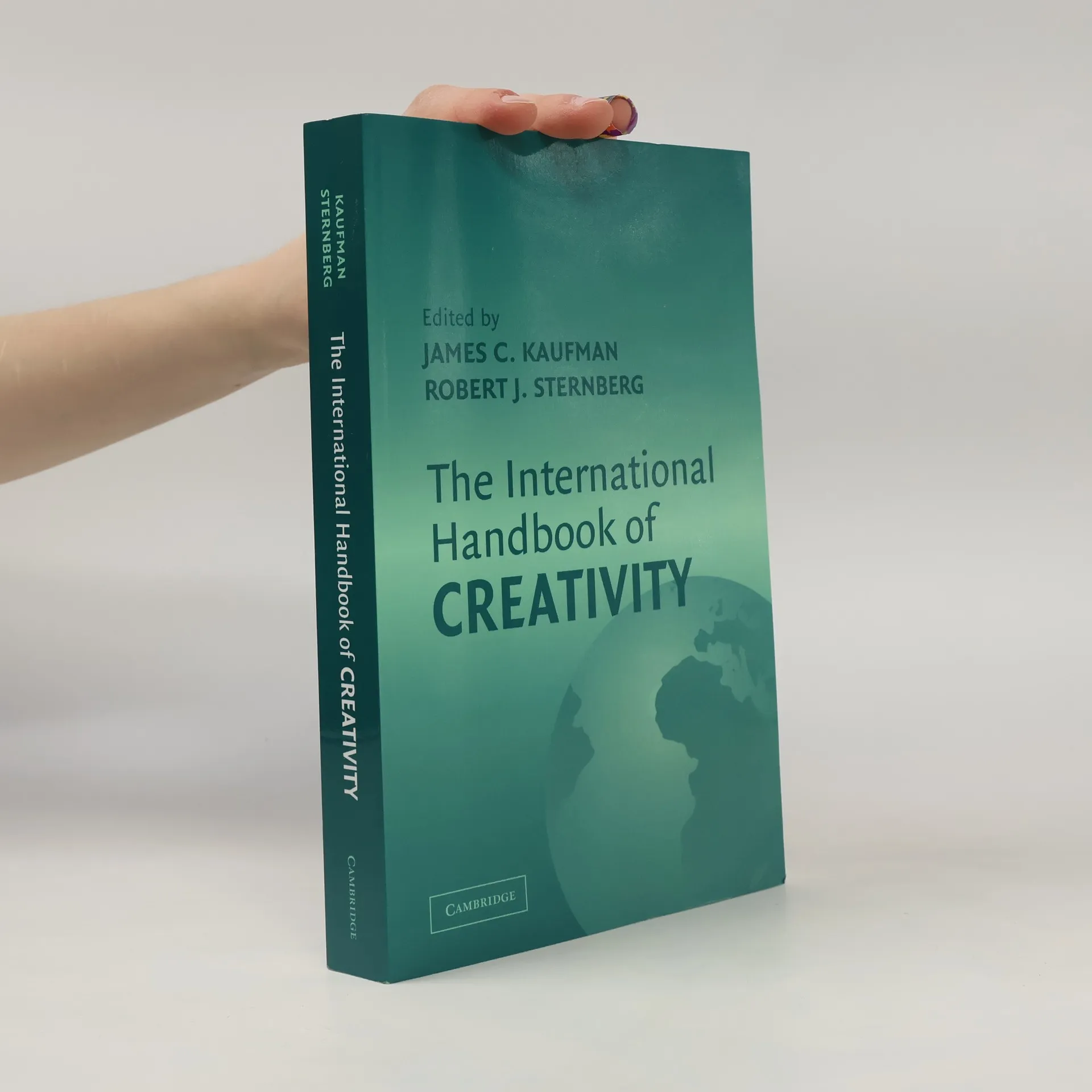
      What constitutes a creative person? Different cultures have different perspectives on what it means to be creative, yet it is nearly always the American or Western perspective that is represented in the psychological literature. The goal of this handbook is to present a truly international and diverse set of perspectives on the psychology of human creativity. Distinguished international scholars have contributed to this book's chapters on the history and current state of creativity research and theory in their respective parts of the world. Much of the work discussed has never before been available in English.

      The International Handbook of Creativity
      4,7
    • A world-renowned expert on human intelligence argues that societies continue to use a flawed, early twentieth-century conception of human intelligence. Instead of focusing on narrow academic skills, we should adopt the values of 'adaptive intelligence,' defined as the use of talent in service of the common good.

      Adaptive Intelligence
      5,0
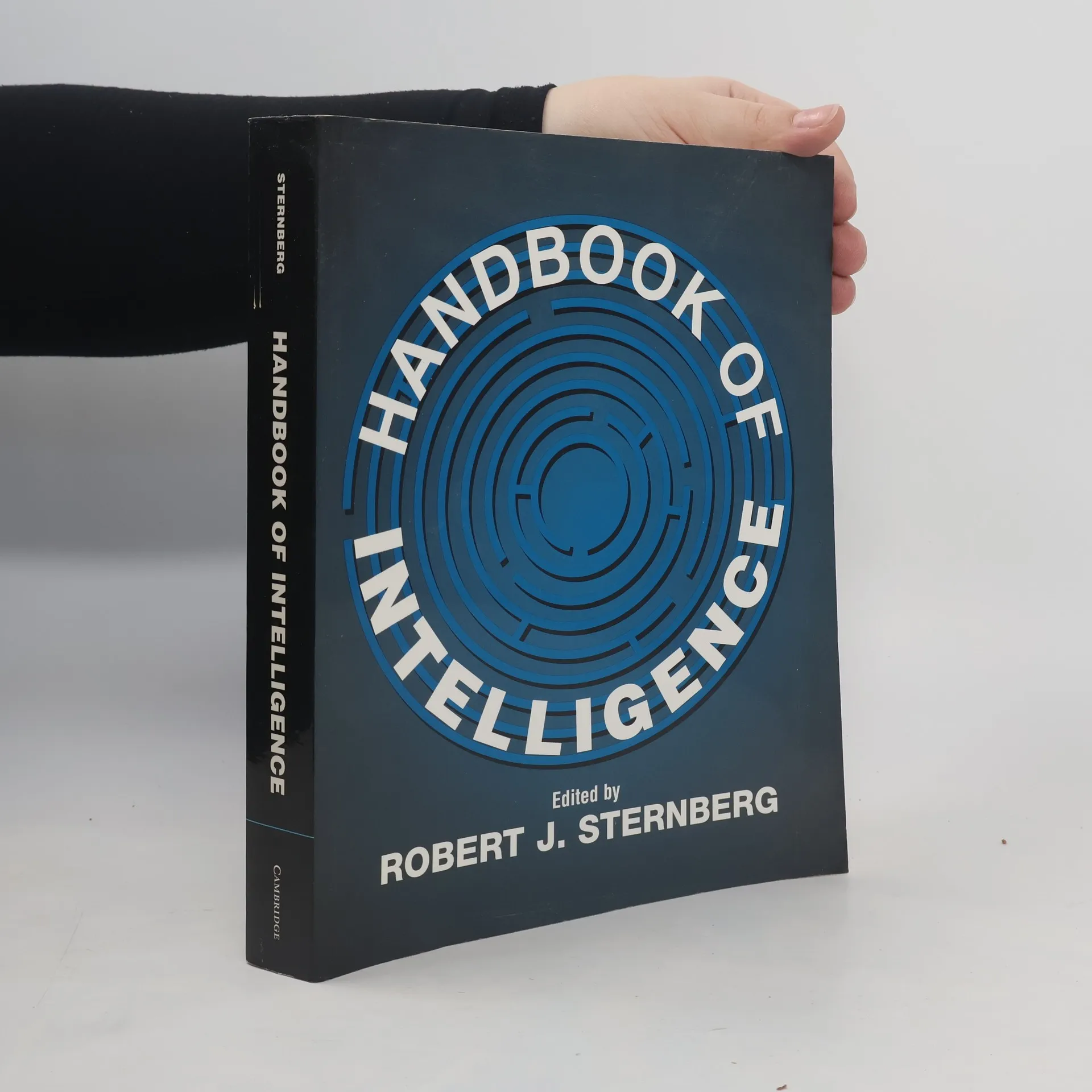
    • Not since the landmark publication of Handbook of Human Intelligence in 1982 has the field of intelligence been more alive than it is today. Spurred by the new developments in this rapidly expanding field, Dr Sternberg has brought together a stellar list of contributors to provide a comprehensive, broad and deeply thematic review of intelligence that will be accessible to both scholar and student. The field of intelligence is lively on many fronts, and this volume provides full coverage on topics such as behavior-genetic models, evolutionary models, cognitive models, emotional intelligence, practical intelligence, and group difference. Handbook of Intelligence is largely expanded, covering areas such as animal and artificial intelligence, as well as human intelligence. It fully reflects important theoretical progress made since the early 1980s.

      Handbook of Intelligence
      4,2
    • Applied Intelligence

      • 432 stránek
      • 16 hodin čtení

      Typical texts develop students' knowledge while only minimally developing the general skills they will need for success in school and in life. The goal of our text is to assist students in acquiring the most important skills for facing the diverse challenges life presents. The book contains an overview of theories of intelligence, but itself is based in large part on a theory according to which individuals need creative skills to generate new ideas and a vision for the future, analytical skills to make sure that the vision is a good one, and practical skills to execute the ideas and to persuade other people of their value. The book considers key skills in problem solving, logical reasoning, analysis of arguments, knowledge acquisition, creative and practical thinking, automatizing information processing, and avoiding life traps that derail even the most intelligent among us.

      Applied Intelligence
      3,9
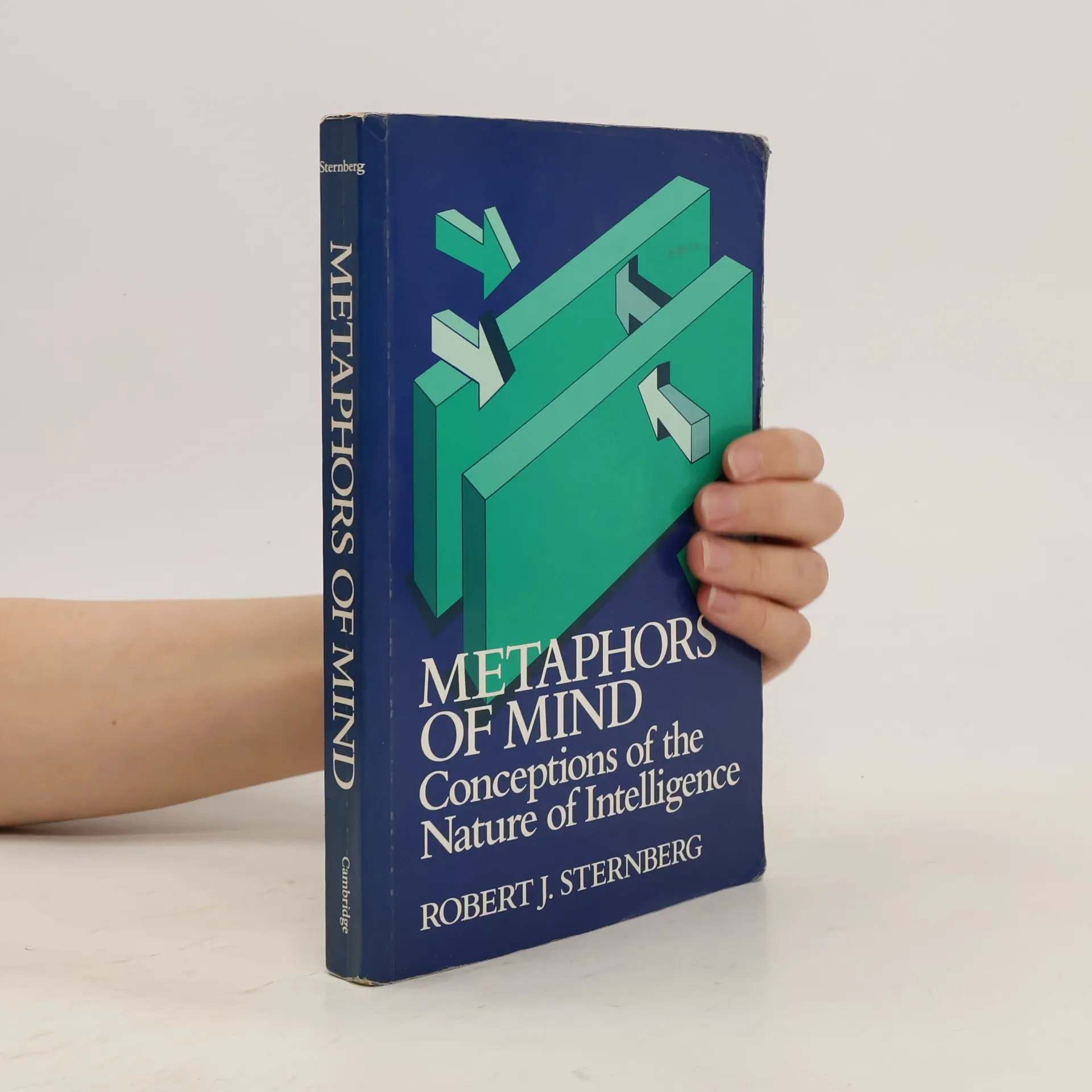
    • Metaphors of Mind

      Conceptions of the Nature of Intelligence

      • 364 stránek
      • 13 hodin čtení

      Exploring human intelligence through diverse lenses, this book integrates insights from psychology, anthropology, computational science, sociology, and philosophy. It aims to deepen readers' understanding of the complexities of the mind by presenting various metaphors that illustrate different aspects of intelligence.

      Metaphors of Mind
      3,8
    • In this Element, I first introduce intelligence in terms of historical definitions. I then review the major approaches to understanding intelligence and its development. These approaches, taken together, present a much more complex portrait of intelligence and its development than would be ascertained just from scores on intelligence tests.

      The Nature of Intelligence and Its Development in Childhood
      3,4
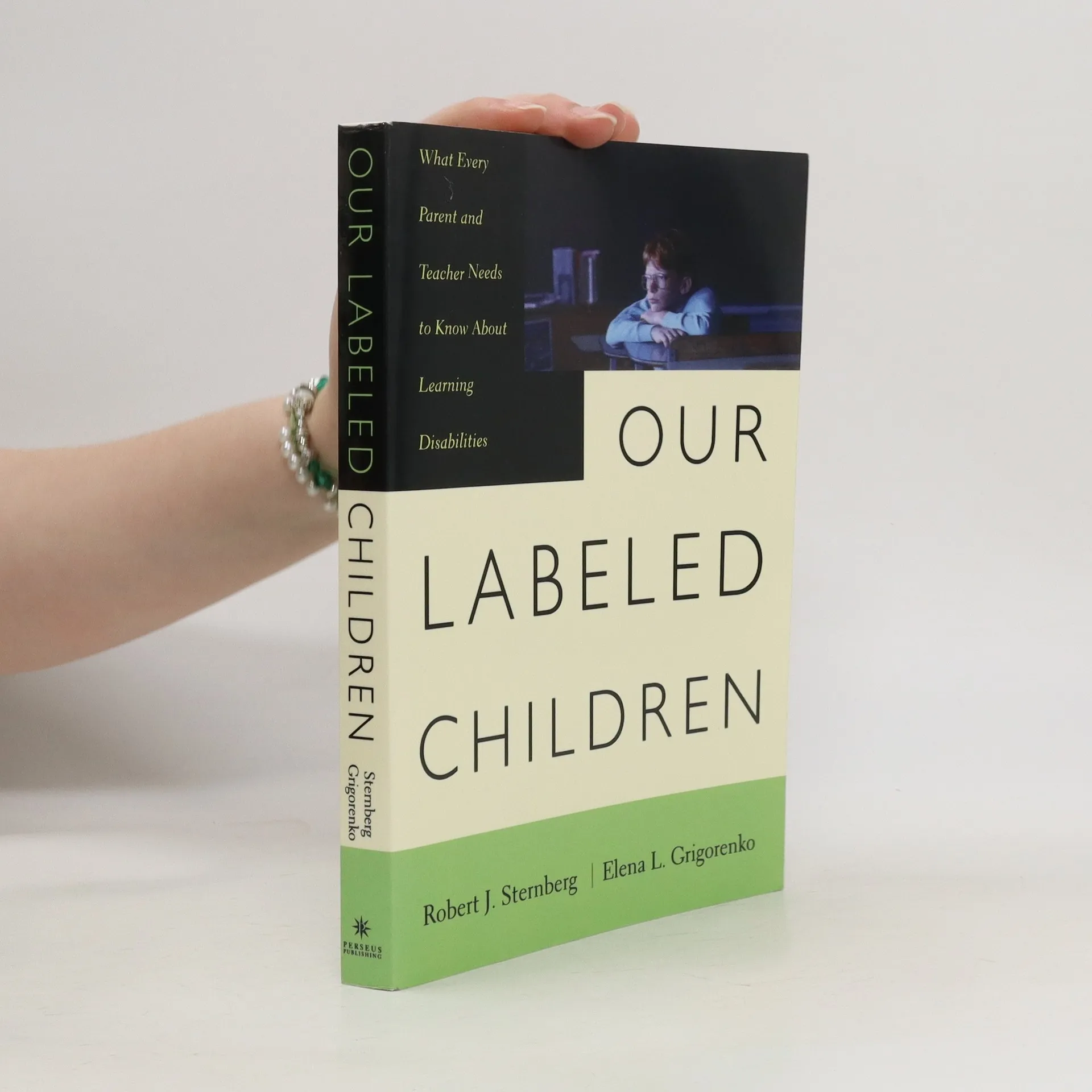
    • Our Labeled Children

      • 304 stránek
      • 11 hodin čtení

      Twenty percent of all school-aged children in this country have been labeled Learning Disabled. But what is a genuine learning disability? How does it differ from garden-variety poor learning? How can we more accurately assess and then teach to individual learning strengths instead of merely pinpointing learning weaknesses? In this passionately argued yet clear-headed book, internationally acclaimed cognitive psychologist Robert Sternberg and research scientist Elena Grigorenko tackle these controversial issues, urging that we understand the full range of factors that contribute to learning disabilities (and sometimes to their misdiagnosis) in order to improve the American educational and diagnostic systems.From the biological bases of dyslexia and other disabilities, to the tests that do and do not accurately assess learning abilities, to the social and educational pressures that contribute to misdiagnosis, Our Labeled Children clearly outlines the issues that concern both parents and teachers, ultimately pointing to clear strategies for improving our system to help children with all manner of learning problems.

      Our Labeled Children
      3,7