Knihobot

Robert Sternberg

    8. prosinec 1949

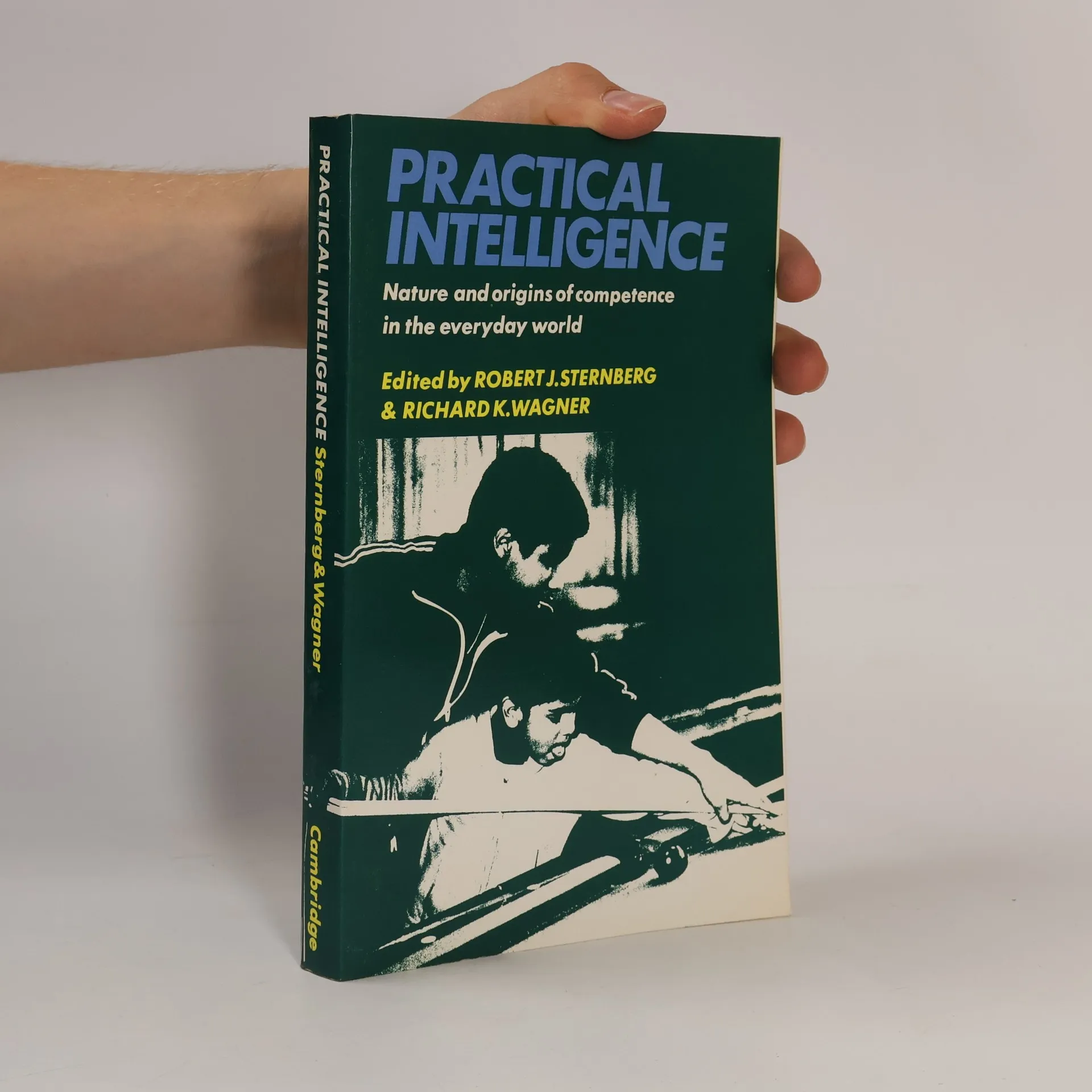
    Robert J. Sternberg je psycholog, který zpochybňuje tradiční pohledy na inteligenci. Jeho triarchická teorie úspěšné inteligence tvrdí, že skutečná inteligence spočívá v rovnováze analytických, kreativních a praktických schopností. Sternberg zdůrazňuje, že inteligentní chování není jen o analytickém myšlení, ale také o schopnosti tvořit a aplikovat znalosti v reálném světě. Klíčem k úspěchu je podle něj adaptabilita a efektivní využívání silných stránek v rámci specifického kulturního kontextu.

    Robert Sternberg
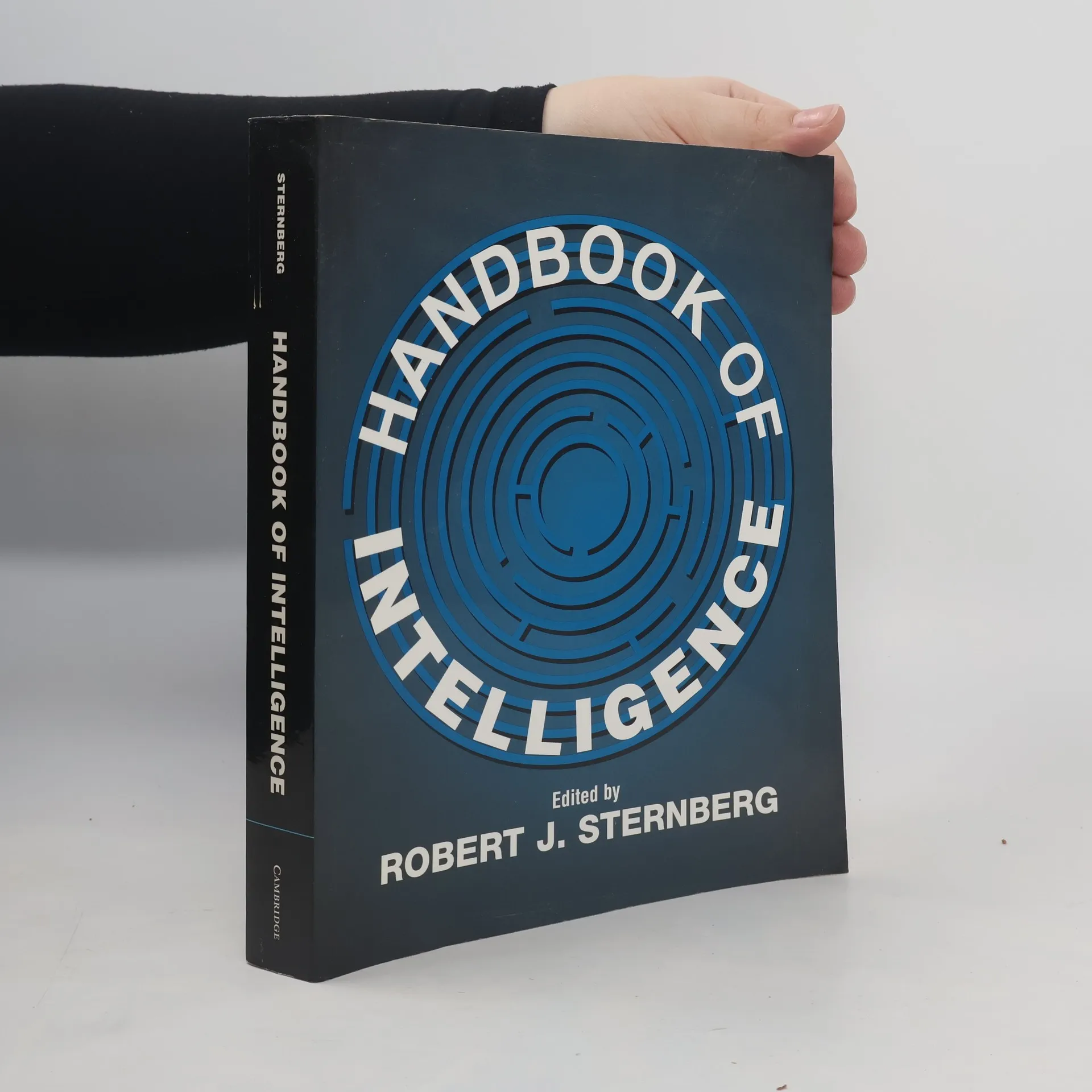
    Handbook of Intelligence
    Adaptive Intelligence
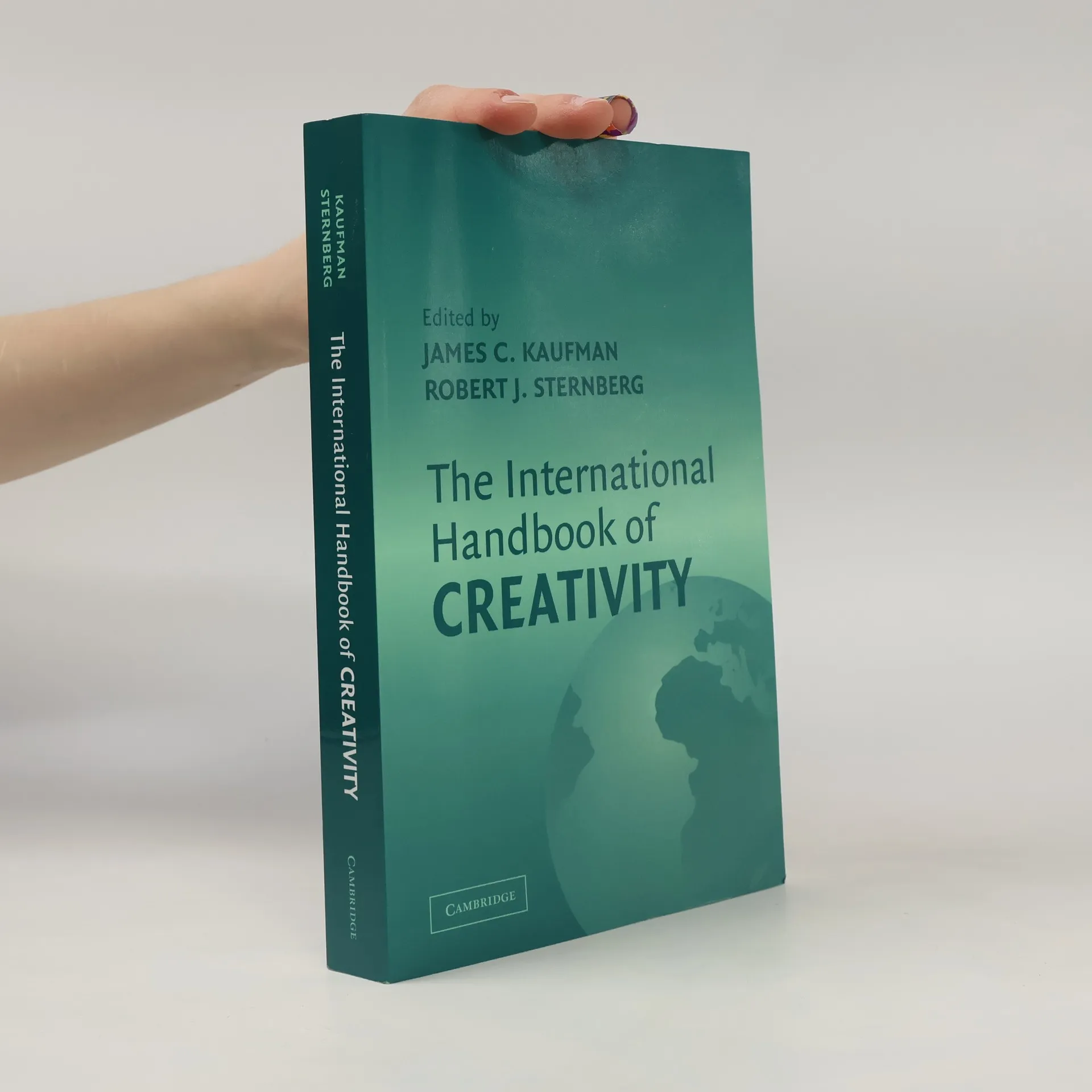
    The International Handbook of Creativity
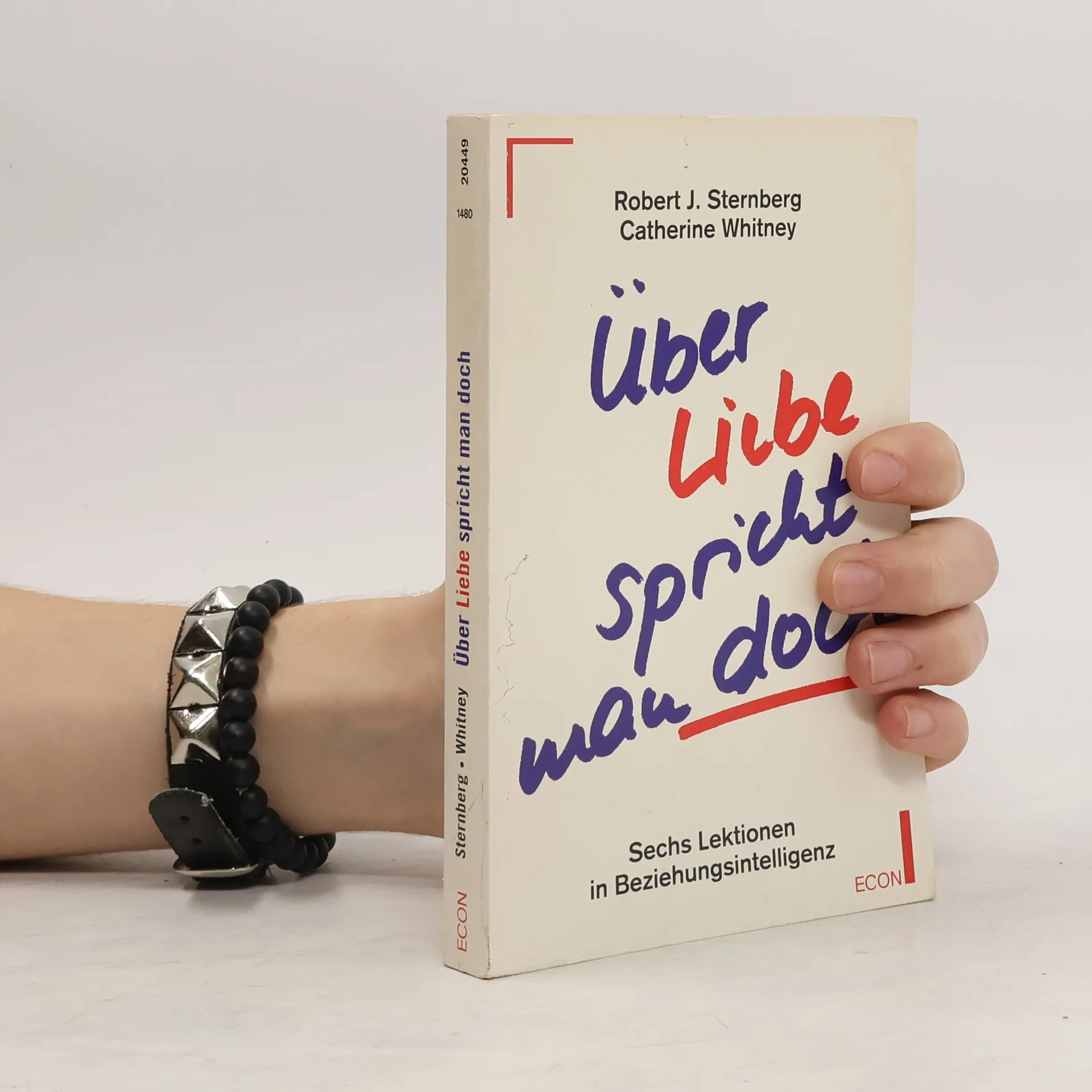
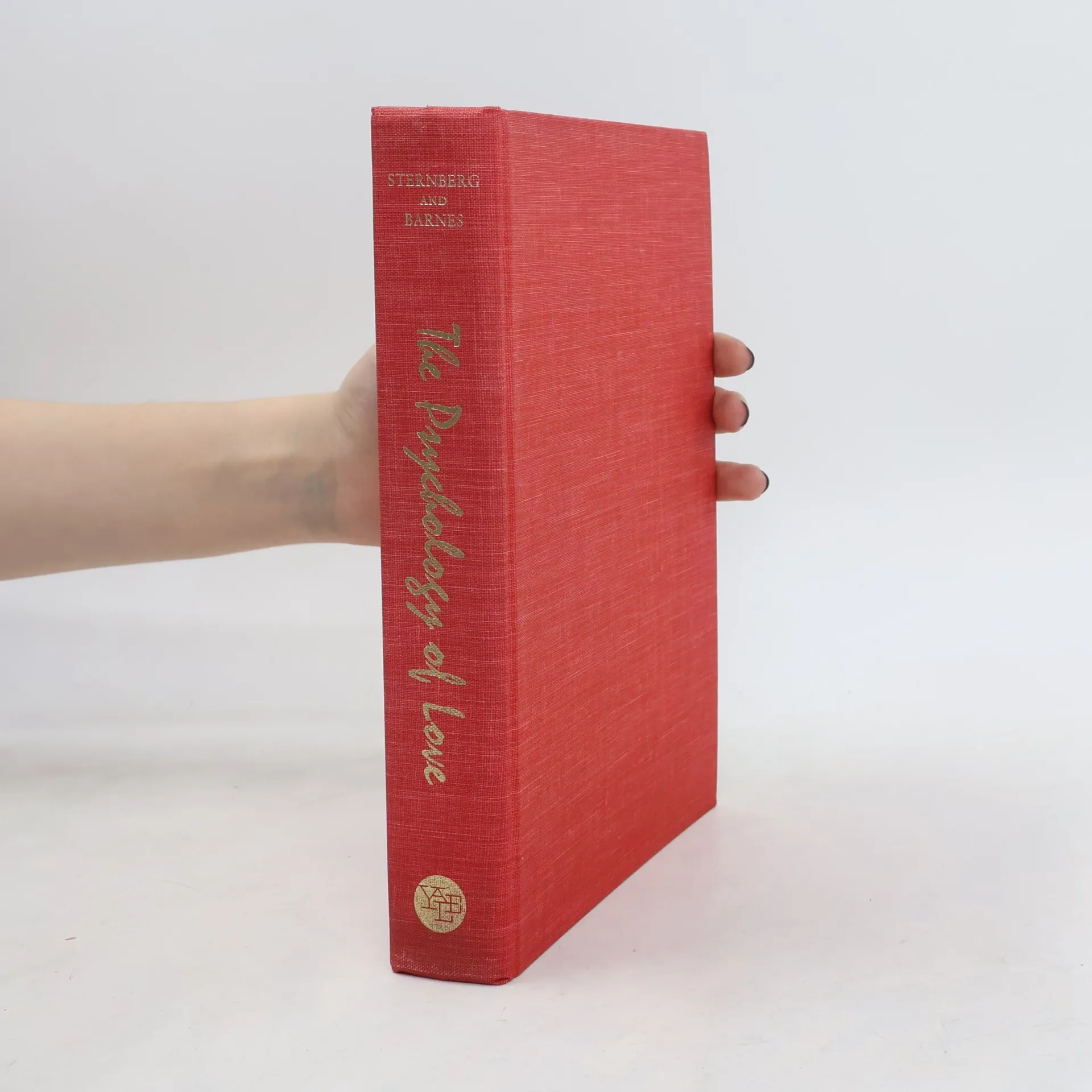
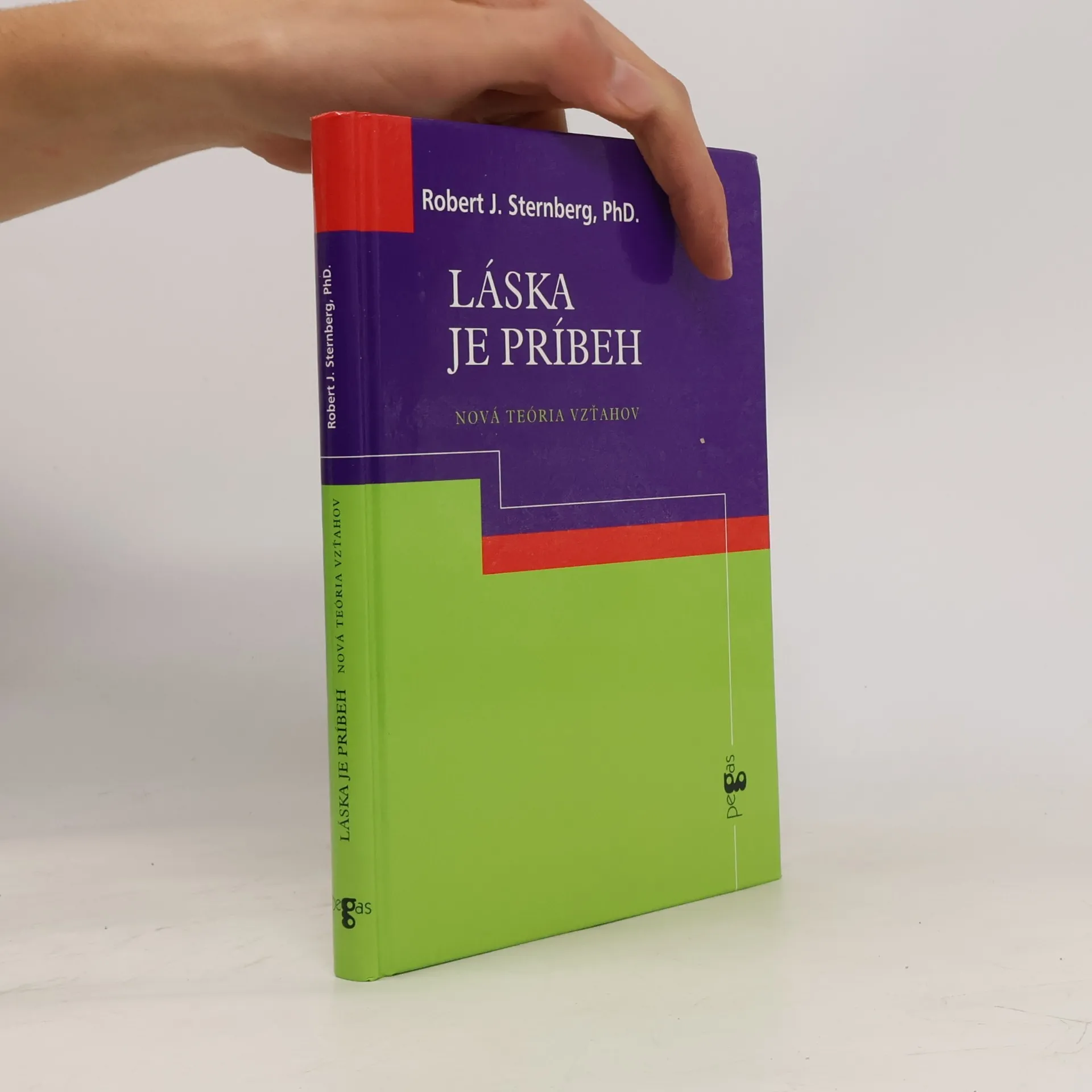
    Láska je příběh: Nová teorie vztahů
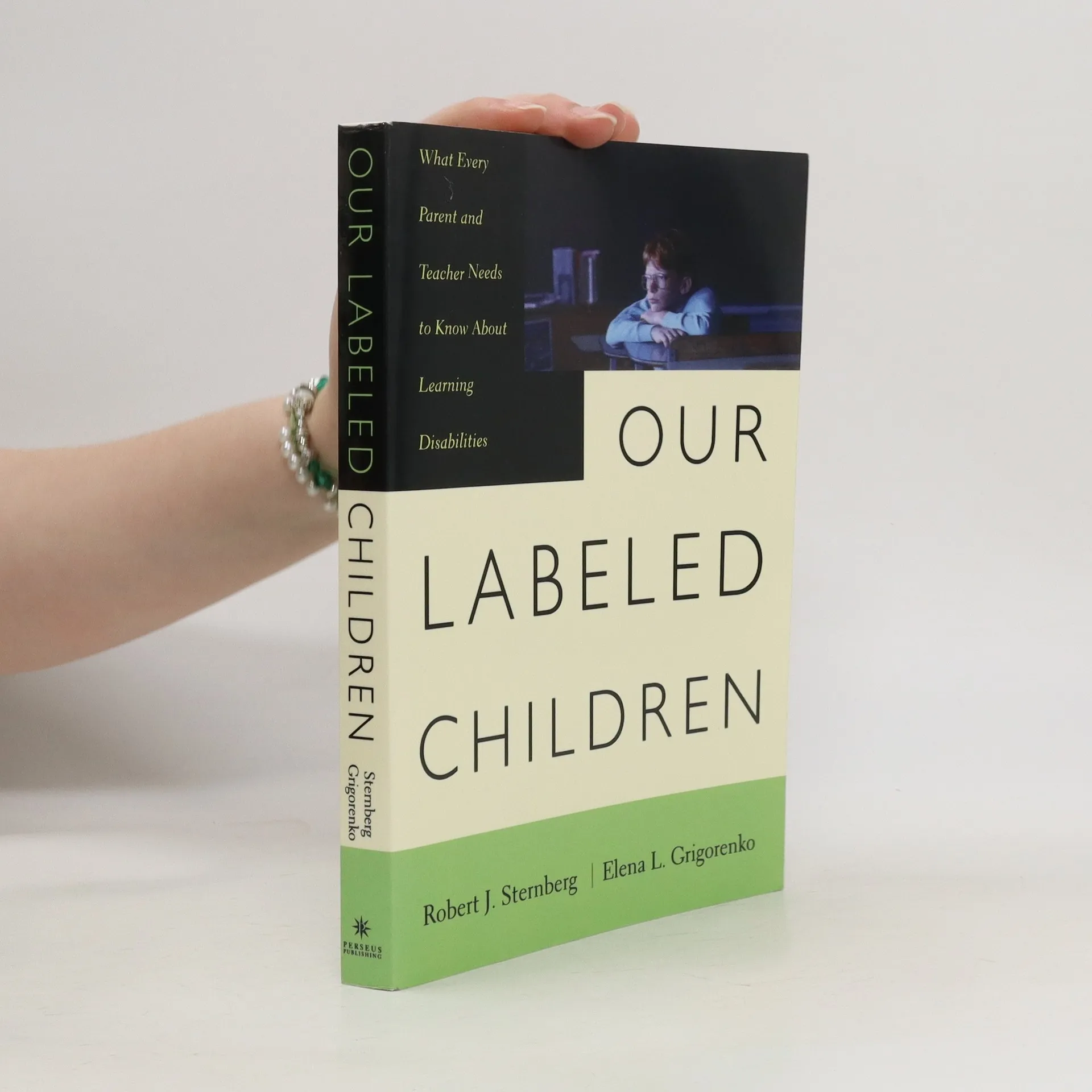
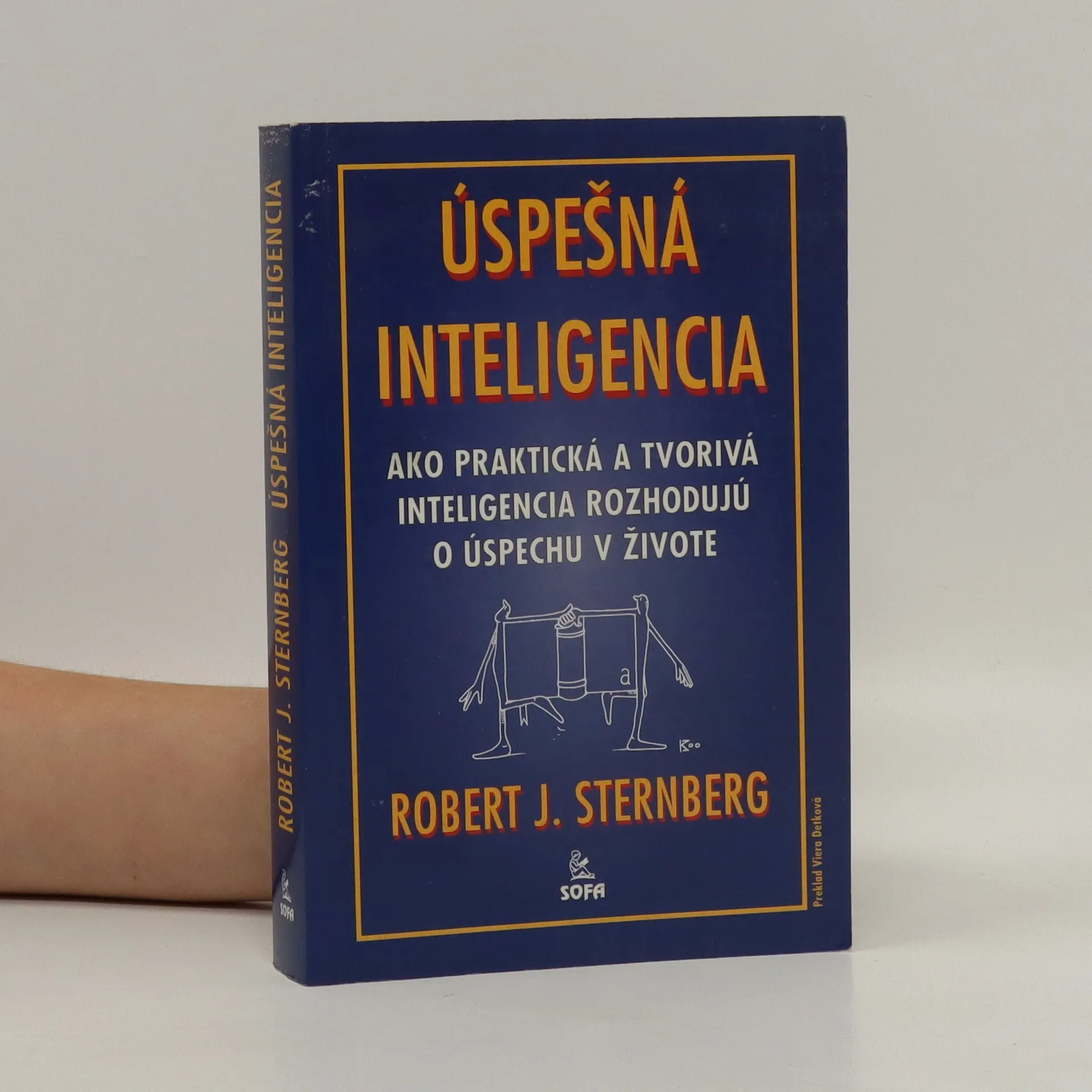
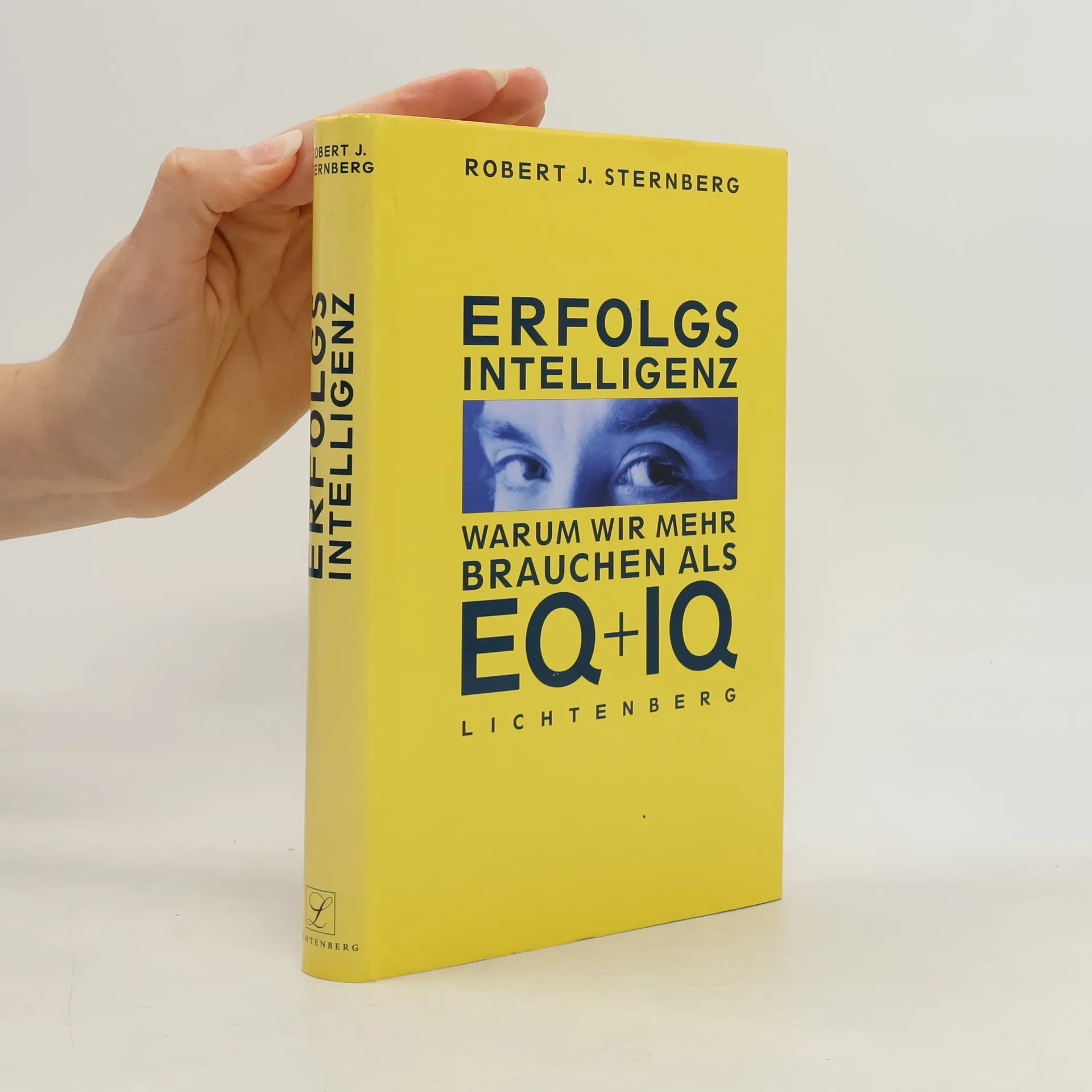
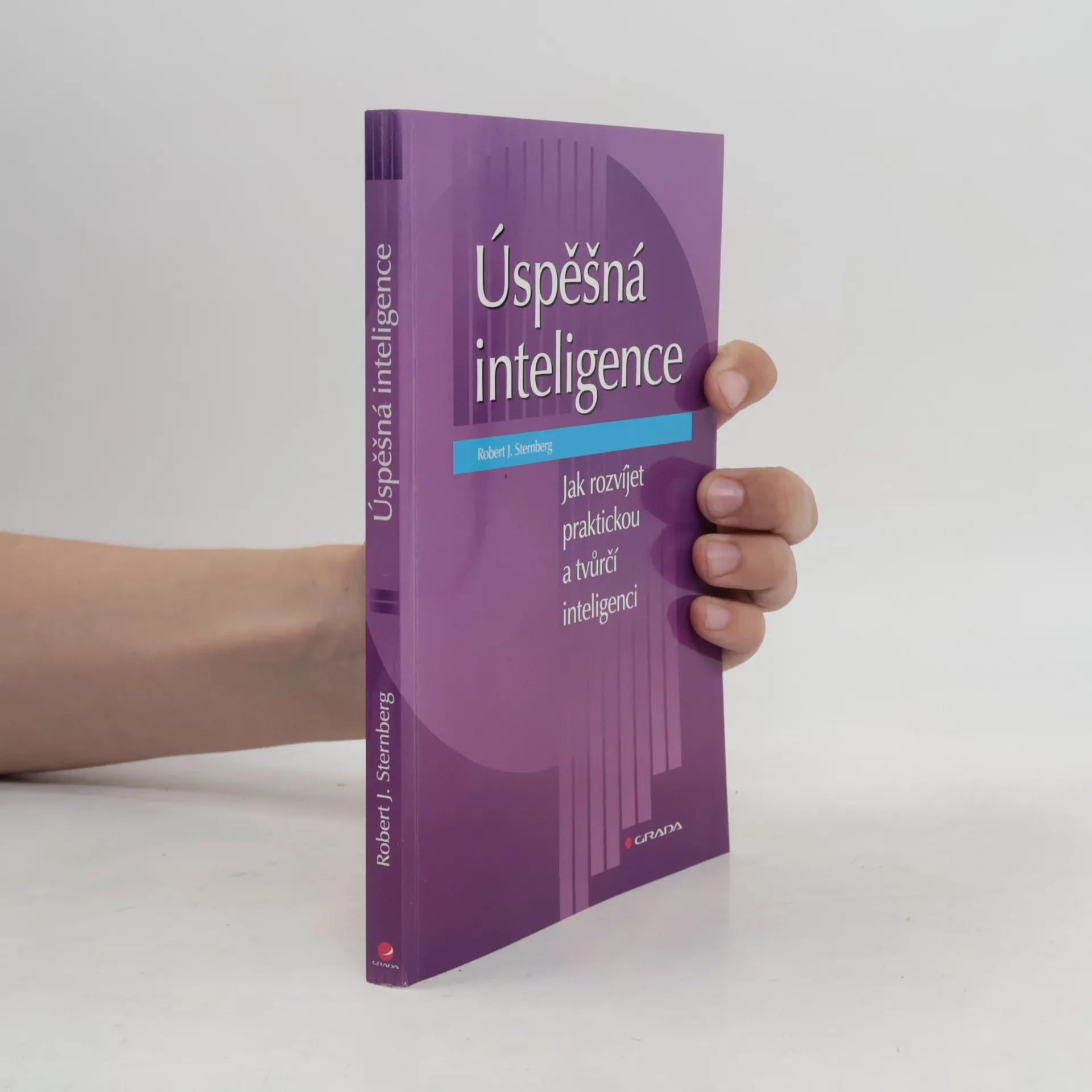
    Úspěšná inteligence : jak rozvíjet praktickou a tvůrčí inteligenci
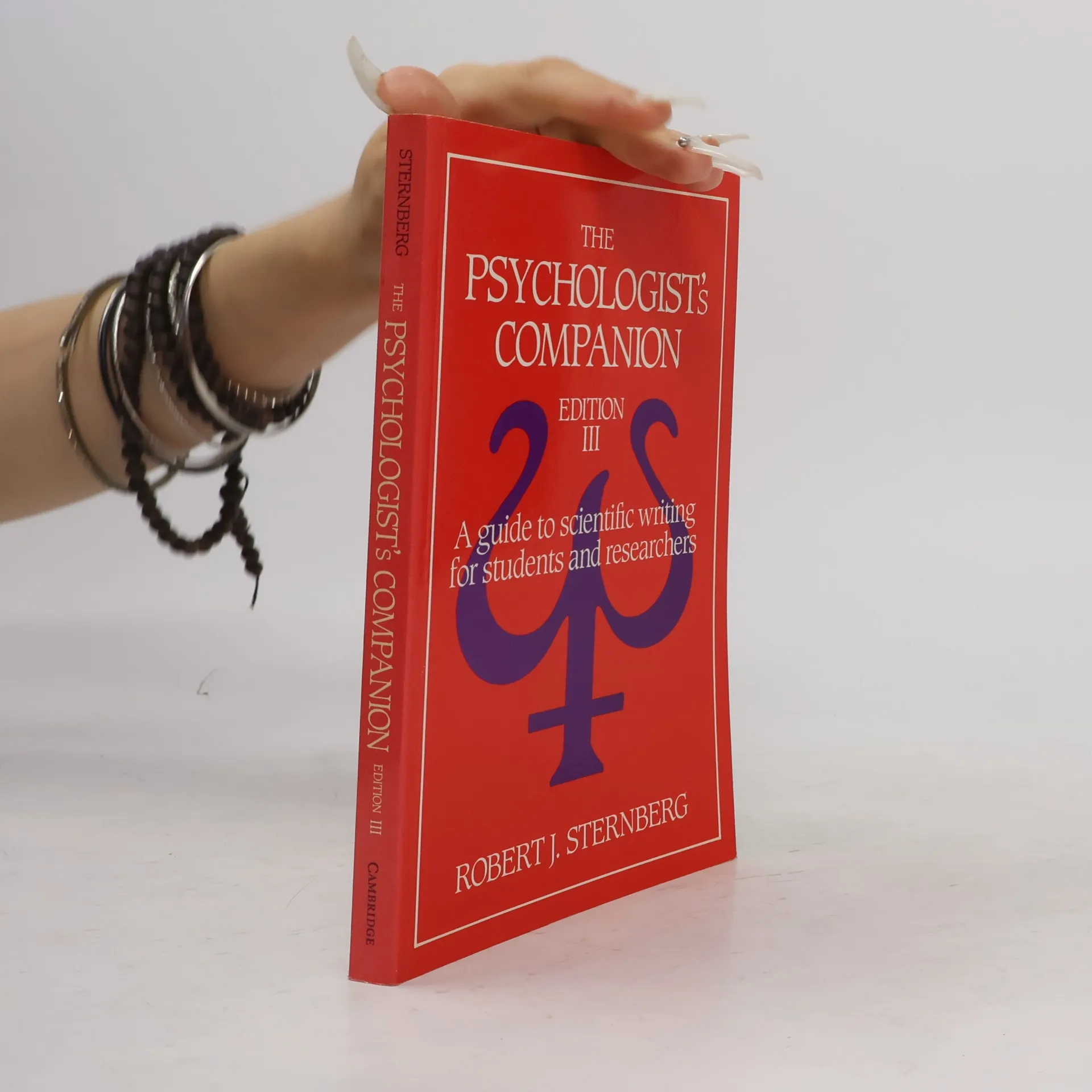
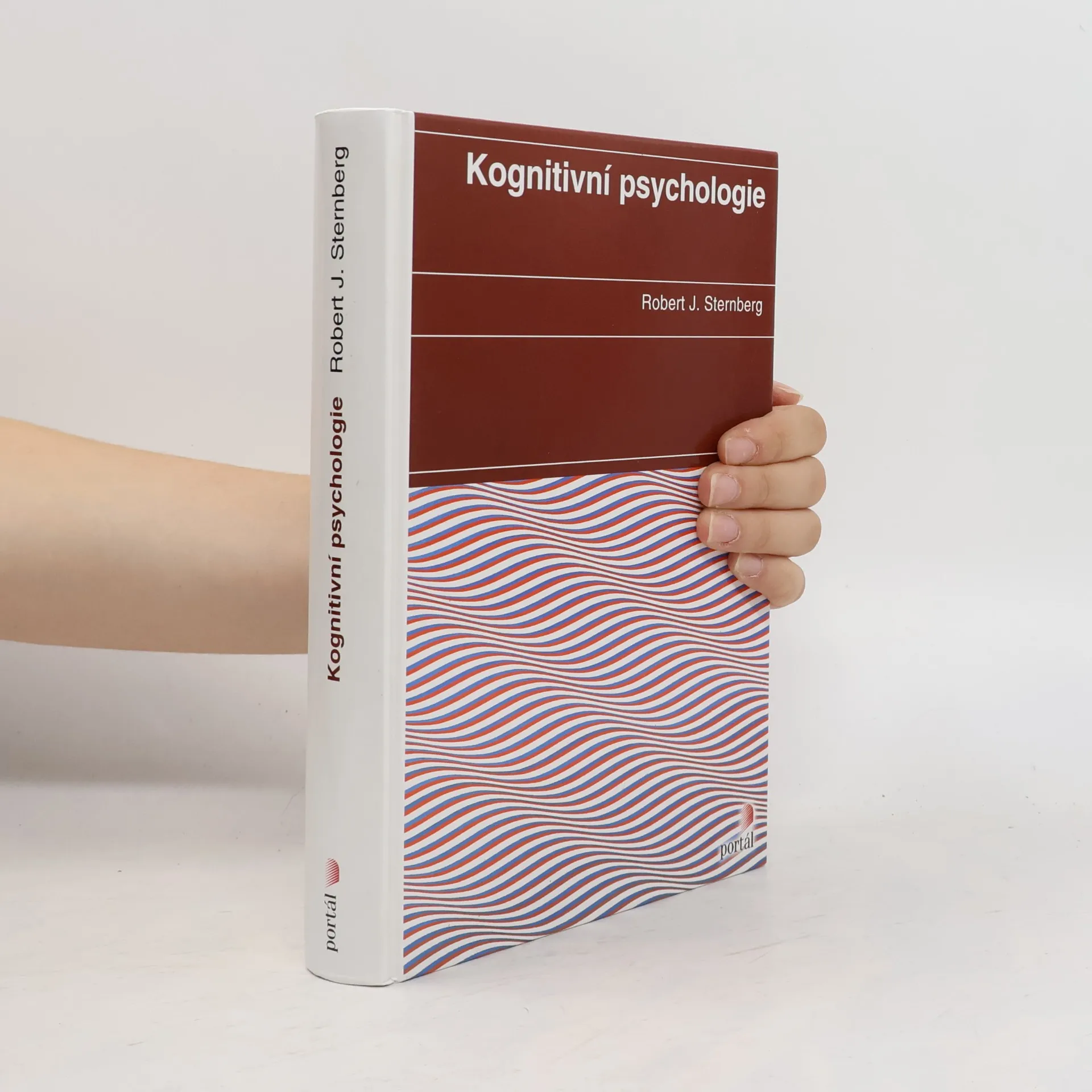
    Kognitivní psychologie
    • Tłumaczenie publikacji czołowego badacza inteligencji, twórczości i mądrości, Roberta J. Sternberga oraz Judith Glück, oferuje czytelnikom pełen zestaw zagadnień związanych z mądrością. Zawiera uzasadnienie, dlaczego w dzisiejszych trudnych czasach ta tematyka jest istotna, przegląd głównych podejść teoretycznych oraz postulaty dotyczące rozwijania kompetencji mądrościowych, ich rozpoznawania i kultywowania. Lektura zainteresuje nie tylko badaczy i profesjonalnych psychologów, ale także pedagogów, studentów, filozofów oraz wszystkich pragnących wieść mądre życie. Publikacja wypełnia lukę w badaniach nad mądrością, jednym z najważniejszych przymiotów ludzkiego życia. Wpisuje się w dyskusję na temat kształtu edukacji we współczesnym świecie oraz przygotowania młodych ludzi na przyszłe wyzwania. Napisana jest w sposób zachęcający do polemiki i refleksji, nie pozostawiając czytelnika obojętnym. Ostatnio w serii ukazały się także inne publikacje dotyczące edukacji i myślenia krytycznego, co podkreśla znaczenie omawianych tematów w kontekście współczesnej pedagogiki.

      Mądrość Psychologia mądrych myśli, słów i czynów2023
    • Wisdom is the deployment of intelligence and knowledge to serve a common good, over the long term as well as the short term. We need it now, more than ever, to solve the world's problems. This book explains what it is, how to acquire it, and how to use it.

      Wisdom2021
    • A world-renowned expert on human intelligence argues that societies continue to use a flawed, early twentieth-century conception of human intelligence. Instead of focusing on narrow academic skills, we should adopt the values of 'adaptive intelligence,' defined as the use of talent in service of the common good.

      Adaptive Intelligence2021
      5,0
    • In this Element, I first introduce intelligence in terms of historical definitions. I then review the major approaches to understanding intelligence and its development. These approaches, taken together, present a much more complex portrait of intelligence and its development than would be ascertained just from scores on intelligence tests.

      The Nature of Intelligence and Its Development in Childhood2020
      3,4
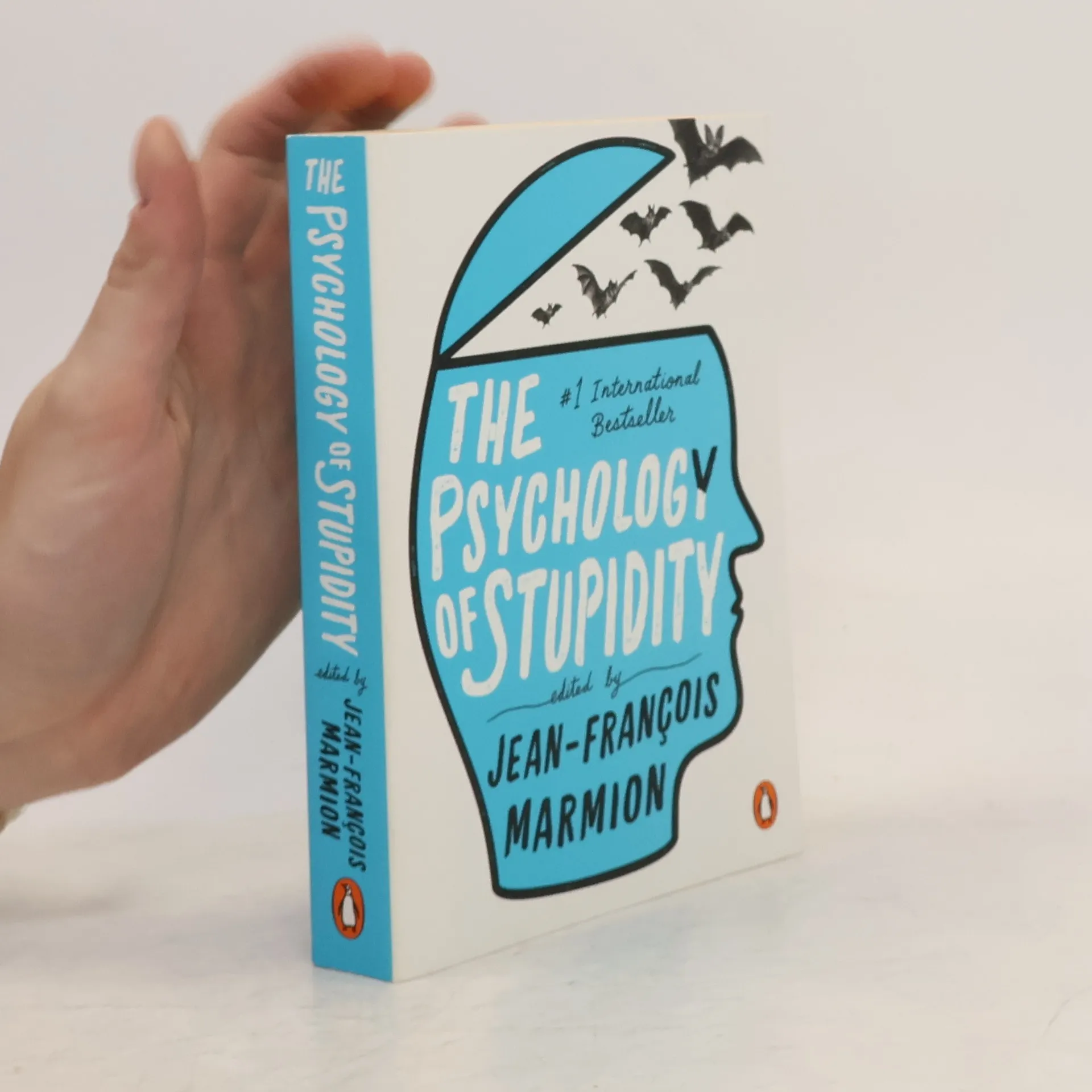
    • The Psychology of Stupidity

      • 384 stránek
      • 14 hodin čtení

      Some of the world's smartest people explain stupidity, among them: Daniel Kahneman, Dan Ariely, Alison Gopnick, Howard Gardner, Antonio Damasio, Aaron James and Ryan Holiday

      The Psychology of Stupidity2018
      3,3
    • Applied Intelligence

      • 432 stránek
      • 16 hodin čtení

      Typical texts develop students' knowledge while only minimally developing the general skills they will need for success in school and in life. The goal of our text is to assist students in acquiring the most important skills for facing the diverse challenges life presents. The book contains an overview of theories of intelligence, but itself is based in large part on a theory according to which individuals need creative skills to generate new ideas and a vision for the future, analytical skills to make sure that the vision is a good one, and practical skills to execute the ideas and to persuade other people of their value. The book considers key skills in problem solving, logical reasoning, analysis of arguments, knowledge acquisition, creative and practical thinking, automatizing information processing, and avoiding life traps that derail even the most intelligent among us.

      Applied Intelligence2008
      3,9
    • Kognitivní psycholog Robert Sternberg proslul svou trojúhelníkovou teorií lásky, podle níž se každá láska vyznačuje přítomností nebo nepřítomností tří složek: intimity, vášně a závazku. To, jak taková konfigurace složek vzniká, autor popisuje ve své novější teorii, v níž lásku pojímá jako příběh. Naše zkušenosti i naše společnost nám poskytují určité příběhy popisující různé podoby lásky. My některé z nich nevědomě přijímáme jako sobě vlastní a snažíme se je ve vztazích naplnit. Podle toho, jak naše příběhy ladí s příběhy našich partnerů, jsou potom naše vztahy stabilní, nebo nestabilní. I laik může s pomocí této knihy lépe pochopit, jaký je jeho příběh lásky, případně jak ho změnit, aby vyjadřoval to, po čem daný jedinec skutečně touží.

      Láska je příběh: Nová teorie vztahů2008
      3,6
    • The International Handbook of Creativity

      • 540 stránek
      • 19 hodin čtení

      What constitutes a creative person? Different cultures have different perspectives on what it means to be creative, yet it is nearly always the American or Western perspective that is represented in the psychological literature. The goal of this handbook is to present a truly international and diverse set of perspectives on the psychology of human creativity. Distinguished international scholars have contributed to this book's chapters on the history and current state of creativity research and theory in their respective parts of the world. Much of the work discussed has never before been available in English.

      The International Handbook of Creativity2006
      4,7
    • Prečo robia múdri ľudia hlúposti?

      • 294 stránek
      • 11 hodin čtení

      Prečo ľudia rozmýšľajú a správajú sa tak hlúpo, že nakoniec zlyhajú existenčne a celkom si zničia život? Predkladaná kniha sa dotýka práve tejto otázky, ktorú drvivá väčšina teórií v psychológii, vrátane teórií inteligencie, ako sa zdá, ignoruje. Svet podporuje miliardový priemysel výskumu a testovania inteligencie a schopností v snahe určiť, koho jeho inteligencia predurčuje na úspech, ale prakticky nik sa nevenuje skúmaniu, kto túto inteligenciu najlepšie využije, a kto ňou bude len plytvať tým, že jeho konanie bude až dych vyrážať. „Hlúposť“ sa tu nevzťahuje na mentálnu retardáciu, poruchu učenia ani na žiadne iné bežné označenie ľudí, ktorí podávajú slabý výkon v niektorom z tradičných testov. Skôr sa autori príspevkov zameriavajú na tých, ktorí vyviedli nejakú donebavolajúcu hlúposť Táto kniha evidentne nebude o hlúposti v tradičnom zmysle založenom na určovaní IQ. Táto kniha sa zaoberá skôr „hlúpym“ rozhodovaním, ktoré môže mať celospoločenský dosah. V snahe o vzájomnú prepojenosť príspevkov autori spracovali nasledujúce témy: Základná charakteristika hlúposti/Návrh teórie hlúposti/Vzťah hlúposti a inteligencie/Merateľnosť hlúposti/Formovanie hlúposti (v snahe eliminovať ju)

      Prečo robia múdri ľudia hlúposti?2005
      4,5
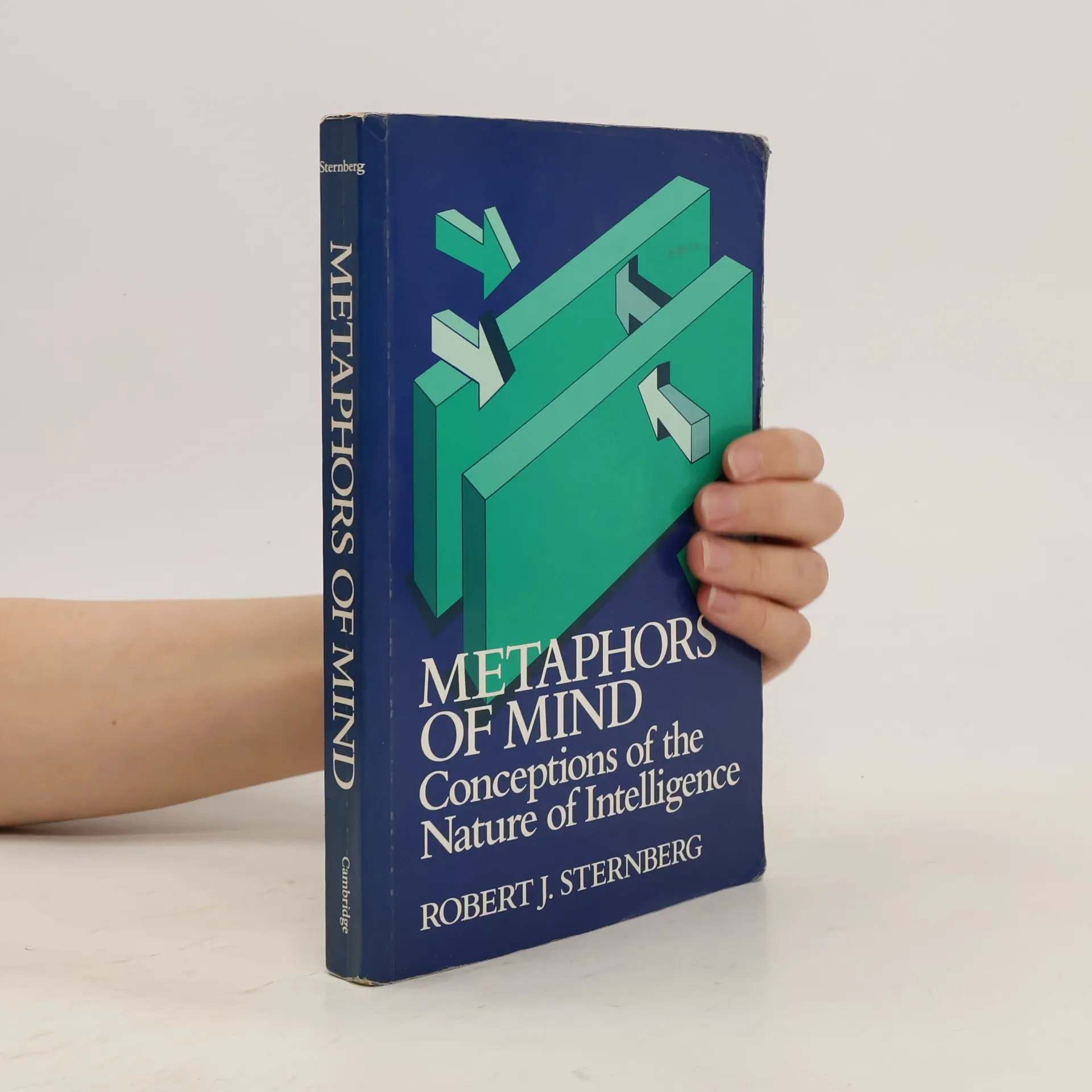
    • Metaphors of Mind

      Conceptions of the Nature of Intelligence

      • 364 stránek
      • 13 hodin čtení

      Exploring human intelligence through diverse lenses, this book integrates insights from psychology, anthropology, computational science, sociology, and philosophy. It aims to deepen readers' understanding of the complexities of the mind by presenting various metaphors that illustrate different aspects of intelligence.

      Metaphors of Mind2003
      3,8