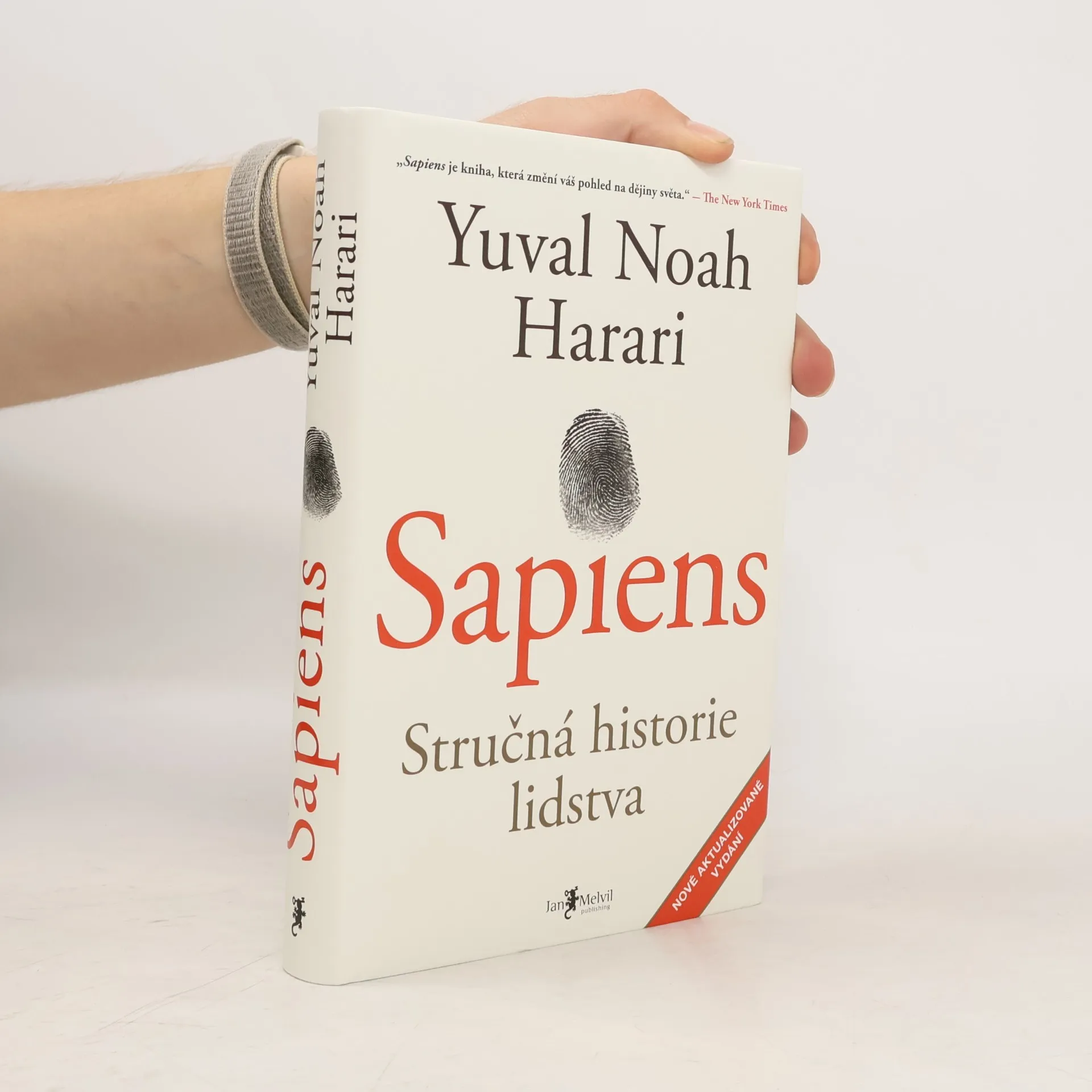
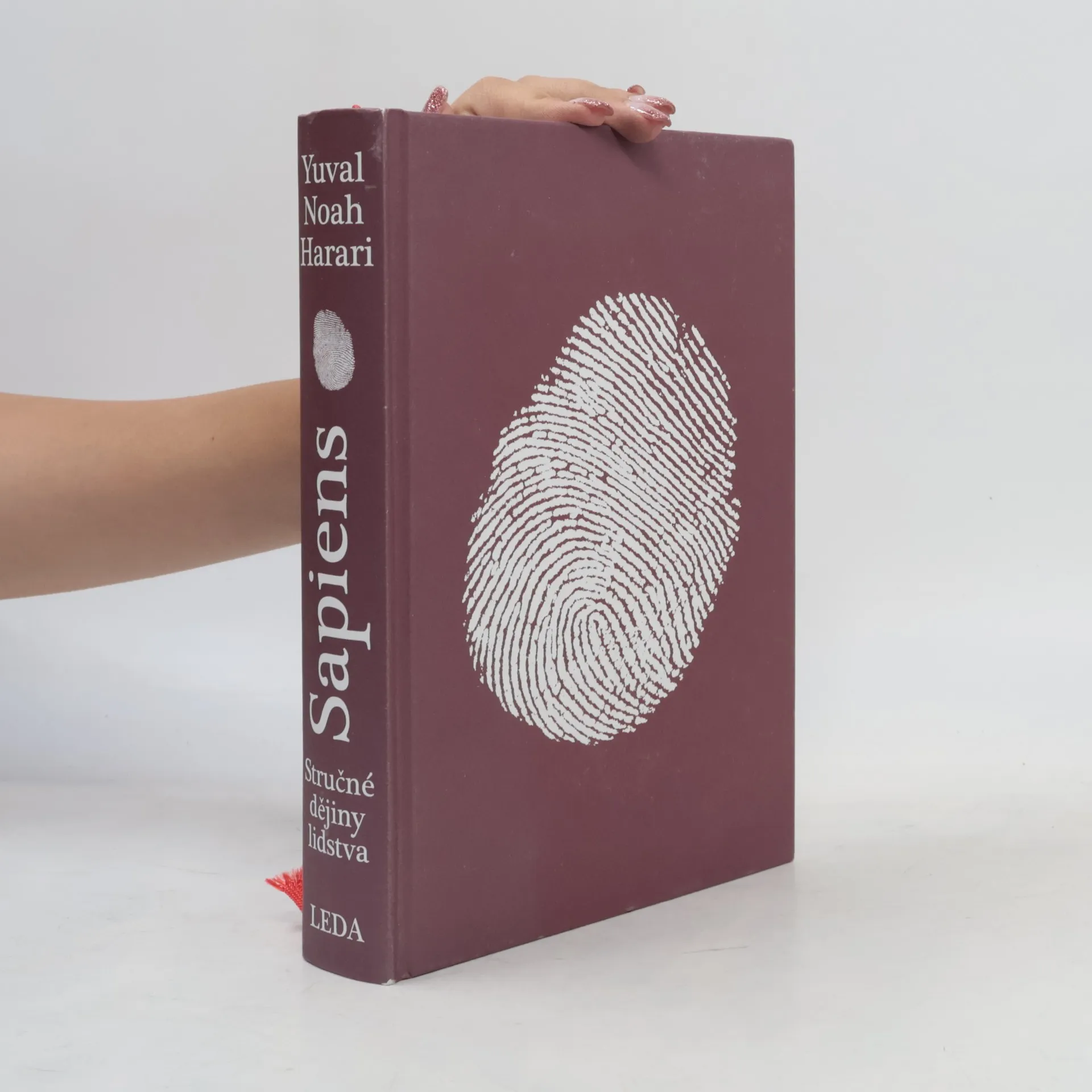
SAPIENS – STRUČNÉ DĚJINY LIDSTVA sleduje z dlouhodobé perspektivy revoluční zvraty na cestě lidského rodu od vzniku Homo sapiens až po současnost. Dramatický je příběh bezvýznamného lidoopa, který před dvěma miliony let někde v koutě Afriky získal vědomí, vyvraždil své přírodní bratrance a ovládl celou planetu. Základní životní parametry člověka jsou určeny biologicky, ale poskytují úžasný prostor. Ne biologie, ale kultura (kolektivní víra) je klíčem k pochopení dramatického rozvoje lidstva. Jen ona umožňuje spolupráci velkého počtu lidí, kteří se navzájem neznají. Po první, kognitivní revoluci před 70 000 lety následovaly další překvapivé zlomy v dějinách – objev zemědělství, peněz, společenské mytologie, imperiální společnosti, kapitalistického úvěru a víry v budoucnost, objev vědy, techniky i genetického inženýrství. Zdá se, že dějiny mají směr – vždyť obchod a kapitalismus, věda a technika, planetární komunikace i geopolitické vědomí spojily svět do globální vesnice. "Proč se z knihy SAPIENS Yuvala Harariho okamžitě stal mezinárodní bestseller? Je to jednoduché: odpovídá na nejzásadnější otázky historie i moderního světa a čte se jedním dechem. Nemůžete se od ní odtrhnout!" (Jared Diamond, nositel Pulitzerovy ceny, autor knih Osudy lidských společností, Kolaps a The World until Yesterday).
Yuval Noah Harari Knihy
Tento autor se zabývá velkými historickými otázkami a zkoumá vztah mezi historií a biologií. Zkoumá jedinečnost lidského druhu a to, zda se lidé v průběhu dějin stali šťastnějšími. Jeho práce často zpochybňují naše chápání pokroku a zkoumají, zda historie směřuje k nějakému cíli. Čtenáři oceňují jeho schopnost spojit rozsáhlé historické poznatky s hlubokým zamyšlením nad lidskou kondicí.


Homo deus. Stručné dějiny zítřka
- 444 stránek
- 16 hodin čtení
Po bestselleru Sapiens – Úchvatný i úděsný příběh lidstva obrací Yuval Noah Harari zájem k budoucnosti. Analyzuje, jaké důsledky mohou nastat, když se tradiční kolektivní mýty lidstva utkají s novými „božskými“ technologiemi, jako jsou např. umělá inteligence nebo genetické inženýrství. Harari představuje vizi nepříliš vzdáleného světa, v němž zřejmě budeme čelit novým typům výzev. V knize Homo deus – Stručné dějiny zítřka zkoumá naši budoucnost svým typickým způsobem, v němž kombinuje především historii, filozofii a přírodní vědy, ale i poznatky dalších oborů. Jak to dopadne s demokracií, když firmy jako Google a Facebook budou znát naše záliby a preference (včetně politických) lépe než my sami? Co se stane se sociálním státem, jestliže počítače budou úspěšné na trhu práce a vznikne tak počtem většinová třída „zbytečných lidí“? Jak naloží s genetickým inženýrstvím např. islám? Budou v Silicon Valley vyvíjet jenom nová technická zařízení, nebo i nová náboženství? Když se z Homo sapiens stane Homo deus, jaké nové cíle si vytyčíme? Jaké projekty bychom se měli snažit uskutečnit a jak ochráníme tuto křehkou planetu a lidstvo samotné před našimi vlastními ničivými silami? Kniha Homo Deus nám poskytuje vhled do snů a nočních můr, které budou utvářet 21. století – od překonání smrti po vytvoření umělého života. Nabízí svoji odpověď na základní otázku po dalším vývojovém stupni lidstva: Kam odtud jdeme? Kam půjde Homo Deus?
21 lekcí pro 21. století
- 392 stránek
- 14 hodin čtení
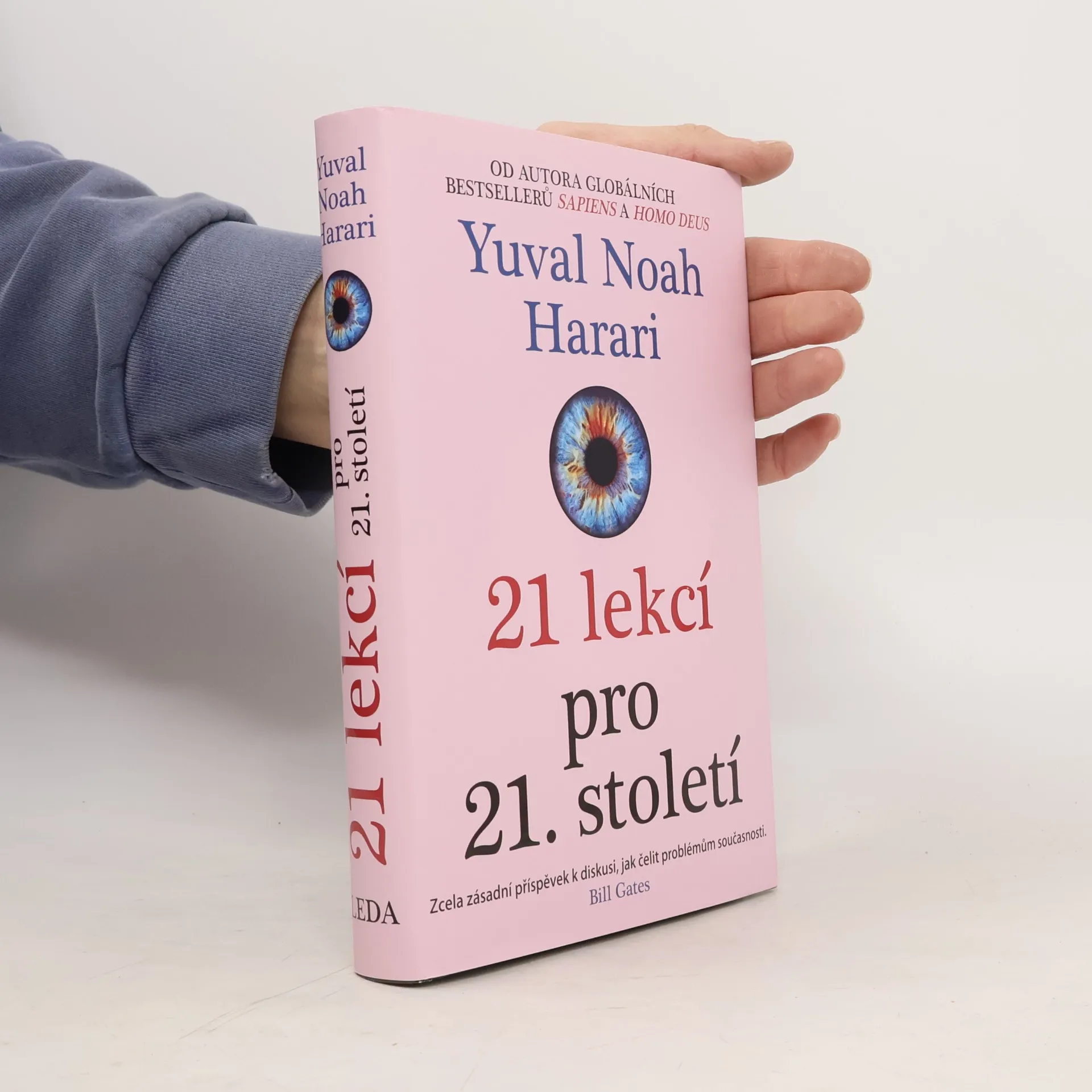
Po mimořádně úspěšných knihách Sapiens a Homo deus, ve kterých přinesl zprávu o minulosti a budoucnosti lidstva, se Yuval Noah Harari obrací k přítomnosti a nabízí nám pomocnou ruku, abychom se vyznali v dnešním často popleteném světě.
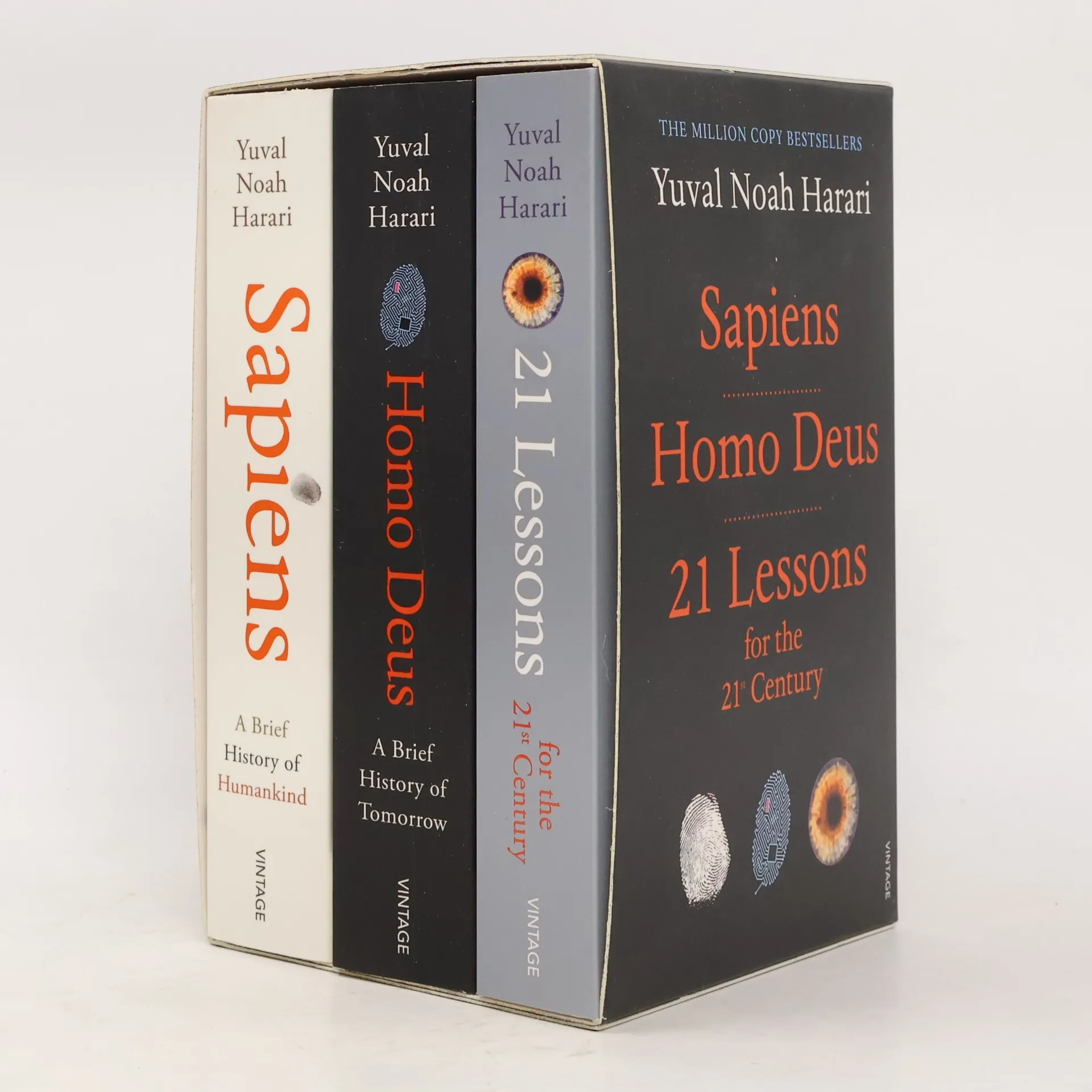
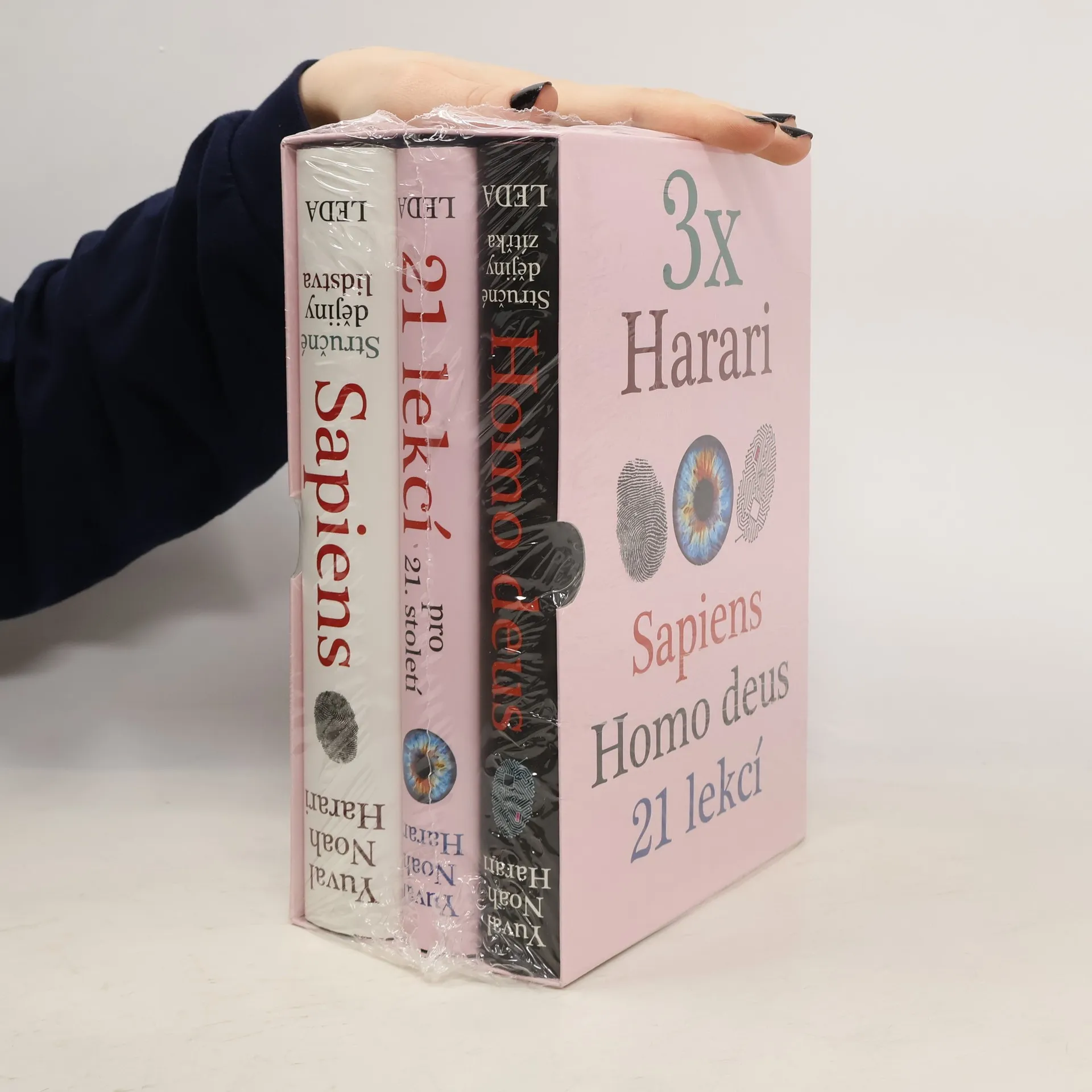
Soubor všech tří dosud vydaných knih Yuvala Noaha Harariho v dárkovém boxu. Jedná se o knihy Sapiens, Homo deus a 21 lekcí pro 21. století.
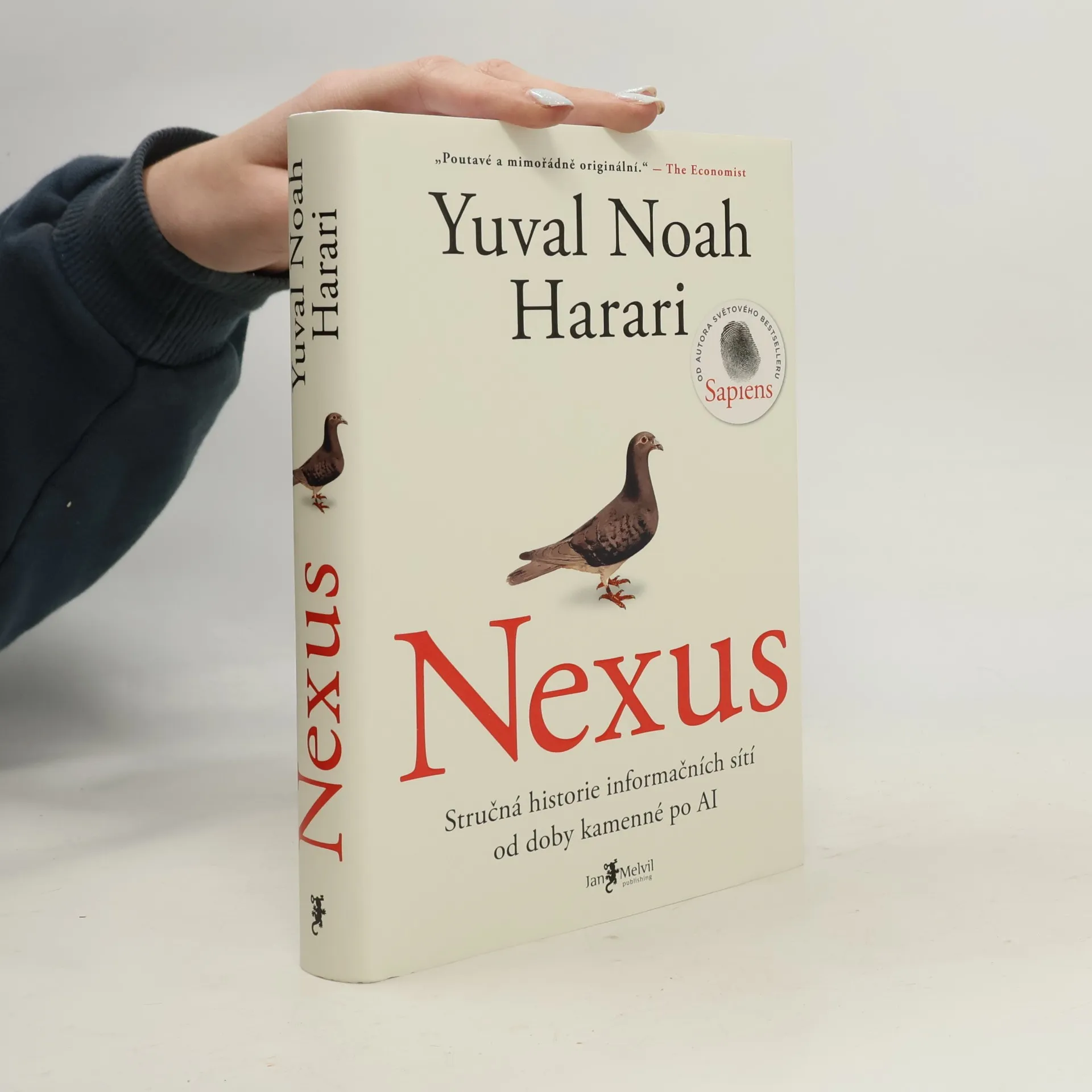
Příběh o tom, jak informační sítě utvářely a rozkládaly náš svět. Po posledních 100 000 let lidé akumulovali obrovskou moc. Přestože jsme učinili mnoho objevů, vynálezů a dobyli mnohé, nyní se nacházíme v existenční krizi. Svět je na pokraji ekologického kolapsu. Dezinformace jsou na vzestupu. A my se rychle blížíme k éře umělé inteligence – nové informační síti, která nám hrozí zničením. Pokud jsme tak moudří, proč jsme tak sebedestruktivní? NEXUS zkoumá, jak tok informací utvářel nás a náš svět. Od doby kamenné přes Bibli, rané moderní honby na čarodějnice, stalinsmus, nacismus až po vzestup populismu dnes, Yuval Noah Harari nás vyzývá, abychom zvážili složitý vztah mezi informacemi a pravdou, byrokracií a mytologií, moudrostí a mocí. Zkoumá, jak různé společnosti a politické systémy využívaly informace k dosažení svých cílů, a to jak pozitivně, tak negativně. A zabývá se naléhavými volbami, kterým čelíme, když nehumánní inteligence ohrožuje naši existenci. Informace nejsou surovým materiálem pravdy, ani pouhou zbraní. NEXUS zkoumá nadějnou střední cestu mezi těmito extrémy a znovuobjevení naší sdílené humanity.
Sapiens
Stručná historie lidstva
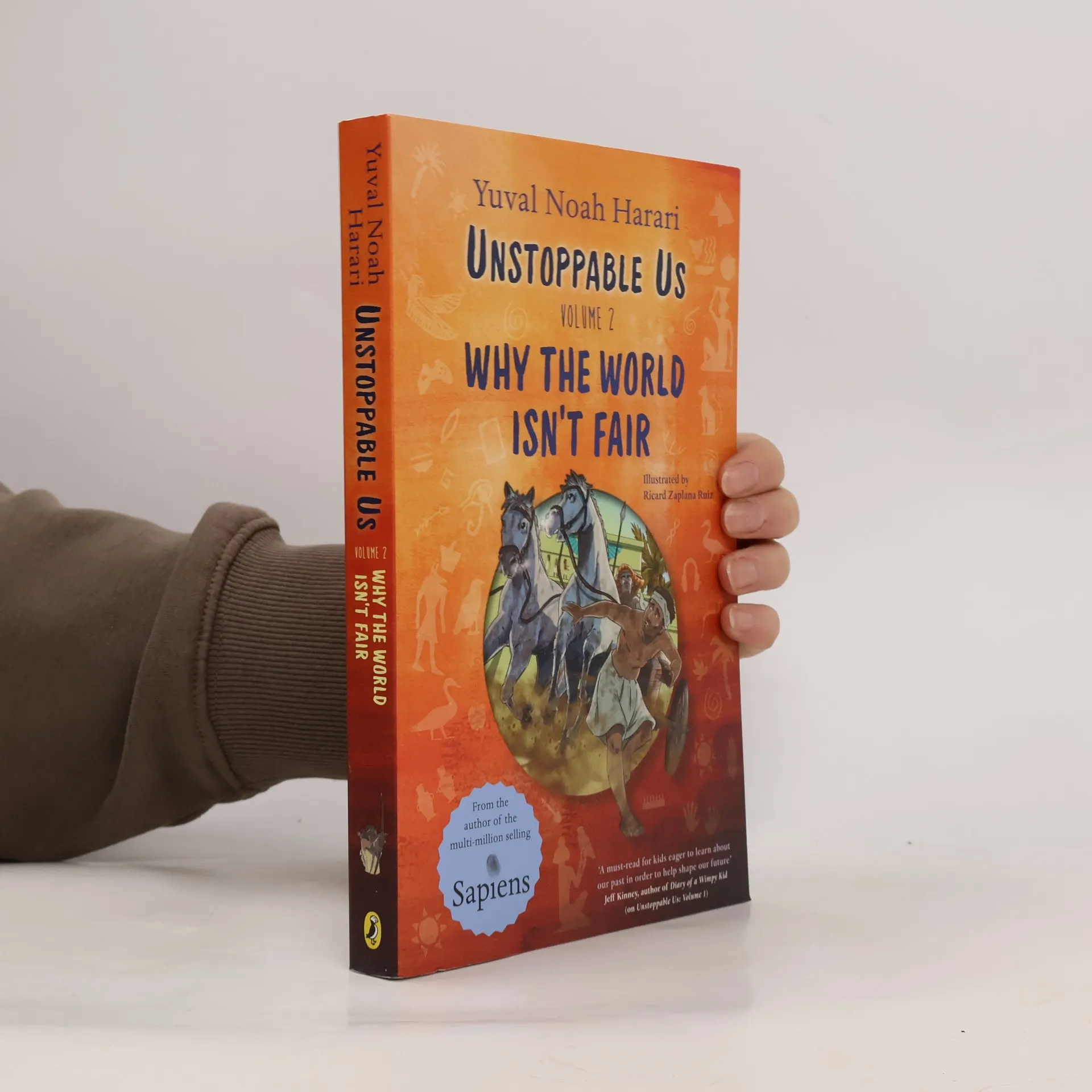
Unstoppable Us 2: Why the World Isn’t Fair
- 208 stránek
- 8 hodin čtení
Exploring the pivotal changes that occurred 10,000 years ago, this book delves into the emergence of leadership and societal structures that led to the formation of kingdoms. It examines the transition from hunter-gatherer societies to complex civilizations, highlighting humanity's ability to control animals and each other. Through engaging storytelling and vibrant illustrations, it presents a fascinating historical narrative that addresses the origins of inequality and the dynamics of power, making history accessible and captivating for younger readers.
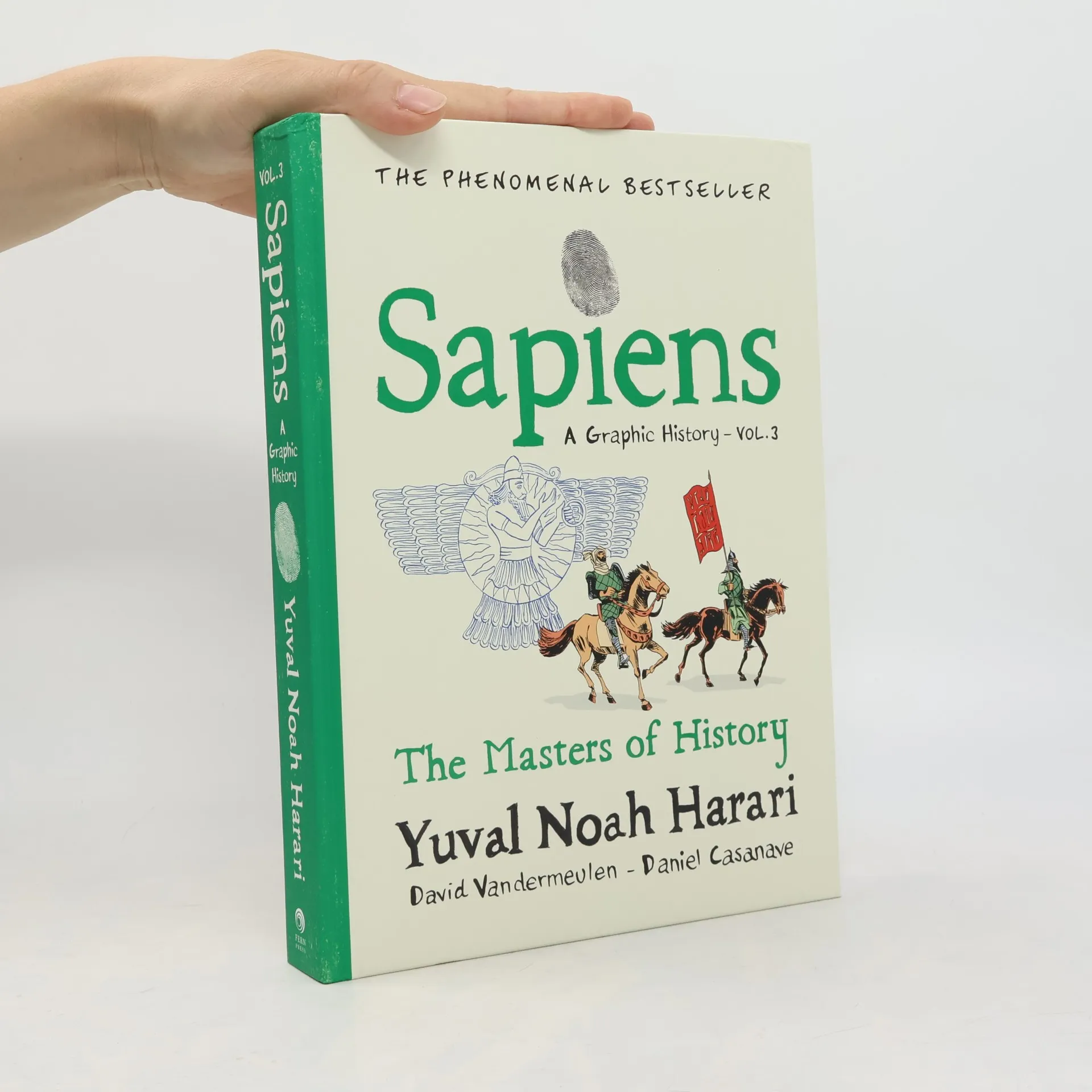
Exploring the dynamics of history, this graphic installment delves into the forces that shape civilizations, including money, religion, and empire. With a humorous guide, Heroda Tush, readers encounter a colorful cast of characters, each representing different historical influences, from luck to conquest. This engaging narrative invites reflection on humanity's turbulent journey and the recurring conflicts that challenge our unity. Ideal for readers of all ages, it can be enjoyed independently or as part of the ongoing series.
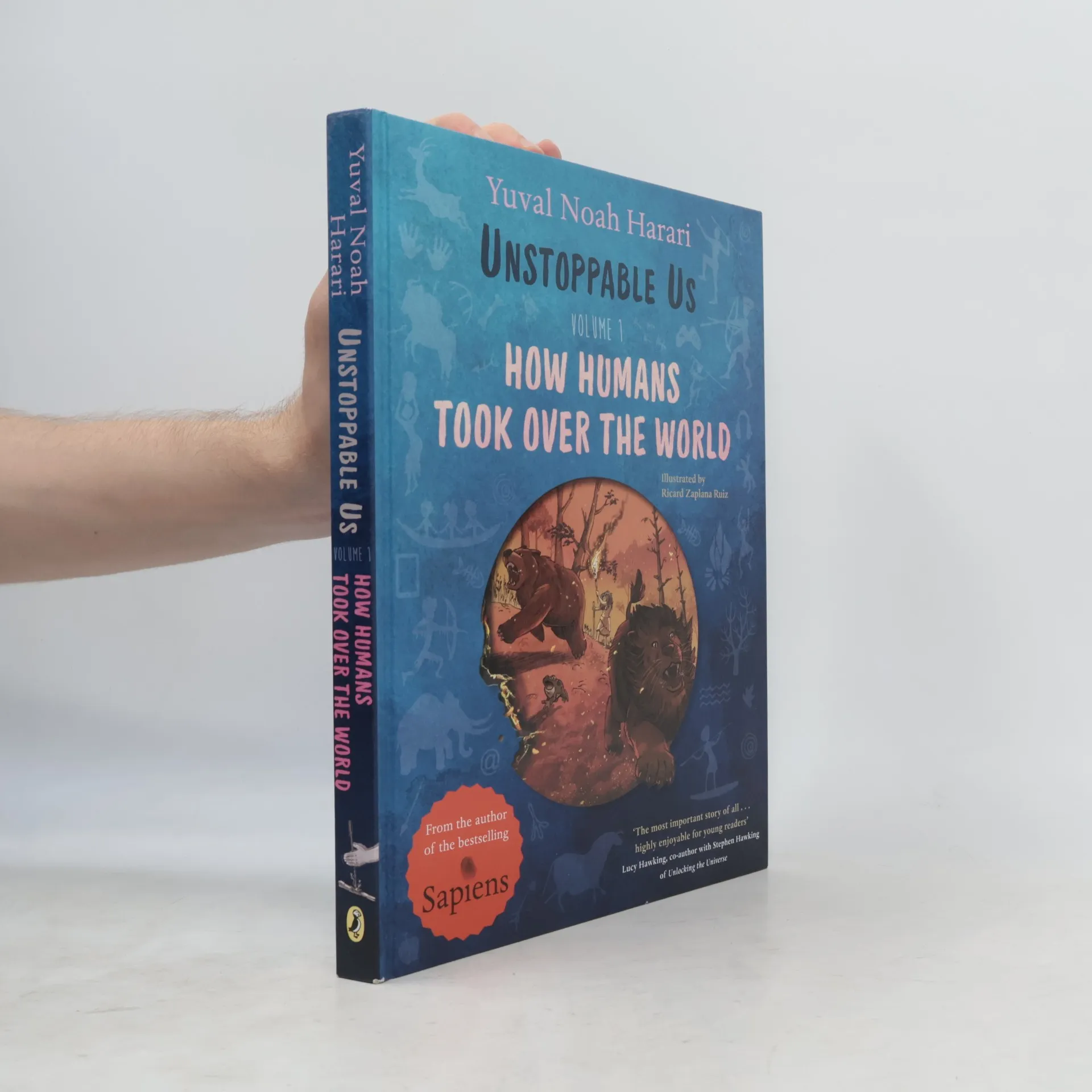
Unstoppable Us
- 208 stránek
- 8 hodin čtení
*From the author of the multi-million bestselling Sapiens comes an incredible new story of the human race, for younger readers.* We humans aren't strong like lions, we don't swim as well as dolphins, and we definitely don't have wings! So how did we end up ruling the world? The answer to that is one of the strangest tales you'll ever hear. And it's a true story . . . Have you ever wondered how we got here? From hunting mammoths, to flying to the moon? It is because we are unstoppable. But what made us so? Well, we have the most amazing superpower: the ability to tell stories. Fairy tales have led us from imagining ghosts and spirits to being able to create money (yes, really!). And this has made us very powerful . . . but very deadly. Nothing stands in our way, and we always want more. So get ready for the most amazing story there ever was - the incredible true tale of the Unstoppables. Find out how fire shrank our stomachs, how our ancestors spoke to animals, what football can tell us about being human, how we used our superpower for good and bad . . . and how YOU have the superpower to change the world. With full-colour illustrations showing the relentless rise and rise of the human race, this is history like you've never experienced it before.
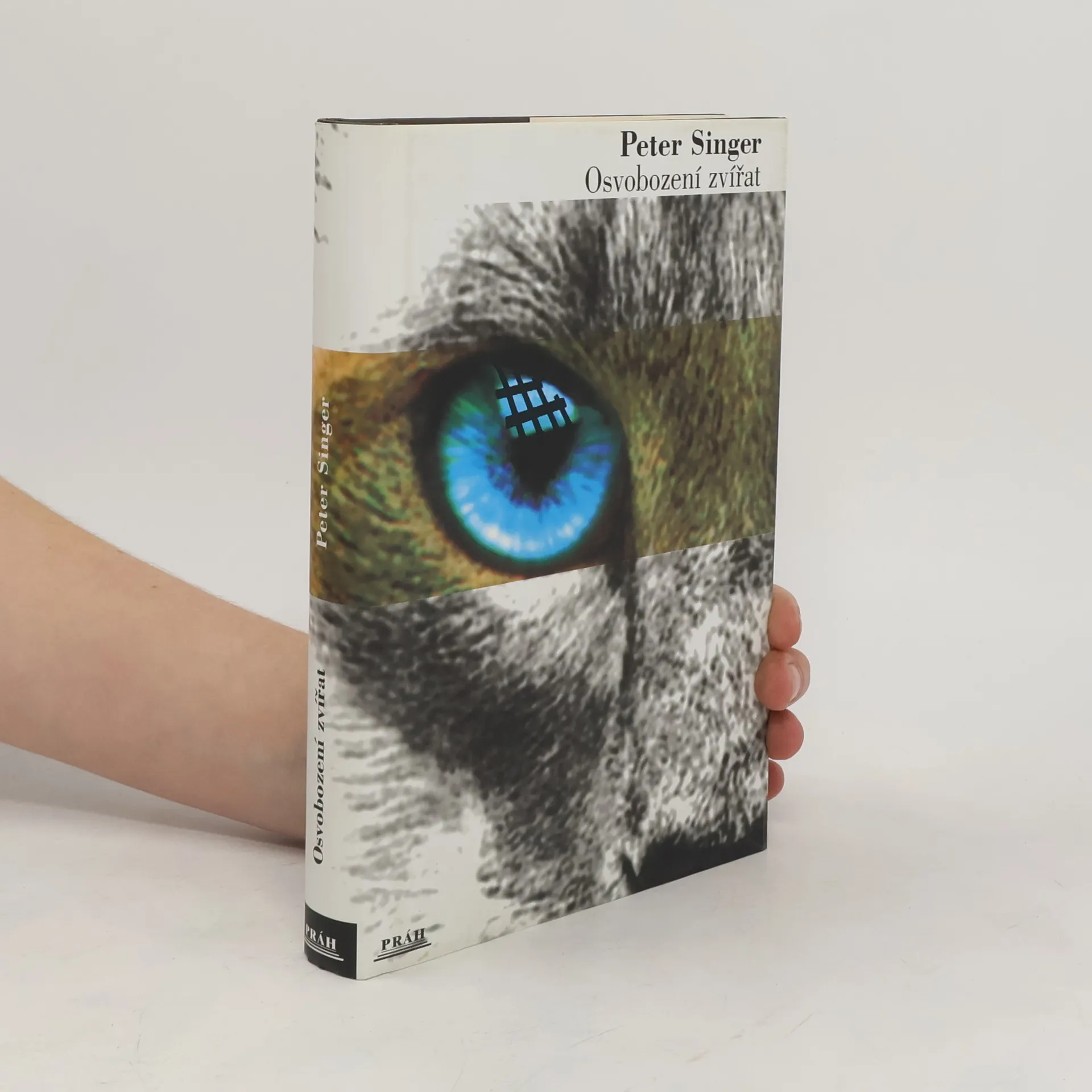
Kniha o nadvládě lidských bytostí nad bytostmi nelidskými. O nadvládě způsobující stále mnoho bolesti a utrpení. Boj proti ní je pro autora právě tak důležitý jako boj za kterékoliv morální a sociální otázky minulých let. Kniha inspirovala široké celosvětové hnutí, které má nyní stovky organizací a miliony členů. Osvobození zvířat bylo první moderní prací, jež obhajovala názor, že ti, kteří brání utrpení způsobovanému zvířatům, nejsou jen skupina přehánějících a přecitlivělých hysteriků. Na obhajobu svého názoru užívá Singer detailní popisy neospravedlnitelných bolestí, kterými trpí zvířata při vědeckém, vojenském nebo obchodním výzkumu, a nehumánních procesů, jimiž se opatřuje maso pro spotřebitele - pro lidi, kteří byli odsouzeni k tomu, aby ignorovali realitu výroby masa. Ta je nejen eticky neobhajitelná, ale také hanebně marnotratná.
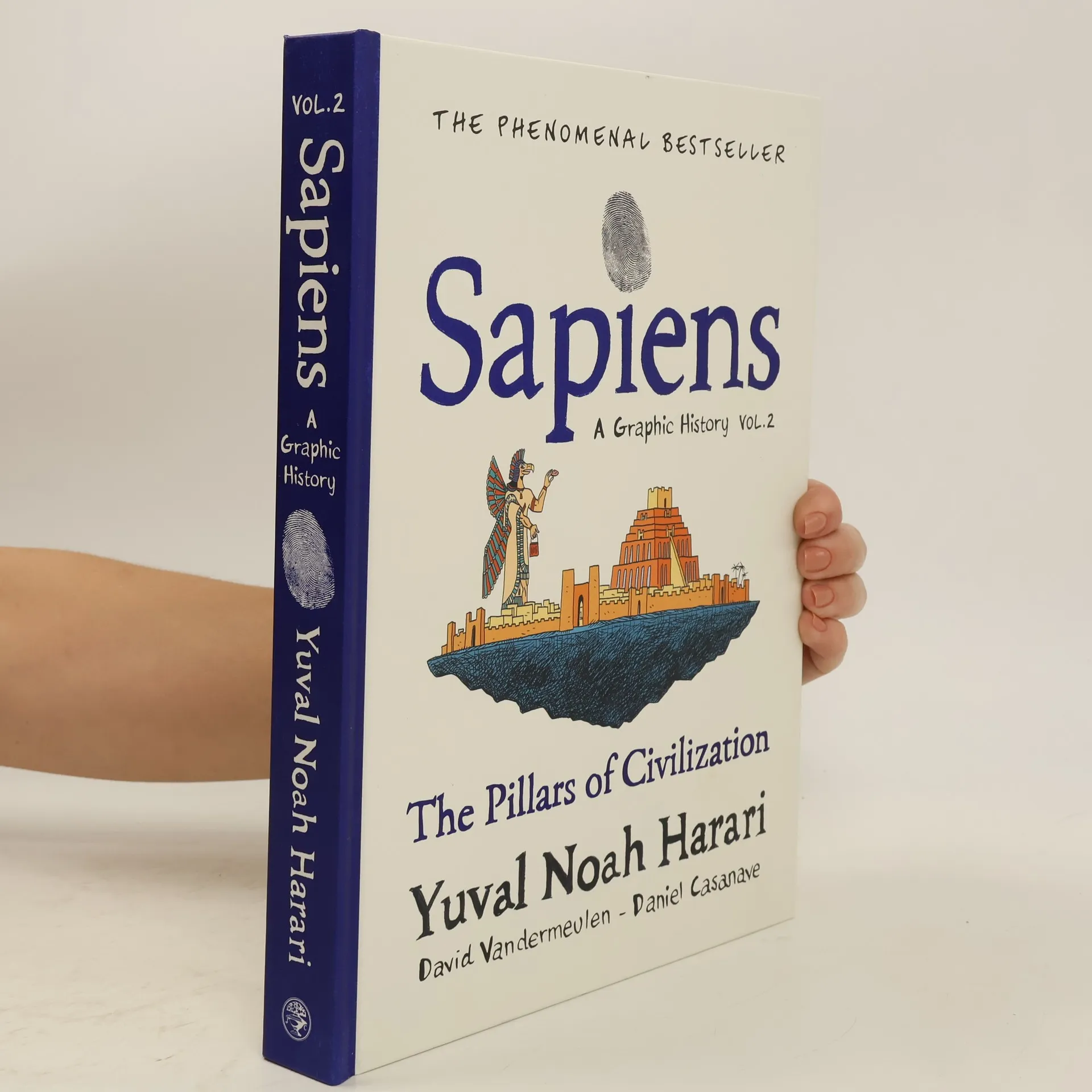
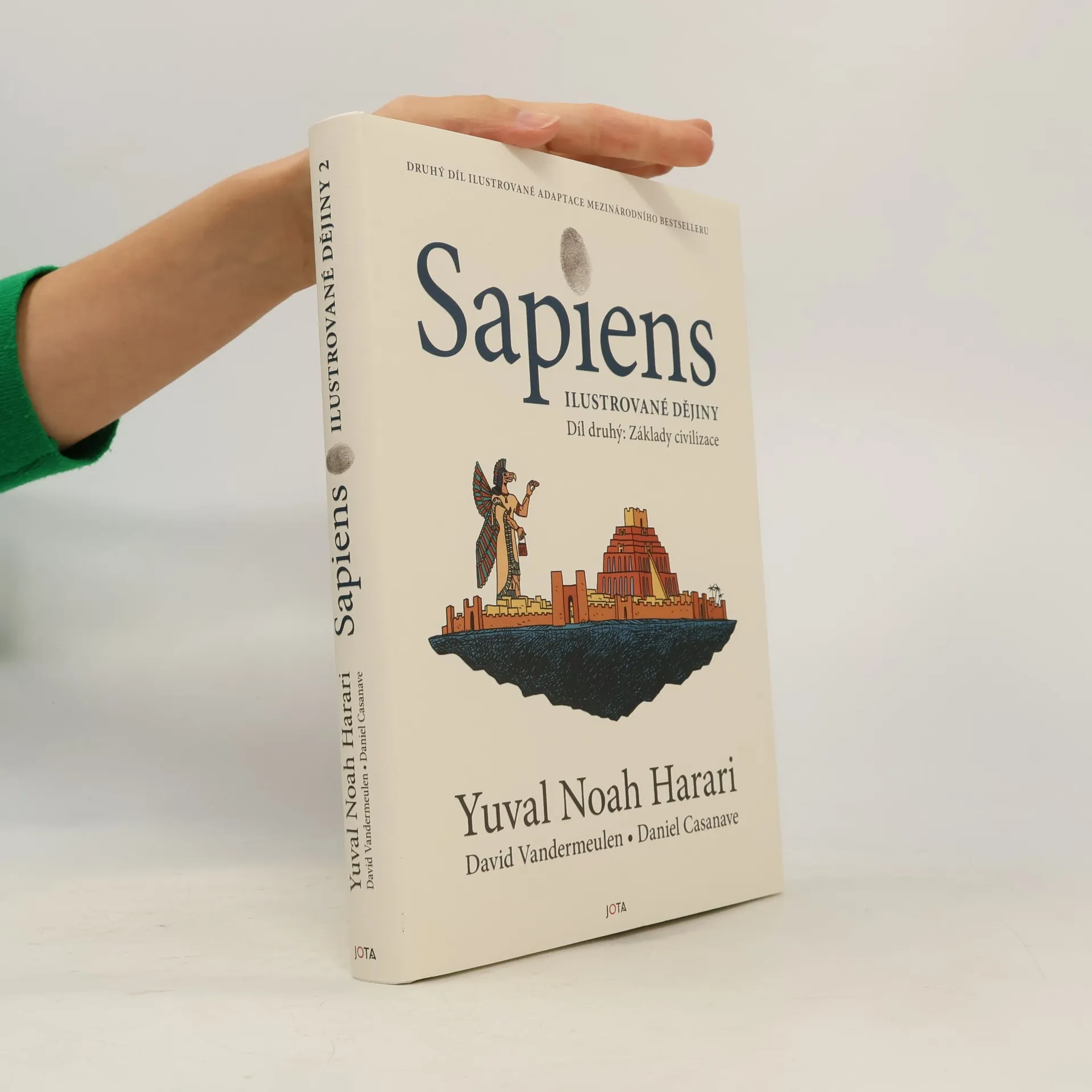
In the second "Sapiens" volume, Yuval Noah Harari tells the story of how we took over the world; how an unlikely marriage between a god and a bureaucrat created the first empires; and how war, famine, disease, and inequality became a part of the human condition. The origins of modern farming are introduced through Elizabethan tragedy, the changing fortunes of domesticated plants and animals are tracked in the columns of the Daily Business News, and the story of urbanization is told as a travel brochure offering discount journeys to ancient Babylon and China.
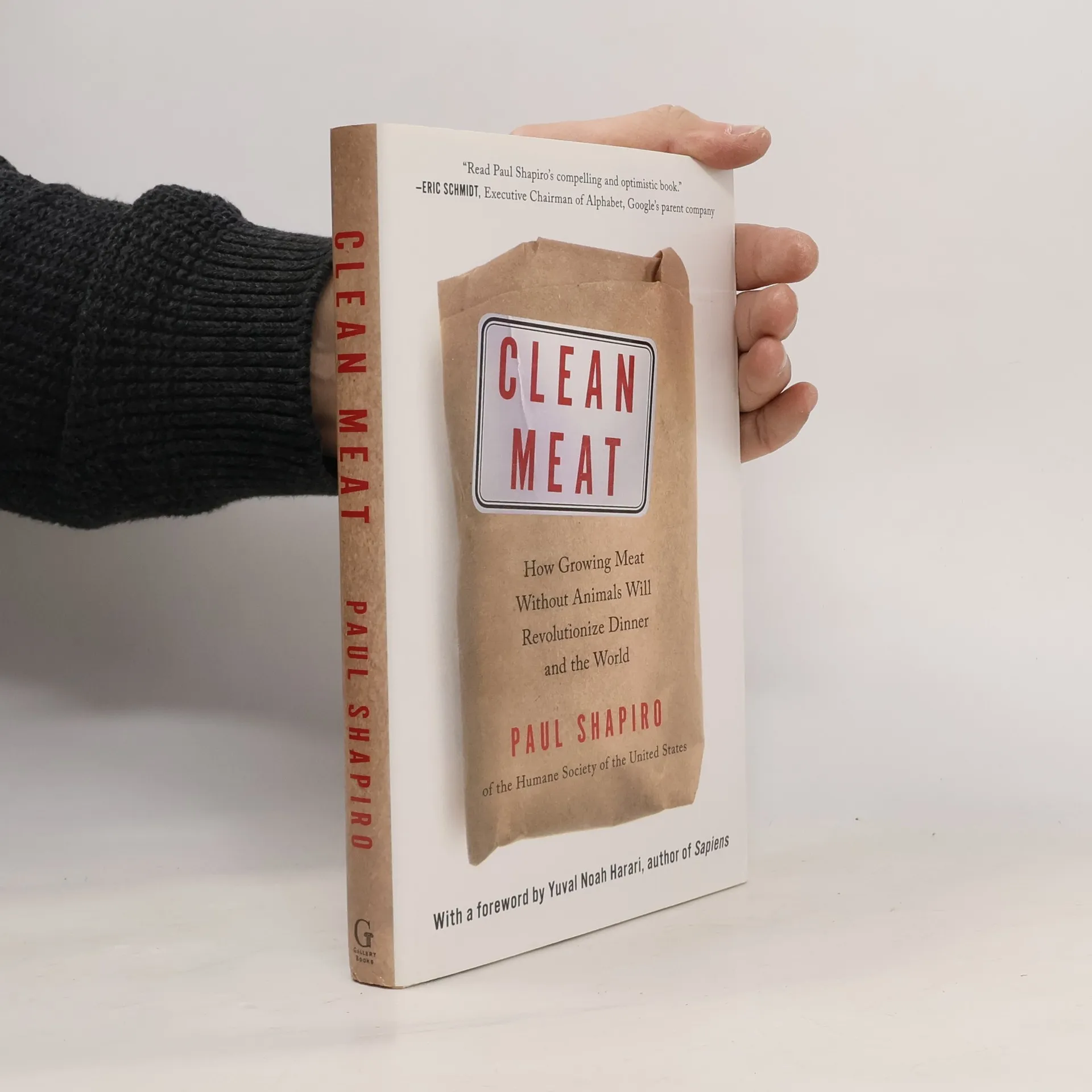
Clean Meat
How Growing Meat Without Animals Will Revolutionize Dinner and the World
- 256 stránek
- 9 hodin čtení
A Gallery Book. Gallery Books has a great book for every reader.
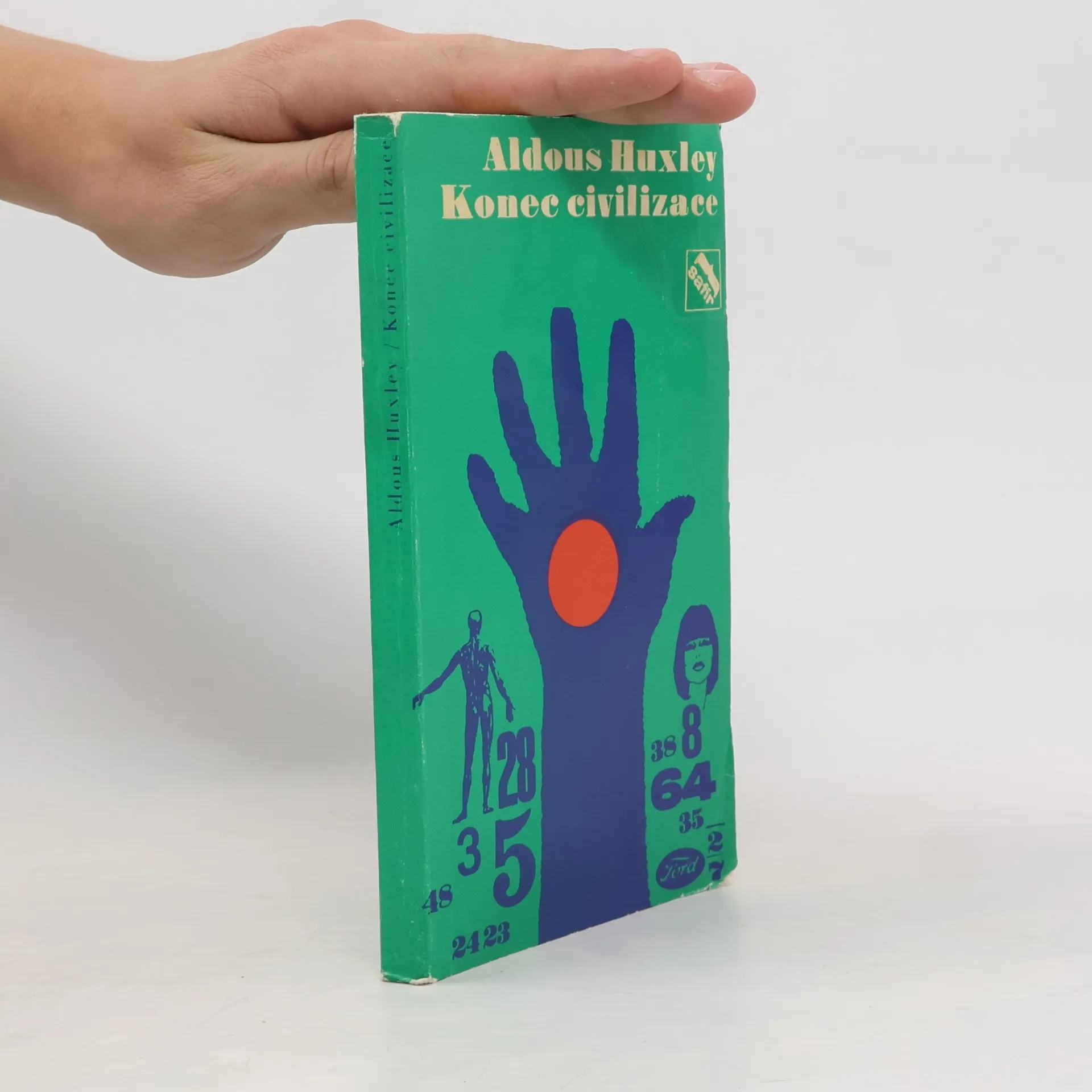
Úchvatný obraz enormního civilizačního úsilí, které ve snaze zajistit maximální štěstí umělými prostředky vymycuje veškerý cit a zdokonaluje se pouze v čistě laboratorním zajišťování produkce lidských bytostí a ve vědecké ochraně člověkovy fyzické konstituce. Protiklad k takto okleštěnému a úděsně jednostrannému světu v této románové science fiction tvoří rezervace „divochů“, kde zůstávají zachovány lidské instinkty a původní citová oblast člověka. Vylíčení dramatického střetnutí Divocha s onou nadměrnou civilizací je dokladem autorova mistrného spisovatelského umění a myšlenkového bohatství.
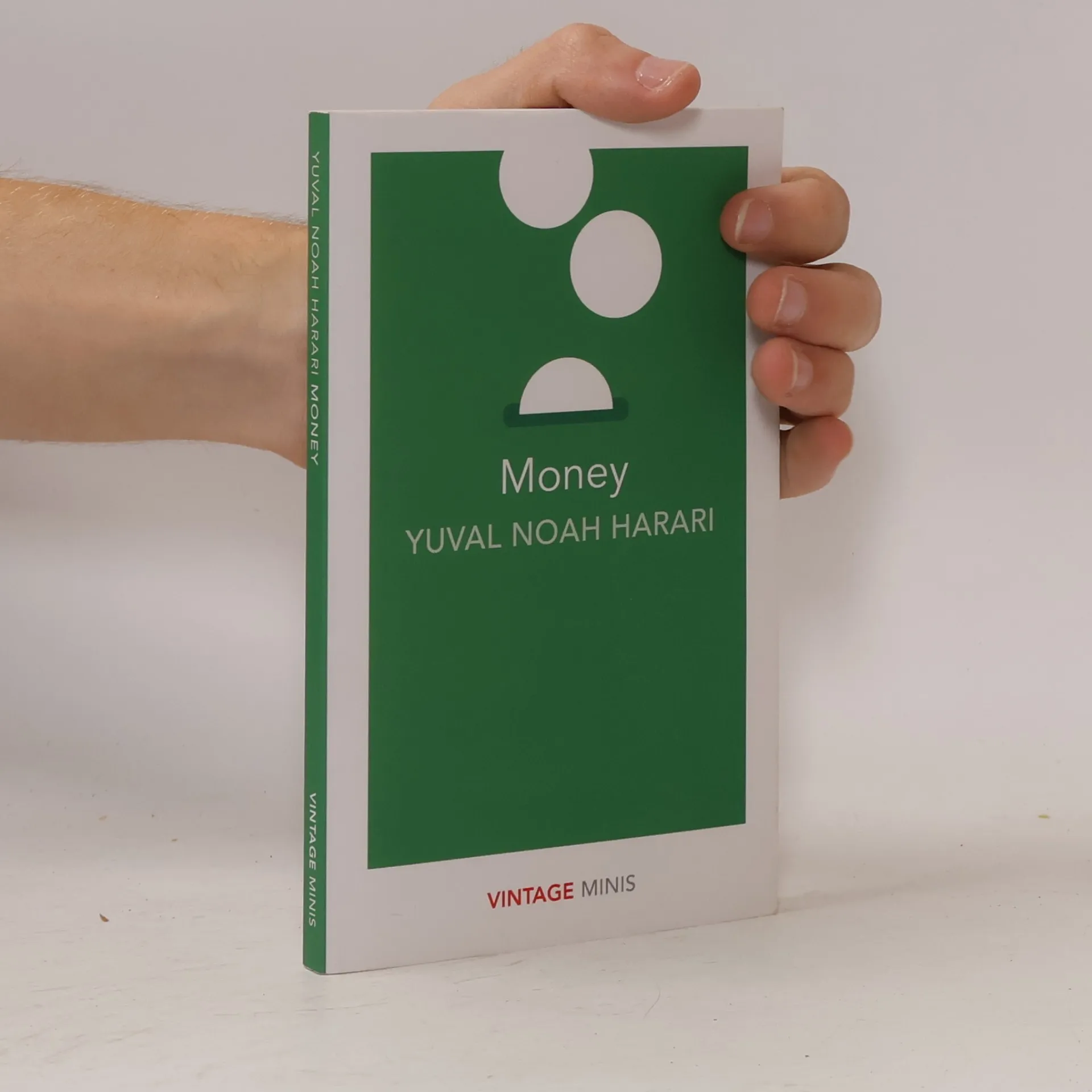
Money
- 144 stránek
- 6 hodin čtení
Selected from the books Sapiens and Homo Deus by Yuval Noah Harari How did money come to be invented? Why does it now have such significance in our lives? Does it make us happier or unhappier? And what does the future hold for it? With brilliant clarity and insight, Yuval Noah Harari takes the reader on a journey from the very first coins through to 21st century economics and shows us how we are all on the brink of a revolution, whether we like it or not. VINTAGE MINIS- GREAT MINDS. BIG IDEAS. LITTLE BOOKS. A series of short books by the world's greatest writers on the experiences that make us human Also in the Vintage Minis series- Home by Salman Rushdie Babies by Anne Enright Eating by Nigella Lawson Drinking by John Cheever
Special Operations in the Age of Chivalry, 1100-1550
- 248 stránek
- 9 hodin čtení
The author of the international bestseller Sapiens: A Brief History of Humankind looks at covert operations and assassination plots in the medieval period, matching anything to be found in our own era.
The book includes two exclusive essays by Yuval Noah Harari that delve into pressing contemporary issues. "The Crisis of Liberalism" explores the challenges facing liberal democracies today, while "The Theater of Terror" examines the impact of fear and spectacle in modern society. Harari's insights provide a thought-provoking analysis of political and social dynamics, encouraging readers to reflect on the future of governance and the influence of terror in shaping public perception and policy.
This box set offers the trilogy by Harari, a global phenomenon that has captivated millions of readers. Sapiens is a journey through our past, Homo Deus provides a look at our future, and 21 Lessons for the 21st Century explores our present. The overwhelming success of his trilogy has established Harari as a definitive voice in essayistic literature. This collection condenses his monumental work, projecting the history of humanity from the dawn of man and venturing into our coming days, alongside a lucid analysis of our current reality. An unprecedented approach to the human adventure.
Das Streben nach Langlebigkeit ist das Ziel jeder Existenz: in der Natur, der Politik, bei Unternehmen und uns Menschen. Oft handeln wir jedoch kurzfristig. In einer sich schnell verändernden Welt ist die Fähigkeit, sofort zu reagieren oder Angebote anzupassen, entscheidend. Gleichzeitig müssen langfristige Strategien für die Zukunft entwickelt und Bewahrenswertes geschützt werden. Die Strategien zur Langlebigkeit sind vielfältig und paradox. Das Abstreifen des Alten und die Erneuerung können ebenso wichtig sein wie das Festhalten an Bestehendem, um kleinere Turbulenzen zu überstehen. Die zentrale Frage bleibt: Wann sollten wir bewahren, wann loslassen? Wo sind robuste Strukturen notwendig, um Langlebigkeit zu sichern, und wo ist kurzfristiges Denken gefragt? Diese Suche nach Antworten zur Kunst der Langlebigkeit wird durch Beiträge von Persönlichkeiten wie Yuval Harari, Sven Regener und Steven Chu bereichert. Sie bringen unterschiedliche Perspektiven ein und reflektieren über die Herausforderungen und Möglichkeiten, die mit dem Streben nach Dauerhaftigkeit verbunden sind. Die Diskussion wird durch visuelle Beiträge von Julie Petter und Thomas Walsh ergänzt.
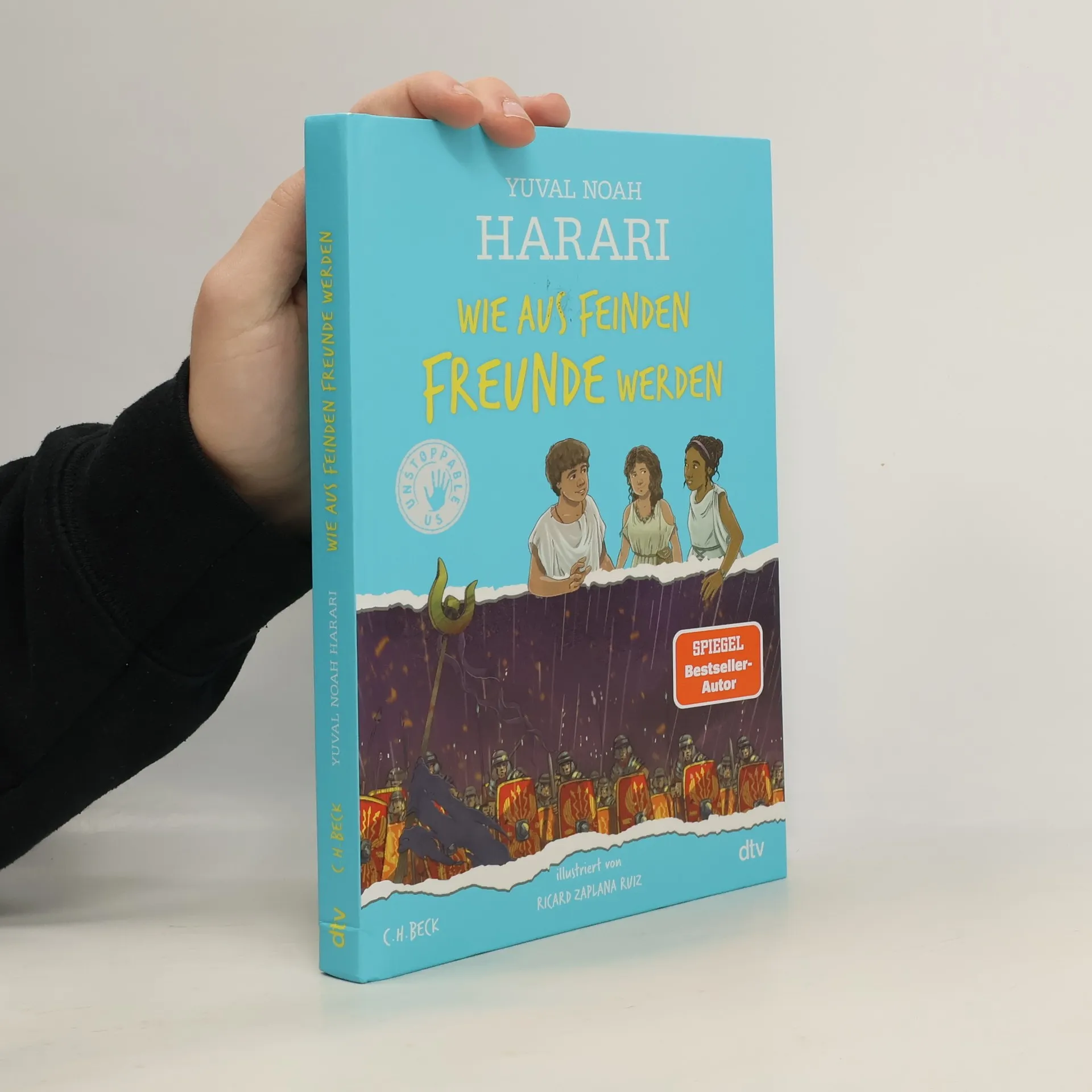
Wie aus Feinden Freunde werden
- 192 stránek
- 7 hodin čtení
In seinem neuen Buch untersucht Yuval Noah Harari, warum die Welt nicht friedlich ist und wie Menschen aus verschiedenen Gesellschaften miteinander umgehen. Er beleuchtet historische Begegnungen, Konflikte und friedliche Koexistenz von der Antike bis zum Mittelalter und thematisiert die Herausforderungen des Zusammenlebens verschiedener Kulturen und Religionen.
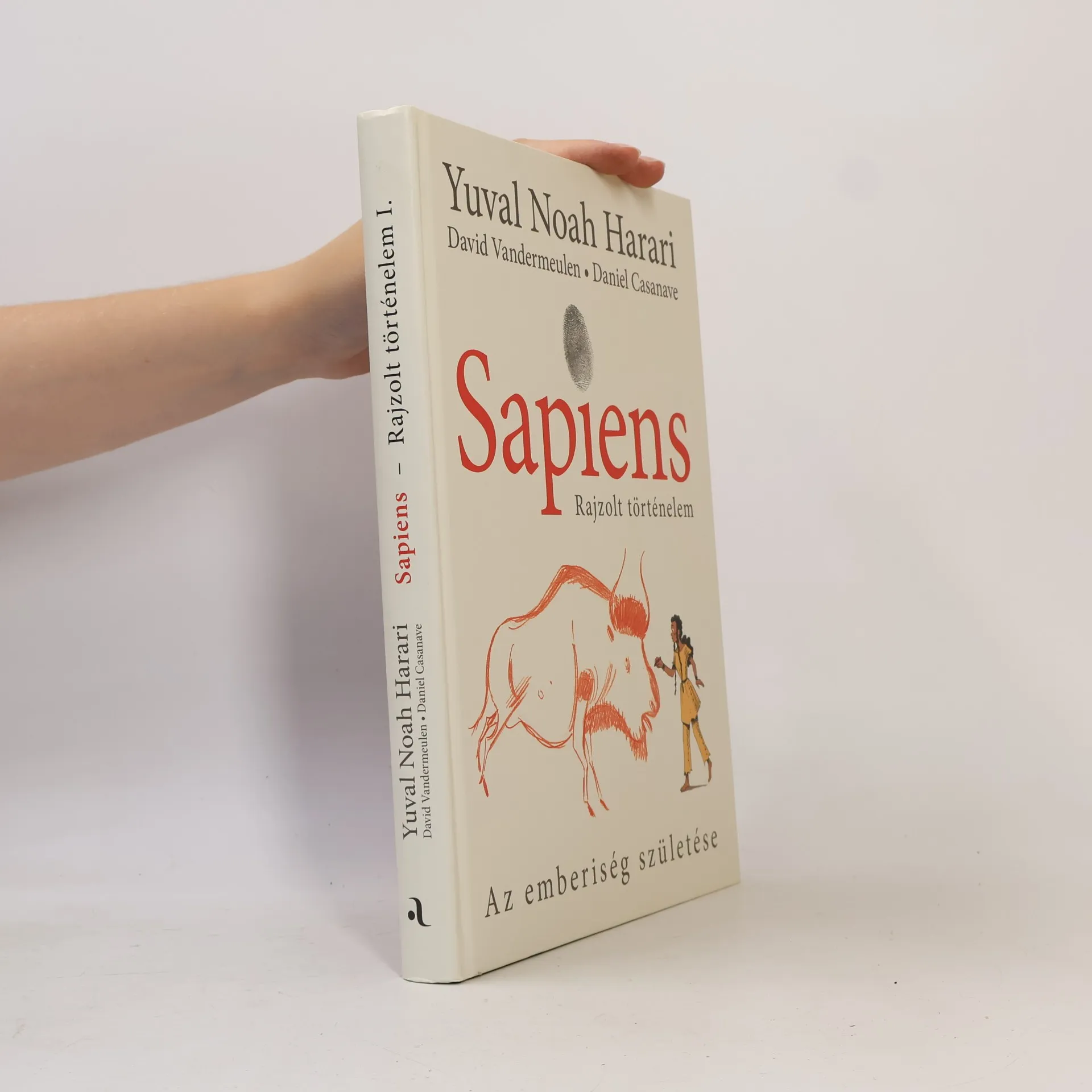
A tisztánlátás hatalom. De hogyan láthatjuk át a világban zajló eseményeket anélkül, hogy elvesznénk az apró részletekben? Például úgy, hogy hátrébb lépünk, és megszemléljük a teljesebb képet: az emberi faj történetét. A Sapiens - Rajzolt történelem című képregénysorozat azt meséli el, hogyan lett egy jelentéktelen majom a Föld nevű bolygó ura, és hogyan jutott el odáig, hogy képes széthasítani az atomot, elrepülni a Holdra, vagy módosítani más fajok genetikai kódját. Yuval Noah Harari, a könyv mesélője és társai - Prehisztorikus Bill, Doktor Fikció, Lopez nyomozó és sokan mások - a történelem meghatározó és sorsfordító eseményeibe avatnak be minket. A képregény viccesen és szórakoztatóan tárja elénk az emberiség történetét a Sapiens - Az emberiség rövid története című nemzetközi sikerkönyv alapján, amelyet 60 nyelvre fordítottak le, és több mint 16 millió példányban kelt el világszerte. Szellemessége, humora és érdekes karakterei azokat is magukkal ragadják, akiket egyébként nemigen köt le a tudomány és a történelem. Az emberiség születése a négyrészes képregénysorozat első kötete.
Wie wir die Macht des Wissens entdeckten und wie wir es zu unserem Wohl einsetzen können Kaum etwas hat das Leben der Menschen so stark verändert wie die wissenschaftliche Revolution. Durch sie entdeckten wir unbekannte Territorien, bekämpften Hunger und Krankheiten und erlangten einen nie gekannten Wohlstand. Doch der Fortschritt hat auch negative Seiten: Völker wurden bekämpft, die Umwelt zerstört und die Atombombe bedroht die Menschheit. Mit der künstlichen Intelligenz kommt ein neuer Player ins Spiel, der der Vorherrschaft der Menschen auf der Erde ein Ende bereiten könnte. Wie kann es uns Menschen gelingen, diese Entwicklungen in die richtigen Bahnen zu lenken? Wie können wir dank unseres Wissens unseren Planeten und die Lebewesen darauf retten? Dieser Frage widmet sich Harari lebendig, klug und unterhaltsam.