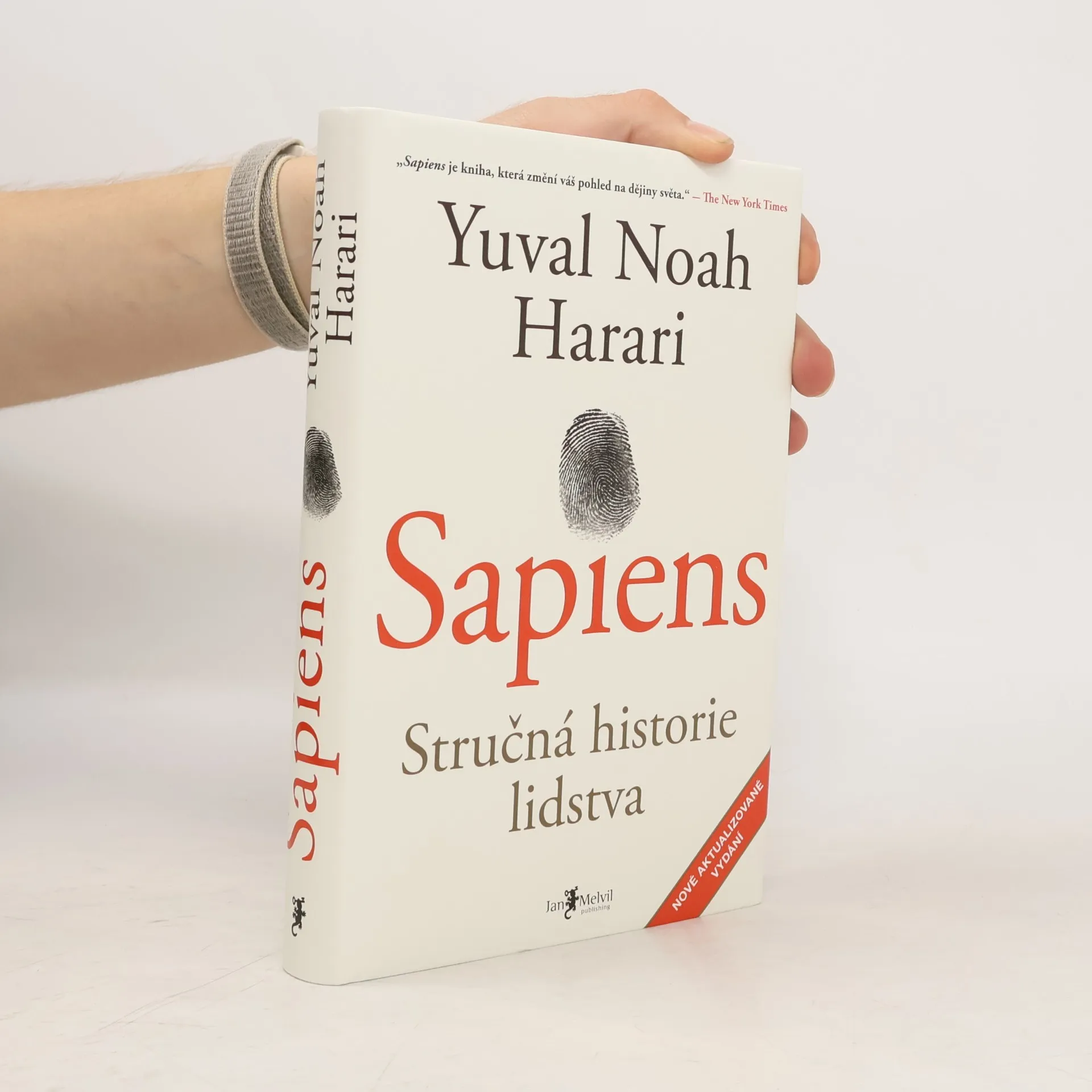
Sapiens
Stručná historie lidstva
Tento autor se zabývá velkými historickými otázkami a zkoumá vztah mezi historií a biologií. Zkoumá jedinečnost lidského druhu a to, zda se lidé v průběhu dějin stali šťastnějšími. Jeho práce často zpochybňují naše chápání pokroku a zkoumají, zda historie směřuje k nějakému cíli. Čtenáři oceňují jeho schopnost spojit rozsáhlé historické poznatky s hlubokým zamyšlením nad lidskou kondicí.



Stručná historie lidstva
100,000 years ago, at least six human species inhabited the earth. Today there is just one. Us. Homo sapiens. How did our species succeed in the battle for dominance? Why did our foraging ancestors come together to create cities and kingdoms? How did we come to believe in gods, nations and human rights; to trust money, books and laws; and to be enslaved by bureaucracy, timetables and consumerism? And what will our world be like in the millennia to come? In Sapiens, Dr Yuval Noah Harari spans the whole of human history, from the very first humans to walk the earth to the radical – and sometimes devastating – breakthroughs of the Cognitive, Agricultural and Scientific Revolutions. Drawing on insights from biology, anthropology, paleontology and economics, he explores how the currents of history have shaped our human societies, the animals and plants around us, and even our personalities. Have we become happier as history has unfolded? Can we ever free our behaviour from the heritage of our ancestors? And what, if anything, can we do to influence the course of the centuries to come? Bold, wide-ranging and provocative, Sapiens challenges everything we thought we knew about being human: our thoughts, our actions, our power ... and our future.
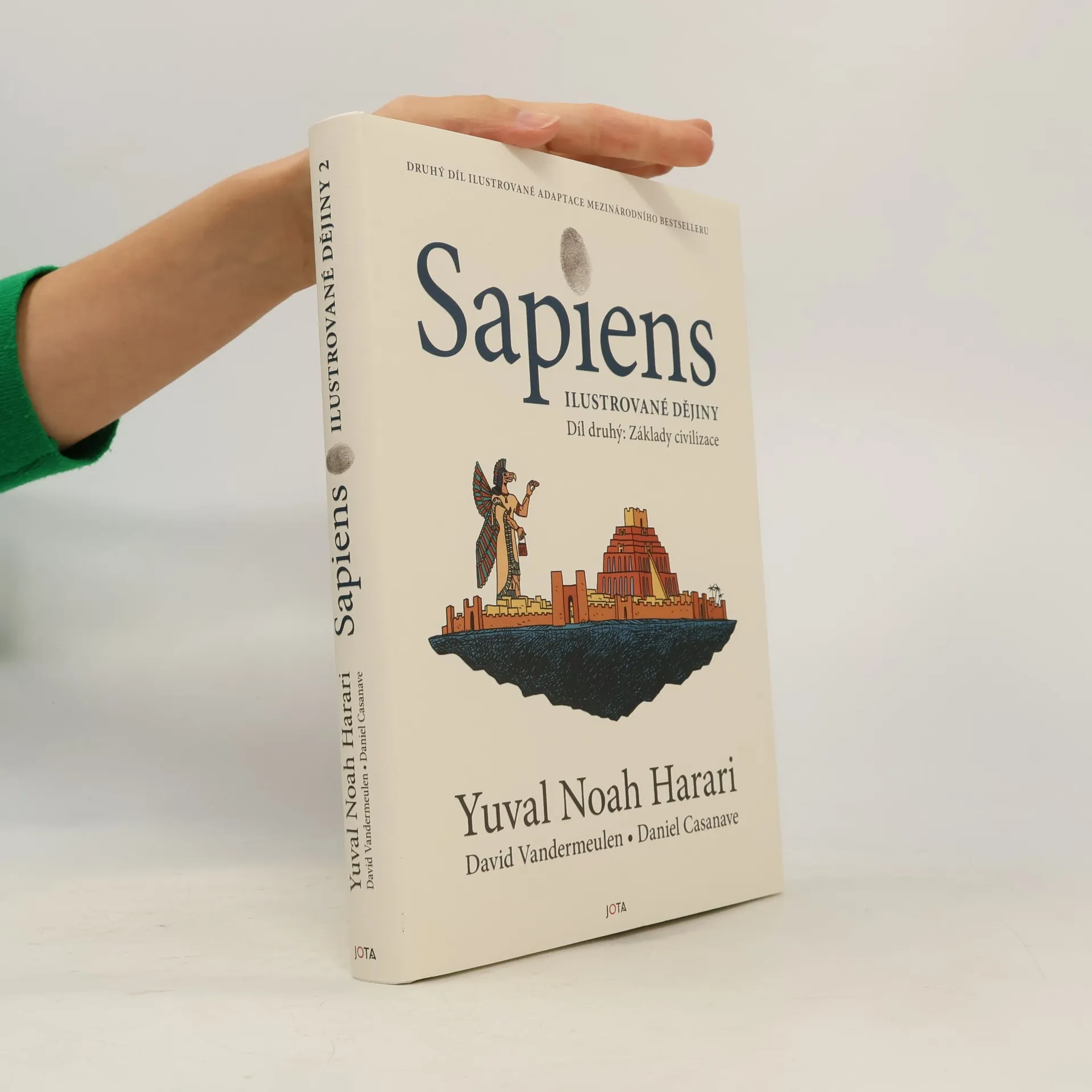
Exploring the forces that shape humanity's destiny, this volume delves into the roles of empire, money, and religion in unifying people throughout history. The illustrated adaptation of the bestselling phenomenon presents complex ideas in an accessible format, engaging readers with thought-provoking themes about what truly drives human society.
Exploring the dynamics of history, this graphic installment delves into the forces that shape civilizations, including money, religion, and empire. With a humorous guide, Heroda Tush, readers encounter a colorful cast of characters, each representing different historical influences, from luck to conquest. This engaging narrative invites reflection on humanity's turbulent journey and the recurring conflicts that challenge our unity. Ideal for readers of all ages, it can be enjoyed independently or as part of the ongoing series.
In seinem neuen Buch untersucht Yuval Noah Harari, warum die Welt nicht friedlich ist und wie Menschen aus verschiedenen Gesellschaften miteinander umgehen. Er beleuchtet historische Begegnungen, Konflikte und friedliche Koexistenz von der Antike bis zum Mittelalter und thematisiert die Herausforderungen des Zusammenlebens verschiedener Kulturen und Religionen.
Kto pociąga za sznurki historii? Trzecia część błyskotliwej i zabawnej graficznej serii czerpiącej idee oraz pomysły z przetłumaczonego na 60 języków i sprzedanego w nakładzie 25 milionów egzemplarzy światowego bestsellera Sapiens. Od zwierząt do bogów. W najnowszym tomie Yuval Noah Harari proponuje powrót do zamierzchłych czasów, w których giganci historii zmierzą się w pojedynku o to, kto odegrał najważniejszą rolę w dziejach świata. · Kim był Nieboskłon i czy naprawdę istniał? · Na czym polega światopogląd animistyczny? · Czym jest boski magnes? Epickie i pięknie ilustrowane dzieło – efekt współpracy Yuvala Noaha Harariego, belgijskiego ilustratora Davida Vandermeulena oraz francuskiego twórcy komiksowego Daniela Casanave’a – przykuje uwagę również tych, którzy na co dzień nie zajmują się nauką czy historią. Pasjonująca intelektualna rozrywka dla młodszych i starszych.
Exploring the pivotal changes that occurred 10,000 years ago, this book delves into the emergence of leadership and societal structures that led to the formation of kingdoms. It examines the transition from hunter-gatherer societies to complex civilizations, highlighting humanity's ability to control animals and each other. Through engaging storytelling and vibrant illustrations, it presents a fascinating historical narrative that addresses the origins of inequality and the dynamics of power, making history accessible and captivating for younger readers.
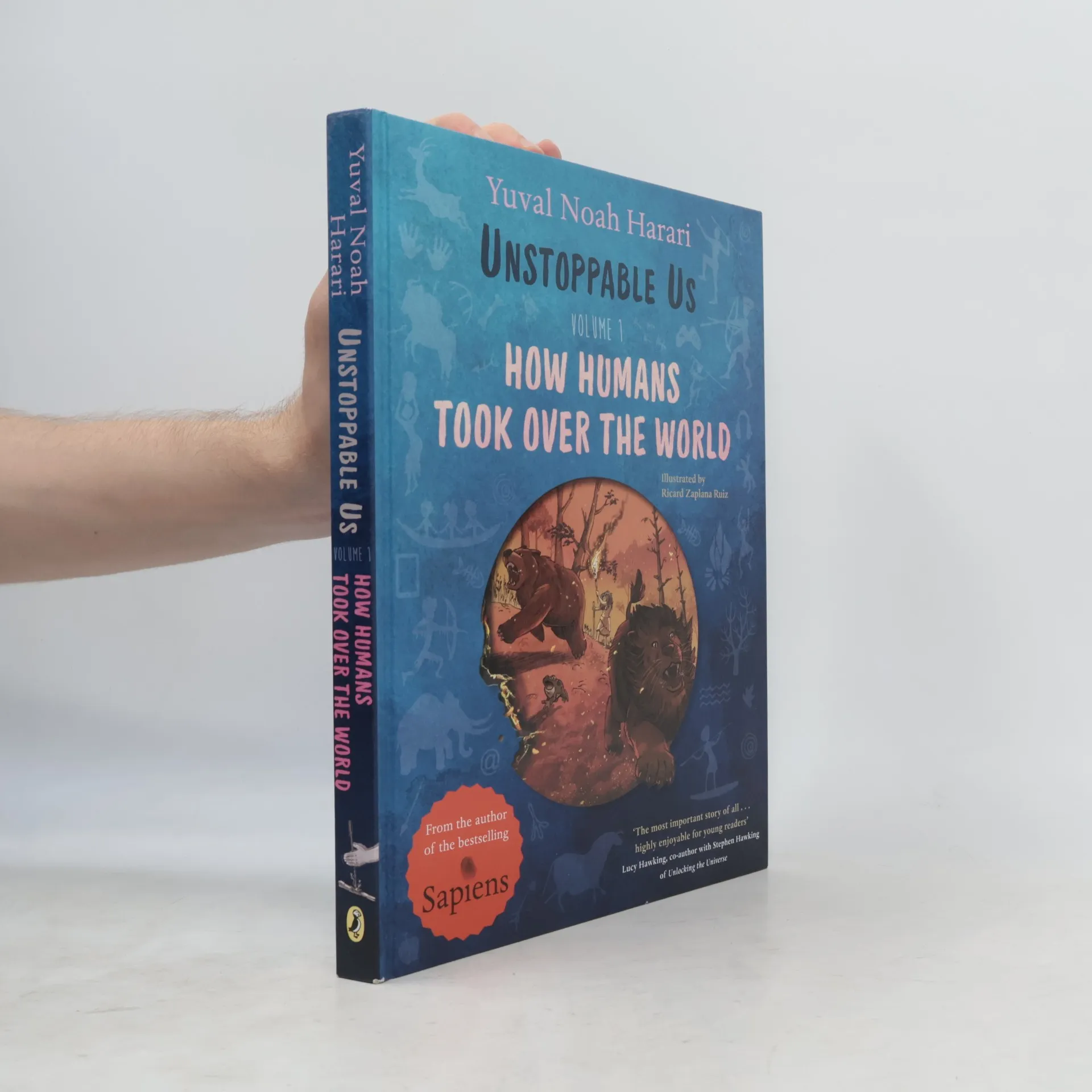
*From the author of the multi-million bestselling Sapiens comes an incredible new story of the human race, for younger readers.* We humans aren't strong like lions, we don't swim as well as dolphins, and we definitely don't have wings! So how did we end up ruling the world? The answer to that is one of the strangest tales you'll ever hear. And it's a true story . . . Have you ever wondered how we got here? From hunting mammoths, to flying to the moon? It is because we are unstoppable. But what made us so? Well, we have the most amazing superpower: the ability to tell stories. Fairy tales have led us from imagining ghosts and spirits to being able to create money (yes, really!). And this has made us very powerful . . . but very deadly. Nothing stands in our way, and we always want more. So get ready for the most amazing story there ever was - the incredible true tale of the Unstoppables. Find out how fire shrank our stomachs, how our ancestors spoke to animals, what football can tell us about being human, how we used our superpower for good and bad . . . and how YOU have the superpower to change the world. With full-colour illustrations showing the relentless rise and rise of the human race, this is history like you've never experienced it before.
A beautiful new hardback anniversary edition of the multi-million copy sensationINCLUDES A NEW AFTERWORD FROM YUVAL NOAH HARARIWhat makes us brilliant? What makes us deadly? What makes us Sapiens?One of the world's preeminent historians and thinkers, Yuval Noah Harari challenges everything we know about being human. Earth is 4.5 billion years ol[Bokinfo].
Jakie wyzwania stawia przed ludzkością teraźniejszość? Nowa książka autora światowych bestsellerów Sapiens i Homo deus. Krótka historia jutra. Yuval Noah Harari, słynny izraelski historyk i wizjoner, w swej najnowszej książce skupia się nie na przeszłości ani na możliwej przyszłości gatunku ludzkiego, lecz na problemach, w obliczu których stoimy obecnie. 21 lekcji na XXI wiek to zaproszenie czytelnika do wzięcia udziału w debacie na temat naszych czasów. Harari z właściwą sobie lekkością, w krótkich rozdziałach, omawia i analizuje zjawiska, które dziś definiują cywilizację homo sapiens i wpływają na jej losy. Donald Trump, Brexit, fake newsy, biotechnologia, sztuczna inteligencja, rozszerzona rzeczywistość, dewastacja środowiska naturalnego, kryzys uchodźczy, terroryzm, schyłek liberalizmu. Co te zjawiska naszej codzienności mówią o człowieku i współczesnym świecie? Harari, jak zwykle, stawia prowokacyjne pytania, ale i udziela błyskotliwych odpowiedzi, dzięki którym nasz coraz bardziej rozpędzony XXI wiek wydaje się choć trochę pojmowalny przez ludzki rozum. Książka 21 lekcji na XXI wiek zamyka hat trick Harariego... Jak zawsze jego tekst jest niezwykle elegancki, ludzki, ujmujący, a często też ironiczny. Caroline Sanderson, The Bookseller
Unstoppable Us 2 | Der erfolgreichste Sachbuchautor der Welt gibt lebendige Einblicke in die Entwicklungsgeschichte der Menschheit für alle ab 10
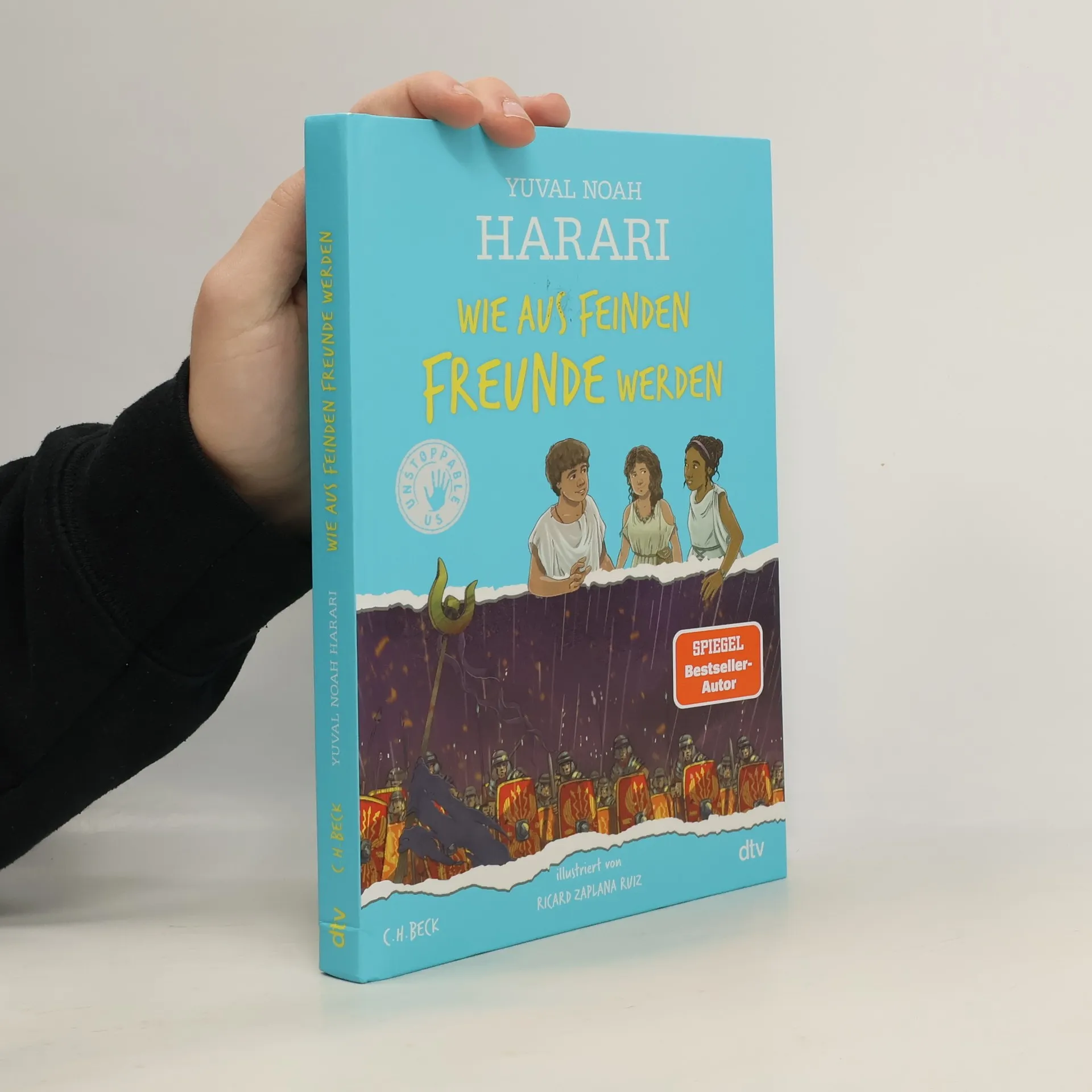
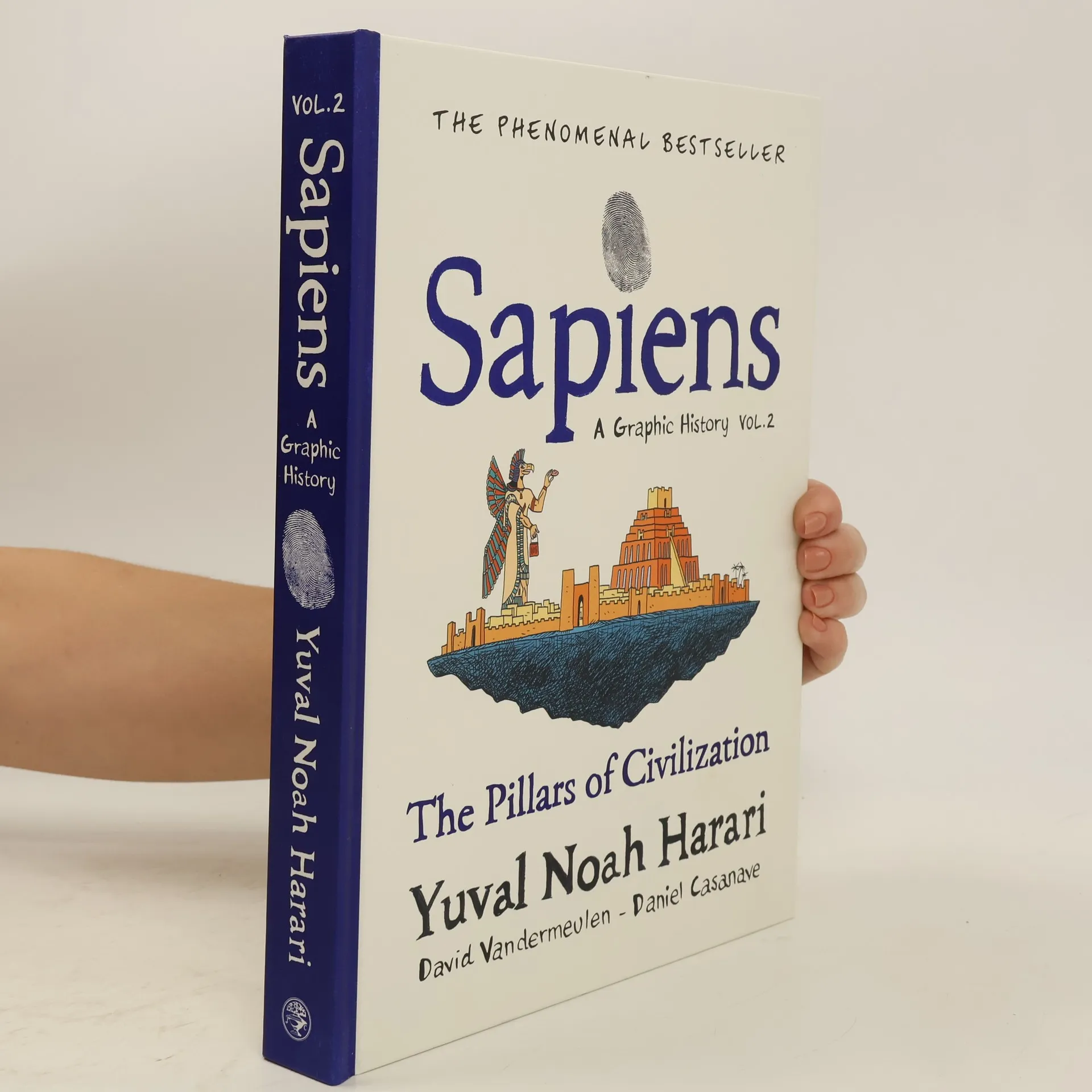
Die Geschichte der Menschheit – Band 2 der ›Unstoppable Us‹-Reihe von Bestsellerautor Yuval Noah Harari Warum sind manche Leute reich und andere arm? Wie kam es, dass die Menschheit sich in Könige und Sklaven unterteilte, ein paar antike Nerds die Schrift erfanden und unsere Vorfahren den Göttern große Tempel bauten? Und was hat das alles damit zu tun, dass die Menschen sich vor zehntausend Jahren von Jägern und Sammlern zu Bauern entwickelten? Landwirtschaftliche Revolution, die ersten Städte und das alte Ägypten: Erneut schildert Bestsellerautor Yuval Noah Harari inspirierend und mitreißend die abenteuerliche Geschichte der Menschheit. "Wie ein Geschichtenerzähler am Lagerfeuer spricht der Autor die Kinder direkt an und beschreibt in lebendigen Bildern die Entwicklungsstufen und den Alltag unserer Vorfahren." Agnes Sonntag, DER SPIEGEL (über Band 1) Alle Bände der Reihe ›Unstoppable Us‹: Band 1: Wie wir Menschen die Welt eroberten Band 2: Warum die Welt nicht fair ist Die Reihe ist insgesamt auf vier Bände angelegt. Jeder Band ist in sich abgeschlossen und behandelt ein einzelnes großes Thema, z.B. die Steinzeit und die Sesshaftwerdung des Menschen.
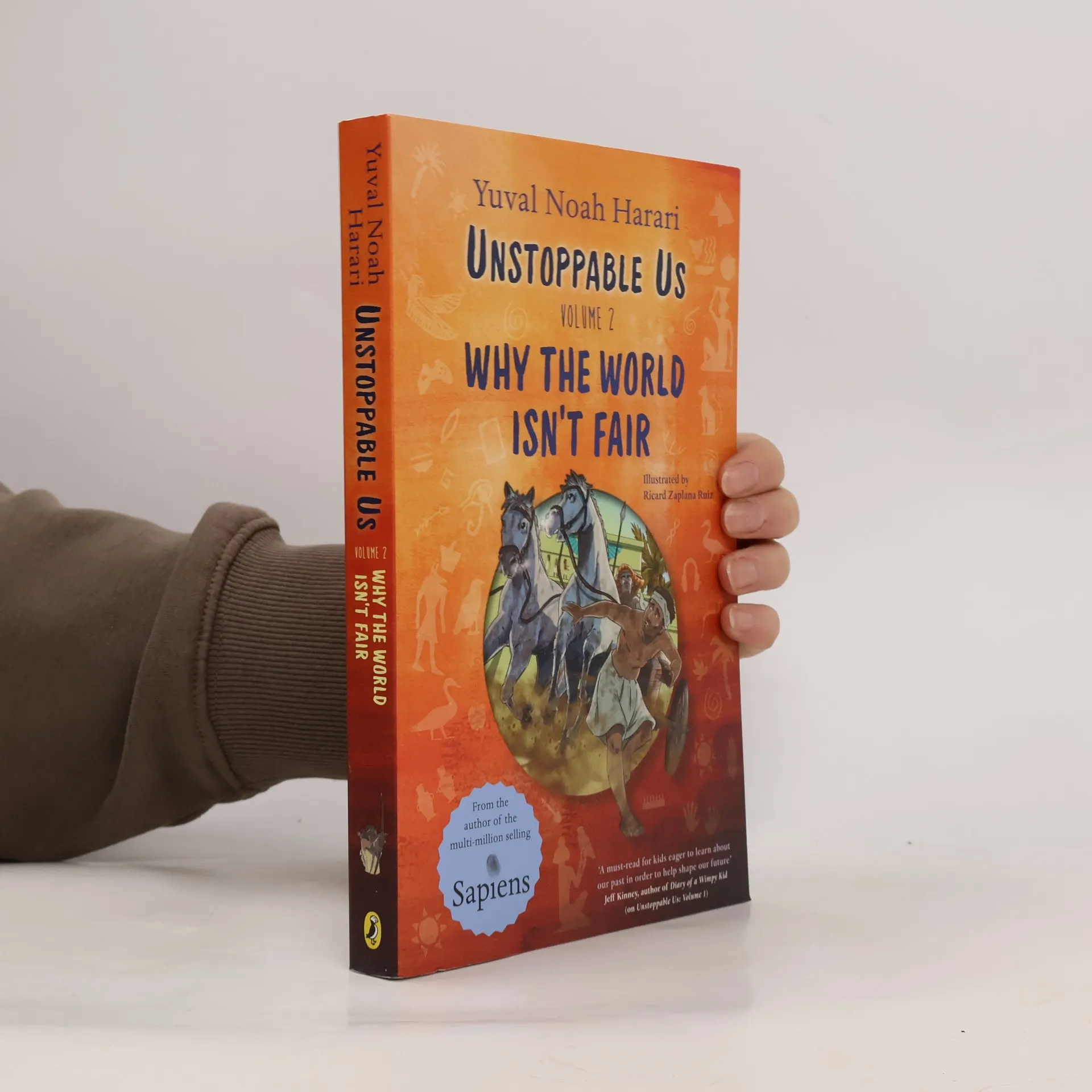
Epicka przygoda i lekcja historii w jednym! Podana przejrzyście i z humorem. Odkryj wraz z autorem bestsellera Sapiens , dlaczego ludzie są niepowstrzymani! Królowe, królowie i generałowie wypełniają podręczniki po brzegi. Ale skąd oni wszyscy się wzięli? Dlaczego niektórzy z nas mieszkają w pałacach i rządzą, podczas gdy inni muszą sprzątać ich posiadłości i wykonywać rozkazy? W drugim tomie serii dla młodych czytelników uznany filozof i historyk Yuval Noah Harari wyjaśnia, w jaki sposób rewolucja sprzed dziesięciu tysięcy lat wciąż wpływa na nasze życie. Pokazuje, w którym miejscu wszystko poszło nie tak i jak jeszcze możemy to naprawić. Przekonaj się, jak niewinny eksperyment z uprawą pszenicy doprowadził do głodu, zarazy i wojny. Dowiedz się, w jaki sposób starożytni maniacy rozwinęli pismo i dlaczego twoi rodzice muszą płacić podatki. Poznaj dwa gadatliwe szkielety, krokodyla ze złotymi kolczykami oraz pięćdziesiąt miliardów przygnębionych kurczaków i odkryj, jak ludzka zdolność kontrolowania roślin oraz zwierząt doprowadziła do tego, że próbujemy kontrolować siebie nawzajem. Niepowstrzymani 2. Dlaczego świat nie jest sprawiedliwy to idealna książka dla każdego od lat 9 do 109, kto jest ciekawy, jak zbudowano ten świat i dlaczego niektórzy mają tak dużo, a inni tak mało.
Sais-tu que tu as un super-pouvoir ?Partout sur Terre, les humains dominent la planète.Comment sont-ils devenus si puissants ? Pour découvrir leur super-pouvoir, plonge dans cet ouvrage fourmillant d'illustrations et remonte le temps: tu emprunteras le même chemin que nos ancêtres et tu croiseras des serpents géants, des nains et le Grand Esprit lion. Tu apprendras aussi que la maîtrise du feu a fait rétrécir nos estomacs, que les règles du foot nous renseignent beaucoup sur notre espèce et que l'argent est une histoire imaginaire à laquelle tout le monde croit.Un livre accessible et indispensable, qui raconte une histoire incroyable mais vraie : celle de l'humanité.
Spider-Man, Wonder Woman, Superman, Batman? Nie. Prawdziwym bohaterem jesteś ty i posiadasz fantastyczną supermoc! Żeby zrozumieć, jaka może być potężna i niebezpieczna, musisz przeczytać tę książkę! Ziemią - na każdej szerokości geograficznej: od afrykańskich sawann po czapy lodowe Grenlandii - rządzą ludzie. Ale jak to się stało, że dysponujemy taką potęgą? Yuval Noah Harari, autor bestsellera Sapiens, pokaże wam, że posiadamy wielką siłę, dzięki której wciąż tworzymy najprzeróżniejsze dziwne i tajemnicze rzeczy: od duchów i demonów po rządy i korporacje. Jak dzięki ogniowi udało nam się zmniejszyć żołądki? Co gra w piłkę nożną mówi o byciu człowiekiem? I dlaczego spośród wszystkich bajek najwięcej osób uwierzyło w tę o pieniądzach? Dowiecie się tego, podążając śladami pradawnych ludzi, którzy wyruszyli tysiące lat temu z Afryki. To historia ludzkości, jakiej wcześniej nie znaliście. Poznacie karły i gigantyczne węże, Wielkiego Ducha Lwa mieszkającego ponad chmurami i ujrzycie... palec sprzed kilkudziesięciu tysięcy lat (!), który ujawnia tajemnice pochodzenia człowieka. W tej wciągającej i barwnej książce, która jest pierwszym tomem większej serii, profesor Harari przedstawia się młodym czytelnikom. Ale w rzeczywistości Niepowstrzymani są lekturą dla każdego (od lat 9 do 109!), kto kiedykolwiek zadał sobie pytanie: Kim jesteśmy i skąd się tu wzięliśmy?
Światowy megabestseller Sapiens. Od zwierząt do bogów w graficznej odsłonie. Epicka, pięknie ilustrowana i pełna humoru historia ludzkości. A gdybyśmy tak 12 000 lat temu wpadli w pułapkę i nigdy nie zdołali się z niej wymknąć? To wtedy Homo sapiens przestał być koczownikiem i zaczął prowadzić osiadły tryb życia. Ciężka praca nie sprawiła jednak, że jego życie stało się lepsze. Wkrótce potem powstały pierwsze imperia, a wojna, głód, choroby oraz nierówność stały się częścią ludzkiej kondycji. Brzmi ponuro? Nie z obsadą zabawnych postaci biorących udział w ekscytującej wyprawie w przeszłość. Yuval, Zoe, profesor Saraswati, Cindy i Bill, detektyw Lopez i Doktor Fikcja starają się dociec, w jaki sposób rewolucja neolityczna na zawsze zmieniła ludzkość. Przebiegły Mefistofeles podpowiada, jak usidlić ludzi, król Hammurabi stanowi prawo, a Konfucjusz wyjaśnia, na czym polega harmonia społeczna. Gościnnie występują Thomas Jefferson, Scarlett O'Hara, John Lennon oraz Margaret Thatcher. Dla tych, którzy dobrze znają książki Harariego, i tych, którzy nie zajmują się na co dzień nauką czy historią, ale cenią dowcip i inteligentną rozrywkę. Każda z części czterotomowej serii może być czytana osobno.
Unstoppable Us | Der erfolgreichste Sachbuchautor der Welt erzählt die Geschichte der Menschheit für alle ab 10
Der erfolgreichste Sachbuchautor der Welt mit einem einzigartigen Projekt für eine junge Zielgruppe Vor Millionen von Jahren war der Mensch bloß ein relativ unbedeutender Vertreter der Tierwelt. Wie konnte sich dieser körperlich relativ schwache Affe zum Herrn der Welt aufschwingen? Und was musste er tun, um sich die Erde untertan zu machen? Bestsellerautor Yuval Noah Harari ist einer der größten Vordenker und erfolgreichsten Autoren unserer Zeit. Nun erzählt er mit ›Unstoppable Us‹ die Geschichte der Menschheit für ein junges Publikum in vier Bänden völlig neu. Dabei lässt er die aktuellsten wissenschaftlichen Erkenntnisse einfließen und stellt die Entwicklung der Menschheit zugleich in den aktuellen Kontext unserer Zeit zwischen Klimakrise, Pandemie und fortschreitender Digitalisierung.
Harari w swojej najsłynniejszej pracy przedstawia historię ludzkiego gatunku w nowej graficznej odsłonie. Jak to możliwe, że mało znaczące zwierzę stało się władcą Ziemi, zdolnym do rozszczepiania atomów i manipulacji genami? Ta błyskotliwa opowieść, pełna humoru i odniesień do literatury oraz kultury popularnej, bazuje na bestsellerze, który sprzedał się w 16 milionach egzemplarzy. Autor zaprasza nas do prehistorii, gdzie towarzyszą mu fikcyjne postacie, a graficzny format oferuje nową formę eksploracji przeszłości. Ewolucja gatunku staje się reality show, a spotkanie homo sapiens z neandertalczykiem ukazuje współczesne arcydzieła sztuki. Wyginięcie mamutów przyjmuje konwencję filmu kryminalnego. To epickie, pięknie ilustrowane dzieło, stworzone we współpracy z belgijskim ilustratorem i francuskim twórcą komiksowym, przyciągnie uwagę nawet tych, którzy nie interesują się nauką czy historią. Pierwszy tom serii to wciągająca intelektualna rozrywka dla wszystkich pokoleń. Harari opowiada o kluczowych elementach budujących naszą cywilizację, ukazując, jak krótko jesteśmy na tej planecie. To niezwykle interesująca i prowokująca lektura, którą polecają znane osobistości.
From world-renowned historian and philosopher Yuval Noah Harari, the New York Times bestselling author of Sapiens, comes an exciting, brand-new illustrated book for middle-grade readers that looks at the early history of humankind. Even though we’ll never outrun a hungry lion or outswim an angry shark, humans are pretty impressive—and we’re the most dominant species on the planet. So how exactly did we become “unstoppable”? The answer to that is one of the strangest tales you’ll ever hear. And it’s a true story. From learning to make fire and using the stars as guides to cooking meals in microwaves and landing on the moon, prepare to uncover the secrets and superpowers of how we evolved from our first appearances millions of years ago. Acclaimed author Yuval Noah Harari has expertly crafted an extraordinary story of how humans learned to not only survive but also thrive on Earth, complete with maps, a timeline, and full-color illustrations that bring his dynamic, unputdownable writing to life.
*From the author of the multi-million bestselling Sapiens comes an incredible new story of the human race, for younger readers.* We humans aren't strong like lions, we don't swim as well as dolphins, and we definitely don't have wings! So how did we end up ruling the world? The answer to that is one of the strangest tales you'll ever hear. And it's a true story . . . Have you ever wondered how we got here? From hunting mammoths, to flying to the moon? It is because we are unstoppable. But what made us so? Well, we have the most amazing superpower: the ability to tell stories. Fairy tales have led us from imagining ghosts and spirits to being able to create money (yes, really!). And this has made us very powerful . . . but very deadly. Nothing stands in our way, and we always want more. So get ready for the most amazing story there ever was - the incredible true tale of the Unstoppables. Find out how fire shrank our stomachs, how our ancestors spoke to animals, what football can tell us about being human, how we used our superpower for good and bad . . . and how YOU have the superpower to change the world. With full-colour illustrations showing the relentless rise and rise of the human race, this is history like you've never experienced it before.
Prvý diel nádherne ilustrovaného príbehu histórie ľudstva, podľa skvelej a úspešnej knihy Yuvala Noaha Harariho, ktorá sa stala medzinárodným bestsellerom.Toto je príbeh o tom, ako sa z bezvýznamnej opice stal vládca planéty Zem, ktorý dokázal štiepiť atóm, lietať na Mesiac a manipulovať s genetickým kódom života.S Yuvalom Noahom Hararim ako sprievodcom, a postavami ako je praveký Bill, doktorka Fiktívna a detektívka Lopezová, sa vydáte na výlet po najzaujímavejších zákutiach histórie. Evolúcia ľudstva je prerozprávaná ako televízna reality šou; prvé stretnutie Sapiens a neandertálcov preskúmame prostredníctvom majstrovských diel moderného umenia; a vyhynutie mamutov a šabľozubých tigrov je prerozprávané ako filmová detektívka.Sapiens: Ilustrovaná história je revolučná – a okrem toho prudko zábavná – interpretácia príbehu ľudstva, plná vtipu, humoru, ale aj poučenia.
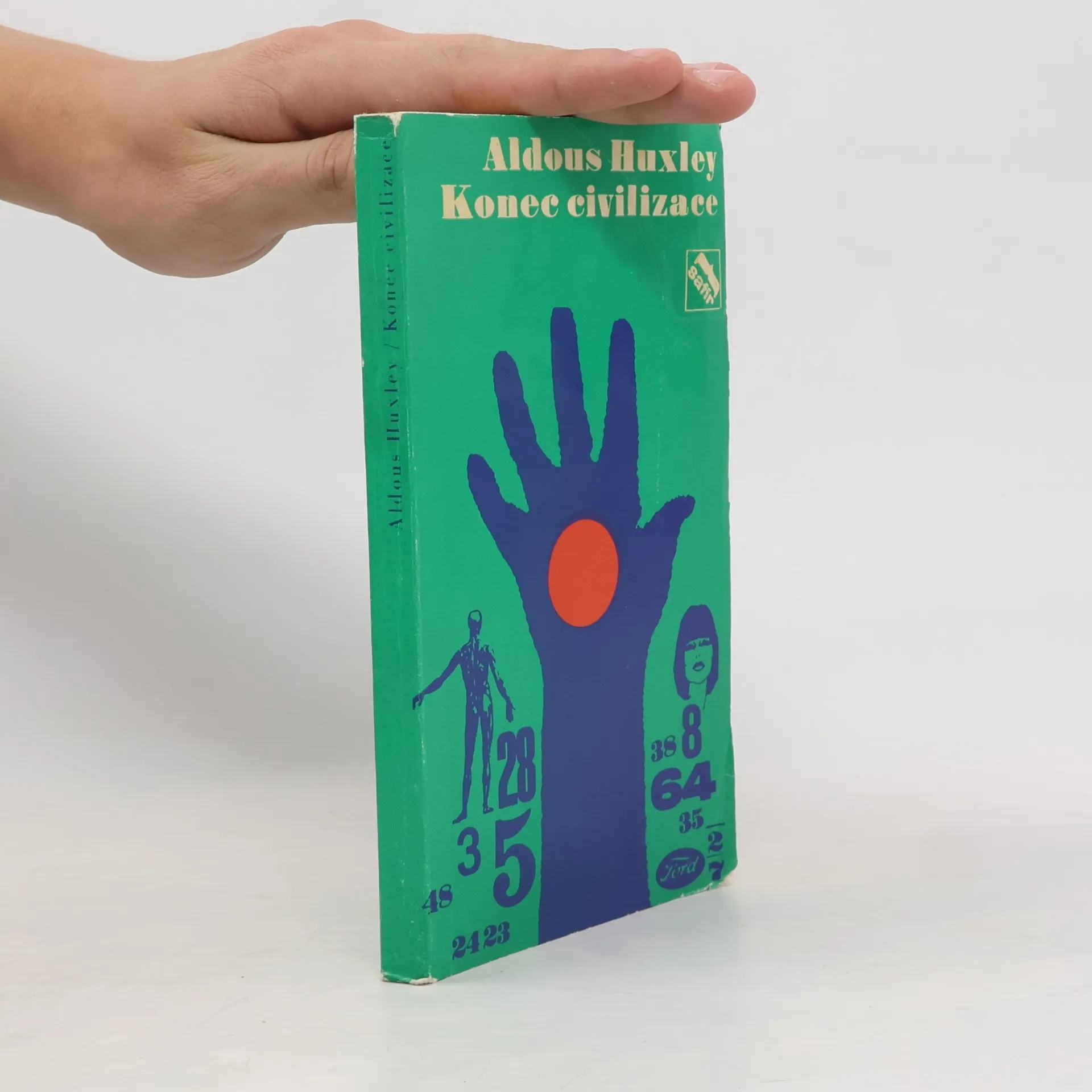
Úchvatný obraz enormního civilizačního úsilí, které ve snaze zajistit maximální štěstí umělými prostředky vymycuje veškerý cit a zdokonaluje se pouze v čistě laboratorním zajišťování produkce lidských bytostí a ve vědecké ochraně člověkovy fyzické konstituce. Protiklad k takto okleštěnému a úděsně jednostrannému světu v této románové science fiction tvoří rezervace „divochů“, kde zůstávají zachovány lidské instinkty a původní citová oblast člověka. Vylíčení dramatického střetnutí Divocha s onou nadměrnou civilizací je dokladem autorova mistrného spisovatelského umění a myšlenkového bohatství.
In un mondo saturo di informazioni irrilevanti, la lucidità diventa potere. La censura non si limita a bloccare le informazioni, ma inonda le persone di disinformazione e distrazioni. Questo libro affronta questioni urgenti dell'agenda globale contemporanea, come la crisi della democrazia liberale, il ritorno di Dio, il rischio di una nuova guerra mondiale e l'ascesa di figure come Donald Trump. Si interroga su come contrastare l'epidemia di notizie false e quali civiltà domineranno il pianeta, tra cui l'Occidente, la Cina e l'islam. Riflessioni su migrazione, nazionalismo e terrorismo pongono interrogativi su come affrontare le disuguaglianze e i cambiamenti climatici. Miliardi di persone, impegnate in questioni quotidiane come lavoro e famiglia, faticano a trovare il tempo per queste domande cruciali. Tuttavia, se il futuro dell'umanità viene deciso mentre si è distratti da queste urgenze, le conseguenze ricadranno su tutti. Sebbene un libro non possa fornire cibo o vestiti, può offrire chiarezza e contribuire al dibattito sul futuro della nostra specie. Se riesce a coinvolgere anche un ristretto gruppo di persone, avrà raggiunto il suo scopo.
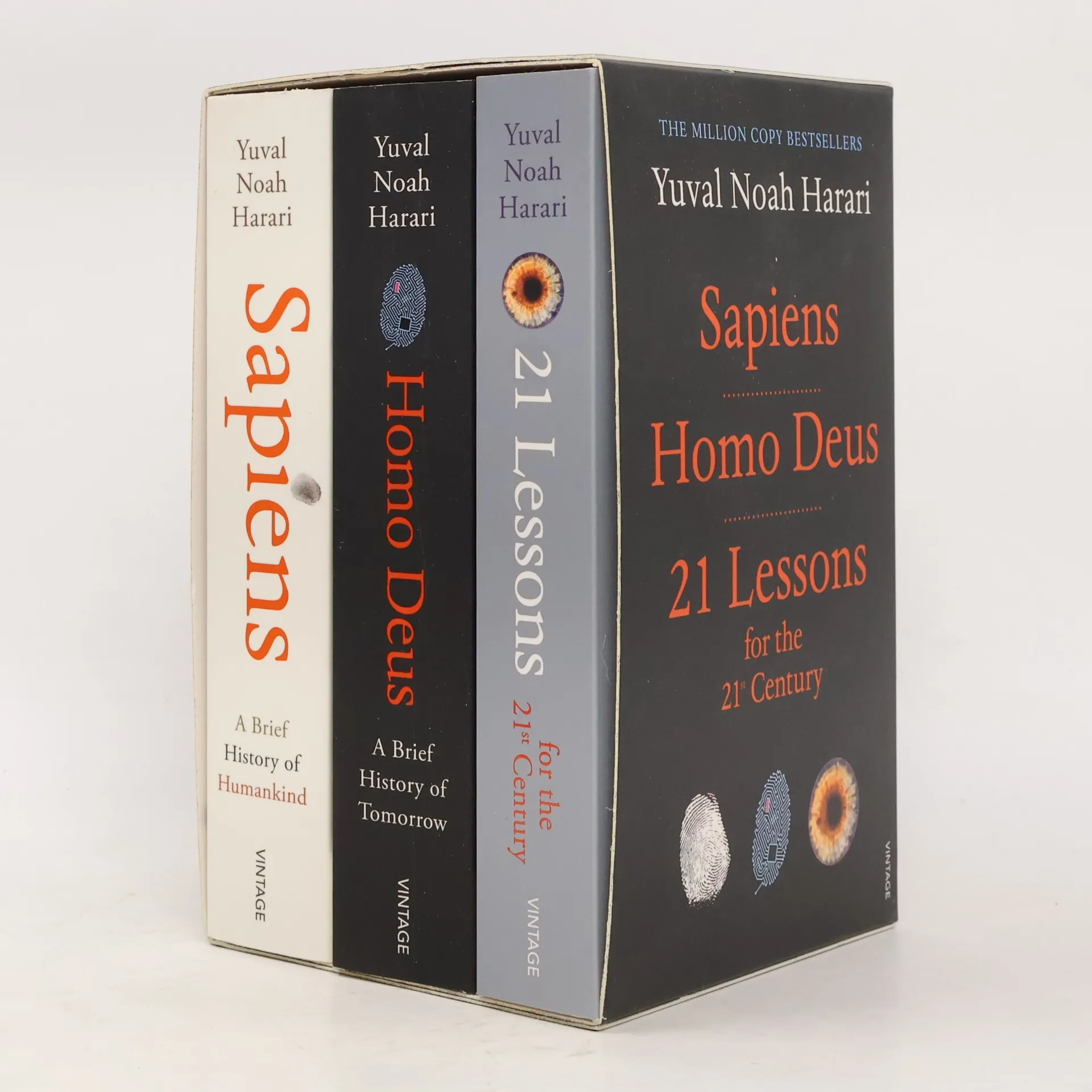
Sapiens; Homo Deus; 21 Lessons for the 21th Century
The book explores a gripping narrative that delves into complex characters and their intertwined lives, revealing deep emotional struggles and personal growth. Themes of resilience, love, and redemption are woven throughout, creating a compelling story that resonates with readers. With a powerful plot that keeps the audience engaged, it offers profound insights into human nature and relationships, making it a standout choice for those seeking an impactful read.
Focusing on early Jewish magic, this comprehensive study explores its inventiveness, the cultural conflicts it embodies, and the scientific analysis of magical practices. Originally published in Hebrew in 2010, it delves into the nature of magic writings and artifacts, providing insights into the rich tapestry of Jewish magical traditions before the emergence of Kabbalah.
Światowy megabestseller Sapiens. Od zwierząt do bogów w graficznej odsłonie. Epicka, pięknie ilustrowana i pełna humoru historia ludzkości. A gdybyśmy tak 12 000 lat temu wpadli w pułapkę i nigdy nie zdołali się z niej wymknąć? To wtedy Homo sapiens przestał być koczownikiem i zaczął prowadzić osiadły tryb życia. Ciężka praca nie sprawiła jednak, że jego życie stało się lepsze. Wkrótce potem powstały pierwsze imperia, a wojna, głód, choroby oraz nierówność stały się częścią ludzkiej kondycji. Brzmi ponuro? Nie z obsadą zabawnych postaci biorących udział w ekscytującej wyprawie w przeszłość. Yuval, Zoe, profesor Saraswati, Cindy i Bill, detektyw Lopez i Doktor Fikcja starają się dociec, w jaki sposób rewolucja neolityczna na zawsze zmieniła ludzkość. Przebiegły Mefistofeles podpowiada, jak usidlić ludzi, król Hammurabi stanowi prawo, a Konfucjusz wyjaśnia, na czym polega harmonia społeczna. Gościnnie występują Thomas Jefferson, Scarlett O’Hara, John Lennon oraz Margaret Thatcher. Dla tych, którzy dobrze znają książki Harariego, i tych, którzy nie zajmują się na co dzień nauką czy historią, ale cenią dowcip i inteligentną rozrywkę. Każda z części czterotomowej serii może być czytana osobno.
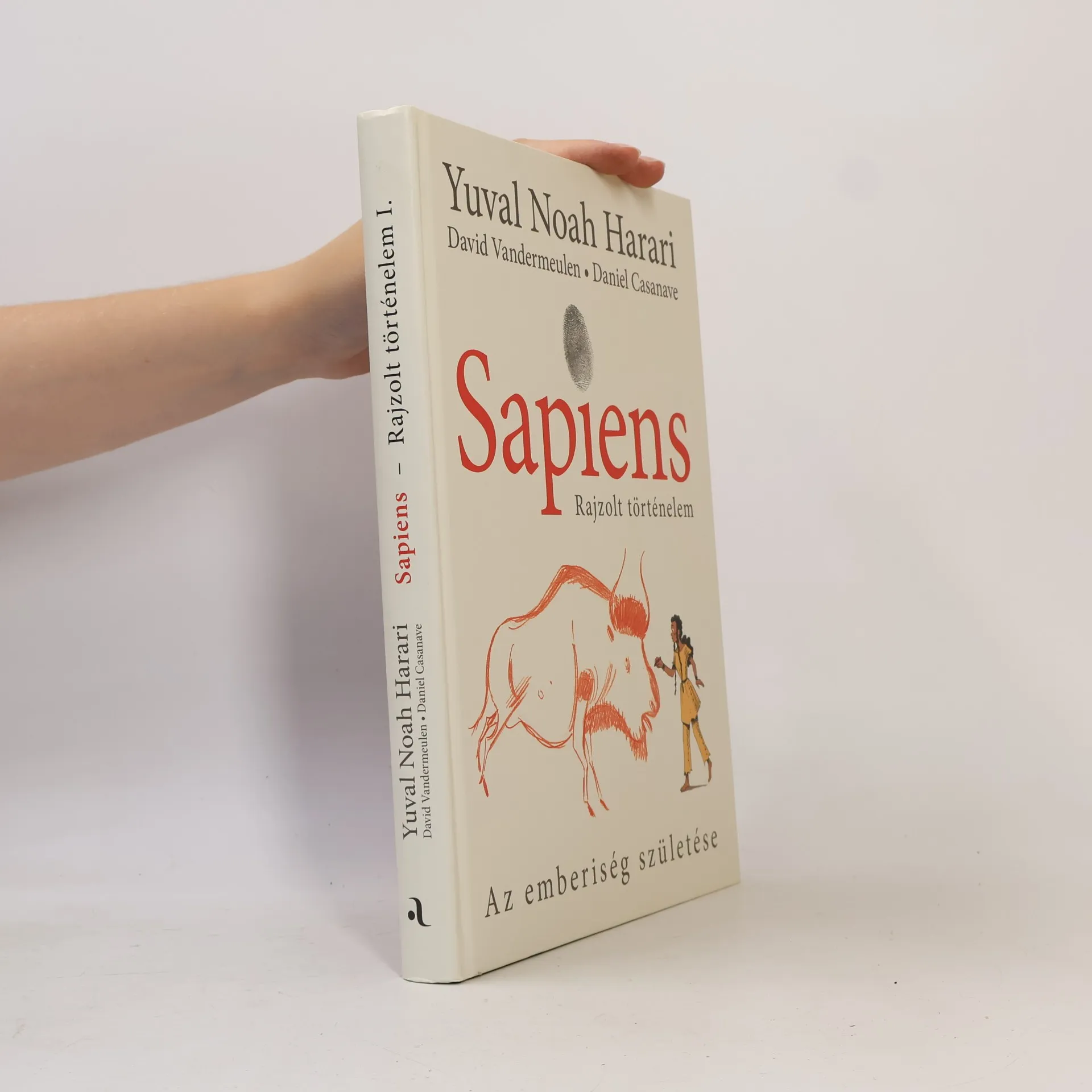
El historiador y filósofo más influyente de la actualidad nos narró de forma extraordinaria la compleja trama de la historia de la humanidad en su libro Sapiens. De animales a dioses. Con la ayuda de David Vandermeulen y las maravillosas ilustraciones de Daniel Casanave, este otoño publicamos Sapiens. El nacimiento de la humanidad, la adaptación gráfica de un best seller internacional que lleva quince millones de ejemplares vendidos en todo el mundo. Una historia en imágenes que pretende acercarse a las nuevas generaciones y contribuir a explorar las formas en que la biología y la historia nos han definido y han mejorado nuestra comprensión de lo que significa ser "humano"
„Sapiens“ kehrt zurück mit der Graphic Novel zu Yuval Noah Hararis Bestseller. Nach dem Erfolg des ersten Bands, der die frühen Sapiens als Herren der Welt zeigte, bringt der zweite Band eine unerwartete Wendung. Vor über 10.000 Jahren trafen einige Sapiens eine entscheidende Wahl: Sie begannen, mit Weizen zu experimentieren. Diese Entscheidung führte zu einer drastischen Veränderung der Geschichte. Die Welt wurde nicht mehr von einer kleinen Gruppe gesunder Jäger und Sammler bevölkert, sondern von einer viel größeren Zahl von Bauern, die hart arbeiteten, schlecht ernährt und oft krank waren. Die landwirtschaftliche Revolution schuf die Grundlage für komplexere soziale und politische Strukturen, was zur Entstehung von Königreichen und Imperien führte. Doch für die meisten Menschen bedeutete dies ein schlechteres Leben. Sie wurden Sklaven des Weizens und mussten auf Feldern arbeiten, für die ihre Körper nicht geeignet waren. Gleichzeitig entstand eine neue Form der Ungleichheit. Obwohl die landwirtschaftliche Revolution den Grundstein für unseren heutigen Wohlstand legte, geschah dies auf Kosten unglücklicher Bauern über Generationen hinweg. Die Sapiens sind zurück mit Teil 2: Wie die Ungleichheit in die Welt kam.
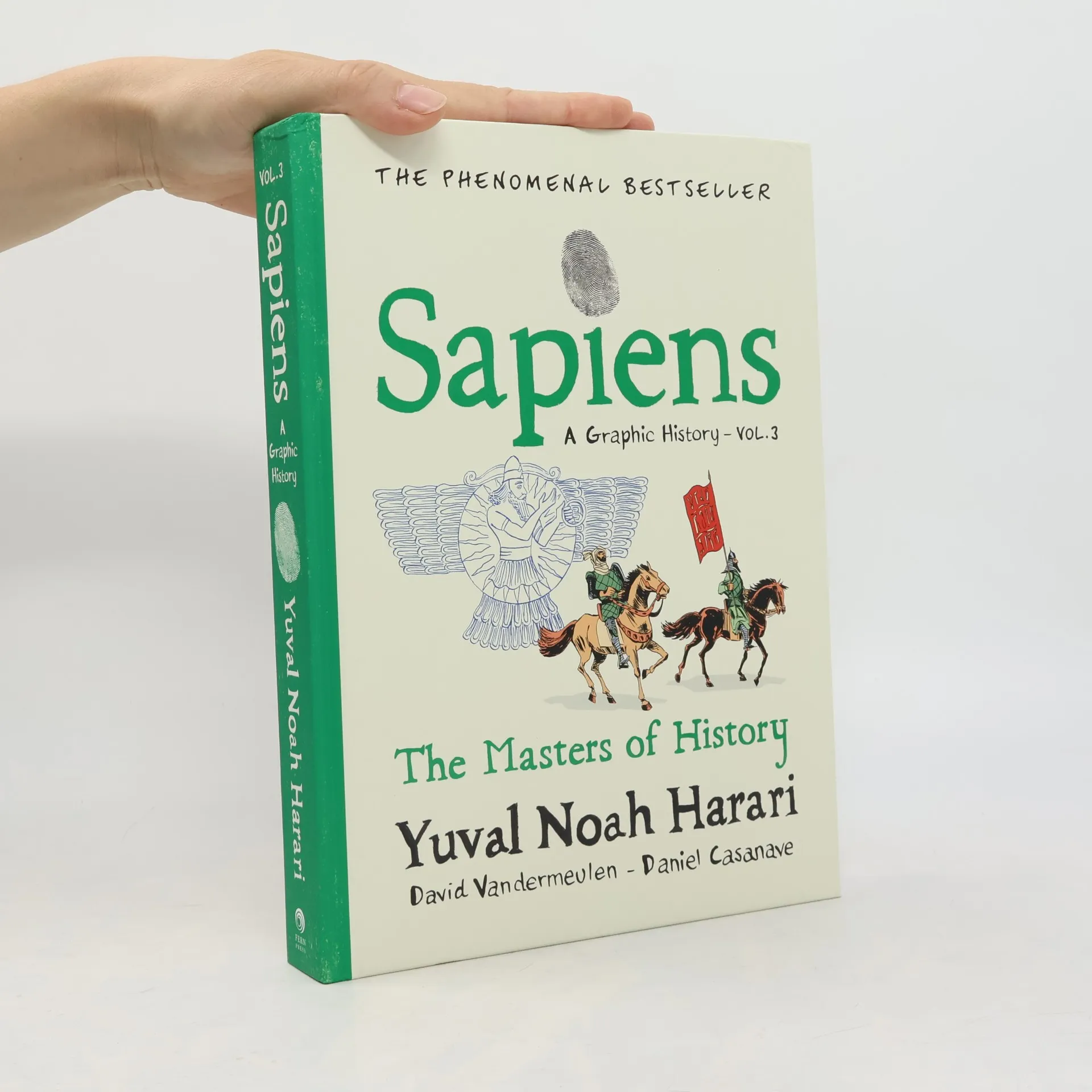
In the second "Sapiens" volume, Yuval Noah Harari tells the story of how we took over the world; how an unlikely marriage between a god and a bureaucrat created the first empires; and how war, famine, disease, and inequality became a part of the human condition. The origins of modern farming are introduced through Elizabethan tragedy, the changing fortunes of domesticated plants and animals are tracked in the columns of the Daily Business News, and the story of urbanization is told as a travel brochure offering discount journeys to ancient Babylon and China.
Stripverhaal over de geschiedenis van de evolutionaire ontwikkeling van de mensheid vanaf de homo sapiens tot in de 21ste eeuw. NL-ZmNBD
An Introduction to Carnism. “An important and groundbreaking contribution to the struggle for the welfare of animals.” — Yuval Harari, New York Times best-selling author of Sapiens: A Brief History of Humankind “An absorbing examination of why humans feel affection and compassion for certain animals but are callous to the suffering of others.” — Publishers Weekly Why We Love Dogs, Eat Pigs, and Wear Cows offers an absorbing look at what social psychologist Melanie Joy calls carnism, the belief system that conditions us to eat certain animals when we would never dream of eating others. Carnism causes extensive animal suffering and global injustice, and it drives us to act against our own interests and the interests of others without fully realizing what we are doing. Becoming aware of what carnism is and how it functions is vital to personal empowerment and social transformation, as it enables us to make our food choices more freely—because without awareness, there is no free choice.
Harari w swojej najsłynniejszej pracy przedstawia historię ludzkiego gatunku w nowej graficznej odsłonie. Jak to możliwe, że mało znaczące zwierzę stało się władcą Ziemi, zdolnym do rozszczepiania atomów i manipulacji genami? Ta błyskotliwa opowieść, pełna humoru oraz odniesień do literatury, filozofii i kultury popularnej, czerpie z bestsellerowego dzieła, które sprzedało się w 16 milionach egzemplarzy. Autor zaprasza nas do zamierzchłych czasów, gdzie towarzyszą mu Prehistoryczny Bill, Doktor Fikcja oraz Detektyw Lopez. Graficzny format oferuje nowy sposób eksploracji przeszłości: ewolucja gatunku staje się reality show, a pierwsze spotkanie homo sapiens z neandertalczykiem ukazuje współczesne arcydzieła sztuki. Wyginięcie mamutów i tygrysów szablozębnych przyjmuje konwencję kryminału. To epickie, pięknie ilustrowane dzieło, stworzone przez Harariego, belgijskiego ilustratora Davida Vandermeulena oraz francuskiego twórcę komiksowego Daniela Casanave’a, przyciąga uwagę także tych, którzy na co dzień nie interesują się nauką czy historią. Pierwszy tom serii to wciągająca intelektualna rozrywka dla wszystkich, ukazująca, jak krótko jesteśmy na tej planecie i co pozwoliło nam zbudować niezwykłą cywilizację.
The first volume, in a hardcover edition for libraries, of the graphic adaptation of Yuval Noah Harari's smash #1 New York Times and international bestseller recommended by President Barack Obama and Bill Gates, with gorgeous full-color illustrations and concise, easy to comprehend text for readers of all ages. One hundred thousand years ago, at least six different species of humans inhabited Earth. Yet today there is only one--homo sapiens. What happened to the others? And what may happen to us? In this first volume of the full-color illustrated adaptation of his groundbreaking book, renowned historian Yuval Harari tells the story of humankind's creation and evolution, exploring the ways in which biology and history have defined us and enhanced our understanding of what it means to be "human." From examining the role evolving humans have played in the global ecosystem to charting the rise of empires, Sapiens challenges us to reconsider accepted beliefs, connect past developments with contemporary concerns, and view specific events within the context of larger ideas. Featuring 256 pages of full-color illustrations and easy-to-understand text covering the first part of the full-length original edition, this adaptation of the mind-expanding book furthers the ongoing conversation as it introduces Harari's ideas to a wide new readership. --Wall Street Journal
Harari i jego najsłynniejsze dzieło w nowej graficznej odsłonie przedstawia historię ludzkiego gatunku. Jak to możliwe, że mało znaczące zwierzę stało się władcą Ziemi, zdolnym do rozszczepiania atomu i manipulacji genami? Ta błyskotliwa opowieść, pełna humoru i odniesień do literatury, filozofii oraz kultury popularnej, czerpie z bestsellerowej książki, sprzedanej w 16 milionach egzemplarzy. Harari zabiera nas w podróż do przeszłości, gdzie towarzyszą mu Prehistoryczny Bill, Doktor Fikcja i Detektyw Lopez. Graficzny format oferuje nowy sposób eksploracji ewolucji: od reality show po arcydzieła sztuki współczesnej. Wyginięcie mamutów i tygrysów szablozębnych przyjmuje konwencję filmu kryminalnego. To epickie, pięknie ilustrowane dzieło, stworzone we współpracy z belgijskim ilustratorem i francuskim twórcą komiksowym, przyciągnie uwagę nie tylko miłośników nauki. Pierwszy tom serii to wciągająca intelektualna rozrywka dla wszystkich. Opowiadając o podstawowych elementach naszej cywilizacji, Harari ukazuje, jak krótko jesteśmy na tej planecie, czyniąc tę książkę niezwykle interesującą i prowokującą. Rekomendowana przez znane osobistości, jest lekturą, która zmienia sposób postrzegania świata.
"In this first volume of the full-color illustrated adaptation of his groundbreaking book, renowned historian Yuval Harari tells the story of humankind's creation and evolution, exploring the ways in which biology and history have defined us and enhanced our understanding of what it means to be 'human'. From examining the role evolving humans have played in the global ecosystem to charting the rise of empires, Sapiens challenges us to reconsider accepted beliefs, connect past developments with contemporary concerns, and view specific events within the context of larger ideas."--Publisher's description
Vol. 1: Animal insignifiant parmi les animaux et humain parmi d'autres humains, Sapiens a acquis il y a 70 000 ans des capacités extraordinaires qui l'ont transformé en maître du monde. Harari, Vandermeulen et Casanave racontent avec humour la naissance de l'humanité de l'apparition de Homo sapiens à la Révolution agricole. Une bande dessinée pour repenser tout ce que nous croyions savoir sur l'histoire de l'humanité. -- [payot.ch].
In the second "Sapiens" volume, Yuval Noah Harari tells the story of how we took over the world; how an unlikely marriage between a god and a bureaucrat created the first empires; and how war, famine, disease, and inequality became a part of the human condition. The origins of modern farming are introduced through Elizabethan tragedy, the changing fortunes of domesticated plants and animals are tracked in the columns of the Daily Business News, and the story of urbanization is told as a travel brochure offering discount journeys to ancient Babylon and China.
«21 урок для XXI века» – третья книга Юваля Харари, автора бестселлеров «Sapiens» и «Homo Deus». Харари размышляет о том, что значит быть человеком в эпоху потери ориентиров, распутывая клубок политических, технологических, социальных и экзистенциальных проблем. От способности человечества ответить на вызовы XXI века зависит будущее планеты. Продукция «Вимбо» предлагает уникальный аудиопроект, состоящий из 5 глав, каждая из которых посвящена ключевым вызовам человечества. Глава «Технологический вызов» читается Владимиром Зайцевым, актёром, озвучившим множество персонажей, включая Тони Старка. «Политический вызов» озвучивает Никита Прозоровский, который стал экспертом в политических тонкостях благодаря озвучиванию Кевина Спейси. Глава «Отчаяние и Надежда» звучит в исполнении Владимира Ерёмина, чья драматическая манера особенно подходит для обсуждения терроризма и конфликтов. Глава «Истина» читается Станиславом Концевичем, который помогает искать правду и ставить под сомнение легенды. Финальную главу «Гибкость мышления» читает Борис Смолкин, голосом Магистра Йоды. Этот аудиопроект поможет подготовиться к завтрашнему дню с экспертными голосами, которым можно доверять!
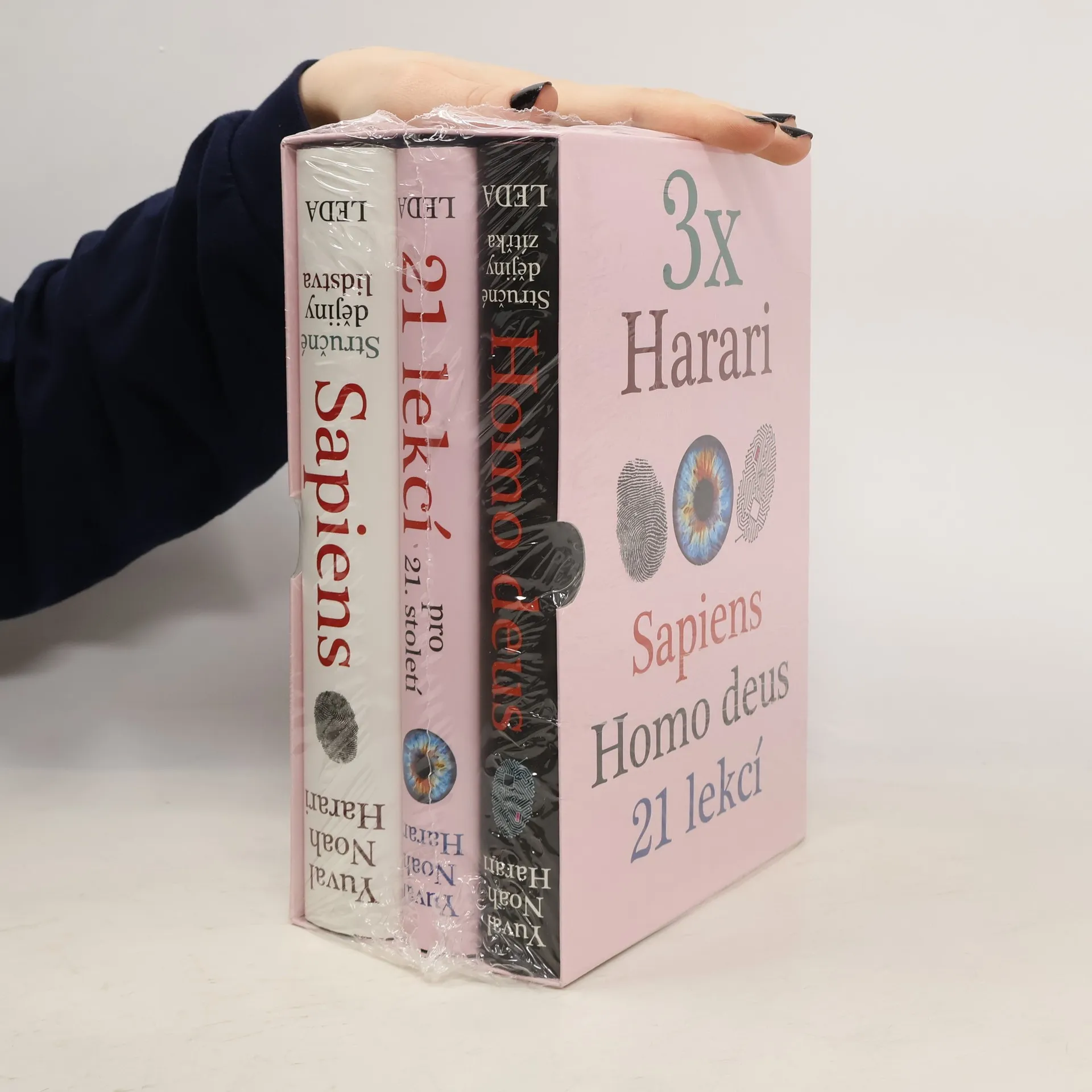
Soubor všech tří dosud vydaných knih Yuvala Noaha Harariho v dárkovém boxu. Jedná se o knihy Sapiens, Homo deus a 21 lekcí pro 21. století.
Dall'autore di Sapiens e Homo Deus
In un mondo saturo di informazioni irrilevanti, la lucidità diventa essenziale. La censura non si limita a bloccare le informazioni, ma inonda le persone di disinformazione e distrazioni. Questo libro affronta questioni urgenti dell'agenda globale contemporanea: la crisi della democrazia liberale, il ritorno di Dio, il rischio di una nuova guerra mondiale, l'impatto dell'ascesa di Donald Trump, e le misure contro l'epidemia di notizie false. Si interroga su quali civiltà domineranno il pianeta, se l'Europa deve accogliere i migranti, e se il nazionalismo possa risolvere problemi di disuguaglianza e cambiamenti climatici. Inoltre, esplora come difenderci dal terrorismo e cosa insegnare ai nostri figli. Molti di noi faticano a trovare il tempo per queste riflessioni, schiacciati da urgenze quotidiane come il lavoro e la cura dei familiari. Tuttavia, il futuro dell'umanità si decide anche in assenza di chi è troppo occupato. La storia non fa sconti e le conseguenze ricadono su tutti. Un libro non può fornire cibo o vestiti, ma può offrire chiarezza e contribuire al dibattito sul futuro della nostra specie. Se riesce a coinvolgere anche solo un gruppo ristretto di persone, avrà raggiunto il suo obiettivo.
How Growing Meat Without Animals Will Revolutionize Dinner and the World
A Gallery Book. Gallery Books has a great book for every reader.
The book includes two exclusive essays by Yuval Noah Harari that delve into pressing contemporary issues. "The Crisis of Liberalism" explores the challenges facing liberal democracies today, while "The Theater of Terror" examines the impact of fear and spectacle in modern society. Harari's insights provide a thought-provoking analysis of political and social dynamics, encouraging readers to reflect on the future of governance and the influence of terror in shaping public perception and policy.
Selected from the books Sapiens and Homo Deus by Yuval Noah Harari How did money come to be invented? Why does it now have such significance in our lives? Does it make us happier or unhappier? And what does the future hold for it? With brilliant clarity and insight, Yuval Noah Harari takes the reader on a journey from the very first coins through to 21st century economics and shows us how we are all on the brink of a revolution, whether we like it or not. VINTAGE MINIS- GREAT MINDS. BIG IDEAS. LITTLE BOOKS. A series of short books by the world's greatest writers on the experiences that make us human Also in the Vintage Minis series- Home by Salman Rushdie Babies by Anne Enright Eating by Nigella Lawson Drinking by John Cheever
Po mimořádně úspěšných knihách Sapiens a Homo deus, ve kterých přinesl zprávu o minulosti a budoucnosti lidstva, se Yuval Noah Harari obrací k přítomnosti a nabízí nám pomocnou ruku, abychom se vyznali v dnešním často popleteném světě.
进入21世纪后,曾经长期威胁人类生存、发展的瘟疫、饥荒和战争已经被攻克,智人面临着新的待办议题:永生不老、幸福快乐和成为具有“神性”的人类。在解决这些新问题的过程中,科学技术的发展将颠覆我们很多当下认为无需佐证的“常识”,比如人文主义所推崇的自由意志将面临严峻挑战,机器将会代替人类做出更明智的选择。 更重要的,当以大数据、人工智能为代表的科学技术发展的日益成熟,人类将面临着从进化到智人以来zui大的一次改变,绝大部分人将沦为“无价值的群体”,只有少部分人能进化成特质发生改变的 “神人”。 未来,人类将面临着三大问题:生物本身就是算法,生命是不断处理数据的过程;意识与智能的分离;拥有大数据积累的外部环境将比我们自己更了解自己。如何看待这三大问题,以及如何采取应对措施,将直接影响着人类未来的发展。
Tras el éxito de Sapiens, Yuval Noah Harari explora el futuro de la humanidad y nuestra obsesión por convertirnos en dioses. Con más de un millón de ejemplares vendidos, este bestseller del New York Times aborda cómo, en el último siglo, hemos logrado frenar la hambruna, la peste y la guerra. Por primera vez, más personas mueren por obesidad que por hambre, y hay más probabilidades de suicidio que de morir en conflictos bélicos. Harari plantea preguntas inquietantes sobre el futuro: ¿Qué ocurrirá con la democracia cuando Google y Facebook conozcan nuestras preferencias políticas mejor que nosotros mismos? ¿Cómo afectará la inteligencia artificial al estado de bienestar, creando una "clase innecesaria"? Además, se cuestiona cómo enfrentaremos los avances en ingeniería genética y si Silicon Valley podría establecer nuevas religiones en lugar de solo producir dispositivos inteligentes. Este análisis abarca los sueños y pesadillas que definirán el siglo XXI, desde la superación de la muerte hasta la creación de inteligencia y vida artificial. ¿Hacia dónde nos dirigimos y cómo protegeremos al mundo de nuestros propios poderes destructivos? Aquí se presenta una reflexión profunda sobre el futuro de la evolución.
Po bestselleru Sapiens – Úchvatný i úděsný příběh lidstva obrací Yuval Noah Harari zájem k budoucnosti. Analyzuje, jaké důsledky mohou nastat, když se tradiční kolektivní mýty lidstva utkají s novými „božskými“ technologiemi, jako jsou např. umělá inteligence nebo genetické inženýrství. Harari představuje vizi nepříliš vzdáleného světa, v němž zřejmě budeme čelit novým typům výzev. V knize Homo deus – Stručné dějiny zítřka zkoumá naši budoucnost svým typickým způsobem, v němž kombinuje především historii, filozofii a přírodní vědy, ale i poznatky dalších oborů. Jak to dopadne s demokracií, když firmy jako Google a Facebook budou znát naše záliby a preference (včetně politických) lépe než my sami? Co se stane se sociálním státem, jestliže počítače budou úspěšné na trhu práce a vznikne tak počtem většinová třída „zbytečných lidí“? Jak naloží s genetickým inženýrstvím např. islám? Budou v Silicon Valley vyvíjet jenom nová technická zařízení, nebo i nová náboženství? Když se z Homo sapiens stane Homo deus, jaké nové cíle si vytyčíme? Jaké projekty bychom se měli snažit uskutečnit a jak ochráníme tuto křehkou planetu a lidstvo samotné před našimi vlastními ničivými silami? Kniha Homo Deus nám poskytuje vhled do snů a nočních můr, které budou utvářet 21. století – od překonání smrti po vytvoření umělého života. Nabízí svoji odpověď na základní otázku po dalším vývojovém stupni lidstva: Kam odtud jdeme? Kam půjde Homo Deus?
Das Streben nach Langlebigkeit ist das Ziel jeder Existenz: in der Natur, der Politik, bei Unternehmen und uns Menschen. Oft handeln wir jedoch kurzfristig. In einer sich schnell verändernden Welt ist die Fähigkeit, sofort zu reagieren oder Angebote anzupassen, entscheidend. Gleichzeitig müssen langfristige Strategien für die Zukunft entwickelt und Bewahrenswertes geschützt werden. Die Strategien zur Langlebigkeit sind vielfältig und paradox. Das Abstreifen des Alten und die Erneuerung können ebenso wichtig sein wie das Festhalten an Bestehendem, um kleinere Turbulenzen zu überstehen. Die zentrale Frage bleibt: Wann sollten wir bewahren, wann loslassen? Wo sind robuste Strukturen notwendig, um Langlebigkeit zu sichern, und wo ist kurzfristiges Denken gefragt? Diese Suche nach Antworten zur Kunst der Langlebigkeit wird durch Beiträge von Persönlichkeiten wie Yuval Harari, Sven Regener und Steven Chu bereichert. Sie bringen unterschiedliche Perspektiven ein und reflektieren über die Herausforderungen und Möglichkeiten, die mit dem Streben nach Dauerhaftigkeit verbunden sind. Die Diskussion wird durch visuelle Beiträge von Julie Petter und Thomas Walsh ergänzt.
Kniha o nadvládě lidských bytostí nad bytostmi nelidskými. O nadvládě způsobující stále mnoho bolesti a utrpení. Boj proti ní je pro autora právě tak důležitý jako boj za kterékoliv morální a sociální otázky minulých let. Kniha inspirovala široké celosvětové hnutí, které má nyní stovky organizací a miliony členů. Osvobození zvířat bylo první moderní prací, jež obhajovala názor, že ti, kteří brání utrpení způsobovanému zvířatům, nejsou jen skupina přehánějících a přecitlivělých hysteriků. Na obhajobu svého názoru užívá Singer detailní popisy neospravedlnitelných bolestí, kterými trpí zvířata při vědeckém, vojenském nebo obchodním výzkumu, a nehumánních procesů, jimiž se opatřuje maso pro spotřebitele - pro lidi, kteří byli odsouzeni k tomu, aby ignorovali realitu výroby masa. Ta je nejen eticky neobhajitelná, ale také hanebně marnotratná.
לפני מאה אלף שנים חיו בכדור הארץ לפחות שישה מינים שונים של אדם. לאף אחד מהם לא היתה חשיבות מיוחדת. תפקידם בטבע לא היה גדול מזה של גורילות, גחליליות או סוסוני ים. לפני כשבעים אלף שנה התחולל שינוי מסתורי כלשהו בתודעתו של אחד ממיני האדם הללו - הומו סאפיינס - ודחף אותו להשתלט על העולם כולו. ההיסטוריה של הומו סאפיינס מאז ועד היום היא לעתים מזעזעת, לעתים משעשעת, ותמיד מרתקת. מה בדיוק קרה להומו סאפיינס לפני שבעים אלף שנה שדחף אותו להשתלט על העולם? איך ולמה נעלמו כל יתר מיני האדם? מתי הפך הכלב לידידו הטוב של האדם? מתי המציאו את הכסף ואת האלים הגדולים, ומדוע? על שום מה סברו כמעט כל החברות האנושיות בהיסטוריה שנשים נחותות מגברים? האם אפשר לקיים חברה אנושית ללא אפליה וללא דעות קדומות? האם אפשר לשלוט ביעילות ולאורך זמן בעמים כבושים? כיצד כבשו המדע, הקפיטליזם ואירופה את העולם? האם יש להיסטוריה כיוון? האם יש צדק בהיסטוריה? האם בני אדם נהיו מאושרים יותר לאורך ההיסטוריה? ומה הסיכוי שיהיו בני אדם בכדור הארץ בעוד מאה שנה? קיצור תולדות האנושות מנסה להציע תשובות על שאלות אלו ואחרות, ולתת סקירת בזק על תהליכי המפתח ונקודות המפנה העיקריות של ההיסטוריה מאז הופעת האדם על בימת העולם ועד ימינו. הספר מזמין אותנו אל מאחורי הקלעים של ההיסטוריה, ומדגיש בפנינו עד כמה משונה היא העלילה, כמה בלתי צפויים הם השחקנים, וכמה מעט אנו יודעים על העבר שלנו.
SAPIENS – STRUČNÉ DĚJINY LIDSTVA sleduje z dlouhodobé perspektivy revoluční zvraty na cestě lidského rodu od vzniku Homo sapiens až po současnost. Dramatický je příběh bezvýznamného lidoopa, který před dvěma miliony let někde v koutě Afriky získal vědomí, vyvraždil své přírodní bratrance a ovládl celou planetu. Základní životní parametry člověka jsou určeny biologicky, ale poskytují úžasný prostor. Ne biologie, ale kultura (kolektivní víra) je klíčem k pochopení dramatického rozvoje lidstva. Jen ona umožňuje spolupráci velkého počtu lidí, kteří se navzájem neznají. Po první, kognitivní revoluci před 70 000 lety následovaly další překvapivé zlomy v dějinách – objev zemědělství, peněz, společenské mytologie, imperiální společnosti, kapitalistického úvěru a víry v budoucnost, objev vědy, techniky i genetického inženýrství. Zdá se, že dějiny mají směr – vždyť obchod a kapitalismus, věda a technika, planetární komunikace i geopolitické vědomí spojily svět do globální vesnice. "Proč se z knihy SAPIENS Yuvala Harariho okamžitě stal mezinárodní bestseller? Je to jednoduché: odpovídá na nejzásadnější otázky historie i moderního světa a čte se jedním dechem. Nemůžete se od ní odtrhnout!" (Jared Diamond, nositel Pulitzerovy ceny, autor knih Osudy lidských společností, Kolaps a The World until Yesterday).
The author of the international bestseller Sapiens: A Brief History of Humankind looks at covert operations and assassination plots in the medieval period, matching anything to be found in our own era.