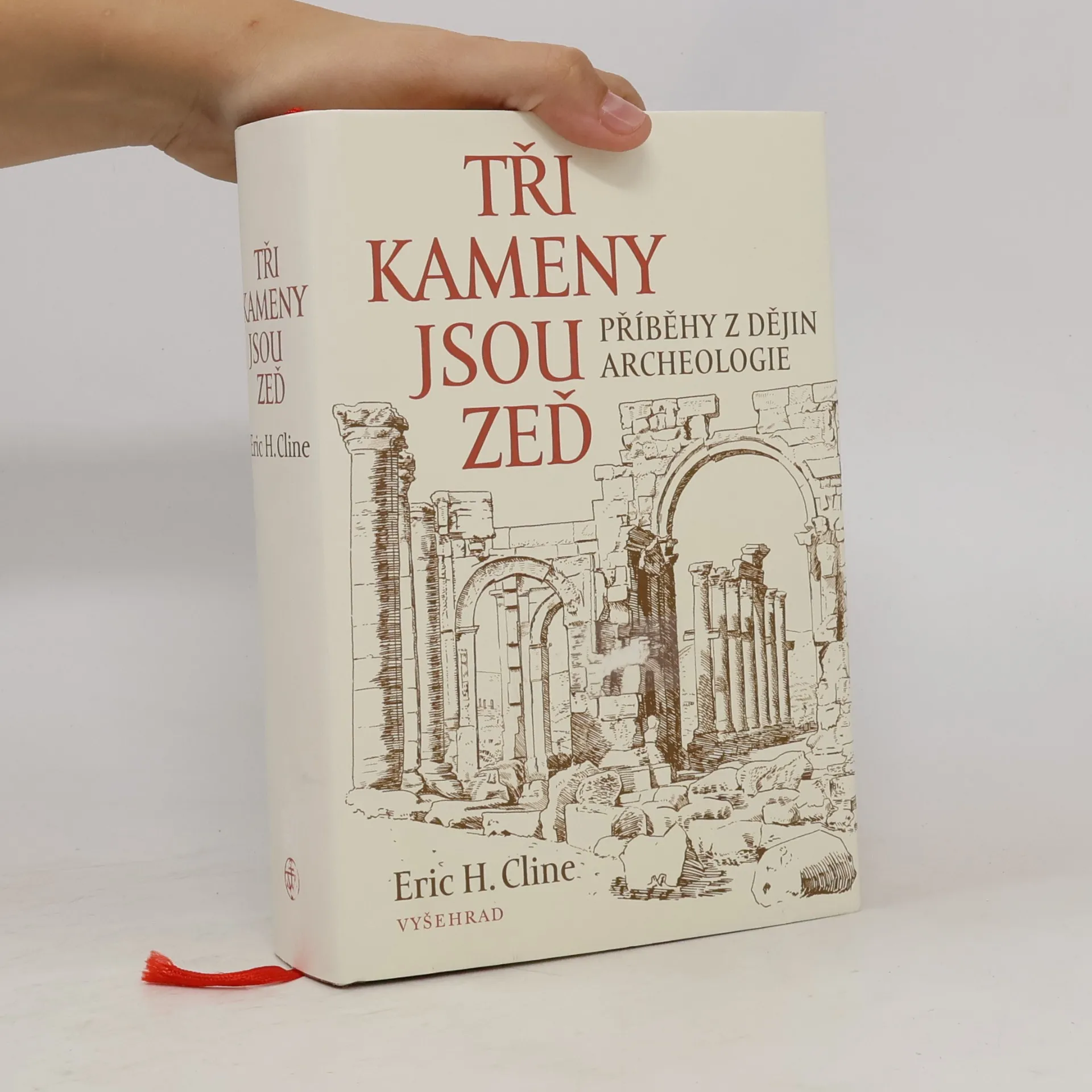
Pokračování úspěšné knihy o tom, jak se starověké civilizace vyrovnaly se svým kolapsem. V pokračování své úspěšné knihy se americký archeolog Eric H. Cline znovu vrací ke kolapsu civilizací doby bronzové ve Středomoří a na Předním východě. Tentokrát se soustředí na přibližně čtyři staletí, která následovala po zhroucení těchto vyspělých a vzájemně propojených společností. Na příkladu strategií, které vůči rychlým společenským změnám zaujali Asyřané, Egypťané, Féničané, Řekové a další, vysvětluje, proč některé civilizace dokázaly obrovské otřesy přežít, zatímco jiné zcela zanikly. Poukazuje třeba i na klíčovou roli technologických a myšlenkových inovací, k nimž v tomto období docházelo, od rozšíření zpracování železa až po nové podoby písma. I když Cline ve svém vyprávění sleduje události, jež se odehrály před zhruba třemi tisíci lety, přináší také důležitá poučení o tom, jak může i dnešní společnost úspěšně čelit svým problémům.
Eric H. Cline Pořadí knih (chronologicky)
Dr. Eric H. Cline je přední archeolog a historik, jehož práce se zaměřuje na propojení starověkých civilizací a pochopení klíčových momentů v lidských dějinách. Díky rozsáhlým terénním zkušenostem z mnoha archeologických nalezišť zkoumá, jak se události minulosti odrážejí v naší současnosti. Jeho přístup je zaměřen na zpřístupnění složitých historických témat širšímu publiku, přičemž odhaluje fascinující příběhy za velkými civilizačními kolapsy a konflikty.Clineova díla nabízejí poutavý pohled na přetrvávající dopady starověkých událostí na moderní svět.



Liebe, Krieg und Diplomatie
Was die Amarna-Briefe über die Bronzezeit enthüllen
- 304 stránek
- 11 hodin čtení
Im Jahr 1887 macht eine Ägypterin eine erstaunliche Entdeckung in den Ruinen der Hauptstadt des Ketzer-Pharaohs Echnaton, dem heutigen Tell el Amarna in Ägypten. Sie findet fast 400 Keilschrifttafeln: Bestandteil eines Palastarchivs. Die Briefe stammen aus der Mitte des 14. Jahrhunderts v. Chr., der Zeit der unmittelbaren Vorgänger Tutanchamuns, Amenhotep III. und seines Sohnes Echnaton. Sie sind das einzige bekannte königliche Archiv aus dem Neuen Reich Ägyptens. In den Briefen erfahren wir von königlichen Eheschließungen, diplomatischen Verhandlungen, Geschenken, Intrigen und Erklärungen brüderlicher Liebe zwischen mächtigen Herrschern. Eric H. Clines neues Buch erzählt die Geschichte dieser Amarna-Briefe und der dramatischen Welt der Bronzezeit, die in den Briefen greifbar wird. Und er beschreibt die spektakuläre Entdeckung, den erbitterten Wettbewerb zwischen Händlern und Museen um den Erwerb der Tafeln und den Wettlauf britischer und deutscher Wissenschaftler um ihre Übersetzung. Mit zahlreichen Abbildungen.
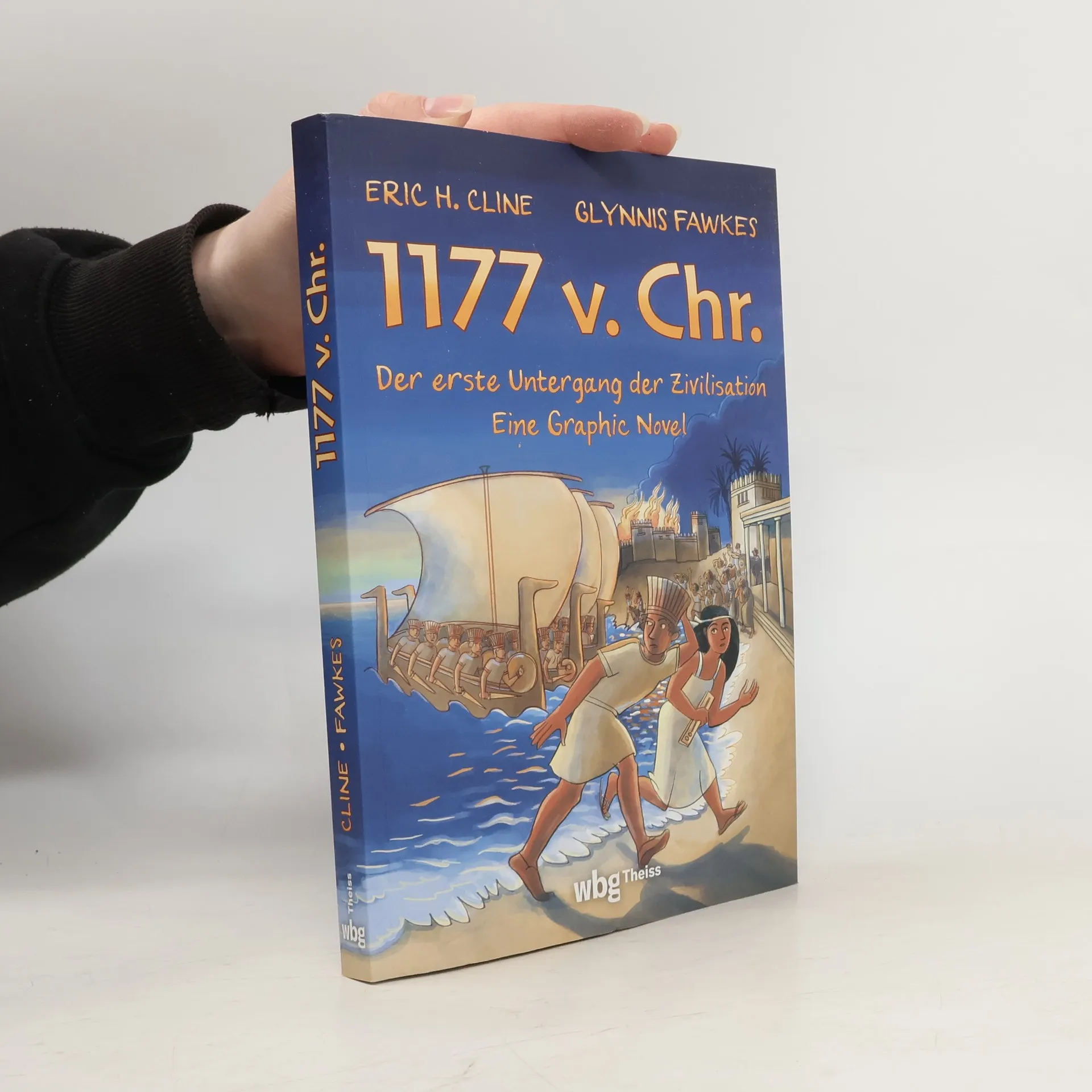
Eric H. Clines Bestseller »1177 v. Chr.« erzählt die Geschichte eines der großen Rätsel der Weltgeschichte: Was führte vor mehr als dreitausend Jahren zum Zusammenbruch der antiken Zivilisationen in der Ägäis und im östlichen Mittelmeerraum und setzte der späten Bronzezeit ein jähes Ende? In dieser lebendigen und unterhaltsamen Adaption des Buchs als Graphic Novel lädt uns die Illustratorin Glynnis Fawkes ein, zwei jungen Freunden zu folgen, die in den Nachwehen der Katastrophe leben. Pel, ein Mitglied der marodierenden Seevölker, und Shesha, eine ägyptische Schreiberin, besuchen die Reiche der Minoer, Mykener, Hethiter, Kanaaniter, Assyrer und Ägypter, um herauszufinden, was geschah, warum und wie es zu der Katastrophe kam. Plastisch erleben wir Ereignisse, aber auch Kunst und Architektur der Länder, denen Pel und Shesha begegnen. Wir werden Zeuge von Kämpfen der Seevölker zu Lande und zu Wasser, von Erdbeben auf dem griechischen Festland, von Dürren und Hungersnöten in Anatolien, von Invasionen in Nordsyrien und möglichen Aufständen in Kanaan. Nebenbei erfahren wir auch von der Ermordung eines hethitischen Prinzen, der eine ägyptische Königin heiraten wollte, vom Untergang eines mit internationalen Waren beladenen Handelsschiffs und der Rückgabe eines Paars Sandalen nach Kreta durch den babylonischen König Hammurabi.
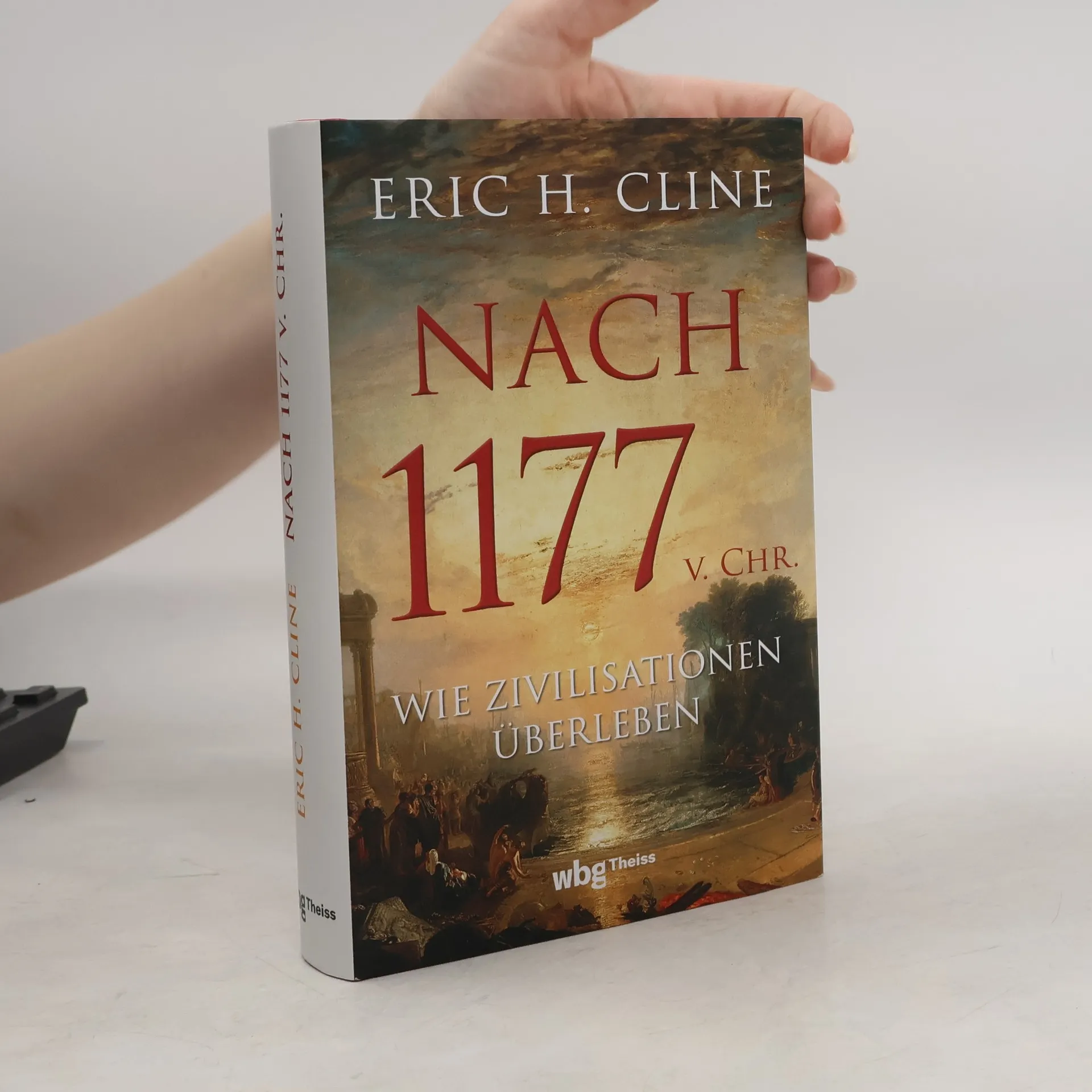
Nach 1177 v. Chr.. Wie Zivilisationen überleben
- 400 stránek
- 14 hodin čtení
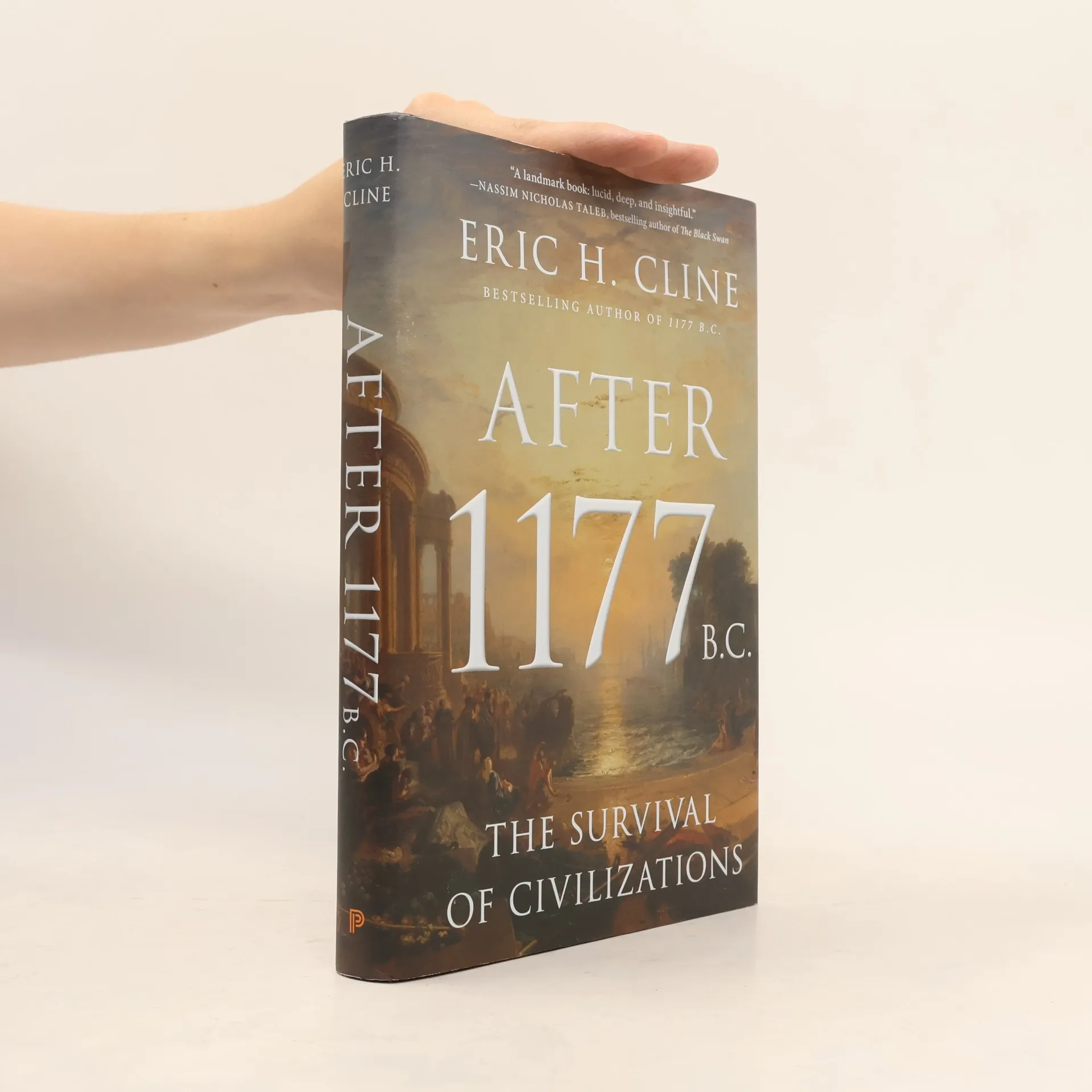
Eric H. Cline untersucht in seinem neuen Buch die Zeit nach dem Untergang der bronzezeitlichen Reiche im östlichen Mittelmeer. Er beleuchtet, wie aus der Asche der alten Welt eine neue Ära mit bedeutenden Erfindungen und dem Aufstieg des Eisenzeitalters entsteht, und spannt den Bogen bis zu den ersten Olympischen Spielen 776 v. Chr.
"In a follow-up to 1177 BC, this book provides a portrait of the 400 years following the collapse of the Bronze Age, a period referred to as the First Dark Age, but which Cline will show was also an era of rebirth and resilience"--
Digging Up Armageddon
- 432 stránek
- 16 hodin čtení
"A vivid portrait of the early years of biblical archaeology from the acclaimed author of 1177 B.C.: The Year Civilization Collapsed In 1925, famed Egyptologist James Henry Breasted sent a team of archaeologists to the Holy Land to excavate the ancient site of Megiddo--Armageddon in the New Testament--which the Bible says was fortified by King Solomon. Their excavations made headlines around the world and shed light on one of the most legendary cities of biblical times, yet little has been written about what happened behind the scenes. Digging Up Armageddon brings to life one of the most important archaeological expeditions ever undertaken, describing the stunning discoveries that were made there and providing an up-close look at the internal workings of a dig in the early years of biblical archaeology."--
Úvod do archeologie prof. Erika Clinea nabízí čtenáři vedle známých příběhů, jako například Schliemannova odkrývání Tróje či objevení Tutanchamonovy hrobky v Egyptě, přehled zásadních archeologických objevů posledních desetiletí, od nalezení pozůstatků předchůdců člověka v Africe z doby před více než třemi miliony lety po objev válečníků čínské terakotové armády či ledového muže Ötziho v Alpách a mnoho dalších. Kniha vypráví rovněž o významných archeolozích a průkopnících oboru. Ve snaze přiblížit archeologickou praxi laikům odpovídá na časté dotazy ohledně toho, jak archeologové svou práci vlastně dělají.
1177 př. Kr.: Zhroucení civilizace a invaze mořských národů
- 320 stránek
- 12 hodin čtení
Zhroucení první globalizované společnosti světových dějin Kniha amerického archeologa a historika je pátráním po tom, co způsobilo oslabení a v některých případech i zánik vyspělých civilizací a měst ve východním Středomoří, jakými byly Egypt, Chetitská říše nebo třeba kosmopolitní obchodní přístav Ugarit na konci 13. století př. Kr. – v období, které můžeme s jistou rezervou označit jako „první mezinárodní věk“ v dějinách lidstva. Hledá odpovědi na otázku, jak vlastně v těchto oblastech došlo k nástupu „doby železné“ a jaký to mělo význam pro formování kořenů dnešní „západní“ kultury. Tyto změny jsou tradičně spojovány s příchodem tzv. mořských národů. S paralelami k dnešní situaci nejen ve Středomoří se spolu s autorem můžeme ptát, zda tyto změny lze z větší části přičíst jednomu faktoru, události a datu, nebo spíše sérii katastrof a dominovému efektu, posílenému vzájemným propojením tehdejších politických útvarů.
1177 B.C. : The Year Civilization Collapsed
- 264 stránek
- 10 hodin čtení
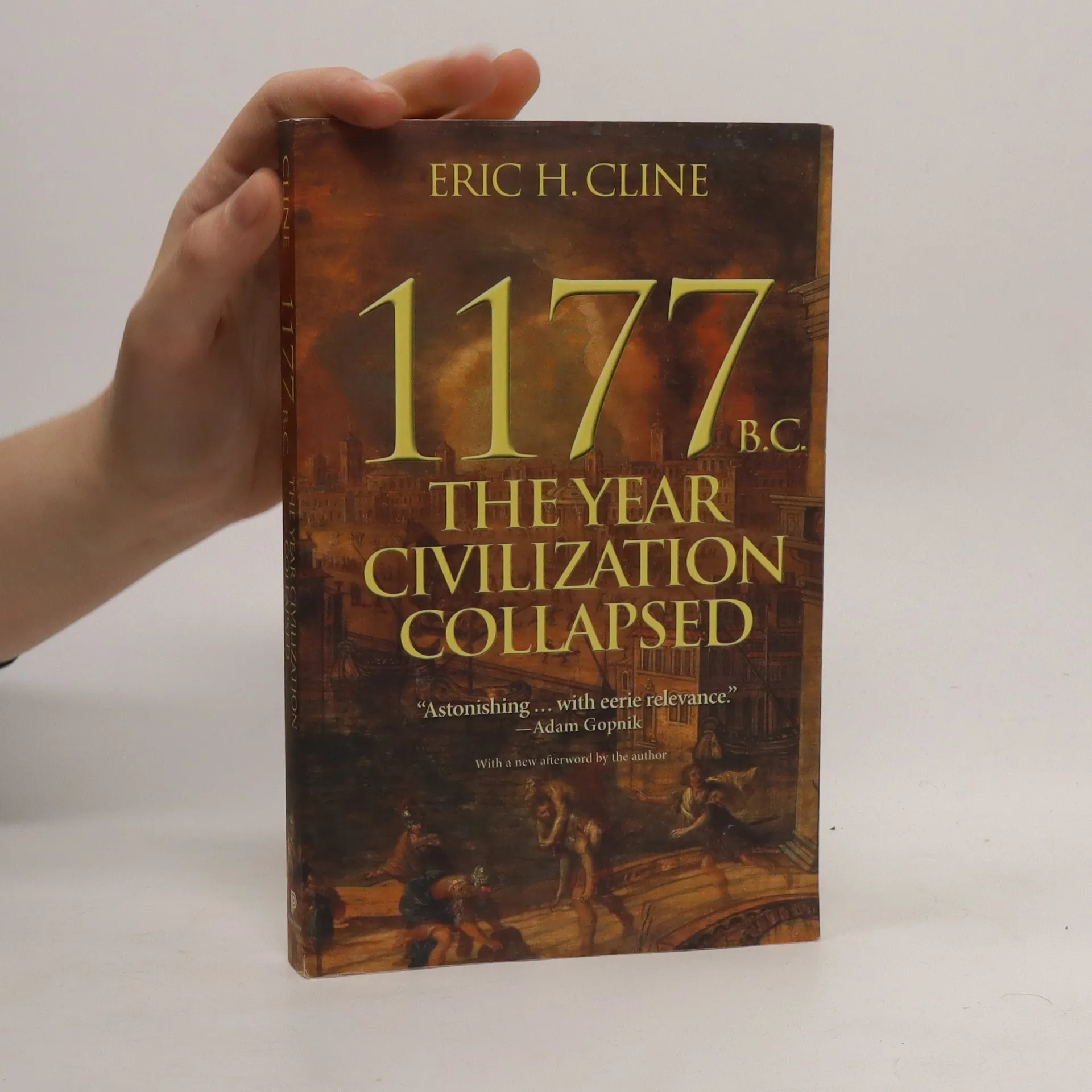
In 1177 B.C., the invasion of Egypt by marauding groups known as the "Sea Peoples" marked the beginning of a significant decline for Egypt and surrounding civilizations. Although the pharaoh's forces managed to repel the invaders, the victory left Egypt weakened, leading to a rapid collapse of the Bronze Age world. Within a few decades, prominent kingdoms like the Minoans, Mycenaeans, Trojans, Hittites, and Babylonians vanished, along with their vibrant economies, cultures, writing systems, and monumental architecture. The Sea Peoples were not solely responsible for this widespread breakdown; it was the result of multiple interconnected failures, including invasions, revolts, natural disasters like earthquakes and droughts, and the disruption of international trade routes. This account brings to life the rich multicultural tapestry of the Late Bronze Age, illustrating how the very interdependence of these civilizations contributed to their downfall. By weaving together narrative and contemporary scholarship, the text reveals the complex relationships that fostered both the flourishing and the eventual destruction of these great civilizations, setting the stage for the emergence of classical Greece and a dark age that lasted for centuries.
The Trojan War: A Very Short Introduction
- 130 stránek
- 5 hodin čtení
Using a combination of archaeological data, textual analysis, and ancient documents, this Very Short Introduction to the Trojan War investigates whether or not the war actually took place, whether archaeologists have correctly identified and been excavating the ancient site of Troy, and what has been found there.
Biblical Archaeology: A Very Short Introduction
- 156 stránek
- 6 hodin čtení
Archaeologist Eric H. Cline here offers a complete overview of this exciting field. He discusses the early pioneers, the origins of biblical archaeology as a discipline, and the major controversies that first prompted explorers to go in search of sites that would "prove" the Bible. He then surveys some of the most well-known modern archaeologists, the sites that are essential sources of knowledge for biblical archaeology, and some of the most important discoveries that have been made in the last half century, including the Dead Sea Scrolls and the Tel Dan Stele.
Examines seven mysteries of the Hebrew Bible, from the Garden of Eden and Noah's Ark, to the Exodus, the Babylonian Exile, and the Lost Tribes of Israel, placing these biblical stories in their archaeological and historical context.
Perspectives of Agbiotech
- 64 stránek
- 3 hodiny čtení