David Bordwell je jedním z nejvlivnějších filmových vědců ve Spojených státech, známý svými podrobnými analýzami filmařských stylů a období. Jeho práce, často ve spolupráci s Kristin Thompsonovou, se zaměřuje na hluboké porozumění filmovému jazyku a jeho historickému kontextu. Bordwell se věnuje zejména klasickému hollywoodskému filmu a kinematografii různých kultur. Jeho vliv dalece přesahuje akademickou sféru, jelikož vychoval celou generaci filmových badatelů a jeho knihy byly přeloženy do mnoha jazyků.
David Bordwell reveals how crime fiction, plays, and films made unconventional
narrative mainstream. A sweeping, kaleidoscopic account written in a lively,
conversational style, Perplexing Plots offers an ambitious new understanding
of how popular culture has evolved over the past century.
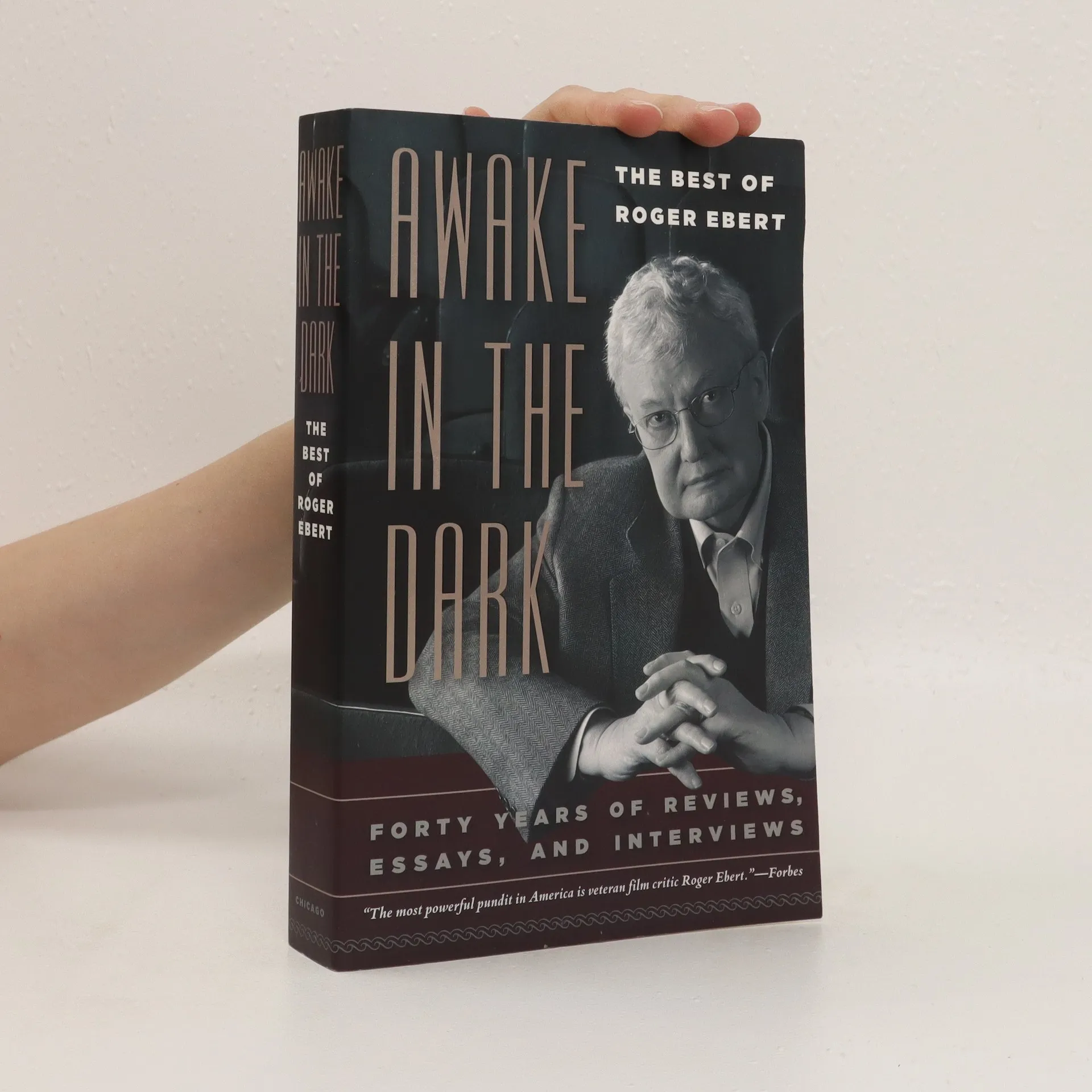
"Arriving fifty years after Ebert published his first film review in 1967, this second edition of Awake in the Dark collects Ebert's essential writings. Featuring new Top Ten Lists and reviews of the years' finest films through 2012, this edition allows both fans and film buffs to bask in the best of an extraordinary lifetime's work."--Provided by publisher.
Focusing on the historical poetics of cinema, the author delves into how films are crafted within specific historical contexts to evoke particular effects. Drawing on twenty-five years of research, the analysis explores the intricate relationship between filmmaking practices and the cultural, social, and technological influences that shape them, offering valuable insights for film studies.
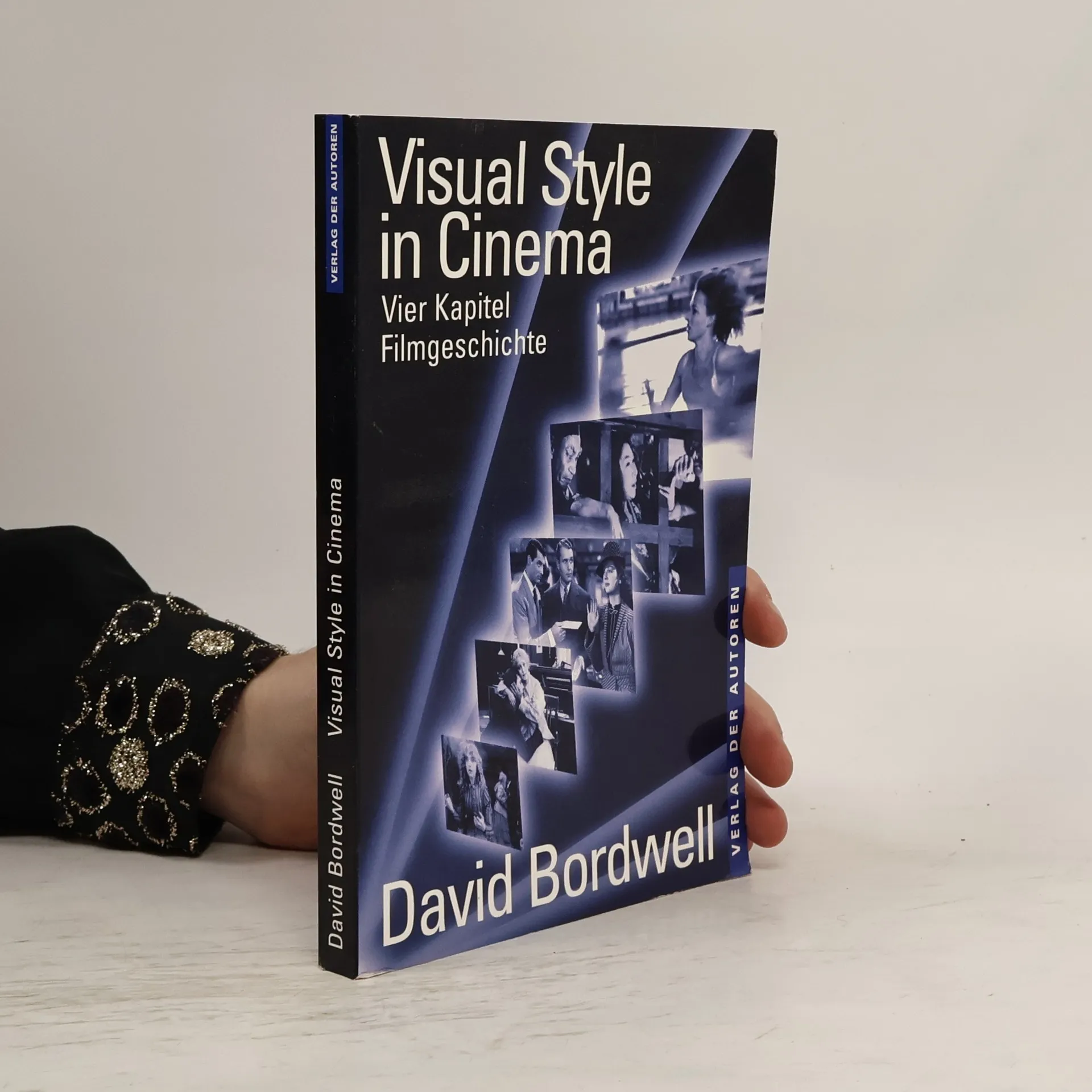
Mit diesem Buch erscheint zum ersten Mal eine deutschsprachige Ausgabe der anschaulichen Lehre David Bordwells, die sich gleichermaßen an Fachleute und Laien richtet. Am Beispiel von vier ausgewählten Perioden der Filmgeschichte gibt der berühmte amerikanische Filmprofessor einen Überblick über die Kunst der Filmgestaltung. INHALT: Die Zeit des Stummfilms. Der frühe Tonfilm. Die Fünfzigerjahre. Die Neunzigerjahre.
Bordwell provides his guide on how to watch, and what to watch for, during a cinematic experience. Included are advice on how to write analytical essays and reviews concerning the film.
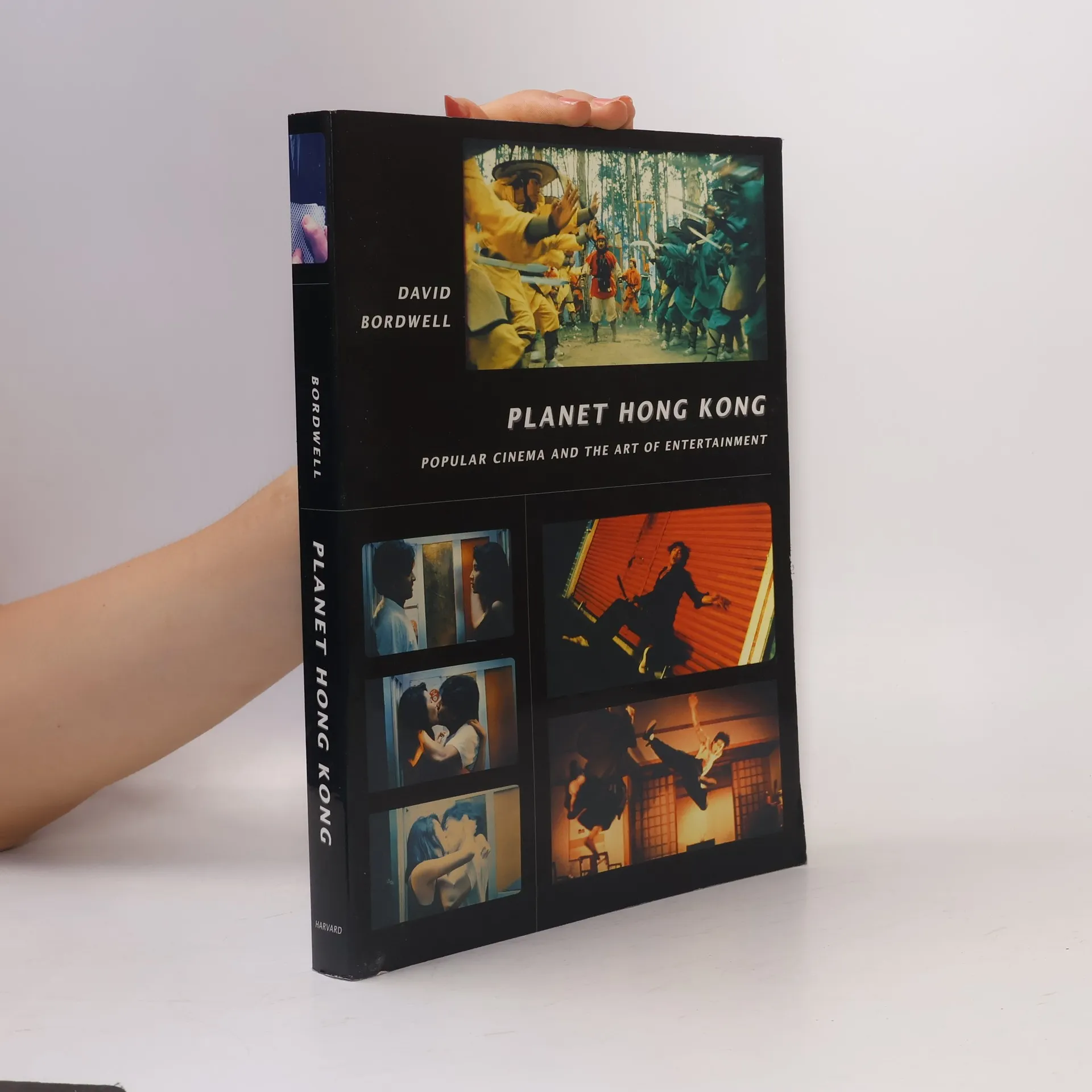
This definitive study of Hong Kong cinema examines the work of directors such as Tsui Hark, John Woo, Ringo Lam, Johnnie To, King Hu, and Wong Kar Wai.
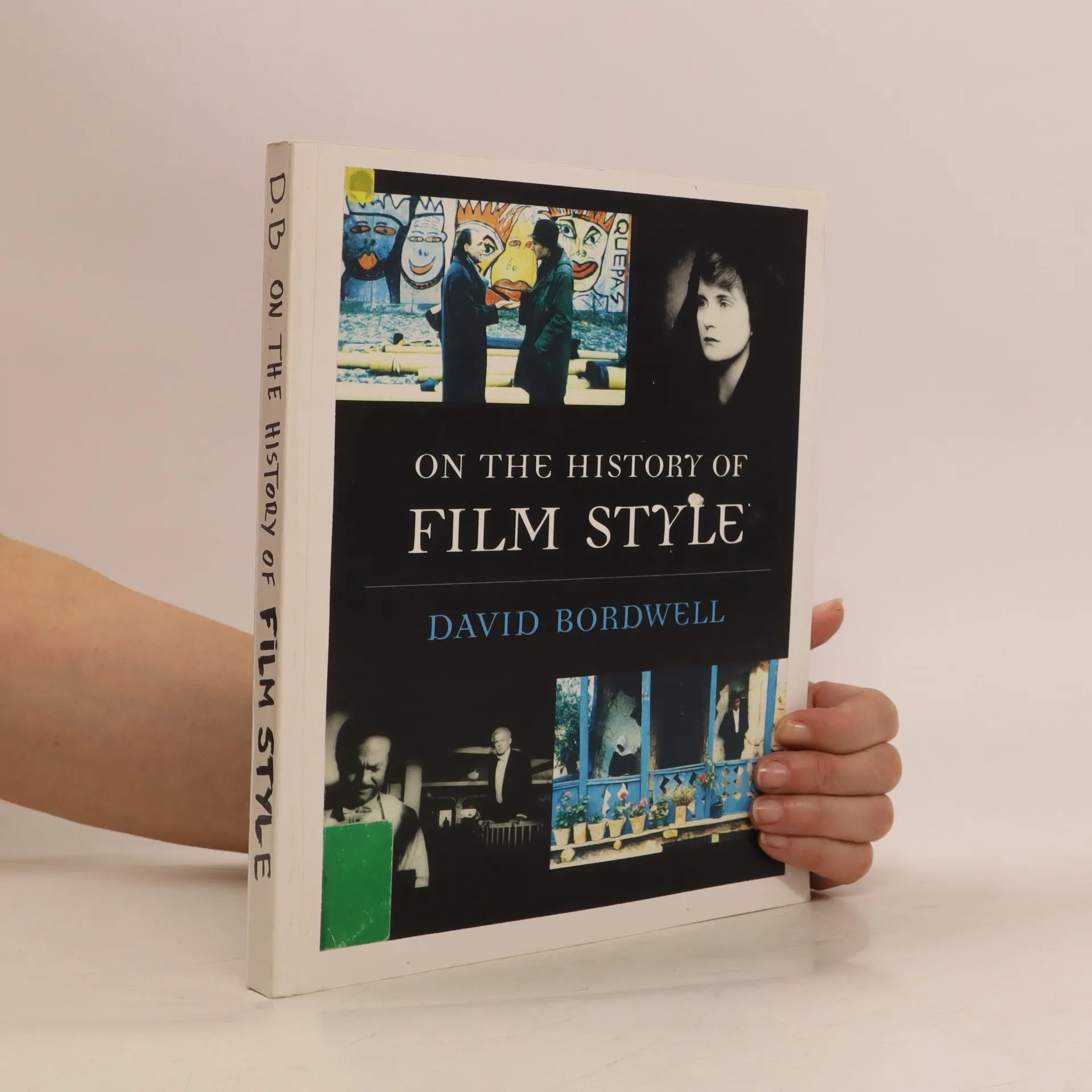
Bordwell scrutinizes the theories of style launched by various film historians and celebrates a century of cinema. The author examines the contributions of many directors and shows how film scholars have explained stylistic continuity and change.
INHALT: David Bordwell, „Modelle der Rauminszenierung im zeitgenössischen europäischen Kino“. Alain Robbe-Grillet, „Im Kaleidoskop der Lüste - Fragmentierung und Montage in GLISSEMENTS PROGRESSIFS DU PLAISIR“. Kristin Thompson, „Wiederholte Zeit und narrative Motivation in GROUNDHOG DAY / UND TÄGLICH GRÜSST DAS MURMELTIER“. Ian Christie, „Gegen den Naturalismus: Raum und Zeit in Filmen von Michael Powell und Emeric Pressburger“. Karel Reisz, „Die Kunst der Filmmontage“. Donald Richie, „Raum, Zeit und Tofu in den Filmen von Yasujiro Ozu“.
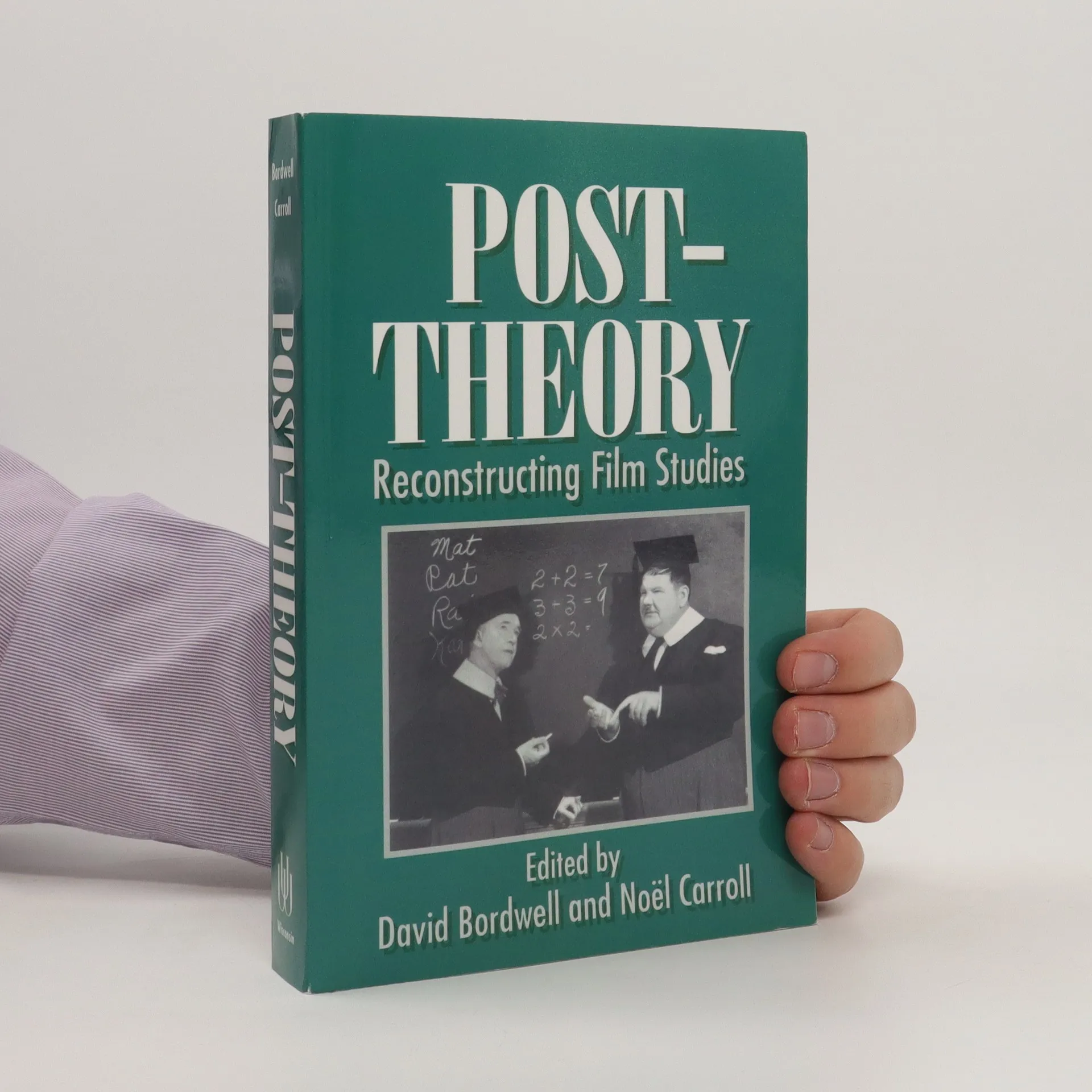
Since the 1970s, the academic study of film has been dominated by Structuralist Marxism, varieties of cultural theory, and the psychoanalytic ideas of Freud and Lacan. With Post-Theory, David Bordwell and Noel Carroll have opened the floor to other voices challenging the prevailing practices of film scholarship. Addressing topics as diverse as film scores, national film industries, and audience response. Post-Theory offers fresh directions for understanding film. Bordwell and Carroll pose a simple question. Why not employ many theories tailored to specific goals, rather than searching for a unified theory that will explain all sorts of films, their production, and their reception? The scholars writing here use historical, philosophical, psychological, and feminist methods to tackle such basic issues as: What goes on when viewers perceive a film? How do filmmakers exploit conventions? How do movies create illusions? How does a film arouse emotion? Bordwell and Carroll have given space not only to distinguished film scholars but to non-film specialists as well, ensuring a wide variety of opinions and ideas on virtually every topic on the current agenda of film studies. Full of stimulating essays published here for the first time, Post-Theory promises to redefine the study of cinema.
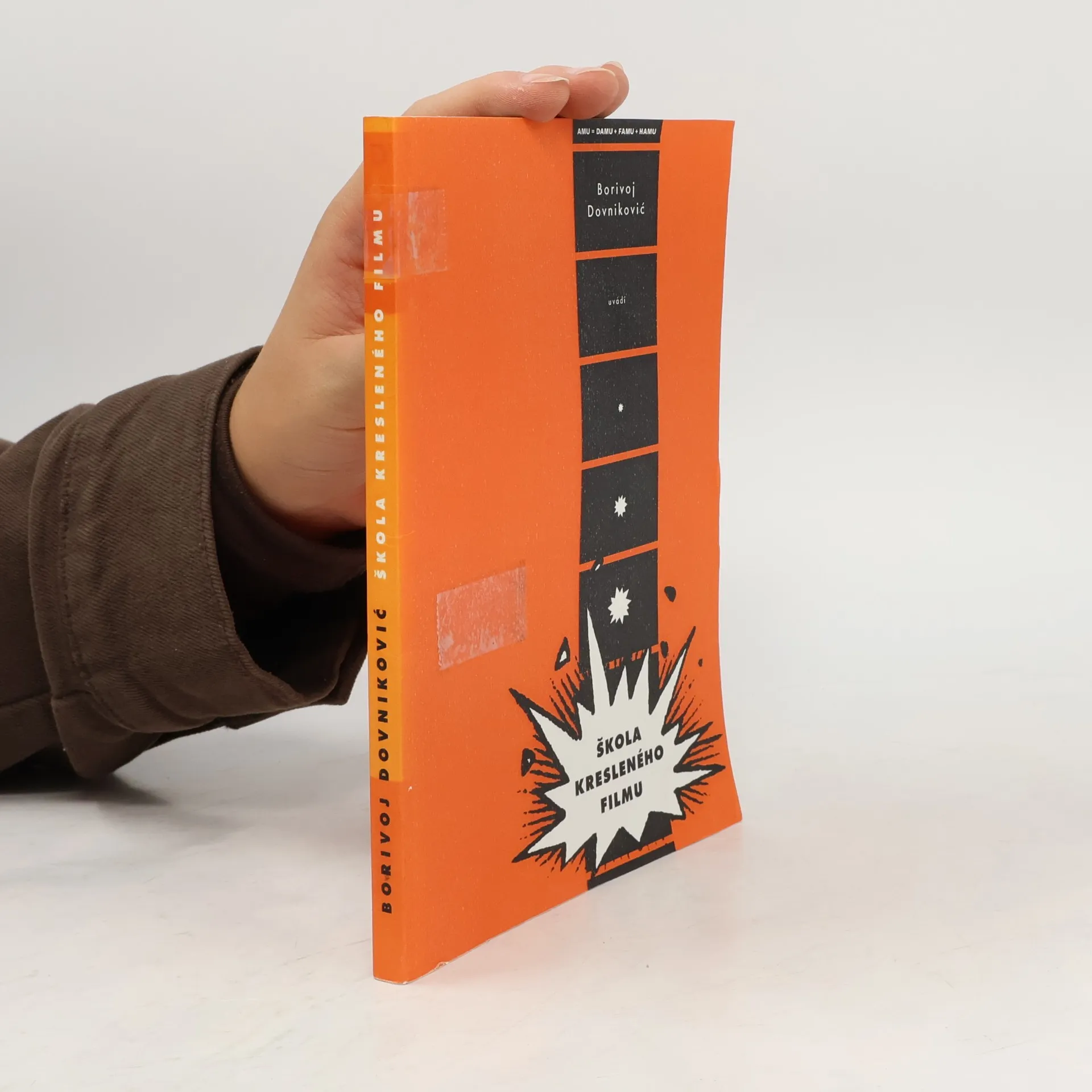
Autor, zkušený filmař-animátor vychází při zasvěcování do tajemství vzniku kresleného filmu z předpokladu, že animace je hra. Názorně s pomocí vlastních ilustrací provází čtenáře jednotlivými etapami vzniku kresleného filmu, zabývá se kompozicí obrazu, animací pohybu, mluvou kreslených figur, expozičními efekty i prací animátorů a dalších filmových profesí. V reálném filmu snímáme reálný pohyb, abychom při reprodukování opět získali reálný pohyb. Při animaci pohyb objektu uměle vytváříme reprodukcí docilujeme neskutečného, syntetického pohybu. Když animujeme předmět, pohybujeme jím před kamerou jako celistvým objektem, animujeme-li kresbu, nemáme skutečný objekt, kterým bychom mohli hýbat. Musíme vytvářet zároveň objekt i pohyb. Výsledkem je pak kreslený film.
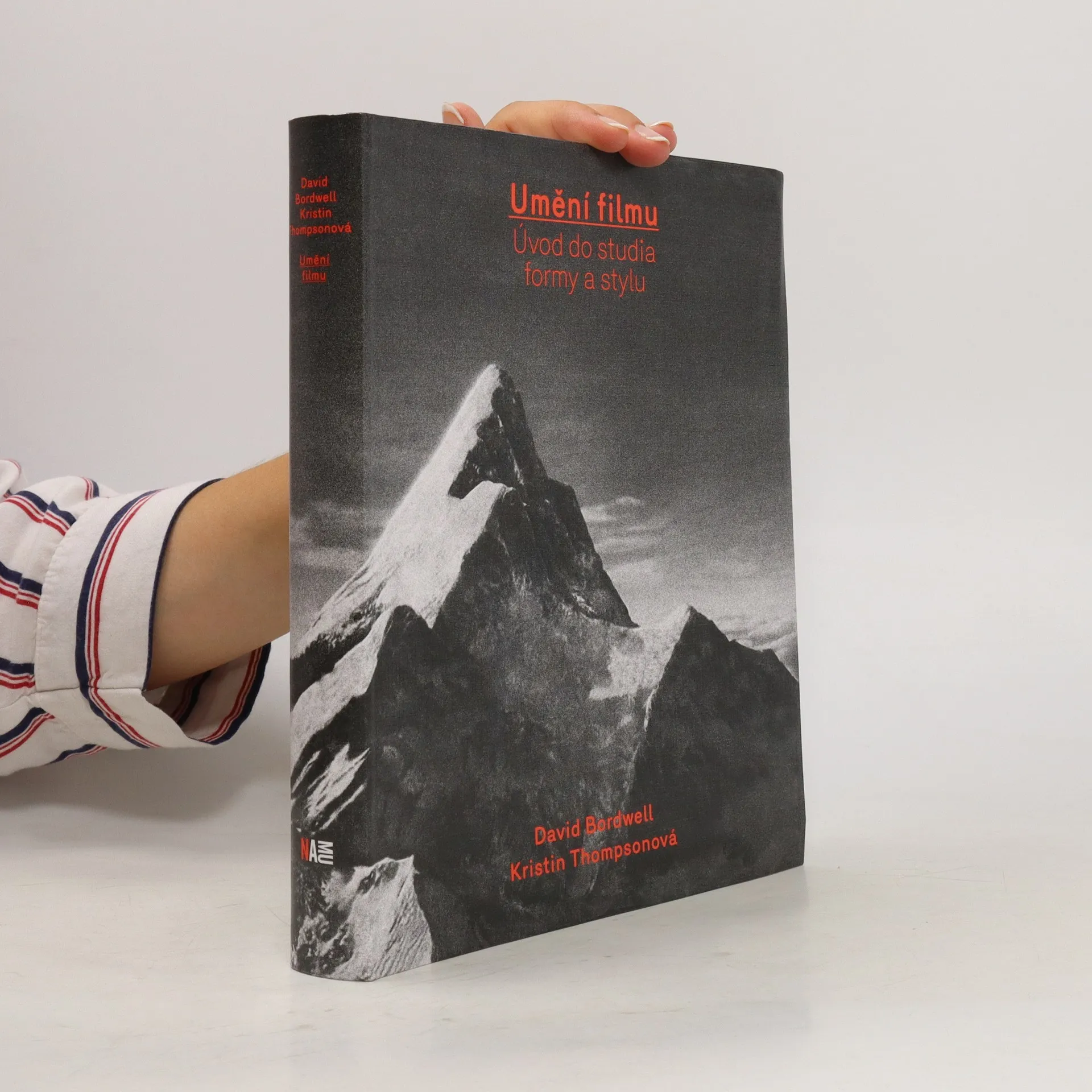
Překlad devátého vydání legendární knihy amerických autorů Davida Bordwella a Kristin Thompsonové. Kniha poprvé vyšla v roce 1979 a od té doby se stala základní učebnicí pro obory filmových studií po celém světě. Vedle zájemců o filmová studia dokáže oslovit i širokou čtenářskou obec svým jasným, přehledným a systematickým výkladem fenoménu filmu. Kniha je doplněna ohromným množstvím obrazového materiálu, na němž je probíraná látka názorně předvedena. Čtenáři se nabízí jedinečná možnost porozumět základním tvůrčím filmovým kategoriím, jako jsou kamera, střih, zvuk apod., rozkrýt způsoby vyprávění příběhů, pochopit způsob fungování filmových žánrů atd.
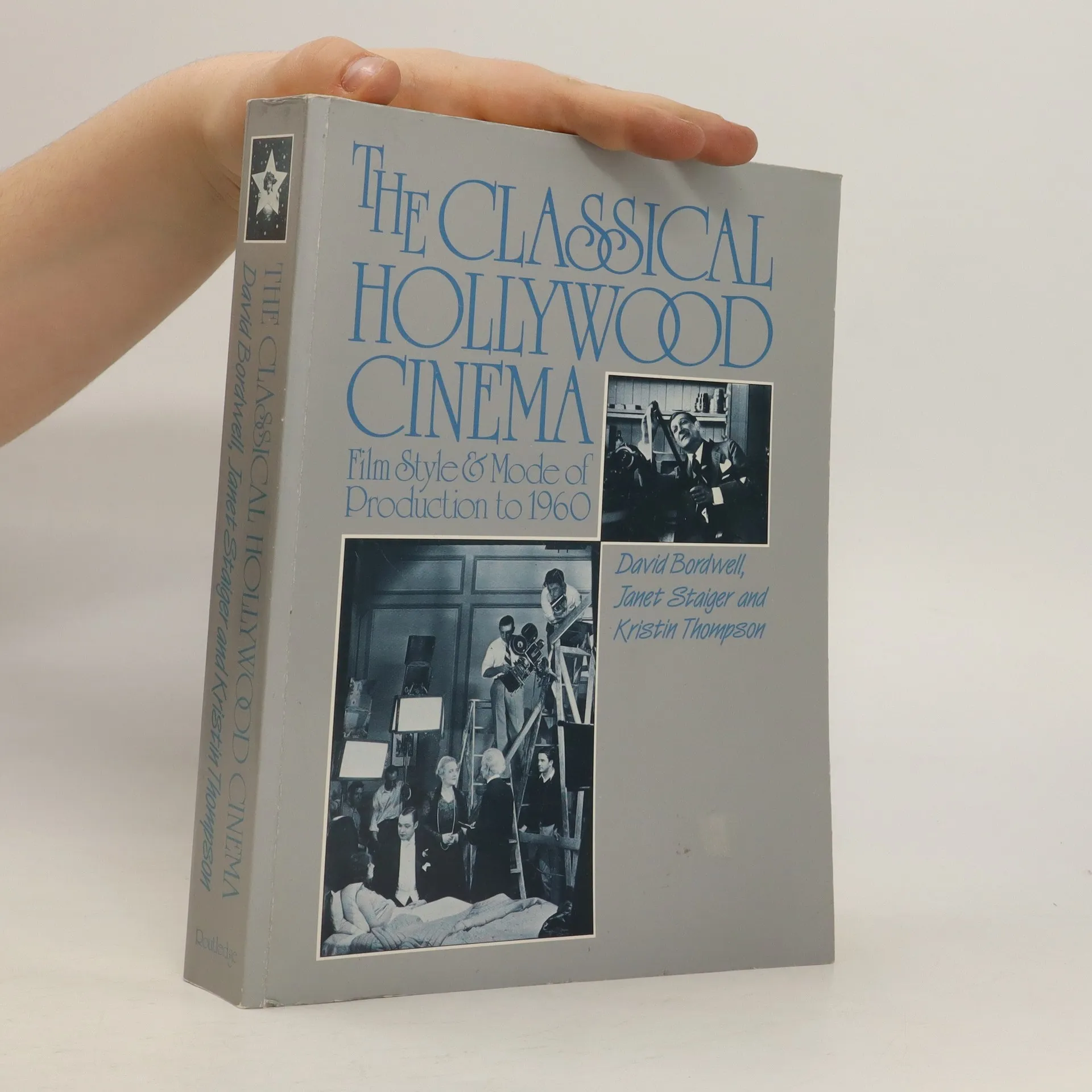
Acclaimed for its breakthrough approach and its combination of theoretical analysis and empirical evidence, this is the standard work on the classical Hollywood cinema style of film-making from the silent era to the 1960s.
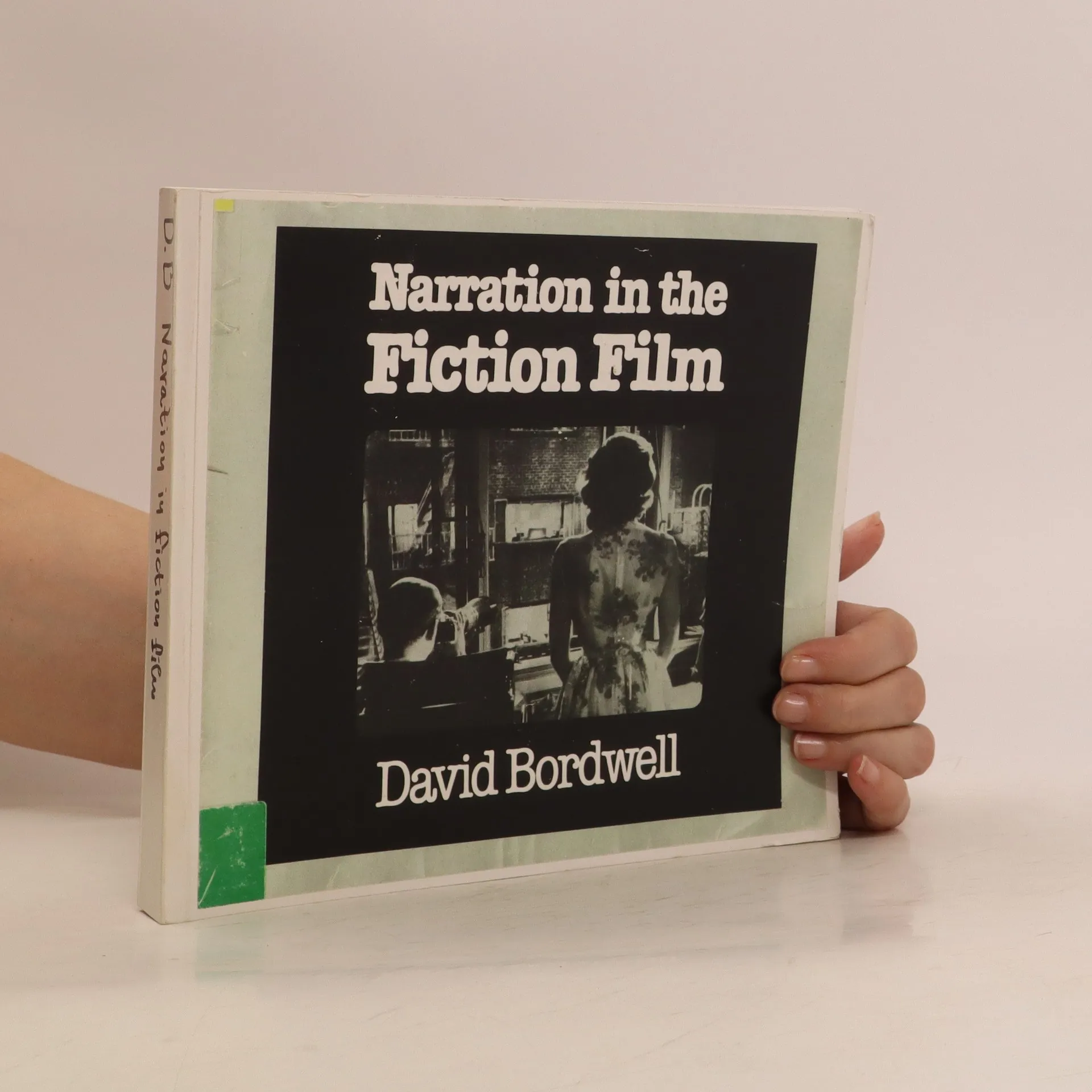
Mimetic theories of narration - Diegetic theories of narration - The viewe's activity - Principles of narration - Sin, murder, and narration - Narration and time - Narration and space - Modes and norms - Classical narration : the Hollywood example - Art-cinema narration - Historical-materialist narration : the soviet example - Parametric narration - Godard and narration.