Exiled Shadow
- 376 stránek
- 14 hodin čtení
A virtuoso collage novel about narrative, identity, and exile, from international literary sensation Norman Manea


Norman Manea je židovský rumunský spisovatel, jehož díla zkoumají temná témata jako holocaust a útrapy života v komunistickém státě. Své zkušenosti s exilovou existencí umně zapracovává do svých románů a esejů. Manea píše s pronikavou inteligencí a precizním jazykem, čímž odhaluje složitost lidské psychiky tváří v tvář historickým a politickým represím. Jeho psaní je svědectvím o odolnosti ducha a naléhavou výzvou k pochopení minulosti.


A virtuoso collage novel about narrative, identity, and exile, from international literary sensation Norman Manea
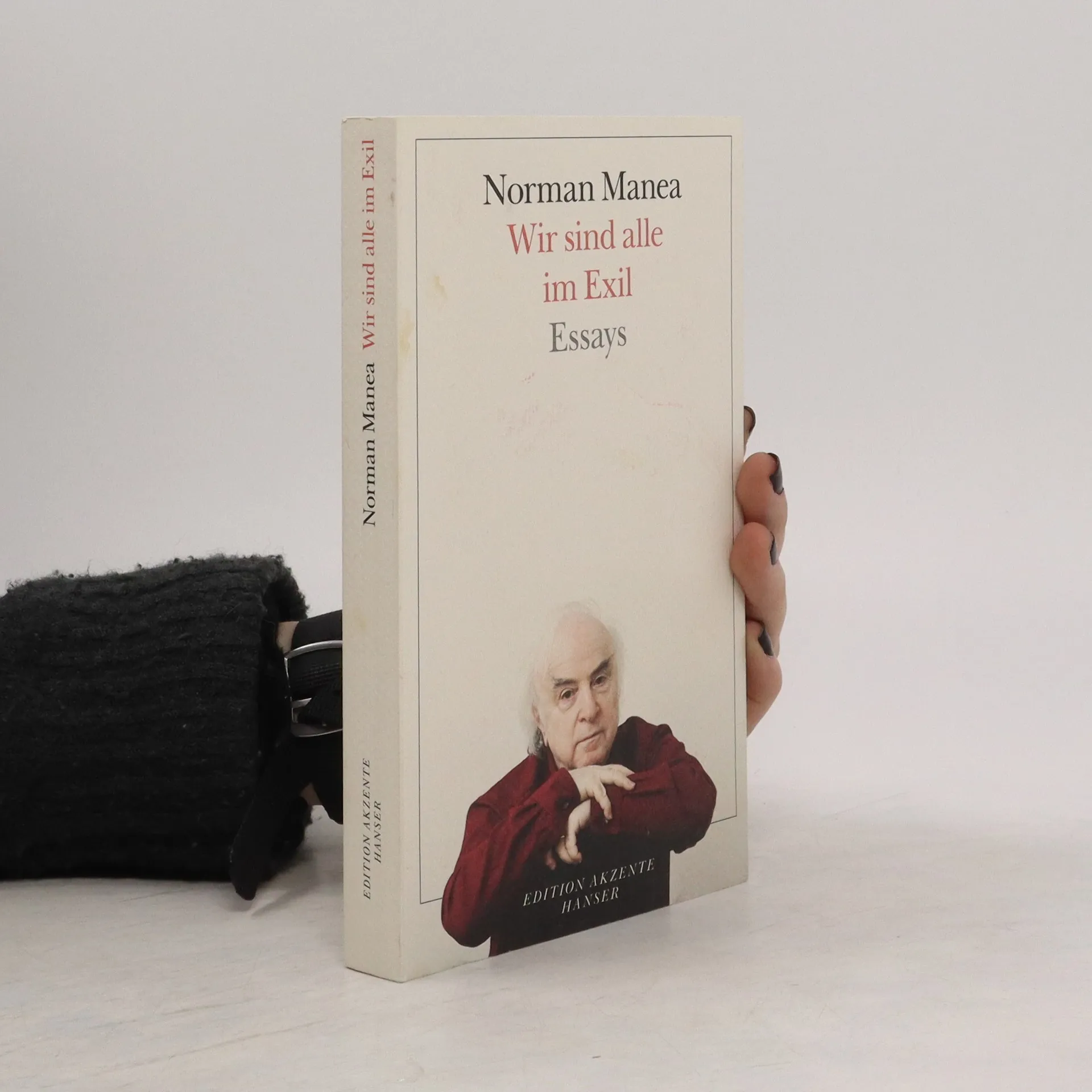
Seit dreißig Jahren lebt Norman Manea im Exil. Der Autor aus Rumänien ist ein großer Zeitzeuge von faschistischer und kommunistischer Diktatur. „Die Sprache ist die Plazenta des Schriftstellers, dieses Exilanten par excellence“, sagt Manea. Die Widersprüche eines Lebens zwischen Ost und West und die Frage nach der jüdischen Identität hat er nicht nur in seinem literarischen Werk behandelt, er hat sie auch fortlaufend essayistisch kommentiert. Am Beispiel seiner eigenen Erfahrungen und der Auseinandersetzung mit Werken anderer Autoren beschreibt er den Zusammenhang von Exil, Sprache und Schreiben.
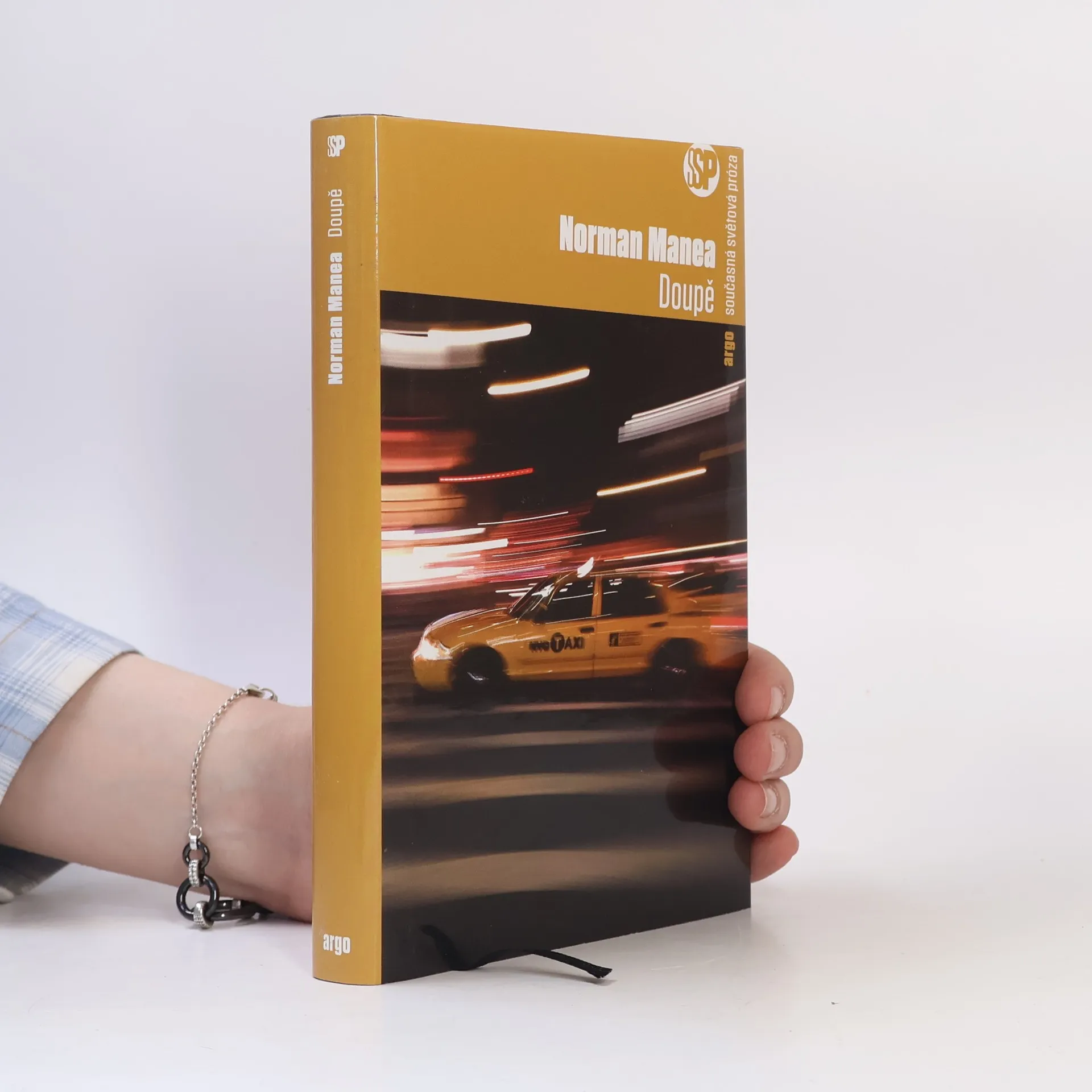
Dlouholetý rumunský emigrant profesor Augustin Gora je ve svém americkém exilu postaven do situace, kdy se musí nějak vyrovnat s příjezdem své bývalé manželky Lu a jejího bratrance a zároveň milence Petra Gaşpara. Zatímco oba muži se se střídavými úspěchy snaží obnovit někdejší dialog, Gaşpar, jemuž bylo nabídnuto improvizované místo na univerzitě, dostane podivný dopis s pohrůžkou smrti. Halucinační atmosféru románu umocňuje silně expresivní ztvárnění útoků z 11. září, připomínající atmosféru obrazů Hieronyma Bosche. Román s prvky politického thrilleru, ožívají autorova tradiční témata: otázka emigrace a osobní angažovanosti, holocaust a policejní stát prolezlý korupcí, láska a smrt, prázdnota konzumní společnosti. Zahraniční kritika tradičně zdůrazňuje styčné body s některými středoevropskými spisovateli, zejména s Franzem Kafkou, Bruno Schulzem a Robertem Walserem.
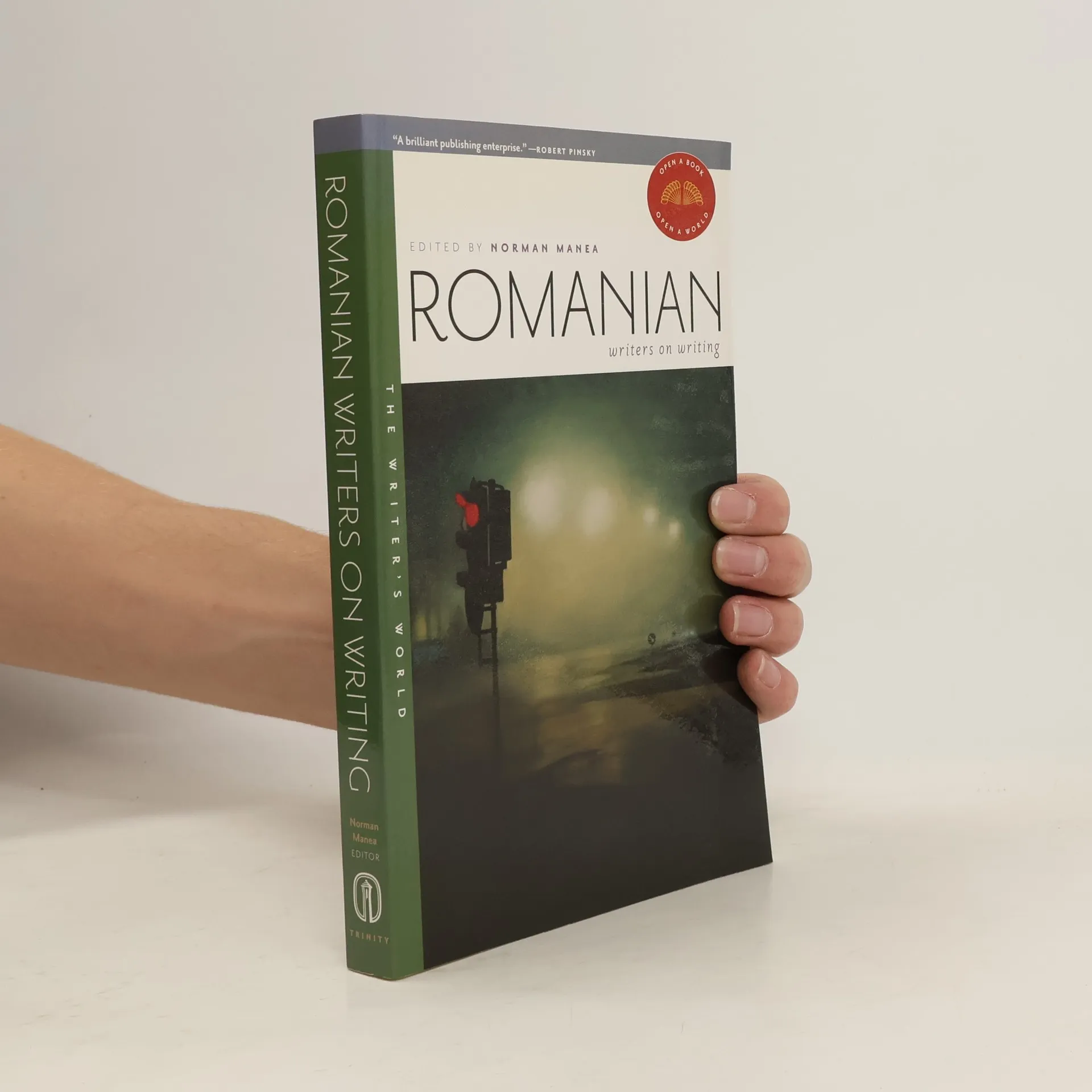
Romanian writers past and present talk about the literary life in their country
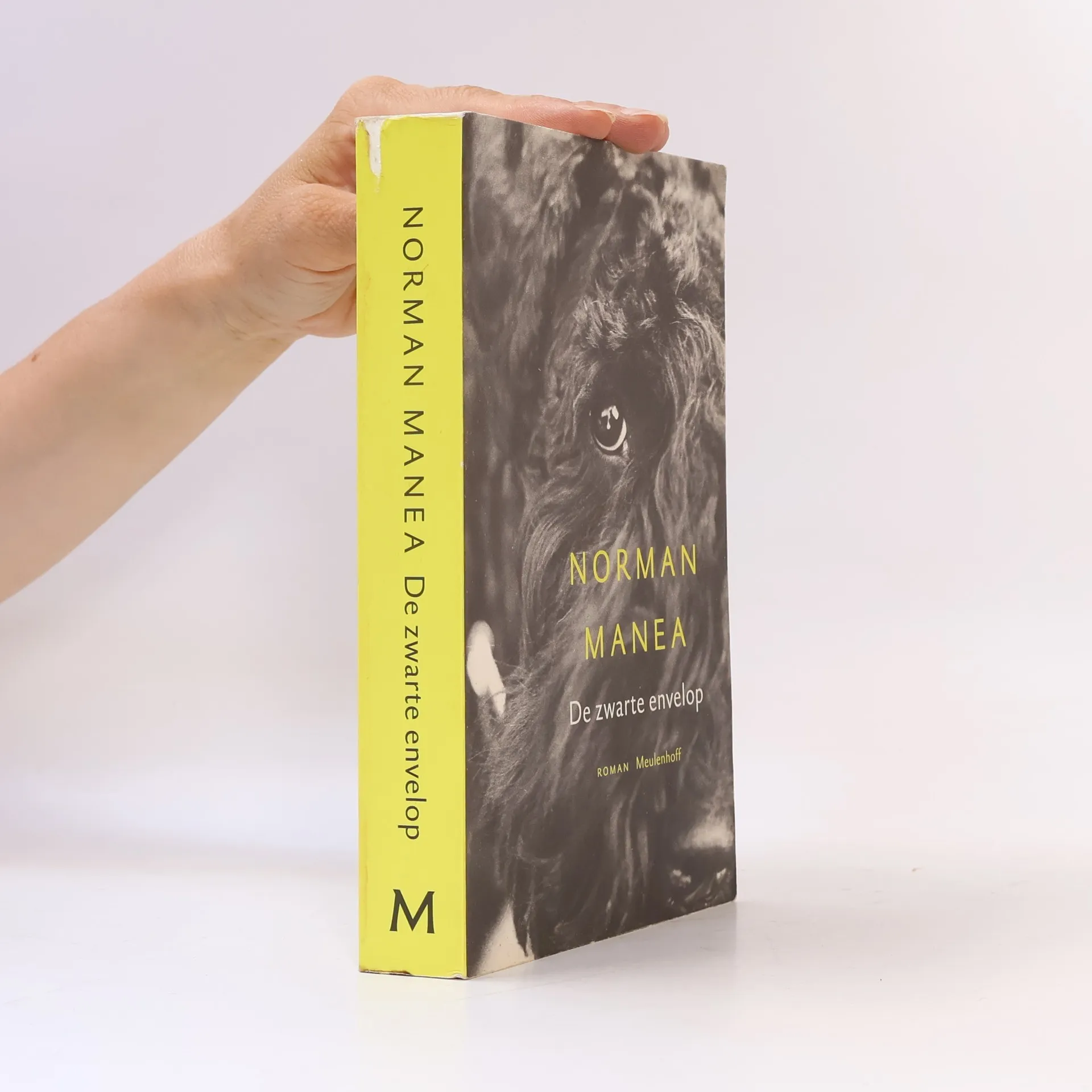
In De zwarte envelop beschrijft Norman Manea op nietsverhullende wijze het leven in een dictatuur: de allesoverheersende aanwezigheid van de Partij, de voortdurende surveillance, de angst, de onvoorspelbaarheid, de verdachtmakingen. De roman speelt zich af in Boekarest, in de jaren tachtig van de twintigste eeuw. Tolea is op 'morele gronden' ontheven van zijn baan als docent en werkt nu als hotelreceptionist. Hij gaat op onderzoek uit naar de dood van zijn vader, veertig jaar na dato. Hij wordt een web van verdachtmakingen ingezogen, waarin beelden van een ondergrondse wereld geleidelijk aan obsessieve vormen aannemen. De zwarte envelop is een beklemmend boek over liefde en schuld, kwetsbaarheid en dood, vervreemding, hoop en menselijke solidariteit. Doorweven met zwarte humor en poëzie is het Manea's indrukwekkendste roman, die leest als een thriller.
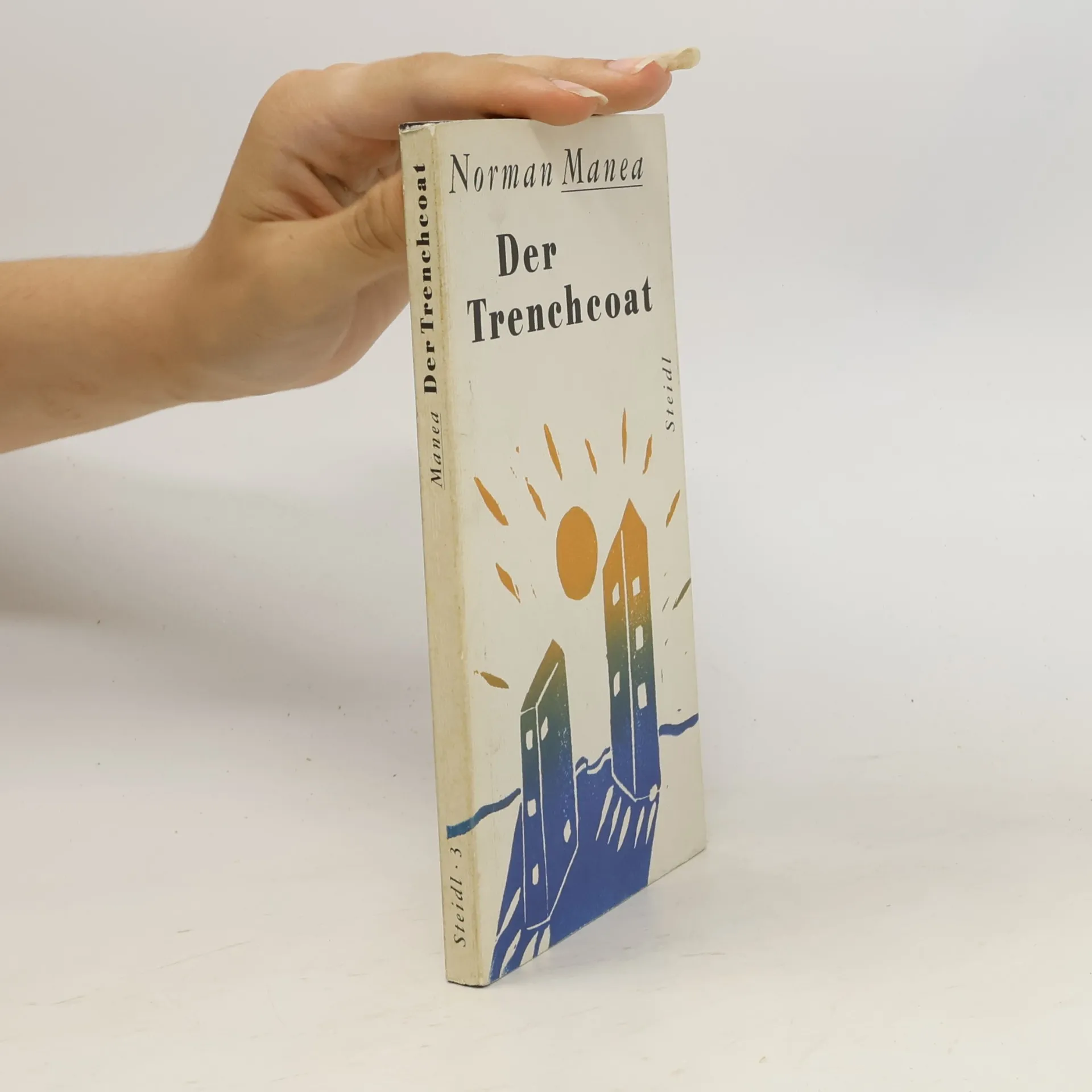
In seinen frühen Erzählungen thematisiert Manea das Leben unter Diktaturen, einschließlich Deportation und Rückkehr nach Rumänien. Er vermittelt seine komplexen Erfahrungen durch expressive, teils surreale Bilder. Manea, eine bedeutende literarische Stimme Rumäniens, wurde einst von Heinrich Böll entdeckt und seine Werke gehören zur Weltliteratur.
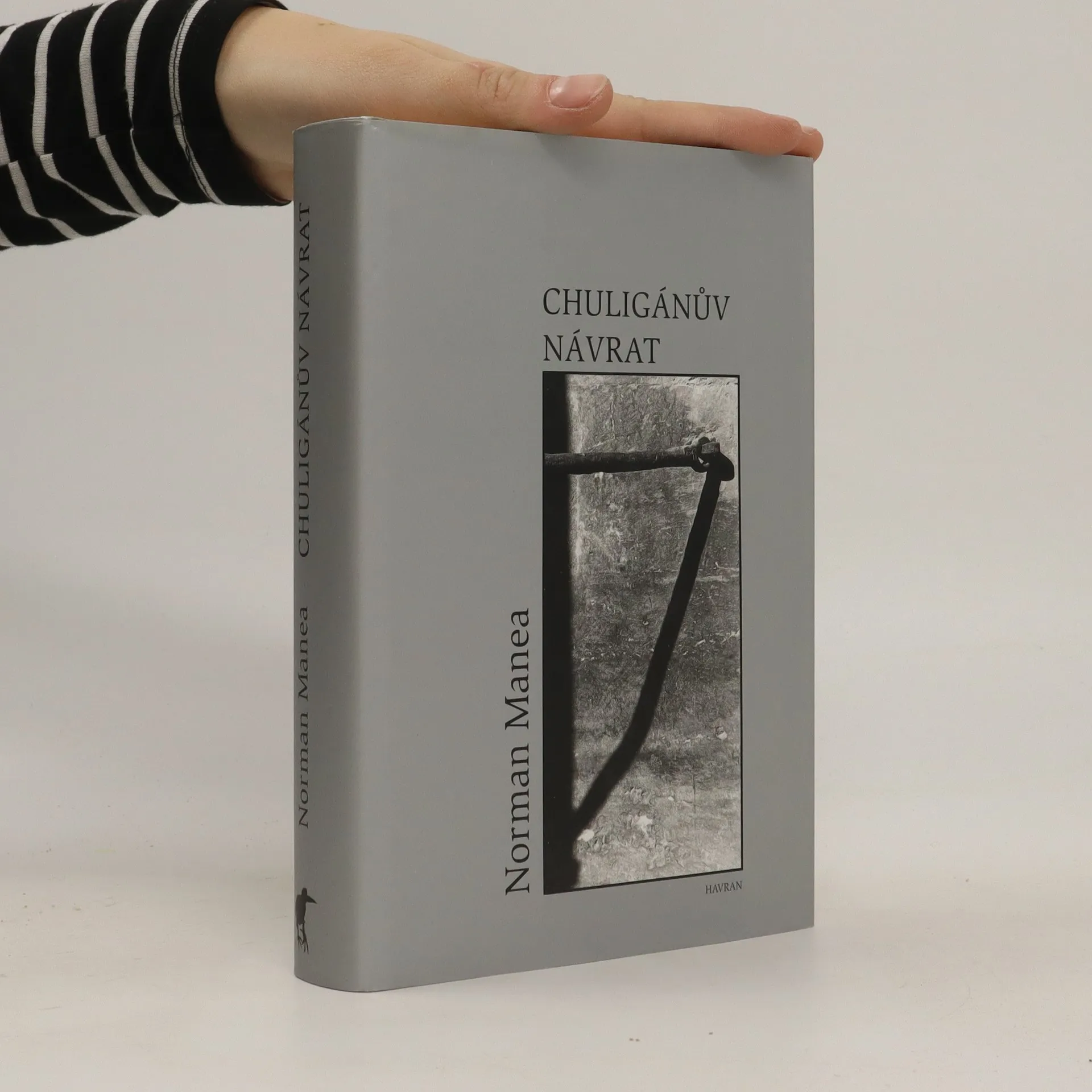
V říjnu 1941 je celá židovská populace v rumunské Bukovině deportována do koncentračního tábora, a s ní i devítiletý chlapec, který ještě netuší, že to zdaleka není poprvé, kdy je nucen prchat před realitou. Po návratu ho čeká další krutý střet s komunismem a posléze souboj se sebou samým a hledání síly k tomu opustit vlast. Manea, vyzbrojen bohatými osobními zkušenostmi, zachycuje pohyb jedince od adolescence až k dospělosti s bravurou velkého vypravěče a nabízí obnažený pohled na brutalitu toho, co zažil bez sentimentality, a přitom natolik poutavě, že dokázal zaujmout čtenáře doslova po celém světě. Kniha Chuligánův návrat byla zařazena mezi nejzajímavější tituly roku v The New York Times a byla přeložena do více než dvaceti jazyků. Norman Manea žije v USA, dnes působí jako profesor na Bard College v New Yorku a za svůj provokující a sžíravý román bytostného emigranta, který však nikdy nepřestal cítit jako Evropan, již dostal řadu prestižních mezinárodních ocenění.
The overthrow of Nicolae Ceausescu exposed a regime of grim despotism that defies comprehension. For Norman Manea, who left Romania in 1986, the terror imposed on citizens was matched by the irrevocable choices forced upon artists. In his exploration of the pain, anger, and fear confronting the creative mind under tyranny, Manea meticulously catalogs the techniques through which malevolent power binds artists: the subtle torture of censorship, the politics of substitution, and the opiates of nationalism and ideology. He also highlights what artists rely on to survive these conditions: the disguise of the buffoon, an aesthetic intertwined with ethics, a disdain for mediocrity, and, when possible, a defiant raspberry to the dictator. Manea's Central European identity shapes his perspective, reflecting a spiritual outlook and cultural horizons akin to those of Kundera and Milosz. He cites Danilo Kis, noting that "Consciousness of belonging to Central Europe is itself in the end a kind of dissidence!" Manea demonstrates that artistic creativity and intellectual freedom transcend mere dissidence; they embody a morality that opposes the "captive mind" of Communist dictatorship, allowing artists to endure and resist oppression.
Bukarest, Anfang der achtziger Jahre: Ein Mann beschließt in einem Akt der Auflehnung, den Mörder seines Vaters zu suchen. Dabei verstrickt er sich immer tiefer in den Wirren des höllischen Alltags unter der Ceauçescu-Diktatur. Norman Manea beschreibt in diesem hochartifiziellen Schlüsselwerk der osteuropäischen Gegenwartsliteratur die Mechanismen jeder Diktatur.
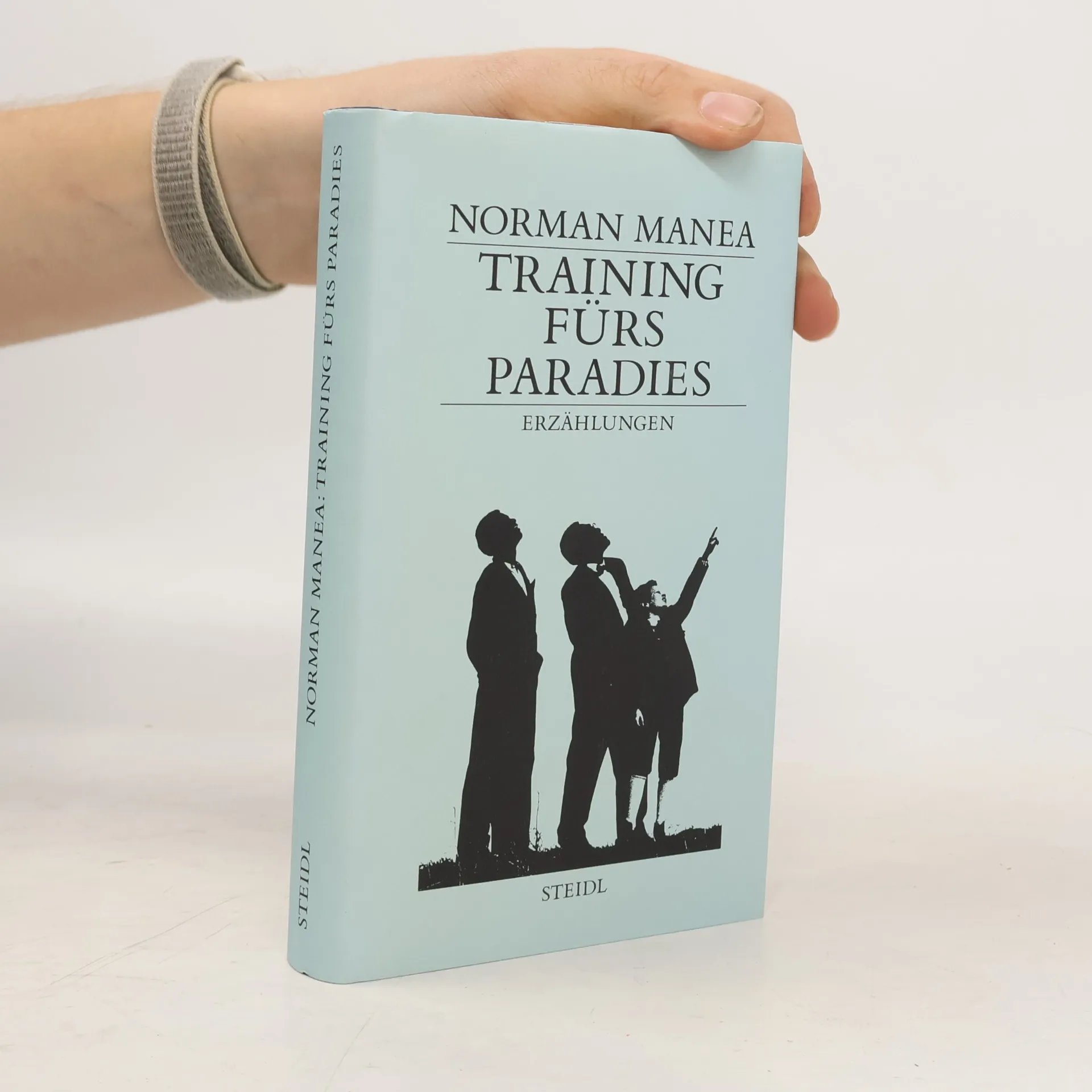
"Kriegsende, eine zerschossene Stadt in Rumänien, eind schẅachliches Kind Jüdischer Eltern, das eben dem Vernichtungslager entkommen ist. Der Gegensatz zwischen Stiefel und Violine. Gewalt, Verrat und Verdrängung auch nach dem Krieg. Das sind die Bilder, das sind die Erfahrungen, die Norman Manea in diersem Erzählband verarbeitet."
Eine Sammlung von Kurzgeschichten, die aus der Haft des rumänischen Autors in einem Nazi-Konzentrationslager als Kind stammen, ruft ein Gefühl des Schreckens und der Absurdität des Krieges und der rumänischen Politik hervor.