Félix Guattari Pořadí knih (chronologicky)
Pierre-Félix Guattari byl francouzský aktivista, institucionální psychoterapeut, filozof a sémiotik, který stál u zrodu schizoanalýzy a ekosofie. Jeho díla, zejména ve spolupráci s Gillesem Deleuzem, zkoumají komplexní vztahy mezi psychikou, společností a životním prostředím. Guattariho myšlení se vyznačuje radikální kritikou kapitalismu a snahou o nalezení nových forem organizace a osvobození. Jeho přístup propojuje hluboké porozumění lidské mysli s naléhavým voláním po ekologické obnově.


Eine Liebe von UIQ
Drehbuch
Um 1979 arbeiteten der amerikanische Filmemacher Robert Kramer und der französische Schizoanalytiker Félix Guattari an einem Film über zwei Flüchtlinge aus der italienischen Autonomiebewegung, Latitante. Geplant als kollektive Reflexion über die Endlichkeit und Zerbrechlichkeit des Körpers, sollte der Film, in dem Pasolinis enge Freundin Laura Betti die Hauptrolle spielen sollte, die Intimität des Widerstands thematisieren. Doch im Verlauf der Produktion verwandelte sich das Projekt in den Science-Fiction-Film Un amour d’UIQ, eine formale Verschiebung, die von den umfassenden politischen Veränderungen der Zeit geprägt war. Diese Veränderungen reflektieren den Übergang von den großen ideologischen Erzählungen der 1960er und 70er Jahre zu den Videodrome-Mutationen, die die gegenkulturellen Entwicklungen der 1980er Jahre kennzeichnen sollten. Guattaris Erzählung verbindet diese beiden Strömungen, indem sie die Entschlossenheit der ersten und die konzeptionellen Mittel der zweiten aufgreift. Der kopflose Körper des Operaismo, der politische Organe vermissen lässt, kündigte einige der politisiertesten Formen des Cyberpunks und dessen Antiautoritarismus an. Das gesamte Drehbuch ist durch eine spürbare Spannung geprägt, die darauf abzielt, die Gegenwart und ihre Realitäten nicht nur kritisch zu betrachten, sondern sie radikal umzugestalten.
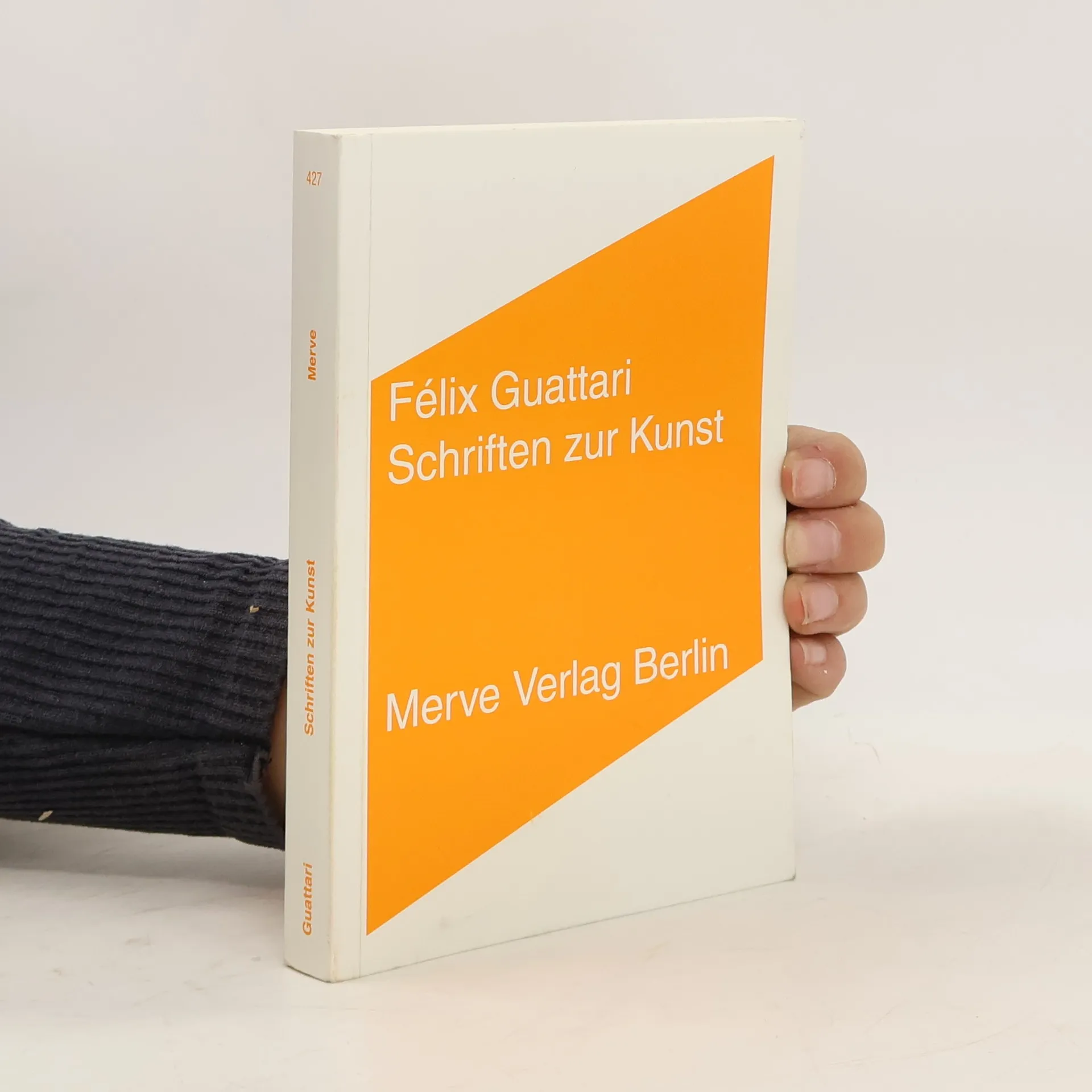
Subjektivität ist das Ergebnis eines Produktionsprozesses, der fortwährend von kollektiven Instanzen getragen Institutionen, Parteien, Medien, Talkshows, Ausstellungen, Psychotherapien...Guattari zufolge kommt der Kunst in diesem Zusammenhang besondere Bedeutung zu. Zwar läuft sie als Institution immer Gefahr, durch die kapitalistische Subjektivität "plattgewalzt" zu werden. Als existenzieller Prozess aber umreißt sie "Zonen des Widerstands" gegen die vorherrschenden Spielarten des Ich-Designs. Das ist der Kern des ästhetischen Die Heterogenesen der Kunst beziehen Stellung gegen die kapitalistische Homogenese.Dieser Band macht erstmals die Fallstudien zugänglich, auf deren Grundlage Guattari seine Sichtweise des künstlerischen Prozesses entwickelt hat. Er enthält alle Aufsätze und Gespräche, in denen er sich mit einzelnen Malern, Bildhauern, Photographen oder Architekten auseinandergesetzt von Gérard Fromanger und Roberto Matta über Balthus bis hin zu Piotr Kowalski und George Condo.
Psychoanalysis and Transversality
- 384 stránek
- 14 hodin čtení
Transversality can be visualized as a fenced field with horses wearing adjustable blinkers, where the adjustment represents the "coefficient of transversality." When the blinkers are fully closed, the horses experience a traumatic encounter, but as they are opened, movement becomes easier. Originally published in French in 1972, this collection features articles by Félix Guattari written between 1955 and 1971, offering insight into his intellectual and political journey leading up to his collaboration with Gilles Deleuze in "Anti-Oedipus: Capitalism and Schizophrenia." Guattari's unique background includes co-founding the La Borde psychiatric clinic in 1953 with psychoanalyst Jean Oury, emphasizing that treating psychotics requires altering the entire institutional context. He viewed "institutional psychotherapy" as a means not only to heal but also to foster a new relationship with the world. A dissident within the French Communist Party and an active participant in the May 1968 student uprising, Guattari recognized the potential for integrating analysis into political groups. He conceptualized these groups as open machines—subject-groups—rejecting hierarchical structures and developing transversally, rhizomatizing through connections with other groups.
Das Periodikum IMAGO wurde mit dem Ziel gegründet, Diskussionen zwischen Kunst, Ästhetik, Psychoanalyse und angrenzenden Disziplinen anzustoßen und zu intensivieren. Das Jahrbuch versammelt interdisziplinär orientierte Beiträge, die sowohl grundsätzliche theoretische Fragen behandeln als auch Deutungen empirischen Materials liefern.Das weitgefächerte Themenspektrum des dritten Bandes reicht von Gewalt und Gelächter in der Literatur des Mittelalters über die Ozeanische Entgrenzung in den Künsten und das Verhältnis von Kunst und Lebenswelt bis zu Fantasie und Wahrnehmung im Spiegel neuer Kino-Technologien.Mit Beiträgen von Barbara Borg, Martin Büchsel, Manfred Clemenz, Markus Dauss, Martin Gessmann, Carola Hilmes, Sebastian Leikert, Marc Ries, Werner Röcke, Kerstin Thomas, Christiane Voss und Hans Zitko
Chaosmose
- 170 stránek
- 6 hodin čtení
In diesem Werk, das sein letztes bleiben sollte, ging es Guattari um die Entstehung des »Neuen«. Aus der psychiatrischen Arbeit wusste er, dass sich neue Subjektivitäten bilden können, wenn Patienten eine Psychose durchleben. Die Axiome des Bestehenden treten hier ebenso außer Kraft wie manchmal im künstlerischen Schaffen. In beiden Fällen sind Veränderungen möglich, die nicht wieder - etwa durch neurotische Vermeidungsstrategien - in die alte Ordnung integriert werden. Guattari entwickelt aus solchen Ausnahmesituationen ein begriffliches Instrumentarium für Veränderungen überhaupt. Auch wenn er es stets vermieden hat, Schizophrenie und Psychose zu ontologisieren oder, wie er selbst sagt, »die Künstler zu den neuen Helden der Revolution zu machen«, ist seine philosophische Radikalität dabei kaum zu überbieten. Guattari weist einen philosophischen Weg in die Welt nach der Postmoderne, nach der Psychoanalyse, nach dem Kalten Krieg hin zu den neuen informationstechnischen Ordnungen, ökosophischen Objekten und variablen Subjektivitäten der Gegenwart.
ドゥルーズ/ガタリの最大の挑戦にして、いまだ読み解かれることのない20世紀最大の思想書、ついに文庫化。リゾーム、抽象機械、ア
The Machinic Unconscious
- 367 stránek
- 13 hodin čtení
An early work that lays the foundation for establishing a polemical dimension to psychoanalysis.
Soft Subversions
- 341 stránek
- 12 hodin čtení
A new, expanded, and reorganized edition of a collection of texts that present a fuller scope to Guattari's thinking from 1977 to 1985.
Chaosophy
- 335 stránek
- 12 hodin čtení
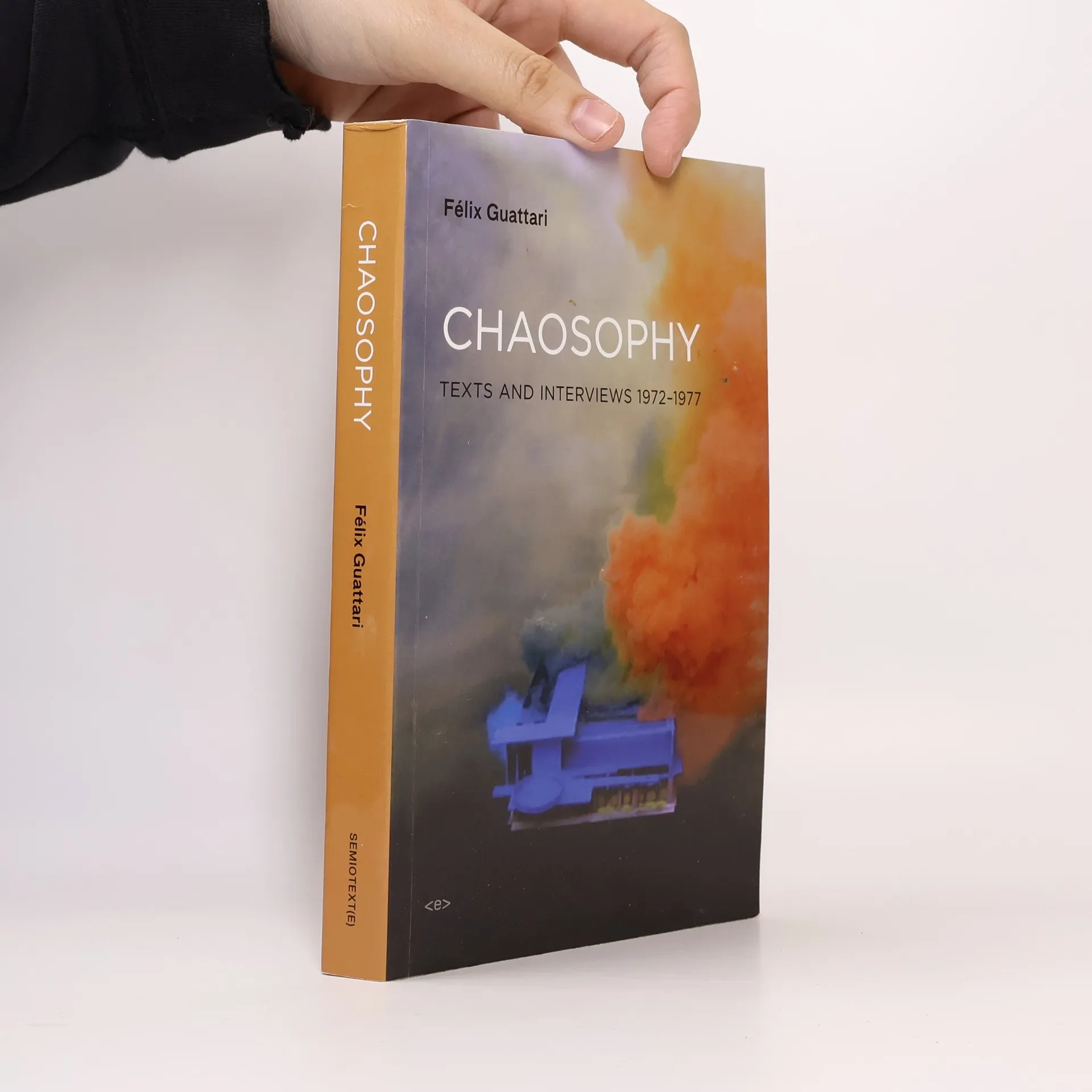
Groundbreaking essays that introduce Guattari's theories of schizo-analysis, in an expanded edition.
Argues that the ecological crises that threaten our planet are the direct result of the expansion of a form of capitalism and that an ecosophical approach must be found which respects the differences between various living systems.
The Anti-OEdipus Papers
- 439 stránek
- 16 hodin čtení
With Anti-Oedipus in 1972, Felix Guattari and Gilles Deleuze instigated one of the most daring intellectual adventures of our time, updating both psychoanalysis and Marxism in light of a more radical and "constructivist" vision of capitalism. Assembled here for the first time, Guattari's notes, addressed to and annotated by Deleuze, reveal an inventive, visionary "conceptor," arguably one of the more enigmatic figures in philosophy and social-political theory today. The Anti-Oedipus Papers (1969-1973) are supplemented by substantial journal entries describing Guattari's turbulent relationship with his teacher Jacques Lacan, apprehensions about Anti-Oedipus and personal accounts of his life
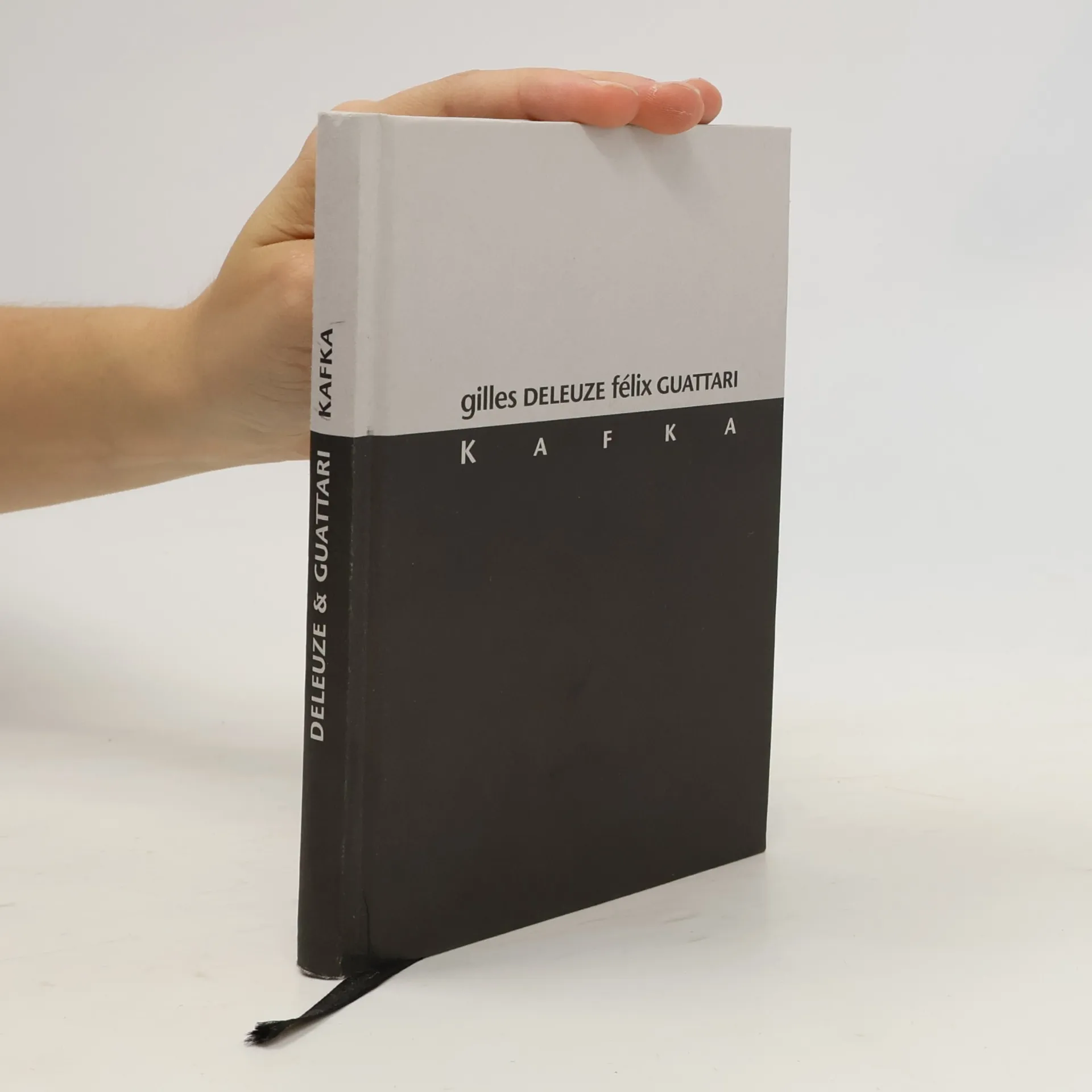
Kniha je druhým společným textem obou autorů, jakousi odbočkou mezi dvěma velkými spisy - AntiOidipem a Tisíci plošinami. Text vznikl na pozadí konceptů rozvinutých v AntiOidipovi (kterého lze s jistým posunem nazvat antipsychoanalytickým traktátem), hlavním tématem je však Kafka sám a problémy imanentní jeho dílu.
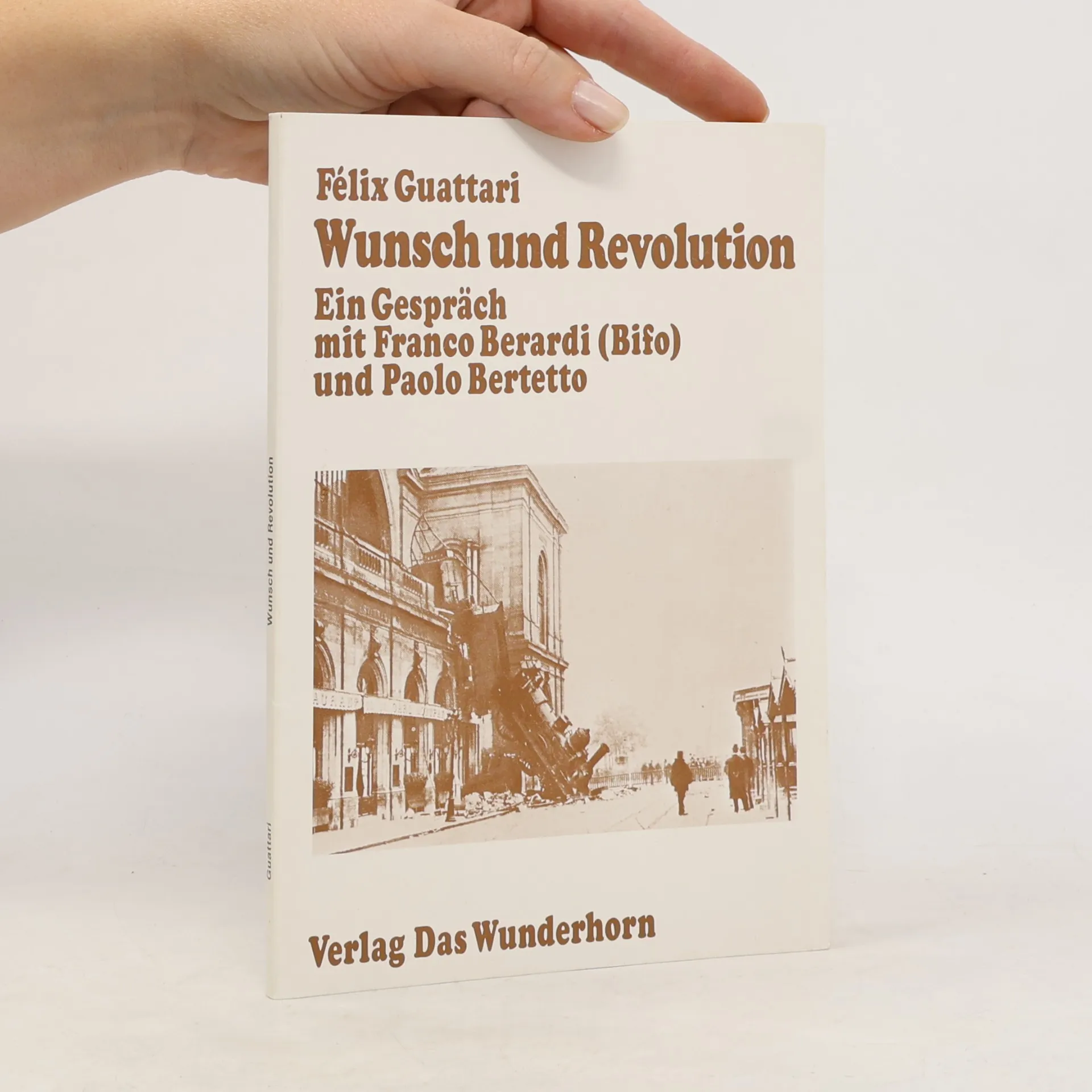
Wunsch und Revolution
Ein Gespräch mit Franco Berardi (Bifo) und Paolo Bertetto
- 89 stránek
- 4 hodiny čtení
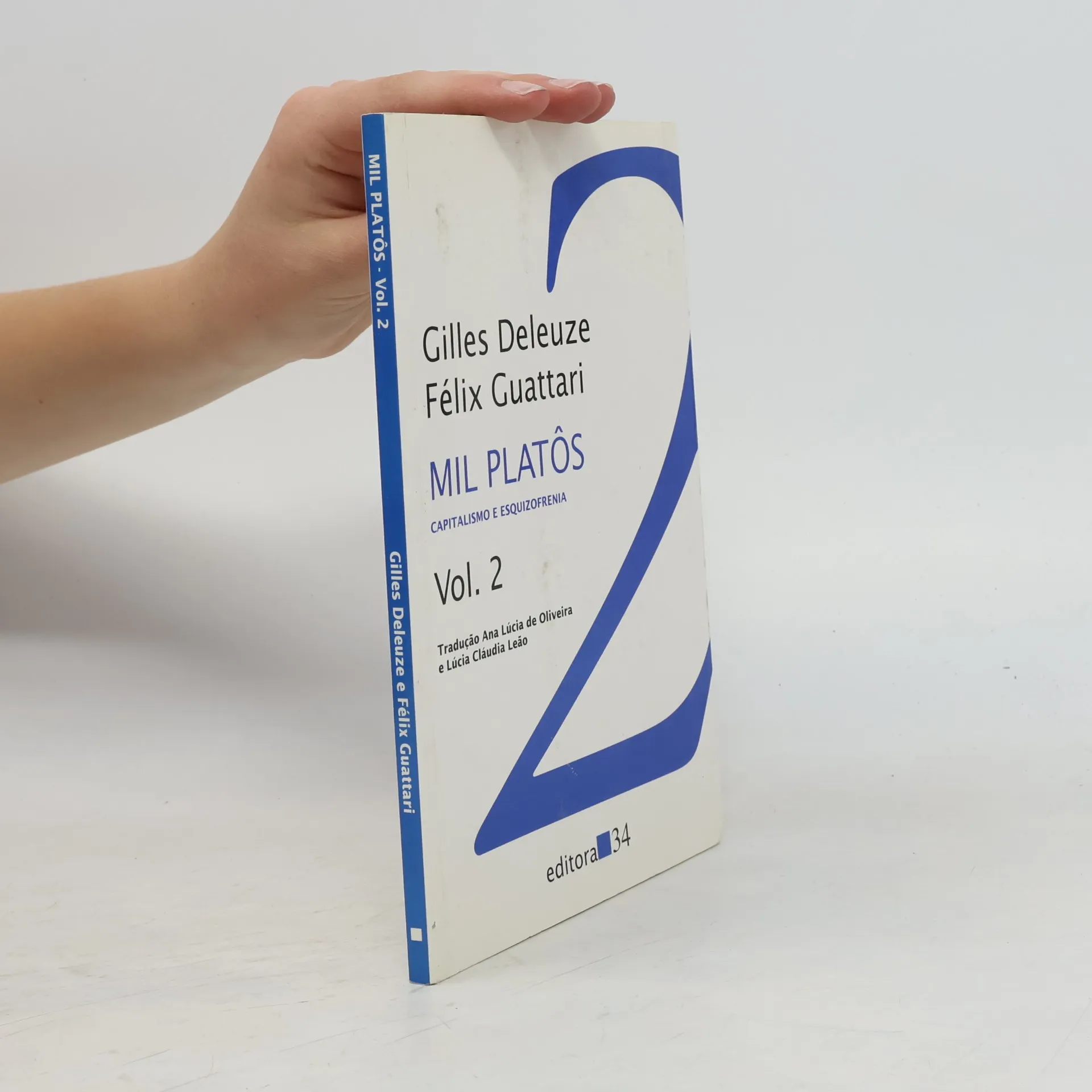
Sequência às teses de O anti-Édipo, contendo todos os componentes de um tratado de filosofia clássica - ontologia, física, lógica, psicologia, moral, política e estética. A obra é organizada em quinze "platôs", que podem ser lidos de forma independente. O volume 2 inclui os platôs 4) 20 de novembro de 1923 - Postulados de linguística; e 5) 587 a.C.-70 d.C. - Sobre alguns regimes de signos. Na presente edição foram acrescentados a indicação das páginas da edição original francesa, índice onomástico, índice das matérias e uma bibliografia de Deleuze e Guattari.
Chaosmosis
- 136 stránek
- 5 hodin čtení
The final work by the author before his death in 1992, Chaosmosis is a radical and challenging work concerned with the reinvention and resingularization of subjectivity. It attempts to embody affective change, the short-circuiting of signification and the proliferation of sense necessary to engage with non-discursive, artistic, poetic and pathic intensities. It includes critical reflections on Lacanian psychoanalysis, structuralism, information theory, postmodernism, and the thought of Heidegger, Bakhtin, Barthes, and others.
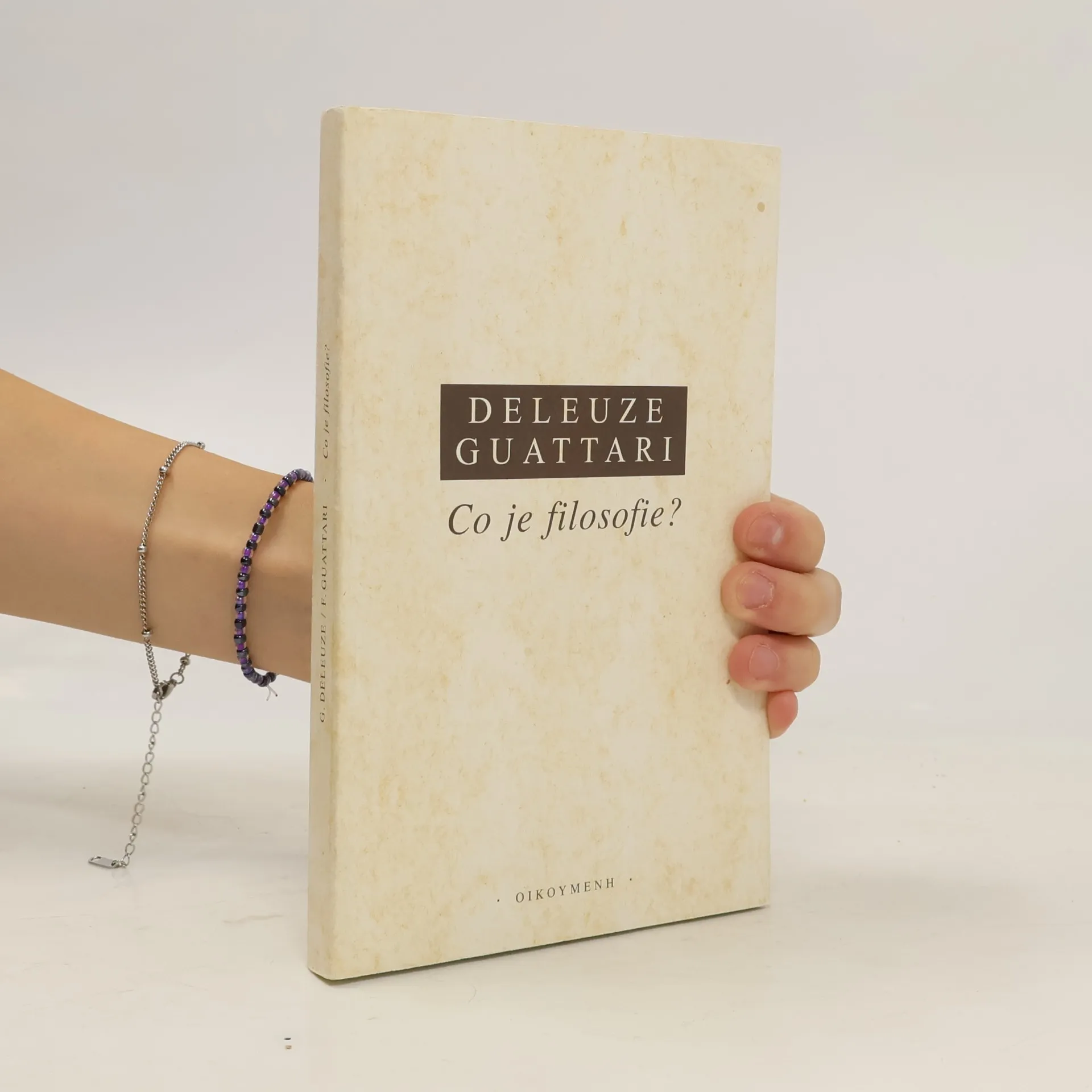
Co je filosofie?
- 191 stránek
- 7 hodin čtení
Jedna z nejpozoruhodnějších knih dvojice francouzských autorů, která novým způsobem vymezuje místo filosofie na konci 20. stol. ve vztahu k vědě a umění. Brilantní ukázka toho, co oba autoři charakterizují jako nomádský či rhizomatický styl myšlení.
Tisíc plošin
- 585 stránek
- 21 hodin čtení
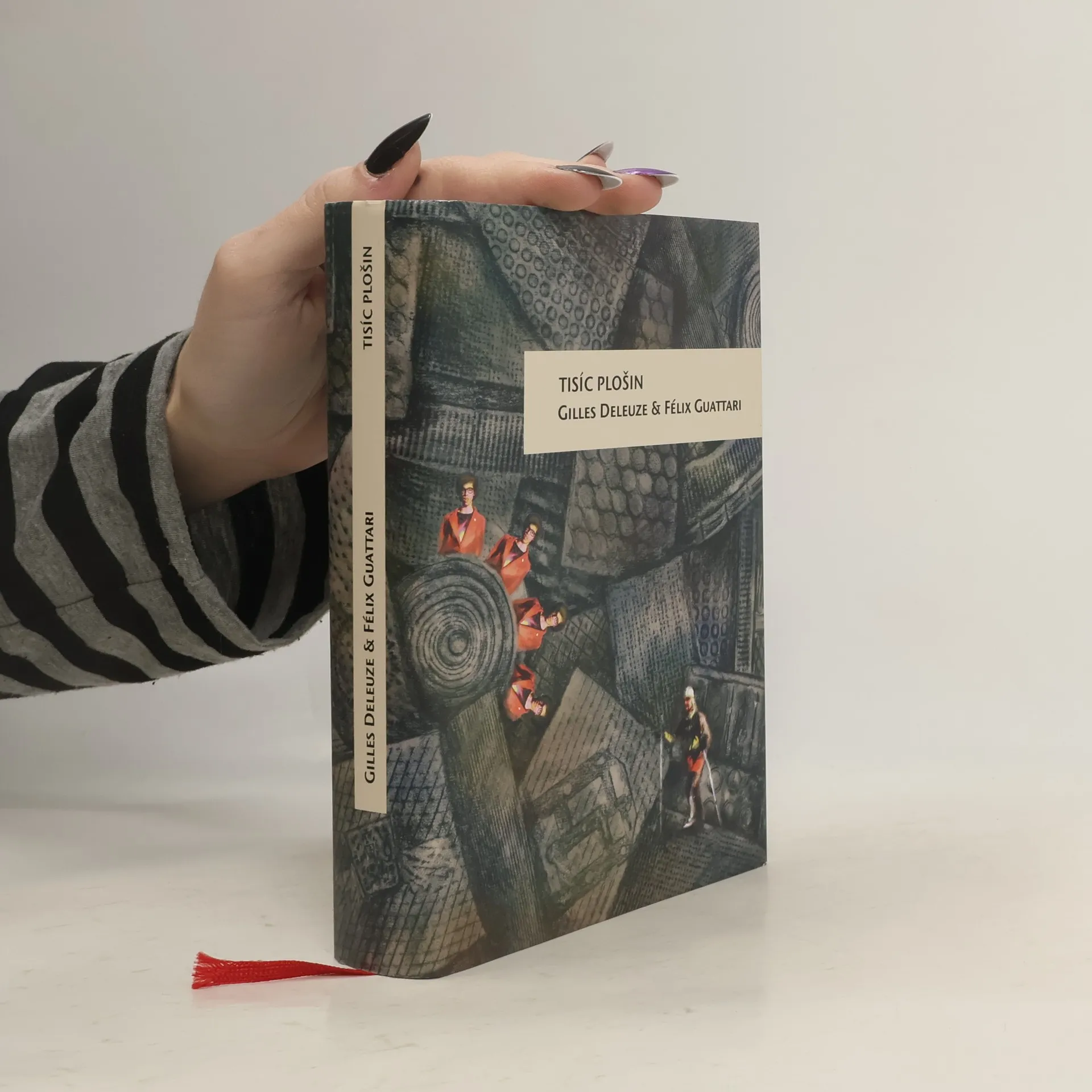
Tisíc plošin je vrcholným dílem autorského týmu Gillesa Deleuze a Félixe Guattariho a zároveň jedním z nejvýznamnějších teoretických textů, které ve dvacátém století vznikly. V této rozsáhlé a převratné knize se autoři vymezují proti celému dominantnímu západnímu způsobu myšlení,a to nejen na rovině obsahu, ale i formy: kniha není členěna do kapitol, nýbrž do "plošin", z nichž každá je vybavena imaginárním datem a kromě poslední z nich je podle slov samotných autorů možné číst je na přeskáčku. Jedním z ústředních motivů je polemika s psychoanalýzou, započatá již v předchozích dílech Deleuze a Guattariho, avšak záběr této jejich knihy je daleko širší, takže Tisíc plošin osloví nejen filosofy, ale i teoretiky umění, literární vědce, muzikology i politology. Právě zde totiž autoři formulují své nejslavnější pojmy, jako je stávání se, ritornel, rhizom nebo tělo bez orgánů.
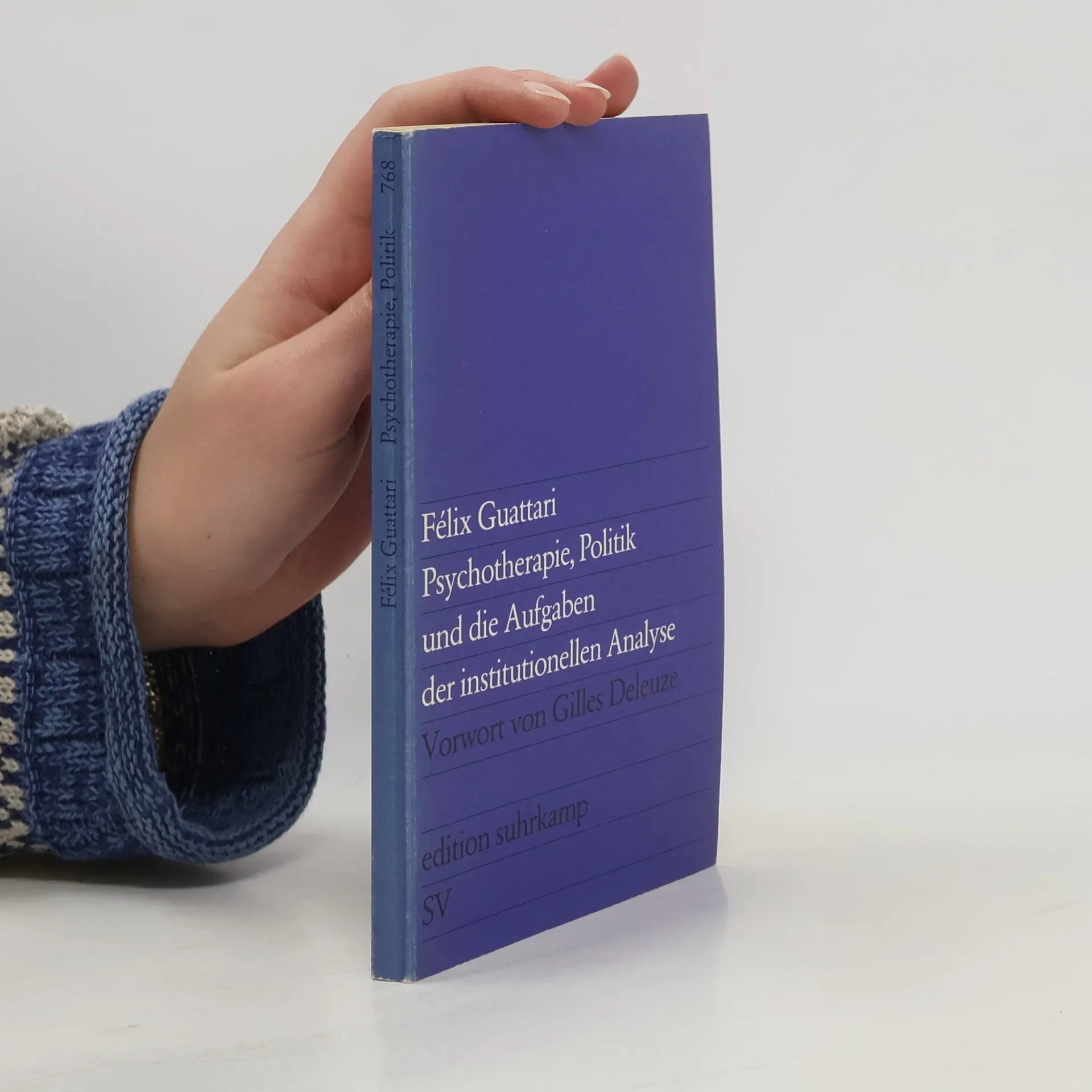
Psychotherapie, Politik und die Aufgaben der institutionellen Analyse
- 176 stránek
- 7 hodin čtení
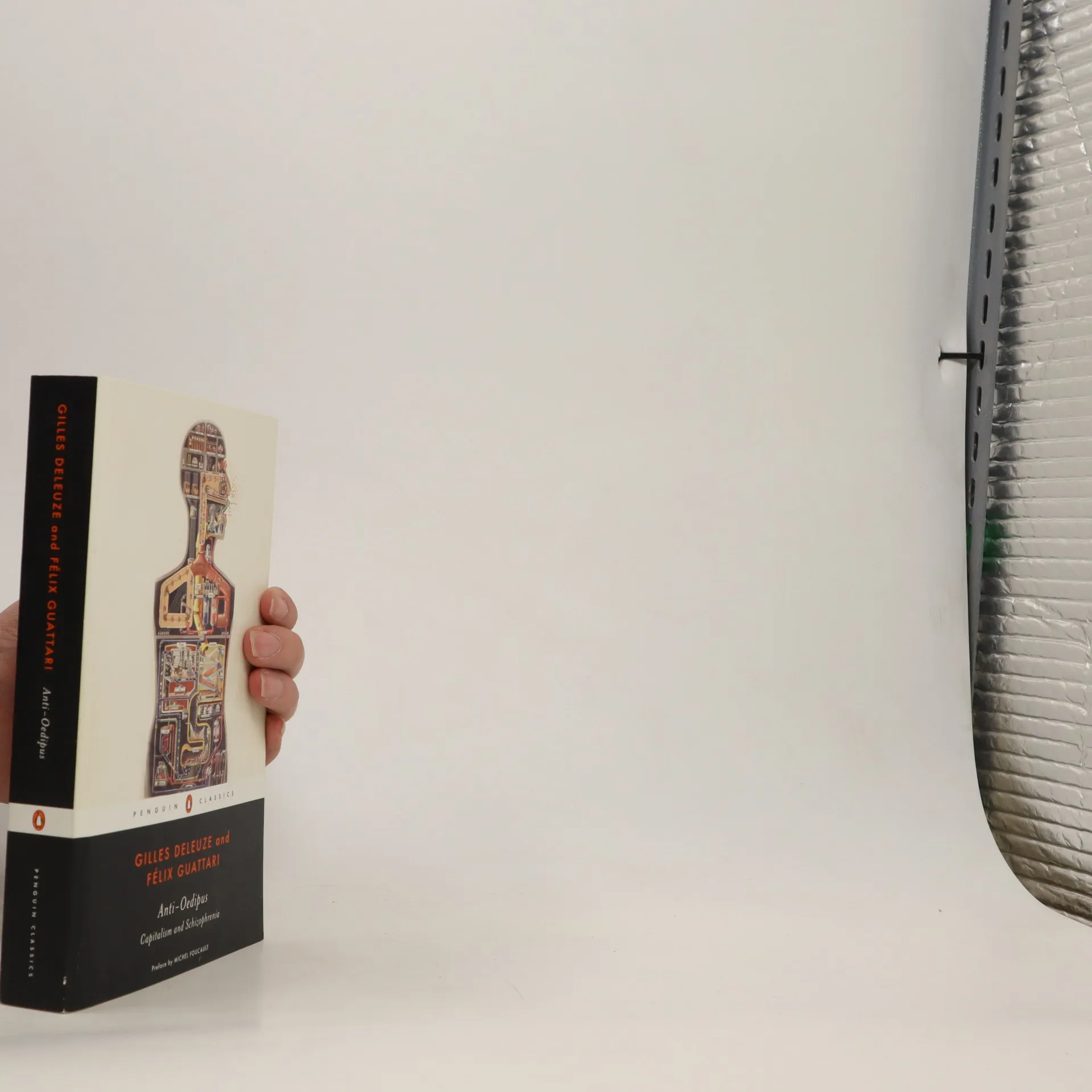
Anti-Oedipus : capitalism and schizophrenia
- 432 stránek
- 16 hodin čtení
An "introduction to the nonfascist life" (Michel Foucault, from the Preface) When it first appeared in France, Anti-Oedipus was hailed as a masterpiece by some and "a work of heretical madness" by others. In it, Gilles Deleuze and Félix Guattari set forth the following theory: Western society's innate herd instinct has allowed the government, the media, and even the principles of economics to take advantage of each person's unwillingness to be cut off from the group. What's more, those who suffer from mental disorders may not be insane, but could be individuals in the purest sense, because they are by nature isolated from society. More than twenty-five years after its original publication, Anti-Oedipus still stands as a controversial contribution to a much-needed dialogue on the nature of free thinking.