Bachelardovo dílo zkoumající poetiku živlů a samotného prostoru nachází završení v této knize, jež se věnuje fenomenologii snění a jeho obrazů.
Gaston Bachelard Knihy
27. červen 1884 – 16. říjen 1962
Gaston Bachelard byl francouzský filozof, který se vypracoval na jedny z nejprestižnějších pozic ve francouzské akademii. Jeho nejdůležitější díla se zabývají poetikou a filozofií vědy. Do filozofie vědy zavedl pojmy epistemologická překážka a epistemologický zlom. Jeho myšlenky ovlivnily mnoho následujících francouzských filozofů, včetně Michela Foucaulta a Louise Althussera.


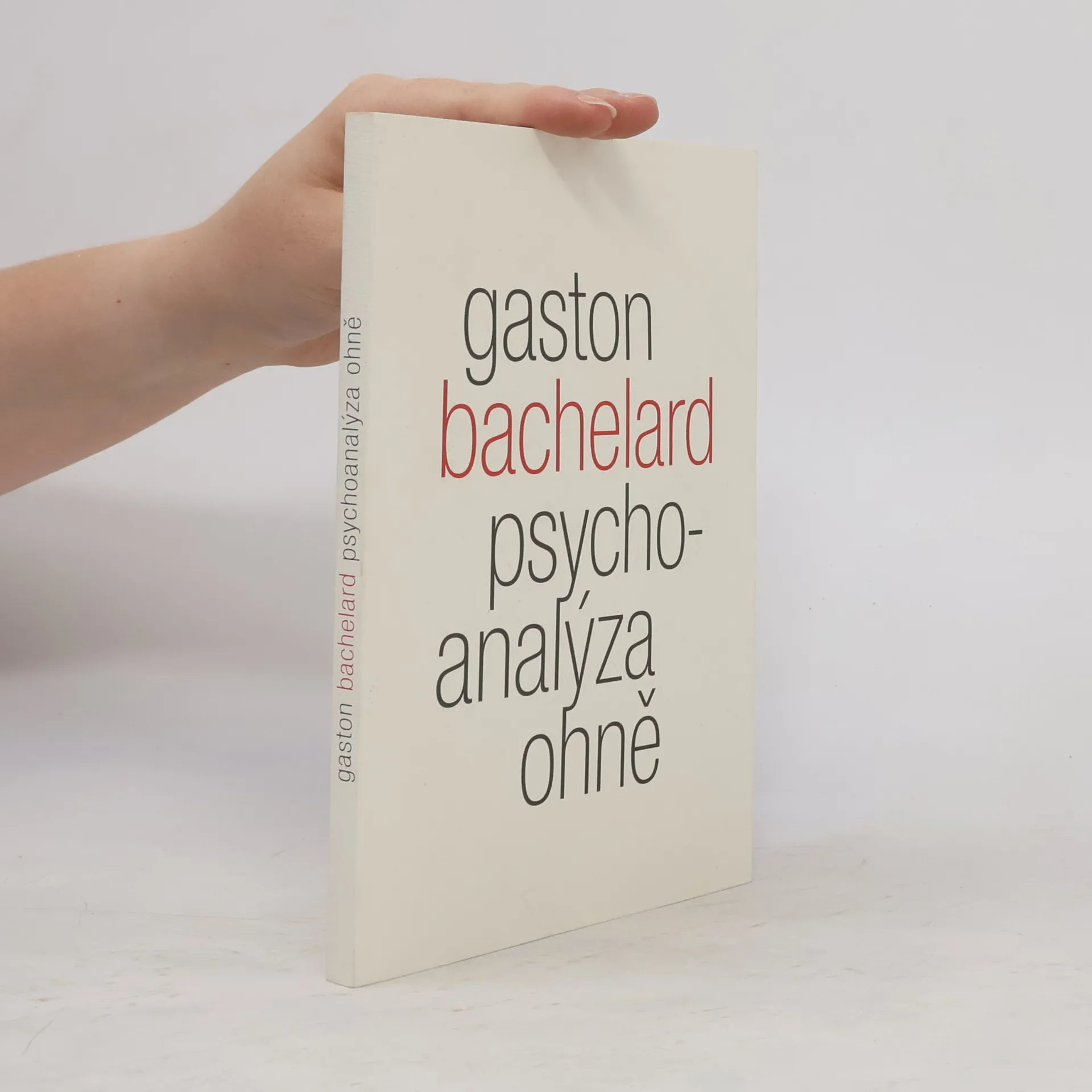

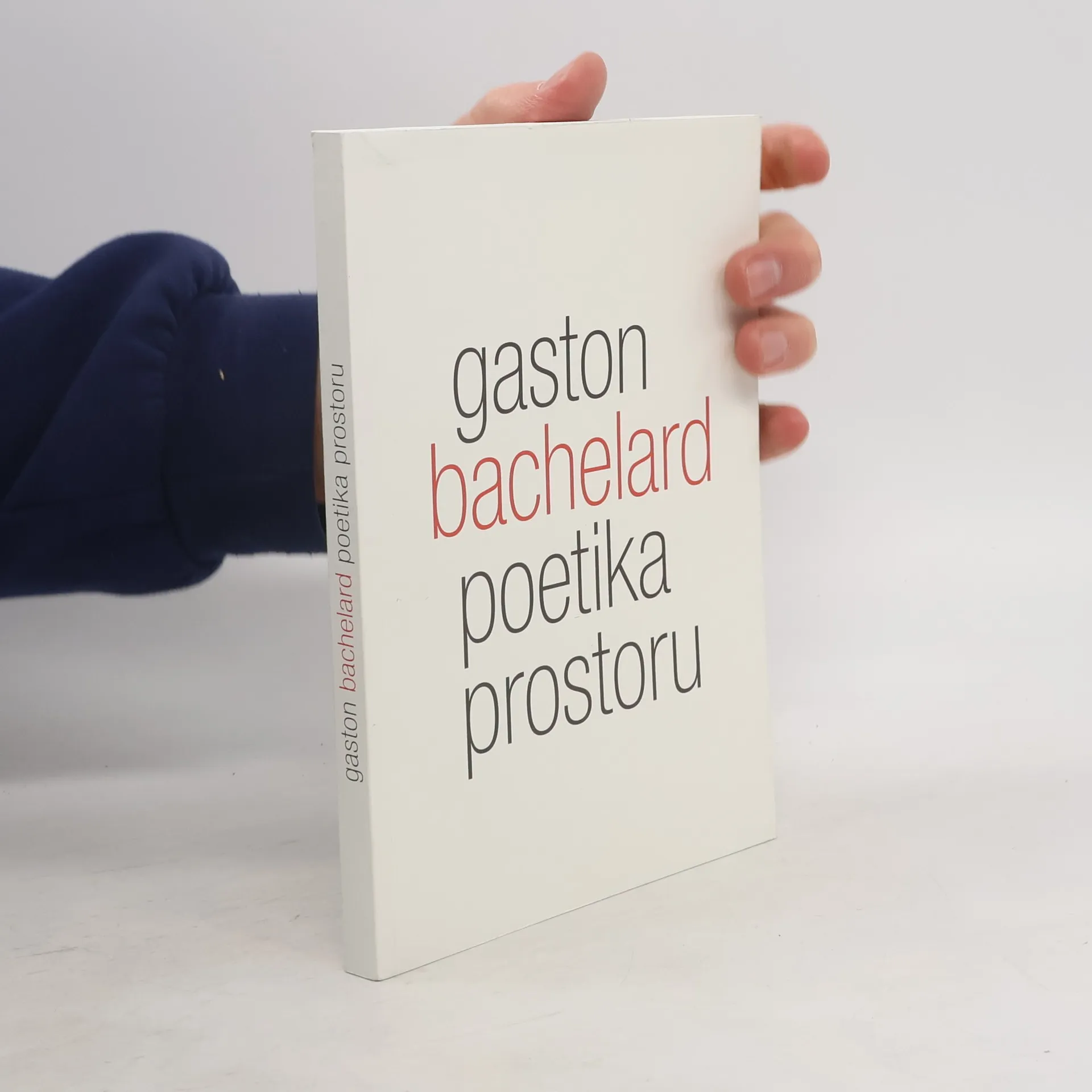
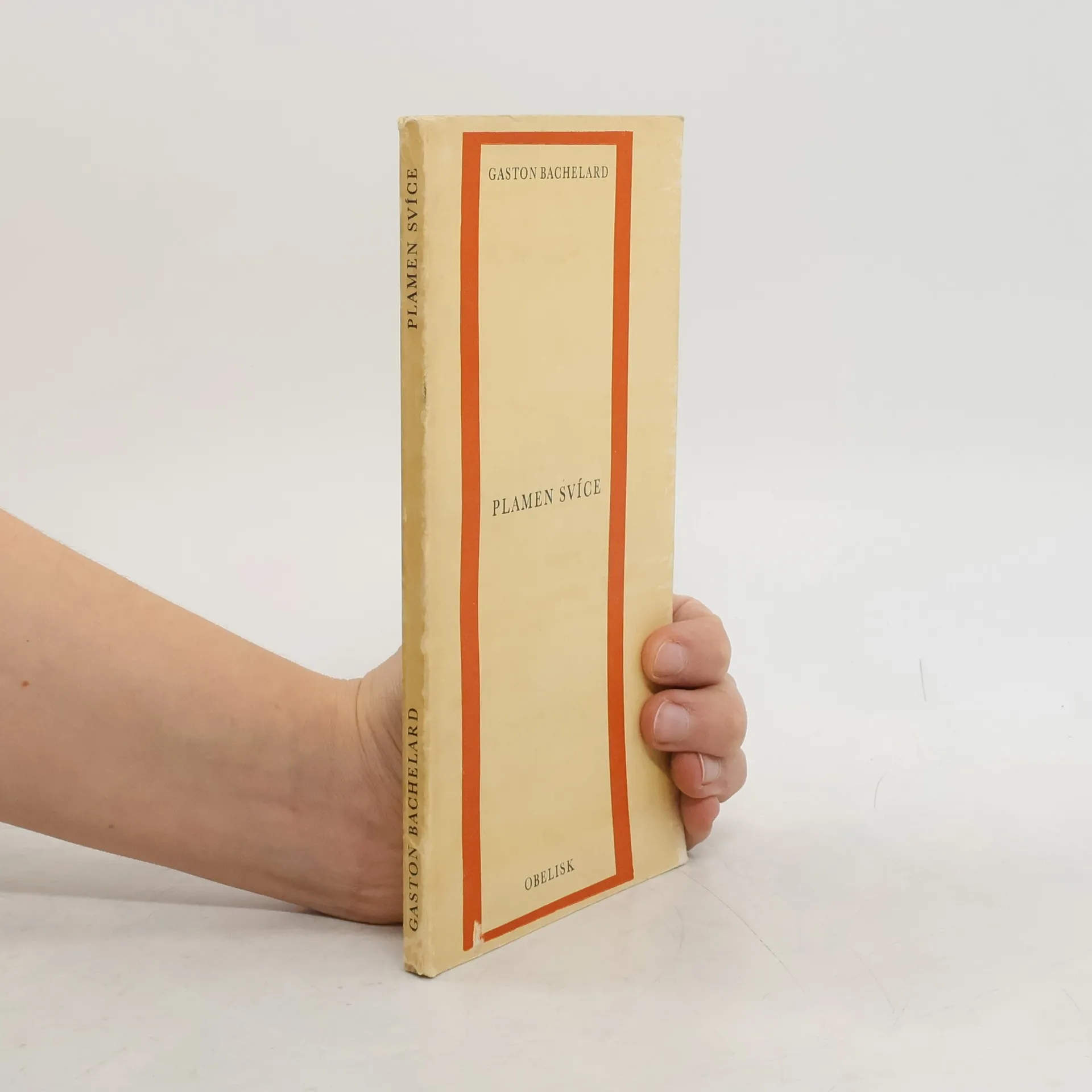
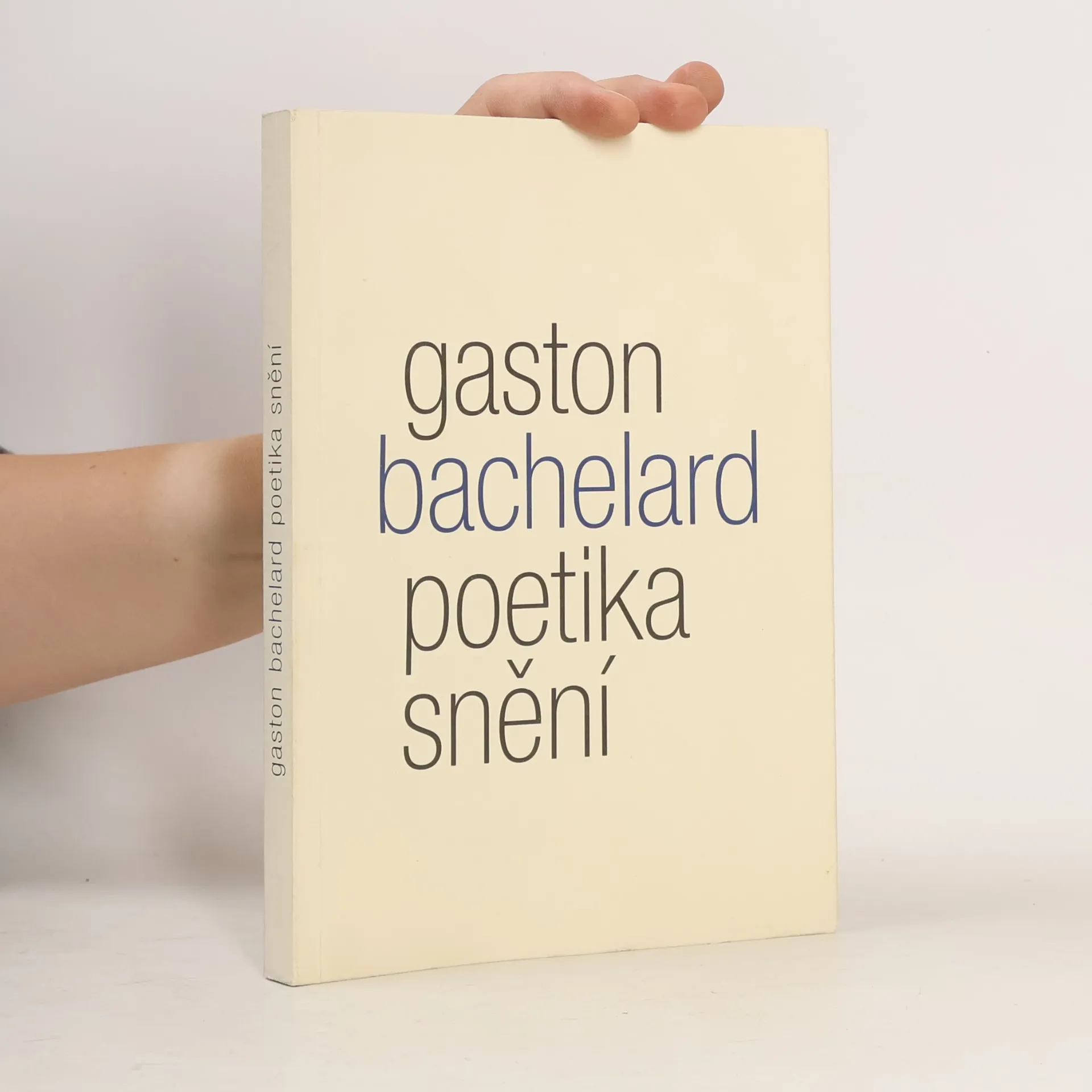
První český knižní překlad z díla velmi pozoruhodného francouzského filosofa 20. století náleží k sérii prací, v nichž Bachelard sonduje podstatné zdroje lidské imaginace. V této studii si pro svou "konkrétní estetiku" zvolil intimní plameny svíce a lampy, aby sledoval v linii snění jejichpoezii a dobral se "půvabů duše". Ukazuje na četných literárních obrazech rozpětí duchovního zážitku při splývání imaginace a paměti, které jsou podněcovány důvěrným zářením malého světla a poodkrývají ontologii osamělého bytí.
Poetika prostoru
- 245 stránek
- 9 hodin čtení
Gaston Bachelard, jeden z nejvýznamnějších francouzských filozofů 20. století, rozvíjí v Poetice prostoru, své nejznámější knize, osobitou fenomenologii básnického obrazu. Navazuje tu na své starší poetiky čtyř živlů, ale zaměřuje se především na intimní prostory – místa, která obýváme, kde nacházíme klid a bezpečí. Od ústředního obrazu knihy, obrazu domu, přechází Bachelardova meditace ke skříňkám, ulitám či koutům a dochází k obrazům, v nichž se niterný prostor stává nekonečným.
Voda a sny: Esej o obraznosti hmoty
- 233 stránek
- 9 hodin čtení
Voda a sny je velký esej, v němž se autor přiznává k vlastním prožitkům, osobním a subjektivním, je to on, kdo sedí u potoka, upadá do hlubokého snění a cítí „dávné štěstí“. Dává přednost obyčejným vodám před vodou moří, nehledá nekonečno, hledá hloubku, chce proniknout ke „kořenům obrazivé síly“. Dezobjektivizace je jeho filosofickým úkolem. Nevidíme-li za objekty hmotu, svět se rozpadá, je nesourodý, cizí člověku, „duše trpí úbytkem materiální obraznosti“. Bachelard objevuje tuto obraznost u básníků, kteří jsou věrní prvotnímu lidskému citu, niterným vzpomínkám, původní realitě. S jistou předností mezi mnoha literárními zjevy studuje dílo E. A. Poea, poznamenané vzpomínkou na umírající matku.
V eseji autor domýšlí řadu podnětů ze své starší práce Formování vědeckého ducha (1934, česky 2018) a zároveň přechází z oblasti vědění k poezii. V osobitém psychoanalytickém výkladu snění u ohně dospívá k nástinu své filosofie básnického obrazu, kterou pak rozvíjí v knize Voda a sny (1941, česky 1997).
Nový vědecký duch a další eseje
- 766 stránek
- 27 hodin čtení
První český výbor z Bachelardových epistemologických prací obsahuje čtyři zásadní Bachelardovy knihy: Nový vědecký duch (1934), Filosofie ne (1940), Aplikovaný racionalismus (1949) a Materiální racionalismus (1953). Ve své epistemologické tvorbě se Bachelard snaží formulovat prostřední pozici mezi extrémy materialismu a idealismu. Tuto pozici označuje jako racionalistickou, oproti uzavřenému karteziánství se má ale jednat o racionalismus otevřený, neustále připravený sebe sama přehodnocovat. Důležitým nástrojem jsou k tomu výdobytky psychoanalýzy, které vědeckému duchu umožňují překonávat epistemologické překážky. V návaznosti na tuto psychoanalýzu začne následně Bachelard rozvíjet druhou stranu svého díla, spisy rozvíjející poetickou imaginaci jako jakýsi protipól komplementární k vědeckému uchopování světa.
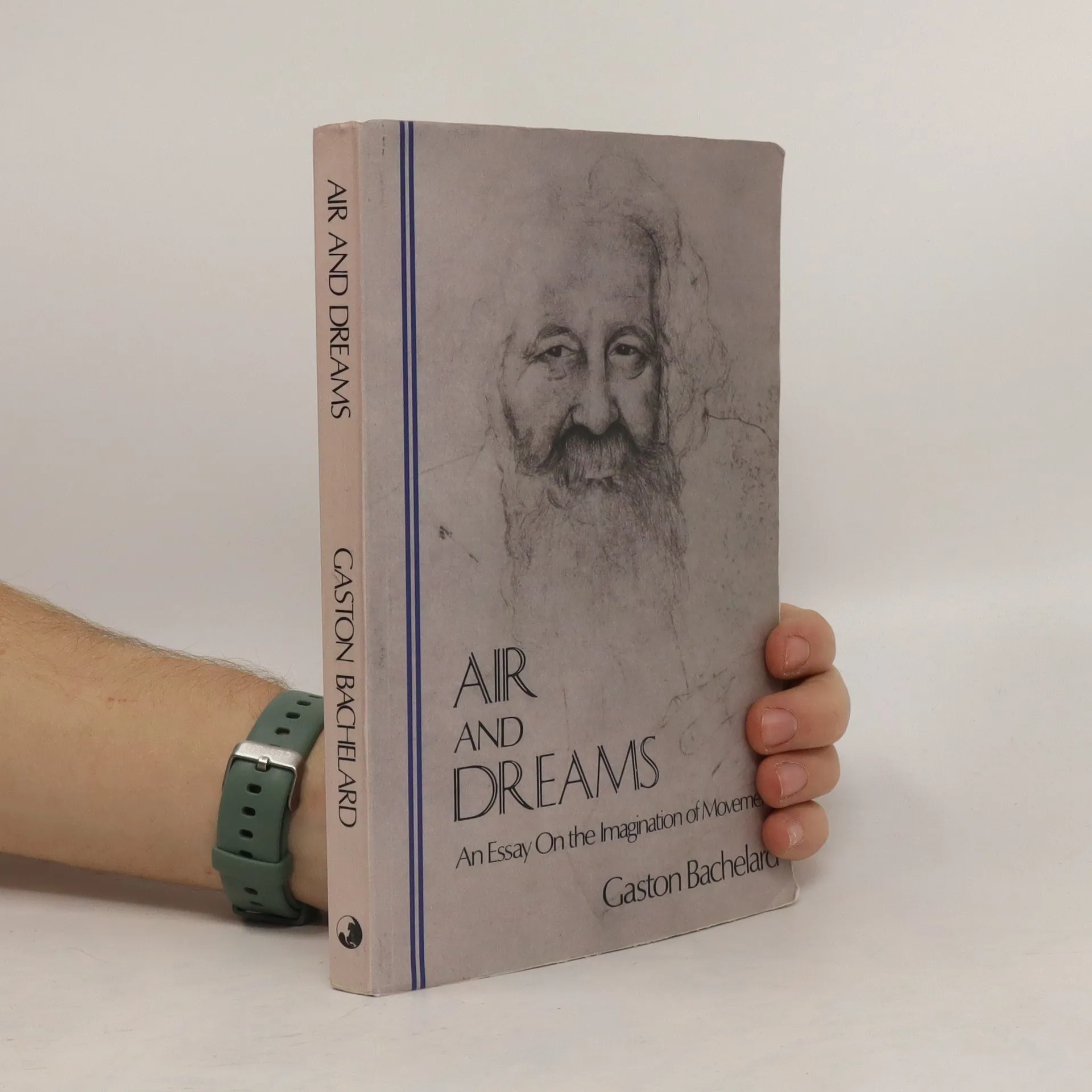
Air and Dreams
- 298 stránek
- 11 hodin čtení
Gaston Bachelard employs his deep understanding of the poetry of figures like Poe, Blake, Shelley, and Nietzsche to enhance the imagery of airy elements in his exploration of the imagination. The translations of Bachelard's works into English were initiated by Joanne H. Stroud in 1981, aiming to bring his insights on imagination to a wider audience. Renowned as a pivotal modern French thinker, Bachelard wrote twenty-three books from 1929 to 1962, focusing on the philosophy of science and the imagination of matter. His influence spans various humanities disciplines, including art, architecture, literature, language, poetics, philosophy, and depth psychology. Bachelard's academic career included positions at the College de Bar-sur-Aube, the University of Dijon, and the Sorbonne, where he held the chair of history and philosophy of science from 1940 to 1962. An amphitheater at the Sorbonne bears his name, a distinction he shares with notable figures like Descartes and Richelieu. In 1961, he received the Grand Prix National Lettres, becoming one of only three philosophers to achieve this prestigious honor. His profound impact continues to resonate across the humanities.
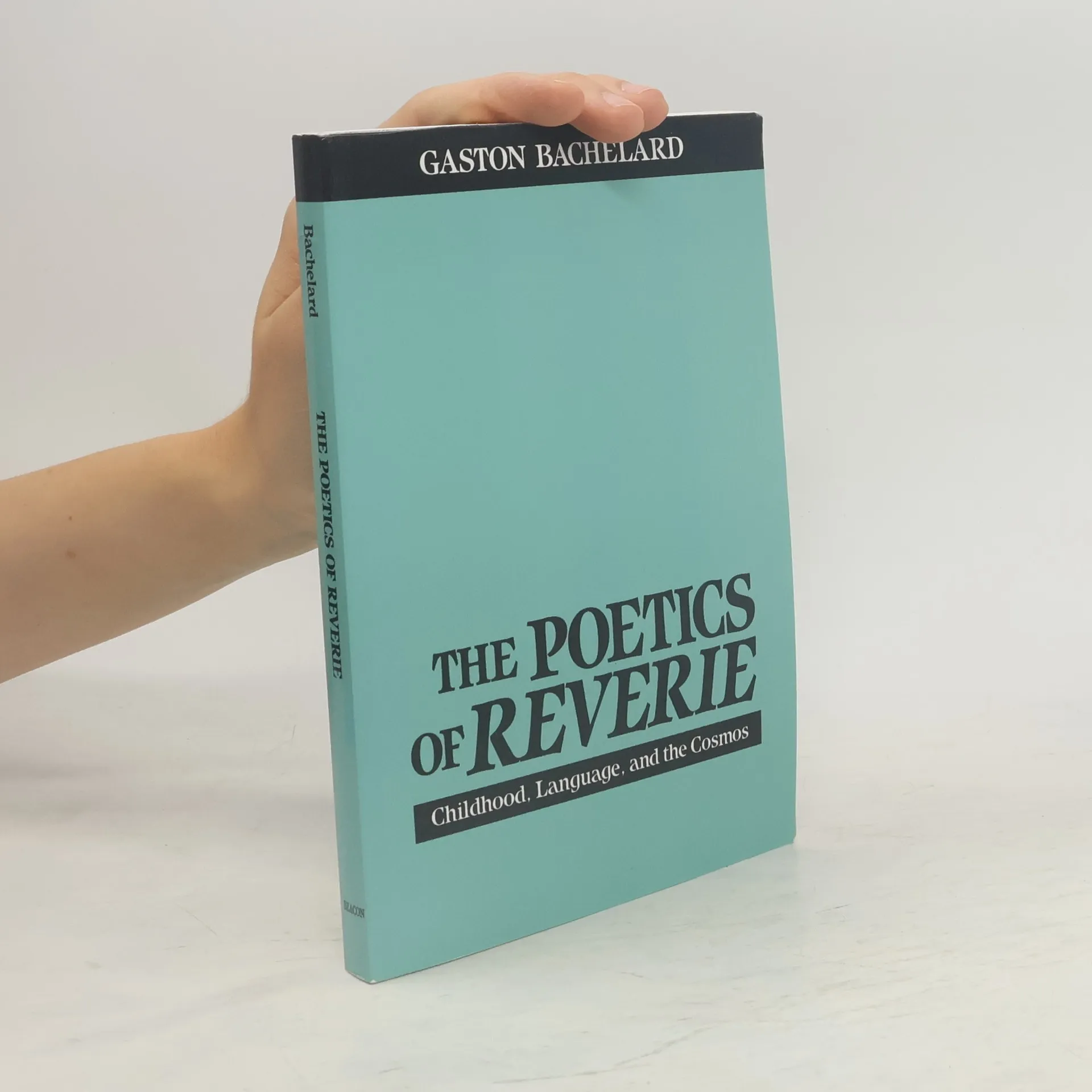
In this, his last significant work, an admired French philosopher provides extraordinary meditations on the relations between the imagining consciousness and the world, positing the notion of reverie as its most dynamic point of reference. In his earlier book, The Poetics of Space, Bachelard considered several kinds of "praiseworthy space" conducive to the flow of poetic imagery. In Poetics of Reverie he considers the absolute origins of that imagery: language, sexuality, childhood, the Cartesian ego, and the universe. Approaching the psychology of wonder from the phenomenological viewpoint, Bachelard demonstrates the aurgentative potential of all that awareness. Thus he distinguishes what is merely a phenomenon of relaxation from the kind of reverie which "poetry puts on the right track, the track of expanding consciousness"
The Dialectic of Duration
- 162 stránek
- 6 hodin čtení
Exploring the nature of time, Gaston Bachelard responds to Henri Bergson's theories by presenting a view of experienced time as fractured and interrupted. This work lays the foundation for Bachelard's innovative philosophy of science, emphasizing the importance of human context and the interplay between rationality and the irrational. Through this lens, he challenges conventional perceptions of the physical world and material events, offering a profound rethinking of scientific philosophy.
The Flame of a Candle
- 110 stránek
- 4 hodiny čtení
Set in a world of intrigue and passion, the narrative unfolds around the complexities of human relationships and the struggles of self-identity. Through the lens of its characters, the story explores themes of love, betrayal, and the quest for understanding amidst societal expectations. The emotional depth and vivid imagery create a captivating atmosphere that draws readers into the characters' journeys, making it a poignant reflection on the fragility of life and the enduring power of hope.
Intuition of the Instant
- 98 stránek
- 4 hodiny čtení
The instant -- The problem of habit and discontinuous time -- The idea of progress and the intuition of discontinuous time -- Conclusion -- Appendix A: "Poetic instant and metaphysical instant" by Gaston Bachelard -- Appendix B: Reading Bachelard reading Siloe: an excerpt from "Introduction to Bachelard's poetics" by Jean Lescure -- Appendix C: A short biography of Gaston Bachelard
On Poetic Imagination and Reverie
- 162 stránek
- 6 hodin čtení
Passages from Bachelard's major works are introduced here in excerpts selected by Colette Gaudin, a professor of French literature at Dartmouth College and an authority on Bachelard
Exploring the intersection of metaphysics and modern atomistic science, this English translation of Bachelard's sixth book delves into the philosophical underpinnings that shape contemporary scientific thought. The author aims to construct a framework that reconciles the complexities of modern science with deeper metaphysical concepts, offering readers a unique perspective on the nature of reality and knowledge.
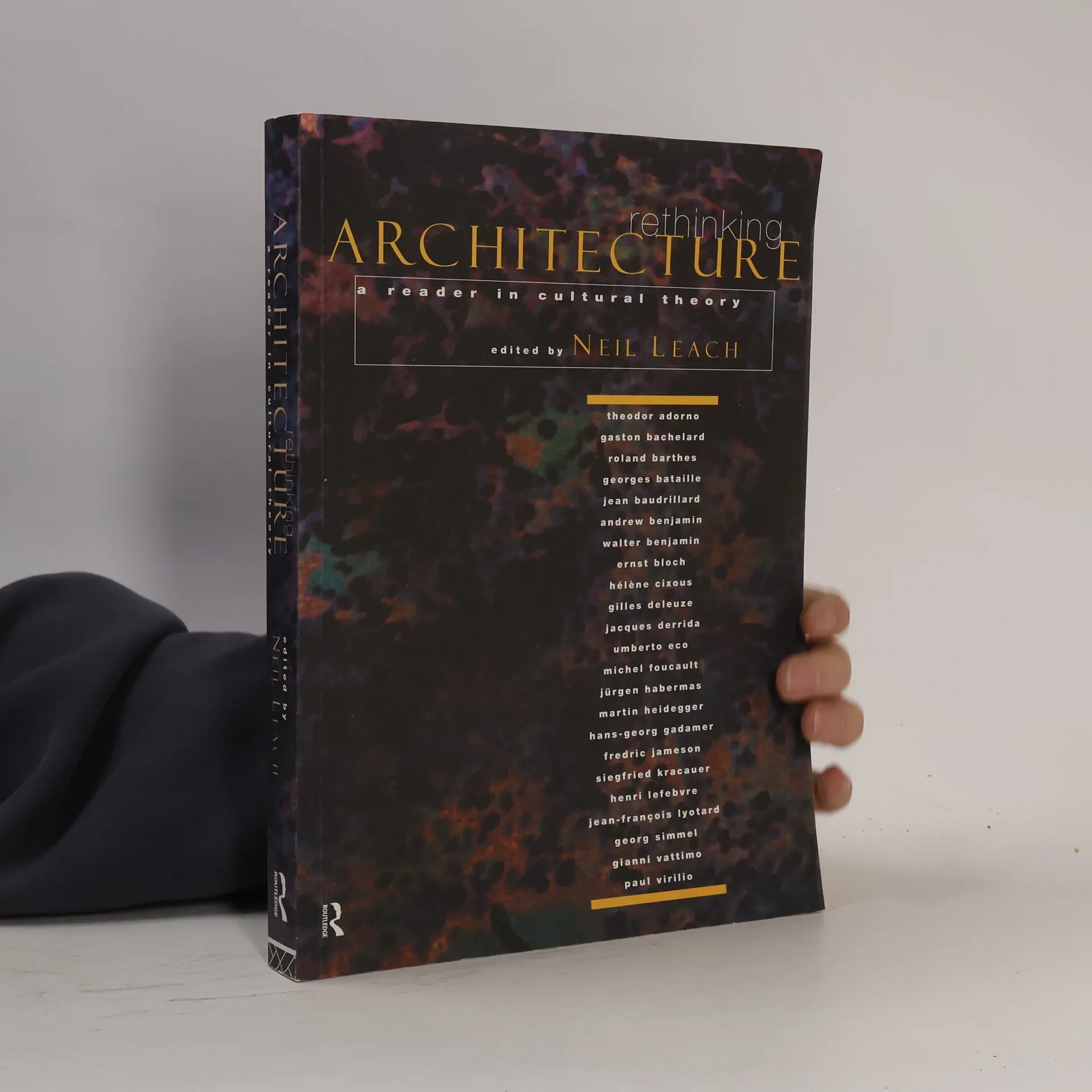
The collection features essential writings from influential philosophers and cultural theorists of the twentieth century, exploring the foundational ideas that have shaped urban environments and architectural experiences. It delves into the theoretical frameworks that underpin contemporary architecture, offering insights into the cultural and philosophical contexts that inform our understanding of space and design. This compilation serves as a critical resource for those interested in the intersection of architecture, philosophy, and urban theory.
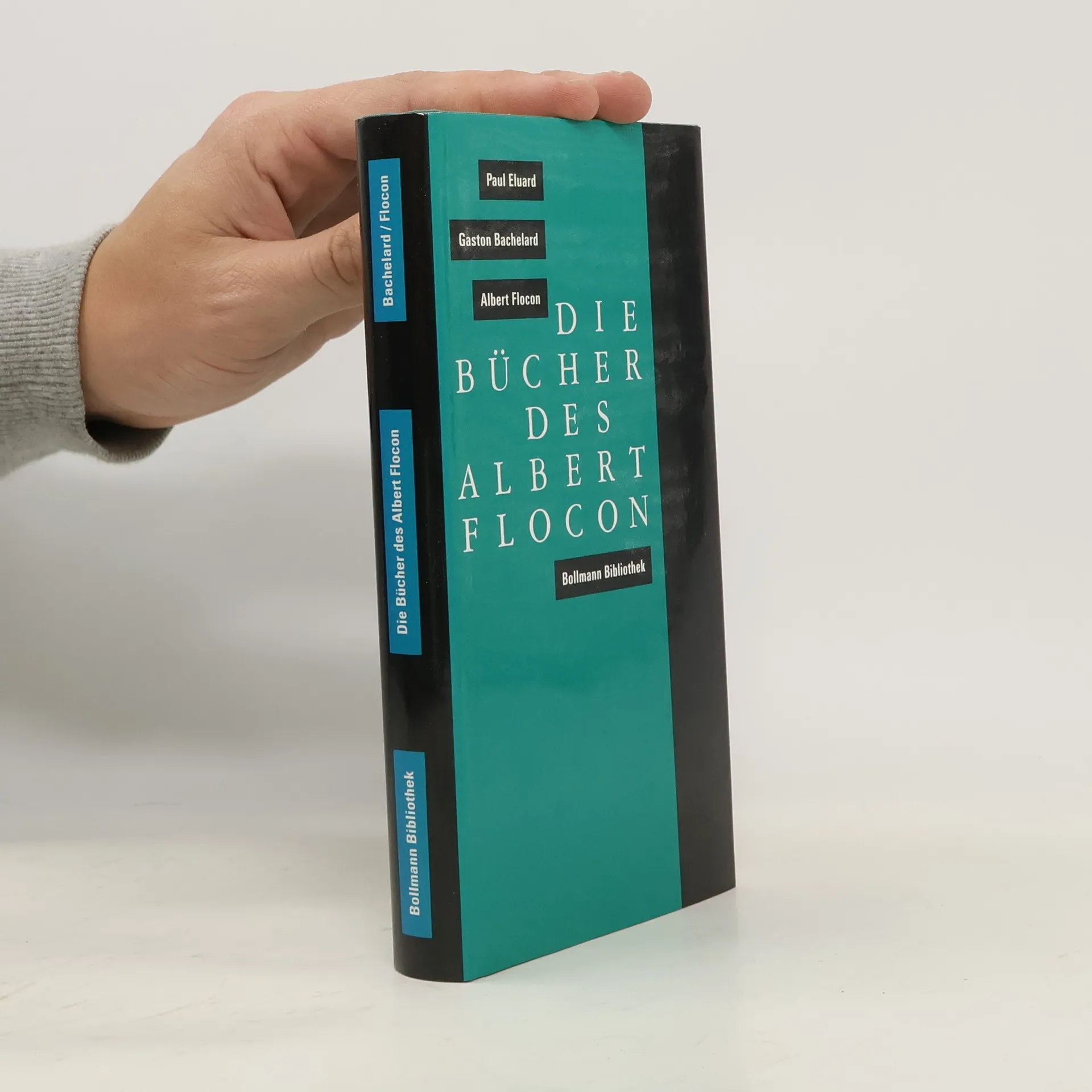
Die Bücher des Albert Flocon
- 236 stránek
- 9 hodin čtení
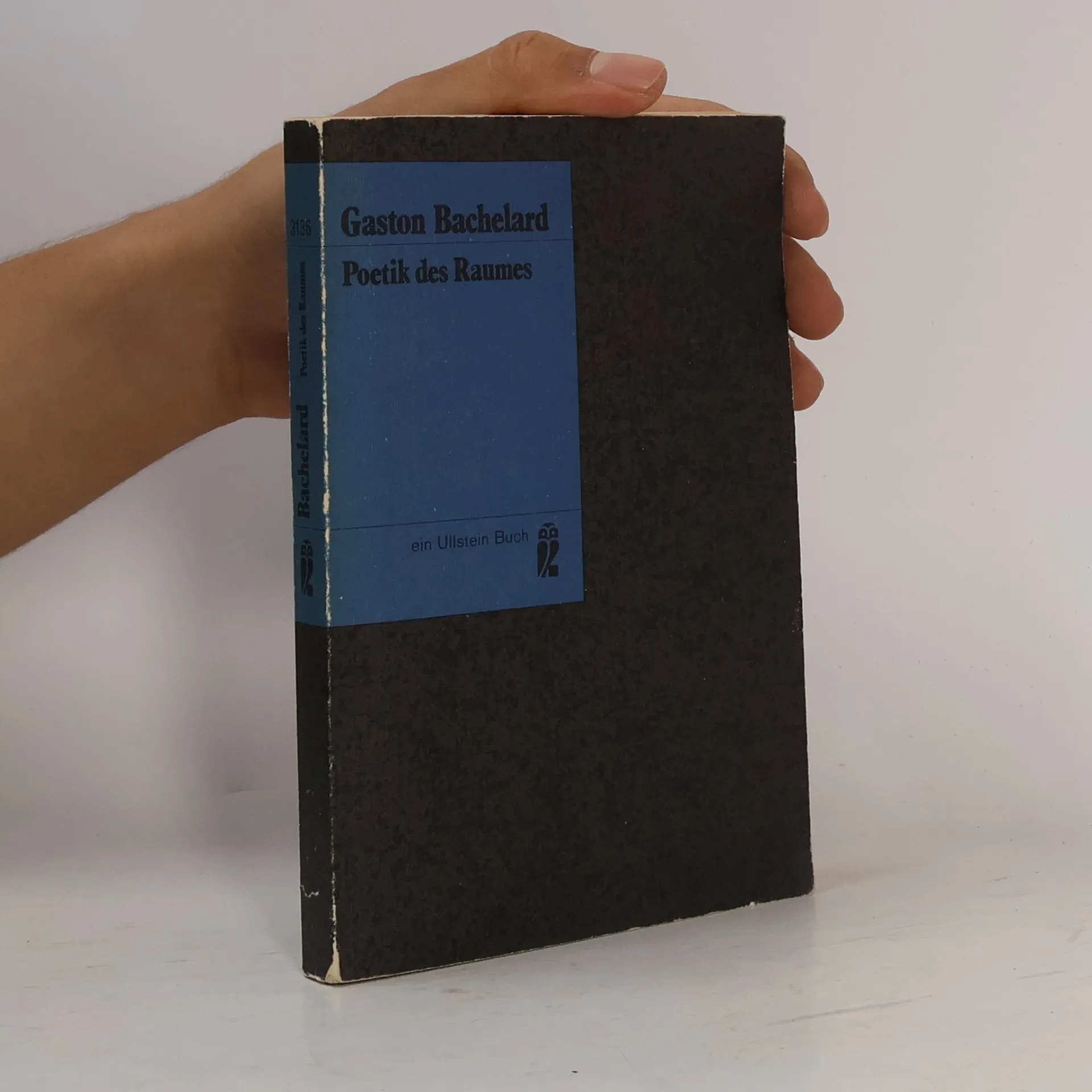
Poetik des Raumes
- 284 stránek
- 10 hodin čtení
Bachelards Interesse gilt den einfachen poetischen Bildern, die den Leser eines Gedichts oder eines Romans beunruhigen, ihn nicht mehr loslassen, »in ihm Wurzeln schlagen«. Woher rührt diese Macht des Bildes? Die Psychoanalyse hat - z. B. mittels der Traumdeutung - versucht, das Bild intellektuell aufzulösen und auf einen verborgenen Wunsch zurückzuführen. »Der Analytiker erklärt die Blume aus dem Dünger«, hält Bachelard dem entgegen; seiner Auffassung nach ist das poetische Bild etwas absolut Ursprüngliches, die Einbildungskraft daher eines der tiefsten menschlichen Vermögen. Um diese These zu untermauern, untersucht Bachelard einfache, zumeist positiv besetzte Bilder des Raumes, die in den Dichtungen aller Sprachen häufig wiederkehren. Zunächst Bilder intimer Räumlichkeit: das Haus, der Schlupfwinkel, die Höhle; sodann die »Häuser der Dinge«: Schubladen, Truhen, Nester und Muscheln; schließlich der Gegensatz von Drinnen und Draußen und das Bild der Rundheit. In unakademischer, selbst wiederum bildhafter Sprache begründet damit Bachelard ein Verfahren vergleichender Literaturwissenschaft, das prinzipiell von jedem Leser nachvollziehbar ist: eine Theorie des »Widerhalls« von Literatur im Geiste des Lesers.
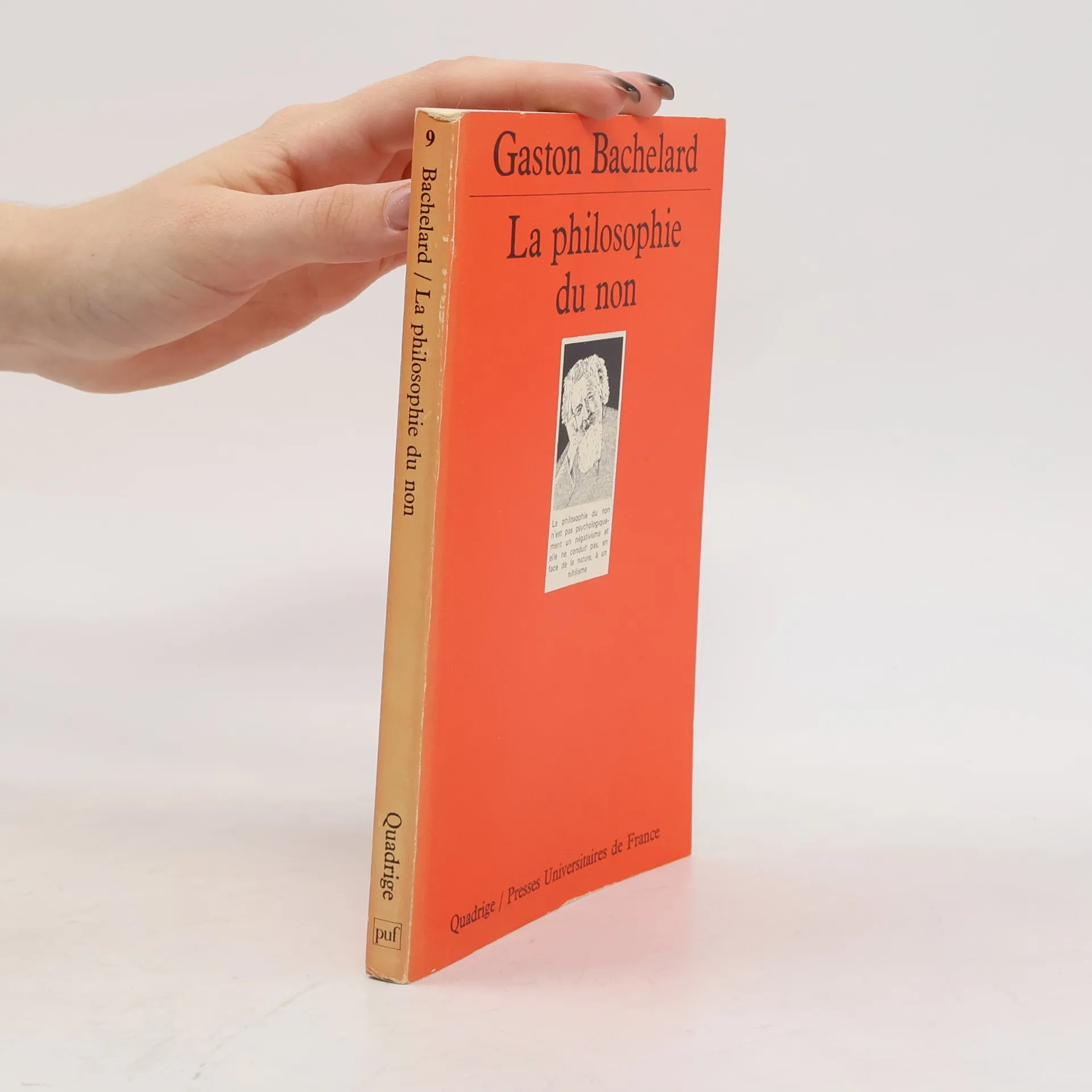
Philosophie du non (la)
essai d'une philosophie du nouvel esprit scientifique
- 160 stránek
- 6 hodin čtení
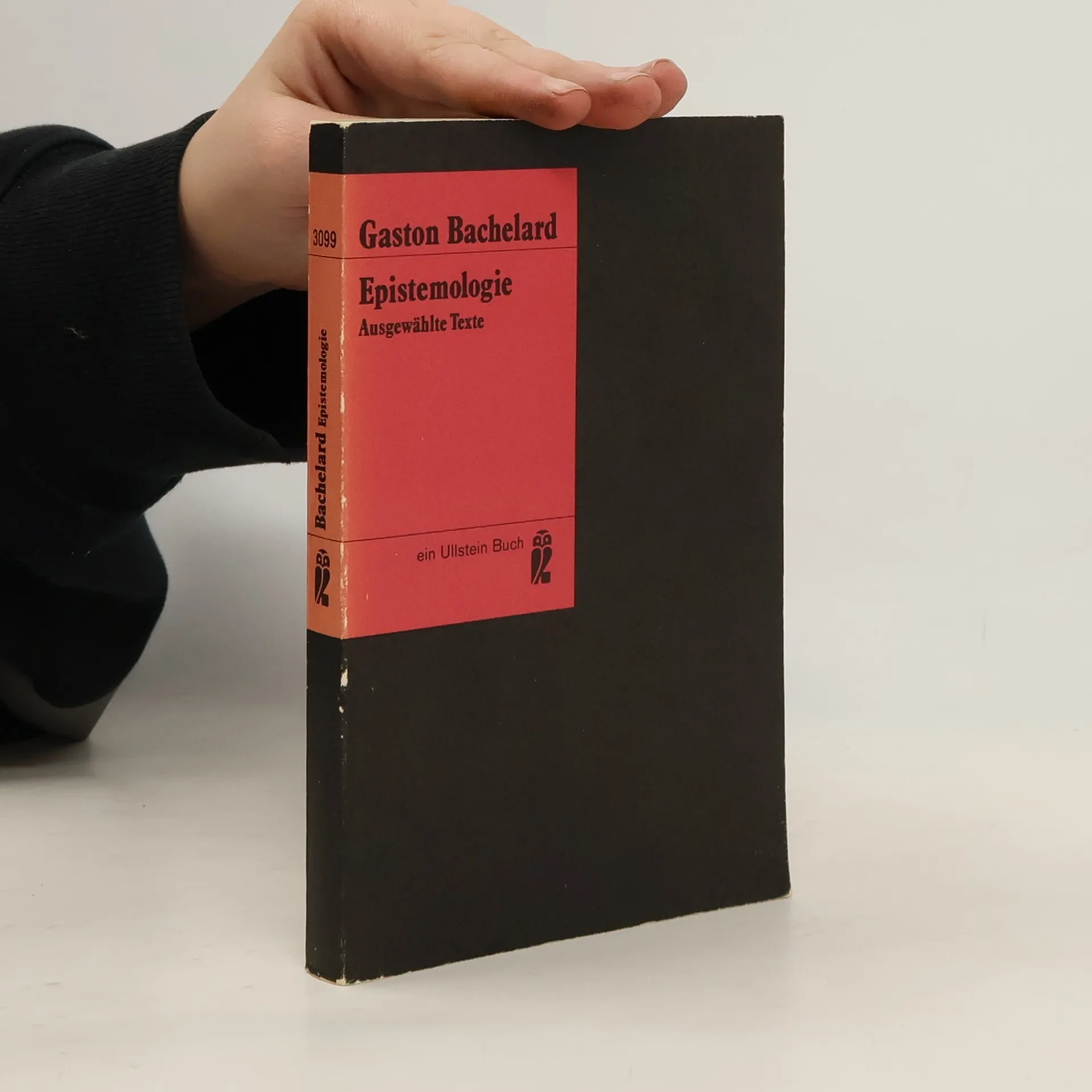
Epistemologie
- 228 stránek
- 8 hodin čtení
Ausgewählte Texte von Gaston Bachelard, die von Dominique Lecourt zusammengestellt wurden, bieten einen Zugang zu einer epistemologischen Geschichte der Wissenschaften. Diese Texte sind so ausgewählt und organisiert, dass sie einen einfachen Zugang zu einer Epistemologie ermöglichen, die die Schwierigkeit als das charakteristische Merkmal wissenschaftlicher und philosophischer Arbeit betrachtet, ohne jedoch den Anspruch zu erheben, ein systematisches Bild der Epistemologie nach Bachelard zu vermitteln. Es ist eine Einführung in eine epistemologische Geschichte der Wissenschaften.
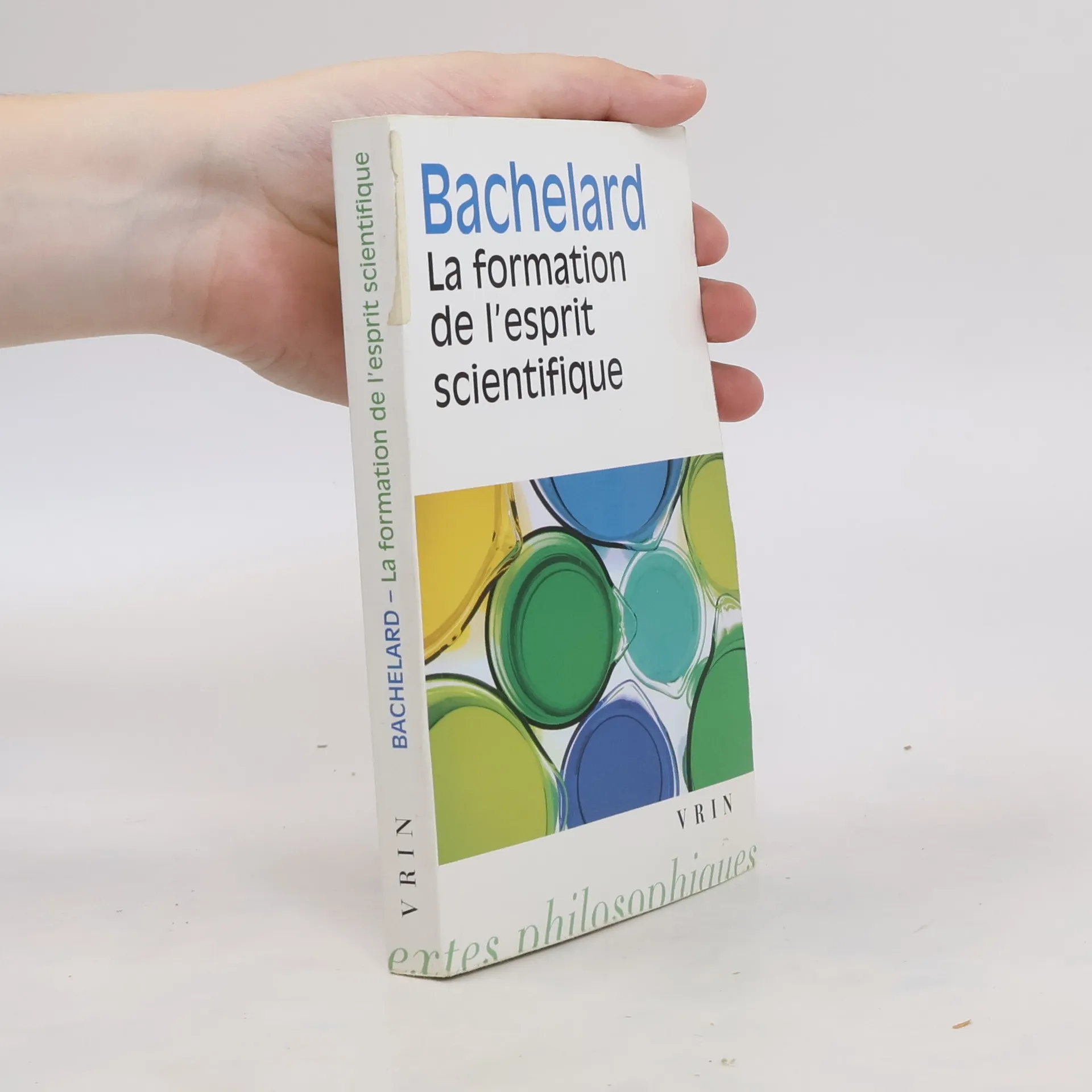
La formation de l'esprit scientifique
contribution à une psychanalyse de la connaissance
- 308 stránek
- 11 hodin čtení
Utilisant les concepts psychanalytiques, l'auteur montre comment, dans la science, le language constitue le véhicule privilégié de l'anthropomorphisme et comment les projections affectives constituent autant d'obstacles épistémiologiques à son développement.
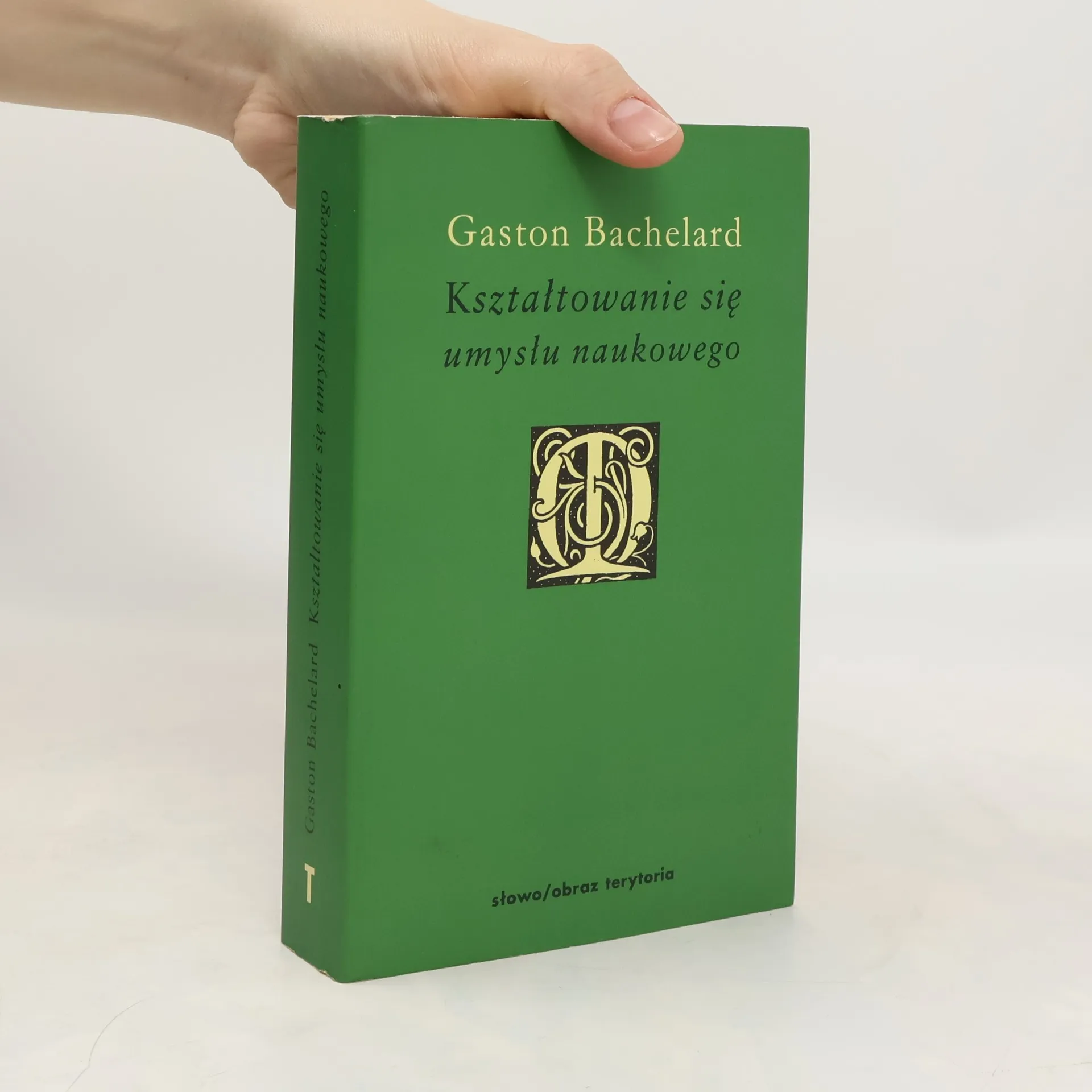
Kształtowanie się umysłu naukowego
przyczynek do psychoanalizy wiedzy obiektywnej
- 400 stránek
- 14 hodin čtení
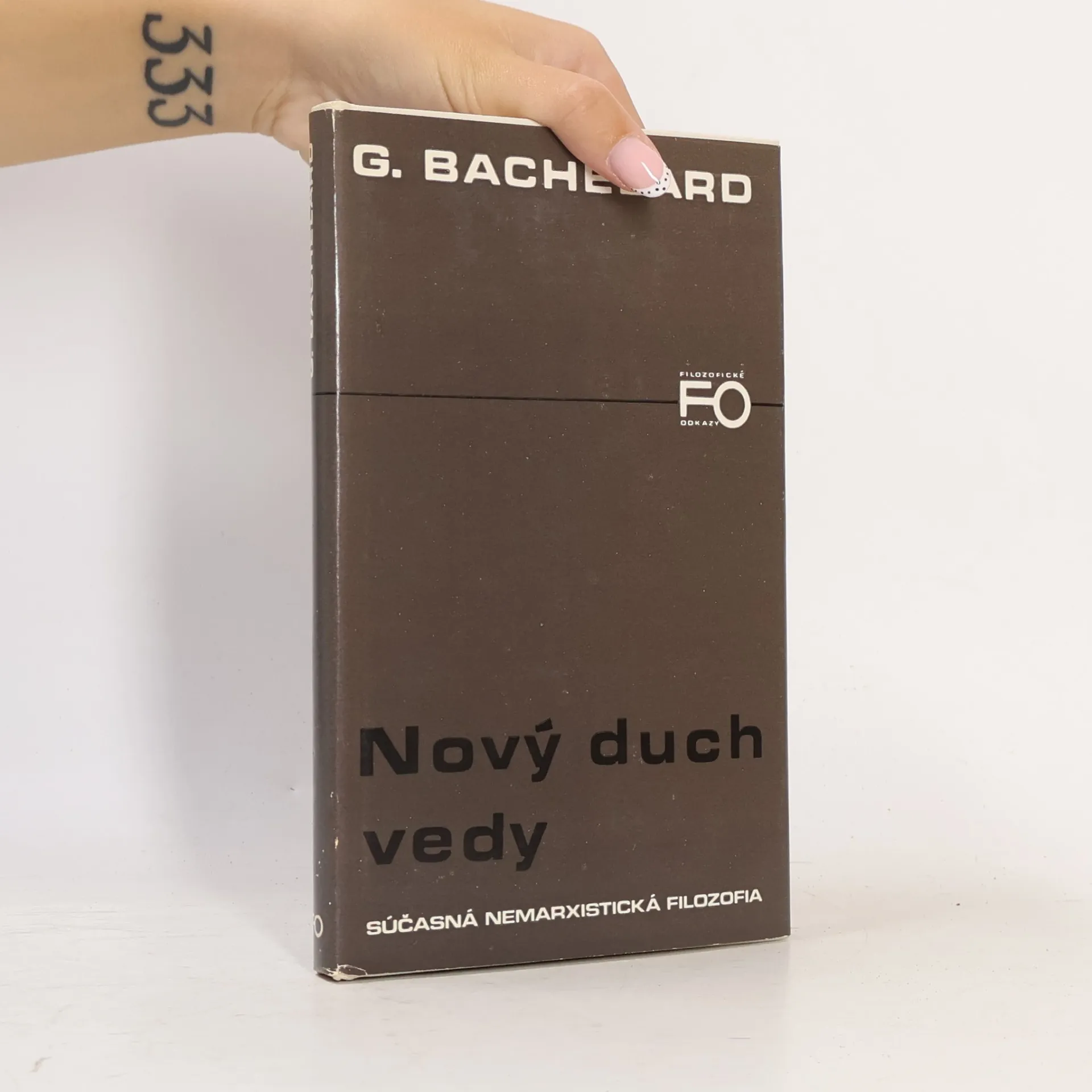
Nový duch vedy
Filozofické odkazy
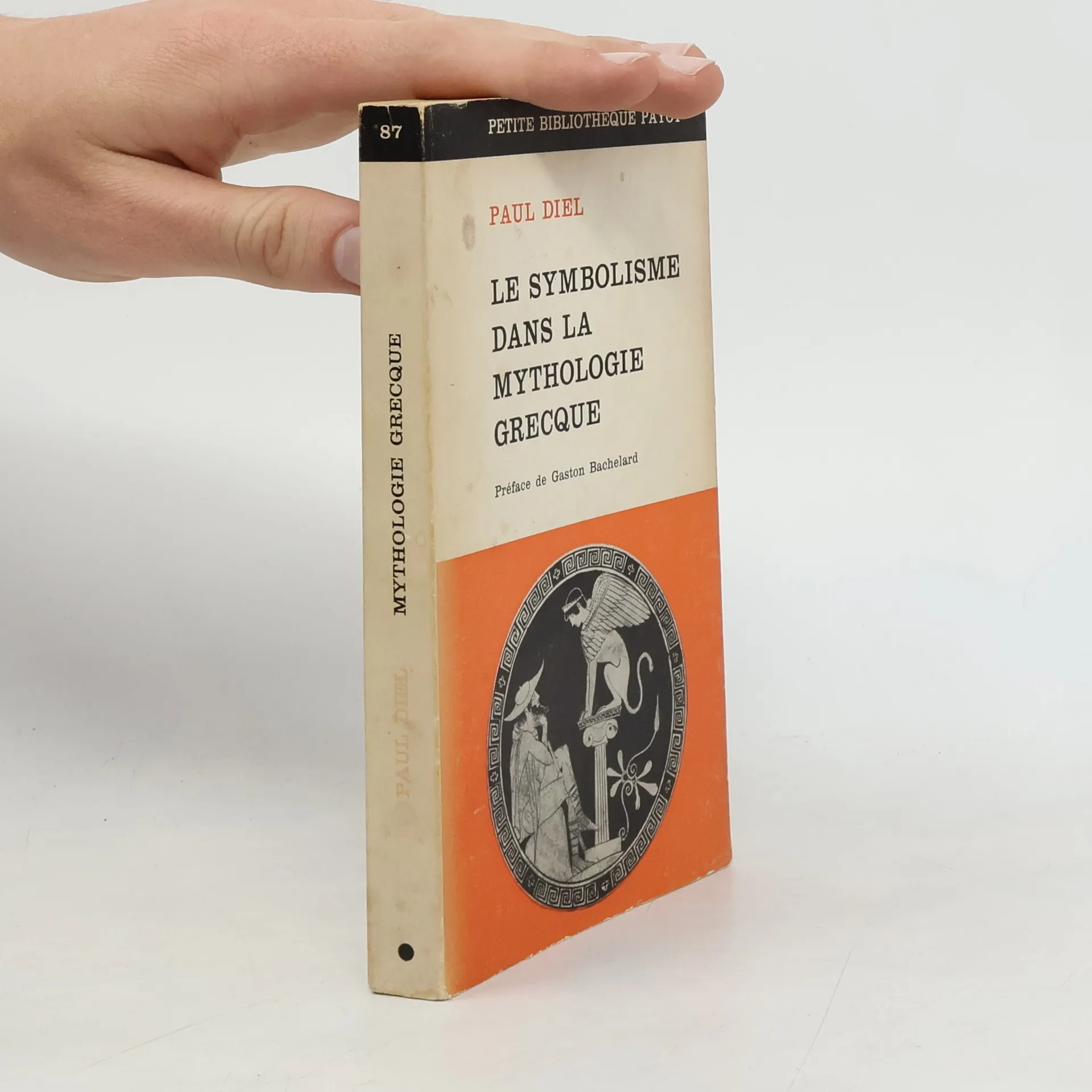
Le symbolisme dans la Mythologie grecque
Petite Bibliothèque Payot 87
Étonnants Classiques: Cette part de rêve que chacun porte en soi
Anthologie - BTS - PROGRAMME 2014-2015
- 184 stránek
- 7 hodin čtení
Vagabondage de l'esprit ou fantasmagorie nocturne, le rêve revêt des formes multiples. Faut-il pour autant y voir un abîme trompeur, impossible à maîtriser et qui nous coupe de la réalité ? N'est-il pas, au contraire, une échappatoire aux contraintes du quotidien, un espace de liberté indispensable à la création, à la connaissance du monde et à la construction de soi ? Expérience individuelle et intime autant que reflet des aspirations d'une société, quelle est cette part de rêve que chacun porte en soi ?