

»Anfang 1939 gab es kaum Zweifel, dass es in Europa Krieg geben würde – und zwar bald. Weniger klar war hingegen, wer gegen wen kämpfen würde.« November 1937: Adolf Hitlers politischen Gegenspielern wird die zunehmende Bedrohung durch das NS-Regime bewusst. In den Hinterzimmern der Macht treffen Staatsmänner in Berlin, London, Washington und Moskau weitreichende Entscheidungen, die letztlich zum Ausbruch des Zweiten Weltkriegs führen und seinen Verlauf maßgeblich vorzeichnen. Benjamin Carter Hett, der bisher unerschlossene Quellen durchforstet hat, zeichnet genau nach, welche Ereignisse, Gespräche und Begegnungen dem Kriegsausbruch vorausgingen und wie die Angst vor dem Konflikt die westlichen Demokratien vor eine Zerreißprobe stellte. Dabei kommt er den handelnden Figuren sehr nahe und erhellt nicht nur die diplomatischen Gefechte und Strategien der Staatschefs, sondern widmet sich auch zahlreichen weniger bekannten politischen Akteuren. Ein Blick hinter die Kulissen der Weltpolitik während der größten Krise des 20. Jahrhunderts.
Benjamin Carter Hett Pořadí knih (chronologicky)
Benjamin Carter Hett je historik, který zkoumá temné stránky lidské povahy a politické nestability. Jeho práce se ponořuje do složitostí minulosti a odhaluje znepokojivé paralely s dnešním světem. Hettův analytický styl a schopnost spojovat historické události s moderními problémy činí jeho psaní poutavým a provokativním. Jeho knihy zvou čtenáře k zamyšlení nad trvalými výzvami spravedlnosti a moci.

The Nazi Menace
- 416 stránek
- 15 hodin čtení
A panoramic narrative of the years leading up to the Second World War - a tale of democratic crisis, racial conflict, and a belated recognition of evil, with profound resonance for our own time.
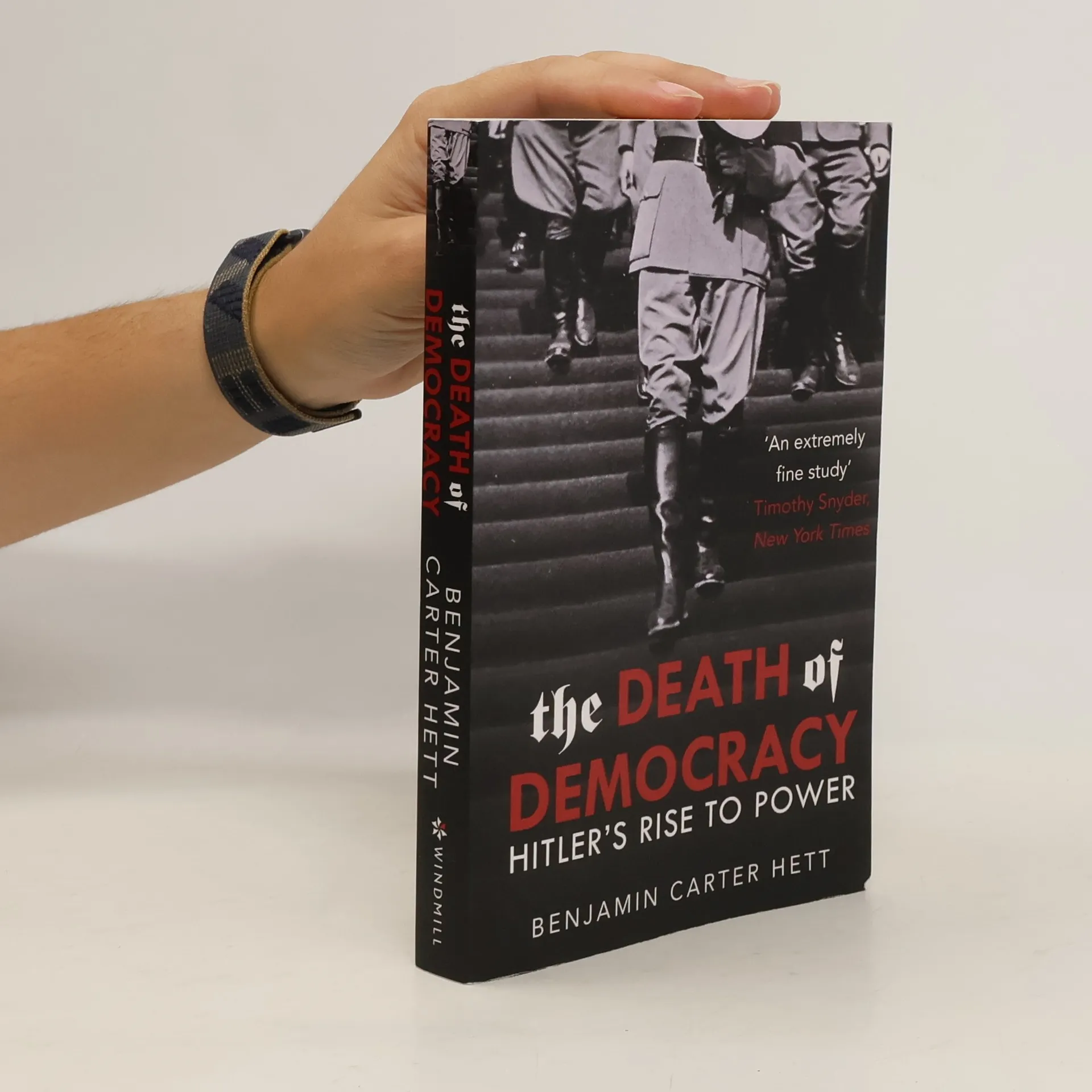
The Death of Democracy
- 304 stránek
- 11 hodin čtení
In the 1930s, Germany was at a turning point, with many looking to the Nazi phenomenon as part of widespread resentment towards cosmopolitan liberal democracy and capitalism. This was a global situation that pushed Germany to embrace authoritarianism, nationalism and economic self-sufficiency, kick-starting a revolution founded on new media technologies, and the formidable political and self-promotional skills of its leader. Based on award-winning research and recently discovered archival material, "The Death of Democracy" is a panoramic new survey of one of the most important periods in modern history, and a book with a resounding message for the world today.
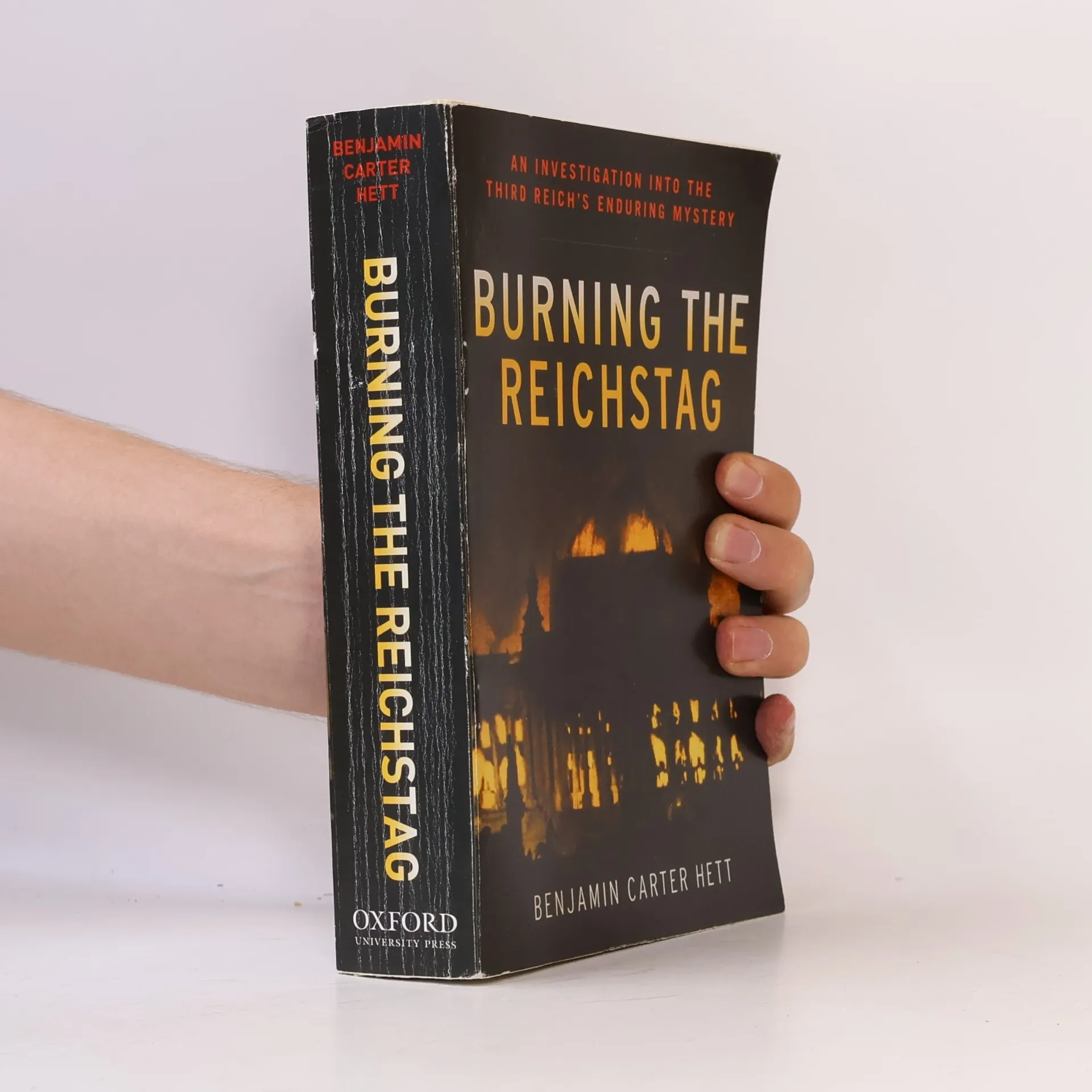
Burning the Reichstag
- 413 stránek
- 15 hodin čtení
A dramatic new account of the Reichstag fire and the origins of the Nazi rise to power
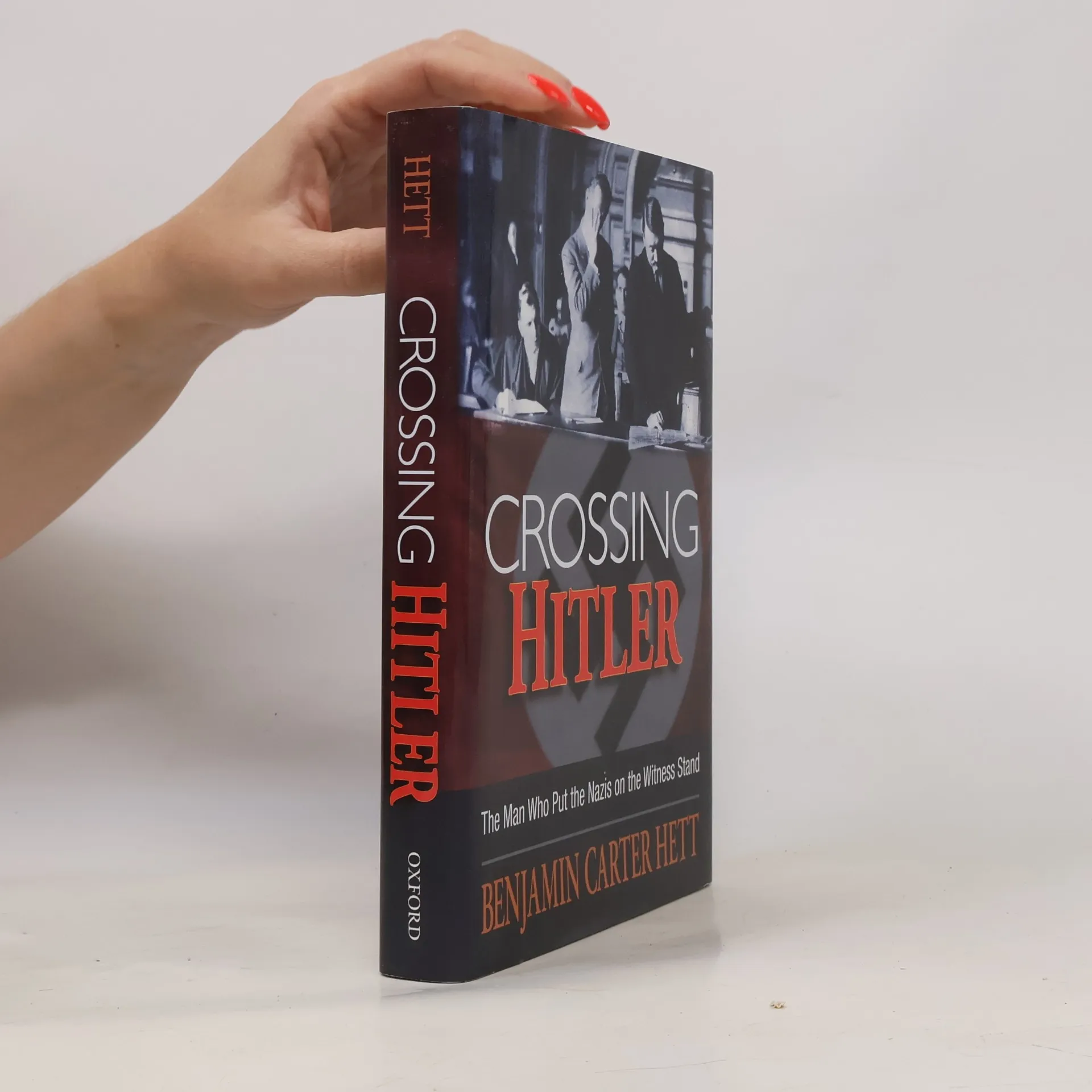
During the 1931 Eden Dance Palace trial, Hans Litten conducted a remarkable three-hour cross-examination of Hitler, exposing contradictions and reducing him to a state of rage. At that time, Hitler sought to portray himself as a legitimate political figure, distancing himself from his stormtroopers. Litten's courageous questioning posed a significant threat to Nazi ambitions. After the Nazis rose to power two years later, Litten's friends and family urged him to flee, but he chose to stay and was subsequently imprisoned in concentration camps. There, he translated medieval German poetry, shared resources with fellow inmates, and educated working-class prisoners about art and literature. Litten provided solace to Jewish inmates at Dachau by reciting literary works from memory during their confinement. After enduring five years of brutal treatment and a failed escape attempt, he lost hope for survival. His story, while tragic, is also one of redemption, illustrating human nobility in the face of barbarism. This biography delves into Litten's life and the tumultuous era of the Weimar Republic, as well as the terror that followed under Nazi rule. It won the 2007 Fraenkel Prize for contemporary history and is set for global publication.