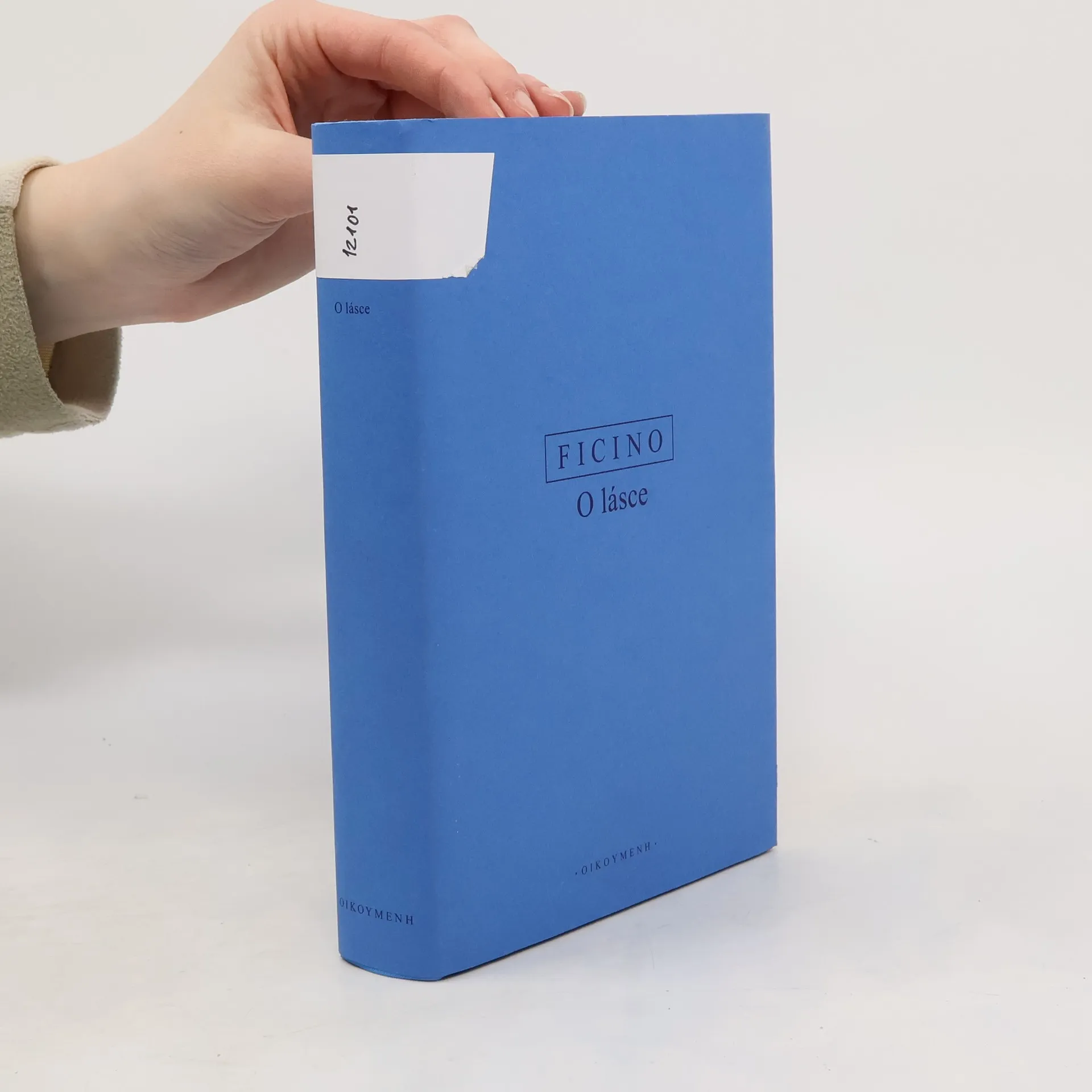
Nejzdařilejším a nejvlivnějším z Ficinových spisů se stal jeho Komentář k
Platónově Hostině, O lásce. Formou nápodoby Platónova Symposia, přeneseného do
prostředí medicejské Florencie, tu Ficino předkládá svou syntézu platonismu,
inspirovanou pohanskými i křesťanskými autory pozdní antiky, zejména Plótínem,
Augustinem a Dionysiem Areopagitou. Stěžejním tématem této filosofie je láska.
Ficino ji spolu s Dantem chápe jako božskou sílu, která prostřednictvím krásy
milovaného člověka přivádí zbloudilou lidskou duši k poznání Boha. Latinsko-
české vydání.
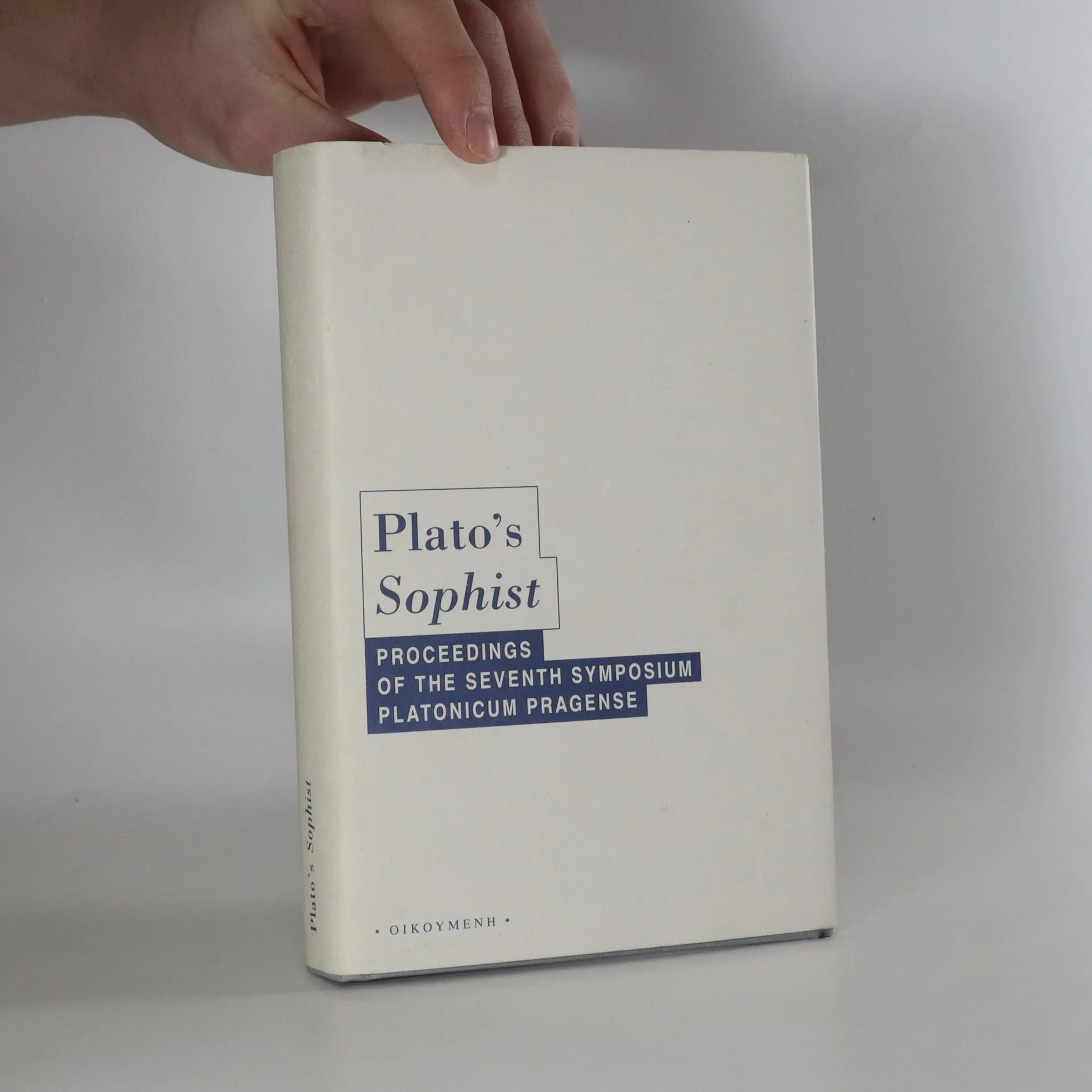
Kolektivní monografie ze 7. mezinárodního pražského platónského symposia, konaného v Praze ve dnech 11.–14. listopadu 2009.
Obsah:
T. A. Szlezák, Die Aufgabe des Gastes aus Elea Zur Bedeutung der Eingangsszene des Sophistes (216a–218a)
F. Fronterotta, Some remarks on the senses of being in the Sophist
F. J. Gonzalez, Being as Power in Plato’s Sophist and Beyond
W. Mesch, Die Bewegung des Seienden in Platons Sophistes
F. Karfík, Pantelôs on and megista genê (Plato, Soph. 242C–259b)
N. Notomi, Dialectic as Ars Combinatoria: Plato’s notion of philosophy in the Sophist
L. Brisson, Does dialectic always deal with the intelligible? A reading of the Sophist (253d5–e1)
A. Havlíček, Die Aufgabe der Dialektik für die Auslegung des Seins des Nichtseienden
N.-L. Cordero, Une conséquence inattendue de l’assimilation du non-être à « l’Autre » dans le Sophiste
D. O’Brien, The Stranger’s “farewell” (258e6–259a1)
Š. Špinka, Das Sein des Nicht-Seins Einige Thesen zur strukturellen Ontologie im Dialog Sophistes
Ch. Ziermann, La négativité de l’être chez Platon
D. Ambuel, The coy eristic: defining the image that defines the sophist
F. L. Lisi, Ποιητικη τέχνη in Platons Sophistes
J. Jinek, Die Verschiedenheit der Menschentypen in Platons Sophistes
T. D. J. Chappell, Making Sense of the Sophist: ten answers to ten questions
Polemický spis věnovaný problému uplatnění psychologické argumentace při výkladu logiky. Obsahuje zásadní diskusi a rozlišení psychologických a logických zákonů myšlení spolu s pozoruhodnými náběhy k obecnější fenomenologické problematice, které autor později zasvětil nejvýznamnější část svého filosofického působení.
Sborník textů z 6. mezinárodního pražského platónského symposia, konaného v Praze ve dnech 17.–20. 10. 2007. 388 stran.
Obsah:
T. A. Szlezák, Sokrates' voraussetzungslose maieutische Kunst
L. Brisson, Socrates, the Midwife. A Key Indication for a General Interpretation of Plato's Theaetetus
D. O'Brien, How Tall is Socrates? Relative Size in the Phaedo and the Theaetetus
F. L. Lisi, Protagoras und Platon über das Gesetz
A. Balansard, Protagoras a-t-il posé l’objectivité des choses avantageuses? Le rapport entre la thèse défendue en Théétète 171c8-172c1 et celle défendue dans l’ « Apologie » (166a2-168c2)
F. Ferrari, Prädikate oder Ideen: Der ontologische Status der koina im Theaitetos
M. Narcy, Socrate et le problème de l’erreur dans le Théétète
T. Chappell, 188a-c: The Key to the Theaetetus
L. Bene, False Judgement and the Puzzles about Not-Being: Theaetetus 188c-189b
F. Trabattoni, Theaetetus, 200d-201c: Truth without Certainty
Š. Špinka, Wissen, Meinung und Weisheit im Dialog Theaitetos
I. Chvatík, Rethinking Knowledge and Ignorance in Plato's Theaetetus
D. Sedley, The Theaetetus as an Ethical Dialogue
O. Primavesi, Two Notes on the Platonic Text
Devět studií z antické filosofie věnovaných naukám o duši, poznání a světě u Hérakleita, Parmenida a starých pythagorejců, Platóna a Aristotela, ve stoicismu a u Plótina. Kniha sleduje jednu z vývojových linií antické filosofie, která sahá od předókratiků přes stoiky až po novoplatonismus a v jejímž centru stojí dialog Timaios. Dvě závěrečné studie poukazují na ohlasy antických myšlenek ve filosofii 19. a 20. století.
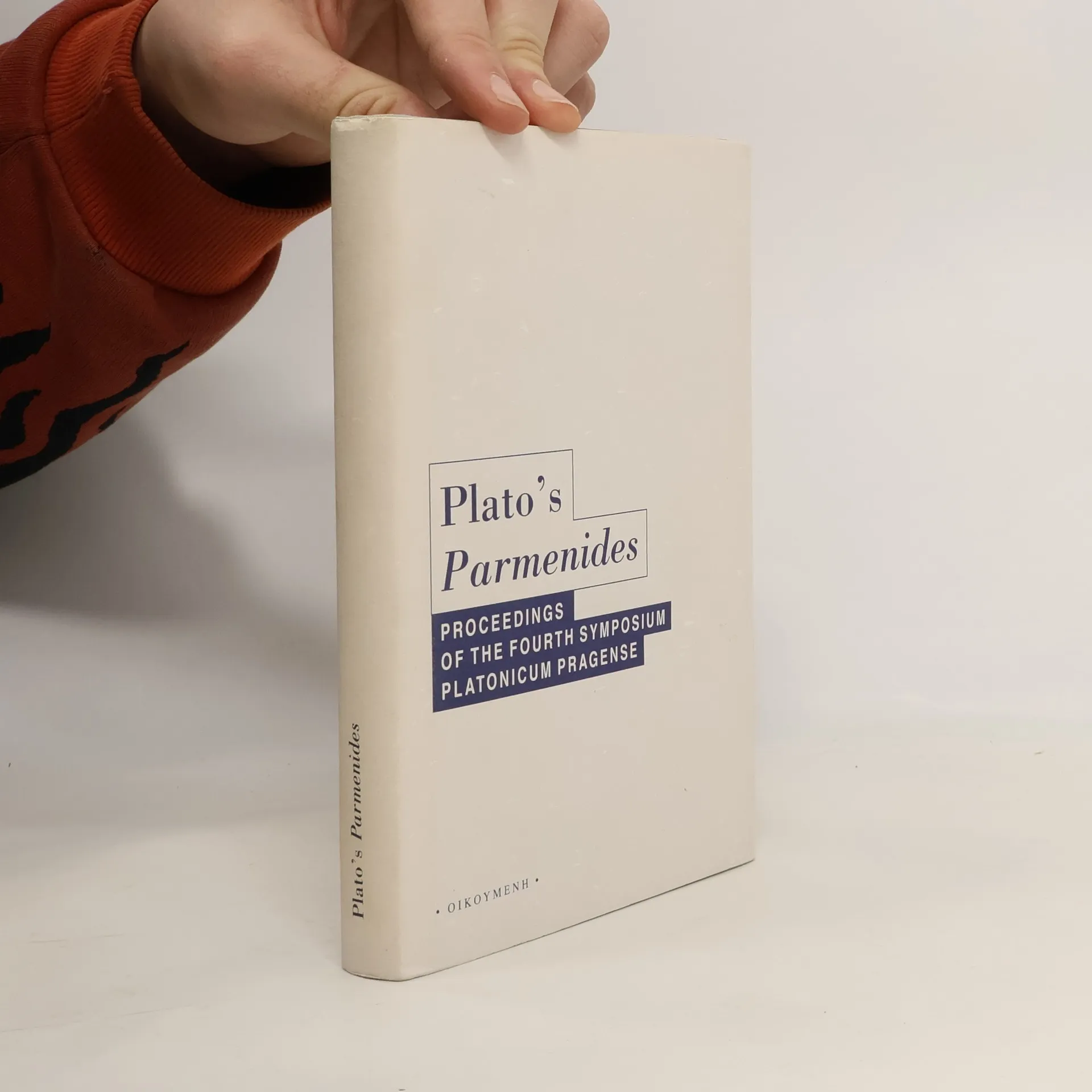
Sborník textů ze 4. mezinárodního pražského platónského symposia, konaného v Praze ve dnech 9.–11. 10. 2003.
Obsah:
C. C. Meinwald, Literary Elements and dialogue Form in Plato's Parmenides
D. El Murr, La critique de la participation en Parménide, 131a-132b: unite, unicite et le paradoxe de Zénon
B. Bossi, Is Socrates Really Defending Conseptualism in Parmenides, 132b3-d4?
K. Thein, The Second "Third Man Argument": What Difference Does the Likeness Make?
F. Fronterotta
K. Sayre, The Method Revisited: Parmenides, 135e9-136c6
F. Karfík, Par rapport a soi-meme et par rapport aux autres. Une distinction clef dans le Parmenide de Platon
S. Scolnicov, The Conditions of Knowledge in Platos's Parmenides
Š. Špinka, Relation, Sein und Zeit
D. Ambuel, On What Is Not: Eleatic Paradox in the Parmenides and the Sophist
L. Brisson, Les quatre dernieres séries de déductions dans la seconde partie du Parménide de Platon
D. O'Brien, Le Parménide historique et le Parménide de Platon
L. Brisson, Réponse a Denis O'Brien
M. Dixsaut, Les hypotheses du Parménide: Construire des mondes conceptuels possibles
J. Dillon, Speusippus and the Ontological Interpretation of the Parmenides
Studie věnovaná rozboru Plótinova pojednání O svobodě a vůli Jedna, v níž Plótinos poprvé v dějinách západního myšlení formuluje myšlenku nekonečné boží svobody. Lze ji číst také jako úvod do Plótinovy filosofie.
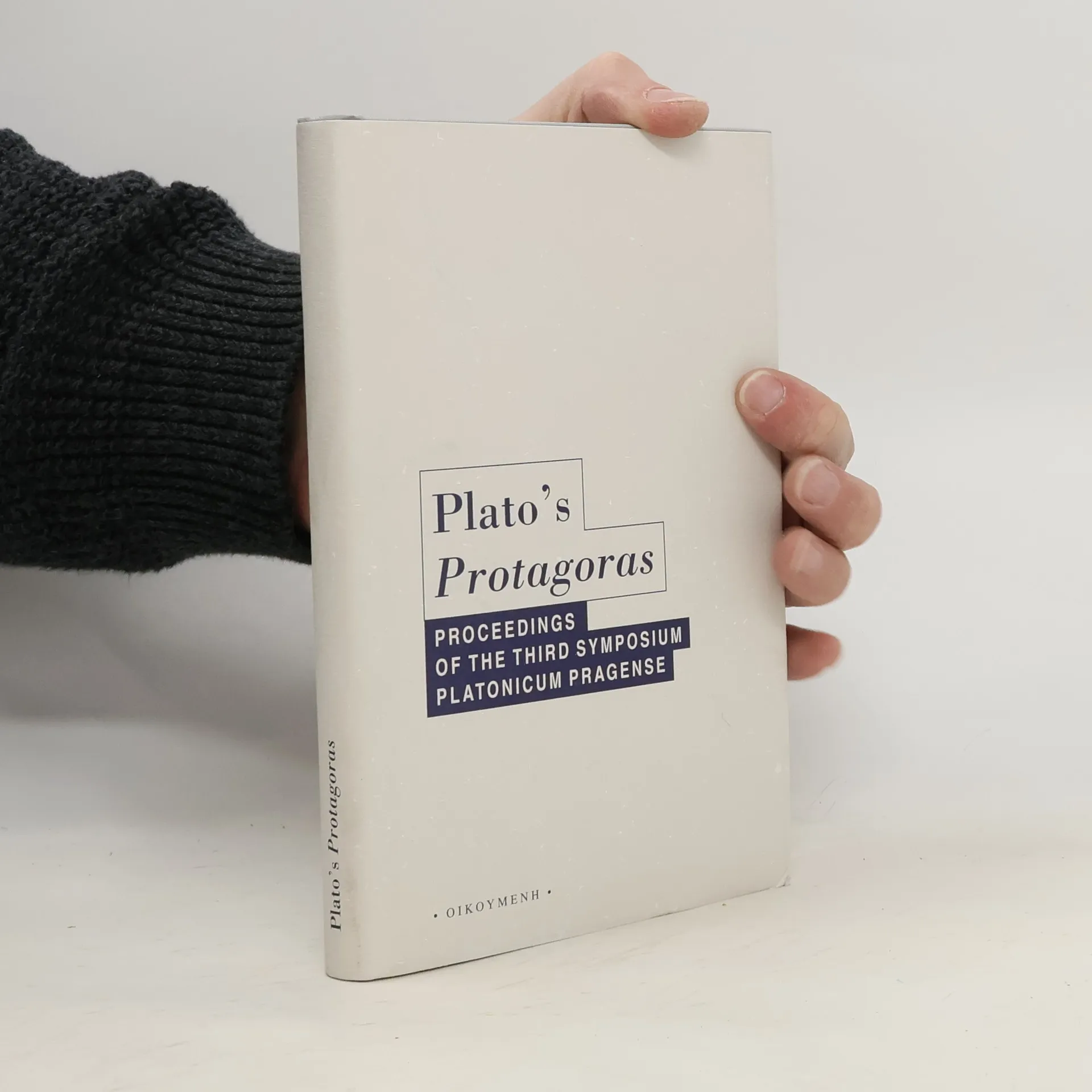
Proceedings of The Third Symposium Platonicum Pragense
258 stránek
10 hodin čtení
Sborník textů z 3. mezinárodního pražského platónského symposia, konaného v Praze ve dnech 11.–13. 10. 2001.
Obsah:
T. Ebert, The Role of the Frame Dialogue in Plato's Protagoras
F. Karfik, Die Seele in der Gefahr. Zu Protagoras 310a8-314c2
B. Manuwald, Der Mythos im Protagoras und die Platonische Mythopoiie
K. Thein, Teleology and Myth in the Protagoras
G. Heinemann, Das „Ordnen" der „Naturen" (Prot. 320d-321c)
A. Havlíček, Die Einheit und die Lehrbarkeit der arete im Protagoras
F. L. Lisi, Wissen und Unwissen in Platons Protagoras
Ch. J. Rowe, Hedonism in the Protagoras again: Protagoras, 351b ff.
Ch. C. W. Taylor, The Hedonism of the Protagoras Reconsidered
Ch. H. Kahn, Socrates and Hedonism
J. Tomin, The Protagoras in the Light of the Seventh Letter
P. Hobza, The Protagoras as Plato's Apology of Socrates
B. Bossi, On Aristotle's Charge of Socratic Intellectualism: The Force of a Misunderstanding
T. M. Robinson, Protagoras, the Protagoras and the Dissoi Logoi
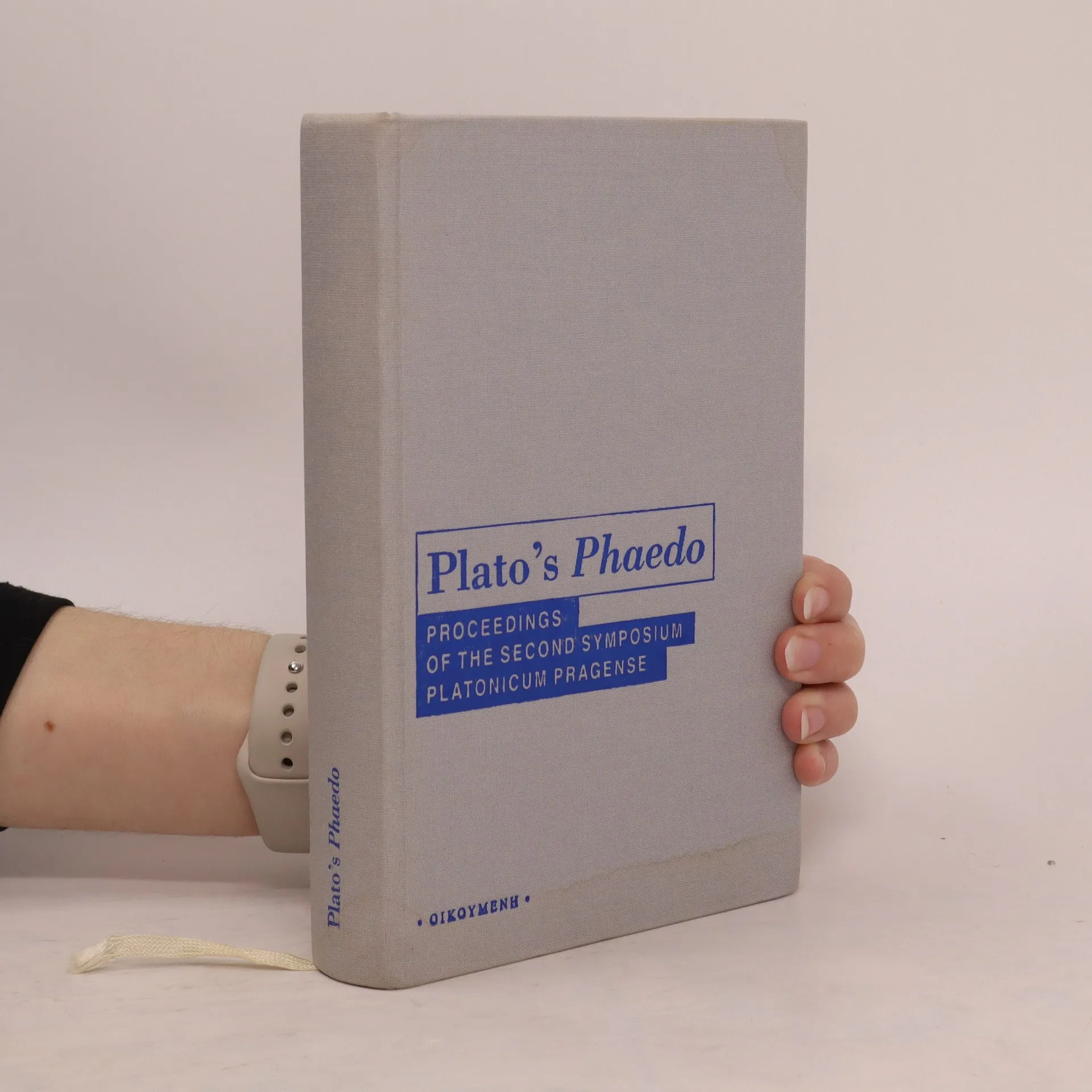
This collection features texts from the 2nd International Prague Platonic Symposium held from October 20-23, 1999. It includes contributions from various scholars exploring key themes and arguments in Plato's dialogues, particularly the "Phaedo."
G. Reale discusses foundational themes, structure, and key concepts in the "Phaedo." C. J. Rowe examines the concept of philosophy (philosophia) in Plato's work. Ch. Quarch analyzes Socrates' farewell and the movement of philosophical education in the "Phaedo." E. Heitsch reflects on the perspectives of the author and characters regarding their arguments. N. Blößner investigates Socrates' happiness and the motivations behind the writing of the "Phaedo." J. Tomin focuses on Socrates' role in the dialogue.
Other contributions include discussions on virtue, the argument of reincarnation, the process of recollection, the interplay of emotions, and the philosophical implications of the soul and body. Scholars like T. M. Robinson and F. Karfík delve into the teachings on the soul and cosmology, while M. Dixsaut addresses the immortality and indestructibility of the soul. K. Dorter presents an implicit argument regarding the nature of the deathless, and F. Lisi examines the fate of the soul as depicted in specific sections of the "Phaedo."
Sborník textů z 1. mezinárodního pražského platónského symposia, konaného v Praze ve dnech 4.–5. 4. 1997. Obsah: N. Blößner, Dialogautor und Dialogfigur: Überlegungen zum Status sokratischer Aussagen in der Politeia T. Ebert, Sind Meinung und Wissen nach Platon Vermögen ? A. Havlíček, Die Kritik Platons an Glaukons Auffassung des besten Staates im V. Buch der Politeia K. Thein, The Foundation and Decay of Socrates' best City (Republic VI, 499b-c, and Books VIII-IX) M. Mráz, Die Kritik an Platons Politeia im II. Buch von Aristoteles' Politik F. L. Lisi, Die Stellung der Nomoi in Platons Staatslehre: Erwägungen zur Beziehung zwischen Nomoi und Politeia D. Papadis, Regent und Gesetz in Platons Dialogen Politeia und Nomoi A. L. Pierris, The Metaphysics of Politics in the Politeia, Politikos and Nomoi Dialogue Group Th. M. Robinson, Gender-Differentiation and Platonic Political Theory J.-F. Pradeau, L'Exégète ennuyé. Une introduction à la lecture des Lois de Platon L. Brisson, Vernunft, Natur und Gesetz im zehnten Buch von Piatons Gesetzen J. Tomin, Joining the Beginning to the End
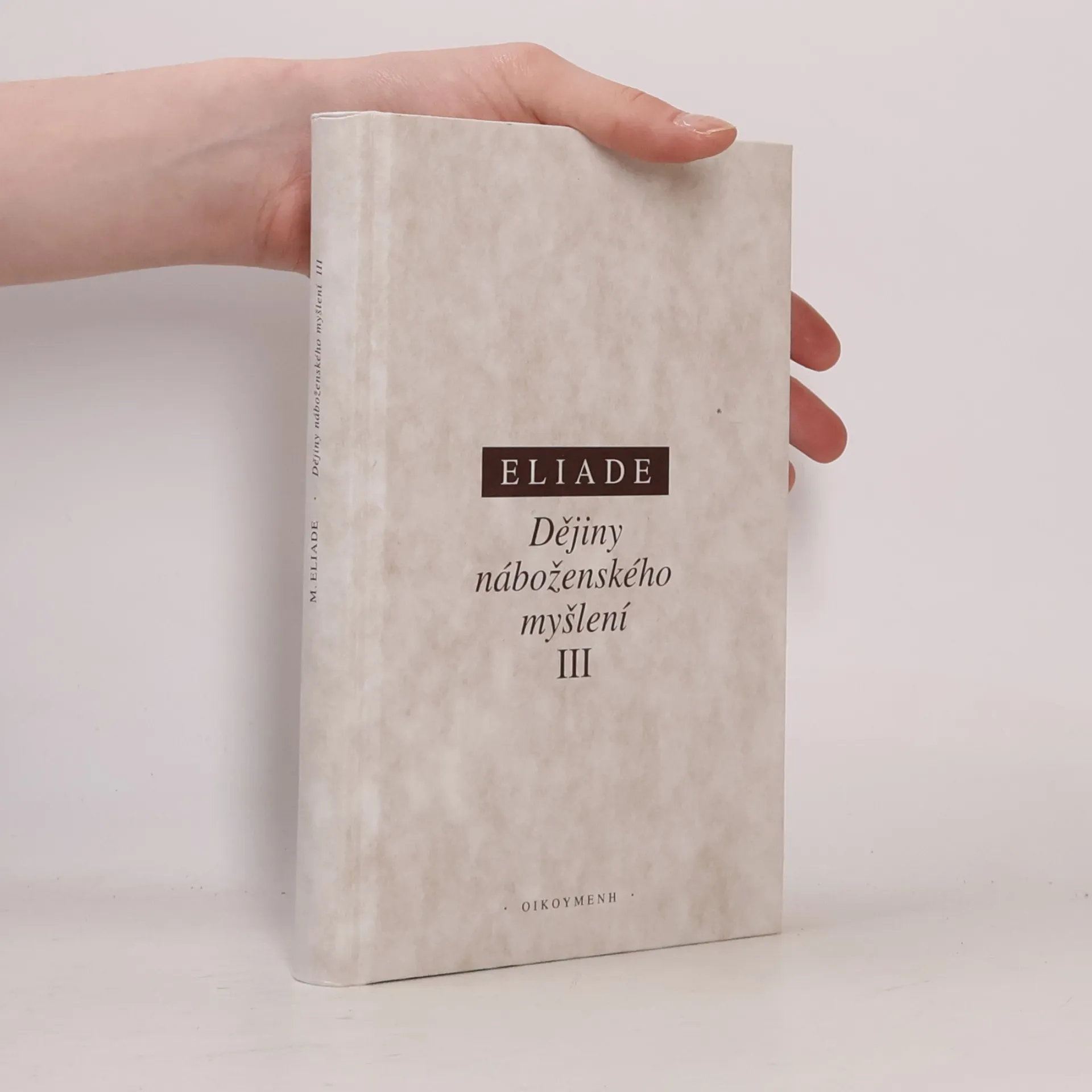
Dějiny náboženského myšlení představují Eliadeho poslední velké dílo. Na rozdíl od své starší knihy Traité d’histoire des religions, kde se pokusil o systematický výklad morfologie projevů posvátna napříč nejrůznějšími kulturami i dějinnými epochami, líčí zde Eliade jednotlivá náboženství lidstva v jejich dějinách. Toto dílo vyjadřuje autorovo přesvědčení o základní jednotě náboženských dějin lidstva, které zároveň ukazuje jako dějiny krizí, inovací a proměn náboženského vědomí člověka, jež se nepřestává vyvíjet. Třetí svazek Dějin je věnován náboženstvím starověké Eurasie, křesťanství po dobu křesťanských reforem, islámu, judaismu až po chasidismus a tibetským náboženstvím.
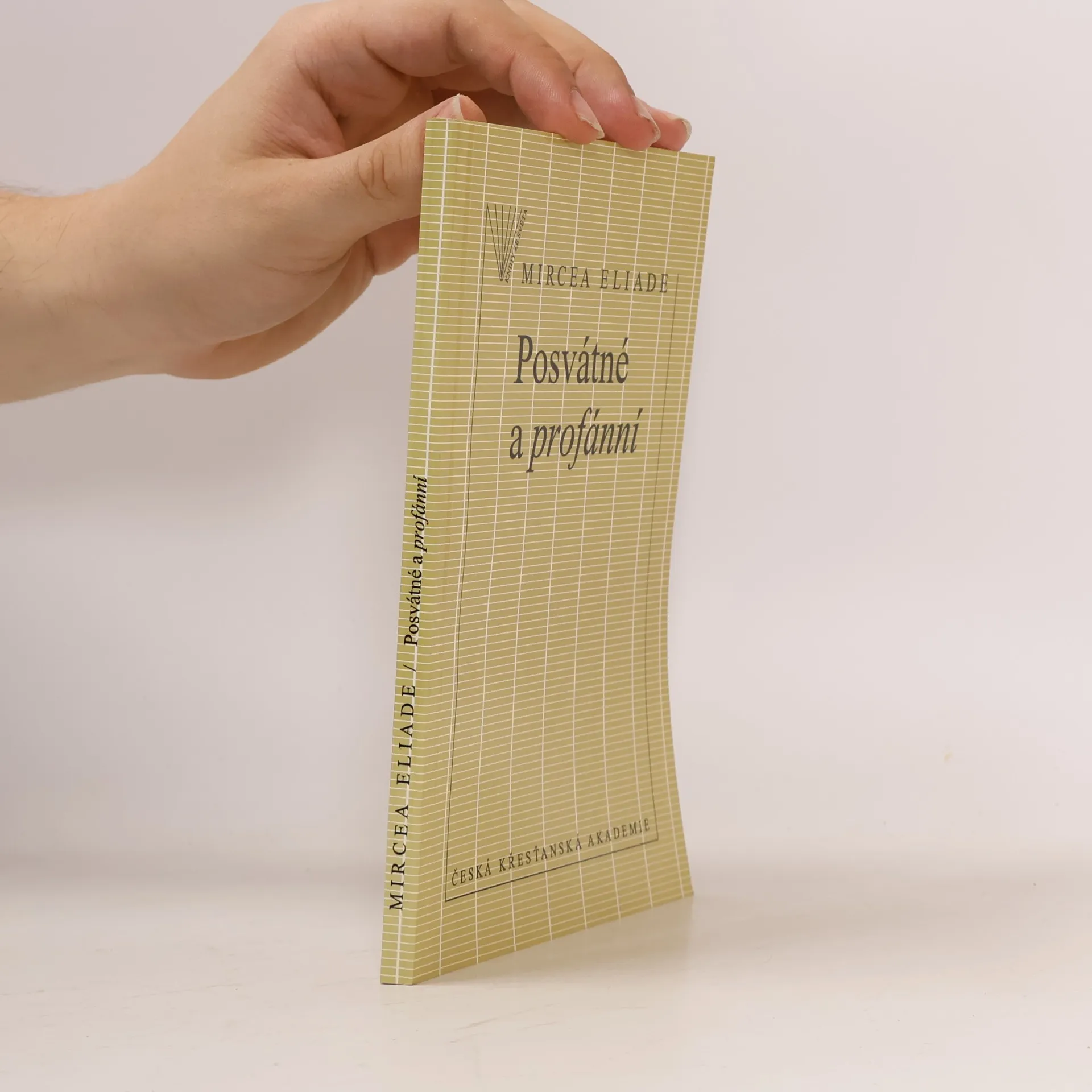
Obecný úvod do fenomenologického a historického studia náboženství z pera klasika moderní religionistiky určený pro široké publikum. Jednotlivé kapitoly knihy pojednávají o vztahu posvátného a profánního na rovině prostoru, času, přírody a lidského života.