Southeast European Integration Perspectives - 15: Diplomatic Interventions in Times of Unpeace
Essays Keynotes Interviews 2013-2024


Ivan Krastev je uznávaný politický vědec, jehož práce se zaměřuje na pochopení složitosti moderní demokracie a jejích výzev. S hlubokým porozuměním globálním politickým trendům a protestním hnutím analyzuje, jak nedůvěra a měnící se společenské obsese ovlivňují politické systémy. Krastev zkoumá nejen krize v Evropě, ale i širší problémy důvěry mezi občany a jejich vůdci. Jeho eseje a knihy nabízejí pronikavý pohled na současné politické dění a jeho důsledky.



Essays Keynotes Interviews 2013-2024
22 Essays prominenter Autorinnen und Autoren erklären den Zustand Europas und der Europäischen Union. Sie sezieren die Geschichte des Kontinents und treffen Vorhersagen für die politische und ökonomische Zukunft Europas.
Jak bude vypadat svět po koronavirové pandemii? A nežijeme v něm již nějakou dobu? Neučinila pandemie jen zřejmějšími dlouhodobé trendy? Jak by se měly na ekonomickou krizi v době deglobalizace připravit národní státy a jak Evropská unie? Ivan Krastev vyvolal na vrcholu koronavirové krize celosvětový zájem svým článkem o vlivu pandemie na budoucí společenské změny. Nyní navazuje esejí, ve které zkoumá politické a kulturní důsledky Covidu-19 jako laboratorního sociálního experimentu. Brilantně a provokativně analyzuje sociální dopady karanténní dystopie, návrat vládních intervencí, uzavírání hranic národních států, roli odborníků a krizového řízení v demokratických a autoritářských státech (big data government), etické otázky zdravotnických a ekonomických opatření, mezigenerační a mezinárodní solidaritu. Politologické analýzy a data z výzkumů historických pandemií kombinuje s příklady literárních zpracování či filozofických pojednání a ukazuje paradoxy proměněného světa, pro jehož obyvatele je pandemie základní společnou zkušeností.
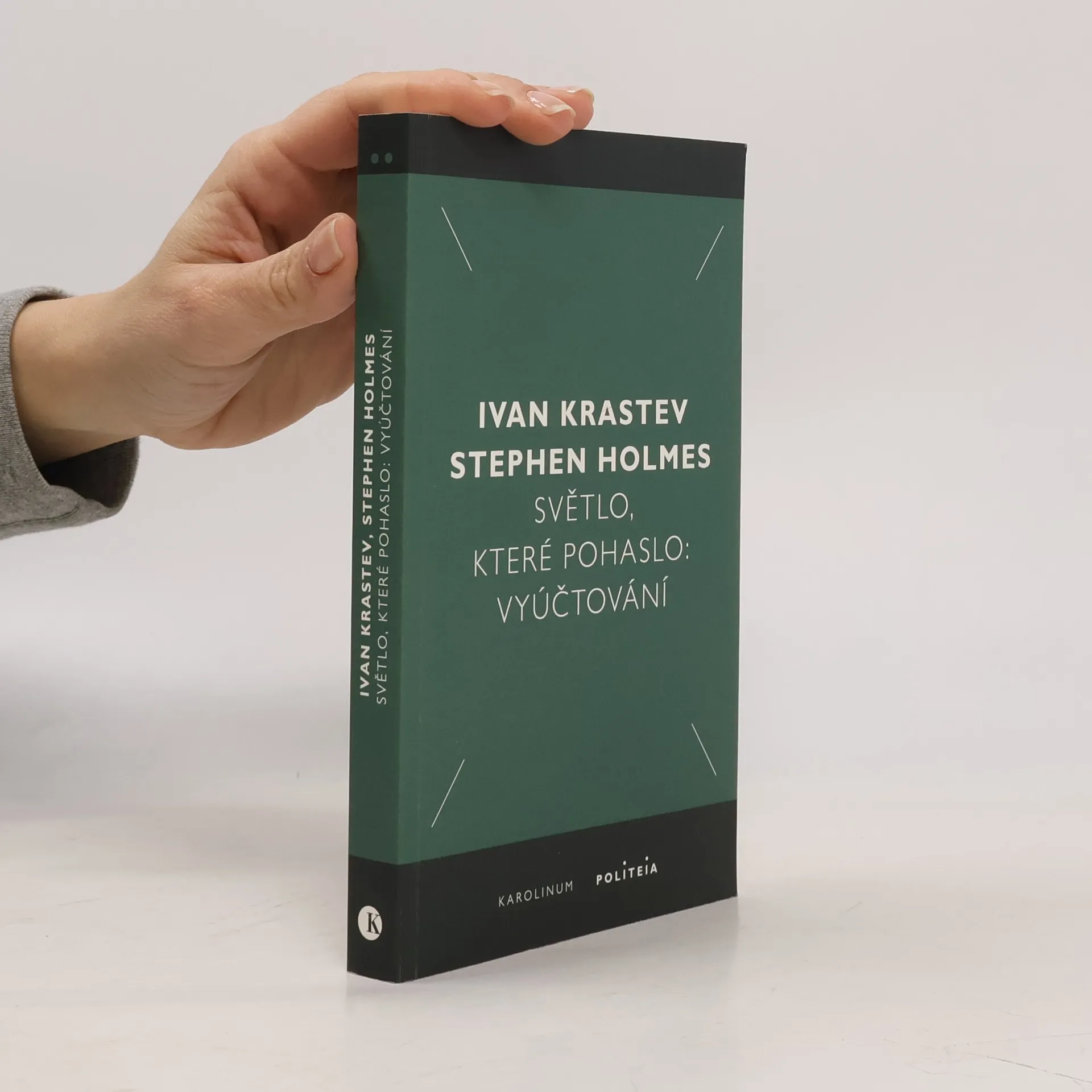
Ivan Krastev a Stephen Holmes se zamýšlejí nad vznikem a vzestupem hnutí a politických proudů, které se stavějí do opozice vůči liberalismu a které v posledních několika letech důrazně vyvrátily představu, že budoucnost bude nevyhnutelně liberální. Nacházejí zajímavé vývojové paralely mezi střední a východní Evropou, putinovským Ruskem a trumpovskými Spojenými státy. Tento vývoj spolu s nástupem populistických politiků vnímají jako důsledek zhroucení naděje na unipolární liberálně-demokratický svět, jemuž by dominovaly Spojené státy. Detailně se věnují řadě aspektů, které k této změně přispěly, ať už to byla vnitřní ekonomická krize ve Spojených státech, vylidňování ve východní Evropě, resentiment z napodobování Západu, k němuž byly tlačeny země bývalého sovětského bloku, nebo pokrytectví americké zahraniční politiky. Rozpad liberálně-demokratického řádu popisují věcně, byť zároveň s jistou nostalgií, ale i mírným optimismem při pohledu do budoucnosti.
A impassioned defense of the European Union and a concise analysis of its present challenges and future In this provocative book, renowned public intellectual Ivan Krastev reflects on the future of the European Union—and its potential lack of a future. With far-right nationalist parties on the rise across the continent and the United Kingdom planning for Brexit, the European Union is in disarray and plagued by doubts as never before. Krastev includes chapters devoted to Europe's major problems (especially the political destabilization sparked by the more than 1.3 million migrants from the Middle East, North Africa, and South Asia), the spread of right-wing populism (taking into account the election of Donald Trump in the United States), and the thorny issues facing member states on the eastern flank of the EU (including the threat posed by Vladimir Putin's Russia). In a new afterword written in the wake of the 2019 EU parliamentary elections, Krastev concludes that although the union is as fragile as ever, its chances of enduring are much better than they were just a few years ago.
What if a policymaker tasked with creating a peace arrangement in an ethnic conflict sought practical wisdom from the theory of ethnic conflict and nationalism? This book examines the intersection of academic theory and the realities faced by policymakers who must foster interethnic peace with limited resources and time. It explores the postcommunist experience of ethnic revival and conflict, comparing it to other nationalisms and assessing best practices for managing ethnic conflicts within and between states. The introductory chapter provides a theoretical overview of recent research on nationalism and ethnic conflict relevant to policymaking. Subsequent chapters delve into the political economy of ethnicity, with Vladimir Gligorov analyzing the incentives that led to the fragmentation of Yugoslavia and the efforts to unify it. Charles King investigates the small separatist republics of the post-Soviet landscape, while Gerald Knause and collaborators examine the challenges of equitable governance between ethnic groups in Macedonia. Alina Mungiu-Pippidi tests primordial hypotheses through public opinion surveys in several countries. Valerie Bunce and Philip Roeder critically assess political institutions aimed at preventing ethnic conflict, while Florian Bieber and Mathijs Bogaards evaluate power-sharing arrangements and voting systems in the Balkans. The book concludes with a review of policy options by the editors.