Knihobot

Marija Nikolaeva Todorova

    5. leden 1949
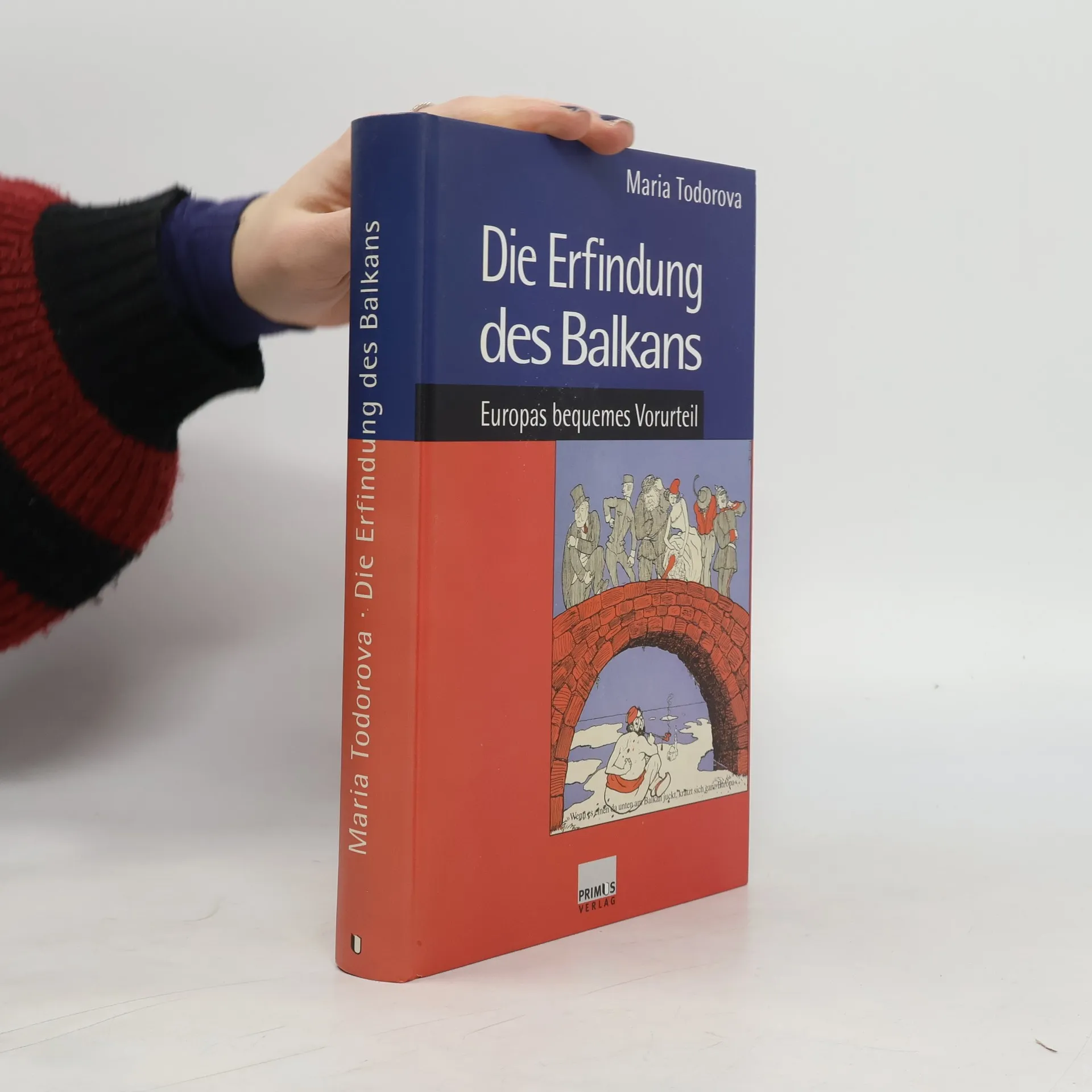
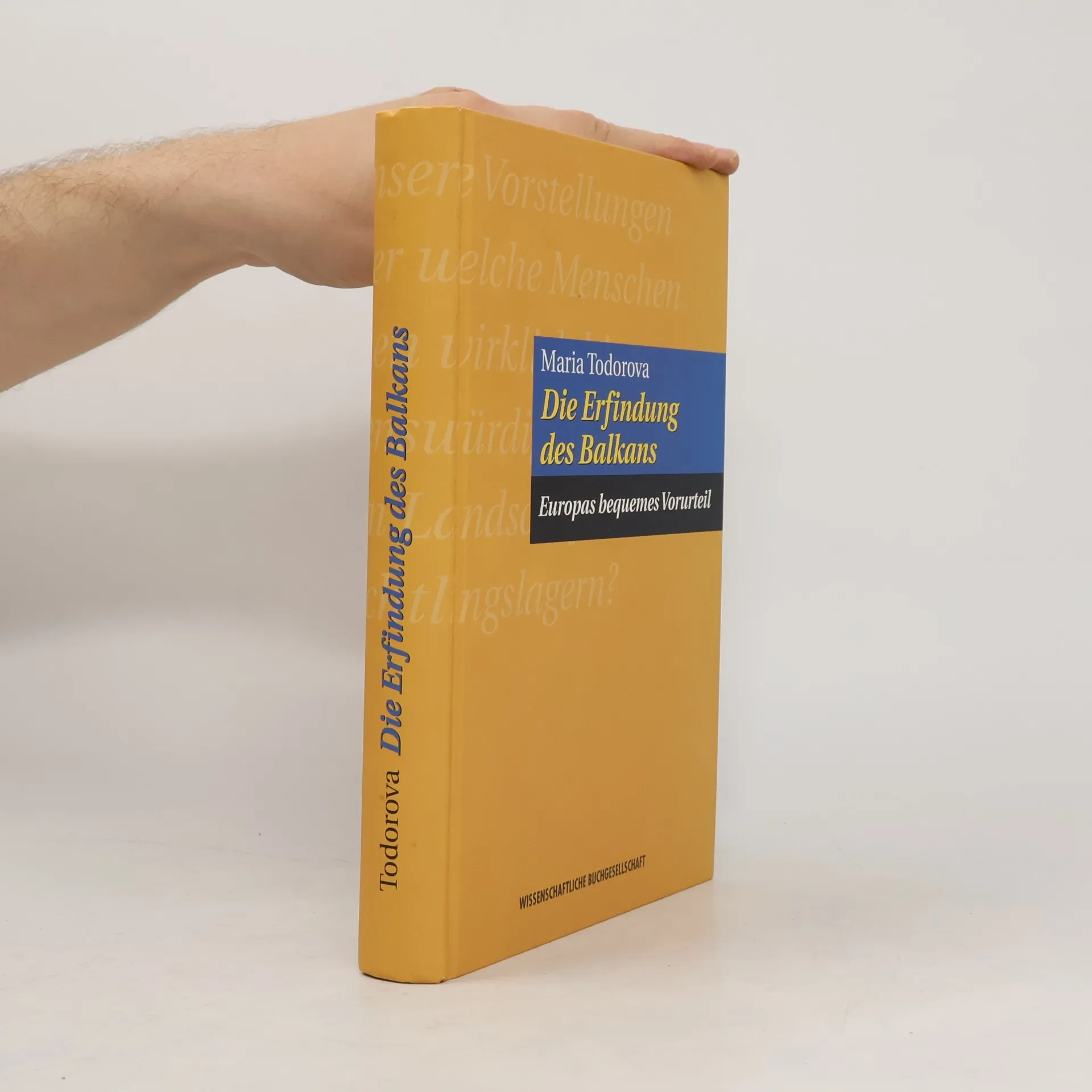
    Die Erfindung des Balkans
    Bałkany wyobrażone
    Bałkany wyobrażone wyd. 2022
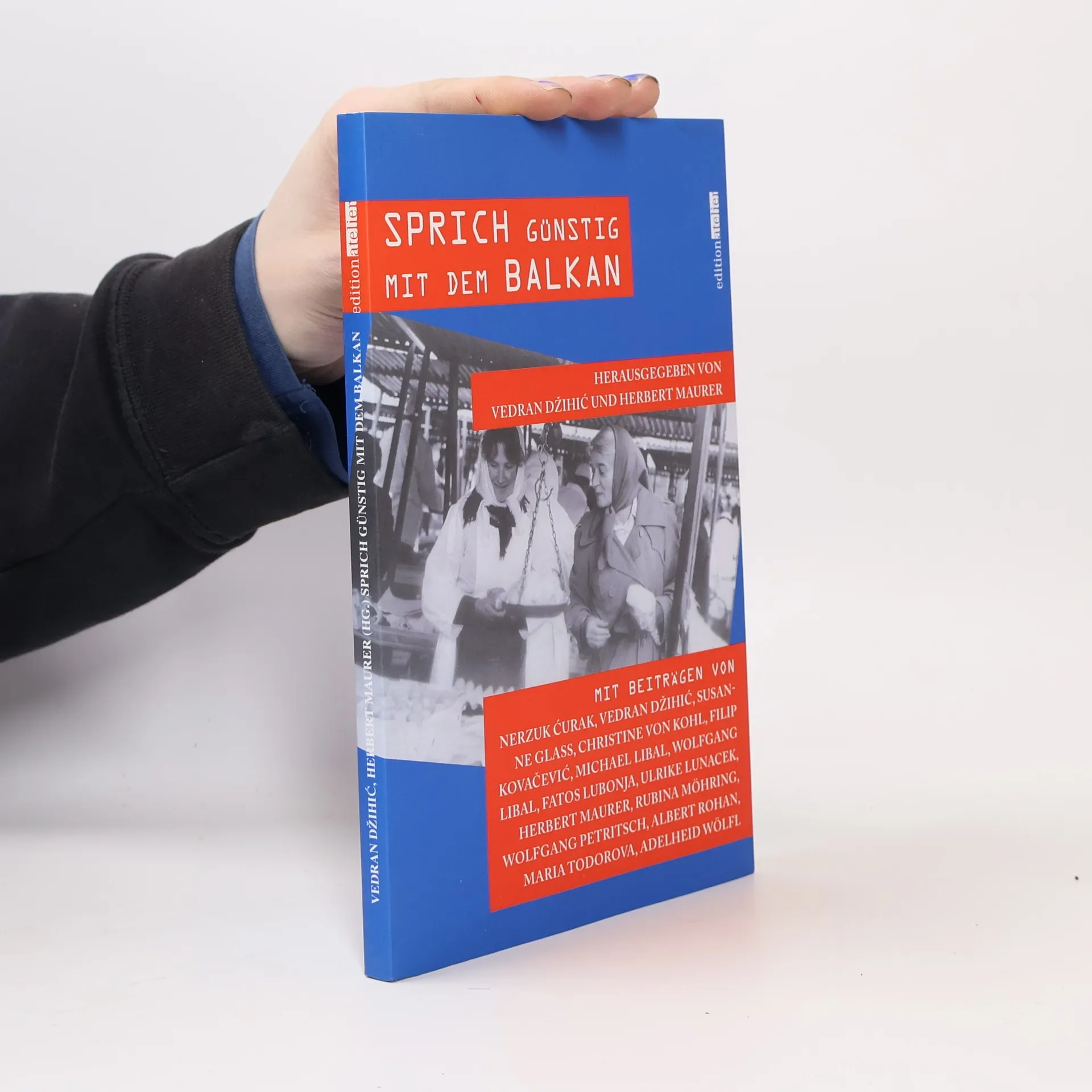
    Sprich günstig mit dem Balkan
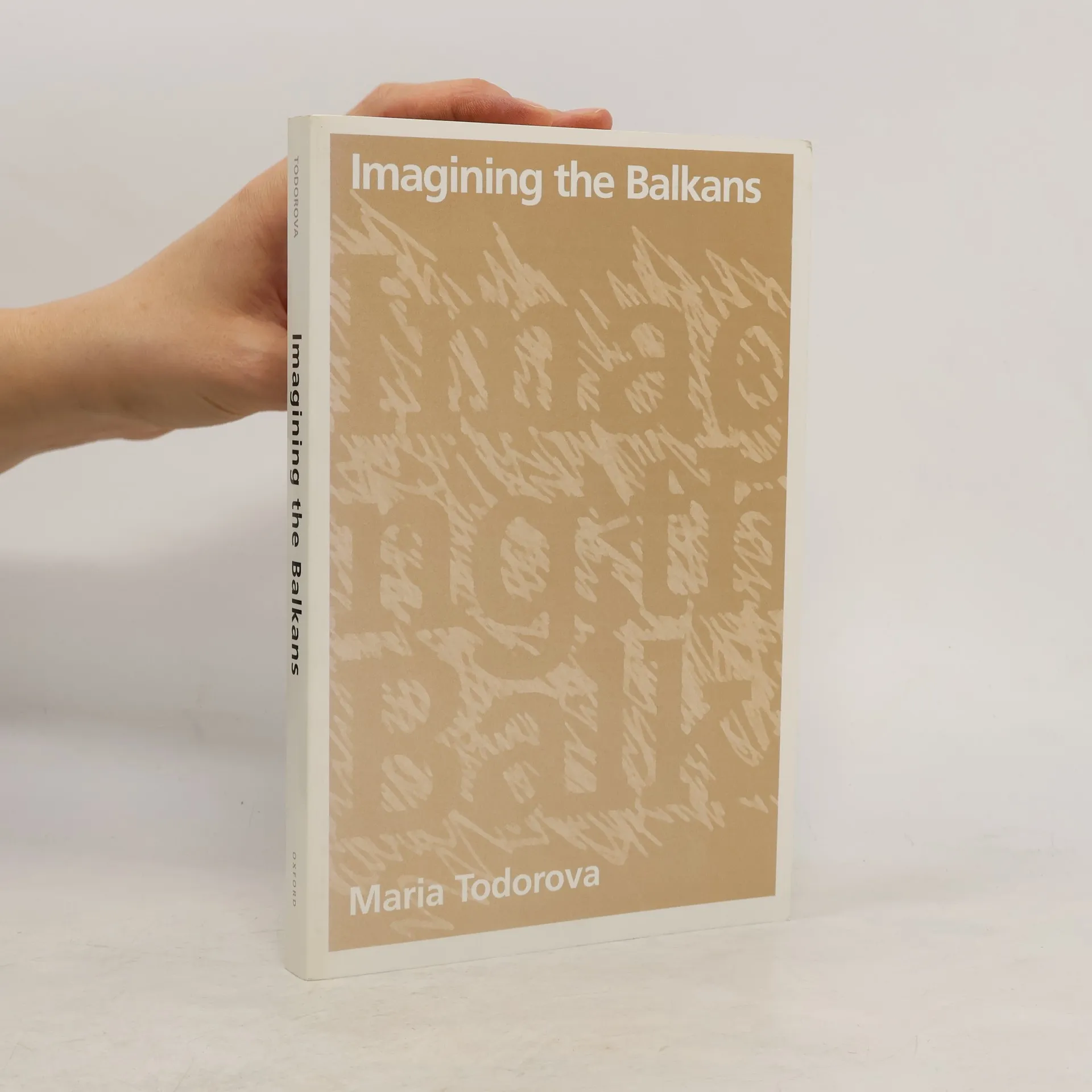
    Imagining the Balkans
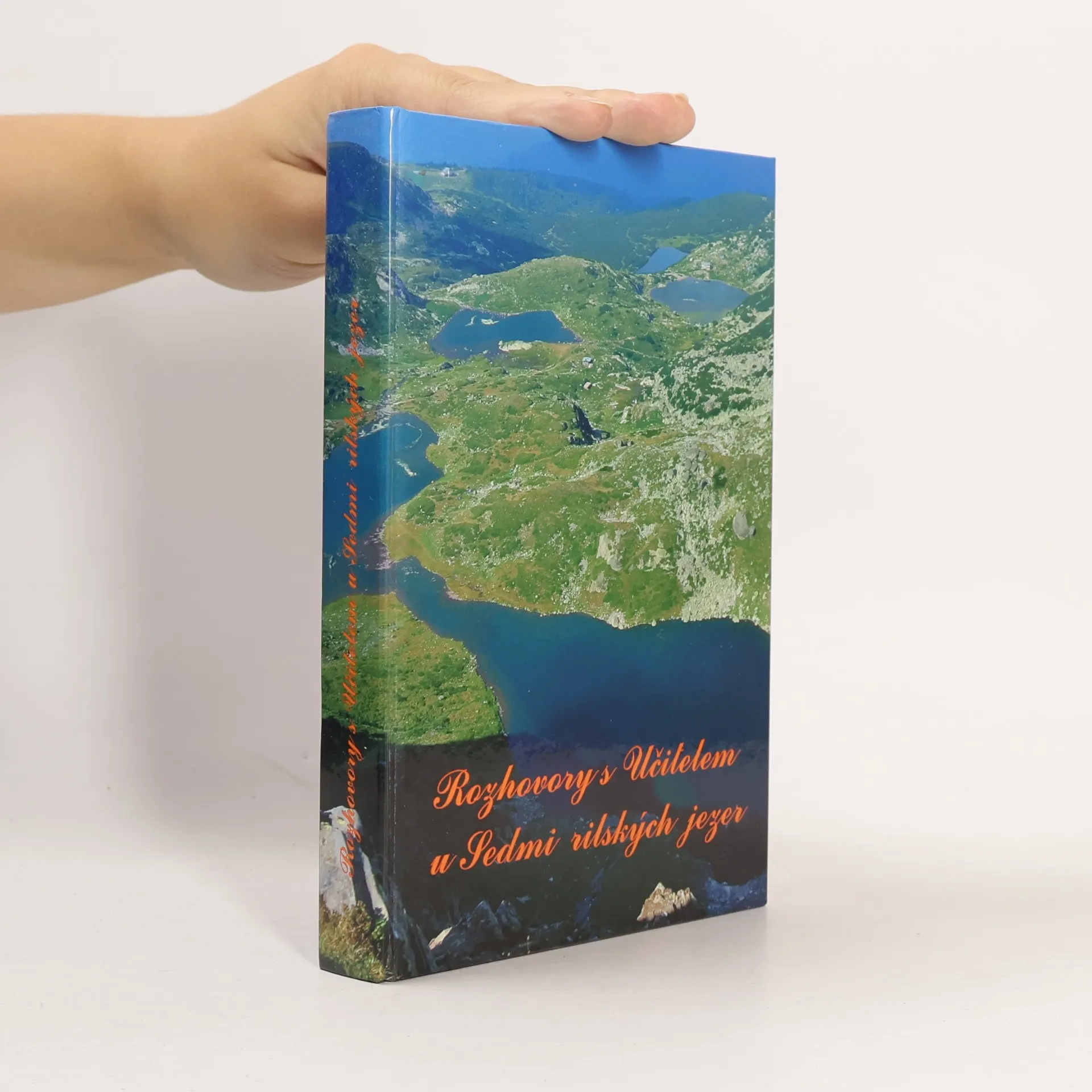
    Rozhovory s Učitelem u Sedmi rilských jezer
    • Imagining the Balkans

      • 257 stránek
      • 9 hodin čtení

      If the Balkans hadn't existed, they would have been invented was the verdict of Count Hermann Keyserling in his famous 1928 publication, Europe. This book traces the relationship between the reality and the invention. Based on a rich selection of travelogues, diplomatic accounts, academic surveys, journalism, and belles-lettres in many languages, Imagining the Balkans explores the ontology of the Balkans from the eighteenth century to the present day, uncovering the ways in which an insidious intellectual tradition was constructed, became mythologized, and is still being transmitted as discourse.The author, who was raised in the Balkans, is in a unique position to bring both scholarship and sympathy to her subject. A region geographically inextricable from Europe, yet culturally constructed as the other, the Balkans have often served as a repository of negative characteristics upon which a positive and self-congratulatory image of the European has been built. With this work, Todorova offers a timely, accessible study of how an innocent geographic appellation was transformed into one of the most powerful and widespread pejorative designations in modern history.

      Imagining the Balkans
      4,2
    • Sprich günstig mit dem Balkan

      • 131 stránek
      • 5 hodin čtení

      Dieses Buch soll vieles leisten: einen Rückblick in das politische Werden der Balkanproblematik in ihren verschiedenen Aspekten bieten, vor allem aber Zukunftsperspektiven vorstellen, die in den vorhandenen Kommentaren und Diskussionsbeiträgen vielfältig angelegt und formuliert sind - nicht zuletzt vor dem Hintergrund der EU-Erweiterungsprozesse.Es geht um den "Habitus" der jungen und der alten JournalistInnen und BalkankennerInnen als Modell für die Zukunft: Internationalität und Vertrautheit ohne Anbiederung. Und natürlich geht es bei dieser "Revue" auch um die Lust auf den Balkan und das Abenteuer des Verstehens.

      Sprich günstig mit dem Balkan
      5,0
    • Bałkany wyobrażone wyd. 2022

      • 552 stránek
      • 20 hodin čtení

      „Gdyby Bałkany nie istniały, należałoby je wymyślić” – to zdanie Hermanna Keyserlinga z 1928 roku stanowi punkt wyjścia dla analizy Marii Todorovej, która bada relacje między rzeczywistością a wyobrażeniem Bałkanów. Opierając się na literaturze podróżniczej, relacjach dyplomatów oraz doniesieniach naukowców i dziennikarzy, autorka odkrywa, jak zmitologizowany wizerunek tego regionu kształtował się od XVIII wieku do współczesności. Urodzona i wykształcona na Bałkanach, Todorova łączy podejście naukowe z humanistycznym namysłem, tworząc dzieło, które jest zarówno szanowane w kręgach akademickich, jak i pasjonujące dla szerokiego grona czytelników. Książka dostarcza wglądu w złożoność pojęć takich jak „wolność” czy „cywilizacja”, a dla polskiego czytelnika może stać się kluczowym narzędziem zrozumienia kulturowej specyfiki współczesnej Europy. Po publikacji, praca weszła do kanonu lektur historyków, antropologów i innych humanistów. Przesycona zrozumieniem i empatią, ilustruje, że Bałkany można kochać, nie szczycąc się nimi ani nie wstydząc. Maria Todorova, uznawana za jedną z najwybitniejszych bałkańskich historyków, jest autorką wielu ważnych publikacji i wykłada na Uniwersytecie Illinois.

      Bałkany wyobrażone wyd. 2022
      3,0
    • "Gdyby Bałkany nie istniały, należałoby je wymyślić" napisał Hermann Keyserling w swoim słynnym tekście z 1928 roku. Książka Marii Todorovej Bałkany wyobrażone śledzi relacje pomiędzy tym co realne i tym, co imaginacyjne. Opierając się na licznych dziełach literatury podróżniczej, relacjach dyplomatów, doniesieniach naukowców dziennikarzy, książka Todorovej eksploruje ontologię Bałkanów od osiemnastego wieku do dnia dzisiejszego, odkrywając drogę rodzenia się zmitologizowanego wizerunku tej części Europy. Autorce, urodzonej i wykształconej na Bałkanach, udało się połączyć w swoim klasycznym już dzisiaj dziele podejście naukowe z głębokim, prawdziwym zrozumieniem.

      Bałkany wyobrażone
      3,7
    • Das interdisziplinäre Geisteswissenschaftliche Zentrum Geschichte und Kultur Ostmitteleuropas an der Universität Leipzig untersucht die Geschichte und Kultur zwischen Ostsee, Schwarzem Meer und Adria vom Frühmittelalter bis zur Gegenwart. Maria Todorova hat sich mit dem Spannungsverhältnis zwischen traditionellen Geschichtsdeutungen und der Uminterpretation historischer Ereignisse in postkommunistischen Gesellschaften Ostmittel- und Südeuropas beschäftigt. Ihr Interesse am Postkommunismus, geprägt von der „Gleichzeitigkeit des Ungleichzeitigen“, spiegelt sich in ihrer Oskar-Halecki-Vorlesung 2003 wider. Sie vertritt die Auffassung, dass die Kategorie „Zeit“ entscheidend für das Verständnis der als rückständig wahrgenommenen Geschichte Ostmitteleuropas ist. Ein diachroner Vergleich zeigt, dass „lag und lack“ – also „Hinterherhinken und Defizite“ – nur dann als charakteristische Merkmale der Region erscheinen, wenn der temporale Kontext ignoriert wird. Diese provokante These wird voraussichtlich die Forschungsdiskussion nachhaltig anregen und neue Perspektiven auf die Geschichte Ostmitteleuropas eröffnen.

      Die Kategorie Zeit in der Geschichtsschreibung über das östliche Europa