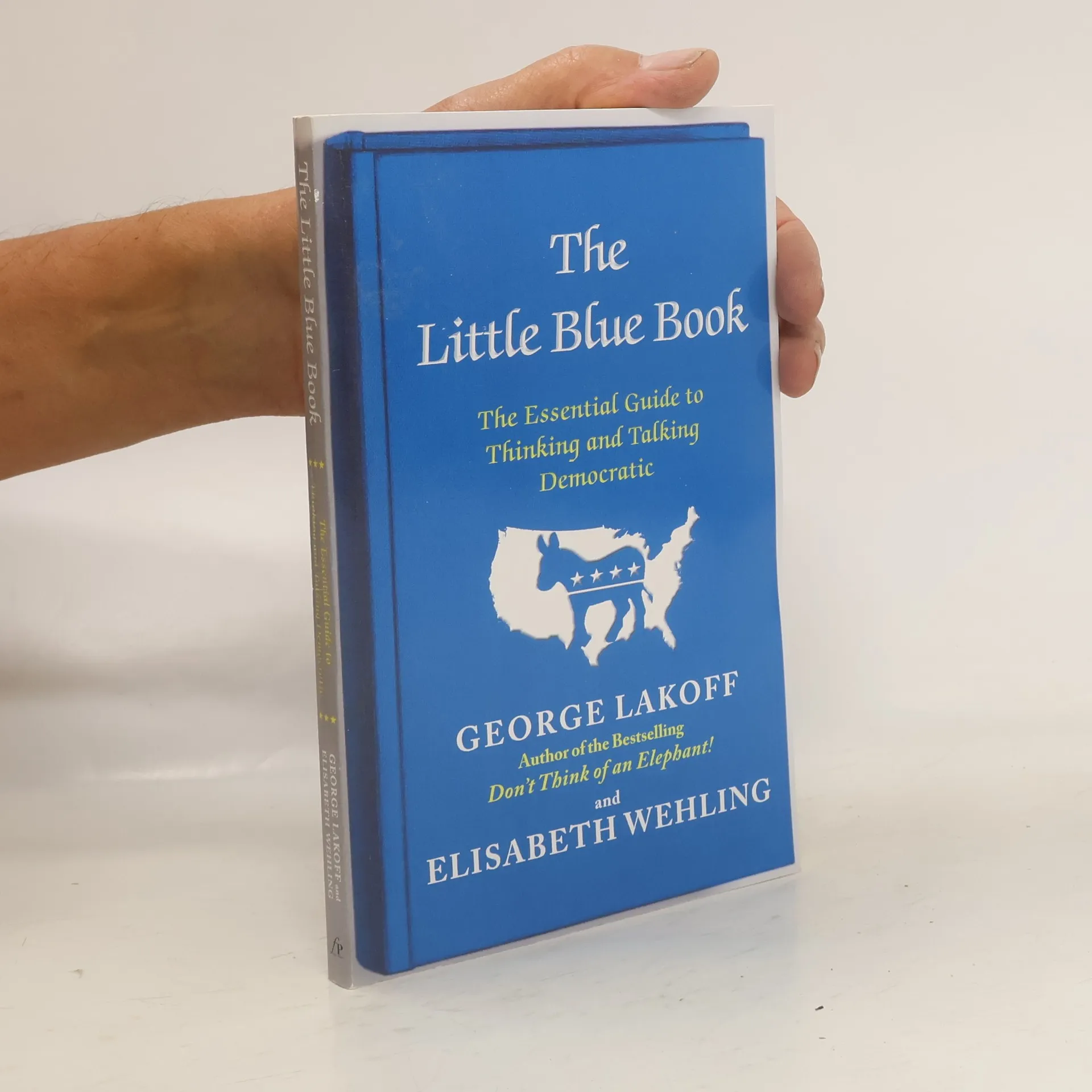
Provides guidelines for United States Democrats to connect moral values to important policies, using practical tactics to guide political discourse away from extreme positions.
George Lakoff Pořadí knih (chronologicky)
24. květen 1941
George Lakoff je přední myslitel v oblasti kognitivní vědy a lingvistiky. Jeho práce se zaměřuje na to, jak metafory a rámce utvářejí naše myšlení a politiku. Lakoff zkoumá, jak jazyk ovlivňuje naše vnímání světa a jak můžeme lépe komunikovat a přesvědčovat. Jeho vhledy nabízejí klíč k pochopení složitých společenských a politických debat.


The political mind
- 320 stránek
- 12 hodin čtení
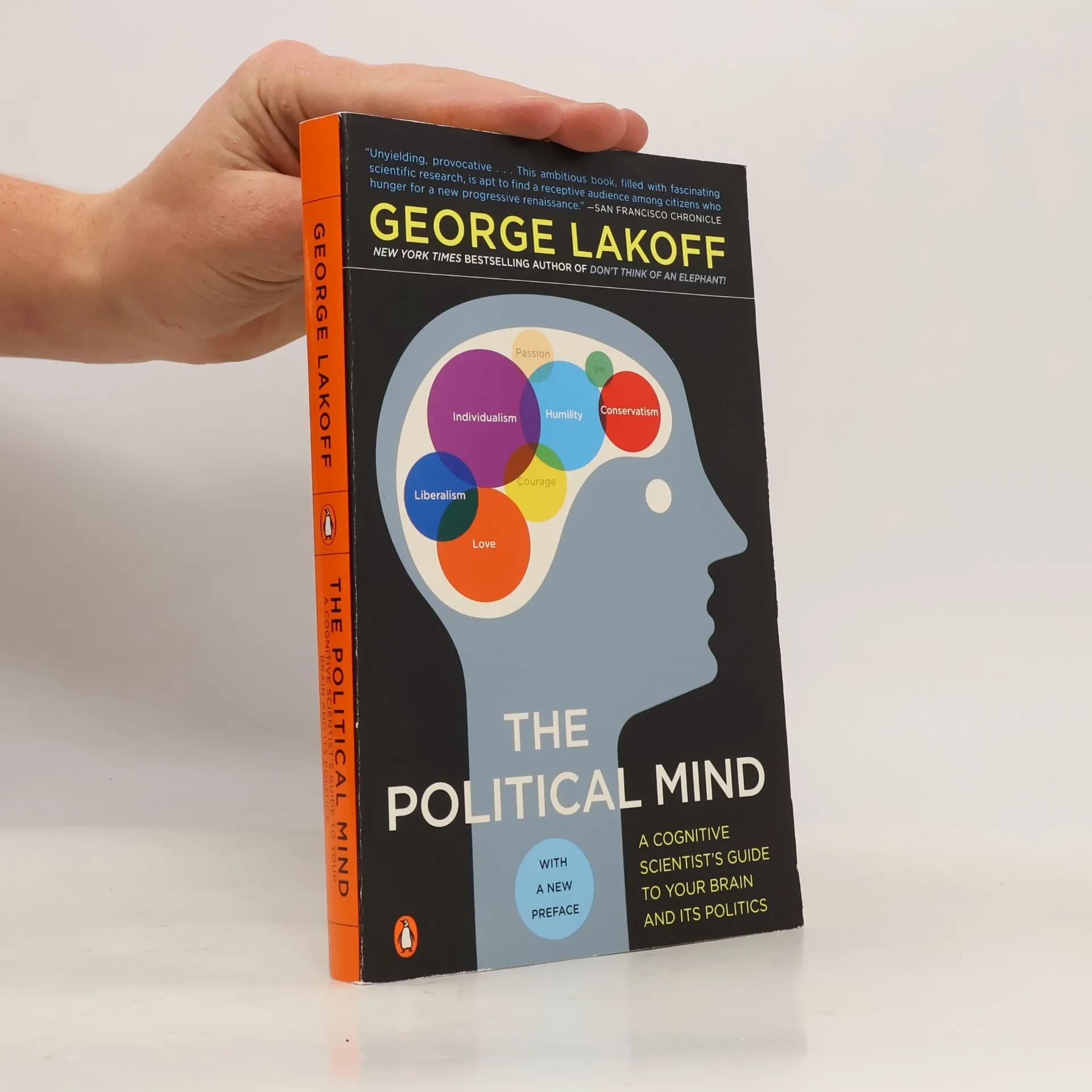
A groundbreaking scientific examination of the way our brains understand politics from a New York Times bestselling author One of the world 's best-known linguists and cognitive scientists, George Lakoff has a knack for making science make sense for general readers. In his new book, Lakoff spells out what cognitive science has discovered about reason, and reveals that human reason is far more interesting than we thought it was. Reason is physical, mostly unconscious, metaphorical, emotion-laden, and tied to empathy-and there are biological explanations behind our moral and political thought processes. His call for a New Enlightenment is a bold and striking challenge to the cherished beliefs not only of philosophers, but of pundits, pollsters, and political leaders. The Political Mind is a passionate, erudite, and groundbreaking book that will appeal to anyone interested in how the mind works and how we function socially and politically.
Auf leisen Sohlen ins Gehirn
- 186 stránek
- 7 hodin čtení
80 Prozent unseres Denkens bleiben unbewusst und werden durch Metaphern und Deutungsrahmen geprägt. Unser vermeintlich freies Denken wird durch diejenigen beeinflusst, die bewusst bestimmte Metaphern in die öffentliche Diskussion einführen. Diesen „heimlichen Macht-Habern“ sind George Lakoff und Eva Elisabeth Wehling auf der Spur: Welcher Sprache bedienen sich Politiker in öffentlichen Debatten, um in den Köpfen der Menschen die gewünschte „Wirklichkeit“ entstehen zu lassen? In lebhaften Gesprächen klären die beiden Wissenschaftler anhand von Sprachschöpfungen wie „Krieg gegen den Terror“ oder „Achse des Bösen“, wie Menschen denken, wie solche Denkstrukturen unser Gehirn auch physisch verändern und wie wir die Welt begreifen. Dabei werfen sie ein völlig neues Licht auf Fragen der politischen Identität, der Moral und religiöser Werte oder der Rolle von Medien und Berichterstattern. Als Leser lernt man so die Mechanismen seines eigenen politischen Denkens, Sprechens und Handelns besser kennen. Man erfährt, wie stark und gleichzeitig subtil die eigenen politischen Einstellungen durch Metaphern bestimmt sind und was nötig ist, um sich davon zu befreien.
Don't think of an elephant!
- 144 stránek
- 6 hodin čtení
Don't Think of An Elephant! is the antidote to the last forty years of conservative strategizing and the right wing's stranglehold on political dialogue in the United States.Author George Lakoff explains how conservatives think, and how to counter their arguments. He outlines in detail the traditional American values that progressives hold, but are often unable to articulate. Lakoff also breaks down the ways in which conservatives have framed the issues, and provides examples of how progressives can reframe them. Lakoff’s years of research and work with leading activists and policy makers have been distilled into this essential guide, which shows progressives how to think in terms of values instead of programs, and why people support policies which align with their values and identities, but which often run counter to their best interests. Don't Think of an Elephant! is the definitive handbook for understanding and communicating effectively about key issues in the 2004 election, and beyond. Read it, take action—and help take America back.
Renowned linguist George Lakoff pairs with psychologist Rafael Nunez in the first book to provide a serious study of the cognitive science of mathematical ideas. schovat popis
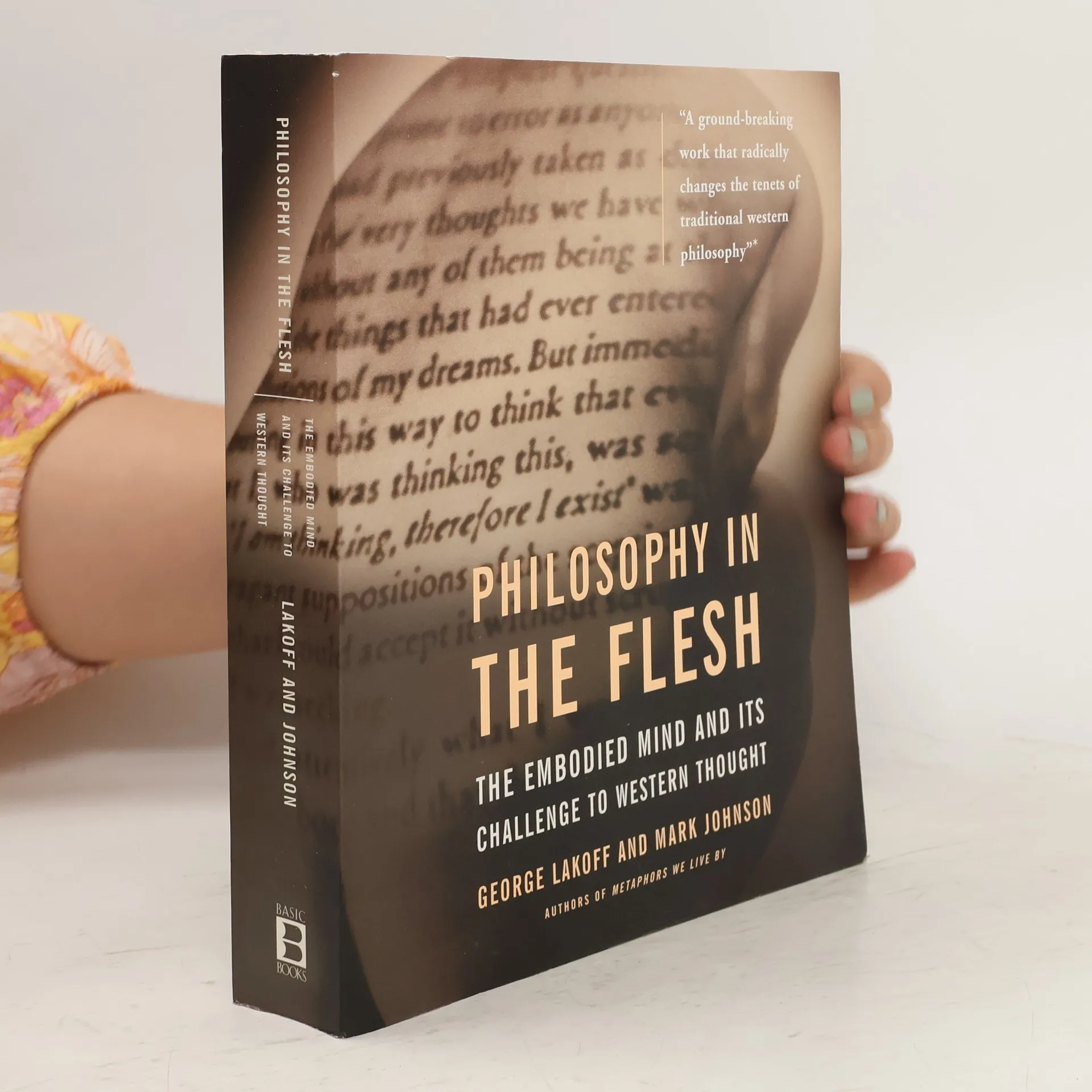
Three major findings of cognitive science cast doubt on the past 2,500 years of Western philosophy. Lakoff and Johnson propose to rebuild philosophy from the ground up, starting from clearly known facts about the mind.
Metafory, kterými žijeme
- 284 stránek
- 10 hodin čtení
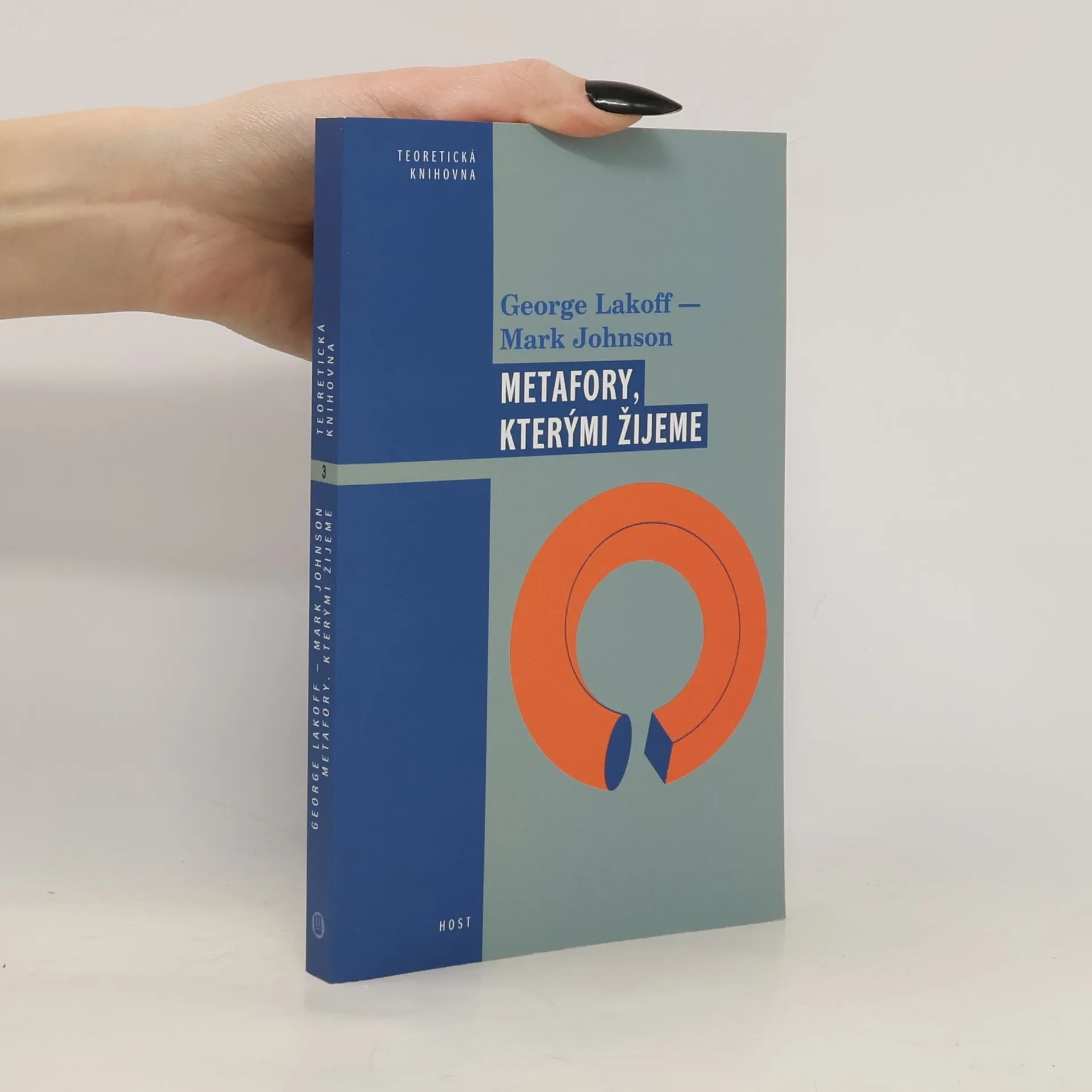
Přelomová kniha v pohledu na metaforu a také jedno ze základních děl takzvané kognitivní vědy. Poprvé vyšla v roce 1980 a od té doby v dalších a dalších vydáních i v překladech do mnoha jazyků. Metafora byla od Aristotela chápána jako inovace v rámci jazyka; autoři Metafor však soudí, že je to jazyk, jenž se děje v rámci metafor, a tudíž že metafora ne představuje pojem pro „ozvláštnění“ naší každodenní reality, ale je spíše jejím modelem. Metafory se podle Johnsona a Lakoffa stávají prvotními koncepty, jimiž se setkáváme se světem, se sebou samými, jimiž si organizujeme zkušenost a díky nimž jsme schopni naše pojmy utřiďovat. Autoři vycházejí z nejběžnějších příkladů našich každodenních situací, v nichž se snaží hledat příbuzné skupiny a analyzovat způsob, kterým jsou tyto skupiny vnitřně pořádány. Styl a argumentace jsou velmi jasné, logické, opřené o minimum speciálních pojmů. Metafory představují knihu, která zasahuje do několika oborů: lingvistiky, filozofie (teorie poznání), literární teorie, estetiky, kulturní antropologie, sociologie, psychologie a teorie modelování.
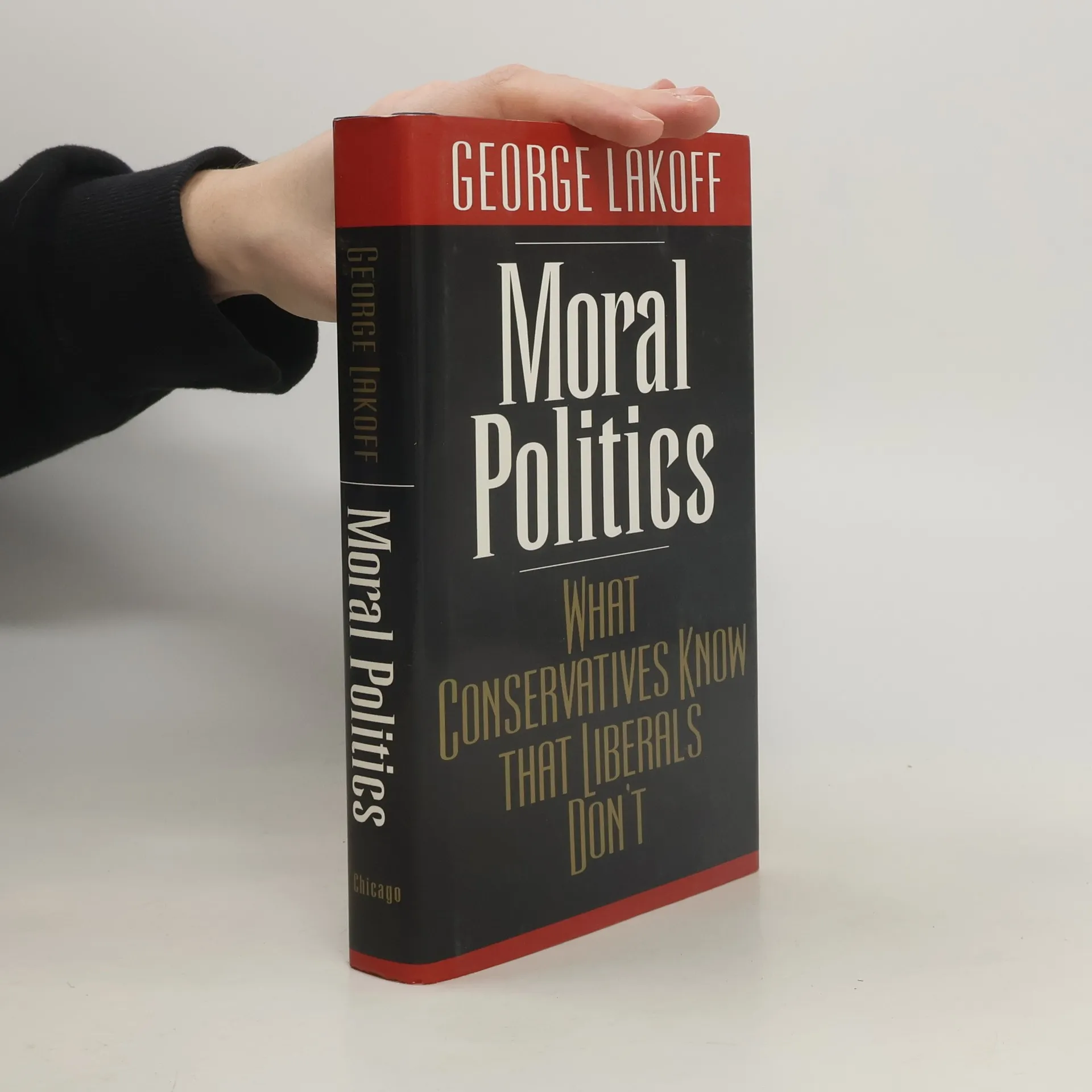
Moral Politics takes a fresh look at how we think and talk about political and moral ideas. George Lakoff analyzed recent political discussion to find that the family—especially the ideal family—is the most powerful metaphor in politics today. Revealing how family-based moral values determine views on diverse issues as crime, gun control, taxation, social programs, and the environment, George Lakoff looks at how conservatives and liberals link morality to politics through the concept of family and how these ideals diverge. Arguing that conservatives have exploited the connection between morality, the family, and politics, while liberals have failed to recognized it, Lakoff explains why conservative moral position has not been effectively challenged. A wake up call to political pundits on both the left and the right, this work redefines how Americans think and talk about politics.
"The authors restore metaphor to our lives by showing us that it's never gone away. We've merely been taught to talk as if it had: as though weather maps were more 'real' than the breath of autumn; as though, for that matter, Reason was really 'cool.' What we're saying whenever we say is a theme this book illumines for anyone attentive." — Hugh Kenner, Johns Hopkins University "In this bold and powerful book, Lakoff and Turner continue their use of metaphor to show how our minds get hold of the world. They have achieved nothing less than a postmodern Understanding Poetry, a new way of reading and teaching that makes poetry again important." — Norman Holland, University of Florida
Ženy, oheň a nebezpečné věci
- 655 stránek
- 23 hodin čtení
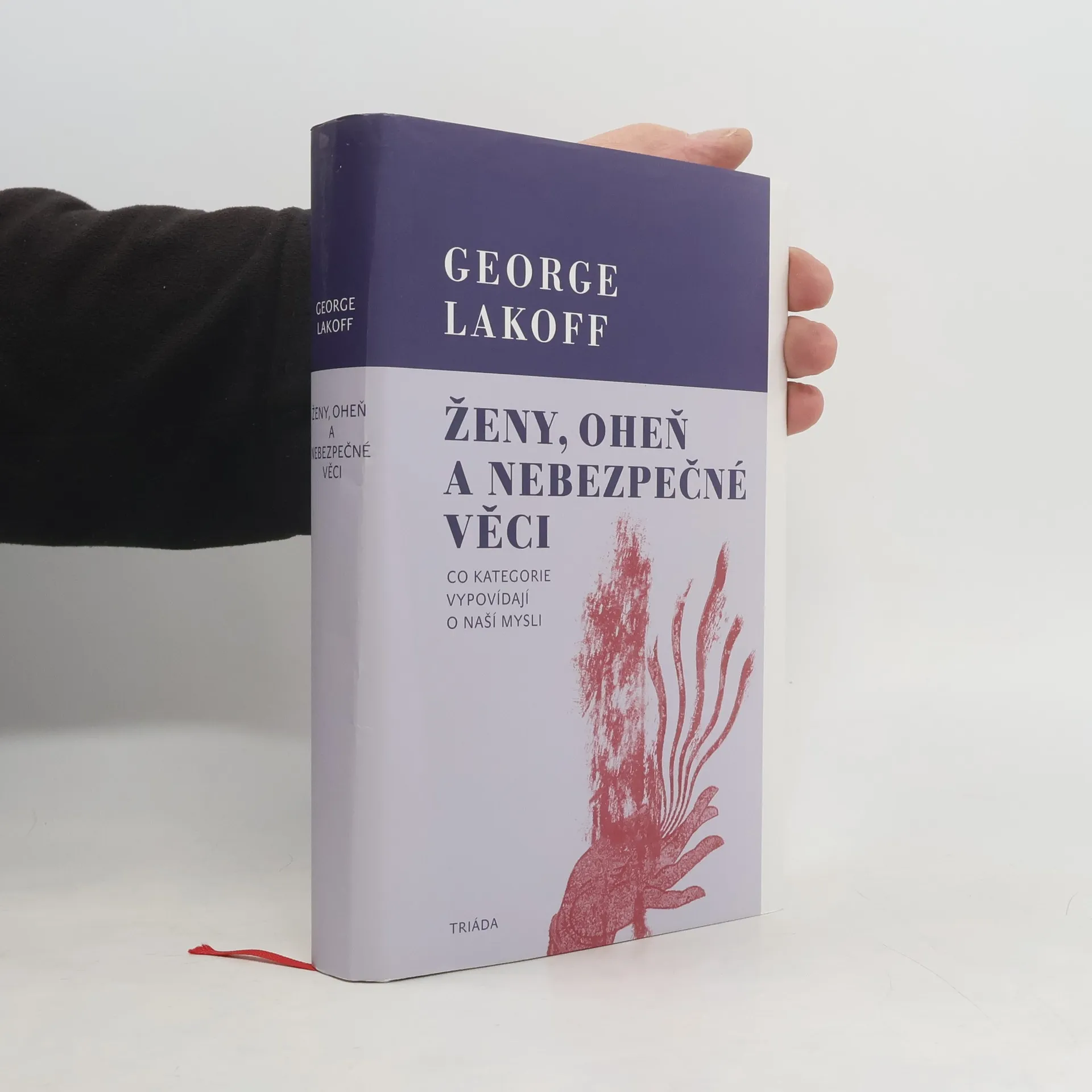
George Lakoff (* 1941), profesor lingvistiky na University of California v Berkeley, patří k nejvýznamnějším lingvistům své generace. V sedmdesátých letech se podílel na vzniku generativní sémantiky, pokusu korigovat některé jednostrannosti chomskeánské lingvistiky (Lakoff je žákem Noama Chomského a následně jeho kritikem). O desetiletí později stál u zrodu kognitivní lingvistiky. Proti objektivistickému pojetí myšlení, ukotvenému v tradičních aristotelovských kategoriích, staví široce založenou teorii experiencialistickou. Lakoff v této publikaci shrnuje poznatky mnoha vědních oborů, které se setkávají pod hlavičkou kognitivní vědy - filozofie, psychologie, antropologie, matematiky, logiky, biologie, umělé inteligence apod. Doplňuje je vlastním zkoumáním, včetně rozsáhlých jazykovědných případových studií, a poskytuje jednotný konceptuální rámec pro nové základy studia lidské mysli a tím i nové základy kognitivní vědy.