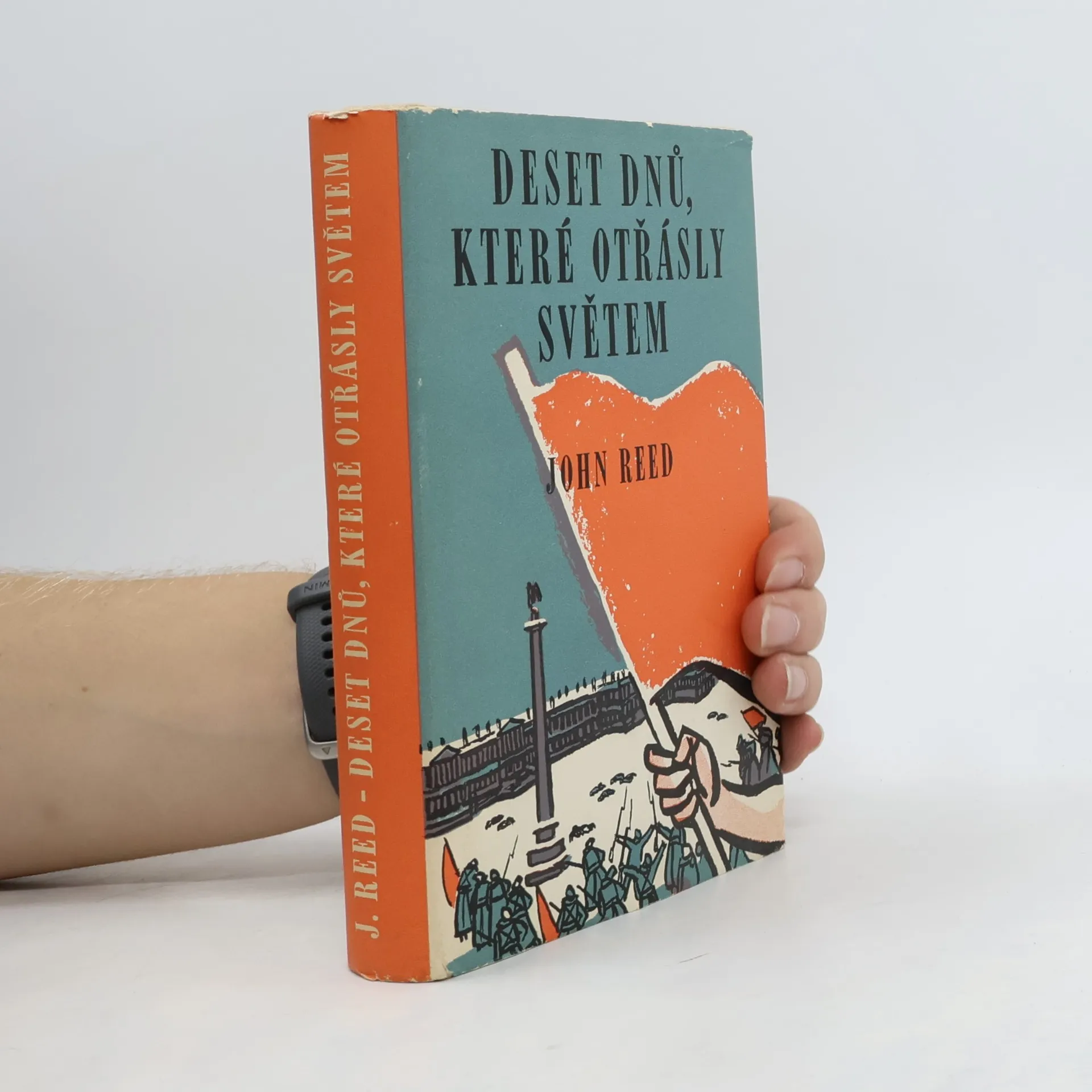
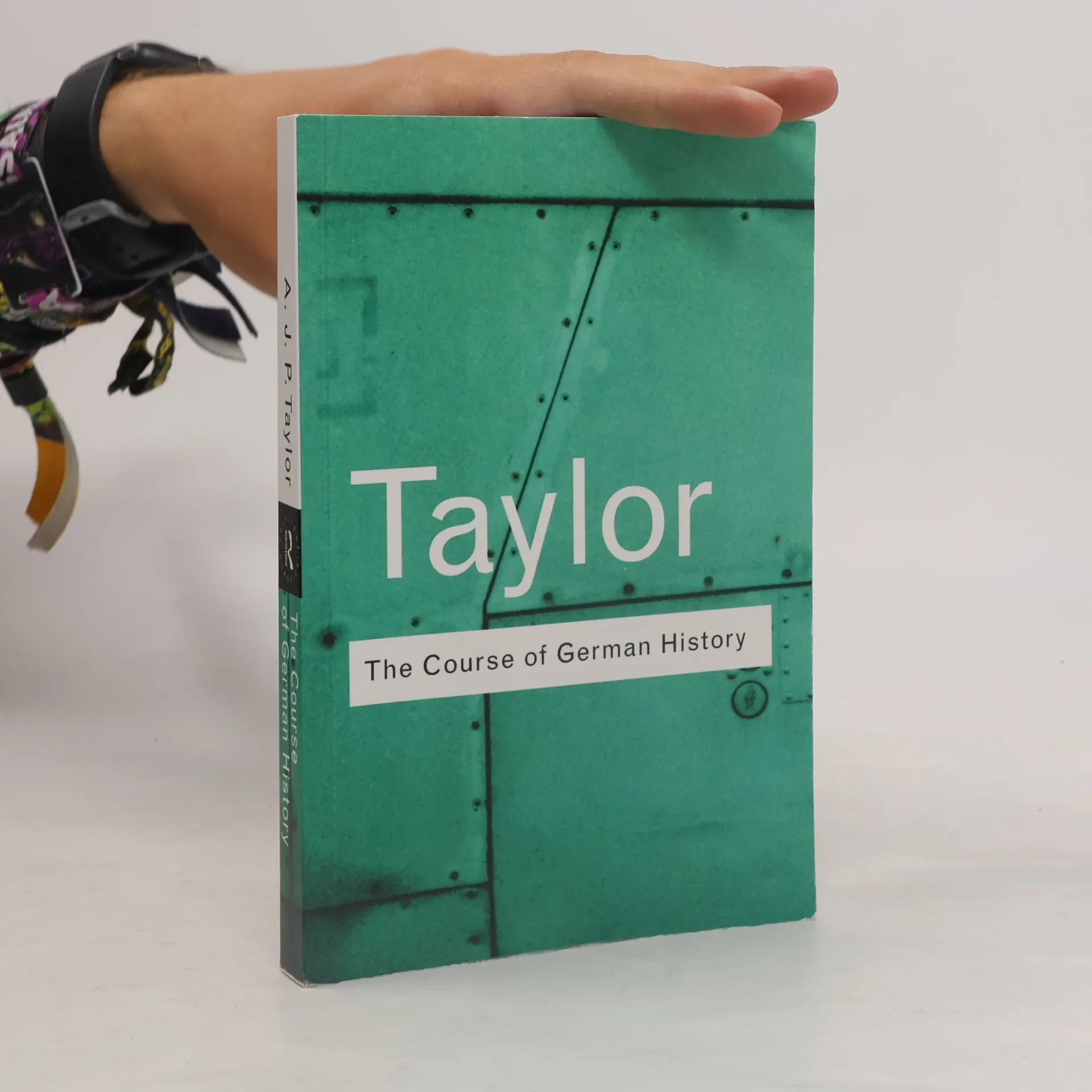
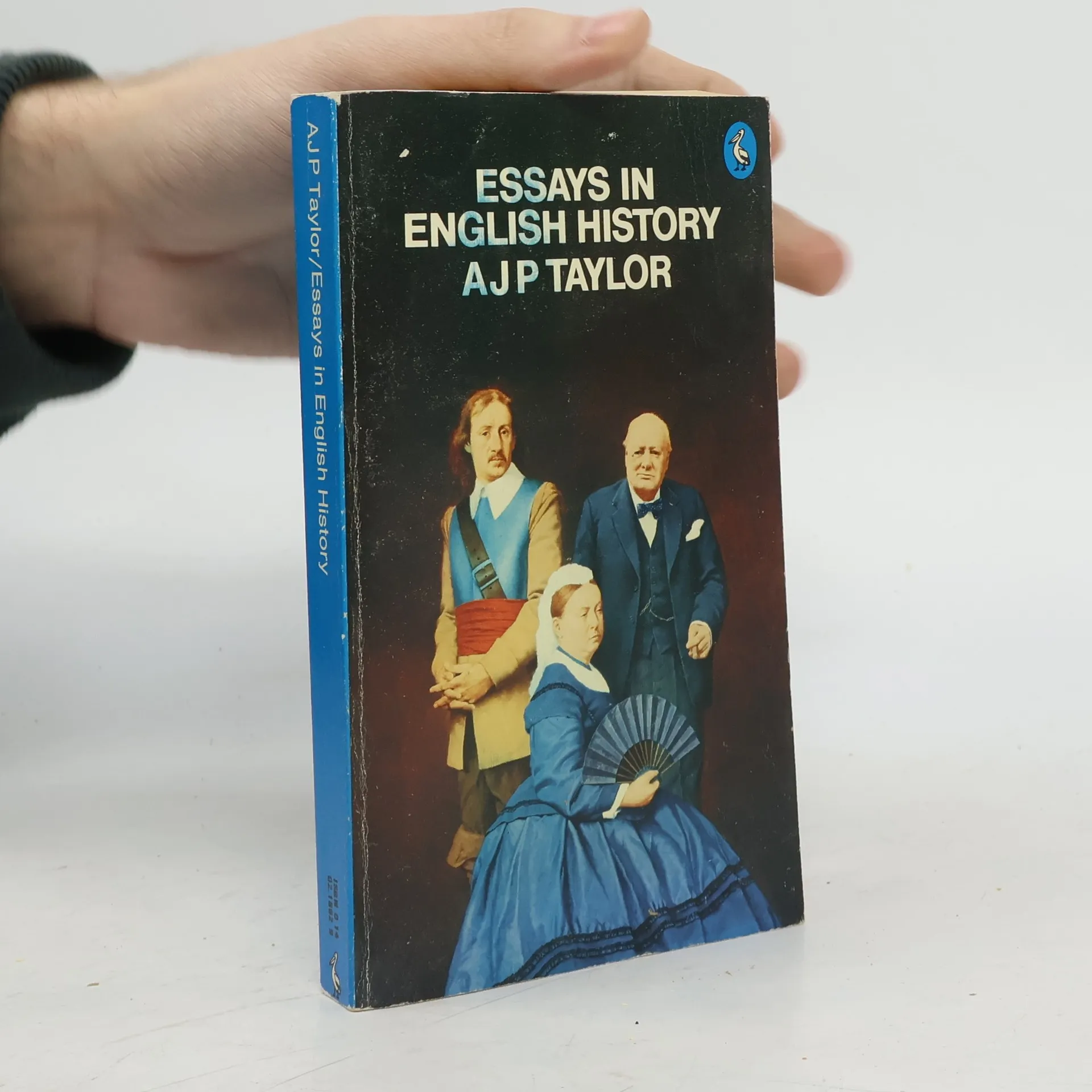
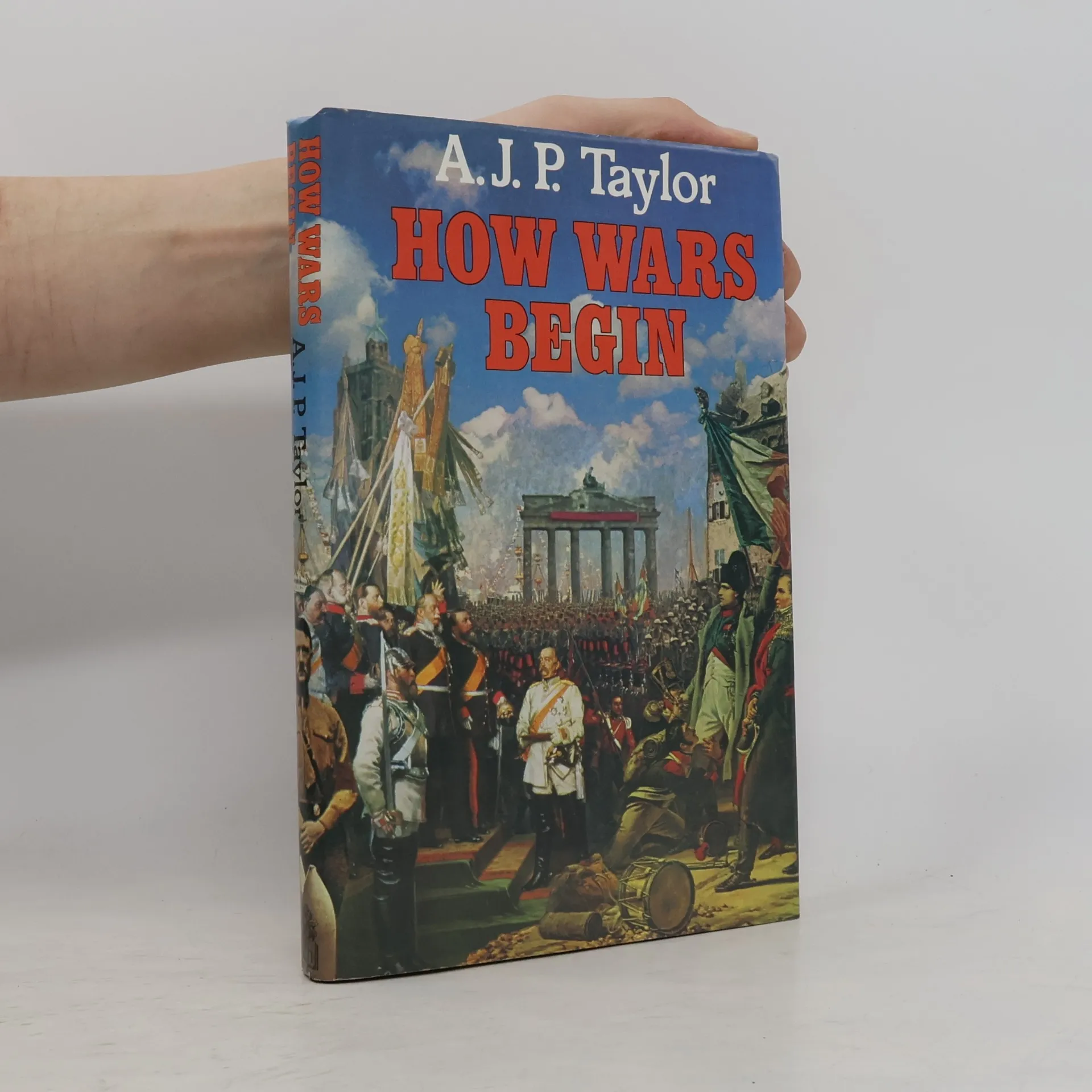
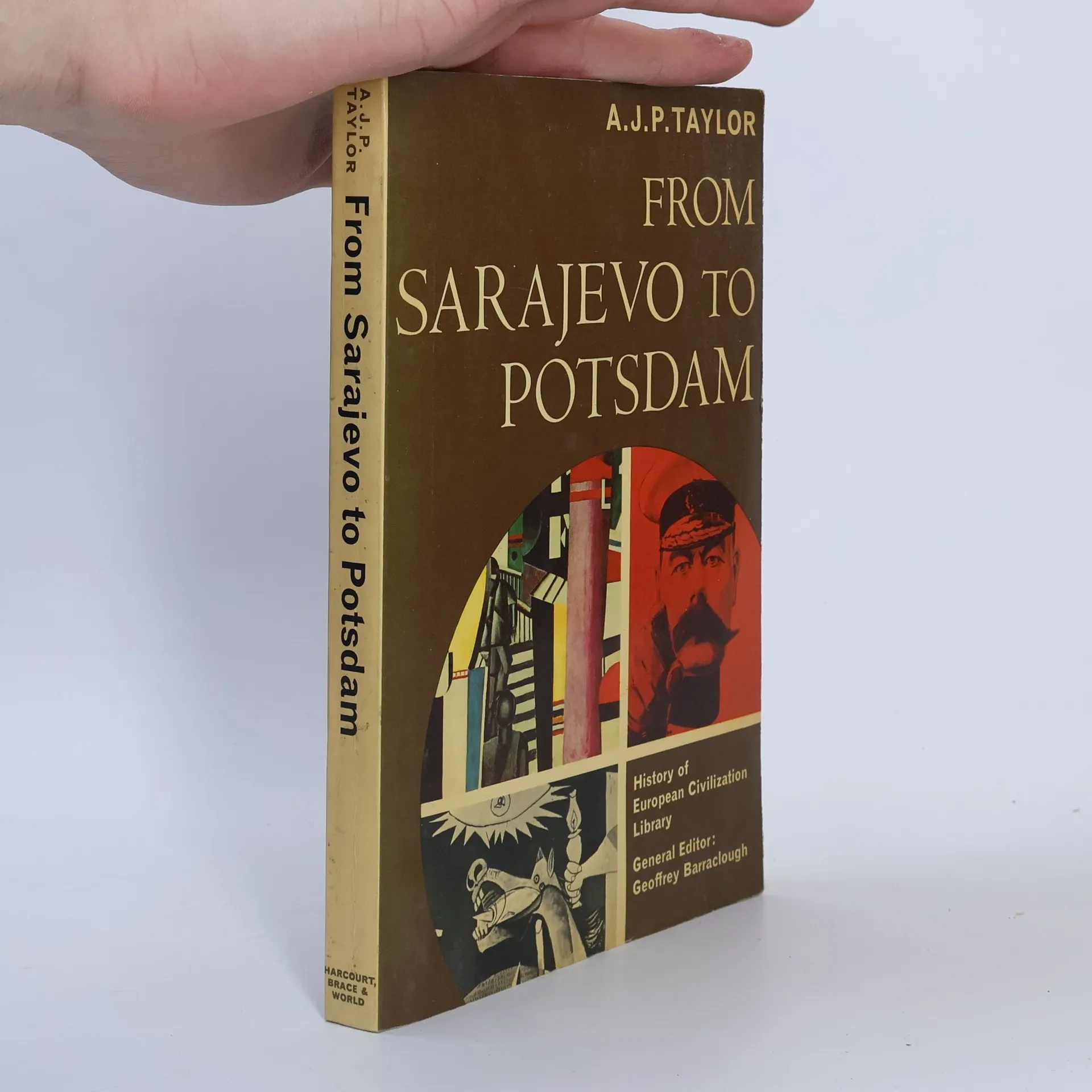
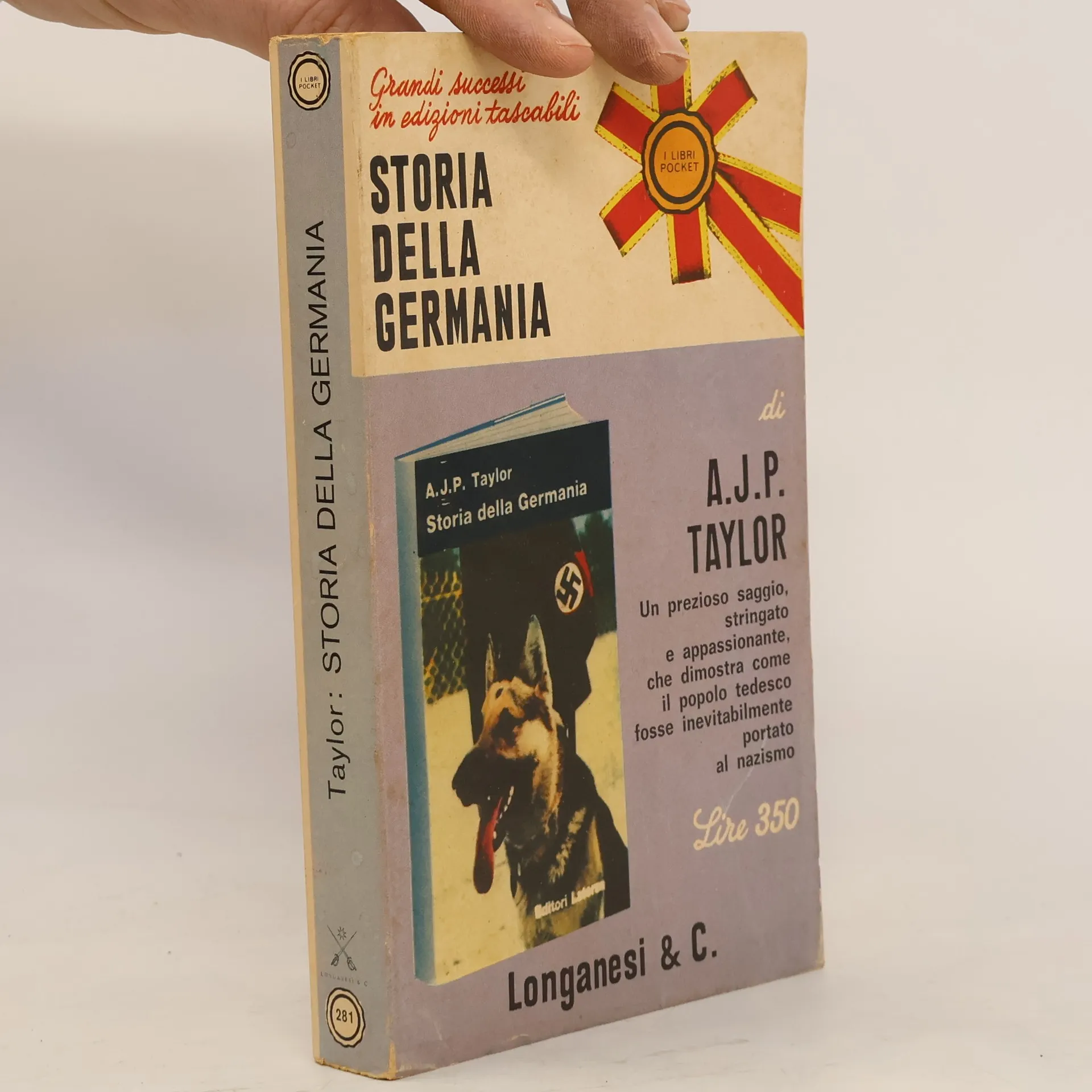
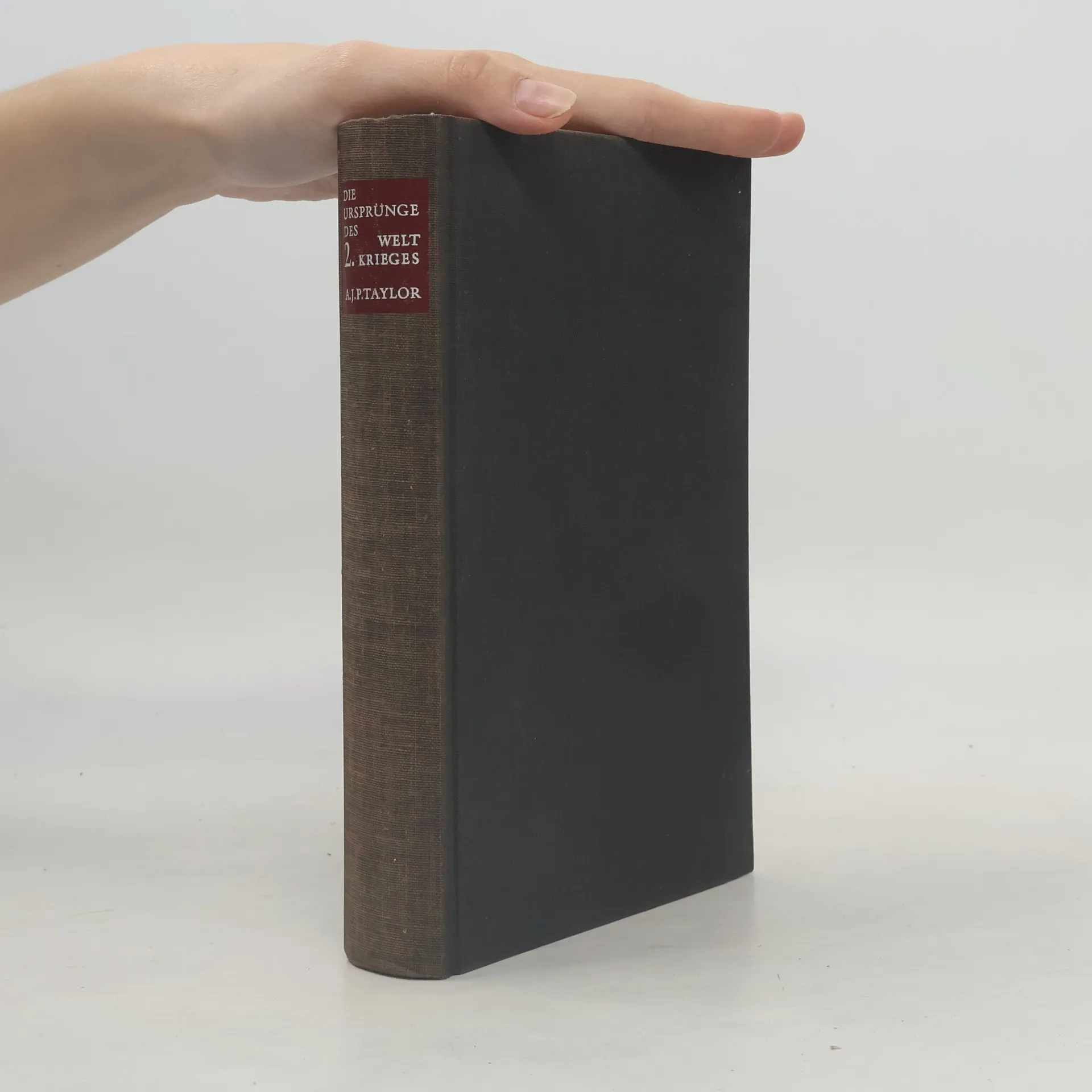
Alan Taylor byl britský historik 20. století a uznávaný akademik, který se proslavil svými populárními televizními přednáškami. Jeho popularita pramenila z jeho schopnosti zpřístupnit složité historické události širokému publiku prostřednictvím poutavého a srozumitelného stylu vyprávění. Taylor se ve své práci zaměřoval na moderní historii a často nabízel nekonvenční pohledy, které vyvolávaly diskuse. Jeho vliv na popularizaci historie byl značný, jelikož přiblížil akademickou práci mnoha lidem, kteří by se s ní jinak nesetkali.
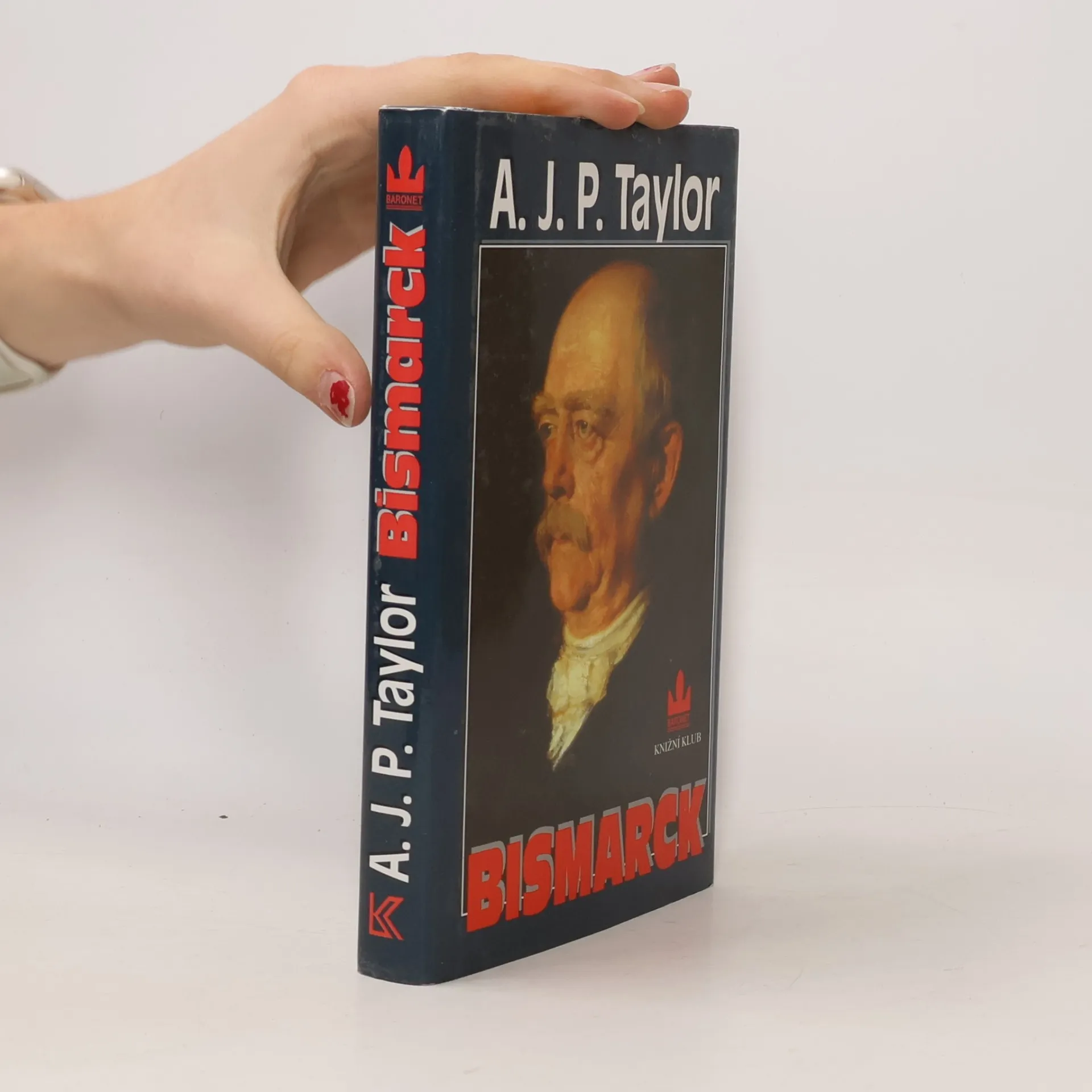
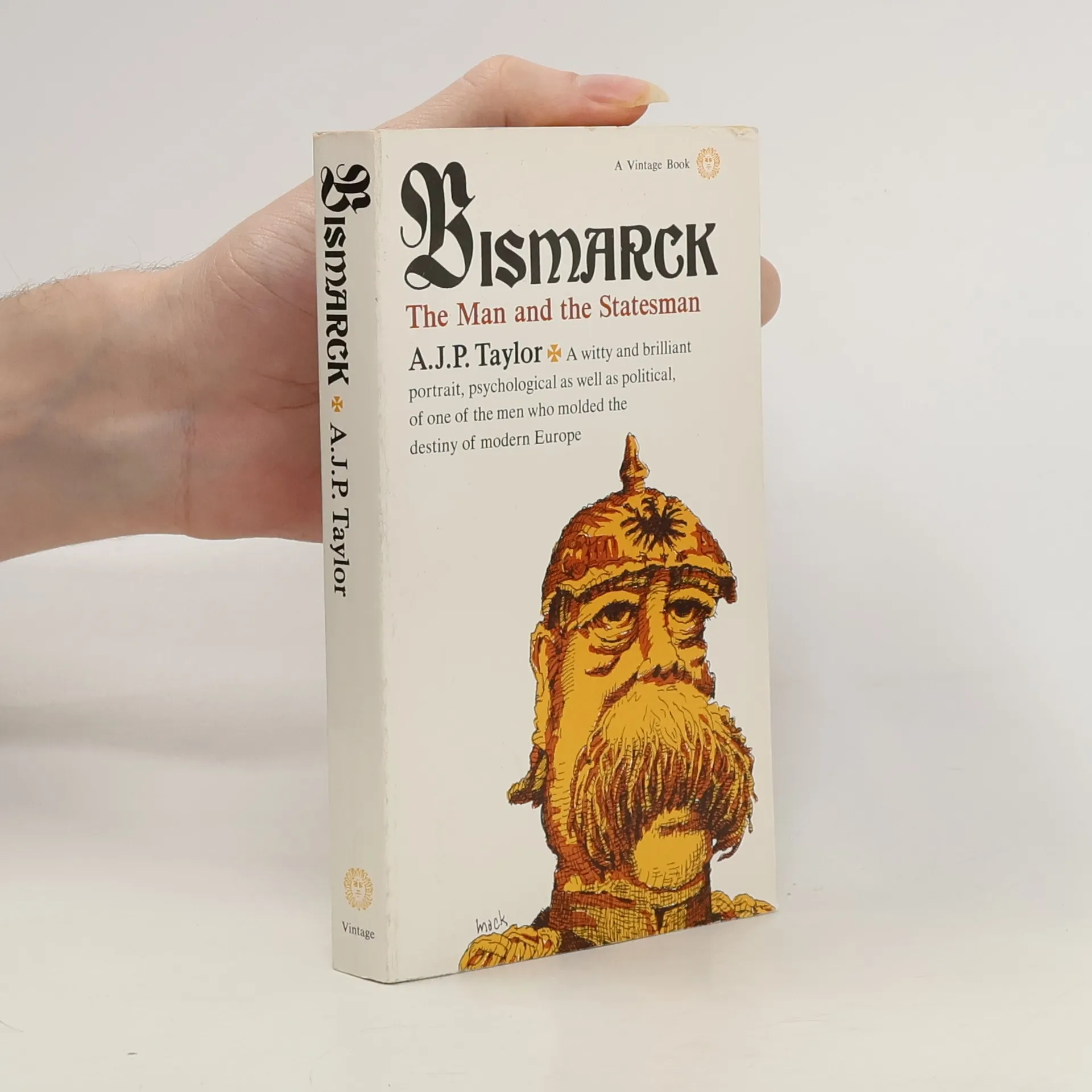
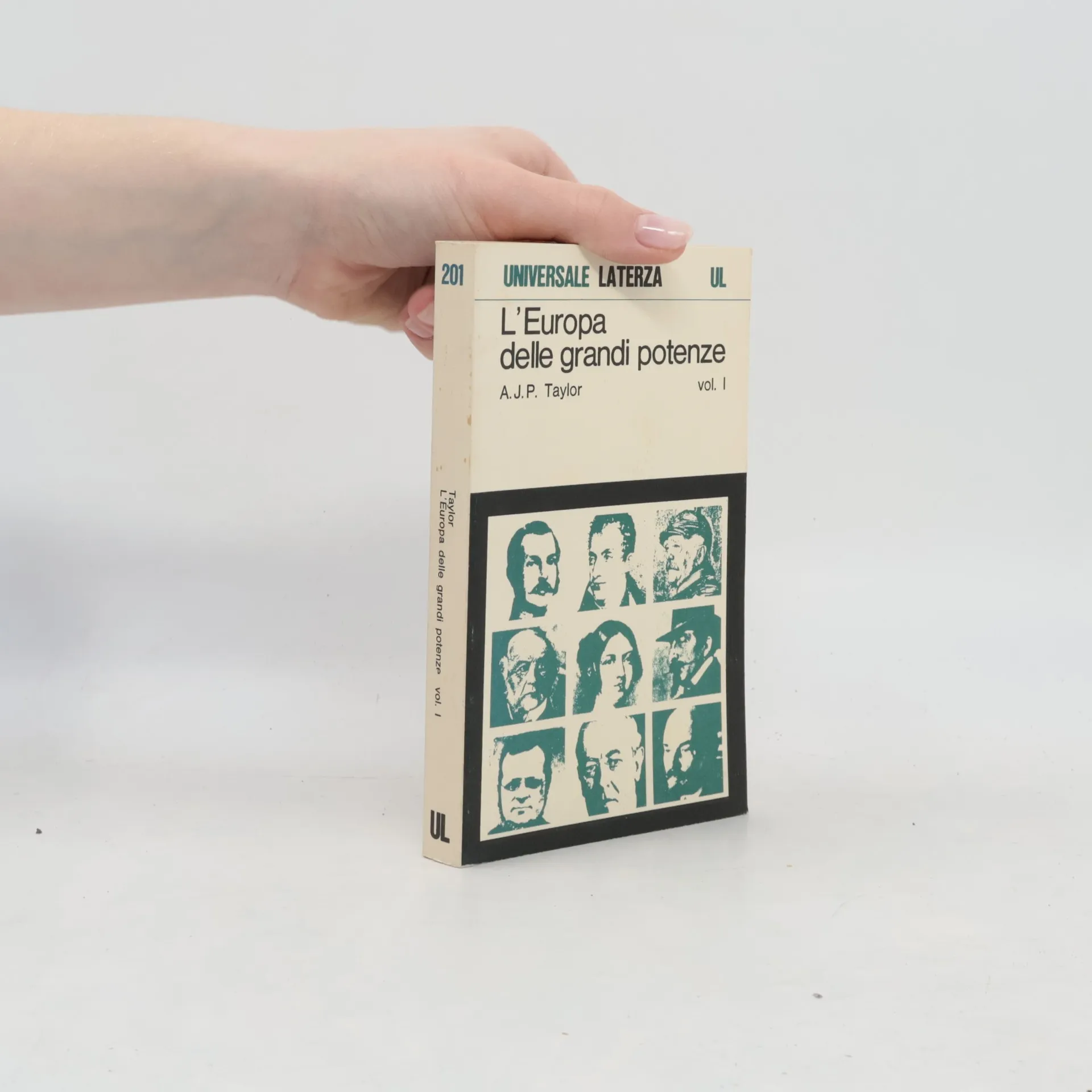
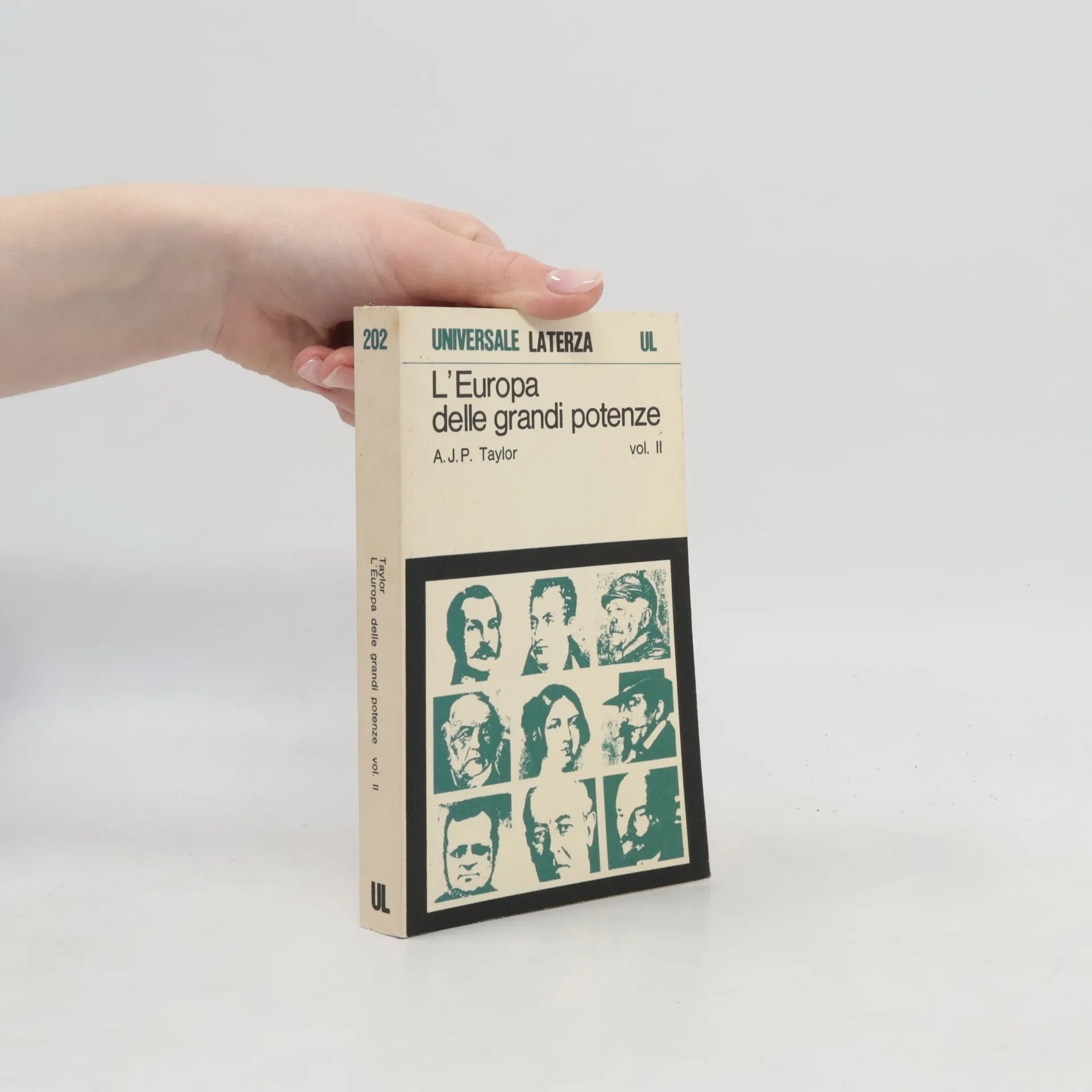
OTTO VON BISMARCK, jedna z nejvýznámějších postav německých dějin 19. století, byl v roce 1862 povolán pruským králem do čela vlády a v této funkci setrval téměř třicet let. Svou účelovou politikou dokázal sjednotit Německo v mocný moderní stát.
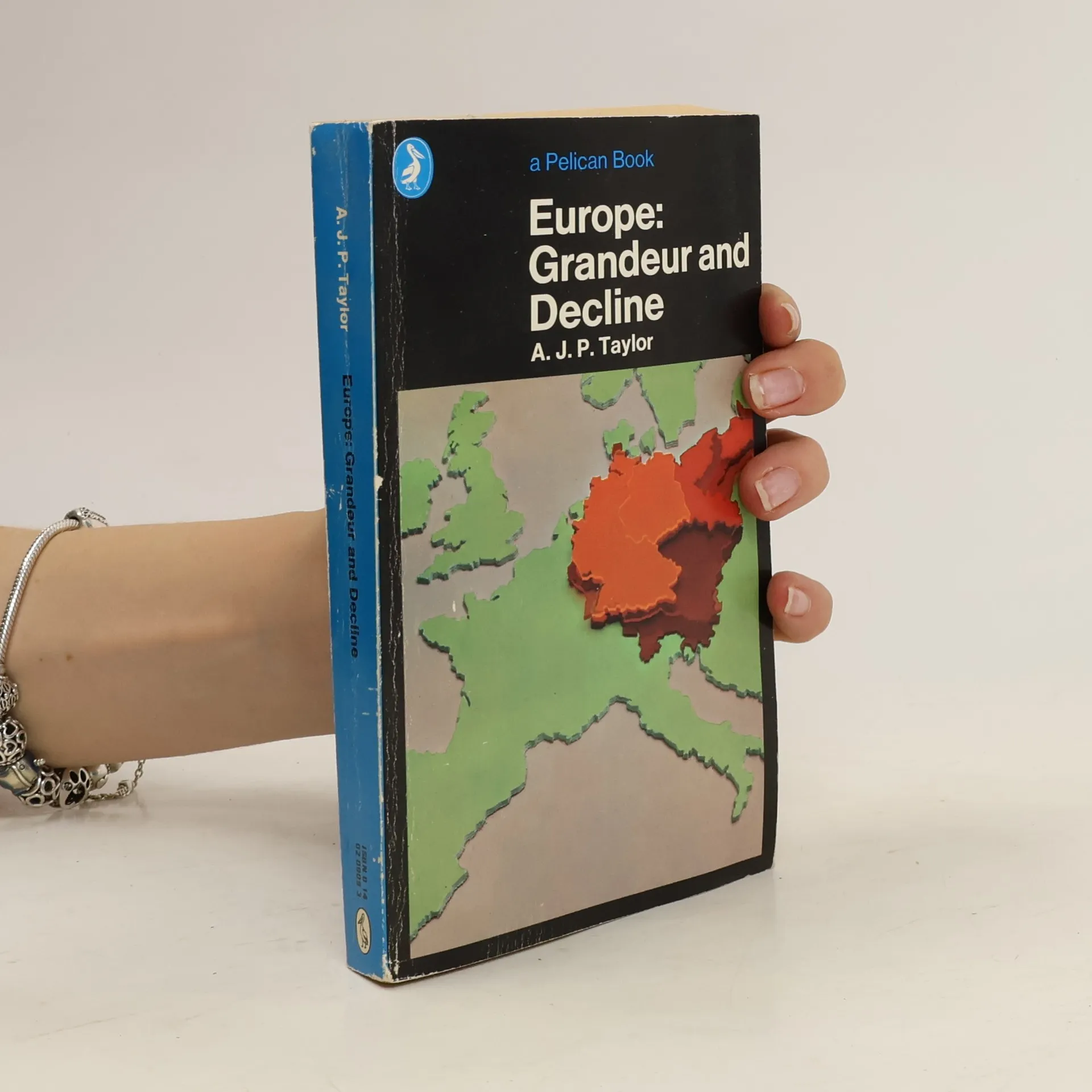
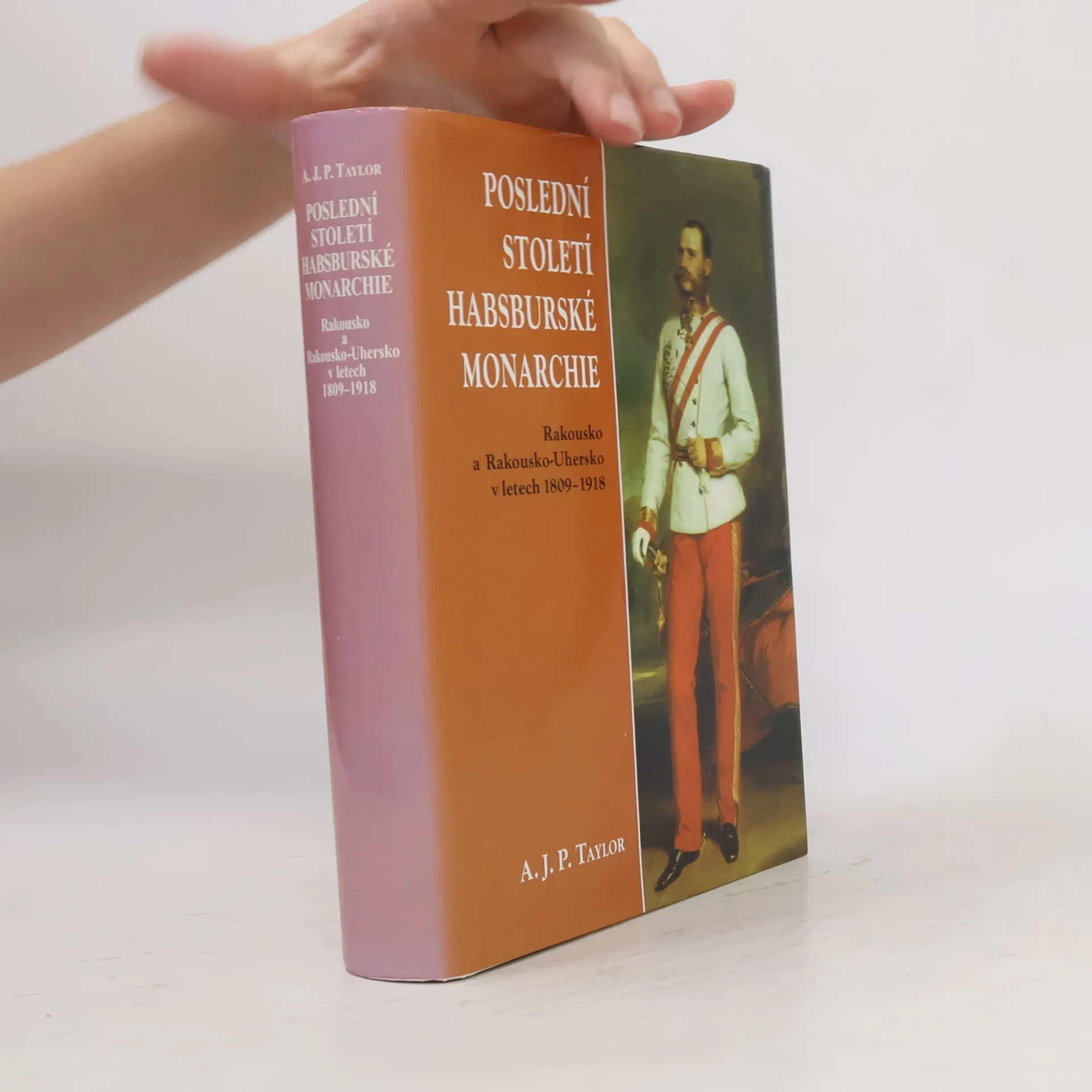
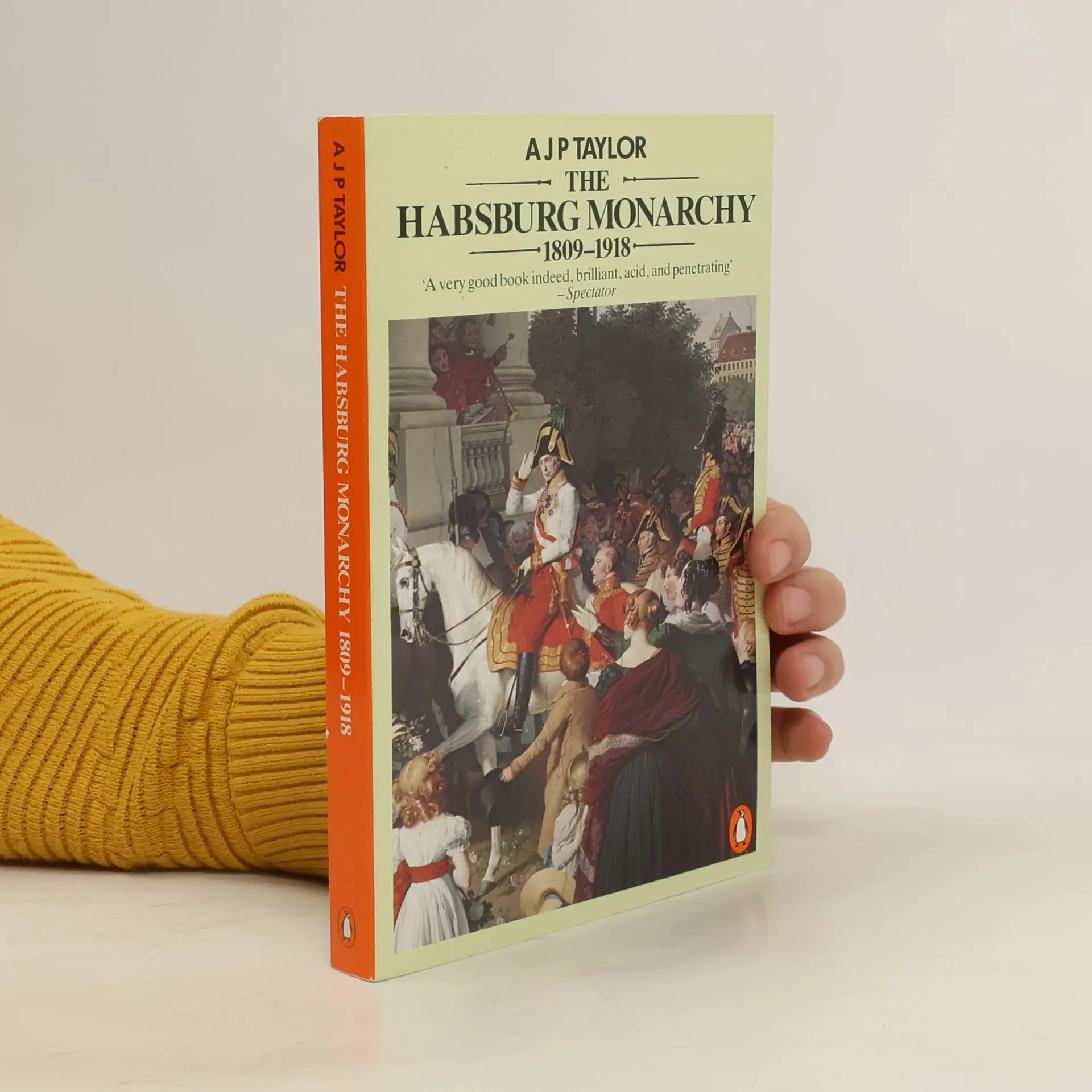
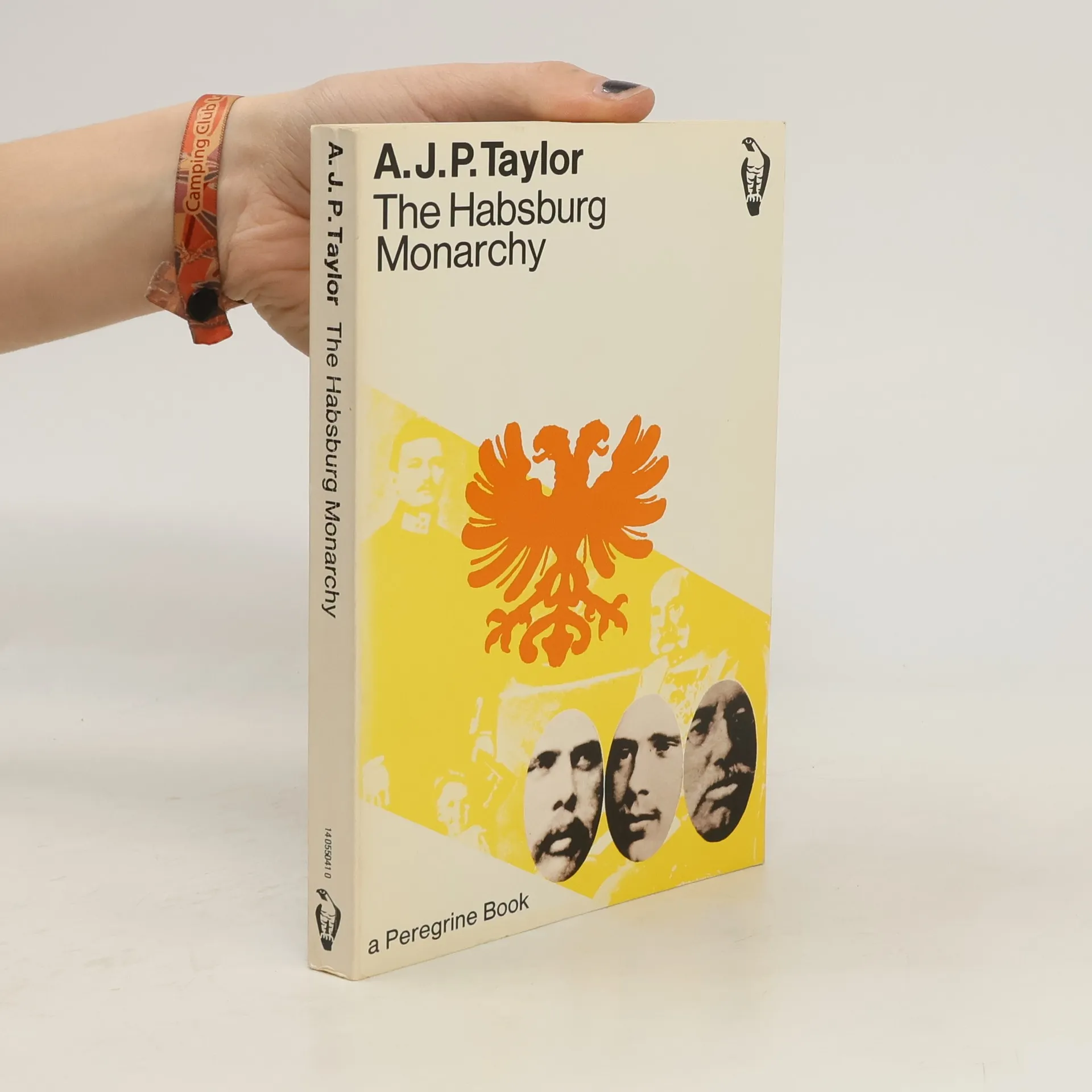
Ačkoliv od vzniku této knihy uběhlo něco přes půlstoletí, patří stále k základním pohledů na dějiny habsburské monarchie, hlavně jejího posledního století. Sleduje komplexně politické dění v jednotlivých částech, proměny národnostní demografie, finanční zázemí či průmyslový potenciál jednotlivých částí soustátí.
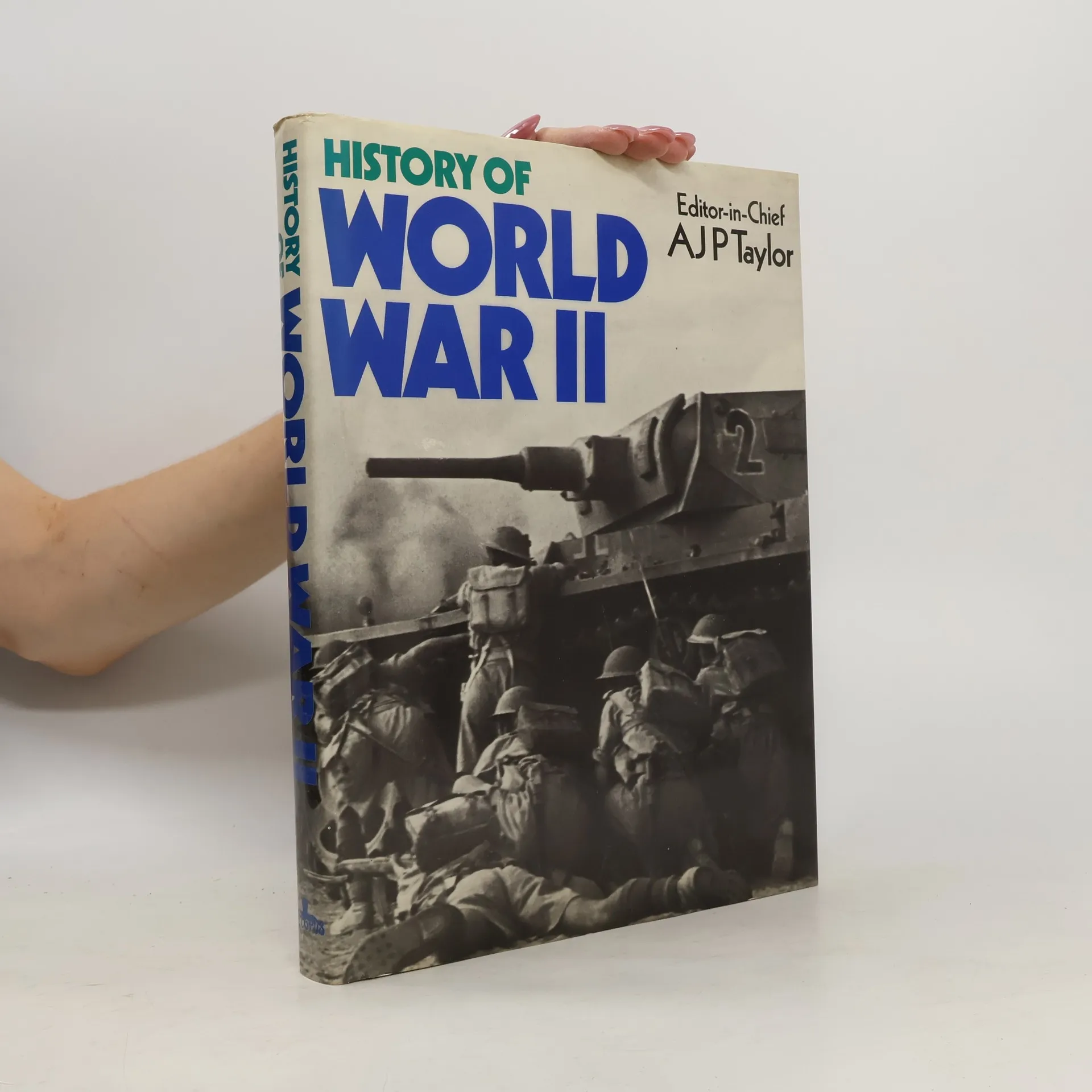
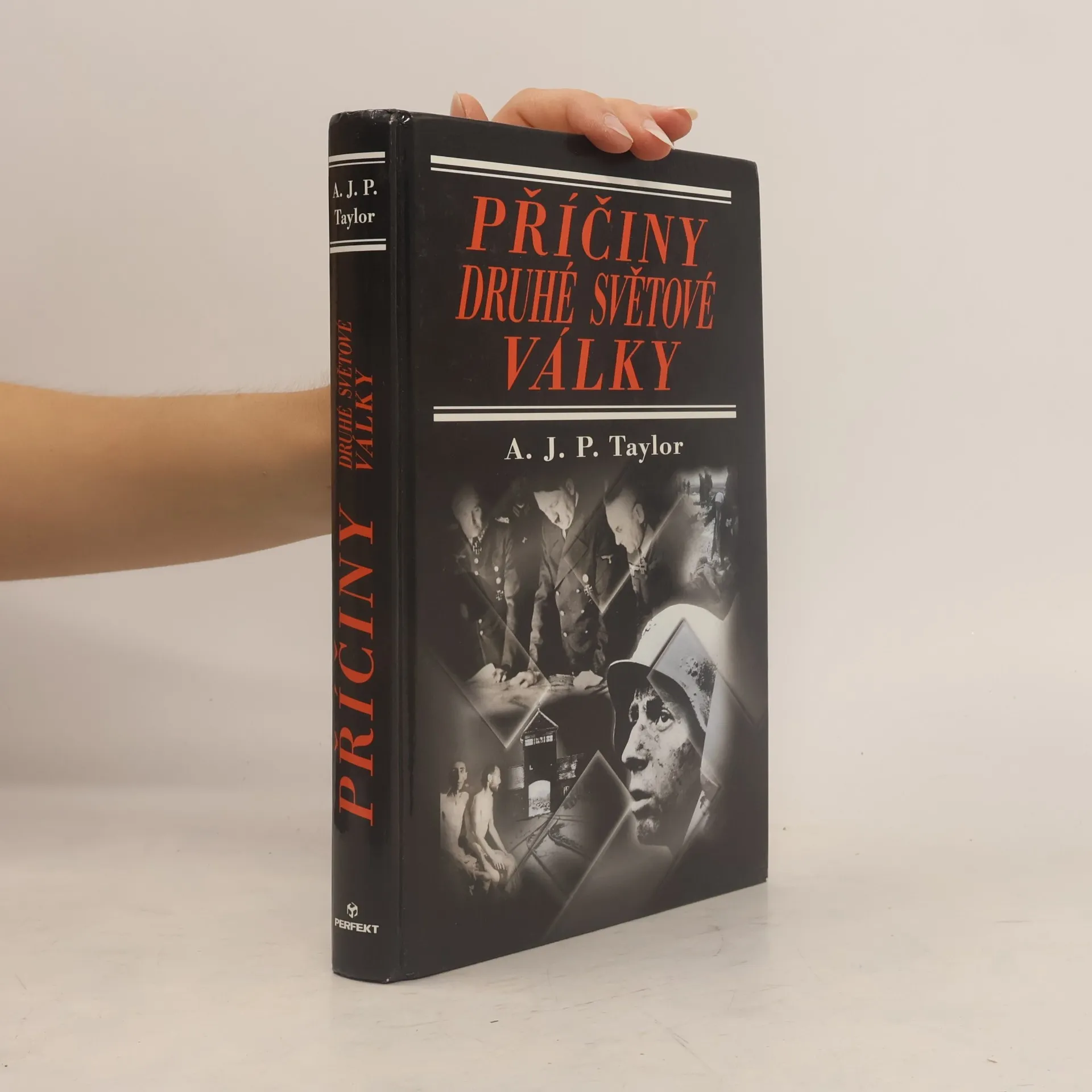
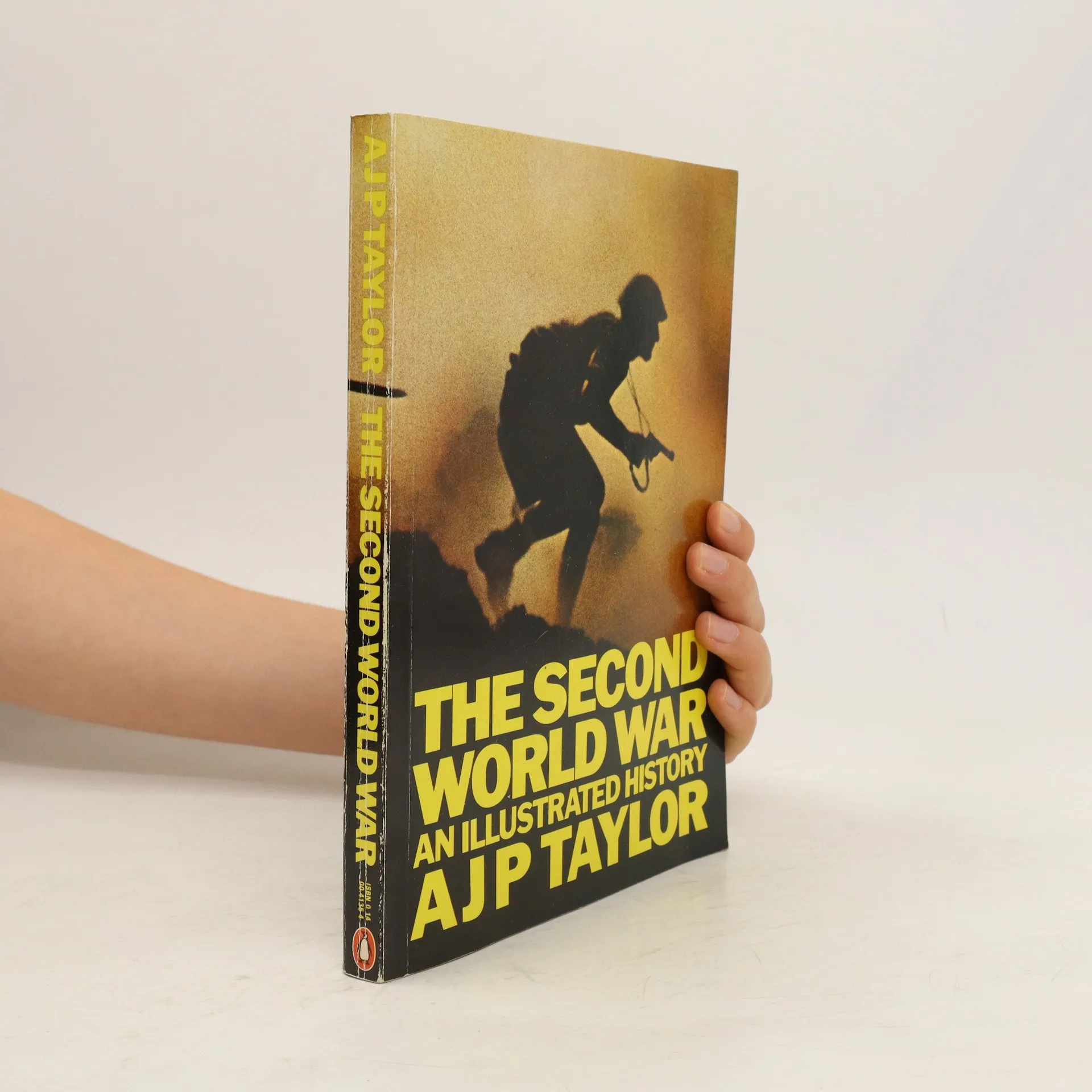
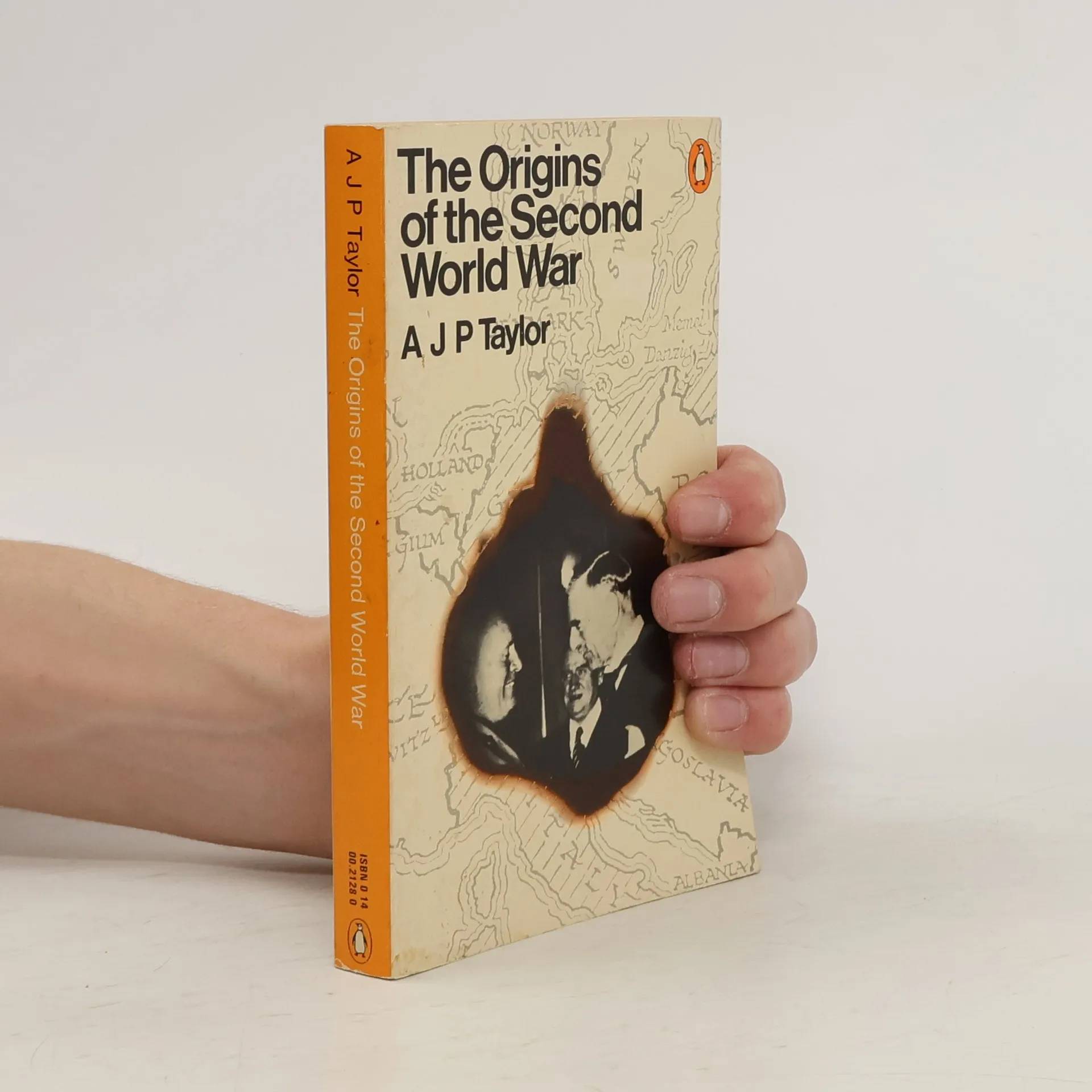
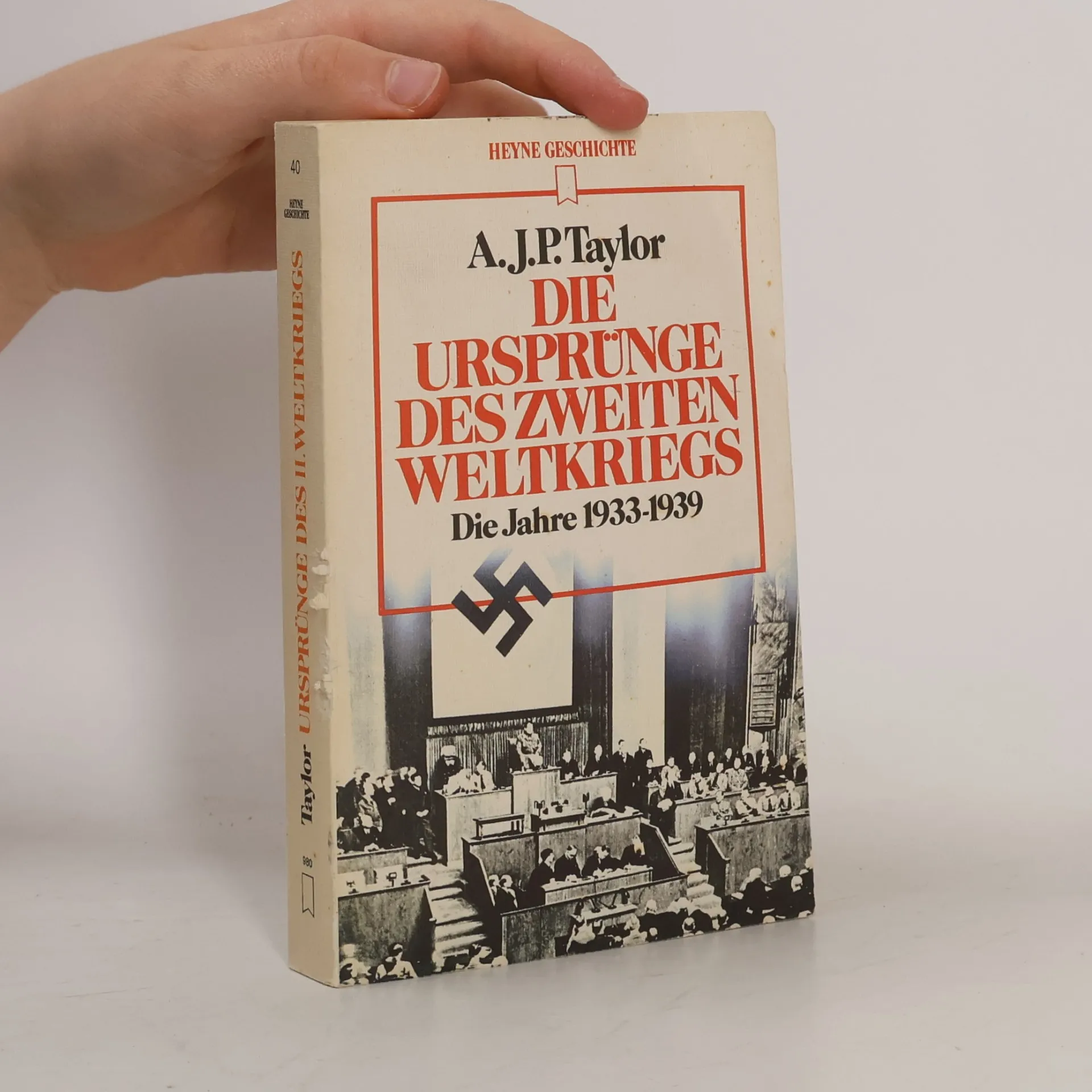
Autor v knize napadl obecně akceptované pravdy o druhé světové válce, například provokativně prohlásil, že Hitler si nekladl za cíl vyvolat válku jako součást svého zločineckého plánu, ale dostal se do ní zčásti náhodou, díky nedostatkům jiných. Taylorovo precizní prozkoumání událostí, jež předcházely nacistickému vpádu do Polska 1. září 1939, otevřelo širokou diskusi a dodnes je pokládáno za vynikající a klasickou ukázku vědeckého bádání.
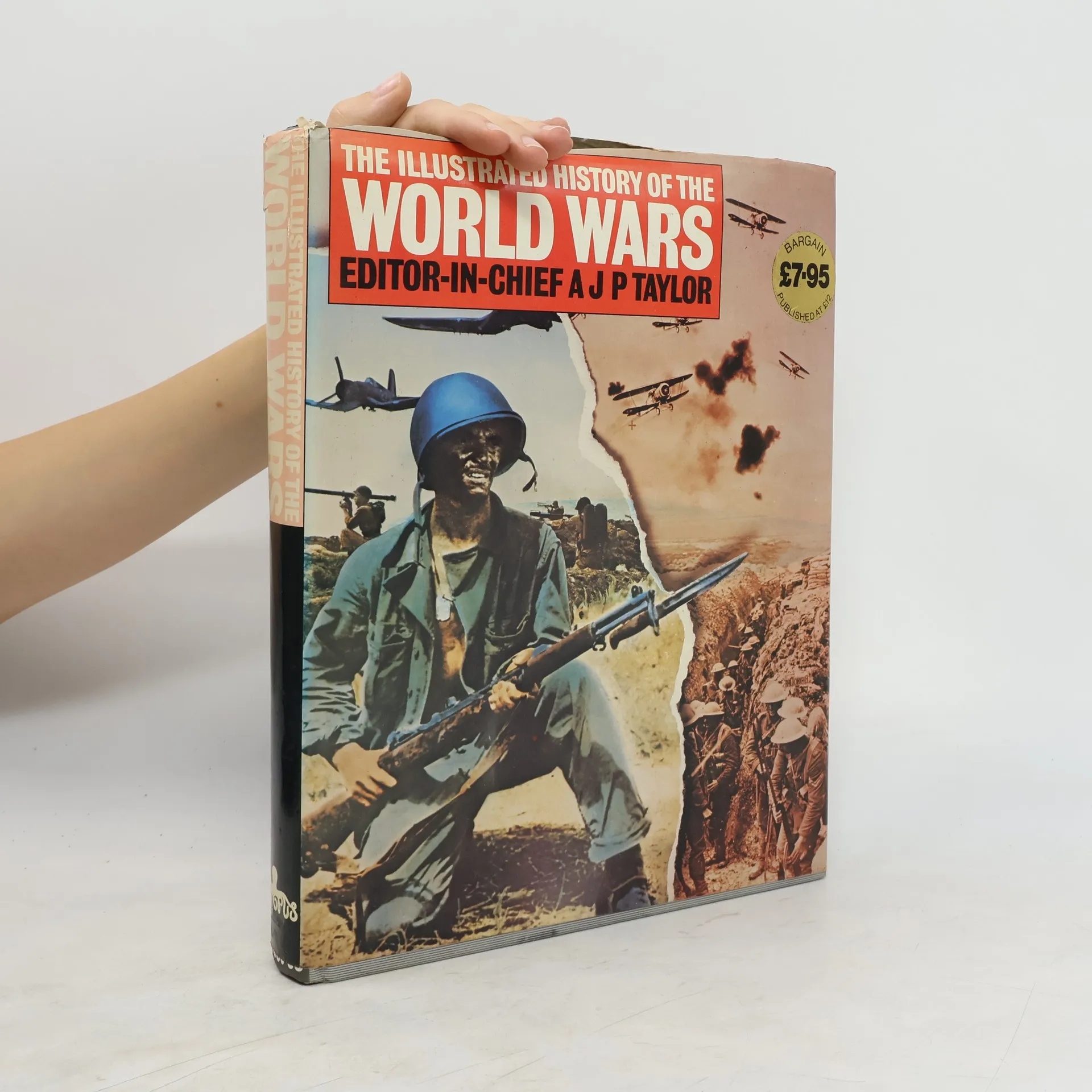
Hardcover Publisher: Galahad Books; First Edition/First Printing edition (1978) Language: English ISBN-10: 0883654024 ISBN-13: 978-0883654026 Product Dimensions: 9 x 6 x 1 inches Shipping Weight: 1.4 pounds Average Customer Review: Be the first to review this item
Children use all their senses to develop early learning skills at nursery. Tracing tactile numbers and counting and repeating will gently familiarise children with the shapes and sounds of numbers from 1 to 20.
A fine copy. As new. Later printing. Paper wrappers. Trade format. 608 pp. Illus. with b/w photos. Excellent overview by one of the most prolific military historians today.
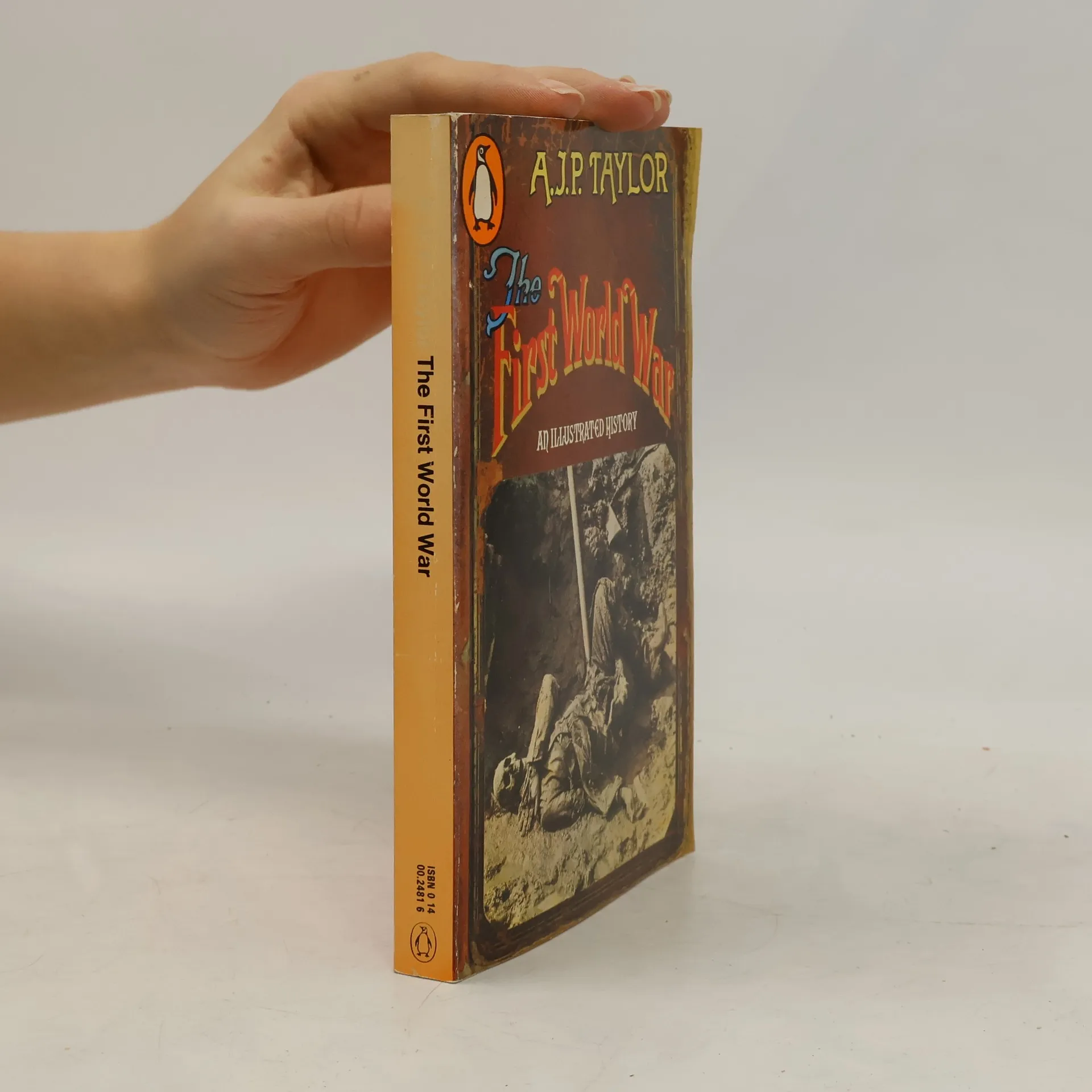
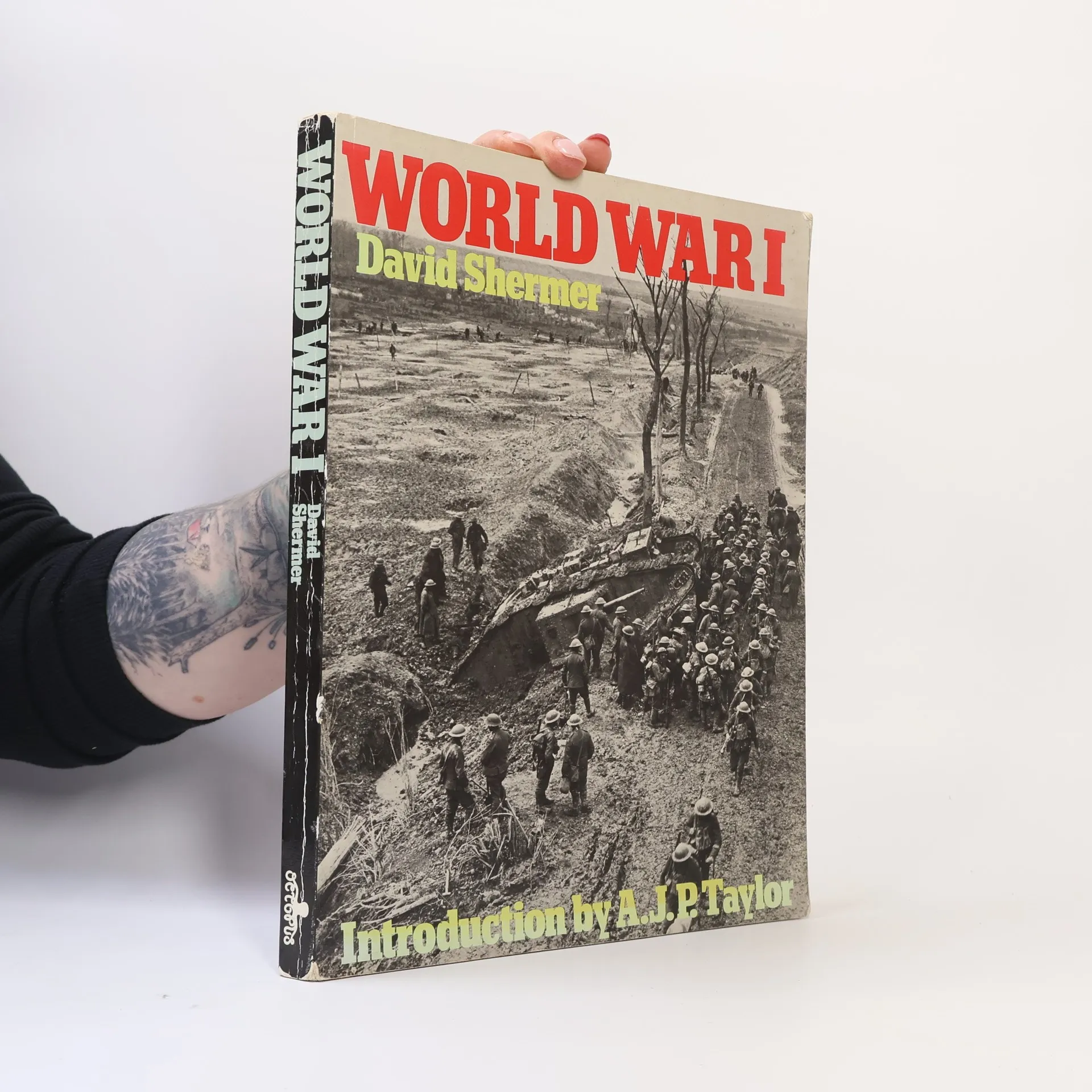
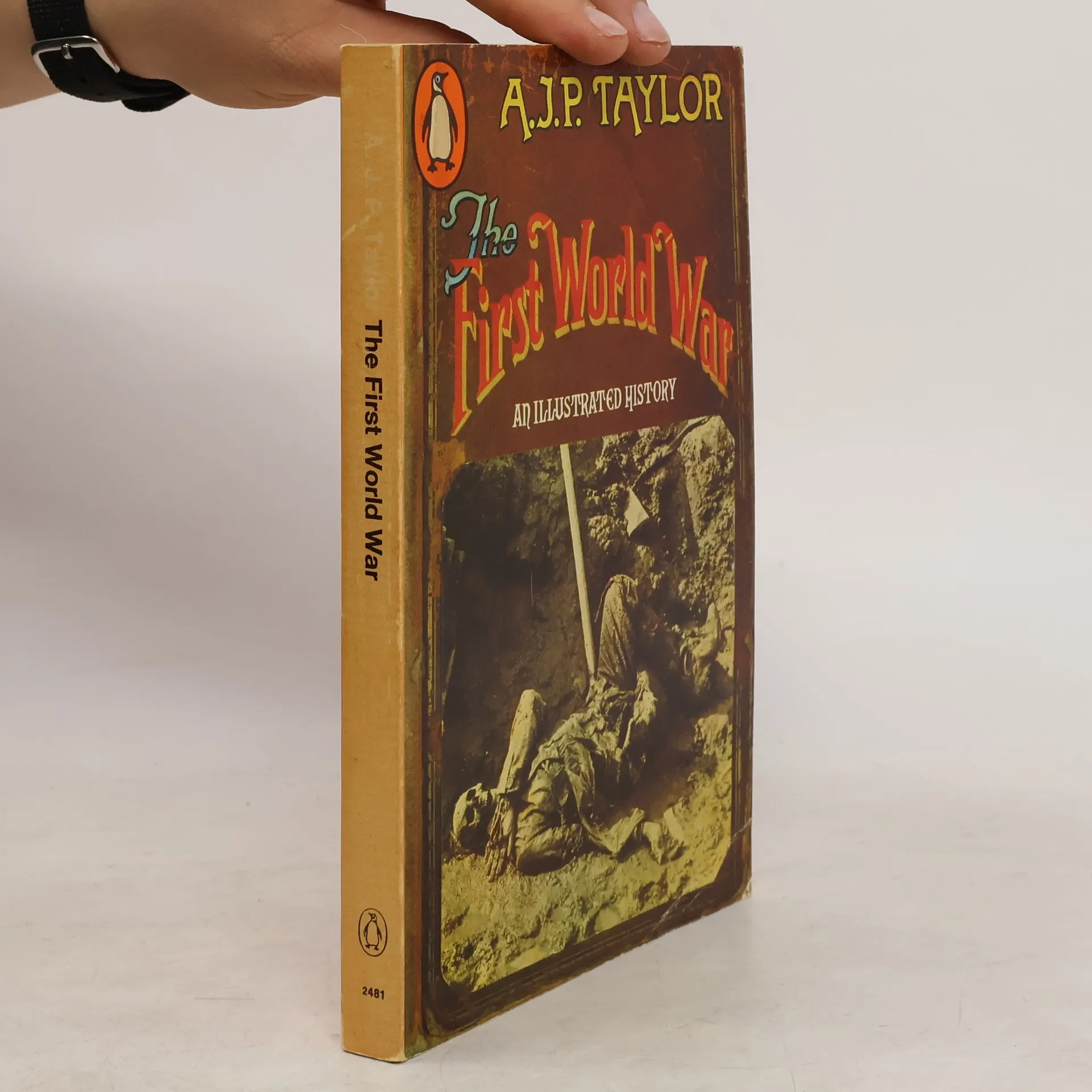
Presents an account of the First World War. This title tells the story of the
conflict from the German advance in the West, through the Marne, Gallipoli,
the Balkans and the War at Sea to the offensives of 1918 and the state of
Europe after the war. Containing photographs and maps, it offers an essential
history of the war.
This volume details the many issues, both social and political, that arose as a consequence of World War I, including: the people and the state; self-determination; Britannia's diminishing power; and innovations in conflict.
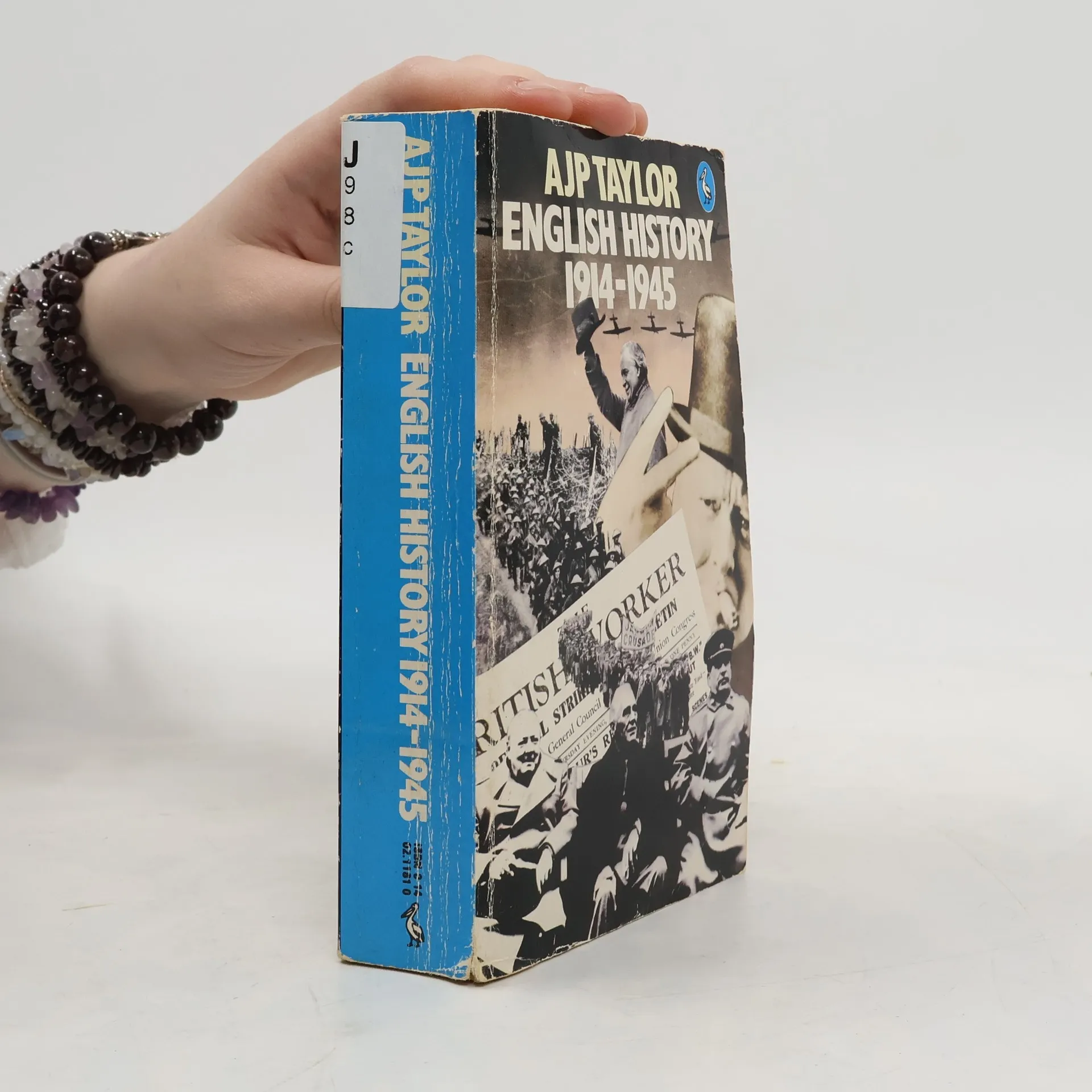
This book chronicles three decades largely overshadowed by war and mass unemployment. It was a period that saw in England the formation of a national government, the only genuine incidence of three-party politics, the fruition of campaigns for trades union recognition, women's suffrage, and Irish independence, and abroad withdrawal from the Gold Standard and involvement in collective security. Written in Taylor's customary provocative style, this is historical writing at its best. -;This book begins on 4 August 1914, the day Britain entered the 'Great War', and describes the three decades of unparalleled upheaval and change up to the defeat of Japan in 1945, which marked the end of the Second World War.Twin themes of international conflict and mass unemployment in England predominate - besides giving a full account of foreign and domestic politics which were elaborated to deal with them, Taylor also pays particular attention to the impact of events on everyday lives.This book is an essential work from one of the finest historians of the twentieth century, which no one interested in the affairs of the UK will want to be without. -
Biography of the Prussian Prime Minister and chancellor of Germany focuses on his motives and methods, especially during his rise to power in the 1860s and removal from office in 1890.
A history of the Habsburg monarchy from the end of the Holy Roman Empire to the monarchy's dissolution in 1918. The book offers an insight into the problems inherent in the attempt to give peace, stability and common loyalty to a hetergeneous population.
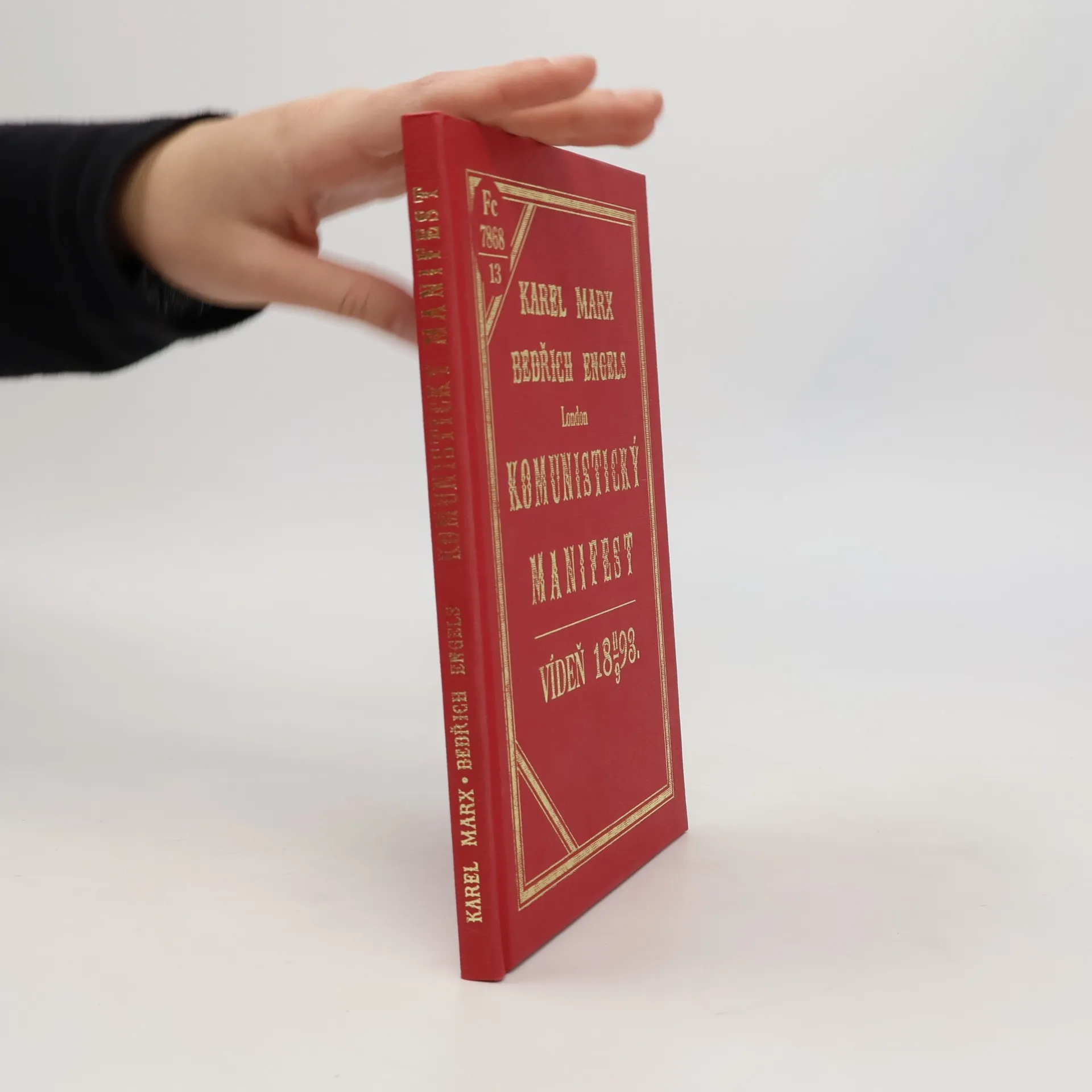
Prvýkrát vyšiel v Londýne 21. februára 1848 ako samostatné dielo na 23 stranách, napísaný Karlom Marxom a Friedrichom Engelsom ako program Zväzu komunistov. Od marca do júla 1848 bol publikovaný v nemeckých emigrantských novinách „Deutsche Londoner Zeitung”. Nemecká verzia vyšla v Londýne ako brožúra na 30 stranách, s opravami chýb a zlepšenou interpunkciou. Tento text sa stal základom pre ďalšie vydania. V tom istom roku bol preložený do viacerých jazykov, pričom mená autorov sa prvýkrát objavili v roku 1850 v anglickom preklade. V roku 1872 vyšlo nové nemecké vydanie s drobnými autorskými úpravami a predslovom od autorov. Následné nemecké vydania z rokov 1883 a 1890 sa už objavili pod titulom Komunistický manifest. Prvé ruské vydanie vyšlo v roku 1868, avšak s prekrúteným obsahom. Opravené vydanie v preklade Plechanova z roku 1882 prispelo k šíreniu myšlienok v Rusku. Po Marxovej smrti vyšlo viacero revízií, vrátane anglického prekladu z roku 1888, redigovaného Engelsom. V roku 1885 bol zverejnený francúzsky preklad, ktorý skontroloval Engels. Engels tiež napísal predslovy k poľskému a talianskemu vydaniu. Manifest vyzýva komunistov, aby otvorene prezentovali svoje názory a ciele, čím reaguje na obavy z komunizmu, ktoré vyjadrujú mocnosti starého kontinentu.
HAMISH HAMILTON: FROM NAPOLEON TO STALIN (1950); RUMOURS OF WARS (1952); ENGLISHMEN AND OTHERS (1956); AND POLITICS IN WARTIME (1964). FOUR (1, 25, 30 AND 31) HAVE NOT APPEARED IN BOOK FORM BEFORE.
German advance in the west, 1914 - Battle of Marne - Dardanelles and Gallipoli - The Balkans - Mesopotamia - Western Front, 1915-17 - Eastern Front - War at sea - Italian Front - German offensive, 1918 - Allied offensive, 1918 - Europe after the war.
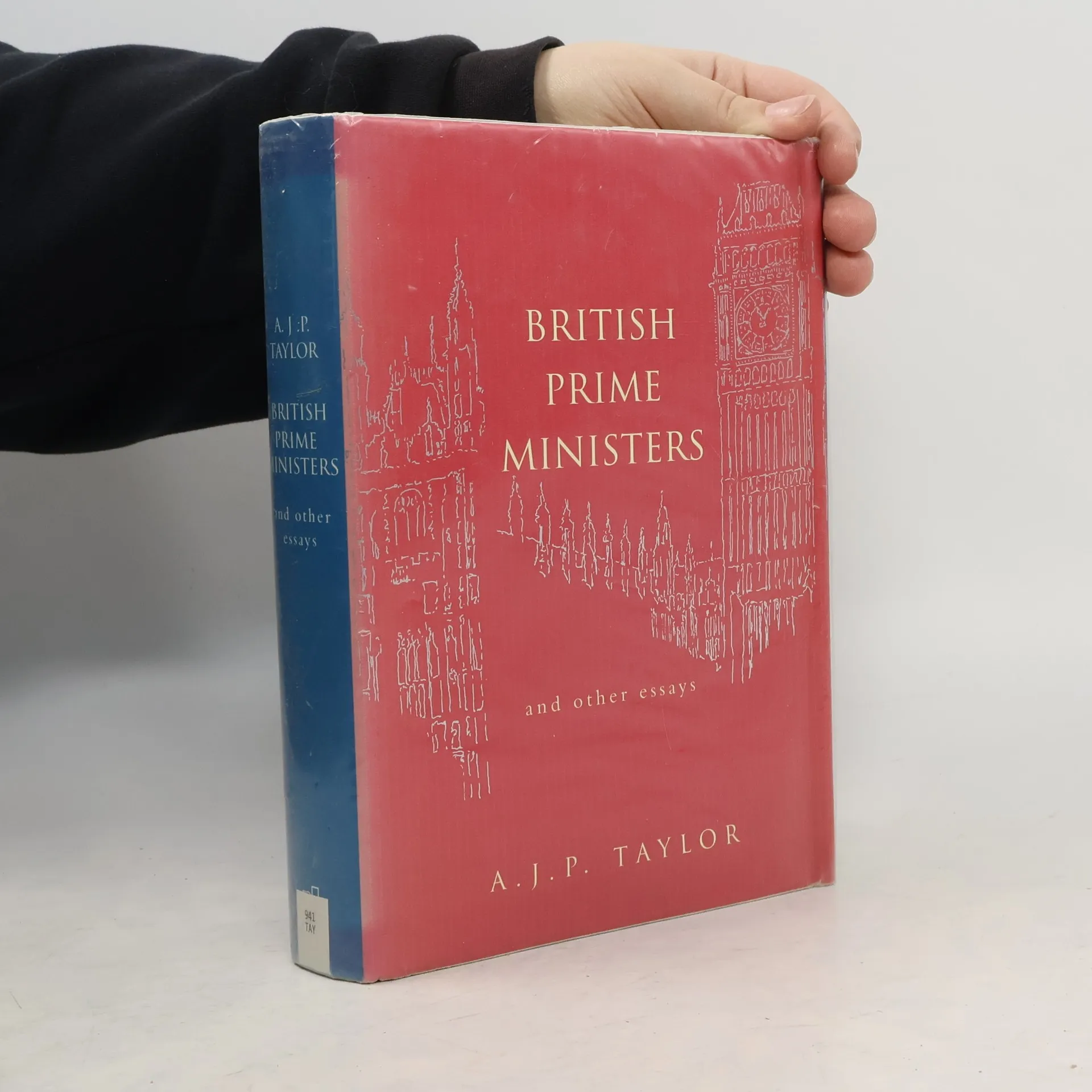
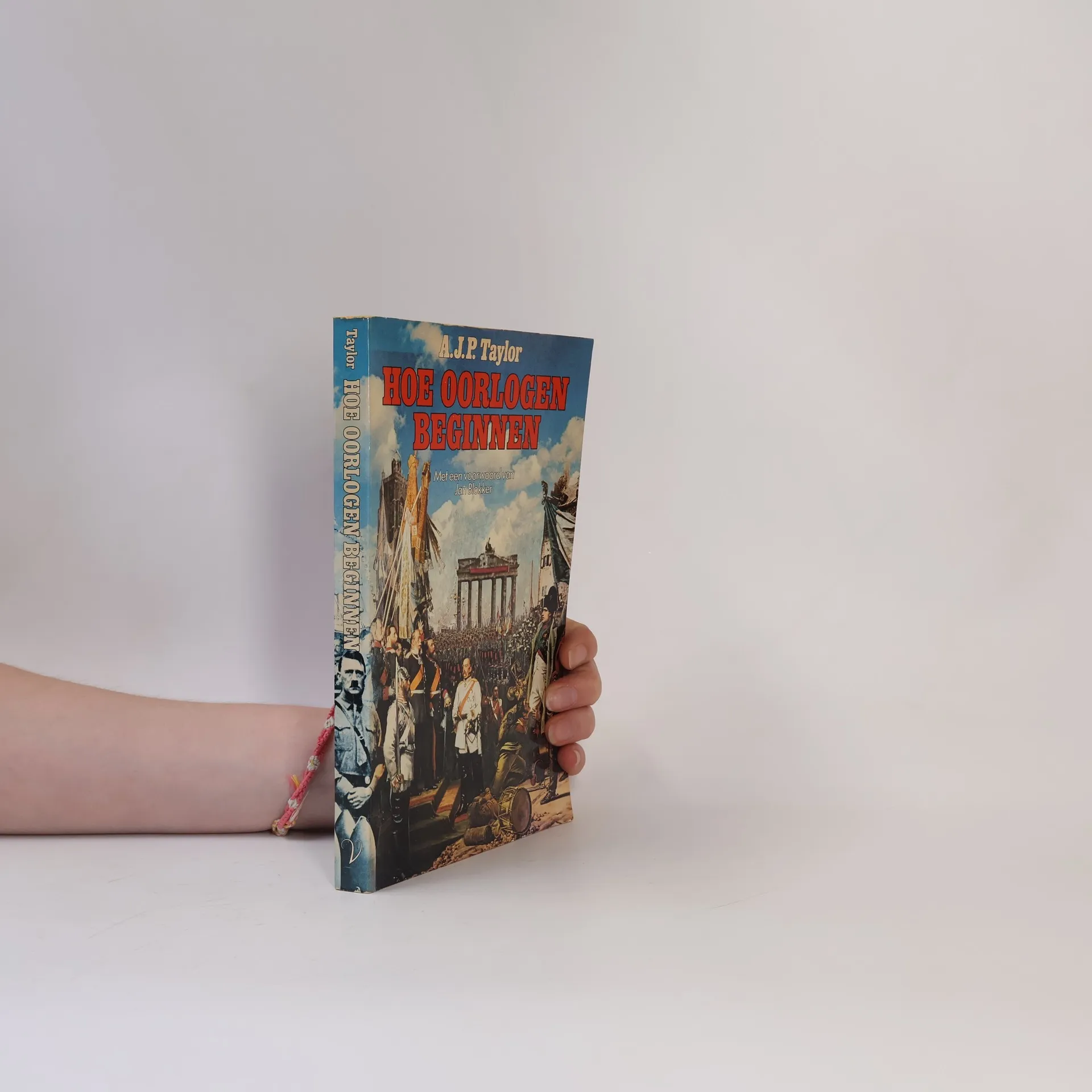
A. J. P. Taylor could never be dull, least of all in the essay. The medium was perfect for his qualities. In expression he displayed elegant brevity: in argument paradox: in knowledge lightly-worn mastery. The result was an aphoristic concinnity only perhaps bettered among historians by Macaulay. Faber are reissuing three volumes of essays expertly assembled and introduced by Chris Wrigley. This third volume is the most wide-ranging, including essays on British Prime Ministers from Sir Robert Walpole to Anthony Eden; How Wars Begin; How Wars End; The Congress of Vienna and, one of his more unlikely heroes, Lord Beaverbrook. 'He (Taylor) presented history in a vibrant, living, communicable form with many crucial messages for the present . . . this collection reminds is of his vast contribution.' Andrew Roberts, Daily Telegraph
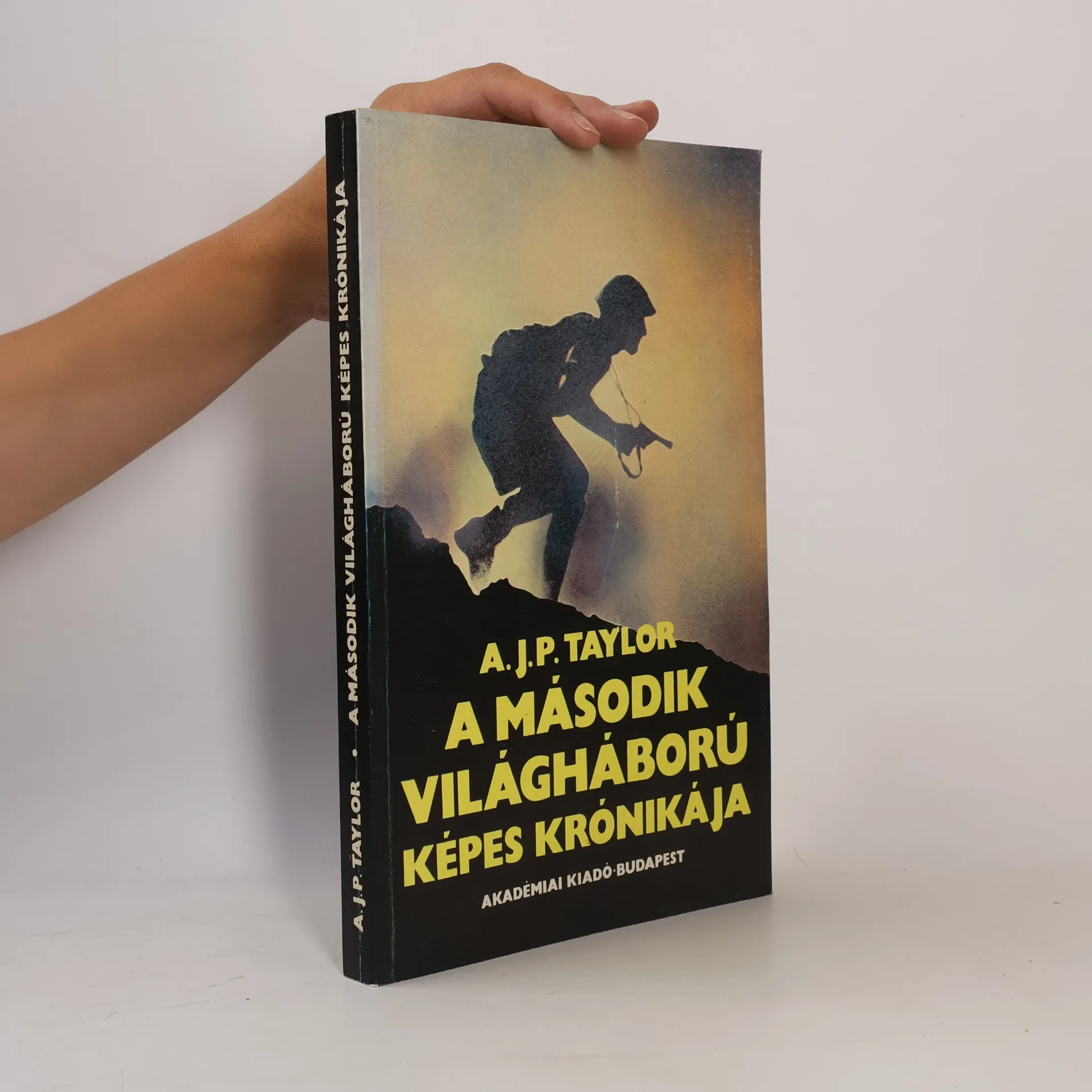
A könyv, amelyet kezében tart az olvasó, több mint harminc éven át készült, s a második világháború legfontosabb eseményei köré csoportosítva rajzolja meg az 1939-1945 közötti évek történetét. Elemzi a háború előzményeit, részletesen foglalkozik kirobbanása körülményeivel, a harci cselekményekkel, a háborúban részt vevő országok politikájával, a Hitler-ellenes koalició felülkerekedésével. A szerző a háború alatt havonta tartott előadásokat Oxfordban és más városokban, majd a háború után összefoglalta ezt egy előadássorozatban, amely ugyan elveszett, de mindenképpen csírája volt e harminc év után összeállt munkának. Az eredeti fényképfelvételek és a térképek emelik a kiadvány értékét.