Konzervativní smýšlení
- 633 stránek
- 23 hodin čtení
Obšírný exkurs do dějin idejí. Konservativní smýšlení popisuje intelektuální rozpoložení či charakterový typ, který v otázkách lidského údělu a existence miluje věci trvalé a pečuje o ně.


Russell Kirk byl jedním z nejvlivnějších intelektuálů své doby, jehož psaní formovalo moderní konzervativní myšlení. Jeho díla se zabývají širokou škálou témat od politické filozofie a vzdělávání po literární kritiku a etiku. Kirkův styl je charakterizován hlubokým porozuměním tradici a pečlivou analýzou kulturních a společenských jevů. Jeho eseje a knihy nadále rezonují u čtenářů, kteří hledají pronikavý pohled na trvalé hodnoty a současné výzvy.
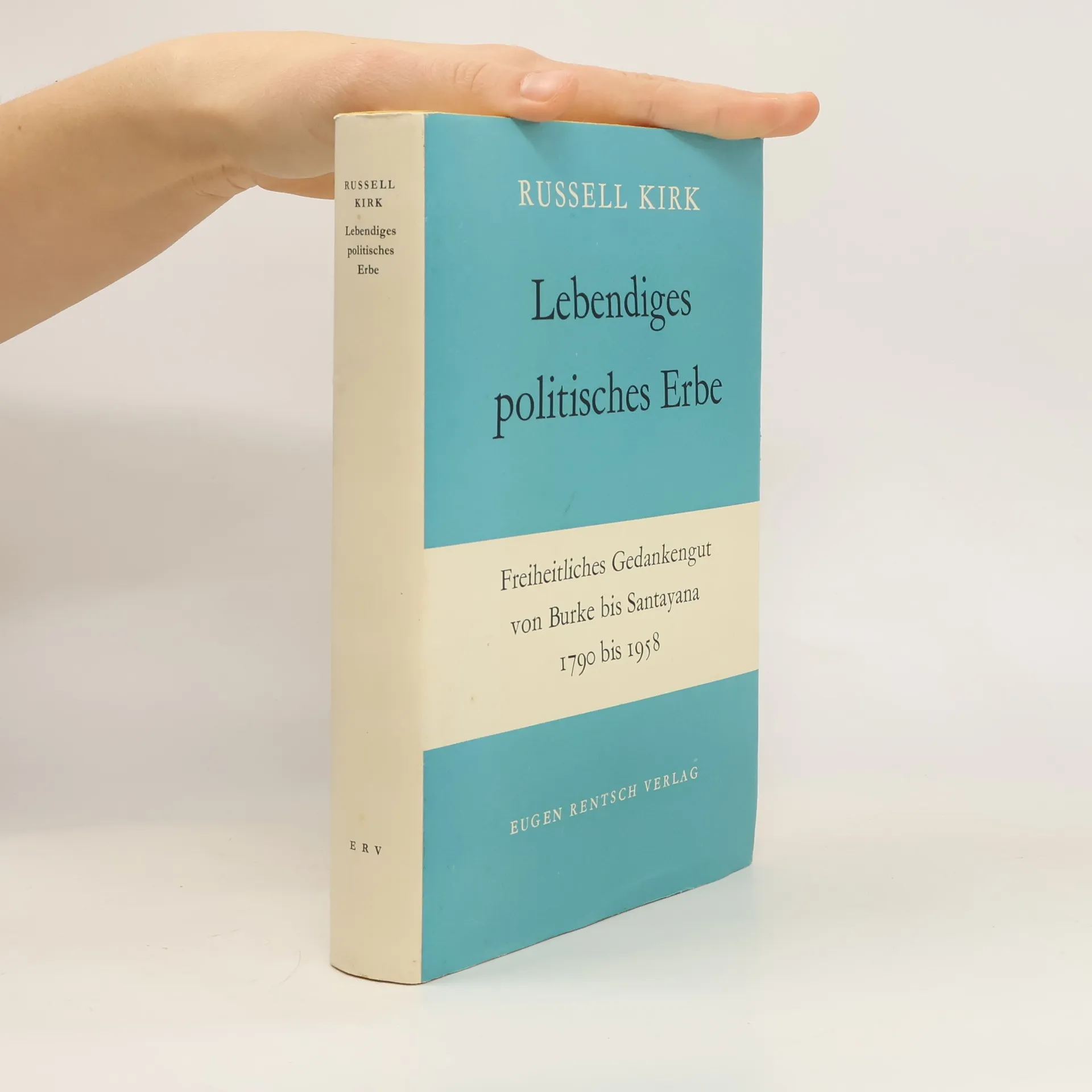



Obšírný exkurs do dějin idejí. Konservativní smýšlení popisuje intelektuální rozpoložení či charakterový typ, který v otázkách lidského údělu a existence miluje věci trvalé a pečuje o ně.
Focusing on the evolution of conservative thought, this influential work explores the principles and values that define American conservatism. Kirk delves into the ideas of key conservative thinkers, highlighting their impact on modern political philosophy. The book emphasizes tradition, moral order, and the importance of community, making a compelling case for the relevance of conservatism in contemporary society. Through a historical lens, it offers insights into the ideological battles that have shaped American political discourse.
Exploring the foundations of American Conservatism, this influential work delves into the philosophical underpinnings and historical development of conservative thought. Kirk presents a comprehensive analysis of key conservative figures and ideas, emphasizing tradition, morality, and the importance of community. The book serves as both a critique of liberalism and a call to uphold conservative values in the face of modern challenges, making it a pivotal text for understanding the evolution of political thought in the twentieth century.
2015 Reprint of 1953 Edition. Full Facsimile of the original edition. Not reproduced with Optical Recognition Software. In attempting to clarify the spirit of conservatism, Kirk turns his attention to three broad fields-political philosophy, religious thought, and imaginative literature. Following Burke, whom he calls the first truly modern conservative thinker, he studies the work of John Adams, Walter Scott, Calhoun, Fenimore Cooper, Tocqueville, Nathaniel Hawthorne, Benjamin Disraeli, Cardinal Newman, George Santayana, and T.S. Eliot and others. Vigorously written, the book represents conservatism as an ideology born of sound intellectual traditions.
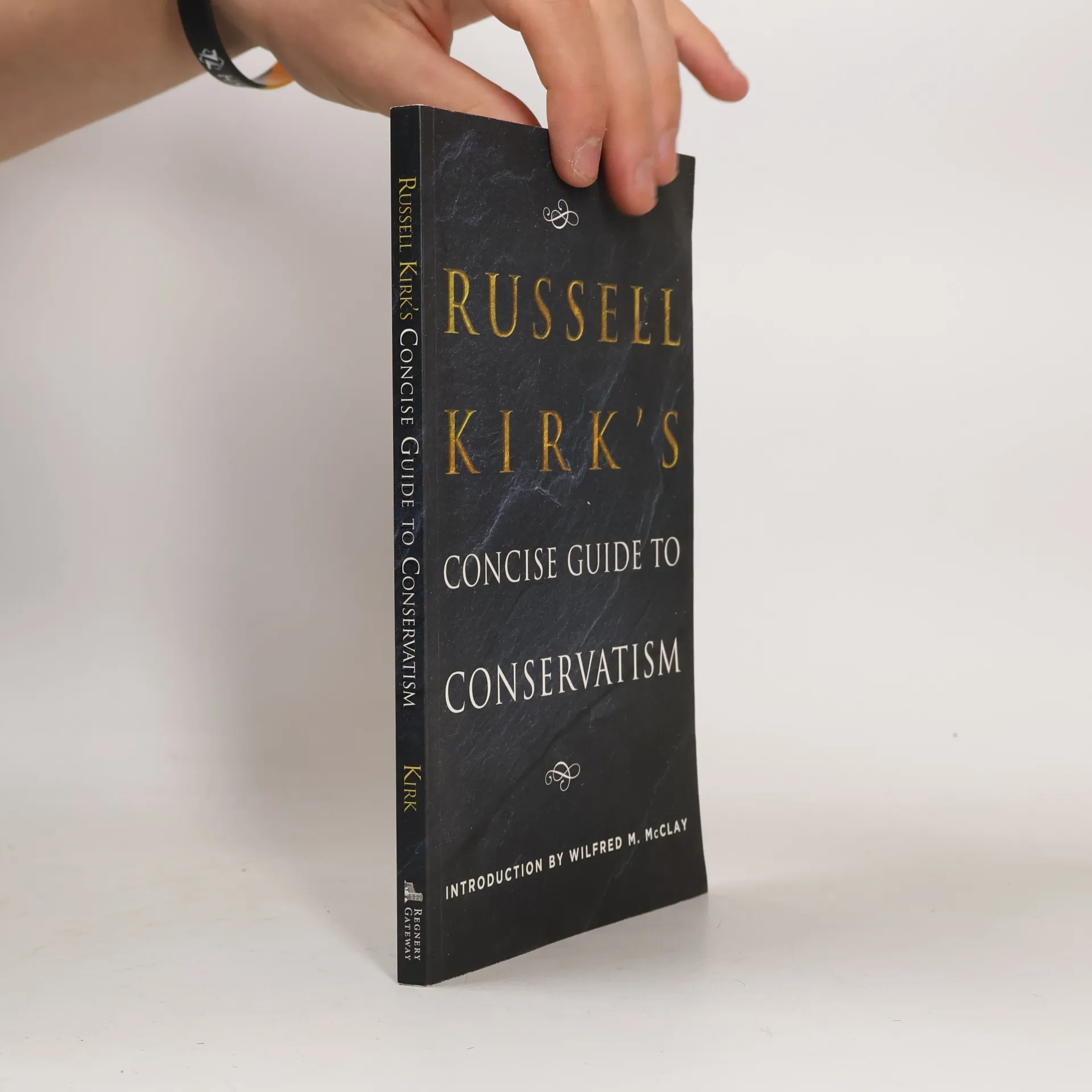
The modern conservative intellectual movement began in 1953 with Russell Kirk’s groundbreaking book The Conservative Mind. Four years later, he published a pithy, wry, philosophical summary of what conservatism really means. Originally titled The Intelligent Woman's Guide to Conservatism , this little book was essentially a popular version of The Conservative Mind. Now, a century after its author’s birth, this neglected gem has been recovered. It remains what Kirk intended it to be: an accessible introduction to conservative ideas, especially for the young. With a new title and an introduction by the eminent intellectual historian Wilfred M. McClay, Russell Kirk’s Concise Guide to Conservatism arrives with uncanny timing. The movement that Kirk defined in 1953 is today so contested and fragmented that no one seems able to say with confidence what conservatism means. This book, as fresh and prophetic as the day it was published sixty years ago, is a reminder that no one can match Russell Kirk in engaging people’s minds and imaginations—an indispensable task in reviving our civilization.