Skutecznosc i racja stanu. Z teki Ministra Spraw Zagranicznych RP
- 296 stránek
- 11 hodin čtení

4,0


Bronisław Geremek was a distinguished historian whose research focused on medieval society and culture. His scholarly work explored the intricate social structures and historical undercurrents of the past, offering readers profound insights into forgotten worlds. Through his numerous publications, he illuminated the complexities of medieval life, particularly in Paris, examining aspects such as the labor market and social dynamics. Geremek's intellectual legacy is marked by his rigorous analysis and his ability to connect historical scholarship with broader questions of European civilization.




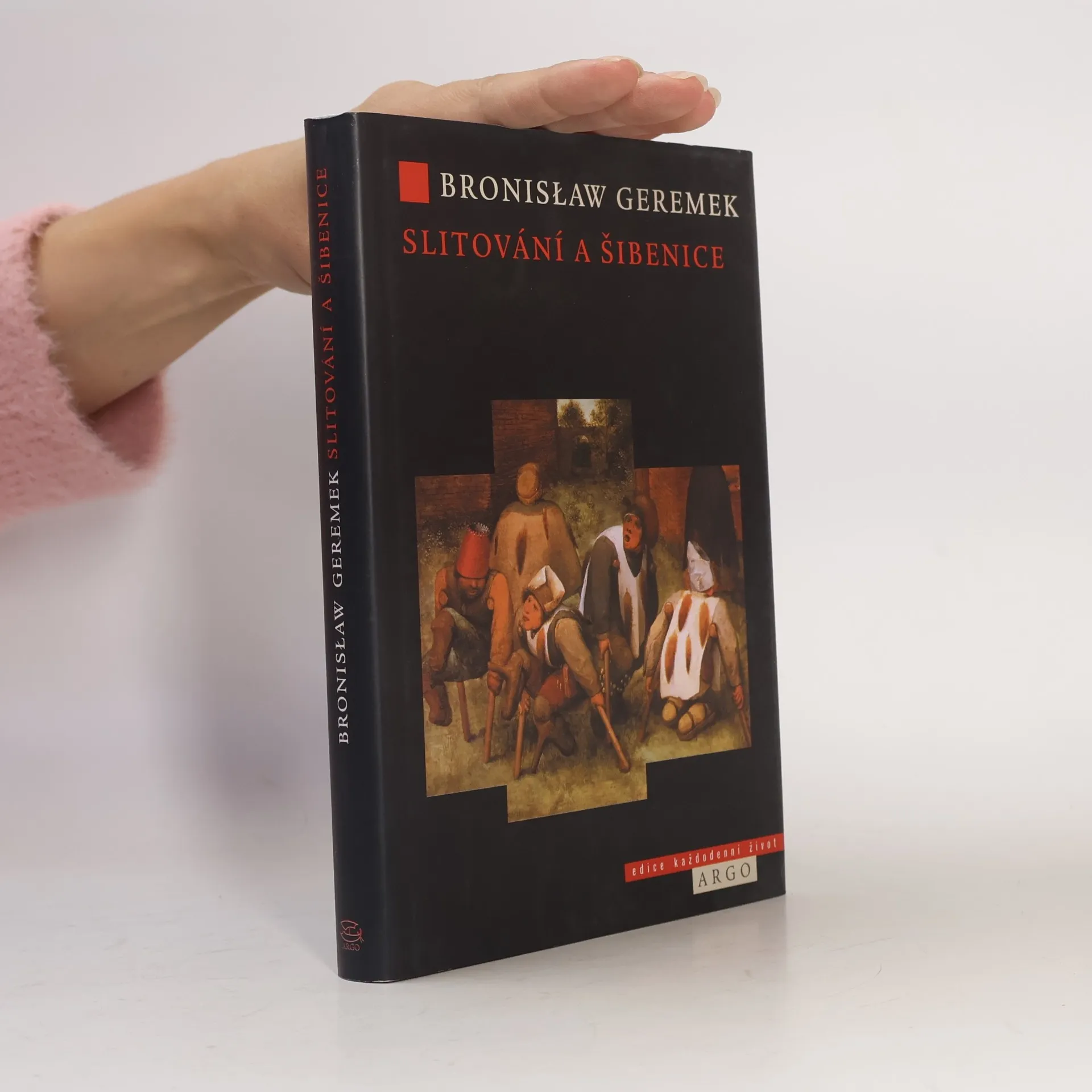

Základní práce polského medievalisty, disidenta a dnešního ministra zahraničí věnovaná dějinám chudoby, nouze a žebráků v evropských dějinách v období mezi 13.-20. stoletím. Hlavními postavami Geremkových dějin jsou prostitutky, mrzáci, žebráci, tuláci, zloději i vrazi, kteří se během staletí dostávali stále více na okraj společnosti, která je deklasovala, marginalizovala a stále více kriminalizovala. Geremkův svět je světem ponížených, zatracených, ve skutečnosti však i vlastním způsobem žijících a myslících lidí.


L’amitié lie Georges Duby et Bronislaw Geremek depuis 1960. En 1990, au cours de retrouvailles à Varsovie, ils acceptent tous les deux de répondre aux questions de Philippe Sainteny. De cette entrevue et d’autres qui suivront est né ce livre. Ils s’expriment, se comparent mutuellement à propos de l’histoire, de leur rôle dans la cité, du Moyen Age, de l’actualité, du témoignage, bref de leur passions communes. Et, au passage, chacun complète son portrait par ses traits originaux, ses préoccupations personnelles, l’art pour Georges Duby, la Pologne pour Bronislaw Geremek.
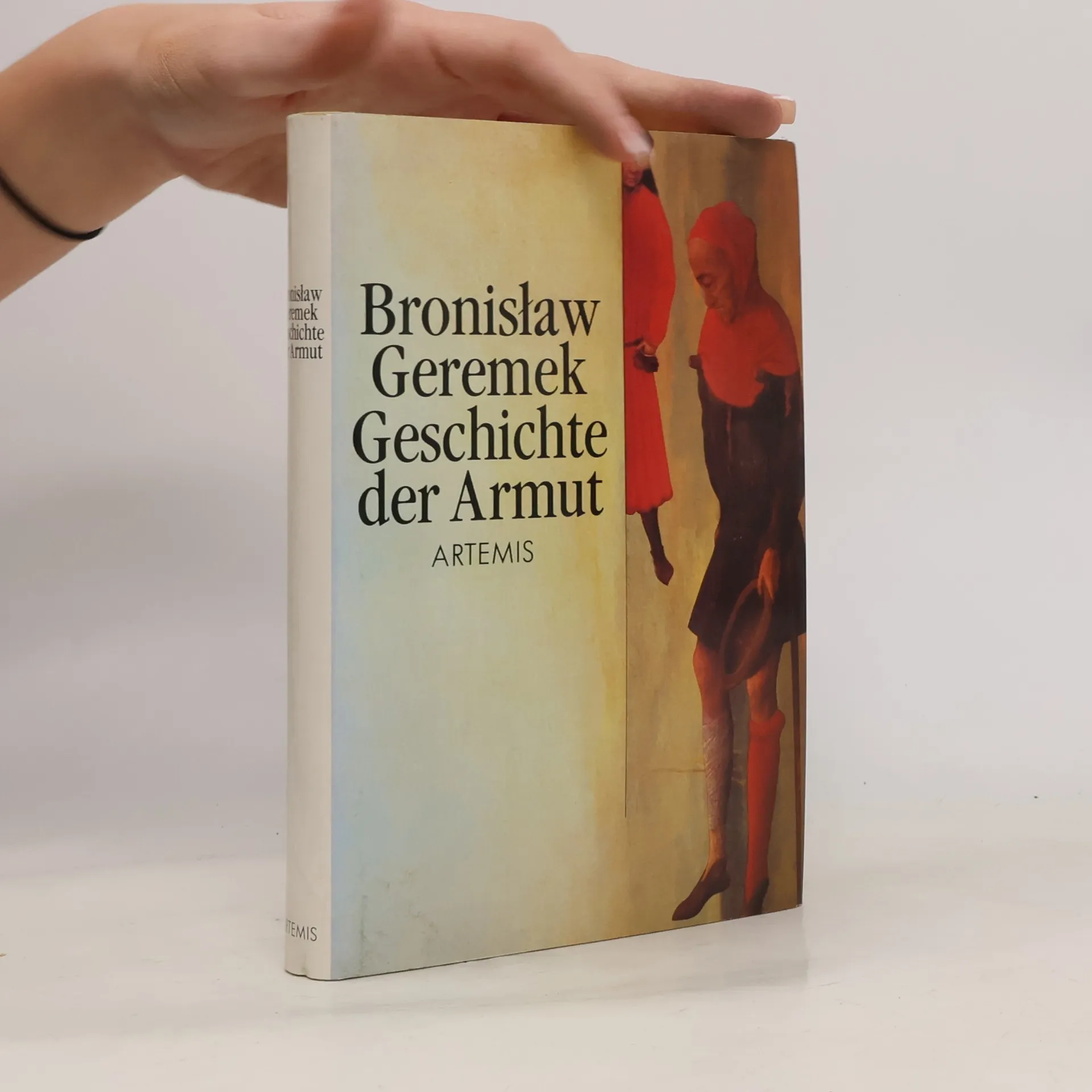
Widely regarded as one of the classics of post-war historical writing, this book shows how central the role of poverty has been throughout the history of Europe. It ranges across the period from the first millennium to the present day, casting a fresh and revealing perspective on the actions of individuals, groups and nations, and on the underlying nature of the greatest social changes the continent has experienced. It shows how the rich and those in authority have always expressed mixed feelings about the poor, oscillating between pity and fear, compassion and revulsion. It examines why this occurs and discusses the effects it has on private and public actions.

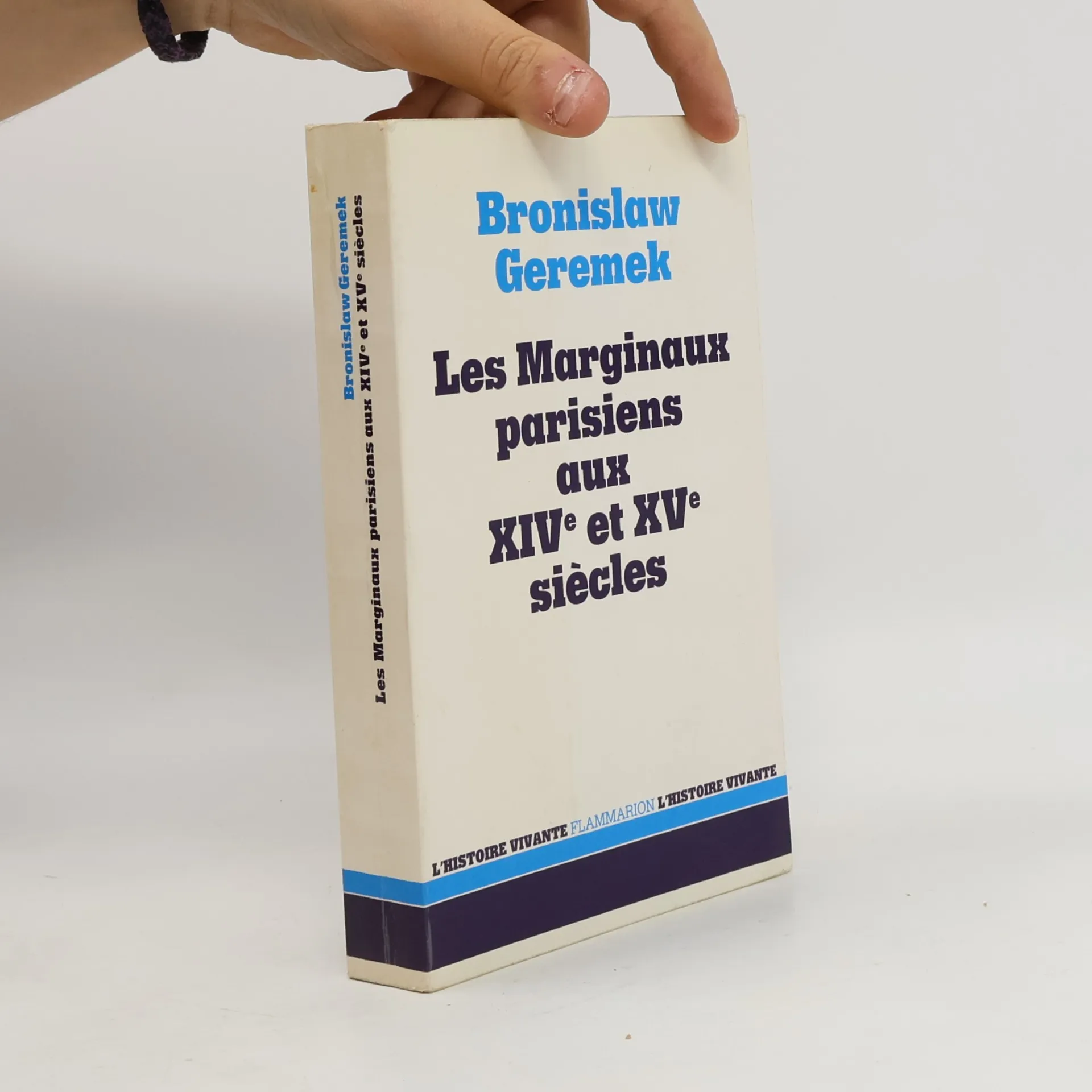
This book discusses the 'marginal' people of late medieval Paris, the large and shifting group of men and women who existed on the margins of conventional organized society. Professor Geremek examines the various groups which made up the marginal world - beggars, prostitutes, procuresses and pimps, petty criminals, casual workers and the unemployed - their haunts in and around Paris, their way of life, and their relation to 'normal' society. Professor Geremek has made with this book a major contribution to the study of late medieval society which illuminates the little-known area of the medieval underworld in a fascinating and very accessible manner. Translated by Jean Birrell from the French edition of 1976, this edition includes a new introduction by Jean-Claude Schmitt, which offers a frank appraisal of the author's life and career to date.
