Knihobot

Ian Morris

    27. leden 1960
    Ian Morris
    War! What is it Good For?
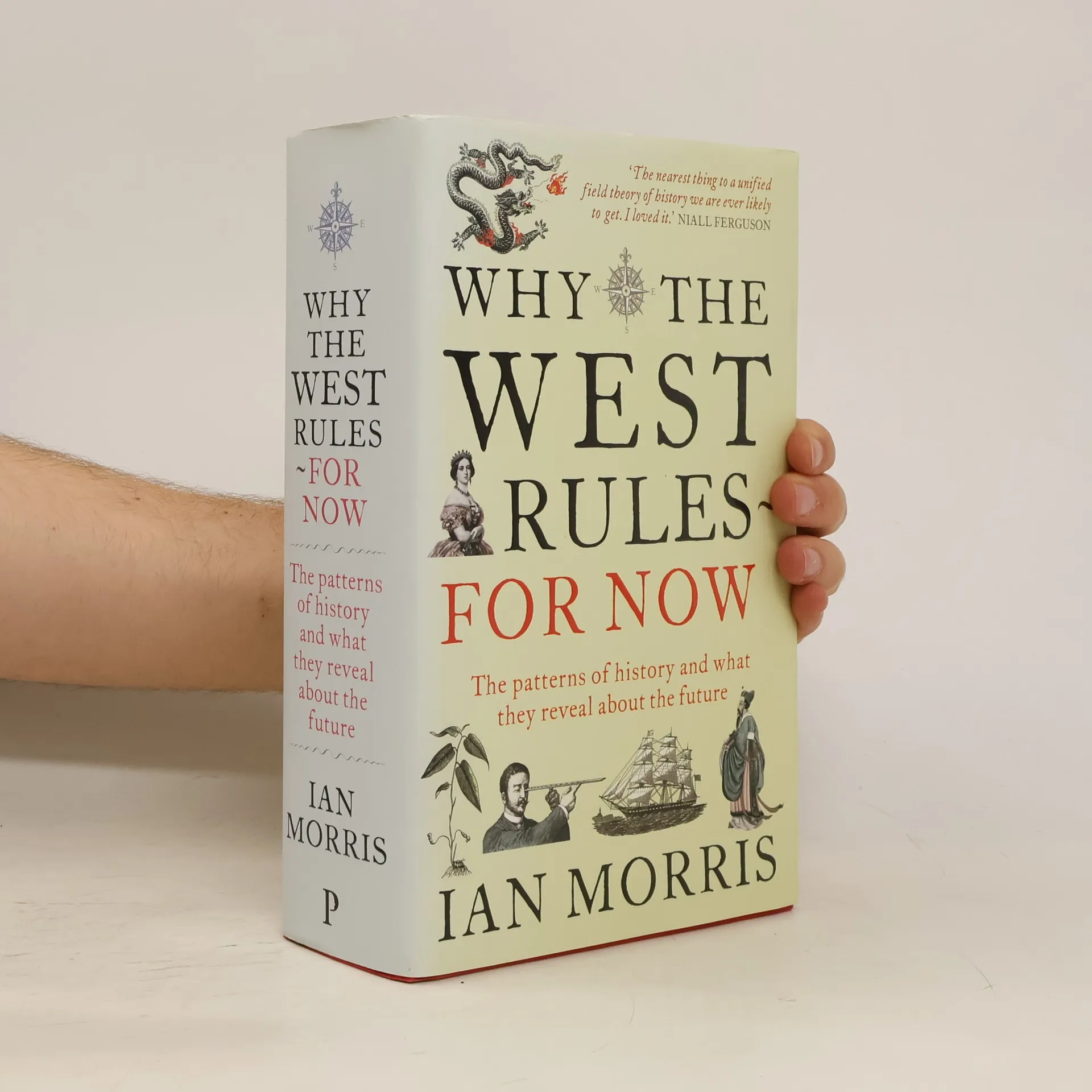
    Why the West Rules - For Now
    The Measure of Civilisation
    Teaching happiness and well-being in schools
    THRIVE
    K čemu je dobrá válka?
    • 2023

      What makes a perfect pint of Guinness? What are the criteria for a great pub? And where can you find them? Ian Ryan, founder of Sh*t London Guinness and Beautiful Pints, can answer these questions and help you find a beautiful pint, wherever you are.We've all got a friend who claims to know where you can get the best pint of Guinness. From the pub to the pour, it's an experience. And if anyone knows this best, it's London-based Corkman Ian Ryan - founder of Sh*t London Guinness and Beautiful Pints.From the all-important different elements of a Guinness pour to what to look for (and what to run a mile from) when sourcing beautiful pints, as well as a crème de la crème list of pubs around the world to visit, Ian shares his expertise from many a pint of plain sank and enjoyed. By the end of it, you'll be able to claim that you know where to get the ultimate pint of Guinness in town. See you at the bar sometime.

      A Beautiful Pint
    • 2022
    • 2022

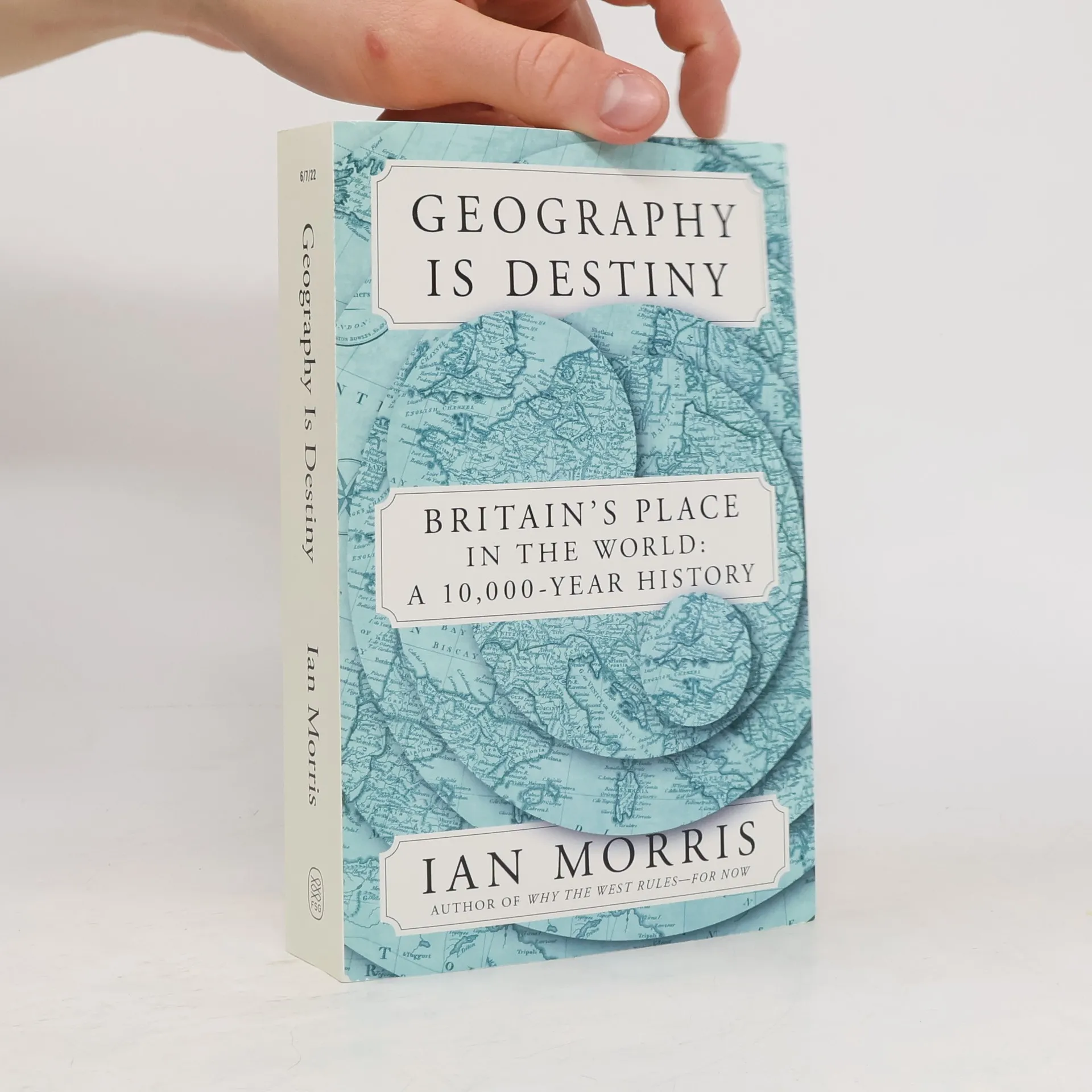
      Geographie ist Schicksal

      Machtkampf zwischen Großbritannien, Europa und der Welt - eine 10000-jährige Geschichte

      3,6(5)Ohodnotit

      Wer sind wir, wo leben wir, was haben wir, wie schützen wir uns und wer macht die Regeln? Diese Fragen treiben die Menschheit seit jeher um, und sie alle werden von der geographischen Lage bestimmt. Das zeigt Historiker, Archäologe und Bestsellerautor Ian Morris mit Blick auf Großbritannien, das einstige Imperium. Er erzählt die Geschichte seiner sich wandelnden Beziehungen zu Europa und der Welt, von der physischen Trennung am Ende der Eiszeit bis zu den ersten Anfängen des Vereinigten Königreichs, den Kämpfen um den Atlantik und dem Aufstieg der Pazifikregion. Anhand von Landkarten, Bildern und neuesten archäologischen Funden untersucht Morris, wie Geographie, Migration, Politik und neue Technologien zusammenwirkten und Ungleichheiten hervorbrachten, die bis in die Gegenwart prägend sind. Wo steht Großbritannien und wo steht Europa, wenn sich die Weltbühne in Zukunft weiter nach Osten neigt? Eine weltumspannende Herausforderung, gezeigt wie in einem Brennglas. »Ian Morris gilt als Vorreiter, wenn es darum geht, Weltgeschichte interessant und verständlich zu machen.« Jared Diamond

      Geographie ist Schicksal
    • 2021

      THRIVE

      • 304 stránek
      • 11 hodin čtení
      4,0(1)Ohodnotit

      A must-read for any parent concerned about their children's digital lives, THRIVE shows you how to build character and wisdom in your children so that they can do the right thing and thrive online.

      THRIVE
    • 2020

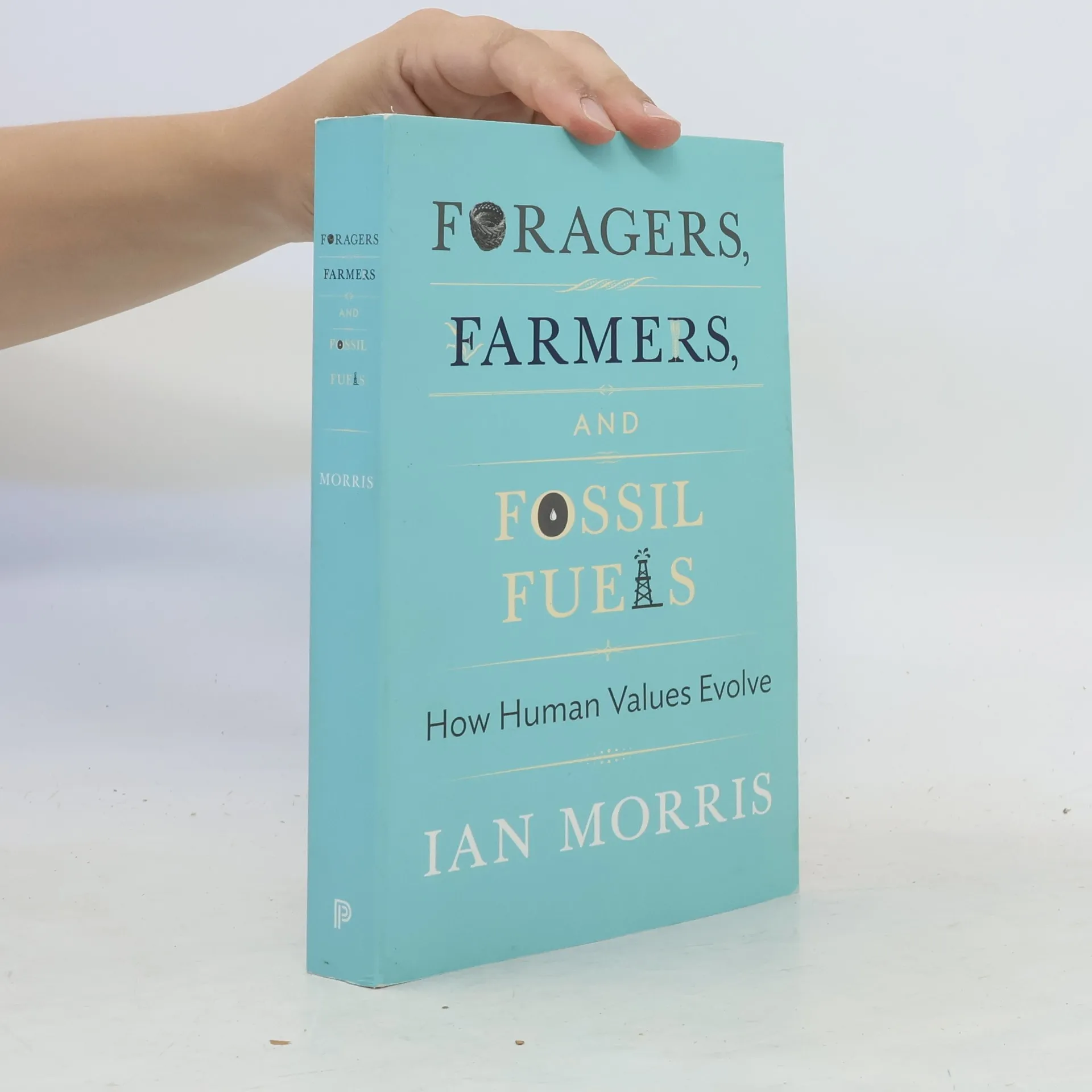
      Beute, Ernte, Öl

      Wie Energiequellen Gesellschaften formen

      2,5(2)Ohodnotit

      Die meisten Menschen heutzutage halten Demokratie und Gleichberechtigung der Geschlechter für eine gute Sache und sprechen sich gegen Gewalt und Ungleichheit aus. Aber bevor sich solche Auffassungen und die damit verbundenen Wertvorstellungen allmählich im 19. Jahrhundert herausbildeten, galten 10000 Jahre lang genau gegenteilige grundsätzliche Annahmen und andere Werte. Woran liegt das? An unseren Energiequellen, sagt Ian Morris in seinem neuen großen Wurf, diese formen unsere Gesellschaft wie nichts sonst. Was kommt auf die Menschheit nach dem Ende der fossilen Ära zu? In seiner Bedeutung vergleichen führende Historiker »Beute, Ernte, Öl« mit Jared Diamonds »Kollaps« und Steven Pinkers »Gewalt«.

      Beute, Ernte, Öl
    • 2017
    • 2017

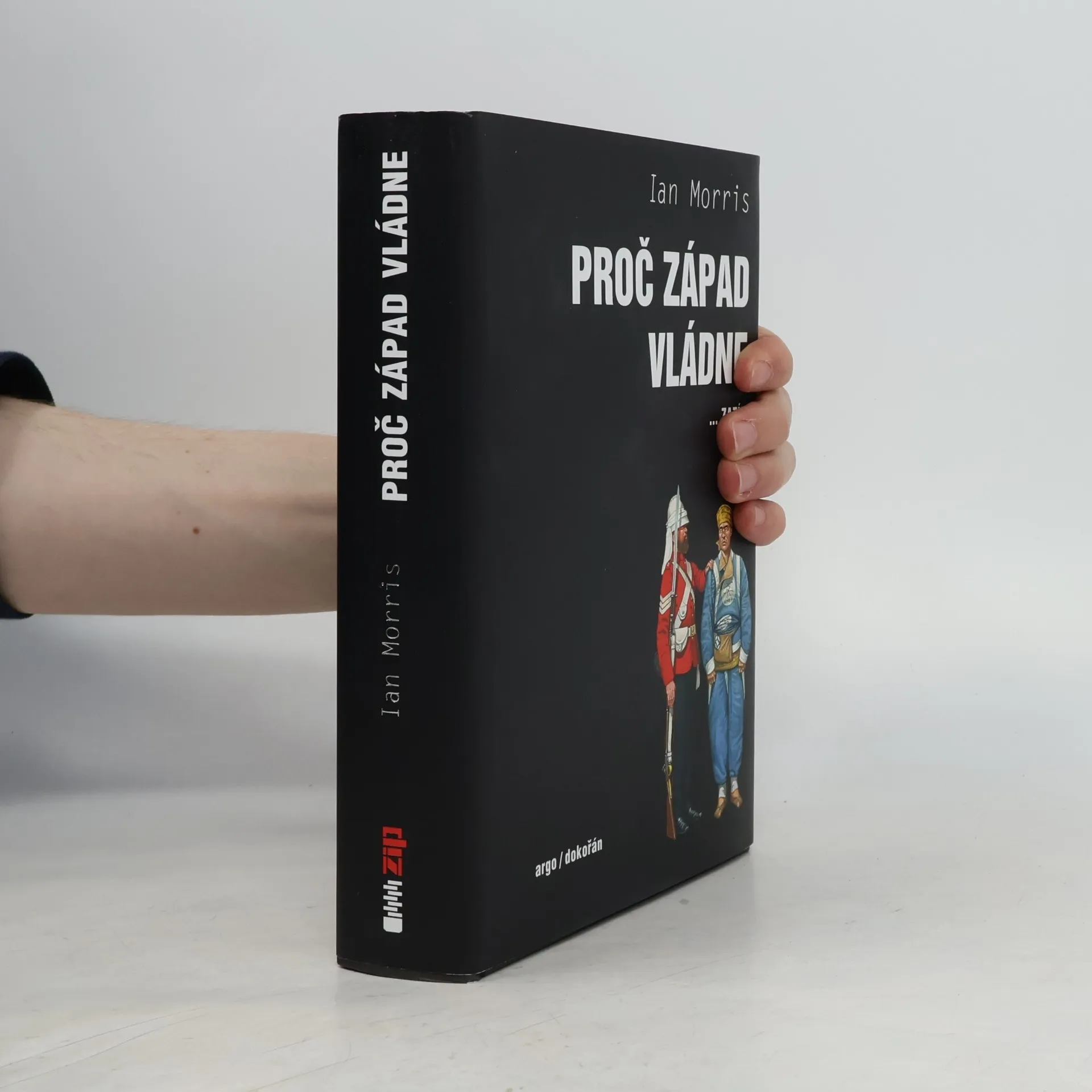
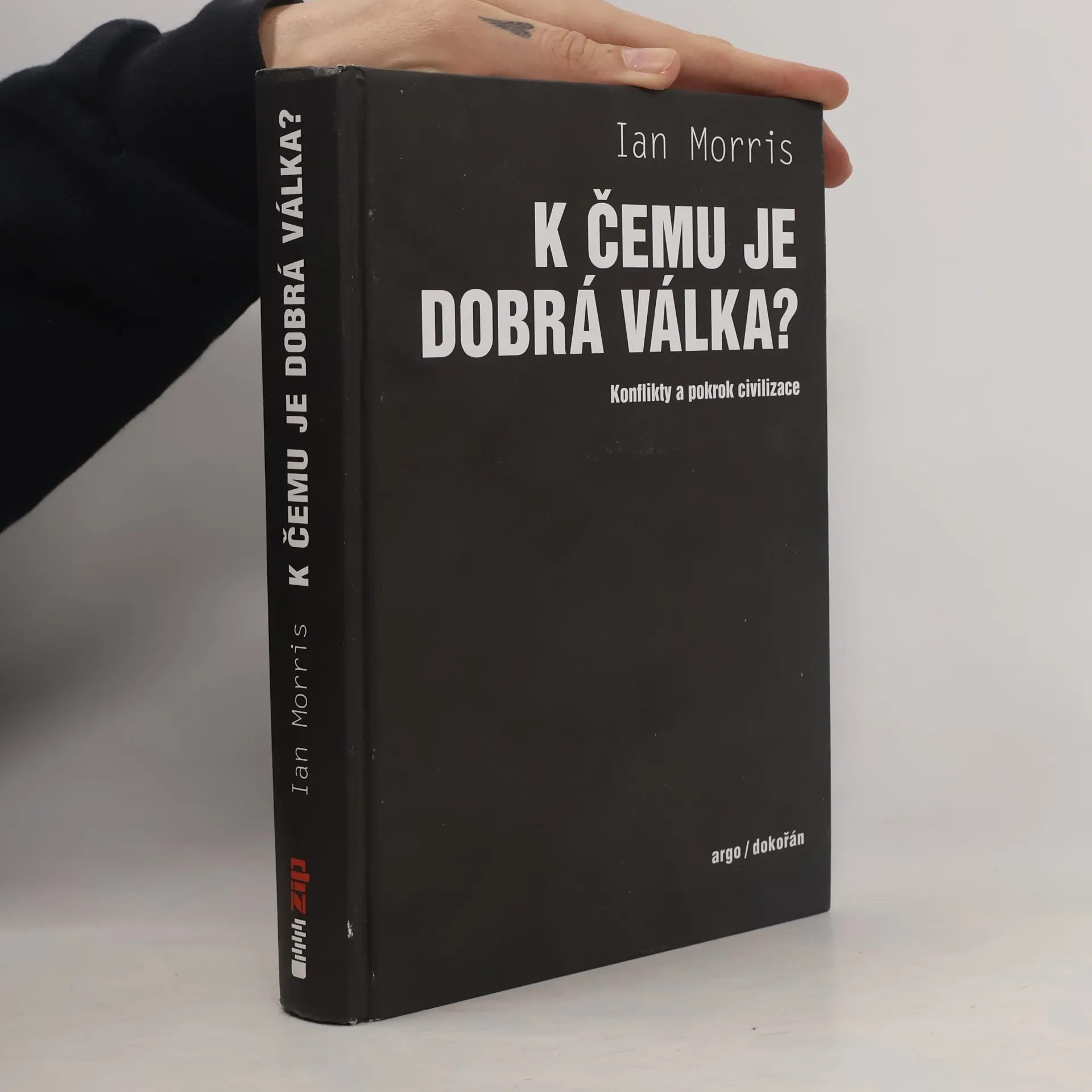
      Podtitul: Konflikty a pokrok civilizace. „Válka! ... K čemu je dobrá? Absolutně k ničemu,“ říká jedna slavná protiválečná píseň. Archeologie, historie a biologie však ukazují, že válka přece jen k něčemu dobrá je. I když to zní překvapivě, právě válka zajistila lidstvu větší bezpečí a bohatství. Renomovaný historik a archeolog Ian Morris vypráví v této knize hrůzný a fascinující příběh o patnácti tisících let válek. Jde za hranice bitev a brutalit, aby odhalil, co války vlastně udělaly světu a pro svět. V době kamenné žili lidé v malých, ustavičně se svářících společnostech a čelili šanci jedna ku deseti, nebo dokonce jedna ku pěti, že zemřou násilnou smrtí. Ve 20. století zemřela násilnou smrtí ani ne jedna osoba ze sta (a to navzdory oběma světovým válkám, holokaustu a Hirošimě). Vysvětlení: jedině válka vytvořila větší a složitější společnosti s vládami, které vymýtily vnitřní násilí. Ačkoli je to zvláštní, zabíjení udělalo svět bezpečnějším a bezpečí zase umožnilo lidem zbohatnout. Autor mapuje historii války jako největšího paradoxu dějin, od pravěku až k robotickým válkám blízké budoucnosti. Ta se může stát nejnebezpečnějším obdobím existence lidstva, ale pokud toto období přežijeme, konečně se možná naplní starý sen o světě bez válek...

      K čemu je dobrá válka?
    • 2015
    • 2015

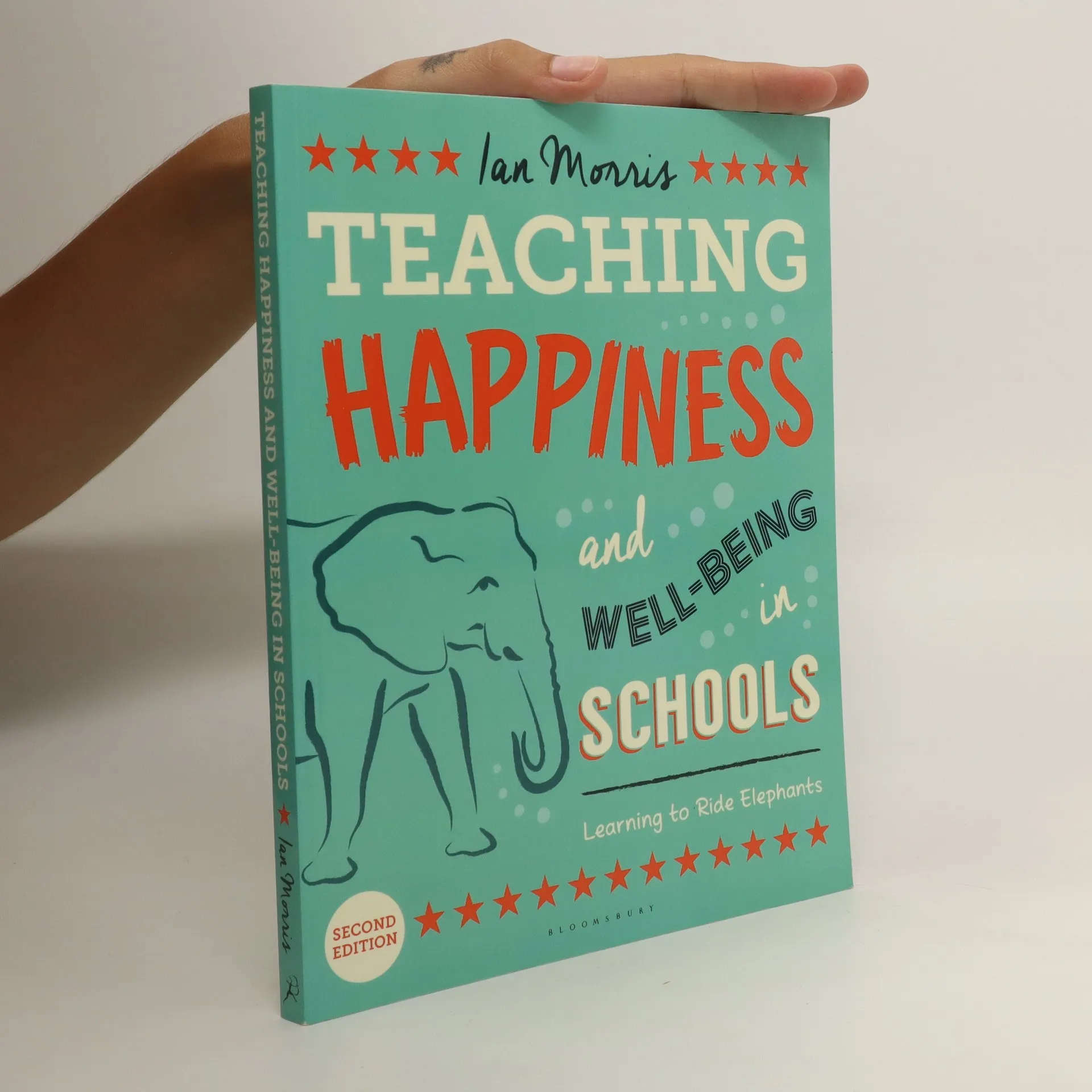
      This updated edition is a theoretical and practical guide to implementing a well-being programme in your school. The book covers three areas: well-being as a philosophy of education, the teaching approach to well-being and the content that might form a well-being programme in a school. It is also a manifesto for a meaningful aim to education.There has recently been an explosion of interest in positive psychology and the teaching of well-being and 'happiness' in the PSHE world in schools and many teachers are looking for clear information on how to implement these potentially life-changing ideas in the classroom. This book provides an introduction to the theory of positive psychology and a practical guide on how to implement the theory in (primarily secondary) schools. It is written by Ian Morris who worked under Anthony Seldon at Wellington College which is well-known for its well-being and happiness curriculum.

      Teaching happiness and well-being in schools
    • 2014

      War! What is it Good For?

      The Role of Conflict in Civilization, from Primates to Robots

      • 495 stránek
      • 18 hodin čtení
      3,9(6)Ohodnotit

      War is one of the greatest human evils. It has ruined livelihoods, provoked unspeakable atrocities and left countless millions dead. It has caused economic chaos and widespread deprivation. And the misery it causes poisons foreign policy for future generations...But, argues bestselling historian Ian Morris, in the very long term, war has in fact been a good thing. In his trademark style combining inter-disciplinary insights, scientific methods and fascinating stories, Morris shows that, paradoxically, war is the only human invention that has allowed us to construct peaceful societies. Without war, we would never have built the huge nation-states which now keep us relatively safe from random acts of violence, and which have given us previously unimaginable wealth. It is thanks to war that we live longer and more comfortable lives than ever before...And yet, if we continue waging war with ever-more deadly weaponry, we will destroy everything we have achieved; so our struggles to manage warfare make the coming decades the most decisive in the history of our civilisation. In War: What Is It Good For? Morris brilliantly dissects humanity's history of warfare to draw startling conclusions about our future.

      War! What is it Good For?