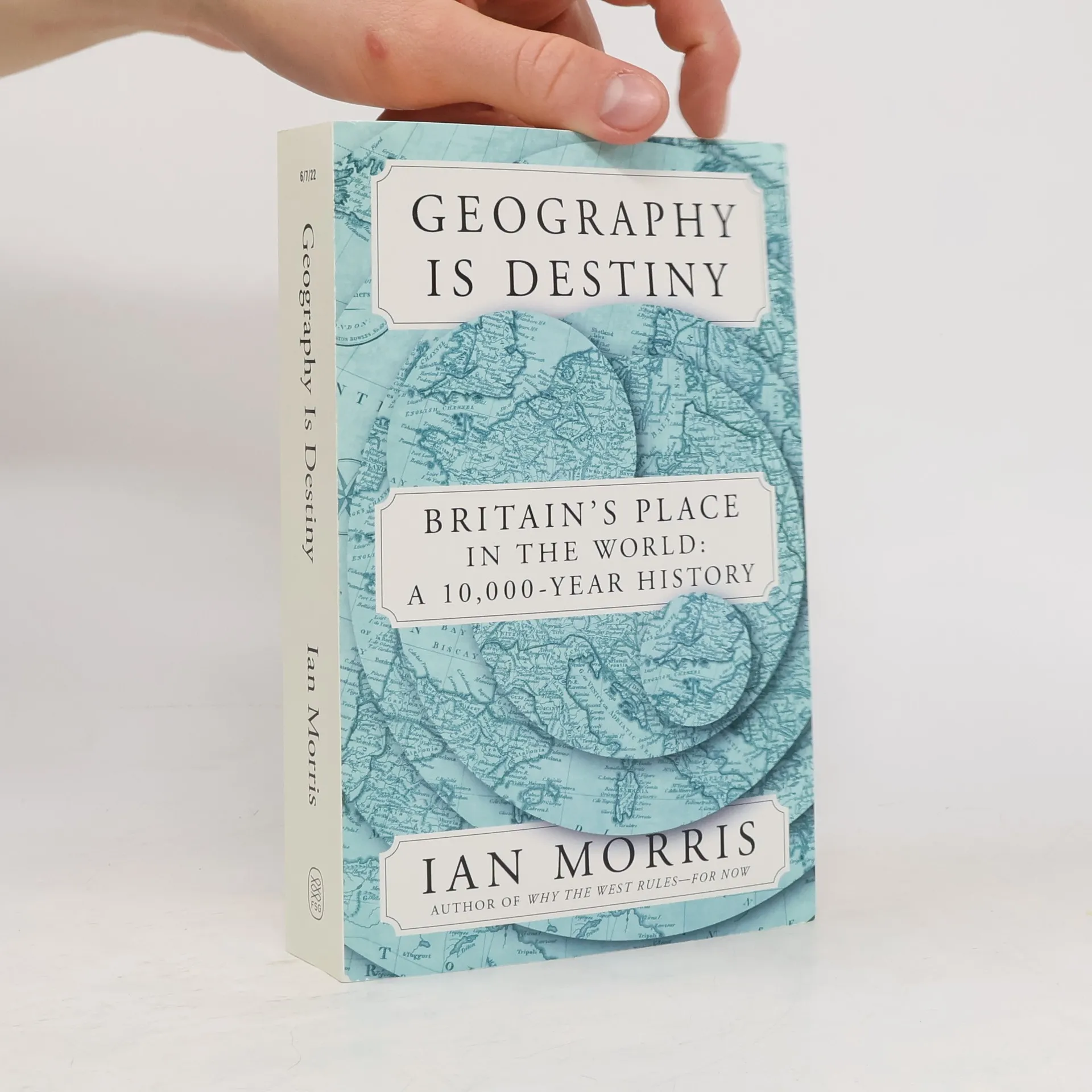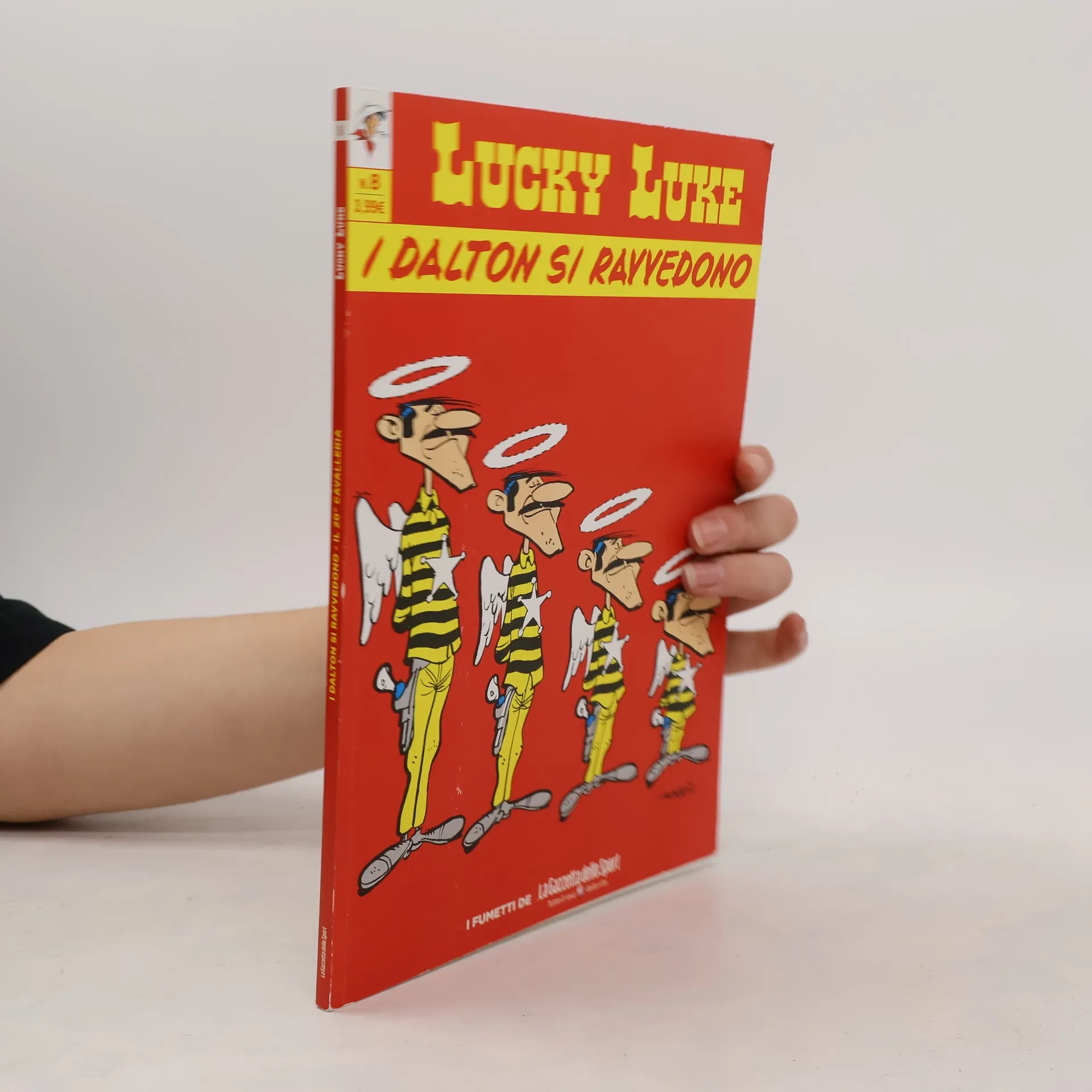


Podtitul: Konflikty a pokrok civilizace. „Válka! ... K čemu je dobrá? Absolutně k ničemu,“ říká jedna slavná protiválečná píseň. Archeologie, historie a biologie však ukazují, že válka přece jen k něčemu dobrá je. I když to zní překvapivě, právě válka zajistila lidstvu větší bezpečí a bohatství. Renomovaný historik a archeolog Ian Morris vypráví v této knize hrůzný a fascinující příběh o patnácti tisících let válek. Jde za hranice bitev a brutalit, aby odhalil, co války vlastně udělaly světu a pro svět. V době kamenné žili lidé v malých, ustavičně se svářících společnostech a čelili šanci jedna ku deseti, nebo dokonce jedna ku pěti, že zemřou násilnou smrtí. Ve 20. století zemřela násilnou smrtí ani ne jedna osoba ze sta (a to navzdory oběma světovým válkám, holokaustu a Hirošimě). Vysvětlení: jedině válka vytvořila větší a složitější společnosti s vládami, které vymýtily vnitřní násilí. Ačkoli je to zvláštní, zabíjení udělalo svět bezpečnějším a bezpečí zase umožnilo lidem zbohatnout. Autor mapuje historii války jako největšího paradoxu dějin, od pravěku až k robotickým válkám blízké budoucnosti. Ta se může stát nejnebezpečnějším obdobím existence lidstva, ale pokud toto období přežijeme, konečně se možná naplní starý sen o světě bez válek...
Ian Morris Knihy


THRIVE
- 304 stránek
- 11 hodin čtení
A must-read for any parent concerned about their children's digital lives, THRIVE shows you how to build character and wisdom in your children so that they can do the right thing and thrive online.
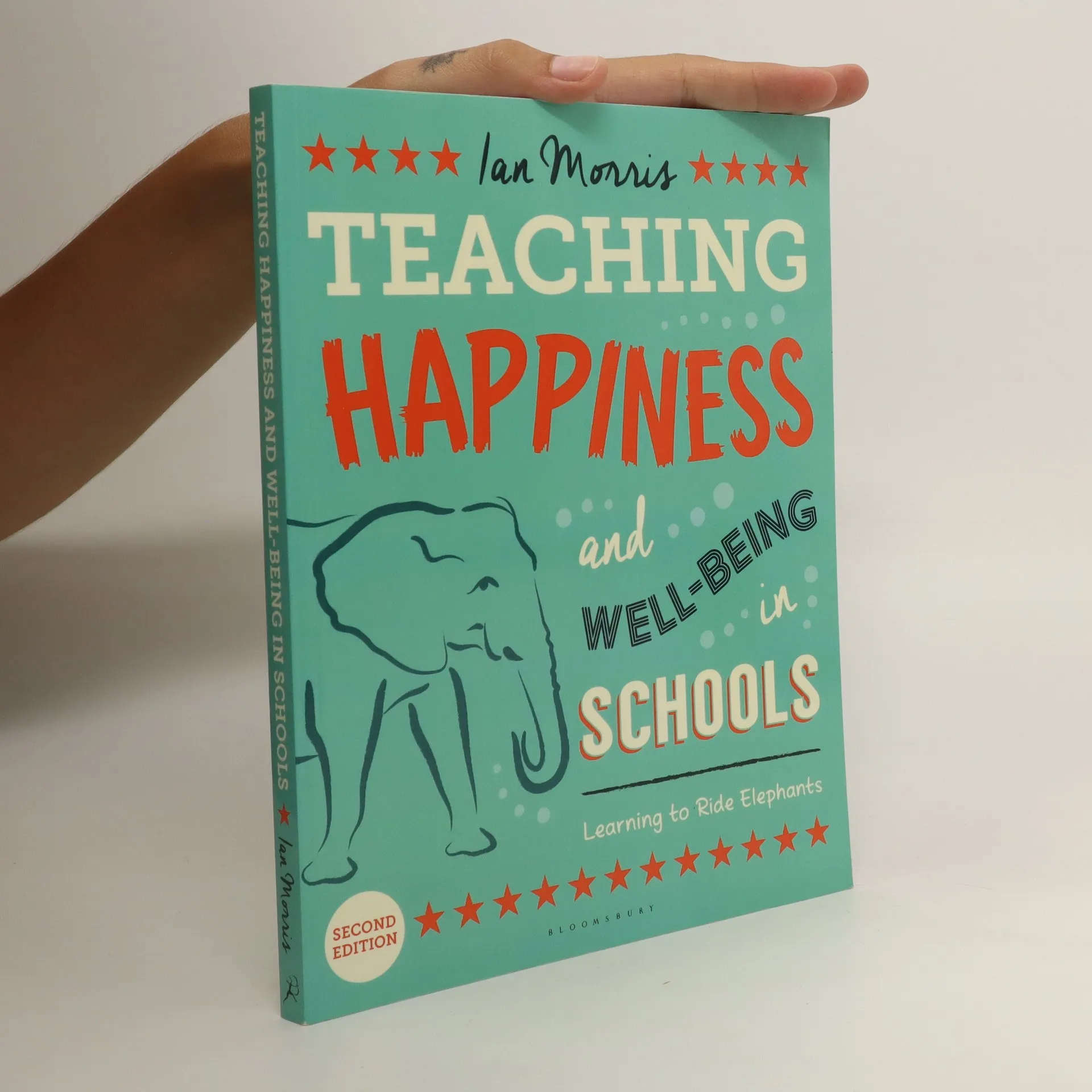
This updated edition is a theoretical and practical guide to implementing a well-being programme in your school. The book covers three areas: well-being as a philosophy of education, the teaching approach to well-being and the content that might form a well-being programme in a school. It is also a manifesto for a meaningful aim to education.There has recently been an explosion of interest in positive psychology and the teaching of well-being and 'happiness' in the PSHE world in schools and many teachers are looking for clear information on how to implement these potentially life-changing ideas in the classroom. This book provides an introduction to the theory of positive psychology and a practical guide on how to implement the theory in (primarily secondary) schools. It is written by Ian Morris who worked under Anthony Seldon at Wellington College which is well-known for its well-being and happiness curriculum.
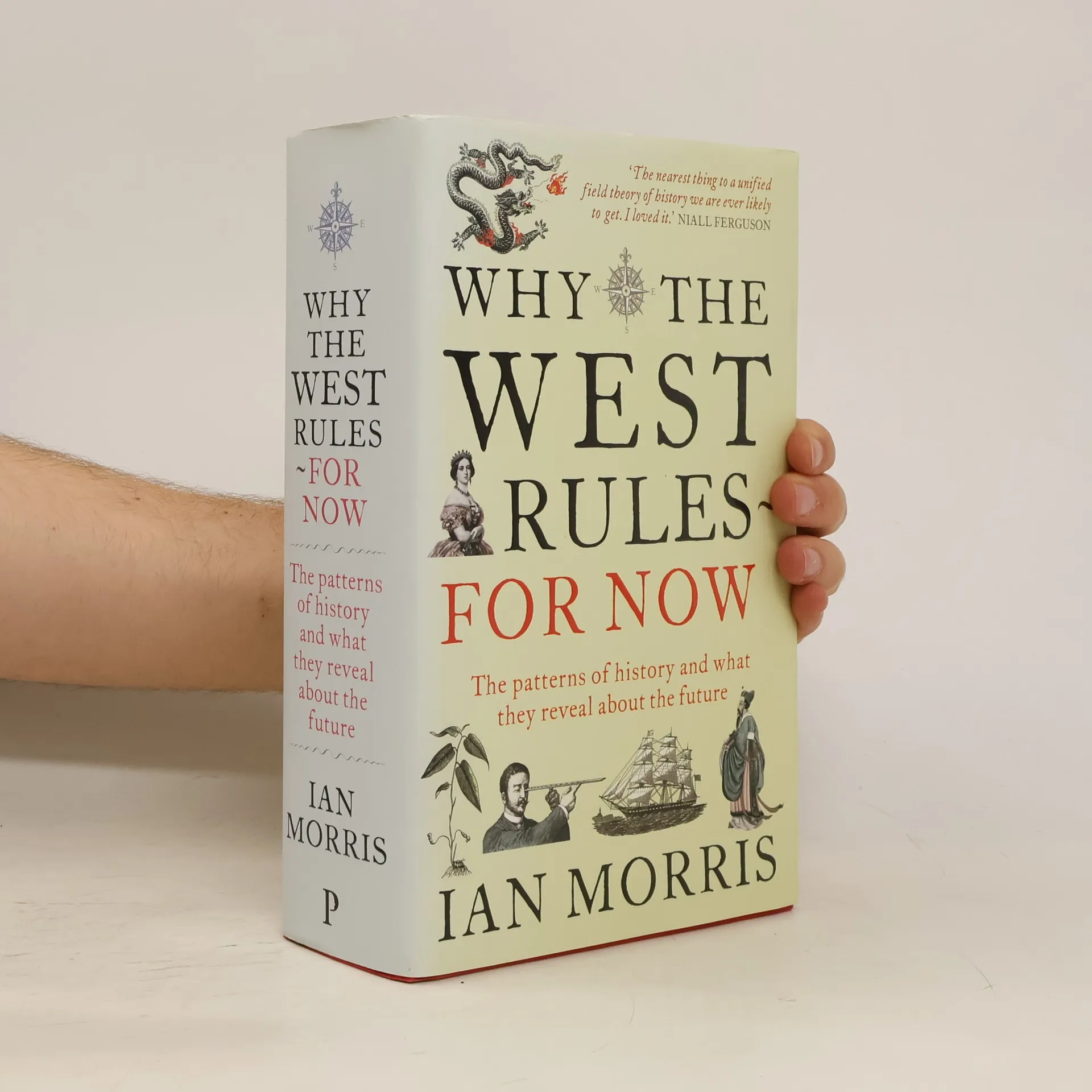
Offers insight into the index of social development that measures change in East and West. The author argues that to understand the development of East and West, we need to look beyond 'long-term lock-in' theories (that suggest it was inevitable) and 'short-term accident' theories.
Why the West Rules - For Now
- 750 stránek
- 27 hodin čtení
In the middle of the eighteenth century, British entrepreneurs unleashed the astounding energies of steam and coal and the world changed forever. Factories, railways and gunboats then propelled the West's rise to power, and computers and nuclear weapons in the twentieth century secured its global supremacy. Today, however, many worry that the emergence of China and India spell the end of the West as a superpower.How long will the power of the West last? In order to find out we need to know: why has the West been so dominant for the past two hundred years?With flair and authority, historian and achaeologist Ian Morris draws uniquely on 15,000 years of history to offer fresh insights on what the future will bring. Deeply researched and brilliantly argued, Why The West Rules - For Now is a gripping and truly original history of the world.
War! What is it Good For?
The Role of Conflict in Civilization, from Primates to Robots
- 495 stránek
- 18 hodin čtení
War is one of the greatest human evils. It has ruined livelihoods, provoked unspeakable atrocities and left countless millions dead. It has caused economic chaos and widespread deprivation. And the misery it causes poisons foreign policy for future generations...But, argues bestselling historian Ian Morris, in the very long term, war has in fact been a good thing. In his trademark style combining inter-disciplinary insights, scientific methods and fascinating stories, Morris shows that, paradoxically, war is the only human invention that has allowed us to construct peaceful societies. Without war, we would never have built the huge nation-states which now keep us relatively safe from random acts of violence, and which have given us previously unimaginable wealth. It is thanks to war that we live longer and more comfortable lives than ever before...And yet, if we continue waging war with ever-more deadly weaponry, we will destroy everything we have achieved; so our struggles to manage warfare make the coming decades the most decisive in the history of our civilisation. In War: What Is It Good For? Morris brilliantly dissects humanity's history of warfare to draw startling conclusions about our future.
The story of Britain, from its first moments as an island to its possible future.
Why the West Rules - for Now
The Patterns of History, and what They Reveal about the Future
Why did British boats shoot their way up the Yangzi in 1842, rather than Chinese ones up the Thames? Why do Easterners use English more than Europeans speak in Mandarin or Japanese? To put it bluntly, why does the West rule? There are two schools of thought: the 'Long-Term Lock In' theory, suggesting some sort of inevitability, and the 'Short-Term Accident' theory. But both approaches have misunderstood the shape of history.Ian Morris presents a startling new theory. He explains with flair and authority why the paths of development differed in the East and West and - analysing a vicious twist in trajectories just ahead of us - predicts when the West's lead will come to an end.'Here you have three books wrapped into one: an exciting novel that happens to be true; an entertaining but thorough historical account of everything important that happened to any important people in the last 10 millennia; and an educated guess about what will happen in the future. Read, learn, and enjoy!' Jared Diamond'A great work of synthesis and argument, drawing together an awesome range of materials and authorities to bring us a fresh, sharp reading of East-West relationships.' Andrew Marr
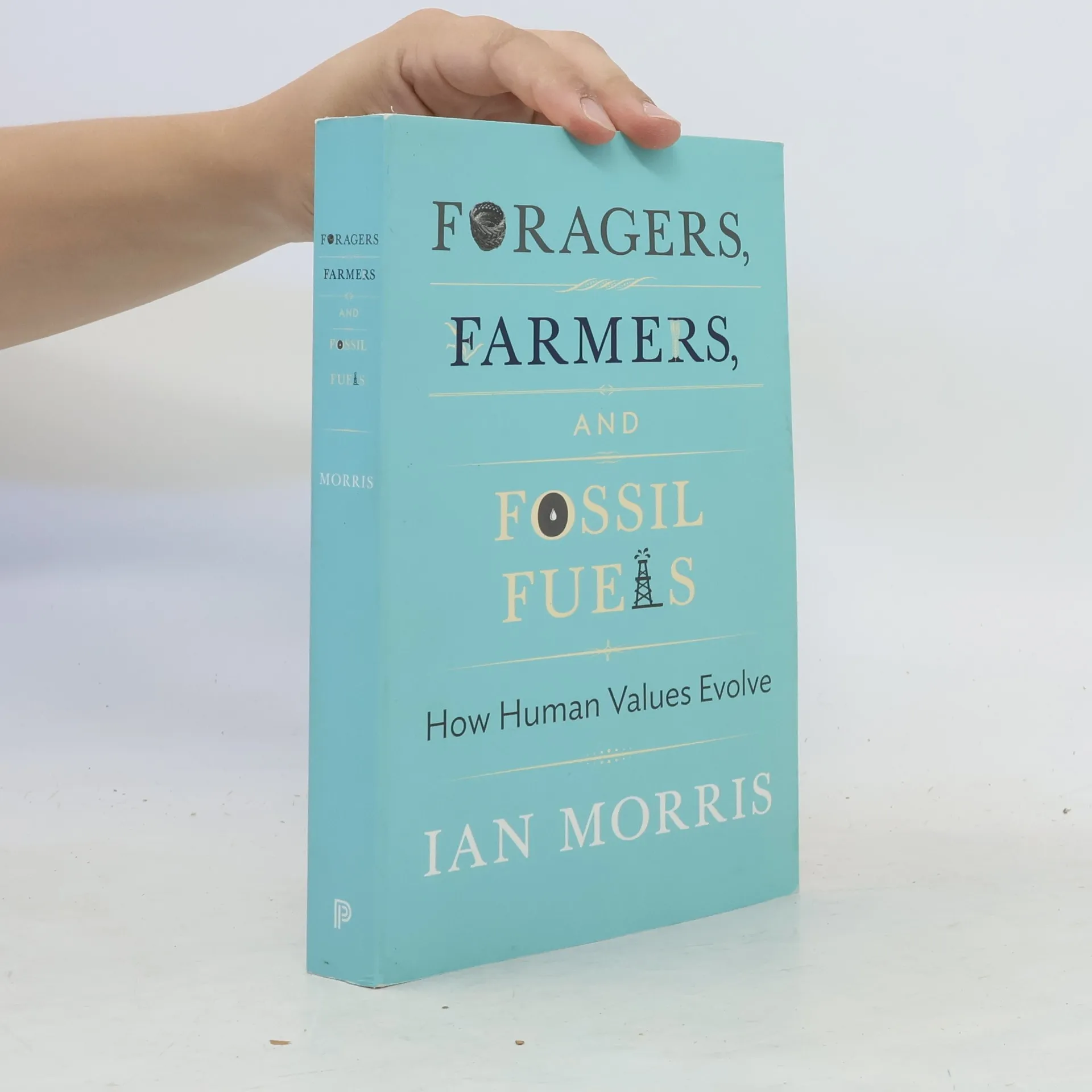
Foragers, Farmers, and Fossil Fuels
- 400 stránek
- 14 hodin čtení
A very good and enjoyable read.--Diane Coyle, Enlightened Economist
The Dynamics of Ancient Empires
State Power from Assyria to Byzantium
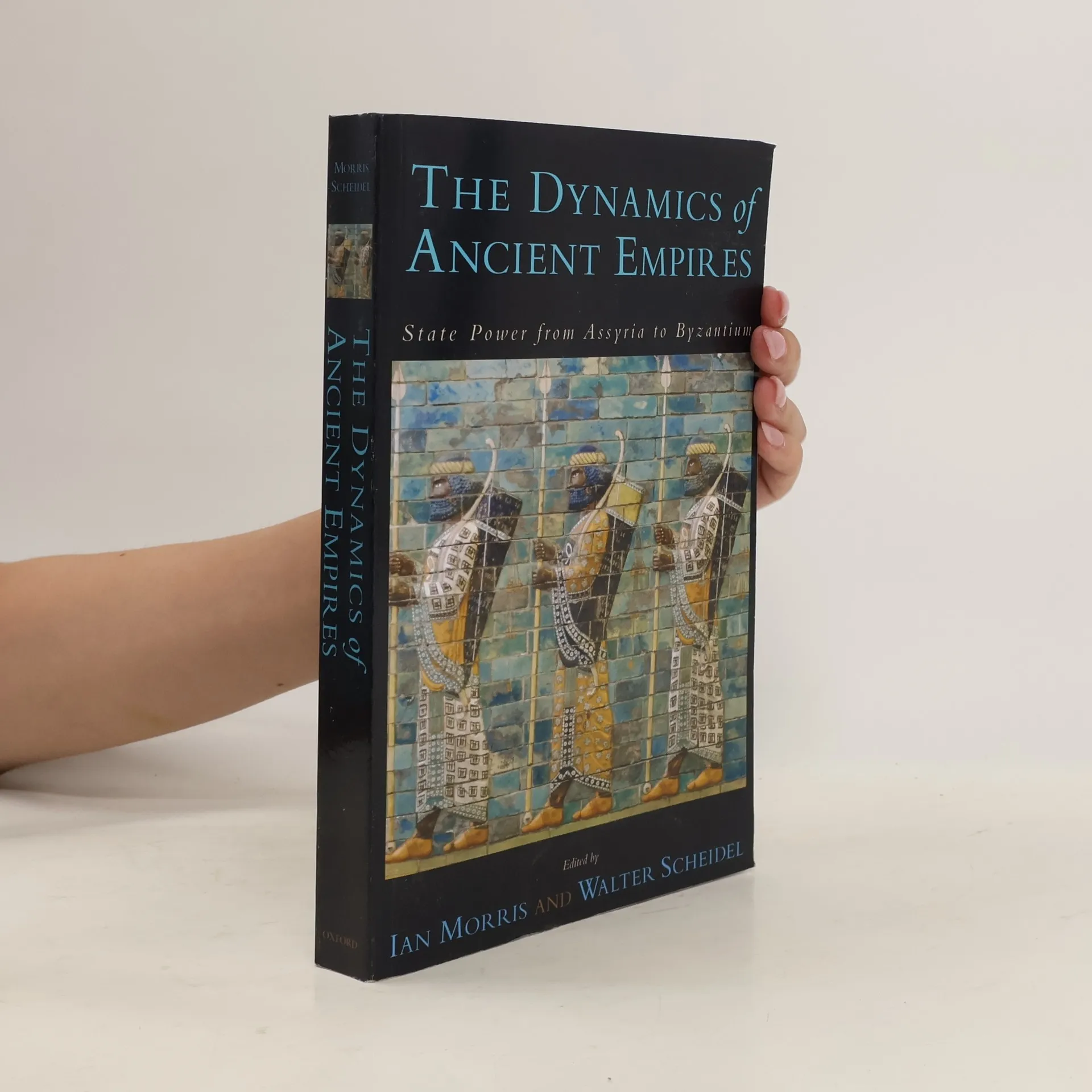
"Greek and Roman empires have largely been studied in isolation from those of the Near East. This volume is designed to encourage dialogue across disciplinary boundaries by examining the fundamental features of the successive and partly overlapping imperial states that dominated much of the Near East and the Mediterranean in the first millennia BCE and CE."--Back cover.