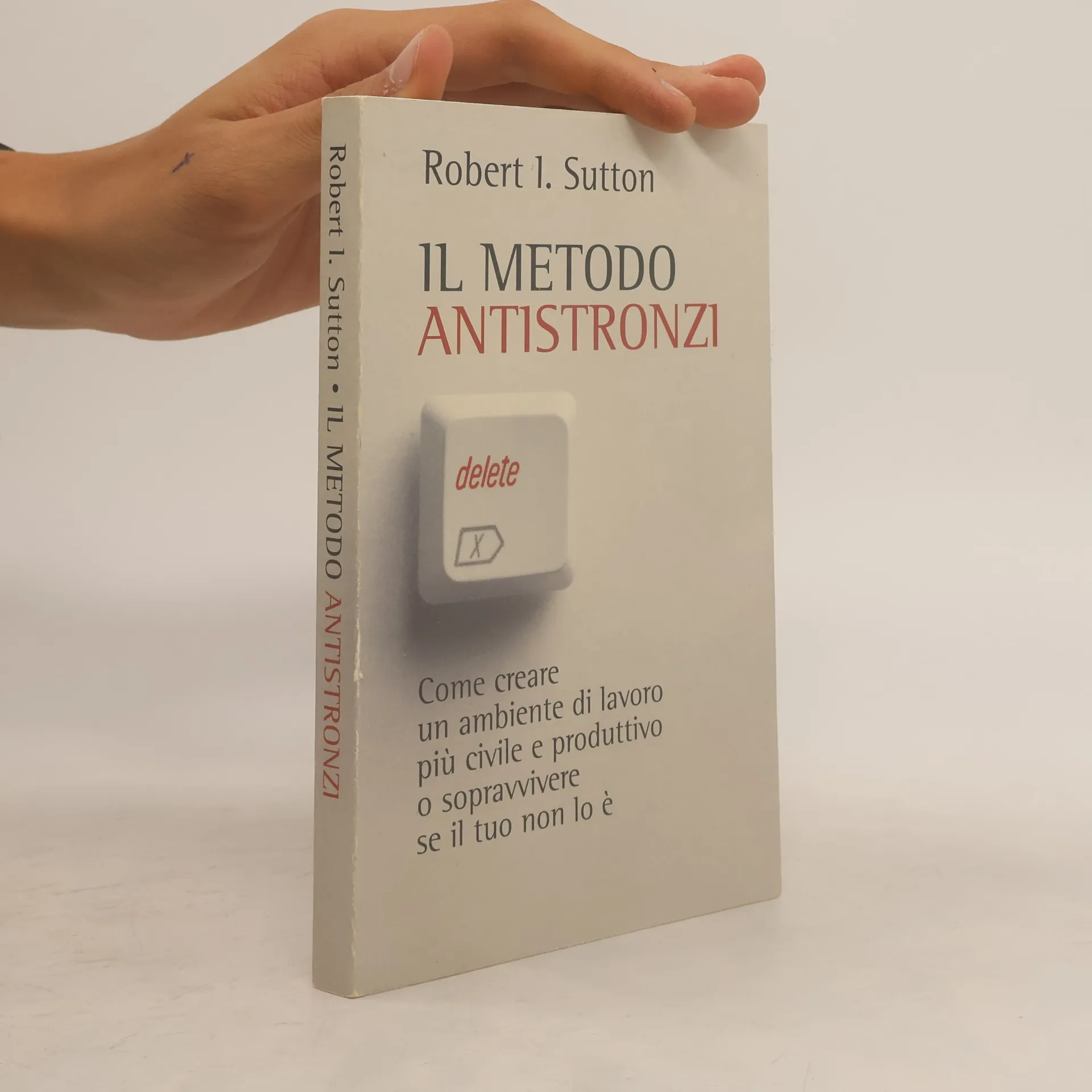
Kniha \"Kreténům vstup zakázán\" s podtitulem \"Jak vytvořit příjemné pracoviště a jak přežít tam, kde tomu tak není\", se zabývá v současnosti široce diskutovaným tématem - vztahům na pracovišti a v tomto případě konkrétně těm vyhroceným, vedeným nepříjemným šéfem, v knize titulovaným jako kretén. Studie doprovázená řadou konkrétních příkladů z nejrůznějších pracovišť a podpořená citacemi ze studií na toto téma napsaných je členěna do kapitol, které čtenářům radí, na základě jakých měřítek kreténa ropoznat a definovat, vyčísluje jím způsobené škody, radí, jak se ho zbavit, pokud je to vůbec možné, jak přežít na pracovišti, které ovládá, jaké jsou jeho kladné vlastnosti a jak se nestát jedním z nich.
Robert I. Sutton Knihy
Robert Sutton je přední odborník na organizační chování a inovace. Ve své práci se zaměřuje na to, jak organizace získávají a využívají znalosti, jak efektivně řídit a jak podporovat inovativní prostředí. Jeho přístup zdůrazňuje význam důkazů a praktických strategií pro vytváření civilizovanějších a produktivnějších pracovišť. Suttonovy knihy nabízejí čtenářům hluboký vhled do fungování firem a do toho, jak mohou lídři vytvářet lepší pracovní prostředí.






Již ve svém předchozím bestselleru Kreténům vstup zakázán se autor dotkl tématu, které je velmi živé a citlivé, totiž vztahů na pracovišti. Následovala záplava otázek typu „Co musí člověk udělat, aby se stal opravdu dobrým šéfem?“, „Co dělat, když máte smůlu a dostanete špatného šéfa?“, „Co dělá dobrého šéfa kvalitním nadřízeným, a co je naopak příznačné pro mizerné šéfy?“ a to ho přimělo věnovat se speciálně tomuto tématu. Profesor standfordské univerzity Sutton přichází s praktickými radami, jak si mohou vedoucí pracovníci vylepšit své vůdčí dovednosti, v knize také najdete případové studie z reálného života a obsahuje i zajímavé výsledky výzkumů, které se zabývaly chováním a návyky dnešních šéfů. Kniha Dobrý a špatný šéf je doslova povinnou četbou pro ty, kdo byli na pracovišti povýšeni do vedoucí role a chtějí být svým podřízeným užitečnými nadřízenými.
Jak přežít kretény
- 264 stránek
- 10 hodin čtení
Robert Sutton, profesor Stanfordovy univerzity, se hledáním odpovědi na otázku co dělat, když narazím na kreténa, zabývá již řadu let a kniha Jak přežít kretény je aktuálním shrnutím toho nejlepšího, na co přišel na základě seriózního zkoumání lidí, kteří se ke svým bližním chovají sprostě. Předkládá v ní rady, jak jednat s lidmi, kteří ty ostatní systematicky deptají, urážejí, ponižují a všemožně jim otravují život. Kniha je zaměřena na pracovní prostředí, ale její doporučení lze využít kdekoliv.
The No Asshole Rule
- 210 stránek
- 8 hodin čtení
A business handbook on preventing and curing a negative work environment explains how to restore civility to the workplace by weeding out problem employees in order to increase profit and productivity.
The first full account of the crucial work done at Fort Hunt, Virginia during World War II, where the highest-level German prisoners were interrogated, and captured documents analyzed.
In Scaling Up Excellence, Robert Sutton and Huggy Rao explore the critical challenge of effectively scaling organizations and programs. Over the past decade, they have focused on identifying and amplifying pockets of exemplary performance to enhance work practices. Drawing on extensive case studies and research across various industries—including start-ups, pharmaceuticals, airlines, and healthcare—they pinpoint key challenges organizations face when scaling. The authors examine the trade-offs between individualized approaches tailored to local needs and the replication of successful practices as organizations expand. They highlight how effective leaders and teams cultivate the right mindsets among their people, ensuring that the core elements of successful growth are preserved. Additionally, Sutton and Rao present principles for cascading excellence throughout an organization while addressing destructive beliefs and behaviors that impede progress. This book stands out as a pivotal resource in the business literature, addressing a universal challenge that many organizations encounter. It is poised to become a definitive guide in the field, offering insights and strategies for sustainable growth and excellence.
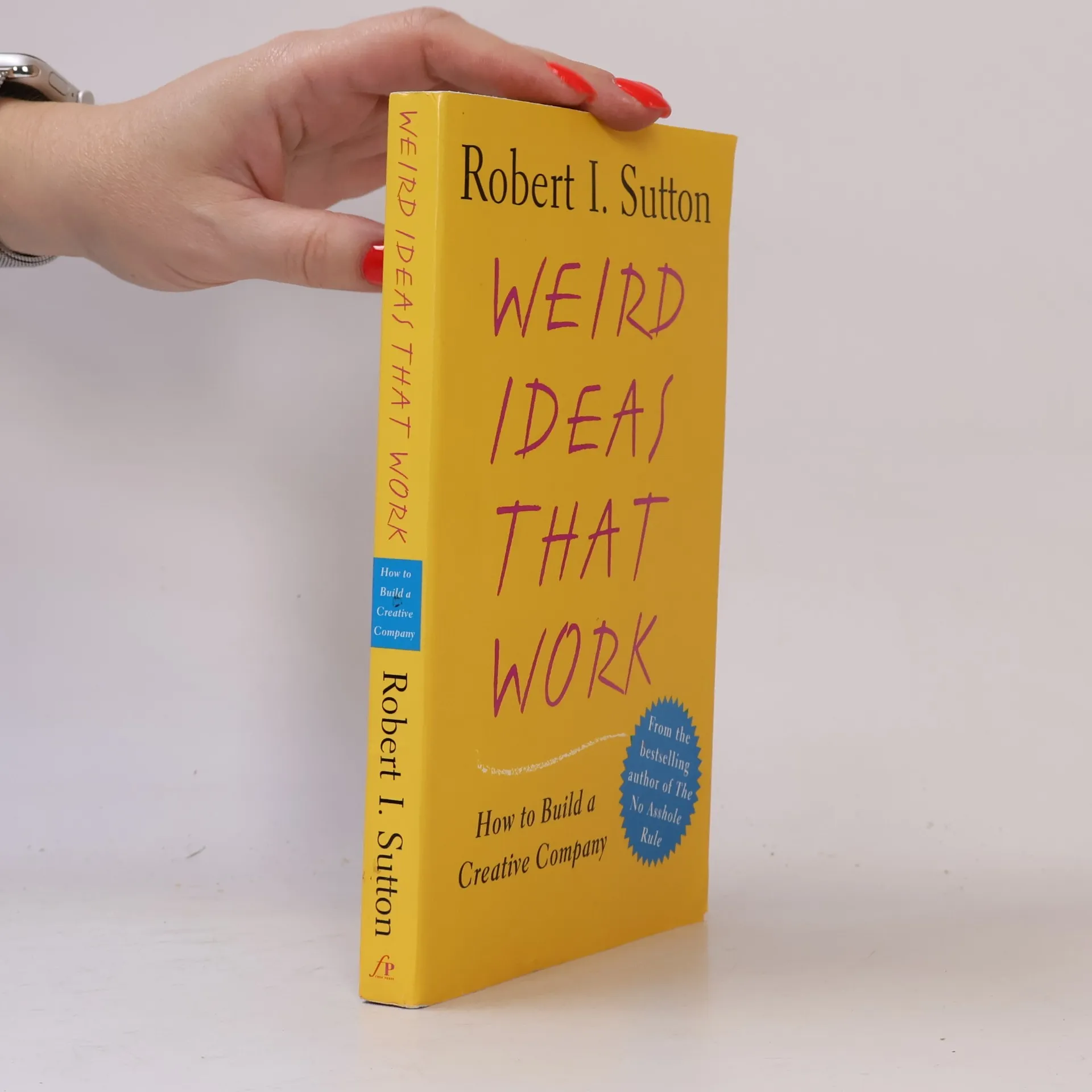
Introduces the proven rules that a company can use to promote innovation, arguing that the corporate world should hire misfits and encourage them to defy the existing culture and actively consider ideas that appear ridiculous or impractical
The Friction Project
- 304 stránek
- 11 hodin čtení
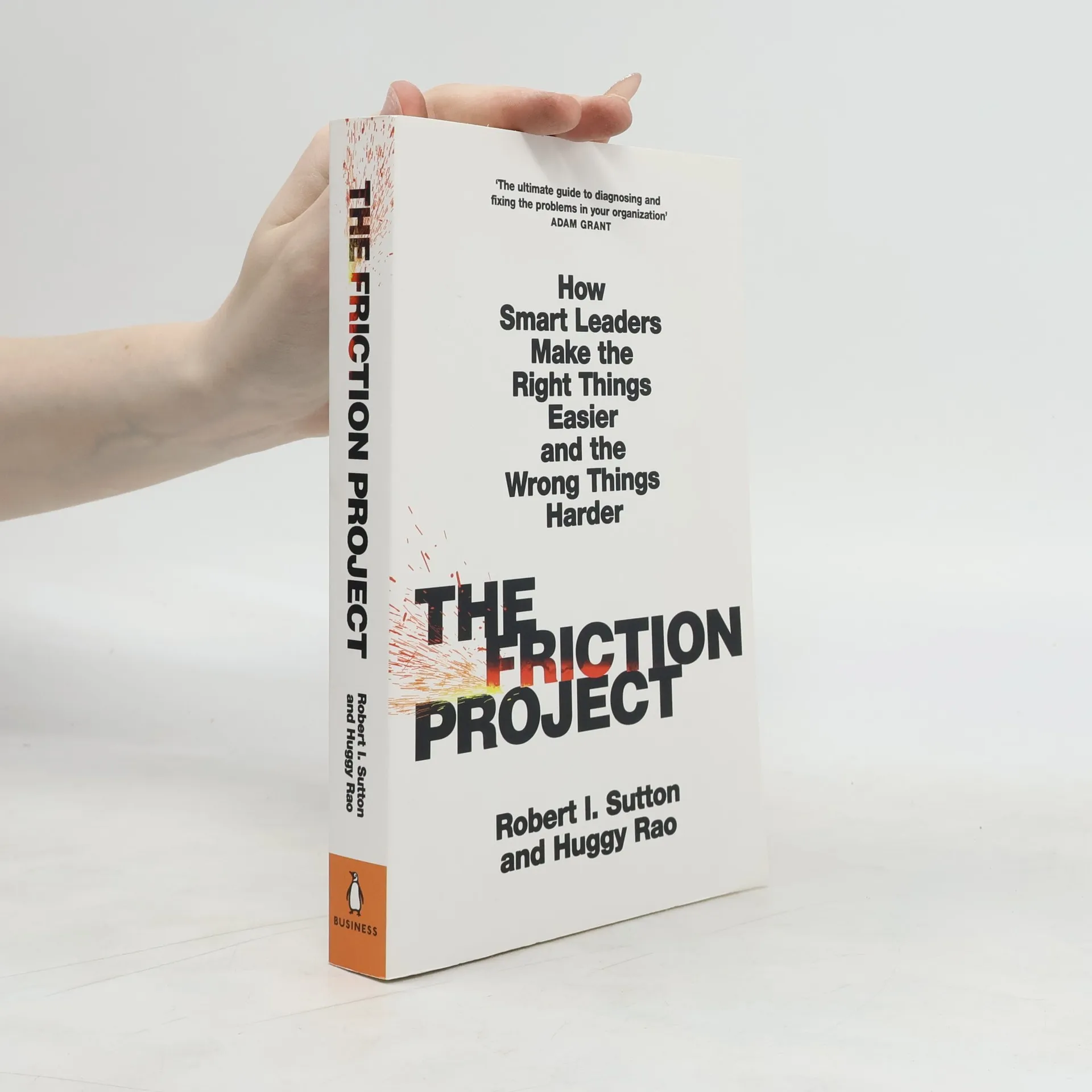
All too often, getting important things done at work is hard, soul crushing and convoluted. Too much precious time is spent wading through corporate gunk. Friction eats away at our energy, creativity and productivity and makes business slow and unproductive. And yet so frequently, organisations make the wrong things easier to do, taking down guardrails when they should in fact hit the brakes. Over the past decade, Stanford professors Robert Sutton and Huggy Rao have made it their mission to understand this phenomenon. Now, in this no-nonsense guide, they have assembled the very best of their collective wisdom. They show how to cut down unnecessary bureaucracy, overcome obstacles and banish the unhelpful systems that avert real progress. The Friction Project is essential reading, whether you're the CEO of a multinational, an employee dealing with difficult colleagues, or a freelancer seeking to streamline the way you operate.
Hard Facts, Dangerous Half-Truths, and Total Nonsense
Profiting from Evidence-Based Management
- 288 stránek
- 11 hodin čtení
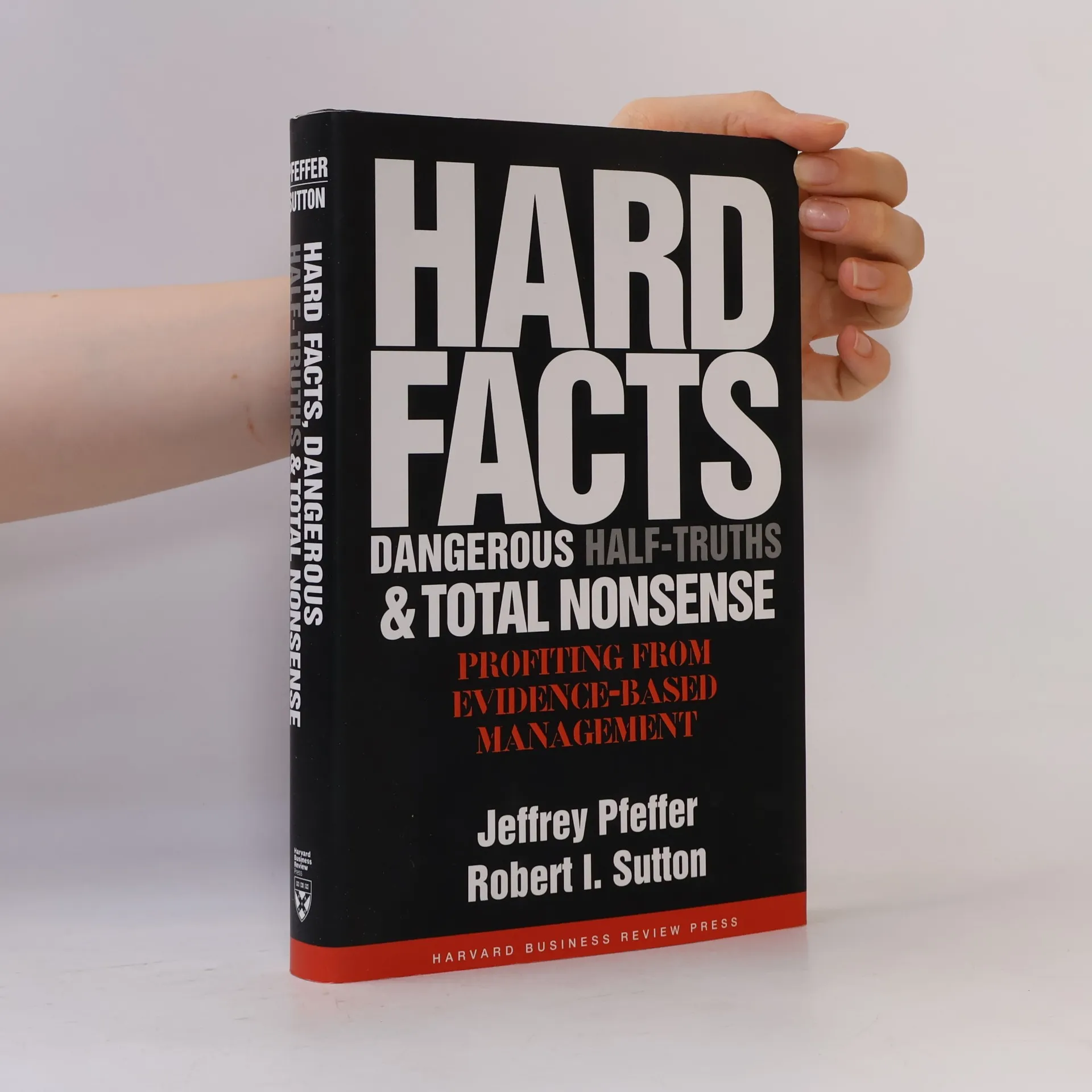
Challenges leaders to commit to evidence-based management as a way of organizational life - and shows how to turn this common sense into common practice.
HBR's 10 Must Reads 2025
The Definitive Management Ideas of the Year from Harvard Business Review
- 192 stránek
- 7 hodin čtení
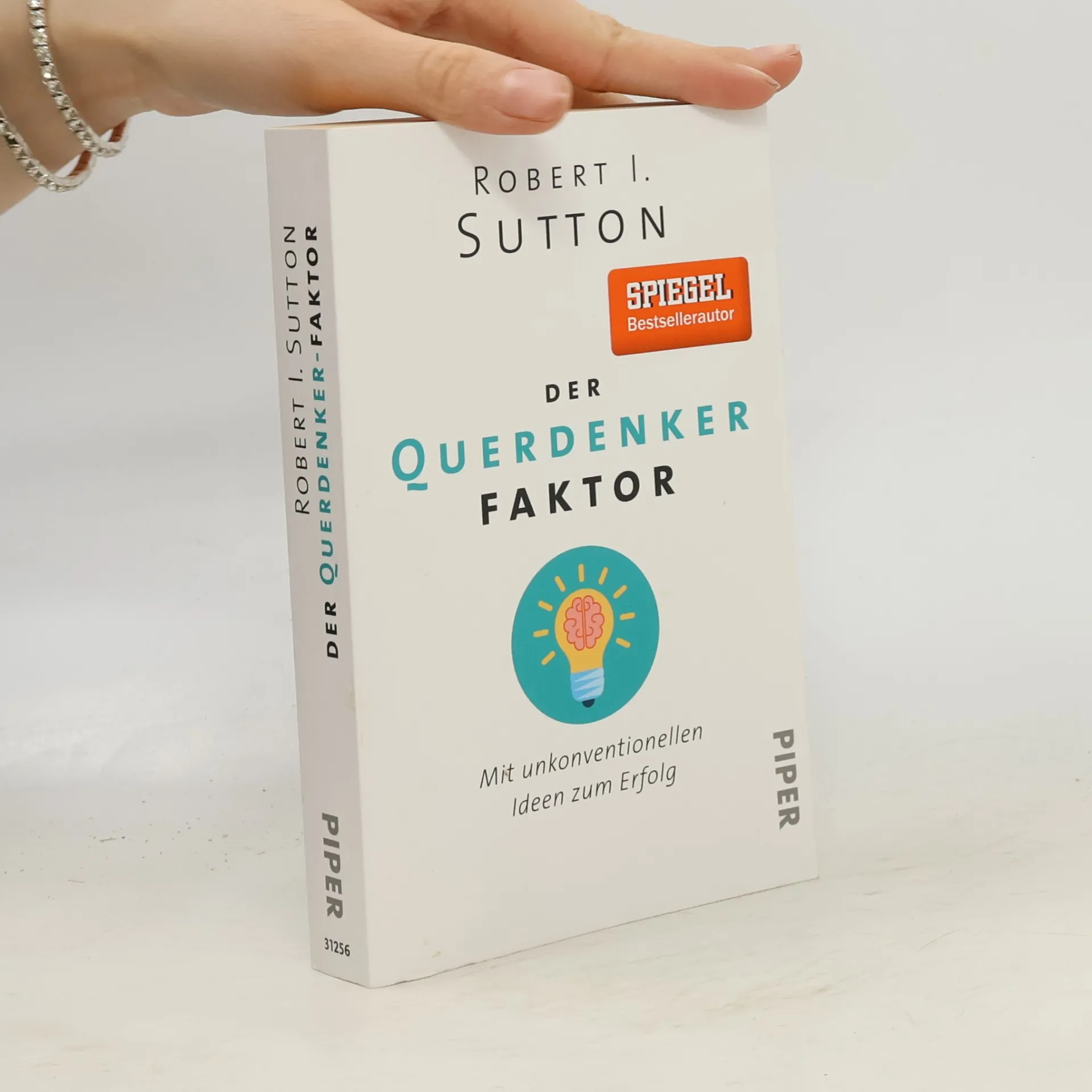
Robert Suttons Vorschläge sind nicht nur schräg, sie klingen verrückt: Seien Sie in Ihrem Unternehmen ein Querdenker, haben Sie Mut zur Eigenwilligkeit – egal, ob Sie Chef oder Angestellter sind! Denn erst unkonventionelle Ideen setzen innovatives Potential frei, generieren neue Projekte und führen langfristig zu Optimierung und Wettbewerbsfähigkeit. Robert I. Sutton erläutert elf Querdenker-Ideen, die ein Unternehmen zum Erfolg führen können. Dazu gehört ganz grundsätzlich, dass Unternehmen experimentieren, einen neuen Typus von Mitarbeiter einstellen und neue Technologien entwickeln müssen. Sie müssen neue Ideen zulassen, um Kundenbedürfnisse zu befriedigen, in neuen Märkten Fuß zu fassen oder Wettbewerber zu überholen. Folgt man Suttons Regeln, werden schlummernde Innovationskräfte freigesetzt.