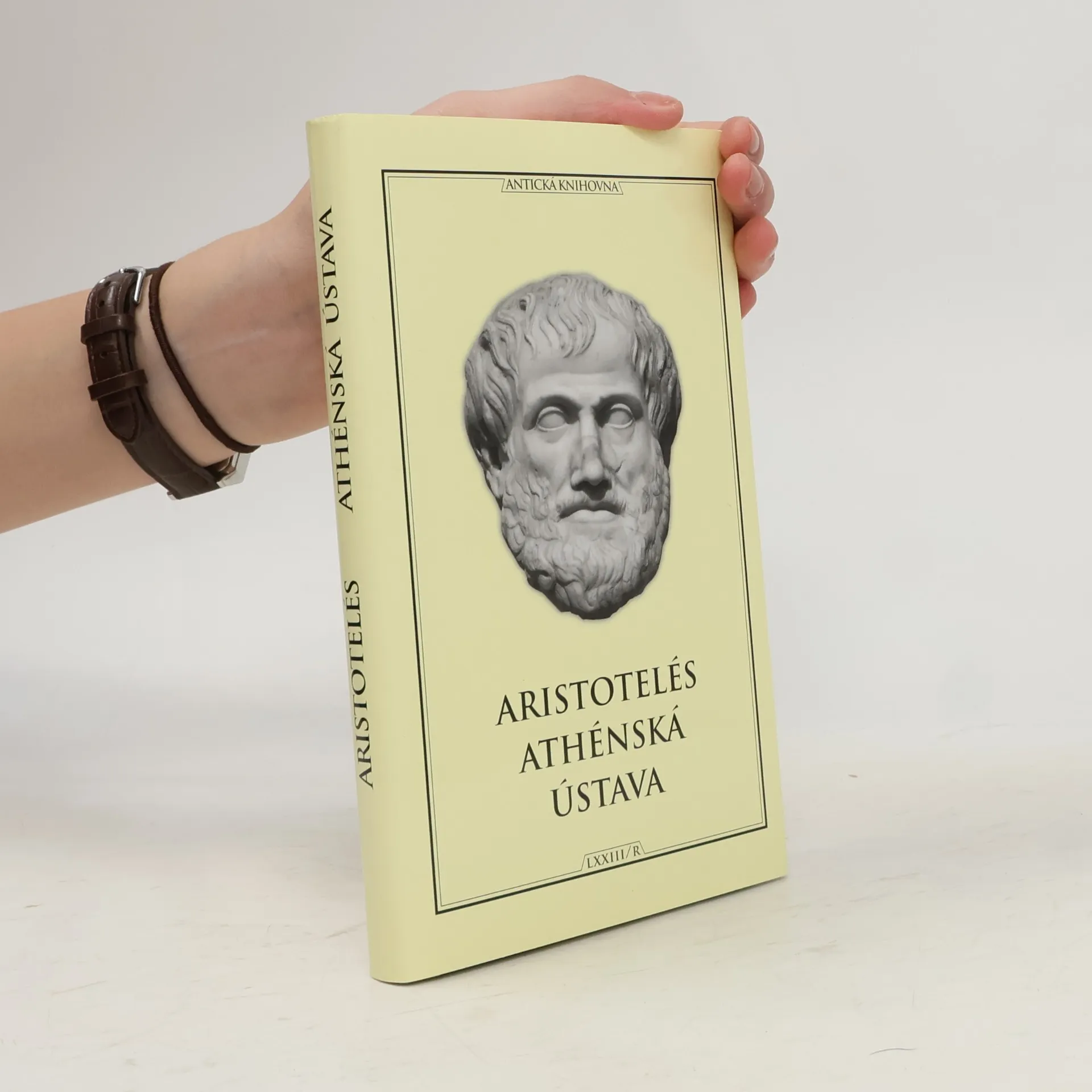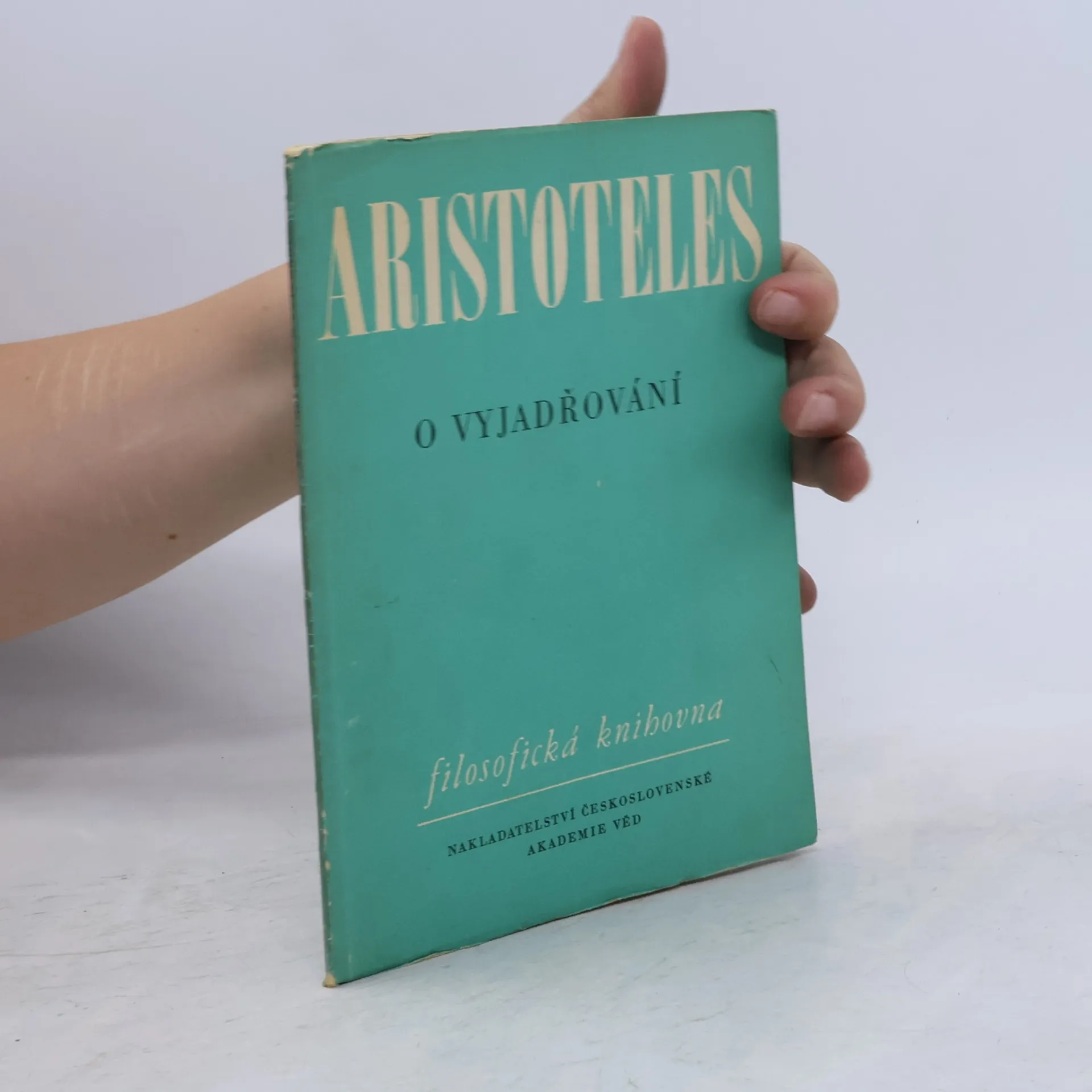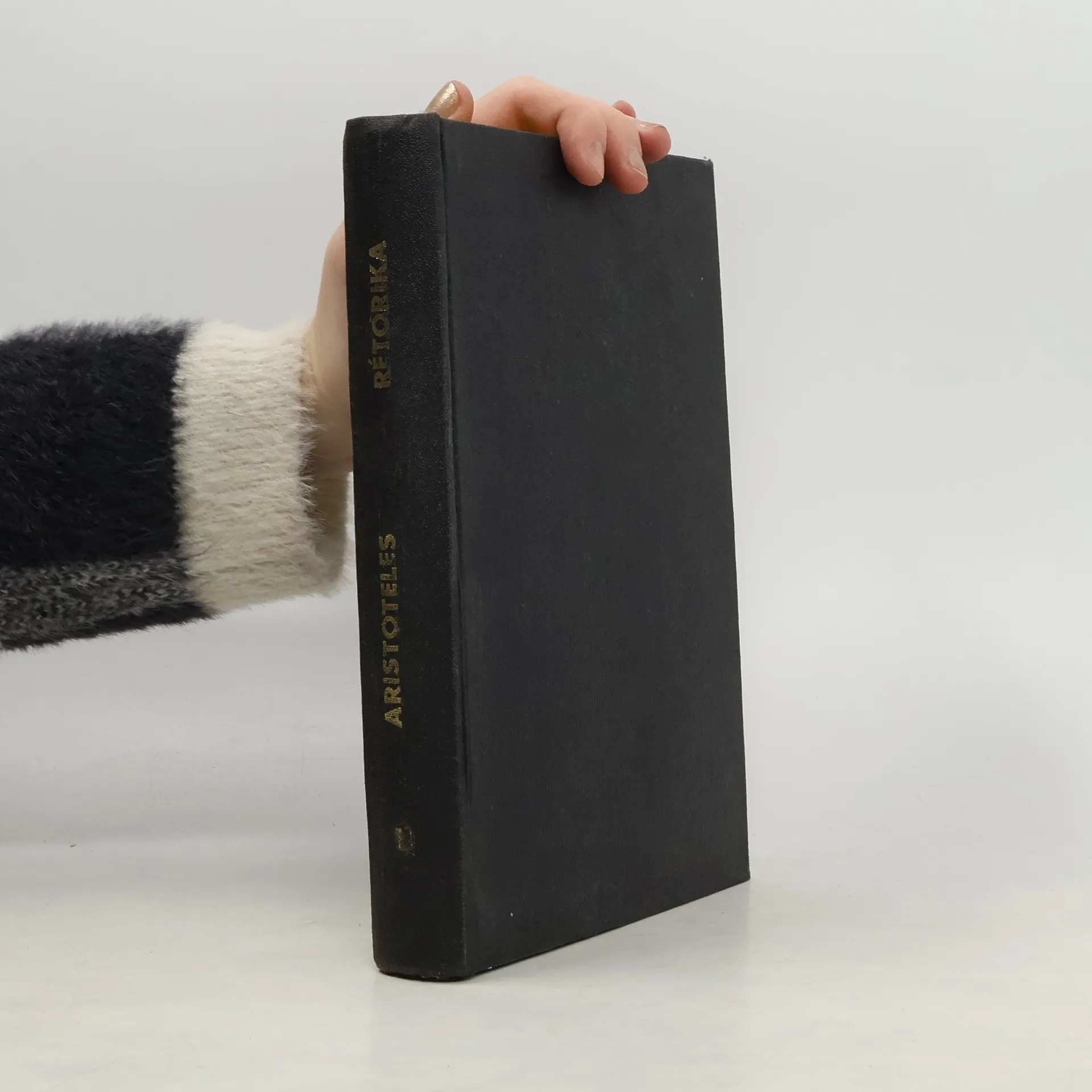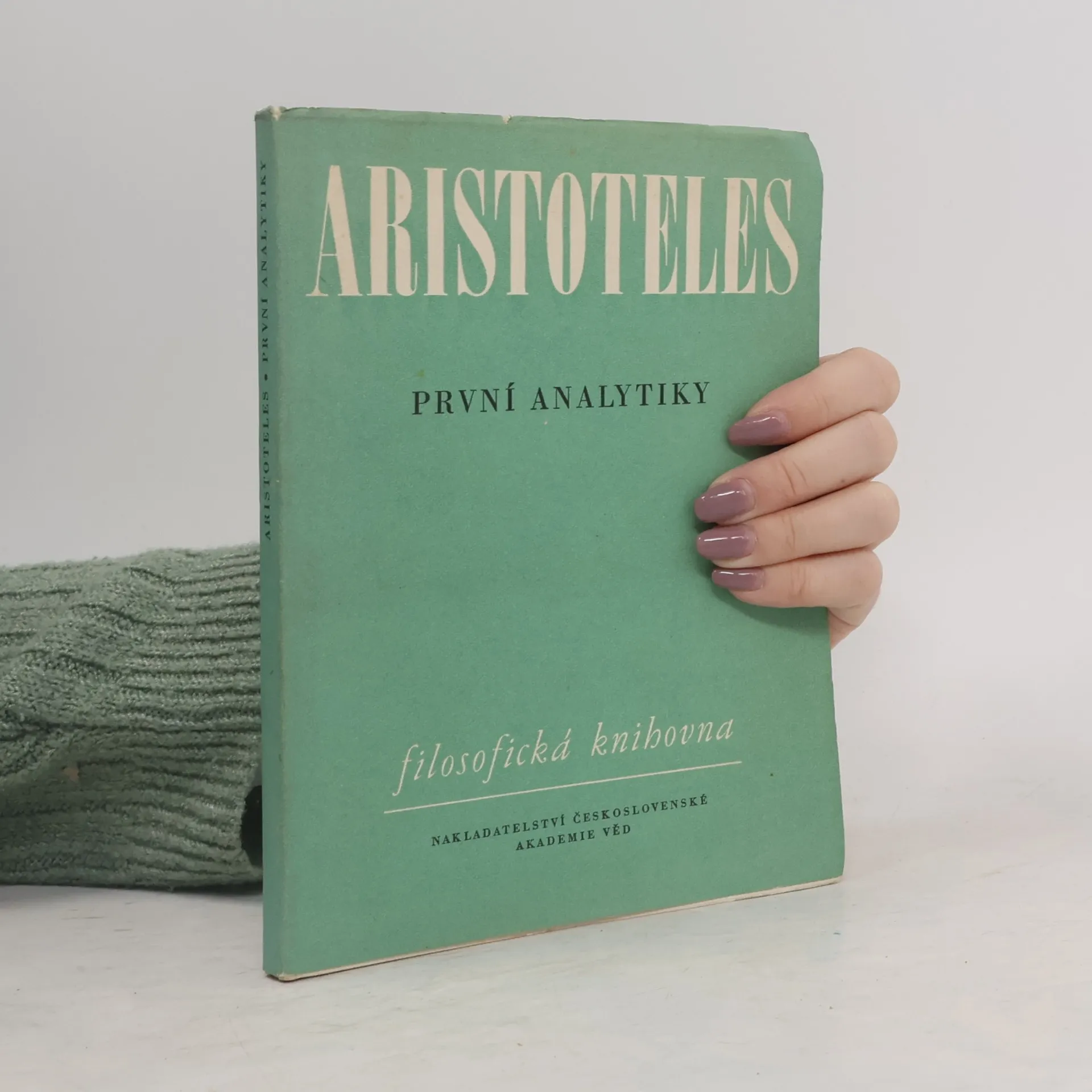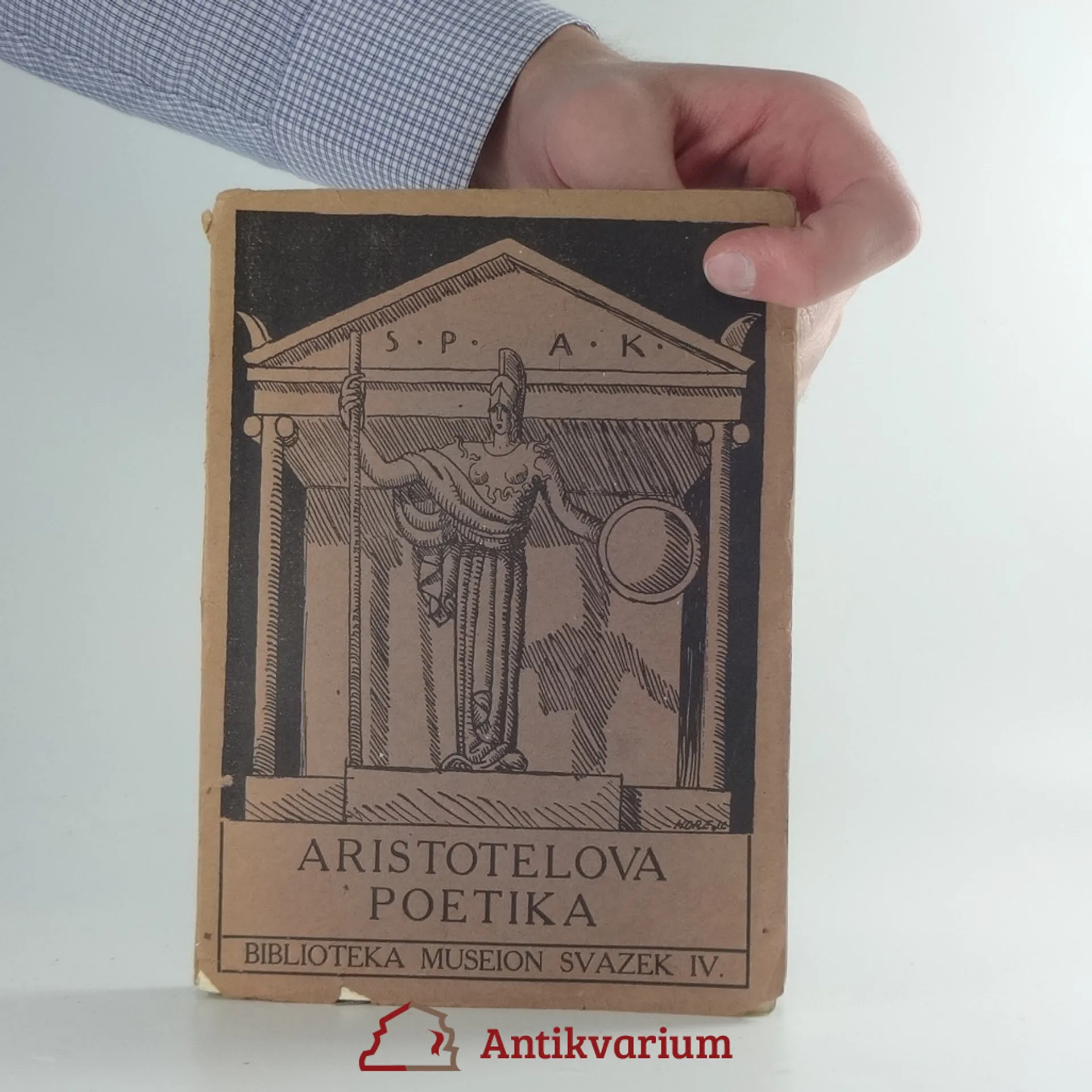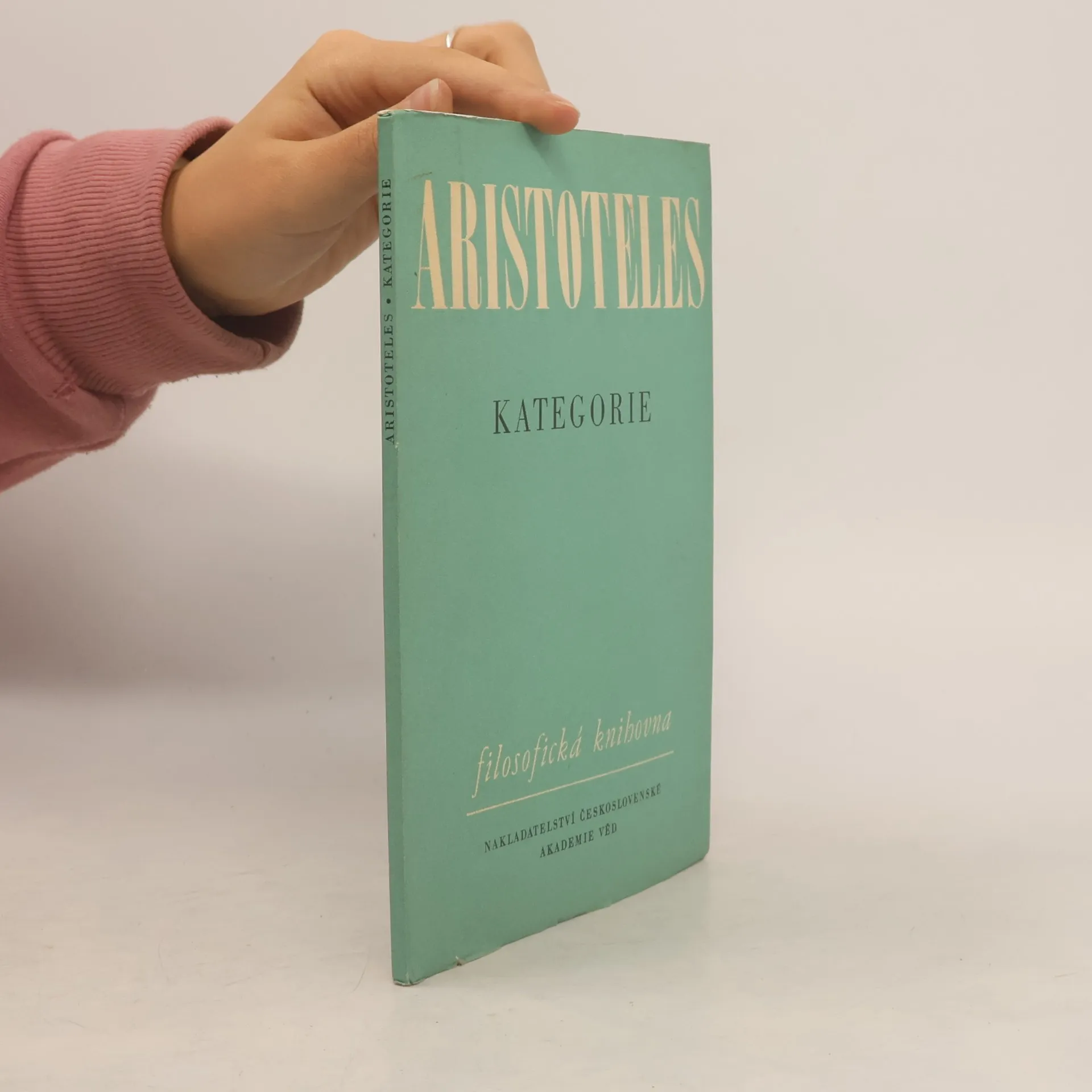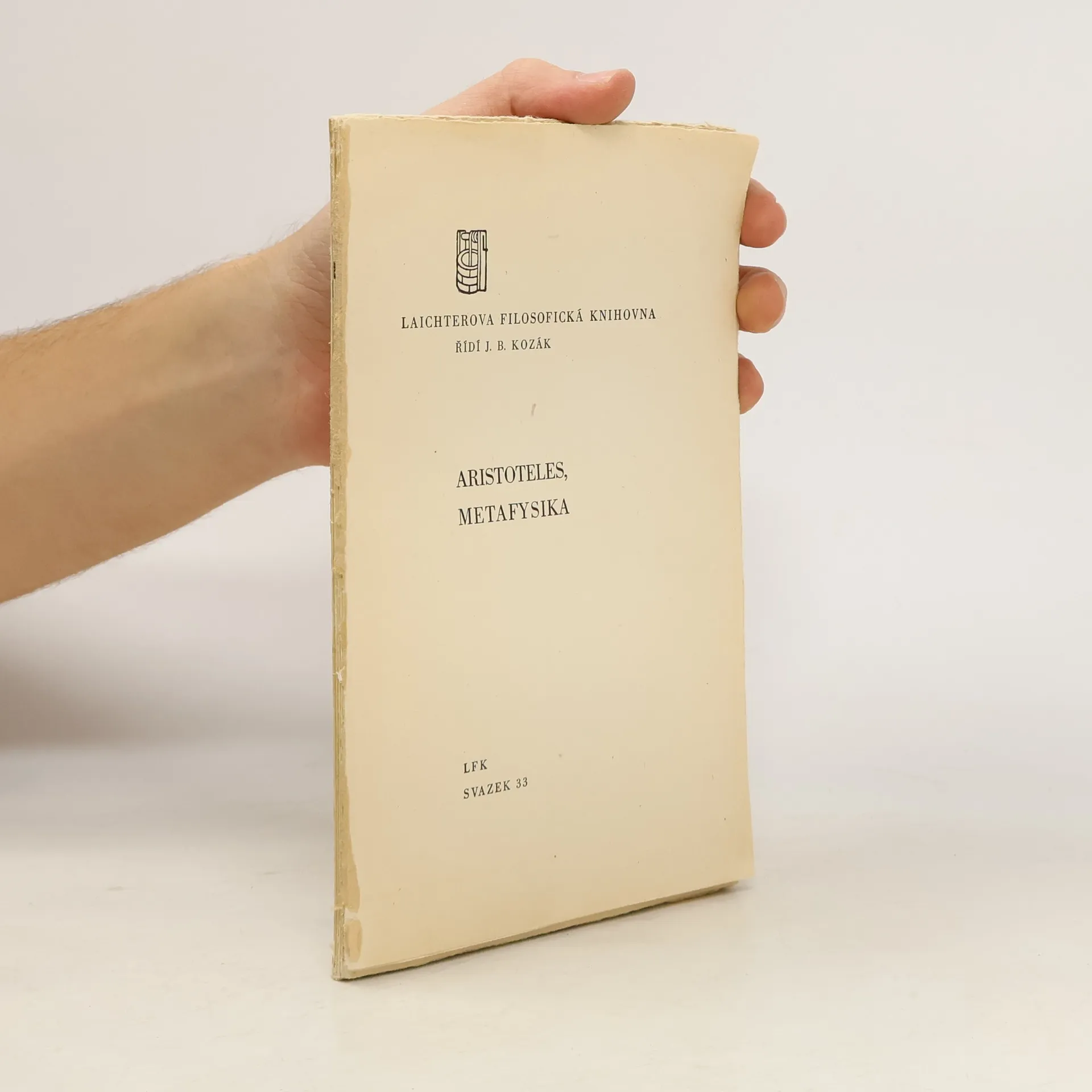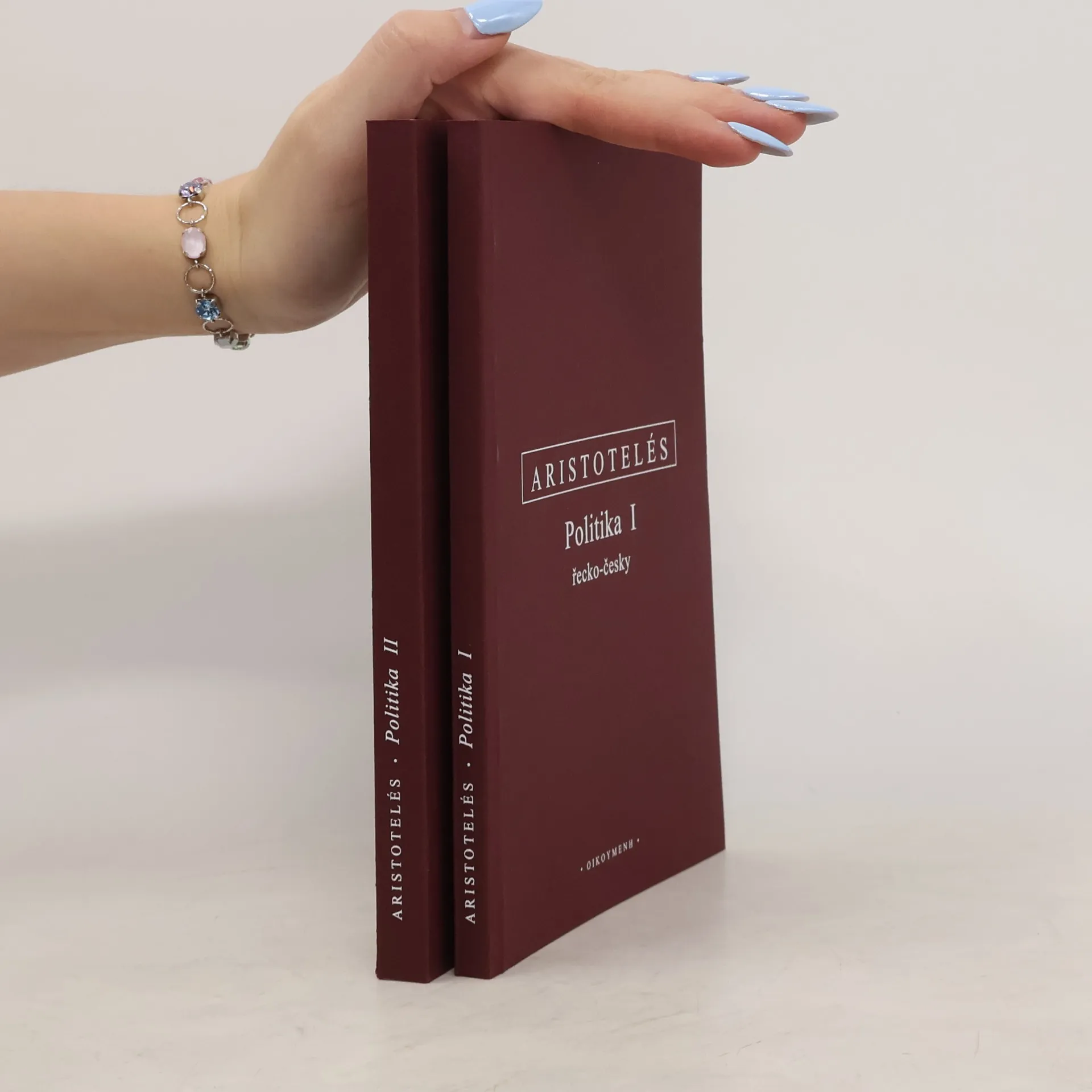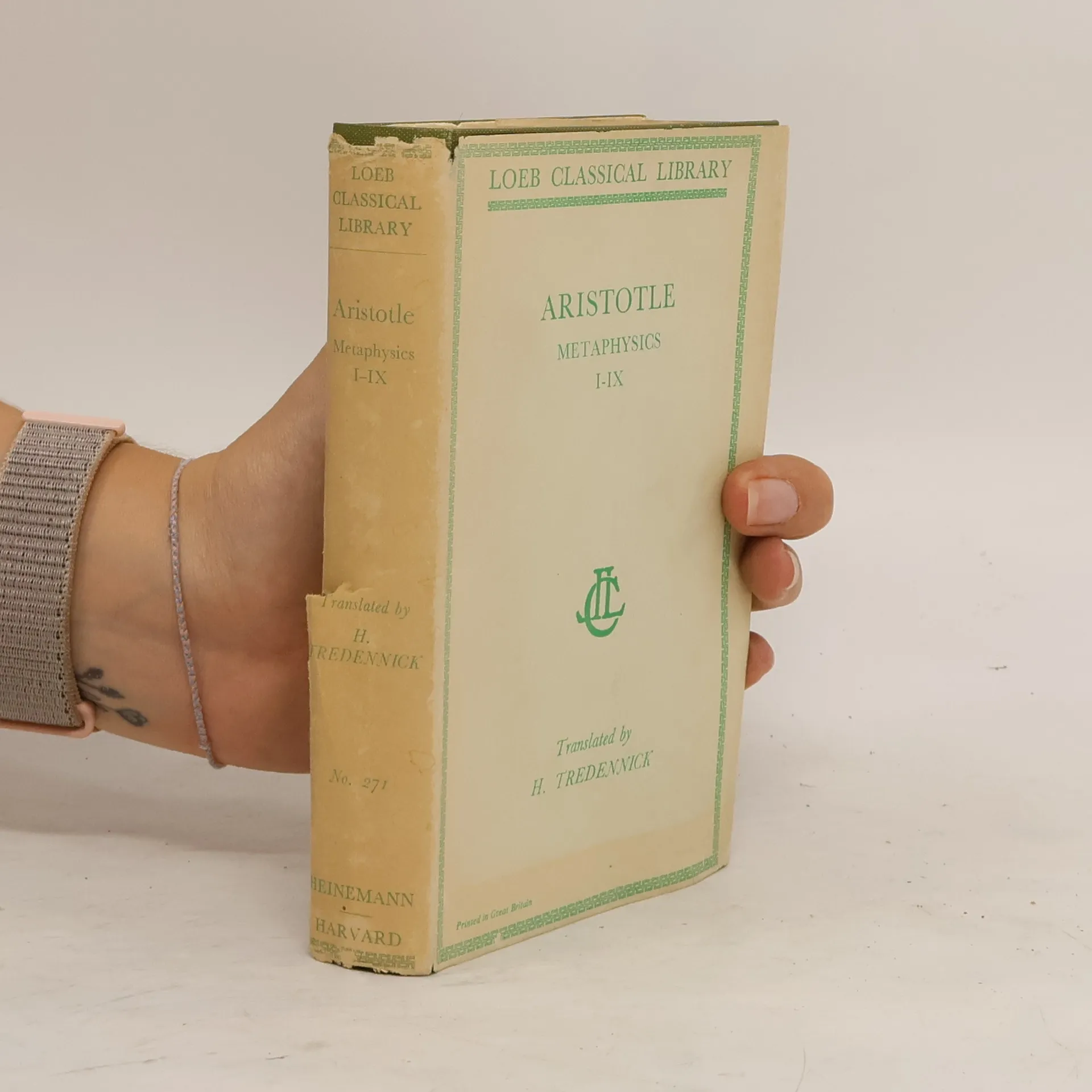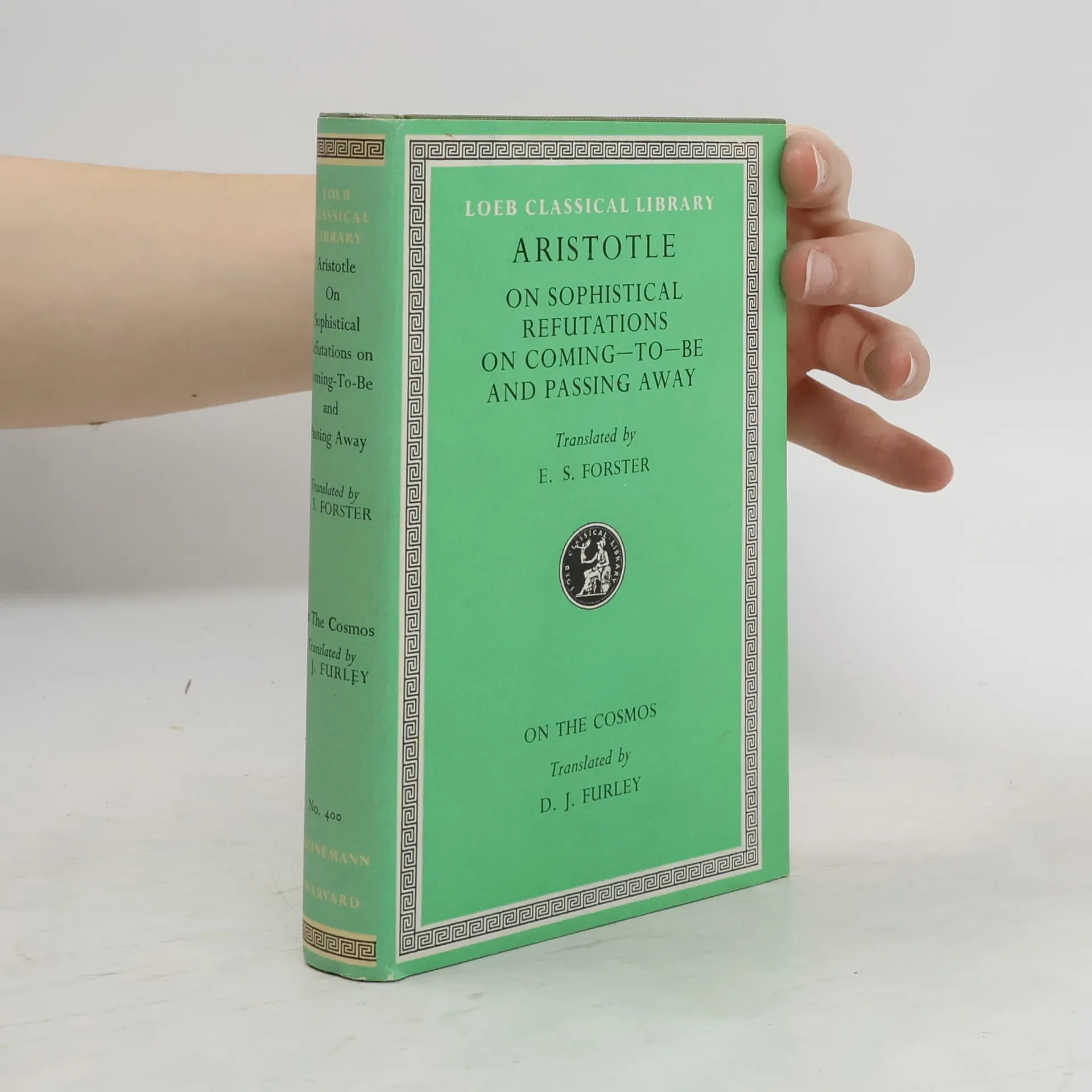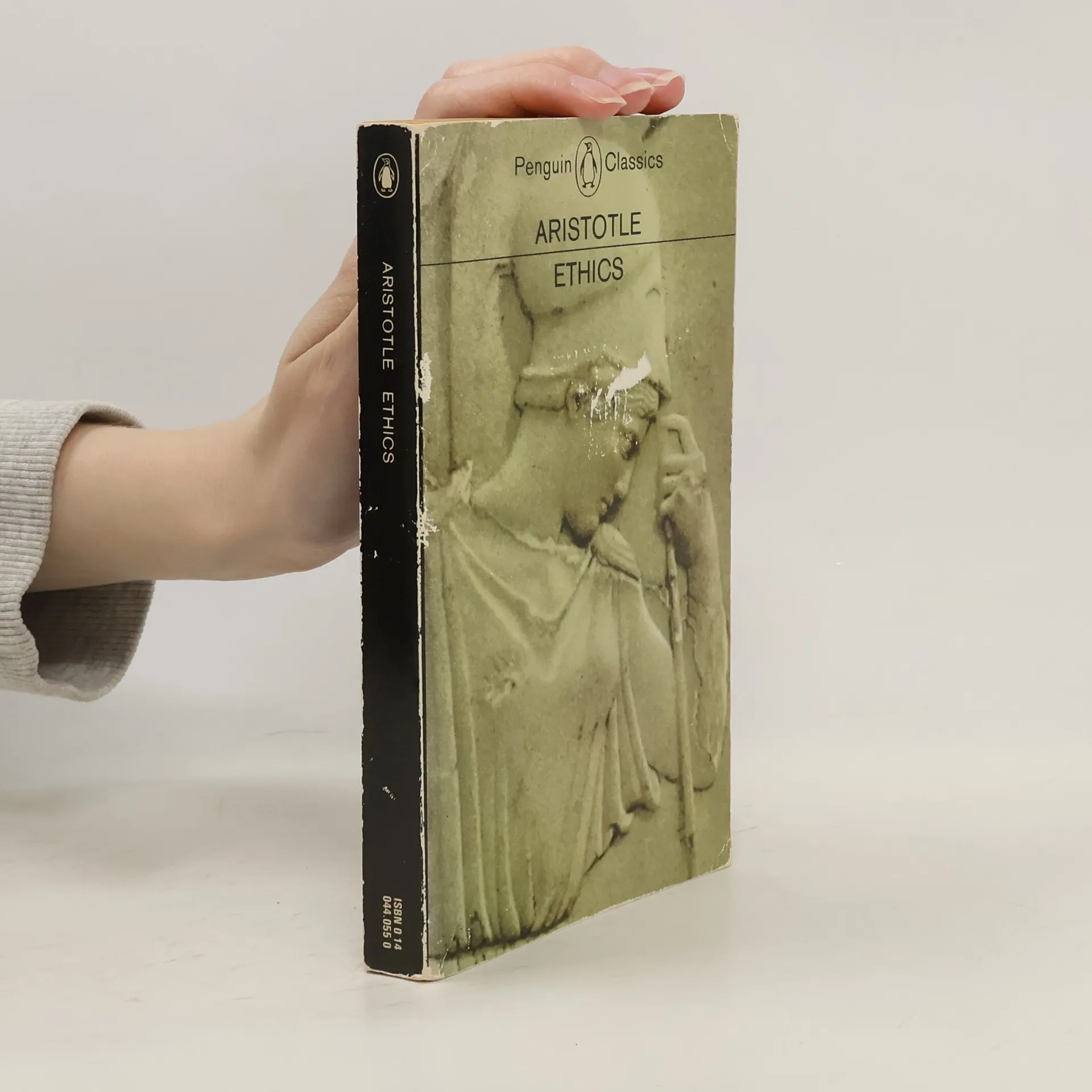
Druhý po staletí nejčtenější Aristotelův spis se svým výkladem života v obci a jeho předpokladů, druhů soužití dle jednotlivých ústav, jejich proměn a podmínek jejich existence řadí ke klasickým dílům politické a sociální filozofie, politologie a k analýzám přirozeného světa člověka. Jedná se o kapesní vydání bez příloh.
Aristotelés Knihy


Kategorie
- 229 stránek
- 9 hodin čtení
Spis patří přes svůj nevelký rozsah k dílům, jež zásadně ovlivnila vývoj západního myšlení od antiky až po současnost. Je v něm vyloženo aristotelské pojetí vztahu bytí a pojmenování a předložena proslulá tabulka deseti kategorií, které představují základní způsoby, jimiž se vypovídá jsoucí. Nový český překlad J. Hejlka, A. Havlíčka a J. Jinka vychází v zrcadlovém řecko-českém vydání, opatřeném úvodní studií a poznámkami.
Etika Níkomachova
- 304 stránek
- 11 hodin čtení
Etika Níkomachova je klasickým dílem filosofické etiky. Poprvé systematicky probírá otázku ctnostného jednání, uměřenosti a nezdrženlivosti, spravedlnosti, úmyslnosti a dobrovolnosti, slasti a blaženosti. Kniha je proto základním pramenem pro filosofy, právníky, psychology, ekonomy, teology. Orientaci v knize usnadní nově připojené přehledy a rejstříky. Rejstřík jmenný a věcný, přehled základních pojmů, analogií a přirovnání, bibliografie, seznam citovaných míst. Kapesní vydání. 4. vydání
Výbor z díla. Obsahuje knihy: O vzniku a zániku O duši Malá přírodovědná pojednání O spánku a bdění O snech O věštění ze snů O dlohověkosti a krátkověkosti O mládí a stáří O dýchání O životě a smrti
Aristotelova Velká etika (Magna Moralia) v upraveném překladu Antonína Kříže. Její velikost týká se rozsahu pojednávaných témat; dva oddíly o eutychii a kalokagathii nemají paralelu v Aristotelově Etice Níkomachově.
Metafyzika A je úvodní knihou souboru Aristotelových spisů věnovaných otázkám první filosofie. Aristotelés zde definuje filosofii jako vědu o prvních počátcích a příčinách. Na pozadí své vlastní nauky o příčinách podává přehled názorů svých předchůdců od Thaléta přes pythagorejce až po Platóna a podrobuje je kritice. Nový český překlad F. Karfíka.
Podivuhodné zvěsti neboli koniny
- 56 stránek
- 2 hodiny čtení
Podivnost nesmyslu, protimluvu, paradoxu přináší překvapení. Být zaskočen je prvním předpokladem myšlení. Objev podivnosti zostřuje náš zrak, úžas nad podivností je pak předstupněm otázky. Tak soudil i autor sbírky podivuhodností přisuzované Aristotelovi. Česko-řecké vydání doprovází 25 ilustrací Jiřího Stacha. Třista číslovaných výtisků.
Politika II.
- 231 stránek
- 9 hodin čtení
Jedna z nejdůležitějších knih evropské tradice politické filosofie. Nový český překlad Milana Mráze v zrcadlovém řecko-českém vydání, opatřený úvodní studií a poznámkami.
Rétorika / Poetika
- 555 stránek
- 20 hodin čtení
Jako filosofická odpověď na dobovou výzvu sofistiky Rétorika tvoří nevyčerpatelný zdroj poučení pro prakticky orientované činitele ve sféře veřejné, ale ve svých rozborech duševních pohnutek podává základy ontologie lidského jednání. Poetika přináší základní Aristotelovy myšlenky k dramatickému umění, jeho srovnání s epickým básnictvím a dějepisectvím; je pramenem k počátkům řeckého divadla.
Publikace, jež vyšla k 220. výročí založení Společnosti vlasteneckých přátel umění, předchůdkyně Národní galerie v Praze, je souborem esejů představujících jakousi autobiografii Národní galerie v Praze, jejíž existence je mimo jiné založená na aktu velkorysých gest dávání a sdílení. Eseje vzdávají hold otcům zakladatelům, jednotlivým donátorům a institucím, umělcům a sběratelům, kteří galerijním sbírkám poskytli ničím nepodmíněný dar či dočasnou výpůjčku, provedli směnu nebo galerijním sbírkám – od starých mistrů přes grafiku a kresbu, umění Asie a Afriky až po umění 19. století a moderní a současné umění včetně architektury – a návštěvníkům prospěli jakýmkoli jiným způsobem. Kniha zahrnuje také texty věnované historii sběratelství a formativní roli štědrosti a velkorysosti v procesu vzniku sbírkových institucí. Komplexní obrázek dokreslují výňatky z filozofických, literárních a básnických děl, které problematiku velkorysosti zasazují do širších ideových souvislostí.
Etika Eudémova
- 168 stránek
- 6 hodin čtení
Etika Eudémova bývá společně s Etikou Níkomachovou a Velkou etikou (Magna Moralia) řazena mezi Aristotelovy etické spisy. Zatímco Etika Níkomachova si své místo v dějinách filosofie již právem zasloužila a vystupuje nad zbylé dva spisy jako dílo mladší a stěžejní, Etika Eudémova neprávem často zůstává v pozadí jako spis starší či pouze přípravný, z něhož bylo později vyňato několik knih pro Etiku Níkomachovu. V našem prostředí se upozadění tohoto díla projevuje i v absenci českých překladů. Na rozdíl od spisu Magna Moralia přitom nemůžeme jakkoli pochybovat o Aristotelově autorství tohoto jedinečného díla. I když se přikloníme k většinovému názoru, že jde o spis, který byl časem překonán, zůstává cenný nejen jako svědectví o vývoji Aristotelova myšlení. Může totiž představovat i alternativní výklad autorovy nauky o ctnosti. Navzdory množství dochovaných materiálů a nejrůznějších komentářů zůstává Aristotelova etika předmětem stále trvajících sporů. Téma ctnosti ve spojitosti s Aristotelovými etickými myšlenkami je v 21. století stále živě diskutováno. Tímto prvním českým překladem Etiky Eudémovy bychom chtěli přispět k možnosti proniknout do jednoho z nejinspirativnějších systémů antického myšlení.
Spis přináší Aristotelovo učení o principech neboli počátcích výkladu přírody a podrobný rozbor pojmů náhody, nutnosti, samovolnosti a příčiny. Systematický rozbor procesu-pohybu, vztah omezeného a neomezeného, analýzy prostoru (místa) a času náleží ke klasickým výkladům, o něž se opírá celá následující filosofická tradice, včetně důležitých proudů filosofie dvacátého století. Polemika s názory předchůdců činí z Fyziky rovněž důležitý zdroj pro poznání přírodní filosofie před Aristotelem. Kniha je nezbytným pramenem pro filosofy, uměnovědce, teology, astronomy, ekology, historiky vědy aj. Jedná se o kapesní vydání, které postrádá přílohy obsažené ve vydání z roku 1996.
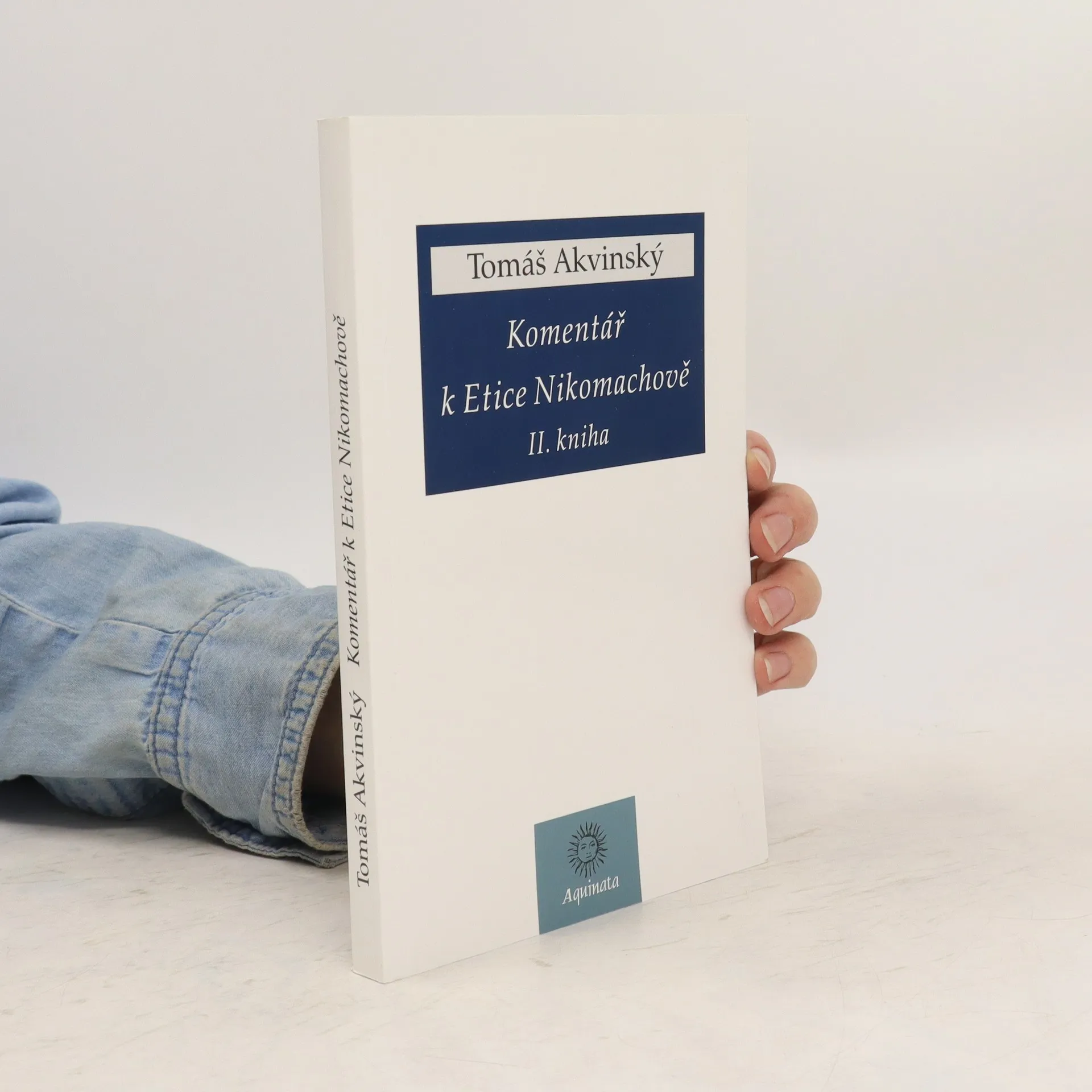
Komentář k Etice Nikomachově II. kniha
- 233 stránek
- 9 hodin čtení
Pro Aristotelovu etiku je klíčové téma ctnosti. Probírá se porůznu v celé Etice Nikomachově, nicméně její 2. kniha představuje východisko, kde je morální ctnost definována a uvedena do kontextu lidského života a jednání. Tomáš svým výkladem zasazuje antické pojetí ctnosti do křesťanského kontextu. Pro něho je vzorovým příkladem ctnostného člověka především Kristus a světci, ale z filosofického hlediska musí věc uchopit jinak, proto definuje ctnostného člověka jako toho, kdo neuhýbá z cesty, na niž ho postavila jeho přirozenost: „člověk, jaký má být“. Pro dnešní společnost není podvědomým vzorem vznešený Athéňan jako pro Aristotela, tím méně Kristus a svatí, ale už ani zákon lidské přirozenosti. O to důležitější je přemýšlet o těchto věcech explicitně: v čem spočívá ctnost, kam ji zařadit v celku lidské přirozenosti, jak ji získat a rozvíjet, a jaké jsou jednotlivé ctnosti a jim odpovídající neřesti? To vše je tématem druhé knihy Aristotelovy Etiky Nikomachovy (v knížce uvedený latinský i řecký text) a potažmo komentáře sv. Tomáše.
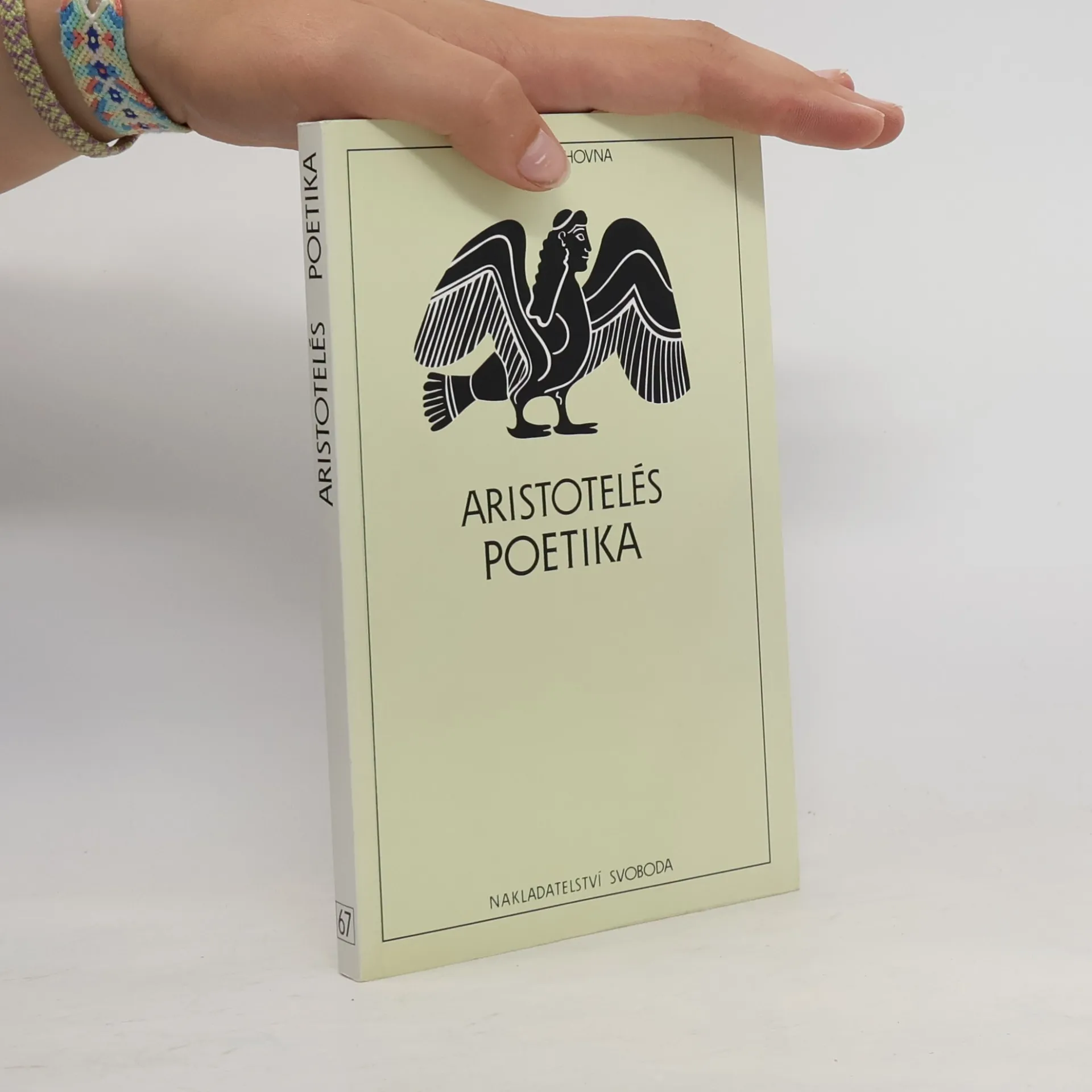
Poetika
- 226 stránek
- 8 hodin čtení
Poetika je prvním filosofickým dílem, v němž se básnické umění stalo předmětem teoretické reflexe. Aristotelés se v něm zabývá mj. problematikou tragédie a epiky, které byly v Řecku považovány za nejzávažnější obory básnické tvorby. Překlad Poetiky je doplněn o soubor krátkých výpiskú (známý pod názvem Anonymní pojednání o komedii), který je pokládán za svědectví o obsahu nedochované II. knihy tohoto Aristotelova díla.
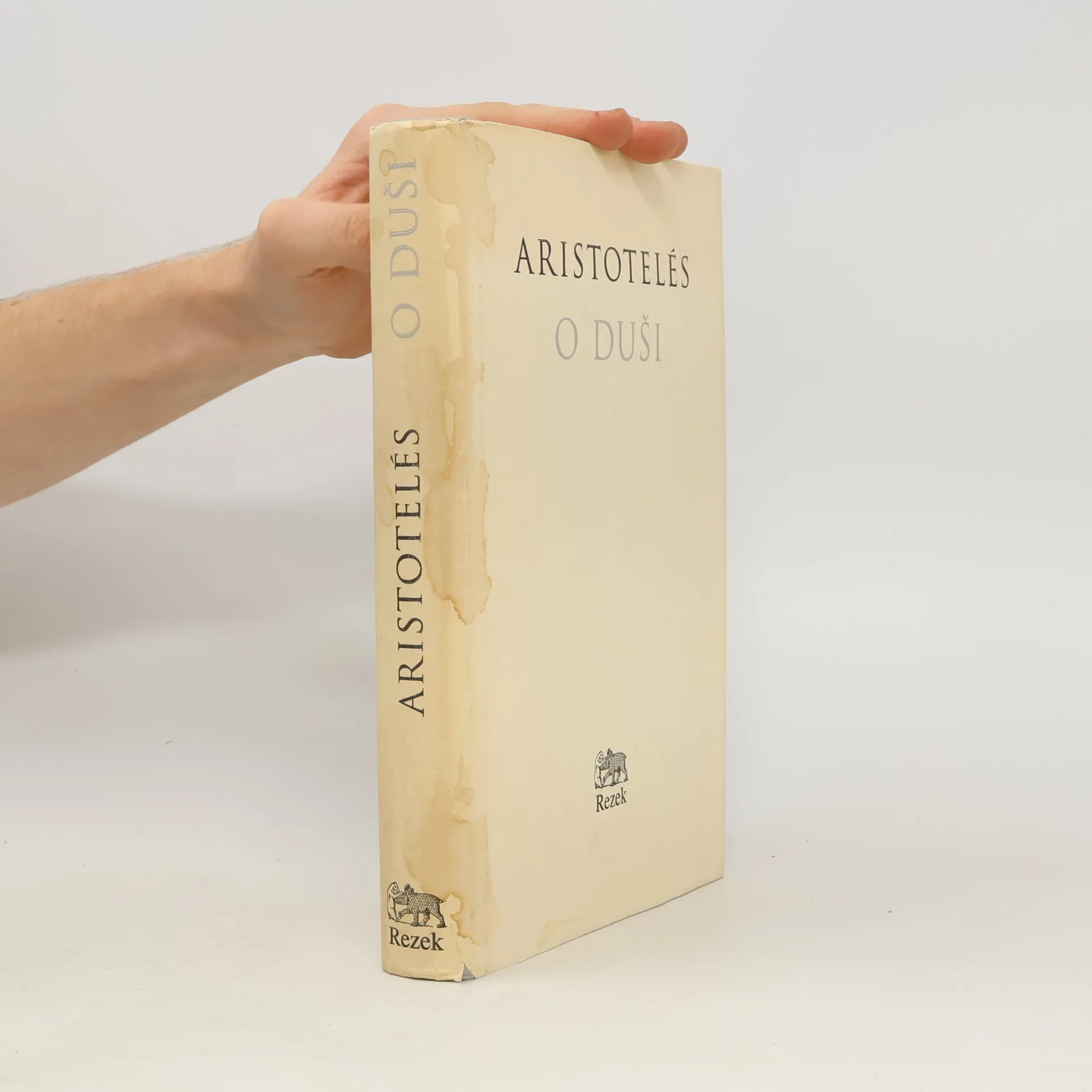
O duši
- 298 stránek
- 11 hodin čtení
Aristoteles se snaží v této rozpravě o duši obsáhnout pojem duše jako celku, jejího rozdělení a pojetí. V první knize hodnotí a vyvrací názory starších badatelů a v dalších dvou knihách se zaměřuje na vymezení duše, její rozdělení a podrobné vysvětlení smyslového vnímání. Přeložil, poznámkami a vysvětlivkami opatřil Antonín Kříž. 2. nezměněné vydání.
Aristotelés, vynikající myslitel antiky, napsal nesčetné odborné a vzdělávací spisy, z nichž se dochovala pouze část, celkem 47 titulů. Mezi nimi je i Athénská ústava, u které někteří badatelé zpochybňují Aristotelovo autorství. Její objev v roce 1890 a následné vydání v Londýně vyvolaly senzaci a vedly k řadě překladů, včetně českého překladu Josefa Pražáka z roku 1900. Tento stručný spis popisuje vývoj a uspořádání athénské společnosti od mytických počátků po demokratickou reformu ve 4. století př. Kr., včetně podrobného zobrazení úřednického aparátu a soudnictví. Dílo má mimořádnou hodnotu pro poznání počátků demokracie jako systému správy státu, a to bez ohledu na autorství, neboť shrnuje cenné informace o historii starověkých Athén a Řecka. Od prvního českého vydání byly objeveny další fragmenty textů, které významně doplnily původní obsah. Nový překlad prof. Pavla Olivy, předního znalce řecké antiky, je teprve druhým českým překladem Athénské ústavy a obsahuje fragmenty od pozdějších autorů. Tato edice je obohacena o rozsáhlý poznámkový aparát, který usnadňuje porozumění historickým informacím a termínům.
Jako filozofická odpověď na dobovou výzvu sofistiky Aristotelova Rétorika tvoří nevyčerpatelný zdroj poučení pro prakticky orientované činitele ve sféře veřejné; ve svých rozborech duševních pohnutek podává základy ontologie lidského jednání.
Třetí vydání, v Nakladatelství Petr Rezek druhé. Jedná se o kapesní verzi, která postrádá přílohy obsažené ve vydání z roku 2003.
Aforismy, citáty, myšlenky
- 170 stránek
- 6 hodin čtení
Centrálním tématem "O vyjadřování" je logos apofantikos. Ten je řečí, která je způsobilá buď k pravdě (aléthes) nebo nepravdě (pseudos). Ovšem ne každá řeč, jež nese význam (logos sémantikos), je kompetentní k pravdě a nepravdě. Apofantický logos se tak ukazuje být výlučným místempravdy. Nejenže však v tomto pojetí traduje apofantický logos napříč dějinami logiky a západního myšlení vůbec, navíc se právě v tomto pojetí stává předmětem kritiky. Byl to pak především Heidegger, kdo se pokusil ukázat, že logos apofantikos není výlučně místem pravdy, ale že je to povaha pravdy, která apofantický logos umožňuje. V "Peri herméneiás" vypracovaný charakter a struktura apofantického logu je tak předmětem živého filosofického zájmu dodnes.
Jako filozofická odpověď na dobovou výzvu sofistiky Aristotelova Rétorika tvoří nevyčerpatelný zdroj poučení pro prakticky orientované činitele ve sféře veřejné; ve svých rozborech duševních pohnutek podává základy ontologie lidského jednání.
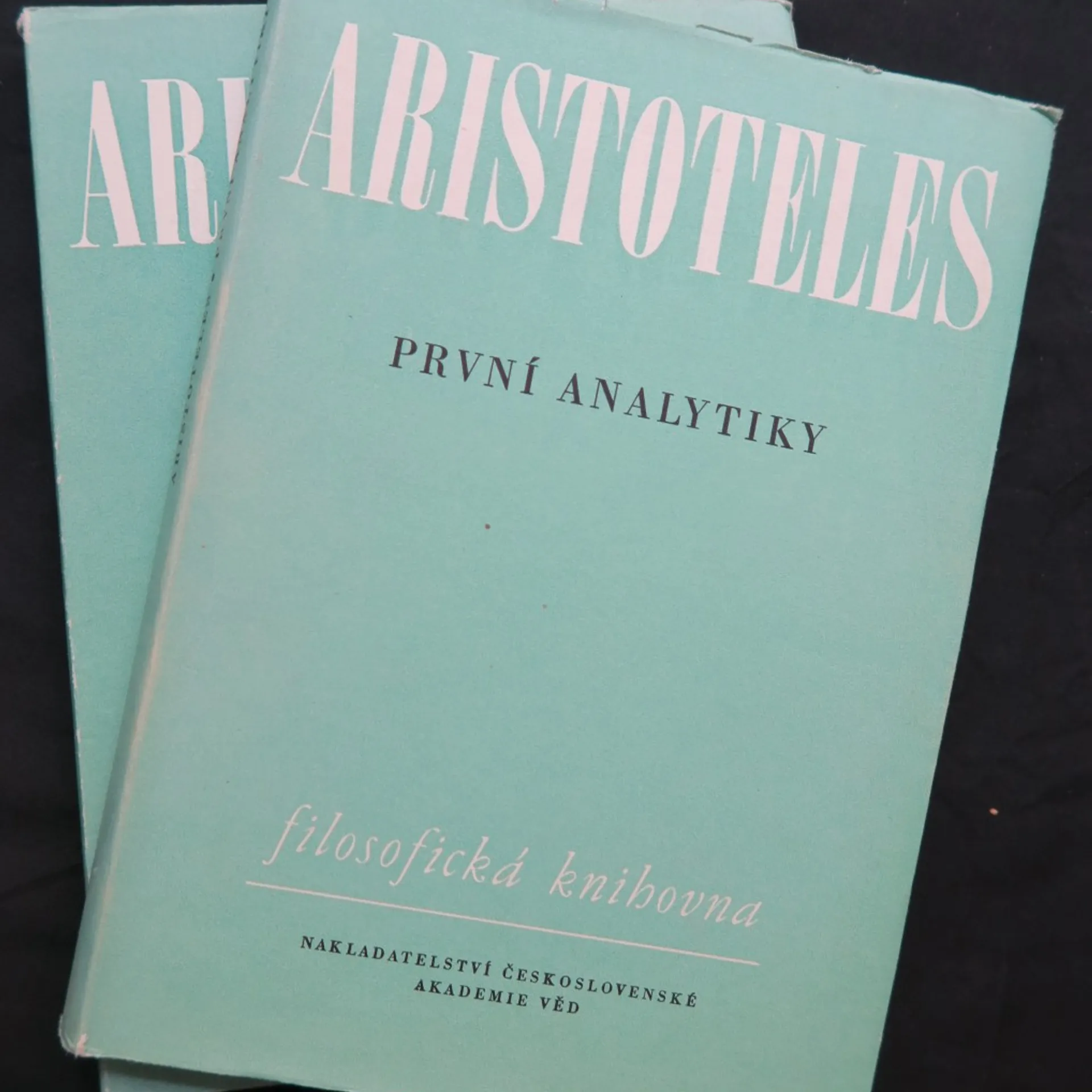
Aristotelova koncepce vědy si uchovala platnost až do pol. 19. stol., kdy ji upřesnily objevy a poučky neeuklidovské geometrie, teorie množin a moderní formální logiky. První kniha Druhých analytik vytvářela metodologii deduktivní výstavby každé vědy, druhá definici a učení o čtyřech příčinách. Neomezily se tedy na aplikaci sylogistiky v oblasti vědy. Charakterizují vědu, důkazové řetězce, předpoklady vědeckého důkazu a obecné i specifické axiómy.
Poetika (řecky Ποιητικός, ve starším překladu jako O básnictví) je prvním filosofickým dílem, v němž se básnické umění stalo předmětem teoretické reflexe. Aristotelés se v něm zabývá mj. problematikou tragédie a epiky, které byly v Řecku považovány za nejzávažnější obory básnické tvorby.
Předposlední svazek Aristotelových logických spisů. Úvodní studii napsal a poznámkovým komentářem opatřil doc. dr. Karel Berka CSc.
Aristotelova koncepce vědy si uchovala platnost až do pol. 19. stol., kdy ji upřesnily objevy a poučky neeuklidovské geometrie, teorie množin a moderní formální logiky. První kniha Druhých analytik vytvářela metodologii deduktivní výstavby každé vědy, druhá definici a učení o čtyřech příčinách. Neomezily se tedy na aplikaci sylogistiky v oblasti vědy. Charakterizují vědu, důkazové řetězce, předpoklady vědeckého důkazu a obecné i specifické axiómy.
Organon čili nástroj myšlení, tak je označována řada spisů, kde se Aristoteles věnuje pravidlům správného myšlení, usuzování a argumentace. Tyto spisy (přírodovědné a logické) mají v Aristotelově díle význačné postavení. Aristoteles zachoval Platónovu nauku o tom, že poznání je zachyceno v obecných pojmech, ale opustil jeho jednotu poznání a bytí – zvlášť se zabývá naukou o bytí a naukou o poznání. Nauka o poznání je zahrnuta právě v 6-ti logických spisech Organon.
Encyclopædia Britannica is proud to offer one of the most acclaimed publishing achievements of the 20th century, Great Books of the Western World. This monumental collection compiles history's greatest written works, from the ancient classics to more recent masterpieces. Great Books of the Western World contains 517 works from 130 of the most renowned minds throughout history. Volumes 1 and 2 comprise the Syntopicon®, a unique guide that enables you to investigate a particular idea and compare the perspectives of different authors. The Syntopicon organizes thirty centuries of thought into 102 Great Ideas, subsequently divided into topics and subtopics to effectively explore the different viewpoints over time. Authoritative, accurate, and complete, this collection represents the essential core of the Western literary canon
Collects works by Greek philosopher Aristotle on logic, physics, metaphysics, and the soul
The complete works of Aristotle : Volume 2 (the revised Oxford translation)
- 1246 stránek
- 44 hodin čtení
The Oxford Translation of Aristotle was originally published in 12 volumes between 1912 & 1954. It is universally recognized as the standard English version of Aristotle. This revised edition contains the substance of the original Translation, slightly emended in light of recent scholarship; three of the original versions have been replaced by new translations; and a new and enlarged selection of Fragments has been added. The aim of the translation remains the same: to make the surviving works of Aristotle readily accessible to English speaking readers.
The Oxford Translation of Aristotle was originally published in 12 volumes between 1912 and 1954. It is universally recognized as the standard English version of Aristotle. This revised edition contains the substance of the original Translation, slightly emended in light of recent scholarship; three of the original versions have been replaced by new translations; and a new and enlarged selection of Fragments has been added. The aim of the translation remains the same: to make the surviving works of Aristotle readily accessible to English speaking readers.
Aristotle's Categories and Propositions
- 172 stránek
- 7 hodin čtení
"This is a really excellent translation of the two Aristotelian works. The author respects English idiom and traditional understanding of the terms in a way that is truly remarkable. For instance, the names of the categories keep in English the full force of the original Greek designations, without strain on the English words. I noted numerous instances of this happy faculty as I read the translation." -Joseph Ownes Pontifical Institute of Medieval Studies
Aristotle's Theory Of Poetry And Fine Art
With A Critical Text And Translation Of The Poetics
- 460 stránek
- 17 hodin čtení
The book is a facsimile reprint of a scarce antiquarian work, preserving its historical significance despite potential imperfections like marks and notations. It aims to protect and promote cultural literature by providing a high-quality, affordable edition that remains true to the original.
Focusing on practical politics, this translation of Books V and VI of Aristotle's Politics offers clarity and accuracy, enhanced by David Keyt's insightful commentary. The commentary aids in navigating Aristotle's historical references, making it a valuable resource for readers seeking a deeper understanding of this foundational work in political philosophy.
Aristotle: Nicomachean Ethics, Books VIII and IX
- 254 stránek
- 9 hodin čtení
In books VIII and IX of his work on moral philosophy, Aristotle gives perhaps the most famous of all philosophical discussions of friendship. Michael Pakaluk presents a systematic study of these books, showing how important Aristotle's treatment of friendship is to his ethics as a whole.
Athenian constitution. Eudemian ethics. Virtues and vices
- 513 stránek
- 18 hodin čtení
Metaphysics: Books B and K 1-2
- 232 stránek
- 9 hodin čtení
The book features a new translation of Aristotle's Metaphysics, specifically the third book (Beta) and two chapters from the eleventh book (Kappa). It includes an introduction and commentary by Arthur Madigan, which provide detailed insights into the text. Aristotle explores fundamental metaphysical questions and evaluates various philosophical answers, making this work an essential resource for understanding both Aristotle's contributions and the broader context of classical metaphysics.
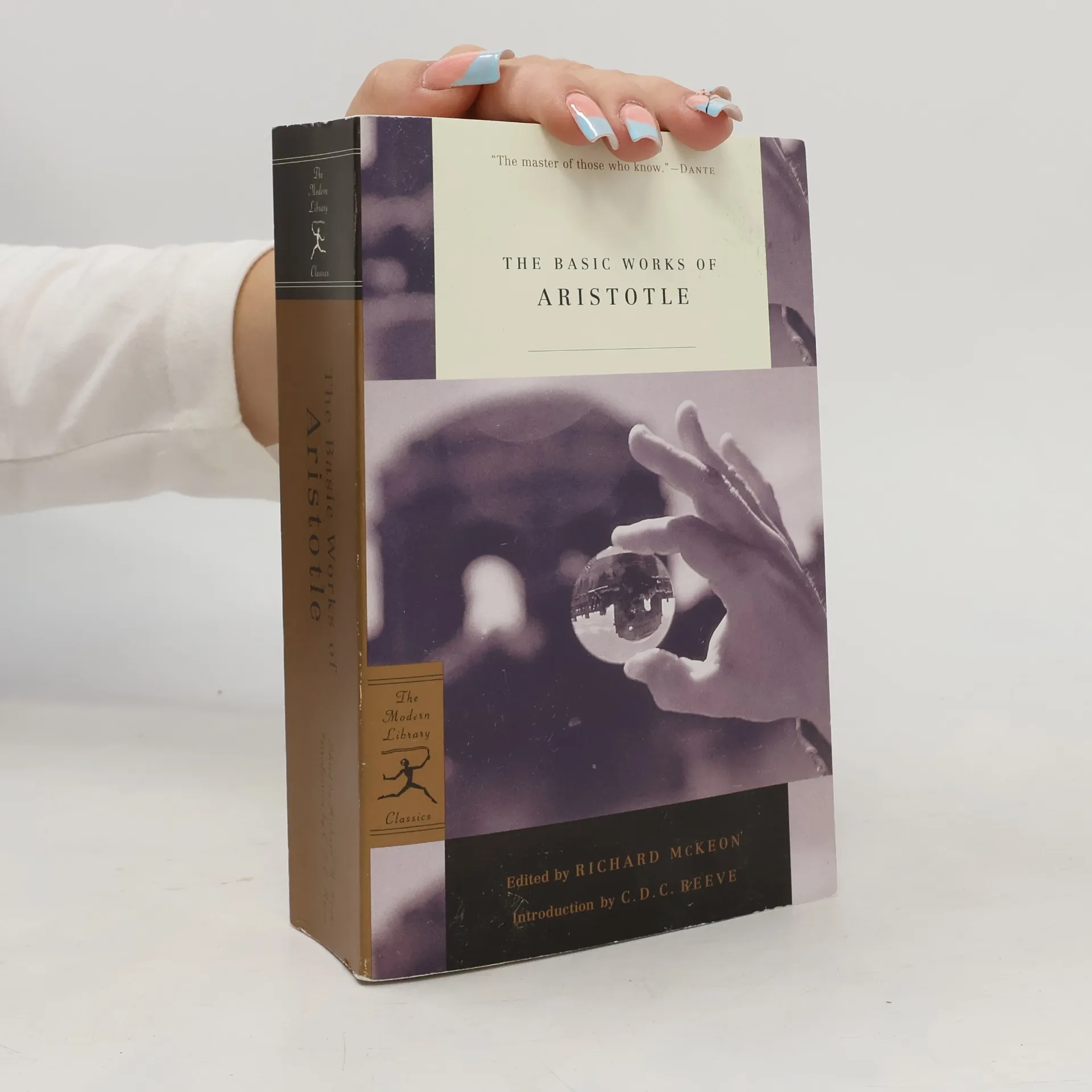
Edited by Richard McKeon, with an introduction by C.D.C. Reeve Preserved by Arabic mathematicians and canonized by Christian scholars, Aristotle’s works have shaped Western thought, science, and religion for nearly two thousand years. Richard McKeon’s The Basic Works of Aristotle—constituted out of the definitive Oxford translation and in print as a Random House hardcover for sixty years—has long been considered the best available one-volume Aristotle. Appearing in paperback at long last, this edition includes selections from the Organon, On the Heavens, The Short Physical Treatises, Rhetoric, among others, and On the Soul, On Generation and Corruption, Physics, Metaphysics, Nicomachean Ethics, Politics, and Poetics in their entirety.
David Bolotin's translation of Aristotle's Parva Naturalia aims above all at fidelity to the Greek. It treats Aristotle as a teacher regarding the topics that he discusses, and hence it tries to convey the meaning, to the extent possible in English, of his every word.
Hardcover, no dust jacket. Previous owner's stamp on ffep, foxing, small ink note on bfep.
The Nicomachean Ethics
- 336 stránek
- 12 hodin čtení
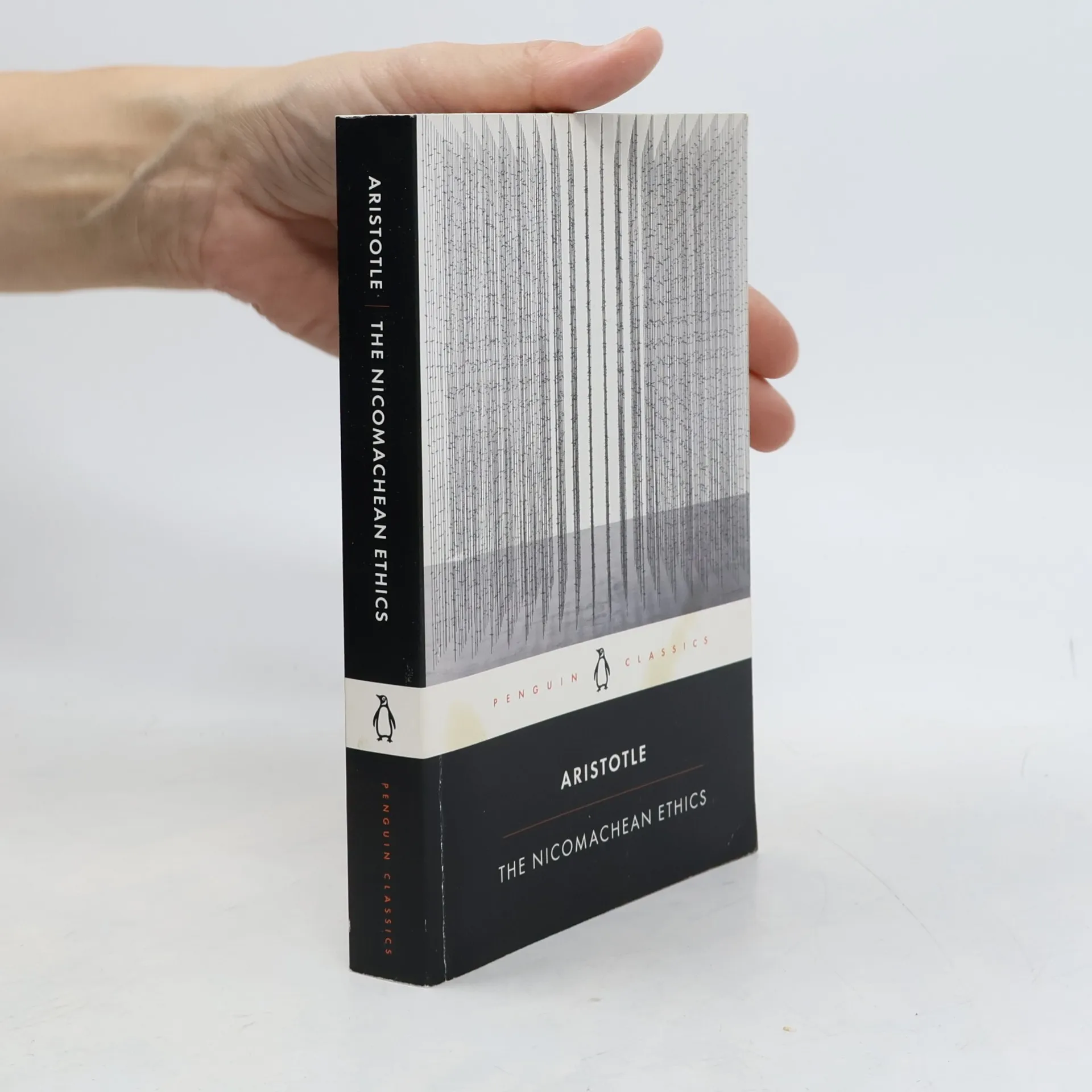
In the Nicomachean Ethics Aristotle examines the nature of happiness, which he defines as a specially good kind of life. He considers the nature of practical reasoning, friendship, and the role and importance of the moral virtues in the best life. This new edition features a revised translation and valuable new introduction and notes.
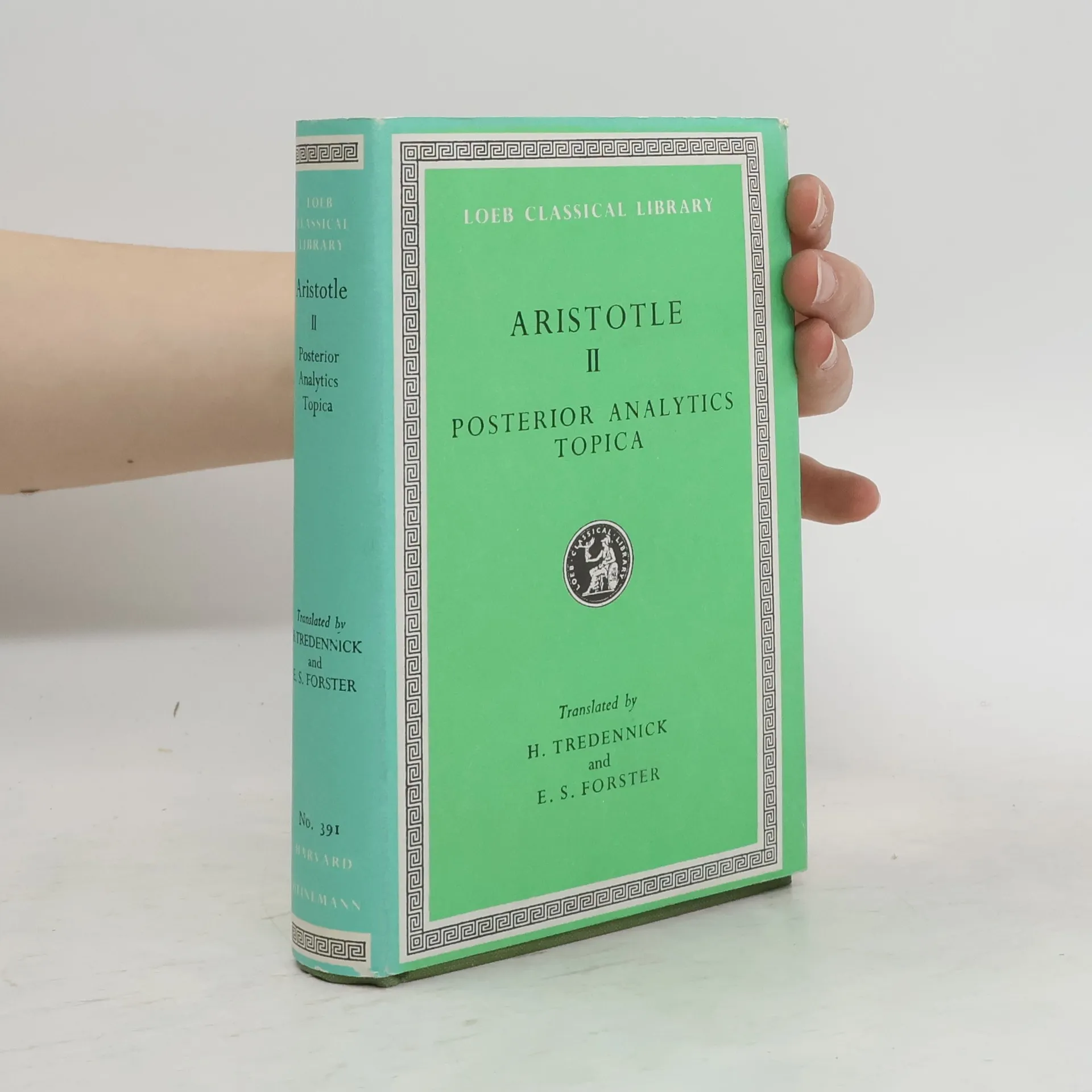
Aristotle II. Posterior Analytics. Topica
- 768 stránek
- 27 hodin čtení
Aristotle's Chemistry
- 280 stránek
- 10 hodin čtení
This new translation of On Coming to Be and Passing Away and Meteorology 1 and 4 fits seamlessly with the other volumes in the New Hackett Aristotle Series, enabling Anglophone readers to study these works in a way previously not possible. The Introduction describes the book that lies ahead, explaining what it is about, what it is trying to do, how it goes about doing it, and what sort of audience it presupposes. Sequentially numbered, cross-referenced endnotes provide the information most needed at each juncture, while a detailed Index indicates the places where focused discussion of key notions occurs.
The Rhetoric and the Poetics of Aristotle
- 289 stránek
- 11 hodin čtení
Translated by Rhys Roberts and Ingram Bywater, Introduction by Edward P.J. Corbett
This is a complete English translation of Aristotle's key work on science. It presents Aristotle's thought accurately, while at the same time simplifying and expanding the often crabbed and elliptical style of the original, in order to make the text more lucid.
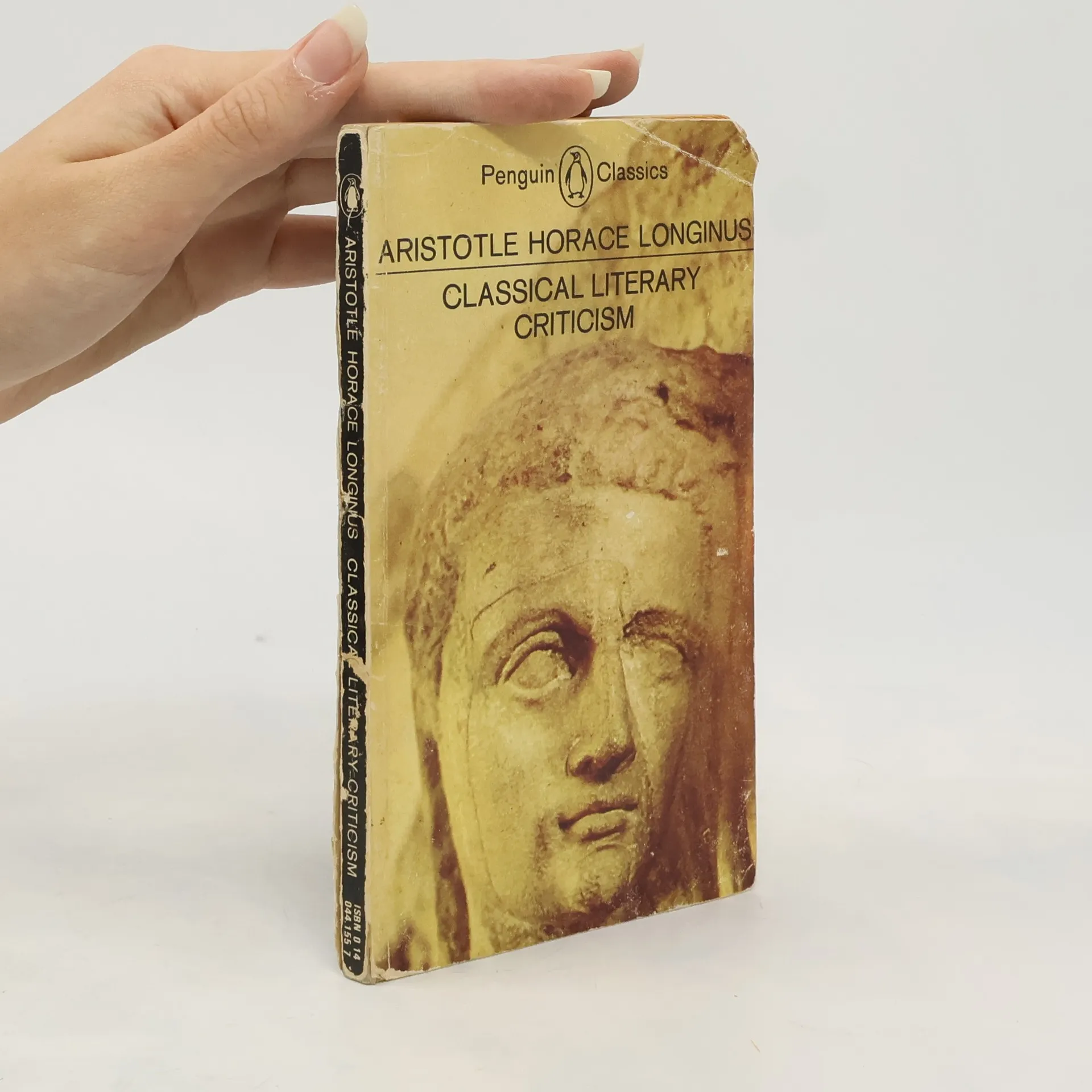
Aristotle's Poetics has long been recognized as a seminal work of literary criticism. His analysis of tragic drama, epic poetry and stylistic devices such as metaphor, and his famous notion of the cathartic purging of the emotions, have defined a critical terminology for generations of later writers. In the Ars Poetica Horace defends the civilizing power of poetry and the fundamental importance of the principle decorum, while the anonymous author of the treatise On the Sublime (who was formerly erroneously thought to be Longinus) stresses the innate ability required to produce poetry of sublime grandeur.
The Physics. Writings on Natural Philosophy (Concise Edition)
- 256 stránek
- 9 hodin čtení
One of Aristotle's great works, The Physics is an investigation into the nature of being, of the world and its place in the universe. Although philosophically much broader, it provides the foundation for the later work of Galileo, Isaac Newton, and prefigures Albert Einstein's breakthrough theories on time, space and the motion of stars.
Aristotle's Theology
- 248 stránek
- 9 hodin čtení
"Even those already familiar with Aristotle may be surprised to learn that discussions of theological topics can be found in so many of his works. Reeve's idea of packaging these texts sequentially along with commentary and notes is brilliant. This book will be essential reading for anyone interested in Aristotle's theology." --S. Marc Cohen, Professor of Philosophy, Emeritus, University of Washington
Philosophy of Aristotle
- 432 stránek
- 16 hodin čtení
Over two thousand years ago Aristotle's investigation into these fields established unique standards of philosophic inquiry, observation, judgment. This book offers a new selection in a new translation, along with a contemporary reevaluation of the philosphy of the master of Western thought, and shows his vital, continuing influence in our modern world.
Aristotle
- 344 stránek
- 13 hodin čtení
Each volume in this series has a full Introduction, including biographical details and a further reading list.
Exploring Aristotle's philosophy, the book delves into the significance of the polis as the highest form of political organization, essential for achieving a fulfilling life. It examines the notion that true fulfillment is attainable only through political engagement, emphasizing that humans are inherently social beings. The text also critiques private property and capitalism while highlighting Aristotle's controversial stance on slavery as a necessary aspect of societal function. This analysis offers a profound understanding of Aristotle's views on ethics and politics.
How to Flourish
- 328 stránek
- 12 hodin čtení
Aristotle’s essential guide to human flourishing—the Nicomachean Ethics—in a lively new abridged translation Aristotle’s Nicomachean Ethics is one of the greatest guides to human flourishing ever written, but its length and style have left many readers languishing. How to Flourish is a carefully abridged version of the entire work in a highly readable and colloquial new translation by Susan Sauvé Meyer that makes Aristotle’s timeless insights about how to lead a good life more engaging and accessible than ever before. For Aristotle, flourishing involves becoming a good person through practice, and having a life of the mind. To that end, he draws vivid portraits of virtuous and vicious characters and offers sound practical advice about everything from eating and drinking to managing money, controlling anger, getting along with others, and telling jokes. He also distinguishes different kinds of wisdom that are essential to flourishing and offers an unusual perspective on how to appreciate our place in the universe and our relation to the divine. Omitting Aristotle’s digressions and repetitions and overly technical passages, How to Flourish provides connecting commentary that allows readers to follow the continuous line of his thought; it also features the original Greek on facing pages. The result is an inviting and lively version of an essential work about how to flourish and lead a good life.
The pocket Aristotle
- 400 stránek
- 14 hodin čtení
In Pocket Aristotle the author, Justin D. Kaplan brings to life selections from Aristotle. Included in this edition are the most widely read, studied, and quoted works of the great philosopher. The editor's notes give the reader a convenient and concise review of each work.
De Caelo
- 328 stránek
- 12 hodin čtení
This new translation of De Caelo (On the Heavens) fits seamlessly with other volumes in the New Hackett Aristotle series, enabling Anglophone readers to study Aristotle's work in a way previously not possible. The Introduction describes the book that lies ahead, explaining what it is about, what it is trying to do, how it goes about doing it, and what sort of audience it presupposes. Sequentially numbered endnotes provide the information most needed at each juncture, while a detailed Index indicates the places where focused discussion of key notions occurs.
One Swallow Does Not Make a Summer
- 144 stránek
- 6 hodin čtení
A selection of writings on how to achieve a more ethical society and way of life, from one of Ancient history's most celebrated thinkersHow can one live well in the world? What does it mean to be happy? In this selection from The Nicomachean Ethics , Aristotle probes the nature of happiness and virtue in a quest to divine an ethical value system. Exploring ideas of community, responsibility, courage, friendship, agency, reasoning, desire and pleasure, these are some of the most profound and lasting ancient writings on the self to have influenced Western thought.Throughout history, some books have changed the world. They have transformed the way we see ourselves - and each other. They have inspired debate, dissent, war and revolution. They have enlightened, outraged, provoked and comforted. They have enriched lives--and upended them. Now Penguin brings you a new set of the acclaimed Great Ideas, a curated library of selections from the works of the great thinkers, pioneers, radicals and visionaries whose ideas shook civilization and helped make us who we are.
Aaron Sorkin, the Oscar-winning director and screenwriter, encourages aspiring writers to study Aristotle's Poetics, a treatise that has become the standard handbook for writing drama, novels, and screenplays. Despite its challenging nature, this text offers unparalleled insights into successful storytelling. Aristotle's exploration of plot, character, audience perception, and tragic pleasure has shaped the understanding of narrative for centuries. It remains a vital reference for professional writers, yet few have read it due to its complexity and the need for guidance to fully grasp its concepts. Philip Freeman seeks to make Aristotle's Poetics accessible to a modern audience, particularly for those eager to immerse themselves in its teachings. Through a faithful yet readable translation, along with an introduction and commentary, Freeman aims to illuminate the careful arguments and profound insights of this influential work, encouraging a new generation of writers to appreciate its brilliance and apply its lessons to their craft.
How to Innovate
- 168 stránek
- 6 hodin čtení
This work explores lessons on fostering innovation and creative thinking from the ancient Greeks, who significantly transformed the world between 800 and 300 BCE with groundbreaking inventions such as democracy, the alphabet, philosophy, and more. Their achievements were no coincidence; the Greeks recognized the importance of new ideas and were the first to document concepts of innovation, even coining a term for creating something new. This text serves as an engaging introduction to key ideas and examples of innovation from ancient Greece. Armand D'Angour offers lively translations of works by Aristotle, Diodorus, and Athenaeus, pairing them with the original Greek text. These writings reveal timeless principles for innovation, including the adaptation of existing ideas, the fusion of diverse elements, and the critique of the status quo. The narrative includes compelling stories, such as Archimedes's famous "Eureka!" moment and Aristotle's insights on change and political innovation. Additionally, it discusses how competition and disruption spurred advancements in Greek warfare and the arts. Overall, this exploration provides valuable insights into how change occurs and how it can be actively cultivated.
Aristotle and Xenophon on Democracy and Oligarchy
Translations with Introductions and Commentary
- 338 stránek
- 12 hodin čtení
2When Aidan MacKetryck finds a flaxen-haired maid caught in the crosshairs of battle, he quickly saves her from certain death. But while Aiden expects gratitude, he is sorely disappointed - for the fiery lass makes it clear she wants nothing to do with him. Juliana D'Aubenville is in hiding from those who want her entire family to perish. Despite her attraction to the strikingly handsome Aiden, Juliana knows she must escape before her identity is revealed. The trouble is, Aiden refuses to let her go. With each moment Aiden and Juliana are together, their desire becomes more enticing - and harder to resist. But just as Aiden tries to lay claim to Juliana once and for all, their darkest secrets are finally revealed - putting both their love and their lives in terrible danger.
"Lord's translation is clearly the best available."--"Claremont Review Copyright © Libri GmbH. All rights reserved.
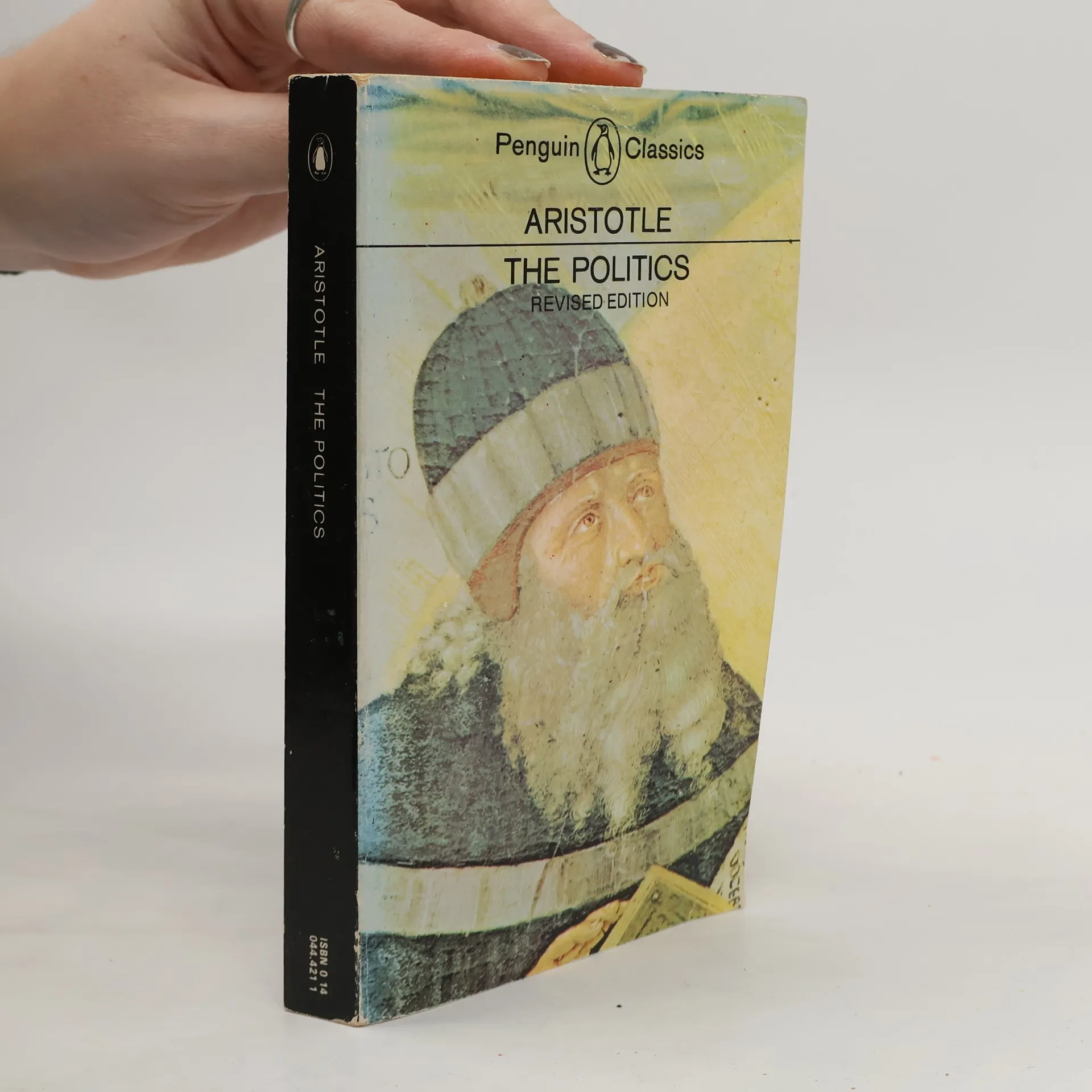
Politics
- 355 stránek
- 13 hodin čtení
Presents a English language translation of Aristotle's book about the nature of the state, constitutions, revolutions, democracy, and oligarchy.
Aristotle's Physics
- 400 stránek
- 14 hodin čtení
Aristotle's Physics deals with the principles of motion; it discusses nature, causation, chance, necessity, motion and its kinds, infinity, time, place, void, and whatever is necessary for motion. It does not treat its subject mathematically, and, in this respect, it differs from modern physics; but it is universal enough to be applicable to such sciences as biology and psychology, for the principles of the Physics are presupposed by these other sciences. Aristotle was well aware of applications of mathematics to other sciences, but he used different names for those sciences, e.g., mechanics, optics, astronomy, acoustics, and these taken together hardly differ from modern physics with respect to general subject and treatment. Thus, in his Mechanics, he states that the subject belongs to physics, but the treatment is mathematical. Hippocrates G. Apostle held that the Physics was written as a science should be, and, for this reason, he translates it accurately and scientifically, with familiar and consistent terminology, a glossary of definitions, and extensive commentaries, thus making the translation readable and understandable
Aristotle's Posterior Analytics
- 350 stránek
- 13 hodin čtení
"The relation between logic and metaphysics is frequently obscure in translations and interpretations of Aristotle. Apostle's method of translation-one English word for one Greek word-makes his English text a faithful replica of the Greek original. The reader of his translations of the Posterior Analytics and of the Metaphysics will find a clear presentation of the difference between the metaphysical foundation of the organization of the sciences relative to the kinds of substances in Book Lambda of the Metaphysics and the logical analysis of definition and demonstration relative to terms and propositions in Book Beta of the Posterior Analytics." -Richard McKeaon University of Chicago "If what is wanted is an accurate, consistent and intelligible translation (rather than a paraphrase) of Aristotle's logic of scientific reasoning, then by far Apostle's translation is to be preferred for serious study in the English language; such a study is greatly facilitated by extensive philosophical and textual notes, often illustrated by mathematical examples." -James A. Weisheipl, O.P. Pontifical Institute of Medieval Studies
Aristotle's On the Soul
- 238 stránek
- 9 hodin čtení
"Every serious student of Aristotle I know--whether novice or research scholar--acknowledges that Apostle's accurate translations and illuminating commentaries are absolutely indispensable." --Rev. Ronald K. Tacelli, S.J., Boston College
Ancient Greek Philosophers Plato Aristotle Collection
Plato's Phaedrus, Symposium, Euthyphro, Apology, Crito, Meno, Phaedo & Aristotle's Poetics, Politics
- 482 stránek
- 17 hodin čtení
Poetics - Aristotle
- 64 stránek
- 3 hodiny čtení
Politics (Royal Collector's Edition) (Case Laminate Hardcover with Jacket)
- 276 stránek
- 10 hodin čtení
Aristotle presents the city as a fundamental natural community, positing that it precedes both the family and the individual. He emphasizes that rationality distinguishes humans from other animals, highlighting the importance of reason in societal development and organization. This exploration of political philosophy delves into the interconnectedness of community and individual identity.