
Knihobot

Rozenn Morgat

    Rozenn Morgat
    Pakiet Ocalała z chińskiego gułagu / Kim Dzong Un. Historia dyktatora
    How I Survived a Chinese Reeducation Camp
    How I survived a Chinese re-education camp
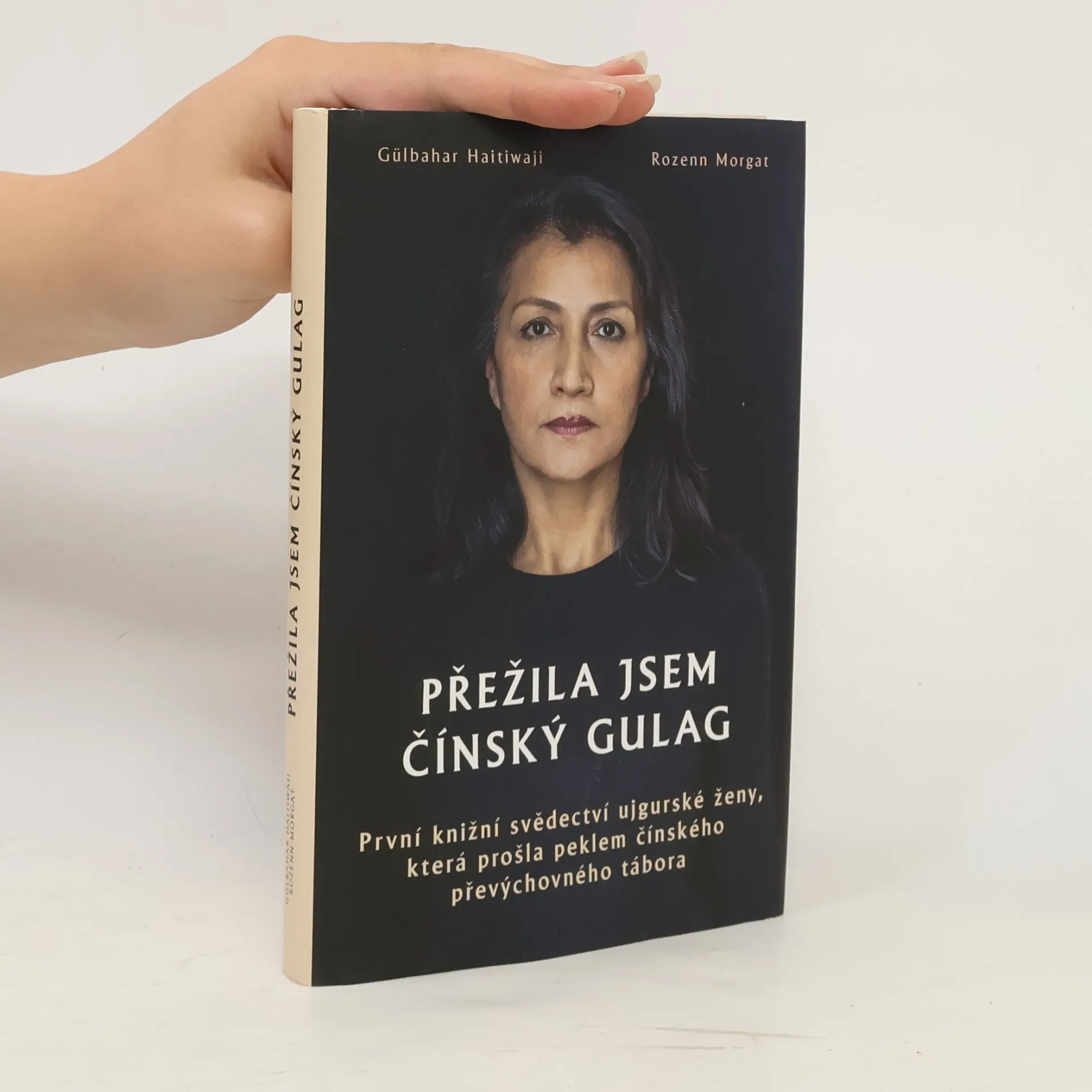
    Přežila jsem čínský gulag
    • Přežila jsem čínský gulag

      • 208 stránek
      • 8 hodin čtení
      4,0(590)Ohodnotit

      První knižní svědectví ujgurské ženy, která prošla peklem čínského převýchovného tábora, zachycuje příběh Gülbahar, jež v roce 2016 žila s rodinou v Paříži. Když ji kontaktuje bývalý zaměstnavatel s žádostí o podpis dokumentů v Číně, netuší, že ji to zavede do jejího osudu. Po příletu do Sin-ťiangu ji čínské úřady zadrží, zabaví jí pas a uvězní v podmínkách, které připomínají sovětské gulagy. Po několika měsících je bez spravedlivého procesu odsouzena na sedm let do převýchovného tábora, kde je vystavena brutálnímu zacházení, psychickému nátlaku a indoktrinaci. Gülbahar popisuje, jak je denně nucena recitovat oslavné ódy na komunistickou stranu v učebnách bez oken, přičemž ztrácí pojem o čase a realitě. Pokud chce mít naději na propuštění, musí se přiznat k neexistujícím zločinům a podřídit se ponižujícím pravidlům svých věznitelů. Po téměř třech letech, díky úsilí její dcery a diplomatické intervenci Francie, se Gülbahar podaří uniknout, ale za cenu nejhoršího ponížení. Její příběh je silným svědectvím o brutalitě a útlaku, jemuž čelí ujgurská komunita.

      Přežila jsem čínský gulag
    • Since 2017, more than one million Uyghurs have been deported from their homes in the Xinjiang region of China to "reeducation camps." The brutal repression of the Uyghurs, a Turkish-speaking Muslim ethnic group, has been denounced as genocide, and reported widely in media around the world. The Xinjiang Papers, revealed by the New York Times in 2019, expose the brutal repression of the Uyghur ethnicity by means of forced mass detention­--the biggest since the time of Mao. Her name is Gulbahar Haitiwaji and she is the first Uyghur woman to write a memoir about the 'reeducation' camps. For three years Haitiwaji endured hundreds of hours of interrogations, torture, hunger, police violence, brainwashing, forced sterilization, freezing cold, and nights under blinding neon light in her prison cell. These camps are to China what the Gulags were to the USSR. The Chinese government denies that they are concentration camps, seeking to legitimize their existence in the name of the "total fight against Islamic terrorism, infiltration and separatism," and calls them "schools." But none of this is true. Gulbahar only escaped thanks to the relentless efforts of her daughter. Her courageous memoir is a terrifying portrait of the atrocities she endured in the Chinese gulag and how the treatment of the Uyghurs at the hands of the Chinese government is just the latest example of their oppression of independent minorities within Chinese borders

      How I survived a Chinese re-education camp
    • How I Survived a Chinese Reeducation Camp

      A Uyghur Woman's Story

      • 240 stránek
      • 9 hodin čtení
      4,2(339)Ohodnotit

      The narrative follows Gulbahar Haitiwaji, who transitioned from a successful executive in China's oil industry to a political refugee in France with her family. Her life took a harrowing turn in 2017 when she was lured back to China under false pretenses, leading to her arrest and over two years in a re-education camp. Her eventual release, facilitated by her family's advocacy and the French foreign ministry, highlights the struggles faced by those opposing authoritarian regimes and the resilience of the human spirit.

      How I Survived a Chinese Reeducation Camp
    • Gulbahar Haitiwaji, pierwsza ujgurska kobieta, która przeżyła chiński oboz reedukacyjny, dzieli się przerażającym świadectwem swoich doświadczeń. Przez trzy lata znosiła brutalne przesłuchania, tortury, głód oraz policyjną przemoc. Obóz, w którym była przetrzymywana, przypominał gułag ZSRR, a od 2017 roku deportowano tam ponad milion Ujgurów. Komunistyczna Partia Chin neguje istnienie obozów, nazywając je walką z terroryzmem i separatyzmem. Ujgurowie, tureckojęzyczna muzułmańska grupa etniczna z regionu Xinjiang, są celem represji, a ich region jest kluczowy dla projektu „Nowego Jedwabnego Szlaku” prezydenta Xi Jinpinga. Równocześnie Jung H. Pak, była analityczka CIA, odkrywa tajemnice Kim Dzong Una, dyktatora Korei Północnej. Zadaje pytania o jego życie, sekrety reżimu oraz lokalizację broni atomowej. Analizuje również spotkania Kim Dzong Una z Donaldem Trumpem oraz ich potencjalne konsekwencje. Książka Pak to wnikliwa analiza jednego z najbardziej brutalnych reżimów na świecie, ukazująca nieprzejrzystość i złożoność polityki Korei Północnej. Pak, jako starsza wykładowczyni w Brookings Institution, bada wyzwania związane z bezpieczeństwem narodowym USA oraz dynamikę geopolityczną Azji Północno-Wschodniej.

      Pakiet Ocalała z chińskiego gułagu / Kim Dzong Un. Historia dyktatora