'KAREN ARMSTRONG IS A GENIUS' A.N. Wilson In this hugely powerful book, Karen Armstrong argues that if we want to avert environmental catastrophe, it is not enough to change our behaviour- we need to learn to think and feel differently about the natural world - to rekindle our spiritual bond with nature. For most of human history, and in almost all the world's cultures, nature was believed to be sacred, and our God or gods to be present everywhere in the natural world. When people in the West began to separate God and nature in modern times, it was not just a profound breach with thousands of years of accumulated wisdom- it also set in train the destruction of the natural world. Taking themes that have been central to the world's religious traditions - from gratitude and compassion to sacrifice and non-violence - Armstrong offers practical steps to help us develop a new mindset to reconnect with nature and rekindle our sense of the sacred. Sacred Nature reveals the most profound connections between humans and the natural world. It speaks to anyone interested in our relationship with nature, worried about the destruction of our environment, and searching for new ways of thinking to shape the action needed to save our planet. 'One of our best living writers on religion' Financial Times 'Karen Armstrong is one of the handful of wise and supremely intelligent commentators on religion' Alain de Botton
Karen Armstrong Pořadí knih (chronologicky)
Karen Armstrong je uznávanou badatelkou v oblasti srovnávacího náboženství, jejíž rozsáhlá díla zkoumají podstatu víry a její historický vývoj. Svými vhlednými analýzami odhaluje komplexní vztahy mezi náboženstvími a jejich dopad na lidskou společnost. Armstrong se vyznačuje schopností propojovat teologické koncepty s aktuálními událostmi a poskytuje čtenářům hlubší porozumění duchovním tradicím světa. Její psaní je oceňováno pro svou srozumitelnost a schopnost podporovat dialog napříč kulturami a přesvědčeními.

The Lost Art of Scripture
- 560 stránek
- 20 hodin čtení
'An amazingly wide-ranging book, showing that the world's religious texts can be a force for good today' John Barton, author of A History of the BibleIn our increasingly secular world, holy texts are at best seen as irrelevant, and at worst as an excuse to incite violence, hatred and division.
Religion
- 80 stránek
- 3 hodiny čtení
'Because 'God' is infinite, nobody can have the last word.' What is this thing, religion, which has supposedly been the cause of bloodshed and warring for centuries? What is 'God' and do we need 'Him' in our modern world? Karen Armstrong, bestselling author and one of the world's leading writers on religious affairs, has a refreshing and startling way of looking again at these questions. God is not a being to be 'believed in' as a child believes in Santa Claus; religion is not a story to be proven true or false, but a discipline akin to music or art that answers a deeply human need, and can teach us to discover new capacities of mind and heart
Una historia de Dios
- 528 stránek
- 19 hodin čtení
La idea de un ser divino único - Dios, Yahvé, Alá - ha existido durante más de 4,000 años. Pero la historia de Dios es también la historia de la lucha humana. Mientras que el judaísmo, el islam y el cristianismo proclaman la bondad de Dios, la religión organizada ha sido a menudo el catalizador de la violencia y los prejuicios inerradicables. En este fascinante, extenso y original relato de la evolución de la creencia, Karen Armstrong examina la inquebrantable fidelidad de la sociedad occidental a esta idea de un Dios y las muchas convicciones conflictivas que genera. Una historia controvertida y extraordinaria de adoración y guerra, "Una historia de Dios" confronta el hecho - o la ficción - más fundamental de nuestras vidas.
St Paul
- 160 stránek
- 6 hodin čtení
St Paul is known throughout the world as the first Christian writer, authoring fourteen of the twenty-seven books in the New Testament. But as Karen Armstrong demonstrates in this book, he also exerted a more significant influence on the spread of Christianity throughout the world than any other figure in history. It was Paul who established the first Christian churches in Europe and Asia in the first century, Paul who transformed a minor sect into the largest religion produced by Western civilization, and Paul who advanced the revolutionary idea that Christ could serve as a model for the possibility of transcendence
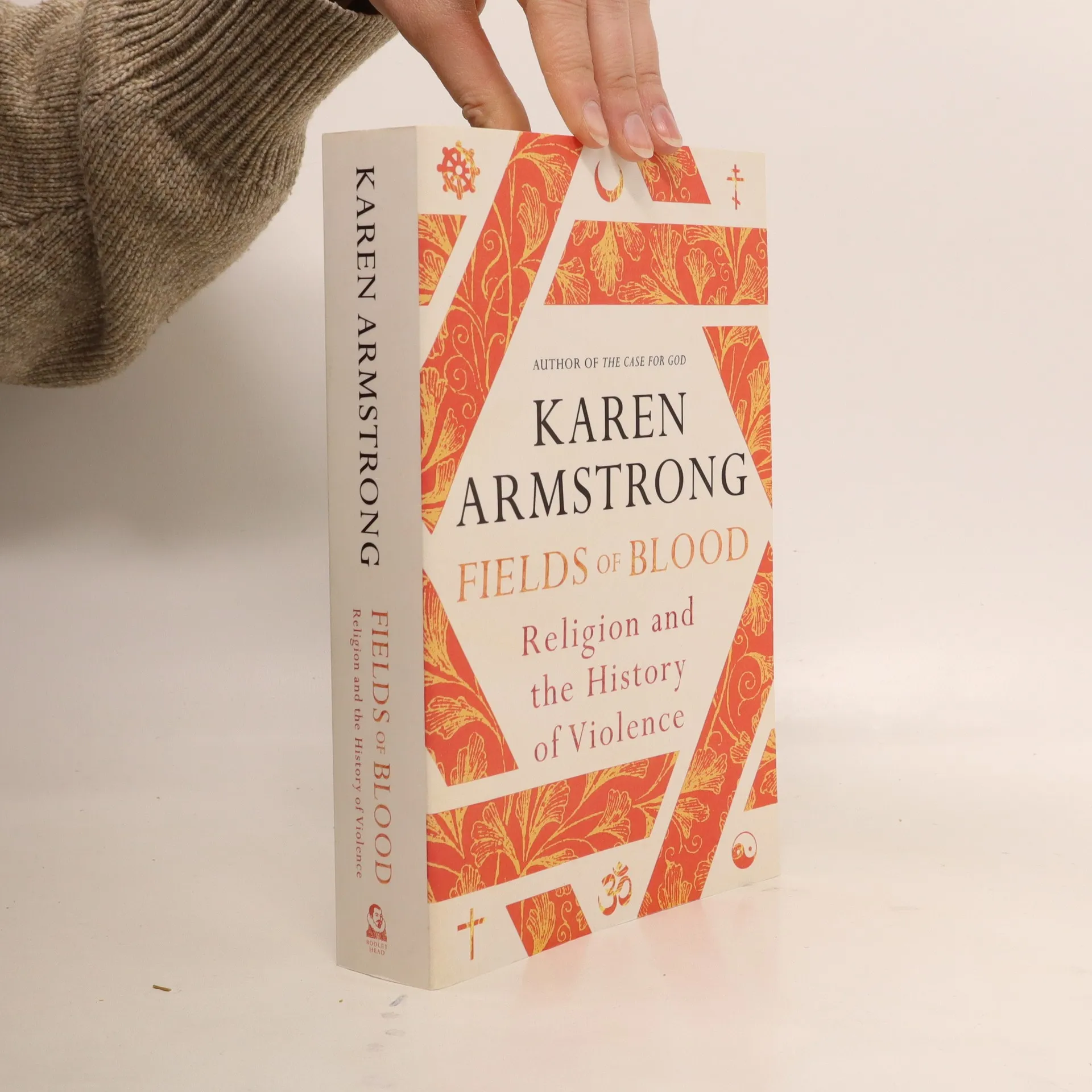
Fields of blood : religion and the history of violence
- 512 stránek
- 18 hodin čtení
It is the most persistent myth of our time: religion is the cause of all violence. But history suggests otherwise. Karen Armstrong, former Roman Catholic nun and one of our foremost scholars of religion, speaks out to disprove the link between religion and bloodshed. * Religion is as old as humanity: Fields of Blood goes back to the Stone Age hunter-gatherers and traces religion through the centuries, from medieval crusaders to modern-day jihadists. * The West today has a warped concept of religion: we regard faith as a personal and private matter, but for most of history faith has informed people's entire outlook on life, and often been inseparable from politics. * Humans undoubtedly have a natural propensity for aggression: the founders of the largest religions - Jesus, Buddha, the rabbis of early Judaism, the prophet Muhammad - aimed to curb violence and build a more peaceful and just society, but with our growing greed for money and wealth came collective violence and warfare. * With the arrival of the modern all-powerful, secular state humanity's destructive potential has begun to spiral out of control. Is humanity on the brink of destroying itself? Fields of Blood is a celebration of the ancient religious ideas and movements that have promoted peace and reconciliation across millennia of civilization.
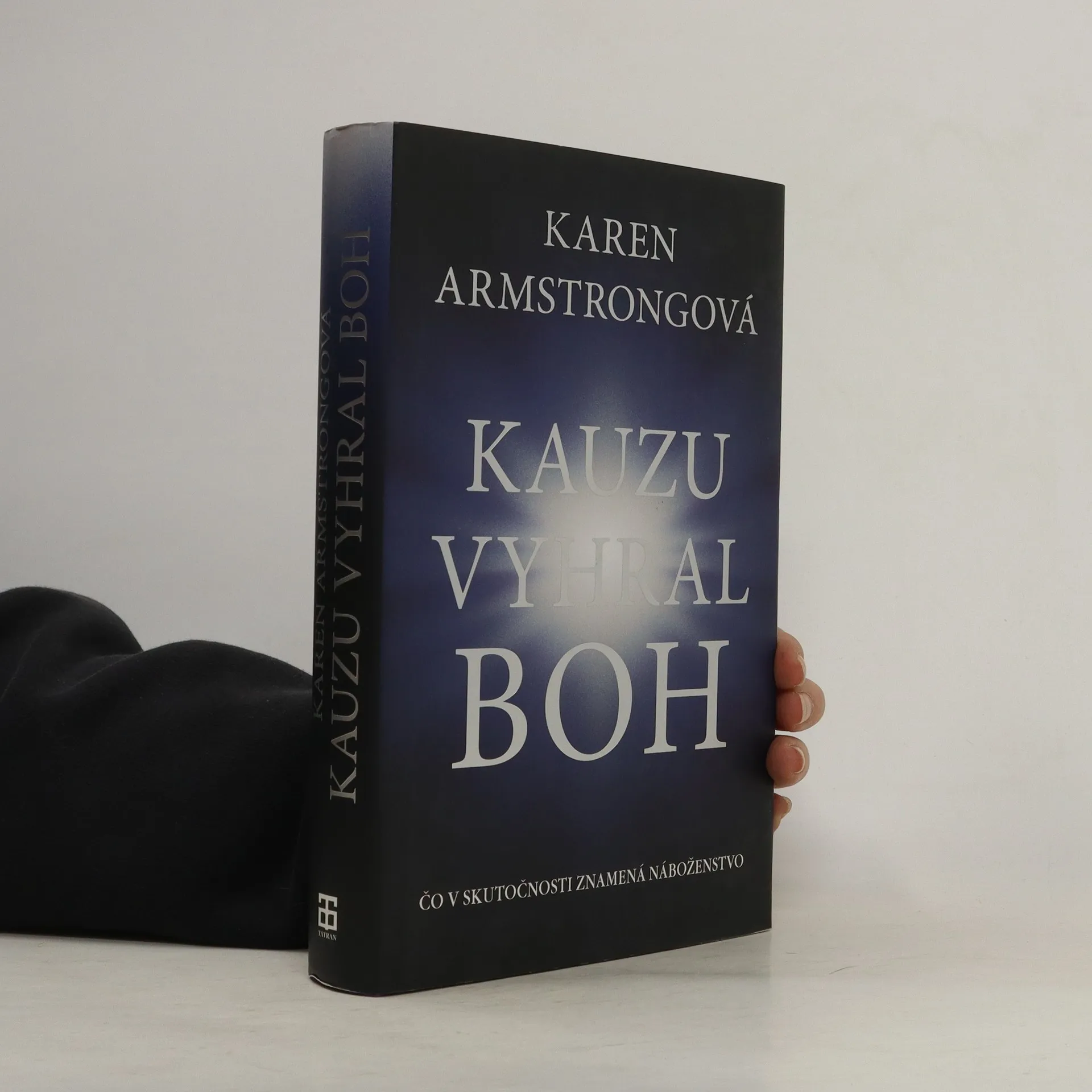
Kauzu vyhral Boh
- 384 stránek
- 14 hodin čtení
Milióny mužov a žien sa dnes odvrátili od Boha, odmietajúc akúkoľvek spojitosť s ním. Naši predkovia však podnikali dlhé púte, aby zažili posvätnú realitu, opisujúc svoje zážitky ako Boha, Brahmana, Nirvánu či Tao. V súčasnosti sa zvyšuje počet ateistov, ktorí s rovnakým zápalom ako misionári v minulosti hlásajú, že Boh neexistuje. Karen Armstrongová skúma otázku Boha nielen v diele História Boha, ale aj v publikácii Kauzu vyhral Boh. Dochádza k poznaniu, že obraz Boha sa v priebehu dejín formoval podľa potrieb ľudí. Pre tri monoteistické náboženstvá – židovstvo, kresťanstvo a islam – platí, že nový obraz Boha sa presadil, keď pomohol v každodenných starostiach. Armstrongová sleduje históriu viery od paleolitu po súčasnosť a ukazuje, že veda a náboženstvo predtým neviedli medzi sebou konflikt. Avšak veda zmenila tón ich dialógu, pričom význam slov ako viera a tajomstvo sa zásadne pretransformoval. Dnes ateisti aj teisti diskutujú o Bohu spôsobom, ktorý by našich predkov šokoval. Prečo je dnes ťažké veriť v Boha? Má Boh budúcnosť v ére vedeckého racionalizmu? Armstrongová verí, že pohľad do minulosti môže viesť k viere, ktorá sa prispôsobí potrebám nášho rozdeleného a nebezpečného sveta.
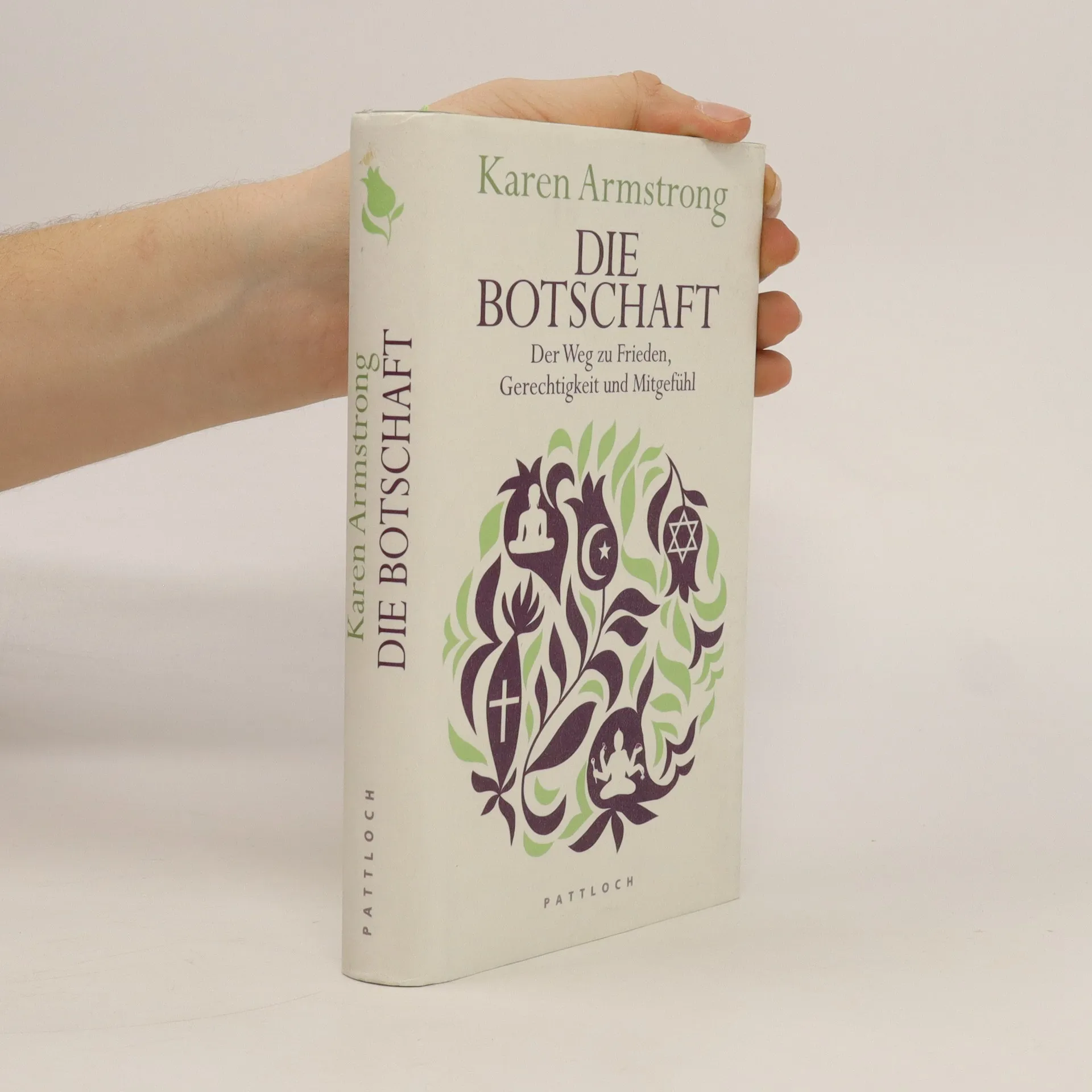
Gewalt, Hass und Terror auf der Welt haben eine gemeinsame Wurzel: die ungleiche Verteilung von Macht und Reichtum. Für Karen Armstrong ist es deshalb die wichtigste Aufgabe unserer Zeit, eine Ordnung zu schaffen, in der alle Menschen und Völker in gegenseitigem Respekt miteinander leben können. Die Religion, die dazu einen wichtigen Beitrag leisten könnte, ist oft aber selbst ein Teil des Problems. Karen Armstrong ruft deshalb die Gläubigen in Christentum, Judentum, Islam, Buddhismus, Konfuzianismus und Hinduismus dazu auf, ihre Konflikte zu begraben und sich auf das zu besinnen, was sie alle miteinander verbindet: das Mitgefühl für die leidenden Menschen. Denn sie weiß: Angesichts der aktuellen Probleme und Herausforderungen gibt es nur einen Weg zu Frieden und Gerechtigkeit. Es ist die „Goldene Regel der Menschheit“ und die lautet: Behandle andere Menschen so, wie du selbst behandelt werden möchtest.
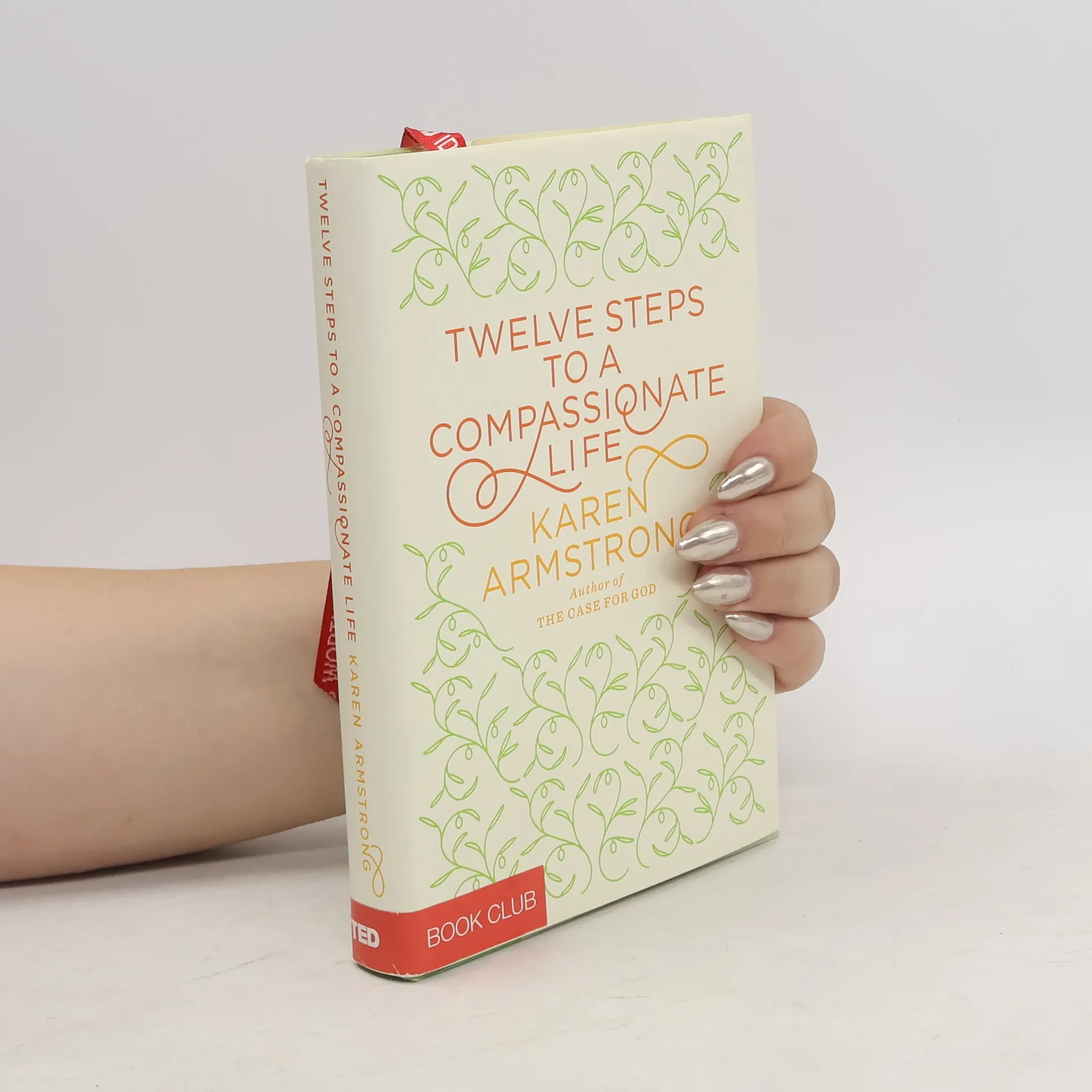
The award-winning author of A History of God shares practical recommendations for promoting world peace by cultivating one's intrinsic tendencies for compassion, outlining a program for achieving mindfulness and engaging in acts of kindness.
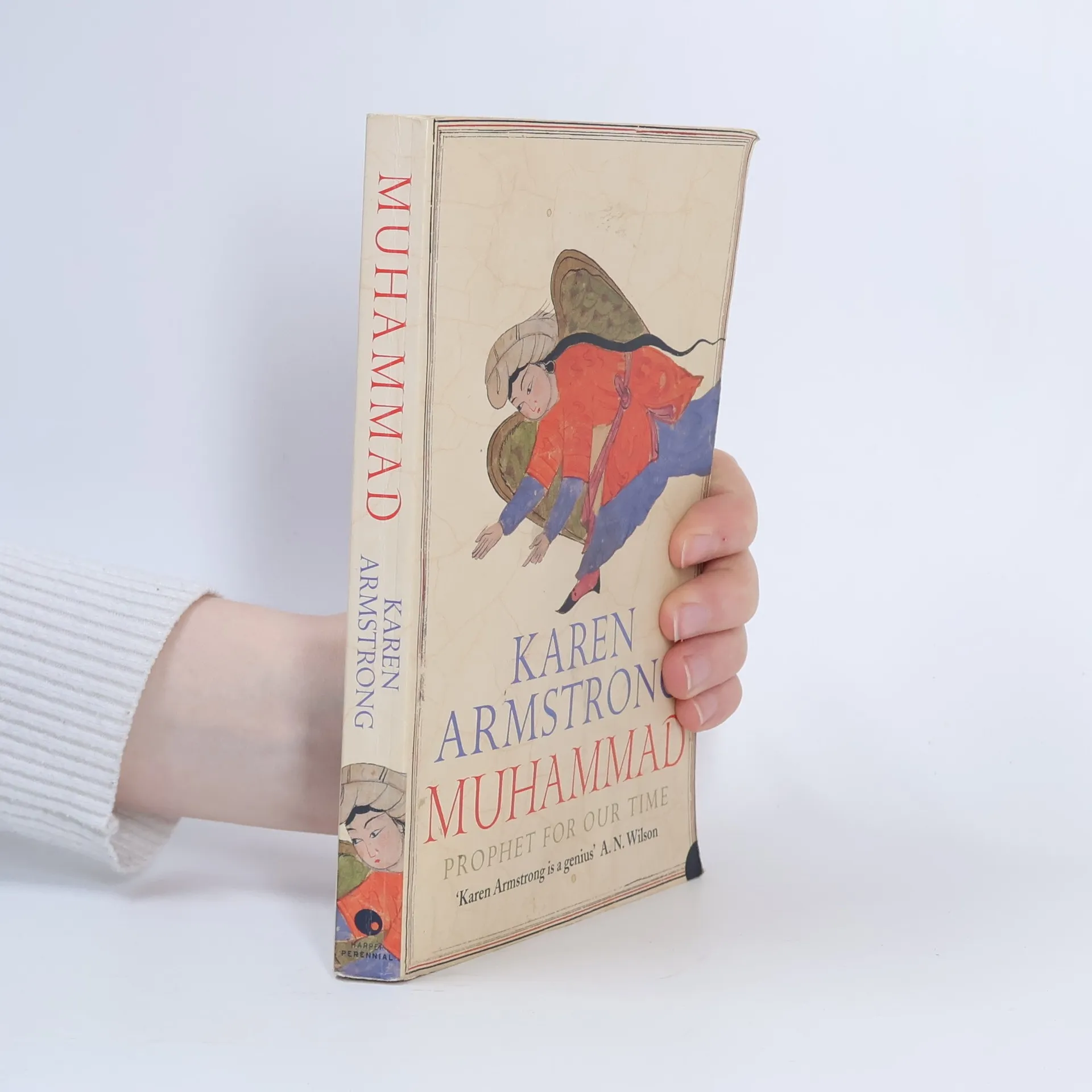
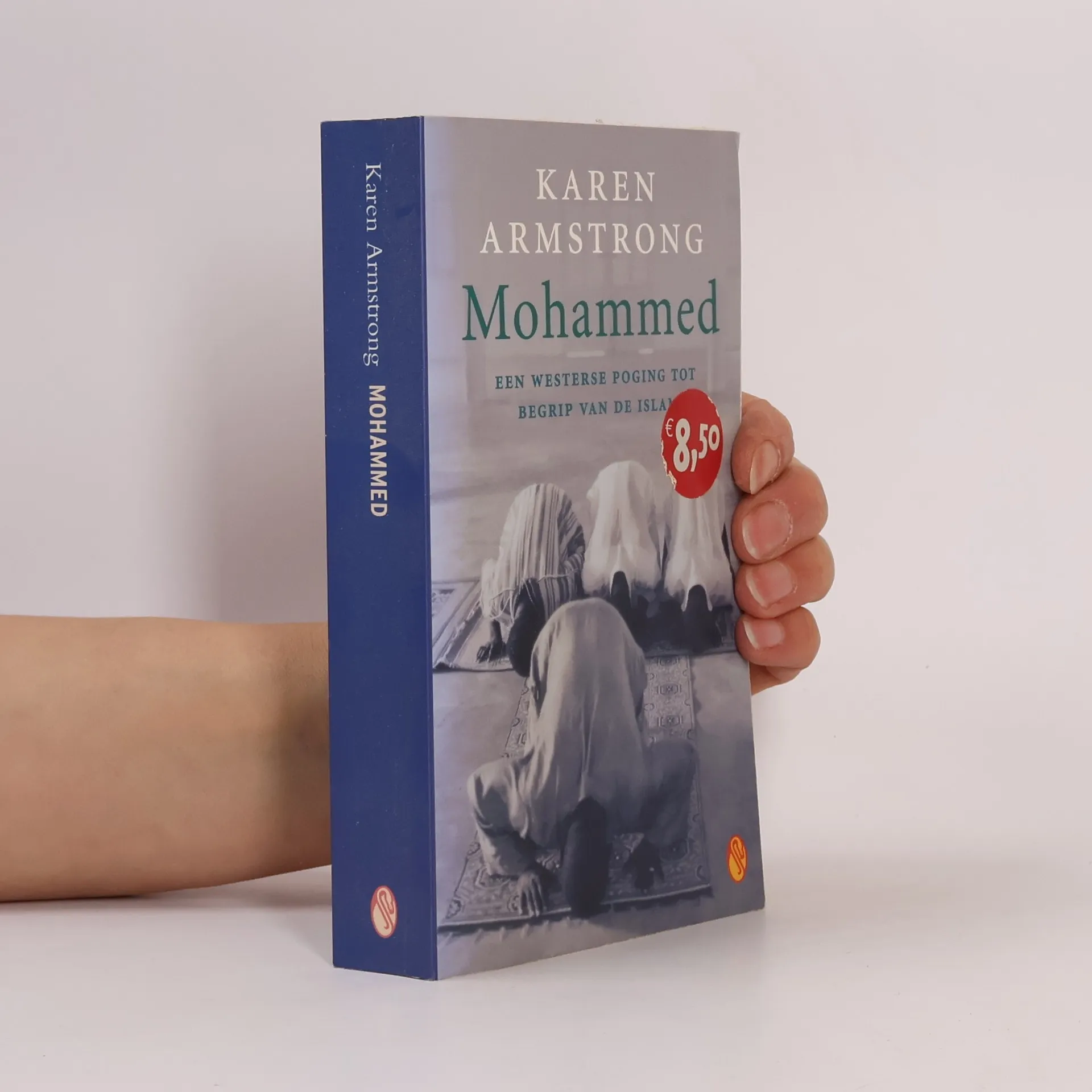
Through comparison with other prophets and mystics the author examines Muhammad's spiritual ideas, and uses the facts of his life - from which Muslims have drawn instruction for centuries - to make the tenets of Islam clear and accessible for readers of all faiths.
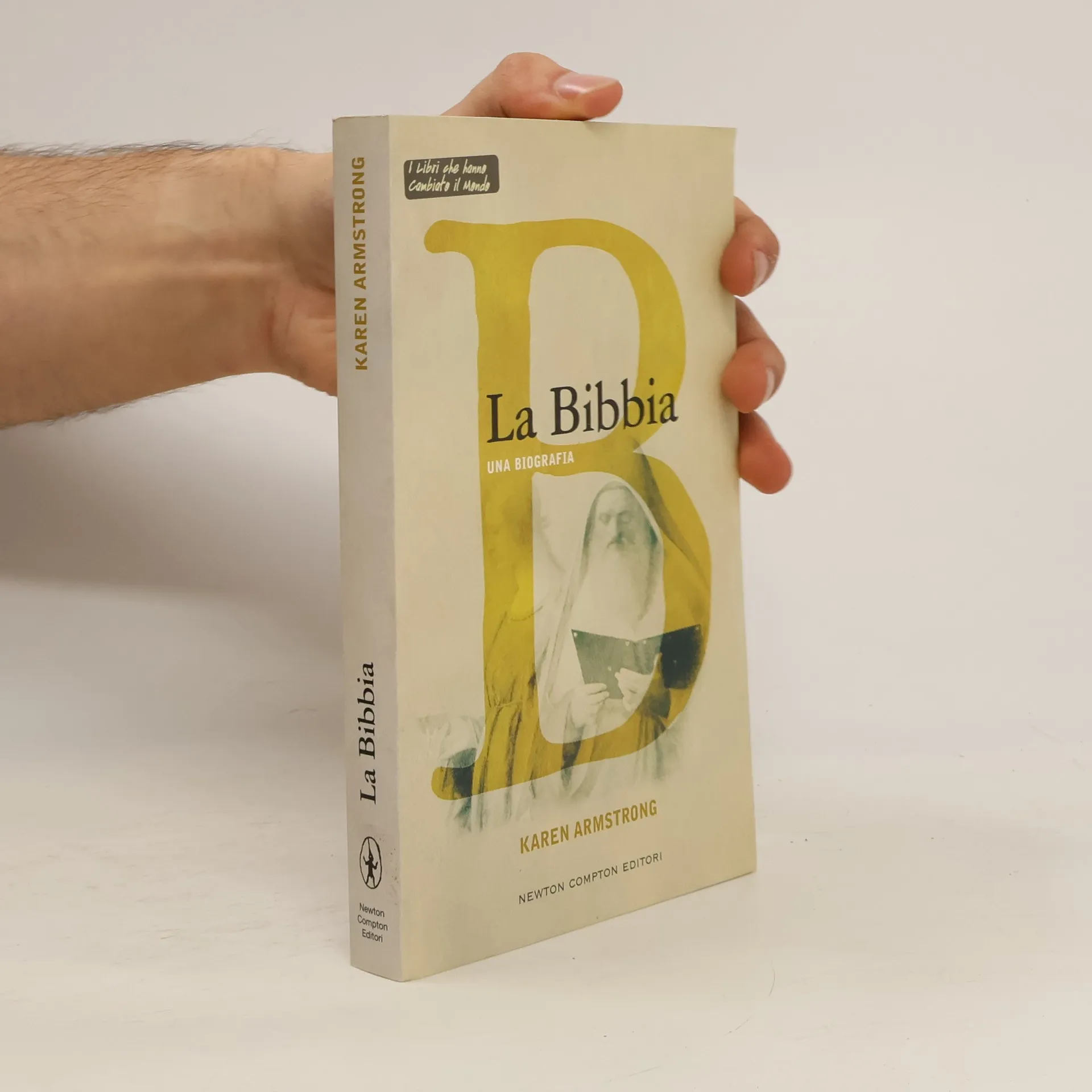
I libri che hanno cambiato il mondo: La Bibbia. Una biografia
- 254 stránek
- 9 hodin čtení
Tradotta in più di duemila lingue, la Bibbia è il libro più diffuso e più letto nella storia dell'umanità. In questo contributo Karen Amnstrong ne segue e ne analizza la genesi, svelando la complessità e la contraddittorietà di un documento creato da centinaia di persone nel corso di migliaia di anni. Armstrong parte dalle origini dei primi antichissimi libri del Vecchio Testamento prendendo via via in esame tutti gli elementi che hanno contribuito a formare il testo sacro della cristianità. Dalla pratica ebraica del Midrash al culto di Gesù, dal ruolo delle lettere di san Paolo nell'ambito della Riforma alla manipolazione delle rivelazioni a opera del fondamentalismo cristiano, l'autrice esplora i vari contesti in cui i 66 libri che compongono la Bibbia hanno visto la luce, spiega come si sia arrivati a un'opera unica e soprattutto mostra come il libro su cui si fonda la cristianità continui a esercitare la sua influenza politica e filosofica, oltre che religiosa, sul mondo moderno.
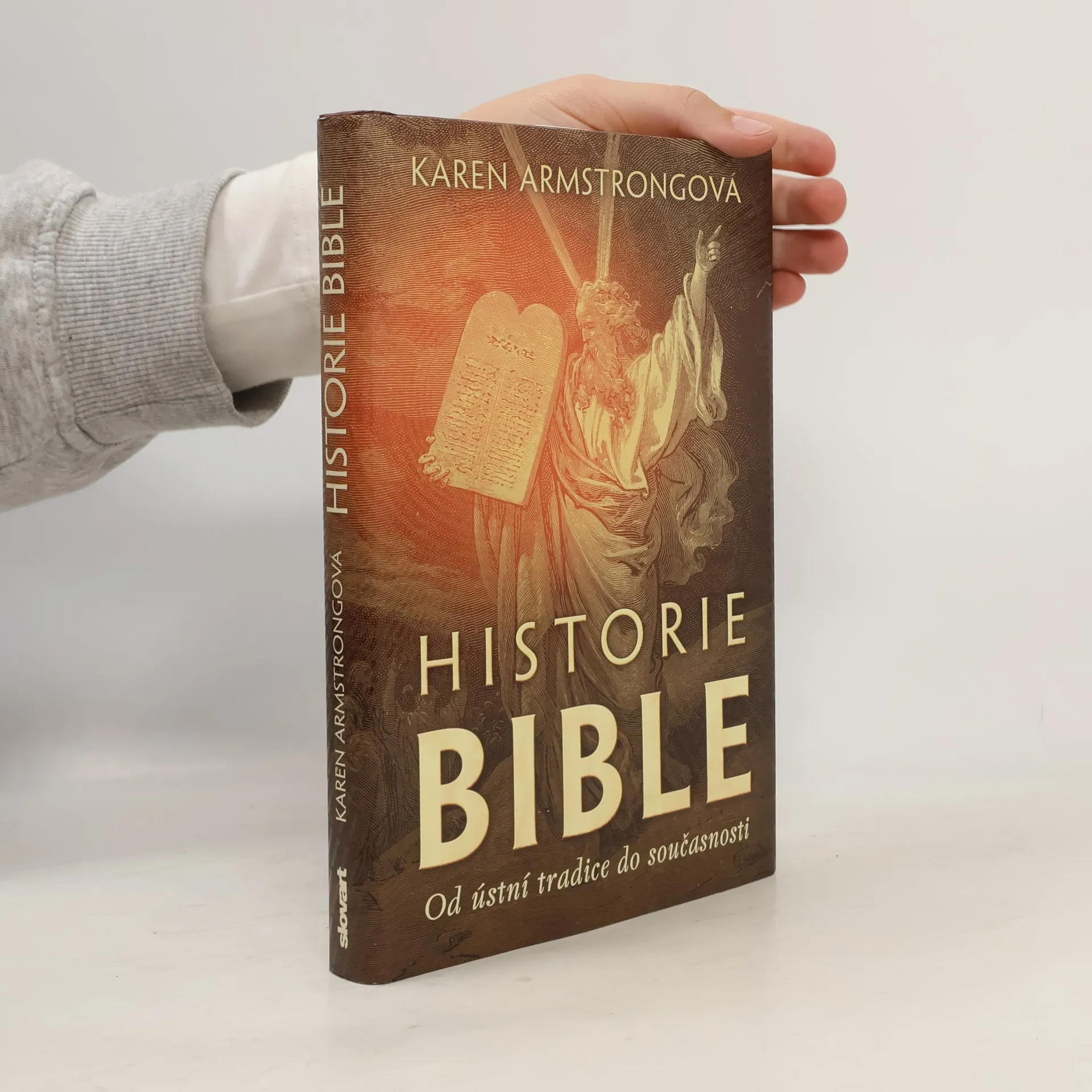
Historie Bible: Od ústní tradice do současnosti
- 215 stránek
- 8 hodin čtení
Od ústní tradice do současnosti. Bible je nejrozšířenější kniha na světě. Byla přeložena do více než dvou tisíc jazyků a odhaduje se, že jen v posledních dvou stoletích se prodalo šest miliard biblí. Autorka v tomto klíčovém pojednání sleduje proces utváření Bible a odhaluje, jak složité a vnitřně rozporuplné literární a teologické dílo Bible je a jakému lidskému úsilí trvajícímu tisíce let vděčí za svůj vznik a další život. Začíná rozborem počátků úplně nejstarších biblických knih, v nichž je Bůh nazýván buď Jahve, nebo Elohim. Dále sleduje vývoj hebrejské Bible i Nového zákona a odhaluje nejrůznější vlivy, které utvářely konečnou podobu posvátného textu. Od židovských midrašů a křesťanského Ježíšova kultu po vliv listů apoštola Pavla na reformaci a manipulace s knihou Zjevení u evangelikálních fundamentalistů je zkoumán kontext, v němž bylo šestašedesát biblických knih čteno, a objasněny otázky, na které Bible v různých společnostech přinášela odpovědi.
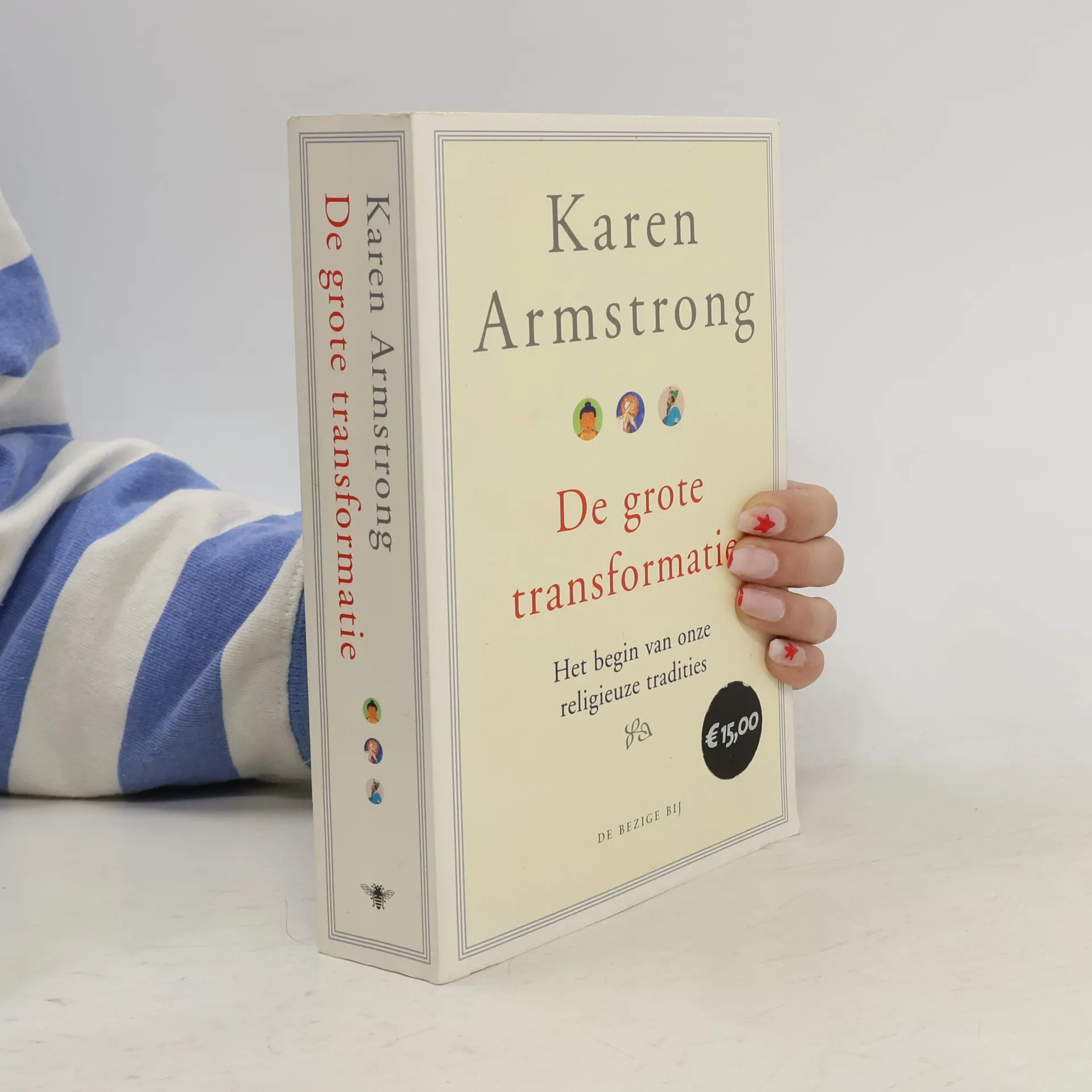
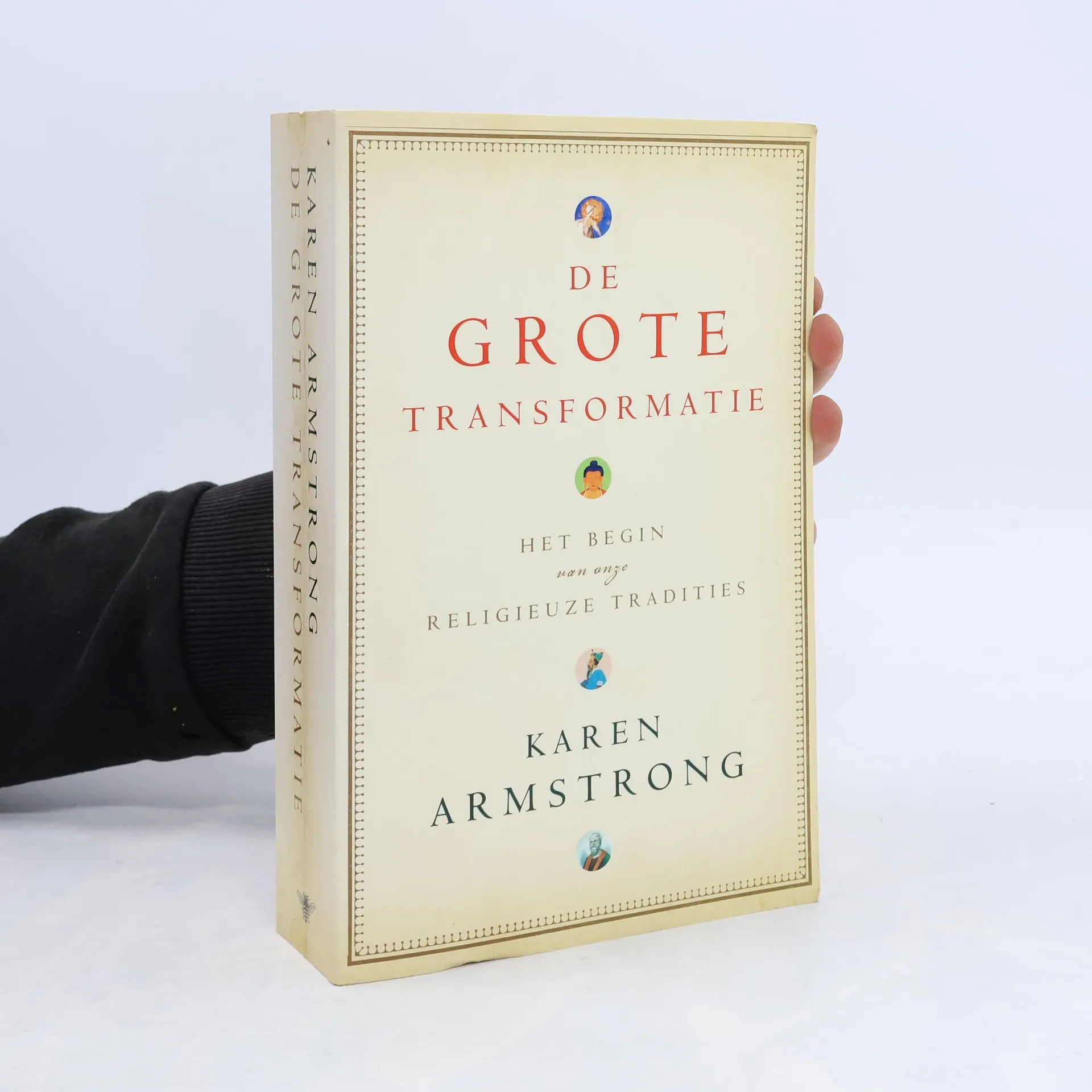
In de periode van de negende eeuw tot ongeveer de tweede eeuw voor Christus ontwikkelden vier afzonderlijke streken religieuze en filosofische tradities die de mensheid tot op de dag van vandaag beïnvloeden: confucianisme en daoïsme in China, hindoeïsme en boeddhisme in India, monotheïsme in Israël, en filosofisch rationalisme in Griekenland. Deze periode, bekend als de 'axiale eeuw', speelde een cruciale rol in de spirituele ontwikkeling van de mensheid. Karen Armstrong onderzoekt in haar nieuwe boek de bijdragen van invloedrijke figuren zoals Boeddha, Socrates, Confucius en Ezekiel. Ondanks de verschillen benadrukken deze tradities een opmerkelijke overeenkomst: de nadruk op compassie boven haat en geweld. De wijzen van deze tijd streefden er niet naar om doctrines van één geloof te omarmen, maar om een leven te leiden dat geworteld was in geweldloosheid en empathie. Armstrong toont aan wat deze gelijkenis zegt over de religieuze impuls van de mens. Ze gaat verder dan spirituele 'archeologie' door te onderzoeken hoe deze oude overtuigingen een uitdaging kunnen vormen voor onze huidige beleving van religie. Dit werk is een ontdekkingsreis naar de vroege ervaringen van de mensheid, hun verlangens, verantwoordelijkheden en inspirerende oplossingen, geschreven in een erudiete en toegankelijke stijl.
Der große Umbruch
- 624 stránek
- 22 hodin čtení
Karen Armstrong erzählt die faszinierende Geschichte einer der bedeutendsten geistigen Revolutionen der Weltgeschichte. Zwischen dem 9. und 2. Jahrhundert vor Christus entstanden in vier Erdteilen religiöse und philosophische Traditionen, die bis heute von zentraler Bedeutung sind. Armstrong begibt sich auf eine Entdeckungsreise zu den Lehren der Achsenzeit, einer Epoche, in der ein neues menschliches Bewusstsein entstand. Hier entstanden zentrale Glaubensrichtungen wie Hinduismus, Buddhismus, Taoismus, Konfuzianismus, Rationalismus und Monotheismus. Sie alle reagierten auf vergleichbare Probleme mit ähnlichen Antworten. Die Urväter dieser Revolution – Buddha, Sokrates, Konfuzius und Hesekiel – legten keinen Wert auf die Durchsetzung ultimativer Wahrheiten, sondern darauf, wie man lebte. Mitgefühl und Toleranz wurden zu zentralen Tugenden. Armstrongs Abhandlung ist nicht nur eine umfassende Ideengeschichte der Weltreligionen, sondern auch ein eindringliches Plädoyer für die Rückbesinnung auf die ursprünglichen Quellen von Glauben, Philosophie und Moral. In Zeiten von Gewalt und religiöser Intoleranz bietet das Buch Antworten auf das aktuelle Interesse an Religion, indem es den gemeinsamen Kern der großen Glaubensrichtungen offenbart.
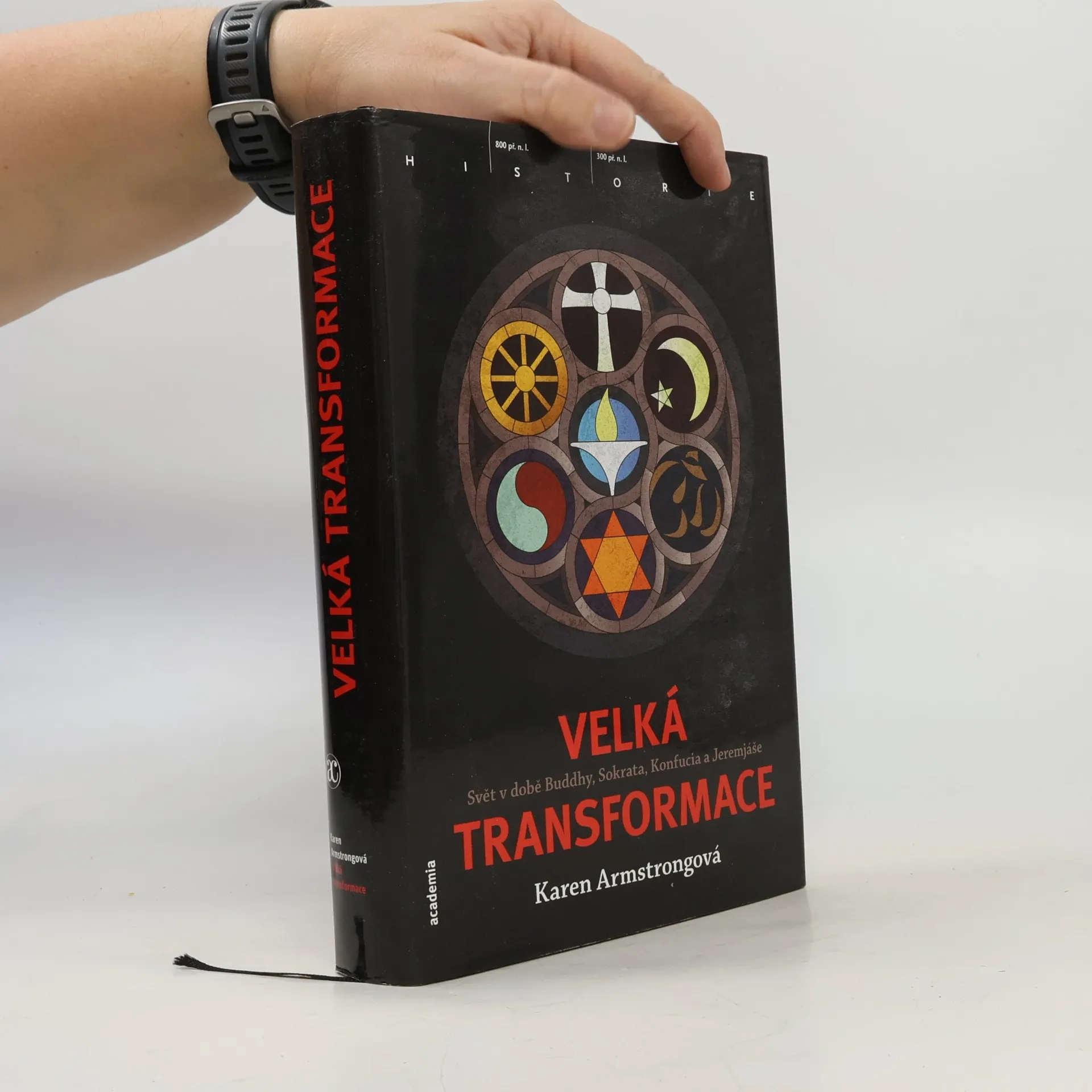
V období mezi roky 800 a 300 př. n. l. zažil svět doslova explozi nových náboženských koncepcí. Proč se právě Sokrates, Buddha, Konfucius, Jeremiáš a Lao-c' mezi jinými objevili v rozpětí těchto pěti staletí? A proč si všichni ve svých úvahách o lidstvu byli tolik podobní? Karen Armstrongová se věnovala tomuto období dějin ve snaze dokázat pojítka mezi rozmanitou skupinou tehdy žijících mystiků, teologů a filozofů. Podařilo se jí tak vytvořit obsáhlou, místy ovšem i diskuze hodnou studii, která osvětluje duchovní proměnu člověka a vývoj jeho pohledu na svět.
In de periode van de negende eeuw tot ongeveer de tweede eeuw voor Christus ontwikkelden vier afzonderlijke regio's religieuze en filosofische tradities die de mensheid tot op heden beïnvloeden: confucianisme en daoïsme in China, hindoeïsme en boeddhisme in India, monotheïsme in Israël, en filosofisch rationalisme in Griekenland. Historici verwijzen naar deze tijd als de 'axiale eeuw' vanwege de cruciale rol in de spirituele ontwikkeling van de mens. In haar nieuwe boek onderzoekt Karen Armstrong de bijdragen van belangrijke figuren zoals Boeddha, Socrates, Confucius en Ezekiel. Ze benadrukt de opmerkelijke overeenkomsten binnen deze tradities, waarbij de nadruk ligt op compassie boven haat en geweld. De wijzen uit deze periode streefden niet naar dogma's, maar naar een leven in harmonie met anderen. Religie was voor hen synoniem met compassie. Armstrong verkent wat deze overeenkomsten zeggen over de menselijke zoektocht naar spiritualiteit en gaat verder dan alleen historische analyse. Ze onderzoekt hoe deze oude overtuigingen ons kunnen uitdagen in onze huidige benadering van religie. Dit boek is een ontdekkingsreis naar de vroegste ervaringen, verlangens en oplossingen van de mensheid, geschreven in Armstrongs kenmerkende, toegankelijke stijl.
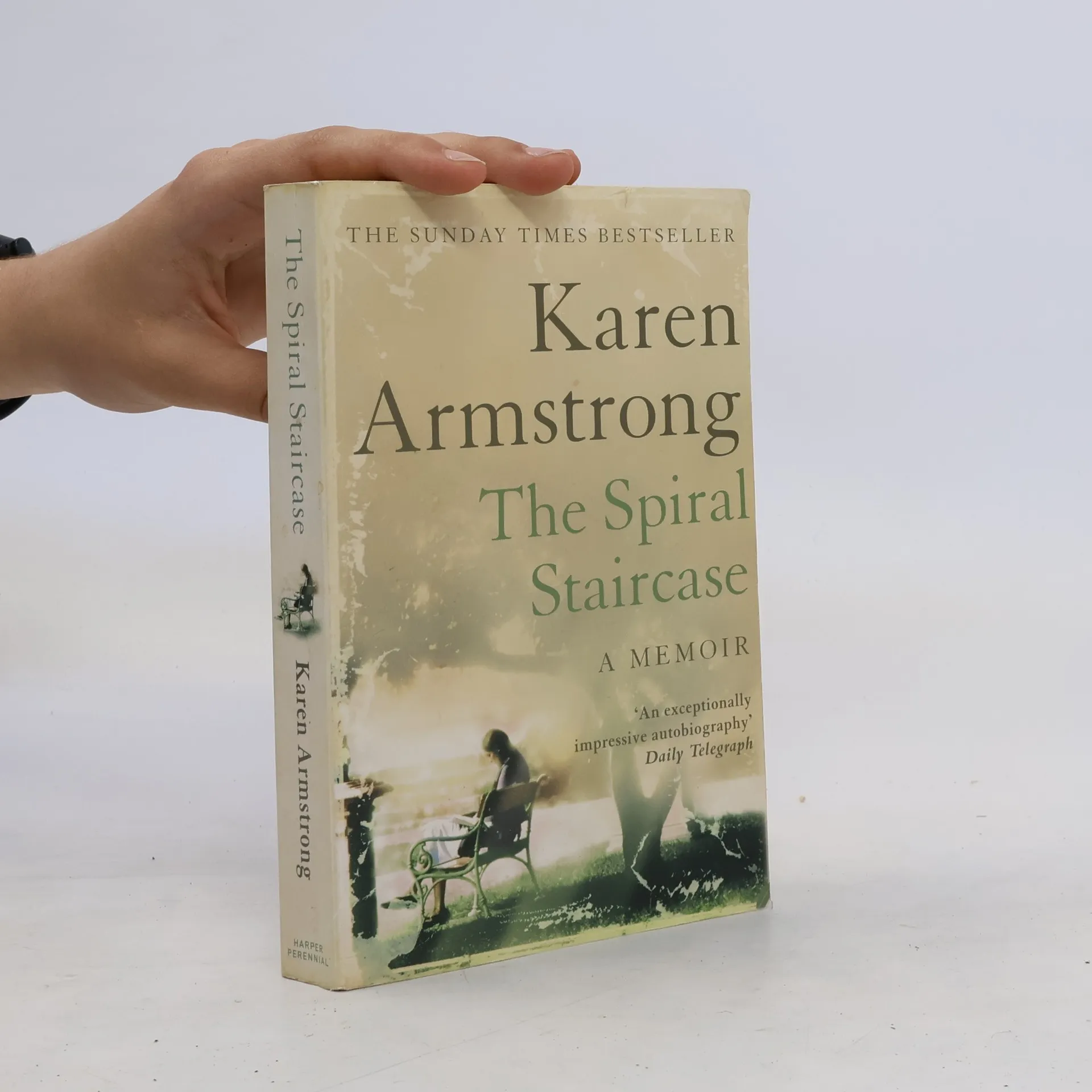
Spiral Staircase
- 352 stránek
- 13 hodin čtení
A raw, intensely personal memoir of spiritual exploration from one of the world's great commentators on religion.
Krátká historie mýtu se zamýšlí nad mýty a sleduje jejich vývoj od dávnověku do dnešní doby. Co jsou to mýty? Jak vznikaly? A proč vůbec? Mají pro nás ještě nějaký význam? Ztratili jsme k nim vztah? Dějiny mýtu jsou vlastně historií lidstva záznamem jeho nadějí a usilování, jeho pátrání po řádu věcí. Mýty nám pomáhají porozumět vesmíru a našemu místu v něm. Mýty a jejich trvalé proměny nám pomáhají pochopit ty, kdo si tyto příběhy vyprávěli a vytvářeli je. Mýtus nelze číst potichu, pokud mu chceme porozumět. Takový mýtus nemá smysl. Mýtus je třeba žít a prožít. A znovu a znovu ho vyprávět.
What's right with Islam. A new vision for Muslims and the West.
- 336 stránek
- 12 hodin čtení
An American imam offers answers for today's toughest questions about Islam, and a vision for a reconciliation between Islam and the West. One of the pressing questions of our time is what went wrong in the relationship between Muslims and the West. Continuing global violence in the name of Islam reflects the deepest fears by certain Muslim factions of Western political, cultural, and economic encroachment. The solution to the current antagonism requires finding common ground upon which to build mutual respect and understanding. Who better to offer such an analysis than an American imam, someone with a foot in each world and the tools to examine the common roots of both Western and Muslim cultures; someone to explain to the non-Islamic West not just what went wrong with Islam, but what's right with Islam. Focused on finding solutions, not on determining fault, this is ultimately a hopeful, inspiring book. What's Right with Islam systematically lays out the reasons for the current dissonance between these cultures and offers a foundation and plan for improved relations. Wide-ranging in scope, What's Right with Islam elaborates in satisfying detail a vision for a Muslim world that can eventually embrace its own distinctive forms of democracy and capitalism, aspiring to a new Cordoba - a time when Jews, Christians, Muslims, and all other faith traditions will live together in peace and prosperity.
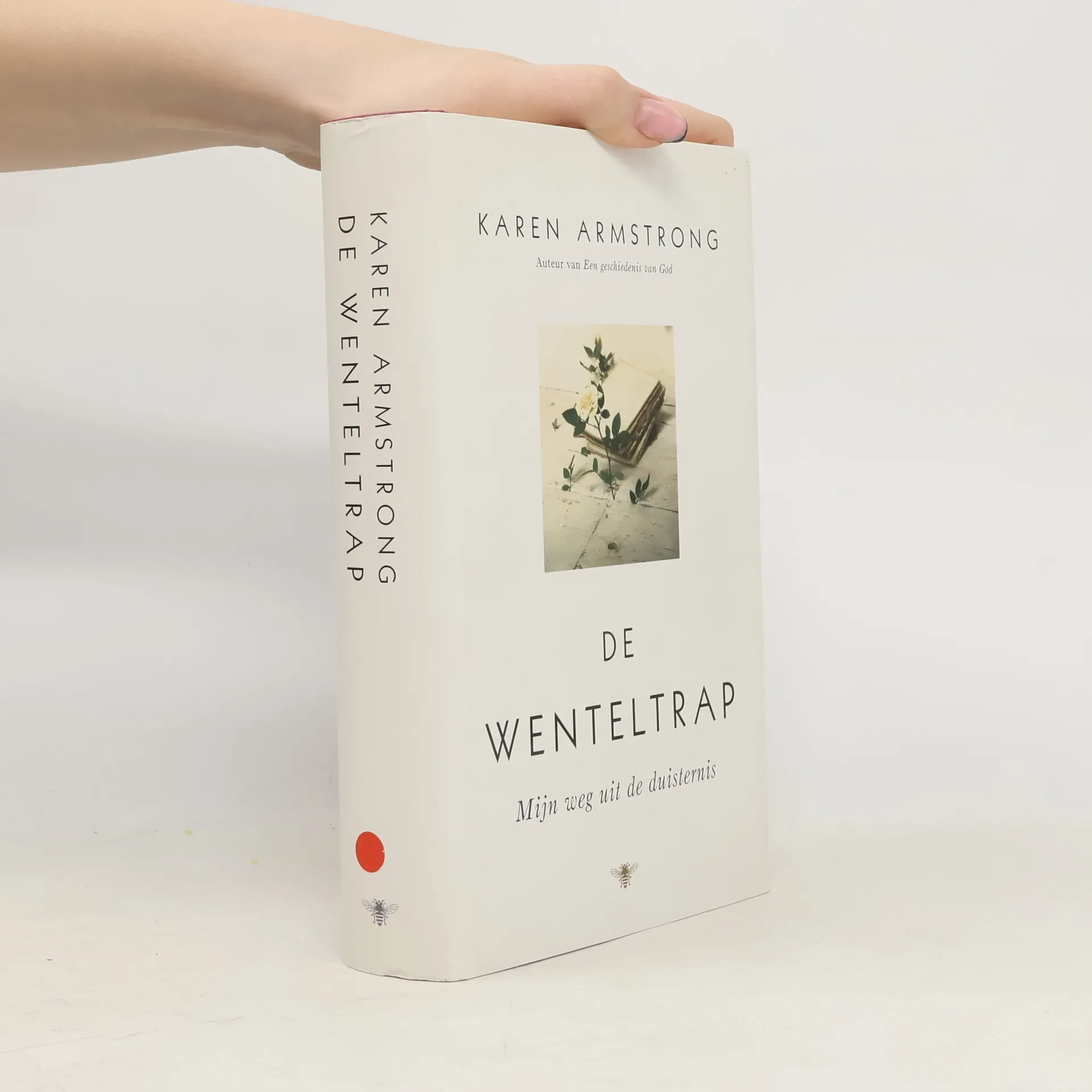
In De wenteltrap vertelt Karen Armstrong hoe ze in 1969, na zeven jaar, het klooster verlaat om in Oxford te studeren. Ze voelt zich als Doornroosje die na een lange sluimer in een vreemde, beangstigende wereld terechtkomt. In Londen volgen de jaren waarin ze haar gebrek aan ervaring inhaalt. Ze heeft relaties, loopt feesten af en maakt vrienden. Uiteindelijk vertrekt ze in 1982 als journaliste naar Jeruzalem. Daar verbreedt ze haar horizon, komt ze in contact met andere culturen en gaat ze zich verdiepen in de islam. Karen Armstrong wisselt in De wenteltrap haar persoonlijke herinneringen af met beschouwende stukken over het falen van de kerk, bidden, het wezen van het geloof, eenzaamheid en spiritualiteit. Rode draad is de zoektocht naar haar eigen, persoonlijke en integere manier van geloven. De wenteltrap is daarvan het openhartige, fascinerende en verhelderende verslag.
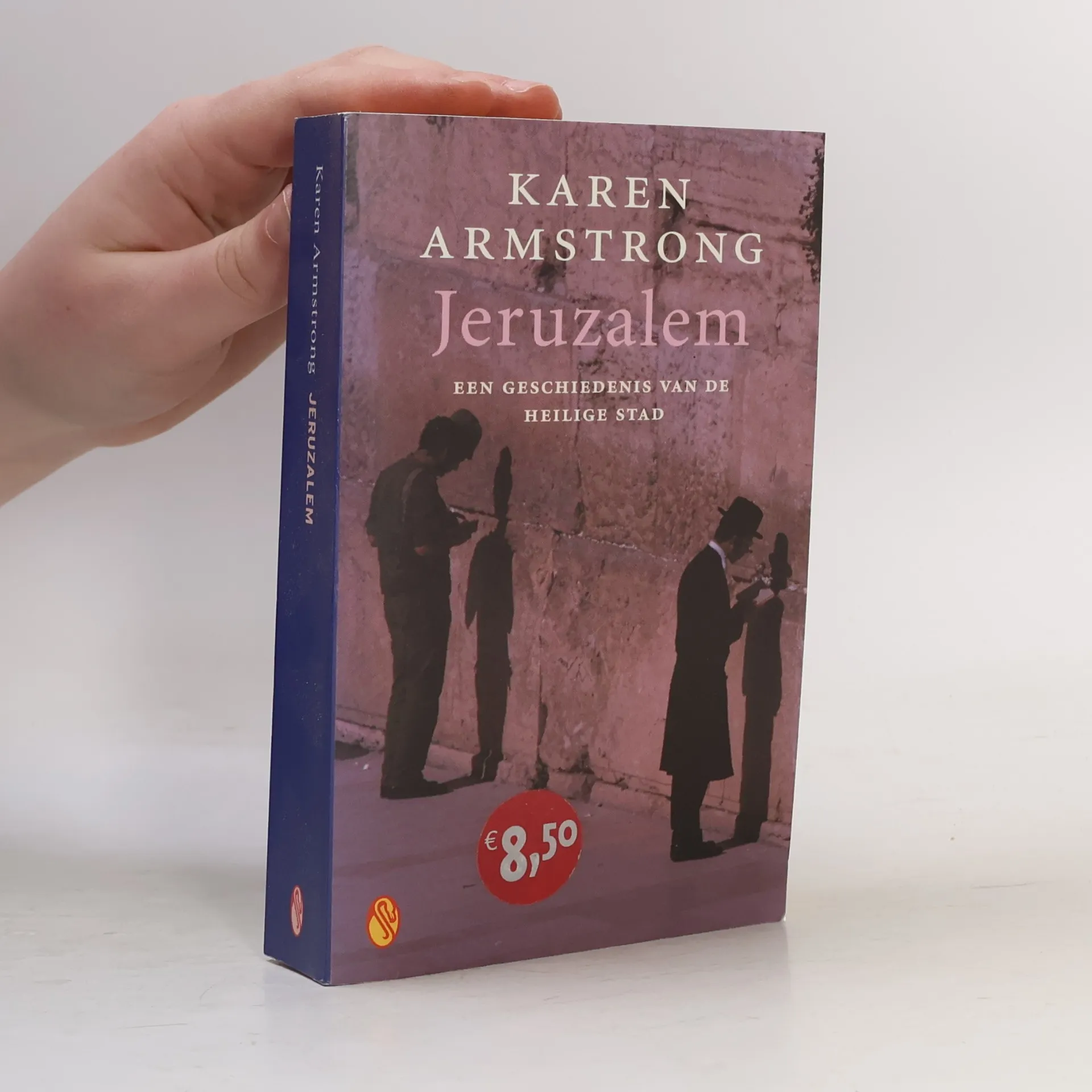
Jeruzalem: een geschiedenis van de Heilige Stad (Flamingo-pockets)
- 523 stránek
- 19 hodin čtení
Levensbeschrijving van de stichter van de Islam (circa 570-632).
Holy War
The Crusades and Their Impact on Today's World - With a New Preface
- 628 stránek
- 22 hodin čtení
The New York Times bestselling author of A History of God skillfully narrates the history of the Crusades with a view toward their profound and continuing influence." Holy War brings compassion, objectivity, breadth, and imagination to the most urgent crisis of our time." — The Boston PhoenixIn 1095 Pope Urban II summoned Christian warriors to take up the cross and reconquer the Holy Land. Thus began the holy wars that would focus the power of Europe against a common enemy and become the stuff of romantic legend. In reality the Crusades were a series of rabidly savage conflicts in the name of piety. And, as Armstrong demonstrates in this fascinating book, their legacy of religious violence continues today in the Middle East, where the age-old conflict of Christians, Jews, and Muslims persists.
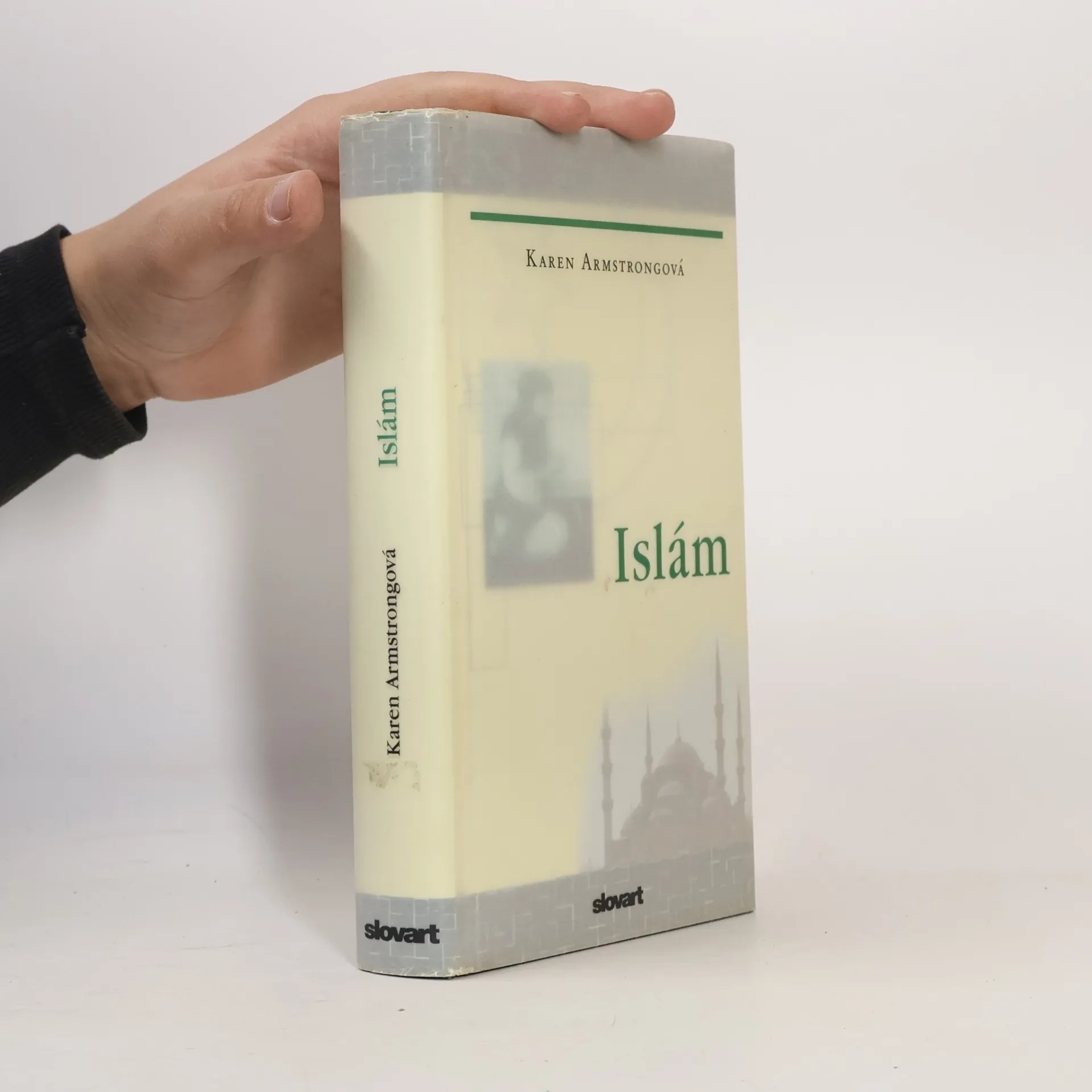
Žádné jiné náboženství není obestřeno obavami z neznámého tak jako islám, náboženství, které se jako jediné může pochlubit stoupajícím počtem přívrženců. Mezi obvyklé představy Evropana či Američana o islámu patří jeho extrémní formy - terorismus, diktátorské režimy nebo utlačování žen. Tato kniha se pokouší tento jednostranný pohled poopravit: poukazuje na myšlenkovou bohatost a komplexnost islámského učení v otázkách věroučných, ale i právních či etických. Podává přehled dějin islámu od Muhammadova vystoupení přes rozrůznění šířící se nové víry v tak odlišných místech světa, jako je Arabský poloostrov, severní Afrika, Persie a Indie. Evropskému čtenáři poskytuje příležitost uvědomit si tváří v tvář jinému svou vlastní identitu.
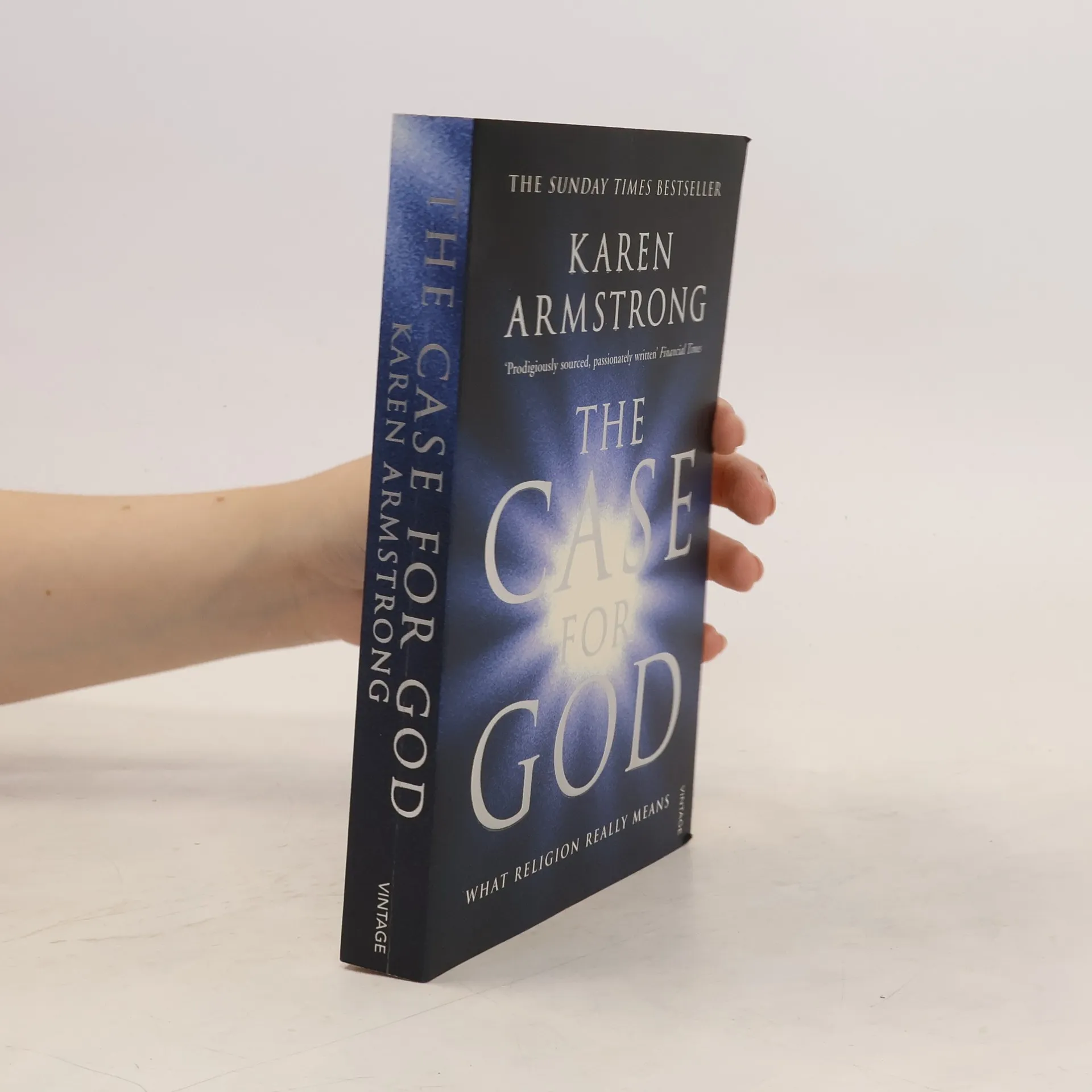
The case for God : what religion really means
- 384 stránek
- 14 hodin čtení
Moving from the Paleolithic age to the present, Karen Armstrong details the great lengths to which humankind has gone in order to experience a sacred reality. While noting that the changing face of the world has necessarily changed the importance of religion at both the societal and the individual level, she makes a powerful, convincing argument for drawing on the insights of the past in order to build a faith that speaks to the needs of our dangerously polarized age.
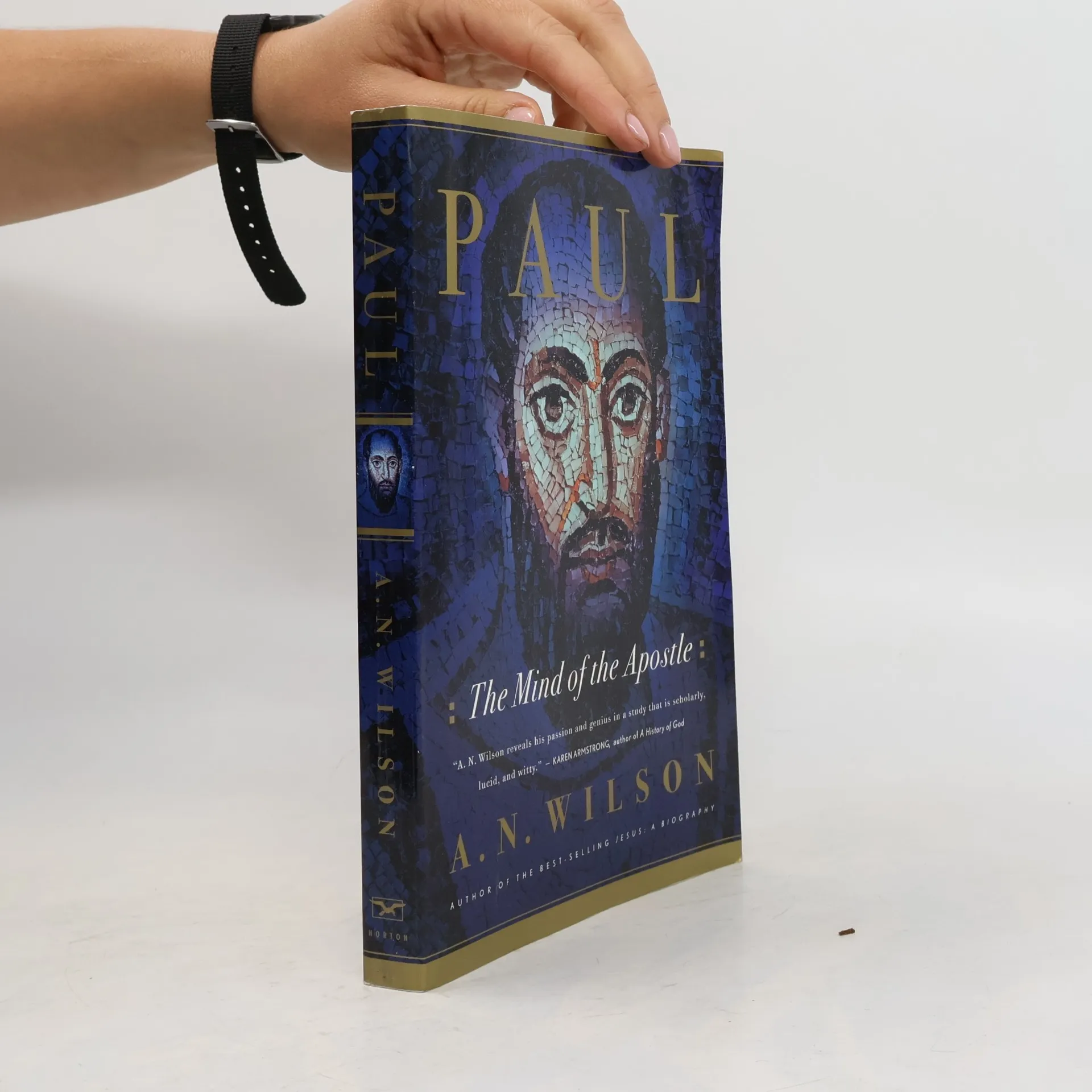
The narrative delves into the pivotal role of Paul in shaping Christianity, emphasizing that without him, Jesus remains a devoted Jew focused on strict observance of Judaism. A. N. Wilson explores Paul's journey through the Roman Empire, highlighting his efforts to convert others and craft influential epistles that define Christian understanding. The biography examines Paul's motivations and the complexities of his character, questioning what he would think of the religion that emerged from his teachings. This insightful exploration reveals Paul as Christianity's true architect.
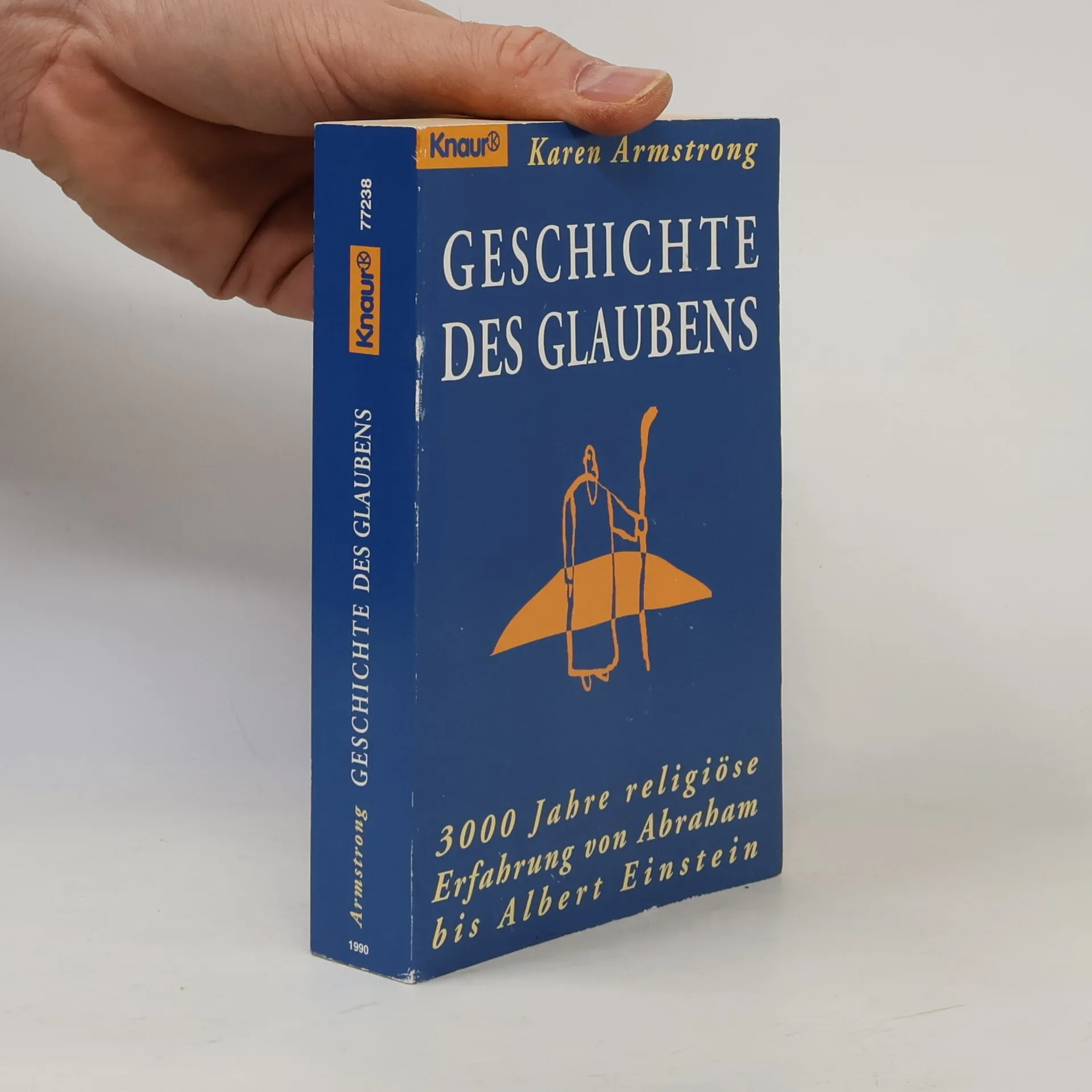
Geschichte des Glaubens
3000 Jahre religiöse Erfahrung von Abraham bis Albert Einstein
- 608 stránek
- 22 hodin čtení
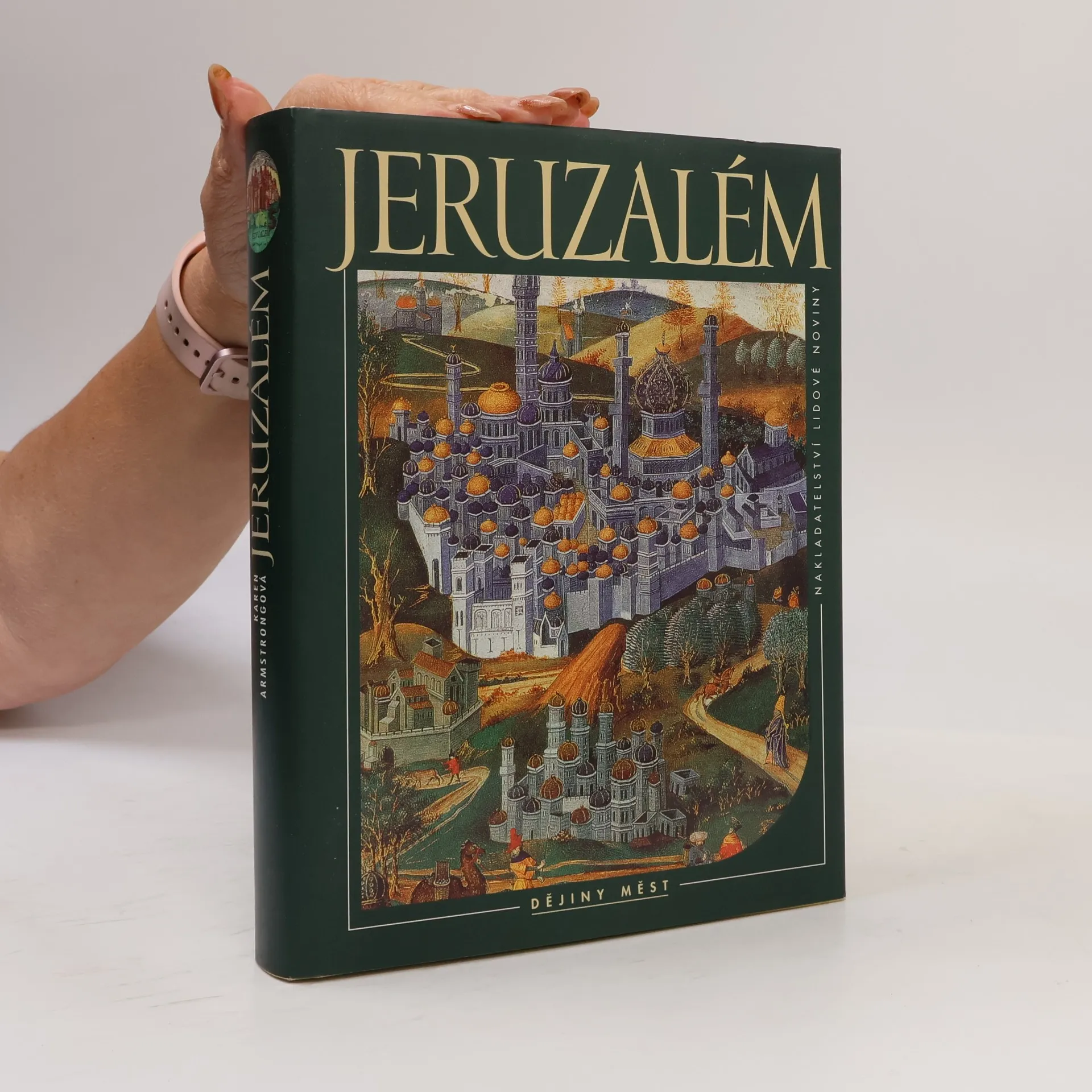
Jeruzalém
- 469 stránek
- 17 hodin čtení
Dějiny posvátného města, které se stalo symbolem božství pro Židy, křesťany a muslimy. Dějiny města od biblických dob po neklidnou současnost, charakterizovanou židovsko-arabskými střety. Práce obsahuje nejenom historická fakta, ale je i jakýmsi hledáním duchovního rozměru hmotných dějin. Vytváří obraz města, které se stalo prostředkem identifikace víry.
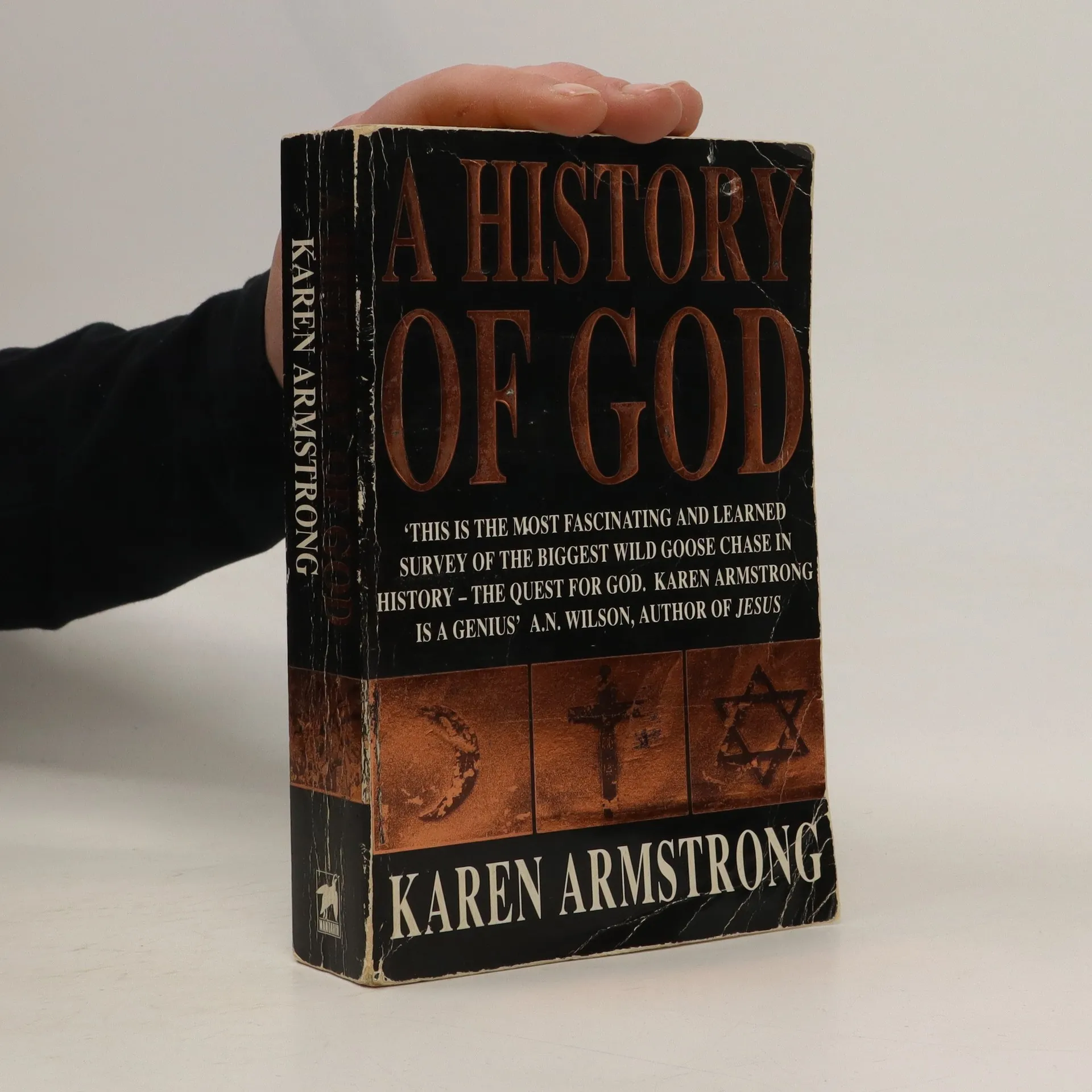
Dějiny Boha
- 500 stránek
- 18 hodin čtení
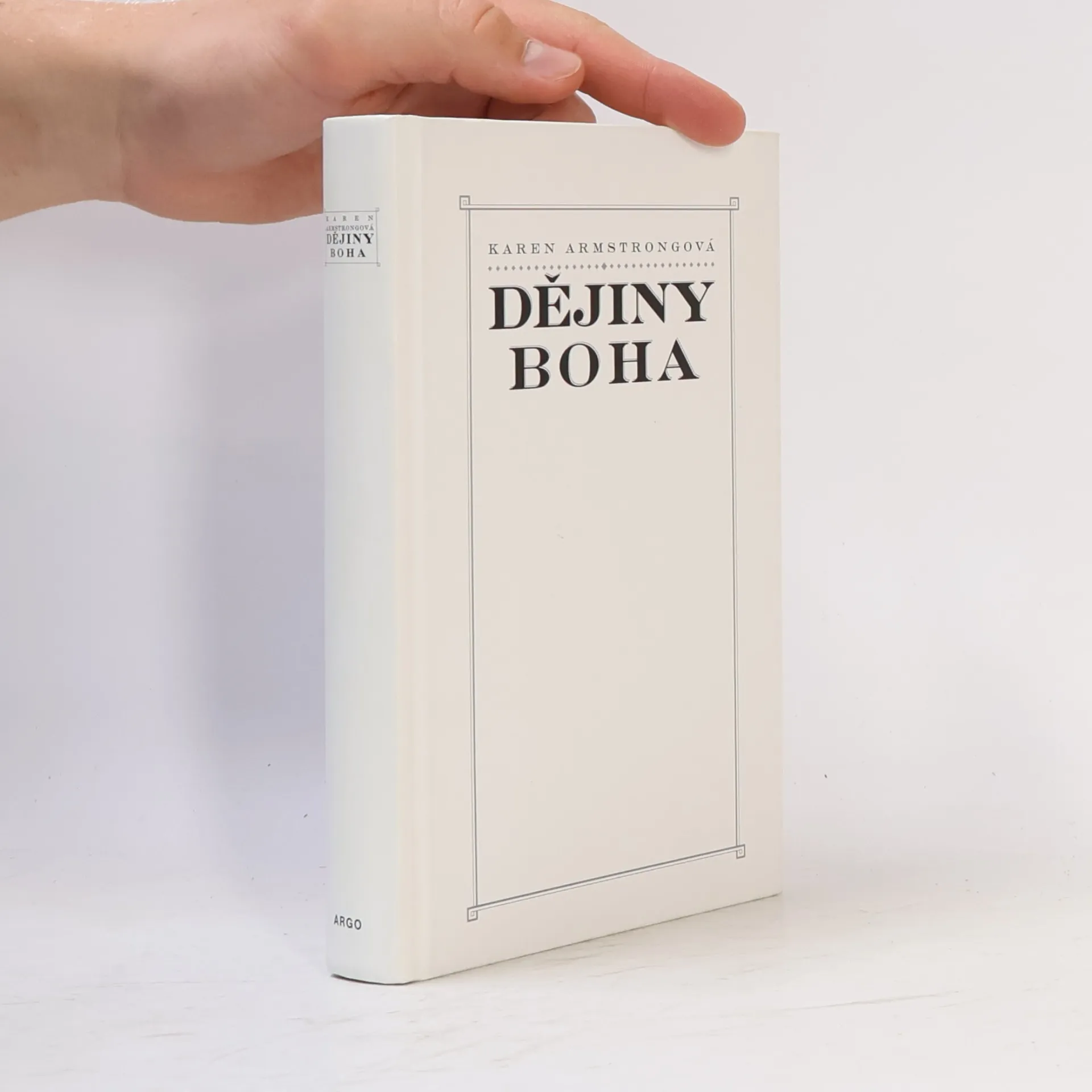
Kniha provází historickým, filozofickým, intelektuálním a sociálním vývojem monoteistických náboženství. Seznamuje s kontexty a předpoklady, z nichž plynula odlišená pojetí Boha, a současně poukazuje na základní podobnosti uvádí řady zajímavých paralel.
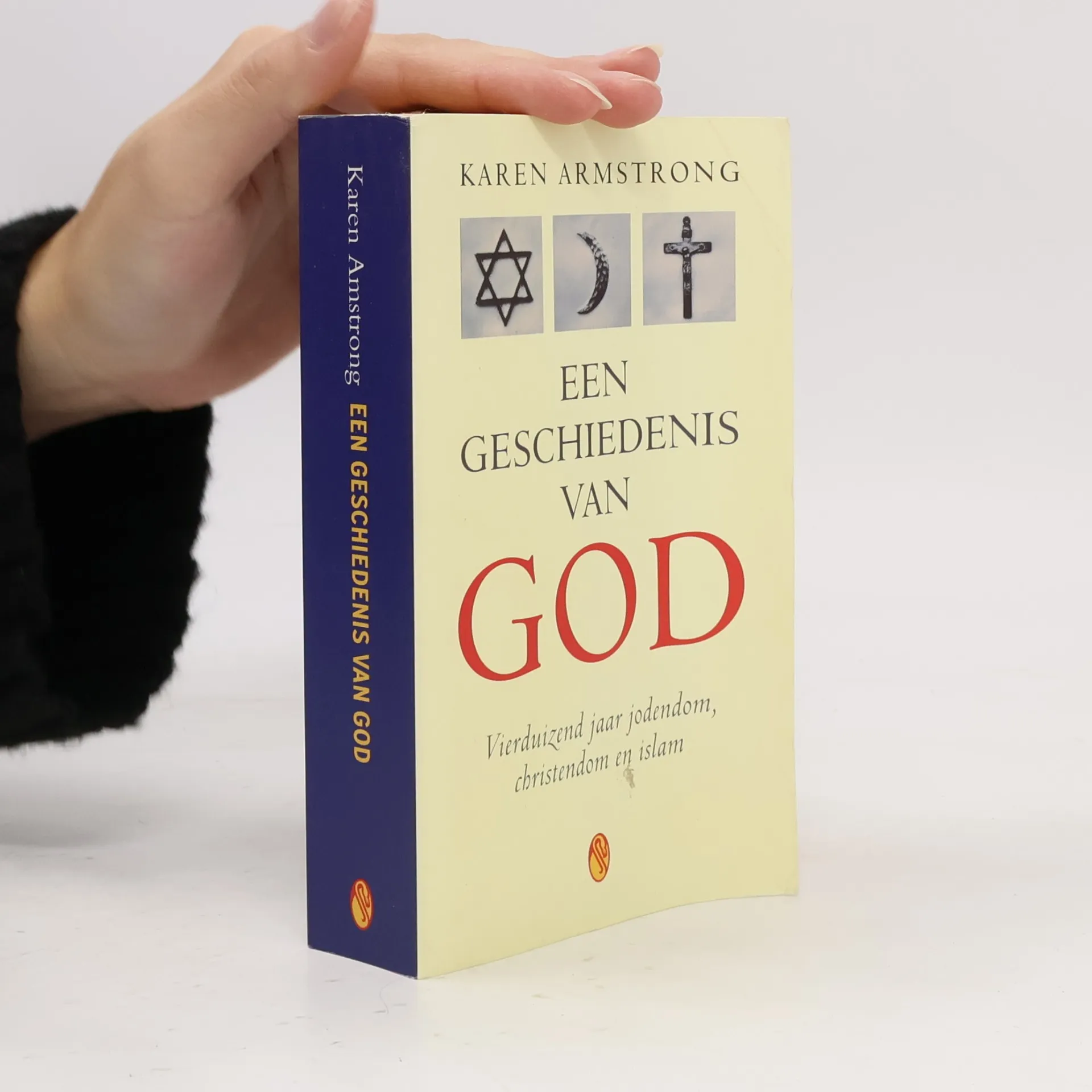
Een Geschiedenis van God
- 511 stránek
- 18 hodin čtení
In dit belangrijke en controversiële boek beschrijft Karen Armstrong niet een geschiedenis van God zoals hij 'is', maar zoals de mens in hem geloofd heeft. Zij onderzoekt het ontstaan en de ontwikkeling van de idee van de ene God in het jodendom, het christendom en de islam. Wat is God tegenwoordig? Heeft hij toekomst? En, zo niet, hebben we een vervanging nodig?
The idea of a single divine being - God, Yahweh, Allah - has existed for over 4000 years, but the history of God is also the history of human struggle. While Judaism, Islam and Christianity proclaim the goodness of God, organized religion has too often been the catalyst for violence and ineradicable prejudice. This controversial account of the evolution of belief examines Western society's unerring fidelity to the idea of One God and the many conflicting convictions it engenders.
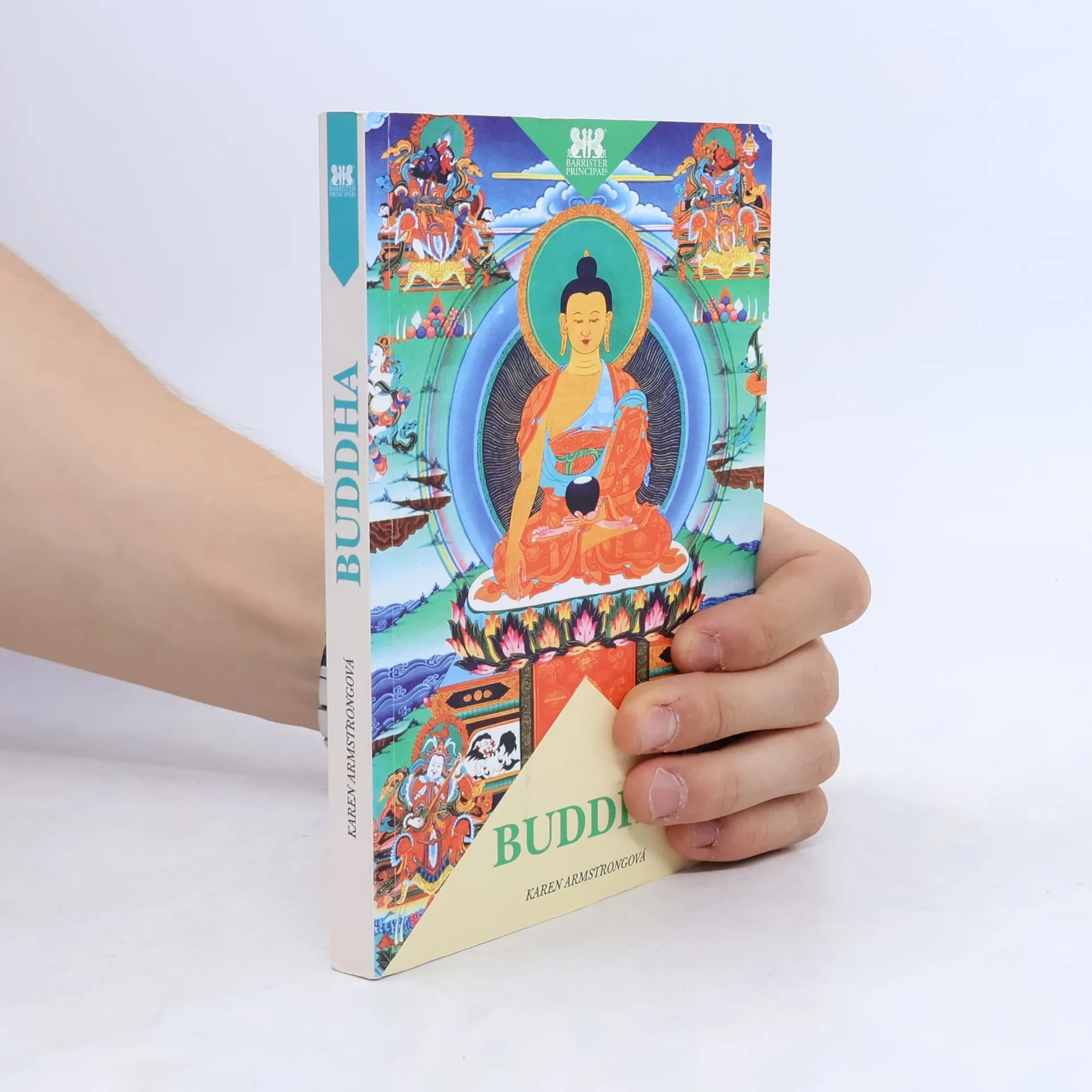
Originální portrét Buddhy od světoznámé autorky vychází v nakladatelství Barrister & Principal již ve druhém vydání (v originále vyšel v prestižní edici Penguin Lives). Autorka se zabývá jak archetypální náboženskou ikonou, tak Buddhou jako člověkem. Popisuje Buddhovy osudy od chvíle, kdy jako Siddhata Gótama opouští svoji ženu, malého synka a pohodlný život ve význačném společenském postavení, aby se vydal na cestu namáhavého hledání duchovního probuzení. Ve srozumitelné a přesvědčivé próze Armstrongová oživuje Buddhovo hledání od jeho odmítnutí privilegovaného života po objevení pravdy, o níž byl přesvědčený, že naprosto promění lidské bytosti a umožní jim žít v míru uprostřed utrpení světa. Autorka se v knize soustřeďuje také na dobovou kulturu a zamýšlí se nad Buddhovou rolí v duchovních dějinách lidstva a nad zvláštním významem jeho myšlenek pro naši společnost, která nyní prochází krizí víry.
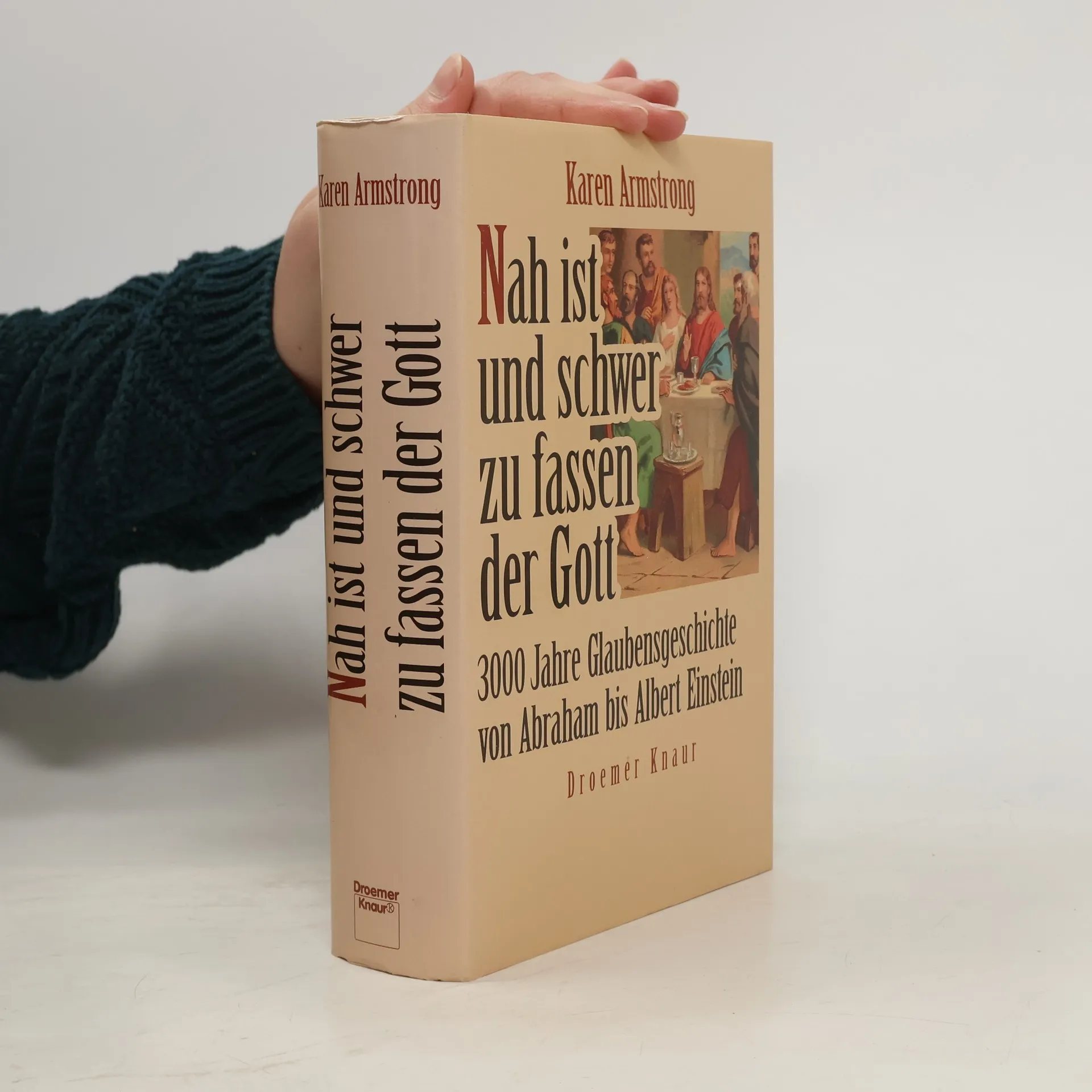
Nah ist und schwer zu fassen der Gott
- 608 stránek
- 22 hodin čtení
Die Idee eines einzigen göttlichen Wesens - Gott, Jahwe, Allah - existiert seit über 4.000 Jahren. Doch die Geschichte Gottes ist auch die Geschichte menschlichen Kampfes. Während Judentum, Islam und Christentum die Güte Gottes verkünden, war die organisierte Religion oft der Katalysator für Gewalt und unausrottbaren Vorurteile. In diesem faszinierenden, umfangreichen und originellen Bericht über die Entwicklung des Glaubens untersucht Karen Armstrong die unerschütterliche Treue der westlichen Gesellschaft zu dieser Idee des Einen Gottes und die vielen widersprüchlichen Überzeugungen, die sie hervorbringt. Eine kontroverse, außergewöhnliche Geschichte von Anbetung und Krieg konfrontiert das grundlegendste Faktum - oder Fiktion - unseres Lebens.
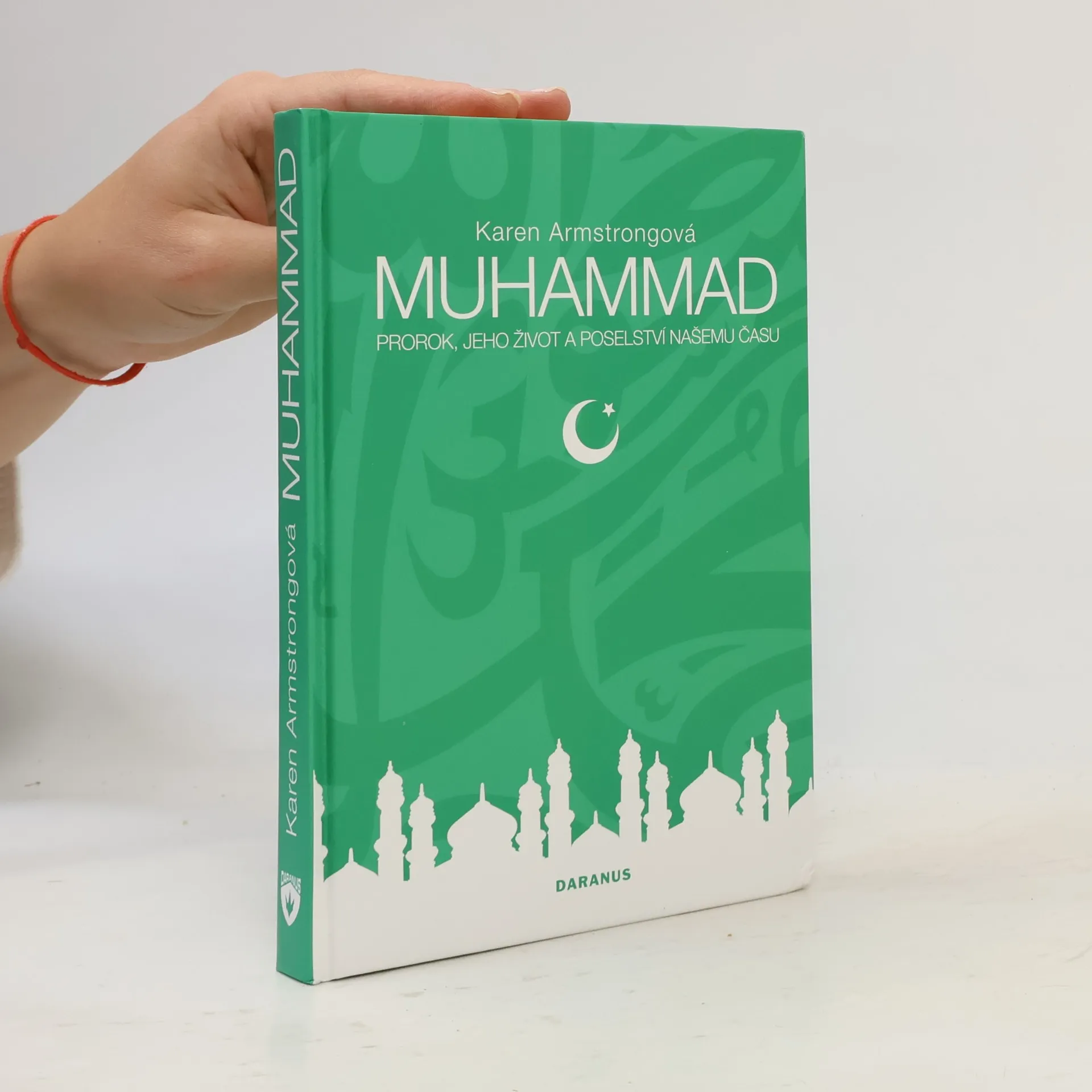
Muhammad : prorok, jeho život a poselství našemu času
- 199 stránek
- 7 hodin čtení
Autorka Karen Armstrongová napsala knihu Muhammad coby poselství našemu času s vědomím, že slovo "islám" znamená odevzdání a mír. "Není boha kromě Boha a Muhammad je Posel Boží!" Snad žádné jméno na světě se dnes nepronáší tak často jako jméno Muhammada, postaru Mohameda. Vždyť stamilióny muslimů je denně vyslovují při modlitbách. Pro mnoho Evropanů a jistě i Američanů může být islám čímsi jako vírou zla - viz bojovný a nesmiřitelný Talibán, zabijácká al-Ká'ida a Írán s touhou po jaderných zbraních. A Muhammad, prorok, legenda i Posel Alláhův, dal tomuto náboženství před staletími základy. Karen Armstrongová, světově proslulá britská autorka vysvětluje zrod i podstatu koránu a provází čtenáře Muhammadovým životem. S dokonalou znalostí doby a jejích reálií vám nabízí knihu, kterou lze brát i jako poutavou a v mnohém velmi dramatickou literaturu faktu. Tak jako každé nové učení se totiž islám rodil v bolestech. A na rozdíl od křesťanství i v krvavých bitvách na pláních Arábie. I když Muhammad nakonec zvítězil přístupem, jenž v mnohém připomínal smířlivost Gándhího, a nikoli řádění Čingischána.
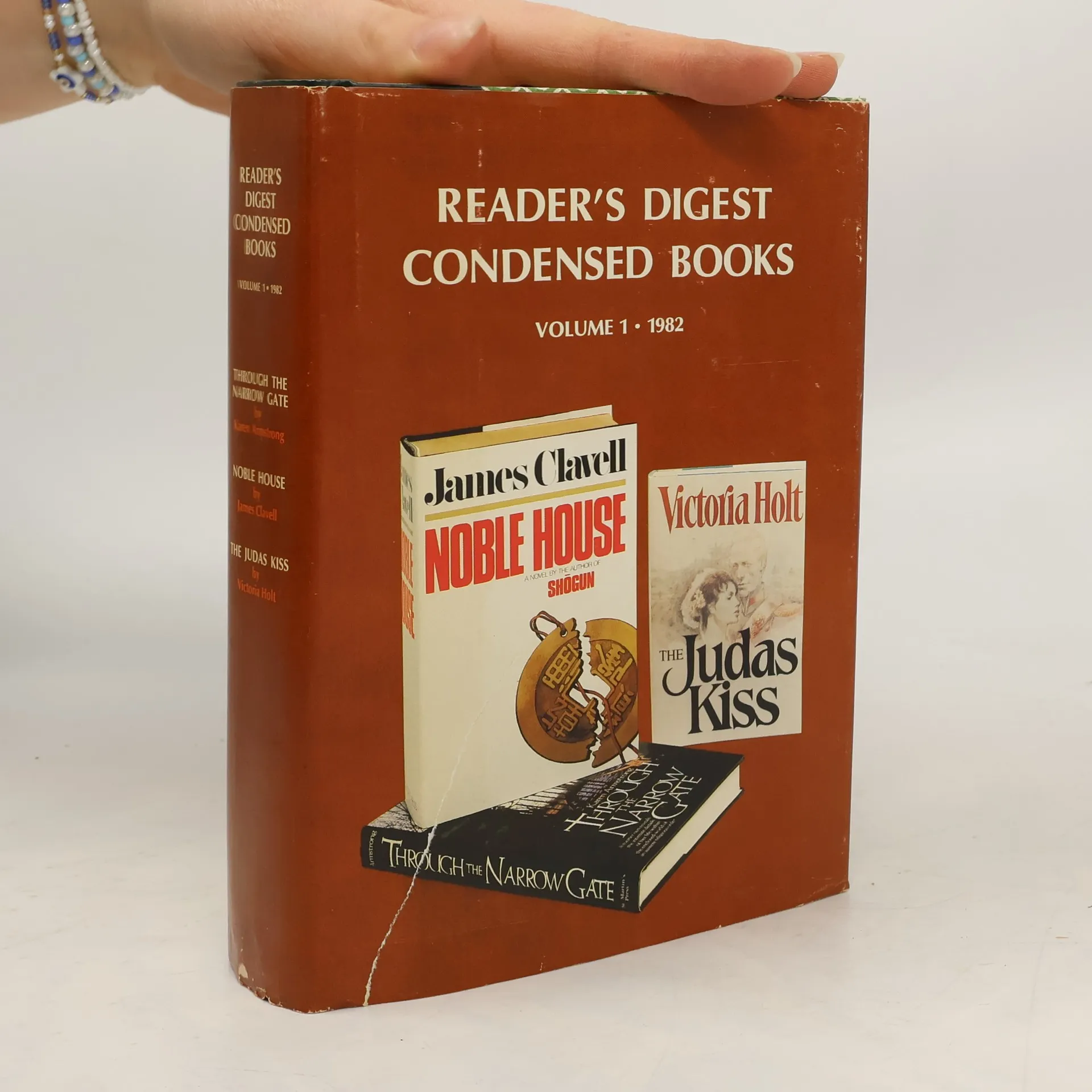
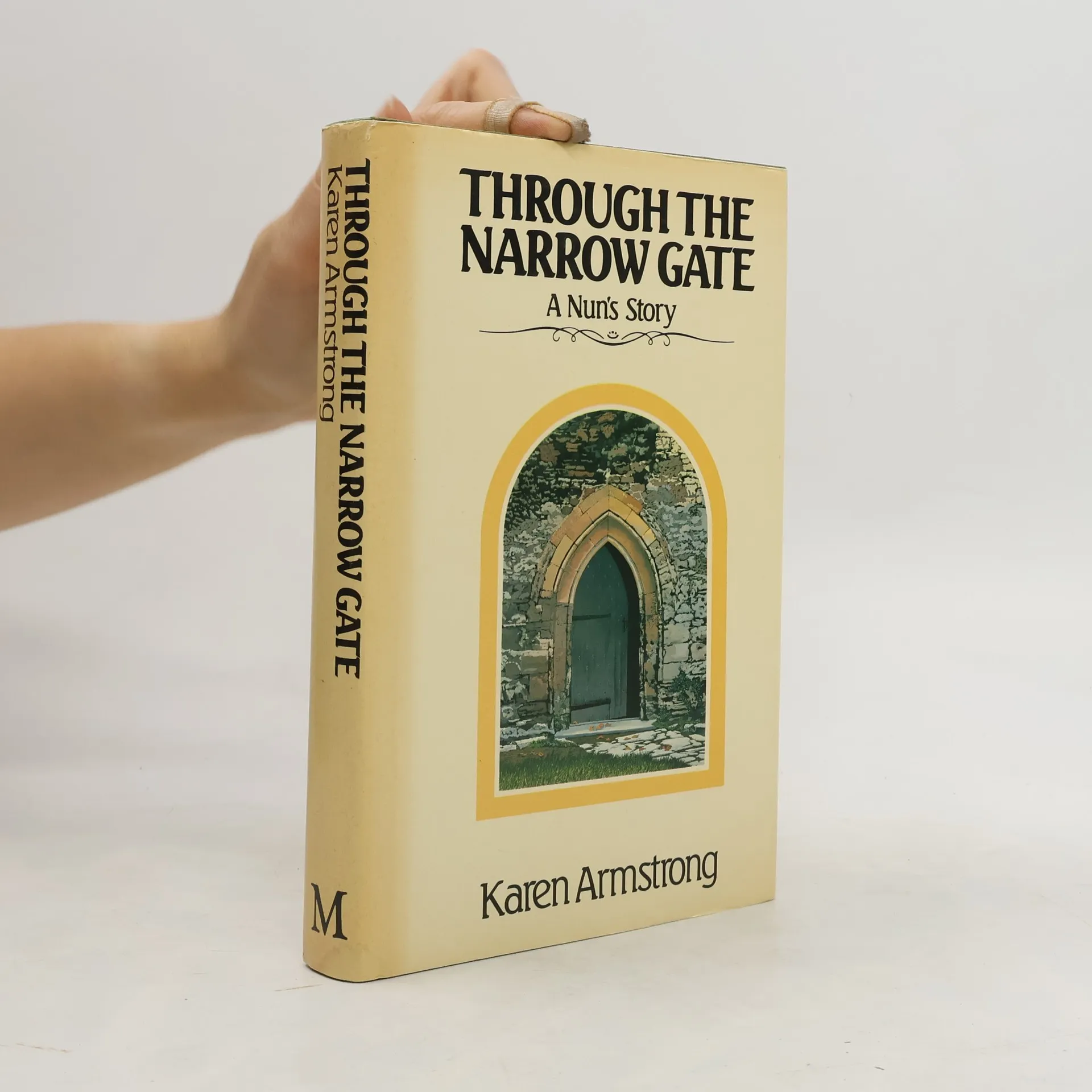
Through the Narrow Gate
- 285 stránek
- 10 hodin čtení
Read and cherished by thousands all over the world since it was first published in 1981, Through the Narrow Gate takes the reader on a spiritual journey that began one September day in 1962 when Karen Armstrong said good-bye to her family at London's King's Cross station and journeyed on to the convent in Tripton to become a nun. Through the Narrow Gate is by turns a book of spiritual revelation and an intimate look at life inside the cloistered walls of the convent.