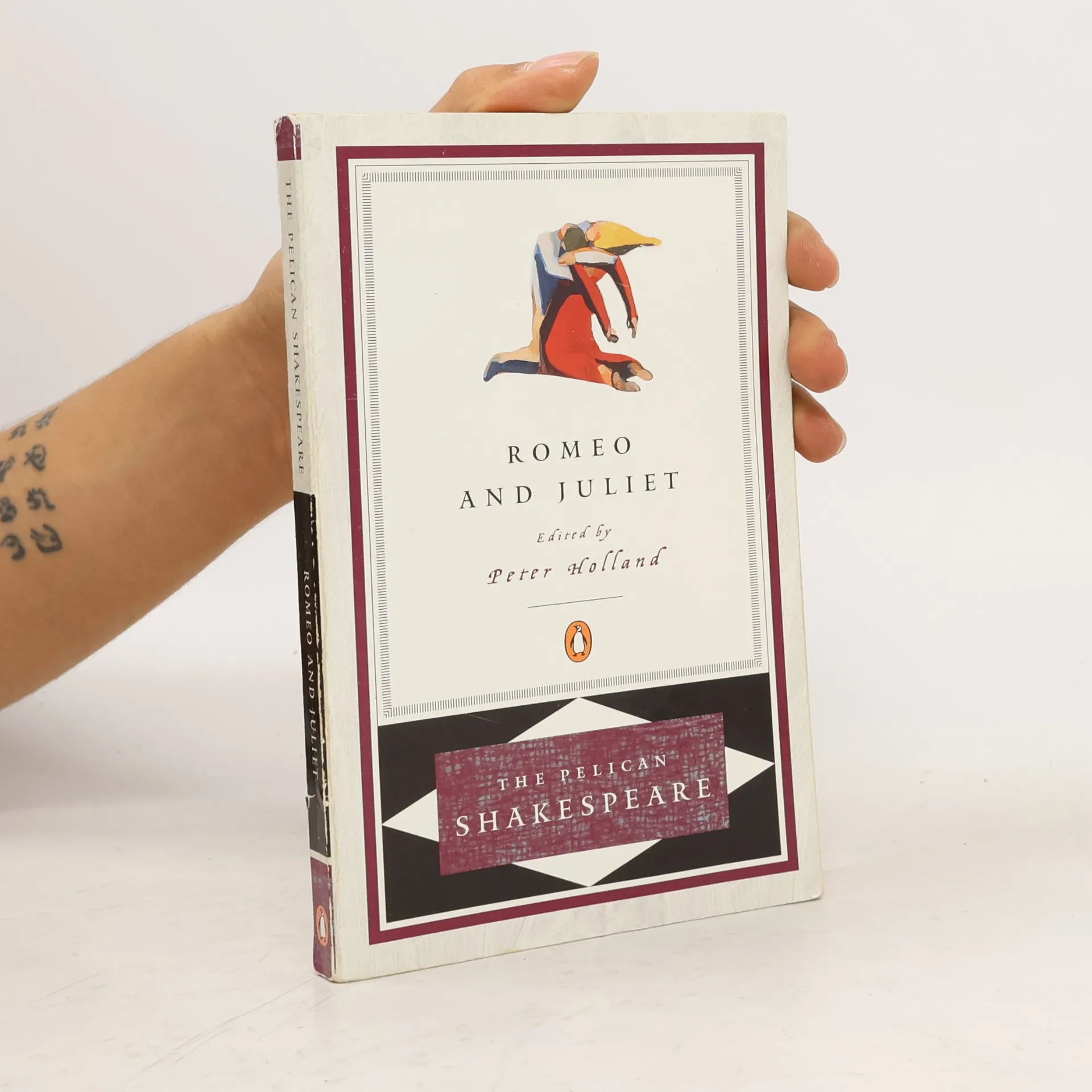
What does it signify when a Shakespearean character forgets something or when Hamlet determines to 'wipe away all trivial fond records'? How might forgetting be an act to be performed, or be linked to forgiveness, such as when in The Winter's Tale Cleomenes encourages Leontes to 'forget your evil. / With them, forgive yourself'? And what do we as readers and audiences forget of Shakespeare's works and of the performances we watch? This is the first book devoted to a broad consideration of how Shakespeare explores the concept of forgetting and how forgetting functions in performance. A wide-ranging study of how Shakespeare dramatizes forgetting, it offers close readings of Shakespeare's plays, considering what Shakespeare forgot and what we forget about Shakespeare. The book touches on an equally broad range of forgetting theory from antiquity through to the present day, of forgetting in recent novels and films, and of creative ways of making sense of how our world constructs the cultural meaning of and anxiety about forgetting. Drawing on dozens of productions across the history of Shakespeare on stage and film, the book explores Shakespeare's dramaturgy, from characters who forget what they were about to say, to characters who leave the stage never to return, from real forgetting to performed forgetting, from the mad to the powerful, from playgoers to Shakespeare himself.
Peter Holland Pořadí knih


- 2021
- 2013
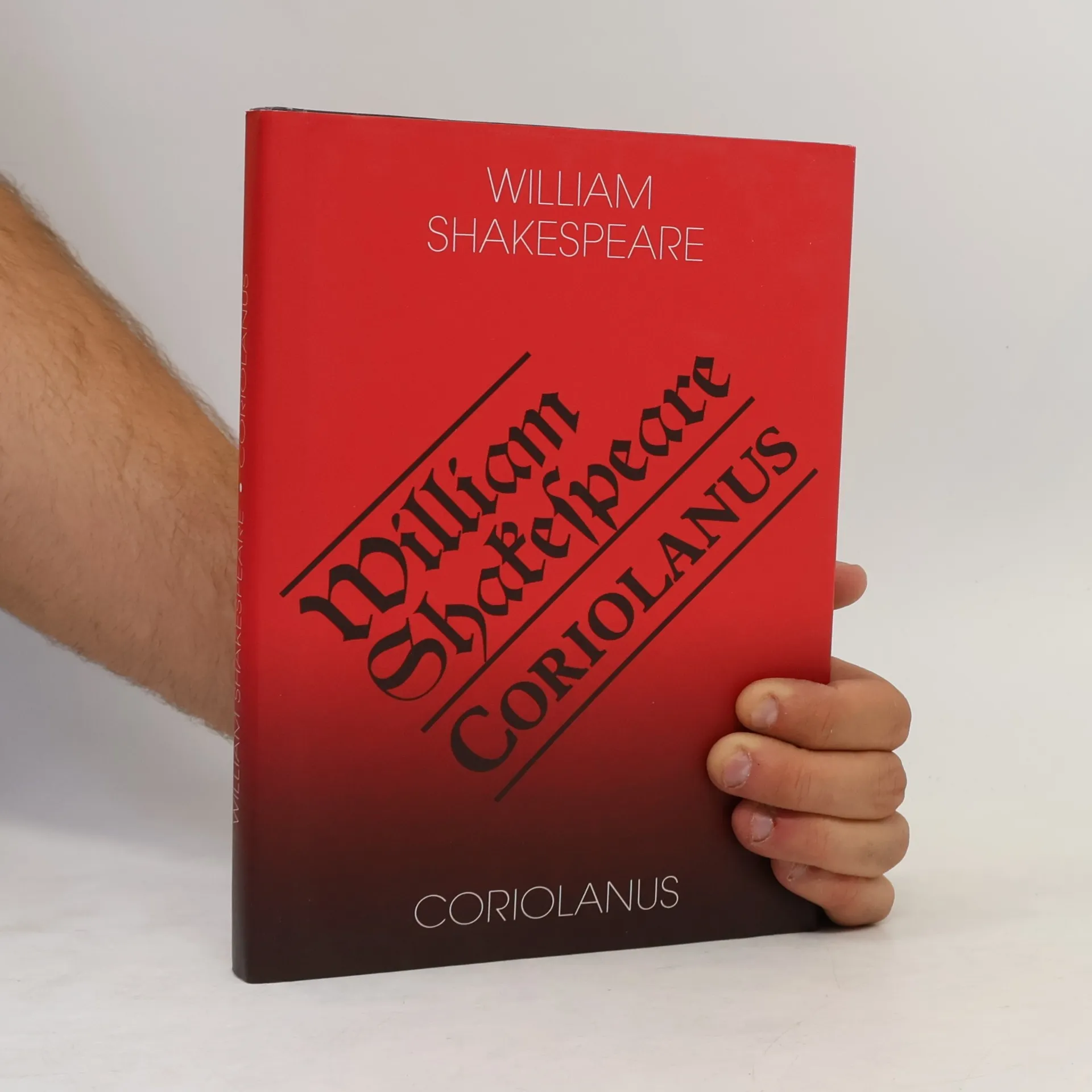
Coriolanus
- 177 stránek
- 7 hodin čtení
Divadelní program k inscenaci Činohry Národního Divadla, obsahuje také kompletní text hry poslední Shakespearovi tragédie z počátku 17. stol zasazené do starověkého Říma. Příběh římského generála Coriolana, odhodlaného k pomstě proti městu Řím.
- 2011
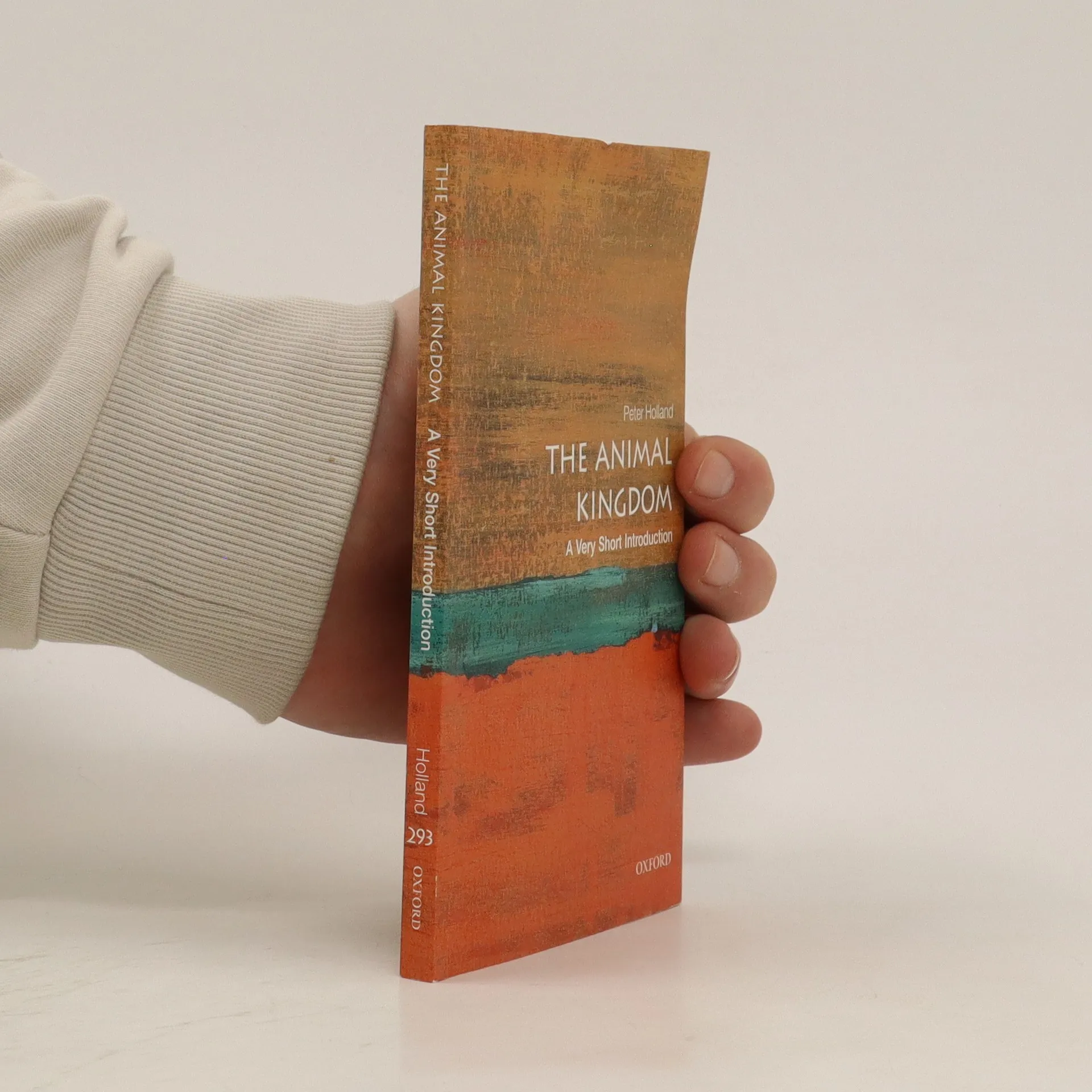
The Animal Kingdom: A Very Short Introduction
- 126 stránek
- 5 hodin čtení
Molecular biology has revolutionized our understanding of animals and their evolution. In this Very Short Introduction, Peter Holland provides an authoritative summary of the modern view of animal life, its origins, and the new classification resulting from DNA studies.
- 1998
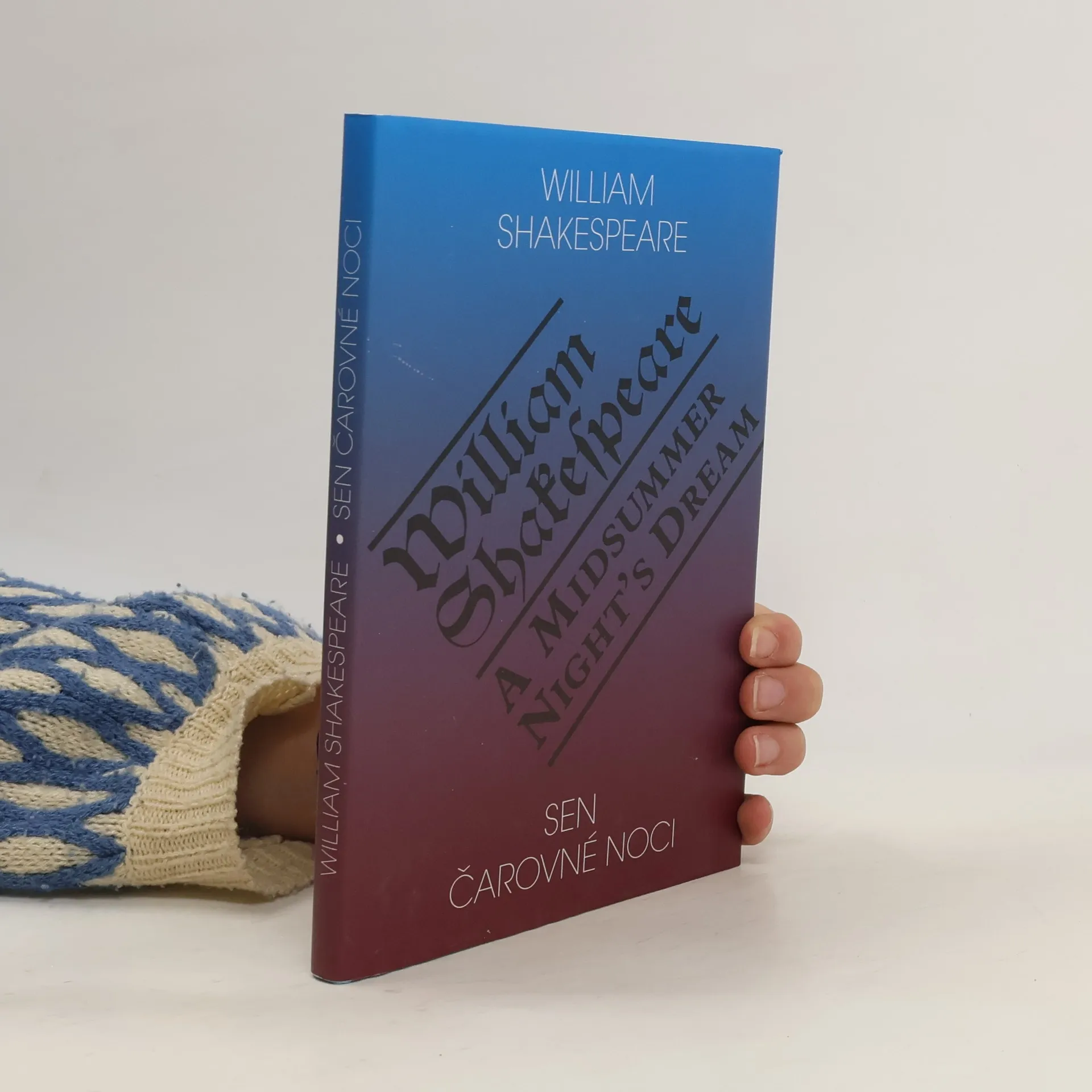
Sen noci svatojánské
- 93 stránek
- 4 hodiny čtení
Sen noci svatojánské je nejhranější a nejslavnější komedie Williama Shakespeara. Vypovídá především o lásce a jejích bláznivých proměnách, zároveň o básnické a divadelní imaginaci. Divadelní mág a iluzionista William Shakespeare v ní virtuózně a s hýřivou, strhující obrazností předvádí hru „bláznů a milenců a básníků“, která dodnes fascinuje diváky a čtenáře celého světa a zcela bezprostředně se nás týká. Vyšlo v rámci edice Souborné dílo Williama Shakespeara v překladu Martina Hilského, v souboru s dalšími třemi svazky: Večer tříkrálový, Jak se vám líbí, Marné lásky snaha.