
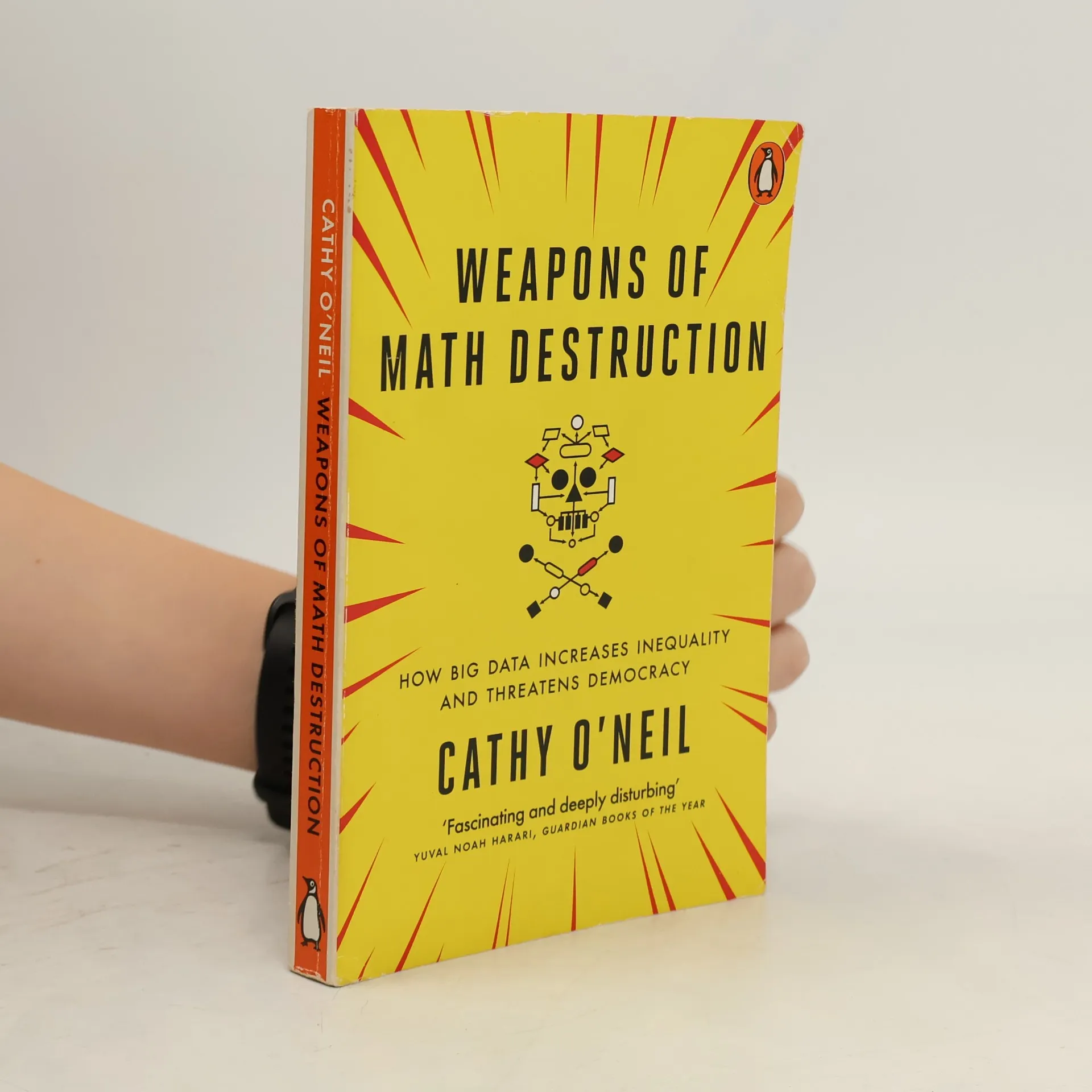
A New York Times Book Review Notable Book of 2016, this work provides a chilling examination of how algorithms increasingly govern our lives. O'Neil, an expert in the power and risks of mathematical models, uses her analytical skills and analogies to highlight the dangers of big data's weaponization. The book critiques the flawed use of information in assessing creditworthiness, policing, and more, presenting a thought-provoking perspective for those who believe data is infallible. It serves as a vital manual for 21st-century citizens, accessible and critically relevant. O'Neil's insights are both disturbing and illuminating, making a compelling case that our reliance on algorithms has gone too far. The narrative is direct and engaging, making complex topics understandable. It is described as the "The Jungle of our age," essential reading for data scientists and decision-makers who mistakenly think mathematical models can replace human judgment. O'Neil, with her background as an academic mathematician, Wall Street quant, and data scientist, exposes the exploitation inherent in algorithms that masquerade as neutral tools. This book is a fierce and necessary call to recognize the ethical and moral risks of an algorithmically driven world.
Cathy O'Neil Knihy


Doing data science
- 408 stránek
- 15 hodin čtení
A guide to the usefulness of data science covers such topics as algorithms, logistic regression, financial modeling, data visualization, and data engineering.
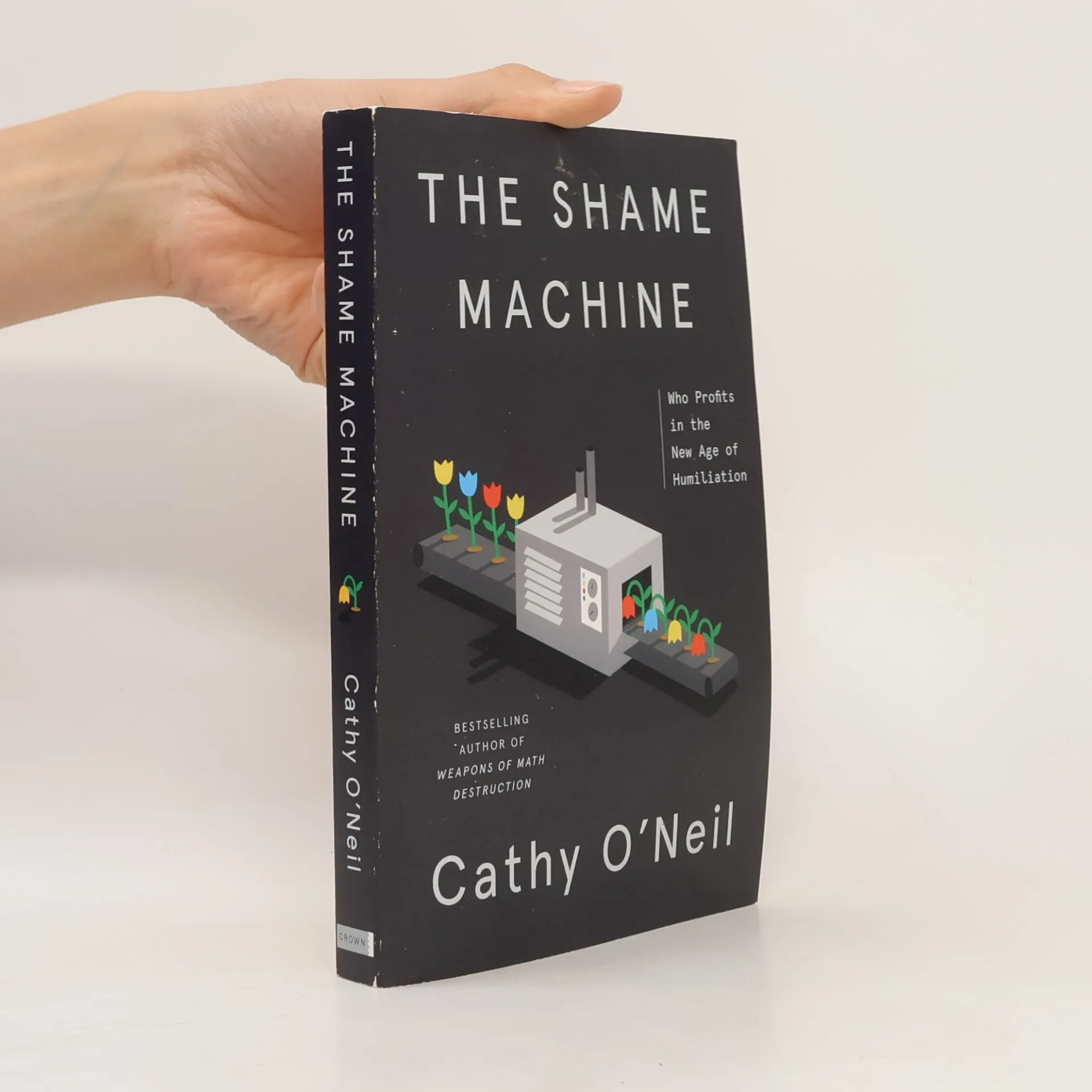
O'Neil argues that shaming has taken a new and dangerous turn. It is increasingly being weaponized, used as a way to shift responsibility for social problems from institutions to individuals. She explores the machinery behind all this shame, showing how governments, corporations and the healthcare system capitalize on it
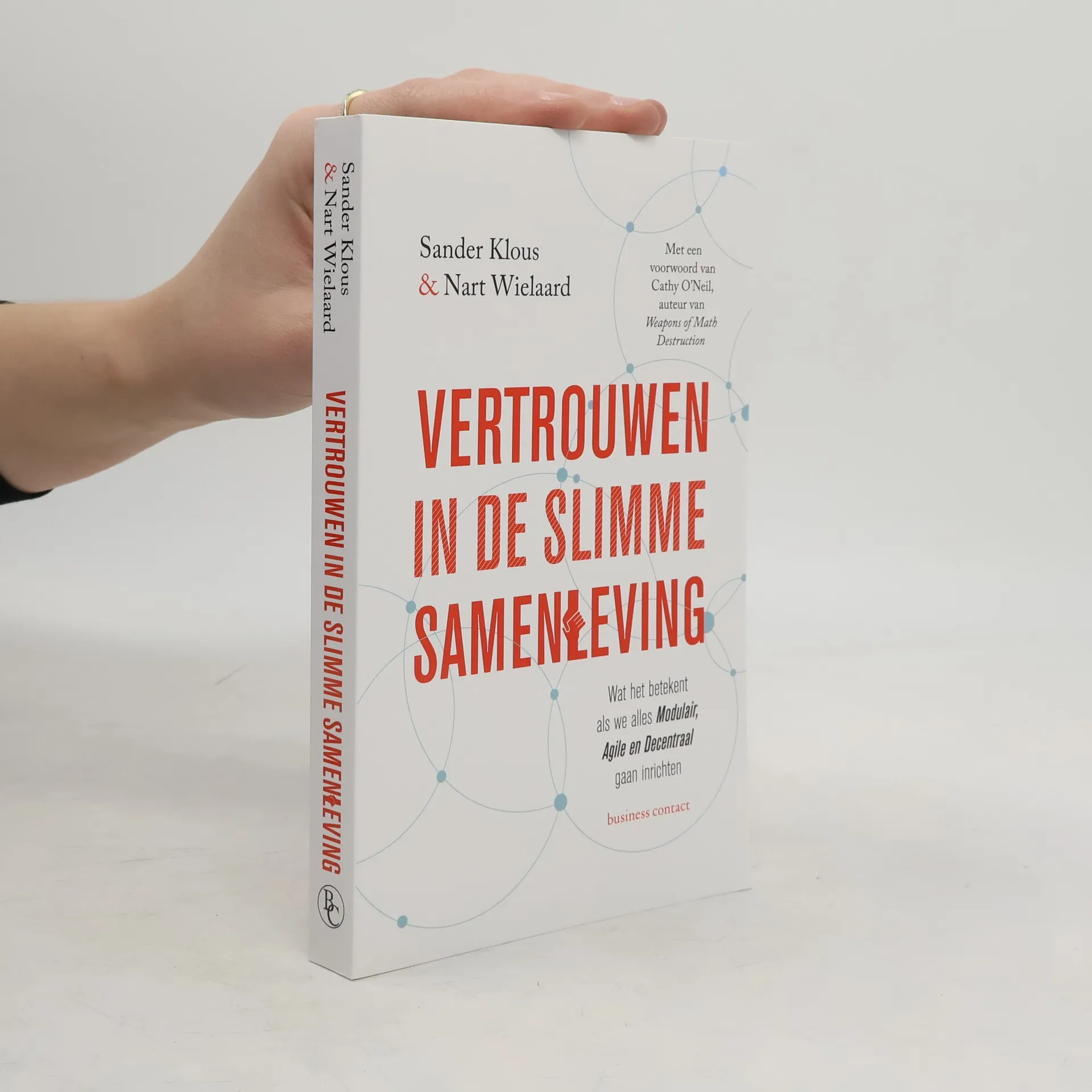
Vertrouwen in de slimme samenleving
- 208 stránek
- 8 hodin čtení
Sander Klous en Nart Wielaard gaan na het baanbrekende "Wij zijn big data' nog in hun nieuwe boek "Vertrouwen in de slimme samenleving'. Hoe kunnen wij als samenleving omgaan met de grootste uitdaging van deze tijd: grip houden op onze steeds complexer wordende wereld? De slimme samenleving is geweldig: algoritmes helpen om ons leven aangenamer of efficiënter te maken. Denk aan zelfrijdende auto's of software die een dokter ondersteunt om betere diagnoses te stellen. Tegelijkertijd lopen we tegen grenzen aan: de complexiteit is groter dan ooit en er ontstaan ethische dilemma's nu machines steeds meer invloed krijgen. Daarmee komen nieuwe vragen op: wordt slim en zorgvuldig informatiebeheer de "make or break factor'? Kunnen we algoritmes – en de bedrijven die ze toepassen – wel vertrouwen? Hoe kunnen organisaties succesvol omgaan met de ongekende complexiteit? Hoe zorgen we voor goed toezicht op die slimme samenleving? Klous en Wielaard laten zien dat we een nieuwe blik op deze vragen nodig hebben. Hun advies is om de "bumpy ride to the future' met vertrouwen in te richten: Modulair, Agile en Decentraal. Wie eenmaal met deze bril naar zijn omgeving kijkt, krijgt grip op een snel veranderende wereld. "Eindelijk een boek dat helder en goed onderbouwd duidelijk maakt welke invloed algoritmes hebben op de maatschappij en hoe organisaties daarmee om kunnen gaan.' – Prof. dr. Marc Salomon, decaan Amsterdam Business School