The point of departure for the present publication is the strikingly innovative artistic spirit of the Russian avant-garde, along with the "Socialist Realism" that became established after the revolution. It addresses the radical conceptions of the revolutionary artistic movements of the early 20th century and their significance for the breakthroughs to abstraction and Constructivism. It also traces the implications and the traces of "Socialist Realism" as an ideologically motivated pictorial formula up to the present day. Also investigated is the actuality and viability of revolutionary ideas and art with reference to numerous examples of both abstract and representational art. For those interested in the works and ideas of these movements, and in the artistic consequences of the October Revolution in general, this sumptuous publication offers fascinating insights and a comprehensive overview.
Michael Baumgartner Knihy
Shappy Seholtz je mistr National Poetry Slam a dvojnásobný národní šampion ve forenzních disciplínách. Jeho poezie, která odráží jeho bohaté zkušenosti z vystupování na velkých pódiích, je známá svou naléhavostí a syrovou upřímností. Shappyho styl často zkoumá témata identity, sociální spravedlnosti a hledání smyslu v chaotickém světě. Jeho práce rezonuje s publikem díky své rytmické kadenci a silnému emocionálnímu dopadu.

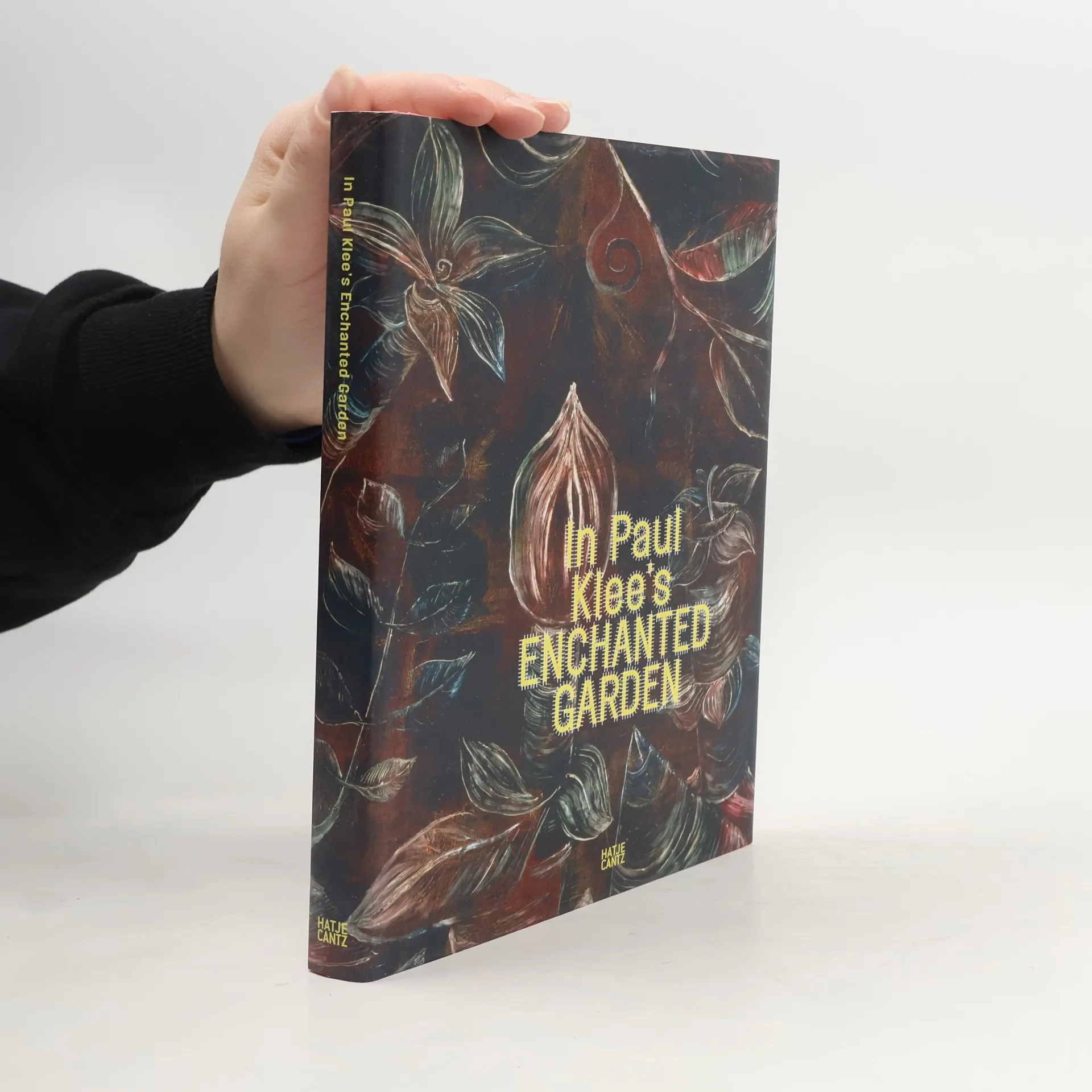
In Paul Klee's enchanted garden
- 205 stránek
- 8 hodin čtení
This generously illustrated, expertly annotated publication presents all the riches of Paul Klee’s floral paintings, works by an artist whom the natural world provided an inexhaustible source of inspiration.
Short guide / Zentrum Paul Klee Bern
- 120 stránek
- 5 hodin čtení
Der handliche Kurzführer ist ein 'Muss' für alle Besucher des Zentrum Paul Klee: Großzügig bebildert und leicht verständlich geschrieben, führt er in kompakter Form durch Leben und Werk von Paul Klee, lässt die zahlreichen Höhepunkte der Sammlung Revue passieren, beschreibt die außergewöhnliche Architektur von Renzo Piano und berichtet über die vielfältigen Aktivitäten des Museums. Der informative Band bereitet Sie damit bestens auf einen Besuch des Zentrum Paul Klee vor, zugleich ist er - nach einem Aufenthalt in Bern - ein attraktives Souvenir zu einem günstigen Preis. (Deutsche Ausgabe erhältlich ISBN 3-7757-1535-5; französische Ausgabe erhältlich ISBN 3-7757-1537-1; italienische Ausgabe erhältlich ISBN 3-7757-1538-X)
Paul Klee (1879–1940) is one of the most important representatives of modern art. His oeuvre is as universal as it is individual, standing tall among all of the currents and “isms” of his day. His overwhelming body of paintings, drawings, and other visual works; his letters, journal entries, and, last but not least, his teaching notes form the background for this pointed depiction of the life and work of the meditative artist and visual thinker. This richly illustrated volume traces Klee’s eventful biography, ranging from his artistic beginnings with caricature-like drawings and nudes, his encounter with the avant-garde and the famous watercolors from his journey to Tunisia, the abstract color compositions from the Bauhaus era, to the mysterious, inventive images of his last years in Bern.
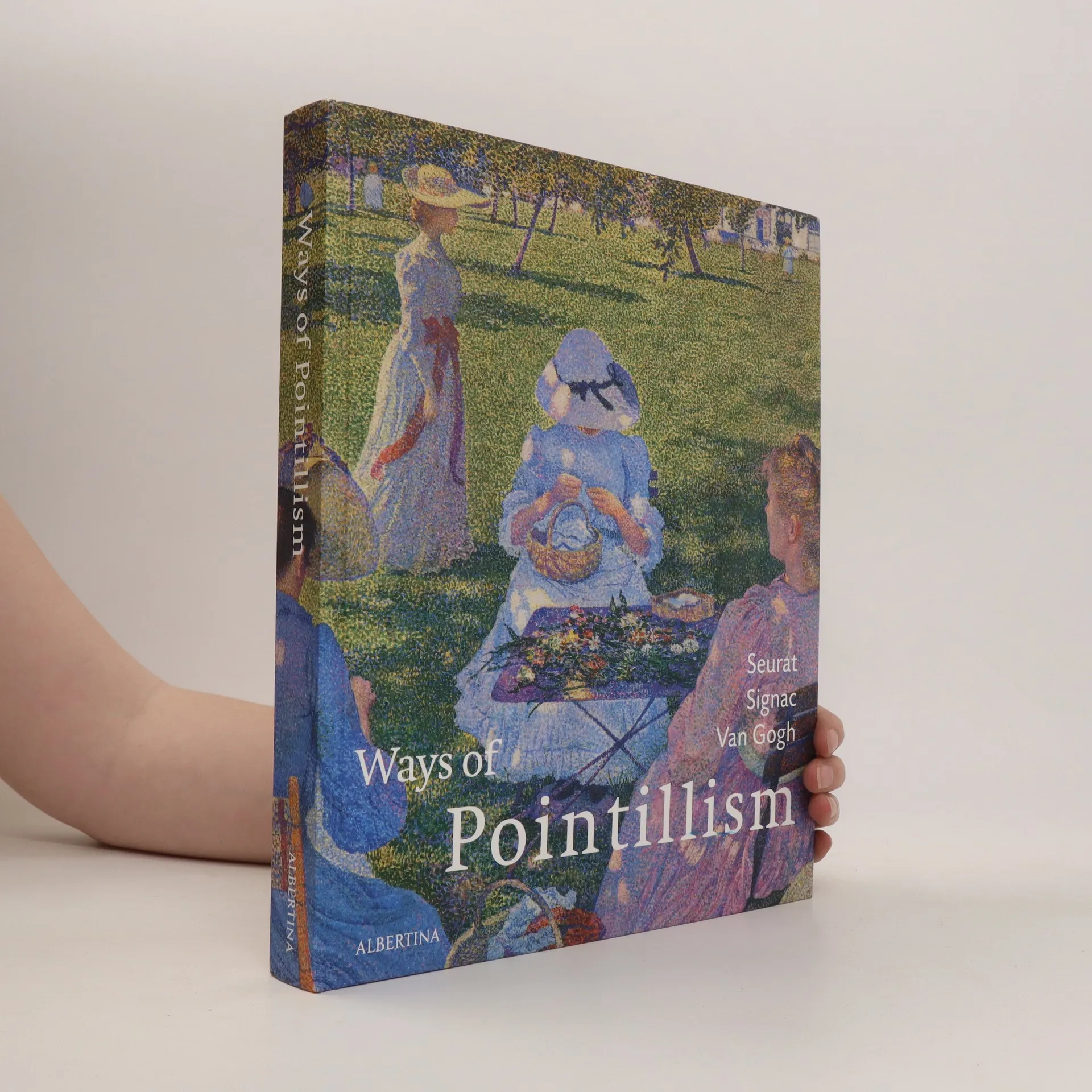
With their pioneering method using dots, the artists of Pointillism no longer directed their gaze only towards the imitation of reality. In their paintings between 1886 and 1930 their dots, colour and light assumed an independent existence to create masterpieces of unprecedented brightness and colour diversity. The works by the inventors of this technique, Georges Seurat and Paul Signac, marked the beginning of this exuberant outburst of colour. Works by Henri Matisse, Pablo Picasso, Carlo Carrá, Karl Schmidt-Rottluff, Piet Mondrian and Paul Klee demonstrate how artists made a study of Pointillism during the 20th century. Vincent van Gogh contributed to the way that modernist painters abandoned Pointillism. More than 100 selected works, including paintings, watercolours and drawings, illuminate the dawn of a new era which this art movement was responsible for bringing about: the beginning of modern painting.
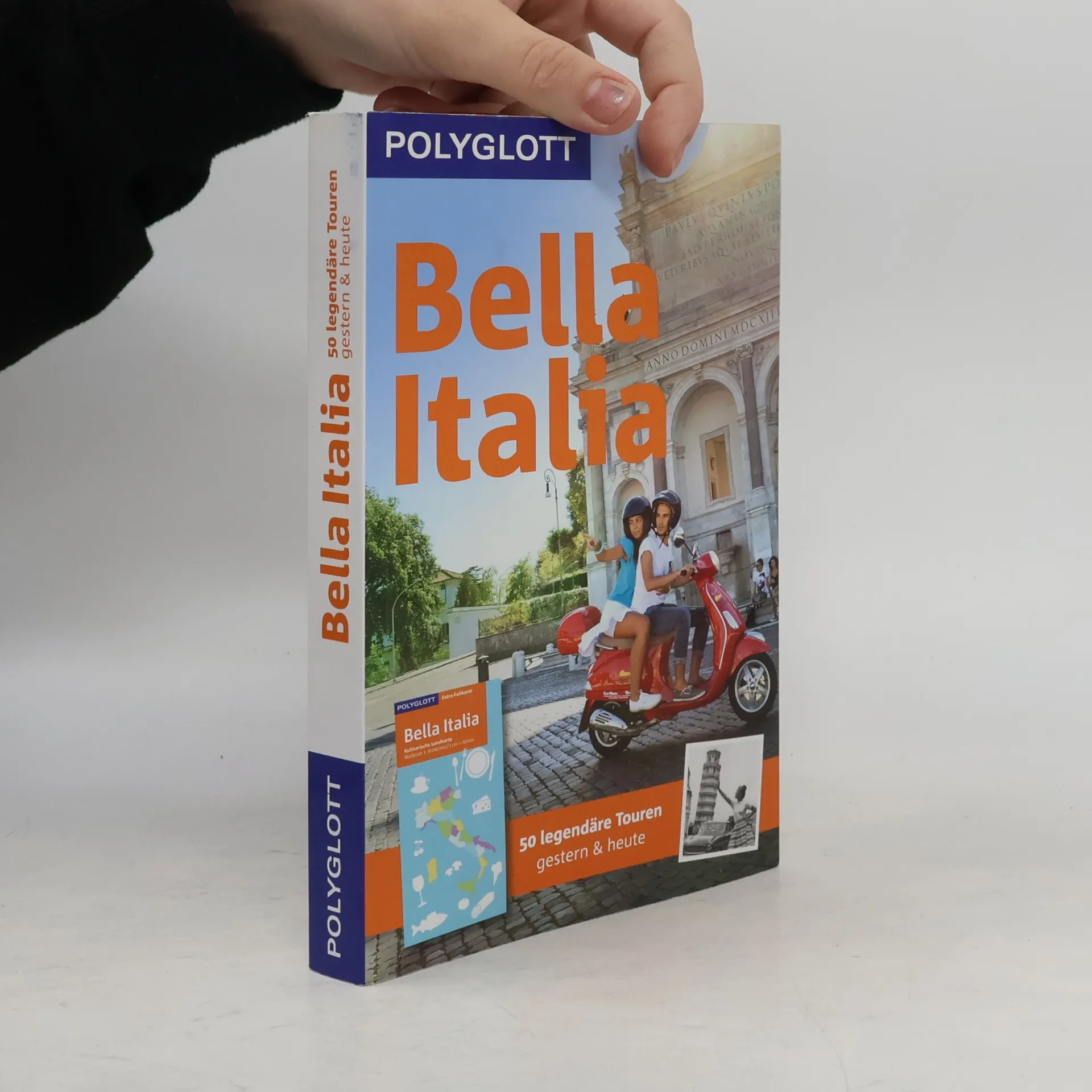
POLYGLOTT Edition Bella Italia: 50 legendäre Touren gestern und heuteImmer wieder schön, immer wieder bella – Italien, das Traumland, Heimat von Zitronenlikör, Olivenseife und Spaghetti, kleinen Autos und großen Tenören, leidenschaftlichen Sportevents und hinreißenden Landstrichen – und das seit Jahrzehnten!Der Besteller erscheint in einer dritten, topaktualisierten Auflage und ist opulent ausgestattet: 50 Touren mit historischen und zeitgenössischen Fotos, eine herausnehmbare Faltkarte, auf der zahlreiche regionale Spezialitäten eingezeichnet sind, und eine witzige Postkarte für alle Leser zum Verschicken. Italien ist immer ein attraktives Ziel, und die nostalgischen Rückblicke und aktuellen Informationen machen Lust auf mehr!
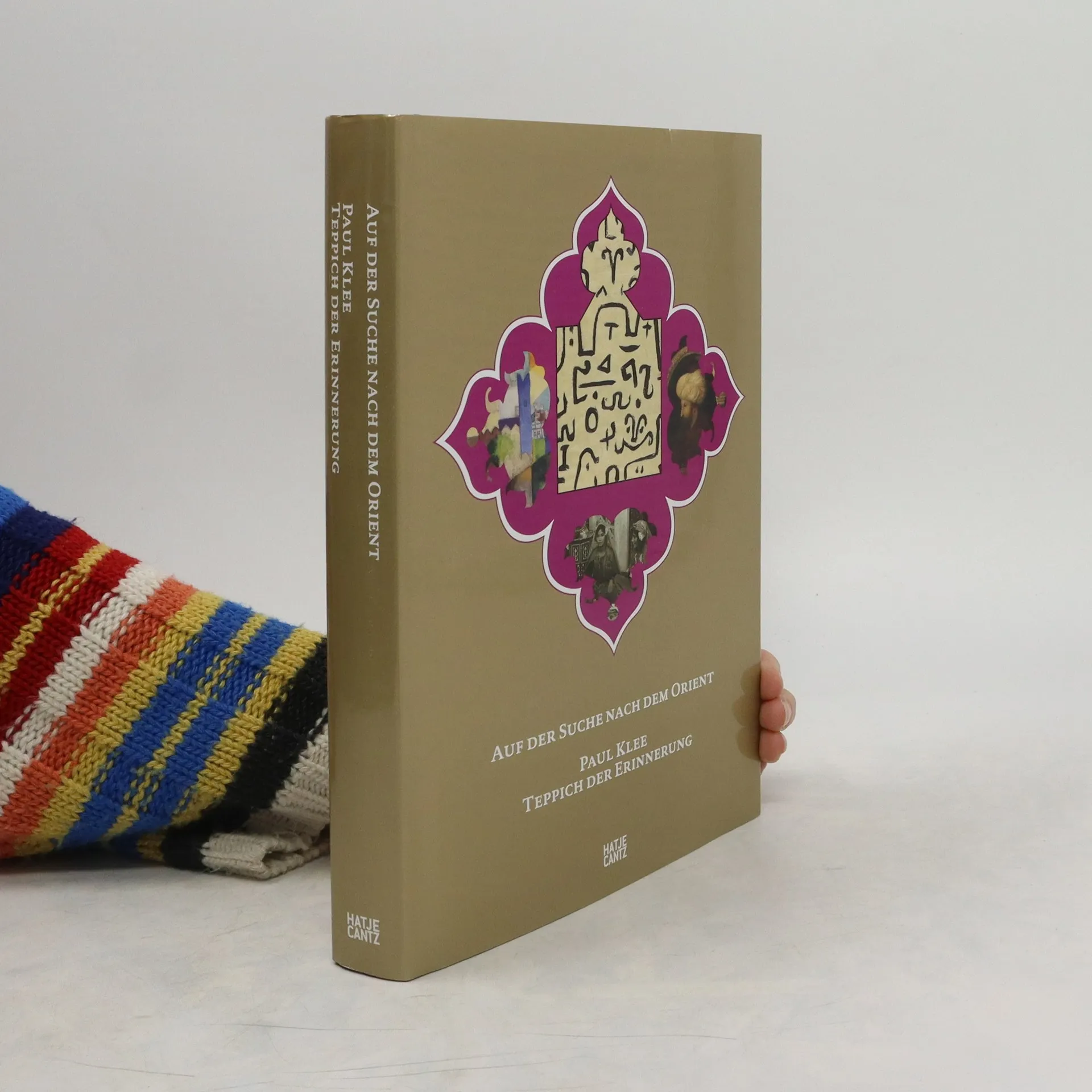
Auf der Suche nach dem Orient
- 269 stránek
- 10 hodin čtení
'Das ist der glücklichen Stunde Sinn: Ich und die Farbe sind eins. Ich bin Maler.' – Mit diesen euphorischen Worten fasste Paul Klee die Eindrücke seiner berühmten Reise nach Tunesien zusammen, die er 1914 mit August Macke und Louis Moilliet unternahm. Sie wurde zu einem Wendepunkt in seinem Schaffen, noch Jahrzehnte schöpfte er aus den unvergleichlichen Impressionen Nordafrikas. Ausgehend von der Faszination Paul Klees wird in diesem Band die Beziehung zwischen Okzident und Orient und ihre reiche kunst- und kulturhistorische Geschichte umfassend beleuchtet. Ein Beitrag zur islamischen Kunst bildet einen ersten Schwerpunkt. Die Orientbegeisterung der Künstler der frühen Neuzeit wird ebenso untersucht wie die Tradition der Künstlerreisen von Eugène Delacroix bis Henri Matisse. Dabei wird auch der Frage nachgegangen, wie sich Klees Vorstellungen in diese Orientrezeption einordnen lassen. Dass auch das relativ neue Medium der Fotografie massgeblich zum Orientbild in dieser Zeit beigetragen hat, wird durch eine kritische Annäherung an das Phänomen dokumentiert. (Französische Ausgabe ISBN 978-3-7757-2361-9) Ausstellungen: Zentrum Paul Klee, Bern, Auf der Suche nach dem Orient. Von Bellini bis Klee 7.2.–24.5.2009 und Paul Klee. Teppich der Erinnerung 30.5.–30.8.2009
Franz Marc - Paul Klee. Ein Dialog in Bildern
- 253 stránek
- 9 hodin čtení
Franz Marc und Paul Klee, bedeutende Avantgarde-Künstler des 20. Jahrhunderts, verband eine enge Freundschaft, die trotz Marcs frühem Tod im Ersten Weltkrieg von großer Bedeutung war. Eine Ausstellung dokumentiert ihre Beziehung, inklusive Briefe, Geschenke und gemeinsame Projekte, ergänzt durch Fachaufsätze.
Imkern für Einsteiger
Das große und praxisnahe Imker Buch für Anfänger - Alles über Bienen, Imkerei und Honig
- 120 stránek
- 5 hodin čtení
„Wenn die Biene einmal von der Erde verschwindet, hat der Mensch nur noch 4 Jahre zu leben." – Albert Einstein. Die heutige Welt ist stark von Bienen abhängig, doch ihre Lebensräume werden zunehmend zerstört. Jeder kann aktiv helfen, indem er einen eigenen Bienenstock hält und den Bienen ein neues Zuhause bietet. „Helfen Sie mit, die Bienen zu retten." - Autor Michael Baumgärtner. Imkern ist eine Jahrtausende alte Kunst und ein spannendes Hobby, das immer mehr Menschen begeistert, auch in städtischen Gebieten. Die Liebe zur Natur, der Ausgleich zum stressigen Berufsleben und die Herstellung von reinem Honig sind häufige Beweggründe. Die Anschaffung und Pflege eines Bienenstocks sind oft weniger aufwendig als gedacht, und das Imkern kann jeder erlernen. Dennoch sind einige Grundregeln wichtig für die sichere Haltung von Bienen. In diesem Praxis-Ratgeber erfahren Sie alles Wichtige für den Einstieg ins Imkern. Er bietet einen umfassenden Überblick über die Aufgaben im ersten Bienenjahr und beantwortet zentrale Fragen. Mit einer Schritt-für-Schritt-Anleitung und Profi-Tipps von der Anschaffung über die Pflege bis zur Honigernte sind die Handlungsempfehlungen leicht umsetzbar. Werden Sie Imker und entdecken Sie die einzigartige Mischung aus Gärtner-Hobby, Zucht-Kunst und Lebensmittel-Handwerk. Bestellen Sie jetzt dieses Standard-Werk über das Imkern – ideal als Geschenk für Gärtner, Umweltschützer und junge Rentner.
Zentrum Paul Klee, Bern
- 128 stránek
- 5 hodin čtení
Trad. française: Zentrum Paul Klee, Berne. - Engl. Übers.: Zentrum Paul Klee, Bern.
Zentrum Paul Klee, Berne
- 128 stránek
- 5 hodin čtení
Max Huggler war von den 1930ern bis in die 1960er-Jahre ein bedeutender Kunstmentor und Wegbereiter der Moderne in Bern. Er leitete zunächst die Kunsthalle (1931–1943) und später das Kunstmuseum Bern (1943–1965), wo er die Berner Museums- und Kunstwelt entscheidend prägte. Die Biografie bietet erstmals einen umfassenden Einblick in sein Leben und Wirken, basierend auf Hugglers Entwürfen einer Autobiografie sowie umfangreichem Quellenmaterial. Michael Baumgartner schildert facettenreich und bildreich Hugglers Tätigkeit an der Kunsthalle und am Kunstmuseum, seinen Einsatz für die Paul-Klee-Stiftung und die Hermann und Margrit Rupf-Stiftung, sowie seine Ankaufs- und Sammlungspolitik in den 50er- und 60er-Jahren. Auch seine akademische Arbeit an der Universität und die Hintergründe seiner Rolle als Leiter und Kurator bahnbrechender Ausstellungen werden beleuchtet, darunter die größte Ausstellung zu Lebzeiten Ernst Ludwig Kirchners (1933) und die Propagandaausstellung des Dritten Reichs «Deutsche Kunst des 19. Jahrhunderts» (1916). Zudem wird seine kunstpolitische Haltung gegenüber den Nationalsozialisten und die Kulturpolitik Berns in den 30er- und 40er-Jahren thematisiert. Das Buch bringt ein Stück Schweizer Kunstgeschichte lebendig und bietet faszinierende Einblicke in die Kunst- und Kulturgeschichte im Übergang von Tradition zu Moderne.
Zweiteiliges Buch mit Wendecover: russische Avantgarde und „sozialistischer Realismus“ im Umfeld der Russischen Revolution! Der revolutionäre bildnerische Geist der russischen Avantgarde sowie der „Sozialistische Realismus“, der sich nach der Revolution durchsetzte, sind Ausgangspunkt dieses Buchs. Es setzt sich mit den radikalen Konzepten der revolutionären künstlerischen Bewegungen am Beginn des zwanzigsten Jahrhunderts und deren Bedeutung für den Durchbruch der abstrakten und konstruktiven Kunst auseinander. Weiter folgt es den Auswirkungen und Spuren des „Sozialistischen Realismus“ als ideologisch geprägte Bildformel bis in die Gegenwart. Darüber hinaus wird die Aktualität und Durchführbarkeit revolutionärer Gedanken in der Kunst anhand zahlreicher Beispiele im abstrakten wie im gegenständlichen Bereich untersucht. Dieser opulente Band liefert für jeden, der sich mit den Werken, Konzepten und künstlerischen Folgen der russischen Revolution befassen will, einen umfassenden Ein- und Überblick.
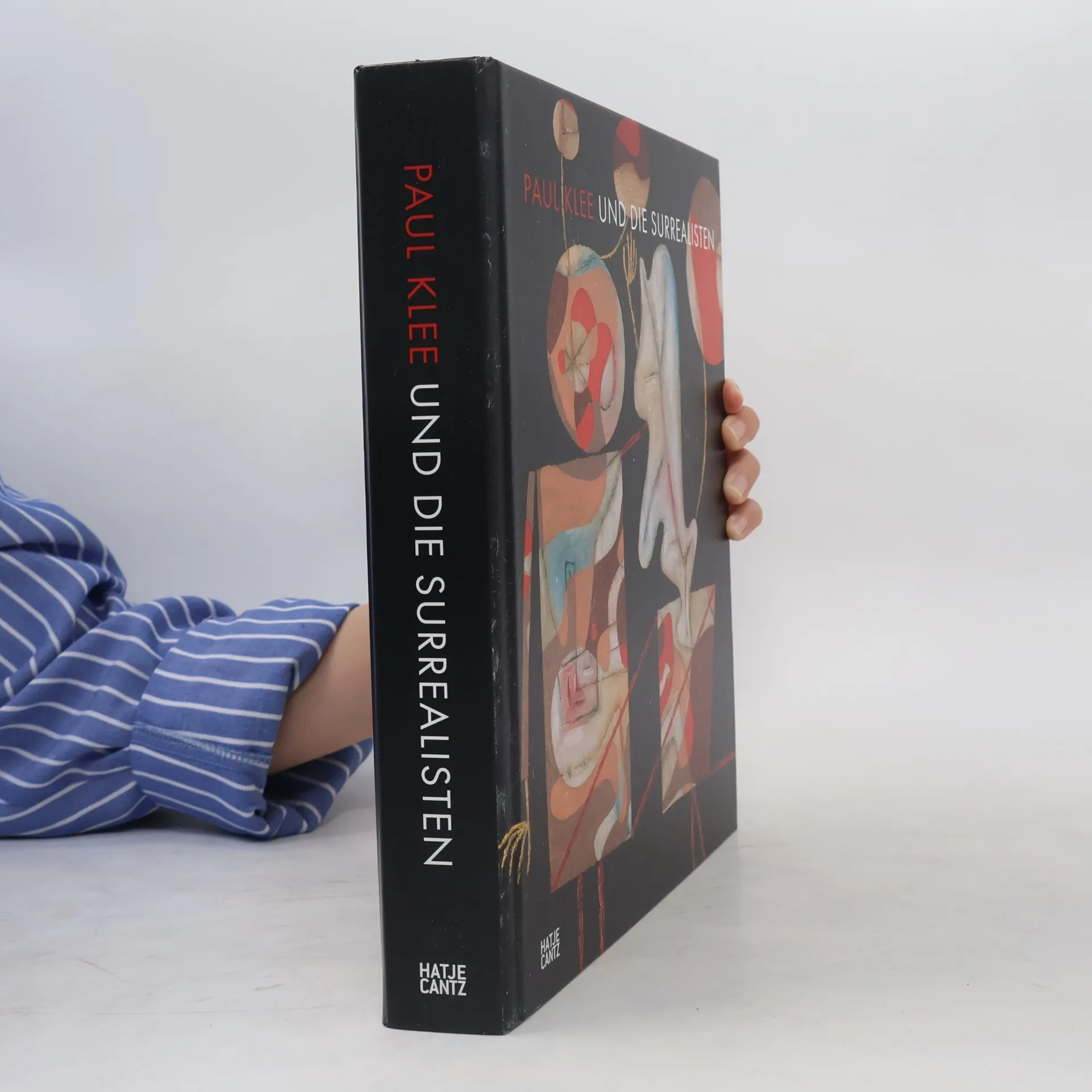
Paul Klee und die Surrealisten
- 400 stránek
- 14 hodin čtení
Was haben Louis Aragon, Antonin Artaud, Paul Éluard, Joan Miró und André Masson mit dem Maler und Bauhausmeister Paul Klee zu tun? Diese genreübergreifende und überaus spannende Fragestellung wird nun erstmalig in einer facettenreichen Ausstellung verhandelt. Dass die französischen Surrealisten ihre zentralen Begriffe, wie 'Traum', 'Kosmos' und 'Vision', in der magischen, transzendentalen Malerei des Deutschen reflektiert sahen und ihn zu ihrem Spiritus Rector machten, ist auch vor dem Hintergrund der politischen Situation im Europa zwischen den Weltkriegen bemerkenswert. Ausstellung und Katalogbuch beleuchten ein faszinierendes Kapitel deutsch-französischer Künstlerbeziehungen und stellen deren enorme kunsthistorische Bedeutung heraus. Präzise beleuchtet und geordnet nach einzelnen Themenbereichen, wie etwa 'Écriture automatique', 'Die Welt als Traum' oder 'Porträts und Masken', vermittelt das Buch dem Leser Aufschluss über eine wichtige Schnittstelle zwischen literarischer und künstlerischer Avantgarde in Europa in bewegten Zeiten. Ausstellung: Zentrum Paul Klee, Bern 18.11.2016–12.3.2017
Historiografie der Moderne
Carl Einstein, Paul Klee, Robert Walser und die wechselseitige Erhellung der Künste
- 341 stránek
- 12 hodin čtení
Die Werke von Carl Einstein, Paul Klee und Robert Walser gelten in der Historiografie der Moderne als ›singulär‹ und repräsentativ für die ›wechselseitige Erhellung der Künste‹. Die Beiträge des Bandes untersuchen, wie sich in der historiografischen Behandlung der drei Zeitgenossen Beschreibungskategorien wie Intermedialität, Transnationalität und Pluridisziplinarität topisch verdichten. Die angewandte Kombination bildhistorischer und textwissenschaftlicher Perspektiven erweist in exemplarischer Weise, wie sich die modernen Künste nicht nur selbst reflektieren, sondern auch ausdifferenzieren und hybridisieren müssen, um der als immer bildmächtiger und dynamischer erlebten Wirklichkeit – dem überwältigenden ›Simultané‹ (Carl Einstein) – noch gewachsen zu sein. Der Band ist ein Gemeinschaftswerk der Carl-Einstein-Gesellschaft, des Zentrums Paul Klee und des Robert Walser-Zentrums.
Die Spielekartei Hund ist eine Sammlung von 140 Spielenund Übungen für die hundegestützte Pädagogik undTherapie. Die Spiele sind ideal für Kinder von drei bis zwölfJahren. Die Spiele sind nach Förderbereichen sortiert und farblich gekennzeichnet. Sie bieten zahlreiche Möglichkeiten, den Hund in die pädagogische Praxis der Schule, der Kita und in heil- und sonderpädagogischen sowie therapeutischen Einrichtungen o. ä. zu integrieren. So lernen die Kinder in Einzelübungen, Kleingruppenübungen und Kreisspielen die Bedürfnisse des Hundes kennen. Der Hund agiert zudem als Motivator, z. B. in der Förderung sozial-emotionaler, mathematischer oder motorischer Kompetenzen. Durch das praktische Karteikartenformat lassen sich die Spiele vor der Stunde auswählen und mitnehmen.
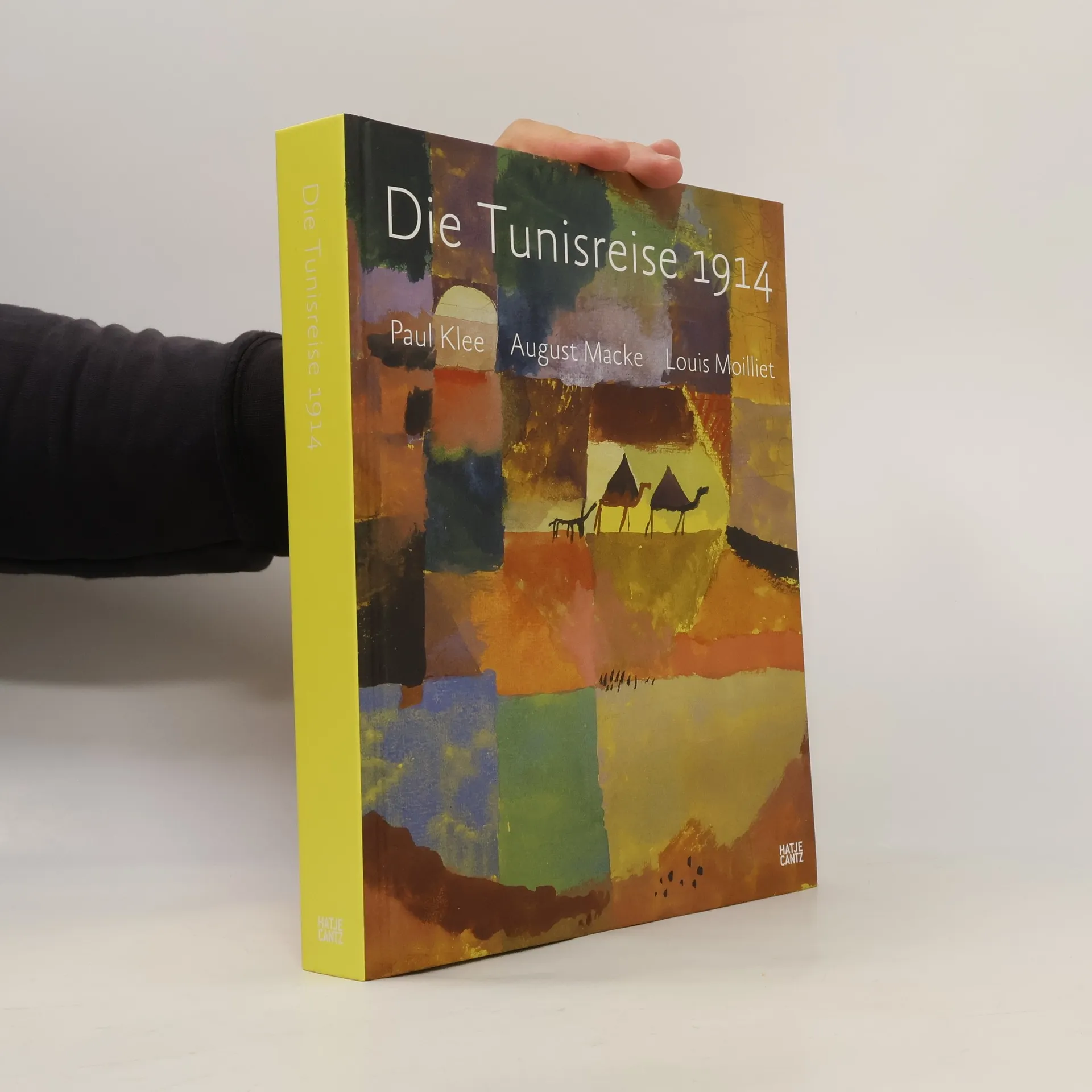
Die Tunisreise 1914
- 336 stránek
- 12 hodin čtení
Die Tunisreise ist sicher eines der beliebtesten Kapitel der Kunstgeschichte. Als Paul Klee mit den Malerfreunden August Macke und Louis Moilliet im April 1914 nach Tunesien aufbricht, erwartet ihn eine Fülle von Eindrücken: Tunis, St. Germain, Hammamet, Kairouan; die Menschen, Architektur und Szenerie des Landes inspirieren die drei Künstler zu einer Vielzahl von Aquarellen und Zeichnungen. Sie lösen sich vom anekdotenhaften Orientalismus des 19. Jahrhunderts, abstrahieren ihre Motive, wandeln sie in ornamentale Formen und kristalline Strukturen. Ihre überraschenden Bildfindungen stellen einen Gipfelpunkt der frühen Moderne dar. Paul Klee geht am weitesten. Ihm wird die Farbe zum wichtigsten Gestaltungsmittel, er löst den Bildgegenstand in Farbflächen auf, das Bildgefüge wird zum Raster, das er mit Arabesken und Chiffren überzieht. Die profunde Publikation knüpft an die Tradition unserer äußerst erfolgreichen Veröffentlichung zur Tunisreise von 1982 an, einem Meilenstein der Verlagsgeschichte. (Englische Ausgabe ISBN 978-3-7757-3763-0, französische Ausgabe ISBN 978-3-7757-3761-6) Ausstellung: Zentrum Paul Klee, Bern 15.3.–22.6.2014
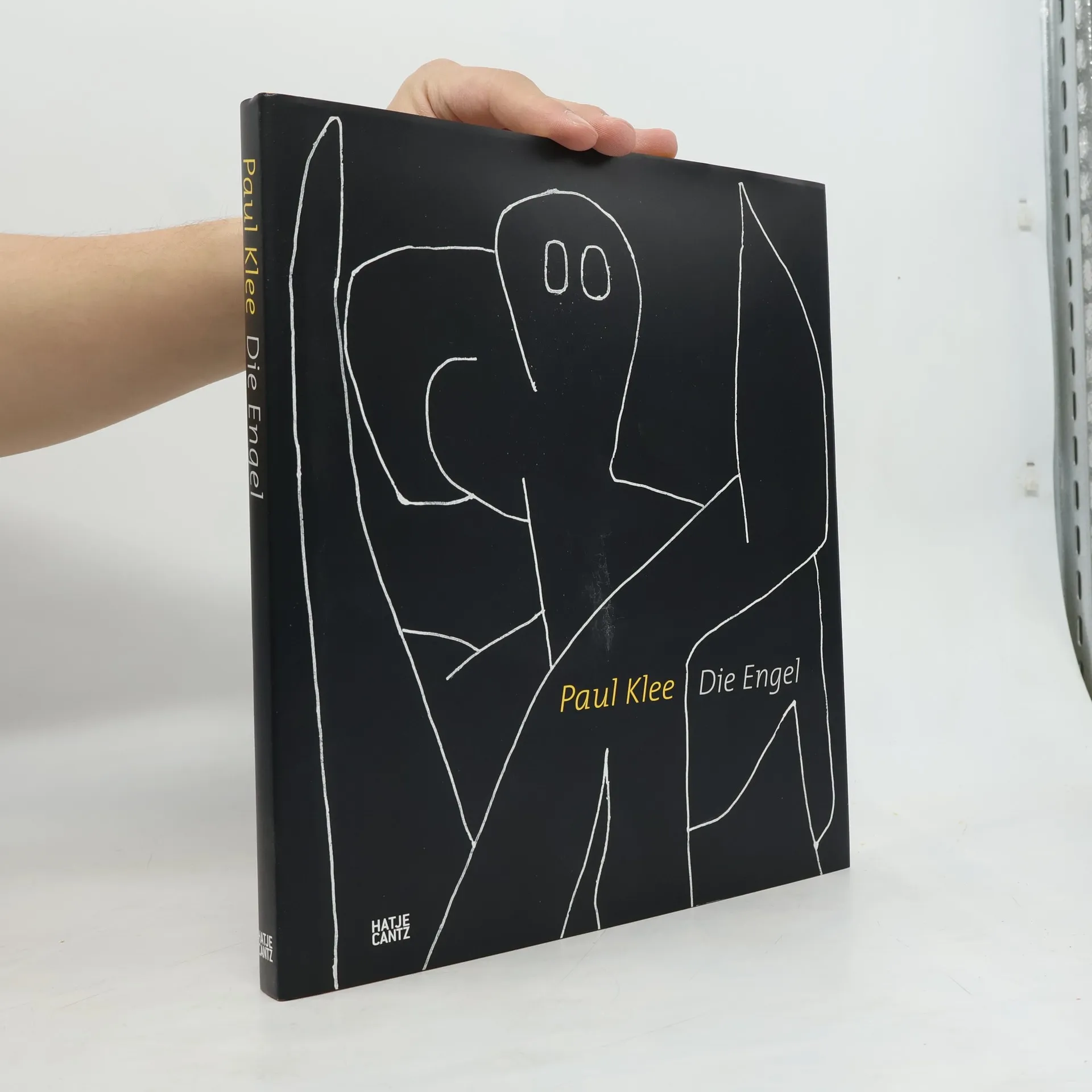
Die Engel
- 150 stránek
- 6 hodin čtení
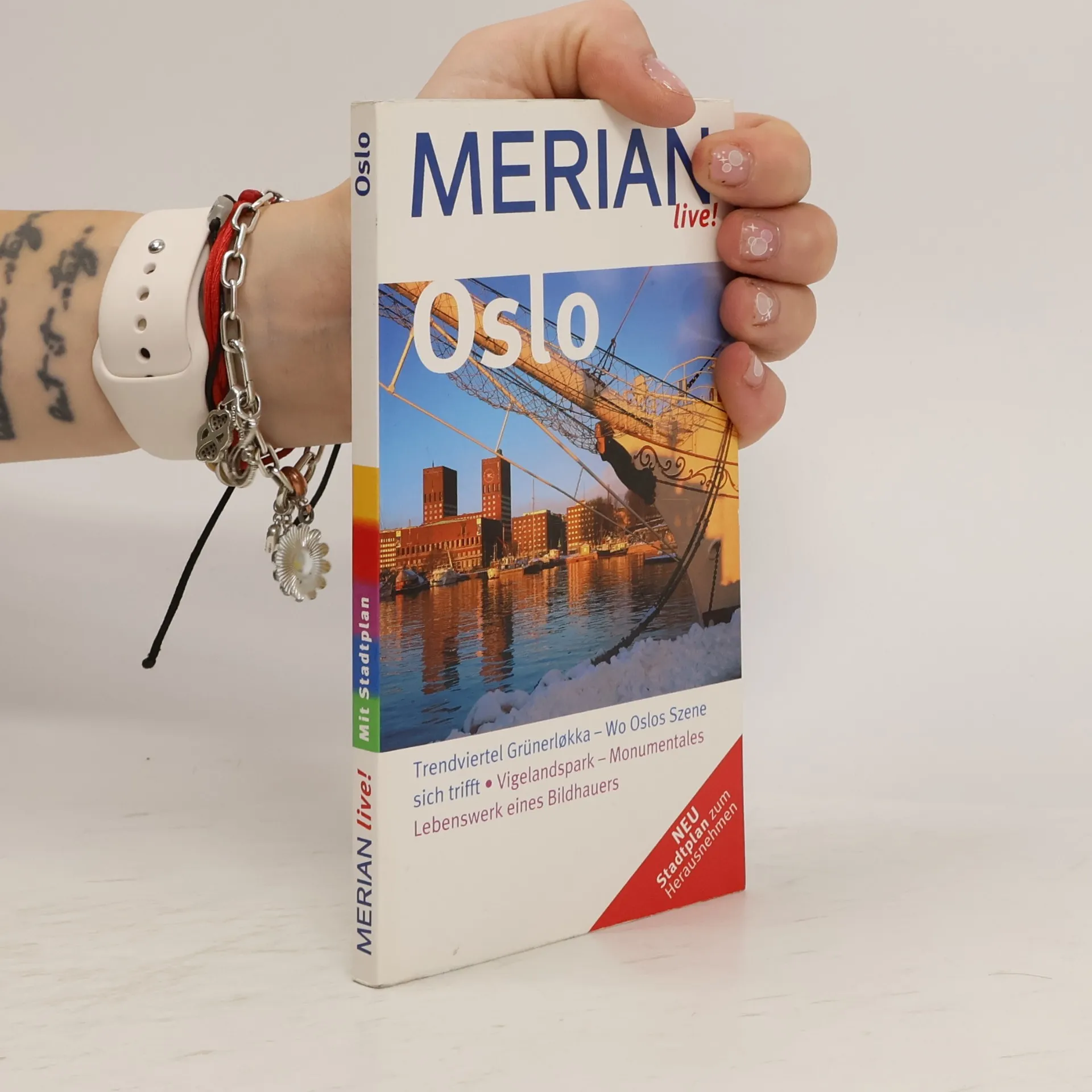
Oslo
- 127 stránek
- 5 hodin čtení
Mit MERIAN live! Oslo erleben Offen, modern und grün - so lässt sich die junge Hauptstadt Norwegens am besten beschreiben. Die einzigartige Lage am Ende des Oslofjords mit seinen grünen Inseln verzaubert den Besucher. Die Stadt selber ist angenehm überschaubar und lässt sich bequem zu Fuß erkunden. Sehenswürdigkeiten wie Schloss, Rathaus und die neue Oper liegen dicht beieinander. Unbedingt einen Besuch wert sind kulturelle Highlights wie der Neubau des Astrup Feranley Museums oder die Museumsinsel Bygdøy. Kompakt und übersichtlich bietet MERIAN live! alles Wissenswerte für einen gelungenen Aufenthalt in- MERIAN TopTen : Die 10 wichtigsten Sehenswürdigkeiten auf einen Blick- MERIAN TopTen 360° : Umgebungskarten mit ausgewählten MERIAN-TopTen und umliegenden Kultur-, Restaurant- und Shoppingadressen- Mit 10 MERIAN Tipps die weniger bekannten Seiten der Stadt entdecken- FotoTipps für lohnenswerte Motive- Fundierte Beschreibungen aller wichtigen Orte , Sehenswürdigkeiten und Museen von A bis Z- Empfehlungen für Übernachten , Essen und Trinken , Einkaufen , Ausgehen sowie Tipps für den umweltbewussten Urlaub- Zahlreiche Ideen für abwechslungsreiches Reisen mit Kindern
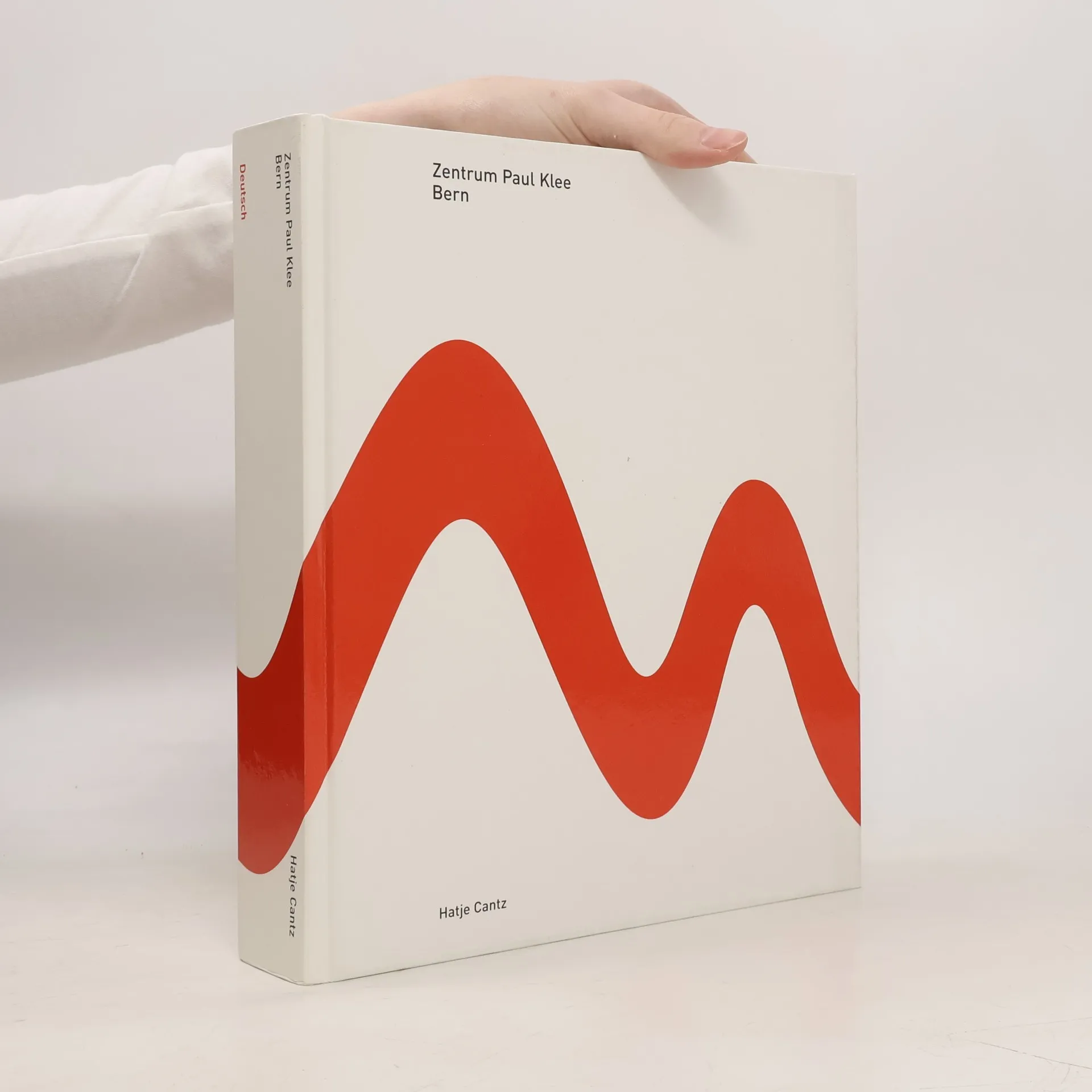
Zentrum Paul Klee, Bern
- 400 stránek
- 14 hodin čtení
Paul Klee (1879-1940) zählt zu den bedeutendsten Künstlern der ersten Hälfte des 20. Jahrhunderts. Im Juni 2005 öffnet das Zentrum Paul Klee in Bern seine Türen: Dank großzügiger Schenkungen und Leihgaben der Gründerfamilien Klee und Müller, den Beständen der ehemaligen Paul-Klee-Stiftung und privater Sammler verfügt es mit rund 4 000 Werken über die international größte Kollektion von Gemälden, Aquarellen und Zeichnungen sowie über Archivalien und biografische Materialien aus allen Schaffensperioden des Künstlers. Das Zentrum Paul Klee, beheimatet in einem von Renzo Piano neu geschaffenen Bau, etabliert sich damit als weltweites Kompetenzzentrum mit dem Ziel, das künstlerische, pädagogische und theoretische Werk Paul Klees und dessen Wirkungsgeschichte wissenschaftlich zu erschließen und anschaulich zu vermitteln. Zur Eröffnung des Zentrum Paul Klee, ein Meilenstein in der Erforschung und Präsentation von Leben und Werk Paul Klees, erscheint dieser repräsentative, reich bebilderte Band. Er zeigt die Geschichte der Sammlung und des Projekts sowie die Beiträge aller Beteiligten eindrucksvoll auf. (Deutsche Ausgabe erhältlich ISBN 3-7757-1532-0; französische Ausgabe erhältlich ISBN 3-7757-1534-7)
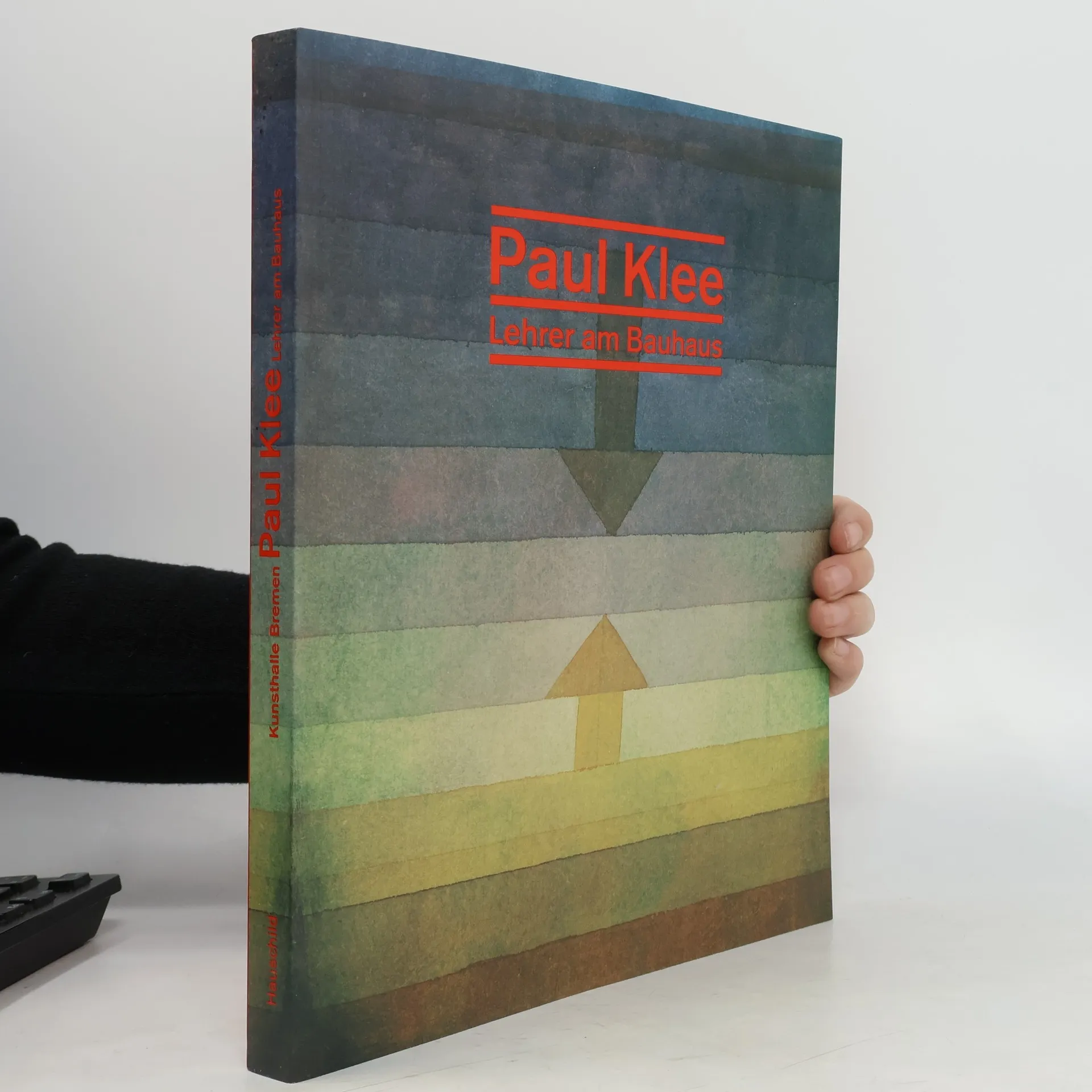
Paul Klee - Lehrer am Bauhaus
- 271 stránek
- 10 hodin čtení
„Als ich dazu kam, zu unterichten“, bekannte Klee 1921 bei seinem Antritt am Bauhaus, „musste ich mir genau klar werden über das, was ich meist unbewusst tat.“ Im Mittelpunkt von KleesUnterricht standen die sinnliche Erfassung von Kunst ebenso wie die Analyse bildnerischer Prozesse. Es ging im darum, die Schüler auf der Grundlage einer „Zwischprache der Kunst mit der Natur“ zu einem eigenständigen „bildnerischen Denken“anzuleiten. Der Katalog der anlässlich einer Ausstellung in der Kunsthalle Bremen erscheint, stellt die bislang wenig untersuchten Skizzenblätter in den Kontext von mehr als 140 Gemälden, Zeichnungen und Graphiken und ermöglicht damit einen spannenden Dialog zwischen Klees Theorie und seiner künstlerischen Praxis.
Spielekartei für Sonder- und Heilpädagogik
- 19 stránek
- 1 hodina čtení
Die Spielekartei bietet mehr als 180 Spiele, 2 Spielketten und 1 Mitspielaktion. Diese Spiele sind geeignet für Gruppengrößen von 5-20 SpielerInnen. Viele Spiele eignen sich auch für schwerer behinderte SpielerInnen. Sie orientieren sich an Prinzipien der Psychomotorik und/oder der Rhythmik. Lernzielkategorien: Bewegen und Tanzen; Darstellen und Phantasieren; Einstieg und Aufwärmen; Geschicklichkeit und Zusammenarbeit; Körpernähe und Zärtlichkeit; Material- und Raumerfahrung; Ruhe und Entspannung; Spaß und Unterhaltung; Wahrnehmen und Handeln.