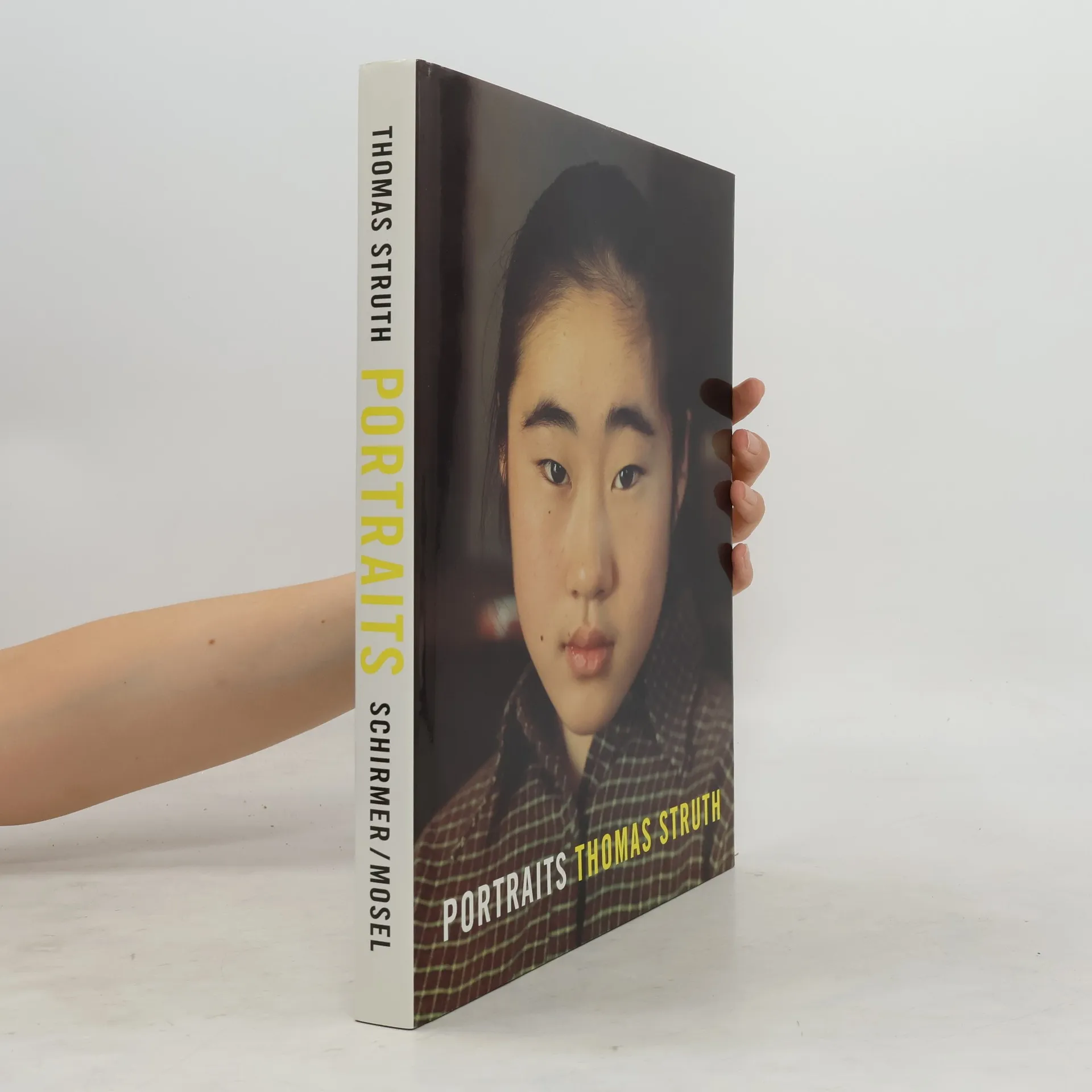
Thomas Ruff - Works 1979-2012
- 271 stránek
- 10 hodin čtení
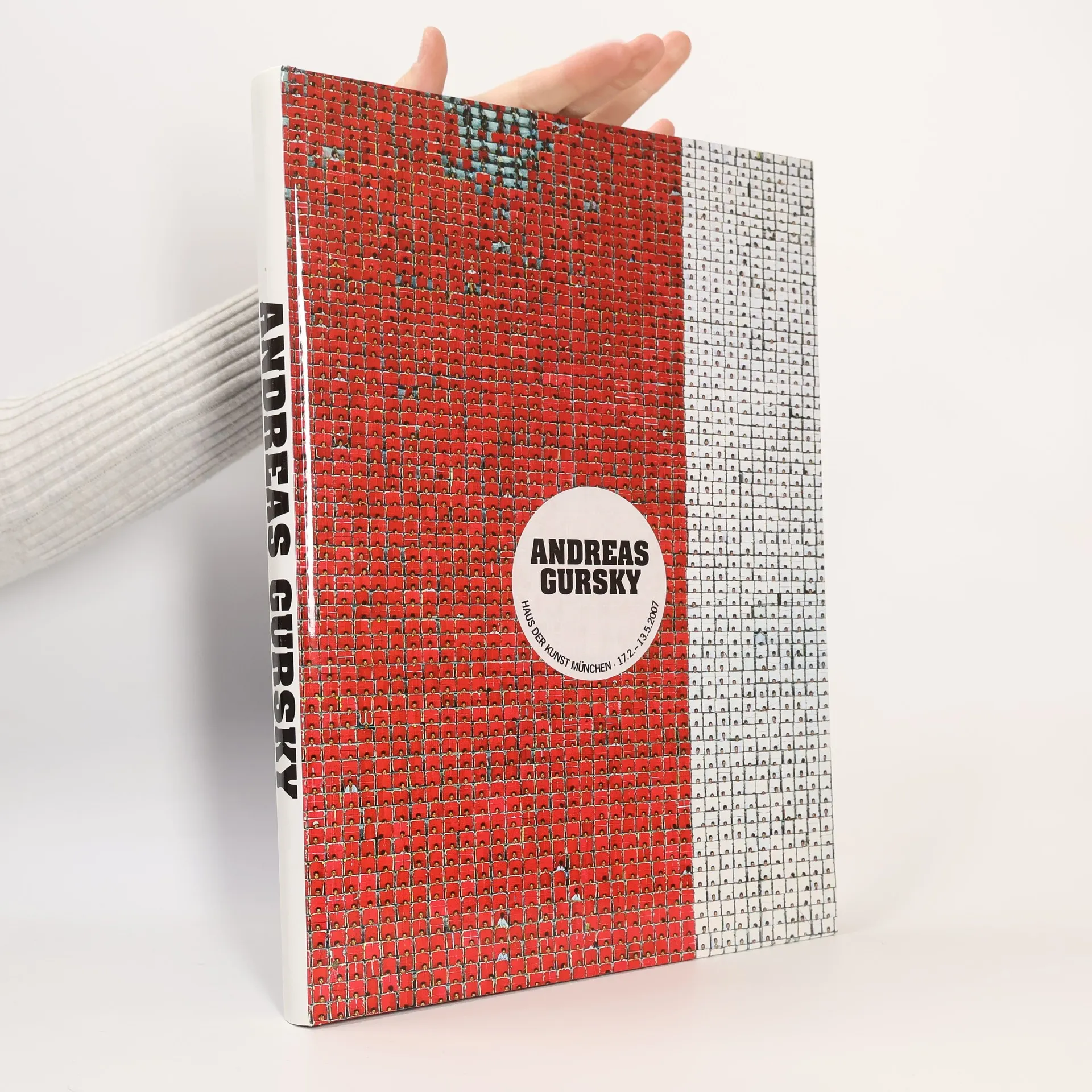
Exhibition Catalogue held in Haus der Kunst in Munchen (feb-may 2012)





Exhibition Catalogue held in Haus der Kunst in Munchen (feb-may 2012)
Entwicklung eines Bildbewusstseins / Developing a Visual Awareness
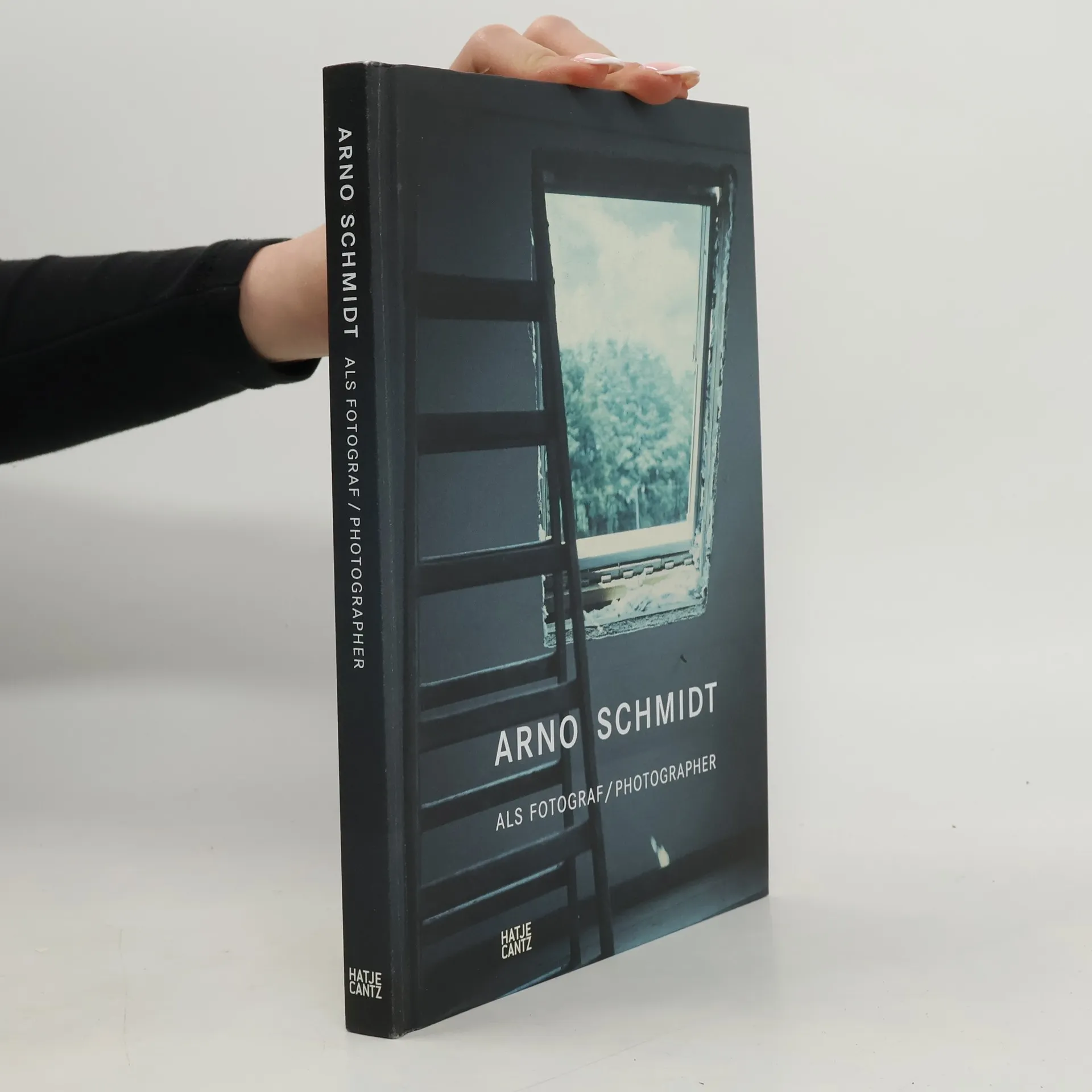
Arno Schmidt (1914-1979) ist nicht nur einer der bedeutendsten Schriftsteller des 20. Jahrhunderts - er schuf nebenbei auch ein fotografisches Werk, das seit den Publikationen und Ausstellungen ab 2003 mehr und mehr das Interesse der an Kunst und Fotografie interessierten Öffentlichkeit findet. Seine Aufnahmen zeigen Orte, die er an Schauplätzen geplanter Erzählungen aufnahm; die meisten dokumentieren jedoch die norddeutsche Heidelandschaft um seinen Wohnort Bargfeld. In seinen Fotografien verwandelt er die Räumlichkeit der realen Landschaft in Farb- und Strukturflächen, die auf der Ebene des fotografischen Bildes Harmonie und Ausgewogenheit ausstrahlen. Mit seinem 'gestaltenden Blick' gelingt es ihm immer wieder, aus unscheinbarsten Alltagsdingen wie einer Schubkarre und einem Wasserschlauch eindrucksvolle Stillleben zu generieren. Die Publikation untersucht dieses künstlerische Nebenwerk aus unterschiedlichen Perspektiven. Ausstellungen: Günter Grass-Haus, Lübeck 8.7.-2.10.2011 École Normale Supérieure de Photographie (ENSP), Arles 9.11-11.12.2011 Literaturzentrum Vorpommern Koeppenhaus, Greifswald ab Februar 2012 Deutsch-Italienisches Kulturinstitut Venedig ab April/Mai 2012 Kurt Tucholsky Literaturmuseum Schloss Rheinsberg ab November 2012 Deichtorhallen Hamburg Kunsthalle Erfurt Und weitere Stationen
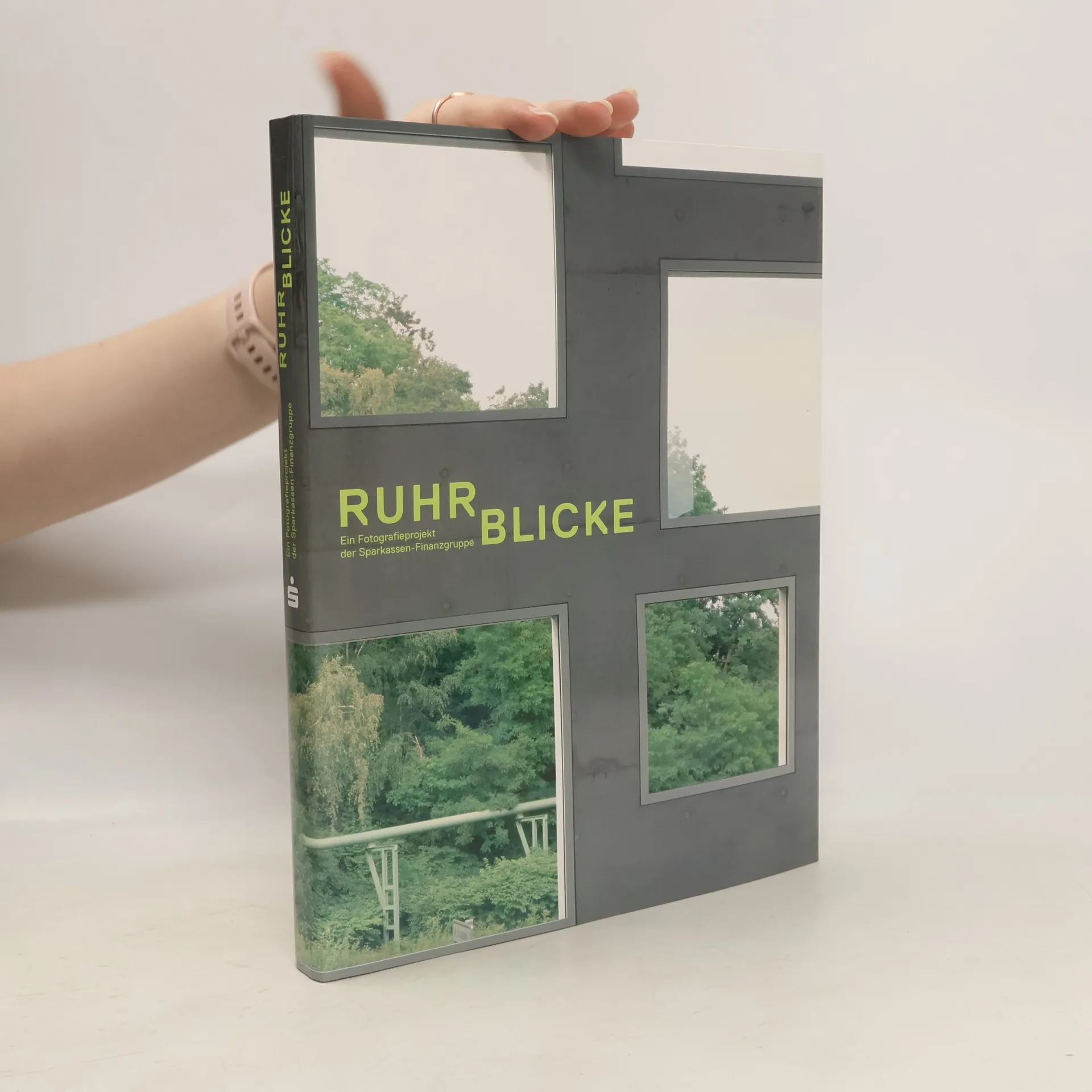
Was macht die Metropole Ruhr heute aus, wie hat sie sich gewandelt und wo gibt es interessante Ecken zu entdecken? Elf herausragende deutsche Fotografen entwerfen neue künstlerische Dokumentarfotografien. Nicht die rauchenden Schlote und die Schwerindustrie der Vergangenheit, sondern neue Sichten der heutigen Ruhr-Realität sind Thema des Projekts. Außergewöhnliche Bilder von international anerkannten Dokumentarfotografen: Hilla Becher, Laurenz Berges, Joachim Brohm, Hans-Peter Feldmann, Andreas Gursky, Jitka Hanzlová, Candida Höfer, Matthias Koch, Elisabeth Neudörfl, Jörg Sasse und Thomas Struth. Ausstellung: 24.4. - 24.10.2010 SANAA-Gebäude Essen
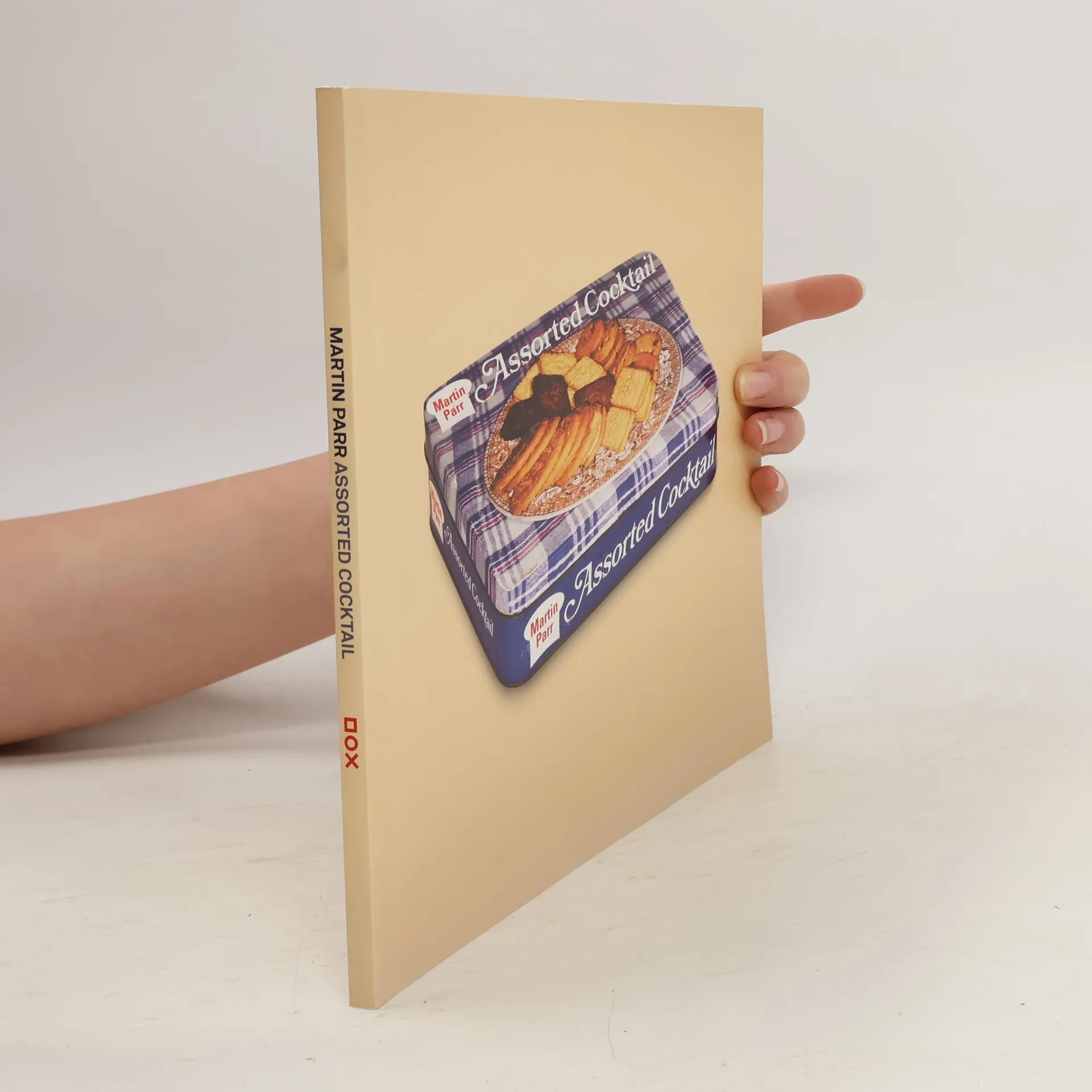
Martin Parr's vast collections of photography books and postcards are world-renowned. Unbeknownst to many, he is also an obsessive collector of photographic and themed objects. In Objects and Postcards , a luscious two-volume set, his affinity for focused accumulation is presented with appropriate thoroughness, and with typical Parrian humor. Some of the items in the first volume, Objects, have already achieved notoriety--for instance, the wrist watches featuring Saddam Hussein's visage. Others mythologize well-known figures such as Lenin and the Spice Girls. Then there is the kitsch--from wallpaper to trays and objects commemorating Sputnik, Charles and Di's wedding and 9/11. While Objects is the first publication to document Parr's 25-plus years of such collecting, Postcards is the "last word" on an extraordinary collection of over 20,000 cards. Presented in album format, it is a highly entertaining yet serious study of postcard history, and includes early cards that depict local news events such as car crashes and murders. The book finishes in Boring Postcards territory with a selection of cards promoting motorways and shopping.Objects is introduced by Parr and Postcards features an introduction by Thomas Weski, curator of the companion exhibition, Parrworld . This remarkably designed set is bound to appeal to a wide audience, but in particular to Parr collectors who thought they already owned everything Parr.Martin Parr , born in Epsom, England in 1952, is the author of more than 30 photography books, including Our True Intent Is All For Your Delight, Boring Postcards and Mexico . His photographs are held by museums worldwide, including the J. Paul Getty Museum, Los Angeles; The Museum of Modern Art, New York; and Tate Modern, London. Parr is a member of Magnum Photos.
This collection explores the various ways in which photography shaped our view of the 20th century, at the same time providing a record of the radical changes undergone by our towns, landscapes and private lives. Carefully juxtaposed with the photographs are paintings and sculptures.