Contains: A Sort of Introduction The Like of it Now Happens (I)"It would be useless to attempt a synopsis of Der Mann ohne Eigenschaften, not only because of its length and complexity, but also because the real action lies not on the surface, in what the characters do (though that is often dramatic enough), but within, in their states of mind, the fluctuations of their emotions, their theories, and the counterpoint between the thoughts and the behaviour of them all, in themselves and in relation to each other, especially to the Man without Qualities himself, who is the nucleus, and in relation to the demands of the indefinable pattern of this world we live in."(From the Foreword by the translators)
Ernst Kaiser Knihy
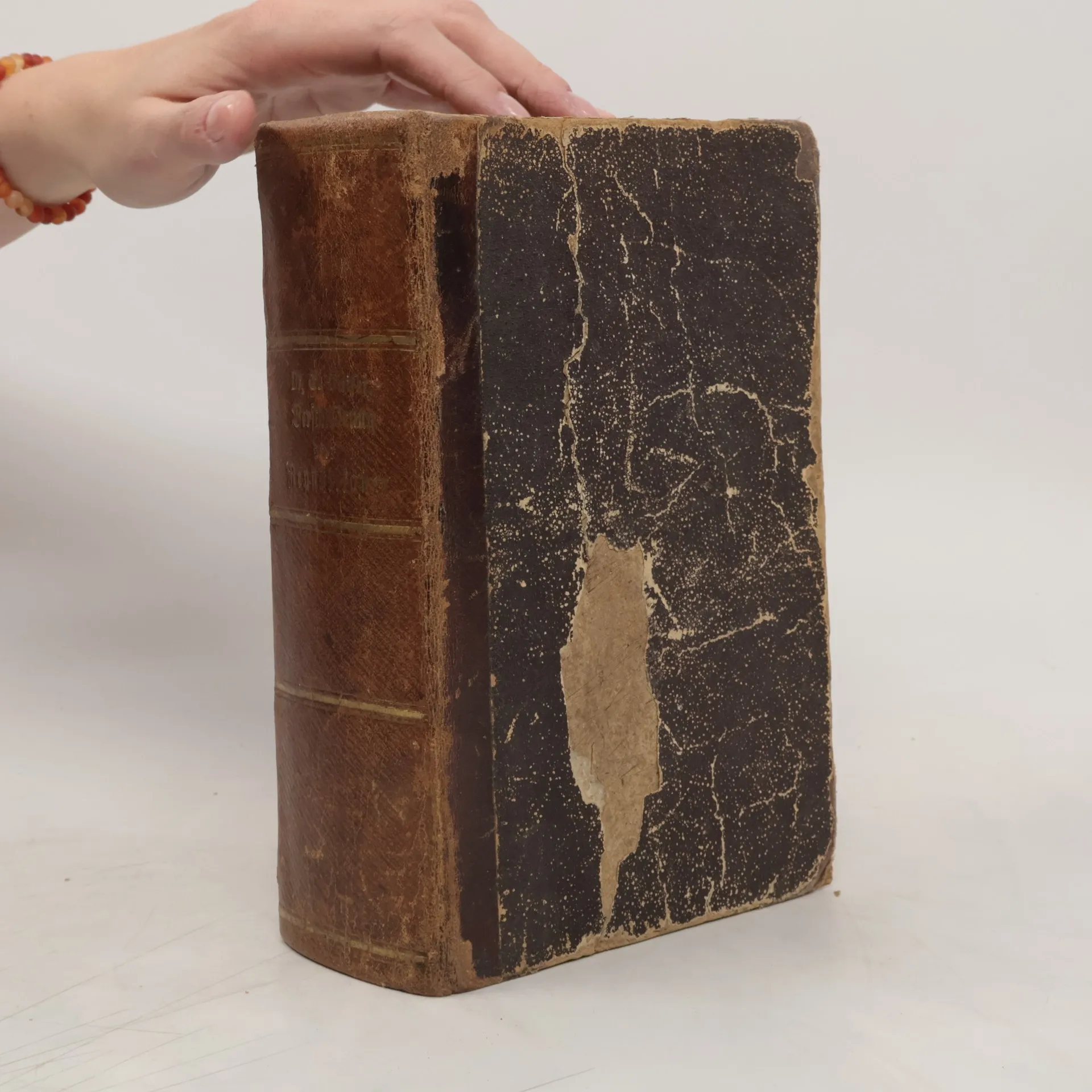
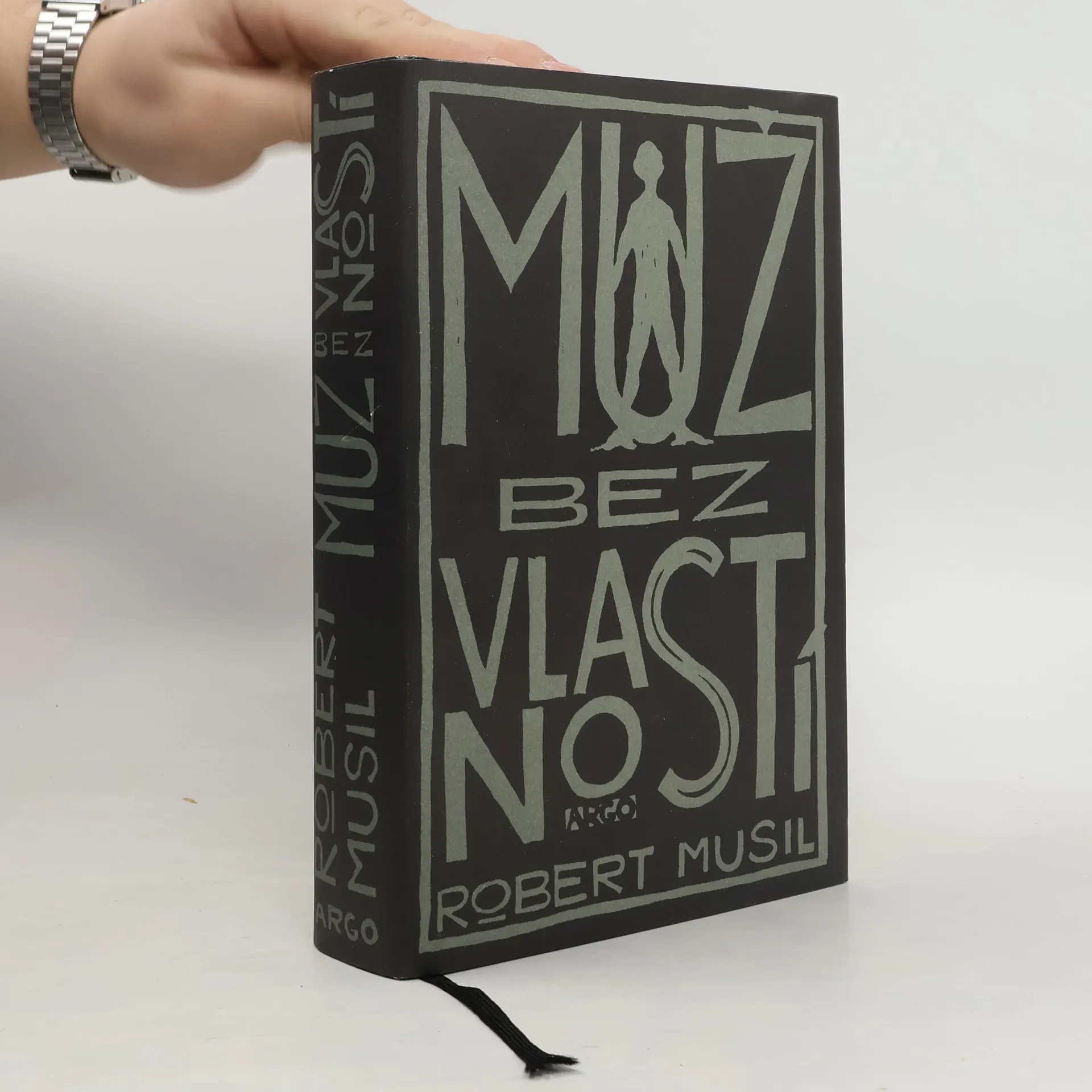
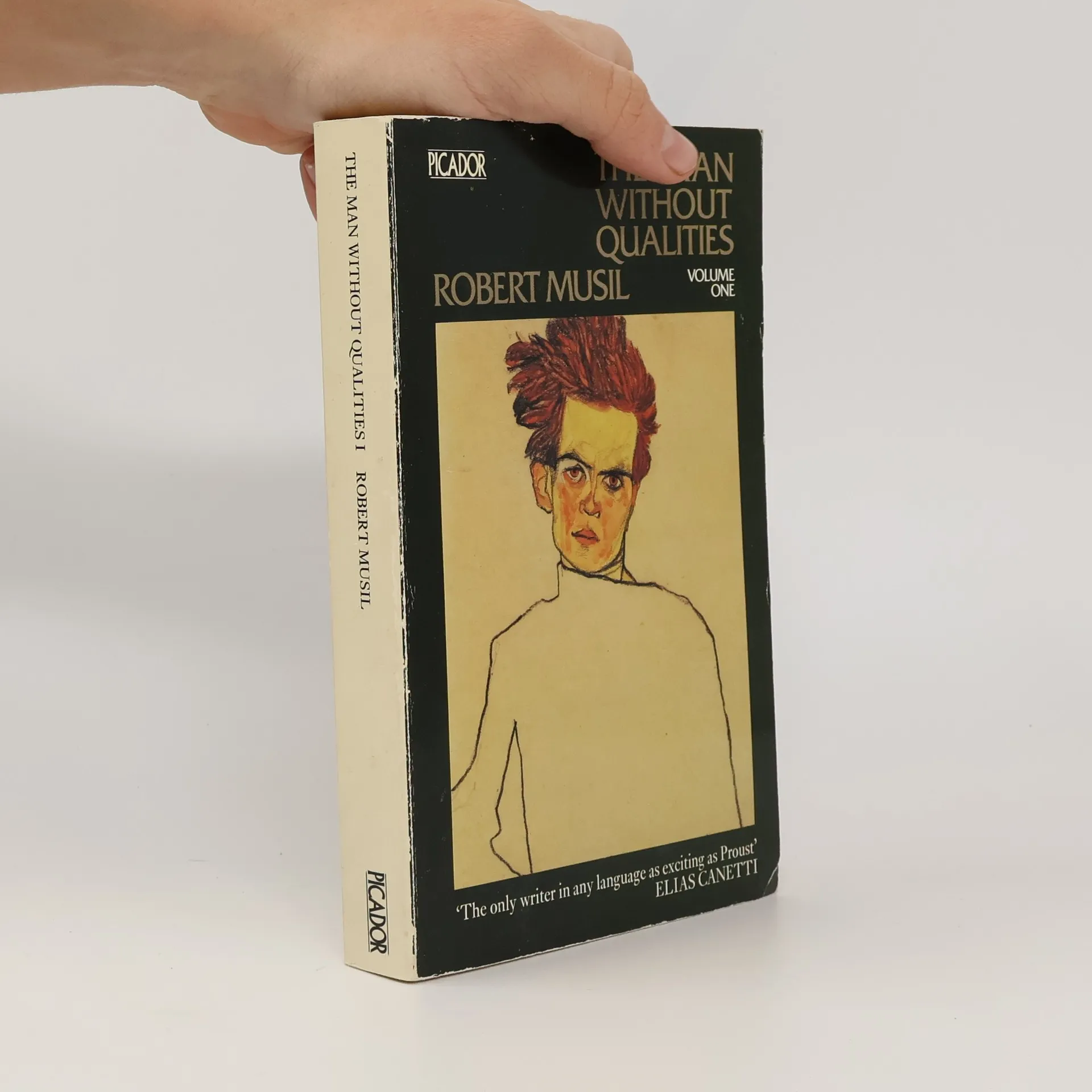
Když ve 30. letech poprvé Musilův román vyšel, setkal se u kritiky s naprostým nepochopením. Teprve později byl prohlášen za největší německý román první poloviny 20. století. Rozsáhlý román, který staví Musila po bok Kafky, Joyce a Prousta, je situován do Rakouska-Uherska let 1913–1914. Mezi množstvím postav a osudů vystupuje matematik Ulrich, jenž se podílí na přípravách oslav 70. výročí panování „mírového“ císaře Františka Josefa I., které připadají na rok 1918.
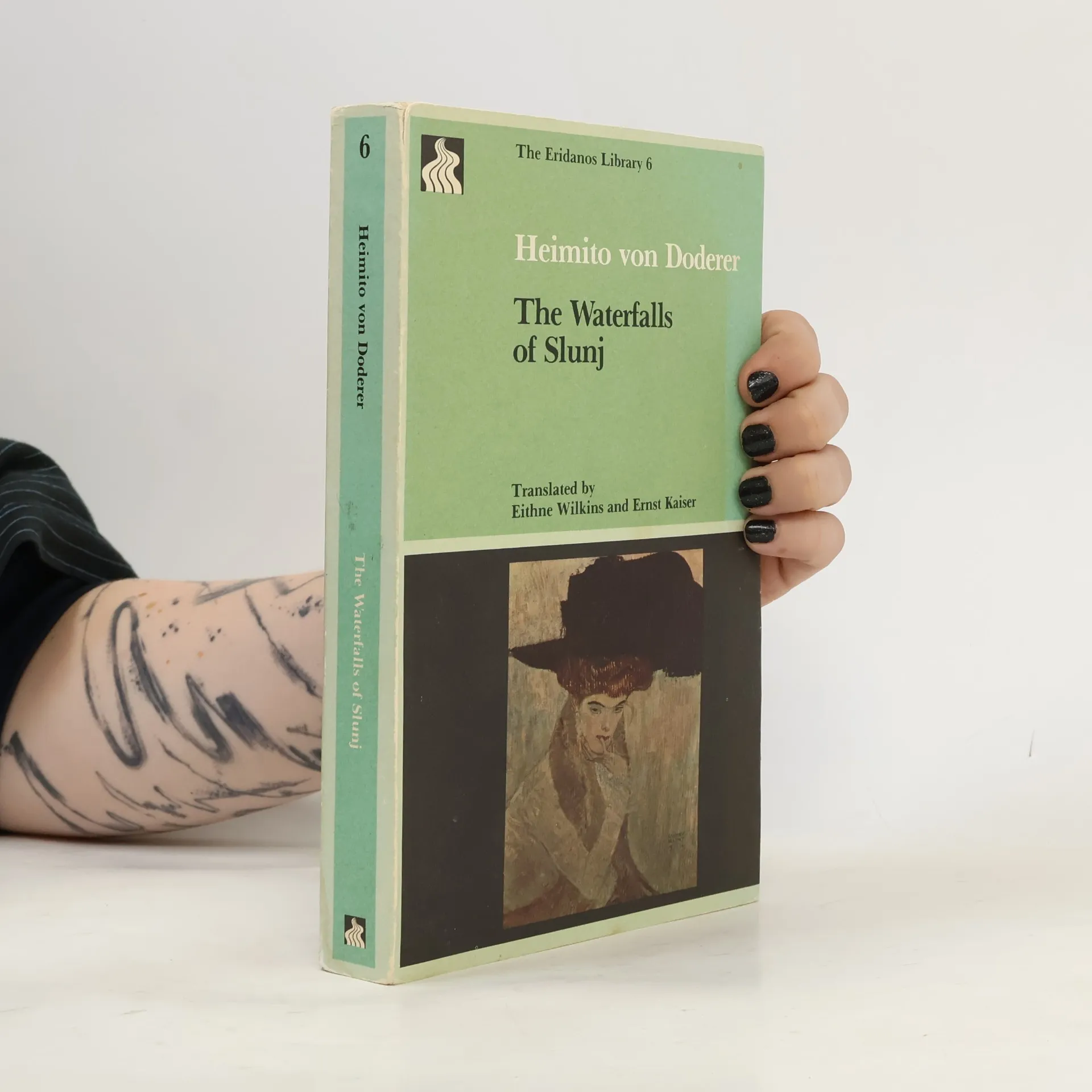
The Eridanos Library - 6: The Waterfalls of Slunj
- 406 stránek
- 15 hodin čtení
This book, the final and most mature work of the great Austrian novelist, revolves around the father and son team of English industrialists, Robert and Donald Clayton. The Claytons open a branch office of their business in Vienna, the center of that incredibly varied and complex universe that was the Austro-Hungarian Empire before World War I. Their ensuing social and personal entanglements furnish the materials of a superbly civilized family chronicle (quite the opposite from Sun & Moon's recent von Doderer novel, The Merowingians), whose central symbol is a gigantic, thundering mass of water -- a force that may be life-giving or terribly destructive. Beneath a staunchly bourgeois surface, von Doderer's story telling is heavily tinged with ironic social commentary and suffused with acute, post-Freudian psychology.
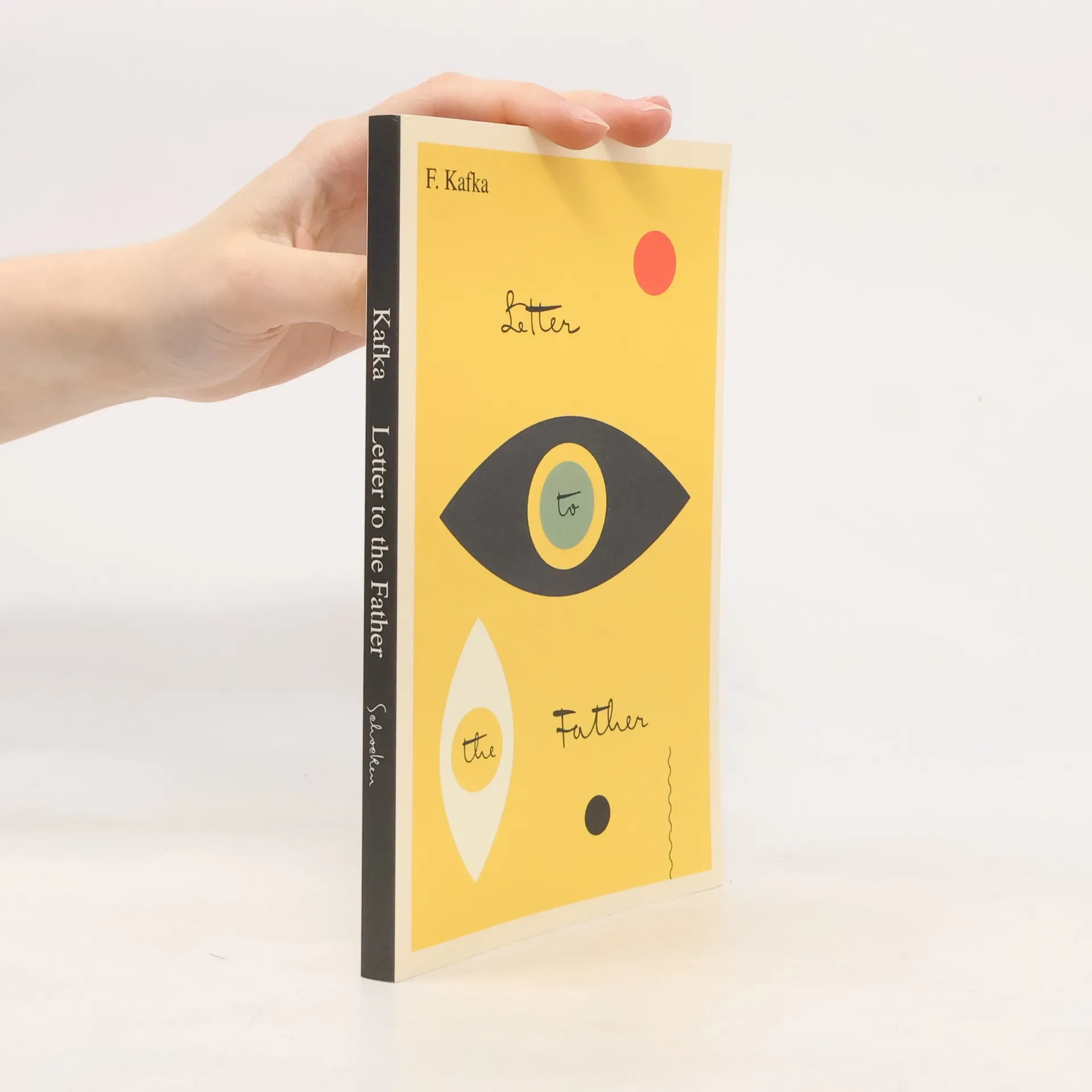
Franz Kafka wrote this letter to his father, Hermann Kafka, in November 1919. Max Brod, Kafka’s literary executor, relates that Kafka actually gave the letter to his mother to hand to his father, hoping it might renew a relationship that had lost itself in tension and frustration on both sides. But Kafka’s probing of the deep flaw in their relationship spared neither his father nor himself. He could not help seeing the failure of communication between father and son as another moment in the larger existential predicament depicted in so much of his work. Probably realizing the futility of her son’s gesture, Julie Kafka did not deliver the letter but instead returned it to its author.
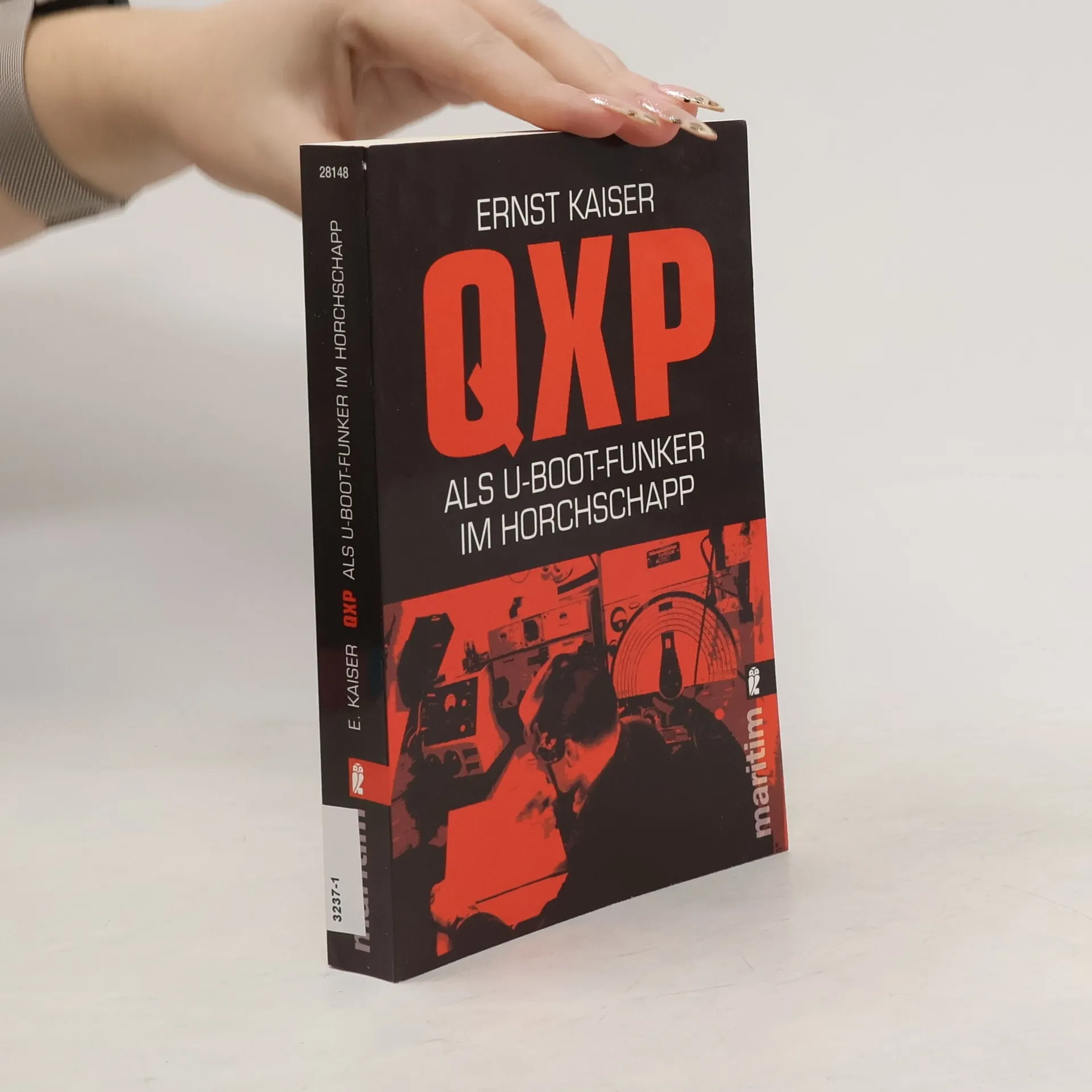
QXP
- 284 stránek
- 10 hodin čtení
QXP bedeutet im Funkerjargon »erzählen, um es als erledigt abzuhaken«. Ernst Kaiser, der mit siebzehn Jahren zur U-Boot-Waffe kam und Funker wurde, führte während seiner Einsätze auf verschiedenen U-Boot-Typen, etwa im Golf von Mexiko, in den amerikanischen Gewässern und bei der Operation Paukenschlag, Tagebuch. Zwischen den jeweiligen Feindfahrten tat er Dienst in der Funkleitstelle Kernével des Befehlshabers der Unterseeboote. Anhand seiner Aufzeichnungen verfasste er dieses nichts beschönigende und nichts verherrlichende Buch über den Alltag des U-Boot-Krieges. Von etwa 50.000 U-Boot-Fahrern starben 28.748. Ernst Kaiser überlebte und berichtet ... QXP.
Die Geschichte eines Mordes
- 416 stránek
- 15 hodin čtení
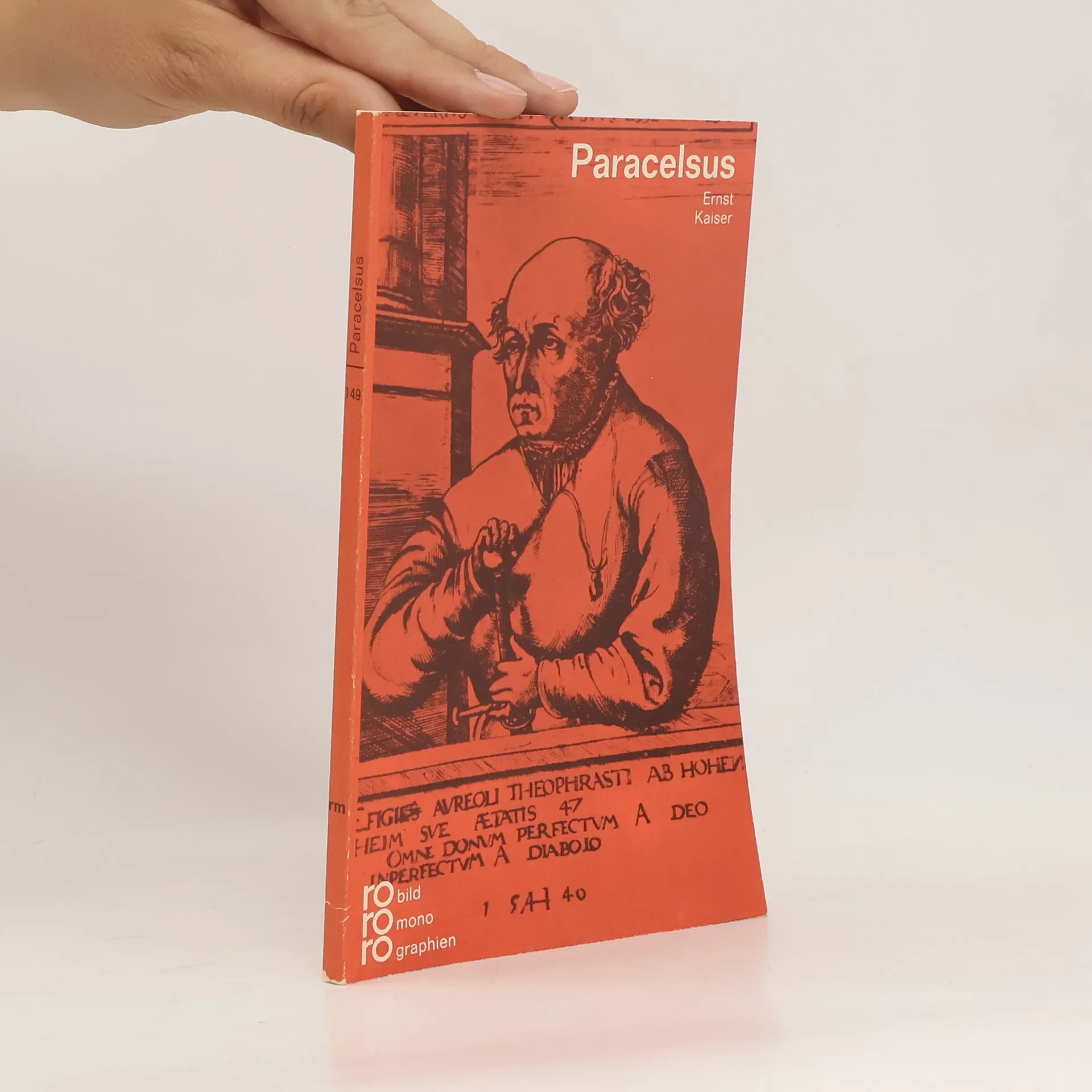
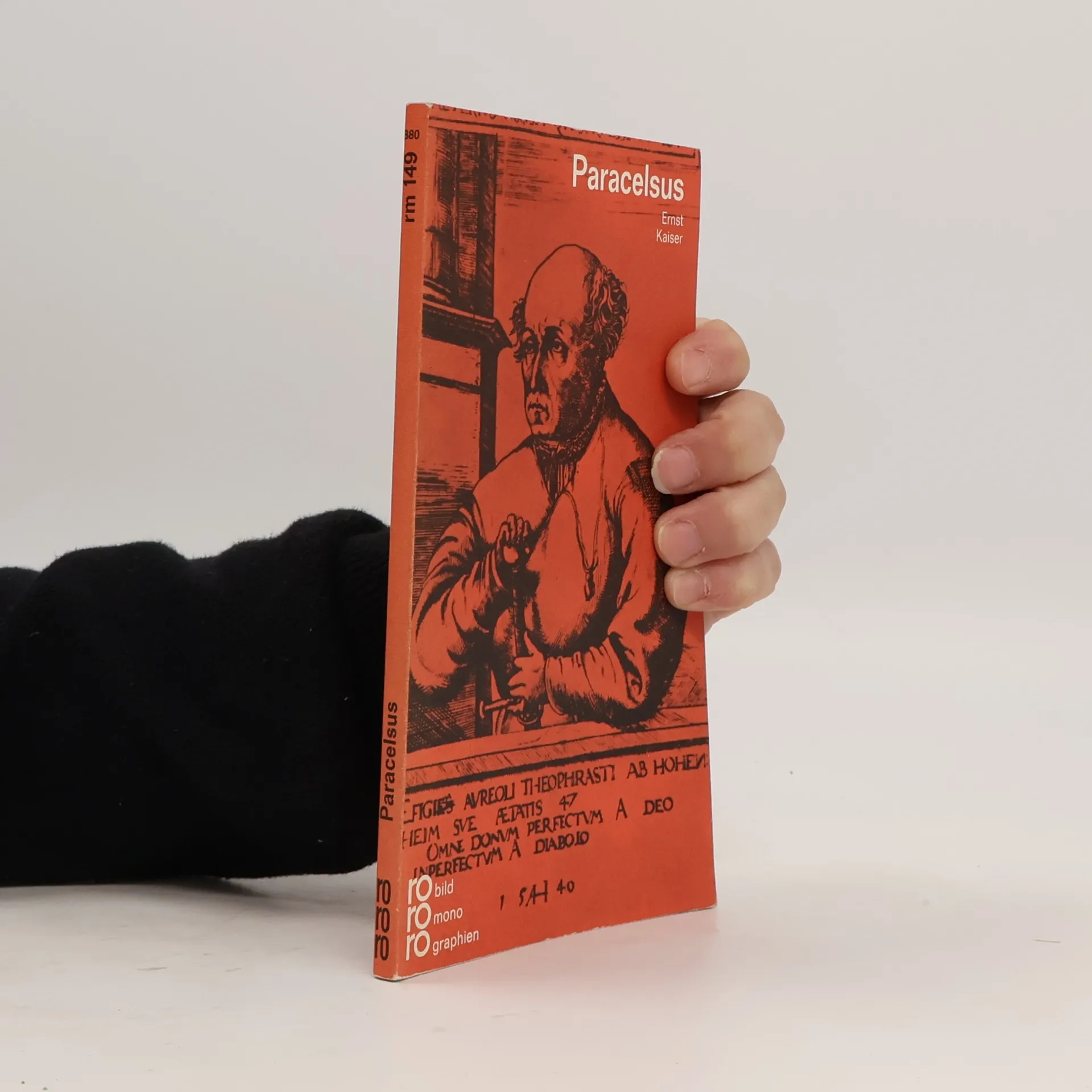
Paracelsus. In Selbstzeugnissen und Bilddokumenten
- 158 stránek
- 6 hodin čtení
1. Auflage 1981 220 S. und 16 Seiten Bilder gebundene Ausgabe mit SU / 15x21 Herford : Koehler, Mit Schutzumschlag ERSTAUSGABE