


Malcolm Gladwell je autorem bestsellerů, které zkoumají nečekané souvislosti a hnací síly, jež formují naše myšlení a chování. Svým charakteristickým stylem spojuje zdánlivě nesouvisející nápady a vědecký výzkum s poutavými příběhy, aby odhalil hlubší pravdy o světě kolem nás. Jeho práce vybízí k zamyšlení nad tím, jak vnímáme úspěch, chybovost a běžné jevy, a nabízí nové perspektivy na lidskou psychiku a společenské dynamiky. Gladwell se zaměřuje na odhalování skrytých vzorců a nabízí čtenářům nástroje k lepšímu pochopení složitosti moderního života.
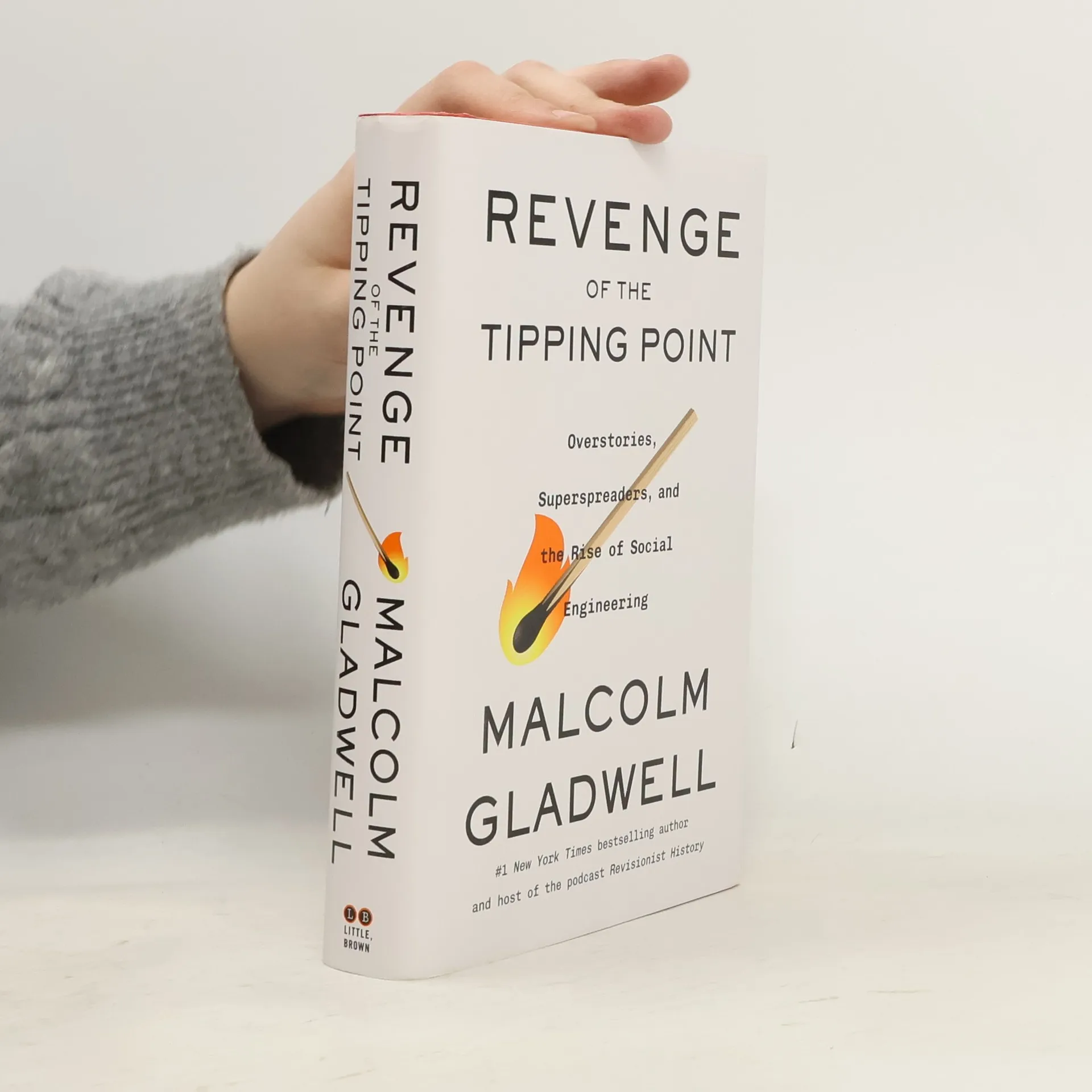
Overstories, Superspreaders and the Rise of Social Engineering
368 stránek
13 hodin čtení
Revisiting the concepts from his influential first book, the author offers fresh insights that challenge and expand upon the original ideas. This new volume explores how social dynamics and cultural phenomena evolve over time, providing a deeper understanding of the mechanisms behind change and influence in society. Gladwell's latest work promises to engage readers with thought-provoking perspectives that resonate with contemporary issues.
Ein Kunstexperte sieht eine 10 Millionen Dollar teure Skulptur und erkennt sofort, dass sie eine Fälschung ist. Ein Psychologe weiß innerhalb von Minuten, ob ein Paar zusammenbleiben wird. Ein Feuerwehrmann in einem brennenden Gebäude »spürt« plötzlich, dass er sofort raus muss. In diesem Buch geht es um diese Momente, in denen wir etwas »wissen«, ohne zu wissen, warum. Der Bestsellerautor Malcolm Gladwell erforscht das Phänomen dieser »Blink«-Momente und zeigt, dass ein schnelles Urteil oft weitaus effektiver sein kann als eine vorsichtige Entscheidung. Wenn Sie Ihrem Instinkt vertrauen, so zeigt er, werden Sie nie wieder auf dieselbe Art und Weise denken. Denn wie wir denken, ohne zu denken, erklärt, warum manche Menschen brillante Entscheider sind, während andere nahezu immer danebenliegen. »Blink« veranschaulicht, dass die besten Entscheider nicht diejenigen sind, die am meisten Informationen verarbeiten oder die längste Zeit mit Überlegungen verbringen, sondern diejenigen, welche die Kunst des »thin-slicing« perfektioniert haben – das Herausfiltern der wenigen Faktoren, die wirklich wichtig sind, aus einer überwältigenden Anzahl von Variablen.
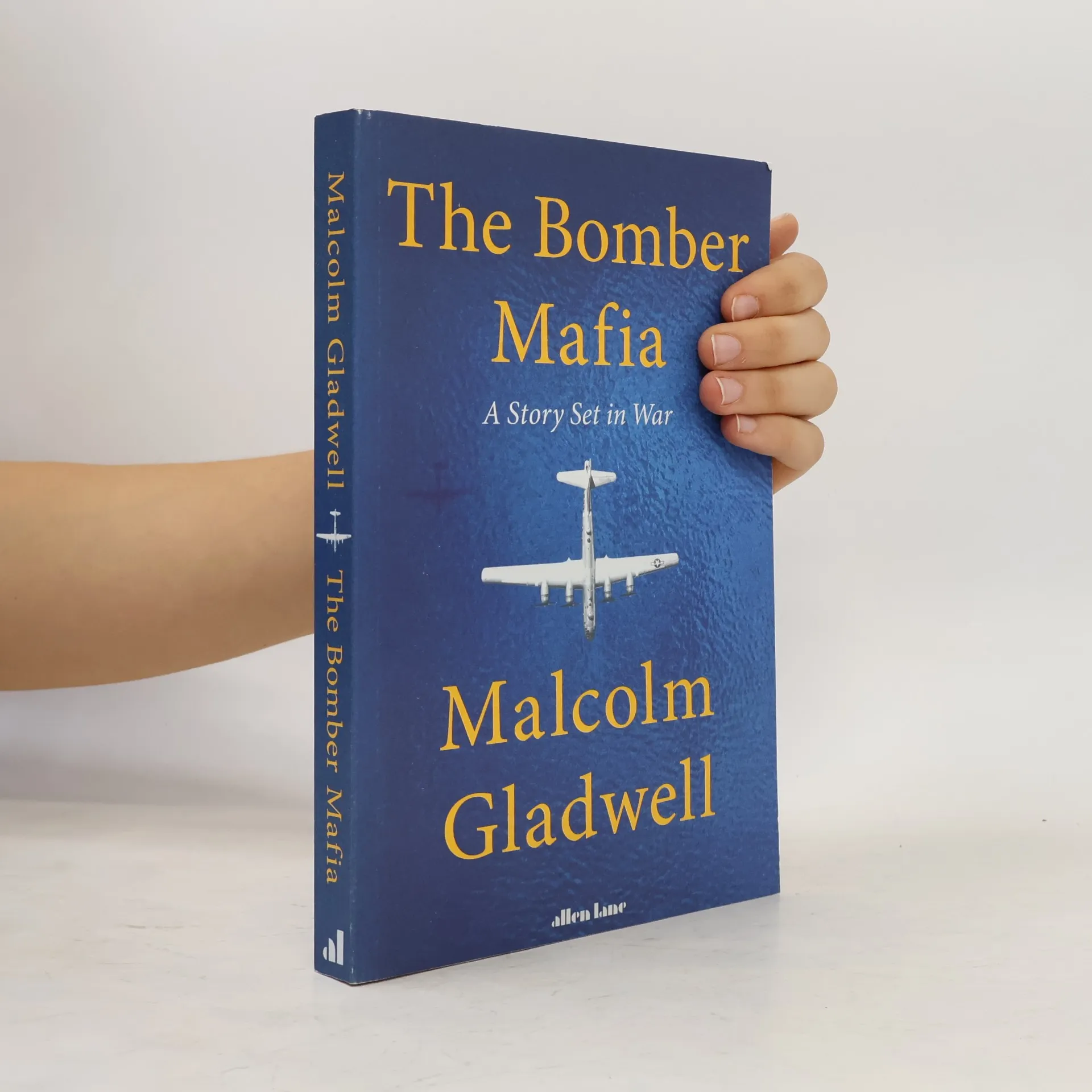
Najnowsza książka Malcolma Gladwella – autora bestsellerów Jak rozmawiać z
nieznajomymi, Błysk! i Punkt przełomowy W tej fascynującej książce Gladwell
splata ze sobą losy holenderskiego geniusza i jego komputera domowej roboty,
brytyjskiego psychopaty oraz chemików-piromanów z piwnicznych laboratoriów na
Harvardzie. Przede wszystkim opowiada jednak o grupie strategów, która
postawiła sobie idealistyczny cel: zamiast niszczyć całe miasta i zabijać
tysiące ludzi, chcą uderzać precyzyjnie i ograniczyć liczbę ofiar. Analizując
jedno z największych moralnych wyzwań w amerykańskiej historii, autor pokazuje
zderzenie innowacji z rzeczywistością, które otworzyło drogę do najkrwawszego
ataku II wojny światowej. „Mafia bombowa to studium przypadku o rozwiewaniu
się marzeń. I o tym, jak nowe, lśniące pomysły spadają z nieba, lecz wcale nie
lądują nam miękko na kolanach. Lądują twardo na ziemi i rozpadają się w pył.
Historia, którą zamierzam opowiedzieć, tak naprawdę nie jest historią wojenną,
chociaż przeważnie rozgrywa się podczas wojny”. Malcolm Gladwell udziela
odpowiedzi na pytanie o to, co się dzieje, gdy dobre intencje i technologiczne
innowacje zderzają się z bezwzględną rzeczywistością. Jaka jest prawdziwa cena
postępu?
"Malcolm Gladwell weaves together the stories of a Dutch genius and his homemade computer, a band of brothers in central Alabama, a British psychopath, and pyromaniacal chemists at Harvard to examine one of the greatest moral challenges in modern American history. Most military thinkers in the years leading up to World War II saw the airplane as an afterthought. But a small band of idealistic strategists had a different view. This 'Bomber Mafia' asked: What if precision bombing could, just by taking out critical choke points -- industrial or transportation hubs -- cripple the enemy and make war far less lethal? In his podcast, Revisionist History, Gladwell re-examines moments from the past and asks whether we got it right the first time. In The Bomber Mafia, he steps back from the bombing of Tokyo, the deadliest night of the war, and asks, "Was it worth it?" The attack was the brainchild of General Curtis LeMay, whose brutal pragmatism and scorched-earth tactics in Japan cost thousands of civilian lives, but may have spared more by averting a planned US invasion. Things might have gone differently had LeMay's predecessor, General Haywood Hansell, remained in charge. As a key member of the Bomber Mafia, Haywood's theories of precision bombing had been foiled by bad weather, enemy jet fighters, and human error. When he and Curtis LeMay squared off for a leadership handover in the jungles of Guam, LeMay emerged victorious, leading to the darkest night of World War II. The Bomber Mafia is a riveting tale of persistence, innovation, and the incalculable wages of war." -- Provided by publisher
Długo oczekiwana nowa książka Malcolma Gladwella – autora światowych bestsellerów Punkt przełomowy, Błysk! i Poza schematem. Numer 1 na liście bestsellerów "New York Timesa". Tym razem Gladwell przygląda się temu, co dzieje się, kiedy spotykamy nieznajomych. I czemu tak często rozmowy z nimi kończą się niepowodzeniem. Jak to możliwe, że brytyjski premier Chamberlain uznał Hitlera za osobę godną zaufania? Czy można winić serial Przyjaciele za to, że mylimy się w ocenie drugiego człowieka? Jakim cudem Fidel Castro robił z CIA durnia przez całe pokolenie? Sprawa Amandy Knox, oszustwa Berniego Madoffa, samobójstwo Sylvii Plath – to tylko niektóre z fascynujących opowieści, jakie w swojej nowej książce serwuje Malcolm Gladwell. Autor zabiera nas w niezwykłą wyprawę w świat wielkiej historii, głośnych wydarzeń medialnych i najnowszych osiągnięć psychologii, aby pokazać, co idzie nie tak, gdy spotykamy się z nieznajomymi. Czemu tak często rozmowy z nimi kończą się niepowodzeniem lub konfliktem? Co tak naprawdę powinniśmy wiedzieć o ludziach, o których nic nie wiemy? Jak rozmawiać z nieznajomymi to najlepszy poradnik na nasze trudne czasy.
The routine traffic stop that ends in tragedy. The spy who spends years undetected at the highest levels of the Pentagon. The false conviction of Amanda Knox. Why do we so often get other people wrong? Why is it so hard to detect a lie, read a face or judge a stranger's motives? Through a series of encounters and misunderstandings - from history, psychology and infamous legal cases - Malcolm Gladwell takes us on an intellectual adventure into the darker side of human nature, where strangers are never simple and misreading them can have disastrous consequences. No one challenges our shared assumptions like Malcolm Gladwell. Here he uses stories of deceit and fatal errors to cast doubt on our strategies for dealing with the unknown, inviting us to rethink our thinking in these troubled times.
In July 2015, a young black woman named Sandra Bland was pulled over for a minor traffic violation in rural Texas. Minutes later she was arrested and jailed. Three days later, she committed suicide in her cell. What went wrong? Talking to Strangersis all about what happens when we encounter people we don't know, why it often goes awry, and what it says about us. How do we make sense of the unfamiliar? Why are we so bad at judging someone, reading a face, or detecting a lie? Why do we so often fail to 'get' other people? Through a series of puzzles, encounters and misunderstandings, from little-known stories to infamous legal cases, Gladwell takes us on a journey through the unexpected. You will read about the spy who spent years undetected at the highest levels of the Pentagon, the man who saw through the fraudster Bernie Madoff, the suicide of the poet Sylvia Plath and the false conviction of Amanda Knox. You will discover that strangers are never simple. No one shows us who we are like Malcolm Gladwell. Here he sets out to understand why we act the way we do, and how we all might know a little more about those we don't.
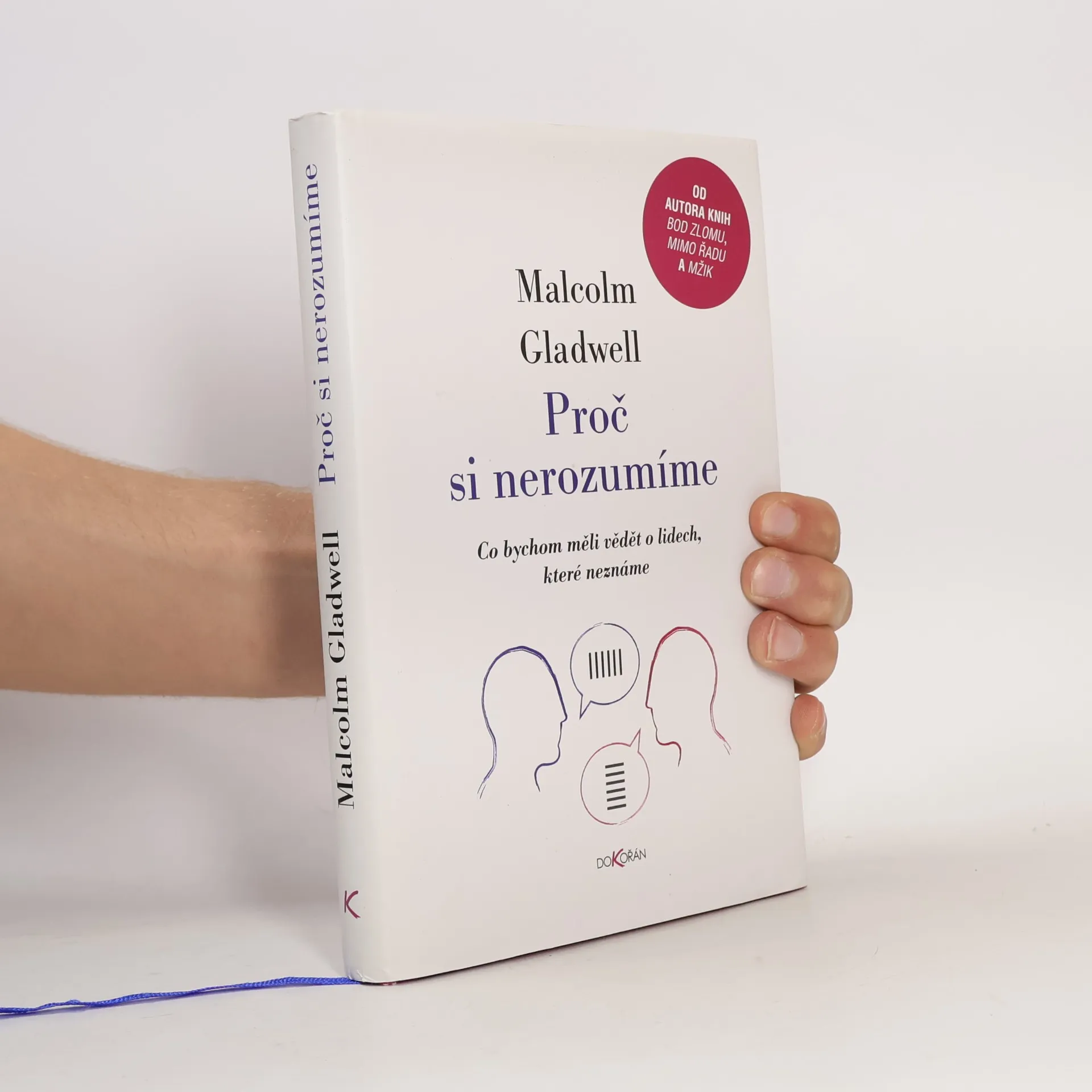
Podtitul: Co bychom měli vědět o lidech, které neznáme.
Jak se Fidelu Castrovi podařilo vodit CIA za nos po desítky let? Proč si Neville Chamberlain myslel, že může věřit Adolfu Hitlerovi? Co stojí za vzestupem sexuálně motivovaných útoků ve vysokoškolských kampusech? Je pravda, co nám o komunikaci s ostatními říkají televizní sitkomy? To jsou jen některé otázky, které ve své nejnovější knize rozebírá autor řady bestsellerů Malcolm Gladwell. Nesází však jen na precizní vypravěčství, ale s využitím přepisů soudních líčení, rozhovorů a výpovědí odborníků nechává mluvit přímo protagonisty často tragických příběhů, na nichž ilustruje svoji hlavní tezi, totiž skutečnost, že prostředky a strategie, jimiž se snažíme porozumět lidem, které neznáme, jsou v něčem hluboce chybné. A protože nevíme, jak mluvit s cizinci, dochází ke konfliktům a neporozuměním, jež mají zásadní dopad na náš život i na svět, v němž žijeme.