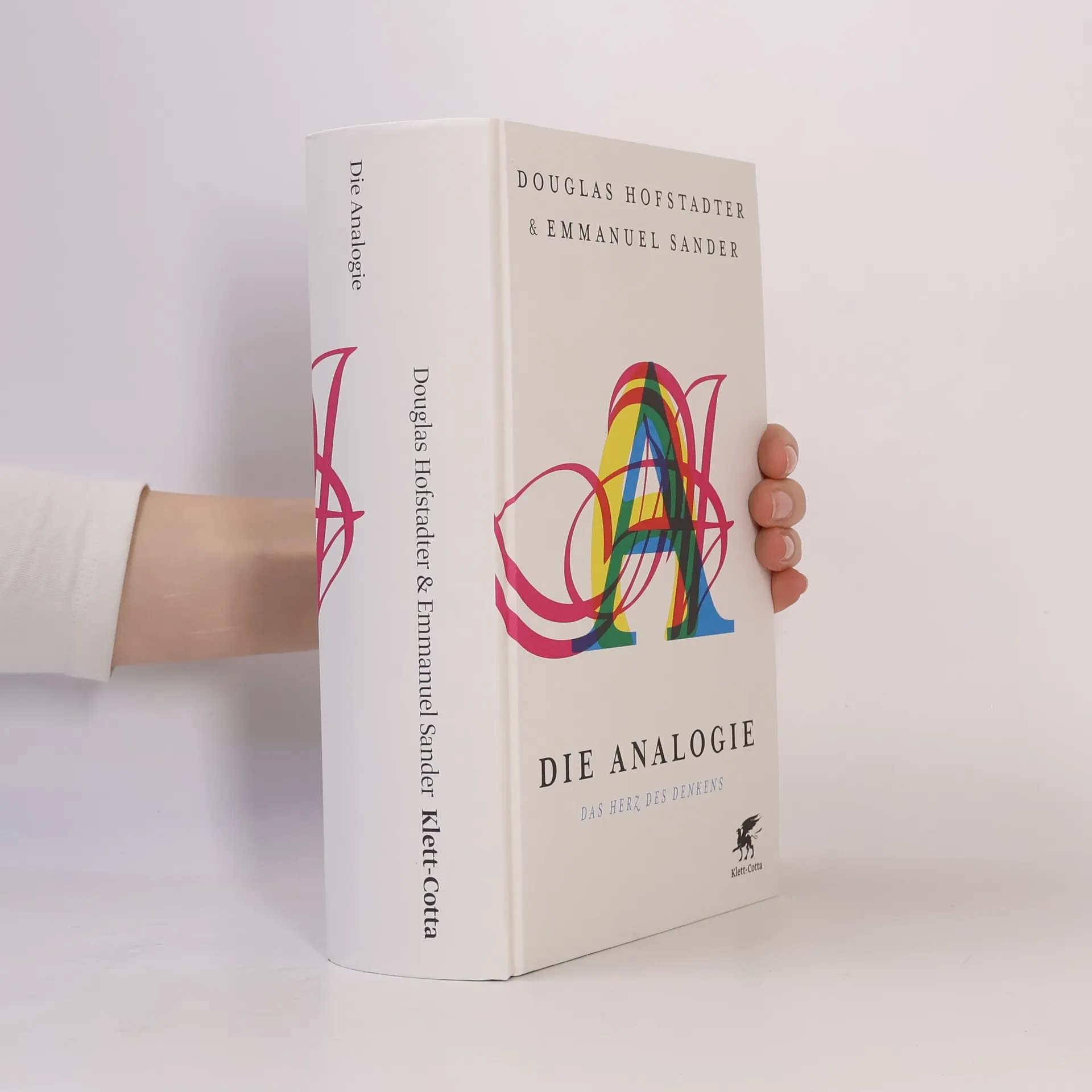
Sie steigen in einen Aufzug, mit dem Sie noch nie zuvor gefahren sind. Wissen Sie, was Sie tun müssen, um nach oben zu kommen? Natürlich – und der Grund dafür sind die Analogien: Der Aufzug funktioniert wie alle anderen Aufzüge. Alles, was wir wissen, setzen wir in Beziehungen und schaffen es dadurch, Ähnlichkeiten zu entdecken, uns im Chaos der Welt zurechtzufinden. Diese Ähnlichkeiten machen wir uns täglich und meist ganz unbewusst im Umgang mit Neuem und Fremdem zunutze. Wie dieses Feuerwerk des Denkens »funktioniert«, das zeigen Douglas Hofstadter, brillanter Autor und Pulitzer-Preisträger, und der Psychologe Emmanuel Sander. Sie nehmen uns mit auf eine abenteuerliche Reise in die Welt der Sprache und des Geistes – und sie zeigen uns, warum Gedanken ohne Einfluss der Vergangenheit undenkbar sind. Ein inspirierendes Lesevergnügen!
Douglas Hofstadter Pořadí knih (chronologicky)
Douglas Hofstadter je oceňovaný myslitel, jehož práce se ponořuje do hlubin vědomí, myšlení a kreativity. S využitím rekurze a analogie zkoumá propletené povahy matematiky, umění a mysli. Jeho literární styl je známý svou hravostí a hlubokým zkoumáním složitých konceptů. Hofstadterovy spisy vybízejí čtenáře, aby přehodnotili povahu inteligence a propojenost lidské zkušenosti.

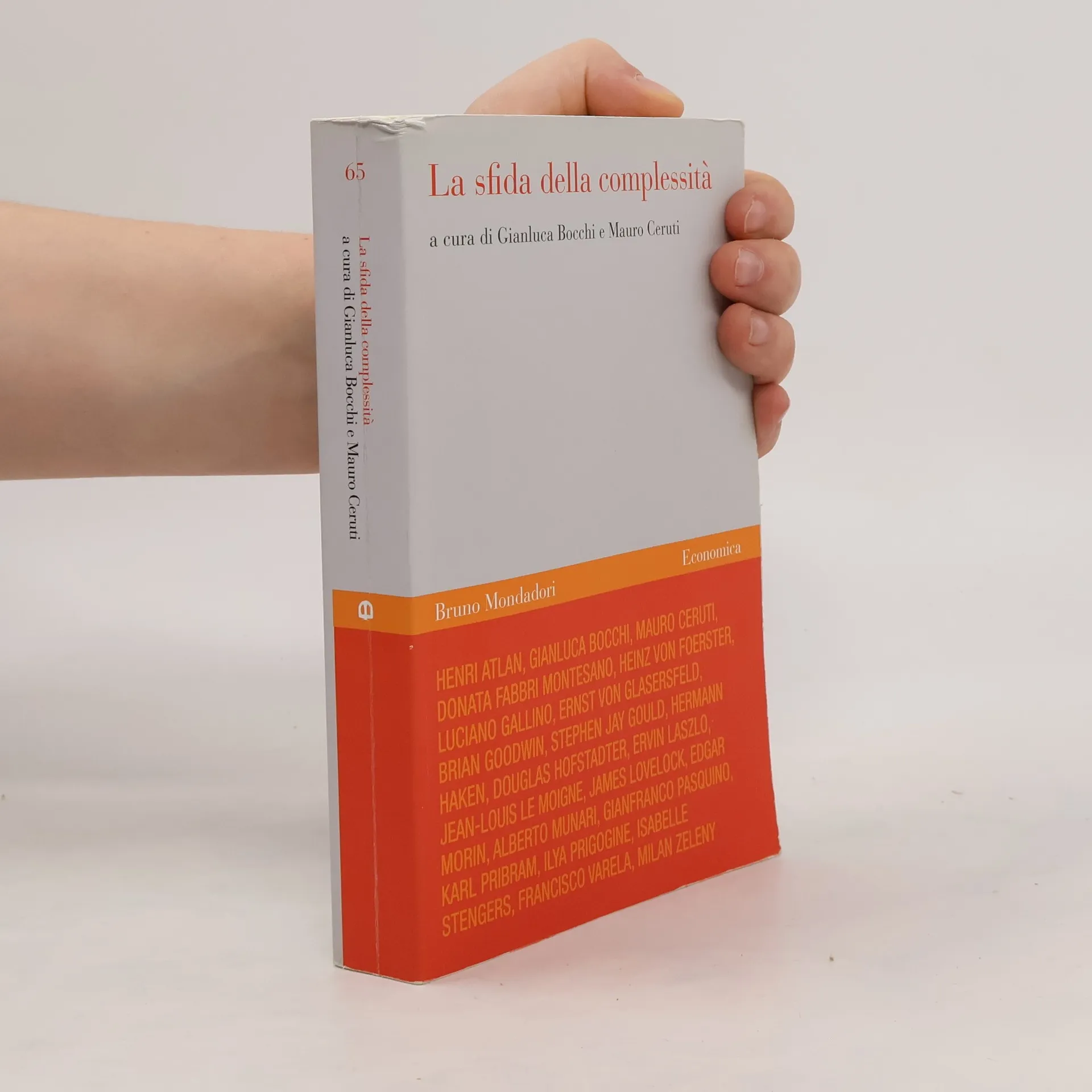
La sfida della complessità
- 448 stránek
- 16 hodin čtení
La sfida della complessità nasce dall'irruzione dell'incertezza nelle nostre conoscenze, dallo sgretolarsi dei miti che per secoli hanno regolato il cammino della scienza moderna. Ma d'altra parte la fine della certezza, della completezza, dell'esaustività e dell'onniscienza non segnala soltanto la fine di un ordine, ma rende ineludibile una trasformazione delle domande e delle risposte su cui è basato il nostro sapere. Chiamati a raccolta da Gianluca Bocchi e Mauro Ceruti a metà degli anni ottanta, scienziati e pensatori come Ilya Prigogine e Francisco Varela, Stephen Jay Gould e Heinz von Foerster presentano e confrontano i loro itinerari nella “nuova scienza”, in un'opera che ha mantenuto intatta la sua freschezza ed esemplarità.
I am a Strange Loop
- 412 stránek
- 15 hodin čtení
What do we mean when we say “I”? Can thought arise out of matter? Can a self, a soul, a consciousness, an “I” arise out of mere matter? If it cannot, then how can you or I be here? I Am a Strange Loop argues that the key to understanding selves and consciousness is the “strange loop”—a special kind of abstract feedback loop inhabiting our brains. Deep down, a human brain is a chaotic seething soup of particles, on a higher level it is a jungle of neurons, and on a yet higher level it is a network of abstractions that we call “symbols.” The most central and complex symbol in your brain or mine is the one we both call “I.” The “I” is the nexus in our brain where the levels feed back into each other and flip causality upside down, with symbols seeming to have free will and to have gained the paradoxical ability to push particles around, rather than the reverse. For each human being, this “I” seems to be the realest thing in the world. But how can such a mysterious abstraction be real—or is our “I” merely a convenient fiction? Does an “I” exert genuine power over the particles in our brain, or is it helplessly pushed around by the all-powerful laws of physics? These are the mysteries tackled in I Am a Strange Loop, Douglas R. Hofstadter’s first book-length journey into philosophy since Gödel, Escher, Bach. Compulsively readable and endlessly thought-provoking, this is the book Hofstadter’s many readers have long been waiting for.
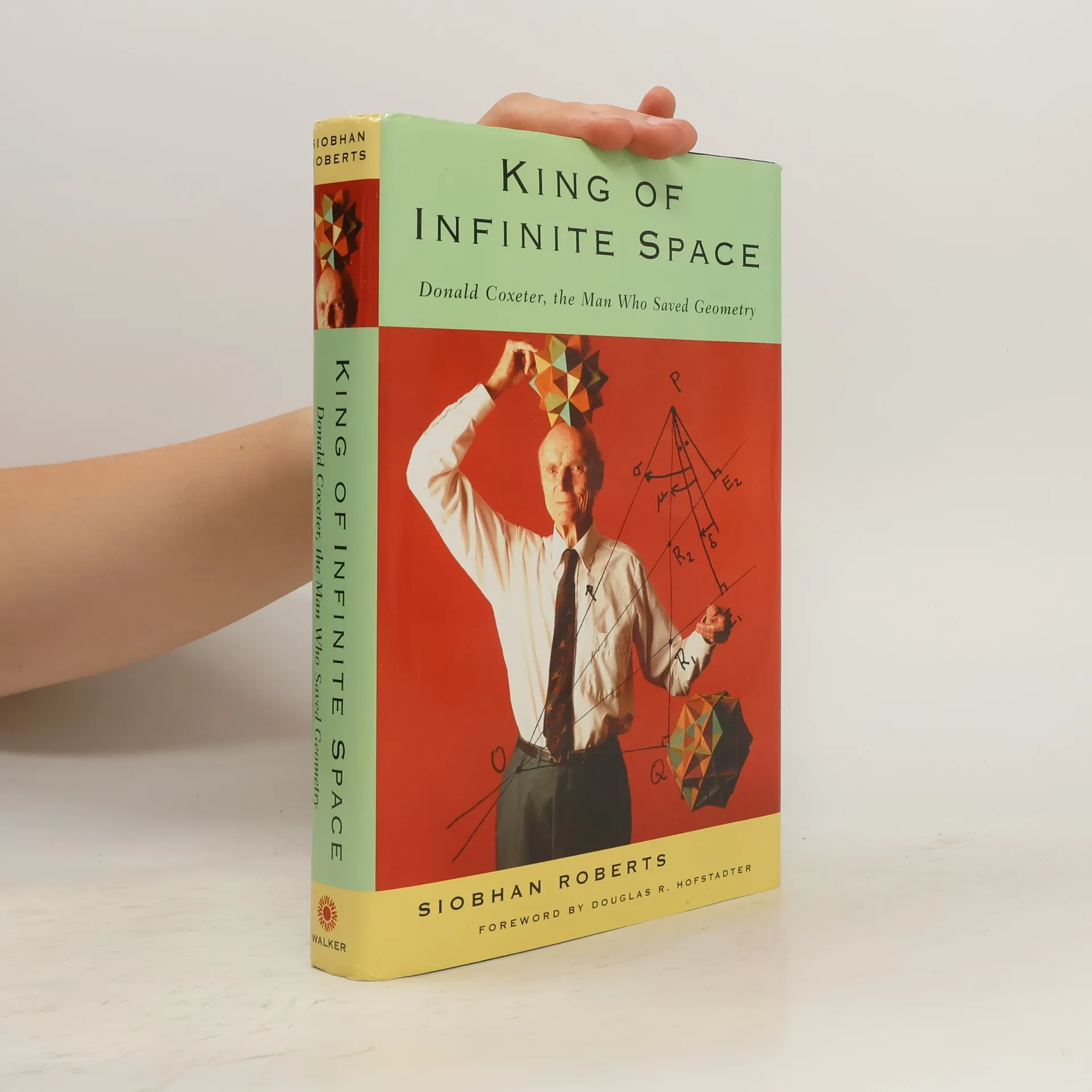
"There is perhaps no better way to prepare for the scientific breakthroughs of tomorrow than to learn the language of geometry." ―Brian Greene, author of The Elegant Universe. Geometry encompasses much more than shapes and numbers; it influences architecture, microchips, car design, animated films, food molecules, and even our body chemistry. Siobhan Roberts presents Donald Coxeter, one of the greatest geometers of the twentieth century, as the ideal guide to the wonders of geometry. Historical figures like Pythagoras, Plato, Archimedes, and Euclid were all geometers, and their legacies highlight Coxeter's contributions, showcasing geometry as a dynamic, evolving field that has been foundational to civilization. His renowned Coxeter groups and diagrams are regarded by mathematicians as essential tools, and his most significant achievement lies in preserving classical geometry during a time when the discipline favored austerity and rationality. Coxeter's influence extended beyond mathematics; artist M. C. Escher credited him with inspiring his Circle Limit patterns, while inventor Buckminster Fuller acknowledged that his geodesic dome was greatly influenced by Coxeter's ideas. This book serves as an elegant portal into the captivating and intricate realm of geometry.
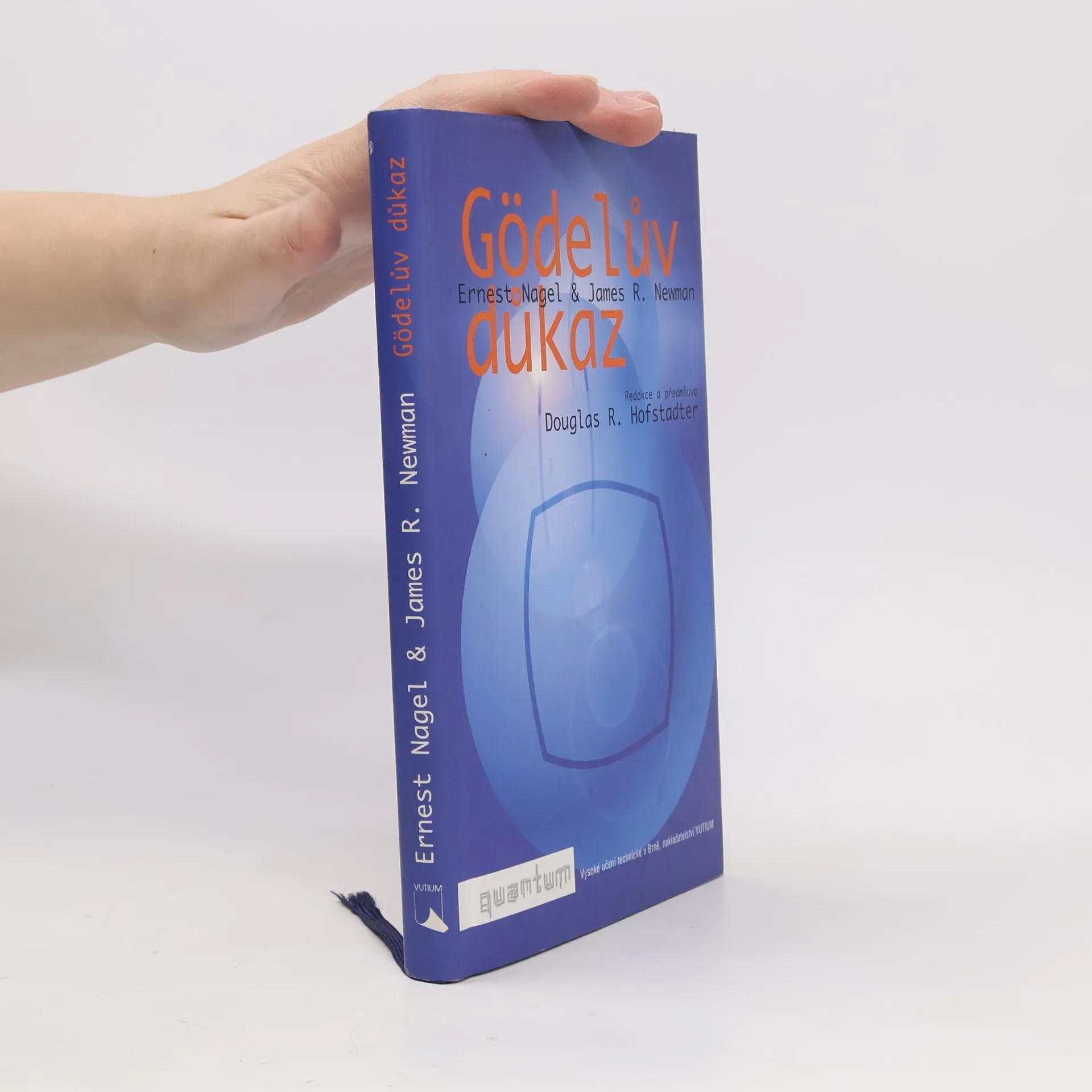
Gödelův důkaz
- 126 stránek
- 5 hodin čtení
V roce 1931 publikoval teprve 25letý Kurt Gödel, rodák z Brna, revoluční článek, v němž se kriticky vypořádal s určitými předpoklady tvořícími základ tradičního zkoumání v matematice a logice. V současnosti je jeho průzkum této terra incognita jedním z důležitých příspěvků moderní vědě. Knížka Gödelův důkaz je nově redakčně přehlédnuta, je rozšířena a aktualizována. Představuje svého druhu první čtivý výklad hlavních myšlenek Gödelova důkazu i některých z něj plynoucích důsledků. Kniha je určena studentům, vědcům, učitelům, odborníkům v mate- matice, kybernetice, logice, filozofii.
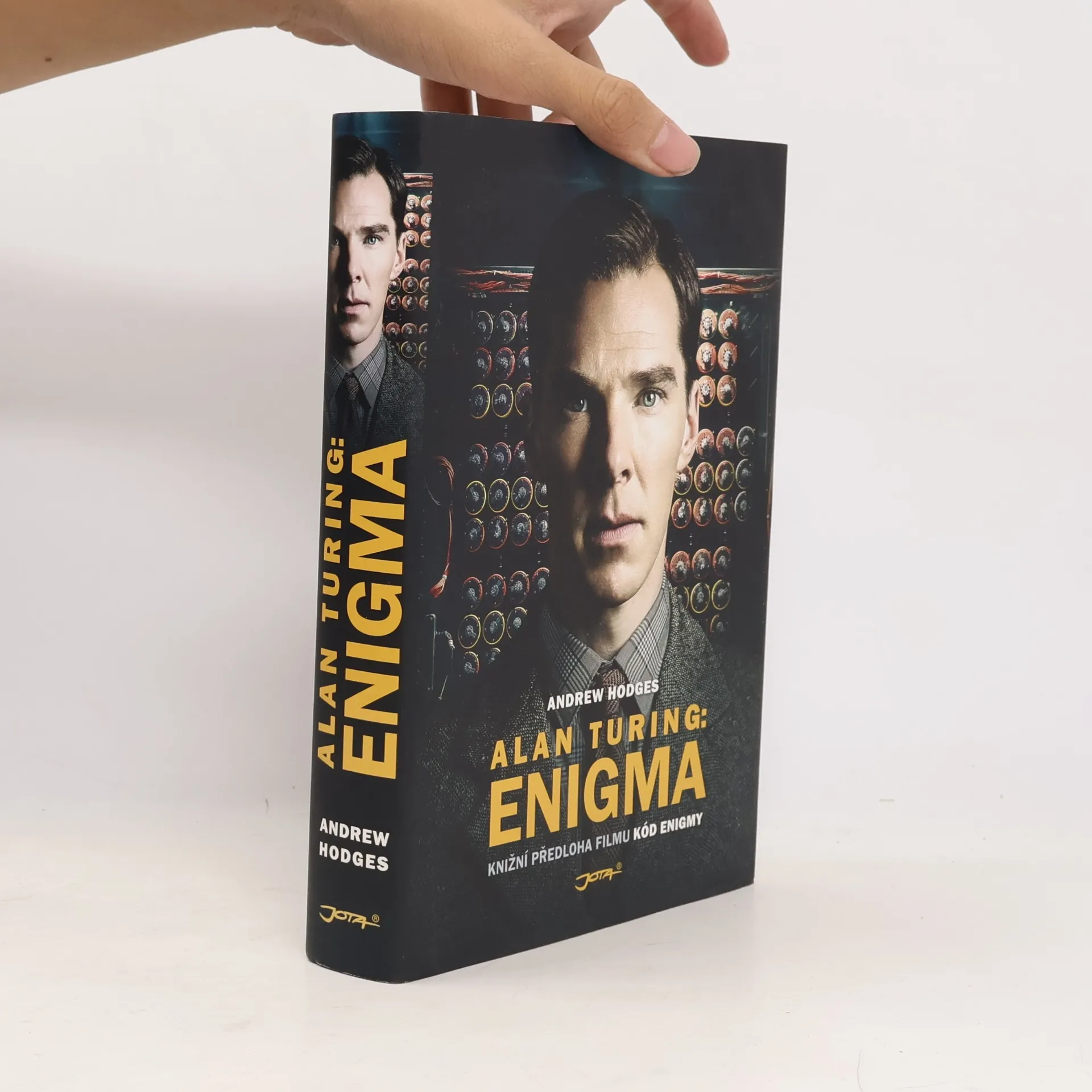
Alan Turing: Enigma
- 752 stránek
- 27 hodin čtení
Knižní předloha filmu Kód Enigmy. Alan Turing se zapsal do historie jako vynikající matematik a zakladatel moderní informatiky, jehož práce na prolomení německých kódů rozhodujícím způsobem ovlivnila průběh druhé světové války. Ještě před válkou přišel s konceptem univerzálního stroje, jenž se v roce 1945 zhmotnil do prvního návrhu programovatelného počítače. Turingův smělý rozlet na prahu počítačové éry však v roce 1952 zastavilo odhalení jeho homosexuality, které z něj učinilo kriminálního odsouzence a vystavilo ho ponižujícímu zacházení. Turing, ostudně zavržený okolím, svůj život o dva roky později dobrovolně ukončil a Velká Británie tak ztratila jednoho ze svých největších vědců a myslitelů. Obsáhlá, zevrubná biografie se opírá o bohatý poznámkový aparát, text doplňuje fotografická příloha.
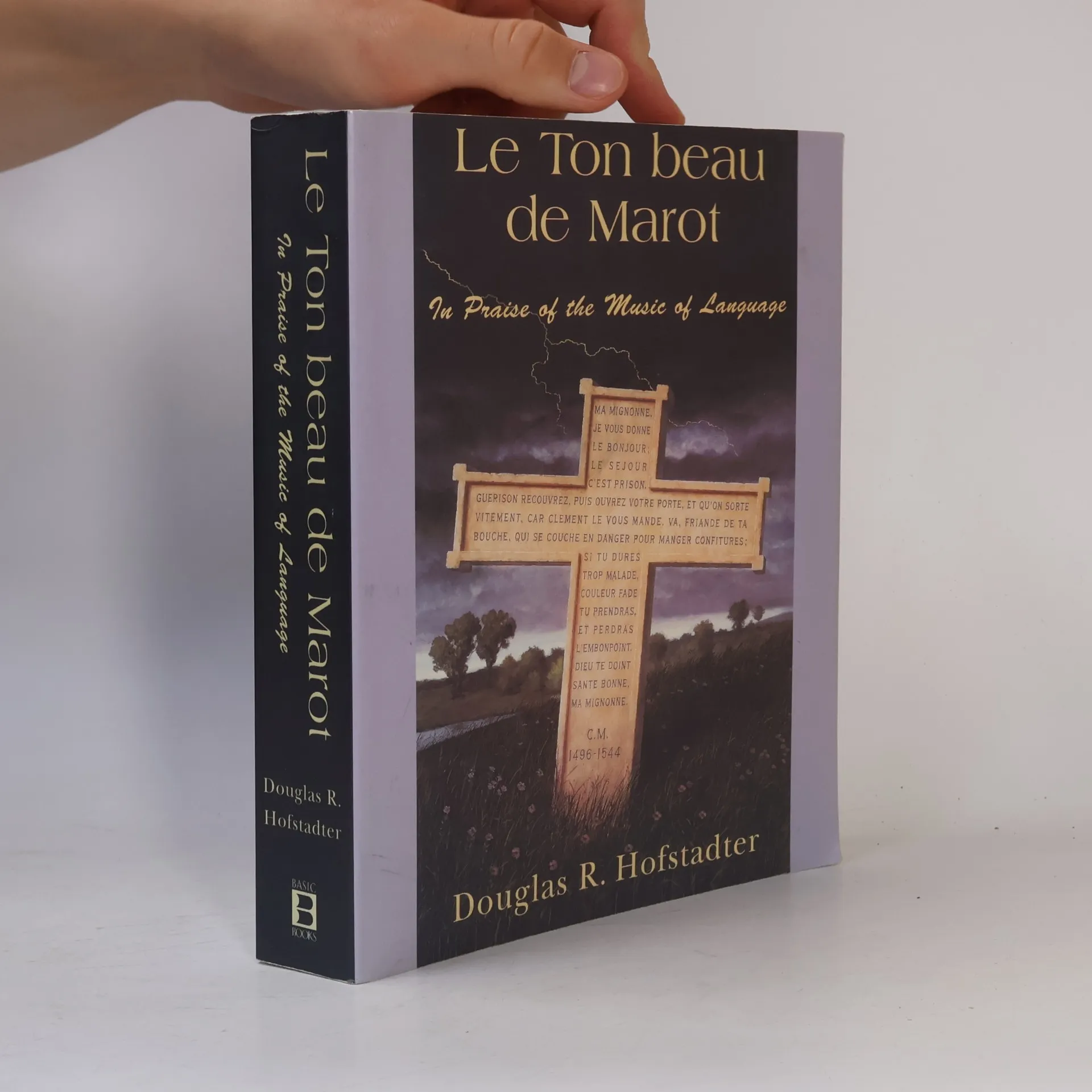
Lost in an art—the art of translation. Pulitzer Prize-winning author and cognitive scientist Douglas Hofstadter hints at what led him to pen a personal homage to the witty sixteenth-century French poet Clément Marot. “Le ton beau de Marot” suggests “Le tombeau de Marot”—foreshadowing the linguistic exuberance of this work. Sparked by a French miniature by Marot, Hofstadter became captivated by the challenge of recreating its sweet message and tight rhymes in English. Over the years, he translated Marot's poem and enlisted friends, students, and even translation programs to tackle this subtle challenge. The result is 88 diverse variations on Marot's theme, interspersed with chapters exploring language and thought. This work is not merely a set of translations; it’s an autobiographical essay, a love letter to the French language, and a reflection on life, loss, and death. It celebrates the creativity inspired by the music of words, weaving in themes from literary works like Pushkin's Eugene Onegin and Salinger's Catcher in the Rye. Rife with stunning form-content interplay and creative linguistic experiments, it appeals to literature lovers and those interested in contemporary ideas about creativity and language. This exploration is sure to provoke excitement and controversy among poets, translators, critics, and those studying creativity.
Bloemlezing van artikelen en verhalen met verbindend commentaar op het raakvlak van wijsgerige psychologie, computerkunde en hersenwetenschappen.
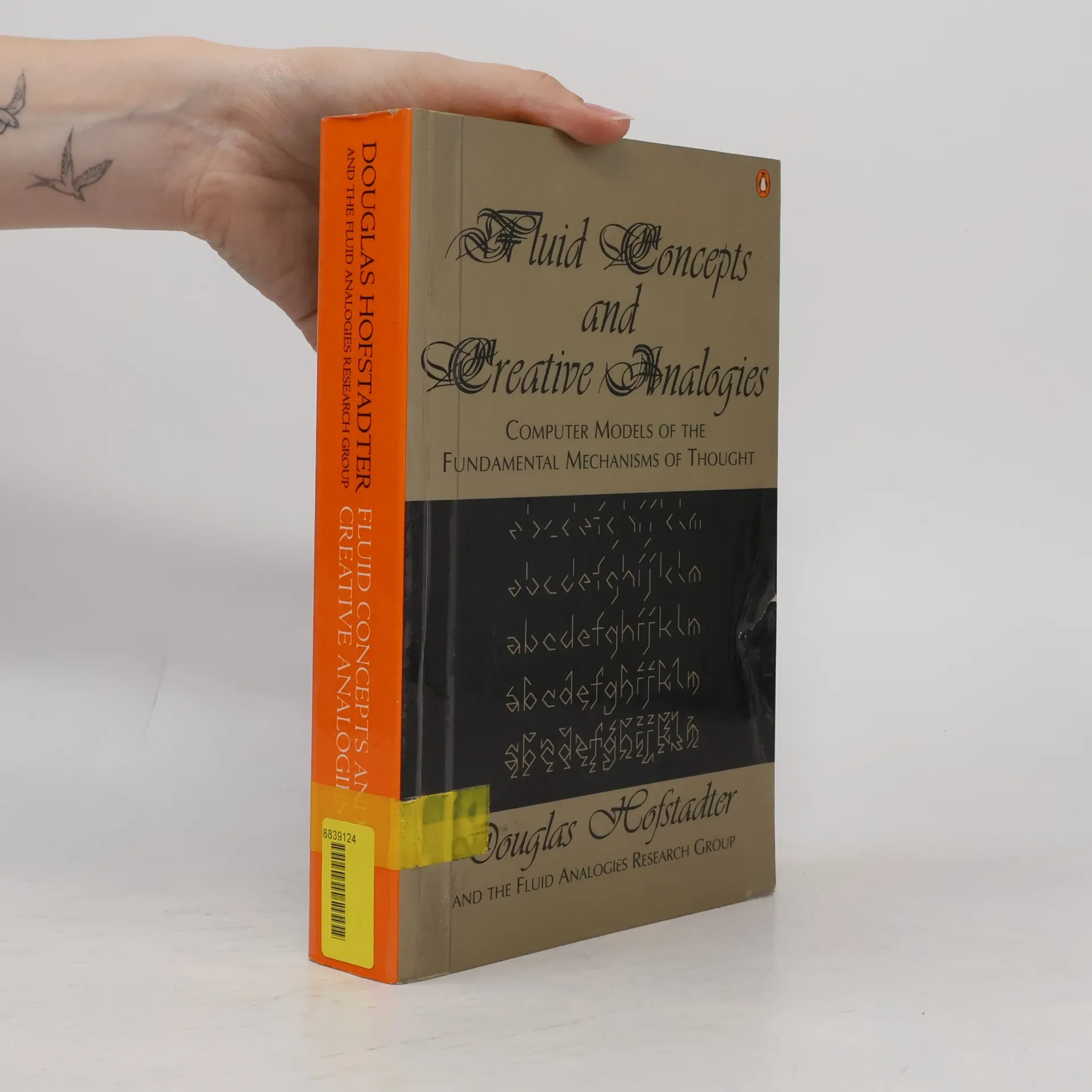
Fluid Concepts and Creative Analogies
Computer Models of the Fundamental Mechanisms of Thought
- 518 stránek
- 19 hodin čtení
subtitle: Computer Models of the Fundamental Mechanisms of Thought
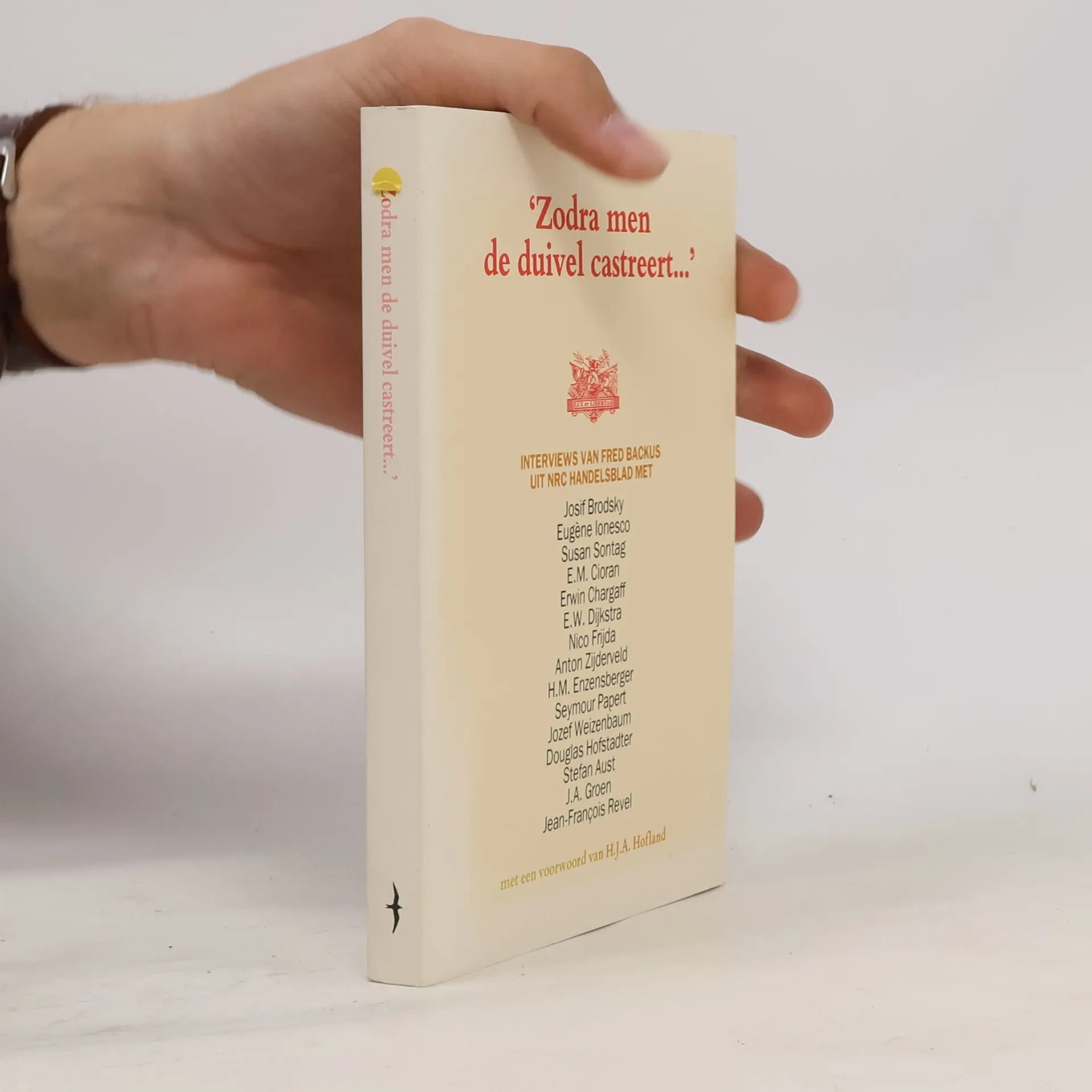
Zodra men de duivel castreert--
Interviews van Fred Backus uit NRC Handelsblad met Josif Brodsky, Eugène Ionesco, Susan Sontag, E.M. Cioran, Erwin Chargaff, E.W. Dijkstra, Nico Frijda, Anton Zijderveld, H.M. Enzensberger, Seymour Papert, Jozef Weizenbaum, Douglas Hofstadter, Stefan Aust, J.A. Groen, Jean-François Revel. Met een voorwoord van H.J.A. Hofland
- 213 stránek
- 8 hodin čtení
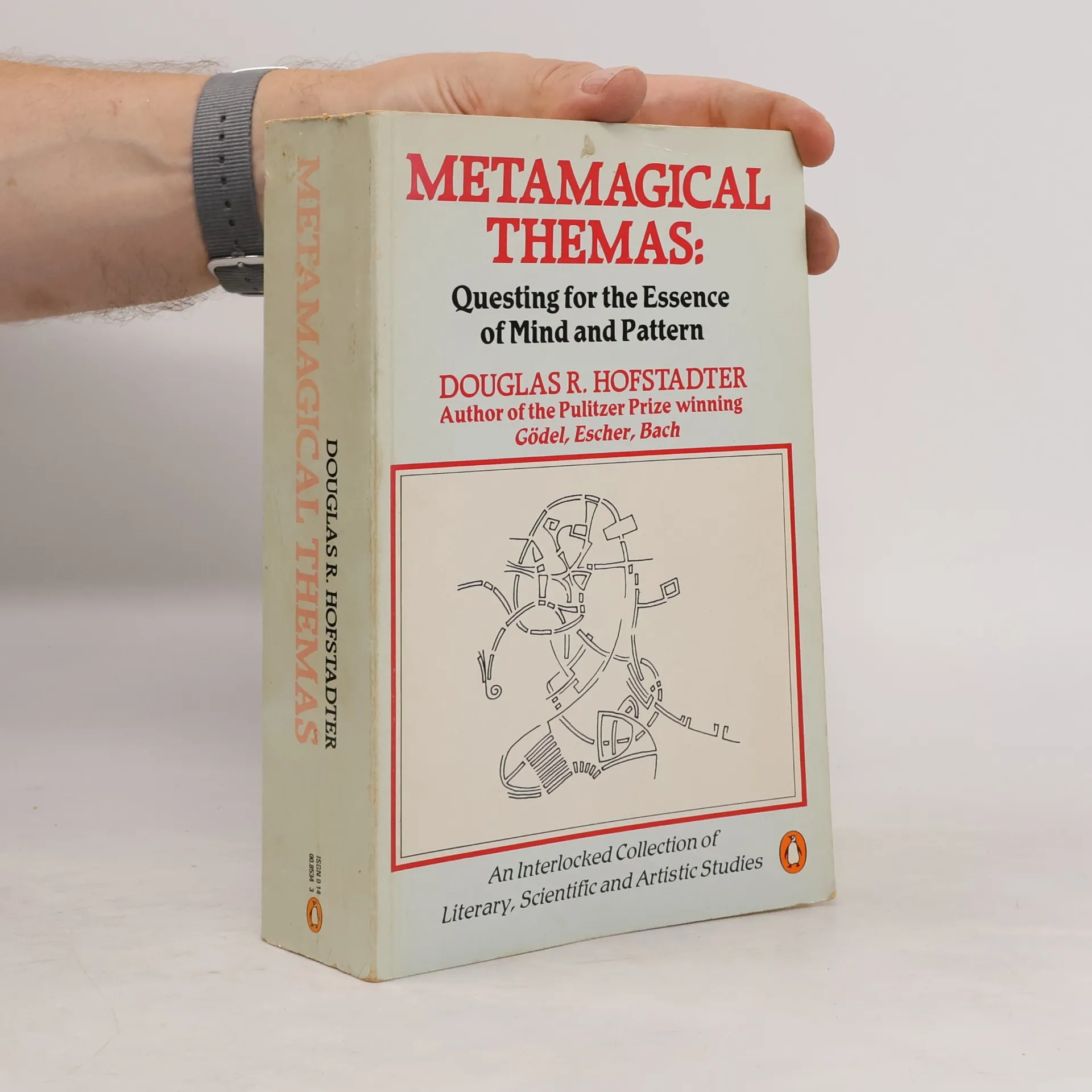
Metamagical themas : questing for the essence of mind and pattern
- 880 stránek
- 31 hodin čtení
Includes articles, many of which originally appeared in Scientific American, on memes, innumeracy, William Safire, Frederic Chopin, Rubik's Cube, strange attractors, Lisp, Heisenburg's uncertainty principle, quantum mechanics, Alan Turing, sphexishness, Prisoner's dilemma, and other topics.
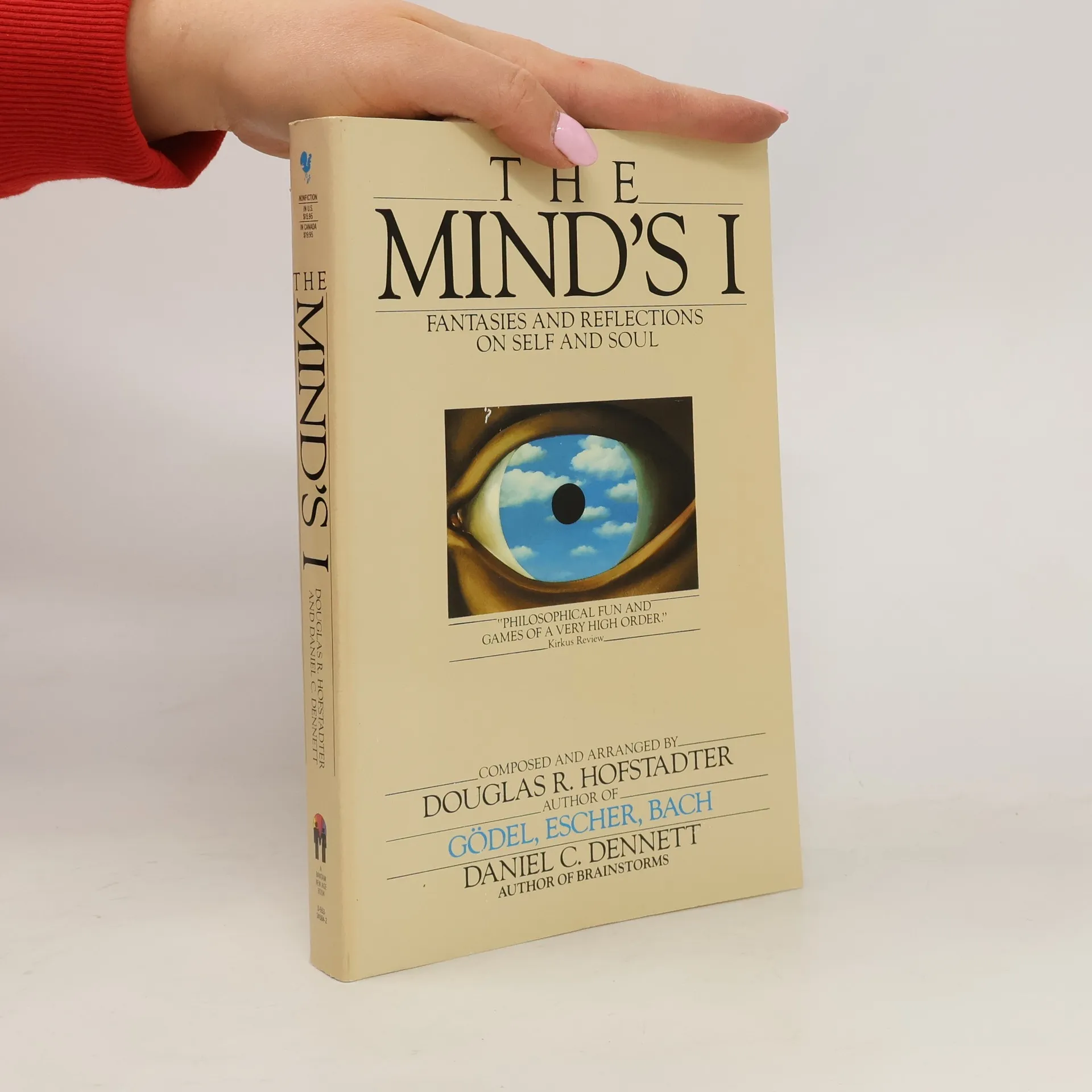
The mind's I : fantasies and reflections on self and soul
- 512 stránek
- 18 hodin čtení
Brilliant, shattering, mind-jolting,The Mind's Iis a searching, probing nook--a cosmic journey of the mind--that goes deeply into the problem of self and self-consciousness as anything written in our time. From verbalizing chimpanzees to scientific speculations involving machines with souls, from the mesmerizing, maze-like fiction of Borges to the tantalizing, dreamlike fiction of Lem and Princess Ineffable, her circuits glowing read and gold,The Mind's I opens the mind to the Black Box of fantasy, to the windfalls of reflection, to new dimensions of exciting possibilities.
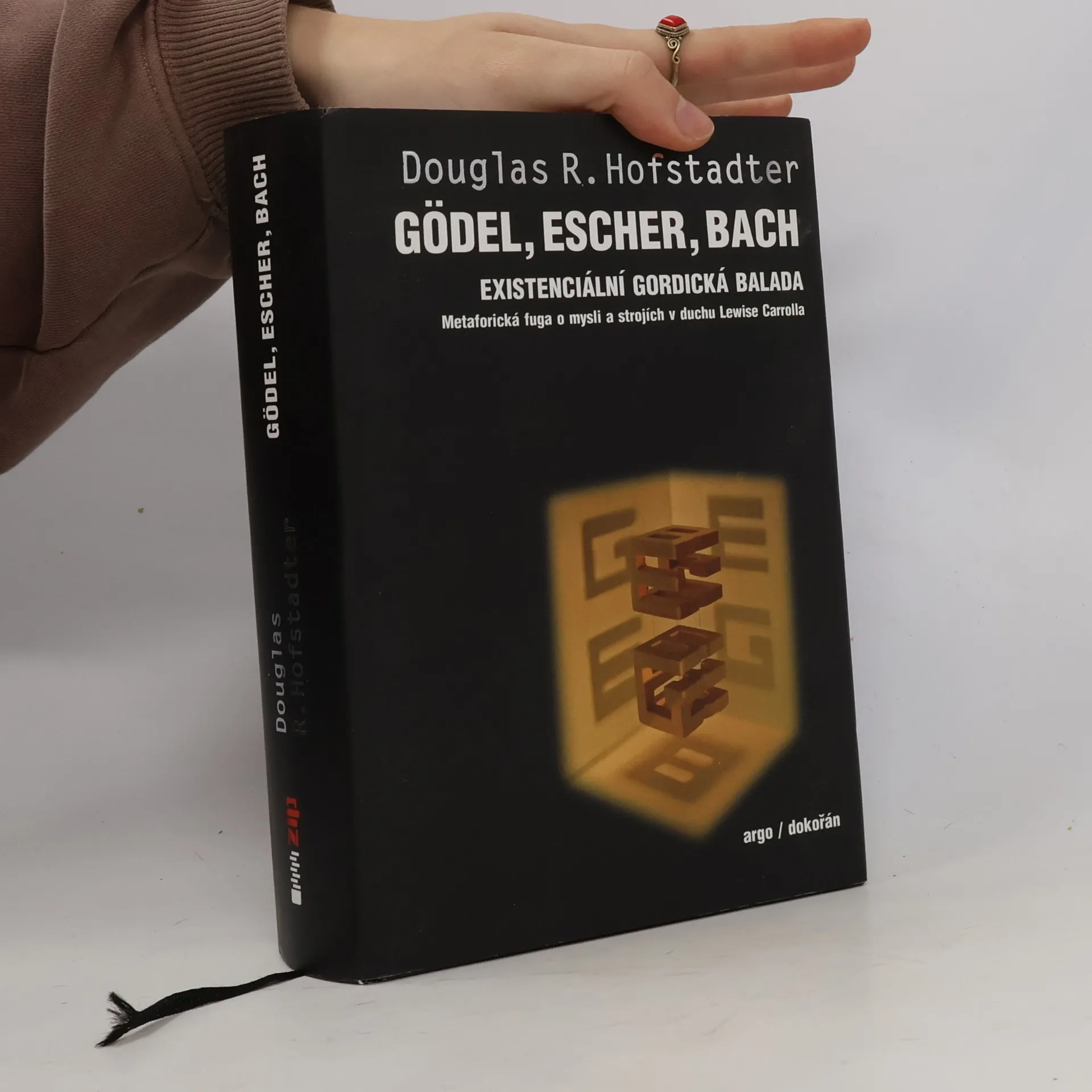
Gödel, Escher, Bach : existenciální gordická balada
- 830 stránek
- 30 hodin čtení
Podtitul: Existenciální gordická balada. Metaforická fuga o mysli a strojích v duchu Lewise Carrolla. Hlavním cílem této mimořádné knihy na pomezí metamatematiky, informatiky, filozofie a kognitivní psychologie je zkoumání, co jsou a odkud se berou základní atributy člověka – vědomí a inteligence. Je vystavěna na trojúhelníkovém půdorysu, jehož strany tvoří Bachovy fugy, Escherovy obrazy a dílo matematika Kurta Gödela. Tato zdánlivě nesouvisející témata mají totiž jednu společnou skrytou, o to však podstatnější vlastnost: jejich struktura je postavena na odkazu na sebe sama – takzvané autoreferenci. V knize se pravidelně střídá rigorózní výklad obtížných témat s rozmarnými pasážemi, jež jsou nabity slovními i grafickými hříčkami – a to vše je pevně propojeno ideovými, verbálními i vizuálními odkazy v mnoha vrstvách do pevného, velmi harmonického celku. Český překlad vznikal za spolupráce s autorem.
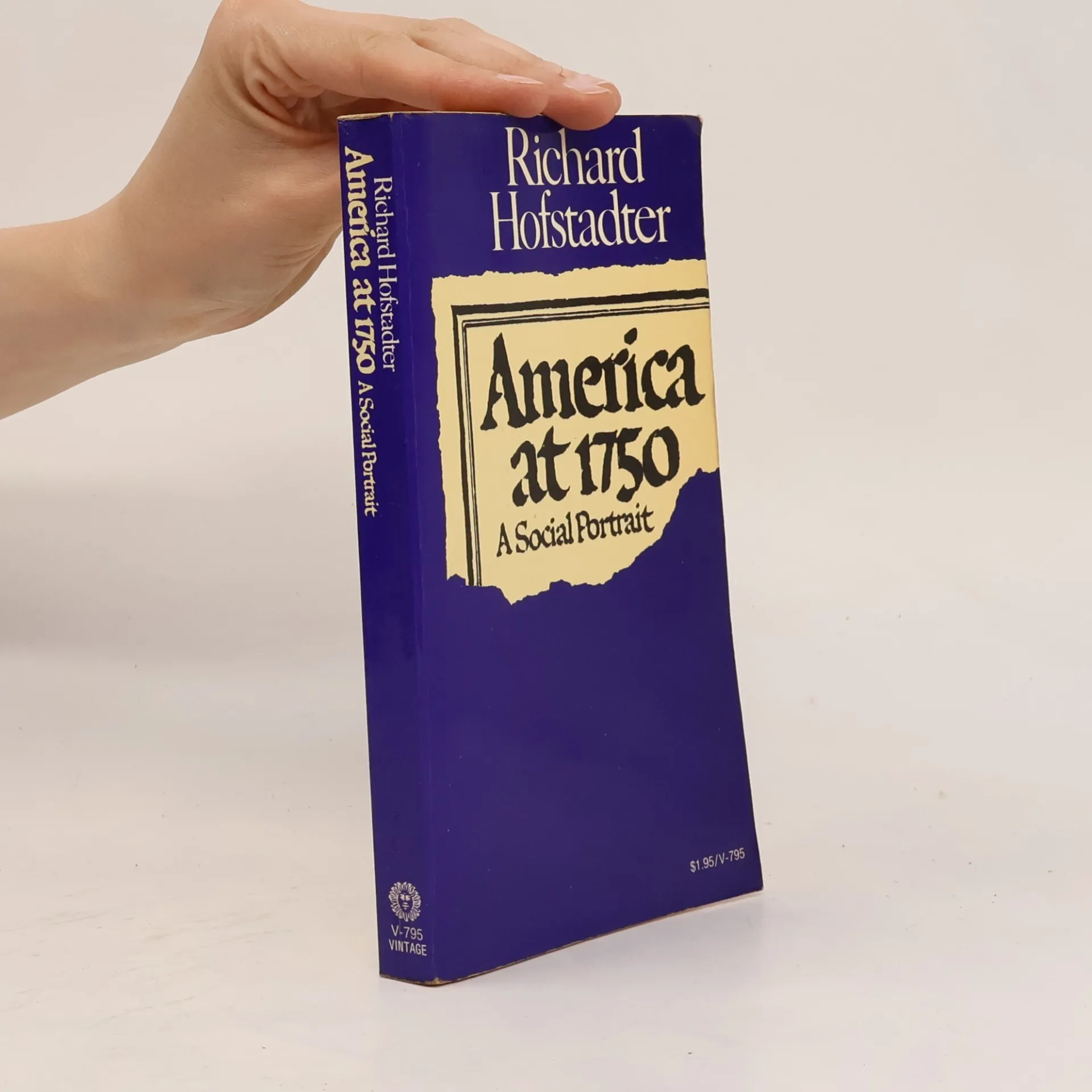
Demonstrates how the colonies developed into the first nation created under the influences of nationalism, modern capitalism and Protestantism.