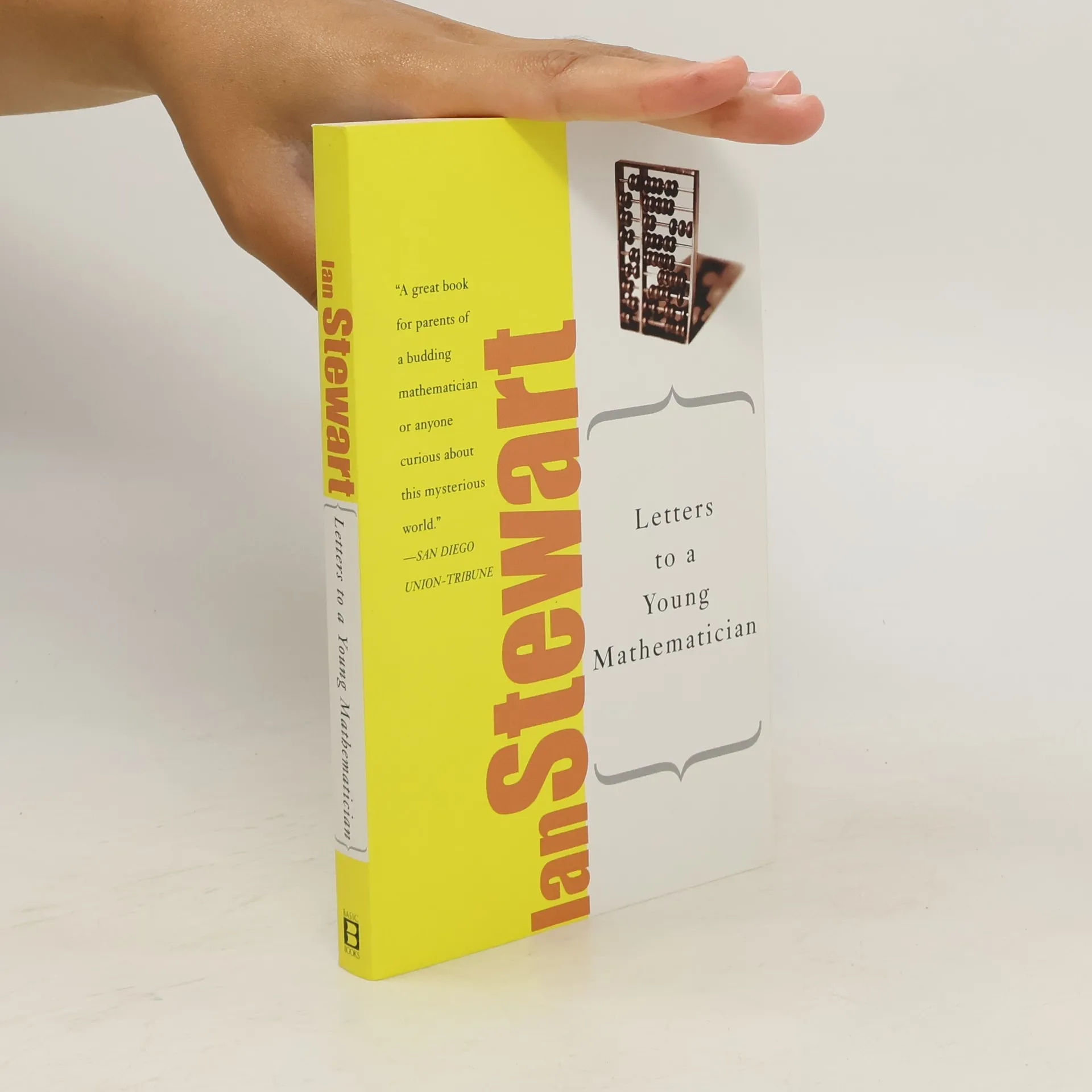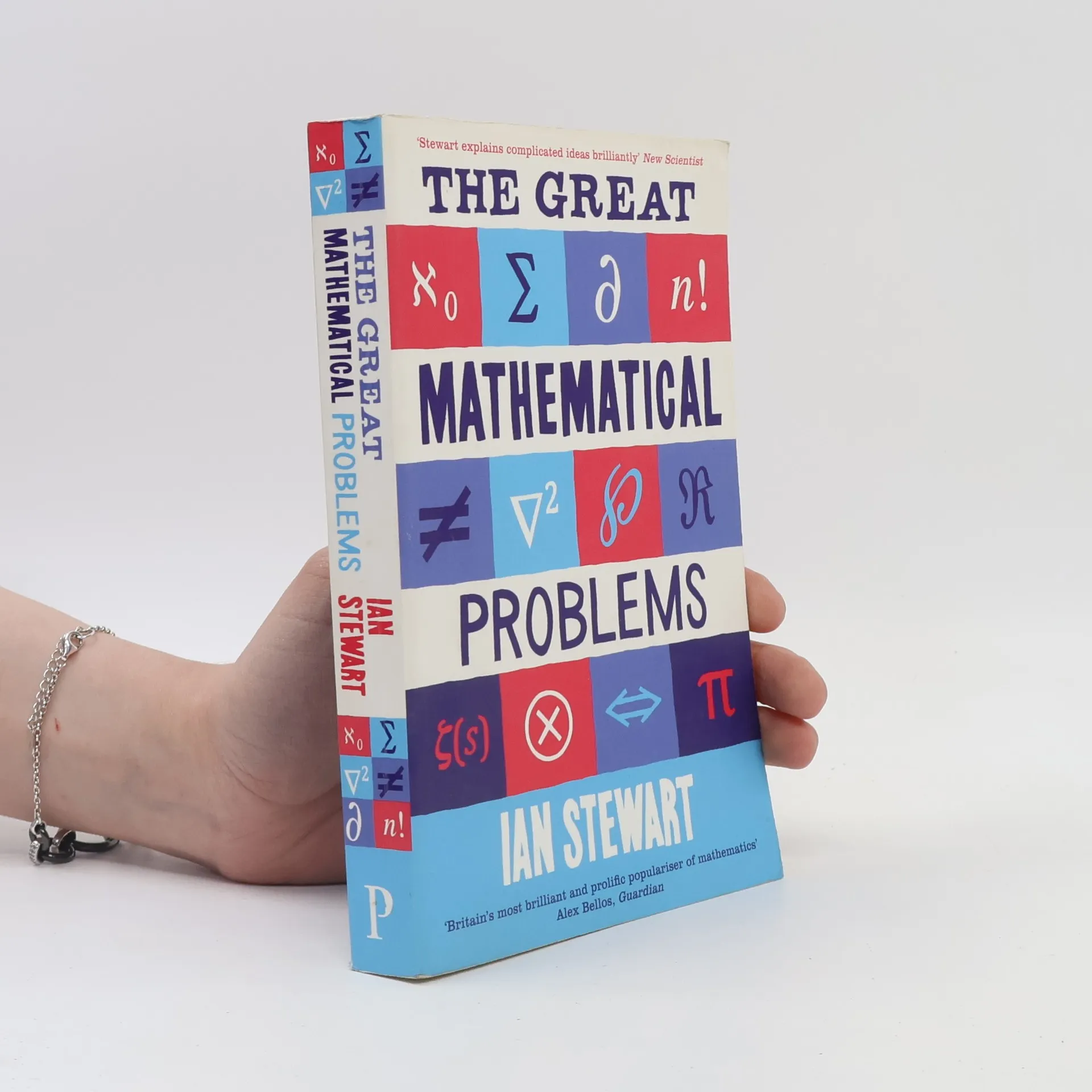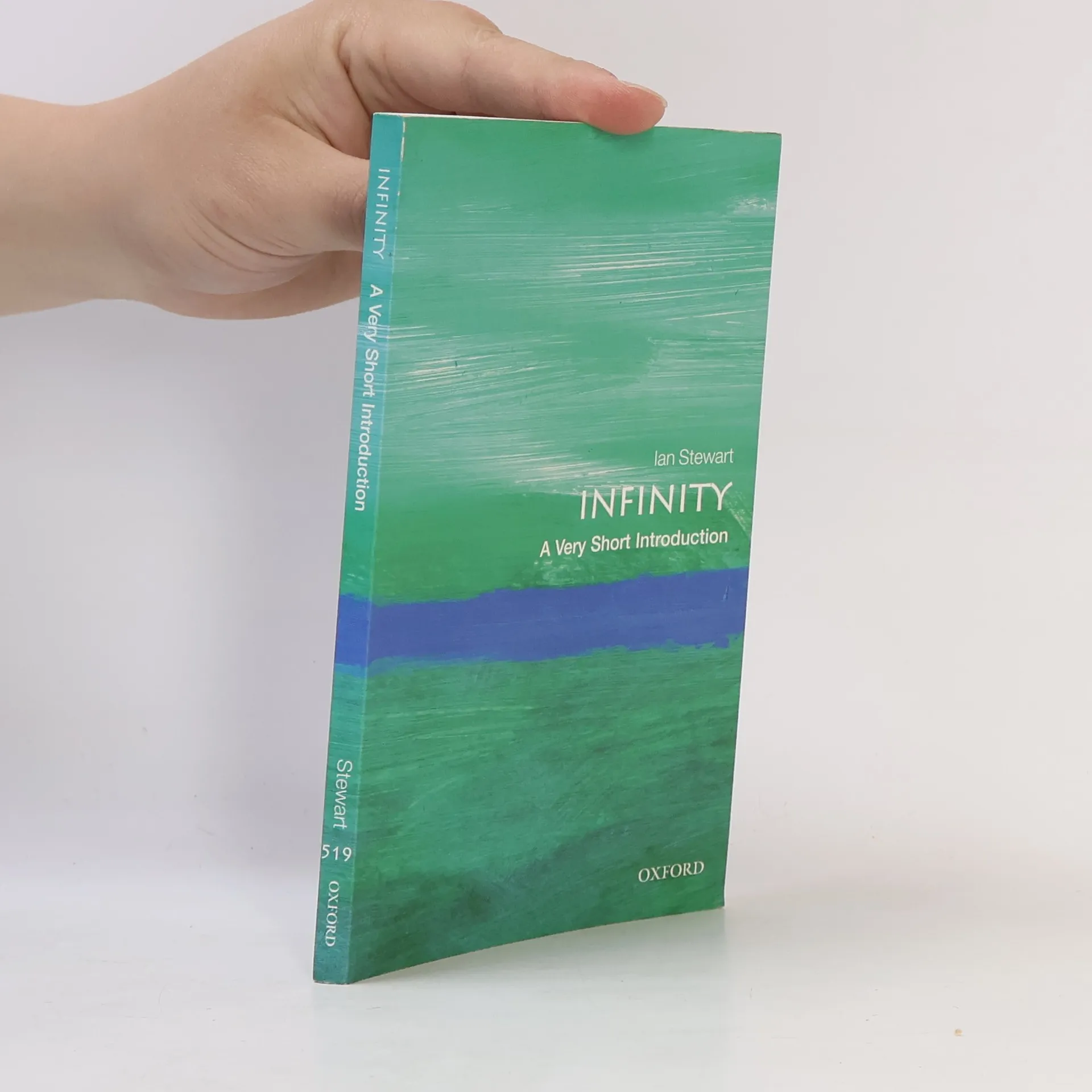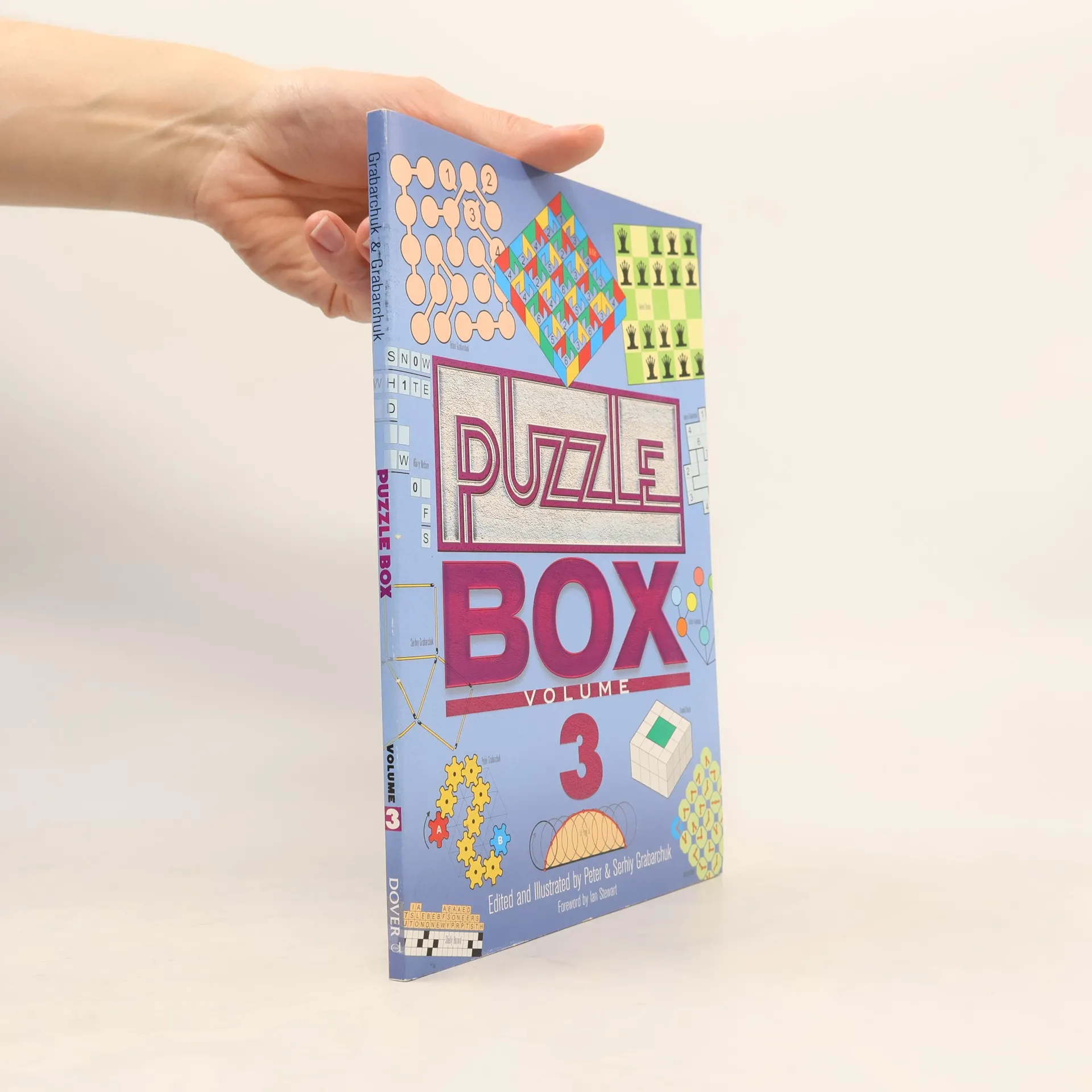
Ian Andrew Robert Stewart (18. červenec 1938 – 12. prosinec 1985) byl skotský klávesista a člen skupiny The Rolling Stones. Spolupracoval také se skupinou Led Zeppelin nebo kytaristou George Thorogoodem.
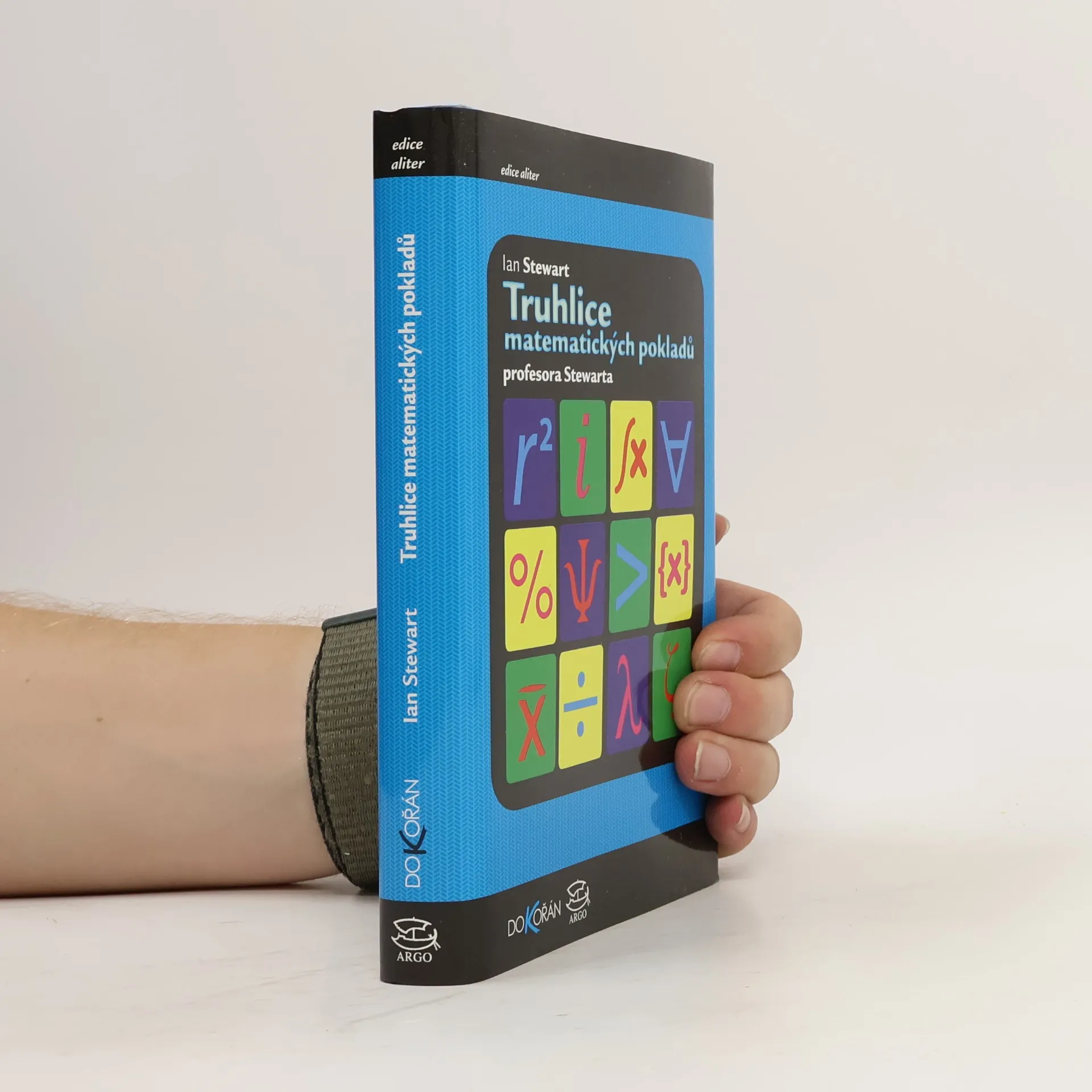
Proč se trojúhelníky těžko deformují?
Padají malé dešťové kapky rychleji než velké?
Vážíme na severním pólu více?
Podaří se vám zdvihnout kuličku ze stolu pouze pomocí skleničky na víno?
Proč mají golfové míčky na povrchu drobné prohlubně?
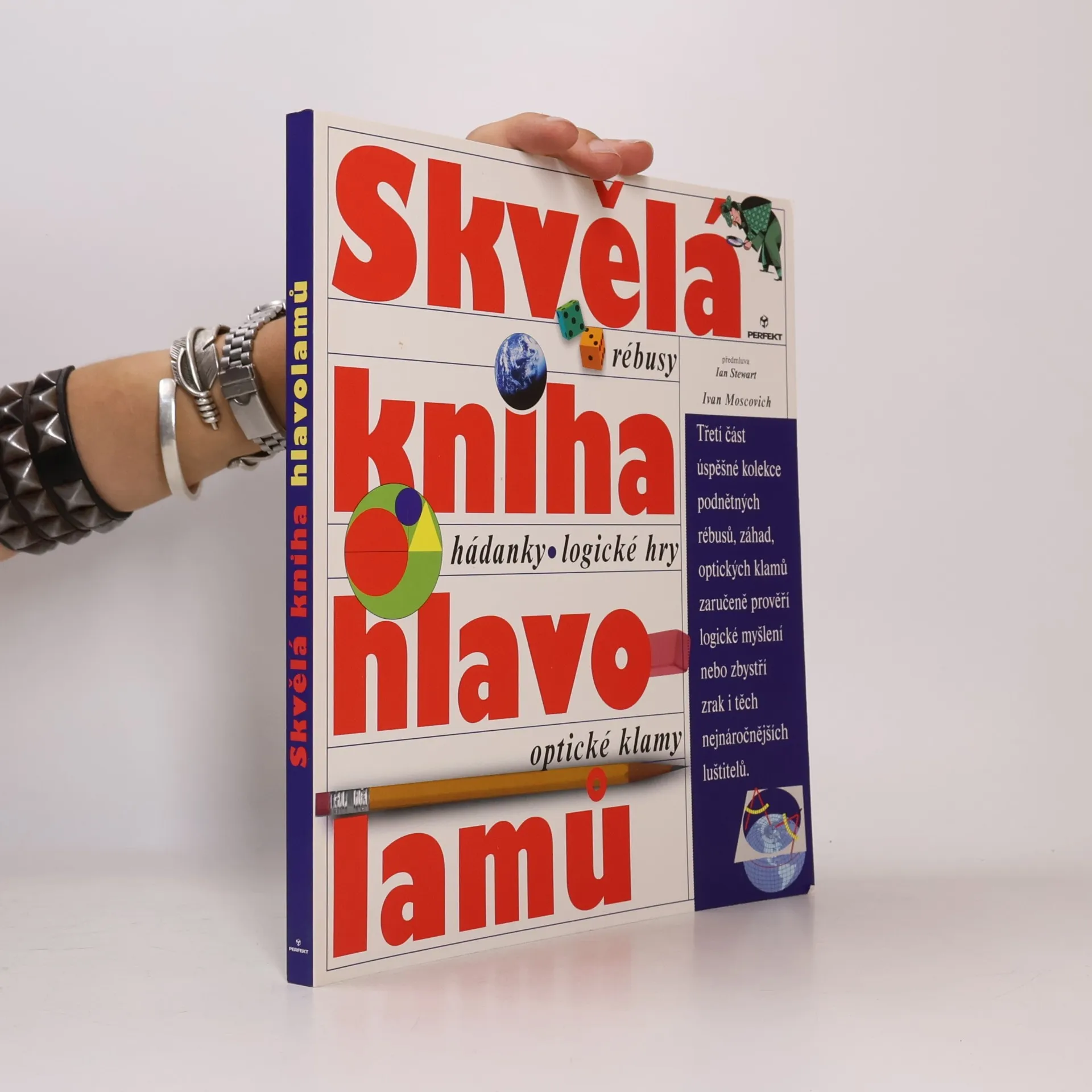
Třetí část úspěšné kolekce podnětných rébusů, záhad, optických klamů zaručeně prověří logické myšlení nebo zbystří zrak i těch nejnáročnějších luštitelů.
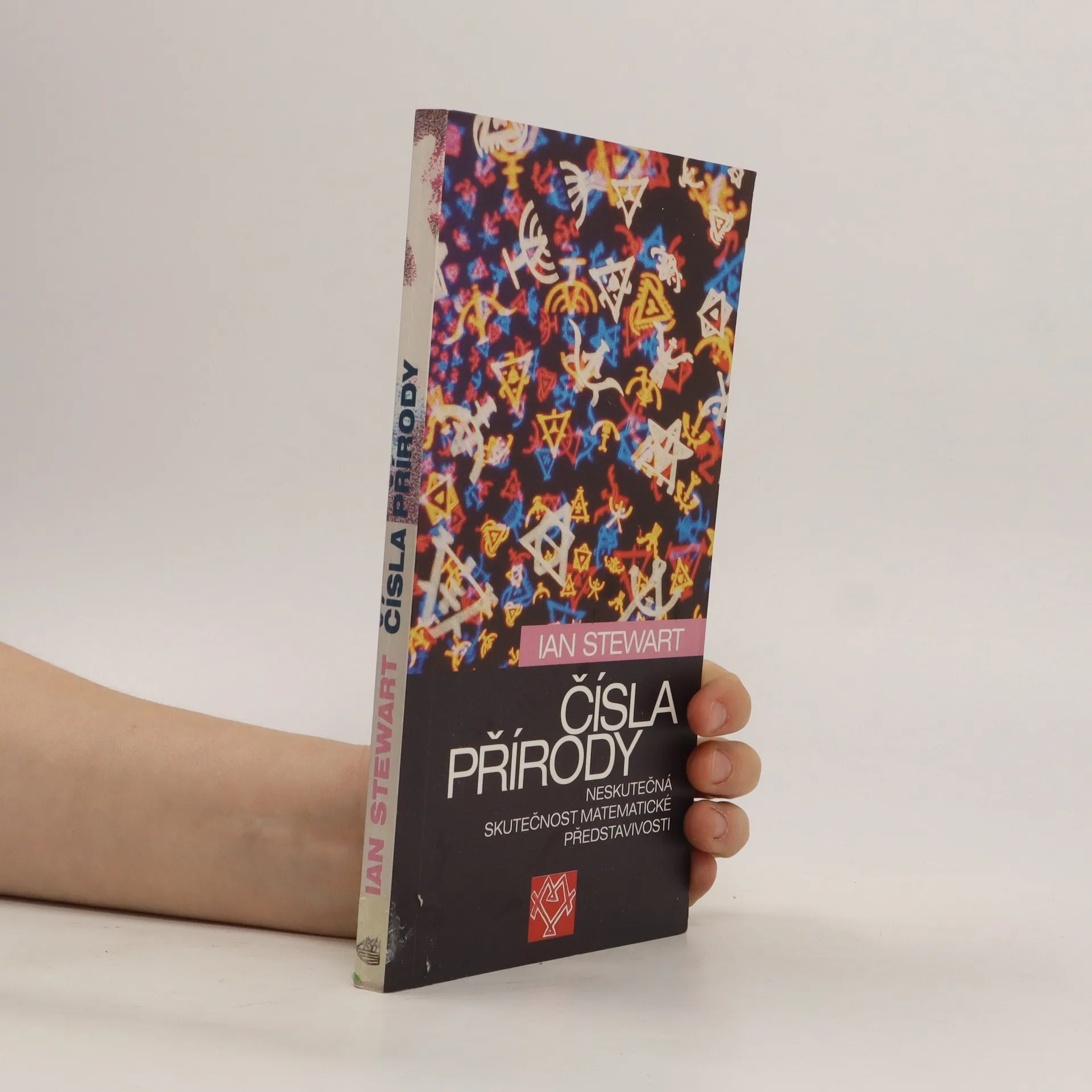
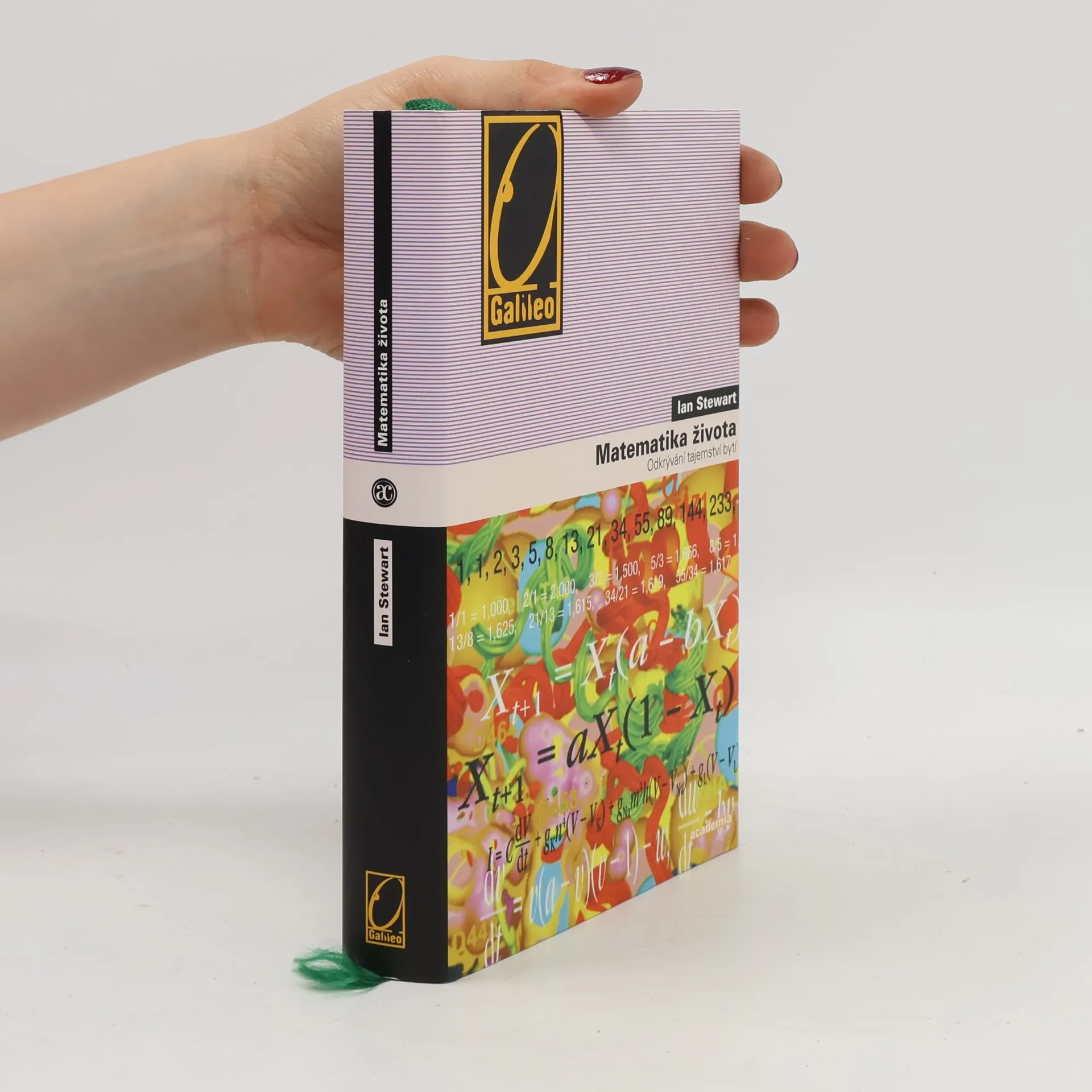
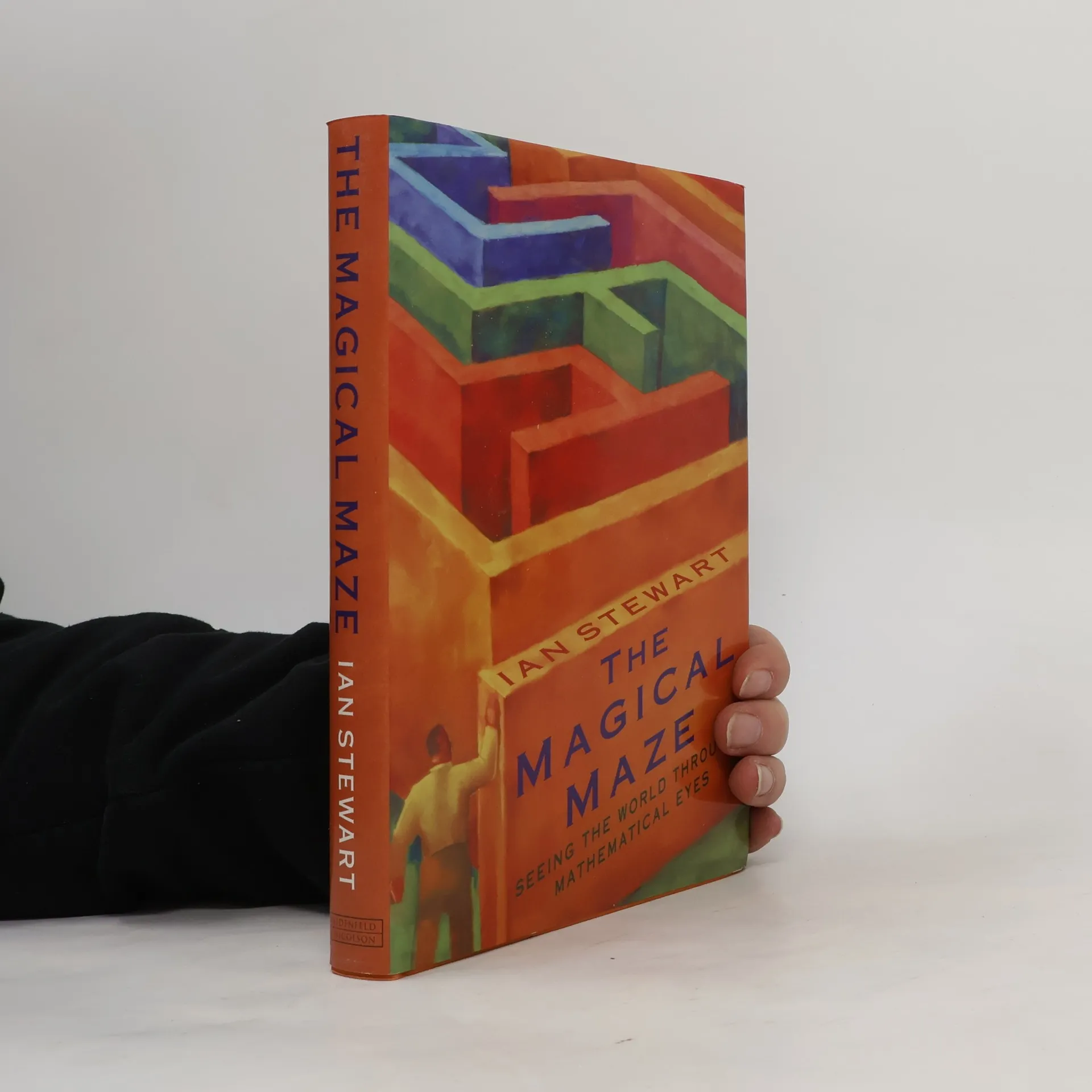
Autor přiznává, že matematika je absolutně nereálná. Je to jen čirý produkt našeho myšlení. A přesto ten nejlepší nástroj k poznávání světa. Pohled na svět očima matematiky odkryje veliké tajemství: přírodní modely nás dovedou k principům, podle kterých funguje celý vesmír.
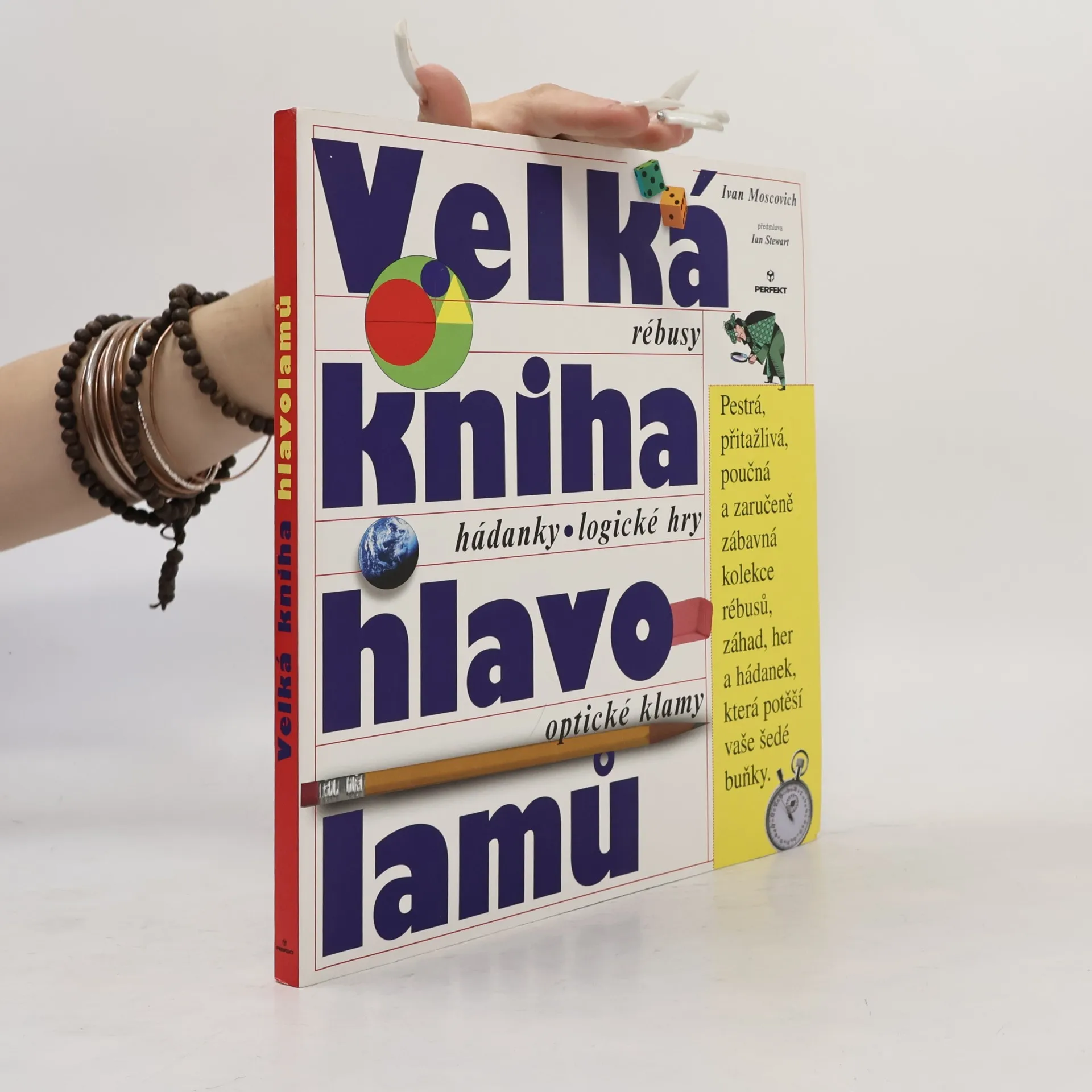
Hledáte zábavu a vzrušení? Chcete si ověřit, jak jste na tom se zdatností, šikovností a logikou myšlení? Ivan Moscovich, světoznámý a uznávaný vynálezce, hádankář a umělec, vám to vše nabízí v jedinečné Velké knize hlavolamů. Publikace je sbírkou originálních a podnětných hlavolamů, skládanek, hádanek, rébusů, příkladů, různých obrázků a optických klamů, která kombinuje zábavu se stimulací mozkových buněk a zároveň ji aplikuje na oblast umění, vědy a matematiky. Hra a experimentování povzbudí vaše kreativní myšlení a zároveň vás vyburcuje k aktivitě jako dobře osolené arašídy. Díky této publikaci, která působí jako zdroj živé inspirace, se můžete stát vynalézavějšími, kreativnějšími, šikovnějšími... a navíc vás ještě okouzlí skrytá krása logiky. Tato mimořádná kniha, určená pro všechny věkové kategorie, je příkladem toho, jak se lze smysluplně a tvořivě zabavit ve volném čase.
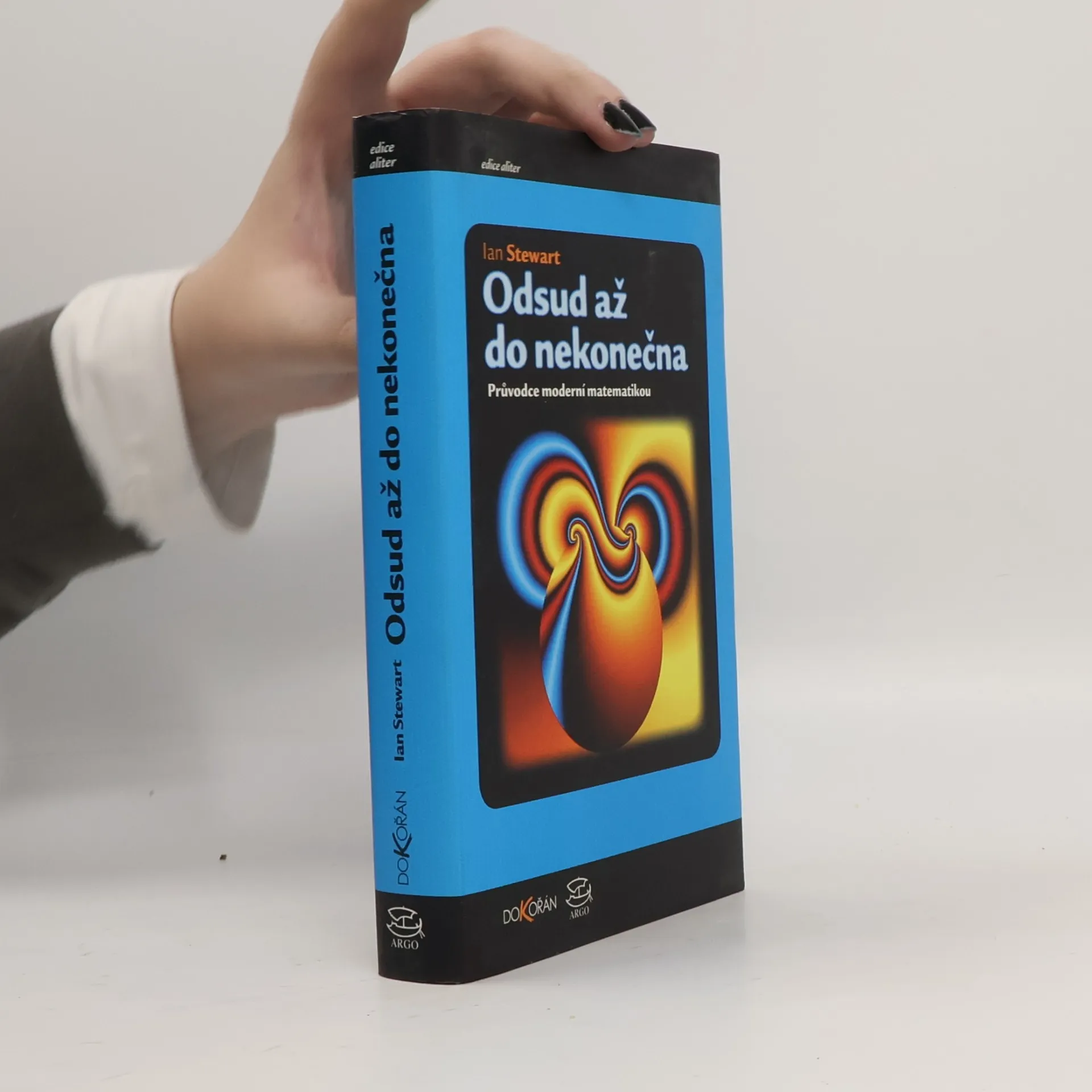
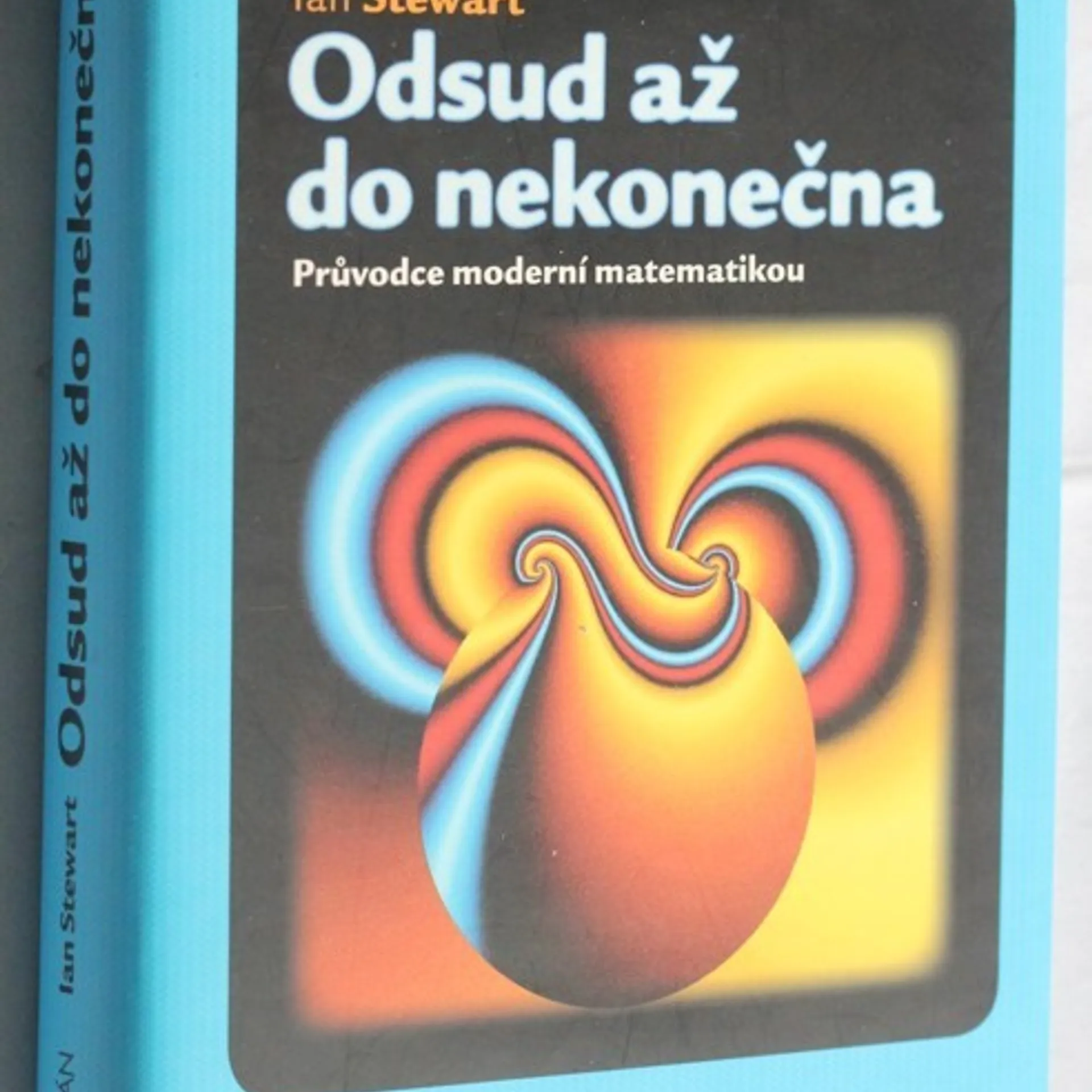
Průvodce moderní matematikou.
Autor se ve své knize zabývá problémy, které jsou jemu osobně blízké, z čehož vyplývá také entuziasmus, s jakým je podává. Ale nevynechává ani ty zásadní, jako například Wilesův důkaz Velké Fermatovy věty, problému nevyřešeného po více než tři století. Další problémy, o kterých se v knize pojednává, jsou například věta o čtyřech barvách, nejnovější vývoj teorie uzlů, teorie chaosu a kvantové šifrování. Člověk se zájmem o matematiku má jen málokdy možnost dočíst se o výzkumech méně než sto let starých. Stewart takovou možnost nabízí a poutavě vysvětluje podstatné myšlenky nejnovějších trendů a objevů, aniž by bylo třeba znát hluboké teorie, na kterých jsou postaveny.
Kniha vyšla poprvé v roce 1987 a od té doby, jak přibývaly vyřešené problémy a důležité objevy v matematice, byla několikrát doplněna a přepracována.
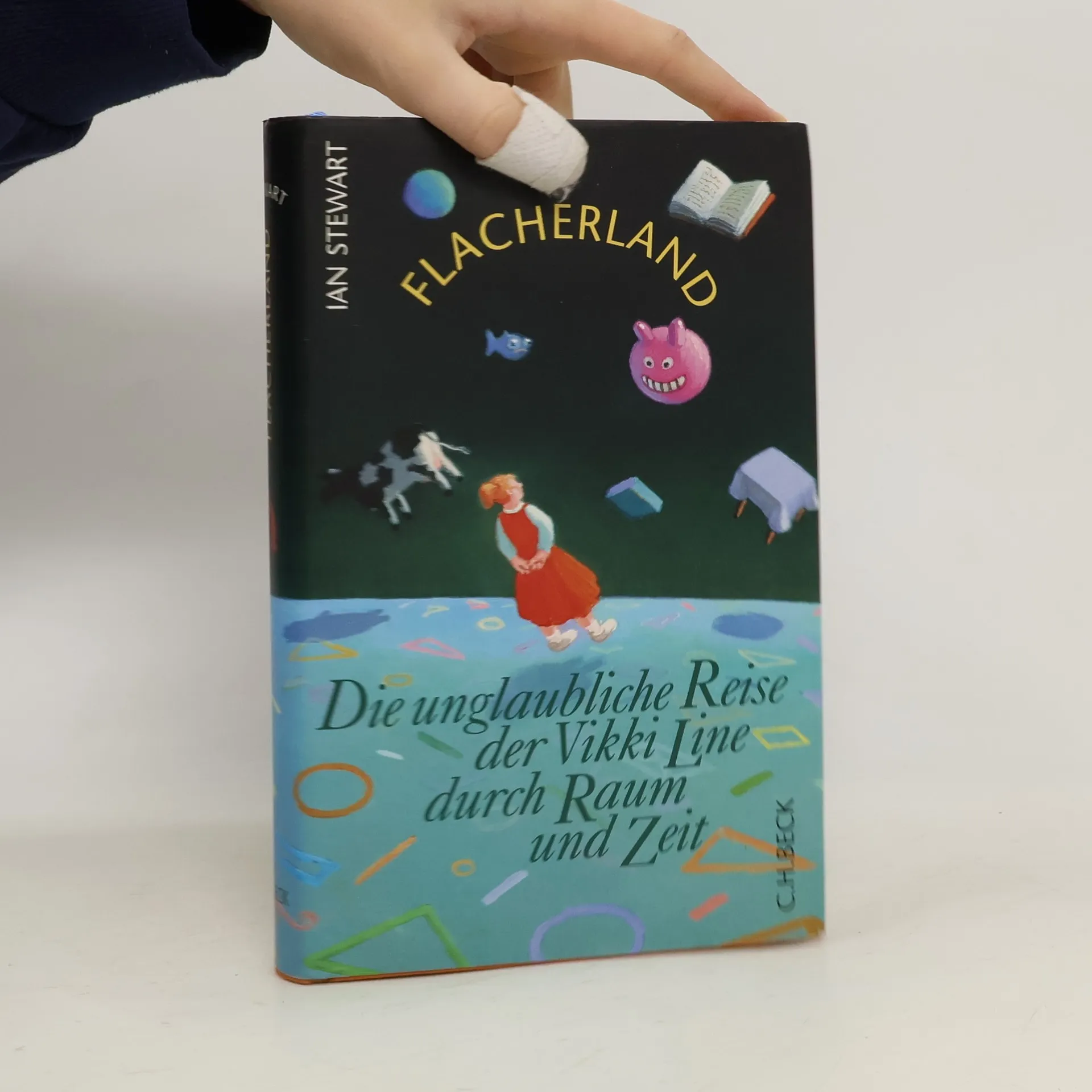
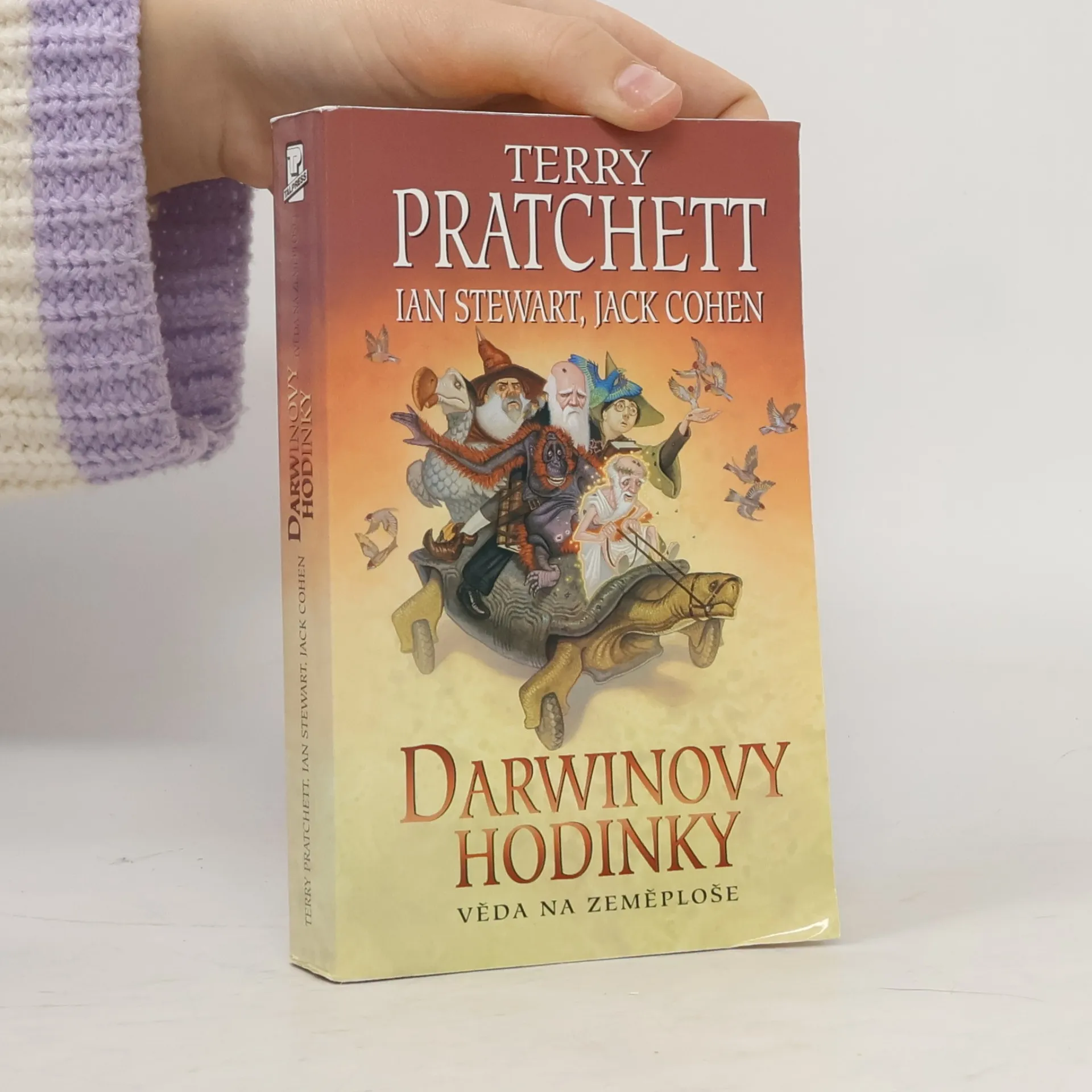
Zemneplocha má problém – Charlese Darwina. Přesněji řečeno, někdo tajemný a neznámý považuje existenci Charlese Darwina za neodpustitelnou urážku, a tak důmyslně pozmění časoprostorové kontinuum, aby se tento vědec nikdy nedobral svých slavných objevů. Situace je vážná, neboť bez vzniku darwinismu nemají obyvatelé Zemneplochy šanci sestrojit vesmírný výtah a uniknout do vesmíru dříve, než do jejich světa narazí nějaká další zatracená ledová koule. Avšak ještě není nic ztraceno, dokud existují mágové Neviditelné univerzity, kteří by za svůj výtvor dali ruku do ohně. Tedy, něčí ruku rozhodně. Největší magická armáda Zeměplochy se dává do pohybu, aby bojovala za budoucnost té malé kulaté planety, samozřejmě za podmínky, že do oběda budou zpátky. A krom toho všeho k nám ještě promluví Ian Stewart a Jack Cohen o evoluci, červích dírách, o číslech, které mají víc nul, než bankovní účet Billa Gatese, a o tom, proč Ch. Darwin nikdy nedostal Nobelovu cenu.
Mágové ignorují existenci všech ostatních bytostí a pokud si snad někdo jejich pozornost vynucuje neustálým poukazováním na svoji služební nadřazenost, snaží se co nejrychleji jeho existenci snížit pod měřitelnou hodnotu. Kupříkladu kuší. Proto se na arcikancléřův pokyn vydali mágové do přírody a uvolňují nahromaděné napětí pomocí paintballových kouzel. To ovšem ještě nevědí, že se najednou ocitnou na Zeměploše, kterou kdysi sami vytvořili. Mágové tentokrát budou muset zjistit, co z lidí dělá fungující společnost. Nezapomenou, samozřejmě, vyzkoušet krajní meze lidské přizpůsobivosti. Naši staří známí – matematik, biolog a spisovatel fantasy literatury – nám samozřejmě opět pomohou vyložit si věci tím správným způsobem, protože mágové i my potřebujeme všechnu pomoc, abychom překonali zlo, které využívá tu nejstrašnější zbraň – lidskou představivost.
Nahlédněte do kufříku naditého případy detektiva Soamese, jehož schopnosti si vůbec nezadají s umem Sherlocka Holmese. A stejně jako měl Holmes svého Watsona, i Soames má k ruce vysloužilého vojenského lékaře dr. Johna Watsupa, který mu svojí naivitou nahrává na brilantní smeče a zároveň pečlivě zapisuje vyřešené případy. Mnohé z nich jsou úzce provázány se zajímavým matematickým problémem a nalézt pachatele často není možné bez vyřešení zapeklité matematické záhady, což autor pohříchu mnohdy nechává na čtenáři. Ten, kdo už dlouho marně trápil své mozkové závity a chce se dát poddat, může nahlédnout do řešení na konci knihy, kde často najde i informace o obecnějších souvislostech a odkazy na literaturu. Tam, kde si tradiční detektiv vystačí se stopami od bláta, musí Soames zapojit zajímavé kombinatorické úvahy či své znalosti Peanovy aritmetiky nebo zapeklitých vlastností prvočísel. Matematické postupy více osvětlí dr. Watsup, který se však občas do řešení zamotá. Pomůžete mu?
Přišla taková zima, že se mágové na Neviditelné univerzitě rozhodli vyzkoušet jeden prastarý, velice nebezpečný experiment, který by sice mohl zajistit teplo pro celou univerzitu, ale také by mohl vyústit v explozi, která by okamžitě zničila celý Ankh-Morpork. Hlavně, že prokřehlým profesorům bude teplo. K apokalypse nakonec nedojde a jako vedlejší efekt vznikne malý svět, kde neexistuje magie. A když na kulatou modrou planetu, která se v něm objeví, vyšlou mágové Mrakoplaše, zjistí tento mistr dvou vesmírů v běhu na krátké vzdálenosti, že vzniklo jen další místo plné tvorů, kteří mu usilují o život. V této knize tří autorů – biologa, matematika a spisovatele – můžeme jejich očima pozorovat zákonitosti našeho vesmíru aplikované na fantastický vesmír, kde nejdůležitější fyzikální zákony začínají slovem „možná“. A samozřejmě si můžeme vyslechnout i názor skupinky mágů z Neviditelné univerzity, kteří v nově vzniklém kapesním vesmíru plném supernov, dinosaurů a kvantových fyziků nevidí nic než elegantní těžítko.
Víte, že číslo Pí lze vypočítat z rozmístění hvězd na obloze?
Anebo že počítačová tomografie, tzv. „cétéčko“, by nemohla fungovat bez jednoho čistě matematického objevu?
Zajímá vás, jak se provádí důkaz „zastrašením“ či „opomenutím“?
Víte, co je ve skutečnosti polární medvěd?
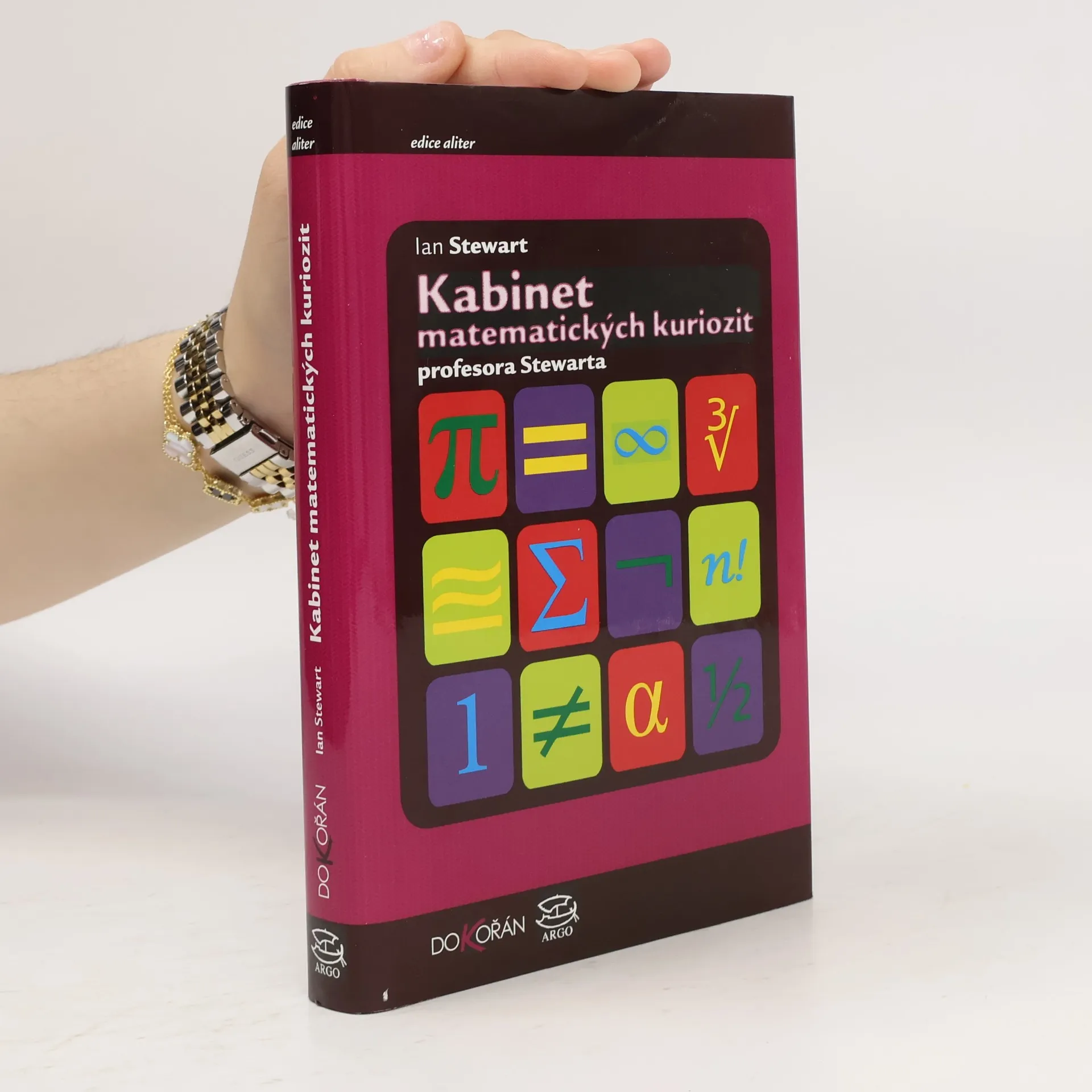
Odpovědi na tyto otázky i spoustu dalších najdete v pokračování úspěšného Kabinetu matematických kuriozit profesora Stewarta. Tento britský matematik, obdařený osobitým jemným humorem, opět sáhl do svých zápisníků a přichází s další pestrou všehochutí z tajuplného světa čísel, úseček a integrálů. Znovu se přesvědčíte, že svět matematiky dokáže být velmi zábavný. Kuriozity, hádanky, vážné úlohy, příběhy z historie vědy, matematické vtipy i historky o slavných matematicích jsou zde poskládány s lehkostí a šarmem do vytříbené mozaiky, kterou lze číst po řadě i na přeskáčku, ale která vás nudit rozhodně nebude.
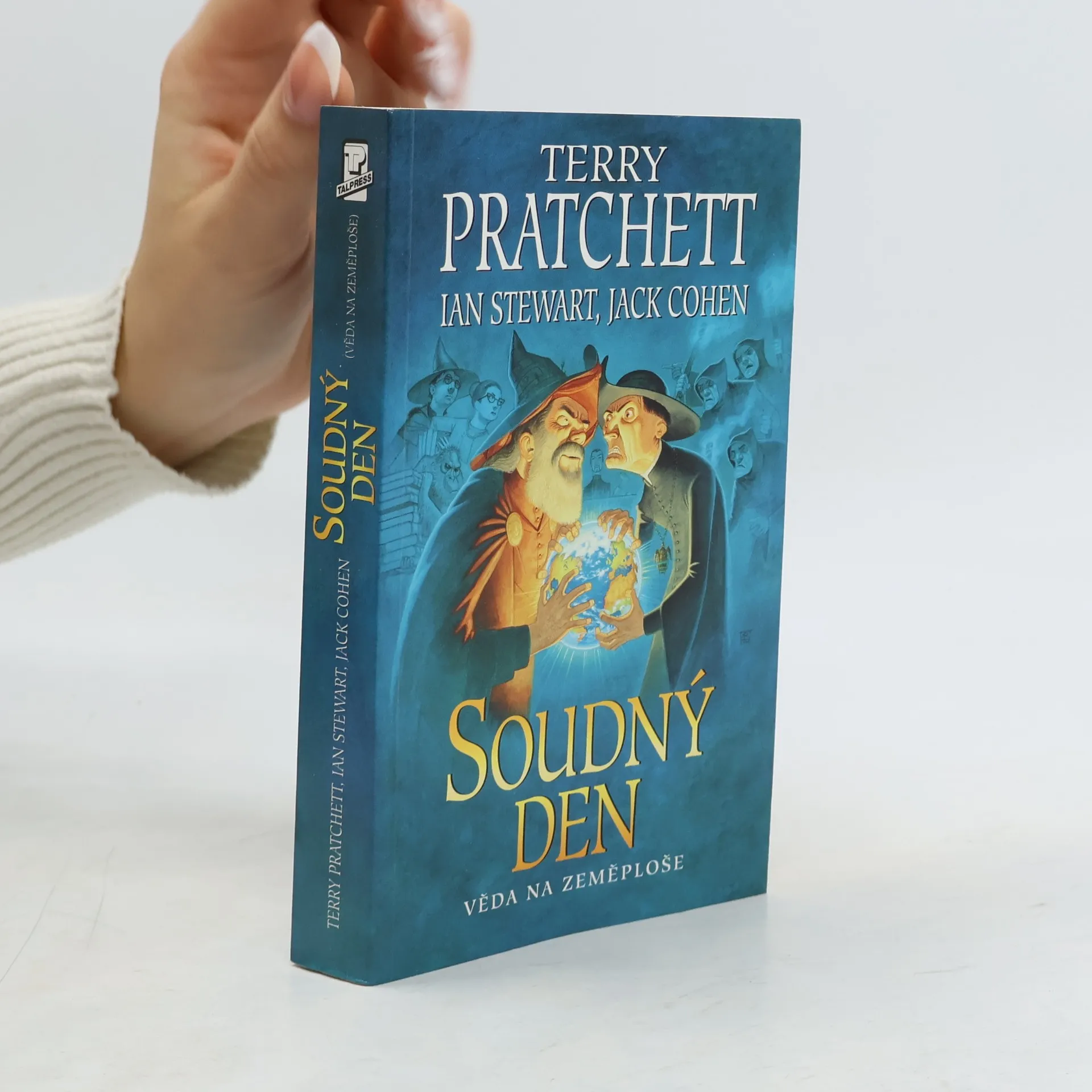
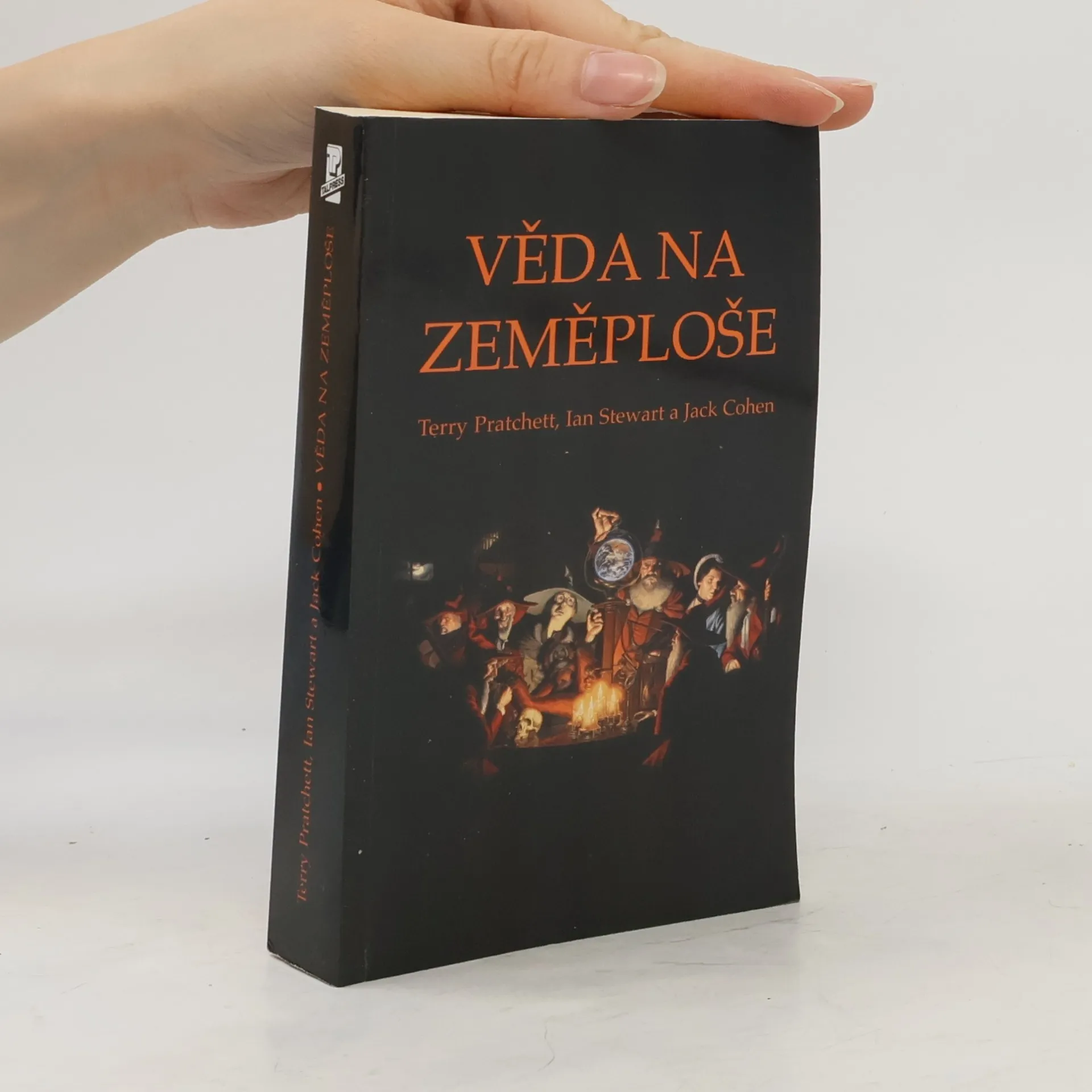
Čtvrtá kniha ze série Věda na Zeměploše se tentokrát vypořádává s OPRAVDU ZÁVAŽNÝMI OTÁZKAMI! Toto je nový brilantní zeměplošský příběh Terryho Pratchetta Soudný den, s opravdu velkými poznámkami (formou prokládaných kapitol) matematika Iana Stewarta a biologa Jacka Cohena, přinášejícími spletitou kombinaci fikce, špičkové vědy a filozofie.
Marjorie Dawe je knihovnice a bere svoji práci – a samozřejmě pravdivost slov – velmi vážně. Ona o tom neví, ale její a náš svět – Zemneplocha – je ve velkých problémech. Na Zeměploše se totiž schyluje ke kolosální potyčce.
Mágové Neviditelné Univerzity se cítí za Zemneplochu zodpovědni (asi jako za svého pískomila). Konec konců ji stvořili zfušováním jednoho kvantového Thaumo-dynamického pokusu. Ale Omnijci na ně podávají žalobu a tvrdí, že mágové hraním na bohy zesměšňují jejich vznešené náboženství.
Když se nejlepší právnické mozky na Zeměploše (zombie a kněz) připravují na bitvu – a bylo zatáhnuto za velkou červenou páku v budově Silnoproudé magie – Marjorie Dawe je vržena skrz mnohovesmír přímo doprostřed celé té ožehavé aféry. Zatímco naše trojice zkoumá Boha, Vesmír a popravdě i všechno ostatní, můžete očekávat slony nesoucí svět, kvantovou gravitaci v teoretickém modelu Escher-verse, evoluční design, věčné rozpínání, temnou hmotu, systémy nevíry – a zevrubnou studii, jak vymyslet lepší past na myši.
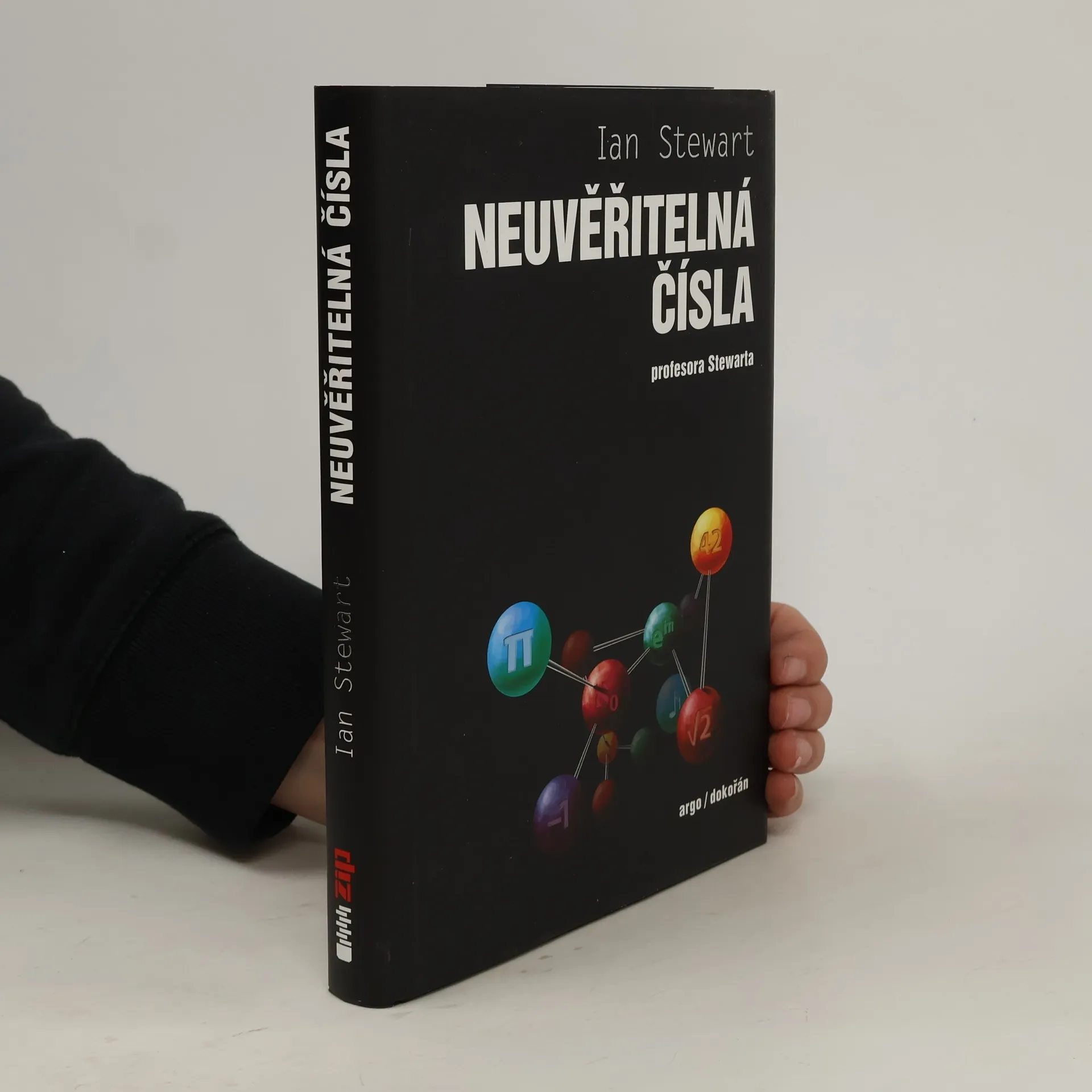
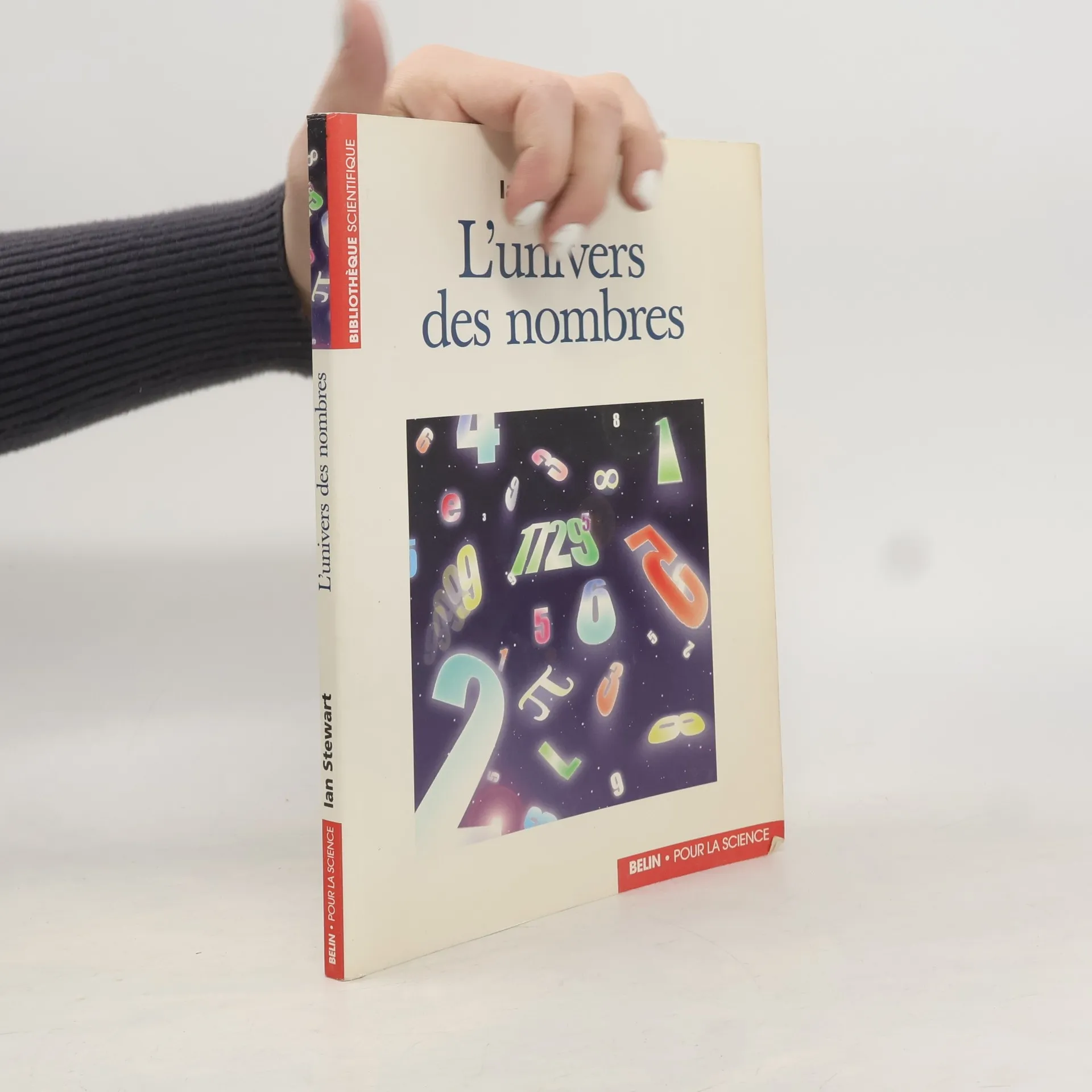
Čísla nás provázejí na každém kroku a profesor Stewart ukazuje jejich pozoruhodné vlastnosti. Od těch nejzákladnějších, jako je už jejich zápis v desetinné nebo binární notaci, přes objev nuly a mimořádnost prvočísel, až po čísla iracionální (jako je π a √2), čísla komplexní a kvaterniony. Fakticky ale nejde jen o čísla jako taková: autor s jejich pomocí přístupně vykládá pojmy algebry (např. prostory větší dimenze než 3, grupy prostorové symetrie, základy šifrování, Fermatovu věta), geometrie (např. problém kvadratury kruhu, kolik barev je třeba k vybarvení mapy, symetrii prostorových těles, kvazikrystaly, fraktály), analýzy (např. logaritmickou a exponenciální funkci) a teorie pravděpodobnosti (např. narozeninový paradox). Profesor Stewart nejen dokáže tuto plejádu pojmů zavést a objasnit, ale dokáže i ukázat, jak se uplatňují ve světě kolem nás.
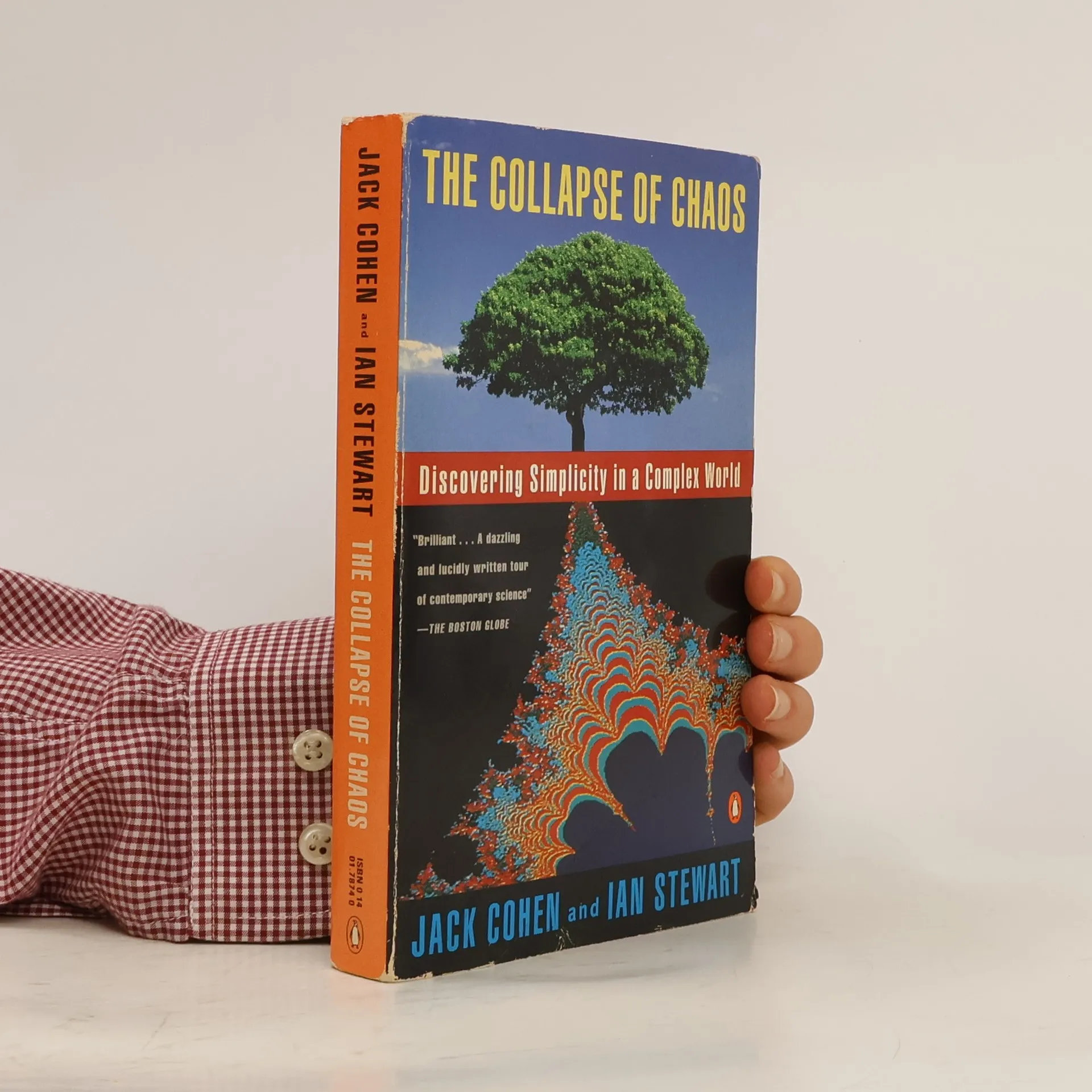
Název Stewartovy knihy je narážkou na výrok Alberta Einsteina „Vy věříte v boha hrajícího v kostky a já v dokonalé uspořádání a zákonitost“. Vědecké zkoumání chaosu však nutí odborníky přehodnotit tento Einsteinův postoj, protože tváří v tvář chování vesmíru vypadá najednou nedostatečně. Teorie chaosu prokázala, že malé systémy, které podléhají přesně definovaným zákonitostem, se přesto mohou chovat náhodně. Možná že i ve vesmíru, v němž vládne zákonitost a pořádek, je přesto místo na božskou hru v kostky. Stewart ve své knize odhaluje vesmír, ve kterém není nic takové, jak se zdá, a komplikovaná matematika chaosu je díky jasnému a důmyslnému výkladu přístupná a zábavná.
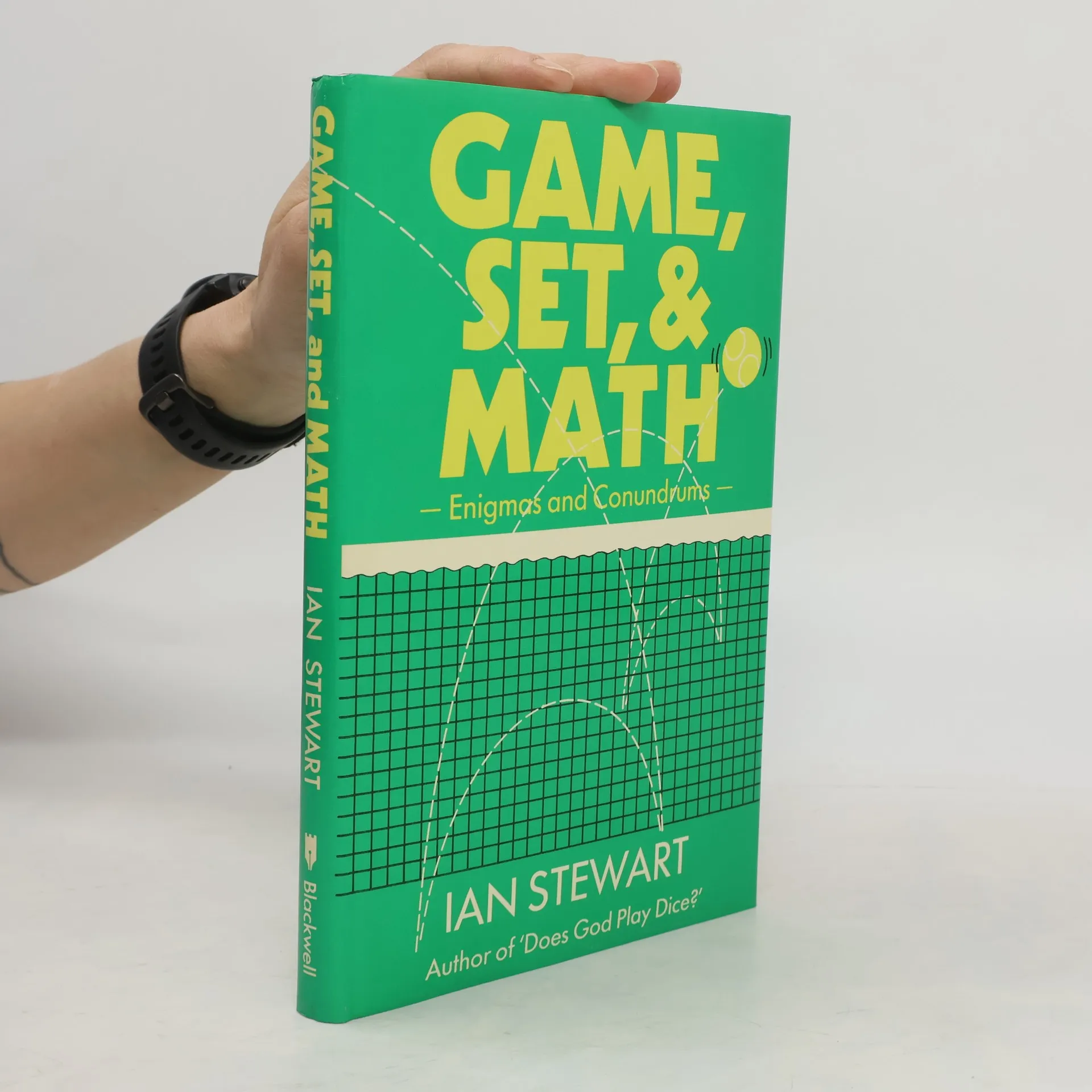
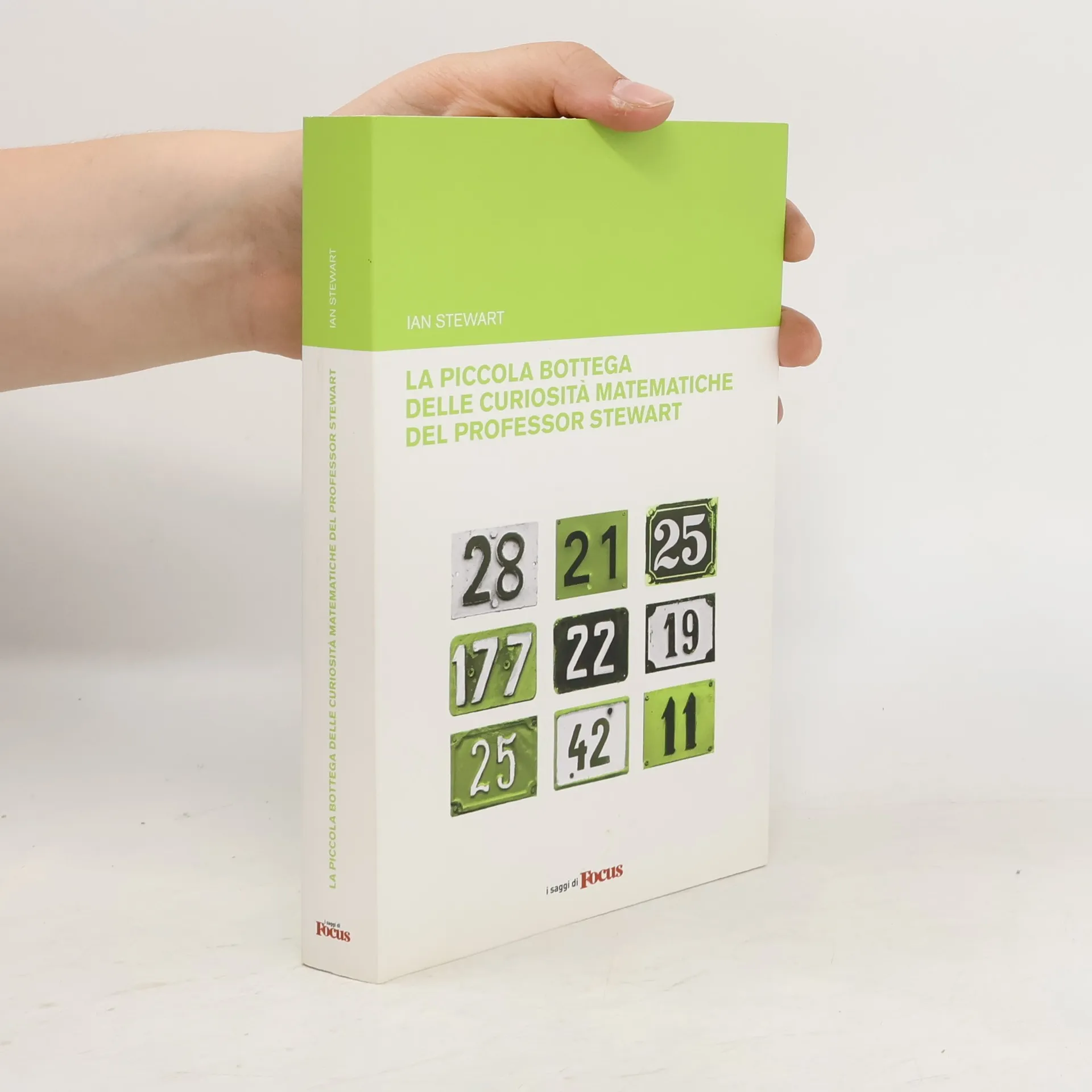
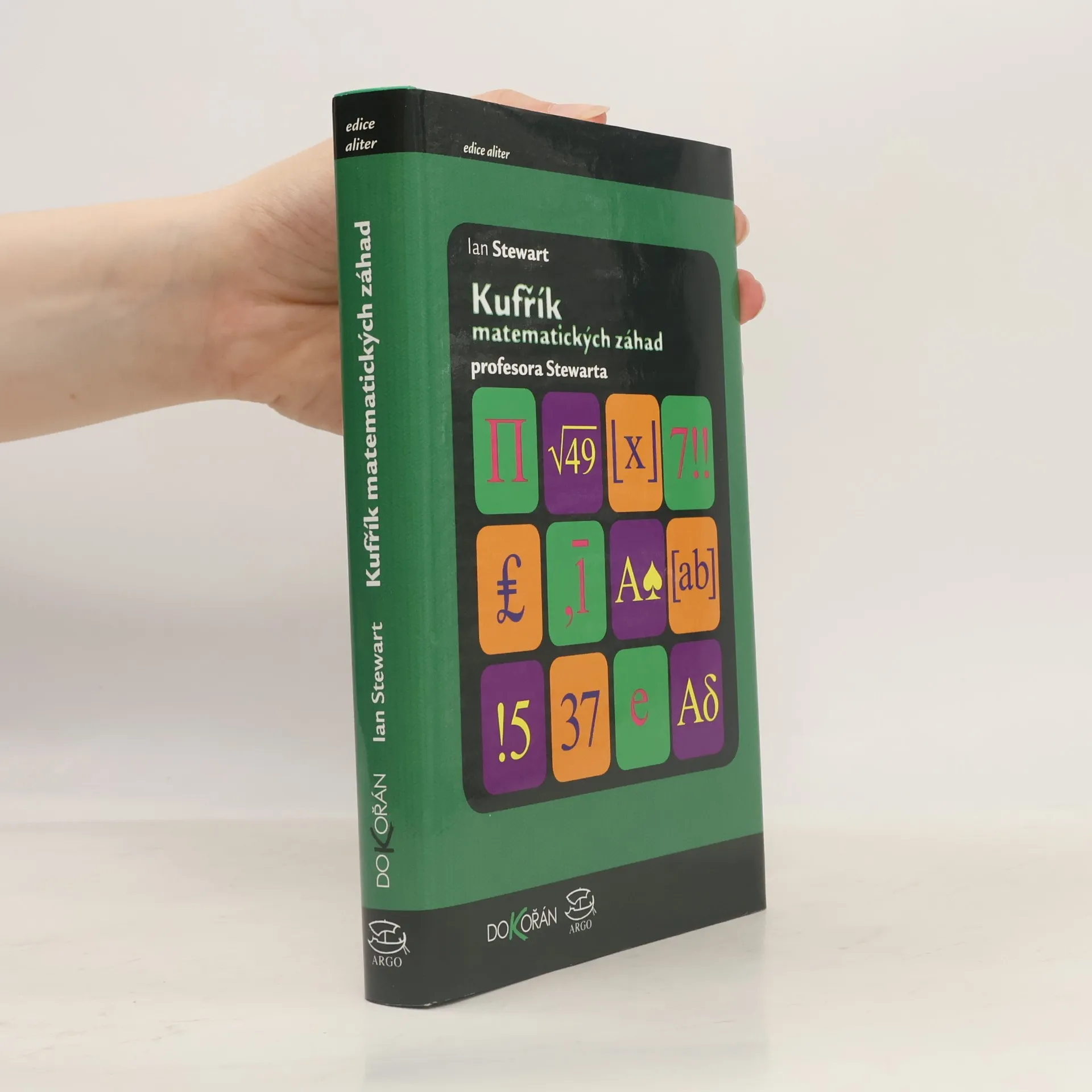
Nudila vás ve škole matematika? To asi proto, že byla nudná! Ian Stewart, jeden z nejznámějších žijících matematiků, si kvůli tomu ve čtrnácti začal vést matematický zápisník. Snášel do něj vše poutavé a zábavné o matematice, co našel, ale co se nevyučovalo. Nakonec zaplnil šest sešitů – a právě z nich vybral příklady do této knihy. Objevte i vy báječnou celoživotní sbírku her, hádanek, příběhů, vtipů a perliček, podivných prvků matematické kultury, módních výrazů, karetních triků a návodů. Třeba jak dostat třešni z koktejlové sklenice nebo jak si vydělat peníze důkazem samozřejmostí – a co jsou Velká Fermatova věta, Poincarého domněnka, teorie chaosu, fraktály, Penroseovo dláždění a skutečný důvod, proč nelze dělit nulou. Kabinet předkládá problémy a hlavolamy ostřílenému fanouškovi i dobrodružnému nováčkovi, čímž zaručuje podněty, poučení, zábavu a překvapení.
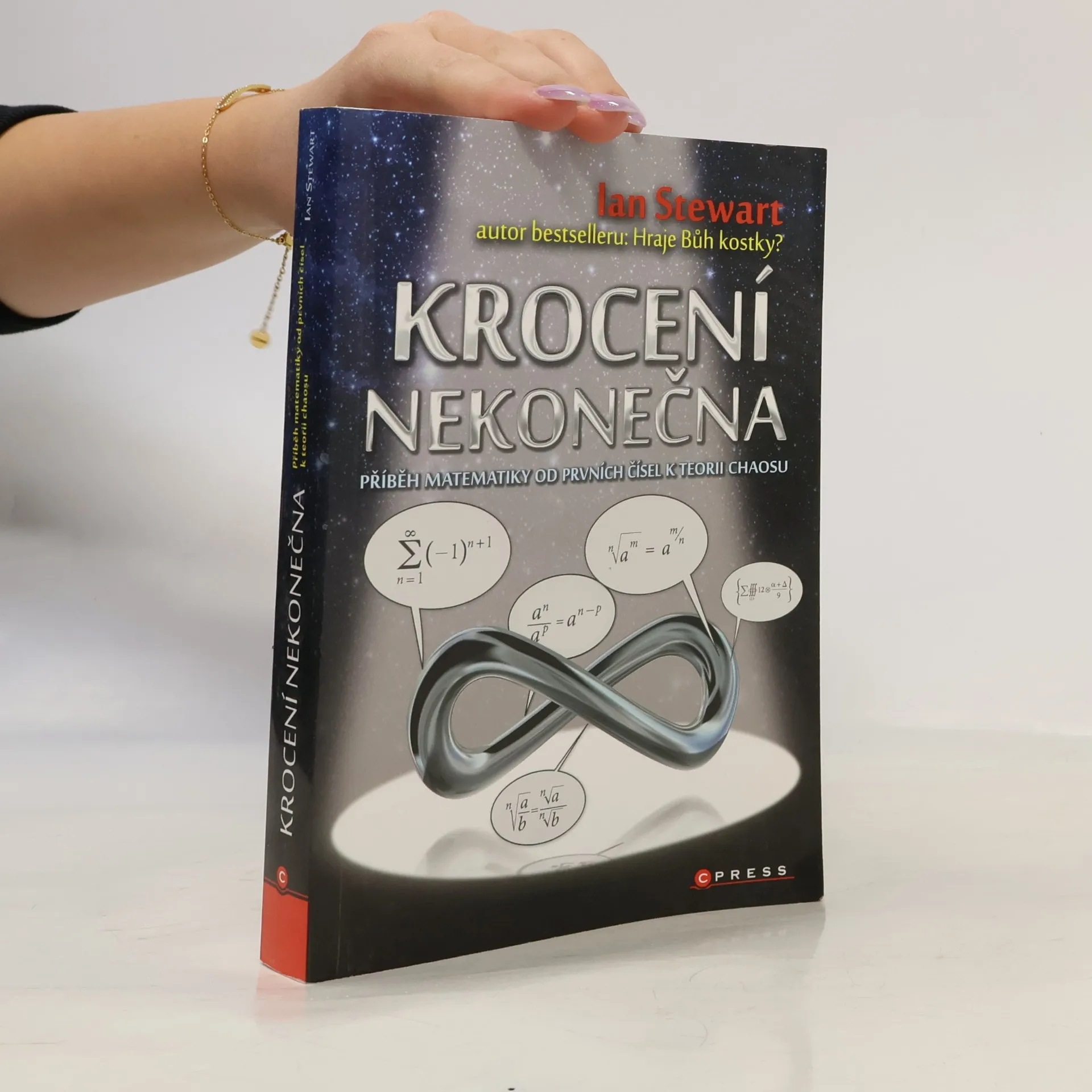
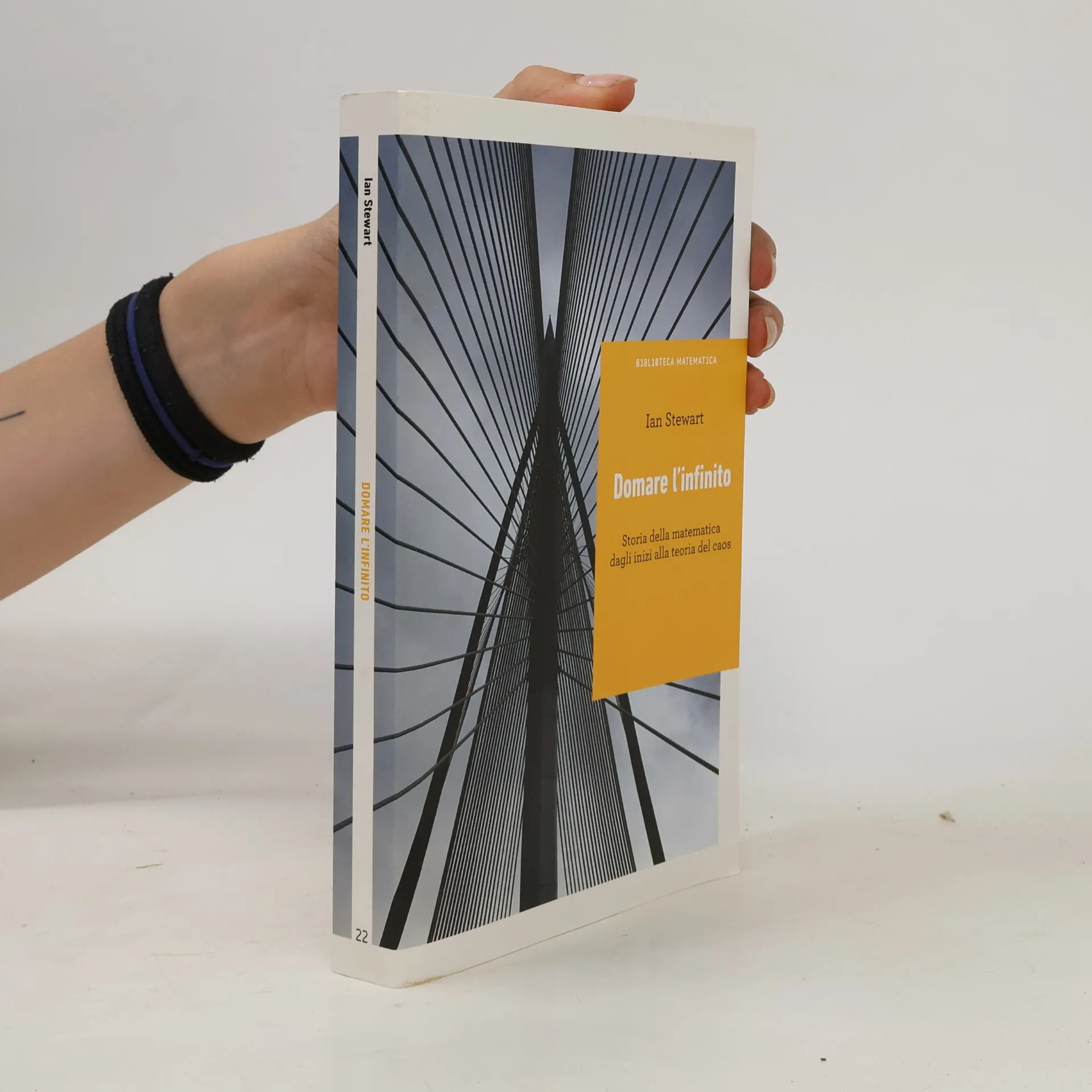
Příběh matematiky od prvních čísel k teorii chaosu
Kniha z pera Iana Stewarta, autora bestselleru Hraje Bůh kostky?, je jedinečnou exkurzí do historie matematiky, při které vás autor svým přímočarým a pro matematické laiky pochopitelným jazykem seznámí s významnými matematickými objevy a teoriemi, jež zásadním způsobem ovlivnily společnost a navždy změnily každodenní život lidstva. Představí vám matematiku starého Babylonu, Egypta a Řecka, práce Descarta, Fermata či Newtona a demystifikuje klíčové pojmy matematicky bez použití komplikovaných vzorců.
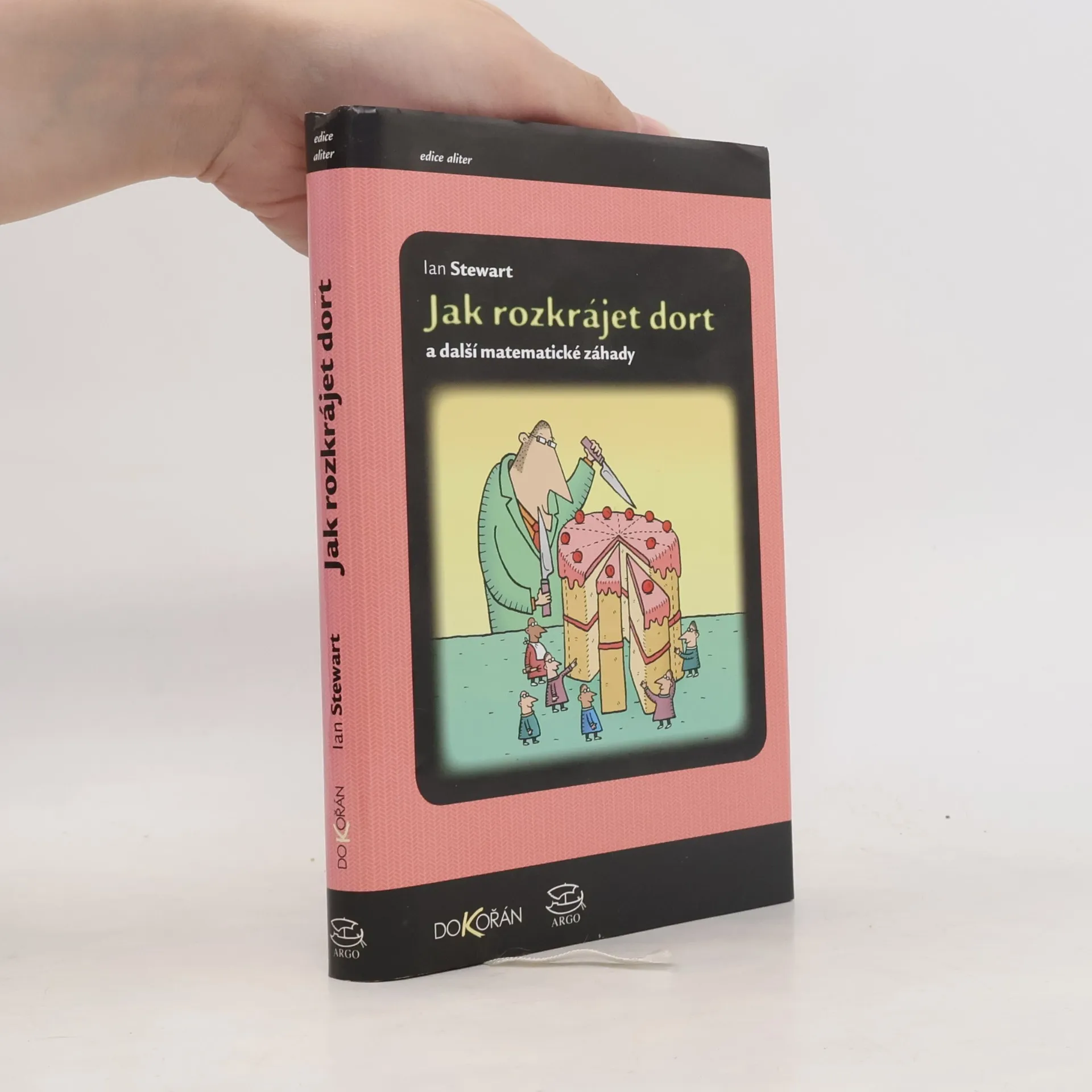
Autor poodhaluje úžasný svět nekonečných šachových partií, zářících světlušek a samozřejmě řeší, jak nejefektivněji nakrájet dort. Na jednoduchých příkladech s tkaničkami od bot a mýdlovými bublinami až po Sierpinského trojúhelník ukazuje rozmanitost současné matematiky.
Současné objevy v biologii kladou velké množství důležitých otázek a odpovědět na mnohé z nich často není možné bez významného přispění matematiky. Pestrost matematických teorií, které se dnes používají ve vědách o živých organismech, je ohromná, a tak potřeby biologie podnítily vznik zcela specifické oblasti hraničního výzkumu matematiky zaměřené na procesy živé přírody. Dnešní matematici a biologové spolupracují na řešení otázek, které po staletí zaměstnávají mysl lidstva – co je to život a zda se můžeme dotknout jeho podstaty.
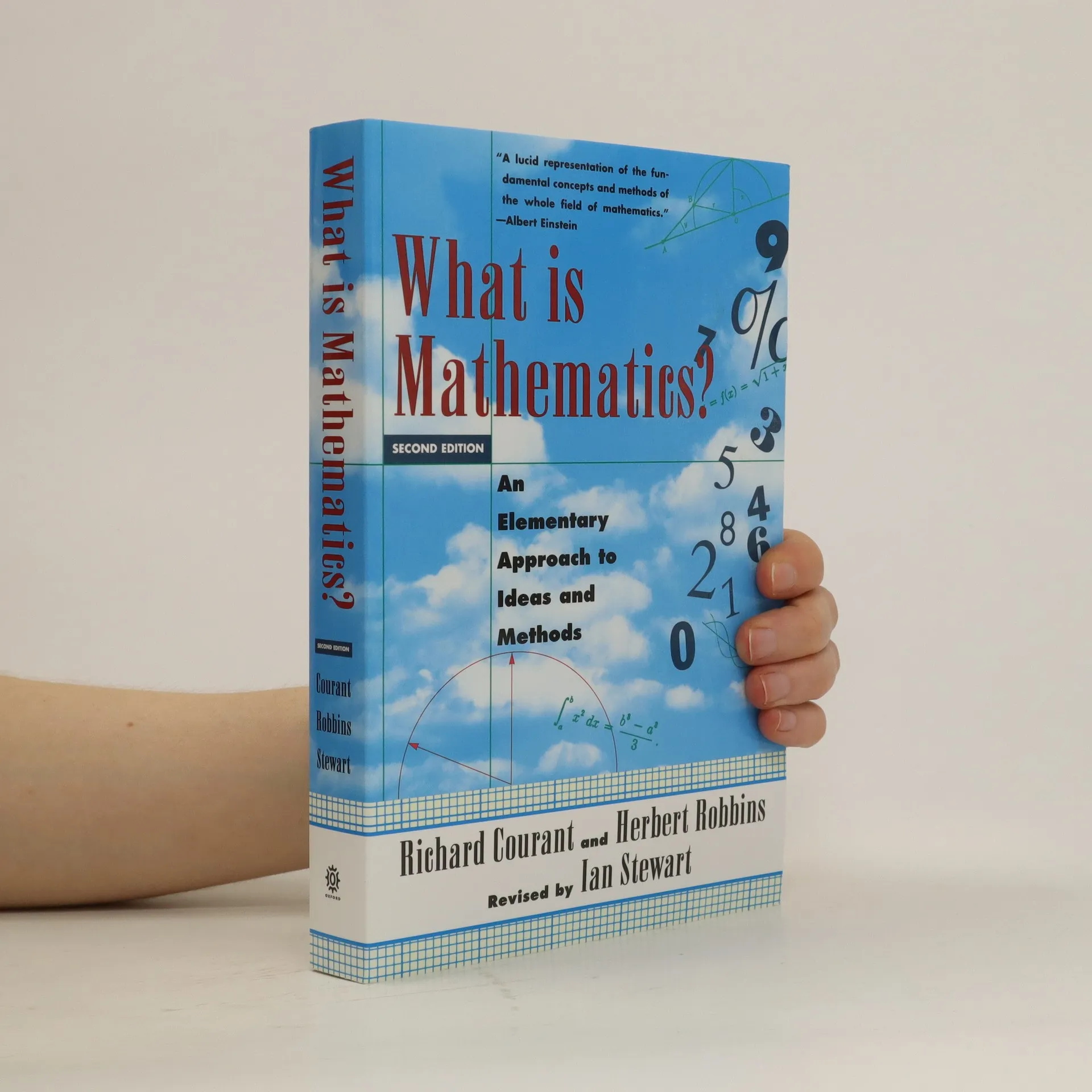
The teaching and learning of mathematics has degenerated into the realm of rote memorization, the outcome of which leads to satisfactory formal ability but not real understanding or greater intellectual independence. The new edition of this classic work seeks to address this problem. Its goal is to put the meaning back into mathematics. "Lucid . . . easily understandable".--Albert Einstein. 301 linecuts.
The year is 1835, and two strangers on the murky banks of the Union Canal make boatmaster James Ross a proposition. They will give him a pound in return for an alibi. Should anyone ask, they have been aboard his vessel all night. Ross glimpses their mud-spattered shoes. What have they been doing?A century later, Dalmuir couple Edith and Charles Hunter set off on a wintry evening walk along the Forth and Clyde. Minutes later cries of distress are heard from the banks, but the Hunters have gone. A police search soon becomes a sensational murder case.Scotland’s major canals, from the Highlands to the Lowlands, all feature in the annals of crime. In this fascinating new history T.A. Stewart reveals how assailants and thieves, and even kidnappers and terrorists, have been drawn to the waterways to practise their black arts.
Exploring the changing face of love, from the 16th century to the present, through masterpieces of portraiture Drawing on recent scholarship, Love Stories explores changing ideas of love, and gives readers the opportunity to discover love stories both tragic and transcendent.The stories cover a variety of the muse, scandal, tragedy, literature, the shared studio and life lived in front of the camera. These themes are illustrated through the stories of such well-known names as the Bloomsbury Group, Oscar Wilde, John Lennon and Yoko Ono, Sylvia Plath and Ted Hughes, Lee Miller and Man Ray, and many more.Love Stories is brought to life through the perspective of various authors, using material from the sitters’ own letters, diaries and poetry, while highlighting their connection to and influence on some of the greatest masterpieces of art.
In this charming volume, a noted English mathematician uses humor and anecdote to illuminate the concepts of groups, sets, subsets, topology, Boolean algebra, and other mathematical subjects. 200 illustrations.
The first half of this book is a witty primer, a guided tour of the Islands of Truth that maps out everything you need to know about science from Newton to the present. The second half dives into the Oceans of Ignorance that surround what is known. Filled with anecdotes, diagrams, and colorful everyday examples, it is certain to make people look at the world in a new way.
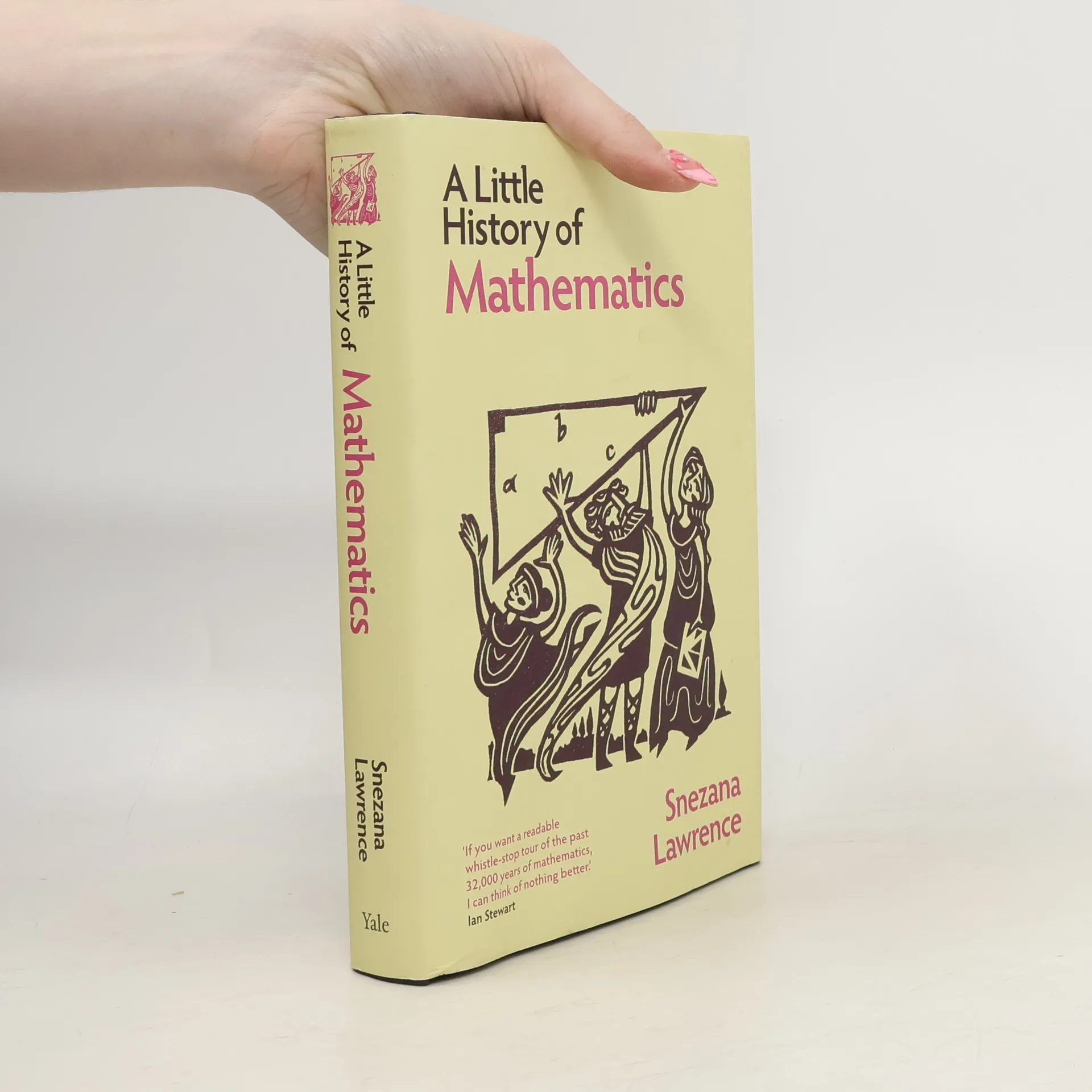
A lively, accessible history of mathematics throughout the ages and across the globe Mathematics is fundamental to our daily lives. Science, computing, economics--all aspects of modern life rely on some kind of maths. But how did our ancestors think about numbers? How did they use mathematics to explain and understand the world around them? Where do numbers even come from? In this Little History, Snezana Lawrence traces the fascinating history of mathematics, from the Egyptians and Babylonians to Renaissance masters and enigma codebreakers. Like literature, music, or philosophy, mathematics has a rich history of breakthroughs, creativity and experimentation. And its story is a global one. We see Chinese Mathematical Art from 200 BCE, the invention of algebra in Baghdad's House of Wisdom, and sangaku geometrical theorems at Japanese shrines. Lawrence goes beyond the familiar names of Newton and Pascal, exploring the prominent role women have played in the history of maths, including Emmy Noether and Maryam Mirzakhani.
Exploring the intricate designs found in nature, this book delves into various patterns, such as a zebra's stripes and a spider's web. It highlights the mathematical principles that form the foundation of these natural phenomena, making complex concepts accessible and engaging for readers. Through vivid examples, it invites a deeper appreciation for the beauty and order present in the world around us.
The seventeen equations that form the basis for life as we know it Most people are familiar with history's great equations: Newton's Law of Gravity, for instance, or Einstein's theory of relativity. But the way these mathematical breakthroughs have contributed to human progress is seldom appreciated. In In Pursuit of the Unknown, celebrated mathematician Ian Stewart untangles the roots of our most important mathematical statements to show that equations have long been a driving force behind nearly every aspect of our lives. Using seventeen of our most crucial equations--including the Wave Equation that allowed engineers to measure a building's response to earthquakes, saving countless lives, and the Black-Scholes model, used by bankers to track the price of financial derivatives over time--Stewart illustrates that many of the advances we now take for granted were made possible by mathematical discoveries. An approachable, lively, and informative guide to the mathematical building blocks of modern life, In Pursuit of the Unknown is a penetrating exploration of how we have also used equations to make sense of, and in turn influence, our world.
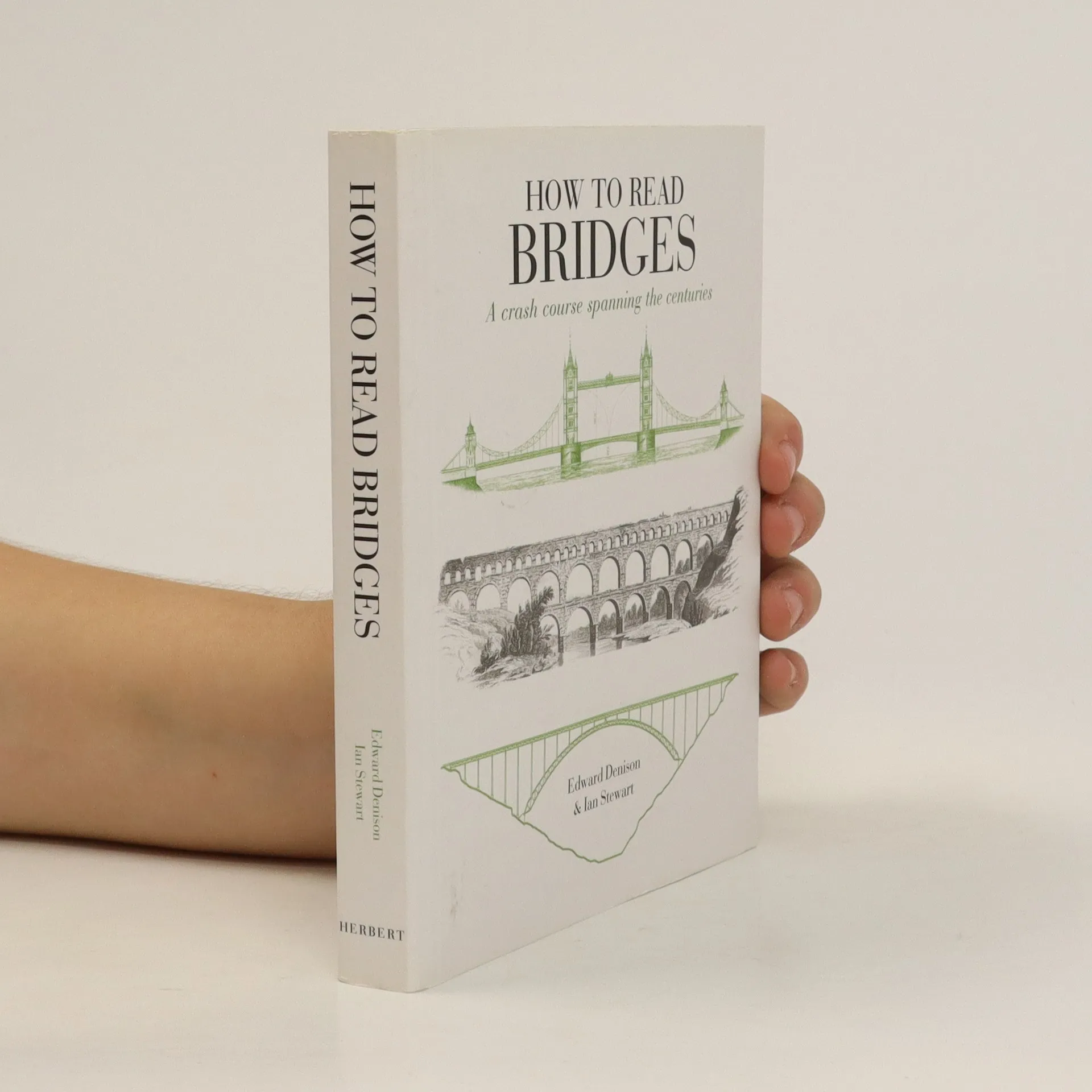
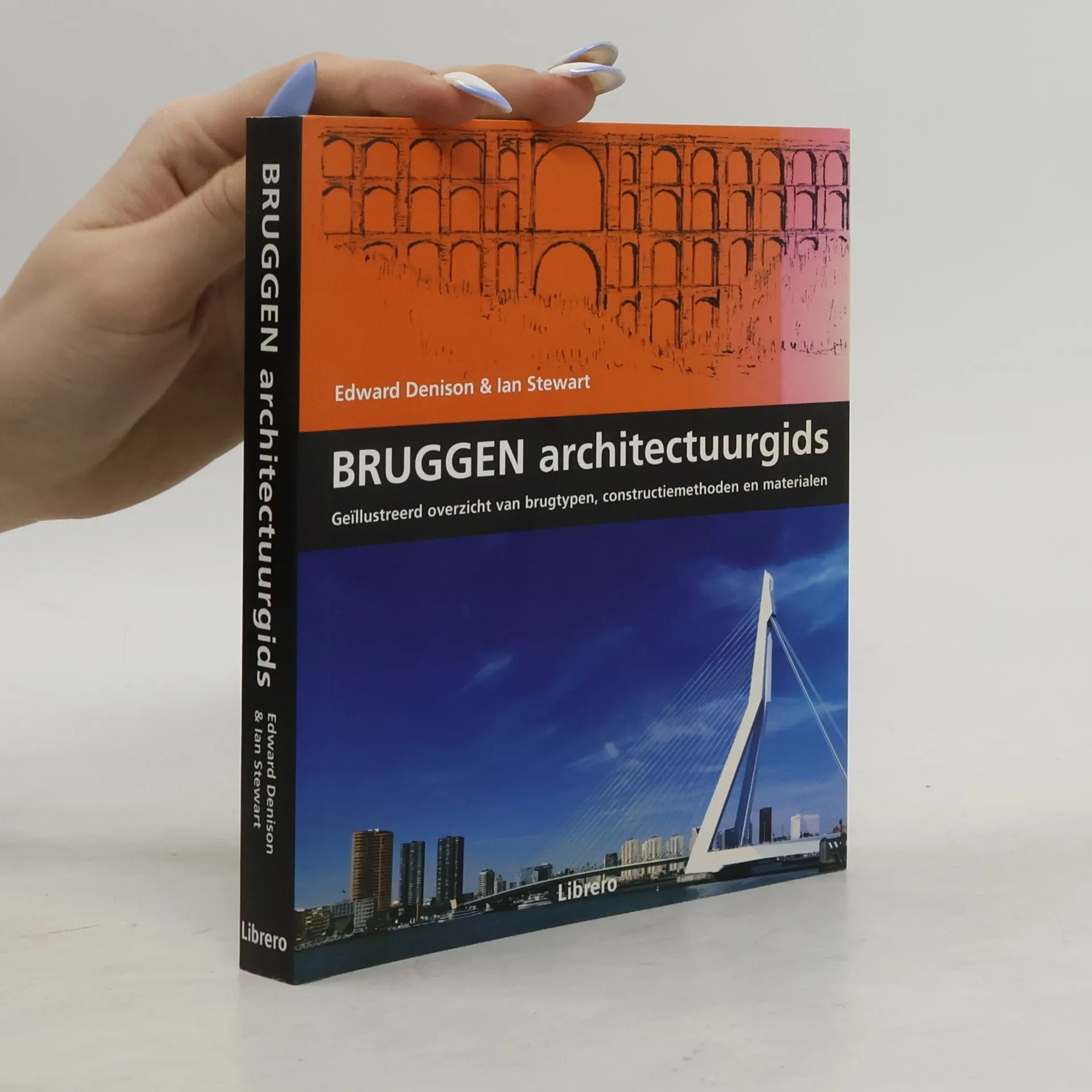
How to Read Bridges is a practical introduction to looking at the structure and purpose of bridges. It is a guide to reading the structural clues embedded in every bridge that allows their variety and ingenuity to be better appreciated. Small enough to carry in your pocket and serious enough to provide real answers, this comprehensive guide: - analyses and explores all types of bridges from around the world from the first millennium to the present day. - explores fundamental concepts of bridge design, key materials and engineering techniques. - provides an accessible visual guide with intelligent text, using detailed illustrations and cross-sections of technical features.
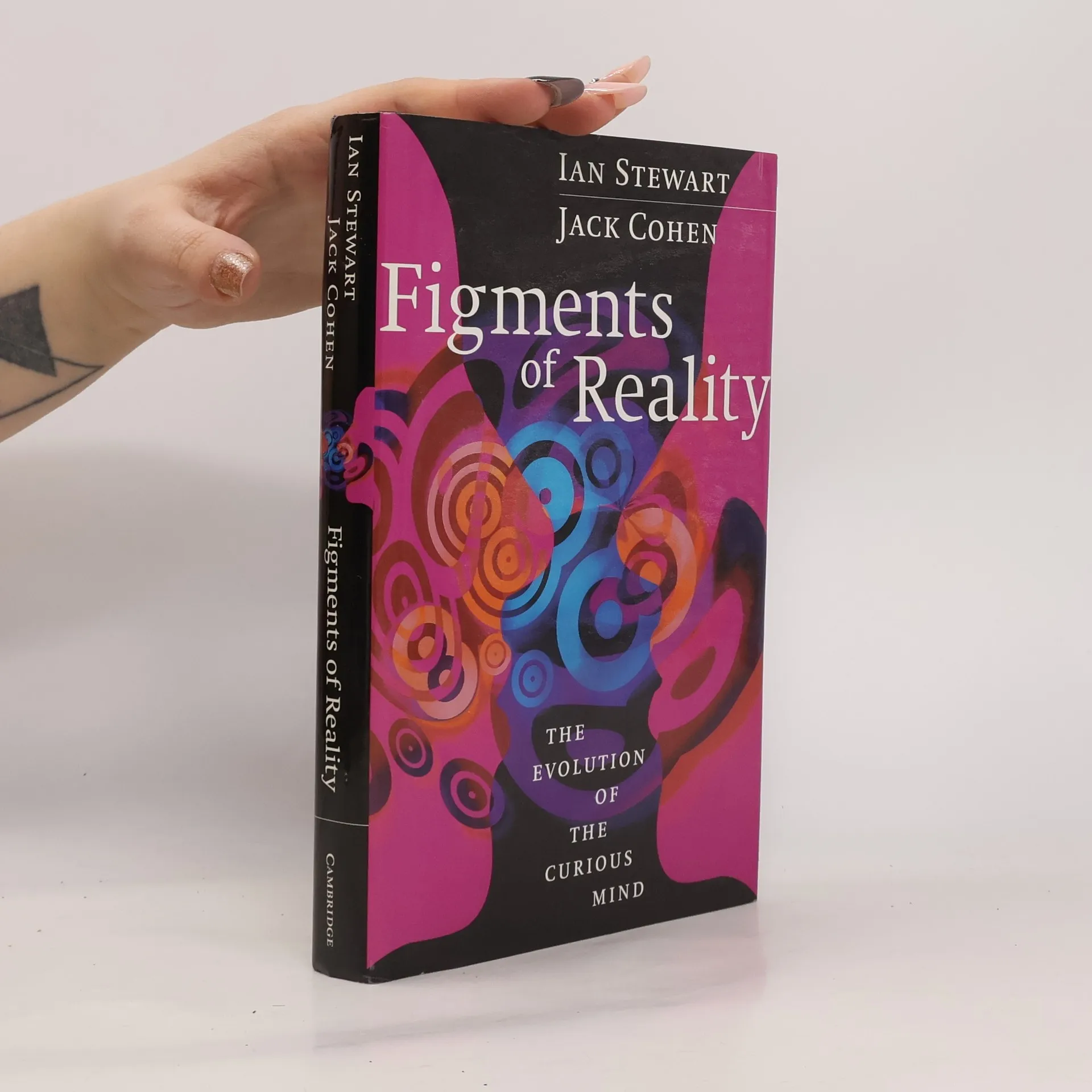
Exploring the evolution of intelligence, culture, and the human mind, this popular science work delves into the intricate connections between these elements. The bestselling authors present compelling insights and engaging narratives that illuminate how our cognitive abilities have developed over time, shaping societies and individual behaviors. The book offers a thought-provoking examination of the interplay between biology and culture, making complex concepts accessible and intriguing for readers interested in the science of human development.
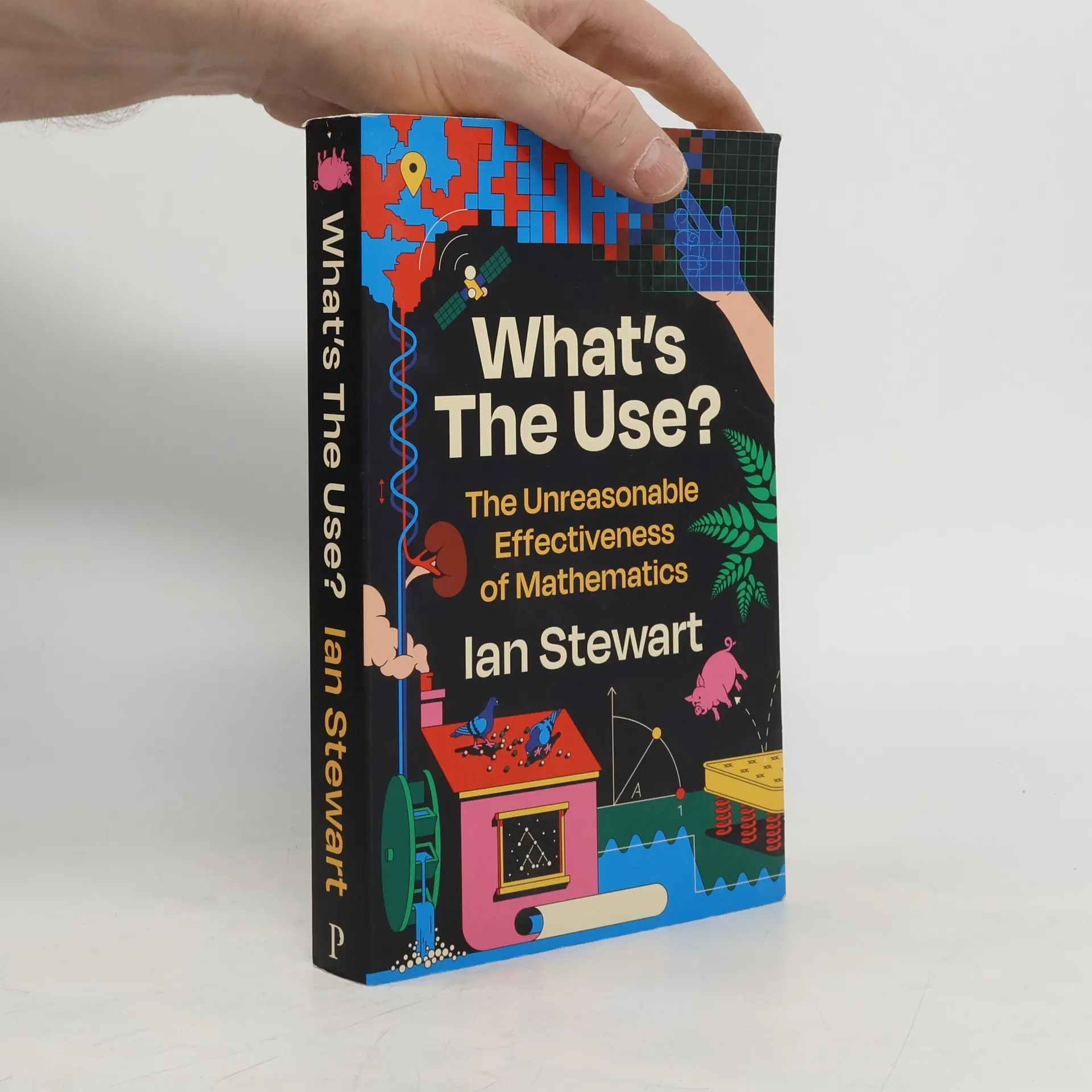
Many people think mathematics is useless. They're wrong. In the UK, the 2.8 million people employed in the mathematical science occupations contributed £208 billion to the economy in a single year - that's 10 per cent of the workforce contributing 16 per cent of the economy. What's the Use? asks why there is such a vast gulf between public perceptions of mathematics and reality. It shows how mathematics is vital, often in surprising ways, behind the scenes of daily life. How politicians pick their voters. How an absurd little puzzle solved 300 years ago leads to efficient methods for kidney transplants. How an Irish mathematician's obsession with a new number system improves special effects in movies and computer games. How SatNav relies on at least six mathematical techniques. And how a bizarre, infinitely wiggly curve helps to optimise deliveries to your door
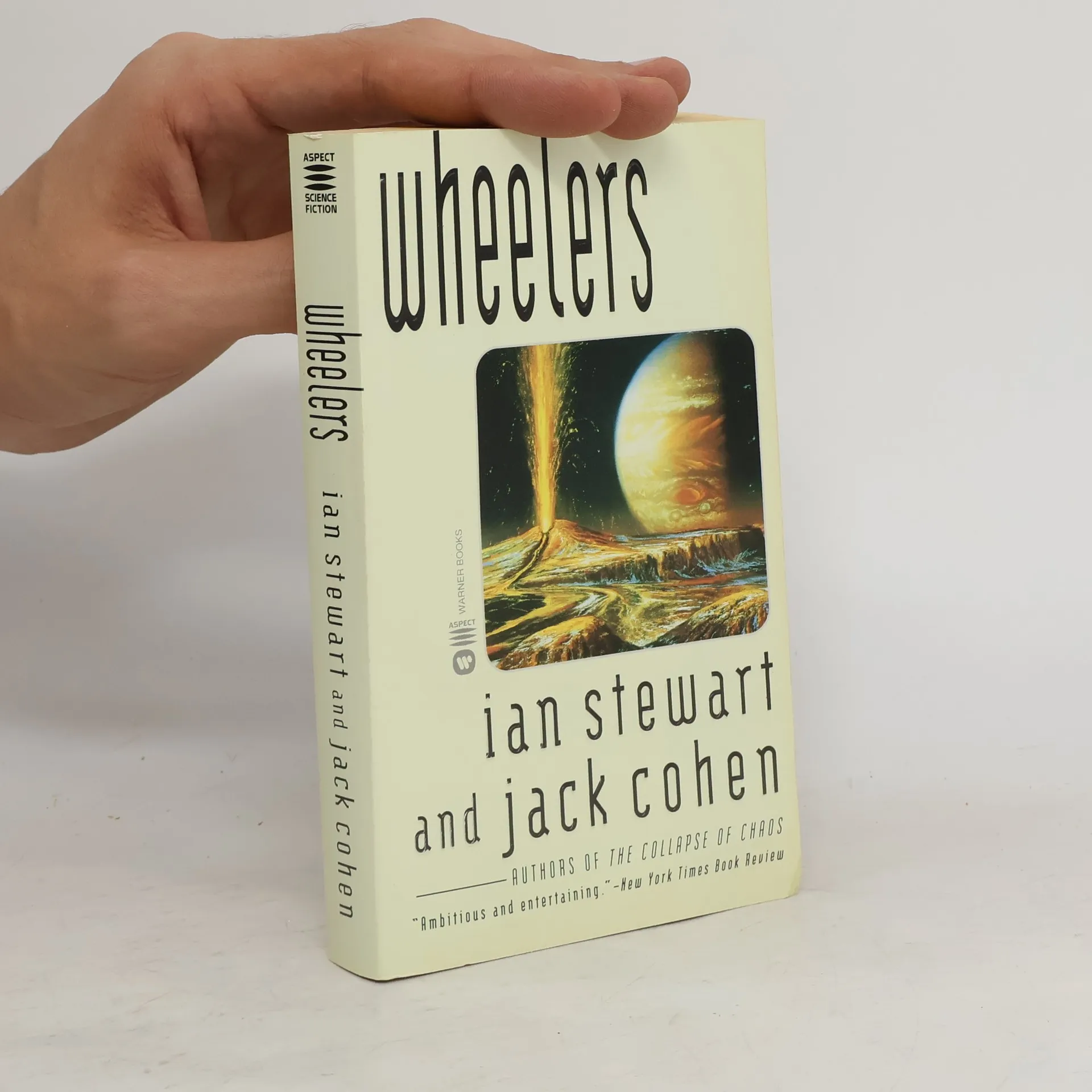
The discovery of wheeled objects buried in the icy surface of Jupiter's eighth moon leads to the even more bizarre revelation that Jupiter is in fact populated by a mysterious race of aliens. Reprint.
Focusing on Galois groups and classical Galois theory, this book serves as an educational resource for undergraduate students. It presents foundational concepts in a clear and accessible manner, making complex ideas more understandable. The text is designed to foster a deep comprehension of the interplay between algebra and field theory, highlighting the significance of Galois theory in modern mathematics.
Which mathematician elaborated a crucial concept the night before he died in a duel? Who funded his maths and medical career through gambling and chess? Who learned maths from her wallpaper? Ian Stewart presents the extraordinary lives and amazing discoveries of twenty-five of history's greatest mathematicians from Archimedes and Liu Hui to Benoit Mandelbrot and William Thurston. His subjects are the inspiring individuals from all over the world who have made crucial contributions to mathematics. They include the rediscovered geniuses Srinivasa Ramanujan and Emmy Noether, alongside the towering figures of Muhammad al-Khwarizmi (inventor of the algorithm), Pierre de Fermat, Isaac Newton, Carl Friedrich Gauss, Nikolai Ivanovich Lobachevsky, Bernhard Reimann (precursor to Einstein), Henri Poincar�, Ada Lovelace (arguably the first computer programmer), Kurt G�del and Alan Turing. Ian Stewart's vivid accounts are fascinating in themselves and, taken together, cohere into a riveting history of key steps in the development of mathematics.
Eye of the Tiger is the story of one of the most legendary figures in Glasgow
Rangers' rich history. It charts Jock Shaw's extraordinary journey from the
coal pit at Bedlay (Annathill) to becoming Rangers' first treble-winning
captain. The author worked with Shaw's family to bring you the inside track on
his remarkable life and career.
Ian Stewart shows how equations open new vistas of experience, from electronics and global communications to radar, lasers, space craft and the atom bomb. His narative spans two and a half millennia, from the ancient Greeks to the ... formulation that recently guided the world's banking systems to near-oblivion. He show how insights in one era often inform work centuries later: Pythagoras's theorem inspired [Albert] Einstein and, yet more curiously, the stumbling calculations of a sixteenth century gambler [Girolamo Cardano] led to an impossible number that became a key to the baffling world of quantum physics
A retitled and revised edition of Ian Stewart's The Problems of Mathematics,
this is the perfect guide to today's mathematics. Read about the latest
discoveries, including Andrew Wiles's amazing proof of Fermat's Last Theorem,
Chaos Theory, and fake four-dimensional spaces; and see how simple concepts
from probability theory can help you maximize your National Lottery winnings.
At the heart of relativity theory, quantum mechanics, string theory, and much
of modern cosmology lies one concept: symmetry. In Why Beauty Is Truth ,
world-famous mathematician Ian Stewart narrates the history of the emergence
of this remarkable area of study. Stewart introduces us to such characters as
the Renaissance Italian genius, rogue, scholar, and gambler Girolamo Cardano,
who stole the modern method of solving cubic equations and published it in the
first important book on algebra, and the young revolutionary Evariste Galois,
who refashioned the whole of mathematics and founded the field of group theory
only to die in a pointless duel over a woman before his work was published.
Stewart also explores the strange numerology of real mathematics, in which
particular numbers have unique and unpredictable properties related to
symmetry. He shows how Wilhelm Killing discovered Lie groups with 14, 52, 78,
133, and 248 dimensions-groups whose very existence is a profound puzzle.
Finally, Stewart describes the world beyond superstrings: the octonionic
symmetries that may explain the very existence of the universe.
The fourth book in the Science of Discworld series deals with the really big questions: God, the Universe and Everything Else. Pratchett's brilliant new Discworld story JUDGEMENT DAY is annotated with very big footnotes (interleaving chapters) by mathematician Ian Stewart and biologist Jack Cohen, to bring you a mind-mangling combination of fiction, science and philosophy.
Uncertainty is everywhere. It lurks in every consideration of the future - the weather, the economy, the sex of an unborn child - even quantities we think that we know such as populations or the transit of the planets contain the possibility of error. It's no wonder that, throughout that history, we have attempted to produce rigidly defined areas of uncertainty - we prefer the surprise party to the surprise asteroid. We began our quest to make certain an uncertain world by reading omens in livers, tea leaves, and the stars. However, over the centuries, driven by curiosity, competition, and a desire be better gamblers, pioneering mathematicians and scientists began to reduce wild uncertainties to tame distributions of probability and statistical inferences. But, even as unknown unknowns became known unknowns, our pessimism made us believe that some problems were unsolvable and our intuition misled us. Worse, as we realized how omnipresent and varied uncertainty is, we encountered chaos, quantum mechanics, and the limitations of our predictive power. Bestselling author Professor Ian Stewart explores the history and mathematics of uncertainty. Touching on gambling, probability, statistics, financial and weather forecasts, censuses, medical studies, chaos, quantum physics, and climate, he makes one thing clear: a reasonable probability is the only certainty.
Mathematics has the power to open our eyes to new and unsuspected regularities in nature - the secret structure of a cloud or the hidden rhythms of the weather. This book aims to equip the reader with a mathematician's eye, changing the way we view the world.
There are some mathematical problems whose significance goes beyond the ordinary - like Fermat's Last Theorem or Goldbach's Conjecture - they are the enigmas which define mathematics.The Great Mathematical Problems explains why these problems exist, why they matter, what drives mathematicians to incredible lengths to solve them and where they stand in the context of mathematics and science as a whole. It contains solved problems - like the Poincar� Conjecture, cracked by the eccentric genius Grigori Perelman, who refused academic honours and a million-dollar prize for his work, and ones which, like the Riemann Hypothesis, remain baffling after centuries.Stewart is the guide to this mysterious and exciting world, showing how modern mathematicians constantly rise to the challenges set by their predecessors, as the great mathematical problems of the past succumb to the new techniques and ideas of the present.
Ian Stewart considers the concept of infinity and the profound role it plays
in mathematics, logic, physics, cosmology, and philosophy. He shows that
working with infinity is not just an abstract, intellectual exercise, and
analyses its important practical everyday applications.
Exploring the mysteries of wormholes leads to unexpected discoveries and adventures. The narrative invites readers to delve into the unknown, where curiosity can uncover both wonders and dangers. Themes of exploration and the consequences of curiosity are central, encouraging a sense of caution and excitement about the possibilities that lie beyond familiar realms.
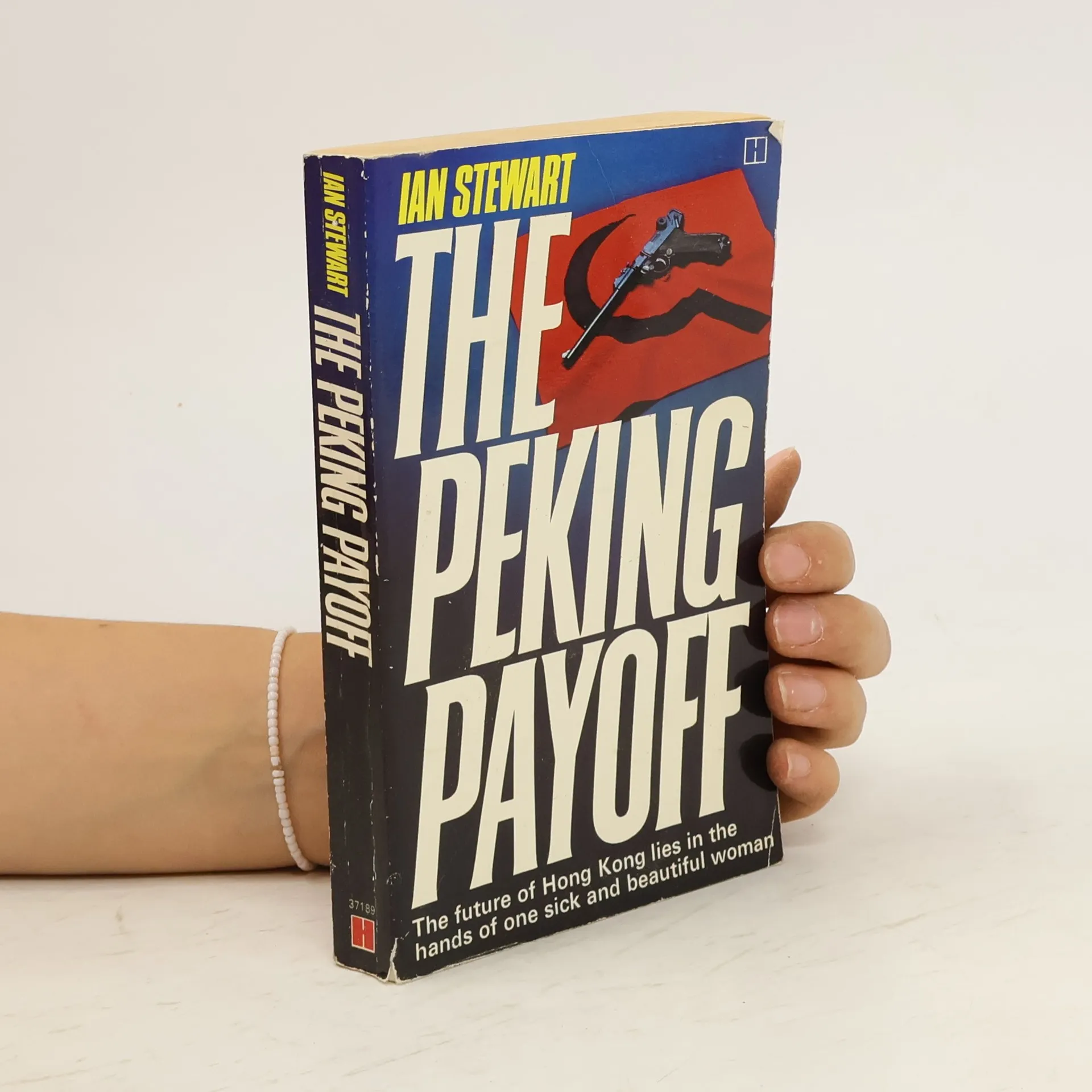
In the 1970s, a Hong Kong taipan, Donald MacGribben, sets out to obtain a secure future for the British Crown Colony amid uncertainty created by a power struggle in Maoist China. He arranges a meeting at the Canton (Kwangtung) Trade Fair with the Chinese Premier to seek a public assurance, in return for a substantial annual payment, that China has no immediate plans to seize HK. However, the Premier’s enemies are scheming to have him killed in a manner that will incriminate MacGribben, whose heroin-addicted wife has been blackmailed into carrying the murder weapon from Hong Kong into China.Getting wind that MacGribben’s scheme is under threat, Hal Jernberg, his friend and partner, races to unravel the complex conspiracy of the Chinese leader’s opponents but becomes himself a target. Suspense builds up in this action drama as the time for the meeting of the Premier and MacGribben draws near.The Peking Payoff takes the reader back to a China where rival factions are positioning themselves for the succession battle after the aging Mao Tse-tung (Mao Zedong) dies and to a Hong Kong still controlled from London through the Governor. The transfer of sovereignty over the territory from Britain to China is still more than two decades away.
Wissenschaft und Ästhetik, Unterhaltung und Anspruch, hohe Mathematik und pures Vergnügen mischen sich in diesem Buch auf das Vortrefflichste … Und man muss kein Naturwissenschaftler sein, um den Exkursen in geheimnisvolle Muster und Anordnungen zu folgen. Gesunde Neugier, Interesse an Zusammenhängen und Hintergründen genügen und natürlich die Frage, ohne die Wissenschaft und Entdeckung nicht denkbar wären: Warum ist das so? Gut schreiben kann Stewart bekanntermaßen, unterhaltsam und eben doch mathematisch präzise. Alles ist klar und gut lesbar, man hat nicht das Gefühl, dass etwas erklärt wird, sondern dass man etwas erzählt bekommt. Die Stärke des Autors liegt darin, scheinbar Vertrautes aus ungewohnter, zahlenorientierter Perspektive zu beleuchten, ohne in nüchterne theoretische Mathematik abzugleiten. Gleichzeitig gelingt ihm der Brückenschlag zu philosophischen Fragestellungen. Ein wunderschönes Buch … macht Mathematik zum Abenteuer.
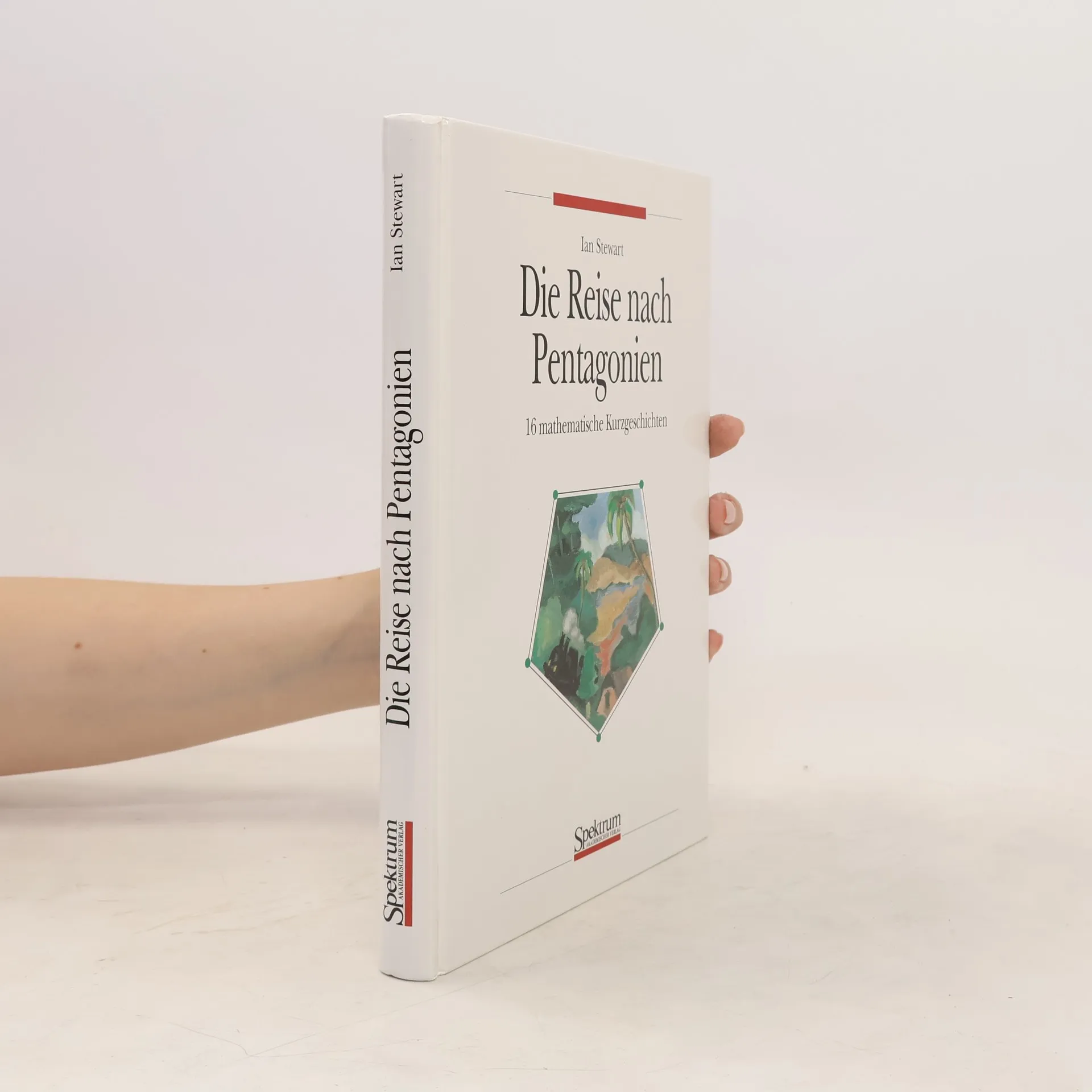
Die gekämmte Kugel, Ian Stewarts neue Sammlung von mathematischen Kurzgeschichten aus Spektrum der Wissenschaft, lädt zum Eintauchen in das Kuriositätenkabinett des international renommierten Wissenschaftlers und Geschichtenerzählers ein: Die haarige Frage, ob sich eine Kugel glattkämmen läßt, erweist sich als unerwartet sichere Wettervorhersage über Windstille auf der Erde. Von einigen Halbwahrheiten kann man lernen, warum sie tatsächlich den Wahrheitswert ½ haben. Und wer noch nie versucht hat, Tennisbälle zu bündeln oder mathematische Turing-U-Bahn zu fahren, kann unter Stewarts Anleitung zu einer mathematischen Entdeckungsreise aufbrechen, die zwar dem Chaos nicht ganz entkommt, aber doch zu einer überraschenden Erklärung der Welt führt.
(...) seine Spielereien und Wortspiele zeigen einen amüsanten Weg durch die Welt der Mathematik und ihrer Logik. Humor und Ernsthaftigkeit liegen bei Stewart nah bei einander. Associated Press Der britische Mathematikprofessor Ian Stewart schafft, was viele für unmöglich halten: Unterhaltsame Kurzgeschichten aus dem Reich der Mathematik. (...) Gießener Allgemeine (...) Die in seinem neuen Buch mit viel Humor erzählten, bisweilen kuriosen Geschichten sind ein Leckerbissen für alle Freunde der Mathematik, die es fantastisch und skurill mögem. (...) Die Welt
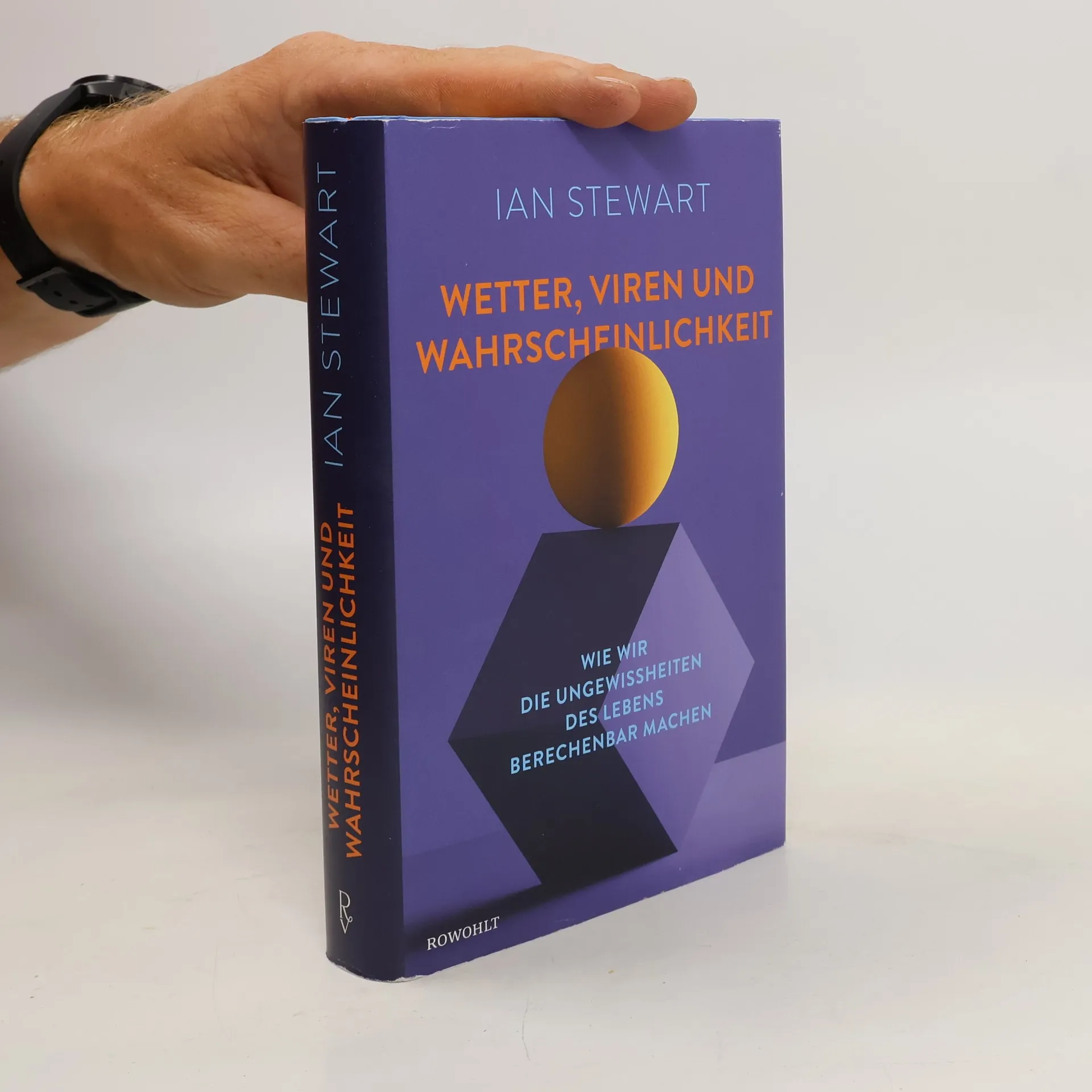
Wie wir die Ungewissheiten des Lebens berechenbar machen
416 stránek
15 hodin čtení
Wir leben in unsicheren Zeiten, so viel ist klar. Manches scheint ungewiss, Corona und das Klima etwa. Wir möchten unsere Zukunft gerne kennen, statt den Ereignissen einfach ausgesetzt zu sein: ob es um das Wetter geht, die Börsenkurse, unsere Chancen vor Gericht oder beim Lotto, das Geschlecht des nächsten Kindes, die Nebenwirkungen eines Medikaments, die Berechnung einer Herdenimpfung. Und man kann das tatsächlich näherungsweise herausfinden. Wie − das zeigt uns der britische Kult-Mathematiker Ian Stewart in diesem Buch. Wie machen wir aus Nichtwissen Wissen? Wie bekommen wir mehr Sicherheit, welche unserer Entscheidungen die beste ist? Wenn es darum geht, das scheinbar Zufällige zu beherrschen, haben wir es mit den Mitteln der Statistik und Wahrscheinlichkeitsrechnung weit gebracht. Heute können wir vielfältige Formen von Unwissen bis zu einem gewissen Grad mess- und handhabbar machen. Allerdings, das zeigt Ian Stewart auch, haben wir in unserem Jahrhunderte währenden Bemühen, uns mit dem Unbekannten bekannt zu machen, immer auch neue Ungewissheiten entdeckt. Und oft genug gab es dabei fatale Fehlurteile. Man muss also schon wissen, wie es geht. Ian Stewart führt es uns gewohnt kurzweilig und mit leichter Hand vor.
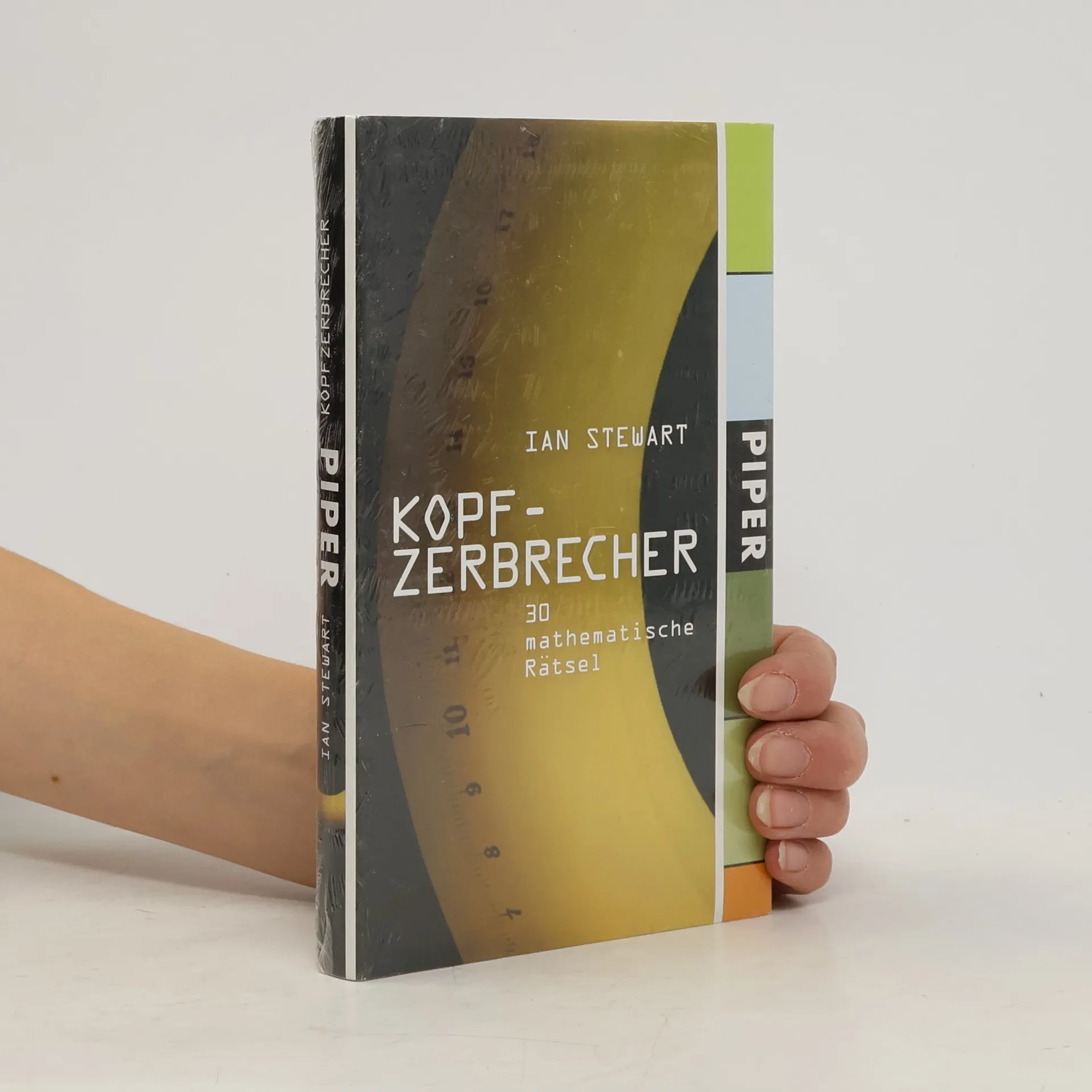
2008 ist das 'Jahr der Mathematik'. Wenn Sie mitmachen wollen, dann sollten Sie versuchen, Ian Stewarts dreißig mathematische Denksportaufgaben zu lösen und damit den Denkapparat zwischen Ihren Ohren zu trainieren. Spaß, Synapsen im Dauerlauf und die Bewunderung der anderen sind Ihnen sicher, wenn Sie diese Rätsel aufklären. Und dazu brauchen Sie weder endlose Rechenschritte noch den Super-computer. Es reichen Papier, Bleistift und das eigene Gehirn. Je schwieriger ein Rätsel aussieht, desto einfacher kann die Lösung sein. Auf geht’s: Klären Sie mutig den 'Mordfall Grüne Socke' und das 'Problem des Bürgermeisters von Spärlichingen', entschlüsseln Sie die 'putzige Pudelparade', die 'wohlproportionierte Pyramide' oder das 'Rätsel des verschwindenden Kamels'.
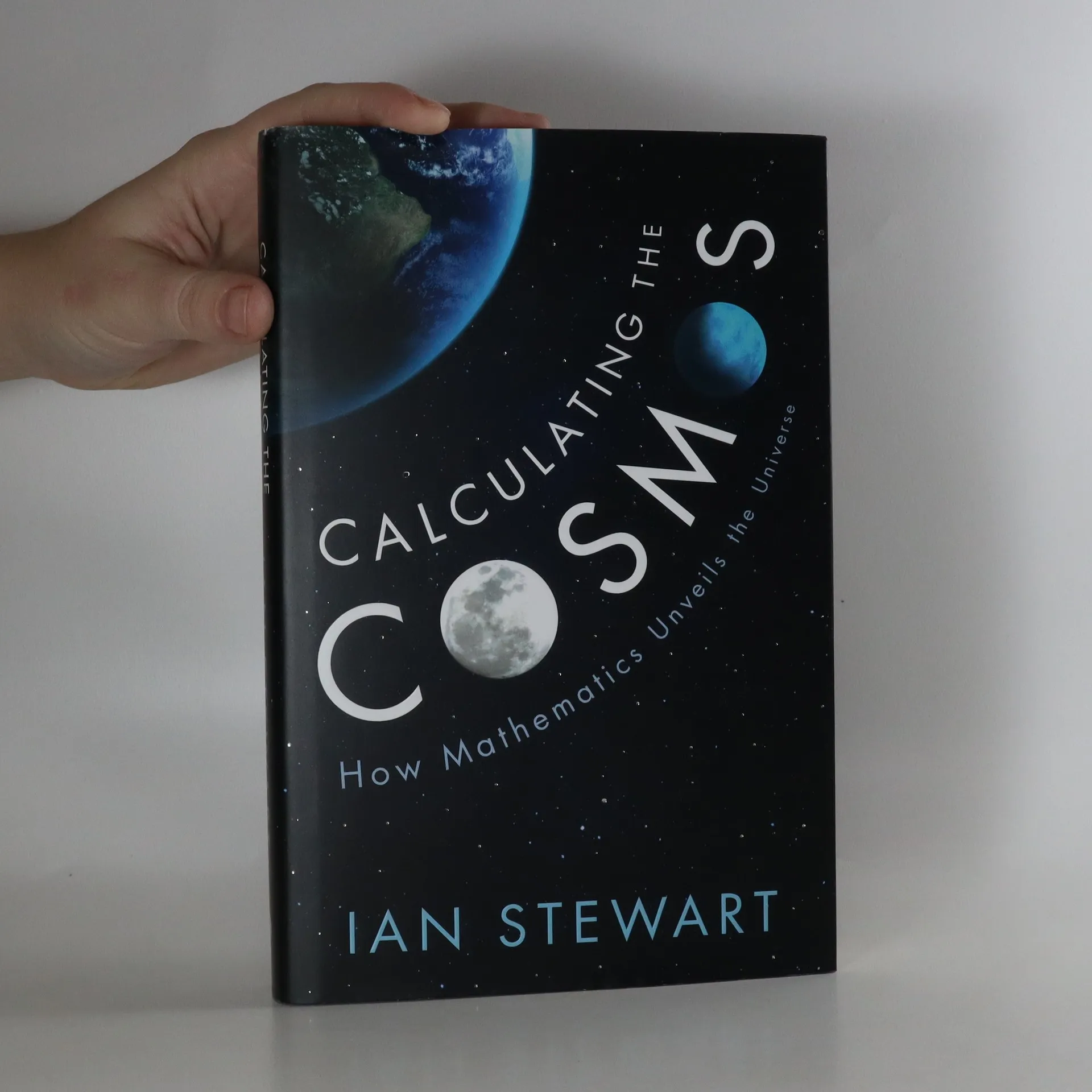
Ian Stewarts Führer durch den Kosmos führt uns von der Entstehung der Erde und ihres Mondes zu den Planeten und Asteroiden des Sonnensystems und von dort hinaus in die Galaxie und das Universum. Er beschreibt, wie sich Galaxien bilden, warum Sterne implodieren, wie alles begann und wie es enden wird. Er spekuliert über Paralleluniversen oder welche Formen extraterrestrisches Leben annehmen könnte. Mathematik war seit den alten Babyloniern die treibende Kraft in Astronomie und Kosmologie. Stewart schildert, wie Keplers Werk über Planetenbahnen Newton dazu brachte, seine Gravitationstheorie zu formulieren, und wie zwei Jahrhunderte später Unregelmäßigkeiten in der Marsbewegung Einsteins Allgemeine Relativitätstheorie inspirierten. Nachvollziehbar erklärt er die Grundlagen von Gravitation, Raumzeit, Relativität und Quantentheorie und zeigt, wie sie alle miteinander in Beziehung stehen. Vor 80 Jahren führte die Entdeckung, dass das Universum expandiert, zur Urknall-Theorie, das wiederum führte Kosmologen dazu, Phänomene wie Dunkle Materie und Dunkle Energie zu postulieren. Aber gibt es Dunkle Materie tatsächlich und könnte eine weitere wissenschaftliche Revolution im Gange sein, die die gegenwärtigen wissenschaftlichen Überzeugungen infrage stellt? Diese und andere Fragen behandelt Stewart auf seinem Streifzug durch die Gefilde von Astronomie und Kosmologie.
Każdej nocy gwiazdy zataczają na niebie okręgi, pory roku następują cyklicznie
po sobie, a płatki śniegu nie są nigdy identyczne, ale wszystkie mają symetrię
sześciokątną. Żyjemy we wszechświecie wzorów. Każdy z wzorów przyrody jest
zagadką, prawie zawsze głęboką. Matematyka jest świetna w rozwiązywaniu
zagadek. Zamierzam zabrać was na zwiedzanie matematycznego wszechświata. Chcę
spróbować wyposażyć was w matematyczne oczy. A robiąc to, uczynię wszystko co
w mej mocy, aby zarazem zmienić sposób, w jaki postrzegacie wasz własny świat.
AutorLiczby natury to książka niezwykła. Ian Stewart, światowej sławy uczony,
nie posługując się żadnym wzorem czy równaniem opisuje matematyczność
otaczającego nas świata, ukazując jego tajemniczość i piękno. Książkę, w
której autor udowodnił, że można napisać o liczbach bez liczb, czyta się z
prawdziwą przyjemnością. „Wiedza i Życie”Ian Stewart - brytyjski uczony, jeden
z najsłynniejszych matematyków na świecie. Autor licznych publikacji naukowych
i książek popularnonaukowych. Odznaczony przez Towarzystwo Królewskie w
Londynie medalem im. Michaela Faradaya, za popularyzowanie nauk
matematycznych.
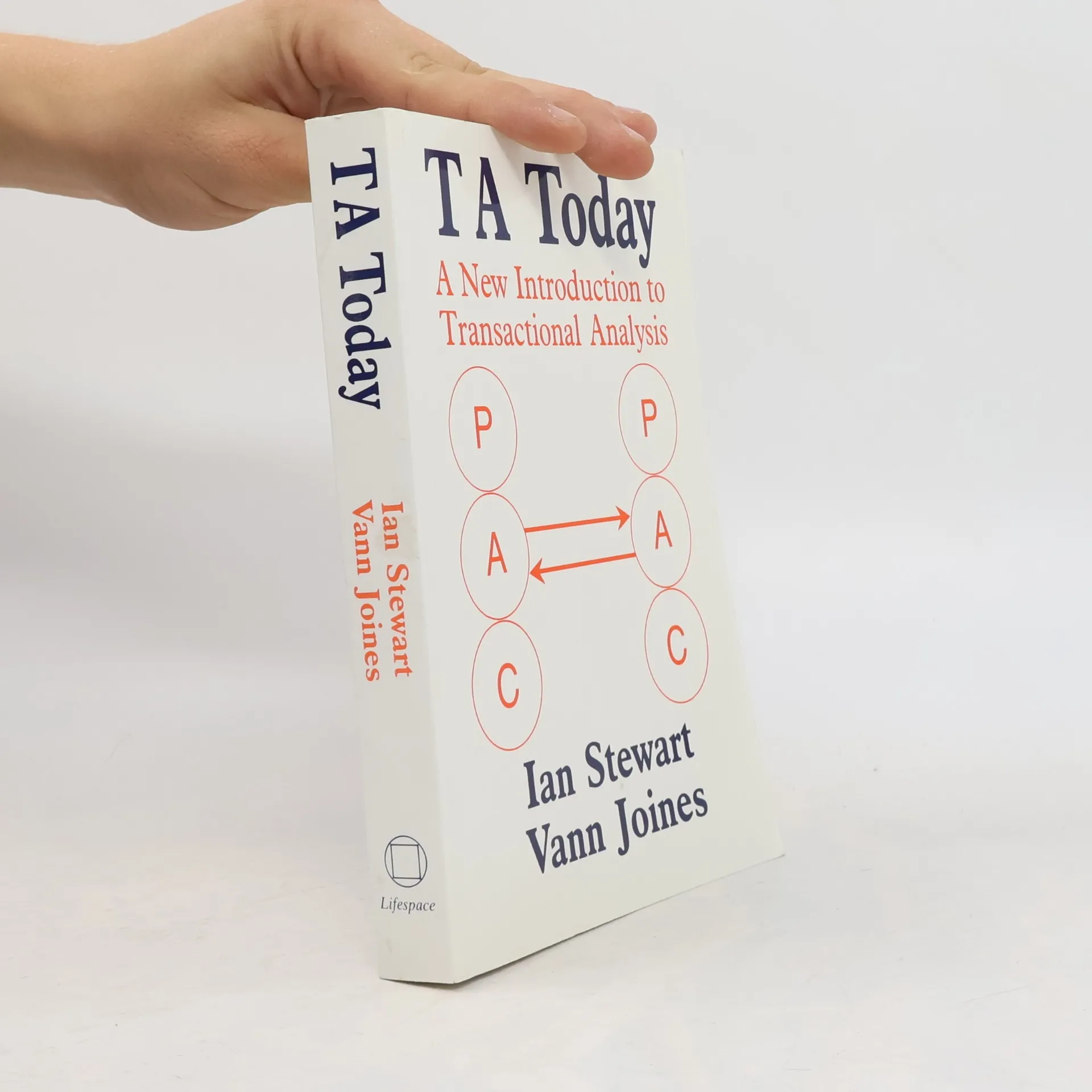
ANALIZA TRANSAKCYJNA - NAJBARDZIEJ PRAKTYCZNA TEORIA. Czy wiesz, że codziennie używasz różnych stanów Ja? Zmieniasz je w zależności od sytuacji, co często robisz nieświadomie, tracąc cenne okazje. Co zyskasz, sięgając po tę książkę? Dzięki jej propozycjom łatwiej osiągniesz cele w relacjach osobistych i zawodowych. Znajdziesz tu bogactwo narzędzi, ćwiczeń i praktycznych wskazówek, które pomogą wykorzystać psychologię w codziennym życiu. Analiza transakcyjna to uznawana koncepcja, która pozwala zrozumieć siebie i innych, a także zastosować tę wiedzę w rodzinie, biznesie, edukacji i poradnictwie. Autorzy, doświadczeni analitycy transakcyjni, zebrali i klarownie przedstawili wiedzę potrzebną do uzyskania podstawowego międzynarodowego certyfikatu AT 101. Książka jest wykorzystywana przez profesjonalistów, takich jak trenerzy, coachowie i psychoterapeuci, a także przez osoby pragnące lepiej komunikować się i zrozumieć psychologiczne gry oraz skrypty. Poznaj analizę transakcyjną i miej kontrolę nad swoim życiem.
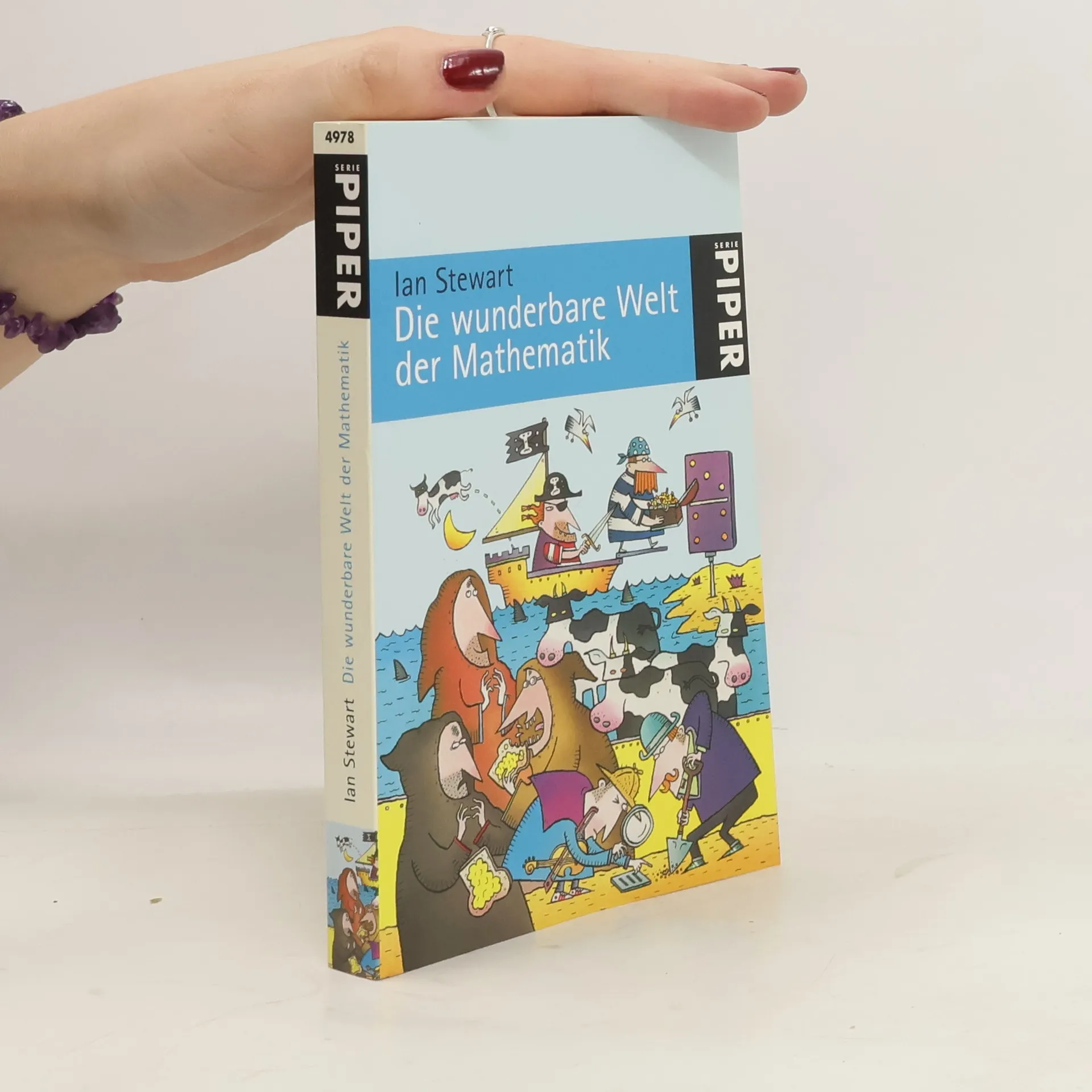
Mathematik kann einfach richtig Spaß machen. Und der phantasievolle Mathematiker Ian Stewart zeigt mit seinen vergnügten Rätselgeschichten, daß sie sogar in der Alltagssprache erklärt werden kann. Mit Mönchen, Möbelpackern, Piraten, Steinmetzen und Sherlock Holmes reist Ian Stewart durch die wunderbare Welt der Mathematik. 'Dieses Buch ist eine Einladung an alle, die ihre grauen Zellen trainieren und dabei Spaß haben wollen.' Hamburger Abendblatt
Czy matematyka to tylko wzory i równania? Jak powstaje dźwięk w instrumentach
muzycznych? Dlaczego świat, który nas otacza jest symetryczny? Ian Stewart,
światowej sławy matematyk, zadając z pozoru błahe pytania zaskoczy każdego
Czytelnika. Autor opisuje matematyczność otaczającego nas świata, nie
posługując się przy tym żadnym wzorem czy równaniem. Książka ukazuje
symetryczność świata, której matematyczny aspekt wydaje się być zapomniany.
Przystępny język Liczb natury otwiera całkiem nowe perspektywy, w których
nauka, pełna wzorów i równań schodzi na dalszy plan, ustępując drogi pięknu i
tajemniczości otaczającego nas świata, którego językiem jest matematyka. Ian
Stewart - profesor matematyki na Uniwersytecie w Warwick. Popularyzator
matematyki. Laureat nagrody Medalu Michaela Faradaya oraz złotego medalu
Institute for Mathematics and Its Applications za krzewienie wiedzy naukowej.
W swoim dorobku naukowym ma również ponad 170 artykułów naukowych.
Ian Stewart, geboren 1945, ist der beliebteste Mathematik-Professor Großbritanniens. Seit Jahrzehnten bemüht er sich erfolgreich, seine Wissenschaft zu popularisieren. Er studierte Mathematik in Cambridge und promovierte an der Universität Warwick. Dort ist er heute Professor für Mathematik und Direktor des Mathematics Awareness Center. Seit 2001 ist Stewart zudem Mitglied der Royal Society. Er lebt mit seiner Familie in Coventry.
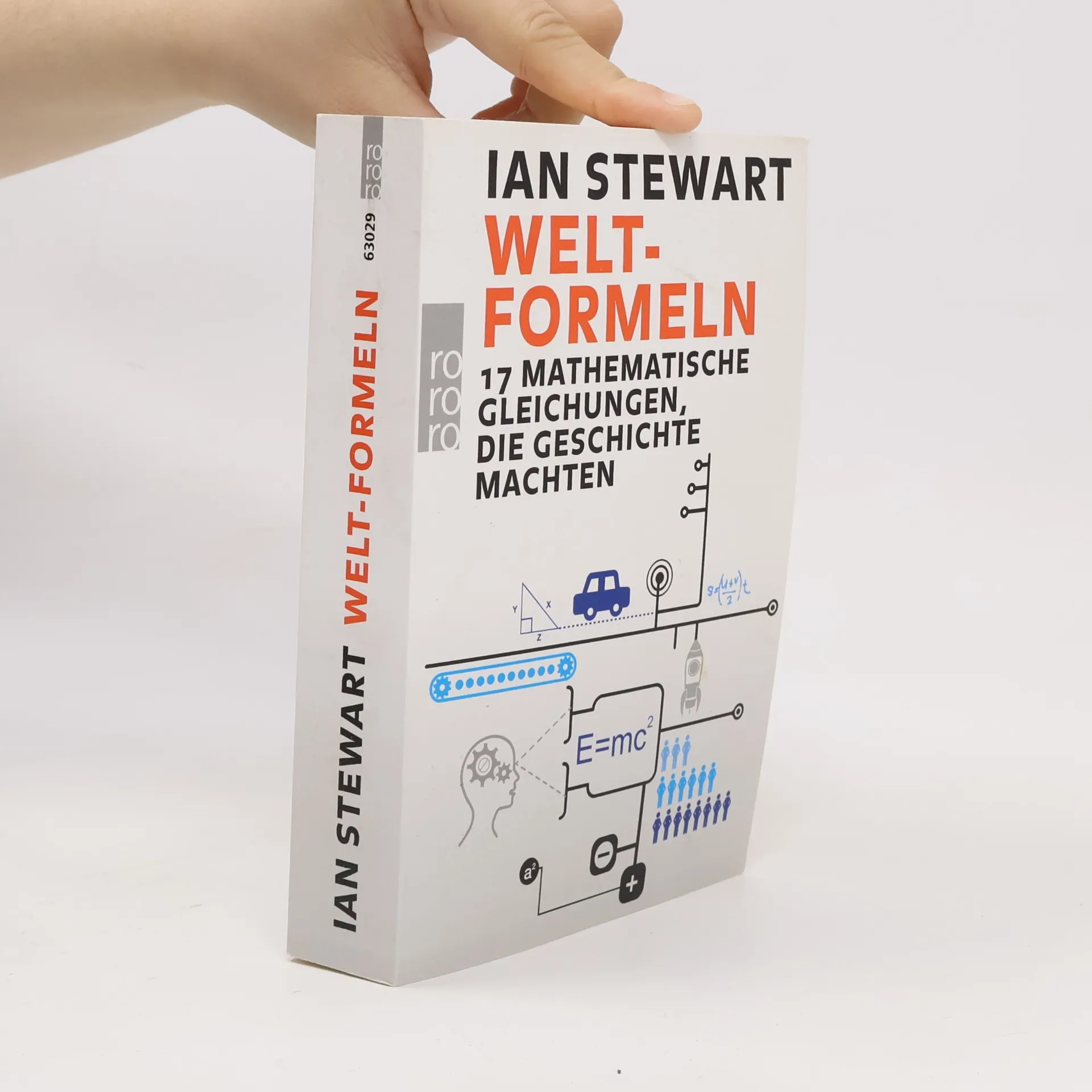
17 mathematische Gleichungen, die Geschichte machten
Unsere Geschichte in Gleichungen Sie bestimmen unser Dasein ebenso wie Kriege, Revolutionen und die Mächtigen der Welt: Vom Bau der Pyramiden bis zur Satellitennavigation bilden mathematische Gleichungen die Basis jeder Erfindung. Manche von ihnen sind gar zu Ikonen der Moderne geworden, zum Beispiel Einsteins E=mc2. Vom Satz des Pythagoras über Logarithmen, imaginäre Zahlen oder Newtons Gravitationsgesetz bis hin zur Chaostheorie erklärt und erzählt Ian Stewart Menschheitsgeschichte in Form von 17 Gleichungen, die die Welt verändert haben.
Le equazioni sono la linfa della matematica, delle scienze e della tecnologia. In loro assenza il nostro mondo non esisterebbe così come lo conosciamo. Senza le quattro equazioni che descrivono l'elettromagnetismo non avremmo la radio, il radar e la televisione. Senza l'equazione alla base della teoria dell'informazione non ci sarebbero tutti i sistemi digitali, dai telefoni a Internet. E se oggi siamo in grado di decifrare la natura del cosmo e di esplorare i pianeti lo dobbiamo alla scoperta della legge gravitazionale di Newton. Dal teorema di Pitagora alla E=mc² di Einstein, fino alle formule della meccanica quantistica, della teoria del caos o delle più acrobatiche operazioni finanziarie, Ian Stewart passa in rassegna le diciassette equazioni che hanno cambiato la storia dell'umanità. E lo fa spiegando non solo l'enorme impatto che hanno avuto sul progresso e la vita di tutti, ma riuscendo nel miracolo di svelare il loro limpido splendore anche a chi con i numeri non ha mai avuto molta dimestichezza.
Закономерности простых чисел и теорема Ферма, гипотеза Пуанкаре и сферическая симметрия Кеплера, загадка числа Пи и орбитальный хаос в небесной механике. Многие из нас лишь краем уха слышали о таинственных и непостижимых загадках современной математики. Между тем, как ни парадоксально, фундаментальная цель этой науки - раскрывать внутреннюю простоту самых сложных вопросов. Английский математик и популяризатор науки, профессор Иэн Стюарт, помогает читателю преодолеть психологический барьер. Увлекательно и доступно он рассказывает о самых трудных задачах, над которыми бились и продолжают биться величайшие умы, об истоках таких проблем, о том, почему они так важны и какое место занимают в общем контексте математики и естественных наук. Эта книга - проводник в удивительный и загадочный мир чисел, теорем и гипотез, на передний край математической науки, которая новыми методами пытается разрешить задачи, поставленные перед ней тысячелетия назад.
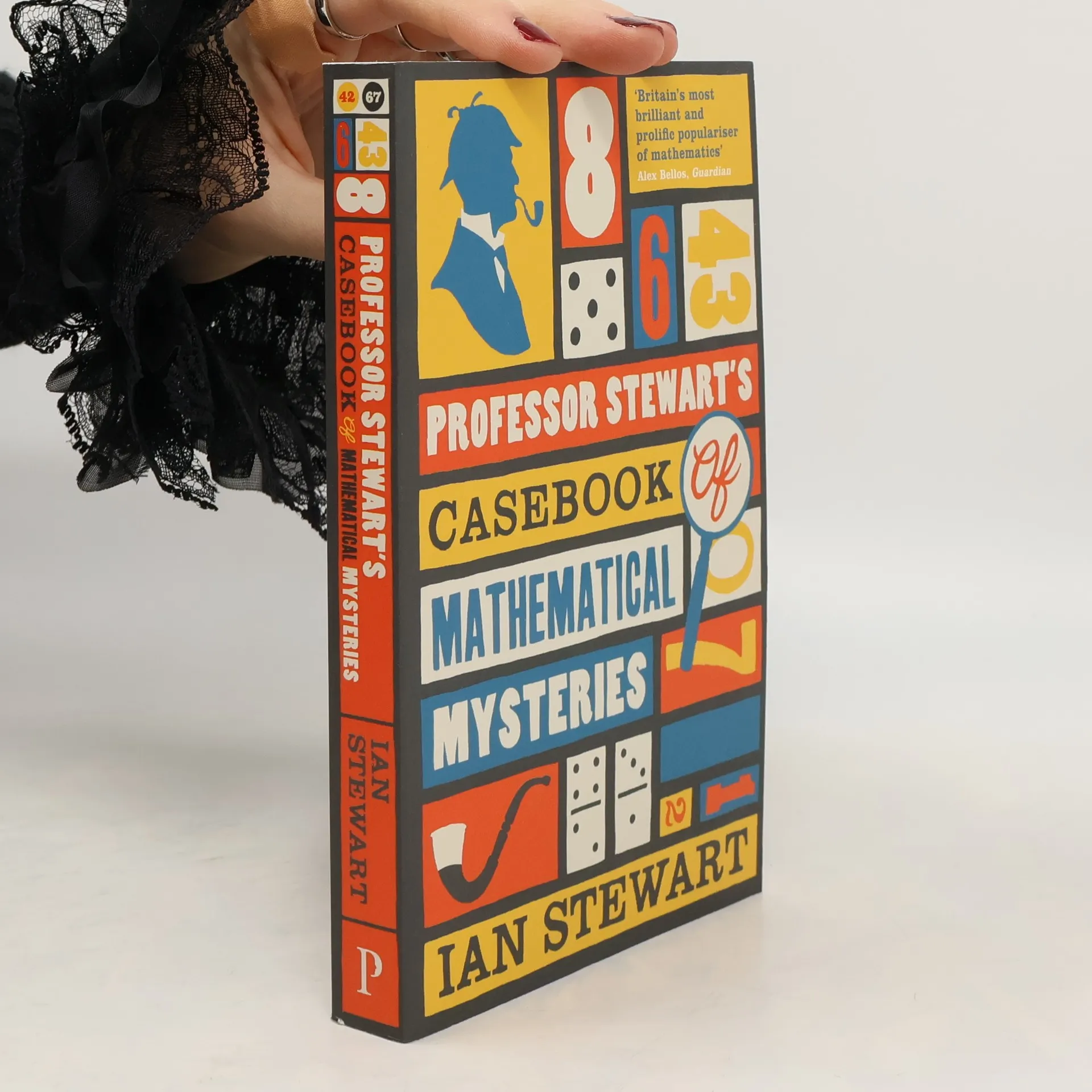
Like its wildly popular predecessors Cabinet of Mathematical Curiosities and Hoard of Mathematical Treasures, Professor Stewart's brand-new book is a miscellany of over 150 mathematical curios and conundrums, packed with trademark humour and numerous illustrations.In addition to the fascinating formulae and thrilling theorems familiar to Professor Stewart's fans, the Casebook follows the adventures of the not-so-great detective Hemlock Soames and his sidekick Dr John Watsup (immortalised in the phrase 'Watsup, Doc?'). By a remarkable coincidence they live at 222B Baker Street, just across the road from their more illustrious neighbour who, for reasons known only to Dr Watsup, is never mentioned by name. A typical item is 'The Case of the Face-Down Aces', a mathematical magic trick of quite devilish cunning.Ranging from one-liners to four-page investigations from the frontiers of mathematical research, the Casebook reveals Professor Stewart at his challenging and entertaining best.
Toma i inne sieroty łączy jedno: nie mają rodziców. Kiedy Tom dowiaduje się,
że być może jego rodzice żyją, za wszelką cenę pragnie ich znaleźć….
Wydostanie się z okrutnego sierocińca Weatherly nie będzie jednak łatwe. Nikt
nigdy stąd nie uciekł. Dozorca, pan Speckle i jego pies stróż, Wind, są czujni
i niezbyt przyjaźni. Tom i Sara potrzebują planu. Ryzyko jest duże. Czy uda im
się przeżyć i osiągnąć upragniony cel? „Britfield i utracona korona” to coś
więcej niż zwykła książka, to opowieść, która wciągnie dzieci i rodziców na
całym świecie. Łączy w sobie elementy powieści przygodowej, detektywistycznej
i powieści drogi. Zwroty akcji, rosnące napięcie, emocje, walka dobra ze złem,
podróż balonem, ucieczka pod ostrzałem, ukrywanie się w kościelnych kryptach –
wszystko to sprawia, że książkę czyta się jednym tchem, z nadzieją na więcej.
I nie jest to nadzieja płonna – autor serii „Britfield” C.R. Stewart planuje
co najmniej pięć tomów cyklu. Jeśli chcecie dowiedzieć się więcej o bohaterach
książki, miejscach w niej opisanych i dalszych planach na serię – zajrzyjcie
na stronę internetową www.britfield.com
Wozu brauchen wir im täglichen Leben Mathematik? Warum es ganz und gar nicht «sinnlos» ist (wie viele zu Schulzeiten denken), sich mit Mathematik zu beschäftigen, erklärt der renommierte Professor und Bestsellerautor Ian Stewart in seinem neuen, faktenreichen und anschaulichen Buch. Tatsächlich würde unsere moderne Welt ohne Mathematik auseinanderfallen, denn sie begegnet uns überall: wenn wir ein Selfie machen, einen Film gucken, ChatGPT nutzen oder eine Niere spenden, aber auch, wenn im Supermarkt Regale aufgefüllt werden, ein Fall vor Gericht verhandelt wird oder eine Partei aus politischen Minderheiten Mehrheiten macht. Dennoch glänzt die Mathematik in unserer Welt meist durch Abwesenheit, weil Berechnungen heutzutage fast überall maschinell – «unsichtbar» – erfolgen. Ian Stewart holt sie zurück ins Rampenlicht, zeigt die oft verblüffende Präsenz der Mathematik in zahlreichen Aspekten unseres Alltags und begeistert mit seinem leichtfüßig vermitteltem Wissen Mathe-Nerds und -Hasser gleichermaßen.
Das Standardwerk der Transaktionsanalyse, die einen der ersten Plätze einnimmt unter den modernen Methoden der Psychotherapie. Konkret und praxisbezogen geht es hier um zwischenmenschliche Kommunikation. Ob aus beruflichem oder privatem Interesse: unverzichtbar für Therapeuten, Laien und jeden, der TA näher kennenlernen möchte.
"Das Versteck der Andromeda" ist, ähnlich wie "Die Reise nach Pentagonien", eine Sammlung mathematischer Kurzgeschichten, diesmal direkt aus "Spektrum der Wissenschaft" übernommen. Ein Lesevergnügen, nicht nur für Stewart-Fans.