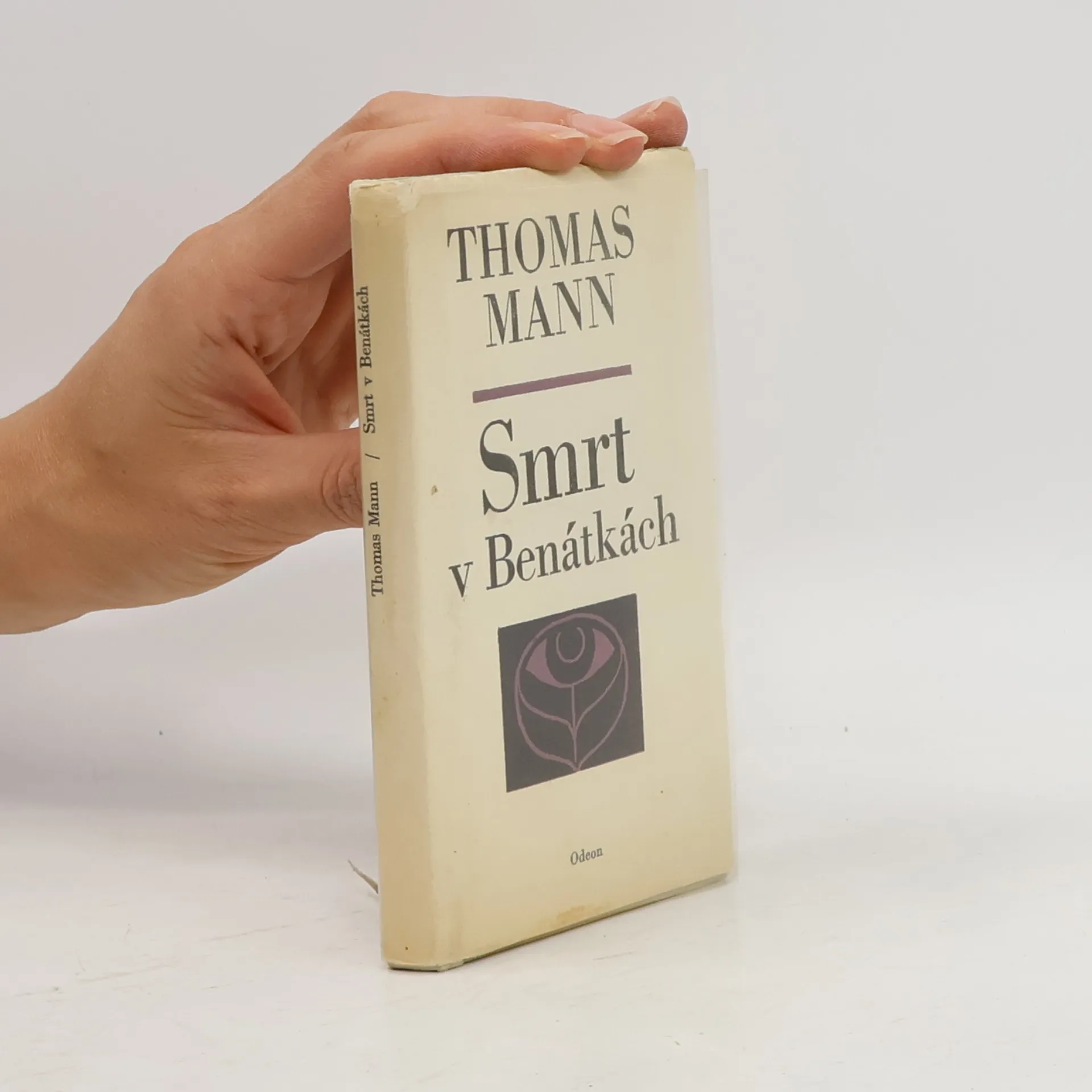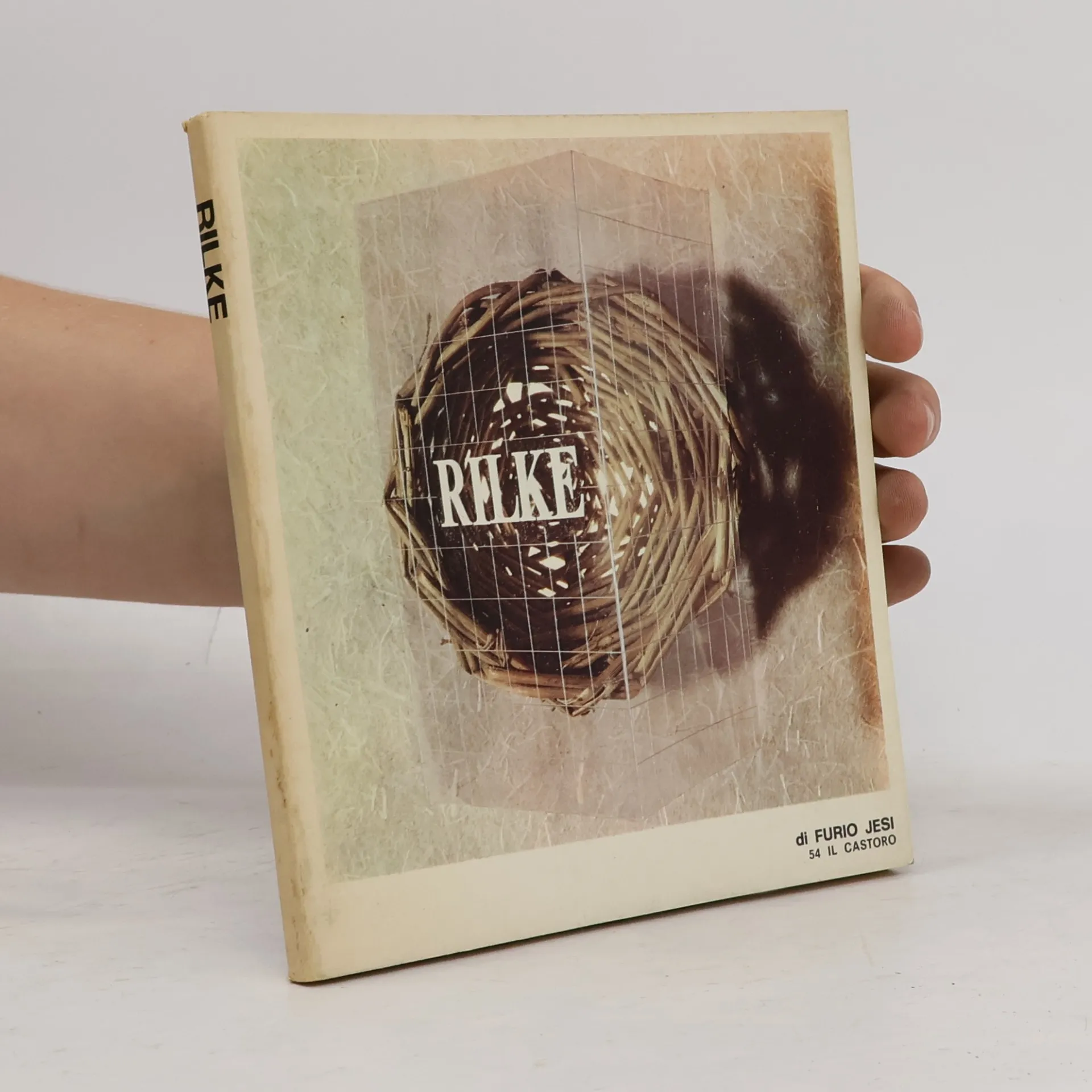
An analysis of how a political myth is taken and treated as a metaphor that reflects how a country like Germany built its own destiny. In the decades before the rise of the Third Reich, "Secret Germany" was a phrase used by the circle of writers around the poet Stefan George to describe a collective political and poetic project: the introduction of the highest values of art into everyday life, the secularization of myth and the mythologization of history. In this book, Furio Jesi takes up the term in order to trace the contours of that political, artistic, and aesthetic thread as it runs through German literary and artistic culture in the period--which, in the 1930s, became absorbed by Nazism as part of its prophecy of a triumphant future. Drawing on thinkers like Carl Jung and writers such as Thomas Mann and Rainer Maria Rilke, Jesi reveals a literary genre that was transformed, tragically, into a potent political myth.
A crucial text at the intersection of history and philosophy in twentieth-century Italy. On December 29, 1918, the Spartakus League, a Marxist revolutionary movement, rose up in Germany calling for an end to class rule by the bourgeoisie. Massive demonstrations followed and more than 500,000 Berliners took to the streets in January--only to be crushed by police and anticommunist paramilitary troops. Several leaders of the Spartakus League were killed and the revolt was quashed. Through a detailed reconstruction of the events of that bloody winter, historian and critic Furio Jesi recasts our understanding of a foundational political difference--revolt or revolution? Drawing on a deep reserve of literary sources like Brecht, Eliade, Dostoyevsky, and Mann, Jesi outlines a uniquely incisive phenomenology of revolt that distinguishes between the purposeful historical temporality of revolution and the suspension of time that marks a revolt. This edition also includes an essay on the politics of time and revolution by Rosa Luxemburg, a founding leader of the Spartakus League.
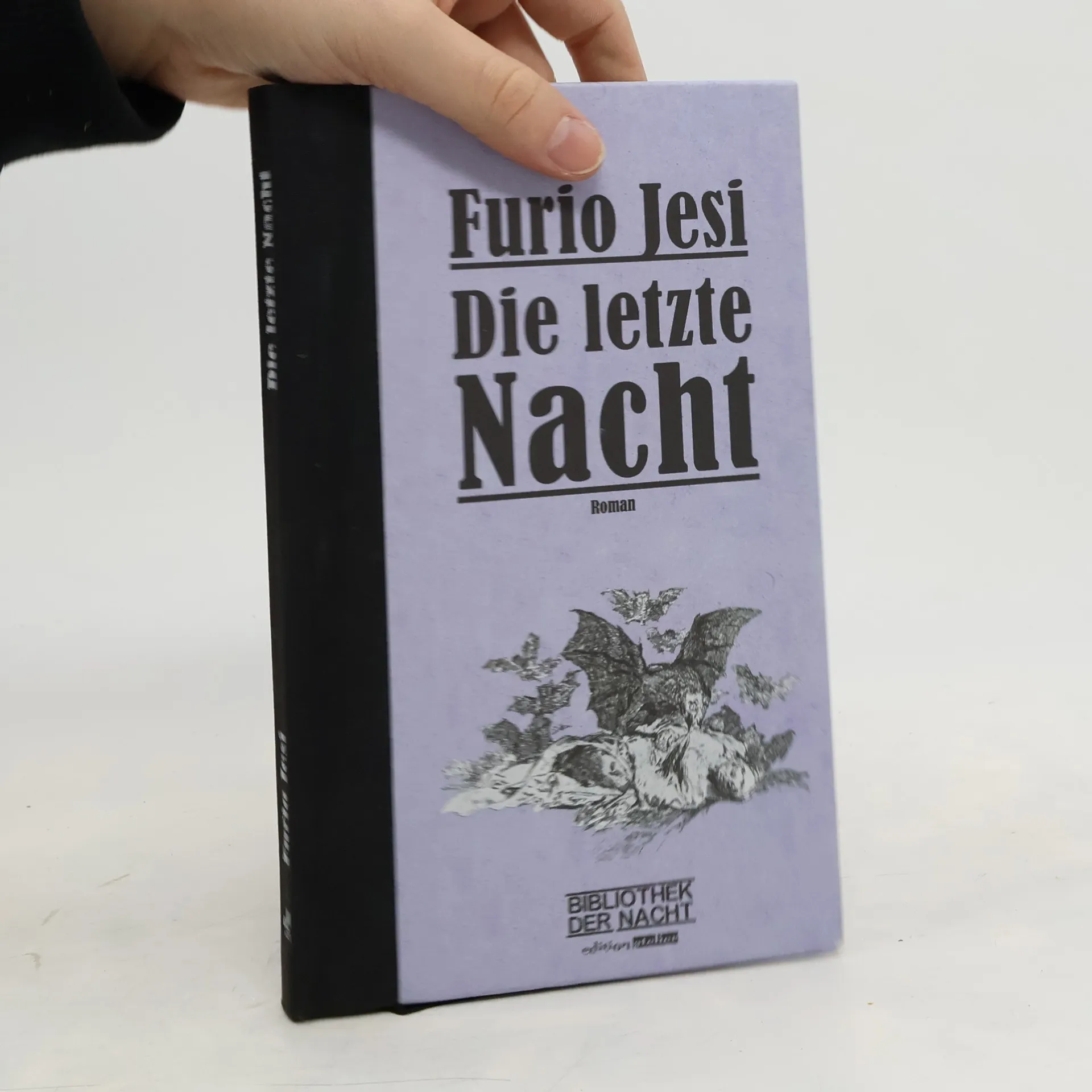
Vor vielen Jahrhunderten beherrschten die Vampire die Welt, nun leben sie im Verborgenen, in geheimen Kammern und unterirdischen Gängen. Bis sie eines Nachts das Zeichen ihres Herrn am Himmel erkennen, ein loderndes Flammenschwert, das ein neues Zeitalter ankündigt. In rasender Geschwindigkeit erobern die Vampire die Erde zurück, die Menschen müssen zusehen, wie ihre Städte verfallen und ihre Errungenschaften zerstört werden. Die Apokalypse steht bevor. Kann sich die Menschheit noch retten?
Nei decenni precedenti l'ascesa del Terzo Reich, "Germania segreta" era un'espressione usata dal gruppo di scrittori attorno al poeta Stefan George per descrivere un progetto politico e poetico collettivo: l'introduzione dei valori più alti dell'arte nella vita quotidiana, la secolarizzazione del mito e la mitologizzazione della storia. In questo libro, Furio Jesi riprende il termine per delineare i contorni di quel filo politico, artistico e estetico che attraversa la cultura letteraria e artistica tedesca nel periodo, che negli anni '30 venne assorbito dal nazismo come parte della sua profezia di un futuro trionfante. Attingendo a pensatori come Carl Jung e scrittori come Thomas Mann e Rainer Maria Rilke, Jesi rivela un genere letterario che è stato tragicamente trasformato in un potente mito politico.
Autor vypráví, jak se učil vnitřnímu vidění světa a novému vnímání vztahu člověk-vesmír od indiánských čarodějů; navazuje na "Oddělená skutečnost" a "Cesta do Ixtlanu".
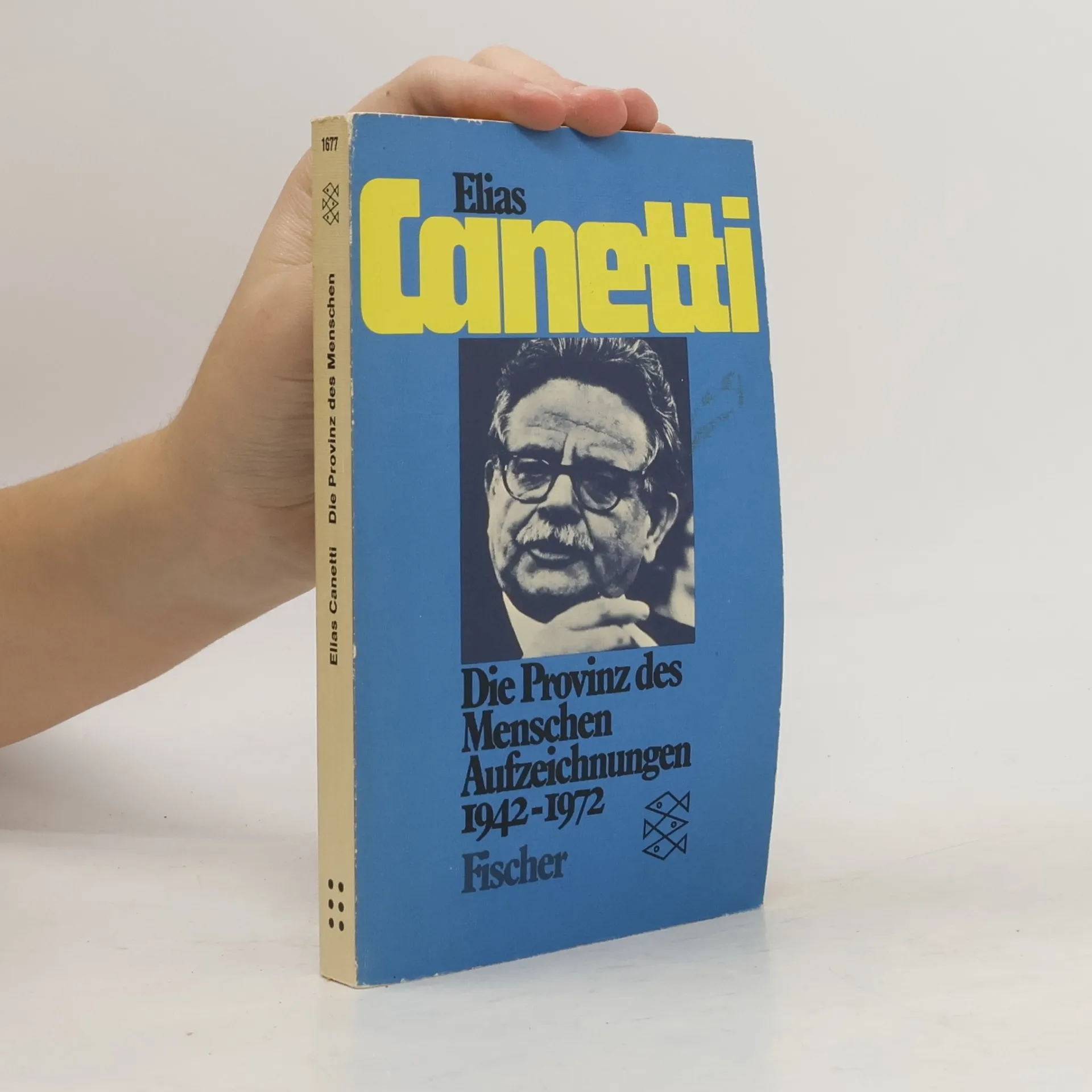
Da quasi quarant’anni Elias Canetti tiene dei ‘quaderni di appunti’ che un giorno appariranno, si può supporre, come una delle opere più sorprendenti del nostro tempo. Ma già questa scelta, fatta da Canetti stesso, e che ora pubblichiamo, è un libro che lascia tracce indelebili su chiunque gli si avvicini. Qui abbiamo davanti a noi un pensiero e un’immaginazione incandescenti e ribollenti per l’intensità, e al tempo stesso soggetti a una disciplina che li obbliga a manifestarsi soltanto quando il loro materiale ha raggiunto la durezza e la lucentezza del diamante. Canetti, questo esemplare «nemico della morte», ha sempre posto esigenze assolute allo scrivere. Dal suo unico, e imponente romanzo, <i>Auto da fé</i>, alla sua opera centrale, <i>Massa e potere</i>, ogni libro di Canetti è una sfida gettata contro un avversario strapotente, che si insinua in ogni piega delle cose: la morte. E, intrecciata a essa, è l’immagine del potere, di cui Canetti ha saputo illuminare, come nessuno oggi, i terribili segreti. Così avviene anche nella <i>Provincia dell’uomo</i>: qui però vedremo Canetti non più costretto a fissarsi su un tema, ma abbandonato a tutte le onde della sua vita più segreta, che ci si manifesta con una lussureggiante abbondanza di idee, prospettive, miniature di romanzi, ritratti, aforismi, ipotesi, paradossi, giudizi, sempre con la massima asciuttezza e densità, toccando la letteratura e l’antropologia, i libri sacri e gli animali, le donne e l’antichità, la politica e la scienza, la psicologia e i viaggi, i sogni e la società – e dove, in ogni rigo, sentiamo l’avida attenzione e l’apertura di chi vuole pensare e vivere tutti gli infiniti mondi possibili, mentre sul fondo pulsa senza tregua il conflitto inesorabile con la morte. «La storia disprezza chi la ama» dice, ad esempio, un frammento di questo libro, e sentiamo subito che quelle poche parole penetrano in noi come una scheggia che non estrarremo mai più. Così ogni lettore troverà in queste pagine qualcosa che da sempre <i>avrebbe voluto</i> pensare o, altre volte, avrà l’impressione di cozzare contro un avversario, ma un avversario perfettamente definito e netto, a cui essere grati più che a un amico. E alla fine sarà costretto a riconoscere che in questo libro abita qualcosa di cui ormai molto di rado si sente il bisogno di pronunciare anche solo il nome: la grandezza.
Novela Smrt v Benátkách, v roce 1971 převedená na stříbrné plátno Luchinem Viscontim, patří k nejznámějším Mannovým literárním pracím a stejně jako ostatní autorovo dílo se jejím hlavním námětem stala problematika vztahu umělce k životu. Úspěšný spisovatel Gustav von Aschenbach, prototyp lidské zralosti a životního i tvůrčího soustředění, se ve svých padesáti letech rozhodne strávit léto v Benátkách. Namísto kontemplace tu však na moralistního pedanta čeká setkání s odvrácenou stranou vlastního nitra: bičován potlačovanou, avšak čím dál tím méně zvladatelnou smyslovou vášní je přitahován k polskému chlapci Tadziovi, takže když ve městě vypukne epidemie cholery, odmítne Aschenbach Benátky opustit a zůstane v nich až do trpce tragického konce. Co se na první pohled jeví být pouze osudovým zřetězením náhod, je ve skutečnosti přísně logické a vyplývá z dlouho narůstající psychické krize hlavního hrdiny - ukáže se, že Aschenbachova rovnováha byla pouze zdánlivá, neboť jí bylo dosaženo v umění, nikoliv v životě. Konečně Thomas Mann sám Smrt v Benátkách charakterizoval jako "příběh o rozkoši ze zániku"....