Knihobot

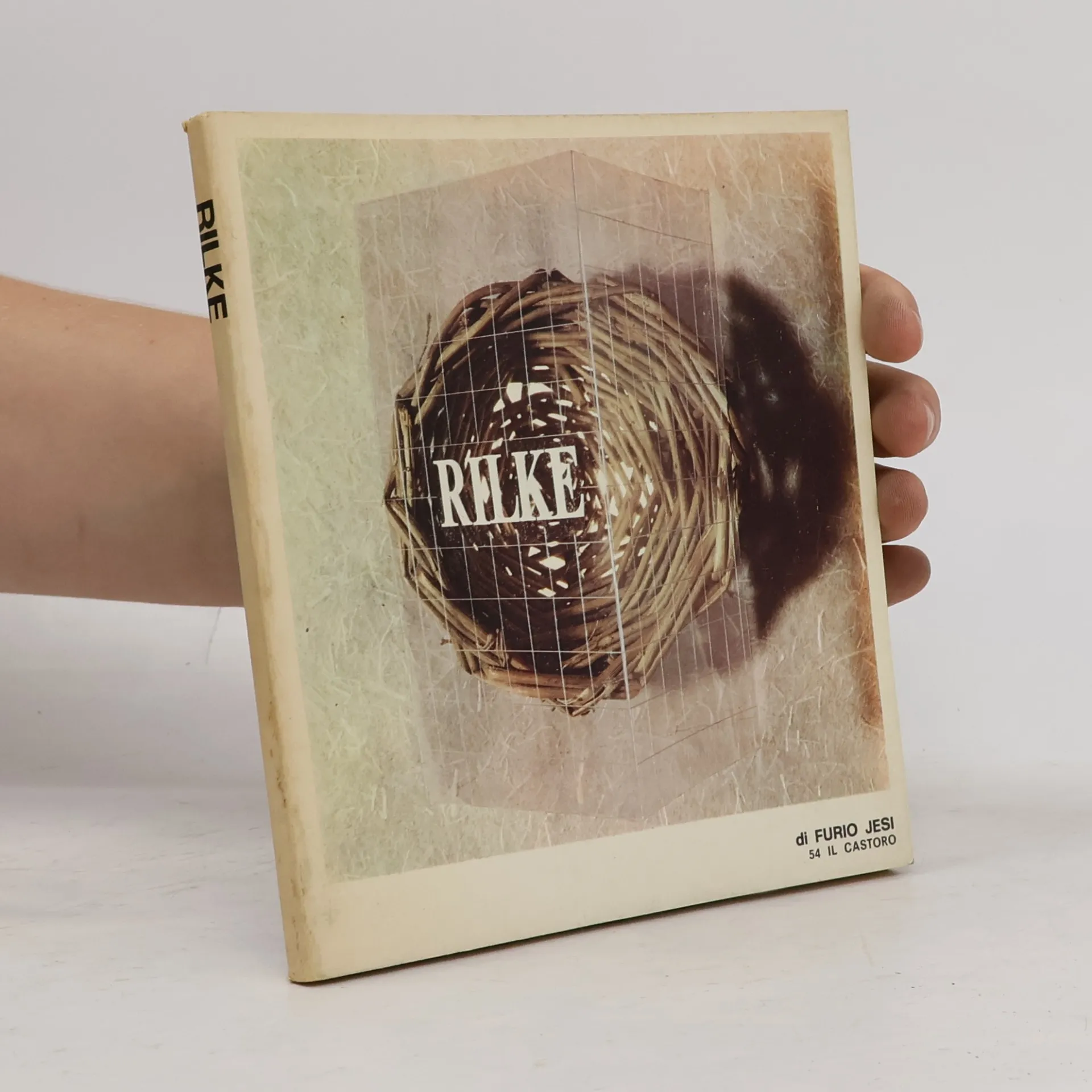
Furio Jesi

    19. květen 1941 – 17. červen 1980
    Germania segreta
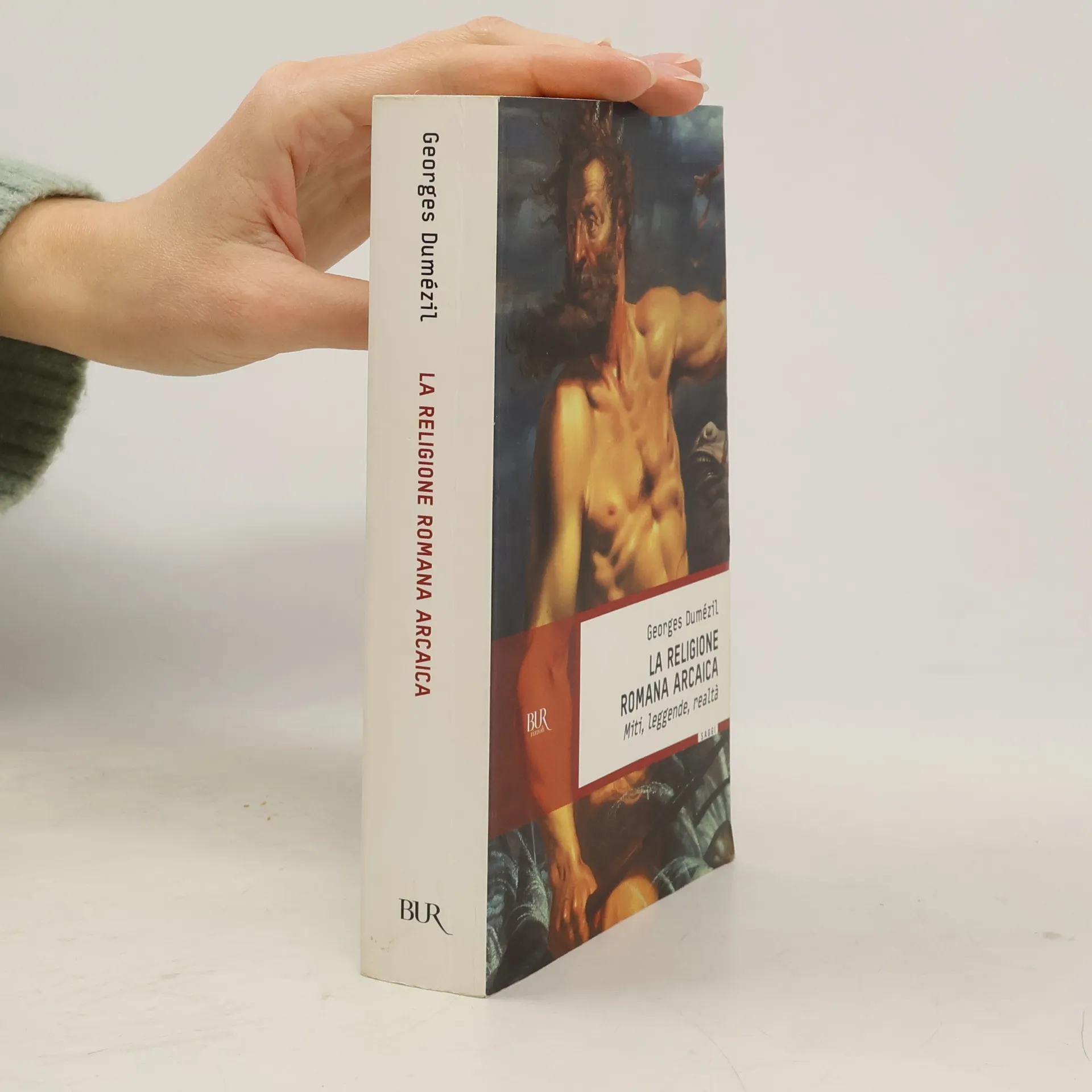
    La religione romana arcaica. Miti, leggende, realtà della vita religiosa romana. Con un'appendice sulla religione degli Etruschi
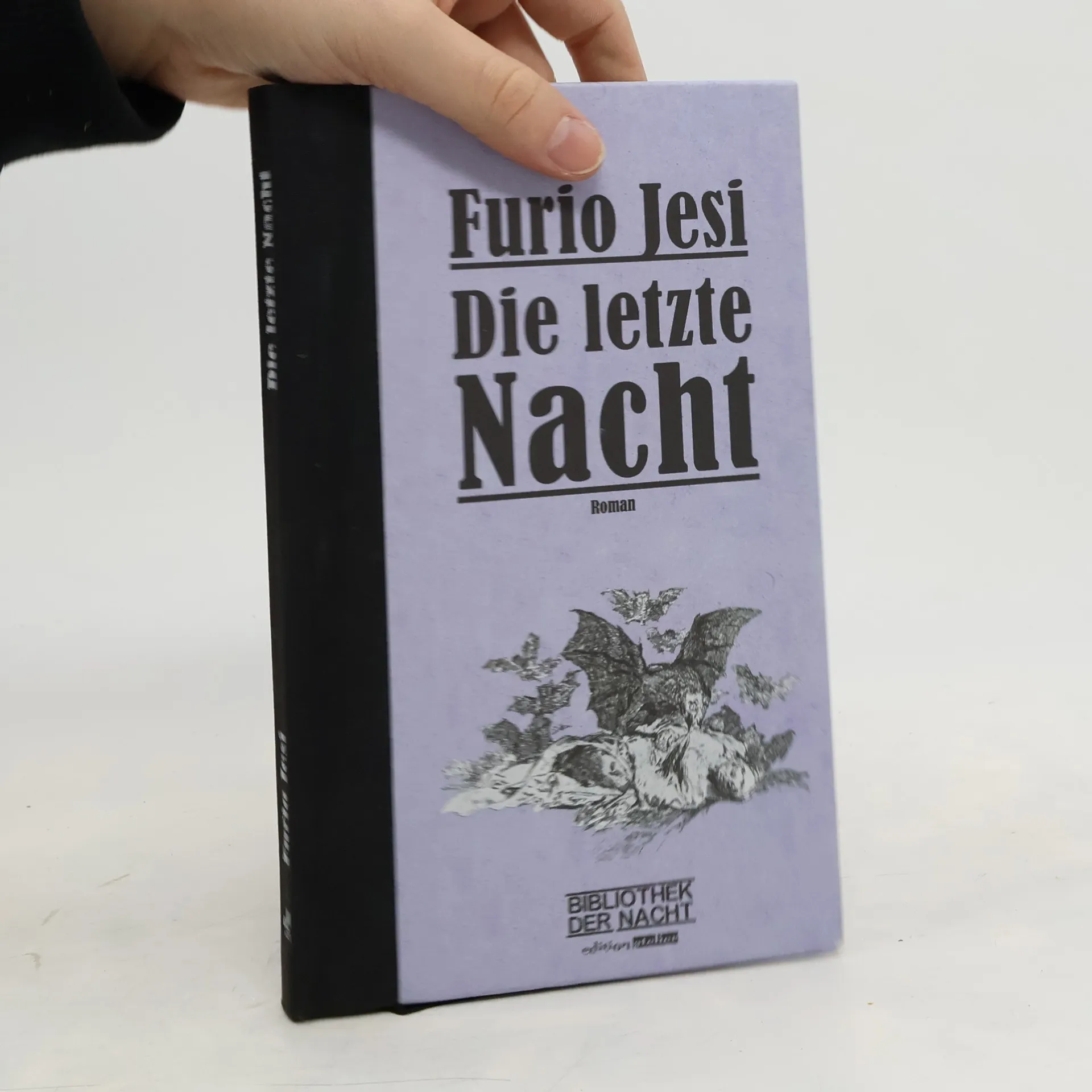
    Die letzte Nacht
    Spartakus
    Secret Germany - Myth in Twentieth-Century German Culture
    Secret Germany
    • Spartakus

      • 180 stránek
      • 7 hodin čtení

      A crucial text at the intersection of history and philosophy in twentieth-century Italy. On December 29, 1918, the Spartakus League, a Marxist revolutionary movement, rose up in Germany calling for an end to class rule by the bourgeoisie. Massive demonstrations followed and more than 500,000 Berliners took to the streets in January--only to be crushed by police and anticommunist paramilitary troops. Several leaders of the Spartakus League were killed and the revolt was quashed. Through a detailed reconstruction of the events of that bloody winter, historian and critic Furio Jesi recasts our understanding of a foundational political difference--revolt or revolution? Drawing on a deep reserve of literary sources like Brecht, Eliade, Dostoyevsky, and Mann, Jesi outlines a uniquely incisive phenomenology of revolt that distinguishes between the purposeful historical temporality of revolution and the suspension of time that marks a revolt. This edition also includes an essay on the politics of time and revolution by Rosa Luxemburg, a founding leader of the Spartakus League.

      Spartakus2024
    • An analysis of how a political myth is taken and treated as a metaphor that reflects how a country like Germany built its own destiny. In the decades before the rise of the Third Reich, "Secret Germany" was a phrase used by the circle of writers around the poet Stefan George to describe a collective political and poetic project: the introduction of the highest values of art into everyday life, the secularization of myth and the mythologization of history. In this book, Furio Jesi takes up the term in order to trace the contours of that political, artistic, and aesthetic thread as it runs through German literary and artistic culture in the period--which, in the 1930s, became absorbed by Nazism as part of its prophecy of a triumphant future. Drawing on thinkers like Carl Jung and writers such as Thomas Mann and Rainer Maria Rilke, Jesi reveals a literary genre that was transformed, tragically, into a potent political myth.

      Secret Germany - Myth in Twentieth-Century German Culture2023
    • Secret Germany

      • 296 stránek
      • 11 hodin čtení

      An analysis of how a political myth is taken and treated as a metaphor that reflects how a country like Germany built its own destiny. In the decades before the rise of the Third Reich, "Secret Germany" was a phrase used by the circle of writers around the poet Stefan George to describe a collective political and poetic project: the introduction of the highest values of art into everyday life, the secularization of myth and the mythologization of history. In this book, Furio Jesi takes up the term in order to trace the contours of that political, artistic, and aesthetic thread as it runs through German literary and artistic culture in the period--which, in the 1930s, became absorbed by Nazism as part of its prophecy of a triumphant future. Drawing on thinkers like Carl Jung and writers such as Thomas Mann and Rainer Maria Rilke, Jesi reveals a literary genre that was transformed, tragically, into a potent political myth.

      Secret Germany2021
    • Die letzte Nacht

      Bibliothek der Nacht Band 2

      Vor vielen Jahrhunderten beherrschten die Vampire die Welt, nun leben sie im Verborgenen, in geheimen Kammern und unterirdischen Gängen. Bis sie eines Nachts das Zeichen ihres Herrn am Himmel erkennen, ein loderndes Flammenschwert, das ein neues Zeitalter ankündigt. In rasender Geschwindigkeit erobern die Vampire die Erde zurück, die Menschen müssen zusehen, wie ihre Städte verfallen und ihre Errungenschaften zerstört werden. Die Apokalypse steht bevor. Kann sich die Menschheit noch retten?

      Die letzte Nacht2015
      5,0
    • Smrt v Benátkách

      • 93 stránek
      • 4 hodiny čtení

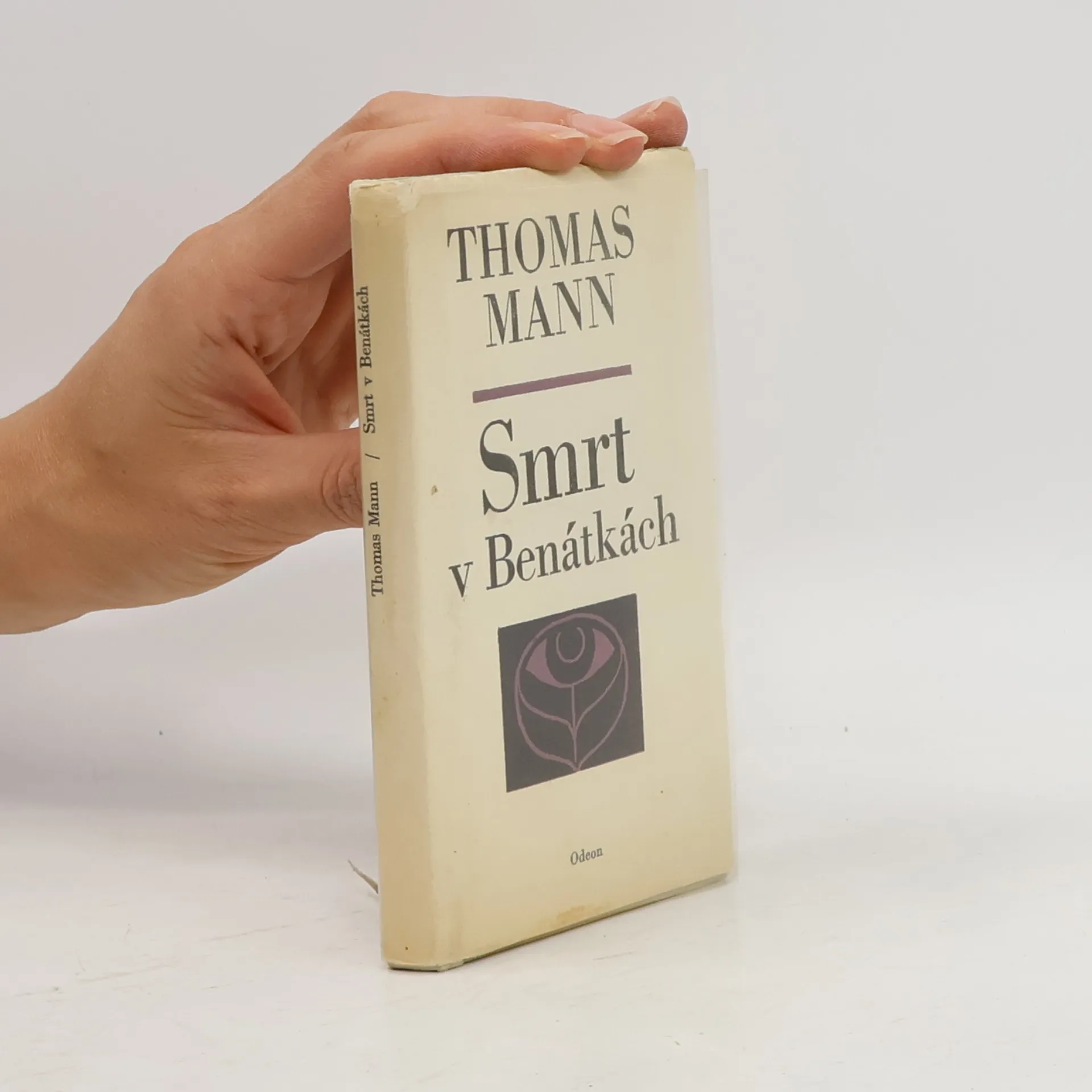
      Novela Smrt v Benátkách, v roce 1971 převedená na stříbrné plátno Luchinem Viscontim, patří k nejznámějším Mannovým literárním pracím a stejně jako ostatní autorovo dílo se jejím hlavním námětem stala problematika vztahu umělce k životu. Úspěšný spisovatel Gustav von Aschenbach, prototyp lidské zralosti a životního i tvůrčího soustředění, se ve svých padesáti letech rozhodne strávit léto v Benátkách. Namísto kontemplace tu však na moralistního pedanta čeká setkání s odvrácenou stranou vlastního nitra: bičován potlačovanou, avšak čím dál tím méně zvladatelnou smyslovou vášní je přitahován k polskému chlapci Tadziovi, takže když ve městě vypukne epidemie cholery, odmítne Aschenbach Benátky opustit a zůstane v nich až do trpce tragického konce. Co se na první pohled jeví být pouze osudovým zřetězením náhod, je ve skutečnosti přísně logické a vyplývá z dlouho narůstající psychické krize hlavního hrdiny - ukáže se, že Aschenbachova rovnováha byla pouze zdánlivá, neboť jí bylo dosaženo v umění, nikoliv v životě. Konečně Thomas Mann sám Smrt v Benátkách charakterizoval jako "příběh o rozkoši ze zániku".... celý text

      Smrt v Benátkách2009
      3,8
    • Příběhy síly

      • 253 stránek
      • 9 hodin čtení

      Autor vypráví, jak se učil vnitřnímu vidění světa a novému vnímání vztahu člověk-vesmír od indiánských čarodějů; navazuje na "Oddělená skutečnost" a "Cesta do Ixtlanu".

      Příběhy síly1989
      4,1