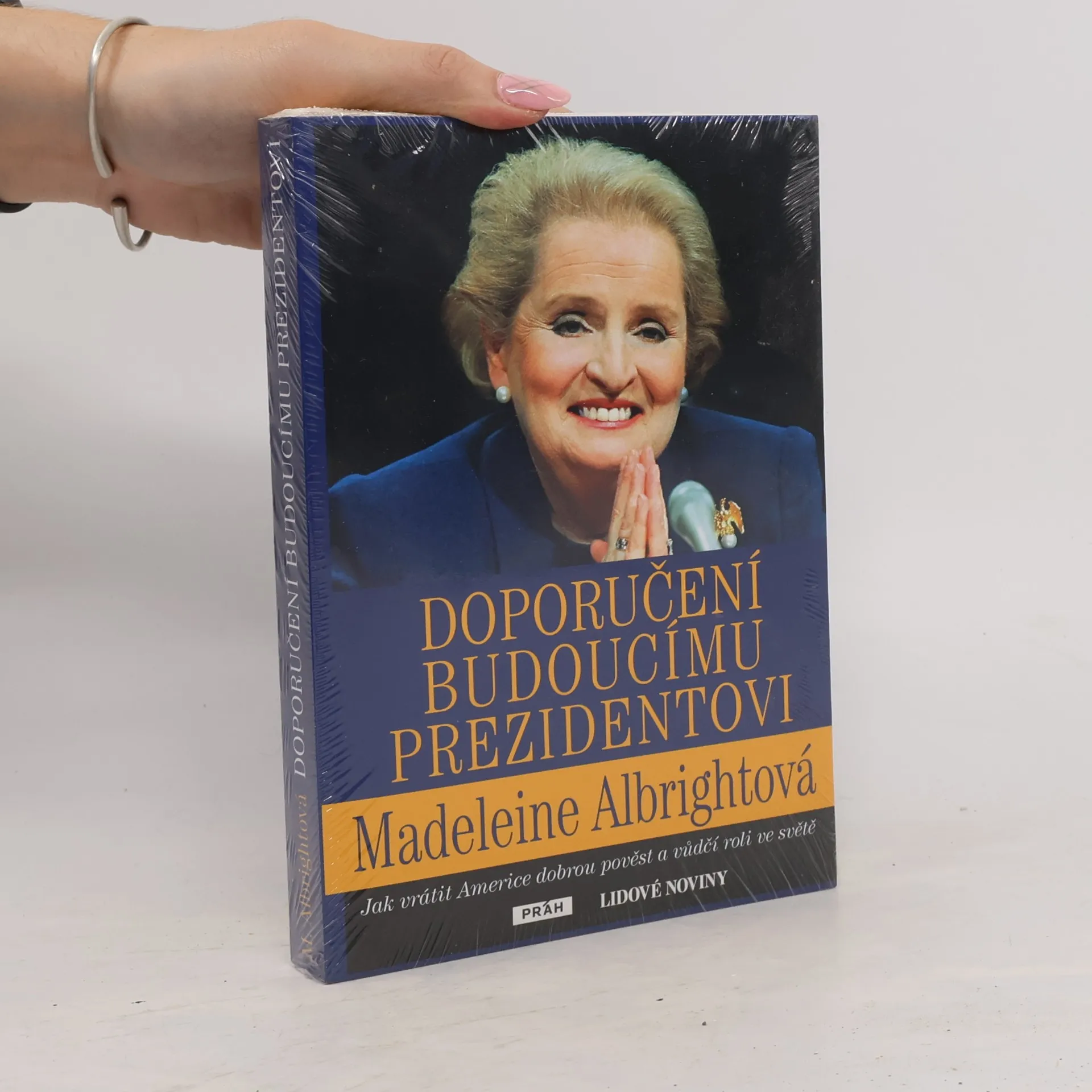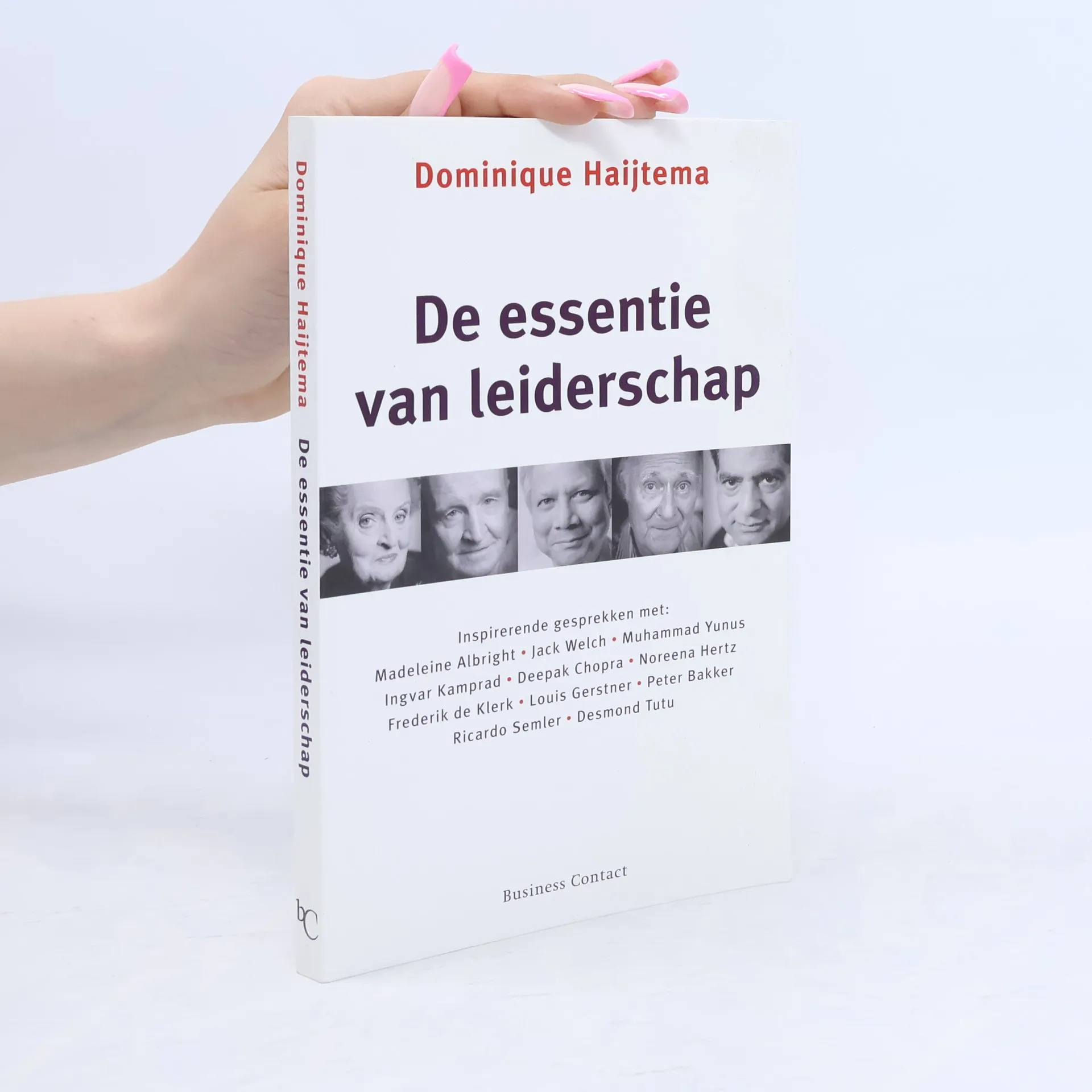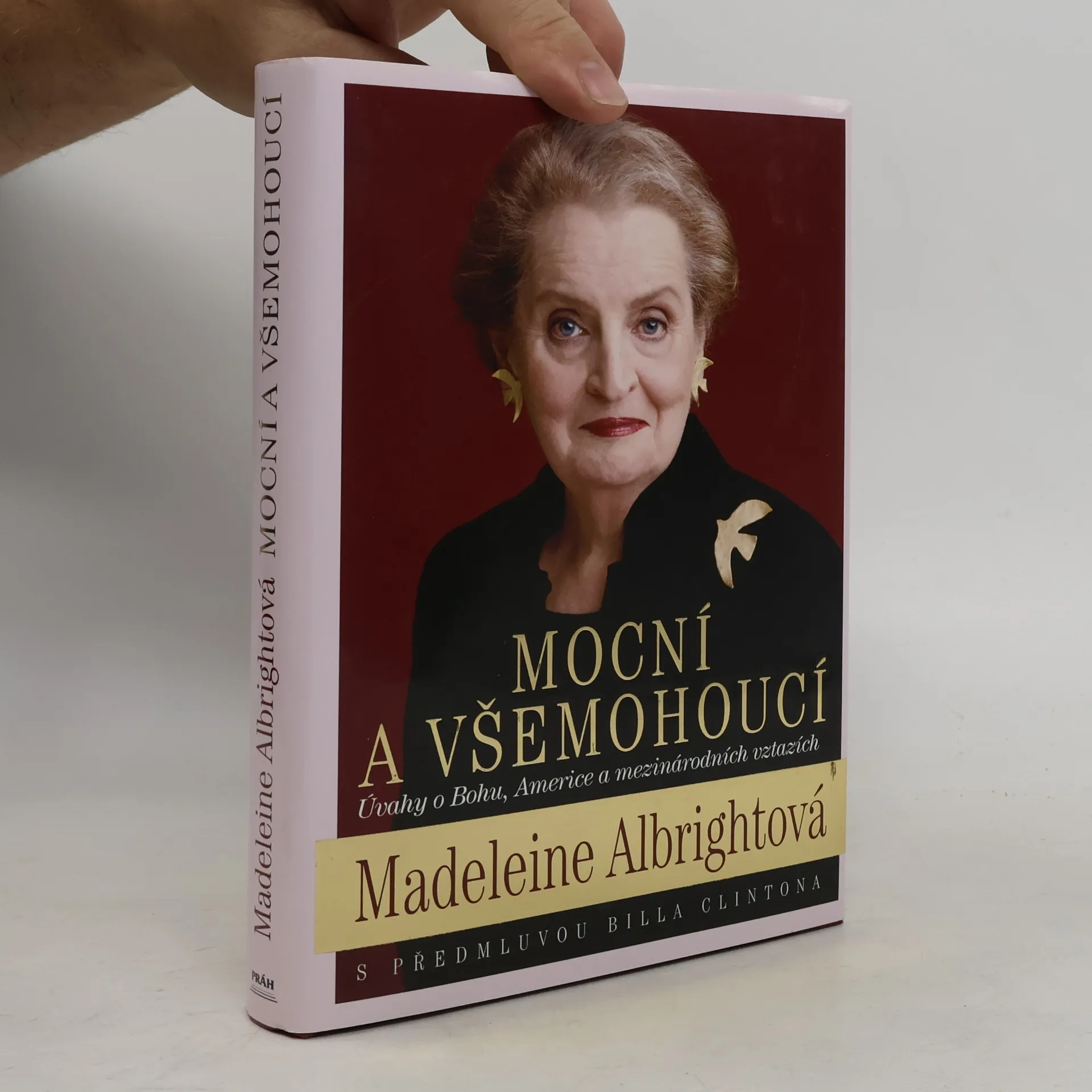
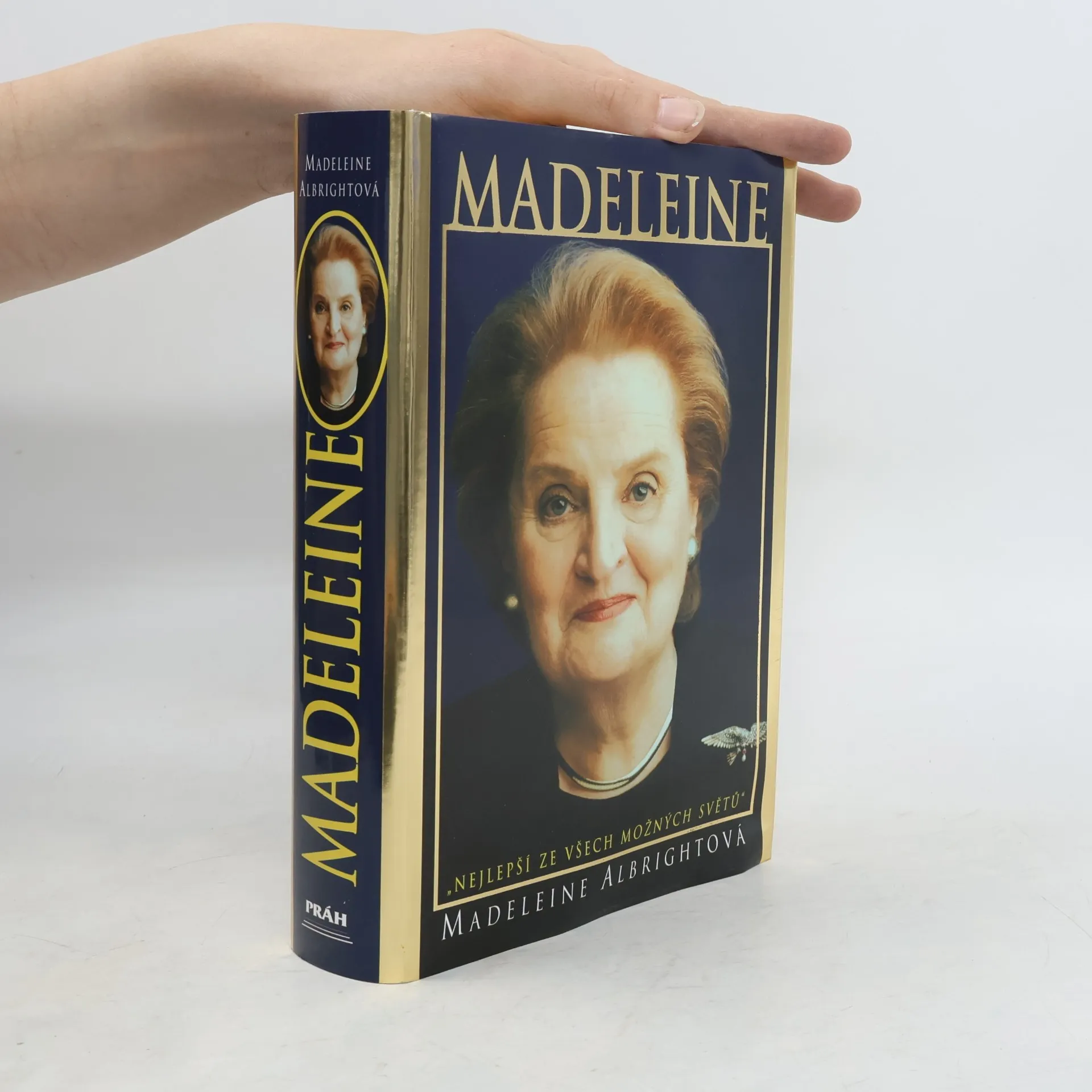

Madeleine Albrightová (nepřechýleně Albright, rozená Marie Jana Körbelová, 15. května 1937 Praha – 23. března 2022 Washington, D.C.) byla americká diplomatka a politička, která v letech 1997–2001 zastávala funkci 64. ministryně zahraničí Spojených států amerických ve vládě prezidenta Billa Clintona jako historicky první žena v tomto úřadu.
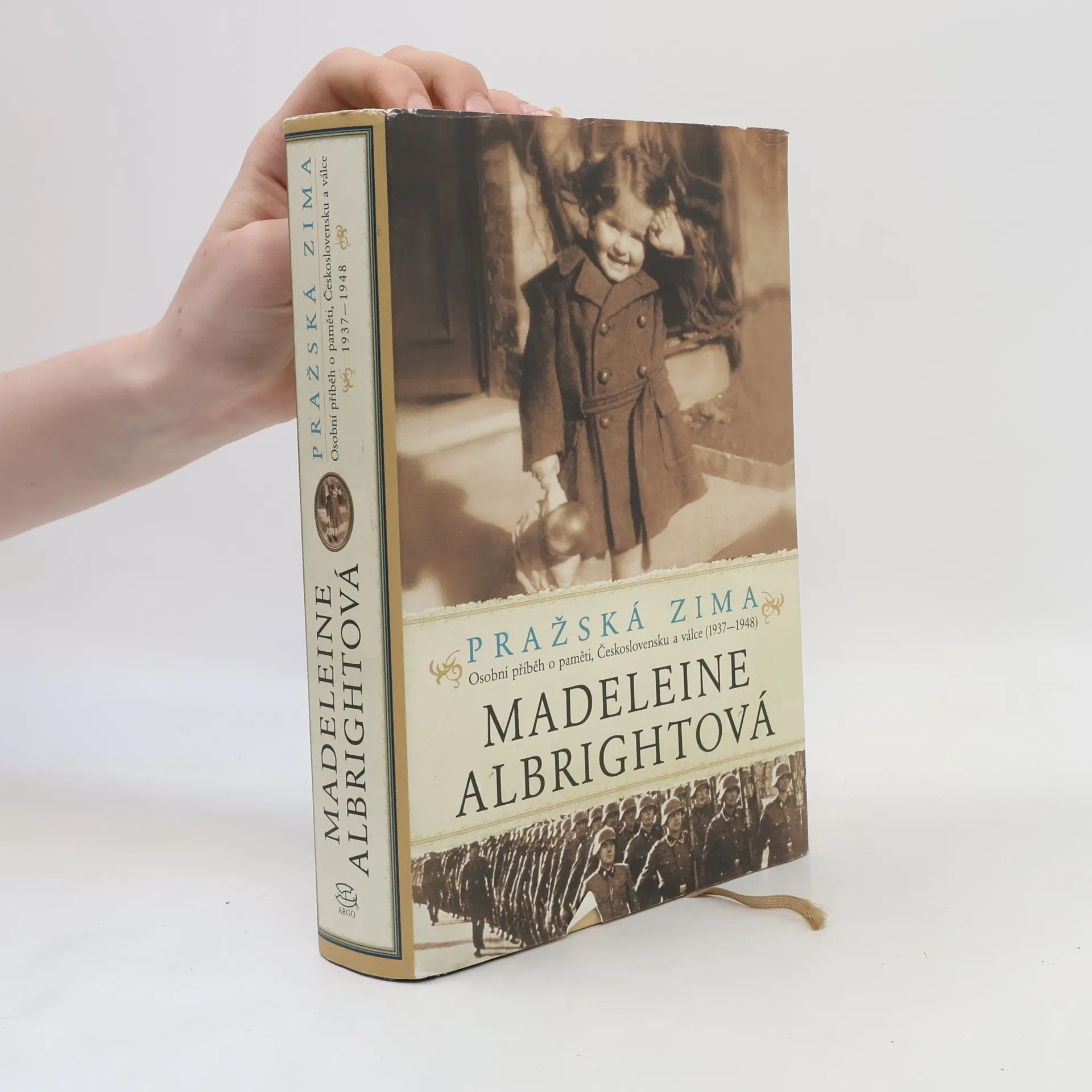
The formative years of Madeleine Albright were dramatically influenced by significant historical events, including the Nazi invasion of Czechoslovakia, the Battle of Britain, and the Holocaust. These experiences shaped her perspective during the tumultuous aftermath of World War II, the rise of communism, and the beginning of the Cold War, providing a rich backdrop for her later life and career in politics.
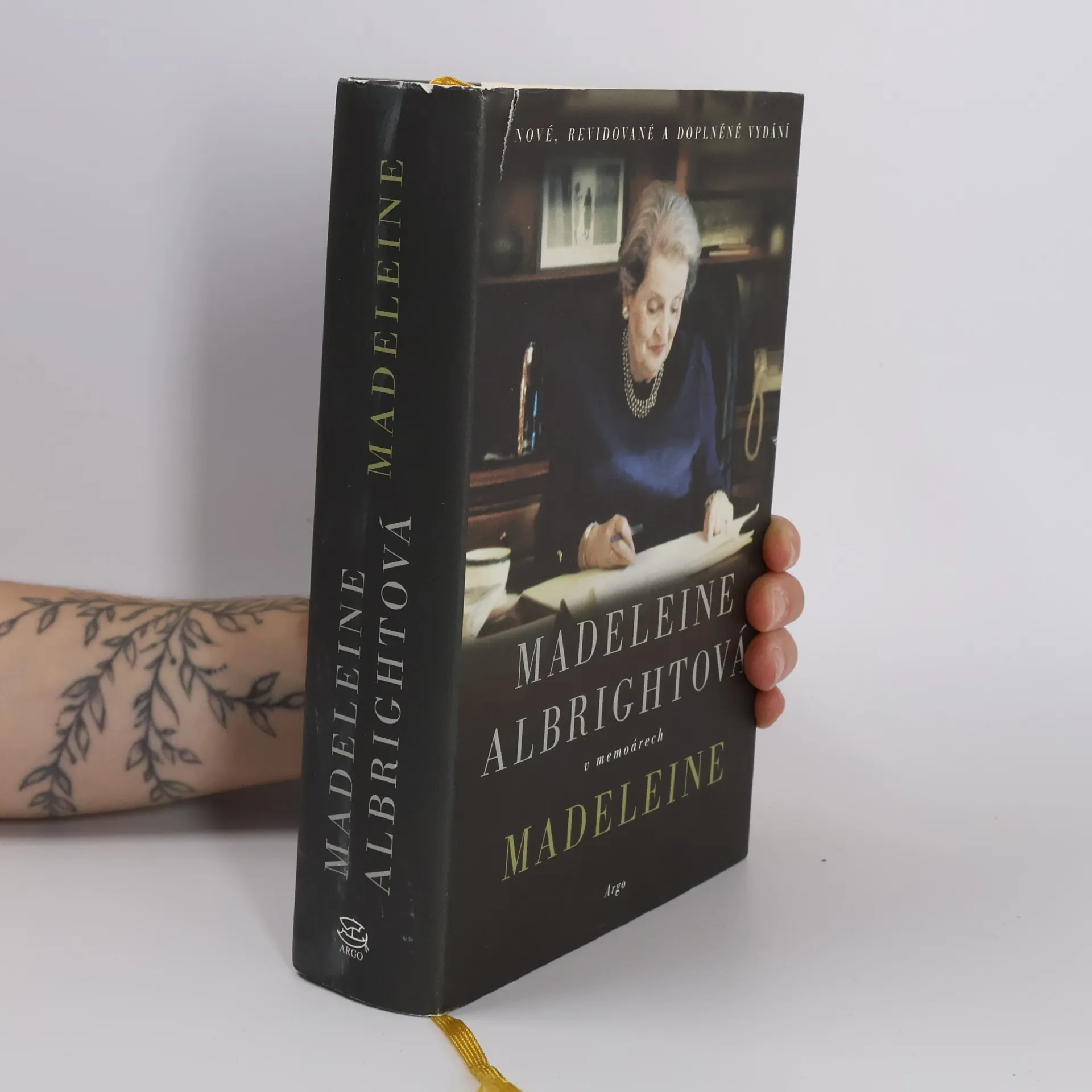
"In 2001, when Madeleine Albright was leaving office as America's first female secretary of state, interviewers asked her how she wished to be remembered ... In that time of transition, the former Secretary considered the possibilities: she could write, teach, travel, give speeches, start a business, fight for democracy, help to empower women, campaign for favored political candidates, spend more time with her grandchildren. Instead of choosing one or two, she decided to do it all. For nearly twenty years, Albright has been in constant motion, navigating half a dozen professions, clashing with presidents and prime ministers, learning every day. Since leaving the State Department, she has blazed her own trail--and given voice to millions who yearn for respect, regardless of gender, background, or age"--
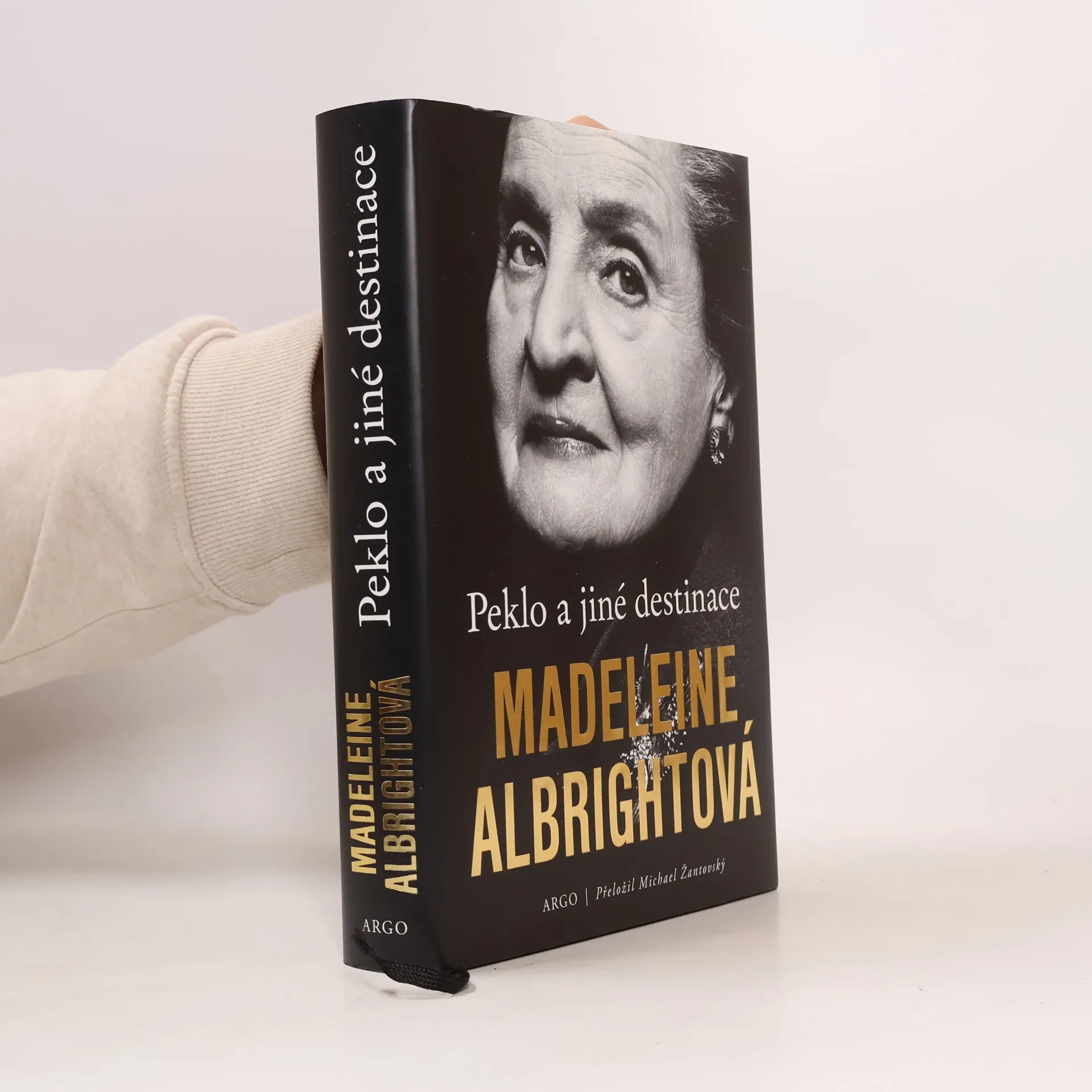
V roce 2001, po ukončení své funkce ministryně zahraničí, se Madeleine Albrightová vrhla do nové kariéry, která by vydala na několik životů. Začala psát knihy, učit na univerzitě, zakládala konzultační firmu a investiční fond, a zároveň se angažovala v prosazování demokratických hodnot. V debatách se střetávala s významnými politiky a ve svých knihách varovala před návratem fašismu, podporovala práva žen a pomáhala těm, kteří nemají možnost být slyšet. Jako matka tří dcer začala pracovat na plný úvazek až v devětatřiceti letech, přičemž zdůrazňuje, že jakmile našla svůj hlas, byla odhodlaná ho nechat zaznít.
Její nová kniha, nazvaná Peklo a jiné destinace, nabízí zábavnou a osobní rekapitulaci jejího „života po politické smrti“. Albrightová se dělí o důvěrné historky a otevřeně hovoří o nedostatku odvážných lídrů, nutnosti potírat lži a závazku starších generací vůči mladším. Považuje se za „optimistu s obavami“ a nabádá čtenáře, aby si navzájem důvěřovali. Kniha je nejen kronikou naší doby, ale také fascinujícím autoportrétem ženy, která se proslavila nejen politickými úspěchy, ale také osobními zážitky, jako je hraní na bubny před davem nebo tanec s Robertem Redfordem. Albrightová se zde představuje s vtipem, šarmem a upřímností.
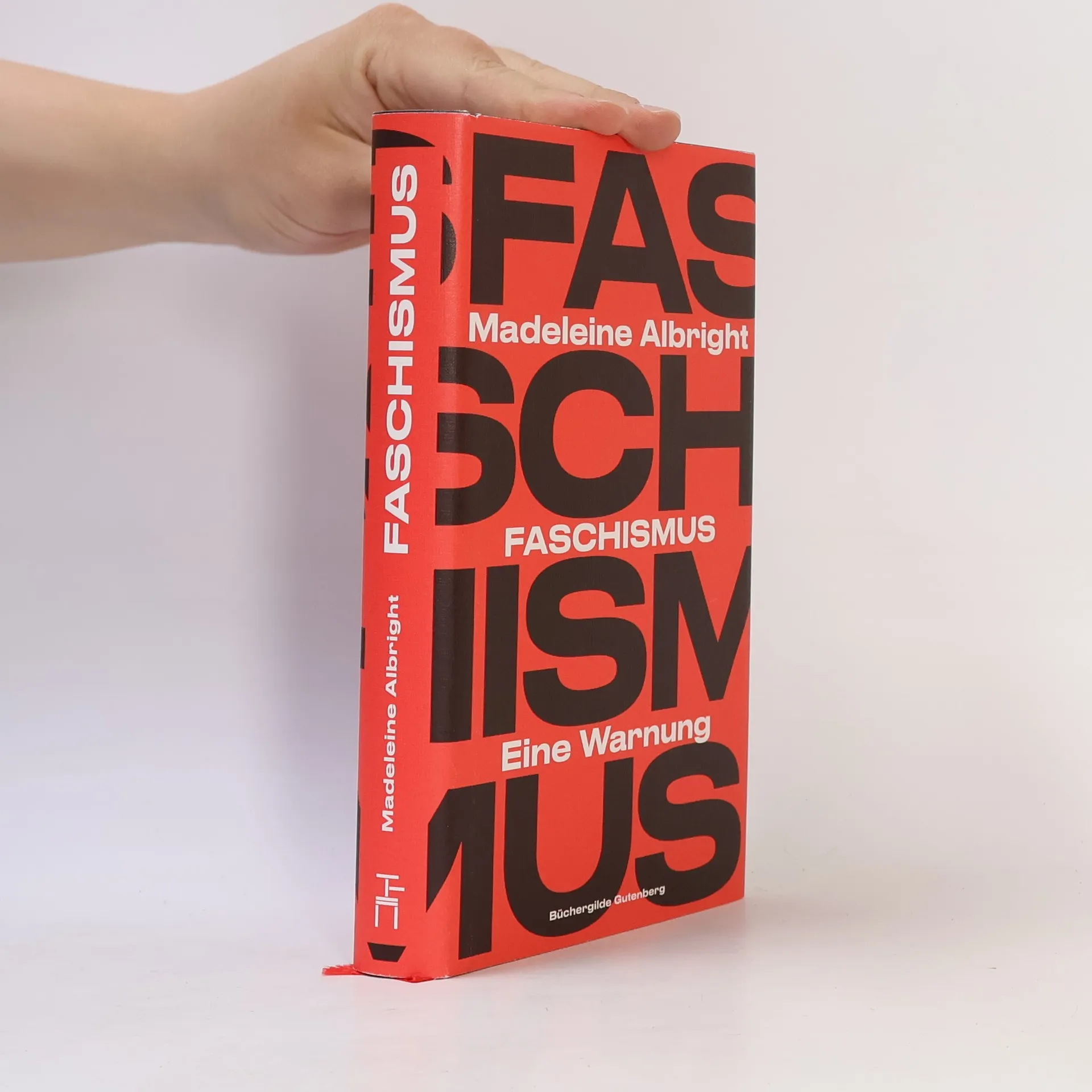
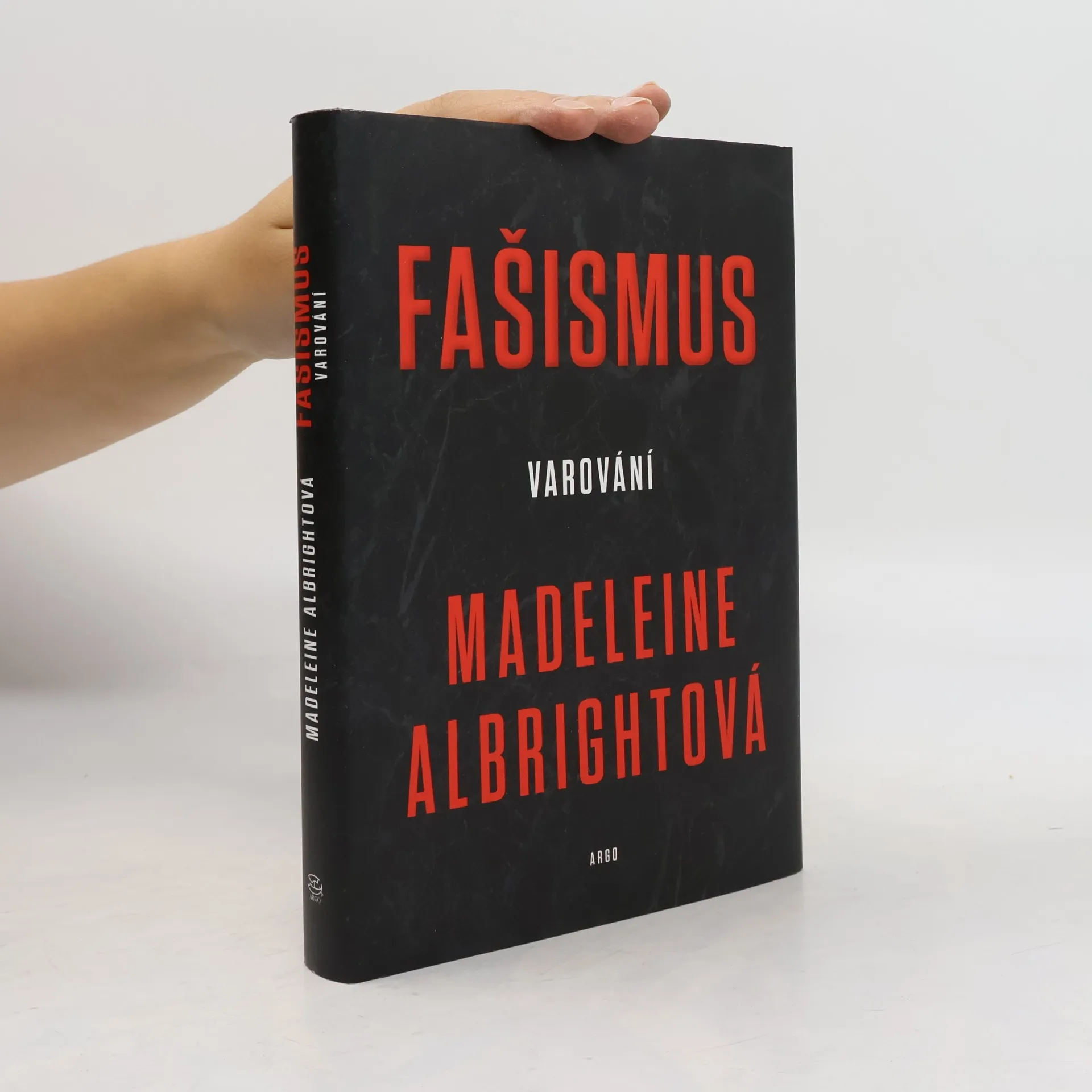
A Fascist, observes Madeleine Albright, 'is someone who claims to speak for a whole nation or group, is utterly unconcerned with the rights of others, and is willing to use violence and whatever other means are necessary to achieve the goals he or she might have.' The twentieth century was defined by the clash between democracy and Fascism, a struggle that created uncertainty about the survival of human freedom and left millions of innocent people dead. Given the horrors of that experience, one might expect the world to reject the spiritual successors to Hitler and Mussolini should they arise in our era. Albright draws on her experiences as a child in war-torn Europe and her distinguished career as a diplomat to question that very assumption. Fascism, Albright shows, not only endured through the course of the twentieth century, but now presents a more virulent threat to peace and justice than at any time since the end of World War II. The momentum toward democracy that swept the world when the Berlin Wall fell has gone into reverse. The United States, which has historically championed the free world, is led by a president who exacerbates popular divisions and heaps scorn on democratic institutions. In many countries, economic, technological, and cultural factors are weakening the political center and empowering the extremes of right and left. Contemporary leaders such as Vladimir Putin and Kim Jong-un are employing many of the same tactics used by Fascists in the 1920s and 30s. Written with wisdom by someone who has not only studied history but helped to shape it, this call to arms teaches us the lessons we must understand and the questions we must answer if we are to save ourselves from repeating the tragic errors of the past
»Manche mögen dieses Buch und besonders seinen Titel alarmierend finden. Gut!« MADELEINE ALBRIGHT Weltweit kommt es zu einem Wiedererstarken anti-demokratischer, repressiver und zerstörerischer Kräfte. Die ehemalige amerikanische Außenministerin Madeleine Albright zeigt, welche großen Ähnlichkeiten diese mit dem Faschismus des 20. Jahrhunderts haben. Die faschistischen Tendenzen treten wieder in Erscheinung und greifen in Europa, Teilen Asiens und den Vereinigten Staaten um sich. Albrights Familie stammt aus Prag und floh zweimal: zuerst vor den Nationalsozialisten, später vor dem kommunistischen Regime. Auf Grundlage dieser Erlebnisse und der Erfahrungen, die sie im Laufe ihrer diplomatischen Karriere sammelte, zeichnet sie die Gründe für die Rückkehr des Faschismus nach. Sie identifiziert die Faktoren, die zu seinem Aufstieg beitragen und warnt eindringlich vor den Folgen. Doch Madeleine Albright bietet auch klare Lösungsansätze an, etwa die Veränderung der Arbeitsbedingungen und das Verständnis für die Bedürfnisse der Menschen nach Kontinuität und moralischer Beständigkeit. Sie zeigt, dass allein die Demokratie politische und gesellschaftliche Konflikte mit Rationalität und offenen Diskussionen lösen kann.
From a highly respected international leader comes a timely and personal examination of the resurgence of fascism and its threat to global freedom, prosperity, and peace. After the Cold War's end in the late 1980s, many believed democracy had triumphed. However, nearly thirty years later, history's direction appears uncertain as a repressive force reminiscent of fascism re-emerges across Europe, parts of Asia, and the United States. Drawing from her experiences growing up in Hungary under Hitler and the subsequent Communist regime, along with insights from her diplomatic career, the author illustrates how fascism thrives and why it is gaining traction worldwide. She identifies key factors contributing to its rise and warns of dire consequences if action is not taken against these forces, including economic catastrophe, increased terrorism, sectarian violence, humanitarian crises, human rights violations, and damage to America's global standing. The author proposes solutions to address these challenges, such as adapting to social media's impact, fostering economic growth, and bridging societal divides. Ultimately, she emphasizes that democracy's strength lies in its capacity for reasoned debate and self-correction, urging a collective effort to combat the threats posed by rising fascism.
Fašista je podle autorky ten, kdo mluví jménem celého národa, ignoruje práva ostatních a je ochoten použít násilí k dosažení svých cílů. Tímto širokým pojetím zahrnuje i další totalitní hnutí a ideologie. 20. století bylo poznamenáno střetem demokracie s fašismem, jehož obětí se staly desítky milionů lidí. Po hrůzách druhé světové války se zdálo, že se fašismus už nevrátí. Madeleine Albrightová, která zažila válku jako dítě a stala se významnou politickou osobností, však tento optimismus zpochybňuje. Dokazuje, že fašismus přežil a dnes představuje vážnější hrozbu pro mír a spravedlnost než po roce 1945. Historie se zdá obracet zpět, zejména v USA, kde vládne člověk, který rozděluje společnost a pohrdá demokratickými institucemi. V mnoha zemích se oslabuje politický střet a posilují extrémy. Politici jako Vladimir Putin a Kim Čong-un používají taktiky fašistů a nacistů. Albrightová varuje, jak snadno se populisté mohou dostat k moci zneužitím slabin demokracie. Její kniha nás vyzývá k odpovědnosti a porozumění vážnosti situace, abychom se vyhnuli opakování tragických chyb minulosti. Nové dílo Albrightové je osobně laděné, naléhavé a důkladné zkoumání fašismu a jeho podob ve 20. století.
Knihu vzpomínek Madeleine Albrightové nejlépe přiblížil nedlouho před svým úmrtím autorčin blízký přítel Václav Havel: "Madeleine Albrightová napsala strhující příběh plný dobrodružství a vášně, tragédie a odvahy na pozadí okupovaného Československa během druhé světové války a následujících tří let, vedoucích k Únoru 1948. Ve své knize nabízí svěží, neotřelý pohled na události, jež formovaly její život a pozdější kariéru, a dovádí nás k hlubokému zamyšlení o mravních dilematech, které se projevovaly i v našich životech." Nakladatelství Argo vydává ve spolupráci s Knihovnou Václava Havla.
Kniha se zaměřuje na emigraci a exil v českých moderních dějinách, rozdělená do pěti chronologických oddílů, které pokrývají hlavní vlny emigrace od roku 1848 až po pád komunistického režimu v roce 1989. Úvodní studie charakterizují jednotlivá období, zkoumají důvody a podmínky života Čechů v zahraničí a ukazují, jak se exulanti a emigranti vztahovali ke své vlasti.
Hlavní část tvoří 30 příběhů Čechů, kteří odešli do zahraničí v 19. a 20. století. Tyto příběhy odhalují motivy a příčiny jejich odchodů, stejně jako sociální, politické a psychologické aspekty emigrace při hledání nového domova. Mezi vybranými osobnostmi jsou známé postavy jako kardinál Josef Beran, Soňa Červená a Karel Kryl, ale také méně známí, jako Vácslav Vondrák, Jan Letzel či generál Josef Buršík.
Publikace byla vydána u příležitosti Dne české státnosti 28. září 2012 jako poděkování těm, kteří přispěli k dobrému jménu své "staré vlasti" a pomáhali v těžkých historických obdobích. Autoři textů zahrnují Madeleine K. Albright a další, editorkou je Lucie Wittlichová.
Knihu vzpomínek Madeleine Albrightové nejlépe přiblížil nedlouho před svým úmrtím autorčin blízký přítel Václav Havel: "Madeleine Albrightová napsala strhující příběh plný dobrodružství a vášně, tragédie a odvahy na pozadí okupovaného Československa během druhé světové války a následujících tří let, vedoucích k Únoru 1948. Ve své knize nabízí svěží, neotřelý pohled na události, jež formovaly její život a pozdější kariéru, a dovádí nás k hlubokému zamyšlení o mravních dilematech, které se projevovaly i v našich životech." Nakladatelství Argo vydává ve spolupráci s Knihovnou Václava Havla.